How to Choose the Right Sleep Tracking Device for Your Needs
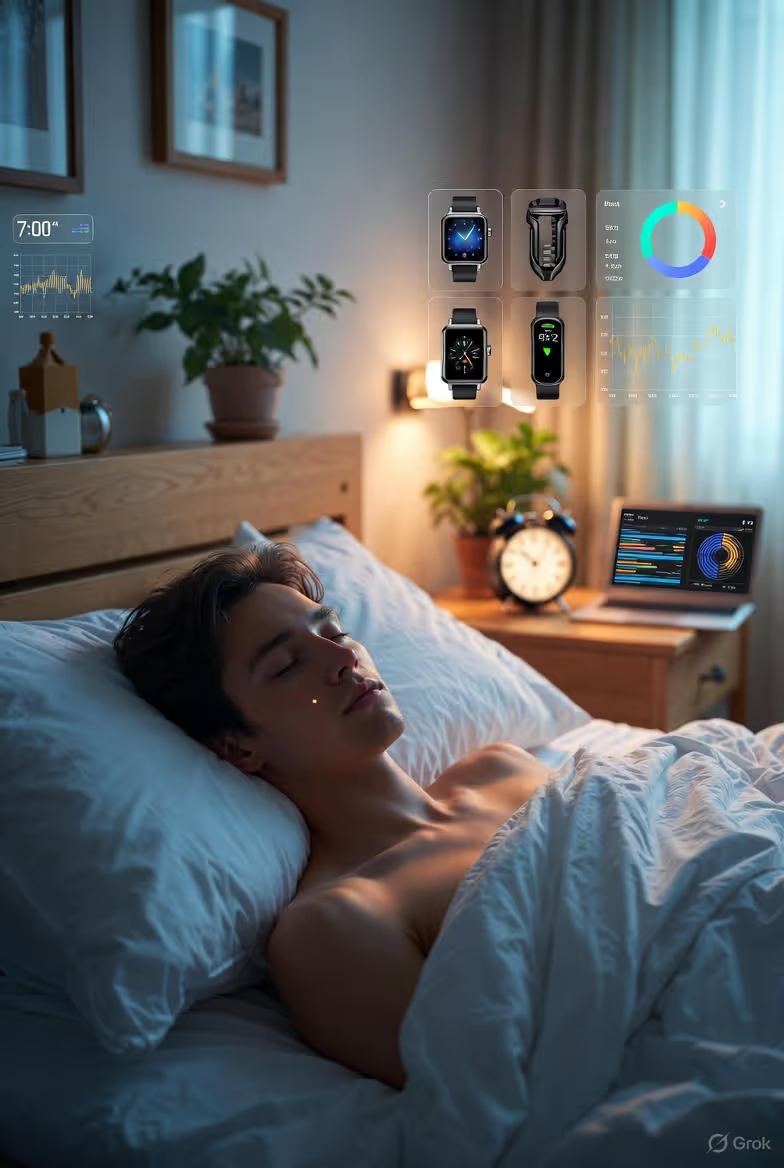
Choosing the right sleep tracking device requires matching features to your specific needs and preferences. This decision-making guide walks through evaluation criteria including accuracy priorities, form factor preferences, budget constraints, feature requirements, and integration needs to find your optimal monitoring solution.
The Ultimate Guide to Choosing the Right Sleep Tracking Device for Your Needs
In the silent hours of the night, a quiet revolution is unfolding. One in three Americans is already monitoring their slumber, and a multi-billion dollar market has emerged to meet this demand, offering everything from sleek smart rings to intelligent mattresses. Yet, this explosion of choice presents a modern dilemma: with dozens of devices promising the secret to perfect rest, how do you find the one that truly fits your life? This comprehensive guide cuts through the noise. We'll explore not just the "what" and "how" of sleep tracking, but also the "why" and "for whom." Forget generic rankings; we're building a personalized roadmap. Your journey to deeper, more restorative sleep begins with a single, crucial step: understanding your unique needs, and matching them with the right technology. This first part of our extensive guide lays the essential groundwork, transforming you from a curious shopper into an informed decision-maker ready to invest in your most valuable asset—a good night's rest.
Understanding the Science of Sleep Tracking: What Your Device Actually Measures
Before you can choose a tracker, you must understand what it's actually doing. At its core, sleep tracking is the science of using proxies to peer into the invisible world of your nightly rest. In a clinical sleep lab, this is done through polysomnography (PSG), the gold standard that involves attaching about twenty wired electrodes to measure brain waves (EEG), eye movements (EOG), muscle tone (EMG), heart rhythm, breathing effort, and blood oxygen levels. It's a comprehensive but highly intrusive process reserved for diagnosing serious disorders.
Consumer devices take a different, more accessible approach. They rely on sophisticated algorithms to interpret indirect signals and estimate your sleep stages and quality. The accuracy and insights you receive depend entirely on the sensors a device uses and the intelligence of its software. Here are the primary technologies powering your bedside gadget:
Movement Tracking (Accelerometers): This is the most basic method. An accelerometer detects physical motion, interpreting stillness as sleep and movement as wakefulness. While simple, it's notoriously imprecise on its own. You could be lying awake but still, and the tracker would assume you're asleep. Conversely, turning over in deep sleep might register as a wake-up moment. For this reason, accelerometer data is almost always fused with other signals for better accuracy.
Optical Heart Rate Monitoring (Photoplethysmography/PPG): This is a cornerstone of modern wearables. Tiny LEDs shine light into your skin, and sensors measure how it reflects off your blood flow. Changes in light absorption correspond to your pulse. This provides heart rate (HR) and, crucially, heart rate variability (HRV)—the subtle variations in time between heartbeats, which is a key indicator of your nervous system's recovery state. A normal pattern shows a gradual heart rate decline as you enter deeper sleep.
Pulse Oximetry (SpO₂): Building on PPG, this technology measures blood oxygen saturation. Drops in SpO₂ during sleep can be a critical indicator of sleep-disordered breathing, like apnea. Some devices, like certain Fitbit and Oura models, now include this sensor, and advanced algorithms can even screen for apnea risk.
Temperature Sensing: Some advanced devices, like the Oura Ring, include a skin temperature sensor. Shifts in your nightly temperature trends can offer insights into circadian rhythm, ovulation cycles, and even the onset of illness.
Contactless Environmental Sensing: For those who don't want to wear anything, "nearable" devices use other methods. Sonar or radar (like the Amazon Halo Rise) emits radio waves that reflect off your body to detect breathing and micro-movements. Microphone analysis can listen for snoring, coughing, or sleep-talking. Under-mattress pads use ballistocardiography to sense the vibrations of your heartbeat and respiration through the bed.
It’s vital to approach the data with clear expectations. Validation studies show consumer wearables are excellent (over 90% accurate) at distinguishing simple sleep from wakefulness. However, their accuracy drops when estimating specific sleep stages (light, deep, REM), with sensitivities ranging from 50% to 86% compared to PSG. As one sleep expert bluntly put it, early trackers primarily allowed us to "admire our problems".
The true value lies not in clinical-grade precision, but in trend analysis over time. A tracker might not know exactly that you had 72 minutes of REM sleep last Tuesday, but it can reliably show that your deep sleep has consistently increased since you started a new workout routine, or that your sleep score plummets after evening screen time. This longitudinal, personalized data is where these devices shine, empowering you to connect your daily habits to your nightly recovery. For a deeper dive into how these technologies translate into daily wellness, you can explore related articles on our blog that connect sleep data to holistic health practices.
Clarifying Your "Why": Defining Your Sleep Tracking Goals
With the technology demystified, the next step is introspection. A $500 medical-grade ring is a poor fit for someone who simply wants to gauge their sleep duration, just as a basic app will frustrate a biohacker optimizing for peak performance. Your goals are the compass that will guide every subsequent choice. Let's explore the most common motivations for tracking sleep and what they mean for your device selection.
For the Health-Conscious Beginner: Building Awareness Perhaps you're just curious. You wonder, "Am I really getting eight hours?" or "Why do I feel groggy even after a full night in bed?" Your primary goal is awareness and basic habit formation. You need a device that makes tracking effortless and presents data in a simple, encouraging way—think clear sleep scores, easy-to-read graphs of sleep duration, and gentle reminders to maintain a consistent bedtime. For you, a straightforward smartwatch feature, a non-wearable bedside device, or even a high-quality smartphone app like SleepScore or Sleep Cycle could be perfectly sufficient. These tools excel at establishing baselines and highlighting glaring issues, like chronic late bedtimes or frequent nighttime disturbances.
For the Fitness and Performance Optimizer If you're an athlete, a dedicated gym-goer, or someone whose job demands high cognitive performance, your sleep is fuel. Your goal extends beyond mere awareness to quantified recovery and performance readiness. You need metrics that tie sleep quality directly to your body's ability to train and perform. Key data points include Heart Rate Variability (HRV), a premier marker of autonomic nervous system recovery; resting heart rate (RHR); and detailed sleep stage breakdowns to assess physical and mental restoration. Devices like the WHOOP strap or Oura Ring are favorites in this category because they synthesize this data into tangible scores—like a "Recovery" or "Readiness" score—that advise you on how hard to push in your next workout.
For the Proactive Health Sleuth Maybe you have specific, nagging concerns. You or your partner notice heavy snoring. You wake up gasping for air or with crushing headaches. You suffer from unrefreshing sleep despite ample time in bed. Here, your goal shifts toward screening and management support. You need a device with advanced sensors capable of flagging potential health issues. This includes pulse oximetry (SpO₂) to detect blood oxygen drops indicative of sleep apnea, detailed snore detection and recording, and respiratory rate tracking. Some smartwatches from Apple and Samsung now have FDA-authorized features that can screen for signs of moderate-to-severe sleep apnea, serving as a powerful prompt to seek professional medical advice. It’s critical to remember, however, that no consumer device is a diagnostic tool. They are wellness aids that can provide compelling data to bring to a sleep specialist, who can then order a proper clinical sleep study.
For the Lifestyle and Holistic Wellness Integrator Your interest in sleep is part of a broader journey toward balanced well-being. You want to see how sleep interplays with stress, nutrition, menstrual cycles, and meditation. Your goal is holistic integration. You’ll want a device and ecosystem that doesn't treat sleep in a vacuum. Look for platforms that allow you to log daily tags (like caffeine intake, stress levels, or alcohol consumption) and visually correlate them with your sleep scores over time. Compatibility with other health ecosystems like Apple Health or Google Fit is also a major plus, allowing your sleep data to become part of your complete health picture.
A Crucial Warning: When Trackers Can Hurt It's essential to acknowledge the phenomenon of orthosomnia—a term coined by sleep psychologists to describe an unhealthy preoccupation with achieving perfect sleep data. If you are prone to anxiety or find that a poor sleep score ruins your day, a tracker may do more harm than good. The numbers are meant to be informative guides, not a report card on your self-worth. In such cases, it may be healthier to rely on subjective feelings of daytime alertness and forgo quantitative tracking altogether.
By honestly defining your "why," you've already eliminated entire categories of devices. This clarity is the foundation for navigating the detailed trade-offs in form, function, and data that we will explore next. Understanding your own mission is the first and most important step in this journey, a philosophy that guides our own approach to creating integrated wellness technology.
Navigating the Landscape: A Deep Dive into Device Form Factors
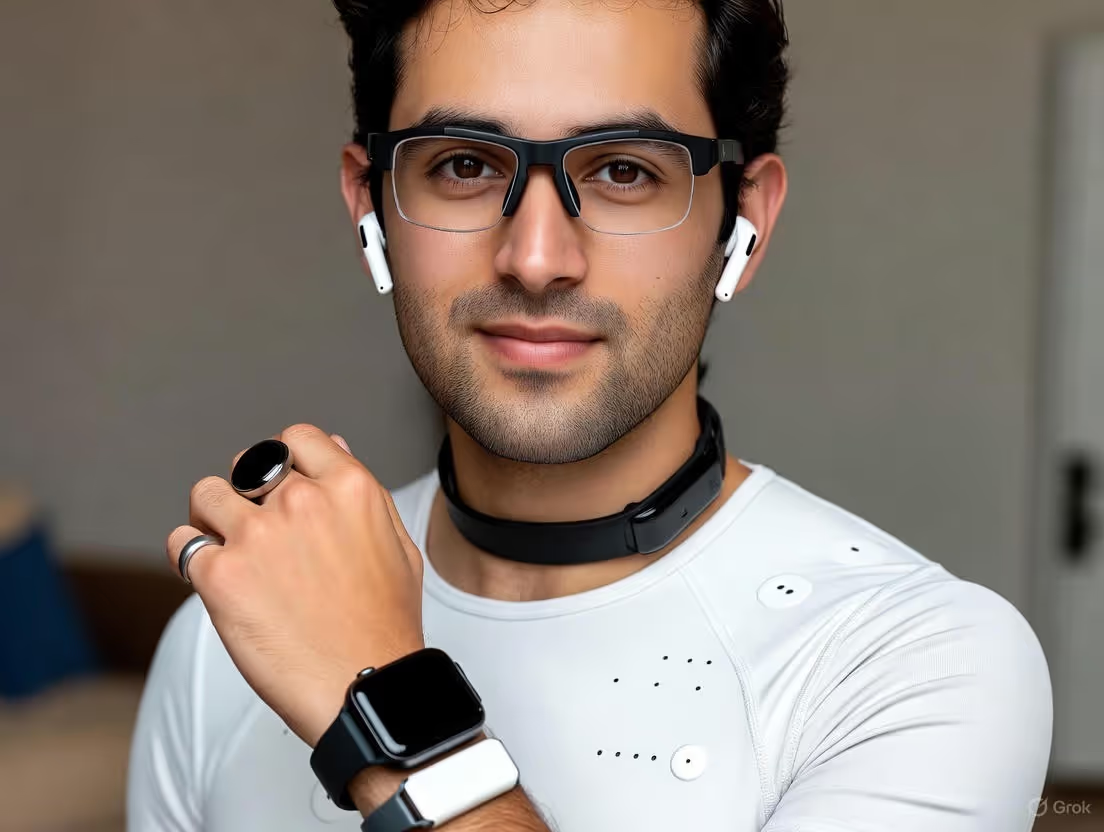
Once your goals are clear, the next major decision is how you want to be tracked. The form factor—the physical shape and wearing style of the device—is arguably as important as its technical specs. It determines comfort, convenience, and ultimately, whether you'll use it consistently. Let's explore the pros, cons, and best-use cases for each major category.
Wearables: Technology on Your Body
Smartwatches & Fitness Bands (Wrist-Worn)
The Experience: This is the most common and versatile form. Devices like the Apple Watch, Garmin, Samsung Galaxy Watch, and Fitbit sit on your wrist, doubling as everyday timepieces, fitness trackers, and notification centers.
Pros:
Rich Data Ecosystem: They often offer the most comprehensive sensor suites, including optical HR, SpO₂, temperature (some models), and constant accelerometry.
Smart Features: Notifications, GPS, and music control add daily utility beyond sleep.
Strong App Integration: Mature platforms with robust data analysis and third-party app support.
Medical Features: Leaders like Apple and Samsung have introduced FDA-authorized sleep apnea screening features.
Cons:
Battery Life: The Achilles' heel. Most need daily or every-other-day charging, which can disrupt sleep tracking if you forget.
Bulk & Comfort: Some find watches uncomfortable to sleep in, especially larger models.
Screen Distraction: The always-present screen can be a source of blue light and mental clutter before bed.
Best For: The multi-tasker who wants an all-in-one device for fitness, daily productivity, and sleep, and doesn't mind a nightly or bi-nightly charging ritual.
Smart Rings (Finger-Worn)
The Experience: Sleek, minimalist rings like the Oura Ring, the OxiZen Smart Ring, or the Sleepon Go2Sleep represent a discreet alternative. They prioritize sleep and recovery analytics in an elegant, jewelry-like form.
Pros:
Unobtrusive Comfort: When sized correctly, they are often described as feeling like "nothing" during sleep and daily wear.
Excellent Sleep Data: The finger is a great location for stable heart rate and blood flow readings. Rings like the Oura are frequently praised for their accurate, trend-based sleep and readiness scores.
Long Battery Life: Designs like the Oura Ring can last 5-8 days on a charge, removing daily charging hassle.
No Screen: Eliminates pre-bed blue light and daytime distractions.
Cons:
Limited Daytime Functionality: They lack screens for notifications or quick glances.
Sizing & Fit: Requires careful sizing (often via a kit), and finger size can fluctuate.
Potential for Damage: Can be scratched or bumped during manual activities or workouts.
Subscription Models: Top-tier rings often require monthly subscriptions to access full data insights.
Best For: The design-conscious user who values discretion, prioritizes deep sleep and recovery metrics above all else, and wants a "set it and forget it" experience with long battery life. The minimalist, powerful technology in a smart ring form factor is a core part of the modern wellness toolkit.
Specialized Wearables (Headbands, Patches, Masks)
The Experience: These devices, such as the Dreem headband (EEG), Muse S headband, or Bía Smart Sleep Mask, prioritize clinical-grade accuracy or specific interventions.
Pros:
High-Fidelity Data: Headbands with dry EEG electrodes can measure brain waves directly, offering sleep stage accuracy closer to a clinical PSG.
Active Improvement: Many include features like sound therapy, meditation guides, or neurofeedback to actively improve sleep, not just track it.
Cons:
Low Comfort/Convenience: Wearing a headband or mask to bed is a significant lifestyle adjustment and not for everyone.
Niche Use Case: They are often single-purpose devices for serious sleep enthusiasts or those with specific therapeutic needs.
Best For: The biohacker or individual with significant sleep challenges who is willing to trade some comfort for the most accurate data or built-in sleep improvement therapies.
Nearables & Bedside Devices: Technology in Your Environment
Under-Mattress Pads & Bed Sensors
The Experience: Devices like the Withings Sleep Analyzer are slim pads you place under your mattress. They work invisibly, with no wearables required.
Pros:
Zero Wearable Hassle: The ultimate in convenience—you just sleep normally.
Clinically Validated Metrics: Some, like the Withings device, offer clinically validated sleep analysis and can screen for sleep apnea by detecting heart rate and breathing disturbances.
Partner-Friendly: Tracks an individual's sleep even when sharing a bed, unlike some contactless radars.
Cons:
Less Biometric Detail: Typically can't measure detailed sleep stages (like REM vs. deep) or HRV with the same granularity as a wearable.
Setup Required: Needs to be positioned correctly under the mattress.
Best For: Individuals or couples who find wearables intolerable but want robust, contactless tracking of sleep duration, disturbances, and basic cardiac/respiratory health.
Contactless Radars & Smartphone Apps
The Experience: Devices like the Amazon Halo Rise sit on your nightstand and use radar to sense motion and breathing. Apps like Sleep Cycle use your phone's microphone or accelerometer.
Pros:
Extremely Low Friction: No charging wearables, no setup beyond placing a device or phone.
Smartphone App Value: Apps can be very low-cost or free and offer smart alarms that wake you in a light sleep phase.
Cons:
Accuracy Limitations: More susceptible to errors from pets, partners, or simply moving out of sensing range.
Privacy Concerns: Microphone- or camera-based solutions understandably raise data privacy questions for some users.
Best For: The budget-conscious beginner or the tech-minimalist who wants basic sleep timing and smart alarm functionality with absolute minimal commitment.
Choosing your form factor is a balance of your comfort tolerance, lifestyle, and data-depth requirements. The right choice feels intuitive, not like a chore, ensuring you gather the long-term data needed for meaningful insights. For more perspectives on how real users integrate these different devices into their lives, browsing authentic user experiences and testimonials can provide invaluable context.
The Metrics That Matter: Translating Data into Actionable Insights
A sleep tracker can drown you in data: a rainbow-colored hypnogram, a dozen biometric charts, and a score out of 100. But what should you actually pay attention to? Not all metrics are created equal, and their value depends heavily on your previously defined goals. Let's decode the key outputs and learn which ones warrant a daily glance versus occasional review.
The Foundational Metrics: Duration and Consistency
Total Sleep Time: The most basic but critical number. While 7-9 hours is the general guideline, your personal ideal may vary. Trackers are generally good at estimating this, though they can overestimate by counting quiet wakefulness as sleep.
Sleep Consistency (Bedtime/Waketime): Going to bed and waking up at roughly the same time every day, even on weekends, is a pillar of sleep hygiene. Many apps provide a "consistency score" or calendar view to highlight this.
Time to Fall Asleep (Sleep Latency): Ideally, this should be between 10-20 minutes. Consistently taking much longer could indicate anxiety, poor bedtime routines, or circadian rhythm issues.
Wake After Sleep Onset (WASO): This measures how many minutes you spend awake after initially falling asleep. Frequent or long awakenings fragment sleep and reduce its restorative quality.
The Quality Indicators: Beyond Just Being Asleep
Sleep Stages (Light, Deep, REM): This is the hypnogram you often see. Remember, consumer device stage estimates are trend-based, not clinically precise.
Deep Sleep (Slow-Wave Sleep): Crucial for physical recovery, immune function, and memory consolidation. You typically get more in the first half of the night.
REM Sleep: Essential for emotional processing, creativity, and memory. REM periods lengthen in the later sleep cycles.
Focus less on the exact minutes of each stage on a single night and more on their proportions and trends over weeks. A sudden, sustained drop in deep sleep could signal overtraining, illness, or high stress.
Resting Heart Rate (RHR) & Heart Rate Variability (HRV): These are powerhouse metrics for the fitness and health optimizer.
RHR: Your heart rate during sleep is often its lowest. A trend of decreasing overnight RHR can indicate improving cardiovascular fitness.
HRV: This is the star metric for many. Higher HRV generally indicates a more resilient, recovered autonomic nervous system (rest-and-digest state). Lower HRV suggests stress, fatigue, or illness. Tracking HRV trends is one of the best ways to gauge your body's readiness for strain.
Blood Oxygen (SpO₂): For the health sleuth, this is key. While small, temporary dips are normal, frequent or significant desaturations (usually below 90%) can be a red flag for sleep apnea and warrant a discussion with a doctor.
Respiratory Rate: The number of breaths per minute. Significant deviations from your personal baseline can also signal issues or the onset of illness.
The Synthesis: Sleep Scores and Readiness Most devices attempt to boil these metrics down into simple scores.
Sleep Score: A composite number (e.g., out of 100) rating last night's sleep. Compare devices critically: one tester found Oura's scores were a "nice Gaussian distribution" that was hard to max out, while WHOOP gave perfect 100s more easily, and Apple Watch data appeared almost random. Use your score as a quick morning gauge, but always dig into the underlying metrics if it's low.
Readiness/Recovery Score: This forward-looking metric (offered by Oura, WHOOP, Garmin) uses last night's sleep data, HRV, RHR, and sometimes activity load to recommend how hard you should push today. It's a powerful tool for preventing overtraining.
Turning Data into Action Data is useless without interpretation. The best devices and apps help you connect the dots.
Correlation Tracking: Logging daily habits (caffeine, alcohol, workouts, stress) in the app can show you their direct impact on your sleep scores and HRV.
Personalized Insights: Advanced platforms use AI to offer tailored advice, like "Your deep sleep was lower after late-day intense workouts. Consider moving them to the morning."
Long-Term Trends: The real magic happens over months. You might discover your sleep is seasonally affected, or that a new meditation practice has steadily increased your HRV.
By focusing on the metrics that align with your goals and learning to spot meaningful trends, you transform raw data into a powerful tool for self-optimization. It’s this journey from numbers to knowledge that defines the modern approach to personal wellness, a journey we are deeply committed to supporting through thoughtful technology and clear guidance.
The App & Ecosystem: Where Your Data Comes to Life
The device on your wrist or finger is only half the product. Its companion smartphone application is the brain—the interface where data is translated into knowledge, context, and actionable guidance. An app with a confusing layout or shallow insights can render even the most advanced sensor hardware nearly useless. When evaluating a sleep tracker, scrutinize its digital ecosystem with the same care you give its physical design.
Usability and Interface Design: The Daily Experience Your morning ritual will involve opening this app. It should be intuitive, not a treasure hunt.
The "Overview" Dashboard: Look for a single, comprehensive summary screen for your previous night. A standout example, noted by a meticulous reviewer, was Oura's "grand overview" page—dense with key info, easy to swipe between days, and requiring minimal clicking. In contrast, some apps require navigating through multiple tabs to piece together sleep score, HRV, and stage data.
Clarity of Data Presentation: Are graphs clean and easy to understand at a glance? Is the color scheme intuitive? Can you easily distinguish between light, deep, and REM sleep on the hypnogram? Good design reduces cognitive load.
Navigational Flow: How many taps does it take to log a daily habit or check your weekly sleep consistency? Friction here means you'll stop engaging with the features that create context.
Depth and Intelligence of Insights This separates basic logbooks from true coaching tools.
Beyond the Score: Does the app explain why you got an 82 last night? Does it highlight that your deep sleep was great but you had elevated nighttime heart rate, possibly due to a late dinner?
Personalized Recommendations: The best apps, like SleepScore, provide tailored, actionable advice such as "Try reducing bedroom temperature by 2 degrees" or "Your data shows caffeine after 2 PM impacts sleep latency". Some, like WHOOP, are even integrating LLM (Large Language Model) features to answer complex questions about your data.
Trend Analysis and Correlation: Can the app automatically show you correlations? A great feature is the ability to tag your day ("drank alcohol," "high-stress day," "intense workout") and later see a chart comparing those tags against your sleep metrics over time. This turns you into a scientist of your own life.
Coaching, Programs, and Improvement Tools Some ecosystems offer structured paths to better sleep.
Sleep Coaching Programs: Apps like Sleep Cycle or SleepScore offer multi-week programs or "sleep guides" on topics like stress relief or digital detox, providing education alongside tracking.
Integrated Wellness Tools: Many apps now include built-in tools to improve sleep, not just track it. This includes libraries of sleep sounds (white noise, rain), guided meditations and breathing exercises, and wind-down stories.
Smart Alarm Functionality: A highly valued feature is a "smart alarm" that uses sleep phase detection to wake you gently during a period of light sleep within a preset window (e.g., 30 minutes), leading to a less groggy awakening.
Connectivity and the Broader Health Ecosystem Your sleep data shouldn't live in a silo.
Health App Integration: Seamless syncing with Apple Health (iOS) or Google Fit (Android) is essential. This allows your sleep data to interact with data from other apps (nutrition, mindfulness, menstrual cycle tracking), painting a holistic picture of your health.
Data Export and Privacy: For advanced users, the ability to export raw data (CSV files) is valuable for personal analysis. Always review the company's privacy policy: what data is collected, how it is used, and whether it is anonymized for research. The intimate nature of sleep data makes this a paramount consideration.
The Subscription Question Be aware of the software business model. Many premium devices, like Oura and WHOOP, require a monthly or annual subscription to access the full suite of insights and historical data. Factor this recurring cost into your decision. Some brands offer a one-time purchase with a complete app, while others use a "hardware as a gateway" subscription model.
The app is your ongoing conversation with your data. A powerful, intuitive, and insightful app experience is what transforms a novelty gadget into an indispensable wellness partner. It’s the difference between having data and gaining wisdom—a principle that informs everything from our product design to the resources we provide in our FAQ section to help users get the most from their insights.
Accuracy and Validation: Setting Realistic Expectations
In the world of sleep tracking, marketing claims often blur the lines between wellness tool and medical device. It is absolutely vital to ground your expectations in reality. Understanding the limits of accuracy will help you interpret your data wisely, avoid unnecessary anxiety, and know when to trust a device's prompting to seek professional help.
The Gold Standard vs. The Consumer Estimate As established, the clinical gold standard is in-lab Polysomnography (PSG). It measures brain waves (EEG), eye movements, muscle activity, heart rhythm, and breathing with high-fidelity sensors. Consumer devices, with their indirect sensors, are attempting to reconstruct this complex picture from a few clues—primarily movement and heart rate.
Sleep vs. Wake Detection: This is where consumer devices excel, often achieving over 90% accuracy in simply knowing if you're asleep or awake.
Sleep Stage Estimation (Light, Deep, REM): This is where significant limitations exist. Independent validation studies show moderate agreement with PSG, with sensitivity (the ability to correctly identify a stage) ranging from 50% to 86%. This means your tracker might mistake a period of quiet wakefulness for light sleep, or mislabel a block of REM sleep as light sleep. One direct comparison of four trackers found widely varying scores and low correlations between some of them, highlighting the algorithmic differences.
What "FDA-Cleared" Really Means You may see terms like "FDA-authorized" for certain features, such as the sleep apnea screening on Apple Watch or Samsung Galaxy Watch. This is important, but it's not a blanket endorsement of the device's accuracy.
It means that for that specific, limited function, the company provided clinical data to the FDA demonstrating that the feature works as intended for a defined purpose.
For example, the Apple Watch's apnea feature is authorized to screen for signs of moderate-to-severe obstructive sleep apnea in users 18 and older over a 30-day period. It is explicitly not a diagnostic tool. Its job is to identify a potential risk and recommend you see a doctor, who would then order a diagnostic test (like a home sleep test or PSG).
Focus on Trends, Not Absolute Numbers This is the single most important piece of advice for any sleep tracker user. Do not fixate on the absolute number of minutes of REM sleep you got last Tuesday. Instead, use your device to observe trends and patterns over time.
Is your average deep sleep duration increasing since you started a new exercise regimen?
Does your sleep score consistently drop on nights after you have alcohol?
Has your resting heart rate trended downward over the past three months of consistent training?
Does your HRV show a predictable dip during periods of high work stress?
This longitudinal, personal baseline data is incredibly valuable and where these devices provide genuine, actionable insight. Your tracker becomes most accurate for you as it learns your personal patterns.
The Orthosomnia Warning Revisited An over-focus on perfect data can lead to "orthosomnia," where the pursuit of a perfect sleep score creates anxiety that ironically worsens sleep. If you find yourself feeling stressed or defeated by a low score, it's time to step back. Remember, the goal is to feel better during the day, not to achieve a perfect number on an app. How you feel subjectively—your energy, mood, and focus—is the ultimate metric.
By setting realistic expectations, you empower yourself to use the technology as it was best intended: as a powerful mirror reflecting the connection between your lifestyle and your rest, guiding positive change through observable trends, not as an infallible judge of your nightly performance. For those with serious health concerns, this understanding helps you use the device as a helpful screening tool in a responsible dialogue with your healthcare provider, whose clinical expertise is irreplaceable.
Lifestyle and Personal Fit: The Deciding Factors Beyond Tech Specs
The most accurate device in the world is worthless if it sits in a drawer. The final, and perhaps most personal, layer of decision-making involves honest reflection about your daily life, habits, and preferences. Technical specifications meet reality here. Let's walk through the critical lifestyle questions that will determine your long-term success with a sleep tracker.
Charging Routines and Battery Life: The Consistency Killer This is a practical make-or-break issue. A device that needs daily charging will inevitably miss nights when you forget to plug it in.
The Daily/Every-Other-Day Reality: Most smartwatches (Apple Watch, Galaxy Watch) fall into this category. If you're disciplined about charging during your morning routine or at your desk, this may work. If you're not, gaps in your data will appear.
The Weekly+ Advantage: Smart rings like Oura (5-8 days) and dedicated bands like WHOOP (~14 days) offer a significant convenience buffer. You can charge them during a weekly downtime (e.g., during a shower or evening relaxati on) without constant management.
No-Charge Nearables: Under-mattress pads and bedside radars plug into an outlet, eliminating user charging altogether—a major point of friction removed.
Comfort and Sensory Preferences You must be able to sleep comfortably with your chosen device.
Wrist-Worn: Do you mind the feeling of a watch band? Some people can't stand any pressure or bulk on their wrist at night. Newer, lighter models and fabric bands can help.
Finger-Worn: A well-sized ring is often reported as the most comfortable wearable for sleep. However, some find the sensation strange, or worry about it during activities like weightlifting where it could be damaged or interfere with grip. Finger size can also change slightly with temperature, diet, and time of day.
Head-Worn: Headbands and masks are a significant sensory commitment. They are niche products for those whose desire for data (like EEG) outweighs the comfort compromise.
Nothing at All: If you are a sensitive sleeper who tosses and turns, hates any sensation on your body, or shares a bed with a partner who might be bothered by device lights (like the green LEDs on a watch), then a non-wearable nearable is your only viable option.
Daily Wear and Aesthetic Considerations For wearables, the device doesn't disappear when the sun comes up.
Smartwatches: They function as full-day devices. If you already wear a traditional watch or prefer not to have a screen on your wrist, this is a conflict.
Smart Rings: Their selling point is discreet, all-day wear. They look like jewelry. The OxiZen Smart Ring, for example, is marketed with a "sleek, featherlight" design for this very purpose. Consider if the style and color options fit your personal aesthetic for work, social occasions, and the gym.
Dedicated Bands (e.g., WHOOP): These are purpose-built for tracking, with no screen. They are sporty in appearance. Some users love the focus; others find it to be a "second wristband" they'd rather not wear.
Compatibility and Tech Ecosystem
Smartphone Partner: Ensure the device is fully compatible with your smartphone's operating system (iOS or Android). Some apps, like SleepScore, have historically worked much better on iPhones than Android.
Smart Home Integration: If you have a smart home, check for integrations. Can your sleep data trigger your thermostat to adjust at night? Can your smart lights simulate a sunrise based on your alarm? Eight Sleep mattresses excel at this kind of automation.
The Partner Factor If you share a bed, your choice impacts them.
Device Lights: The green LEDs on a watch or ring can be bothersome to a partner in a dark room.
Sound: Apps using microphone analysis might pick up your partner's sounds, confusing the data.
Bed Sensors: An under-mattress pad like Withings Sleep can typically distinguish between two sleepers, making it a good couple-friendly choice.
By rigorously auditing your lifestyle against these factors, you choose a device that fits seamlessly into your life. The best sleep tracker is the one you actually use, night after night, turning it from a purchase into a true partner in your health journey. This user-centric philosophy—where technology adapts to human habits, not the other way around—is a core value that shapes our own development process and commitment to creating tools that people love to use every day.
Financial Considerations: Understanding Total Cost of Ownership
The price tag on the box is rarely the whole story. When budgeting for a sleep tracker, you must consider the total cost of ownership over the expected lifespan of the device—typically 2-3 years. A cheap upfront cost can be misleading if it’s paired with a mandatory subscription, while a premium device might offer a complete package. Let's break down the financial models.
The Upfront Hardware Investment This is the initial purchase price, which varies dramatically:
Budget Tier ($50 - $150): This includes many basic smartphone apps (free or one-time purchase), simpler smart rings from brands like Milavan or OxiZen, and older-model fitness bands. You get core tracking but may sacrifice sensor sophistication, build quality, and long-term software support.
Mid-Tier ($150 - $350): The sweet spot for many. This includes most mainstream smartwatches (Fitbit, base-model Garmin, Pixel Watch), and some contactless systems. You get reliable brand-name hardware with good sensor arrays.
Premium Tier ($350 - $600+): The high-end market, featuring flagship smartwatches (Apple Watch Ultra, Garmin Epix), medical-grade rings (Oura Ring ~$499), and advanced smart bed systems (Eight Sleep). You're paying for top-tier materials, the most advanced sensors, and often, a luxury design.
The Hidden (or Not-So-Hidden) Subscription Fee This is the critical second layer of cost. Many companies now use a "hardware + service" model.
The Subscription Mandate: Devices like the Oura Ring and WHOOP require a monthly or annual membership to access the full analysis of your data. An Oura membership is $5.99/month or $69.99/year. WHOOP plans range from $149 to $359 per year. Without the subscription, the hardware's functionality is severely limited.
What the Subscription Buys You: It typically pays for the advanced algorithm development, personalized insights, coaching features, and cloud storage of your historical data. It's essentially paying for the ongoing intelligence of the app.
Subscription-Free Models: Many smartwatches (Apple, Garmin, Samsung) include robust sleep tracking and health insights with no required ongoing fee after purchase. Some smart rings on the market also advertise "No APP Fee" as a key selling point.
Calculating the 2-Year Total Cost Always do this math:
Premium Ring with Subscription: $499 (hardware) + ($70/year x 2) = ~$639
Smartwatch, No Subscription: $399 (hardware) + $0 = $399
Budget Ring, No Subscription: $70 (hardware) + $0 = $70
Value vs. Cost: Aligning with Your Goals The "best value" depends entirely on your "why."
If you're a beginner seeking awareness, a low upfront cost with no subscription is wise. You can always upgrade later.
If you're an optimizer who will deeply engage with HRV trends, recovery scores, and personalized insights, the subscription fee for a WHOOP or Oura may be worth every penny. The data and guidance become a core part of your training regimen.
If you want an all-in-one smart device, a smartwatch with no subscription offers tremendous multifaceted value.
Consider resale value. Premium brands like Apple and Oura tend to hold value better on the secondary market if you decide to upgrade.
Warranty, Support, and Longevity Check the warranty period (typically 1-2 years) and the reputation of the company's customer support. A device you wear 24/7 is prone to wear and tear. Also, consider the company's track record of providing software updates to older hardware. You don't want a $500 device to become obsolete in 18 months.
By looking beyond the sticker price, you make a financially sound decision that matches your commitment level. Investing in sleep is investing in your health, but that investment should be transparent and aligned with the value you expect to receive.
Privacy and Data Security: Protecting Your Most Personal Insights
Sleep data is uniquely intimate. It's a continuous log of your body's unconscious state, potentially revealing your heart rhythm, breathing patterns, nighttime movements, and even sounds from your bedroom. When you invite a device and its accompanying company into this space, you must understand what happens to this sensitive information. Data privacy is not a feature; it's a fundamental responsibility.
What Data is Collected and How Is It Used? The first step is transparency. Reputable companies will have a clear, accessible privacy policy. You should look for answers to these questions:
Biometric Data: Exactly which metrics are collected (HR, HRV, SpO₂, temperature, movement, audio)?
Identifiable Information: Is your data anonymized (stripped of personal identifiers like name and email) or pseudonymized (linked back to you with a code)? Anonymized data used for aggregate research is lower risk.
Primary Use: The data is used to provide your personal insights and improve the product's algorithms. This is expected.
Secondary Use: Will your data be used for "research and development"? Is it shared with or sold to third parties, such as academic institutions, health researchers, or—more concerning—marketing or data brokerage firms? Some apps explicitly state they share data types like location and personal info with third parties.
Data Storage and Security Where your data lives and how it's protected is crucial.
On-Device vs. Cloud: Most data is synced to the cloud for analysis and long-term storage. This means it's on the company's servers.
Encryption: Is data encrypted in transit (while syncing from device to phone to cloud) and encrypted at rest (while stored on servers)? This should be a non-negotiable standard.
Data Sovereignty: In which countries are the servers located? Different countries have vastly different data protection laws (e.g., GDPR in the EU is strict, other regions may be lax).
Your Rights and Controls A good privacy policy empowers you, the user.
Data Access and Portability: Can you download a complete copy of all your raw data? This is important for your own archives or to share with a doctor.
The Right to Deletion: If you stop using the service, can you request that all your personal data be permanently deleted from their servers? The ability to request data deletion is a key marker of a respectful policy.
Control Over Sharing: Are there clear settings in the app to opt out of data sharing for research or marketing?
Microphones and Cameras: A Special Consideration Devices or apps that use microphone analysis (for snoring, sleep talking, or sonar) or cameras raise immediate red flags for many. You must be comfortable with the possibility, however remote, that audio snippets could be recorded, processed, or stored. Review these sections of the privacy policy with extra care.
Making an Informed Choice You are trading data for a service. The goal is to make that trade consciously.
Prioritize Transparency: Favor companies that explain their practices in plain language, not legalese.
Seek Strong Commitments: Look for statements like "We do not sell your personal health data."
Use Available Controls: Once you have a device, go into the app settings and configure privacy options to your comfort level.
Think Long-Term: Consider the sensitivity of years of accumulated health data. You're choosing a custodian for a deeply personal longitudinal record of your body.
Your sleep is a sanctuary. The technology that monitors it should be a trusted guardian, not an intrusive observer. Taking the time to understand privacy practices ensures that your pursuit of better sleep doesn't come at the cost of your personal security. This commitment to user trust and transparency is a cornerstone of ethical wellness technology, reflecting the values we uphold in our own mission and data practices.
Making Your Decision: A Step-by-Step Selection Framework
You are now armed with knowledge about technology, metrics, form factors, apps, accuracy, lifestyle fit, cost, and privacy. The final step is to synthesize all of this information into a confident decision. This framework will guide you through a personalized selection process, turning overwhelming choice into a clear path forward.
Step 1: Revisit and Prioritize Your "Why" (Goals) Write down your top 1-3 goals from the earlier section. Be brutally honest. This is your decision anchor. Every time you're tempted by a flashy feature, ask: "Does this directly serve my primary goal?"
Step 2: Eliminate by Form Factor & Lifestyle Fit This is often the quickest filter. Based on your comfort and daily routine:
Can you not stand anything on your wrist? Eliminate all watches and bands.
Do you work with your hands or lift weights and fear damaging a ring? Reconsider rings.
Are you unwilling to manage charging more than once a week? Eliminate daily-charge watches.
Do you need to track with a partner in the same bed? Prioritize bed sensors or dual-tracker systems.
Step 3: Match Metrics to Your Goals Now, look at the devices that survived Step 2. What specific data do they provide?
Goal: Fitness Recovery → Must have HRV and a Recovery/Readiness Score. (Strong candidates: WHOOP, Oura, Garmin).
Goal: Apnea Screening → Must have pulse oximetry (SpO₂) and ideally an FDA-cleared screening feature. (Strong candidates: Apple Watch, Samsung Galaxy Watch).
Step 4: Evaluate the App Experience Visit the app store (Google Play or Apple App Store) for your final 2-3 device candidates. Look at screenshots and, most importantly, read recent user reviews. Pay attention to complaints about:
Buggy syncing or data loss.
Confusing interfaces.
"Subscription became mandatory" or "features paywalled."
Poor battery life not matching claims. This real-world feedback is invaluable.
Step 5: Conduct the Total Cost of Ownership (TCO) Audit For each finalist, calculate the 2-year cost: Hardware Price + (Subscription Fee × 2). Does the value proposition still hold? Does one option suddenly look much more expensive than another?
Step 6: Final Check: Privacy and Peace of Mind Quickly review the key points of each finalist's privacy policy. If one has a history of questionable data practices or an overly vague policy, let that be a tiebreaker.
Step 7: If Possible, "Try Before You Commit"
Size Kits: For rings, always use the free sizing kit. Finger size is surprisingly tricky.
Return Policies: Buy from retailers with a solid 30-day return policy. A week of testing is not enough; you need at least 2-3 weeks to gauge comfort, routine fit, and data usefulness.
App Trials: Many subscription services offer a 1-month free trial. Use it fully before committing.
Example Decision Pathways:
"I'm a runner who wants to optimize recovery and hates charging devices."
Filter: Needs HRV/Recovery score, long battery.
Candidates: WHOOP (14-day battery, deep recovery analytics) vs. Garmin watch (10-14 days, HRV, no subscription).
Decision: Choose Garmin for no subscription and GPS running features, or WHOOP for more focused recovery insights.
"I suspect I snore and have poor sleep, but I can't stand wearing anything."
Decision: Choose Withings for more reliable, medical-leaning data to take to a doctor.
By following this structured process, you move from confusion to clarity. You won't just buy a sleep tracker; you'll select a tool that is deliberately chosen to help you achieve a specific, meaningful improvement in your life. This journey of empowered selection is what transforms a consumer into an engaged participant in their own well-being, a philosophy that resonates with our core belief in putting actionable knowledge and choice in your hands. For further, personalized guidance on this journey, our comprehensive FAQ section is always available to answer the detailed questions that arise when making such an important choice for your health.
The Journey Ahead
You have now navigated the critical first phase of choosing a sleep tracker: building a foundation of knowledge. We've moved from understanding the science behind the sensors to clarifying your personal objectives, from exploring the physical forms devices take to decoding the metrics they provide. You've learned to evaluate not just the hardware, but the intelligence of the app and the ethics of the company behind it. You've considered how a device must intertwine with your daily life and budget, and you have a framework to make a final, confident choice.
This, however, is just the beginning. Selecting the perfect device is like acquiring a sophisticated instrument. The real art—and the real benefit—lies in learning to play it. In the next part of this definitive guide, we will dive into the implementation phase. We will cover:
The First 30 Days: A step-by-step guide to setting up your device, establishing your personal baselines, and avoiding common beginner pitfalls.
Advanced Data Interpretation: Moving beyond the scores to perform your own personal health experiments, learning to correlate lifestyle factors with sleep outcomes truly.
Building a Sleep-Optimized Lifestyle: How to use your tracker's data to inform not just your nighttime routine, but your daily habits around light, food, exercise, and stress management for holistic improvement.
Troubleshooting and When to See a Doctor: What to do when the data shows persistent red flags, and how to effectively communicate your tracker findings with a healthcare professional.
The Future of Sleep Technology: A look at the horizon, from AI-powered sleep coaches to fully integrated smart bedroom ecosystems.
Your journey to better sleep is a marathon, not a sprint. The device you select is your companion and guide for that journey. Choose wisely, based on the principles outlined here, and you will equip yourself with a powerful tool for lifelong well-being. The path to more restful nights and more energized days starts with a single, informed step.
Mastering Your Sleep Tracker: From Setup to Advanced Insights
Congratulations. You've made an informed choice and now hold in your hand (or wear on your wrist) a sophisticated tool designed to unlock the secrets of your sleep. But a powerful device is just a starting point. The true transformation occurs in the weeks and months that follow, as you move from passive tracking to active sleep optimization. This next phase of your journey is about implementation, interpretation, and integration. We'll guide you through the critical first month, teach you to think like a scientist of your own sleep, and show you how to build a holistic sleep-promoting lifestyle. This is where data evolves into wisdom, and a gadget becomes an indispensable partner in your health.
The First 30 Days: A Strategic Setup and Baseline Period
The initial weeks with your new tracker are a unique discovery phase. Your goal is not to achieve perfect scores, but to gather reliable data and establish your personal baseline. Rushing to judgment or making drastic changes too soon can lead to confusion and frustration. Follow this structured 30-day plan to start strong.
Week 1: The Observation Phase (No Changes) Resist the urge to "perform" for your tracker. Your sole objective this week is to collect data under your normal conditions.
Consistent Wear: Wear the device every single night, ensuring it's properly charged and positioned. Consistency is key for the algorithm to learn your patterns.
Normal Routine: Follow your typical lifestyle—your usual caffeine intake, exercise schedule, bedtime, and screen habits. Don't try to be perfect.
Focus on Function, Not Numbers: Use this week to master the app's basic functions: how to check your morning score, where to see your sleep stages, and how to log simple tags (like "alcohol" or "late work"). Ignore the scores themselves; they are meaningless without context.
Note Initial Impressions: Jot down in a notebook or the app's journal feature how you feel each morning subjectively (e.g., "woke up groggy," "felt refreshed"). This subjective data will later be a crucial cross-check against the device's metrics.
Week 2-3: Establishing Your Personal Baseline After 7-10 nights, you'll have enough data for patterns to emerge. Now, shift from observing to analyzing trends.
Calculate Averages: Don't look at single nights. Instead, note your average scores:
Average Total Sleep Time
Average Sleep Score / Readiness Score
Average Resting Heart Rate (RHR)
Average Heart Rate Variability (HRV) – if your device tracks it
Identify Your "Normal" Range: Understand that night-to-night variation is normal. What's important is your typical range. For example, your HRV might normally fluctuate between 45-65 ms, or your sleep score might typically fall between 72-85.
Spot Obvious Correlates: Glance at your tags. Did your two lowest scores happen on nights after you had alcohol or a very late dinner? Just observe these connections for now.
Week 4: Your First Intentional Experiment With a baseline established, you are now ready to conduct your first simple, controlled experiment to see cause and effect.
Choose ONE Variable: Pick one lifestyle factor you suspect influences your sleep. Common starting points are: Caffeine cut-off time, evening screen use, or bedroom temperature.
Form a Hypothesis: "If I stop consuming caffeine after 2 PM, then my deep sleep percentage will increase."
Run a 3-4 Night Trial: Implement the change consistently for several nights. Try to keep other factors as constant as possible.
Analyze the Results: Compare the data from your experimental nights to your baseline averages. Did your sleep score, deep sleep, or HRV improve? How did you feel subjectively?
Crucial First-Month Pitfalls to Avoid:
Orthosomnia Trap: Obsessing over a single night's poor score. Remember, trends matter, not single data points.
Over-Interpreting Sleep Stages: Treat the specific minutes of REM or deep sleep as estimates, not gospel. Look for sustained shifts, not nightly differences.
Changing Too Much at Once: If you simultaneously start meditating, buy blackout curtains, and quit caffeine, you won't know which change made the difference.
Ignoring How You Feel: The device's score is an algorithm's interpretation. Your own sense of daytime energy, mood, and focus is the ultimate metric. If you feel great but your score is low, question the score, not your feeling.
By the end of Month 1, you will have transformed from a novice user into an informed self-observer. You'll know your personal norms, understand your device's language, and have taken the first step in using data to drive positive change. This foundational work turns raw numbers into a meaningful story about your sleep.
Building Your Sleep-Optimized Bedroom Environment
Your tracker's data is a report card on how well you slept within your current environment. Often, the most powerful lever for improvement isn't something you wear, but the space you sleep in. Using your tracker's feedback, you can engineer your bedroom to be a sanctuary for sleep. Let's deconstruct the ideal sleep environment, factor by factor.
The Non-Negotiable: Darkness Light is the primary signal for your circadian rhythm. Even small amounts of ambient light from streetlights, electronics, or a crack under the door can disrupt sleep quality and suppress melatonin.
The Action Plan:
Blackout Shades or Curtains: Invest in high-quality ones that seal light from the sides.
Complete Light Elimination: Use electrical tape to cover every tiny LED on chargers, electronics, and smoke detectors. It makes a surprising difference.
Eye Mask: A comfortable, contoured sleep mask is a portable, highly effective solution. Use your tracker to see if nights with the mask correlate with less nighttime wakefulness (lower WASO) or more deep sleep.
The Thermal Sweet Spot: Temperature Your core body temperature needs to drop to initiate and maintain sleep. A room that's too warm is one of the most common environmental saboteurs.
The Science: The consensus for the optimal sleep temperature is between 60-67°F (15.5-19.5°C).
The Action Plan:
Lower the Thermostat: Set it to drop 60-90 minutes before your target bedtime.
Smart Bedding: Use breathable, moisture-wicking sheets (like linen or bamboo) and layer blankets so you can adjust.
Cooling Tech: Consider a mattress cooling pad like those from Eight Sleep or a bedside fan. Your tracker can validate the investment—many users see a direct improvement in sleep scores when they optimize temperature.
Warm Bath Paradox: Taking a warm bath 1-2 hours before bed causes vasodilation, which actually helps your body release heat faster when you get into a cool bed.
The Sound of Silence (or the Right Noise) Unexpected noises cause micro-arousals, fragmenting sleep even if you don't fully remember waking up.
The Action Plan:
White Noise/ Pink Noise Machines: They mask disruptive sounds (traffic, a partner's snoring, creaky houses) with a consistent, soothing auditory blanket. Some studies suggest pink noise can even enhance deep sleep.
Earplugs: High-fidelity musician's earplugs or custom-molded options can be game-changers for light sleepers.
Use Your Tracker: Many devices with microphone analysis (like Apple Watch or Sleep Cycle) can show you a "sound" graph of your night. Use it to identify disruptive noise patterns you weren't aware of.
Order and Atmosphere: The Psychology of Your Sanctuary Your brain associates environments with activities. If your bedroom is a home office, gym, and entertainment center, it's hard for your mind to switch into sleep mode.
The Action Plan:
The "Bed is for Sleep" Rule: Banish work materials, laptops, and stressful clutter. If you read in bed, make it a physical book or an e-ink reader, not a backlit tablet.
Declutter: A tidy, serene space promotes mental calm.
Aromatherapy: Scents like lavender and cedarwood have been shown in studies to promote relaxation and improve sleep quality. Use a diffuser with pure essential oils.
The Digital Detox Zone The blue light from screens is a well-known sleep disruptor, but the psychological stimulation (scrolling, working, arguing online) is equally damaging.
The Action Plan:
Charge Outside the Bedroom: Make your bedroom a phone-free zone. This is the single most effective habit change for many people. Use a traditional alarm clock.
The 60-Minute Buffer: Commit to no screens for at least one hour before bed. Replace with calming activities: reading, light stretching, meditation, or conversation.
Night Shift & Blue Light Glasses: If you must use screens, enable night mode and consider blue-light-blocking glasses. But view these as mitigation, not a solution.
Transforming your bedroom is a project. Tackle one element per week—start with darkness, then temperature, then sound. Use your sleep tracker as your validation tool. After implementing a change (e.g., new blackout curtains), watch your data over the next week. Does your sleep efficiency improve? Do you have fewer awakenings? This objective feedback turns home improvement into a targeted biohack, directly linking your environment to your recovery. For more inspiration on creating holistic wellness environments, our blog offers a wealth of related resources and ideas.
Decoding Your Data: Advanced Interpretation and Personal Experiments
Now that you have a stable baseline and an optimized environment, you can graduate to becoming a true sleep scientist. This means moving beyond simply reading scores to asking insightful questions of your data, designing robust personal experiments, and uncovering the unique lifestyle levers that control your sleep.
Asking Better Questions of Your Data Instead of "Why was my score low?", ask specific, investigatory questions:
"Why was my resting heart rate 8 BPM higher than my baseline last night?"
"Why did I get only 12 minutes of deep sleep according to my tracker?"
"Why is my HRV on a downward trend this week despite good sleep duration?" These precise questions lead you to examine specific correlations.
Designing Rigorous N=1 Experiments The "N=1" experiment is the gold standard of personal biohacking. You are the sole subject (N=1), and you aim to discover what works for you.
Identify a Suspect: Based on your data hunches, pick one variable (e.g., evening alcohol, intense evening workouts, large late meals).
Form a Clear Hypothesis: "I believe that having a glass of wine with dinner reduces my deep sleep by at least 15%."
Create a Protocol:
Control Period (3-4 nights): Abstain from the variable. Record your baseline sleep metrics.
Test Period (2-3 nights): Introduce the variable in a controlled way (e.g., one glass of red wine with dinner at 7 PM).
Keep Everything Else Constant: Try to match your stress, exercise, and light exposure during both periods.
Analyze the Results: Compare the averages from the test period to the control period. Look at the metrics most relevant to your hypothesis (e.g., deep sleep %, HRV, sleep latency).
Draw a Conclusion: Did the data support your hypothesis? Was the effect larger or smaller than you expected?
Common Lifestyle Levers and What to Look For:
Alcohol: Perhaps the most common sleep disruptor. It may help you fall asleep faster but typically suppresses REM sleep in the second half of the night and increases resting heart rate. Look for a spike in RHR and a dip in REM%.
Caffeine: Has a half-life of 5-6 hours. Late-day caffeine can increase sleep latency (time to fall asleep) and reduce total sleep time. Track your cut-off time against these metrics.
Evening Exercise: Intense exercise within 2-3 hours of bedtime can raise core temperature and adrenaline, increasing sleep latency and lowering HRV. Conversely, gentle movement like yoga may help. Experiment with timing and intensity.
Large Late Meals: Digestion can interfere with sleep onset and quality, potentially increasing nighttime awakenings (WASO).
Stress & Mindfulness: A consistent meditation or breathwork practice often shows up as a gradual upward trend in baseline HRV and improved sleep consistency.
Understanding Your Circadian Chronotype Your data can reveal your natural biological rhythm, or chronotype (e.g., night owl, morning lark). Do you see that your sleep is consistently more efficient and your HRV higher when you go to bed later and wake up later, even if you get the same duration? This data can be powerful for negotiating work schedules or planning your most important cognitive tasks for your peak hours. Apps like the Oura Ring offer a "Circadian Rhythm" feature that visually maps this.
By adopting this scientific mindset, you take ownership of your sleep health. You stop being a passive recipient of scores and become an active investigator, using your tracker as a sophisticated measurement tool to craft a lifestyle that truly serves your rest and recovery. This journey of self-discovery through data is at the heart of modern, personalized wellness.
The Daytime Foundation: How Daily Habits Fuel Nightly Sleep
Sleep is not an isolated event. It is the culmination of your entire day. The choices you make from the moment you wake up—about light, activity, food, and stress—directly program the quality of your sleep hours later. Your tracker can show you these connections, allowing you to build a 24-hour rhythm that supports deep, restorative rest.
Morning Light: Setting Your Internal Clock The single most important signal for your circadian rhythm is bright light exposure in the morning.
The Science: Morning light, especially sunlight, suppresses melatonin and cues your master clock that the day has begun. This sets in motion a cascade of hormonal events that will make you sleepy roughly 14-16 hours later.
The Action Plan:
View Morning Sun: Get 10-30 minutes of natural light within 60 minutes of waking. Don't look directly at the sun, but be outside without sunglasses if possible.
Light Therapy Lamp: If you wake up before sunrise or live in a dark climate, a 10,000-lux light therapy lamp for 20-30 minutes can be a powerful substitute.
Track the Effect: Notice if consistent morning light exposure leads to more regular bedtimes and improved sleep consistency scores in your tracker.
Movement and Timing of Exercise Physical activity is a powerful sleep promoter, but timing matters.
The Science: Exercise increases sleep drive, helps regulate circadian rhythms, and can increase deep sleep. However, it also raises core body temperature and stimulates the sympathetic nervous system (fight-or-flight).
The Action Plan:
Morning/Afternoon is Ideal: For most people, finishing moderate-to-vigorous exercise at least 3 hours before bedtime is safe and beneficial.
Evening Exercise Can Work: If your schedule demands it, focus on lower-intensity, endurance-based activities (like a long walk, gentle yoga, or stretching). Use your tracker to monitor its impact on your sleep latency and nighttime heart rate.
Listen to Recovery Scores: If your device gives a recovery or readiness score (like WHOOP or Oura), let it guide your workout intensity. A low score suggests you need rest or gentle movement, not a high-intensity session.
Nutritional Timing and Composition What and when you eat sends powerful signals to your body.
The Science: A large meal too close to bedtime forces your digestive system to work overnight, potentially causing discomfort and fragmented sleep. Some foods, like those high in tryptophan (turkey, dairy) and magnesium (leafy greens, nuts), can support sleep-promoting neurotransmitters.
The Action Plan:
Establish a Cut-Off Time: Aim to finish your last large meal 2-3 hours before bed. A small, sleep-promoting snack (like kiwi, tart cherry juice, or a handful of almonds) 45 minutes before bed is fine if you're hungry.
Monitor Macros: High-glycemic meals close to bedtime can disrupt sleep. Experiment with lowering evening carbohydrates and observe your deep sleep and awakenings.
Hydrate Strategically: Drink plenty of water during the day, but taper off 1-2 hours before bed to minimize disruptive nighttime bathroom trips.
Stress Management and Wind-Down Rituals An activated, stressed mind is the enemy of sleep. You cannot sprint through your day and expect to slam on the brakes at bedtime.
The Science: Chronic stress keeps cortisol elevated and suppresses the parasympathetic ("rest-and-digest") nervous system, measured by low HRV.
The Action Plan:
Create a "Buffer Zone": Dedicate the last 60-90 minutes of your day to a wind-down ritual. This is non-negotiable time to transition from "doing" to "being."
Parasympathetic Activation: Incorporate activities that actively stimulate the vagus nerve and lower stress: diaphragmatic breathing (5-second inhale, 7-second exhale), gentle stretching, gratitude journaling, or listening to calming music or an audiobook.
Use Your Tracker as Proof: After a week of a dedicated wind-down, look for an upward trend in your HRV and an improvement in your sleep score. This tangible feedback reinforces the habit.
By viewing your entire day as preparation for sleep, you create a powerful positive feedback loop. Good days create good nights, and good nights enable better days. Your sleep tracker becomes the connecting thread, showing you the direct line from your afternoon walk to your increased deep sleep, or from your evening meditation to your elevated morning readiness score. This holistic integration is the ultimate goal of personal wellness technology.
Troubleshooting Common Sleep Issues with Data
Even with the best habits, you will have off nights. The power of a tracker is that it turns a "bad night" from a vague feeling into a set of specific, investigable data points. Here’s how to diagnose and address common sleep problems using the evidence from your device.
Problem: "I Can't Fall Asleep" (High Sleep Latency)
Check Your Data: Consistently taking more than 20-30 minutes to fall asleep.
Data-Driven Investigation:
Evening HRV/RHR: Is your pre-sleep heart rate elevated or HRV low? This suggests your nervous system is still in "fight-or-flight."
Correlate with Tags: Cross-reference high-latency nights with your logged habits. Late caffeine? Intense evening workout? Stressful work before bed? Evening screen binge?
Action Plan: Based on the correlation, enforce stricter cut-offs for stimulants/screens, move intense exercise earlier, and institute a longer, more deliberate wind-down ritual focused on breathing or meditation.
Problem: "I Wake Up Frequently" (High WASO)
Check Your Data: Your tracker shows multiple, lengthy awakenings after sleep onset.
Data-Driven Investigation:
Environmental Sensors: If your device has them, check the temperature and noise graphs for the night. Did the room get too warm? Was there a spike in noise?
Physiological Data: Look at your heart rate graph. Did your HR spike during the awakenings (suggesting a dream, apnea event, or external disturbance) or was it stable (suggesting a bathroom break or pain)?
Habit Correlation: Was it a night after heavy alcohol consumption? A very large or spicy late dinner?
Action Plan: Optimize bedroom environment (cooler temperature, white noise). Shift alcohol and meal timing earlier. If HR spikes suggest possible apnea (often followed by a dip in SpO₂), consider that a prompt to speak to a doctor.
Check Your Data: Your sleep score is low, or it's okay but you feel terrible. Drill into the stage data.
Data-Driven Investigation:
Sleep Architecture: Is your deep sleep or REM sleep percentage significantly below your personal baseline? Low deep sleep can leave you physically unrefreshed; low REM can affect mood and memory.
Recovery Metrics: What was your nighttime average RHR and HRV? A high RHR and low HRV indicate poor physiological recovery, regardless of sleep duration.
Timing: Did you go to bed at a very atypical time? Disrupting your circadian rhythm can lead to poor-quality sleep even if duration is long.
Action Plan: If deep sleep is low, prioritize strength training, consistent sleep schedule, and cooling. If REM is low, look at alcohol and antidepressant medications (consult your doctor). Focus on lowering all-day stress to improve HRV.
Problem: "My Data is All Over the Place" (High Variability)
Check Your Data: No consistent pattern; scores and metrics swing wildly from night to night.
Data-Driven Investigation: This is often a sign of inconsistent habits. Are your bedtimes and wake times erratic? Is your pre-bed routine non-existent? Are your daily stressors highly variable?
Action Plan: Prioritize consistency above all else. Use your tracker's bedtime reminder feature. Wake up at the same time every single day, even on weekends, to anchor your rhythm. A predictable routine is the bedrock of predictable sleep.
When troubleshooting, always consider the Three Circles of Influence: Habits (what you do), Environment (where you are), and Biology (your body). Your tracker helps you rule in or rule out issues in the first two circles. If you systematically optimize habits and environment but still see persistent, severe issues (like chronic very high RHR, persistent low SpO₂, or extreme fatigue), the data becomes a valuable record to share with a healthcare professional, pointing toward potential biological causes.
When to See a Doctor: Using Your Data as a Conversation Starter
Consumer sleep trackers are wellness devices, not medical diagnostic tools. However, the patterns they reveal can be incredibly valuable in a clinical setting. They can provide objective, longitudinal data that goes far beyond a patient's subjective recollection. Knowing when and how to bring your data to a doctor is a critical skill.
Red Flags in Your Data That Warrant a Professional Consultation Bring your data to a doctor if you notice persistent, unexplained patterns over several weeks:
Consistently Low Blood Oxygen (SpO₂): Frequent dips below 90%, especially if accompanied by snoring/gasping sounds (noted by your tracker or partner), daytime fatigue, and morning headaches. This is a primary indicator for sleep apnea.
Extremely High Nighttime Heart Rate: A resting heart rate during sleep that is consistently and significantly higher than your daytime resting rate, or that shows unexplained spikes.
Chronic, Severe Sleep Fragmentation: Consistently high WASO (>45-60 minutes) despite good sleep hygiene, which could indicate pain, restless leg syndrome, or other disorders.
Inability to Achieve Sleep Despite Drowsiness: If your tracker consistently shows you lying awake for over an hour most nights, you may be dealing with chronic insomnia, which benefits from Cognitive Behavioral Therapy (CBT-I).
Extreme Daytime Sleepiness: If you are getting 7+ hours of reported sleep but your tracker shows very low deep/REM sleep and you experience debilitating daytime sleepiness, this could indicate a sleep quality disorder.
How to Prepare for Your Appointment To make the most of your visit, don't just say "my ring says I have bad sleep."
Print or Screenshot Key Trends: Create a simple 2-3 page summary.
Page 1: A weekly overview chart showing your sleep duration, score, and RHR over the past month.
Page 2: 2-3 annotated nights that show the worst of the problem (e.g., a graph showing SpO₂ dips, or a hypnogram showing extreme fragmentation).
Page 3: A brief log of your subjective symptoms (e.g., "Daytime fatigue: 8/10, Morning headaches: 5 days/week").
Summarize in Plain Language: "Doctor, for the past two months, my device has recorded that my blood oxygen drops below 88% an average of 12 times per hour, and I wake up feeling unrefreshed. I'm concerned about sleep apnea."
Be Transparent About the Device: Acknowledge its limits: "I know this isn't a medical device, but the consistent pattern prompted me to come in."
What to Expect Next A good sleep physician will take your concerns seriously. They may:
Order a Home Sleep Test (HST): A simplified device you use at home to diagnose obstructive sleep apnea.
Recommend an In-Lab Sleep Study (PSG): The gold standard for diagnosing a wider range of sleep disorders.
Refer You to a Specialist: Such as a sleep psychologist for CBT-I or a neurologist for restless leg syndrome.
Your tracker data serves as the initial evidence that justifies further investigation. It empowers you to be a proactive, informed participant in your healthcare, moving the conversation from "I'm tired" to "Here is objective data showing a potential problem." This collaborative approach, supported by technology, represents the future of personalized medicine.
Integrating Sleep Data with Broader Health and Fitness Goals
Sleep does not exist in a vacuum. It is the linchpin that connects and amplifies every other aspect of your health. The most advanced use of a sleep tracker is to integrate its data with your fitness, nutrition, and mental wellness goals, creating a unified dashboard of your overall well-being.
The Fitness Connection: Recovery as the Fourth Pillar For athletes, sleep is where adaptation happens. Muscles repair, hormones rebalance, and the nervous system recovers.
Using Readiness Scores: Let devices like Oura or WHOOP dictate your training intensity. A green "Ready" score means go hard. A red "Recover" score means prioritize active recovery, mobility, or rest. This data-driven approach prevents overtraining.
Correlating Workouts with Sleep: Log your workouts in your sleep app. Do evening strength sessions boost your deep sleep? Do high-intensity intervals too late in the day trash your HRV? Use this to optimize your training schedule.
Performance Forecasting: A multi-week trend of rising HRV and falling RHR is a strong predictor of improved fitness and readiness to perform.
The Nutrition and Metabolism Link Sleep and diet are in a two-way relationship. Poor sleep disrupts hunger hormones (increasing ghrelin, decreasing leptin), leading to cravings. Conversely, diet affects sleep.
Spot Food Sensitivities: If you experience poor sleep (high RHR, low HRV, fragmentation) after eating certain foods (e.g., gluten, dairy, high-sugar meals), it could indicate an inflammatory response or sensitivity. Your sleep data can help identify these triggers.
Time Your Nutrients: Use your data to experiment with macro timing. Some find a higher-carb dinner improves sleep, while others do better with more fat and protein. Let your deep sleep and recovery metrics guide you.
The Mental Health and Stress Barometer Your nighttime physiology is a direct reflection of your daytime mental state.
HRV as a Stress Gauge: HRV is one of the best objective measures of autonomic nervous system balance. A sustained drop in HRV is a clear signal of accumulated stress, whether from work, relationships, or overtraining.
Tracking the Impact of Mindfulness: Log your meditation or therapy sessions. Over time, does a consistent practice correlate with a gradual increase in your baseline HRV and improved sleep scores? This data provides powerful positive reinforcement for mental wellness habits.
The Power of a Unified Health Platform To see the full picture, sync your sleep tracker data with a comprehensive health platform like Apple Health (iOS) or Google Fit (Android). This allows your sleep data to sit alongside data from:
Your nutrition app (e.g., MyFitnessPal)
Your workout app (e.g., Strava, Peloton)
Your mindfulness app (e.g., Calm, Headspace)
Your menstrual cycle tracker (e.g., Clue, Natural Cycles)
In this integrated view, you might see that a day of poor nutrition, high stress, and a hard workout leads predictably to a night of poor recovery. This holistic insight allows you to make balanced adjustments—perhaps opting for a lighter workout on a high-stress day, or prioritizing sleep after a day of heavy training.
By weaving your sleep data into the fabric of your entire health journey, you elevate it from a standalone metric to the foundational metric upon which all others depend. It becomes the key that unlocks higher performance, better nutrition, and greater resilience.
The Future of Sleep Technology and Personalized Sleep Medicine
The field of sleep tracking is not static; it is accelerating at a breathtaking pace. The devices of today are mere prototypes for the deeply integrated, AI-driven, and therapeutic systems of tomorrow. Understanding this horizon helps you see your current tracker as a first step in a lifelong journey of sleep optimization.
AI-Powered Sleep Coaching and Personalization The next leap is from tracking to automated, intelligent coaching.
Predictive Analytics: Instead of telling you how you slept, AI will predict how you will sleep based on your day's activities, stress, and prior data, and offer pre-emptive suggestions: "Given your high-stress day and late meeting, we recommend starting your wind-down ritual 30 minutes earlier tonight."
Hyper-Personalized Insights: Generic advice ("avoid caffeine") will be replaced with precise, individual thresholds: "Your data shows caffeine after 3:17 PM reduces your deep sleep by an average of 22%."
Integrated LLM Chatbots: Imagine asking your health app, "Why did I have so much deep sleep last Tuesday?" and having an AI analyze that day's activity, diet, and stress logs to answer: "Last Tuesday you had a 45-minute afternoon walk in sunlight and ate salmon for dinner, both of which are strongly correlated with increased deep sleep for you."
Advanced, Clinical-Grade Sensing at Home Sensor technology will become more sophisticated, miniaturized, and multimodal.
EEG Integration: Dry-electrode EEG, like in the Muse S headband, will become more comfortable and widespread, providing true brainwave data for accurate sleep staging without a lab.
Comprehensive Vitals Monitoring: Future devices may continuously monitor core temperature, blood pressure, glucose trends, and even biomarkers in sweat or interstitial fluid, painting a complete picture of your metabolic health during sleep.
Environment-Device Integration: Your tracker will seamlessly communicate with your smart home: triggering your thermostat to cool the room as you fall asleep, dimming lights as your melatonin rises, and using gentle sound or light pulses to stabilize your sleep stages.
Therapeutic and "Closed-Loop" Systems The ultimate goal is not just to inform, but to treat.
Real-Time Sleep Optimization: Imagine a system that detects you're stuck in light sleep and uses subtle auditory stimulation (like playing specific pink noise pulses) to gently guide you into deep sleep without waking you.
Integrated Treatment for Disorders: For individuals with apnea, a smart system could combine an under-mattress sensor detecting breathing pauses with a wearable that provides gentle vibratory cues to change sleep position and open the airway.
Digital Therapeutics: FDA-approved software, like CBT-I apps (e.g., Somryst), will become more common, prescribed by doctors and personalized by data from your tracker.
The Era of Personalized Sleep Medicine In the coming years, your longitudinal sleep data—years of HRV, RHR, SpO₂, and sleep stages—will become a vital part of your electronic health record. Sleep physicians will use AI to analyze this data alongside genetic information to tailor prevention and treatment strategies specifically for you, moving from one-size-fits-all medicine to truly personalized care.
Your journey with your current sleep tracker is the beginning of this exciting future. By engaging deeply with your data today, you are not just improving your next night's sleep; you are building the foundation for a lifetime of optimized health, guided by ever-more intelligent tools designed to help you live and rest at your absolute best. This vision of a seamlessly integrated, data-empowered future is what drives continuous innovation in the wellness technology space.



%402x.svg)