


How to Design a Peaceful Home Environment Room by Room
How to design each room of your home to promote peace.
How to design each room of your home to promote peace.
%402x.svg)
In a world of constant digital notifications, work pressures, and sensory overload, our homes have become more than just shelters. They are our sanctuaries—the final frontier of personal peace and control. Yet, for many, the very space meant to provide solace often contributes to subconscious stress through clutter, poor lighting, inefficient layouts, and chaotic energy. The pursuit of a peaceful home is not merely an aesthetic trend; it is a fundamental human need rooted in neuroscience and psychology. Studies consistently show that our environments directly impact our nervous systems, affecting cortisol levels, sleep quality, cognitive function, and emotional resilience.
This comprehensive guide moves beyond superficial decor tips to explore the architectural and philosophical principles of crafting a truly restorative living space. We will embark on a room-by-room journey, dissecting the unique function of each area and providing actionable strategies to transform it into a bastion of calm. This process, often called "environmental psychology in action," considers everything from spatial flow and acoustic design to tactile materials and personal biometrics. Modern tools, like the advanced wellness tracking technology from Oxyzen.ai, can even provide data-driven insights into how your home environment affects your sleep, stress, and recovery, allowing for incredibly personalized design choices.
True peace is not a one-size-fits-all formula. It’s a layered, intentional practice of designing an environment that doesn’t just house you, but actively supports you. It’s about creating a backdrop against which the best version of your life can unfold, quietly and consistently, room by room.
Before we pick a paint swatch or move a single piece of furniture, we must establish a foundational philosophy. A peaceful home is not defined by a specific style—be it minimalist Scandinavian or cozy Bohemian—but by how it makes you feel. It is an environment that reduces cognitive load, aligns with your personal rhythms, and fosters a sense of safety and belonging.
At its core, this philosophy rests on three pillars: Intentionality, Harmony, and Personal Resonance.
Intentionality means every object, color, and arrangement earns its place through purpose or profound joy. It’s the antidote to clutter, which psychologists confirm creates visual noise, reduces focus, and elevates stress. An intentional home asks: Does this serve a functional need? Does it spark authentic happiness? Does it contribute to the atmosphere I wish to cultivate? This deliberate curation applies to invisible elements, too: the quality of air, the temperature, the sounds that filter through. It’s about being the author of your environment, not merely its occupant.
Harmony refers to the seamless interaction of all elements. This includes visual balance (not necessarily symmetry), a cohesive color story that flows from room to room, and a respect for natural rhythms. Harmony also exists between you and your space. Consider a home’s circadian lighting: does it mimic the sun’s journey, supporting your natural sleep-wake cycle? Or does harsh, static overhead lighting work against your biology? The principle of harmony extends to sustainability—choosing natural materials and non-toxic finishes fosters a healthier ecosystem within your home, which in turn supports your own well-being. For those interested in quantifying this harmony, the data from a smart wellness ring can be revealing. By tracking metrics like heart rate variability and sleep stages, you can objectively see how changes in your environment—like a new mattress or blackout curtains—impact your physiological state. Explore the Oxyzen.ai blog for case studies on how users have leveraged such data to optimize their spaces.
Personal Resonance is the most critical pillar. Your peaceful home must reflect you, not an Instagram ideal. A serene space for an extrovert who loves hosting might include a large, inviting dining area, while an introvert’s sanctuary might prioritize a deep-reading nook. This requires honest self-assessment. What activities truly replenish you? Where do you feel most at ease? Your home should be a canvas for those answers. It might display collections that tell your story, incorporate hobbies into the decor, or simply leave empty space for quiet contemplation. Peace is deeply personal.
By adopting this tripartite philosophy, we shift from decorating to crafting an experience. The subsequent room-by-room strategies are practical applications of these principles, providing a blueprint for a home that doesn’t just look good, but feels profoundly good.
The entryway, foyer, or mudroom is the psychological airlock of your home. It is the critical transition zone between the external world—with its demands, noise, and pace—and your internal sanctuary. A chaotic, cluttered entry immediately broadcasts stress, forcing you to navigate physical obstacles before you’ve even taken off your coat. Conversely, a thoughtfully designed entry acts as a decompression chamber, ritually signaling to your brain and body: You are home. You are safe. You can unwind.
The Decompression Ritual
Treat this space as a dedicated station for shedding the day. This requires functional, beautiful organization. Start with a simple, robust system for the items you always carry: a designated bowl for keys, a hook for your bag, a small tray for mail. The goal is to have a "home" for every arriving item, preventing the dreaded drop-zone clutter on a nearby chair or floor. Incorporate a small bench or stool for sitting to remove shoes—an act that, in many cultures, symbolizes leaving the outside world behind. A drawer or basket underneath can store indoor slippers or socks, completing the physical transition.
Sensory First Impressions
What are the first sensory messages your entryway sends? Visually, aim for a clean line of sight. A mirror can enhance light and make the space feel larger, but position it thoughtfully so you’re not immediately confronted with your own stressed reflection. Instead, let it reflect a calming piece of art or a glimpse of nature from a nearby window.
Olfaction is powerfully linked to memory and emotion. A subtle, consistent scent in your entryway can become a powerful anchor for calm. Avoid synthetic plug-ins; opt for a simple reed diffuser with essential oils like cedarwood (grounding), lavender (calming), or citrus (uplifting). A small, healthy plant like a snake plant or ZZ plant can also purify the air and add a vital touch of life.
Setting the Tone
The aesthetic of your entryway should offer a preview of the home’s overall calming atmosphere. Use a palette of soothing, neutral colors. A piece of art that brings you joy, a beautiful rug that feels soft underfoot, or a gentle, welcoming light source (never a harsh overhead) sets the tone. The lighting here is crucial—install a dimmer switch or use a warm-temperature (2700K) bulb in a wall sconce or pendant to create a soft, inviting glow, especially for evening returns.
Consider adding a final, personal touch that serves as a mindfulness prompt. This could be a small framed quote, a smooth stone to touch, or a tiny vase with a single seasonal bloom. It’s a visual cue to pause, take a breath, and consciously cross the threshold into peace. This mindful approach to your space aligns with the deeper wellness insights you can explore through resources at Oxyzen.ai, where the connection between environment and well-being is a core focus.
The living room is the heart of the home—a space for connection, relaxation, and recreation. Yet, it often becomes a catch-all for entertainment, toy storage, and home office overflow, leading to a sense of visual and psychic chaos. A peaceful living room is designed not for passive consumption, but for active restoration and genuine human interaction.
Fostering Conversation and Comfort
Arrange seating to encourage face-to-face connection. Chairs and sofas should be angled toward each other in intimate groupings, not rigidly lined up against walls or全部 facing a dominating television. Create a focal point that isn’t a blank black screen: a fireplace, a gallery wall of personal art, or a view of the garden. If the TV is present, consider concealing it in a cabinet or behind sliding panels when not in use, so it doesn’t command the room’s energy.
Comfort is paramount for relaxation. Invest in quality, supportive seating with soft, natural-textured fabrics like cotton, linen, or wool. Layer in tactile elements: a chunky knit throw, velvet cushions, a soft, plush rug underfoot. These textures invite you to sink in and stay awhile, signaling to your body that it’s time to rest.
The Light Layer
Lighting is the single most important tool for setting mood in a living room. Eliminate reliance on a single, bright ceiling fixture. Instead, create a "lighting layer" with multiple sources at different heights:
This allows you to tailor the light to the activity—bright for a board game, soft for conversation, warm and low for movie night—directly supporting your circadian rhythm and desired mood.
Curating a Low-Stimulus Environment
A peaceful living room manages sensory input. For sound, incorporate soft materials that absorb noise: thick rugs, heavy curtains, upholstered furniture, and bookshelves filled with books (excellent natural sound diffusers). If external noise is an issue, a simple white noise machine or a speaker playing gentle, ambient soundscapes can mask disruptive sounds.
Visually, embrace the power of negative space. Not every surface needs to be covered. Allow breathing room around furniture and on shelves. Choose storage solutions like closed cabinets or baskets with lids to tangle away everyday clutter like remote controls, magazines, and children’s toys, keeping surfaces clear and the mind uncluttered. This practice of creating visual rest is a cornerstone of a restorative space, a concept we delve into further in articles on our blog.
Finally, integrate biophilic elements—our innate human connection to nature. A large, healthy floor plant (like a fiddle leaf fig or monstera), a vase of fresh branches, or even a nature sound machine can significantly lower stress hormones. The goal is to create a space that feels alive and connected to the natural world, yet orderly and profoundly comforting.
Often the busiest hub of activity, the kitchen’s peace is found not in stillness, but in fluid, efficient, and joyful function. A chaotic kitchen—with cluttered counters, confusing storage, and poor workflow—makes the daily act of nourishment feel like a chore. A peaceful kitchen is a well-oiled machine that supports healthy habits and turns meal preparation into a mindful, even meditative, practice.
The Zen of Workflow: The Golden Triangle
Efficiency equals calm in a kitchen. The classic "work triangle" between sink, stove, and refrigerator should be unobstructed and proportionate. Clear countertops are the canvas of a calm kitchen. This means ruthless editing of appliances. Keep only daily-use items (kettle, toaster) on the counter. Store blenders, mixers, and specialty tools in cabinets. Install functional wall storage: a magnetic strip for knives, hooks for utensils, shelves for beautiful, frequently used bowls. Every item should have a dedicated "home," reducing decision fatigue and search time.
Sensory Cleanliness and Material Harmony
A kitchen must feel clean to feel peaceful. Choose materials that are easy to maintain and non-porous. Surfaces should be wipeable and durable. But beyond hygiene, consider the sensory experience of materials. The cool, solid feel of stone countertops, the warm grain of wooden cutting boards, the soft touch of ceramic canisters—these textures contribute to a grounded, tactile experience. Avoid visual chaos by opting for a cohesive color palette for cabinets, walls, and backsplash. Open shelving can look beautiful but often leads to visual noise; reserve it for a few curated, matching sets of dishes.
Cultivating a Nourishing Atmosphere
The kitchen engages all senses. Manage odors with a high-quality range hood and good ventilation. Introduce pleasant scents naturally with a bowl of citrus fruits, fresh herbs in a windowsill planter, or a simmer pot with cinnamon and apple peels.
Lighting is again critical. Combine bright, shadow-free task lighting under cabinets and over the stove with softer ambient lighting for dining or evening ambiance. A dimmer switch for overhead lights is invaluable.
Create a small, intentional space for pause within the kitchen’s activity. This could be a tiny breakfast nook with a comfortable chair and a view, a stool at a peninsula where family can gather without being in the workflow, or even just a beautiful piece of art that catches your eye. This spot serves as a reminder that the kitchen is for connection as much as creation.
Finally, connect your kitchen to wellness by making healthy choices the easy choices. Have a fruit bowl prominently displayed. Store pre-cut vegetables at eye level in the fridge. Keep a carafe of filtered water with lemon or cucumber on the counter. A peaceful kitchen subtly guides you toward the nourishment your body needs, a principle that aligns with the holistic health tracking mission of Oxyzen.ai.
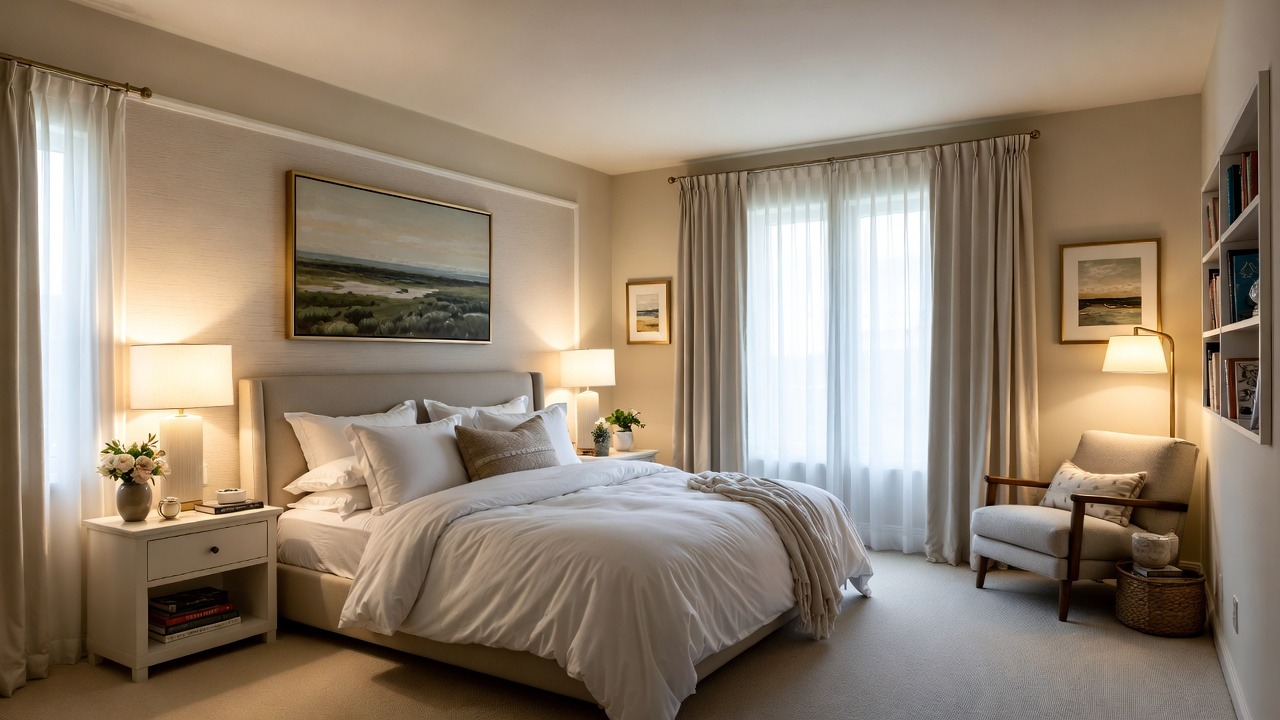
The bedroom has one non-negotiable primary function: to facilitate deep, restorative sleep. Every design decision here must be subservient to that goal. This room should be a temple to slumber, a place where stress and wakefulness are physically and psychologically barred at the door.
The Primacy of Darkness and Silence
Light pollution is the arch-nemesis of sleep. Your body needs near-total darkness to produce melatonin effectively. Invest in professional-grade blackout curtains or shades that seal light from all edges. Eliminate all electronic LED lights: cover them with tape, use light-blocking caps, or remove the devices. Consider a sleep mask for an extra layer of defense.
Sound control is equally vital. If noise is an issue, use a white noise machine, a fan, or earplugs to create a consistent, soothing auditory blanket. For a high-tech solution, some smart home systems can generate pink noise, which some studies find even more restful than white noise.
The Sensory Cocoon: Bedding and Air
Your bed is the throne of sleep. Invest in the highest-quality mattress, pillows, and bedding you can afford. Opt for natural, breathable fibers like organic cotton, linen, or bamboo for sheets. The weight and texture of your bedding should feel comforting. Weighted blankets can provide deep-pressure stimulation that lowers anxiety for many.
Temperature is critical for sleep onset. Most people sleep best in a cool room (around 65°F or 18°C). Ensure you have breathable bedding and consider a mattress cooling pad if you tend to sleep hot. Air quality matters too; a HEPA air purifier can remove allergens and dust, and a humidifier can maintain optimal moisture levels for respiratory comfort.
A Psychology of Unplugging
Banish all work-related items and screens. The bedroom is not an office annex. If you must have a television, hide it in a cabinet. The blue light from phones and tablets suppresses melatonin, so institute a digital curfew. Create a charging station outside the bedroom. Replace the habit of scrolling with a real book, gentle stretching, or a mindfulness practice. The presence of work materials creates subconscious anxiety, reminding your brain of unfinished tasks. This room must be a guilt-free zone dedicated solely to rest and intimacy.
A Minimalist Mindset
Adopt a minimalist approach to decor. Clutter is visual stress. Keep surfaces clear—nightstands should hold only a lamp, a book, perhaps a glass of water. Choose a serene, muted color palette (soft blues, greens, warm grays, earthy neutrals) that you find calming. Store clothes out of sight. The overall impression should be one of spaciousness, order, and tranquility. For those fascinated by the quantifiable results of such an environment, many users of the Oxyzen smart ring report dramatic improvements in sleep duration and quality after optimizing their bedroom sanctuary, as shared in their testimonials.
The rise of remote work has blurred the lines between professional and personal life, making a dedicated, peaceful home office not a luxury, but a necessity for mental health and productivity. This space must perform a delicate balancing act: it should be energizing enough to foster focus, yet calm enough to prevent burnout, and distinct enough to allow for a true psychological departure at the end of the workday.
The Ritual of Separation
If at all possible, your office should be a separate room with a door you can close. This physical boundary creates a critical psychological one. If you must use a portion of another room, create visual and symbolic barriers: a room divider, a large plant, a distinct rug that defines the "zone." Establish a start-up and shut-down ritual. This could be as simple as turning on a specific lamp when you start work and turning it off when you finish, signaling to your brain that it’s time to transition.
Ergonomics as a Foundation of Calm
Discomfort is a relentless distraction. Invest in true ergonomics: a chair that supports your spine, a desk at the correct height (or a sit-stand desk), a monitor positioned at eye level to avoid neck strain. Proper ergonomics reduce physical stress, which directly lowers mental stress, allowing for deeper, more sustained focus. This is a non-negotiable investment in your long-term well-being and productivity.
Controlling the Cognitive Load
Your visual field dramatically impacts your ability to concentrate. Facing a blank wall can feel stifling, but facing a busy room is disastrous. The ideal position is facing the door (for a subconscious sense of security) or beside a window with natural light. Keep your desk surface meticulously organized. Use cable management systems to eliminate visual "spaghetti." Have only the tools needed for your current task within reach. Use closed storage for files and supplies. A clean workspace equals a clear mind.
Harnessing Light and Nature
Prioritize access to natural light. Position your desk perpendicular to a window to avoid glare on your screen. Natural light regulates circadian rhythms and boosts mood. Supplement with layered artificial light: a bright, color-accurate task lamp for detailed work, and softer ambient light for calls or creative thinking.
Incorporate biophilia deliberately. A plant on your desk (a peace lily or succulent) can reduce stress and increase perceived air quality. A small desktop fountain can provide soothing background sound. Even an image of a natural landscape on the wall can have a restorative effect on focus during mental fatigue.
The Soundscape of Productivity
Auditory control is key. Use noise-canceling headphones if your environment is unpredictable. Curate soundscapes that support your work—instrumental music, binaural beats, or ambient coffee shop sounds can boost concentration for many. The goal is to create a consistent, predictable auditory environment that tells your brain, "It’s time to work." For more strategies on creating a holistic, healthy work-from-home ecosystem, our FAQ covers how wellness technology can complement these environmental design principles.
Our consumer-driven society operates on a powerful, insidious engine: the cultivation of lack. You are subtly, constantly told that peace is one purchase away—the right car, the perfect kitchen remodel, the newest smart device, the wardrobe that finally makes you feel "put together." This narrative equates peace with acquisition and status, creating a hedonic treadmill where satisfaction is always just over the next hill. To find lasting, budget-friendly peace, we must step off this treadmill and explore the ancient, radical philosophy of "enough."
Scarcity Mindset vs. Sufficiency Mindset
A scarcity mindset, amplified by marketing and social comparison, whispers: You don't have enough. You are not enough. More is always better. This mindset breeds anxiety, envy, and perpetual striving. Its opposite is a sufficiency mindset, which declares: I have enough. I am enough. What I have is adequate for my needs and my joy. This isn't about settling for less; it's about fully appreciating and utilizing what you already possess. It's the profound recognition that your worth is intrinsic, not tied to your net worth or possessions. Research in positive psychology consistently shows that after basic needs are met, increases in material wealth have a negligible impact on long-term happiness, while a mindset of gratitude and contentment has a significant one.
Practical Exercises to Define Your "Enough"
This philosophy must move from theory to daily practice. Here’s how:
The Richness of Experience over Ownership
Shift your investment from owning things to cultivating experiences. Neurological research shows that experiences provide longer-lasting happiness than material goods. Memories adapt and sweeten over time, becoming part of our identity, while objects tend to fade into the background, subject to the "hedonic adaptation" where we quickly get used to them. A sufficiency mindset revels in the free and low-cost experiences that generate richness: a long walk with a friend, a skill learned from a free online tutorial, a potluck dinner, reading a library book in a hammock, stargazing. This shift doesn't just save money; it actively builds a life narrative filled with connection and aliveness, which is the bedrock of true peace.
Embracing "enough" is the ultimate declaration of independence from the anxiety of more. It is the conscious choice to derive security from your own resilience and appreciation, rather than from external accumulation. It creates a vast, spacious peace because you are no longer in a race that has no finish line. You have already arrived in the life you have, and you are choosing to see its abundance. For more reflections on building a life centered on meaningful values over consumption, you can explore the vision and journey that shapes our approach at Oxyzen.ai.
Human beings are wired for connection. Our nervous systems are designed to co-regulate—to calm in the presence of a safe, attuned other. Yet, modern life can be profoundly isolating. We may have hundreds of digital "friends" while feeling deeply lonely. Peace is not a purely solitary pursuit; it is scaffolded by the quality of our relationships. Investing in genuine, supportive connections is a free strategy with immeasurable returns for your emotional equilibrium. This involves both deepening existing bonds and setting boundaries with relationships that drain your peace.
The Physiology of Co-Regulation
When a distressed infant is soothed by a caregiver's heartbeat and calm breathing, that is co-regulation in action. As adults, this dynamic still operates. A warm conversation with a trusted friend, a hug from a partner, or even sitting in comfortable silence with someone can lower cortisol levels and increase oxytocin (the "bonding" hormone). Our relationships literally help regulate our biology. Conversely, toxic or high-conflict relationships keep our threat detection systems on high alert, eroding our sense of safety and peace. Therefore, auditing and investing in your social portfolio is as crucial as managing your finances for mental well-being.
Cultivating Micro-Moments of Connection
Deep relationships aren't built solely on grand gestures; they are woven through small, consistent threads of attention.
The Essential Art of Boundaries: Saying "Yes" to Peace by Saying "No" to Drain
A peaceful social life requires conscious editing. A boundary is not a wall; it is a gate that you control. It is the difference between being a resource and being a reservoir that others drain.
Finding Your "Third Place"
Sociologist Ray Oldenburg coined the term "third place"—a community anchor point that is neither home (first place) nor work (second place). It's the pub, the coffee shop, the library, the community garden, the dog park. These are free or low-cost, accessible spaces for informal, regular connection. In our increasingly isolated world, finding or creating a "third place" can be a cornerstone of social peace. It offers a sense of belonging to something larger than yourself, a gentle rhythm of casual interaction that fights loneliness.
Your social world is the ecosystem in which your personal peace either thrives or withers. By intentionally nurturing connections that are reciprocal, respectful, and uplifting, and by courageously setting boundaries against those that are not, you build a social scaffolding that holds you steady through life's storms. This network becomes your living, breathing peace practice. For insights into how community and shared experiences foster well-being, you can read about real user journeys in our collection of testimonials.
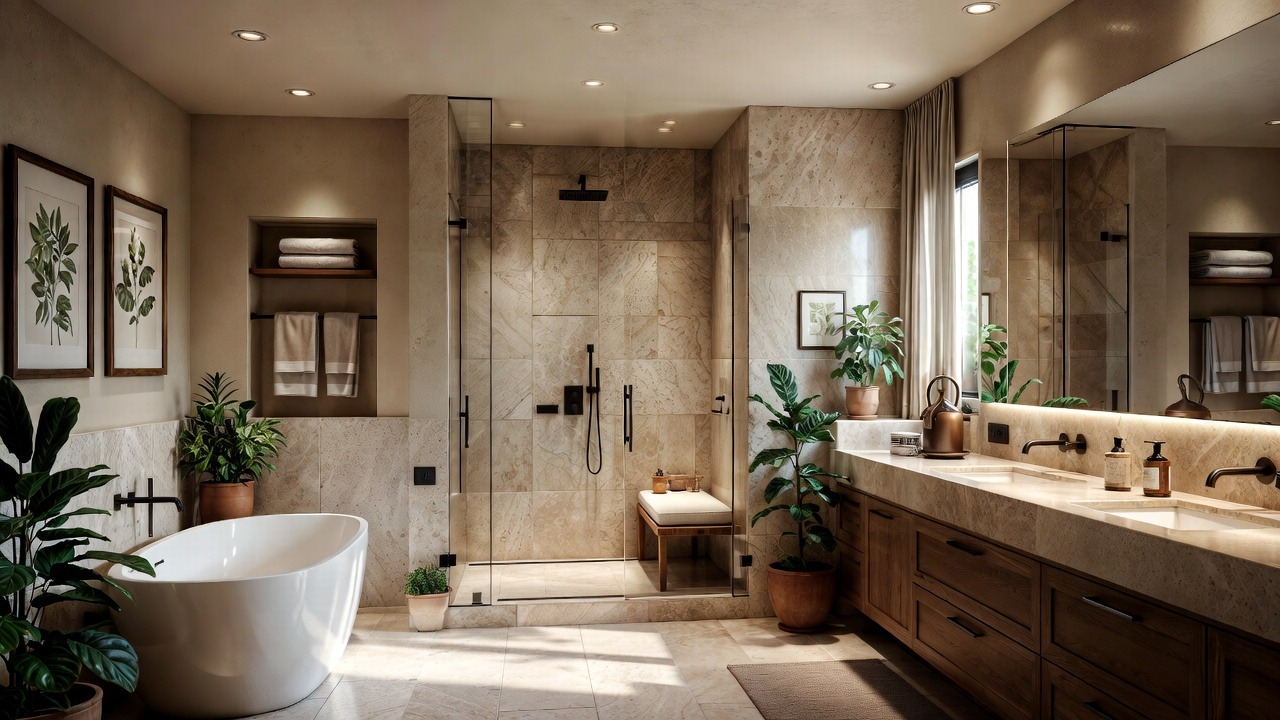
The bathroom is often the smallest room in the house, yet it holds immense potential as a private wellness retreat. Transforming it from a purely utilitarian space into a spa-like sanctuary turns daily routines—bathing, grooming—into rituals of self-care, mindfulness, and rejuvenation.
The Sensory Reset
Engage all senses to create a holistic experience. Begin with touch: replace thin, scratchy towels with thick, absorbent cotton or bamboo ones. Add a soft, warm bath mat underfoot. Consider the feel of your soap dispenser, the weight of a toothbrush. These small tactile upgrades signal care.
For smell, ditch synthetic air fresheners. Use natural essential oil diffusers with scents like eucalyptus (invigorating), chamomile (calming), or sandalwood (grounding). A simple bowl of potpourri or a scented candle (never left unattended) can set the mood.
Sound matters here, too. The hard surfaces in bathrooms create echo and amplify noise. Soften acoustics with a textile bath mat, a fabric shower curtain, and plush towels. Play gentle music or nature sounds via a waterproof speaker to mask running water and create a relaxing atmosphere.
The Alchemy of Water and Steam
Elevate the bathing experience. A rainfall showerhead can turn a quick rinse into a therapeutic experience. If you have a tub, create a ritual around bathing: bath salts (Epsom or magnesium salts for muscle relaxation), essential oils, dim lighting. Keep bath accessories (loofahs, brushes) in a beautiful caddy or on a sleek shelf, not cluttering the tub edge.
Steam is incredibly calming and great for the skin and sinuses. If you don’t have a steam shower, a simple DIY version involves running a hot shower to fill the room with steam before you bathe.
Clutter-Free Surfaces
Nothing shatters a spa illusion faster than a countertop littered with product bottles, old toothpaste tubes, and razors. Adopt a "clean counter" policy. Use drawer organizers, wall-mounted shelves, or a cabinet to store every item out of sight. Keep only one or two beautiful, daily-use items on display, like a nice soap dispenser and a live plant. This visual simplicity is instantly calming and makes cleaning easier.
Lighting for Ritual
Harsh, shadow-casting overhead lighting is the enemy of relaxation. Install a dimmer switch immediately. Layer lighting with wall sconces on either side of the mirror (for even, flattering light for grooming) and consider soft, indirect lighting like LED strips under cabinets or behind the mirror. For a bath, light a few candles (or use flameless LEDs) to create a warm, flickering glow that soothes the nervous system.
This transformation turns the bathroom from a room you use into a space that cares for you, a private enclave where you can wash away stress, both literally and metaphorically.
In our fast-paced culture, meals are often eaten on the go, in front of screens, or alone. The dining room, therefore, presents a profound opportunity: to reclaim the ancient, sacred ritual of breaking bread together. A peaceful dining space is designed not just for eating, but for connecting, communicating, and savoring—a deliberate pause in the day’s momentum.
The Table as Altar
The dining table is the heart of this room. Choose one that encourages gathering—round or oval tables facilitate easier conversation and feel more inclusive than long rectangular ones. The size should fit your typical household but allow for comfortable expansion when guests arrive. The table surface should be clear and inviting, not a dumping ground for mail or projects. Use a centerpiece that is low and simple (so it doesn’t block sightlines): a bowl of fruit, a vase with a few stems, a cluster of candles.
Choreographing Comfort and Focus
Seating must be comfortable enough to encourage lingering. Upholstered chairs or seats with cushions are ideal. Ensure there is enough space for people to move around the table easily. The room’s layout should focus all energy inward, toward the table and the people around it. This means minimizing distractions. If the dining room is open to other spaces, use an area rug to visually define the zone. Avoid positioning seats to face a television or a high-traffic hallway.
The Atmosphere of Savoring
Lighting is paramount for creating an intimate, focused atmosphere. A dimmable pendant or chandelier centered over the table creates a "pool" of light that draws people together, a phenomenon known as the "campfire effect." The light should be warm (2200K-2700K) and flattering. Supplement with candles on the table—their flickering light naturally slows us down and encourages presence.
Engage the senses beyond taste. A simple linen tablecloth or placemats, cloth napkins, and real dishes (instead of paper plates) elevate the experience through touch and sound. Soft background music can fill comfortable silences and set a relaxed tone.
A Space for Unplugged Connection
Make this a device-free zone. Consider a beautiful basket or charging station at the room’s entrance where phones can be deposited. This single act transforms the meal from a distracted refueling stop into an opportunity for genuine connection, conversation, and mindfulness about the food we consume. By designing a dining room that honors this ritual, you create a powerful anchor for family cohesion and personal gratitude, a value deeply embedded in our story at Oxyzen, where holistic well-being is the ultimate goal.
The guest room is a unique space in the home—often underutilized yet holding immense potential for extending your sanctuary's peace to others. A truly peaceful guest room does more than provide a bed; it offers a seamless, considerate, and restorative experience that makes visitors feel genuinely cared for, not like an afterthought. It is a physical manifestation of hospitality, designed to minimize a guest’s "mental load" so they can fully relax in an unfamiliar environment.
The Psychology of the Welcome
The goal is to make a guest feel instantly at ease and autonomous. From the moment they enter, clarity is kindness. Provide a small, clear surface like a luggage rack or a bench for their suitcase, so they don’t have to heave it onto the bed or floor. Ensure there is empty space in the closet with a few wooden hangers and a spare drawer or shelf. This simple gesture says, "You belong here. Make yourself at home."
Thoughtful Anticipation of Needs
A peaceful guest experience is defined by thoughtful details that answer questions before they’re asked. Create a designated "guest station" or basket with essentials:
This proactive approach eliminates the minor anxieties of asking for things, allowing your guest to settle in with dignity and independence.
The Bed: The Non-Negotiable Centerpiece
As in the primary bedroom, the bed must prioritize supreme comfort. Invest in a quality mattress topper if the bed is a futon or pull-out. Layer with high-thread-count, natural fiber sheets, a warm duvet or quilt, and a selection of pillows (firm and soft). Make sure bedding is freshly washed and clearly just for them—there’s a distinct psychological comfort in knowing you’re the first to sleep in clean linens.
Designing for Neutral Tranquility
While your home may be filled with personal artifacts, the guest room should be a canvas of neutral calm. Decorate with soothing, non-polarizing art—think landscapes, abstracts, or botanical prints. Avoid overwhelming personal photos or overly thematic decor. The color palette should be serene and restful, promoting sleep for someone whose rhythms may be off due to travel. Lighting is critical: provide a bright overhead light for unpacking, a dedicated reading lamp by the bed, and perhaps a small nightlight for navigating the unfamiliar room in the dark. A blackout curtain is a gift to any traveler contending with jet lag or a new time zone.
Creating a Self-Contained Retreat
The most luxurious feeling you can offer a guest is privacy and self-sufficiency. If possible, ensure the room has a door that closes fully. A small, empty wastebasket, a mirror, and a few empty hooks on the back of the door go a long way. Consider adding a comfortable chair or a small desk, transforming the room from just a sleeping quarters into a true private retreat where they can read, work, or simply be alone without feeling they need to be in common areas. This respect for their autonomy and need for downtime is the ultimate act of creating peace for others, reflecting a hospitality philosophy that aligns with creating holistic well-being for all, a core part of the vision at Oxyzen.ai.
Often neglected as mere conduits, hallways, landings, and staircases are the arteries that connect the organs of your home. When chaotic or poorly considered, they become sites of friction, bottlenecks, and visual noise. When designed intentionally, they become serene galleries that facilitate graceful movement and contribute to the home’s overall flow and harmony. These transition spaces are where the philosophy of your home is subtly reinforced with every passing.
The Principle of Clear Passage
First and foremost, a peaceful passageway is an unobstructed one. This is a non-negotiable safety and psychological imperative. Ensure there is ample width for comfortable movement—at least 36 inches for main hallways. Keep floors completely clear. This is not the place for exercise equipment, temporary project storage, or piles of "to-donate" items. Any obstruction, however small, creates a subconscious point of negotiation and stress each time you pass.
Curating a Journey, Not a Corridor
Treat these walls as an opportunity for curated visual interest that supports calm, not distracts from it. Instead of a haphazard collection of family photos, create a intentional gallery. Group images in matching frames for cohesion, or choose a single, large piece of serene art to serve as a focal point at the end of a hallway. The key is rhythm and order. Lighting this artwork with discrete picture lights transforms a mundane walk into a gallery experience, guiding the eye and elevating the space.
The Rhythm of Light and Shadow
Lighting in transition spaces must be both functional and atmospheric. A long, dark hallway feels ominous, while a harshly lit one feels clinical. The solution is layered, rhythmic lighting. Use a series of wall sconces or recessed downlights spaced evenly to create a welcoming path of light. Install motion-sensor lights at a low level in stair risers or along baseboards for safe nighttime navigation without having to flood the space with bright light. The goal is to eliminate shadows and dark corners while maintaining a soft, inviting glow that feels like a gentle guide.
Sensory Smoothing with Texture and Sound
Hard floors and walls in hallways can create echo and a cold, unwelcoming feel. Soften these sensory edges. A runner carpet in a hallway or on stairs absorbs sound, provides tactile warmth underfoot, and adds a layer of color and pattern. If carpet isn't an option, a strategically placed console table with a textile runner or a small upholstered bench can break up the hardness. A large plant in a corner landing can absorb sound and add a vital, calming biophilic element.
The Mindful Pause
Even in a space designed for movement, consider creating a tiny niche for pause. A small shelf with a beautiful object (a smooth stone, a piece of driftwood) under a single spotlight at the top of a staircase invites a moment of reflection. A perfectly positioned window seat on a landing offers a stolen moment of sunlight and quiet. These micro-sanctuaries within the flow remind us that peace isn't just found in rooms, but in the conscious moments we carve out for ourselves, even in transit. For more ideas on incorporating mindfulness into your home's architecture, our blog offers a wealth of related reading.
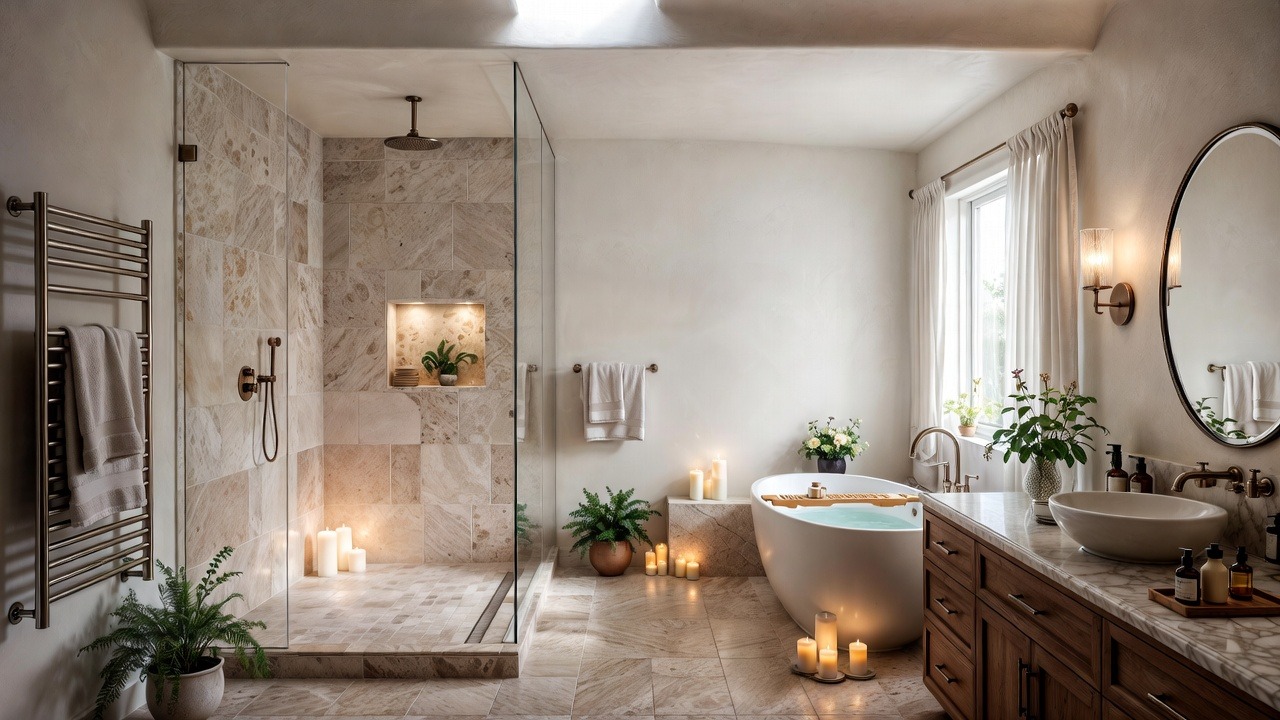
Human beings have an innate, biological need to connect with nature—a concept known as biophilia. A peaceful home doesn’t end at its walls; it intentionally invites the outside in and extends living spaces outward. This connection reduces stress, lowers blood pressure, improves mood, and enhances cognitive function. Designing for this connection is about more than a potted plant; it’s a strategic approach to orientation, materials, and sensory experience.
The Primacy of Natural Light and Views
Arrange your furniture and daily activities to prioritize access to natural light and views of greenery. Position reading chairs, workspaces, and even kitchen sinks to face windows with the best outlooks, even if it’s just a tree in the yard or a container garden on a balcony. If privacy allows, keep window treatments minimal during the day to maximize this connection. Consider the quality of light: east-facing rooms offer gentle morning light, perfect for breakfast nooks; west-facing rooms get warm afternoon light, ideal for living spaces.
Material Dialogue: Bringing the Outside In
Choose materials and colors that echo the natural world. Use wood, stone, bamboo, linen, jute, and wool extensively. A slate floor, a live-edge wooden table, a sisal rug, or linen curtains all have textures and origins that ground us in nature. Extend your home’s color palette to include earthy neutrals, greens, blues, and browns that reflect landscapes, skies, and soil. This creates a seamless visual flow that makes the transition from inside to outside feel natural and inevitable.
Operable Openings: The Gift of Fresh Air and Sound
Where climate and security allow, prioritize doors and windows that open fully. French doors, sliding glass walls, or even large, operable windows physically dissolve the boundary between inside and out. This allows for cross-ventilation, which improves air quality and creates a kinetic connection to the outdoors. The sound of rustling leaves, distant birdsong, or even rain becomes part of your home’s soundscape, a far more peaceful backdrop than constant mechanical hums.
The Intentional Outdoor Room
Treat patios, balconies, decks, and even small porches as true outdoor rooms. Furnish them with the same intentionality as your interior. Create defined zones for dining, lounging, and perhaps even an outdoor "fireplace" (a chiminea or fire pit) for gathering. Use weather-resistant rugs, comfortable seating with plenty of cushions, and ambient string lights or lanterns. The goal is to make the outdoors as inviting and usable as your living room, encouraging you to spend restorative time in the fresh air and natural light, which is fundamental for regulating sleep and mood—factors closely tracked by holistic wellness devices featured at Oxyzen.ai.
The Container of Life: Plants as Living Decor
Incorporate plants strategically and abundantly. Go beyond a single fiddle leaf fig. Create layers: tall floor plants (like bird of paradise or dracaena), medium-height plants on stands (like monsteras or peace lilies), and trailing plants on shelves (like pothos or philodendron). In the kitchen, grow a small herb garden on a windowsill. Plants are not just decor; they are active air purifiers and living reminders of growth and tranquility. Caring for them can itself become a mindful, peaceful practice.
In the quest for a peaceful home, technology is a double-edged sword. Unchecked, it is the primary source of distraction, blue-light pollution, and information overload. Yet, when integrated with intention and subtlety, it can become a powerful, invisible force that enhances calm by automating tasks, optimizing the environment, and providing data to support well-being. The goal is "ambient intelligence"—technology that serves you quietly in the background without demanding your attention.
The Smart Home as a Peaceful Autopilot
Automate routines that reduce daily friction and decision fatigue. Smart systems can handle the mundane, allowing you to focus on the meaningful:
The Soundscape of Serenity
Take control of your home’s auditory environment with intentional technology. Use smart speakers not for constant news updates, but to curate soundscapes. Play white noise or nature sounds in bedrooms for sleep, gentle classical music in living areas during the day, or even specific frequencies for focus during work hours. The key is proactive curation versus reactive noise.
Invisible Monitoring for a Healthier Habitat
Technology can act as a guardian of your environment’s health. Affordable sensors can monitor:
This data-driven approach removes guesswork, allowing you to create a truly healthy foundation for peace. For those deeply interested in the quantifiable side of wellness, pairing this environmental data with personal biometrics from a device like the Oxyzen ring can reveal powerful correlations between your home’s conditions and your own stress and recovery, as discussed in user testimonials.
The Digital Declutter: Managing the Invisible Chaos
A peaceful technological integration requires ruthless digital hygiene. Hide routers and ugly cables in decorative boxes or cable management sleeves. Use a centralized charging station in a closet or cabinet, not on your nightstand, to banish charging cords and LED lights from sleeping and relaxation areas. Implement "tech zones" and, more importantly, "tech-free zones" (like the dining room and bedroom) with clear family agreements.
Technology as a Mindfulness Aid, Not a Distraction
Finally, repurpose technology as a tool for the peace it often disrupts. Use meditation apps on a dedicated tablet in a quiet corner. Stream guided yoga sessions to your TV for a home practice. Use e-ink readers (like Kindles) for reading without blue light. The technology itself is neutral; its impact is determined entirely by our intention. By making it serve your calm, you transform a potential adversary into a powerful ally in crafting your sanctuary. For answers to common questions on seamlessly blending wellness tech with home design, our FAQ is a valuable resource.
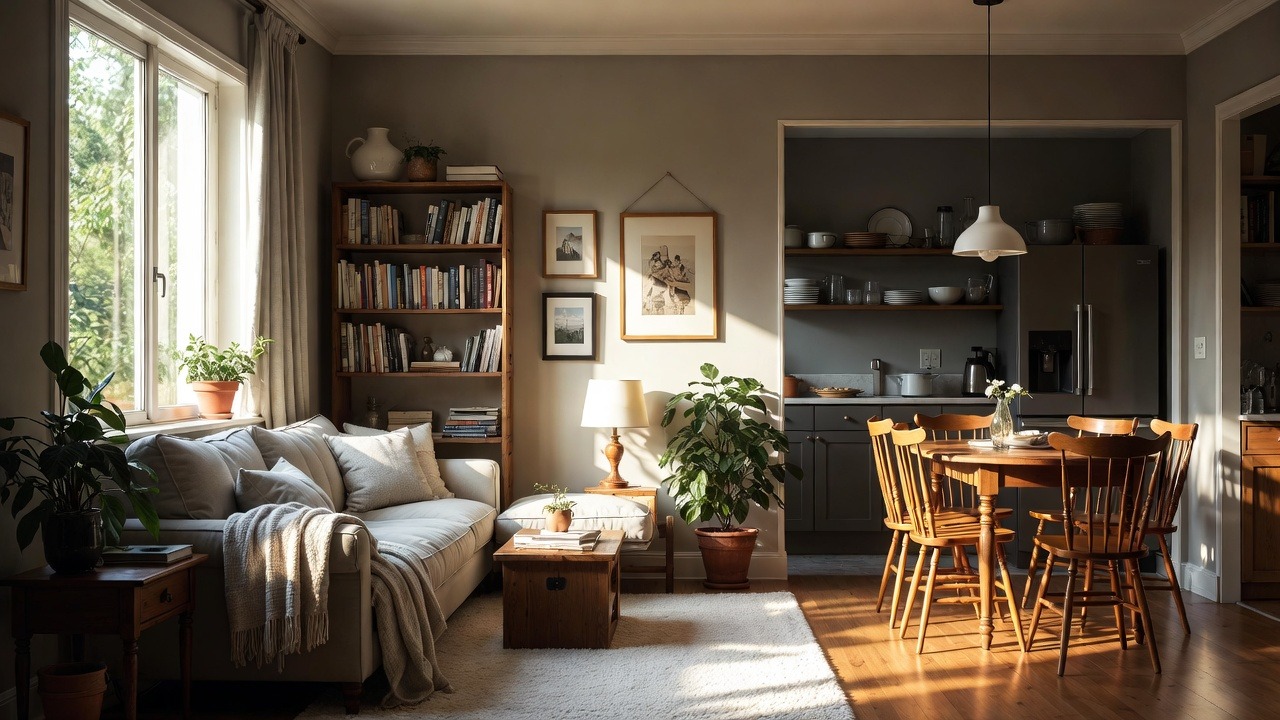
A peaceful home is not a static achievement, but a dynamic, living system. The most beautifully designed sanctuary can quickly descend into chaos without conscious, daily stewardship. This final, critical phase moves from creation to cultivation. It is about establishing simple, sustainable rituals and rhythms that protect the tranquility you’ve built, transforming maintenance from a chore into a nourishing practice of care for your environment and, by extension, yourself.
The Daily Reset: A Five-Minute Sanctuary Saver
The weight of a completely disordered space is immense, but the power of a tiny, consistent habit is transformative. Institute a "Daily Reset" ritual—a five-to-ten-minute routine performed at a predictable transition point in your day, such as after dinner or before bed. This is not a deep clean; it’s a system restore. It involves:
This micro-ritual prevents the insidious creep of clutter, ensuring you wake up or return to a space that is fundamentally ordered. It is a gift to your future self, and it reinforces the neural pathway that order equals calm.
The Weekly Rhythm: Aligning Care with Natural Cycles
Expand the reset concept into a gentle weekly rhythm that aligns home care with your energy levels. Assign specific, lightweight tasks to different days to avoid the overwhelming "cleaning day." For example:
This rhythmic approach breaks monolithic tasks into manageable pieces, integrating home care seamlessly into the flow of life rather than letting it loom as a disruptive event.
Seasonal Syncing: The Deep Reset
Just as nature cycles through seasons, your home benefits from a quarterly or seasonal deep reset. This goes beyond cleaning to intentional reevaluation. As the seasons change, dedicate a few hours to:
This seasonal sync is a mindful practice of non-attachment and renewal, deeply connected to the natural world outside your walls.
The Ritual of Repair: Honoring Your Objects
In a disposable culture, a peaceful home respects its objects. Institute a "mending basket" for clothes that need buttons sewn or small tears repaired. Have a basic toolkit for tightening loose handles, oiling squeaky hinges, or touching up scuffs on walls. Addressing minor repairs promptly is an act of respect for your space. It prevents the slow decay that leads to a sense of shabbiness and reinforces a mindset of stewardship and care over passive consumption. This philosophy of mindful maintenance echoes the values of craftsmanship and longevity that often inspire companies dedicated to enduring wellness, like the ethos you can discover in our story.
The Mindful Inhabitant: You Are the Key
Ultimately, the most important maintenance ritual is your own awareness. Your home is a mirror. Notice when a particular corner consistently gathers clutter—it may indicate a flawed organizational system or that the space isn’t serving its intended function. Pay attention to how you feel in each room. Do you avoid the living room because the lighting is wrong? Does the home office make you feel anxious? Use these feelings as data. Your peaceful home is a collaborative project between the space and your evolving needs. Be willing to adapt, tweak, and re-imagine. This is not a failure of the original design, but a sign of your deepening understanding of what peace means for you.
We have journeyed through the philosophy and practice of designing for peace, relying on principles of psychology, design, and sensory awareness. But in our modern age, we have access to a powerful, objective tool: personal biometric data. This introduces a revolutionary feedback loop into home design—moving from intuition and best practices to personalized, data-driven optimization. By pairing the qualitative feeling of a space with quantitative data on how your body is responding, you can fine-tune your environment with unprecedented precision.
Your Body as the Ultimate Sensor
Your nervous system is constantly reacting to your environment, but these signals are often subtle or subconscious. Biometric devices, such as advanced smart rings that track heart rate variability (HRV), resting heart rate (RHR), skin temperature, and sleep architecture, act as translators. They provide an objective readout of your physiological state, revealing how your home environment truly affects you.
The Experimentation Phase: From Guesswork to Knowing
Armed with this data, you can transform your home into a personal wellness lab. Conduct simple, controlled experiments:
Informed Iteration, Not Rigid Rules
This process demystifies wellness trends. The "perfect" sleep temperature might be 65°F for the population, but your data might show you sleep best at 68°F. You might find that the recommended "calming" blue color in your bathroom actually does nothing for your metrics, while adding a specific scent to your evening shower consistently improves your HRV. This is hyper-personalized environmental design. It moves you from following generic advice to becoming the expert on your own unique needs.
Integrating Data with Design Sensibility
The goal is not to become a slave to the data, living in a sterile, optimized pod. It is to use data as a trusted advisor to inform your aesthetic and functional choices. The data might tell you that natural materials and plants improve your baseline stress, giving you permission to invest in that linen upholstery or larger fiddle leaf fig. It can validate the time and resources you put into creating a dedicated meditation corner if you see tangible improvements in your recovery scores afterward.
A Collaborative Journey Toward Holistic Peace
This feedback loop represents the frontier of creating a peaceful home. It’s where the art of design meets the science of well-being. By listening to the subtle language of your body, you can create an environment that doesn’t just look peaceful, but is scientifically validated to make you peaceful. It turns your home into an active partner in your health. For those ready to embark on this journey of discovery, the technology to unlock these insights is available. You can learn more about smart ring technology and how it can serve as the cornerstone of this personalized approach, or read real customer reviews to see how others have used this data to transform their daily lives.
Our exploration has taken us from the threshold of the entryway to the intimate feedback between your body and your bedroom. We have seen that a peaceful home is not a collection of perfectly styled rooms, but a complex, living ecosystem. It is built on a foundation of intentional philosophy, expressed through thoughtful, room-specific design, supported by seamless technology, maintained through loving rituals, and refined through personal data.
This is the essence of modern sanctuary-building. It is an ongoing dialogue between space and self. Your home is the most constant environment in your life; designing it to actively support your nervous system, your relationships, and your spirit is the ultimate act of self-care. It is the creation of a backdrop so fundamentally supportive that you are free to fully live within it.
Remember, peace is not the absence of sound, but the presence of harmony. Not the absence of objects, but the presence of meaning. Not a final destination, but a daily practice. Room by room, choice by choice, ritual by ritual, you are not just designing a home—you are designing a life of greater calm, resilience, and joy.
Your Trusted Sleep Advocate (Sleep Foundation — https://www.sleepfoundation.org/)
Discover a digital archive of scholarly articles (NIH — https://www.ncbi.nlm.nih.gov/
39 million citations for biomedical literature (PubMed — https://pubmed.ncbi.nlm.nih.gov/)
experts at Harvard Health Publishing covering a variety of health topics — https://www.health.harvard.edu/blog/)
Every life deserves world class care (Cleveland Clinic -
https://my.clevelandclinic.org/health)
Wearable technology and the future of predictive health monitoring. (MIT Technology Review — https://www.technologyreview.com/)
Dedicated to the well-being of all people and guided by science (World Health Organization — https://www.who.int/news-room/)
Psychological science and knowledge to benefit society and improve lives. (APA — https://www.apa.org/monitor/)
Cutting-edge insights on human longevity and peak performance
(Lifespan Research — https://www.lifespan.io/)
Global authority on exercise physiology, sports performance, and human recovery
(American College of Sports Medicine — https://www.acsm.org/)
Neuroscience-driven guidance for better focus, sleep, and mental clarity
(Stanford Human Performance Lab — https://humanperformance.stanford.edu/)
Evidence-based psychology and mind–body wellness resources
(Mayo Clinic — https://www.mayoclinic.org/healthy-lifestyle/)
Data-backed research on emotional wellbeing, stress biology, and resilience
(American Institute of Stress — https://www.stress.org/)


