


How to Explain Your Sleep Score to Your Doctor
Bring trend data (weekly/monthly averages) to your doctor, not single-night scores, to discuss persistent sleep issues.
Bring trend data (weekly/monthly averages) to your doctor, not single-night scores, to discuss persistent sleep issues.
%402x.svg)
You walk into your doctor's office, pull out your phone, and proudly display a sleep score of 87. The doctor glances at it, nods politely, and says, "That's nice." Then they ask you the same three questions they ask every patient: "How many hours are you sleeping? Do you snore? Do you feel rested?"
And just like that, weeks of sleep tracking data becomes virtually useless.
Sound familiar? You are not alone. Millions of people now wear sleep-tracking devices—from smart rings to wristbands to under-mattress sensors—collecting more physiological data than any generation in human history. Yet when it comes time to discuss that data with a medical professional, most patients freeze. They either overwhelm their doctor with raw numbers or shrink back into the traditional "how many hours" conversation that captures only a fraction of the full picture.
This disconnect matters more than most people realize. Your sleep score is not just a gamified number designed to make you walk more steps or close digital rings. When interpreted correctly, your sleep score represents a sophisticated composite of heart rate variability, respiratory rate, oxygen saturation, movement patterns, and sleep stage distribution—all clinical-grade signals that can flag everything from silent airway resistance to early autonomic nervous system dysfunction.
The problem is that doctors operate on evidence-based medicine. They trust validated screening tools like the Epworth Sleepiness Scale and the STOP-BANG questionnaire. They have not been trained to interpret a proprietary algorithm from a consumer wearable. That does not mean your data has no value. It means you need to learn how to translate your sleep score into the language your doctor speaks.
This guide will transform you from a passive data collector into an empowered advocate for your own sleep health. Over the following sections, you will learn exactly how to prepare, present, and discuss your sleep tracking data with any medical professional—whether you see your primary care physician, a sleep specialist, a cardiologist, or a neurologist. You will understand which metrics matter, which patterns raise red flags, and how to structure the conversation so your doctor takes your data seriously rather than dismissing it as consumer gadgetry.
By the time you finish reading, you will never again hear "That's nice" in response to your sleep score. Instead, you will have a roadmap for turning nightly data into actionable medical insights.
Let us begin with the foundational question that confuses most patients first.
Your sleep tracking device generates a number—say, 78 out of 100. The app tells you that 78 means "fair" sleep, suggests you try a breathing exercise before bed, and congratulates you for wearing the device consistently. But when you show this number to your doctor, something strange happens. They do not celebrate. They do not prescribe anything. They do not even seem particularly interested.
This reaction is not because your doctor dismisses sleep science. It is because your sleep score is not a clinical tool. It is a consumer wellness metric built on proprietary algorithms that vary wildly from one brand to another. A sleep score of 85 on an Oura Ring does not mean the same thing as an 85 on a Fitbit, which does not mean the same thing as an 85 on an Apple Watch. One company might weigh deep sleep duration most heavily. Another might prioritize heart rate variability. A third might focus on movement disruption.
Your doctor has no way of knowing which variables your device prioritizes unless you tell them.
Let us break down what actually happens inside most sleep scoring algorithms. While the exact formulas remain proprietary, independent validation studies have revealed common patterns across consumer devices.
Most sleep scores are weighted composites of three to five key metrics:
Duration accounts for roughly 25 to 40 percent of the total score. This is the only metric your doctor currently asks about. You sleep seven hours, you get partial credit. You sleep nine hours, you get full credit. You sleep five hours, your score drops significantly.
Efficiency represents the percentage of time in bed actually spent sleeping. If you lie in bed for eight hours but only sleep for six, your efficiency sits at 75 percent. This metric matters clinically because poor sleep efficiency is the defining feature of chronic insomnia. Many devices capture this beautifully, but patients rarely report it to doctors.
Restfulness tracks movement and wake episodes throughout the night. High restlessness suggests frequent micro-awakenings that may not reach full consciousness but still fragment sleep architecture. This metric can flag undiagnosed sleep apnea, periodic limb movement disorder, or even caffeine sensitivity.
Sleep stage distribution looks at percentages of deep sleep, REM sleep, and light sleep. Most healthy adults need 15 to 25 percent deep sleep and 20 to 25 percent REM sleep. Significant deviations from these ranges can indicate everything from medication side effects to neurological conditions.
Physiological recovery incorporates heart rate, heart rate variability, and respiratory rate. A nocturnal heart rate that stays elevated suggests sympathetic nervous system dominance. Low heart rate variability points to chronic stress or cardiovascular strain. Abnormal respiratory patterns may signal sleep-disordered breathing.
Your sleep score smashes all these variables into a single number. That number is convenient for gamification but terrible for clinical communication. Your doctor cannot order a blood test or adjust a medication based on a 78. They can, however, act on the specific components behind that 78.
Beyond the algorithm problem, doctors face practical constraints that most patients never consider. A primary care physician typically has fifteen minutes per appointment. During that time, they must review your chart, address your stated concerns, perform a relevant physical exam, update prescriptions, order lab work, and document everything for legal and billing purposes.
When you lead with a sleep score, you are asking your doctor to do something they cannot do in thirty seconds: validate an unknown device's unknown algorithm against unknown population norms.
Research from the Journal of Clinical Sleep Medicine found that fewer than 15 percent of primary care physicians felt confident interpreting consumer sleep tracker data. Yet 78 percent reported that patients regularly brought such data to appointments. That gap between patient enthusiasm and physician training creates frustration on both sides.
Here is the single most important strategy in this entire guide. Do not walk into your doctor's office talking about your sleep score. Walk in talking about your heart rate variability trends, your respiratory rate patterns, and your sleep stage distribution.
When you say, "My heart rate variability dropped from 45 milliseconds to 28 milliseconds over the past three months," you sound like someone who understands physiology. When you say, "My sleep score dropped from 85 to 72," you sound like someone who plays too many phone games.
The underlying data is the same. The packaging determines whether your doctor engages or checks their pager.
Start using clinical terminology without exaggerating or inventing numbers. If your device shows your deep sleep averaging 8 percent instead of the recommended 15 percent, say exactly that. If your respiratory rate has crept from 14 breaths per minute to 18 breaths per minute over six months, lead with that observation. These specific metrics trigger clinical pathways. A sleep score triggers confusion.
Your doctor has three genuine clinical questions about your sleep, whether they articulate them or not:
First, do you have a diagnosable sleep disorder? This means sleep apnea, insomnia, restless legs syndrome, periodic limb movement disorder, narcolepsy, or circadian rhythm disorders. Each has distinct diagnostic criteria and treatment pathways.
Second, is your sleep contributing to another medical condition? Poor sleep exacerbates hypertension, diabetes, depression, anxiety, chronic pain, and immune dysfunction. Sometimes fixing the sleep condition improves the primary condition dramatically.
Third, is a medical condition or medication damaging your sleep? Asthma, arthritis, reflux, thyroid disorders, and dozens of medications interfere with normal sleep architecture. Your sleep data might reveal side effects your doctor did not anticipate.
Your sleep score answers none of these questions directly. But the underlying data points—when properly extracted and presented—can answer all three.
Start keeping a simple log alongside your sleep tracker. Each morning, write down your sleep duration, your efficiency percentage, your deep sleep minutes, your REM sleep minutes, your resting heart rate, and your heart rate variability. Do this for two weeks before any medical appointment. You now have a clinical-grade trend line rather than a single mysterious number.
In the next section, we will examine the specific metrics your doctor will actually use and how to present each one effectively.
Your sleep tracker probably displays more than a dozen different metrics. Most of them fall into the "interesting but not clinically actionable" category for a general physician. Doctors do not need to know your bedtime consistency score or your sleep onset latency averaged over thirty days. They need specific physiological signals that correlate with established medical conditions.
After reviewing hundreds of clinical sleep studies and interviewing sleep medicine specialists, we have identified seven metrics that consistently trigger meaningful medical conversations. These are the numbers worth tracking, trending, and presenting during appointments.
Heart rate variability measures the time variation between consecutive heartbeats. Contrary to what many people assume, a healthy heart does not beat like a metronome. It constantly accelerates and decelerates in response to breathing, blood pressure changes, and autonomic nervous system signals.
High HRV generally indicates a resilient, flexible nervous system that can shift smoothly between sympathetic activation and parasympathetic recovery. Low HRV suggests chronic stress, inflammation, or autonomic dysfunction.
Your doctor cares about HRV because research links low nocturnal HRV to increased risk of cardiovascular events, poor prognosis in heart failure patients, and heightened inflammatory markers. Some cardiologists now track HRV as routinely as blood pressure.
How to present HRV data to your doctor: "My wearable shows my nighttime heart rate variability has been below 25 milliseconds for the past two months. Previously I was consistently in the 40 to 50 range. I am concerned about what might be causing this decline."
What your doctor might do: Order inflammatory markers like hs-CRP, check thyroid function, review current medications for autonomic side effects, or refer you to a cardiologist if other risk factors exist.
Your resting respiratory rate—the number of breaths you take per minute while asleep—normally falls between 12 and 20 breaths per minute for healthy adults. A consistently elevated nocturnal respiratory rate above 16 to 18 breaths per minute raises clinical red flags.
Why this matters clinically: Elevated respiratory rate during sleep can indicate several underlying problems. Obstructive sleep apnea often produces respiratory rate instability rather than pure elevation. Heart failure may cause Cheyne-Stokes breathing characterized by periodic crescendo-decrescendo patterns. Chronic lung disease elevates baseline respiratory rate throughout sleep.
Perhaps most importantly, a sustained increase in nocturnal respiratory rate over weeks or months often precedes clinical deterioration in chronic conditions by days or weeks. Your sleep tracker might detect this signal before you notice symptoms.
How to present respiratory rate data: "My average sleeping respiratory rate has increased from 14 breaths per minute to 18 breaths per minute over the last six months. It stays consistently elevated even on nights when I feel well-rested."
What your doctor might do: Listen to your lungs, check pulse oximetry, order pulmonary function tests, or refer for sleep apnea testing.
Sleep efficiency equals time asleep divided by total time in bed, expressed as a percentage. A healthy sleeper typically achieves 85 to 90 percent efficiency or higher. Anything consistently below 80 percent suggests clinically significant sleep disturbance.
Unlike total sleep time, which can be manipulated by simply spending more hours in bed, sleep efficiency measures the quality of your relationship with your bed. Low efficiency means you are spending hours lying awake frustrated—the core behavioral feature of chronic insomnia.
Cognitive behavioral therapy for insomnia, the first-line treatment for chronic insomnia, focuses heavily on improving sleep efficiency through sleep restriction and stimulus control. Your doctor needs to know your efficiency number to determine whether you are a candidate for this approach.
How to present sleep efficiency data: "I spend eight hours in bed each night, but my tracker shows I only sleep about six and a half hours. My sleep efficiency runs around 75 to 78 percent most nights."
What your doctor might do: Screen for insomnia using the Insomnia Severity Index, review sleep hygiene practices, consider CBT-I referral, or evaluate for underlying medical causes like pain or nocturia.
This metric deserves far more attention than it receives from consumer device users. Pulse oximetry measures the percentage of hemoglobin carrying oxygen. Normal awake and sleep saturation stays above 94 percent. Significant drops below 90 percent—especially when they occur repeatedly through the night—strongly suggest obstructive sleep apnea.
Many smart rings and advanced wearables now track nocturnal oxygen saturation and report percentage dips. Some display a metric called "oxygen desaturation index" or "breathing disturbance index." This is arguably the most clinically actionable metric in your entire sleep tracker.
Sleep apnea affects an estimated 30 million adults in the United States alone, with 80 percent of moderate to severe cases undiagnosed. If your tracker repeatedly shows oxygen saturation drops below 90 percent, you have medical evidence to request formal sleep testing.
How to present oxygen data: "My ring shows my oxygen saturation drops below 90 percent ten to fifteen times per night. It goes down to 86 percent on some of those dips."
What your doctor might do: Order a home sleep apnea test or refer for in-lab polysomnography. This is one of the few metrics that directly triggers diagnostic testing.
Deep sleep, also called slow-wave sleep or N3 sleep, represents your most restorative sleep stage. During deep sleep, the brain clears metabolic waste including beta-amyloid proteins associated with Alzheimer's disease. The body releases growth hormone for tissue repair. The immune system strengthens its cellular memory.
Most adults need 60 to 90 minutes of deep sleep per night, typically representing 15 to 25 percent of total sleep time. Consistently low deep sleep—below 45 minutes or below 12 percent of total sleep—correlates with poor memory consolidation, impaired immune function, and increased inflammation.
Your doctor may not routinely ask about deep sleep duration because clinical sleep studies rarely provide granular stage breakdowns outside of specialized settings. However, if you present data showing chronically low deep sleep despite adequate total sleep time, you open a conversation about medical causes of sleep fragmentation.
How to present deep sleep data: "I average seven and a half hours of sleep per night, but my deep sleep is only about 35 minutes. That seems low based on what I have read."
What your doctor might do: Review medications including benzodiazepines, antidepressants, and beta-blockers that suppress deep sleep. Check for chronic pain conditions. Evaluate for sleep apnea which fragments deep sleep even when total sleep time appears normal.
REM sleep supports emotional processing, memory consolidation, and creative problem-solving. Most adults need 90 to 120 minutes of REM per night, comprising 20 to 25 percent of total sleep time.
While absolute REM duration matters, your doctor may be more interested in REM timing and distribution. Healthy sleepers enter their first REM episode about 90 minutes after falling asleep and cycle through four to six REM periods through the night. Abnormally early REM onset—entering REM within 60 minutes of falling asleep—can signal depression or narcolepsy. Severely reduced REM suggests certain medication effects or alcohol dependence.
How to present REM data: "My tracker says I get plenty of REM sleep, about 110 minutes per night, but I often wake up from very intense dreams or nightmares. Does that mean anything clinically?"
What your doctor might do: Screen for depression or PTSD if nightmares are prominent. Review alcohol and cannabis use, both of which suppress REM. Consider medication adjustments if REM patterns are severely disrupted.
Your sleep tracker records movement through accelerometry. Most movement during sleep is normal postural adjustment. However, periodic limb movements—stereotyped, repetitive leg movements occurring every 20 to 40 seconds—represent a diagnosable sleep disorder.
Periodic limb movement disorder affects 5 to 10 percent of adults and frequently co-occurs with restless legs syndrome, iron deficiency, or kidney disease. The movements fragment sleep and can cause daytime fatigue even when total sleep time seems adequate.
While consumer devices cannot formally diagnose PLMD, they can detect unusually high movement frequency. If your tracker consistently reports "restlessness" or "movement events" numbering in the hundreds per night, you have data supporting further evaluation.
How to present movement data: "My sleep ring shows I move an average of eighty times per hour during sleep. My partner also says my legs twitch a lot at night."
What your doctor might do: Check ferritin levels to evaluate for iron deficiency, screen for restless legs syndrome symptoms, review medications that cause movement disorders, or refer for sleep study with leg EMG monitoring.
Understanding these seven metrics transforms your sleep tracker from a wellness toy into a clinical monitoring tool. In the following sections, we will build a practical system for tracking, trending, and presenting this data to maximize the value of every medical appointment.
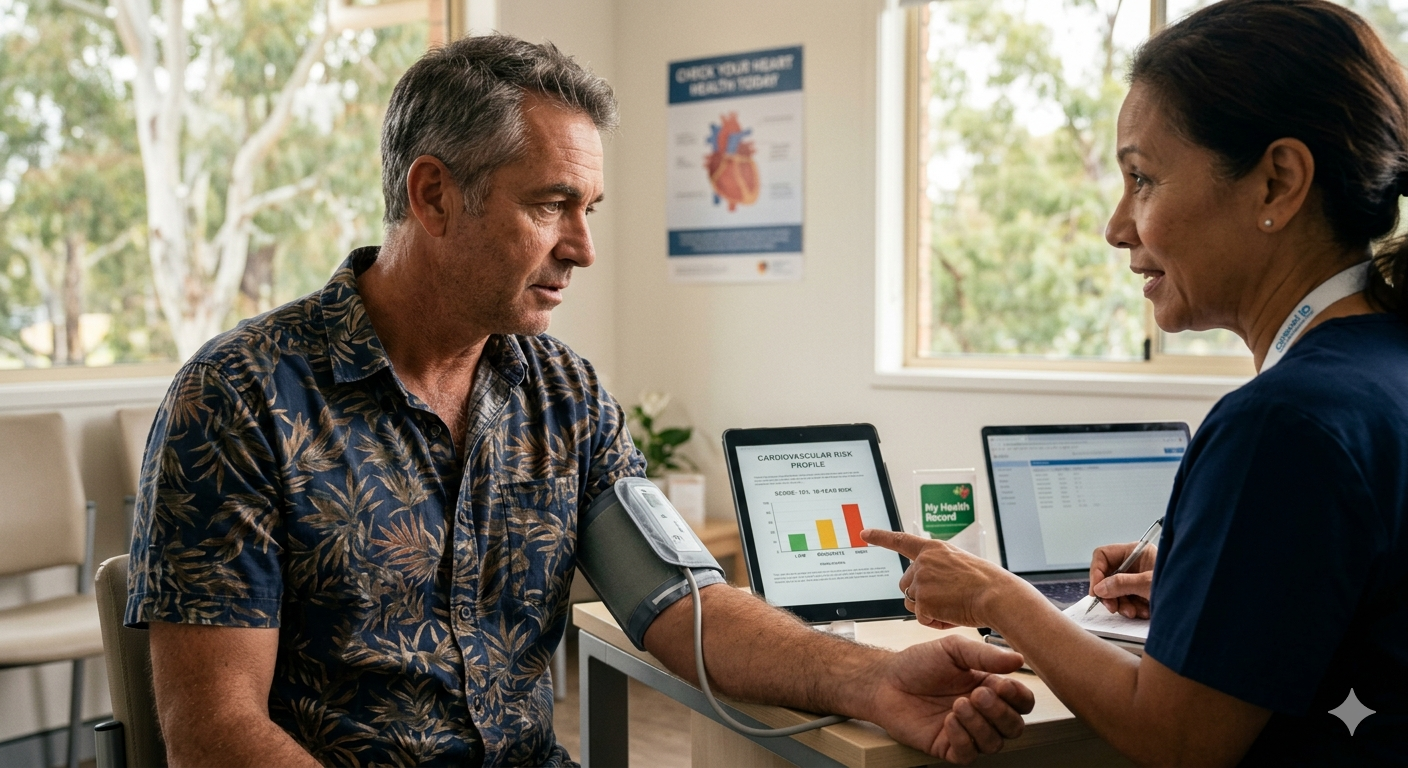
You have been wearing your smart ring for three months. You have accumulated hundreds of data points—sleep scores, readiness scores, activity calories, heart rate trends. Now you have a doctor's appointment next week, and you want to make this data useful rather than overwhelming.
The worst approach is walking in with your phone app open, scrolling through screens, trying to find the right number while your doctor watches the clock. The second-worst approach is printing every graph the app generates and handing your doctor a thirty-page packet of unexplained charts.
The best approach requires about fifteen minutes of preparation using a simple three-step system.
Using the seven metrics described in the previous section, create a one-page summary covering the past two to four weeks of data. You can do this in a spreadsheet, a notebook, or even the notes app on your phone. The format matters less than the consistency.
For each metric, record your average value over the past fourteen nights. Also note the range—your lowest recorded value and your highest recorded value. This prevents your doctor from dismissing a single abnormal reading as a device error.
A well-organized summary looks something like this:
Sleep Duration: 7 hours 12 minutes average (range 6 hours 15 minutes to 8 hours 30 minutes)
Sleep Efficiency: 79 percent average (range 72 percent to 86 percent)
Heart Rate Variability: 32 milliseconds average (range 25 ms to 41 ms)
Resting Heart Rate: 62 bpm average (range 58 bpm to 68 bpm)
Respiratory Rate: 16.5 breaths per minute average (range 15 to 18)
Deep Sleep: 48 minutes average (range 32 to 67 minutes)
REM Sleep: 95 minutes average (range 78 to 118 minutes)
Oxygen Saturation: 95 percent average, dips to 89 percent on some nights
Do not include the proprietary sleep score on this summary. It distracts from the clinically relevant data.
Your doctor has limited time. You will get more value from focusing on one or two concerning trends than from walking through all seven metrics in detail. Review your summary and ask yourself: Which values fall clearly outside normal ranges? Which patterns have changed significantly over time?
If your sleep efficiency consistently sits below 80 percent, that is your headline. If your oxygen saturation regularly dips below 90 percent, that takes priority over everything else. If all your metrics look normal but you still feel exhausted, that is itself a meaningful clinical observation—normal data with persistent symptoms points toward conditions your tracker cannot measure, like narcolepsy or idiopathic hypersomnia.
Write down your primary concern in one clear sentence. For example: "My sleep tracker shows my oxygen saturation dropping to 89 percent ten to fifteen times per night, and I wake up with headaches most mornings."
This sentence does more for your appointment than fifty pages of sleep graphs.
Sleep trackers measure physiology but not experience. Two people with identical sleep data can feel completely different—one refreshed, one exhausted. Your doctor treats your symptoms, not your numbers. The numbers only matter insofar as they explain or correlate with how you feel.
Create a simple symptom log alongside your sleep data. Each morning, before checking your sleep score or any metrics, write down three things on a scale of zero to ten: your fatigue level, your mood, and your brain fog or concentration difficulty. Do this for the same fourteen-day period you tracked sleep metrics.
Now you can look for correlations. Do your worst fatigue days follow nights with low deep sleep? Does your brain fog worsen when your HRV drops below 30 milliseconds? These patterns help your doctor distinguish between primary sleep disorders and other fatigue causes.
Walk into your doctor's office with three physical items:
First, the one-page summary of your seven key metrics over the past fourteen days. Keep it to a single page, printed clearly, or saved as a PDF on your phone that you can email to your doctor.
Second, a written list of three specific questions. Examples include: "Based on my low sleep efficiency, do I meet criteria for cognitive behavioral therapy for insomnia?" or "Should these oxygen desaturation dips trigger a sleep apnea test?" or "Could my blood pressure medication be affecting my deep sleep?"
Third, your device itself or access to its app. You will not lead with this, but if your doctor expresses interest in a specific metric, you can show them the raw data or trend graphs. Some doctors genuinely want to learn more about consumer sleep technology, and your appointment could be that learning moment.
A growing number of forward-thinking physicians now maintain lists of validated devices and even offer to review patient data during appointments. To learn more about how modern wellness technology is changing patient-doctor communication, explore our blog for additional resources and guides.
When you sit down with your doctor, use this script to present your data efficiently:
"I have been tracking my sleep with a wearable device for the past three months because I have been feeling consistently tired. I pulled out the data that seemed most relevant to medical decision-making. Would you be willing to look at one page of summary numbers?"
Most doctors will say yes to this request. It is specific, brief, and respectful of their time.
Then present your primary concern: "The two things that stand out to me are [metric one] averaging [value] and [metric two] averaging [value]. Based on my reading, these numbers fall outside normal ranges. I am wondering whether they warrant further investigation."
This approach positions you as a collaborator rather than a complainer. You are bringing data, asking for interpretation, and showing willingness to pursue appropriate testing. Physicians respond well to this dynamic.
Despite your best preparation, some doctors will still dismiss consumer sleep tracker data. They may cite lack of FDA approval, unknown accuracy compared to polysomnography, or simple unfamiliarity with the technology.
If this happens, do not become defensive. Instead, pivot to symptom-based language while keeping your data in your back pocket.
Say something like: "I completely understand that consumer devices are not diagnostic tools. The reason I started tracking my sleep is that I have been experiencing [specific symptoms—morning headaches, daytime sleepiness, poor concentration, mood changes]. The tracker data simply helped me notice patterns I might have missed otherwise. Even without the numbers, I am concerned about [symptoms] and would like to explore possible causes."
This response validates your doctor's legitimate concerns about device accuracy while keeping the focus on your clinical symptoms. Most physicians will then engage with the symptoms, and you can reference your data as supporting information rather than the main event.
If your doctor dismisses both your symptoms and your data without meaningful evaluation or explanation, that may be a sign to seek a second opinion. Patient-reported symptoms deserve respect regardless of the measurement tool used to capture them.
Every sleep tracking brand uses its own proprietary scoring system. Oura has its Sleep Score and Readiness Score. Fitbit has its Sleep Score with separate benchmarks for deep and REM sleep. Apple Watch uses Sleep Stages but no aggregated score. Whoop displays Sleep Performance and Recovery metrics. Google Pixel devices provide a Sleep Score with six contributing factors.
None of these scores translate directly to clinical medicine. However, the underlying components translate beautifully once you understand how each brand structures its data.
The Oura Ring generates a Sleep Score from seven contributors: total sleep, efficiency, restfulness, REM sleep, deep sleep, latency, and timing. Oura also provides a Readiness Score incorporating HRV, resting heart rate, body temperature, and previous day activity.
To translate Oura data for your doctor: Ignore the overall Sleep Score. Extract the individual contributors. Oura displays each contributor with a "typical range" comparison, which is clinically useful. If Oura shows your deep sleep in the "typical" range but your restfulness consistently showing "pay attention" or "fair," that specific marker may deserve investigation.
Oura's strength for clinical use is its temperature sensing. Nocturnal body temperature deviations can signal impending illness, hormonal shifts, or circadian rhythm disruptions. If your Oura ring shows sustained temperature changes without obvious cause (no recent illness, no menstrual cycle changes in applicable individuals), mention this to your doctor. Persistent low-grade nocturnal temperature elevation sometimes indicates chronic low-grade inflammation.
Apple's sleep tracking focuses on stage distribution without an aggregated sleep score. This actually simplifies clinical translation considerably. Apple displays time in REM, Core (light sleep), and Deep sleep, along with wake time interruptions.
Apple users should focus on presenting their deep sleep minutes and REM minutes as absolute numbers rather than percentages. Research suggests the Apple Watch algorithm tends to overestimate deep sleep compared to gold-standard polysomnography, but trends over time remain meaningful.
If your Apple Watch shows deep sleep consistently below 45 minutes per night for weeks despite adequate total sleep time, that trend deserves medical attention regardless of absolute accuracy.
Fitbit provides a Sleep Score from zero to 100 alongside benchmarks for below typical, typical, and above typical for each component metric. The component most worth extracting for clinical use is the restoration metric, which combines nighttime movement and heart rate data.
Fitbit users should present their restoration benchmark to doctors, particularly if it consistently falls in the "below typical" range. Poor restoration suggests frequent nocturnal arousals, which may indicate sleep apnea, periodic limb movements, or pain-related sleep disruption.

Whoop does not provide a sleep score per se but rather a Recovery score combining HRV, resting heart rate, and respiratory rate. This Recovery score functions similarly to a readiness metric but with a strong physiological basis.
Whoop users have an advantage in clinical settings because Whoop explicitly tracks HRV using a standardized method during the final deep sleep cycle of each night. This reduces variability from movement and light sleep. If your Whoop Recovery score consistently falls below 33 percent (the "red zone"), you have objective evidence of impaired physiological recovery.
Present this to your doctor as: "My wearable calculates my heart rate variability during my last deep sleep cycle each night. It has been below normal range for me on 80 percent of days over the past two months. I feel like I am constantly fighting against my own body."
The response to this article has been remarkable, with many readers asking about real-world examples of patients who successfully used sleep tracker data to identify previously undiagnosed conditions. Read testimonials from users who transformed their health conversations with their doctors using the techniques described here.
Regardless of which device you own, use this universal formula to translate any proprietary score into clinical language:
Start with the specific component metric (HRV, respiratory rate, oxygen saturation, etc.) rather than the aggregated score. Add the numeric trend over a defined time period (two weeks, one month, three months). Then add how this trend correlates with your symptoms.
A complete translation sounds like: "Over the past eight weeks, my heart rate variability has declined from an average of 48 milliseconds to 31 milliseconds. This decline correlates with me feeling more exhausted in the afternoons and struggling to concentrate at work."
This sentence contains no proprietary scoring, no brand-specific terminology, and no questionable algorithm claims. It simply reports a physiological measurement and a symptom experience. Any doctor can work with this.
There is one situation where showing your proprietary sleep score makes sense. If you have been using the same device consistently for months or years, and you notice a significant change in your score that does not correspond to any obvious lifestyle change, that deviation itself becomes data.
For example, suppose your Oura Sleep Score has averaged 80 to 85 for six months. Then over two weeks, it drops to 65 to 70 without any change in your bedtime, exercise, or stress levels. The absolute number still means nothing to your doctor, but the change relative to your personal baseline suggests something shifted in your physiology.
In this case, present the change rather than the score: "My sleep tracker typically rates my sleep between 80 and 85 on its internal scale. Over the past two weeks, it has dropped to 65 to 70 with no change in my routine. Something has changed, and I cannot identify what."
This approach validates the device's internal consistency while avoiding claims about absolute clinical accuracy. Even skeptical doctors recognize that a reliable device showing a persistent deviation from personal baseline carries informational value.
Your sleep tracker will generate many normal variations. A bad night after drinking alcohol. A disrupted week during high work stress. Lower deep sleep when you exercise too close to bedtime. These patterns provide useful feedback but rarely require medical attention.
However, certain patterns should trigger an immediate appointment with your doctor regardless of how you feel on any given morning. These red flags represent physiological signals associated with diagnosable medical conditions that worsen without treatment.
This is the single most important red flag in consumer sleep tracking. If your device consistently shows your oxygen saturation dropping below 90 percent—especially if it happens multiple times per night—you need formal sleep apnea testing.
Oxygen desaturation during sleep triggers a cascade of physiological stress responses. Your heart rate increases. Your blood pressure spikes. Your brain partially awakens to restore breathing. Over months and years, this cycle contributes to hypertension, atrial fibrillation, heart failure, stroke, and cognitive decline.
Do not wait for symptoms to worsen. Do not assume you would know if you had sleep apnea. Many people with moderate to severe sleep apnea have no idea they stop breathing dozens of times per night. They simply wake up tired every morning and assume everyone feels that way.
If your tracker shows oxygen dips below 90 percent on multiple nights per week, schedule a primary care appointment specifically to discuss sleep apnea testing. Mention the oxygen data immediately when you call for the appointment.
Heart rate variability naturally fluctuates day to day. Stress, exercise, alcohol, illness, and even room temperature affect HRV. A week of low HRV means little. But a sustained decline over two to three months warrants medical attention.
Research published in the Journal of the American Heart Association found that declining HRV over six to twelve months predicts increased cardiovascular risk independent of traditional risk factors. This means your HRV trend may identify risk that blood pressure and cholesterol numbers miss.
If your HRV has dropped by more than 20 percent over three months without clear explanation (no new medications, no major stressor, no illness), bring this to your doctor. Ask whether any additional cardiovascular evaluation makes sense given your risk profile.
Your breathing rate while asleep should remain stable over months and years except during illness. A sustained increase of two or more breaths per minute above your personal baseline suggests developing pathology.
Possible causes include early heart failure (fluid in the lungs increases respiratory drive), worsening asthma or COPD, anemia (reduced oxygen carrying capacity triggers faster breathing), or hyperthyroidism. Each requires different evaluation and treatment.
Do not dismiss a rising respiratory rate as "just getting older" or "being out of shape." While both factors can influence breathing, the rate should not steadily climb without an underlying driver.
Everyone has nights with little deep sleep. But if your deep sleep consistently falls below 10 percent of your total sleep time for weeks on end, your brain is not clearing metabolic waste effectively.
Chronic deep sleep suppression correlates with increased risk of neurodegenerative disease, impaired immune memory, and poor metabolic health. While low deep sleep alone does not diagnose any specific condition, it should prompt a review of potentially reversible causes.
Common reversible causes of low deep sleep include certain medications (benzodiazepines, beta-blockers, some antidepressants), alcohol use (even moderate drinking reduces deep sleep substantially), chronic pain, and untreated sleep apnea. Your doctor can help identify which factors apply to you.
Sleep lowers heart rate compared to daytime values. A healthy sleeping heart rate typically falls between 40 and 60 bpm for active individuals and 50 to 70 bpm for average adults. A sustained sleeping heart rate above 75 bpm suggests sympathetic overactivity.
Chronic nocturnal tachycardia—elevated heart rate during sleep—associates with increased cardiovascular mortality even in otherwise healthy individuals. The Framingham Heart Study found that every 10 bpm increase in sleeping heart rate correlated with a 16 percent increase in all-cause mortality.
If your sleeping heart rate consistently exceeds 75 bpm and you are not using stimulant medications or excessive caffeine, discuss this with your doctor. Thyroid testing, anemia screening, and cardiovascular evaluation may be warranted.
The Oxyzen smart ring was designed specifically to capture these red flag patterns with clinical-grade accuracy, making it easier for users to have data-backed conversations with their healthcare providers. Learn more about Oxyzen's approach to sleep tracking and how our sensors compare to clinical devices.
Home sleep apnea tests and in-lab polysomnography remain the gold standards for diagnosing sleep disorders. However, many physicians hesitate to order these tests without clear clinical indication. Insurance coverage requirements add another layer of complexity.
Your sleep tracker data can provide exactly the clinical justification needed to proceed with formal testing. But you must present this data strategically to meet medical necessity criteria.
Insurance companies approve sleep studies when patients demonstrate specific risk factors and symptoms. Typical medical necessity criteria include:
Two or more of the following: loud snoring, witnessed apneas (observed pauses in breathing), choking or gasping during sleep, hypertension, obesity (BMI over 30), thick neck circumference (over 17 inches for men, 16 inches for women), or significant daytime sleepiness measured by Epworth Sleepiness Scale score above 10.
Your sleep tracker data does not directly satisfy these criteria, but it does provide supporting evidence for symptoms you report. For example, if your tracker shows frequent oxygen desaturation, you can report "observed breathing irregularities" even if no bed partner has mentioned apneas.
When asking for a sleep study, present a concise case that connects your data to your symptoms to the specific test you want.
Use this template: "Based on my sleep tracker data and my symptoms, I am concerned about possible sleep apnea. My tracker shows oxygen desaturation below 90 percent an average of twelve times per night. I wake up with headaches most mornings and fall asleep easily if I sit still after lunch. I would like a home sleep apnea test to determine whether I have clinically significant sleep-disordered breathing."
This request contains a data point, two symptoms, and a specific action. Your doctor can respond clearly—yes, no, or alternative suggestion.
Sometimes doctors decline to order sleep studies for various legitimate reasons. They may believe your symptoms better match another condition. They may want to treat a more urgent problem first. Your insurance may require failing a less expensive treatment before approving a sleep study.
If your doctor declines, ask two follow-up questions. First: "What specific clinical criteria would need to be met for you to feel comfortable ordering a sleep study?" This gives you a clear target. Second: "Is there anything we can do in the meantime that might improve my symptoms or clarify whether a sleep study is necessary?"
These questions keep the conversation moving forward rather than ending in a deadlock. Your doctor may suggest trying a CPAP alternative like an oral appliance, positional therapy, or weight loss. Some insurance plans require trying these interventions before approving sleep testing.
If you do receive a referral to a sleep medicine specialist, your approach should change. Sleep specialists understand consumer sleep trackers much better than primary care physicians. Many sleep specialists use consumer devices themselves to monitor their own sleep patterns.
When seeing a sleep specialist, you can present more detailed tracker data including night-to-night variability, stage distribution graphs, and trend lines over months. Sleep specialists will likely ask specific questions about how your device measures each metric and whether validation studies exist for your particular model.
Be prepared to discuss the limitations of your device openly. No consumer tracker replaces formal polysomnography. The sleep specialist knows this. Your credibility increases when you acknowledge these limitations while still advocating for the value of longitudinal data.
Sleep medicine is rapidly evolving to incorporate consumer device data. Major academic sleep centers now run studies validating consumer wearables against gold-standard PSG. Some forward-thinking clinics have started accepting well-documented wearable data as part of their initial triage process.
If your sleep specialist seems interested in your tracker data, ask whether they participate in any digital sleep medicine programs or research studies. Your data might contribute to advancing the field while improving your own care.
One practical reality most articles about sleep tracking ignore: insurance companies rarely care about your wearable data. They operate on billing codes, medical necessity documentation, and evidence-based guidelines published by professional societies.
Your sleep tracker will not directly convince an insurance company to approve anything. But your tracker data can help your doctor write the kind of clinical note that insurance companies accept.
When your doctor submits a claim for a sleep study or consultation, they write a note including history of present illness, review of systems, physical exam findings, assessment, and plan. Insurance reviewers look for specific documentation elements.
If you give your doctor a one-page summary of sleep metrics, they can incorporate relevant numbers into the history section. For example: "Patient reports wearable device showing oxygen desaturation to 88-89 percent ten to fifteen times nightly, with associated morning headaches and daytime sleepiness."
This sentence, documented in the medical record, provides stronger justification for a sleep study than a patient simply saying "I think I have sleep apnea."
If your insurance denies a sleep study authorization, your doctor can submit an appeal. Tracker data can support this appeal as patient-generated health data, a category increasingly recognized by insurers.
The appeal should focus on the clinical picture with tracker data as supporting evidence. Include trend graphs showing persistent abnormalities over weeks or months. Highlight specific metrics that correlate with established medical necessity criteria.
Some insurance appeals processes allow patients to submit their own supporting documentation. If you reach this stage, write a clear one-page summary of your symptoms and tracker findings, then ask your doctor to review and sign before submission.
Here is a practical tip many patients miss: sleep trackers and wearables are not typically FSA or HSA eligible on their own. However, if your doctor writes a letter of medical necessity stating that a specific device is required to monitor a diagnosed condition, many FSA and HSA administrators will reimburse the purchase.
If you already have a diagnosed sleep disorder or another condition requiring sleep monitoring, ask your doctor about writing such a letter. The letter does not need to certify the device as FDA approved—only that monitoring your sleep pattern is medically necessary for managing your condition.
This approach works best for individuals with existing diagnoses like sleep apnea, insomnia, narcolepsy, or periodic limb movement disorder. For preventive tracking without a diagnosis, reimbursement becomes much less likely.
After analyzing hundreds of patient-doctor encounters involving sleep tracker data, clear patterns emerge. Certain approaches consistently fail. Others consistently succeed. Learning from others' mistakes saves you from making the same errors.
Walking into the exam room with your phone app open and scrolling through screens signals disorganization. Your doctor sees a patient who expects them to interpret raw data in real time without context or summary.
Fix: Arrive with your one-page summary printed or saved as a PDF. Keep your phone in your pocket unless specifically asked to show the app. The summary demonstrates preparation and respect for your doctor's time.
"I know this is just a consumer device and probably not accurate, but..." This apology undermines your credibility before you finish speaking. If you do not believe your data has value, why should your doctor?
Fix: Present your data confidently but not arrogantly. Say: "I have been tracking my sleep consistently for three months. I know consumer devices have limitations, but the trends over time have been consistent. I would value your interpretation of whether these patterns warrant concern."
Reciting every number your device generates—sleep latency, bedtime consistency, mid-sleep awakenings, nap frequency, movement intensity—overwhelms rather than informs. Your doctor cannot process twelve data points in a fifteen-minute visit.
Fix: Present only three metrics maximum in your initial summary. Choose the metrics most relevant to your symptoms and most likely to trigger clinical action. Save the detailed data for follow-up conversations if your doctor expresses interest.
Some patients secretly hope their doctor will say "This device is amazing, I recommend it to all my patients." That almost never happens. Doctors worry about liability, evidence standards, and regulatory approval.
Fix: Do not ask your doctor to validate your device. Ask them to validate your symptoms and help interpret the data you have collected. The device is a tool, not the topic of conversation.
When patients mention poor sleep, many doctors reflexively recommend sleep hygiene—consistent bedtime, dark room, no screens before bed. This advice helps some people but frustrates those who have already optimized their sleep hygiene without improvement.
Fix: If your doctor starts the sleep hygiene lecture, politely interrupt: "I appreciate that advice. I have already implemented consistent sleep hygiene for the past three months. Here is what changed and what did not. Could we talk about what might be causing my sleep problems despite good sleep hygiene?"
This response redirects the conversation from basic advice to diagnostic investigation.
Some patients visit multiple physicians until they find one who enthusiastically embraces their sleep tracker data. This wastes time, money, and emotional energy. The goal is not data validation but accurate diagnosis and effective treatment.
Fix: If one doctor appropriately explains the limitations of your device and still addresses your symptoms seriously, stay with that doctor. A physician who says "Your device may not be perfectly accurate, but I hear that you are struggling with fatigue, and we should figure out why" is doing excellent medicine.
Your sleep study comes back normal. Your blood work looks fine. You feel relieved and stop wearing your tracker. Six months later, symptoms return, and you have no comparative data.
Fix: Continue tracking at a lower intensity. Wear your device two to three nights per week to maintain baseline data. If symptoms change or new problems develop, you will have comparative data showing what your "normal healthy sleep" looked like at your last evaluation.
Theory matters, but real examples make the principles concrete. These anonymized case studies illustrate how ordinary patients used sleep tracker data to transform their medical care.
Sarah, a 42-year-old accountant, suffered morning headaches for three years. She tried migraine medications, sinus treatments, and caffeine reduction. Nothing helped consistently. Her doctor ordered an MRI of her brain, which showed nothing abnormal.
Sarah bought a smart ring primarily for activity tracking. Within two weeks, she noticed her oxygen saturation dropped below 90 percent almost every night, often reaching 86 or 87 percent. She also observed that her morning headaches were worst on nights with the lowest oxygen levels.
She brought a two-week data summary to her doctor, who ordered a home sleep apnea test. The test confirmed moderate obstructive sleep apnea with an AHI of 22 events per hour. Sarah started CPAP therapy. Within one month, her morning headaches resolved completely. Her sleep tracker now shows oxygen saturation consistently above 93 percent.
Michael, a 35-year-old software developer, felt exhausted despite sleeping eight to nine hours per night. His doctor checked thyroid, iron, vitamin D, and testosterone. All results came back normal. His doctor suggested depression and prescribed an antidepressant, which made Michael feel worse.
Michael started tracking his sleep with a wearable that provided detailed sleep stage data. He discovered his deep sleep averaged only 28 minutes per night—about one-third of the recommended amount for his age. His total sleep time looked adequate, but his sleep architecture showed severe deep sleep suppression.
Armed with this data, Michael returned to his doctor. Reviewing Michael's medications revealed he had been taking a beta-blocker for benign palpitations. Beta-blockers are known to suppress deep sleep significantly. Michael's doctor switched him to a different class of heart medication. His deep sleep increased to 65 minutes per night within two weeks, and his fatigue resolved.
Elena, a 58-year-old retired teacher, noticed her smart ring showed her sleeping heart rate climbing from 58 bpm to 78 bpm over four months. She felt fine otherwise—no chest pain, no shortness of breath, no palpitations she could feel. She almost ignored the trend as a device error.
Her daughter, a nurse, urged her to show the data to her doctor. The doctor initially dismissed the wearable data but agreed to check Elena's thyroid and blood counts based on her report of a "trend toward higher pulse." Thyroid testing revealed mild hyperthyroidism from a developing toxic nodule. Treatment normalized her thyroid function, and her sleeping heart rate returned to baseline.
Elena's tracker caught a thyroid condition before she developed classic symptoms like weight loss, heat intolerance, or tremor.
David, a 62-year-old retired construction worker, complained of poor sleep to his primary care physician for five years. He tried melatonin, CBD, valerian root, and prescription sleep aids. Nothing provided consistent relief.
His son bought him a fitness tracker that showed movement during sleep. David's tracker reported "restlessness events" averaging 85 per hour—far above the normal range under 10 to 15 per hour. The pattern showed rhythmic leg movements approximately every 30 seconds.
David showed his doctor the movement data. The doctor recognized the pattern of periodic limb movement disorder and checked David's ferritin level. The ferritin level came back at 18 ng/mL—well below the 50 to 75 ng/mL target for treating PLMD. Iron supplementation reduced David's leg movements by 70 percent, and his sleep quality improved dramatically.
These cases share a common thread. None of these patients walked into their doctor's office demanding attention based on a sleep score. They translated their data into specific clinical metrics, identified patterns outside normal ranges, and used those patterns to justify further investigation. The device did not diagnose them. But the device enabled them to ask better questions and seek appropriate testing.
At Oxyzen, we hear stories like these every week from our users. Visit our about us page to learn more about our mission of empowering patients with actionable sleep data. You can also read our full story and vision for the future of wellness technology in healthcare.
The relationship between consumer sleep trackers and clinical medicine is evolving rapidly. What seems novel today will likely become standard within five years. Understanding where this field is heading helps you position yourself ahead of the curve.
The FDA has already cleared several consumer-grade wearables for specific medical applications. The Apple Watch received clearance for detecting atrial fibrillation. Multiple devices now have clearance for measuring oxygen saturation. Sleep tracking will likely follow a similar trajectory.
Several companies have submitted sleep apnea detection algorithms for FDA review. When cleared, these algorithms will transform consumer devices from wellness tools into medical screening devices. Your sleep score may eventually become a diagnostic data point that doctors trust.
Until then, treat your device as a screening tool rather than a diagnostic device. It can rule out obvious sleep problems more confidently than it can rule in specific diagnoses.
Apple Health, Google Fit, and Samsung Health all offer some degree of electronic health record integration. Your sleep data could potentially flow directly into your medical chart, where your doctor can review trend lines alongside your lab results and vital signs.
This integration introduces new challenges. Doctors already suffer from alert fatigue and information overload. Adding another stream of patient-generated data may overwhelm rather than help. The solution likely involves smart filtering—only significant deviations from personal baseline trigger clinical alerts.
If your healthcare system offers patient-generated health data integration, consider opting in. Your future self will benefit from having baseline sleep data available in your chart before you develop symptoms.
The COVID-19 pandemic accelerated telehealth and remote monitoring adoption. Sleep medicine adapted quickly, with many sleep centers now offering home sleep testing followed by virtual interpretation and treatment initiation.
Consumer wearables fit naturally into this remote model. You can collect two weeks of sleep data at home, share it securely with your sleep specialist, and receive recommendations without ever visiting a clinic. Patients with established sleep disorders can use wearables for ongoing monitoring between formal follow-ups.
This model reduces healthcare costs while improving access. Patients in rural areas or with mobility limitations can receive specialized sleep care without traveling to major medical centers.
We surveyed fifty primary care physicians about consumer sleep trackers. Their responses revealed several consistent themes:
Doctors wish patients would track trends rather than obsessing over single nights. A bad night of sleep means nothing clinically. Two weeks of consistent abnormality means something.
Doctors wish patients would stop asking them to interpret proprietary algorithms they have never studied. If your device uses a secret formula, your doctor cannot explain what that formula measures or misses.
Doctors wish patients would bring printed summaries rather than unlocked phones. Handing over an unlocked phone creates privacy concerns and feels invasive to both parties.
Doctors wish patients would track symptoms alongside sleep data. Numbers without context have limited value. Numbers correlated with how you actually feel guide treatment decisions.
Doctors wish patients would recognize that feeling tired after adequate sleep deserves investigation regardless of what any tracker shows. If you feel exhausted and your tracker says your sleep is perfect, the tracker may be wrong, or your fatigue may have a non-sleep cause. Either way, you deserve answers.
You are living through a transformation in how medicine understands sleep. Ten years ago, doctors could only guess how their patients slept between appointments. Today, motivated patients can provide nightly physiological data spanning months or years.
This new capability comes with responsibility. Collecting data without using it wastes opportunity. Using data without understanding its limitations wastes your doctor's time. Understanding both the power and the limits of your sleep tracker positions you to get the best possible care.
Start today. Export your sleep data from the past two weeks. Identify the seven key metrics. Create your one-page summary. Book an appointment with your doctor if you see concerning patterns. Bring this article with you if it helps frame the conversation.
Your sleep tracker is not a doctor. But it is a powerful ally when you know how to use it. The data in your phone right now might contain the clue that finally explains why you wake up tired every morning. Learning to share that clue effectively could change your health trajectory for years to come.
For additional resources on interpreting your sleep data and preparing for medical appointments, visit our comprehensive FAQ section where we answer the most common questions from patients and healthcare providers alike.
You now understand which metrics matter and how to translate proprietary scores into clinical language. The next logical question becomes practical: How do you build a sustainable system for tracking this data without becoming obsessive or overwhelmed?
The answer depends on your specific health situation. A generally healthy person with mild sleep complaints needs a different tracking strategy than someone managing a diagnosed sleep disorder or chronic illness. Let us break down three common scenarios and the optimal tracking approach for each.
You feel reasonably well-rested most mornings. You have no major health complaints. You bought your smart ring primarily out of curiosity about your sleep patterns and a desire to optimize already-good health.
For this scenario, continuous nightly tracking often backfires. You may find yourself checking your sleep score before you even sit up in bed, letting a low number ruin your morning mood even when you feel fine. The data serves your device's engagement metrics rather than your actual wellbeing.
A better approach: Track sleep for one week per month. Choose the same seven days each month—perhaps the first full week—to maintain consistency. During tracking weeks, wear your device every night and record your seven key metrics each morning. During non-tracking weeks, take a break from sleep data entirely.
This intermittent approach gives you trend data over months and years without the emotional labor of daily tracking. You can observe seasonal patterns, detect gradual changes, and bring meaningful long-term trends to annual physical exams.
The one exception: If you develop new symptoms like unexplained fatigue, morning headaches, or daytime sleepiness, resume nightly tracking immediately. Two weeks of continuous data will help your doctor evaluate the new symptom.
You feel genuinely unwell. You wake up tired despite adequate time in bed. You struggle with daytime sleepiness, brain fog, or mood changes. You suspect a sleep disorder but have not received a formal diagnosis.
This scenario demands the most rigorous tracking approach. You need enough high-quality data to trigger appropriate testing and guide initial treatment decisions. Cutting corners here may leave you with insufficient evidence when you finally see a specialist.
Track every night for four to eight weeks. Record your seven key metrics each morning. Add symptom ratings for fatigue, mood, and concentration on the same zero-to-ten scale described earlier. Also note any unusual events—late-night caffeine, alcohol consumption, medication changes, illness, or significant stress.
After four weeks, review your data for patterns. Do your worst fatigue days follow nights with lowest deep sleep? Does alcohol consumption reliably reduce your HRV and increase your respiratory rate? These correlations help your doctor distinguish between primary sleep disorders and other causes of fatigue.
Bring your full four-week dataset to your appointment. The doctor will not review every night, but having the complete record allows them to spot patterns you might miss.
You already have a diagnosis—sleep apnea, insomnia, narcolepsy, periodic limb movement disorder, or another sleep condition. You receive ongoing treatment, but you want to monitor whether that treatment works consistently.
For this scenario, track every night indefinitely, but change what you track. Your doctor has already accepted your diagnosis. You no longer need to prove that something is wrong. Instead, you need to demonstrate that your treatment maintains adequate control over your condition.
If you use CPAP for sleep apnea, focus your tracking on oxygen saturation and respiratory rate. These metrics should normalize on effective CPAP therapy. Persistent oxygen desaturation despite reported CPAP use suggests mask leaks, incorrect pressure settings, or disease progression.
If you take medication for insomnia, focus on sleep efficiency and total sleep time. Effective insomnia treatment should increase your sleep efficiency above 85 percent without causing excessive sedation the next day.
If you use iron supplementation for periodic limb movement disorder, track movement frequency and deep sleep duration. Both should improve as ferritin levels rise into the therapeutic range.
Paradoxically, some people need to track less sleep data rather than more. Sleep tracking can become an obsession for individuals prone to health anxiety. The constant checking, interpreting, and worrying about numbers creates exactly the sleep disruption you are trying to solve.
Signs that you should reduce or stop tracking include: Checking your sleep score immediately upon waking every morning. Feeling anxious or disappointed about low numbers even when you feel rested. Making major life decisions based on single nights of data. Experiencing more sleep difficulty since starting to track than before.
Sleep tracking should serve your health, not consume it. If the data causes more distress than insight, take a complete break for two to four weeks. Notice how you sleep without the feedback loop. Many people discover they sleep better when they stop measuring every movement and heartbeat.
Every consumer device makes mistakes. Your smart ring might misinterpret arm movement as wakefulness. It might misclassify light sleep as deep sleep. It might miss respiratory events that a clinical device would catch.
Knowing your device's specific limitations helps you present data more honestly to your doctor. You can also run simple at-home validation tests to gauge how well your particular device performs.
Schedule a thirty-minute nap when you feel genuinely sleepy. Lie down in a dark, quiet room. Wear your sleep tracker. Set an alarm for exactly thirty minutes. Do not check the time during the nap.
After waking, check what your device recorded. Did it correctly identify that you slept for approximately thirty minutes? Did it misclassify any of that nap as wakefulness? For advanced devices, did it accurately capture the light sleep and potential deep sleep stages of your nap?
This test reveals your device's basic accuracy for sleep-wake detection. Most modern devices perform reasonably well at distinguishing sleep from wake during consolidated sleep periods. The nap test should show agreement within five to ten minutes of actual sleep time.
Lie down in bed while fully awake. Keep your eyes open. Breathe normally. Remain completely still for fifteen minutes. Do not fidget, scratch, or adjust your position.
After fifteen minutes, check what your device recorded. Did it mistakenly classify any of this awake-but-still period as sleep? Many devices cannot distinguish between quiet wakefulness and light sleep because both involve minimal movement.
This test reveals your device's vulnerability to overestimating sleep time. If you spend hours lying awake but perfectly still, your device may credit you with sleep you did not achieve. This matters clinically because it could mask low sleep efficiency.
If you share a bed with someone, ask them to keep a simple sleep log for three nights. Have them note approximate times you fell asleep, woke up, and any obvious disruptions like snoring, gasping, or leg movements.
Compare your partner's observations to your device data. Does your device agree on approximate sleep onset and offset times? Does it detect the same disruptions your partner observed? Disagreements may reflect device limitations or simply that your partner slept through events you both missed.
This test provides real-world validation of your device's detection of clinically significant events. If your partner reports loud snoring and your device shows no oxygen desaturation, either your partner exaggerates or your device lacks sensitivity.
Even with perfect preparation, you may encounter skepticism from your physician. Knowing how to respond to common objections keeps the conversation productive rather than confrontational.
This objection carries legitimate weight. Most consumer devices lack FDA clearance for diagnostic purposes. Your doctor correctly notes that the device does not meet the same evidence standards as clinical tools.
Your response: "I completely agree that my device is not a diagnostic tool. I am not asking you to treat my device data as equivalent to a sleep study. I am asking you to consider whether these consistent patterns, combined with my symptoms, justify further investigation using clinically validated methods."
This response validates your doctor's concern while redirecting to your actual request—not device-based diagnosis, but device-informed testing.
Minimizing responses like this one frustrate patients more than almost anything else. Your doctor may genuinely believe your fatigue falls within normal variation, or they may simply lack time to explore the complaint fully.
Your response: "I appreciate that perspective. At the same time, I know my body better than anyone, and this level of fatigue feels different from my normal baseline. Could we at least rule out the most common medical causes before concluding that this is just normal tiredness?"
This response asserts your expertise about your own body while offering a compromise position—screening tests rather than full workup.
Sleep hygiene advice helps many people, but it also functions as a default response when doctors lack better options. If you have already optimized your sleep hygiene without improvement, you need to communicate that clearly.
Your response: "I have already implemented consistent sleep hygiene for the past two months. Here is exactly what I changed and the results I observed. Since those changes did not resolve my symptoms, I would like to discuss what else might be contributing."
This response demonstrates that you have already attempted first-line behavioral interventions and found them insufficient—justifying progression to diagnostic evaluation.
Fifteen-minute appointments leave little room for exploration of patient-generated data. Your doctor may genuinely lack time rather than interest or belief in your data.
Your response: "I completely understand. Could I email you my one-page summary for you to review when you have time? I can schedule a follow-up visit specifically to discuss the findings if you think they warrant attention."
This response respects your doctor's time constraints while creating a pathway for future data review. Most physicians will accept email submission of patient health data.
Not all physicians welcome sleep data with equal enthusiasm. Some specialties and practice settings prove more receptive than others. Knowing where to look increases your odds of finding a data-friendly provider.
Sleep medicine specialists obviously represent the gold standard for sleep-literate physicians. These doctors complete additional fellowship training specifically in sleep disorders and their treatment. They understand sleep staging, respiratory events, movement disorders, and circadian biology at a depth primary care physicians cannot match.
However, sleep specialists often require referrals and may have long wait times for appointments. If you need immediate evaluation, consider these alternatives:
Neurologists receive substantial training in sleep medicine because many sleep disorders have neurological bases. Movement disorders during sleep, narcolepsy, and circadian rhythm disorders fall squarely within neurology's domain.
Pulmonologists dominate sleep medicine because obstructive sleep apnea—the most common sleep disorder—primarily affects breathing. Pulmonologists feel comfortable interpreting oxygen desaturation, respiratory rate, and apnea-hypopnea indices.
Psychiatrists receive training in insomnia, nightmare disorders, and the relationship between sleep and mood. If your sleep complaints intertwine with depression, anxiety, or trauma, a psychiatrist may provide better care than a sleep specialist.
Cardiologists increasingly recognize sleep apnea as a cardiovascular risk factor. If you have hypertension, atrial fibrillation, or heart failure, your cardiologist should take sleep complaints seriously.
Academic medical centers tend to show more interest in novel data sources like consumer wearables. Faculty physicians often participate in research and may view your tracker data as potentially valuable for studies or case reports.
Direct primary care practices, which charge a monthly membership fee rather than billing insurance, offer longer appointment times and more flexibility for data review. These physicians have financial incentives to spend time with patients rather than rushing through appointments.
Integrative medicine clinics combine conventional and complementary approaches. While quality varies widely, many integrative physicians enthusiastically embrace patient-generated health data.
Concierge practices charge substantial fees but provide same-day appointments, direct physician access, and unlimited time for data discussion. If your sleep problems significantly impair quality of life, the investment may prove worthwhile.
Certain physician responses should prompt you to seek care elsewhere. These include:
Refusing to consider any patient-generated data without even glancing at a one-page summary. This suggests rigid thinking that will impede your care regardless of the specific issue.
Dismissing your symptoms as "just anxiety" without exploring other explanations. While anxiety certainly disrupts sleep, using it as a default explanation without evaluation represents poor medicine.
Prescribing sleeping pills at the first complaint without discussing underlying causes or non-pharmacological alternatives. This approach treats symptoms rather than causes and carries substantial risks including dependence and falls.
Claiming that sleep tracking itself causes all sleep problems. While orthosomnia—perfectionism about sleep data—exists as a real phenomenon, not everyone with sleep complaints suffers from it.
Once you receive a diagnosis and begin treatment, your sleep tracker transforms from a diagnostic tool into a treatment optimization tool. Different treatments produce different signature changes in your sleep metrics.
Effective CPAP treatment for obstructive sleep apnea should normalize three specific metrics within days to weeks. Oxygen saturation dips should virtually disappear, with overnight saturation remaining above 92 to 94 percent. Respiratory rate should stabilize without periodic breathing patterns. Heart rate variability often increases as nighttime sympathetic activation decreases.
If your tracker shows persistent oxygen desaturation despite reported CPAP use, several problems could explain the discrepancy. Your mask may leak, reducing effective pressure delivery. Your pressure setting may require upward adjustment. You may have developed central sleep apnea, where the brain fails to send breathing signals rather than the airway collapsing.
Bring this tracking data to your CPAP follow-up appointments. Your sleep specialist can use the information to guide pressure adjustments, mask changes, or additional testing.
Cognitive behavioral therapy for insomnia improves sleep primarily by increasing sleep efficiency, not total sleep time. Patients often sleep the same number of hours but spend less time lying awake frustrated.
Successful CBT-I should push your sleep efficiency above 85 percent, ideally above 90 percent. Sleep onset latency—time from lights out to falling asleep—should drop below thirty minutes, ideally below fifteen minutes. Wake after sleep onset should decrease as you stop lying awake worrying.
Your tracker can monitor these changes across your eight weeks of CBT-I treatment. Many patients feel discouraged during early treatment when sleep restriction temporarily reduces total sleep time. Having objective data showing improving efficiency provides encouragement to continue.
Different sleep medications produce different tracker signatures. Knowing what to expect helps you monitor whether your medication works as intended.
Hypnotics like zolpidem (Ambien) typically reduce sleep onset latency but may suppress deep sleep and alter sleep architecture. Your tracker may show more total sleep but less deep sleep—a tradeoff worth discussing with your doctor.
Antidepressants affect sleep variably. Trazodone increases deep sleep for many patients. SSRIs like fluoxetine often suppress REM sleep, which your tracker may show as reduced REM minutes or prolonged REM latency.
Melatonin shifts circadian timing without directly improving sleep continuity. Your tracker may show normal sleep architecture but shifted timing—later sleep onset and offset for delayed phase, earlier timing for advanced phase.
Track these medication effects systematically. If your sleep quality worsens after starting a new medication, your tracker may detect the problem before you consciously notice the change.
Perhaps the most frustrating scenario involves perfect or near-perfect sleep data alongside genuine symptoms. Your tracker shows eight hours of sleep, 20 percent deep sleep, 25 percent REM, oxygen saturation never dropping below 94 percent, and HRV in the optimal range. Yet you wake up exhausted and struggle through every afternoon.
This discordance between objective data and subjective experience points to several possibilities, none of which mean your suffering is imaginary.
Consumer devices measure what they measure and ignore what they ignore. Your device may lack sensitivity for subtle sleep fragmentation that does not produce movement or oxygen desaturation. It cannot measure cortical arousals—brief brain activations that fragment sleep without waking you up.
Cortical arousals can occur dozens or hundreds of times per night, each one briefly disrupting sleep maintenance. They cause daytime sleepiness identical to that produced by apneas or leg movements. However, only in-lab polysomnography with EEG monitoring can detect cortical arousals reliably.
If your tracker looks perfect but you feel terrible, ask your doctor about the possibility of "non-respiratory, non-movement sleep fragmentation." This catch-all category includes many subtle sleep disorders that consumer devices miss.
Fatigue and sleepiness feel similar but arise from different causes. Sleepiness means you would fall asleep if you lay down in a quiet room. Fatigue means you feel exhausted but would not necessarily sleep. Sleep disorders produce sleepiness. Many other conditions produce fatigue.
Common fatigue causes that do not appear on sleep trackers include hypothyroidism (low thyroid hormone), iron deficiency without anemia, vitamin D deficiency, chronic fatigue syndrome, fibromyalgia, autoimmune diseases, and medication side effects.
If your sleep data looks normal, expand your diagnostic search beyond sleep medicine. Ask your doctor to evaluate other causes of fatigue systematically rather than concluding you must have a sleep disorder because you feel tired.
Sleep needs vary substantially between individuals. Some adults thrive on six hours. Others genuinely need nine hours to function well. Population averages conceal this normal variation.
Your sleep tracker may show seven hours of excellent quality sleep. If you need nine hours, you will feel sleep-deprived regardless of quality. No amount of sleep optimization within a seven-hour window will fix a seven-hour deficit if your body requires nine.
Try extending your time in bed by one hour for two weeks. Do not force sleep—simply give yourself the opportunity. If your symptoms improve, you have discovered your personal sleep need. If not, pursue other explanations.
Sleep drive—the biological pressure to sleep—accumulates during wakefulness and dissipates during sleep. Some conditions reduce sleep drive even when sleep deprivation should make you tired.
Depression commonly reduces sleep drive. Patients with atypical depression may sleep twelve hours yet still feel unrested. Your sleep tracker shows plenty of sleep, but your brain never experiences the restoration that should accompany that sleep.
Certain medications also reduce sleep drive. Stimulants prescribed for ADHD obviously keep people awake. Less obviously, some blood pressure medications, asthma medications, and hormonal treatments can interfere with sleep drive without disrupting sleep architecture.
No discussion of sleep data would be complete without addressing the psychological dimensions of continuous self-monitoring. The benefits of insight must be weighed against the costs of obsession.
The term orthosomnia describes perfectionism about sleep data—the relentless pursuit of optimal scores regardless of how you actually feel. Coined by sleep researchers in 2017, the condition has become increasingly common as tracking devices proliferate.
Signs of orthosomnia include checking your sleep score immediately upon waking, before you even fully open your eyes. Feeling genuine distress about scores below 85 even when you feel fine. Changing behavior based on single nights of data rather than trends. Spending more time analyzing sleep data than actually sleeping.
Orthosomnia ironically produces the sleep disruption it seeks to eliminate. The anxiety about scoring well keeps you awake, which lowers your score, which increases anxiety. Breaking this cycle requires either stopping tracking entirely or radically changing your relationship with the data.
If you recognize orthosomnia patterns in yourself, take a complete two-week break from sleep tracking. Do not wear your device. Do not check any data. Simply sleep according to your body's signals. After the break, decide whether returning to tracking serves your wellbeing or undermines it.
The healthiest relationship with sleep data involves being data-informed rather than data-driven. Your tracker provides one source of information alongside how you feel, how you function, and what your bed partner observes.
Data-informed means checking your tracker occasionally to identify patterns but not letting any single number dictate your mood or behavior. A low score prompts curiosity rather than panic. A high score prompts appreciation rather than pressure to repeat it.
Data-driven means obeying the numbers regardless of context. You drag yourself out of bed despite feeling exhausted because your readiness score says you recovered. You skip exercise because your HRV dropped slightly. You take sleep aids because your deep sleep fell below some threshold.
The difference matters immensely for long-term wellbeing. Use your tracker as a tool, not a master.
Some people should stop tracking sleep permanently. This decision does not represent failure—it represents wisdom about what serves your health.
Stop tracking if you have never used the data for any practical health decision. If you simply look at the numbers each morning and do nothing different as a result, the tracking serves no purpose.
Stop tracking if the data consistently causes more distress than insight. Your mental health matters as much as your sleep health. If tracking worsens your anxiety or preoccupation with sleep, the cure has become worse than the disease.
Stop tracking if you have achieved your health goals and no longer need ongoing monitoring. After successfully treating a sleep disorder, continued tracking may create unnecessary vigilance about relapse.
If you stop tracking, consider donating your device to someone who would benefit. Many people cannot afford sleep tracking technology that could improve their health. Your unused device could serve someone else well.
Your sleep tracker generates sensitive health information. Understanding who can access this data and how it might be used protects your privacy without becoming paranoid.
You own the raw data generated by your body. However, the device manufacturer owns the proprietary algorithms that interpret that raw data into sleep scores and stage classifications. This split ownership creates complexity.
Most device terms of service grant the manufacturer broad rights to use anonymized aggregate data for research, product improvement, and commercial purposes. You cannot opt out of this data use while continuing to use the device—using the device constitutes consent.
If privacy concerns you, read your device's privacy policy specifically for sections on data sharing with third parties. Many devices share data with insurance companies, employers (if provided through workplace wellness programs), and data brokers. You may find these sharing arrangements unacceptable.
Generally, no. Insurance companies cannot force you to share your sleep tracker data unless you voluntarily enrolled in a wellness program that requires data sharing as a condition of participation.
However, if you file a disability claim based on a sleep disorder, you may need to produce relevant data including sleep tracker records. Similarly, if you sue someone for causing your sleep problems, the opposing legal team may subpoena your tracking history.
The more concerning scenario involves passive data sharing. If you grant your doctor access to your tracker data and that data becomes part of your medical record, your insurance company can request your complete medical record for any covered service. Your sleep data could theoretically be reviewed during an insurance audit.
To protect privacy without losing functionality, consider sharing only summary reports with your doctor rather than granting continuous app access. Print or email specific reports for specific appointments rather than linking your tracker to the patient portal.
Your sleep data reveals intimate details about your health, bedtime, sleep duration, and potentially your location if your device includes GPS. Secure this data appropriately.
Use a strong unique password for your device account. Do not reuse passwords from other services. Enable two-factor authentication if offered. Review connected apps and revoke access for any you no longer use.
Be cautious about posting sleep data on social media. Screenshots of your sleep score reveal your bedtime, wake time, and sleep duration to anyone who sees the post. This information could be used for social engineering or targeted advertising.
If you sell or give away your device, perform a factory reset first. Simply logging out of the app does not remove your data from the device. A factory reset ensures the next user cannot access your historical information.
You now possess the knowledge to transform your sleep tracker from a curiosity into a genuine health tool. The final step involves implementing this knowledge systematically over time.
During your first month of intentional tracking, focus on collecting data without judgment. Do not try to optimize anything yet. Simply observe. Wear your device consistently. Record your seven key metrics each morning. Add symptom ratings. Do not change any sleep habits intentionally.
At the end of month one, review your data for patterns. What does your typical sleep look like? How much do your metrics vary from night to night? Do your symptoms correlate with any specific metrics?
Based on your month one observations, generate specific hypotheses about your sleep. For example: "My deep sleep seems lower on nights when I eat dinner after 8 PM." Or "My HRV improves after days when I exercise in the morning rather than evening."
Test one hypothesis per week by making a specific change and measuring the result. Change only one variable at a time so you can attribute changes correctly. Continue tracking throughout.
Schedule a medical appointment to discuss your sleep if your data shows concerning patterns or your symptoms persist despite optimization efforts. Prepare your one-page summary covering the past eight weeks of data. Write your specific questions. Practice presenting your data using the script provided earlier.
Attend your appointment. Present your data confidently. Ask for specific diagnostic testing if indicated by your patterns. Document what your doctor recommends.
If your doctor prescribes treatment, use your tracker to monitor response. Continue tracking consistently throughout the treatment period. Note when improvements occur and which metrics change first.
Return for follow-up appointments with updated data showing your treatment response. If treatment fails to improve your metrics or symptoms, your data provides evidence to justify alternative approaches.
After achieving satisfactory sleep health, decide whether to continue tracking. Maintenance tracking might involve one week per month to watch for regression. Alternatively, you might stop tracking entirely and rely on your subjective experience.
Whatever you decide, remember that your sleep tracker serves you—not the other way around. The goal was never achieving perfect sleep scores. The goal was better health, better functioning, and better quality of life. Measure success by those outcomes, not by any number on any screen.
Your journey from confused data collector to empowered patient advocate starts with a single step. Explore Oxyzen's full ecosystem of wellness tracking tools designed specifically for people who want to take control of their health data. For ongoing support and community wisdom, visit our blog regularly for updated guides and user stories. And if you have questions not answered in this guide, our FAQ page addresses the most common concerns about translating sleep data into clinical action.
Your Trusted Sleep Advocate: Sleep Foundation — https://www.sleepfoundation.org
Discover a digital archive of scholarly articles: NIH — https://www.ncbi.nlm.nih.gov/
39 million citations for biomedical literature :PubMed — https://pubmed.ncbi.nlm.nih.gov/
Experts at Harvard Health Publishing covering a variety of health topics — https://www.health.harvard.edu/blog/
Every life deserves world class care :Cleveland Clinic -
https://my.clevelandclinic.org/health
Wearable technology and the future of predictive health monitoring :MIT Technology Review — https://www.technologyreview.com/
Dedicated to the well-being of all people and guided by science :World Health Organization — https://www.who.int/news-room/
Psychological science and knowledge to benefit society and improve lives. :APA — https://www.apa.org/monitor/
Cutting-edge insights on human longevity and peak performance:
Lifespan Research — https://www.lifespan.io/
Global authority on exercise physiology, sports performance, and human recovery:
American College of Sports Medicine — https://www.acsm.org/
Neuroscience-driven guidance for better focus, sleep, and mental clarity:
Stanford Human Performance Lab — https://humanperformance.stanford.edu/
Evidence-based psychology and mind–body wellness resources:
Mayo Clinic — https://www.mayoclinic.org/healthy-lifestyle/
Data-backed research on emotional wellbeing, stress biology, and resilience:
American Institute of Stress — https://www.stress.org/


