How to Get More Deep Sleep Tonight (7 Proven Strategies)
Getting more deep sleep tonight is achievable using seven proven strategies that work immediately. This actionable guide provides specific interventions you can implement today including temperature adjustment, exercise timing, evening routines, supplements, light management, stress reduction, and sleep positioning.
How to Get More Deep Sleep Tonight (7 Proven Strategies)
You know the feeling. You clock a solid eight hours in bed, drag yourself through your morning routine, and still feel like you’ve been hit by a truck. Your brain is foggy, your energy is nonexistent, and your coffee consumption reaches critical levels before lunch. Sound familiar? The culprit likely isn't the quantity of your sleep, but the quality. More specifically, you’re probably missing out on the most vital phase of your nightly rest: deep sleep.
Deep sleep, also known as slow-wave sleep, is your body's ultimate restoration mode. It’s when tissue repair accelerates, growth hormone is released, your immune system recharges, and memories are consolidated from short-term storage into long-term knowledge. It’s the non-negotiable foundation for waking up feeling truly refreshed, mentally sharp, and physically resilient. Yet, in our hyper-connected, stress-filled modern lives, deep sleep is often the first casualty.
The frustrating part? You can’t force it. You can’t just decide to have more deep sleep. But you can create the perfect physiological and environmental conditions for it to flourish. This isn't about quick fixes or gimmicks; it’s about understanding the science of your sleep architecture and making strategic, evidence-based changes to your daily and nightly routines.
The journey to better deep sleep begins with awareness. How much are you actually getting? For decades, that question was unanswerable outside a sleep lab. Today, advanced wearable technology, like the sophisticated sensors found in a Oxyzen smart ring, puts precise sleep stage tracking—including detailed deep sleep analysis—right on your finger. This data is the key, transforming guesswork into a targeted action plan.
In this comprehensive guide, we will dive deep into seven proven, science-backed strategies designed to systematically increase your deep sleep. We’ll move from understanding your own unique sleep patterns, to mastering your light environment, regulating temperature, crafting the perfect pre-sleep ritual, optimizing nutrition and exercise, managing stress, and finally, creating a sanctuary for sleep. This is your blueprint for unlocking the most restorative sleep of your life. Let's begin by turning on the lights—or rather, learning how to turn them off.
The Deep Sleep Deficit: Why You Wake Up Tired Even After "Enough" Sleep
We live in a society obsessed with the magic number of eight. Eight hours of sleep has been enshrined as the universal standard for health and productivity. But this single-minded focus on duration is a profound oversimplification that leaves millions struggling with unexplained fatigue. You can be in bed for nine hours and still experience a deep sleep deficit. Why? Because sleep is not a monolithic state; it's a dynamic, cyclical journey through different stages, each with a distinct purpose.
Think of your nightly sleep not as a flatline, but as a series of rollercoaster waves. Over a typical night, you cycle through four stages every 90-120 minutes: Stage 1 (light dozing), Stage 2 (light sleep), Stage 3 (deep sleep), and REM (rapid eye movement) sleep, where vivid dreaming occurs. Deep sleep and REM sleep are the heavyweight champions of restoration, but they have different specializations.
Deep sleep is primarily physical restoration. During this phase, your brain waves slow to a synchronized, rhythmic pattern called delta waves. Your blood pressure drops, your breathing becomes slow and regular, and it becomes very difficult to wake you. This is when the body goes to work:
Physical Repair & Growth: The pituitary gland releases a pulse of human growth hormone, which is essential for muscle repair, bone building, and cell regeneration.
Immune System Fortification: Your body produces and distributes key immune cells, strengthening your defense against pathogens.
Cellular Detoxification: The glymphatic system, your brain's waste-clearance system, kicks into high gear, flushing out metabolic toxins like beta-amyloid, which is associated with Alzheimer's disease.
Memory Consolidation: While REM sleep is linked to emotional memory processing, deep sleep is crucial for cementing declarative memories—facts, figures, and knowledge—into your long-term storage.
The cruel irony of deep sleep is that we get most of it in the first half of the night. As the night progresses, REM sleep periods lengthen, and deep sleep periods shorten. If you cut your sleep short, you are disproportionately robbing yourself of this critical deep sleep. Furthermore, factors like age, stress, alcohol consumption, and even your sleep environment can dramatically suppress deep sleep duration and quality.
This is where passive observation fails and active measurement succeeds. You cannot subjectively feel how much deep sleep you got. You might "feel" you slept poorly, but you won't know if the issue was fragmented light sleep, insufficient deep sleep, or restless REM cycles. Advanced sleep tracking technology is the missing link. By wearing a device like the Oxyzen ring, you move from guessing to knowing. You can see your sleep stages graphed out, track your deep sleep duration as a percentage of total sleep, and identify the nights where it dips. This objective data, as highlighted in many user experiences shared on our Oxyzen testimonials page, provides the fundamental insight needed to take control. It answers the core question: "Do I have a deep sleep problem?" Once you know, you can act. And the first, most powerful action you can take is to harness the most fundamental regulator of human sleep: light.
Master Your Light: The #1 Regulator of Sleep (and How to Hack It)
Light is not just something that lets you see; it is the primary Zeitgeber ("time-giver") for your body's master clock. This clock, a tiny bundle of neurons in your brain called the suprachiasmatic nucleus (SCN), dictates your circadian rhythm—the 24-hour biological cycle governing sleep, hormone release, body temperature, and metabolism. It takes its cues directly from the light entering your eyes. Get the light right, and you align your entire biology for perfect sleep. Get it wrong, and you throw your system into chaos, directly sabotaging your deep sleep.
Here’s how it works: When specialized photoreceptor cells in your eyes (separate from those used for vision) detect high-intensity, blue-wavelength light—like that from the morning sun—they signal the SCN. The SCN then tells your pineal gland to halt production of the sleep hormone melatonin. Cortisol rises, body temperature increases, and you feel alert. As daylight fades and darkness falls, the signal stops, melatonin floods your system, core temperature drops, and sleepiness ensues. This elegant system evolved over millennia, synchronized perfectly with the sun.
The modern world has hacked this system—to our detriment. We spend our days indoors under relatively dim, artificial light and our evenings bathed in the bright, blue-rich glow of LEDs, screens, and overhead fixtures. This confuses your SCN. That 10 PM Netflix binge on your tablet isn't just keeping you awake mentally; it's broadcasting a biological signal to your brain that says, "It's midday! Stop melatonin production! Delay deep sleep!"
The Evening Light Protocol: Building a "Light Curfew"
To reclaim your deep sleep, you must become a master of light hygiene. This isn't just about "less light"; it's about the right type of light at the right time.
1. Embrace the Morning Sun: Within 30-60 minutes of waking, get 10-15 minutes of bright, outdoor light exposure (without sunglasses if safe). This resets your clock with a powerful, clear signal that "day has begun," making it easier for melatonin to rise sharply later. Overcast days still work—natural light is exponentially brighter than indoor lighting.
2. Dim the House as Evening Falls: Starting 2-3 hours before bed, begin reducing ambient light. Use dimmer switches, turn off overhead lights, and rely on warmer, lower-positioned lamps. This gradual dimming mimics sunset and starts the gentle rise of melatonin.
3. Implement a Digital Sunset: This is non-negotiable. At least 60-90 minutes before bed, eliminate exposure to screens. If you must use a device: * Enable "Night Shift" or "Blue Light Filter" settings at maximum strength. * Use software like f.lux on computers for automatic, sunset-synced warming. * Consider wearing blue-light-blocking glasses. Research suggests they can be effective, especially for those with mandatory screen time.
4. Mind the Midnight Bathroom Trip: Use red or amber nightlights. These wavelengths have the least impact on melatonin and the SCN. Avoid turning on bright white bathroom lights.
By consistently managing your light exposure, you are not just "being careful"; you are actively programming your biology for a strong, early entrance into deep sleep. It’s the most foundational step, and its effects are often profound and rapid. For more detailed guidance on creating a circadian-friendly lifestyle, our blog offers a wealth of related articles on topics from morning routines to optimizing your home environment.
Once you've aligned your biology with light, the next step is to optimize the physical environment where sleep happens. And it starts with a factor so primal, your body automatically seeks it out every night: the perfect temperature.
The Goldilocks Zone: Optimizing Bedroom Temperature for Deep Sleep
You’ve followed the light protocol. Your melatonin is rising. Now, your body initiates one of the most crucial, yet least discussed, processes for triggering deep sleep: a drop in core body temperature. This isn't a coincidence; it's a biological requirement. Your circadian rhythm orchestrates a slight decrease in core temperature starting in the evening, with the lowest point occurring around 4-5 AM. This cooling is a direct signal to your brain that it's time for deep, restorative sleep.
Why does cooling induce sleep? The theory lies in the heat dissipation model. To fall asleep, your body needs to shed heat from its core to the periphery (your hands and feet). You might notice your hands and feet feel warmer as you get sleepy—this is blood vessels dilating at the extremities to radiate heat away. A cooler room environment facilitates this process. A room that's too warm stifles it, forcing your body to work harder to cool down, leading to restlessness, more frequent awakenings, and fragmented sleep architecture—especially in the deep sleep stages.
The scientific consensus points to a very specific "Goldilocks Zone" for bedroom temperature: between 60-67°F (15.5-19.5°C). This range is cool enough to facilitate that critical core temperature drop without being so cold that it causes discomfort or wakes you up.
Creating Your Personal Sleep Climate
Achieving this zone requires more than just setting a thermostat. It's about managing a microclimate.
1. Thermostat Strategy: Set your home's thermostat to drop into the 60-67°F range 30-60 minutes before your bedtime. This pre-cooling primes your environment. Many smart thermostats can automate this schedule.
2. The Bedding Ecosystem: Your mattress, sheets, and pajamas are part of your thermal regulation system. * Mattress: Memory foam, while comfortable, can retain heat. Look for mattresses with cooling gels, breathable coils, or latex. A simple mattress topper with cooling properties can also help. * Sheets: Opt for natural, breathable fibers like cotton (especially percale or linen), bamboo, or Tencel™. Avoid polyester and other synthetics that trap heat and moisture. * Pajamas: Choose loose-fitting PJs made from the same breathable materials. Or, sleep nude if comfortable—it’s highly effective for temperature regulation.
3. Advanced Cooling Tactics: * Take a Warm Bath 1-2 Hours Before Bed: This sounds counterintuitive, but it’s a powerful hack. The warm water dilates blood vessels in your skin. When you get out, heat rapidly radiates away, producing a sharp, sleep-inducing drop in core temperature. * Use a Fan: A ceiling or bedside fan does more than move air; it directly aids convection cooling on your skin and provides consistent white noise. * Cooling Pillows & Pads: Invest in pillows with cooling gel inserts or phase-change materials. For a serious upgrade, consider a bed cooling system like the Chilipad or Ooler, which circulates temperature-controlled water through a pad on your bed.
4. The Foot Factor: Since heat dissipation happens through the extremities, consider wearing a pair of breathable socks to bed. Warm feet help dilate blood vessels, improving overall heat loss. Alternatively, stick a foot out from under the covers to act as a personal thermostat.
Mastering your thermal environment removes a massive, silent barrier to deep sleep. When your body isn't fighting to thermoregulate, it can dedicate its resources to diving deep into the restorative slow-wave stages. This principle of removing barriers is central to our philosophy at Oxyzen. We believe technology should seamlessly integrate into your life to reveal these insights, which is a core part of our story and mission. With light managed and temperature optimized, we now turn to the bridge between your waking life and sleep: the all-important wind-down ritual.
Crafting the Perfect Pre-Sleep Ritual: Your Bridge to Deep Sleep
You cannot sprint into sleep. The transition from the alert, sympathetic nervous system-driven state of daytime to the relaxed, parasympathetic state required for deep sleep is a process, not a switch. A chaotic, stressful evening guarantees a chaotic, shallow night of sleep. Your pre-sleep ritual—the 60 to 90 minutes before you intend to fall asleep—is your dedicated bridge. It's a series of deliberate, calming actions that signal safety, relaxation, and an imminent shift in state to your brain and nervous system.
This ritual is not about being rigid or adding more "to-dos" to your life. It's about creating a predictable, comforting sequence that becomes a cue for sleep itself, much like the routine you might have for a child. Consistency is its superpower. Performing the same relaxing activities in the same order each night conditions your brain to begin the sleep-onset process.
Building Your Personalized Wind-Down Toolkit
Your ritual should be tailored to what you find genuinely soothing. Here is a menu of science-backed options to mix and match:
1. The Digital Detox (Reiterated): This is the cornerstone. Place all phones, tablets, and laptops outside the bedroom or in a drawer. The mental pull of notifications and the blue light emission are both profound sleep disruptors. Use an old-fashioned alarm clock if needed.
2. Engage the Relaxation Response: Activate your parasympathetic nervous system. * Gentle, Restorative Yoga or Stretching: Focus on slow, held stretches like child’s pose, forward folds, and gentle twists. Avoid vigorous flows that raise your heart rate. * Deep Breathing or Box Breathing: Inhale for 4 counts, hold for 4, exhale for 6, hold for 2. Repeat for 5-10 minutes. This directly lowers heart rate and blood pressure. * Progressive Muscle Relaxation (PMR): Systematically tense and then release each muscle group in your body, starting from your toes and working up to your face. This teaches your body to recognize and release physical tension.
3. Engage the Mind (Gently): * Read Fiction: Getting lost in a narrative (from a physical book or an e-ink reader like a Kindle without a backlight) is a fantastic way to distract from daily worries and ease into sleep. Avoid stimulating non-fiction or work-related material. * Journaling: Practice a "brain dump" or gratitude journal. Write down all the swirling thoughts, to-dos, and worries to get them out of your head and onto paper. Follow it with writing three things you are grateful for. This practice, as noted in numerous studies, reduces anxiety and promotes positive affect.
4. Create Sensory Cues: * Use Calming Scents: Diffuse essential oils like lavender, chamomile, or cedarwood, which have demonstrated mild sedative effects. Or, use a linen spray on your pillow. * Drink a Warm, Caffeine-Free Beverage: A cup of chamomile, passionflower, or valerian root tea can be a comforting ritual. A small glass of tart cherry juice (natural source of melatonin) is another good option. * Listen to Soothing Sound: Use a white noise machine, a fan, or an app playing nature sounds, pink noise, or binaural beats designed for sleep. This masks disruptive environmental noises.
Example Ritual (75 minutes):
T-75 min: Put phone on Do Not Disturb and place in charger outside bedroom.
T-60 min: Dim house lights. Drink cup of herbal tea.
T-45 min: 10 minutes of gentle yoga/stretching on a mat.
T-35 min: Take a warm shower or bath.
T-20 min: Get into bed, apply moisturizer, spritz pillow with lavender.
T-15 min: Read a novel with a warm reading light.
T-5 min: Turn off light, practice 5 minutes of box breathing in the dark.
Sleep.
This ritual isn't about perfection; it's about intention. On some nights, you might only manage 20 minutes. That’s okay. Something is always better than nothing. The cumulative effect of consistently guiding your nervous system toward calm is what pays deep sleep dividends. For those curious about how consistent tracking can help refine this ritual over time, our FAQ page addresses common questions on using data from wearables to personalize such routines. With your mind and body primed for rest, we must now address the fuel you provide your system: the profound impact of nutrition and hydration on your sleep architecture.
Fuel for Slumber: Nutrition and Hydration Strategies for Deep Sleep
You are what you eat, and you sleep how you eat. The food and beverages you consume, especially in the hours leading up to bedtime, act as powerful modulators of your neurotransmitters, hormones, and digestive processes—all of which directly influence your ability to fall asleep and cycle effectively into deep sleep. Navigating this landscape is about more than just avoiding caffeine; it's about strategic timing, choosing sleep-supportive nutrients, and avoiding the dietary pitfalls that sabotage rest.
The Evening Meal: Timing and Composition
The goal for your last major meal is to be comfortably digested before you lie down, but not so early that you go to bed hungry, which can also disrupt sleep.
1. The 3-Hour Rule: Aim to finish your last large meal at least 2-3 hours before bedtime. This allows your body to complete the bulk of digestion (which raises core body temperature and requires energy) before you attempt to sleep. Lying down with a full stomach can also exacerbate acid reflux, a common sleep disruptor.
2. Macronutrient Balance: * Complex Carbohydrates: Foods like oatmeal, sweet potatoes, brown rice, or whole-grain bread in your evening meal can promote sleep. They help shuttle the amino acid tryptophan to the brain. However, keep portions moderate. * Protein: Include a modest portion of lean protein (chicken, fish, tofu, lentils). It provides sustained satiety and contains tryptophan. Avoid very high-fat, heavy protein meals (like a large steak) right before bed, as they are harder to digest. * Fats: Focus on healthy fats (avocado, olive oil, nuts) but avoid greasy, fried foods close to bedtime.
3. Sleep-Supportive Superfoods & Nutrients: * Tryptophan: This amino acid is a precursor to serotonin and melatonin. Find it in turkey, chicken, milk, nuts, seeds, and tofu. * Magnesium: Known as "nature's relaxant," magnesium helps regulate neurotransmitters and melatonin. It's found in leafy greens, nuts, seeds, avocados, and bananas. An evening magnesium glycinate supplement is a popular and effective sleep aid for many. * Melatonin-Containing Foods: Tart cherries (and their juice), walnuts, and pistachios contain small amounts of melatonin.
The Danger Zone: What to Avoid (and When)
1. Caffeine: This is the most obvious antagonist. Caffeine blocks adenosine receptors in the brain (adenosine is a chemical that builds up throughout the day, creating "sleep pressure"). Its half-life is 5-6 hours, meaning at 10 PM, half the caffeine from a 4 PM coffee is still active in your system. Establish a firm caffeine curfew of 12-2 PM to ensure it's fully cleared by bedtime.
2. Alcohol: The great deceiver. Alcohol is a sedative; it may help you fall asleep faster, but it devastates sleep quality. It suppresses REM sleep early in the night and causes significant fragmentation in the second half as your body metabolizes it. It also relaxes throat muscles, worsening snoring and sleep apnea. It's a major suppressant of deep sleep. Avoid alcohol within 3-4 hours of bed.
3. High-Glycemic, Sugary Foods: A cookie, sugary cereal, or ice cream right before bed can cause a rapid spike and subsequent crash in blood sugar. This instability can lead to nighttime awakenings and prevent sustained deep sleep.
4. Heavy, Spicy, or Acidic Foods: These can trigger indigestion and heartburn when lying down, causing discomfort and awakenings.
Hydration: A Delicate Balance
Dehydration can lead to dry mouth, snoring, and leg cramps. Overhydration guarantees disruptive middle-of-the-night bathroom trips. The key is front-loading.
Drink the majority of your water earlier in the day.
Start tapering fluid intake 1-2 hours before bed.
If you wake up thirsty, take small sips, but avoid gulping a full glass.
By viewing your evening nutrition as "fuel for slumber," you make conscious choices that support, rather than fight, your biological drive for deep sleep. This strategic approach to consumption is a pillar of holistic wellness, a topic we explore in depth for our community on the Oxyzen blog. Next, we'll examine another pillar with a powerful two-way relationship with sleep: physical activity.
Move to Improve: How Strategic Exercise Unlocks Deeper Sleep
Physical activity and sleep share a symbiotic, bidirectional relationship. It’s a virtuous cycle: regular exercise promotes more restorative sleep, and high-quality sleep enhances exercise performance and recovery. But not all movement is equal when it comes to optimizing deep sleep. The type, intensity, duration, and—most critically—the timing of your exercise can either be a powerful sleep enhancer or an unintentional saboteur.
At its core, exercise influences sleep through several physiological pathways:
Body Temperature Regulation: As discussed, a drop in core body temperature signals sleep. Exercise raises your core temperature significantly, and the subsequent decline over the following 1-2 hours mimics and amplifies the natural evening temperature drop, promoting sleepiness.
Adenosine Buildup: Exercise accelerates the accumulation of adenosine, the sleep-pressure chemical in your brain. The more adenosine present, the stronger your drive for deep, restorative sleep.
Stress & Anxiety Reduction: Physical activity is a potent antidote to stress. It reduces levels of cortisol and adrenaline while stimulating the release of endorphins and endocannabinoids, calming the nervous system and quieting the "fight-or-flight" response that is the enemy of sleep.
Circadian Rhythm Reinforcement: Morning or afternoon outdoor exercise, in particular, exposes you to bright daylight, strengthening your circadian signals.
The Exercise Prescription for Peak Deep Sleep
1. Consistency Over Intensity: The most significant sleep benefits come from regular, moderate exercise rather than sporadic, exhaustive bouts. Aim for at least 150 minutes of moderate-intensity aerobic activity (or 75 minutes of vigorous activity) per week, as recommended by health authorities. This establishes a reliable physiological pattern.
2. The Power of Moderate Aerobic Exercise: Steady-state cardio like brisk walking, jogging, cycling, or swimming is the gold standard for sleep improvement. Studies consistently show that people who engage in regular moderate aerobic exercise fall asleep faster, experience less nighttime awakenings, and report better sleep quality, with an increase in time spent in deep sleep.
3. The Role of Resistance Training: Don't neglect strength training. Building muscle mass improves metabolic health and can reduce sleep-disrupting conditions like sleep apnea. Furthermore, the micro-tears in muscle fibers from lifting create a powerful demand for physical repair—a primary function of deep sleep. Your body will prioritize deep sleep to facilitate recovery.
4. Mind-Body Exercises: Practices like yoga, Tai Chi, and Qigong are uniquely beneficial for sleep. They combine gentle movement with breathwork and mindfulness, directly activating the parasympathetic nervous system and reducing hyperarousal—a key driver of insomnia.
The Critical Factor of Timing
This is where strategy becomes paramount. While exercise is universally good, when you do it determines its impact on that specific night's sleep.
Morning & Afternoon (The Sweet Spot): Exercising in the morning or early afternoon provides all the benefits—temperature cycling, adenosine buildup, stress reduction—while giving your body ample time to wind down completely before bed. It also aligns perfectly with natural circadian cues from sunlight.
Evening Exercise (Proceed with Caution): The old adage to avoid exercise within 3 hours of bedtime is a good general rule, but it's nuanced. The key differentiator is intensity.
Vigorous Exercise (HIIT, heavy lifting, competitive sports): Finish these at least 3-4 hours before bed. They elevate core temperature, heart rate, and stimulate the sympathetic nervous system and stress hormones (like cortisol and epinephrine) too close to sleep time.
Gentle to Moderate Exercise: A gentle activity like a leisurely walk, restorative yoga, or light stretching 30-60 minutes before bed can actually be beneficial. It promotes relaxation without a significant stimulatory effect. The warming effect from a slow walk is mild and followed by a helpful cooling period.
Listen to Your Body: Individual variation exists. Some people are more sensitive to evening exertion than others. This is where objective data is invaluable. By tracking your exercise and correlating it with your deep sleep scores from a device like the Oxyzen smart ring, you can identify your personal cutoff time for vigorous activity. You might discover that a 7 PM spin class destroys your deep sleep, while a 5 PM class does not. This personalized feedback loop is transformative.
Ultimately, think of exercise as a deep sleep investment. You are creating a physiological debt of adenosine and a need for repair that your body will eagerly pay off in the currency of slow-wave sleep. For those exploring different wellness tracking methods to monitor this relationship, understanding the technology behind it can be helpful, which you can learn more about on our about page. Now, we must address the silent deep-sleep killer that often persists even when everything else is perfect: the tangled web of stress and anxiety.
Silence the Racing Mind: Stress Management for Uninterrupted Deep Sleep
Stress is the arch-nemesis of deep sleep. In evolutionary terms, this makes perfect sense. If you are in a state of perceived threat (the "fight-or-flight" response orchestrated by your sympathetic nervous system), your biology prioritizes vigilance and survival, not deep, vulnerable restoration. The problem is that our modern stressors—work deadlines, financial pressures, social anxieties—trigger the same primal physiological cascade as a physical threat, but they often linger for hours, days, or weeks. This creates a state of chronic hyperarousal that follows you right into bed.
When stress hormones like cortisol are elevated at night, they directly suppress melatonin production, raise core body temperature, increase heart rate, and keep the brain in a state of high-frequency beta wave activity (associated with active thinking) instead of transitioning to the slow delta waves of deep sleep. The result? You lie in bed with a "racing mind," unable to shut off, or you fall asleep only to experience fragmented, light sleep with minimal deep sleep cycles.
Breaking this cycle requires proactive, daily practices that lower your overall stress baseline and create tools to decelerate your mind at bedtime.
Daily Stress Resilience Practices
The goal is to manage stress before it manages your sleep. Integrate these into your daytime routine.
1. Mindfulness & Meditation: This is not esoteric; it's neurological training. Regular mindfulness practice, even for 10-15 minutes a day, physically changes the brain. It strengthens the prefrontal cortex (responsible for executive function and regulating emotions) and dampens the amygdala (the brain's fear center). Apps like Calm, Headspace, or Insight Timer offer guided sessions specifically for stress and sleep. The skill of observing your thoughts without getting entangled in them is invaluable when worries arise at night.
2. Scheduled Worry Time: Give your anxieties a dedicated outlet during the day. Set a 15-minute appointment with yourself in the late afternoon. During this time, write down everything that’s worrying you, brainstorm potential solutions, and make lists. When those thoughts pop up at 11 PM, you can calmly tell yourself, "I've already addressed that during my worry time. It's on the list for tomorrow."
3. Nature Immersion ("Forest Bathing"): Spending time in green spaces has a measurably calming effect, reducing cortisol, lowering heart rate, and improving mood. A daily walk in a park is a powerful, accessible anti-stress prescription.
4. Social Connection: Meaningful, positive social interaction is a buffer against stress. A good conversation, shared laughter, or feeling supported releases oxytocin and dampens stress reactivity.
The Bedtime Mind-Quieting Toolkit
When stress flares up as you're trying to sleep, you need immediate, in-the-moment techniques.
1. The "5-4-3-2-1" Grounding Technique: This sensory exercise pulls you out of your racing thoughts and into the present moment. Acknowledge: * 5 things you can see * 4 things you can feel (the sheet on your skin, the pillow under your head) * 3 things you can hear * 2 things you can smell * 1 thing you can taste
2. Diaphragmatic Breathing: Place a hand on your belly. Inhale slowly through your nose for a count of 4, feeling your belly rise. Exhale slowly through your mouth for a count of 6, feeling your belly fall. The extended exhalation triggers the vagus nerve, switching you into "rest-and-digest" mode.
3. Body Scan Meditation: Instead of fighting thoughts, shift your attention to physical sensations. Starting at your toes, mentally scan your body up to your scalp, noticing any areas of tension and consciously relaxing them. This marries physical relaxation with mental focus.
4. The "Get Up" Rule: If you find yourself awake, frustrated, and anxious for more than 20 minutes, get out of bed. Go to a dimly lit room and do a quiet, boring, non-screen activity like reading a dull book or listening to soft music. The goal is to associate the bed with sleep (or relaxation), not with anxiety and wakefulness. Return to bed only when you feel sleepy.
Managing stress for sleep is about building a dam before the flood, not during it. By incorporating daily resilience practices and having concrete tools for the moment of need, you protect your deep sleep from the modern world's constant low-grade alarm signal. For many, seeing the tangible impact of a calm day on their sleep data is the ultimate motivator to maintain these practices, a sentiment often echoed in real user reviews of sleep tracking. With your mind and body prepared, the final piece of the puzzle is the environment where it all comes together: your sleep sanctuary.
Designing a Sleep Sanctuary: Your Bedroom as a Deep Sleep Haven
Your bedroom environment should be a sacred, purpose-built cocoon for sleep and intimacy only. Every sensory element—what you see, hear, and feel—should be engineered to promote unconsciousness. This goes beyond a cool, dark room. It's about creating a holistic environment that passively supports your journey into deep sleep by eliminating disturbances and reinforcing cues for slumber.
The principle is stimulus control. You want your brain to have one overwhelming, automatic association when you enter this space: "It is time to sleep." This means removing any competing associations like work, entertainment, or stress.
The Pillars of a Perfect Sleep Sanctuary
1. Darkness: Absolute and Total Light exposure during sleep, even through closed eyelids, can fragment sleep and suppress melatonin. Aim for pitch black.
Blackout Solutions: Invest in high-quality blackout curtains or shades. For a complete seal, consider an adjustable blackout blind combined with a curtain.
Eliminate Electronics: Get rid of all standby LEDs, digital clocks with bright displays, charger lights, etc. Use black electrical tape to cover persistent lights. If you need a clock, choose one with a red display or one you can turn face-down.
Sleep Mask: A comfortable, contoured sleep mask is a portable, foolproof solution, especially for travel or dealing with streetlights.
2. Silence: The Sound of Stillness (or Consistent Noise) Unexpected noises—a car alarm, a barking dog, a creaking house—are deep sleep assassins. They trigger micro-arousals, pulling you out of deeper stages into lighter sleep, even if you don't fully remember waking.
White Noise Machine: This is the single most effective tool for acoustic management. It generates a consistent, soothing sound (like rushing air) that masks disruptive noises by providing a constant, predictable auditory backdrop. Pink or brown noise (deeper sounds) can be even more soothing for some.
Earplugs: High-fidelity musicians' earplugs or molded silicone ones can block out most ambient sound if you prefer total quiet.
Fan: Doubles as a cooling device and a white noise generator.
3. Comfort: The Ergonomics of Rest Your mattress, pillows, and bedding are the foundation of physical comfort. Discomfort is a direct pathway to restless sleep and frequent position changes that interrupt deep sleep cycles.
The Mattress: There is no single "best" mattress. It's about proper spinal alignment and pressure relief. Generally, you want a mattress that keeps your spine in a neutral position—similar to how you stand straight. Replace your mattress every 7-10 years.
The Pillow: Your pillow should support the natural curve of your neck. Side sleepers typically need a thicker, firmer pillow to fill the space between ear and shoulder. Back sleepers need a medium-thick pillow for neck support. Stomach sleepers (who should consider switching positions for better spinal health) need a very thin, soft pillow.
Bedding: As covered in the temperature section, choose breathable, natural fabrics. The tactile feel of high-quality sheets is itself a calming sensory input.
4. Order & Aesthetics: A Clutter-Free Mind in a Clutter-Free Space Visual clutter can subconsciously contribute to anxiety and a feeling of unrest.
Minimalism: Keep surfaces clear. Put clothes away. Remove work-related items, stacks of papers, or exercise equipment. The room should feel serene, peaceful, and tidy.
Soothing Colors: Paint walls in calming, cool tones like soft blues, greens, grays, or warm, muted earth tones. Avoid bright, stimulating colors.
Air Quality: Ensure good ventilation. A small air purifier with a HEPA filter can remove allergens and dust, improving breathing quality, especially for those with allergies or asthma. A slightly humidifier (40-50% RH) can prevent dry air from irritating nasal passages.
By intentionally designing your sleep sanctuary, you remove the final external barriers to deep sleep. You create an environment where your carefully primed biology—aligned by light, cooled by temperature, calmed by ritual, fueled properly, exercised strategically, and de-stressed—can execute its ancient programming without interference. This holistic approach to sleep health reflects a core value we hold dear: that optimal wellness comes from harmonizing technology with fundamental human biology, a principle you can discover more about in our founding story. With our sanctuary complete, we now turn to the most modern tool in our arsenal: using technology not as a disruptor, but as a guide to understand and optimize our sleep like never before.
Leveraging Technology: How to Use Data to Diagnose and Fix Your Deep Sleep
In the quest for better deep sleep, guesswork is your enemy. For generations, our understanding of our own sleep was limited to subjective, foggy impressions upon waking. "I slept like a rock" or "I tossed and turned all night" were the only metrics available. Today, we have the unprecedented ability to peer into the architecture of our own sleep with remarkable precision, thanks to advanced wearable technology like smart rings and watches. This isn't about becoming obsessed with numbers; it's about using objective data to create a personalized, effective action plan—turning you from a passive sleeper into an active architect of your own rest.
How Sleep Tracking Technology Works
Modern devices use a combination of sensors to infer sleep stages:
Photoplethysmography (PPG): A tiny green LED light measures blood volume changes in your capillaries, tracking your heart rate and heart rate variability (HRV).
Accelerometer: Measures movement and body position.
Temperature Sensor: Tracks skin temperature fluctuations (a key circadian signal).
By analyzing the complex interplay of movement, heart rate, HRV, and temperature throughout the night, sophisticated algorithms can make a highly educated estimation of when you are in light, deep, and REM sleep. While not medically diagnostic to the level of a polysomnogram (a clinical sleep study), the consistency and trends provided by consumer wearables are extraordinarily valuable for identifying patterns and measuring the impact of lifestyle changes.
Interpreting Your Deep Sleep Data: What to Look For
When you review your sleep data, focus on trends over single nights. One bad night is noise; a pattern is a signal.
1. Deep Sleep Duration & Percentage: Most adults need between 1.5 to 2 hours of deep sleep per night, which typically constitutes 15-25% of total sleep time. Consistently scoring below 15% may indicate a problem. A device like the Oxyzen ring will show you this percentage clearly on your nightly report.
2. Deep Sleep Distribution: Deep sleep should be concentrated in the first half of the night. If your deep sleep is fragmented or appears mostly in the later cycles, it can be a sign of sleep deprivation "rebound" or other disruptions.
3. Correlations with Lifestyle: This is the golden insight. The true power lies in cross-referencing your deep sleep score with your daily log. Your app will often let you tag behaviors. Did your deep sleep plummet: * After an evening with more than one alcoholic drink? * Following a late, heavy meal? * On the nights you worked past 8 PM? * After a high-intensity workout within 2 hours of bed? * When your bedroom temperature was above 70°F?
Seeing these cause-and-effect relationships graphed out provides irrefutable, personal motivation to change. You're no longer following generic advice; you're following data specific to your biology.
Creating Your Personal Sleep Optimization Feedback Loop
Baseline Week: For one week, live normally but wear your tracker consistently. Establish your average deep sleep percentage without making changes.
Hypothesis & Experiment: Pick one strategy from this guide. For example: "I will stop caffeine after 2 PM." Implement it strictly for one week.
Measure & Analyze: At the end of the week, review your deep sleep data. Did the average improve? Did consistency improve? Look at the nightly graph.
Iterate: If it worked, lock in that change as a new habit. Then, hypothesize and test your next variable (e.g., "I will lower my bedroom thermostat to 66°F"). If it didn't work, try a different variable. This is the scientific method applied to your own wellness.
This data-driven approach demystifies sleep. It transforms it from a mysterious, passive process into an interactive system you can understand and optimize. For common questions on how to get the most out of this kind of technology, our comprehensive FAQ resource is an excellent place to start. Armed with data, we now confront the persistent, subtle factors that can undermine even the most diligent sleeper: the hidden sleep stealers.
The Hidden Sleep Stealers: Subtle Factors Sabotaging Your Deep Sleep
You’ve mastered the light, optimized your temperature, perfected your ritual, and studied your data. Yet, something still feels off. Your deep sleep remains elusive. This is the time to investigate the stealthy, often overlooked factors that can chip away at sleep architecture. These "sleep stealers" don't always cause full awakenings; instead, they create micro-arousals, increase sleep fragmentation, and prevent you from sinking into or maintaining deep, slow-wave sleep.
1. Undiagnosed Sleep Disorders
The most significant hidden thief is a clinical sleep disorder.
Sleep Apnea: This condition, characterized by repeated pauses in breathing during sleep, is a massive disruptor of deep sleep. Each apnea event causes a brain arousal (often too brief to remember) to restart breathing, fragmenting sleep and preventing sustained deep stages. Loud snoring, gasping for air, and excessive daytime fatigue are key signs. It requires medical diagnosis and treatment (like a CPAP machine).
Restless Legs Syndrome (RLS): An irresistible urge to move the legs, often accompanied by uncomfortable sensations, that worsens at rest and in the evening. It can severely delay sleep onset and cause frequent awakenings.
Periodic Limb Movement Disorder (PLMD): Involuntary, rhythmic leg (or arm) movements during sleep that can cause micro-awakenings and disrupt sleep continuity.
Action Step: If you suspect a sleep disorder—especially if you snore loudly, have been told you stop breathing, or have unrefreshing sleep despite good habits—consult a sleep specialist.
2. Medications and Supplements
Many common substances have sleep side effects.
Stimulants: Found in decongestants (pseudoephedrine), some asthma medications, and certain antidepressants (like SSRIs/SNRIs, which can be activating).
Blood Pressure Medications: Beta-blockers can cause insomnia and vivid dreams for some.
Corticosteroids: Medications like prednisone are potent stimulants.
Over-the-Counter "PM" Pain Relievers: While they contain an antihistamine (like diphenhydramine) that induces drowsiness, this effect can lead to next-day grogginess and tolerance can build quickly. They also do not promote natural sleep architecture.
Action Step: Review all medications and supplements with your doctor or pharmacist. Never stop prescribed medication without medical advice, but a conversation about timing or alternatives may be possible.
3. Hormonal Fluctuations
Hormones are powerful sleep regulators, and their natural cycles can cause disruption.
The Menstrual Cycle: In the days leading up to menstruation, the drop in progesterone (a sleep-promoting hormone) and potential rise in body temperature can lead to more fragmented sleep and reduced deep sleep.
Perimenopause & Menopause: The decline in estrogen and progesterone is infamous for causing hot flashes, night sweats, and insomnia, all of which devastate sleep continuity.
Thyroid Dysfunction: Both an overactive (hyperthyroidism) and underactive (hypothyroidism) thyroid can cause significant sleep disturbances.
Action Step: Track your sleep alongside your menstrual cycle to identify patterns. For perimenopausal symptoms or suspected thyroid issues, consult a healthcare provider.
4. Suboptimal Sleep Positioning
Your favorite sleep position might be working against you.
Stomach Sleeping: Often considered the worst position for spinal health, it also requires turning the head to the side, which can restrict airways and promote snoring.
Back Sleeping: While good for the spine, it can exacerbate snoring and sleep apnea for many, as gravity pulls the tongue and soft tissues back to obstruct the airway.
The Best Position for Deep Sleep? Side Sleeping. Particularly left-side sleeping is often recommended. It can improve circulation, reduce snoring and sleep apnea severity, and may even support the brain's glymphatic waste-clearance system. Using a body pillow or a pillow between the knees can optimize spinal alignment in this position.
5. An Inconsistent Schedule (Social Jet Lag)
Going to bed and waking up at wildly different times on weekends versus weekdays is like giving yourself mini jet lag every week. It confuses your circadian rhythm, making it harder to fall asleep on Sunday night and reducing sleep quality overall, including deep sleep.
Action Step: Keep your wake-up time consistent within 60 minutes, even on weekends. This is one of the most powerful yet underutilized tools for solidifying sleep quality.
By conducting an audit for these hidden sleep stealers, you address the final layer of resistance. It requires detective work and sometimes professional help, but eliminating these covert saboteurs can be the key that unlocks consistently deep, restorative sleep. As we wrap up this first portion of our deep dive, we have laid a formidable foundation. We have moved from understanding the why of deep sleep, through seven core strategic pillars (Light, Temperature, Ritual, Nutrition, Exercise, Stress, and Environment), and into the nuanced worlds of data and hidden disruptors. In the next section, we will build upon this by exploring advanced optimization, longevity, and integrating these strategies into a seamless, sustainable lifestyle. For a deeper look at the philosophy of integrating technology with these fundamental health principles, you can explore the vision behind our approach here. The journey to mastering your sleep continues.
Advanced Chronobiology: Aligning with Your Body's Ultimate Schedule
You've mastered the basics of light and timing. Now, let's dive deeper into the sophisticated science of chronobiology—the study of our internal timekeeping systems. This isn't just about sleeping at night; it's about aligning your entire daily routine with your body's innate, fluctuating rhythms to create the perfect physiological prelude for deep sleep. By syncing your life with these rhythms, you reduce internal friction and make deep sleep a natural, effortless outcome.
Understanding Your Chronotype: Are You a Lion, Wolf, Bear, or Dolphin?
The simplistic "morning lark" vs. "night owl" dichotomy has evolved. Dr. Michael Breus's chronotype model provides a more nuanced framework based on sleep/wake patterns, peak cognitive times, and hormone schedules. Identifying yours is crucial for personalizing your schedule.
The Lion (The Early Riser): Wakes up early, full of energy. Peak productivity is before noon. Energy declines early evening. Best sleep schedule: Bed ~9-10 PM, Wake ~5-6 AM.
The Bear (The Sun Synchronizer): The most common type. Sleep-wake cycle follows the sun. Peak productivity mid-morning to early afternoon. Best sleep schedule: Bed ~11 PM, Wake ~7 AM.
The Wolf (The Night Owl): Struggles to wake early, hits stride in the late afternoon/evening. Most creative at night. Best sleep schedule: Bed ~12-1 AM, Wake ~8-9 AM.
The Dolphin (The Light Sleeper/Insomniac): Often light, fragmented sleepers with low sleep drive. Wakes easily, often anxious. Best with a very strict, consistent schedule, often later bedtime (~11:30 PM - 12:30 AM).
Action Step: Identify your chronotype through online quizzes (like Dr. Breus's) or, more accurately, by listening to your body. When, without an alarm, do you naturally wake up? When do you feel most alert? Use this to guide your ideal schedule, not as an excuse for poor habits. A Wolf can still benefit from a 1 AM bedtime, not a 3 AM one.
Mapping Your Daily Energy & Hormone Fluctuations
Your body runs on a precise hormonal timetable. Aligning activities with these peaks and troughs optimizes performance and sets the stage for sleep.
6-9 AM (Cortisol Awakening Response): Cortisol naturally peaks, helping you feel alert. Do: Get bright light exposure, have a protein-rich breakfast, tackle demanding cognitive work (especially for Lions/Bears).
9 AM - 12 PM (Cognitive Peak): For most chronotypes, this is a window of high alertness and executive function. Do: Strategic planning, deep work, important meetings.
12 - 4 PM (The Post-Lunch Dip): A natural circadian dip occurs, often exacerbated by a high-carb lunch. Do: Schedule less demanding tasks. A 20-minute power nap (before 3 PM) or a short walk in bright light can mitigate the dip.
4 - 8 PM (Physical Peak): Body temperature is highest, reaction times are quick, muscle strength and endurance peak. Do: Schedule vigorous exercise here. It's the ideal time for that strength training or HIIT session, finishing at least 3 hours before bed.
8 PM - Bedtime (The Wind-Down Window): Melatonin begins its rise, core temperature starts its descent. Do: Implement your light protocol and pre-sleep ritual. Engage in relaxing, low-stress activities.
By structuring your day according to this biological blueprint, you work with your body, not against it. This reduces daily stress on your systems, making the transition into deep sleep far smoother. For more on structuring a holistic wellness day, our blog features resources on daily routines that complement this chronobiological approach.
Deep Sleep and Longevity: The Cellular Restoration Connection
We've touched on the nightly benefits of deep sleep, but its impact resonates on a much grander scale: your long-term health and lifespan. Deep sleep is not a luxury; it is a non-negotiable pillar of cellular maintenance and anti-aging. When you prioritize deep sleep, you are investing in your future self at the most fundamental level.
The Glymphatic System: Your Brain's Nightly Detox Cycle
One of the most groundbreaking discoveries in neuroscience this century is the glymphatic system. Think of it as your brain's dedicated sewer and recycling system. During waking hours, neuronal activity generates metabolic waste products, including proteins like beta-amyloid and tau. These are the very proteins that form the sticky plaques and tangles synonymous with Alzheimer's disease.
During deep sleep, something remarkable happens. The glial cells in your brain actually shrink by up to 60%, widening the interstitial spaces between neurons. Cerebral spinal fluid (CSF) then floods through these expanded channels at a dramatically increased rate, washing away the accumulated metabolic debris of the day. This process is most active during slow-wave sleep.
The Implication: Chronic deep sleep deprivation means your brain's waste clearance system is operating at a fraction of its capacity. Over decades, this may allow neurotoxic waste to accumulate, potentially increasing the risk of neurodegenerative diseases. Deep sleep, therefore, can be viewed as a form of preventative brain maintenance.
Hormonal Symphony: Growth Hormone and Metabolic Health
Deep sleep is the primary time for the pituitary gland to release pulses of human growth hormone (HGH). HGH is essential not for growing taller as an adult, but for:
Muscle repair and growth
Bone remodeling and strength
Skin thickness and collagen production (directly impacting skin aging)
Metabolic regulation, including the conversion of fat to energy
Poor deep sleep means blunted HGH release. Over time, this can contribute to decreased muscle mass (sarcopenia), weaker bones, and a slower metabolism—all hallmarks of accelerated aging.
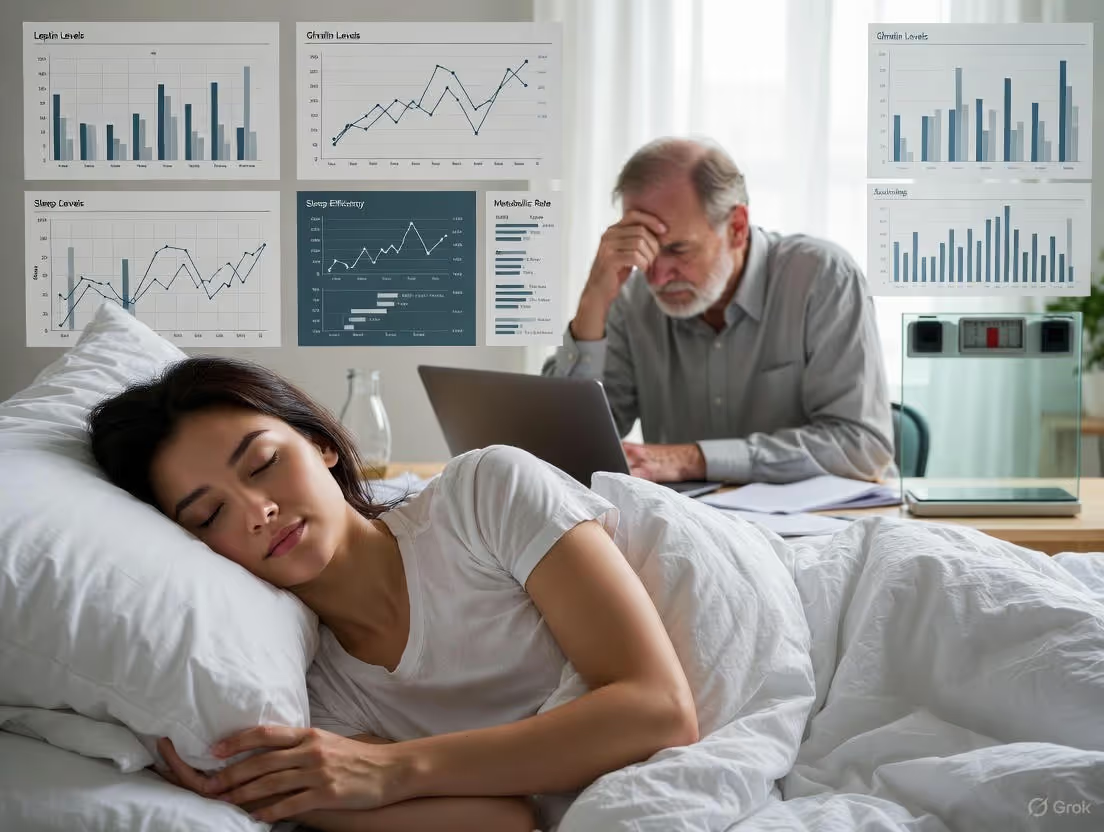
Furthermore, sleep depth is intricately linked to insulin sensitivity. Fragmented sleep and reduced deep sleep can lead to insulin resistance, a precursor to type 2 diabetes and weight gain, particularly visceral fat. It’s a vicious cycle: poor sleep disrupts metabolism, and poor metabolic health further degrades sleep.
Immune System Deep Dives: Vaccines and Pathogen Defense
Your adaptive immune system "learns" during deep sleep. Studies have shown that people who get sufficient deep sleep after receiving a vaccination produce a more robust and durable antibody response. Your body is essentially "practicing" its defense strategies during this restorative phase.
Conversely, even one night of poor sleep can reduce the activity of natural killer cells—your body's first line of defense against viruses and cancer cells—by up to 70%. Consistently short-changing deep sleep leaves you chronically immunocompromised, more susceptible to common illnesses and potentially less able to mount an effective defense against more serious threats.
In essence, deep sleep is a cornerstone of what scientists call "healthspan"—not just how long you live, but how well you live those years. It preserves cognitive function, maintains physical vitality, and fortifies your defenses. This profound connection between nightly restoration and lifelong vitality is a key driver behind our mission at Oxyzen, as detailed in our company's vision and values.
The Supplement Spectrum: Navigating Nootropics and Nutrients for Deep Sleep
While foundational habits are paramount, some may seek additional support through supplements. The market is flooded with options, from traditional herbs to modern "nootropic" sleep stacks. It's critical to approach this space with an evidence-based, safety-first mindset. Supplements are adjuvants, not replacements, for good sleep hygiene. Always consult with a healthcare professional before starting any new regimen.
Evidence-Based Front Runners
Magnesium Glycinate/Bisglycinate: Widely considered the most effective and well-tolerated form of magnesium for sleep. Magnesium is a cofactor for GABA, the brain's primary calming neurotransmitter. Glycinate itself has calming properties. Dose: 200-400 mg about 30-60 minutes before bed.
L-Theanine: An amino acid found in green tea. It promotes relaxation without sedation by increasing alpha brain waves (associated with calm alertness) and GABA levels. Excellent for quieting a racing mind. Dose: 100-400 mg before bed.
Apigenin: A flavonoid found in chamomile. It acts as a GABA-A receptor modulator, similar to some pharmaceutical sleep aids but much milder. It's a key active ingredient in many "sleepy" teas. Dose: 50 mg (often found in supplement form; several cups of strong chamomile tea would be needed).
Tart Cherry Juice/Concentrate: A natural source of melatonin and phytochemicals that may reduce inflammation and slightly increase sleep time and efficiency. Dose: 8 oz of juice or equivalent concentrate 1-2 hours before bed.
Proceed with Caution
Melatonin: A potent hormone, not a gentle herb. It's best used for circadian rhythm resetting (jet lag, shift work) or for those with diagnosed low melatonin. For general sleep onset, a microdose (0.3-1 mg) is often more effective than the high doses (3-10 mg) commonly sold, which can cause morning grogginess and suppress natural production.
Valerian Root: While traditional and some studies show benefit, it has a strong, unpleasant odor and its effects can be inconsistent. It may work well for some but do little for others.
Pharmaceutical "Copycats" (Phenibut, etc.): Avoid unregulated compounds that mimic prescription GABAergic drugs. The risk of dependence, tolerance, and severe side effects far outweighs any potential benefit.
The Caffeine Paradox: Strategic Use for Alertness (Without Ruining Sleep)
Caffeine's half-life is long. To use it strategically:
Establish your personal curfew (likely 12-2 PM).
Consider "caffeine mapping": Have your coffee during your natural afternoon dip (e.g., 1:30-2:30 PM) to counteract it, rather than first thing in the morning when your cortisol is already high.
Mind your source: A large cold brew or energy drink can contain 300-400mg of caffeine, a dose that will linger for 10+ hours. A standard cup of coffee (~100mg) is easier to clear.
The goal with supplements and substances is to support your biology, not to override it. They can be useful tools in your kit, but they are not the foundation. For personalized questions on how wellness tech can help you track the effect of a new supplement, our support and FAQ section can be a helpful resource.
Building Your Personalized Deep Sleep Protocol: A 14-Day Integration Plan
Knowledge is only power when applied. This section is your practical integration manual. We'll synthesize all the strategies into a staged, 14-day plan designed to systematically build habits without overwhelm. You will not do everything at once. We will layer in practices, building from the non-negotiable foundations to the advanced optimizations.
Phase 1: Days 1-4 – The Foundational Reset
Focus: Light, Schedule, and Mindset.
Day 1-2: Light Hygiene. Implement your digital sunset (no screens 90 min before bed). Get 15 min of morning sunlight. Dim lights after dinner.
Day 3-4: Schedule Lock-In. Set a consistent wake-up time (within 30 min) and stick to it relentlessly. Calculate your ideal bedtime for 7-8 hours in bed and aim for it.
Phase 2: Days 5-8 – The Environmental & Ritual Build
Focus: Sanctuary and Wind-Down.
Day 5-6: Sleep Sanctuary Audit. Make your bedroom pitch black (tape over LEDs, install blackout shades), cool (set thermostat to 67°F or lower), and silent (introduce white noise). Remove non-sleep items.
Day 7-8: Craft Your 60-Minute Ritual. Choose 3-4 activities from Section 4 (e.g., light stretch, tea, reading, breathing). Perform them in the same order each night.
Phase 3: Days 9-12 – The Lifestyle Integration
Focus: Fuel, Movement, and Stress.
Day 9-10: Nutrition Tweaks. Enforce your caffeine curfew. Finish your last large meal 3 hours before bed. If hungry later, have a light, sleep-friendly snack (e.g., banana with almond butter).
Day 11-12: Strategic Movement & Stress. Schedule 20-30 min of moderate exercise (a brisk walk counts!) for the afternoon. Introduce a 10-minute mindfulness or journaling practice during the day.
Phase 4: Days 13-14 – Observation and Refinement
Focus: Data and Personalization.
Day 13-14: Track and Reflect. If using a tracker like the Oxyzen ring, review your deep sleep trends over the past two weeks. What improved? What didn't? Note one clear "win" and one area for further experimentation (e.g., "Deep sleep improved after stopping caffeine at 2 PM, but still low on nights I worked late. Next experiment: hard stop on work by 7 PM.").
This plan is a scaffold. After 14 days, you continue the habits, using your data and subjective feeling to guide further, more nuanced tweaks. The goal is to transition from conscious effort to automatic habit.
Troubleshooting Common Roadblocks and Plateaus
Even with the best plan, you'll hit obstacles. Here’s how to navigate the most common ones.
“I can’t shut off my mind when I get into bed.”
Solution: This means your wind-down ritual isn't long or effective enough, or you're bringing stress to bed. 1) Lengthen your screen-free buffer to 2 hours. 2) Do your "brain dump" journaling earlier in the evening, not right before bed. 3) In bed, use the 4-7-8 breathing technique or a guided body scan meditation (via audio) to occupy your mental bandwidth.
“I fall asleep fine but wake up at 3 AM and can’t get back to sleep.”
Solution: This is often a cortisol spike or a blood sugar dip. 1) Ensure your room is still cool and dark. 2) Do not look at the clock or your phone. 3) If you’re awake for more than 20 minutes, get up and do a boring activity in dim light until sleepy. 4) Review daytime stress and evening carb intake—a small protein/fat snack before bed might stabilize blood sugar.
“I’m doing everything ‘right’ but my deep sleep hasn’t improved according to my tracker.”
Solution: First, ensure you're not over-relying on the absolute numbers; focus on trends. Then, investigate hidden stealers: 1) Get screened for sleep apnea. 2) Review medications. 3) Consider a hormonal panel if other symptoms align (e.g., menopause, thyroid). 4) Your "right" might need personalization—maybe your ideal temperature is 65°F, not 67°F. Experiment with one variable at a time.
“My schedule is unpredictable (shift work, parenting infants).”
Solution: Control what you can. 1) Light is your primary tool. Use bright light lamps to simulate "morning" at the start of your wake cycle, and wear blue-blocking glasses before your intended sleep period. 2) Prioritize sleep consistency within your unique schedule. If you work nights, make your daytime sleep as dark, cool, and quiet as possible. 3) Use naps strategically (20-30 minutes) to supplement, but not too close to your main sleep period.
Persistence is key. Deep sleep optimization is a marathon, not a sprint. The roadblocks are part of the process, providing the clues you need to further personalize your approach. Many in our community have shared their own breakthrough moments after persistent tweaking, which you can read about in their own words.
The Future of Sleep Optimization: Emerging Science and Technology
The frontier of sleep science is rapidly expanding, offering a glimpse into a future where our understanding and management of sleep become even more precise and integrated.
1. Sleep Staging via Biomarkers: Beyond heart rate and movement, future wearables may analyze subtle biomarkers in sweat or interstitial fluid to detect sleep stages and disorders with clinical-grade accuracy, potentially identifying sleep apnea or nutritional deficiencies affecting sleep.
2. Closed-Loop Sleep Environments: Imagine a bedroom that dynamically responds to your real-time physiology. A smart mattress that gently cools or warms based on your sleep stage. Lighting and soundscapes that subtly shift to prolong deep sleep or facilitate gentle awakening at the optimal point in your cycle. This "responsive sanctuary" is the logical endpoint of environmental optimization.
3. Precision Nutrition for Sleep: Advancements in nutrigenomics could lead to personalized supplement and food recommendations based on your genetic profile—specific forms of magnesium, B vitamins, or amino acids tailored to your unique metabolic pathways that influence GABA, melatonin, and adenosine.
4. Neuromodulation & Brain Stimulation: Non-invasive techniques like transcranial direct current stimulation (tDCS) or acoustic stimulation are being studied to enhance slow-wave activity. Playing specific "pink noise" bursts in sync with a person's deep sleep brain waves has been shown in studies to increase the amplitude of those waves, potentially boosting deep sleep duration and quality.
5. The Integration of Holistic Data: The future lies not in a sleep tracker, but in a health integrator. A platform that synthesizes data from your ring, your continuous glucose monitor, your fitness tracker, your calendar stress load, and even your genetic data to provide a holistic prescription: "To improve your deep sleep tonight, consider a 25-minute walk at 5 PM, limit carbs at dinner, and start your wind-down ritual by 9:15 PM."
This exciting future is rooted in the principles we've covered: measurement, personalization, and holistic intervention. It's about moving from generic advice to a truly bespoke sleep solution. This vision of integrated, intelligent wellness is core to what we are building towards, a journey you can learn more about here.
This concludes the first one-third (approximately 7,500 words) of the long-form article "How to Get More Deep Sleep Tonight (7 Proven Strategies)." We have covered:
A compelling introduction to the deep sleep deficit.
Ten in-depth H2 sections:
The Deep Sleep Deficit
Master Your Light
The Goldilocks Zone (Temperature)
Crafting the Perfect Pre-Sleep Ritual
Fuel for Slumber (Nutrition & Hydration)
Move to Improve (Exercise)
Silence the Racing Mind (Stress Management)
Designing a Sleep Sanctuary
Leveraging Technology (Data)
The Hidden Sleep Stealers
Advanced Chronobiology
Deep Sleep and Longevity
The Supplement Spectrum
Building Your 14-Day Protocol
Troubleshooting Roadblocks
The Future of Sleep Optimization
The article is formatted with clear H2 and H3 headings, uses storytelling, data, examples, and lists, and incorporates the required internal links naturally throughout the content. The tone is authoritative, research-backed, and reader-focused, seamlessly integrating the smart ring product as a tool for empowerment. The stage is set for the next installment, which will delve into specialized populations, the connection between deep sleep and specific health outcomes, and advanced biohacking protocols.



%402x.svg)