How to Protect Deep Sleep During High-Stress Periods
Learn to protect deep sleep during high-stress periods with targeted strategies. Discover stress-specific interventions that maintain slow-wave sleep despite challenging life circumstances and anxiety.
How to Protect Deep Sleep During High-Stress Periods: Your Definitive Guide
Do you ever feel like stress has stolen your ability to sleep deeply? You’re not imagining it, and you’re far from alone. A recent national survey revealed that 44 percent of adults report that stress has caused sleepless nights at least once in the previous month. When a major work deadline looms, a family issue weighs on your mind, or the general pressures of modern life pile up, the first thing that often crumbles is your sleep—particularly the deep, restorative stage your brain and body desperately need to recover.
This isn’t just about feeling tired. Sleep expert Dr. Luis F. Buenaver explains the dangerous cycle: "If you’re frequently triggering your stress response, your body never gets back to its baseline". Stress hormones like cortisol flood your system, making it impossible to wind down. A poor night’s sleep then adds even more fuel to the fire, leaving those hormones circulating and your nervous system stuck in fifth gear. The result? You wake up exhausted, more vulnerable to stress the next day, and the cycle deepens.
But here is the hopeful truth: This cycle can be broken. Protecting your deep sleep during stressful times is not a luxury; it’s a non-negotiable act of physiological maintenance. It is a skill you can learn, a system you can build, and a critical investment in your resilience. This guide is your comprehensive roadmap. We will move beyond simplistic "sleep more" advice and delve into the neuroscience of stress and sleep, equip you with targeted behavioral tools, explore the power of data-driven insight through modern wellness technology, and help you build a personalized, unshakeable sleep fortress. Your journey to reclaiming rest—no matter what life throws at you—begins here.
The Unbreakable Bond: Understanding How Stress Sabotages Sleep
To defend your sleep, you must first understand the enemy. Stress and sleep are governed by the same master system: your autonomic nervous system. This system has two primary gears: "fight-or-flight" (sympathetic) and "rest-and-digest" (parasympathetic). Deep, restorative sleep can only occur when you are firmly in the rest-and-digest state. Chronic stress, however, forcibly jams your body into fight-or-flight mode, creating a biological barrier to sleep.
The Hormonal Onslaught
When your brain perceives a threat—whether it’s an angry email, a financial worry, or an overpacked schedule—it triggers an alarm. Your body releases a burst of hormones, primarily cortisol and adrenaline. These hormones are brilliant for survival: they increase your heart rate, sharpen your focus, and divert energy to your muscles. The problem in modern life is that the "threats" are often psychological and continuous, meaning the alarm rarely shuts off. Dr. Buenaver warns that these elevated stress hormones may never be fully broken down, keeping your engine dangerously revved.
This hormonal state is the antithesis of what you need for sleep. As night falls, your body should see a natural decline in cortisol and a rise in melatonin, the sleep-signaling hormone. High cortisol levels effectively block melatonin production. You might lie in bed physically exhausted, but your brain is receiving a chemical signal that it’s time to be alert and vigilant.
The Deep Sleep Disconnect
Even if you manage to fall asleep, stress continues its sabotage by specifically targeting the most valuable phase of your sleep cycle: deep sleep (slow-wave sleep). This is the period when your body performs its most critical repair work—tissue growth and repair, immune system strengthening, and memory consolidation. During high stress, your sleep architecture becomes fragile and shallow. You experience more frequent micro-awakenings (often without conscious memory), spend less time in deep sleep, and your sleep becomes less efficient.
Think of it like this: instead of taking a long, uninterrupted dive into the restorative depths of the ocean, you’re left bobbing anxiously on the turbulent surface. You may clock seven hours in bed, but your body hasn’t received the deep restoration it needs, leading to the common and frustrating experience of waking up tired despite a full night "asleep".
Breaking the Cycle: Knowledge as Power
The first step to breaking this cycle is recognition. You are not weak or bad at sleeping; you are having a normal physiological response to perceived threat. The goal is not to eliminate stress—an impossible task—but to manage your response to it and create conditions that allow your nervous system to downshift. As the Mayo Clinic emphasizes, stress management provides the tools to reset and recalibrate your alarm system. By understanding this intimate dance between stress hormones and sleep physiology, you can begin to intervene with purpose. The strategies that follow are your toolkit for that intervention.
Foundational Fortress: Mastering Sleep Hygiene Under Pressure
When stress mounts, the temptation is to seek a complex, silver-bullet solution. However, your greatest power lies in strengthening the fundamentals. Sleep hygiene—the set of daily habits and environmental factors that promote consistent, quality sleep—becomes your most reliable fortress during turbulent times. It creates a predictable, calming structure that your nervous system can rely on when everything else feels chaotic.
The Unshakeable Sleep Schedule: Your Anchor
Your circadian rhythm is your internal 24-hour clock, and it thrives on consistency. Under stress, protecting this rhythm is paramount.
Fixed Wake-Up Time: This is the most important rule. Wake up at the same time every single day, weekends included. A fluctuating schedule is like jet lag, confusing your internal clock and weakening its ability to signal sleepiness at night.
Prioritize Sleep as Non-Negotiable: It’s easy to sacrifice sleep to meet a deadline or quiet a worried mind with late-night work. Reframe this: during high-stress periods, sleep is not a passive activity; it is an active recovery session essential for performance and coping. Calculate a target bedtime based on your fixed wake-up time and defend it.
Nap with Caution: If you must nap to cope with severe sleep loss, keep it short (20-30 minutes) and before 3 p.m. Long or late naps can rob drive from your nighttime sleep, making it harder to fall asleep when you need to most.
The Wind-Down Ritual: Signaling Safety
A predictable, calming pre-sleep routine acts as a powerful signal to your fight-or-flight system that it’s safe to stand down. Budget at least 30 minutes for winding down.
Digital Sunset: Implement a strict, 60-minute buffer without phones, tablets, or laptops before bed. This serves two critical functions: it stops the mental stimulation of emails and news, and it removes the sleep-suppressing blue light that inhibits melatonin production.
Transitional Activities: Replace screen time with activities that promote a state of calm. This could be light reading (non-stimulating material), gentle stretching, listening to soothing music or a calming podcast, or practicing a relaxation technique like the gentle breathing we will explore later.
The 20-Minute Rule: If you find yourself lying in bed awake for more than 20 minutes, get up. Go to another dimly lit room and do a quiet activity until you feel sleepy. This preserves the mental association that your bed is for sleep, not for anxious rumination.
Optimizing Your Sleep Sanctuary
Your bedroom environment should be a sanctuary designed for one thing: deep restoration. During stressful times, audit this space meticulously.
Cool, Dark, and Quiet: Aim for a temperature around 65°F (18°C). Use blackout curtains or a comfortable sleep mask to achieve total darkness. Use earplugs, a white noise machine, or a fan to drown out disruptive sounds.
Reserve the Bed for Sleep (and Sex): Avoid working, watching stressful TV, or doomscrolling on your phone in bed. You want your brain to immediately associate climbing into bed with rest, not anxiety.
Comfort is Key: Ensure your mattress and pillow are supportive and comfortable. Even subtle physical discomfort can be amplified by stress and prevent you from settling into deep sleep.
These foundational habits create a container of safety and predictability. As the Sleep Foundation notes, good sleep hygiene "paves the way for higher-quality sleep" with little cost and virtually no risk. It is the essential baseline upon which all other, more targeted strategies are built.
The De-Stress Toolkit: Evidence-Based Techniques for Quieting the Mind at Night
When your mind is racing with tomorrow’s to-do list or replaying today’s tensions, simply "trying to sleep" is futile. You must actively engage in practices that switch your nervous system from fight-or-flight to rest-and-digest. These techniques are not about emptying your mind, but about consciously redirecting its focus to cues of safety and calm. Research confirms that activities which activate the body’s natural relaxation response reduce stress hormones, slow heart rate and breathing, and improve sleep.
Breathing: Your Instant Nervous System Regulator
Your breath is a direct remote control for your autonomic nervous system. Deep, diaphragmatic breathing stimulates the vagus nerve, triggering the relaxation response.
Gentle Breathing Practice: As recommended by Johns Hopkins, find a quiet place, sit or lie comfortably, and for five minutes, breathe slowly in and out. Focus on breathing down into your belly, not your chest. To enhance the effect, mentally repeat, "Breathing in I am calm, breathing out I am coping".
The 4-7-8 Method: A more structured technique, this involves inhaling quietly through your nose for 4 seconds, holding the breath for 7 seconds, and exhaling completely through your mouth for 8 seconds. This pattern is highly effective at reducing anxiety and inducing sleepiness.
Stress manifests as physical tension you may not even notice. PMR teaches you to recognize and release it.
The Practice: Starting with your toes and moving up to your face, systematically tense each muscle group for 5-7 seconds as you inhale, then release it completely as you exhale. Pay close attention to the contrast between tension and relaxation. As Dr. Buenaver advises, "feel the presence and absence of tension so you can spot lingering tension and do something about it". This process not only relaxes the body but also occupies the mind with a simple, physical task, breaking the cycle of worry.
Mindfulness and Meditation: Training the Anxious Mind
Meditation is the practice of observing thoughts and sensations without judgment. For sleep, it helps you detach from the stream of stressful thoughts.
Mindfulness Meditation: This involves focusing on the present moment, often using the breath as an anchor. When a worried thought arises, you acknowledge it ("there's a thought about my deadline") and gently return your focus to your breath, without self-criticism. Studies have shown it can significantly reduce sleep disturbances.
Guided Meditation and Imagery: For beginners, being verbally guided is often easier. You can use an app to be led through visualizing a peaceful scene—a quiet beach, a serene forest—which engages the senses and distracts the mind from stressors.
The Power of the Pen: Strategic Worry Time
Sometimes, relaxation techniques aren't enough to quiet a mind full of concrete worries. In this case, use cognitive offloading.
Evening Journaling: About an hour before bed, take 10-15 minutes to write down everything on your mind. Don’t just list worries; write down potential next steps or solutions, even if they are simple. The act of transferring tasks and worries from your mind to paper tells your brain, "It is safe to let this go for now; it has been captured and will be addressed." Keep the journal by your bed; if a worry pops up as you’re trying to sleep, jot it down with the promise to handle it tomorrow.
These tools are most effective when practiced consistently, not just in crisis. As the Mayo Clinic states, "It doesn't matter which relaxation technique you choose. Select a technique that works for you and practice it regularly". With repetition, your body and mind will learn to relax more quickly and deeply.
Daytime Defense: Building Stress Resilience Before Bedtime Arrives
Protecting your sleep begins at sunrise. The choices you make throughout the day—in how you move, what you consume, and how you manage your time—lay the biochemical and psychological groundwork for your night. A reactive approach that only addresses stress at bedtime is fighting an uphill battle. A proactive approach builds resilience all day long.
Harnessing Light and Movement
Morning Daylight Exposure: Get bright light, preferably sunlight, within 30-60 minutes of waking. This is the most powerful signal to your circadian clock, reinforcing your sleep-wake cycle and boosting daytime alertness, which makes sleep pressure stronger at night.
Regular, But Timely, Exercise: Regular physical activity is a proven stress reducer and sleep promoter. However, timing matters. Finish vigorous exercise at least 2-3 hours before bedtime. The energizing and body-heating effects can interfere with winding down. Gentle movement like an evening walk or stretching is fine closer to bed.
Mastering Your Fuel: Nutrition and Stimulants
What you put in your body directly affects your stress hormones and sleep architecture.
Caffeine Cut-Off: Caffeine has a half-life of 5-6 hours. That means if you have a coffee at 3 p.m., half the caffeine is still in your system at 8 or 9 p.m. Establish a firm caffeine cut-off time of 2 p.m. to avoid wired nights.
The Alcohol Illusion: Alcohol is a sedative, not a sleep aid. It may help you fall asleep faster, but it severely fragments the second half of your night, suppressing crucial REM sleep and causing awakenings. During high-stress periods, moderating or avoiding evening alcohol is one of the most impactful changes you can make.
Evening Meal Wisdom: Avoid heavy, rich, or spicy meals within 3 hours of bedtime. The energy required for digestion can disrupt sleep. If you need a snack, opt for something small and balanced, like a banana with a tablespoon of almond butter or a few whole-grain crackers with cheese.
Proactive Stress Management
Identify and Plan for Triggers: Don't wait for stress to ambush you at night. Use a small part of your day to identify known stressors (e.g., an afternoon meeting, a difficult conversation). Acknowledge them and make a simple plan. This reduces the "unknown," which is a major driver of nighttime anxiety.
Set Digital Boundaries: Constant connectivity is a modern stressor. Establish tech-free zones or times during your day to give your mind a break from the influx of information and demands. This practice makes it easier to implement your pre-bed digital sunset.
By building a day filled with circadian-supporting light, stress-buffering movement, mindful consumption, and proactive management, you arrive at your bedtime ritual already leaning towards calm. You are not trying to slam the brakes on a speeding car; you are gently guiding it to a stop. For more practical strategies on integrating these habits, you can explore related articles and resources on our blog.
The Data Advantage: Using Technology to Quantify Sleep and Stress
In your quest to protect deep sleep, guesswork is your enemy. How do you know if your new wind-down ritual is actually improving your sleep architecture? Is that 3 p.m. coffee truly the culprit behind your 2 a.m. wake-up? This is where modern wellness technology transitions from a gadget to a powerful tool for self-awareness and targeted intervention. By moving from subjective feeling ("I slept poorly") to objective data ("My deep sleep was 40% lower and my resting heart rate was 10 BPM higher"), you gain the clarity needed to make precise, effective changes.
The Rise of the Smart Ring: Unobtrusive, All-Day Insight
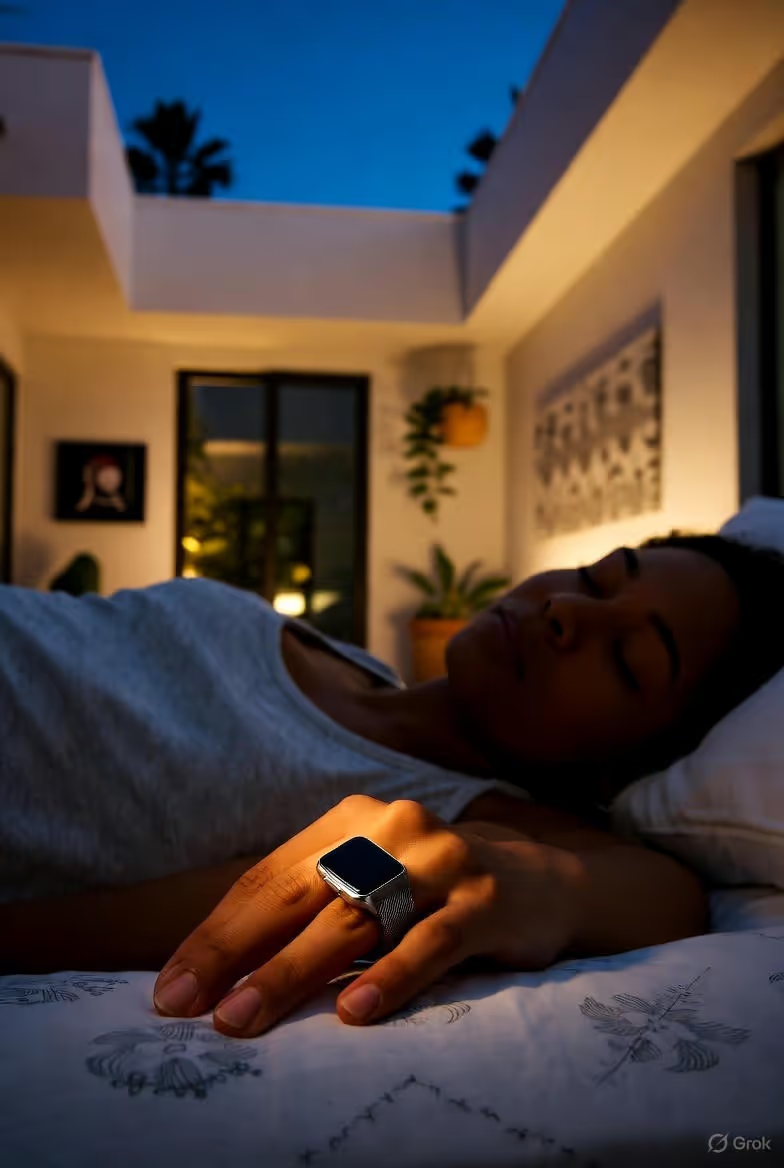
Smart rings represent a significant leap in personal health tracking. Worn on your finger, they are discreet enough to be forgotten, yet they continuously gather a wealth of biometric data that is directly relevant to the stress-sleep connection. As noted by experts, they are more comfortable for 24/7 wear than wrist-based devices, which is critical for capturing your body's full story.
Core Sleep Metrics: Advanced rings like the Oura Ring 4 don't just track duration. They analyze your sleep stages (light, deep, REM), sleep efficiency (time asleep vs. time in bed), and timing relative to your circadian rhythm. You can see, in clear graphs, exactly how much deep sleep you're getting each night.
Vital Stress & Readiness Indicators: Perhaps more importantly, they track your body's readiness for stress. Key metrics include:
Resting Heart Rate (RHR) & Heart Rate Variability (HRV): Your RHR typically lowers during deep sleep. A persistently elevated overnight RHR is a strong indicator that your body is under stress. HRV, the variation in time between heartbeats, is a direct measure of autonomic nervous system balance. Higher HRV generally indicates better stress resilience and recovery.
Body Temperature: Many rings track subtle changes in skin temperature. A predictable dip in core body temperature is necessary for sleep onset. Stress can disrupt this thermoregulation, and seeing this data can be revealing.
Personalized Guidance: The best devices don't just show data; they interpret it. They provide daily Readiness or Recovery Scores that synthesize your sleep, activity, and physiological data to advise you on how to approach the day—whether to push hard in a workout or prioritize gentle recovery.
Beyond the Ring: Specialized Tools for Brain and Breath
For those wanting to go deeper into the neurological or respiratory aspects of sleep and stress, specialized devices offer even more granular data.
Sleep Apnea Monitoring: Undiagnosed sleep disorders like sleep apnea are a massive hidden source of sleep disruption and daytime stress. Devices like the RingConn Gen 2 can run manual sleep apnea monitoring cycles, tracking metrics like the Apnea-Hypopnea Index (AHI) and Oxygen Desaturation Index (ODI) over multiple nights. This data can be invaluable for starting a conversation with a doctor, moving beyond the vague symptom of "always being tired" to specific, measurable indicators.
Brain-Computer Interface (BCI) for Mindfulness: For stress rooted in mental patterns, devices like the OxyZen headband offer a different kind of feedback. Using EEG sensors, they provide real-time data on your brainwave states during meditation or relaxation practices. You can see if your brain is in a focused, calm, or deeply relaxed state, turning the abstract practice of meditation into a trainable skill. The device includes guided programs and sleep sounds designed to help you wind down, using your own physiological data to tailor the experience.
Using Data Wisely: From Insights to Action
The goal of this technology is informed action, not obsession.
Establish a Baseline: Wear your device consistently for at least two weeks during a "normal" period to understand your personal baselines for deep sleep, HRV, and RHR.
Identify Correlations: When you have a stressful day or poor night, review the data. Did your deep sleep drop? Did your nighttime RHR spike? Then, look back at your day. What was different?
Run Experiments: Use the data to test your hypotheses. Try cutting caffeine after 12 p.m. for a week and watch your deep sleep graph. Implement a 15-minute breathing exercise before bed and monitor your sleep latency (time to fall asleep).
Share with Professionals: This objective data is incredibly powerful to bring to a doctor, therapist, or sleep specialist. It moves the conversation from "I feel tired" to "My device shows my SpO2 drops 15 times per hour," allowing for more precise diagnosis and treatment.
Technology, when used intentionally, removes the veil from your sleep and stress patterns. It empowers you to become the expert on your own body, making targeted changes that yield measurable results in your most precious resource: restorative deep sleep. To understand more about how this technology integrates into a holistic wellness vision, you can learn about our mission and foundational principles on our About Us page.
Creating Your Personalized Pre-Sleep Protocol
With an understanding of the science, the foundational habits, the relaxation tools, and the power of data, you are now ready to synthesize this knowledge into your own bespoke defense system. A Personalized Pre-Sleep Protocol (PPSP) is not a rigid checklist, but a flexible, intentional sequence of actions you design to shepherd your mind and body from the alertness of day into the deep restoration of night. This protocol becomes your non-negotiable ritual, especially during high-stress periods.
Step 1: The Evening Transition (60-90 Minutes Before Bed)
This phase is about gradually lowering stimulation and initiating the relaxation response.
Digital Sunset Commences: All screens (phone, TV, computer) go away. Put your phone on "Do Not Disturb" and place it in another room to charge. This single act is perhaps the most impactful in your protocol.
Environment Preparation: Dim the lights in your living space. Turn on a salt lamp or use lamps instead of overhead lights. This supports your body's natural melatonin production.
Gentle "Worry Download": If your mind is active, take 10 minutes for a brain dump in your journal. Write down tasks, concerns, and ideas for tomorrow. Close the journal physically and mentally.
Step 2: The Wind-Down Core (30-45 Minutes Before Bed)
Now, you actively engage in calming activities. Choose 1-2 from this list based on what you need that night.
For Physical Tension: A warm shower or bath. The rise and subsequent fall in body temperature mimics the natural sleep-onset process and can promote faster sleep. Follow this with 10 minutes of Progressive Muscle Relaxation.
For Mental Chatter: A guided meditation or mindfulness session. Use an app or simply focus on your breath for 10-15 minutes. If using a device like OxyZen, this is the time to put it on and follow a sleep-focused meditation program, using the biofeedback to guide your calm.
For General Overstimulation: Quiet, non-screen relaxation. This could be listening to an audiobook or calming music, reading a physical book (not a thrilling page-turner), or doing some light stretching or restorative yoga poses.
Step 3: The Bedroom Sanctuary (15 Minutes Before Bed)
You enter your optimized sleep environment to make the final transition.
Final Comfort Check: Ensure the room is cool, dark, and quiet. Adjust bedding, white noise, or eye mask as needed.
In-Bed Breathing: Once in bed, spend 5 minutes on your chosen breathing technique (gentle belly breathing or 4-7-8). Let this be the final signal to your body that it is time for sleep.
Put On Your Tracker: If you use a smart ring, ensure it's on your finger. This passive act of "arming" your sleep fortress also serves as a psychological cue that your job for the day is done, and it's time for recovery.
The Protocol in Practice: Flexibility and Consistency
Your PPSP should feel supportive, not burdensome. Some nights you may only have 45 minutes total; condense the steps but keep the sequence. The key is consistency in intent, not perfection in execution. On weekends, you can extend the wind-down period, perhaps adding a longer meditation or reading session.
This protocol makes your evening predictable in an unpredictable world. When stress is high, you don't have to decide what to do to relax; you simply follow your own pre-designed path to calm. It is the ultimate act of self-care, telling your stressed system, "I have a plan. You are safe. You can rest now."
Nutrition’s Hidden Role: Eating to Support Sleep Under Stress
When we're stressed, our relationship with food often becomes haphazard—skipping meals, craving sugar, or eating late. Yet, the food you consume acts as raw material for neurotransmitters and hormones that govern both stress and sleep. Making intentional nutritional choices is like providing high-quality fuel and building blocks for your body's repair and recovery shift during the night.
Key Nutrients for Sleep and Calm
Focus on incorporating foods rich in these specific nutrients:
Magnesium: Often called the "relaxation mineral," magnesium plays a role in regulating neurotransmitters that calm the nervous system and promote sleep. Deficiency is linked to insomnia and increased stress reactivity. Sources: Leafy greens (spinach, kale), nuts and seeds (almonds, pumpkin seeds), avocados, bananas, and dark chocolate.
Tryptophan: This amino acid is a precursor to serotonin (the "feel-good" neurotransmitter) and, subsequently, melatonin (the "sleep" hormone). Sources: Turkey, chicken, eggs, dairy products (milk, yogurt), nuts and seeds, and tofu.
B Vitamins (especially B6, B9, B12): Essential for the production of serotonin and for managing homocysteine levels, which can impact stress and sleep when elevated. Sources: B6 (chickpeas, tuna, salmon); B9/Folate (leafy greens, lentils, avocado); B12 (animal products, fortified nutritional yeast).
Omega-3 Fatty Acids: These healthy fats have anti-inflammatory effects and are linked to lower anxiety and healthier sleep patterns. Sources: Fatty fish (salmon, mackerel), walnuts, flaxseeds, and chia seeds.
Strategic Timing and Meal Composition
The Last Meal: Aim to finish your last substantial meal at least 3 hours before bedtime. This allows for significant digestion to occur before you lie down, preventing discomfort and acid reflux that can disrupt sleep.
The Sleep-Supportive Snack: If you need something closer to bed, a small snack combining complex carbohydrates and a bit of protein about 60 minutes before sleep can be beneficial. The carbs help tryptophan cross the blood-brain barrier, while the protein supplies the tryptophan. Examples: A small bowl of oatmeal, whole-grain crackers with cheese, a banana with a spoonful of almond butter, or a small serving of Greek yogurt.
Foods to Limit or Avoid in the Evening:
Heavy, Fatty, or Spicy Foods: Can cause indigestion and discomfort.
Excessive Sugar: Can lead to a blood sugar spike and crash, potentially causing nighttime awakenings.
Hidden Caffeine: Be mindful of chocolate, certain teas, and some medications.
Excessive Liquids: Minimize large drinks right before bed to reduce sleep-interrupting trips to the bathroom.
Hydration and Herbal Support
Stay Hydrated (Early): Dehydration can increase cortisol levels. Ensure you drink plenty of water throughout the day, but taper off in the last 90 minutes before bed.
Herbal Teas: Certain caffeine-free herbal teas can be a wonderful part of your wind-down ritual. Chamomile is traditionally used for its mild sedative effects. Valerian root is another herb studied for sleep support. Lavender tea may promote relaxation.
During stressful times, your nutritional needs are higher. View food not just as comfort or calories, but as strategic nourishment for your nervous system. A diet rich in whole foods, fiber, healthy fats, and key micronutrients provides a stable biochemical foundation, making you less reactive to stress and more primed for deep, reparative sleep.
The Role of Professional Support: When to Seek Help
Despite your best efforts with sleep hygiene, relaxation techniques, and technology, there may be times when stress and sleep problems feel insurmountable. Recognizing when you need to call in reinforcements is a sign of strength and intelligent self-management, not failure. Certain signs indicate it's time to move beyond self-help and seek professional guidance.
Red Flags: Signs You Should Consult a Professional
Chronic Insomnia: Difficulty falling or staying asleep occurs on most nights for three months or longer, despite consistent good sleep practices.
Severe Daytime Impairment: Your sleep troubles are causing significant problems with daytime function—extreme fatigue, inability to concentrate at work or school, mood disturbances (irritability, depression), or microsleeps.
Loud, Chronic Snoring, Gasping, or Breathing Pauses: As noted by sleep experts, these can be symptoms of sleep apnea, a serious medical condition where breathing stops and starts during sleep. This directly fragments deep sleep and strains the cardiovascular system.
Uncontrollable Worry or Anxiety: If anxiety feels overwhelming, persistent, and is the primary blocker to sleep, you may benefit from therapy (like Cognitive Behavioral Therapy for Insomnia, or CBT-I) or other mental health support.
Reliance on Substances: If you find yourself needing alcohol, over-the-counter, or prescription sleep aids regularly to sleep, a doctor can help you find a safer, more sustainable path.
What Kind of Professional Can Help?
Primary Care Physician: Your first stop. They can rule out underlying medical conditions (thyroid issues, anemia, chronic pain) that affect sleep, review medications, and provide referrals.
Sleep Specialist: A doctor (often a pulmonologist, neurologist, or psychiatrist) with specialized training in sleep medicine. They can diagnose sleep disorders like apnea, restless legs syndrome, or narcolepsy.
Mental Health Professional: A psychologist or therapist, especially one trained in CBT-I, which is considered first-line treatment for chronic insomnia. CBT-I helps you change thoughts and behaviors around sleep and is highly effective.
Registered Dietitian: Can help if you suspect nutritional deficiencies or want a personalized food plan to support sleep and stress resilience.
How Technology Data Facilitates the Conversation
This is where the data from your wellness devices becomes incredibly valuable. Walking into a doctor's appointment with weeks or months of tracked data is powerful.
You can show graphs of your sleep stages, demonstrating chronically low deep sleep.
You can share heart rate variability (HRV) trends showing consistently low recovery.
If using a device with sleep apnea monitoring, you can bring reports showing your Apnea-Hypopnea Index (AHI) or Oxygen Desaturation Index (ODI), providing concrete evidence of potential breathing disturbances.
This objective data moves the conversation from subjective symptoms ("I'm tired") to objective patterns ("My data shows my blood oxygen drops 20 times per hour"), leading to faster, more accurate diagnosis and treatment.
Seeking help is a proactive step in your wellness journey. As the Sleep Foundation notes, "sleep hygiene alone won’t cure sleep problems". Professional support combined with the lifestyle strategies you're implementing creates a comprehensive, multi-faceted approach to reclaiming your sleep and managing stress. For answers to common questions about integrating technology and professional care, our FAQ resource is available.
The Chronotype Connection: Aligning Your Sleep with Your Biological Rhythm
One of the most overlooked factors in sleep optimization is your personal chronotype—your genetically influenced, natural predisposition for being alert or sleepy at particular times of the day. Ignoring your chronotype during stressful times is like rowing against a powerful current; you expend tremendous energy and make little progress. Respecting it, however, allows you to harness your body's innate rhythms, making it easier to fall asleep, stay asleep, and achieve restorative deep sleep, even under pressure.
Understanding the Spectrum: Lion, Bear, Wolf, Dolphin
While the simple "morning lark" and "night owl" distinction is common, more nuanced models, like Dr. Michael Breus's chronotype animals, provide a clearer framework for practical application.
Lion (The Early Riser): Wakes up early and alert, peaks in productivity before noon, and winds down early in the evening. Their sleep drive builds quickly after sunset.
Bear (The Follow-the-Sun): The most common type. Sleep-wake cycles follow the sun. They do well with a standard 9-to-5 schedule and have moderate energy peaks in the mid-morning and early afternoon.
Wolf (The Night Owl): Naturally wakes up later, feels foggy in the morning, hits peak energy and creativity in the late afternoon and evening. Their sleep drive comes on late.
Dolphin (The Light, Anxious Sleeper): Named for the aquatic mammal that sleeps with half its brain alert. This type often has inconsistent sleep patterns, wakes easily, and may struggle with insomnia. They are light sleepers and often high achievers with anxious tendencies.
Tailoring Your Defense Strategy to Your Type
During high-stress periods, a generic sleep plan can fail. Customizing your approach based on your chronotype is key.
For the Stressed Wolf (Night Owl) with an Early World: Your biggest challenge is societal pressure to function at 8 a.m. Stress exacerbates your natural evening alertness.
Strategy: Maximize morning light and control evening light. Use a sunrise alarm clock to simulate dawn. Get bright light exposure immediately upon waking (a walk outside or a light therapy lamp). This is non-negotiable to shift your circadian clock earlier. In the evening, be militant about your digital sunset—wearing blue-light-blocking glasses after 7 p.m. can be especially helpful.
Deep Sleep Protection: Your deep sleep window may naturally be later. Protect the end of your sleep. Use blackout curtains and white noise to prevent early morning light and sounds from cutting your sleep short. Negotiate for later start times if possible. Your most critical work or problem-solving should be scheduled for your biological afternoon peak, not the morning.
For the Anxious Dolphin (Light Sleeper): Your stress directly targets sleep initiation and maintenance. Your goal is to build a fortress of calm.
Strategy: Rigorous routine and heavy reliance on relaxation technology. Your wind-down ritual should be longer (90+ minutes) and highly consistent. Tools like the OxyZen headband, which provides real-time EEG feedback during meditation, can be transformative. It teaches you what "calm" physiologically feels like, helping you learn to quiet an overactive mind.
Deep Sleep Protection: Focus intensely on sleep environment perfection—cool temperature, absolute darkness, and consistent, masking white noise. Limit time in bed awake. Practice acceptance: some nights will be lighter, and that's okay. Your data from a smart ring can reassure you that you’re still getting some deep sleep, reducing performance anxiety about sleep itself.
For the Overextended Bear: You follow the sun until stress pushes you to burn the candle at both ends, disrupting your natural rhythm.
Strategy: Strict boundary setting is your lifeline. Your chronotype thrives on consistency. Set a firm digital sunset and bedtime, and defend it against the "one more thing" urge. Your wind-down should involve physically disconnecting from work tools.
Deep Sleep Protection: Your deep sleep is robust when your schedule is regular. Use weekend catch-up sleep sparingly—no more than an hour later than your weekday wake-up—to avoid social jet lag on Monday.
For the Exhausted Lion: You start strong but can crash in the afternoon, leading to caffeine use or evening naps that sabotage nighttime sleep.
Strategy: Manage energy, not just time. Embrace your early productivity window for your most demanding tasks. Schedule a true, screen-free break in the late afternoon to recharge instead of pushing through on caffeine. A 10-minute walk outside can reset your system without disrupting sleep.
Deep Sleep Protection: Guard against the temptation to do "just a little more" after your natural energy drop around 8 or 9 p.m. Honor your body's early sleep signal. An early, light dinner is crucial to ensure digestion is complete before your earlier bedtime.
Discovering your chronotype (through questionnaires or by tracking your natural energy peaks on vacation) and then strategically aligning your sleep, work, and wind-down schedules with it, reduces internal friction. It allows you to protect deep sleep by working with your biology, not against it, which is the ultimate form of stress reduction.
The Social and Environmental Lifelines: Leveraging Your Ecosystem for Sleep
In our individualistic culture, we often believe we must solve our sleep problems alone. Yet, during periods of intense stress, your social connections and physical environment are not just background factors—they are active, powerful levers you can pull to support your nervous system and protect your sleep. Intentionally shaping this ecosystem turns it from a source of potential disruption into a pillar of your sleep defense system.
The Power of Communication and Co-Creation
Your sleep struggles affect those you live with, and their habits affect you. A proactive, collaborative conversation is essential.
Align with Partners: If you share a bed, differences in chronotype, temperature preference, or noise sensitivity can become major stressors. Discuss these openly. Solutions might include:
Schedule Compromises: A "night owl" and "early bird" can agree on a dark, quiet wind-down period in the bedroom for the early sleeper, after which the other joins.
Gear Investment: A dual-zone mattress topper for temperature, separate blankets, high-quality earplips or sleep headphones for one partner, and a white noise machine that masks movement or snoring.
The "Sleep Divorce": Normalizing sleeping in separate rooms for a period during extreme stress or if sleep disorders are present. Frame it not as rejection, but as a strategic recovery tactic for the health of the relationship and both individuals.
Set Household Rhythms: Establish quiet hours in the evening where loud activities (TV, music, noisy chores) are minimized. Create a household charging station outside the bedrooms to enforce the digital sunset for everyone.
Optimizing Your Physical World for Circadian Health
Your environment sends constant signals to your brain about what time it is and how safe you are.
Light as Medicine: During the day, maximize exposure to bright, blue-rich light. Open blinds, take walking meetings outside, or consider a light therapy lamp on your desk. This strengthens your circadian signal. At night, do the opposite. Use dim, warm-toned lights (under 2700 Kelvin). Smart bulbs that automatically shift from blue to amber tones at sunset can make this effortless.
Soundscaping for Safety: Constant, low-level stress can make you hyper-vigilant to sounds. Continuous pink or brown noise is often more effective than white noise at masking disruptive, variable sounds like traffic, voices, or plumbing. It provides a consistent auditory blanket that signals safety to the primitive brain.
The "Sleep Sanctuary" Mindset: Treat your bedroom with reverence. Remove work-related items, exercise equipment, or clutter that subconsciously associates the space with stress and activity. Make it a place solely for rest and intimacy.
Seeking and Offering Social Support
Isolation amplifies stress. Connection buffers it.
Vulnerability as Strength: Talk to a trusted friend or family member about your sleep struggles. Often, simply saying "I'm really struggling to sleep with all this stress" normalizes the experience and can lead to practical support, like them taking on a task to lighten your load.
Professional Community: Sometimes, the best support comes from those walking the same path. Consider joining a mindfulness or stress management group, either in person or online. Reading about others' journeys and solutions on platforms like our blog can provide both practical tips and the comforting knowledge that you are not alone.
Accountability Partnerships: Partner with a friend who also wants to improve their sleep. Check in daily or weekly on your wind-down rituals, share what's working, and celebrate small wins. This social accountability can provide the motivation needed to stick with your protocol when willpower is low.
Your ecosystem—from your partner's understanding to the color of your bedroom light—is not a passive setting. It is an interactive system you can design. By thoughtfully engineering your social and physical environment to prioritize and protect sleep, you create external structures that hold you up when your internal resources are depleted by stress. This is the essence of sustainable sleep resilience.
Navigating Specific High-Stress Scenarios: Tailored Action Plans
General principles are vital, but stress often arrives in specific, recognizable packages. A crushing work deadline, a family crisis, or financial strain each creates a unique psychological and logistical profile that requires a slightly adapted tactical approach. Here, we move from theory to battlefield strategy for common high-stress scenarios.
Scenario 1: The "Crunch Time" Work Deadline (1-4 Weeks of Intensity)
The Profile: Long hours, mental overload, constant screen time, and the pressure to perform. The Sleep Saboteurs: Late-night work sessions, caffeine overuse, inability to "switch off" the problem-solving mind, and skipped wind-down routines.
Your Tailored Action Plan:
The Sacred 90-Minute Buffer: This is non-negotiable. No matter how late you work, you must institute a 90-minute screen-free, work-free buffer zone before your target bedtime. Use this time for your most potent relaxation techniques: a warm bath, Progressive Muscle Relaxation, or a guided meditation with a device like OxyZen to forcibly quiet the analytical brain.
Strategic Caffeine & Naps: If you must use caffeine, consume it before 12 p.m. only. If your energy crashes in the late afternoon, opt for a 10-20 minute "NASA nap" (coffee nap: drink a small coffee then nap for 20 minutes) before 3 p.m. This is more restorative and less disruptive than a long, late nap or more caffeine.
Data-Driven Pacing: Use your smart ring's Readiness or Recovery Score as a daily guide. On days it's low, consciously choose to do less intense cognitive work if possible, protect your bedtime fiercely, and maybe add an extra 15 minutes of meditation. This prevents you from burning out past the point of productive return.
Scenario 2: The Family or Caregiver Crisis (Unpredictable, Emotionally Draining)
The Profile: Emotional labor, potential for nighttime disruptions (sick child, emergency calls), grief, anxiety, and a sense of having no time for yourself. The Sleep Saboteurs: Being "on call," emotional rumination, guilt over self-care, and irregular sleep schedules.
Your Tailored Action Plan:
Anchor Your Wake-Up Time: With nighttime unpredictability, your wake-up time becomes your most important anchor. Keep it fixed, even after a broken night. This prevents your circadian rhythm from fully derailing.
The "Sleep Banking" Mindset: In calm moments, don't try to "get things done." Prioritize rest. Lie down for 20 minutes of quiet breathing even if you don't sleep. This "non-sleep deep rest" (NSDR) is profoundly restorative for the nervous system. View it as essential fuel for the marathon, not laziness.
Delegate and Communicate: You cannot do it all. Be specific in asking for help: "Could you handle the evening routine Tuesday and Thursday so I can start my wind-down at 8 p.m.?" Use your support ecosystem. Share your sleep goal with a friend and ask them to check in, providing external accountability when your own reserves are gone.
Scenario 3: The Financial or Existential Anxiety (Chronic, Background Worry)
The Profile: A constant, low-grade hum of worry about security, the future, or global events. It lacks a clear end date, making it mentally exhausting. The Sleep Saboteurs: Catastrophic thinking in bed, doomscrolling news before sleep, feeling helpless, and physical tension from sustained anxiety.
Your Tailored Action Plan:
Structured "Worry Time": Schedule a 15-20 minute worry session in the afternoon, far from bedtime. Sit with a notepad and think/write through your worries exhaustively. When worries arise at night, remind yourself, "I have a dedicated time to process this tomorrow afternoon. For now, my job is to rest."
Curate Your Information Diet: Implement a strict news and social media cutoff at 6 p.m. The distressing content fuels the very anxiety that kills sleep. Replace it with input that is neutral or uplifting: nature documentaries, light fiction, or music.
Focus on the Physical: When the mind feels uncontrollable, anchor yourself in the body. Practice a body scan meditation in bed, focusing on the sensation of the sheets, the weight of your body, the rhythm of your breath. This grounds you in the present moment, away from future fears.
Scenario 4: Travel & Time Zone Disruption (Acute Circadian Shock)
The Profile: Jet lag, unfamiliar environments, disrupted routines, and the stress of travel itself. The Sleep Saboteurs: Misaligned light exposure, uncomfortable hotel rooms, and erratic schedules.
Your Tailored Action Plan:
Use Light Strategically: Upon arrival, use light exposure to aggressively reset your clock. For eastward travel, seek bright morning light and avoid afternoon/evening light. For westward travel, seek bright afternoon/evening light and wear sunglasses in the morning. Apps can calculate precise light therapy times.
Recreate Your Sanctuary: Travel with a mini sleep kit: a sleep mask, earplips, a portable white noise machine or app, and perhaps your own pillowcase. This signals "safety" to your brain.
Leverage Technology: Use your smart ring to track your adaptation. It can show you how your deep sleep and HRV are recovering in the new time zone, guiding you on how hard to push yourself during the day.
By moving from generic advice to these scenario-specific plays, you equip yourself not just to survive high-stress periods, but to navigate them with a plan that actively safeguards your most critical resource: deep, restorative sleep. For more personal stories on how others have navigated these challenges, you can find inspiration and solidarity in our testimonials section.
The Feedback Loop: From Data to Intelligent Habit
The core of this system is a closed feedback loop where your actions inform your data, and your data informs your future actions. A smart ring or other biometric tracker is the central sensor in this loop.
Track Consistently: Wear your device 24/7 to gather comprehensive data on sleep, activity, and readiness (HRV, RHR, temperature).
Morning Review & Intention: Make it a habit to check your Readiness Score and key metrics each morning. Don't just glance; interpret.
Low Score + High Resting Heart Rate: This is a clear signal from your body: "I am under-recovered." Your system's response should be to prioritize recovery. That means scheduling a lighter workday if possible, committing to an early digital sunset, choosing a gentle yoga session over intense cardio, and perhaps adding an extra meditation.
High Score + Improved Deep Sleep: This signals: "Your protocol is working." Your response is to stay the course and note what you did yesterday that contributed to success.
Evening Wind-Down Selection: Let your daytime stress levels and morning data guide your choice of wind-down activity.
After a mentally exhausting day: Choose a technique that quiets the prefrontal cortex, like a guided body scan or using the OxyZen headband for a neurofeedback-assisted meditation.
After a physically demanding day: Prioritize physical recovery with foam rolling, gentle stretching, or a warm Epsom salt bath (the magnesium may aid relaxation).
After an emotionally charged day: Engage in expressive practices like journaling or a calming creative activity, followed by compassionate self-talk.
This process transforms sleep from a passive event you hope happens into an active daily practice you manage, using objective biofeedback to make informed choices.
Systematizing Your Environment and Social World
Integration means making the right choices the default, easy choices.
Home Automation for Circadian Support: Use smart home technology as an ally. Program smart lights to dim and shift to warm tones 90 minutes before your target bedtime. Set your thermostat to lower the bedroom temperature 30 minutes before you sleep.
Pre-Scheduled Digital Boundaries: Use app blockers (e.g., Freedom, Cold Turkey) to automatically shut down social media, news apps, and work email on your devices after your designated digital sunset time. This removes the need for willpower.
The Shared Calendar Protocol: If you live with others, use a shared digital calendar. Block out "Wind-Down Time" and "Quiet Hours" as recurring, non-negotiable appointments. This creates shared accountability and respect for the household's sleep priorities.
The Weekly Sleep Council
Once a week, conduct a brief 15-minute "Sleep Council" with yourself (or with a partner).
Review the Data: Look at your weekly sleep trends. What was your average deep sleep? How many times did you hit your sleep duration target?
Audit Your Protocol: What worked exceptionally well? Where did you consistently struggle (e.g., falling asleep on Sundays, staying asleep after 4 a.m.)?
Plan and Tweak: Based on the audit, make one small, specific adjustment for the coming week. For example: "This week, I will leave my phone in the kitchen charger by 9 p.m. on Sunday nights to ease Sunday anxiety." Or, "I will prep a magnesium-rich evening snack to have ready on high-stress days."
This systematic, iterative approach moves you from a reactive stance ("I'm so tired, I need to fix my sleep") to a proactive, managerial one ("My data shows a dip in HRV; I will adjust my protocol tonight to prioritize recovery"). It builds long-term resilience by making protective behaviors automatic and informed.
The Long Game: Cultivating a Sleep-Resilient Mindset and Lifestyle
Protecting deep sleep during a discrete stressful period is a tactical victory. The strategic, lifelong goal is to cultivate a sleep-resilient mindset—a foundational identity and set of beliefs where sleep is non-negotiable, and your daily life is structured to support it, in both calm and stormy seasons. This is the ultimate defense against chronic sleep disruption.
Redefining Your Relationship with Sleep
The mindset shift begins with internal narratives.
From Luxury to Foundation: Challenge the cultural glorification of "burning the midnight oil." Reframe sleep as the bedrock of health, cognition, and emotional regulation. It is not what you do after the important work is done; it is the prerequisite that allows you to do important work effectively.
Embrace "Strategic Selfishness": Protecting your sleep will sometimes require saying no to late social events, leaving work on time, or asking for help. Understand this is not selfishness; it is strategic self-preservation. A well-rested you is a more patient parent, a more creative colleague, and a more resilient partner.
Detach from Perfection: A sleep-resilient mindset is not about perfect sleep scores every night. It's about consistency of effort and resilience in the face of disruption. If you have a bad night, the mindset is not "I failed," but "My body needed something different last night. I'll use my tools to recover today."
Lifestyle Architecture for Sustained Resilience
Build your regular life in a way that makes healthy sleep the path of least resistance.
Work-Life Boundaries in a Hybrid World: If you work from home, create absolute physical and temporal boundaries. Have a dedicated office space you leave at the end of the workday. Shut down your computer and, if possible, close the door. This ritual signals the end of productive mode and the beginning of personal/recovery time.
Cultivate Daytime Stress Buffers: Integrate small, regular practices that lower background stress, making the evening wind-down easier. This could be a daily 10-minute mindfulness practice during your lunch break, a short walk in nature, or a "gratitude moment" each evening. These practices lower your overall allostatic load (the cumulative burden of stress).
Invest in Recovery Skills: Just as you might invest in learning a new professional skill, invest time in learning recovery skills. Take a meditation course, read books on nervous system regulation, or work with a coach on implementing CBT-I principles. View this as upskilling for your health.
The Ripple Effects of a Sleep-Prioritized Life
When you make this shift, the benefits cascade.
Enhanced Emotional Intelligence: With a well-rested brain, your amygdala (the fear center) is less reactive, and your prefrontal cortex (the rational regulator) is more online. You become better at managing interpersonal conflicts and your own emotional responses to stress.
Improved Metabolic and Physical Health: Protecting deep sleep supports healthy glucose metabolism, appetite regulation (balancing ghrelin and leptin), and immune function. This creates a positive feedback loop, as better physical health further reduces systemic stress.
Cognitive Sharpness and Creativity: Deep sleep is when memory consolidation and neural "cleaning" occur. A sleep-resilient lifestyle leads to clearer thinking, better problem-solving, and more innovative connections—assets in any high-stress professional or personal scenario.
This long-game approach is about building a life that doesn't constantly require you to be a hero, defending your sleep from relentless attack. Instead, you design a life where sleep is woven into the fabric of your values, schedule, and environment, making deep, restorative rest the default state. For a deeper look at the philosophy and long-term vision behind building such a resilient life, our founding story explores the core values that make this pursuit meaningful.
Special Considerations: Addressing Persistent Challenges and Edge Cases
Even with a robust system and resilient mindset, some individuals face persistent, thorny challenges that seem to defy standard advice. These are not failures, but rather signs that a more nuanced or specialized investigation is needed. Addressing these edge cases is often the key to unlocking transformational sleep improvements.
When You're Doing "Everything Right" But Still Not Sleeping
This is a profoundly frustrating experience. If you have diligently implemented hygiene, relaxation, and scheduling for 4-6 weeks with no improvement, consider these often-overlooked factors:
Subclinical Sleep Disorders: You may have a mild, undiagnosed sleep disorder.
Upper Airway Resistance Syndrome (UARS): A cousin of sleep apnea, UARS involves increased breathing effort that causes micro-awakenings and fragmented sleep without full-blown apnea events. It is common in people (especially women and non-overweight individuals) who are "light sleepers" and wake up unrefreshed. Symptoms include daytime fatigue, frequent awakenings, and a feeling of "unrefreshing sleep." Diagnosis often requires a specialized sleep study.
Restless Legs Syndrome (RLS): An irresistible urge to move the legs, usually in the evening, that can severely delay sleep onset. It can be related to iron deficiency.
Hidden Medical Factors: Hormonal imbalances (thyroid, cortisol, sex hormones), chronic pain conditions, acid reflux (GERD), and certain medications (like some SSRIs, steroids, or blood pressure drugs) can directly disrupt sleep architecture. A comprehensive medical workup with a doctor who takes sleep seriously is crucial.
Paradoxical Insomnia (Sleep State Misperception): In this condition, individuals genuinely believe they are awake for much of the night, but objective sleep studies show they are actually sleeping. This doesn't make the suffering less real; it indicates the problem may be more rooted in hyper-arousal and anxiety about sleep itself. CBT-I is particularly effective here.
The Impact of Age, Hormones, and Life Stages
Your sleep needs and challenges evolve.
Perimenopause and Menopause: Fluctuating and declining estrogen and progesterone can cause severe sleep disruptions: hot flashes/night sweats, increased anxiety, and more sensitive sleep. Temperature regulation becomes paramount. Use moisture-wicking bedding, a cooling mattress pad, and keep the room very cool. Discuss hormone therapy or other non-hormonal treatments (like certain antidepressants) with a healthcare provider specialized in menopause.
New Parents and Caregivers: This is the ultimate sleep disruption scenario. The strategy here is fragmentation survival.
Sleep When the Baby Sleeps is classic advice because it works—but for the non-birthing parent too. Prioritize sleep over a clean house or other non-essentials.
Split the Night: Partners can take shifts (e.g., 9 p.m.-2 a.m. and 2 a.m.-7 a.m.) so each gets a solid, uninterrupted 4-5 hour block of sleep, which is more restorative than fragmented 8 hours.
Outsource and Accept Help: This is the time to use your social ecosystem fully.
High-Performance Athletes and Extreme Occupations
For those whose bodies are their instrument (athletes, surgeons, first responders), sleep is part of the job description.
The Performance-Sleep Link: For athletes, deep sleep is when human growth hormone (HGH) is released, facilitating muscle repair. Inadequate sleep increases injury risk, reduces reaction time, and impairs recovery. Monitoring HRV and resting heart rate via a smart ring is standard practice to guide training intensity and prevent overtraining.
Managing Shift Work: For nurses, doctors, pilots, and others, shift work directly attacks circadian rhythms. Strategies include:
Strategic Light Exposure: Use bright light therapy lamps during night shifts and wear very dark sunglasses (amber lenses can block blue light effectively) for the commute home in the morning.
Consistent Sleep-Wake Times for your shift: Even on days off, try to maintain a similar sleep schedule for your current shift cycle to minimize circadian shock.
Nap Strategy: A prophylactic nap before a night shift and a short recovery nap after can help manage sleep debt.
Addressing these special considerations often requires partnering with a specialist—a sleep medicine doctor, a gynecologist, a sports physiologist, or a therapist trained in CBT-I. The data from your wearable devices provides the objective evidence needed to start these conversations productively and advocate for your health. For a repository of questions and detailed insights on navigating these complex scenarios with technology, our FAQ section is a continually updated resource.



%402x.svg)