How to Reduce Performance Anxiety: Sports, Public Speaking, Tests
Strategies to reduce anxiety related to sports, speaking, or tests.
The Modern Mind Under Pressure: Your Ultimate Guide to Conquering Performance Anxiety
Your heart hammers against your ribs like a frantic prisoner. Your palms are cold and damp, your breath comes in short, shallow gasps, and your mind is a whirlwind of catastrophic predictions. Whether you’re standing at the free-throw line with seconds on the clock, facing a sea of expectant faces from a podium, or staring down a blank exam booklet, the experience is eerily, physiologically identical. This is performance anxiety—the ancient survival instinct that, in our modern world, has turned against us, sabotaging our potential at the very moments we strive to shine.
Performance anxiety isn't a sign of weakness, a character flaw, or a lack of preparation. It is a universal human response, hardwired into our biology. For our ancestors, a surge of cortisol and adrenaline meant the difference between escaping a predator and becoming a meal. Today, that same biochemical cascade is triggered by a quarterly review, a piano recital, or a championship match. The "predator" is now social judgment, perceived failure, or personal disappointment, but the body's alarm system doesn't know the difference. The result is a debilitating gap between our capability and our execution, between our preparation and our performance.
But what if you could bridge that gap? What if you could transform that frantic energy into focused power? This comprehensive guide is dedicated to deconstructing performance anxiety across three of its most common arenas: sports, public speaking, and test-taking. We will move beyond simplistic "just relax" advice and delve into the neuroscience, psychology, and physiology of peak performance. We will equip you with a toolkit of evidence-based strategies, from cognitive reframing and mindfulness to biohacking and cutting-edge technology. The goal is not to eliminate nerves entirely—a certain level of arousal is essential for optimal performance—but to master them, to channel the storm into a steady, driving wind.
In an era where biometric tracking is moving from the clinic to the wrist, and now to the finger, we have unprecedented access to the very data of our stress. Companies like ours at Oxyzen are pioneering this frontier, creating devices that offer real-time insights into your nervous system, helping you understand your unique stress signature. This journey is about merging ancient wisdom with modern science, equipping you to not only understand your anxiety but to harness it. Let's begin the work of turning your greatest obstacle into your most powerful ally.
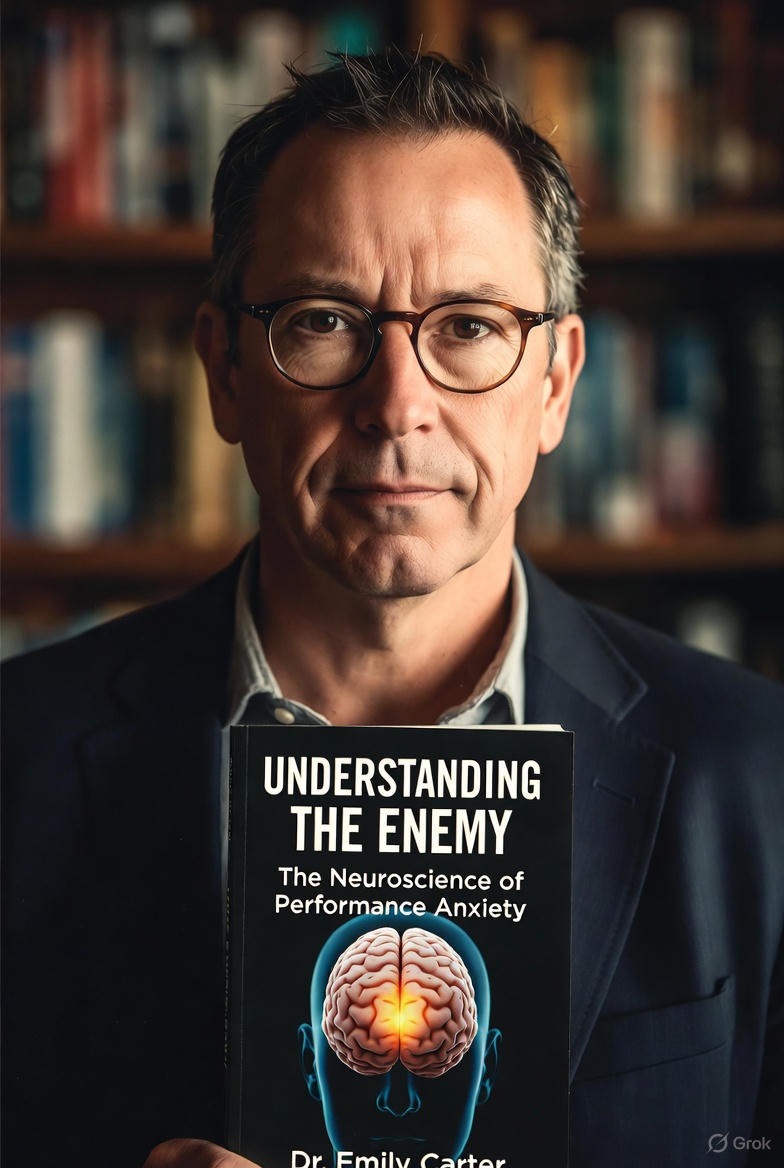
Understanding the Enemy: The Neuroscience of Performance Anxiety
To conquer performance anxiety, we must first understand its origins. It begins not in the conscious mind, but deep within the primal architecture of the brain. When you perceive a threat—be it a snarling tiger or a stern-faced audience—the amygdala, your brain’s alarm center, sounds the alert. This triggers the hypothalamus, which activates the sympathetic nervous system, initiating the famous "fight-or-flight" response.
A cascade of hormones floods your system. The adrenal glands release epinephrine (adrenaline), causing your heart rate and blood pressure to spike, shunting blood to your major muscle groups. Your breathing quickens to oxygenate the blood. Cortisol, the primary stress hormone, is released, elevating blood sugar to fuel a rapid response. This is your body preparing for literal, physical survival.
In a performance context, this physiological upheaval manifests in recognizable ways:
Cognitive: Racing thoughts, mental "blanking," catastrophizing ("I'm going to fail utterly"), excessive self-monitoring.
Emotional: Intense fear, dread, panic, feelings of helplessness or impending doom.
Behavioral: Avoidance, fidgeting, pacing, rushed speech, or physical clumsiness.
The critical twist in performance anxiety is the role of the prefrontal cortex (PFC). This is the brain's executive center, responsible for focus, decision-making, working memory, and complex thought—precisely the functions you need to execute a flawless golf swing, deliver a coherent speech, or solve a calculus problem. Under intense stress, the amygdala can effectively "hijack" the brain, dampening PFC activity. You are literally thinking with your panic button. This is why an actor forgets lines they've known for months, or a student can't recall a formula they studied for hours.
Understanding this hijack is the first step to reclaiming control. The goal of all effective anxiety-management techniques is to strengthen the "braking power" of the PFC and calm the overactive amygdala, allowing the two systems to work in harmony. As we explore the specific domains of sports, speaking, and tests, we'll see how this core battle plays out and how you can train your brain for resilience. For a deeper look at how technology can illuminate these internal states, our blog features articles on the intersection of biometrics and mental performance.
The Arena of the Body: Performance Anxiety in Sports & Athletics
For the athlete, performance is not just mental—it is physical, visceral, and public. Anxiety here can disrupt finely tuned motor patterns, deplete energy reserves before competition even begins, and create a vicious cycle of fear and failure. "Choking" is the colloquial term for this phenomenon, where an athlete underperforms dramatically despite superior skill and preparation.
Sports anxiety often centers on fear of failure (letting down the team, coaches, or oneself), fear of injury (especially after a previous trauma), fear of evaluation (from scouts, fans, or critics), and perfectionism. The physical symptoms—elevated heart rate, muscle tightness, tremor—directly sabotage the fluid, relaxed precision required for elite performance. A tense golfer cannot achieve a smooth swing; a panicked gymnast cannot stick a landing.
Mental Training as Essential as Physical Training
Elite athletes and sports psychologists have developed a robust arsenal of cognitive and behavioral tools to combat this.
Pre-Performance Routines: These are structured sequences of thoughts and actions performed consistently before a skill execution (like a basketball player’s free-throw routine) or before an event. They serve as a cognitive "anchor," shifting focus from outcome-oriented anxiety to process-oriented control. A routine might include specific breathing patterns, visualization, a physical gesture, or a key cue word.
Visualization & Mental Rehearsal: The brain’s motor cortex is activated not only when we perform an action but also when we vividly imagine performing it. Athletes use this to "practice" success, embedding neural pathways for perfect execution. Crucially, they also visualize handling adversity—missing a shot and then recovering—which builds resilience.
Cognitive Reframing: This involves changing the narrative around pressure. Instead of "This audience makes me so nervous," an athlete learns to think, "This excitement is my body getting ready to give a great performance." It’s about interpreting physiological arousal as energy, not fear.
Focus on Process Goals: Outcome goals (win, score X points) are ultimately not within full control and can fuel anxiety. Process goals (maintain my breathing rhythm, watch the ball onto my foot, execute my first move) are controllable and keep the mind anchored in the present moment.
A modern tool enhancing these practices is biometric feedback. Understanding your baseline stress and recovery states allows for personalized anxiety management. A smart ring, like those we develop at Oxyzen, can track heart rate variability (HRV)—a key indicator of nervous system balance—helping an athlete identify if they are genuinely recovered from training or still in a stressed state before a big game, allowing for smarter mental and physical preparation.
The Spotlight of Judgment: Performance Anxiety in Public Speaking
Glossophobia, the fear of public speaking, consistently ranks among humanity's top phobias, often above the fear of death. The joke is classic: "People would rather be in the casket than give the eulogy." Why is this? From an evolutionary standpoint, being the center of attention for a large group was historically dangerous—it could mean ostracization from the tribe, a literal death sentence. Our brains are wired to perceive social evaluation as a profound threat.
Public speaking anxiety (PSA) is characterized by an intense fear of being scrutinized, judged negatively, or humiliated in front of others. The cognitive symptoms are particularly potent: mind going blank, losing one's place, or obsessive worry about audience perception. The physical symptoms—shaky voice, sweating, blushing—are painfully visible, often amplifying the anxiety in a feedback loop of shame.
Strategies to Own the Room
Conquering PSA requires a multi-pronged attack on preparation, perspective, and physiology.
Mastery Through Preparation (Beyond Memorization): True confidence comes from over-preparation. This doesn't mean memorizing a speech word-for-word (which can lead to disaster if you lose your place), but knowing your material, structure, and key messages inside and out. Practice aloud, in different environments, and record yourself. The goal is to know your talk so well you can discuss it conversationally.
Reframing the Audience & Your Role: You are not a defendant on trial. You are a host offering valuable information, a teacher sharing insights, or a guide leading them on a journey. Shift from "They are judging me" to "I have something useful to give them." Look for friendly faces and remember that most audiences are sympathetic; they want you to succeed.
Harnessing the Power of Physiology: Since the anxiety is a physical state, you must use physical tools to counter it.
Diaphragmatic Breathing: Deep, belly breaths activate the parasympathetic nervous system ("rest-and-digest"), directly countering fight-or-flight. Practice 4-7-8 breathing (inhale 4, hold 7, exhale 8) to calm nerves before and even during a talk.
Power Posing: Adopting expansive, confident postures for two minutes before taking the stage (even in private) can reduce cortisol and increase testosterone, influencing your mindset.
Embrace the Pause: Silence feels terrifying to the speaker but powerful to the audience. A deliberate pause after a key point, or when you need to collect your thoughts, projects control and gravitas.
Managing the Inner Critic: The voice that says "You're boring," or "They can see you sweating," is the amygdala's propaganda. Develop a compassionate, counter-statement: "I am prepared and sharing meaningful content," or "This energy is engaging."
The journey from terrified to triumphant on stage is a common one, filled with personal breakthroughs. You can read some inspiring examples of individuals who have leveraged data and discipline to overcome their fears in our testimonials section, where users share how tracking their physiological responses changed their approach to high-pressure situations.
The Silent Arena: Performance Anxiety in Tests & Exams
Test anxiety is a unique beast. The "performance" is silent, internal, and often solitary, but the perceived stakes—a grade, a degree, a career license—feel monumental. It creates a cruel paradox: the pressure to recall information directly impairs the brain's ability to do so. The working memory, a component of the PFC, becomes so clogged with worry ("I'm failing," "I don't know this," "Everyone else is finishing") that it has no capacity left for the task at hand.
This anxiety manifests in two primary forms:
Somatic Anxiety: The physical symptoms—butterflies, headache, rapid heartbeat.
Cognitive Anxiety: The mental components—negative self-talk, catastrophizing, difficulty concentrating, and mental blocking.
A student can know the material cold during study sessions but experience a debilitating "blank" upon seeing the test. This isn't a lack of knowledge; it's a failure of access, caused by the neural hijack we discussed earlier.
Building a Fortress of Focus for Test Day
Combating test anxiety is a long-game strategy that blends academic preparation with psychological conditioning.
Strategic, Active Study: Cramming is an anxiety factory. It creates superficial knowledge and reinforces the feeling of being overwhelmed. Instead, use spaced repetition, practice testing (using old exams or creating your own questions), and interleaving different subjects. This builds robust, retrievable knowledge and genuine confidence.
Simulate the Test Environment: Practice under conditions that mimic the real test. Time yourself, put your phone away, use only allowed materials, and sit at a desk. This "exposure therapy" reduces the novelty and threat of the actual test day.
Develop an On-Test Toolkit: When anxiety strikes mid-exam, you need in-the-moment tools.
The "Brain Dump": As soon as you begin, jot down formulas, key terms, or mnemonics on the back of the test. This clears working memory and serves as a security blanket.
Anchoring Phrases: Have a pre-planned mantra to counter panic, like "One question at a time," or "Breathe and focus."
Strategic Order: Skip difficult questions that trigger immediate freezing. Answer the questions you know first to build momentum and confidence, then return to the harder ones.
Master the Pre-Test Ritual: The hours before the test are critical. Avoid frantic last-minute review. Instead, focus on calm confidence: listen to music, take a walk, practice deep breathing, and ensure proper nutrition and hydration. This is where understanding your personal stress rhythms is invaluable. By tracking your sleep and recovery data with a device like Oxyzen, you can ensure you walk into the test center in an optimal state, not already depleted. For common questions on how such technology integrates into a student's life, our FAQ provides detailed answers.
The Foundation: Sleep, Recovery, and Nervous System Balance
You cannot talk about managing high-stress performance states without addressing the foundational platform upon which they occur: your body's capacity for recovery. An anxious mind is far more likely to take hold in a fatigued, depleted, and dysregulated body. Think of your nervous system as a seesaw. On one side is the sympathetic system (gas pedal, fight-or-flight). On the other is the parasympathetic system (brake pedal, rest-and-digest). Performance anxiety is a state of sympathetic overdrive. The goal of training is not to destroy the gas pedal, but to strengthen the brake.
The single most powerful modulator of this balance is sleep. During deep, non-REM sleep, the brain clears metabolic waste, consolidates memories (including both studied material and practiced skills), and the body repairs itself. Chronic sleep deprivation keeps cortisol elevated, weakens the PFC's control, and makes the amygdala hypersensitive. You are essentially starting every performance challenge with a hijacked brain.
Sleep Hygiene for Performers: This goes beyond just duration. It's about quality and consistency. A cool, dark room, a digital curfew 60 minutes before bed, and a consistent wake-up time—even on weekends—are non-negotiable for serious performers.
The Critical Metric: Heart Rate Variability (HRV): HRV is the measure of the subtle variation in time between heartbeats. A high, resilient HRV indicates a strong, adaptive nervous system that can respond to stress and then recover efficiently. A low HRV suggests a system stuck in a stressed or fatigued state. For an athlete, speaker, or student, tracking HRV provides an objective, daily readout of readiness. It answers: "Am I recovered enough to train hard today?" or "Is my nervous system calm enough to absorb this information or should I focus on recovery?"
Active Recovery Practices: Performance isn't built during the stress event; it's built in the recovery between events. This includes:
Mindfulness & Meditation: Directly trains the PFC and dampens amygdala reactivity. Even 10 minutes a day can build significant mental resilience.
Nutritional Support: Blood sugar crashes fuel anxiety. A diet rich in whole foods, healthy fats, and protein stabilizes energy and mood. Hydration is equally critical for cognitive function.
Strategic Relaxation: Activities like gentle yoga, walking in nature, or even diaphragmatic breathing are not "doing nothing"—they are actively engaging the parasympathetic brake.
At the heart of modern recovery science is personalized data. You can learn more about our mission to make this deep physiological insight accessible and actionable for everyone on our about-us page, where we detail the science behind our approach.
The Cognitive Toolkit: Reframing Thoughts and Managing the Inner Critic
Your thoughts are not facts. They are often just the well-worn noise of an anxious brain. Performance anxiety is sustained and amplified by a pattern of distorted, negative thinking known in cognitive-behavioral therapy (CBT) as "cognitive distortions." These are the lies your brain tells you under pressure.
Common distortions in performance settings include:
Catastrophizing: "If I miss this shot, my career is over."
All-or-Nothing Thinking: "My speech was flawed, so it was a total failure."
Mind Reading: "The audience thinks I'm incompetent."
Fortune Telling: "I'm going to blank out and embarrass myself."
Should Statements: "I should be perfect at this by now."
The goal of the cognitive toolkit is not to force positivity, but to cultivate accuracy and compassion. This is a skill called cognitive restructuring.
The Three-Step Thought Audit
Catch the Thought: Become aware of the anxious narrative. Simply label it: "Ah, there's the catastrophizing thought."
Challenge the Thought: Interrogate it with evidence. "Is it true that my entire value hinges on this one moment? What is the actual, realistic worst-case scenario? Have I survived similar moments before?"
Change the Thought: Replace the distortion with a more balanced, helpful statement. Shift from "I'm going to fail" to "I am prepared, and I will handle whatever happens." Or from "They will judge me" to "I am here to share my perspective, and that is enough."
This process builds what psychologists call self-efficacy—the belief in your ability to handle a specific situation. It's the antidote to helplessness. By consciously authoring your internal narrative, you reclaim control from the reactive, fear-based mind. The journey of building this mental discipline is often a personal one, much like the founding journey we chronicle at Oxyzen, where a core vision was to empower individuals with knowledge about their own bodies and minds.
The Physiological Lever: Breathwork and Somatic Practices
You cannot think your way out of a panic attack because panic is, at its core, a physiological event. Therefore, you must have direct, physical levers to pull to downregulate your nervous system. The most immediate and powerful of these levers is your breath. Breathing is unique—it is an automatic function that we can also consciously control, making it a direct bridge between the conscious and autonomic nervous systems.
When anxious, breathing becomes rapid, shallow, and high in the chest (thoracic). This type of breathing actually signals the brain that there is a threat, reinforcing the stress cycle. Conscious, diaphragmatic breathing does the opposite: it stimulates the vagus nerve, the main highway of the parasympathetic nervous system, sending a direct "all clear" signal to the brain.
Essential Breathing Techniques for Performers
Box Breathing (Navy SEAL Technique): Inhale for a count of 4, hold for 4, exhale for 4, hold for 4. Repeat. This creates rhythm and control, ideal for calming nerves before stepping on stage or into an exam room.
4-7-8 Breathing (Relaxing Breath): Inhale quietly through the nose for 4, hold the breath for 7, exhale forcefully through the mouth for 8. This is highly effective for quenching acute anxiety or helping you fall asleep before a big day.
Physiological Sigh: A natural pattern the body uses to reset. Take a double inhale through the nose (a second shorter sniff on top of the first), then a long, slow exhale through the mouth. This is a rapid way to reduce stress in 30-60 seconds, usable even mid-performance.
Beyond breath, somatic practices involve using the body to influence the mind.
Progressive Muscle Relaxation (PMR): Systematically tensing and then releasing muscle groups trains the body to recognize and consciously release the physical tension that accompanies anxiety.
Grounding Techniques (The 5-4-3-2-1 Method): When your mind is racing, engage your senses. Identify 5 things you can see, 4 things you can feel, 3 things you can hear, 2 things you can smell, and 1 thing you can taste. This forcibly pulls your awareness into the present moment and out of catastrophic future-thinking.
Integrating these practices creates a body that is not an adversary to be controlled, but an ally to be listened to and soothed. It’s the practice of becoming fluent in the language of your own physiology, a principle that guides everything we do at Oxyzen, from product design to user education.
The Power of Visualization and Mental Rehearsal
The brain is a powerful simulator. It doesn't distinguish clearly between a vividly imagined experience and a real one. This isn't a metaphysical concept; it's neuroscience. Functional MRI scans show that when you imagine performing an action—say, playing a piano scale—the same neural pathways in the motor cortex light up as when you physically perform it, albeit to a lesser degree. This is the principle behind mental rehearsal, one of the most potent tools in the performance psychology arsenal.
Athletes have used it for decades. Skier Lindsey Vonn visualizes every gate of a downhill course. Basketball legend Michael Jordan famously visualized game-winning shots. But its application is universal.
How to Build an Effective Visualization Practice
Effective visualization is not just passive daydreaming of success. It is an active, detailed, multi-sensory construction.
Be Specific and Process-Oriented: Don't just visualize holding a trophy. Visualize the process of your performance with cinematic detail. The speaker sees themselves walking confidently to the podium, feeling the solid wood under their hands, hearing their clear, steady voice delivering the opening line, seeing the engaged faces in the audience. The student feels the pen in their hand, reads the test questions with calm comprehension, and visualizes themselves methodically working through problems.
Engage All Senses: What do you see, hear, feel (tactile and emotional), and even smell? The richer the simulation, the more real it becomes to the brain.
Rehearse Adversity and Recovery: This is critical. Visualize things going wrong—a shaky start to your speech, a difficult question on the exam—and then visualize yourself calmly and competently recovering. This builds resilience and prevents a single mistake from spiraling into a full collapse.
Anchor it with Physiology: Practice your visualization while in a calm, relaxed state, perhaps after a breathing exercise. This pairs the positive mental imagery with a calm physiological state, strengthening the neural association.
This practice does two things: it creates "muscle memory" in the brain, making the desired performance more automatic, and it reduces the novelty and threat of the actual event. When you step into the real situation, your brain has a sense of "I've been here before." It’s a powerful form of covert preparation that builds unshakable confidence. For more techniques on building mental resilience, our blog is a continually updated resource with insights from performance coaches and psychologists.
Building Resilience Through Graded Exposure
Avoidance is the fuel of anxiety. Every time you avoid a feared situation—calling in sick to avoid a presentation, dropping a difficult class—you get immediate relief. Your brain learns: "Avoidance = safety." This reinforces the fear, making it larger and more powerful next time. To truly conquer performance anxiety, you must break this cycle. The most effective way is through graded exposure, a systematic process of facing your fears in a gradual, controlled manner.
The principle is simple: you cannot learn that you are capable of handling something unless you actually experience handling it. You need to provide your brain with new, corrective evidence that contradicts the catastrophic prediction.
Creating Your Exposure Ladder
You don't start by giving a keynote to a thousand people. You start with a tiny, manageable step.
Identify Your Fear Hierarchy: List performance situations related to your goal, from least to most anxiety-provoking.
Example for Public Speaking:
Practicing your speech alone in a room.
Practicing in front of a mirror.
Recording yourself giving the speech.
Delivering it to one trusted friend/family member.
Delivering it to a small group of 3-4 friends.
Speaking up in a low-stakes meeting.
Giving a short, informal presentation to colleagues.
Delivering your full speech to the target audience.
Start at the Bottom: Begin with the first, least scary item. Stay in that situation until your anxiety decreases by about 50%. This teaches your nervous system that it can habituate—the fear response is not permanent.
Move Up One Rung at a Time: Only proceed to the next step when you feel consistently comfortable with the current one. Each successful step builds self-efficacy and rewires the neural fear pathway.
Practice Without Safety Behaviors: Safety behaviors are subtle forms of avoidance you use to feel less anxious but which prevent full learning (e.g., gripping the podium white-knuckled, avoiding eye contact, reading slides verbatim). As you advance, consciously reduce these. Practice your speech without notes. Make deliberate eye contact. This teaches you that you are safe even without the crutch.
This process of "leaning in" is how courage is built. It’s the systematic dismantling of a phobia through empowered action. The data from a wearable can be incredibly motivating here, as you can literally see your physiological stress response (like heart rate) diminish with repeated exposure to the same trigger, providing objective proof of your growing resilience. The stories of individuals who have embarked on this journey of self-mastery are documented in our testimonials, serving as powerful inspiration for anyone starting their own exposure ladder.
The Biofeedback Revolution: Using Data to Master Your Mind
We have entered a new era of self-knowledge, where the cryptic signals of our internal state—heartbeat, breath, sweat, sleep cycles—are no longer mysteries. This is the domain of biofeedback: the process of gaining greater awareness of physiological functions using instruments that provide information on the activity of those systems in real-time, with the goal of being able to manipulate them at will. For performance anxiety, this is a game-changer. It transforms the vague feeling of "being stressed" into a quantifiable, manageable dataset.
The core principle is elegant: if you can see it, you can change it. When you witness your heart rate spiking on a screen as you imagine a stressful event, you have direct, undeniable feedback. You can then apply a calming technique—like diaphragmatic breathing—and watch the number fall in real time. This creates a powerful learning loop for your nervous system.
Key Biomarkers for Performance Anxiety
Modern wearable technology, particularly advanced devices like the Oxyzen smart ring, tracks several critical biomarkers that are intimately tied to stress and performance readiness:
Heart Rate Variability (HRV): As discussed, HRV is the gold-standard, non-invasive window into your autonomic nervous system. A higher HRV indicates a relaxed, resilient state with strong vagal tone. A sudden dip can signal stress, fatigue, or illness. Tracking HRV trends helps you identify your personal recovery patterns and optimal performance windows. For example, an athlete seeing a low HRV on game morning might prioritize a longer dynamic warm-up and mindfulness session over a final, frantic practice.
Resting Heart Rate (RHR): While more variable, a chronically elevated RHR can be a sign of sustained stress or insufficient recovery. A spike in RHR upon waking can be an early warning sign of an impending illness or excessive fatigue.
Sleep Architecture: It’s not just about duration. The balance of light, deep, and REM sleep is crucial. Deep sleep is for physical restoration and memory consolidation; REM sleep is for emotional processing and creativity. Poor sleep quality, evident in fragmented deep sleep, leaves the nervous system frayed and the amygdala hypersensitive.
Respiratory Rate: Your breathing rate is a direct dial on your nervous system. Tracking it passively throughout the day and night can reveal periods of subconscious stress (like during work meetings or while studying) and provide a baseline to work from.
Practical Application: From Data to Dominance
Imagine a scenario: A professional musician has a major audition in two weeks. By tracking her data, she notices that her HRV is consistently low on days after intense late-night practice sessions, and her sleep score plummets. The data reveals that her "grind" mentality is actually undermining her recovery and making her more anxious and error-prone in rehearsals.
She uses this insight to adjust:
Schedule Re-engineering: She moves intense practice to morning sessions when her data shows she has the most cognitive resilience, and replaces late-night work with relaxation techniques.
Pre-Audition Protocol: On audition day, she uses her device in "moment" mode. Before going on stage, she does a 3-minute breathing exercise, aiming to get her live heart rate graph into a smooth, coherent pattern—a visual confirmation she is calm and focused.
Post-Performance Analysis: After the audition, she reviews her heart rate data from the performance itself. She sees a sharp spike at the beginning (normal) that quickly leveled out as she settled in (success!). This objective review replaces subjective, anxiety-tinged memory with facts, building evidence of her capability for the next high-pressure event.
This is the essence of the biofeedback revolution: moving from guesswork to precision. It demystifies the inner experience of pressure and provides a roadmap for self-regulation. To explore the specific technology that makes this possible and see how it integrates into daily life, you can learn more about how Oxyzen works.
Nutritional Psychiatry: Fueling the Calm, Focused Mind
The gut is often called the "second brain," and for good reason. The enteric nervous system, a vast network of neurons lining your gastrointestinal tract, communicates directly with your central nervous system via the vagus nerve. This gut-brain axis is a two-way street, heavily influenced by what you eat. The burgeoning field of nutritional psychiatry provides clear evidence: your diet is not just fuel for your body; it is foundational software for your mood, cognition, and stress resilience.
Performance anxiety thrives on a diet of dysregulation—blood sugar spikes and crashes, inflammation, and nutrient deficiencies that impair neurotransmitter function. Cultivating a calm, focused mind requires strategic nutritional support.
Dietary Allies Against Anxiety
Complex Carbohydrates & Blood Sugar Stability: Simple carbs and sugar cause rapid spikes and subsequent crashes in blood glucose. This rollercoaster triggers the release of stress hormones like cortisol and adrenaline, mimicking and exacerbating anxiety symptoms. Stabilizing blood sugar with fiber-rich complex carbs (oats, quinoa, sweet potatoes, legumes) provides a steady energy supply to the brain, preventing these biochemical anxiety triggers.
Magnesium: The Natural Chill Pill: Magnesium is a crucial mineral that regulates neurotransmitters, supports the stress-response system (the HPA axis), and acts as a natural muscle relaxant. Deficiency is linked to increased anxiety, irritability, and insomnia. Incorporate magnesium-rich foods like leafy greens, nuts, seeds, avocados, and dark chocolate.
Omega-3 Fatty Acids: Brain Building Blocks: The anti-inflammatory effects of EPA and DHA (found in fatty fish, algae, and walnuts) are vital for brain health. They support fluidity of brain cell membranes and have been shown in studies to reduce symptoms of anxiety. They are literal structural components of a high-functioning brain.
Gut Microbiome Support: A diverse population of gut bacteria produces a significant portion of the body's serotonin (a key mood and calmness neurotransmitter) and gamma-aminobutyric acid (GABA), the brain's primary inhibitory "calming" neurotransmitter. Feed your microbiome with prebiotic fibers (garlic, onions, asparagus, bananas) and probiotic fermented foods (yogurt, kefir, sauerkraut, kimchi).
Amino Acids & Hydration: The amino acid tryptophan is a precursor to serotonin. It’s found in turkey, eggs, cheese, and pumpkin seeds. Equally critical is hydration. Even mild dehydration can increase cortisol levels and impair concentration—a dangerous combination during a performance.
The Pre-Performance Meal: A Strategic Blueprint
What you eat in the 3-4 hours before a big event can set your biochemical stage. The goal is a meal that is:
Moderate in complex carbohydrates for sustained energy.
Includes lean protein to further stabilize blood sugar and provide amino acids.
Low in fat and fiber immediately before to ensure easy digestion and avoid gastrointestinal distress.
Familiar and safe. Never experiment with new foods on performance day.
Example: Grilled chicken with quinoa and roasted vegetables, or oatmeal with berries and a scoop of protein powder, consumed 3 hours before go-time. Follow with consistent sipping of water.
Nutrition is the silent partner in performance. By viewing food as information and medicine for your nervous system, you build a physiological foundation that is resistant to anxiety and primed for focus. For more detailed guides on crafting a performance-optimizing diet, our blog offers a wealth of researched content.
The Role of Community, Coaching, and Social Support
Performance can feel like a solitary pursuit—the lone athlete, the solo speaker, the isolated student. But this is a dangerous illusion. Human beings are profoundly social creatures, and our nervous systems are deeply regulated—or dysregulated—by our connections with others. The pressure to perform is amplified by isolation and quieted by secure attachment. Building a "performance team" around you is not a sign of weakness; it is a strategic imperative for resilience.
The Pillars of Your Support System
The Coach/The Mentor: This is the technical and strategic guide. A good coach—whether a sports coach, a speaking coach, or a tutor—provides expert feedback, helps refine skills, and creates structure. Crucially, they also provide an external, objective perspective that can cut through the subjective fog of anxiety. They see your progress when you only see your flaws.
The Peer Group / Training Partners: These are your comrades-in-arms. They normalize the struggle. Sharing anxieties with a fellow musician before an audition or studying with a group of classmates for a daunting exam reduces the feeling of being uniquely inadequate. Peers provide empathy, shared accountability, and a powerful sense of "we're in this together."
The Emotional Support Network (Family, Close Friends): This group's primary role is unconditional positive regard. They are not there to critique your form or your grammar; they are there to remind you of your worth outside of your performance. Their job is to provide a safe harbor, a place where you can be vulnerable and recharge without judgment. Telling a loved one, "I'm terrified of this speech," and hearing "I believe in you, no matter what," is neurologically regulating.
The Broader Community: This includes online forums, professional associations, or fan bases. Seeing others who have walked the same path and succeeded builds hope and provides models. Sharing your own story, perhaps by reading the real customer reviews at Oxyzen, can also be a way of contributing to this community and solidifying your own learning.
How Support Defeats Anxiety
Social support acts as a buffer against stress through several mechanisms:
Oxytocin Release: Positive social interaction triggers the release of oxytocin, a hormone that dampens amygdala activity and promotes feelings of trust and safety.
Reduced Perception of Threat: Knowing you have people "in your corner" fundamentally changes your appraisal of a high-stakes situation. The "predator" feels less dangerous.
Modeling and Normalization: Watching a mentor or peer handle pressure gracefully provides a live template for your own nervous system to learn from.
Accountability and Motivation: Commitment to others often outweighs commitment to ourselves. Knowing you have to meet your study group or your trainer gets you moving when self-doubt would have you hiding.
Investing in these relationships is a core part of performance psychology. Schedule regular check-ins with your mentor. Cultivate your peer relationships intentionally. And don't be afraid to explicitly ask for the kind of support you need from your loved ones: "Before my race, I just need a hug and for you to tell me you're proud of me." Clear requests empower your team to support you effectively. The story of how a community forms around a shared mission is something we understand deeply, as you can read in our story of building a company focused on human potential.
Mindfulness, Meditation, and the Present Moment Advantage
At the heart of performance anxiety is a mind lost in time: catastrophizing about the future ("I'm going to fail") or ruminating on the past ("I messed up in practice yesterday"). The antidote is to train the mind to inhabit the present moment. This is the province of mindfulness: the non-judgmental awareness of present-moment experience. And its most structured training ground is meditation.
This is not about achieving a blank mind or blissful detachment. It is the rigorous practice of meta-awareness—the ability to observe your own thoughts and feelings as transient events, rather than as absolute truths that must be obeyed. When the thought "I can't do this" arises, a mindful performer can note, "Ah, there's the anxiety thought," without getting swept away by its narrative.
The Neuroscience of a Meditative Mind
Regular mindfulness practice produces measurable, physical changes in the brain (neuroplasticity), particularly relevant to performance anxiety:
Prefrontal Cortex (PFC) Strengthening: Meditation thickens the PFC, enhancing executive control, focus, and emotional regulation.
Amygdala Shrinking: Studies show reduced grey matter density in the amygdala, the brain's fear center, after consistent mindfulness practice. The alarm bell becomes quieter.
Default Mode Network (DMN) Regulation: The DMN is the brain's "storytelling network," active during mind-wandering and self-referential thought (the home of "what if..." and "I am..." narratives). Mindfulness reduces DMN hyperactivity, quieting the internal critic.
Practical Mindfulness for Performers
You don't need to sit for hours. Integrable, "micro-practices" are extraordinarily effective.
Focused Attention Meditation: Start with 5-10 minutes daily. Focus on the sensation of your breath. When your mind wanders (it will), gently return to the breath. This is a bicep curl for your attention muscle. This single practice directly trains the ability to refocus during a performance when your mind starts to drift to fear.
Body Scan Meditation: Lying down, bring awareness sequentially to each part of the body, noticing sensations without judgment. This builds somatic awareness, helping you catch the early physical signs of anxiety (clenched jaw, tight shoulders) so you can release them before they escalate.
Mindfulness in Action: This is the application of meditative awareness to the performance itself. For a musician, it's being fully attuned to the feel of the instrument and the sound of the note they are playing right now. For a speaker, it's feeling their feet on the floor and hearing the word they are speaking in the moment. It is the ultimate focus on process, creating a state of "flow."
The "STOP" Practice: A rapid in-the-moment tool.
Stop what you're doing.
Take a breath.
Observe your thoughts, feelings, and bodily sensations.
Proceed with intention.
By cultivating mindfulness, you build a gap between stimulus (the pressure) and response (panic). In that gap lies your freedom to choose—to choose focus over fear, process over outcome, and presence over panic. For those with questions about integrating such practices into a busy, high-performance life, our FAQ addresses many common concerns about balancing technology and traditional wellness practices.
The Final Preparation: Rituals, Routines, and the Psychology of Readiness
Chaos breeds anxiety; order breeds confidence. In the unpredictable, high-stakes environment of performance, the one thing you can control is your own preparatory process. This is where rituals and pre-performance routines transition from superstitious quirks to psychological power tools. They create a predictable, familiar cocoon of behaviors that signal to your brain and body: "It is time to perform. We know this sequence. We are safe. We are ready."
A ritual differs from a routine in its emotional or symbolic significance, but both serve the same core function: to shift your state from everyday consciousness to a focused, optimal performance state.
Anatomy of an Effective Pre-Performance Routine
An effective routine is personal, repeatable, and process-focused. It typically occurs in the final 60-90 minutes before the event and includes elements that address the mind, body, and emotions.
1. The Warm-Up Phase (60-30 minutes before):
Physical: A dynamic warm-up specific to your activity. For a speaker, this might be vocal warm-ups (humming, tongue twisters) and light stretching to release neck and shoulder tension. For an athlete, it's their standard sport-specific activation. For a test-taker, a brisk walk around the block to increase blood flow.
Mental: Review of key points, strategies, or skills—not cramming. The musician runs through difficult passages slowly. The speaker reviews their opening and closing. The student mentally organizes subject areas.
2. The Calming & Focusing Phase (30-10 minutes before):
Isolation & Sensory Management: Find a quiet space. Put in headphones with calming or empowering music. Limit social interaction that might be draining or distracting. This is time to turn inward.
Breathwork & Centering: Perform your chosen breathing exercise (e.g., Box Breathing) for 3-5 minutes to actively downregulate the nervous system.
Visualization: Spend 5-10 minutes running through your positive, process-oriented mental rehearsal of the event.
3. The Activation Phase (10 minutes - Go Time):
Power Poses & Physiology: Adopt a confident posture for 2 minutes. Do a few last-minute dynamic movements (jump squats, arm circles) if your performance requires physical explosiveness.
Cue Words: Repeat a short, positive, action-oriented mantra. "Smooth and strong." "Share the story." "Smart and steady."
Equipment Check & Final Ritual: The tennis player ties their shoes a specific way. The speaker touches the podium before beginning. This final, symbolic act closes the routine and opens the door to performance.
The Power of Consistency
The magic is in the consistency. When you repeat this sequence before low-stakes practices, you condition a specific psycho-physiological state. When you execute it before the high-stakes event, the familiarity triggers that same state, bypassing much of the novelty-induced anxiety. The routine becomes an anchor in the storm of pressure.
This systematic approach to readiness mirrors the philosophy behind our technology at Oxyzen. Just as a routine gives structure to your final preparation, objective data gives structure to your understanding of your own readiness, helping you fine-tune these very rituals for maximum effect.
The Long Game: Cultivating a Resilient Identity Beyond Performance
Conquering a specific episode of performance anxiety is a victory. But achieving lasting freedom from its grip requires a deeper shift: the cultivation of a resilient identity. This is the work of moving from "I am an anxious person who sometimes performs" to "I am a resilient performer who sometimes experiences anxiety." It's a fundamental rewiring of self-concept, built not on single outcomes, but on consistent values, learning, and self-compassion. This final section explores the philosophical and psychological bedrock that makes all the previous techniques sustainable.
Performance anxiety often feeds on a fragile sense of self-worth that is contingent on success. "If I win, I am worthy. If I deliver a flawless speech, I am competent. If I ace this test, I am smart." This is a perilous trap, as it makes your entire identity vulnerable to the inherent variability of performance. The resilient identity, in contrast, is built on unconditional self-worth and a growth mindset.
Pillars of a Resilient Identity
Separating "Performance" from "Self": You are not your batting average, your grade, or the applause of an audience. You are a complex, evolving human with inherent value. A poor performance is feedback on a set of actions in a specific context, not a verdict on your character or potential. This is perhaps the most critical mental separation you can make.
Embracing a Growth Mindset (Carol Dweck): A fixed mindset believes ability is static: "I'm just bad at public speaking." This leads to avoidance. A growth mindset believes ability can be developed through effort, strategy, and input from others: "Public speaking is a skill I can improve with practice and coaching." This mindset transforms anxiety-provoking challenges into opportunities for learning. A mistake is not a revelation of inadequacy, but a necessary data point on the path to mastery.
Cultivating Self-Compassion (Kristin Neff): When anxiety strikes or performance falls short, the default is often brutal self-criticism. Self-compassion offers a radically different response. It involves:
Self-Kindness vs. Self-Judgment: Talking to yourself as you would to a struggling friend. "This is really hard right now, and that's okay."
Common Humanity vs. Isolation: Recognizing that anxiety and failure are part of the shared human experience, not a unique personal failing. "Every single person on this stage has felt this fear."
Mindfulness vs. Over-Identification: Holding your anxious feelings in balanced awareness, neither suppressing them nor being consumed by them. "I'm noticing a lot of fear in my body right now." Self-compassion is not self-pity or making excuses. It is a source of emotional strength that allows you to confront difficulty without crumbling, creating a safe internal space from which to grow. Research shows self-compassion is a stronger predictor of resilience than self-esteem.
The Practice of Integration: Building Your Anti-Fragile System
This resilient identity is built daily, through intentional practices that have little to do with the spotlight moment itself.
The Post-Performance Debrief (Non-Judgmental Analysis): After every performance—good or bad—conduct a structured review focused on learning, not judging.
What went well? (Acknowledge and cement successes, however small.)
What did I learn? (What did this experience teach me about myself, the task, or my preparation?)
What would I adjust for next time? (One or two actionable, process-oriented changes.) This ritual reinforces the growth mindset and extracts value from every experience.
Values-Based Action: Define your core values as a performer or student (e.g., courage, curiosity, diligence, teamwork, integrity). Then, focus on living those values in your preparation and performance, regardless of outcome. Did you have the courage to step on stage? Did you act with integrity in your study? This shifts the metric of success from "win/lose" to "did I act in alignment with who I want to be?" This is an incredibly powerful source of satisfaction and resilience.
Building a "Life of Meaning" Outside Performance: Your identity must be multi-faceted. Be a dedicated friend, a curious hobbyist, a community volunteer, a loving family member. When your sense of self is nourished by multiple streams, the drought of a single poor performance is not catastrophic. This broader life also provides perspective, creativity, and the mental rest necessary for sustained high performance.
This journey of identity building is a personal and profound one. It's about more than tactics; it's about transformation. The story of any individual or organization committed to this kind of growth is worth exploring, much like the vision and values we detail in our about-us page, which chronicles a mission rooted in empowering holistic human potential.
Case Study Synthesis: Applying the Framework in the Real World
To see how these interconnected strands weave together, let's follow three hypothetical individuals through their journey, applying the full framework from this guide.
Case 1: Alex, The Collegiate Volleyball Player (Choking Under Pressure)
The Problem: Alex dominates in practice but becomes hesitant and error-prone during games, especially at key moments.
Application of the Framework:
Understanding: Alex learns about the amygdala hijack and how his "clutch" anxiety is shutting down his motor cortex.
Foundation: Using a smart ring, he discovers his sleep is poor before games due to nervousness, lowering his HRV. He institutes a strict sleep hygiene ritual.
Toolkit: He works with a sports psychologist to:
Develop a pre-serve routine (bouncing the ball 3 times, a deep breath, a cue word: "Solid").
Practice visualization daily, seeing himself making successful plays and, crucially, recovering gracefully from errors.
Use cognitive reframing: "This excitement is my body's energy to jump higher."
Support: He leans on his captain (peer) for reassurance and his coach for strategic focus on "next play" mentality.
Identity: He shifts his goal from "be the star" to "be the most reliable teammate," focusing on the value of consistency and effort. He starts a mindfulness practice to build present-moment focus.
Case 2: Dr. Maya, The Researcher (Terrified of Conference Speaking)
The Problem: Maya is an expert in her field, but her conference presentations are delivered in a rushed, monotone voice as she fights panic, undermining her credibility.
Application of the Framework:
Understanding: She identifies her core distortion as mind-reading ("They think I'm a fraud").
Foundation: She uses biofeedback to see her respiratory rate skyrocket during practice runs. This objective data motivates her to master breathing techniques.
Toolkit & Exposure:
She joins Toastmasters (graded exposure) to practice in a supportive environment.
She scripts and memorizes only her opening and closing to ensure a strong start and finish, leaving the middle to guided notes.
She adopts the "STOP" practice backstage and uses power posing in the wings.
She practices a "grounding" technique (pressing her feet into the floor) during the talk to stay present.
Support: She forms a small "speaking buddy" group with colleagues to practice and give constructive feedback.
Identity: She reframes her role from "imposter being evaluated" to "host sharing fascinating discoveries." She practices self-compassion mantras: "It's human to be nervous. I am sharing important work."
Case 3: Ben, The Law Student (Crippling Test Anxiety)
The Problem: Ben knows the material but experiences paralyzing mental blocks and blanks during exams, leading to scores that don't reflect his knowledge.
Application of the Framework:
Understanding: He learns about how anxiety floods working memory, creating the "blank."
Foundation: He optimizes nutrition, ensuring steady blood sugar during long study sessions and on exam day. He tracks his sleep to protect deep sleep cycles for memory consolidation.
Toolkit & Routine:
He shifts from passive re-reading to active recall and practice testing under timed conditions.
He creates a pre-exam ritual: a healthy meal, a 10-minute walk while listening to calming music, and 2 minutes of box breathing outside the exam hall.
His in-test strategy becomes law: immediate "brain dump" of memorized rules, then tackling known questions first to build momentum.
Support: He forms a study group not just for content, but for moral support, normalizing the shared stress.
Identity: He adopts a growth mindset: "Every exam is practice for the bar." He separates his worth from his GPA, focusing on the value of "thinking like a lawyer."
These cases illustrate that while the arena differs, the core principles are universal: understand the mechanism, fortify your foundation, wield a diverse toolkit, enlist support, and build an identity that can withstand pressure. For more real-world examples and community insights, our blog is a continually updated resource showcasing diverse journeys.
Conclusion of Part One: The Integrated Path Forward
Performance anxiety is not a monster to be slain, but a signal to be understood and a force to be harnessed. As we have explored in this first portion of our guide, the journey from being controlled by anxiety to becoming the master of your performance state is multifaceted. It requires a blend of:
Neuroscientific Insight to demystify the enemy.
Physiological Mastery over breath, body, and nervous system balance.
Cognitive Discipline to reframe thoughts and manage the inner critic.
Behavioral Strategy through routines, visualization, and graded exposure.
Foundational Care of sleep, nutrition, and recovery.
Technological Leverage using biofeedback for objective self-knowledge.
Social Connection for support and accountability.
Philosophical Shift towards a resilient, growth-oriented identity.
This is not a quick fix, but a profound and rewarding practice—a form of high-performance training for the mind itself. The modern tools at our disposal, from ancient mindfulness practices to cutting-edge biometric wearables like those we develop at Oxyzen, provide an unprecedented map and compass for this journey.
You now possess a robust framework for understanding and addressing performance anxiety in sports, public speaking, and tests. You have the beginnings of a personalized toolkit. The work ahead is in consistent application, self-experimentation, and compassionate persistence.
In the next portion of this comprehensive guide, we will delve even deeper. We will explore advanced topics such as:
The Physiology of Peak Flow States: How to consciously engineer the conditions for "the zone."
Advanced Biofeedback Protocols: Specific HRV-coherence training and resonance frequency breathing.
Pharmacological and Supplemental Considerations (nootropics, adaptogens) – an evidence-based review.
The Role of Technology Beyond Tracking: Using VR for exposure therapy, AI-driven coaching, and more.
Cultural and Systemic Approaches: How coaches, teachers, and organizations can create low-anxiety, high-performance environments.
Long-Term Sustainability: Preventing burnout and maintaining peak psychological fitness across a lifetime of performance.
The path to fearless performance is a journey of continuous learning. We invite you to continue this exploration with us. To learn more about how objective data can guide your specific journey, or if you have questions about applying these principles, you can always reach out through our FAQ or explore the wealth of user experiences in our testimonials for continued inspiration.
Remember, courage is not the absence of fear, but the judgment that something else is more important than that fear. Your potential, your message, and your growth are that "something else." Equip yourself, step forward, and perform.



%402x.svg)