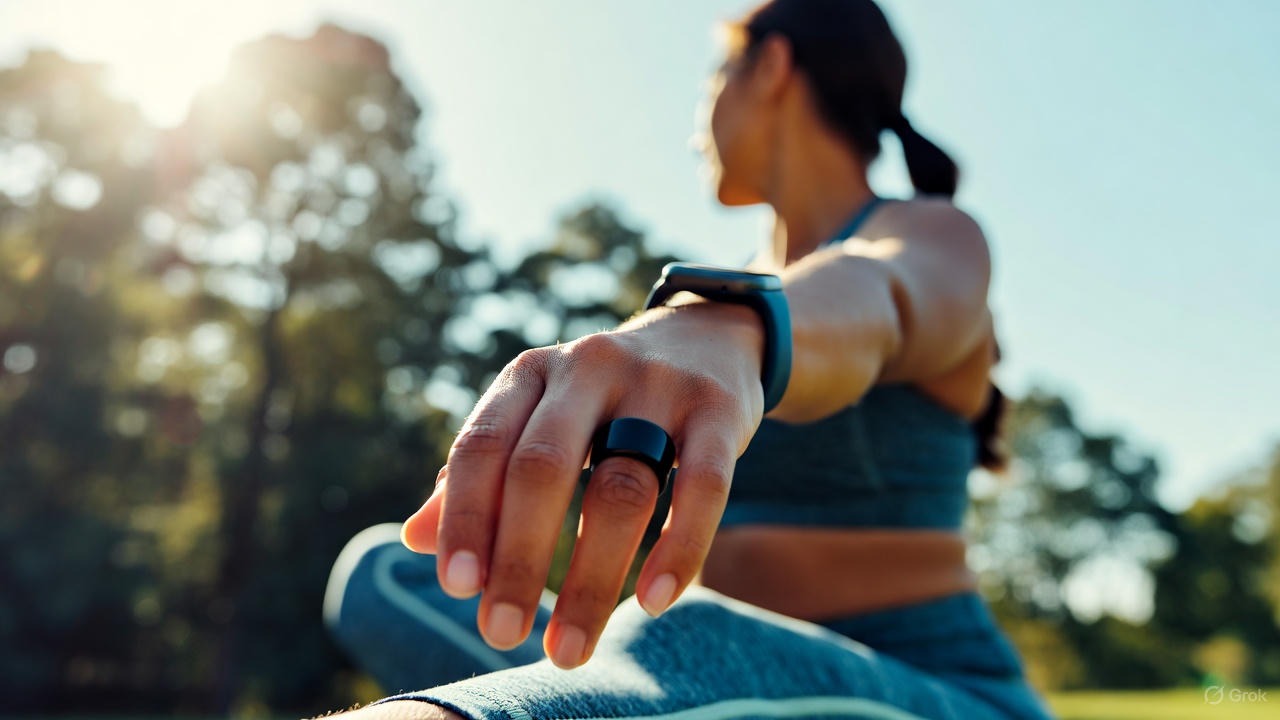
How to Set Up Your Wellness Ring for Optimal HRV Tracking
How to set up your wellness ring for the best HRV tracking results.
The Ultimate Guide to Setting Up Your Wellness Ring for Unlocking Your Body's Deepest Secrets: HRV Mastery
You've unboxed the sleek, futuristic device, felt its cool, ergonomic weight in your palm, and slipped it onto your finger. It fits perfectly—a subtle piece of jewelry that promises not just to accessorize, but to revolutionize your understanding of your own health. This is your wellness ring, a portal into the hidden language of your nervous system. But right now, it's just a ring. The transformation, the real magic, begins with setup. Not the simple Bluetooth pairing, but the deep, intentional configuration that turns raw data into life-changing insight.
At the heart of this transformation lies one of the most critical, yet misunderstood, biomarkers in modern physiology: Heart Rate Variability (HRV). Far from being a simple heart rate monitor, your wellness ring is a sophisticated HRV archaeologist, digging through the noise of your day to find the golden signals of your resilience, recovery, and readiness. A high HRV isn't just a number; it’s a story of a body that is adaptable, resilient, and in flow. A low HRV is a whisper (or sometimes a shout) from your autonomic nervous system asking for attention.
But here’s the truth most miss: Your ring’s accuracy is only as good as your setup. A poorly configured device is like a world-class microscope out of focus; the potential is there, but the picture is blurred and useless. Optimal HRV tracking isn't automatic. It's a crafted synergy between hardware, software, personal habit, and nuanced understanding.
This comprehensive guide is your master blueprint. We will move beyond the basic app download and walk you through the foundational philosophy, the precise technical configurations, the personalization of your baseline, and the lifestyle integrations that ensure your ring doesn't just collect data—it tells your unique health story with stunning clarity. By the end, you will not only have a perfectly configured device but also the knowledge to interpret its messages and take actionable steps toward a more balanced, resilient you. This is the art and science of turning technology into wisdom.
Ready to begin? Let's transform your ring from a passive tracker into your most trusted health confidant.
What is HRV and Why is it the Ultimate Biofeedback Metric?
Before you adjust a single setting, you must understand what you're tracking. Heart Rate Variability is not your heart rate. Your heart rate tells you how often your heart beats. HRV tells you the precise variation in time between each of those beats. It is measured in milliseconds and is a direct, non-invasive window into your autonomic nervous system (ANS).
Think of it this way: A metronome is perfectly consistent—tick, tick, tick. A healthy heart is not a metronome. It's more like a skilled jazz drummer—the beats are fundamentally regular, but with subtle, complex, and meaningful variations between them. That variability is a sign of health, adaptability, and responsiveness. This rhythm is governed by the two branches of your ANS:
The Sympathetic Nervous System (SNS): Your "gas pedal." It accelerates your heart, preparing you for action, stress, and "fight or flight."
The Parasympathetic Nervous System (PNS): Your "brake pedal." It slows your heart, promoting "rest and digest," recovery, and relaxation.
HRV is the dance between these two systems. A high HRV indicates a strong, responsive brake and a balanced system—your body can swiftly adapt to stress and then powerfully recover. A low HRV suggests a stressed, fatigued, or overloaded system where the gas pedal is often stuck, and the brake is weak.
Why Your Wellness Ring is the Ideal HRV Tool Traditional HRV measurement required clinical ECGs. Today, photoplethysmography (PPG) sensors in devices like the Oxyzen ring use light to detect blood volume changes in your finger capillaries with each heartbeat. The finger is an ideal location, as its arteries are close to the surface, providing a strong signal. Unlike a watch that can slide on the wrist, a properly fitted ring offers consistent sensor contact, especially crucial during sleep—the prime time for accurate, resting HRV measurement. For a deeper dive into the pioneering technology behind this method, you can explore our story of innovation and precision.
The Actionable Insights of HRV Tracking This isn't about chasing a high score. It's about connection and causation.
Recovery & Readiness: Your morning HRV reading (taken from your sleep data) is your daily readiness score. A higher-than-baseline HRV suggests you're well-recovered and ready for challenge. A significant dip signals you may need a lighter day, more recovery, or to check for illness.
Stress Resilience: By observing how your HRV responds to specific events—a tough workout, a stressful meeting, a poor night's sleep—you learn your personal stress signature. You can identify which activities drain you and which replenish you.
Training Optimization: Athletes use HRV to avoid overtraining. A sustained drop can indicate it’s time for a rest day, preventing injury and boosting long-term performance.
Sleep Quality Correlation: HRV naturally fluctuates during sleep cycles. Tracking it overnight provides a profound view of your sleep architecture and nervous system restoration far beyond just duration.
Long-Term Health Trends: Monitoring HRV trends over months can reveal the impact of lifestyle changes, meditation, new diets, or chronic stress, giving you empirical feedback on what truly works for your body.
Understanding this foundation transforms your ring from a gadget into a biofeedback coach. With this context, we can now build your optimal tracking environment from the ground up.
Unboxing and Initial Pairing: Laying the Digital Foundation
The excitement of a new device can lead to rushing. Resist the urge. A meticulous start prevents countless future headaches and ensures data integrity from day one.
Step 1: The Physical Inspection and Fit Before any software touch, perfect the hardware. Your ring should sit snugly on your finger, but not tight enough to leave an imprint or resist a gentle twist. The sensors (typically on the inner band) must maintain consistent contact with your skin. The ideal finger is usually your index or ring finger. Avoid fingers with significant swelling fluctuations. Remember, a proper fit is the single greatest factor in reliable data collection, especially for the nocturnal HRV readings that form your baseline.
Step 2: Charging to Full and App Installation Place the ring on its charging dock and power it to 100%. While it charges, download the official companion app (e.g., the Oxyzen app) from the iOS App Store or Google Play Store. Crucial Tip: Disable battery optimization for this app on your phone. This ensures the app can run background processes for seamless data syncing without being shut down by your phone's OS. Instructions for this are typically in the app's setup guide or our comprehensive FAQ section.
Step 3: The Pairing & Permissions Dance Open the app and follow the pairing wizard. This will involve:
Enabling Bluetooth: Keep your phone close.
Granting Critical Permissions: Do not skip these. They are essential for holistic tracking.
Notifications: For alerts and reminders.
Location Services (Always/While Using): Often required for Bluetooth stability and may be used for environmental context (e.g., altitude).
Physical Activity/Health: To allow the ring to sync workout and movement data.
Background App Refresh: Allows the app to sync data even when not open.
Account Creation: Use a valid email. This is your data's home and enables cloud backup.
Step 4: Firmware Update Immediately after pairing, check for and install any firmware updates. These updates contain sensor optimizations, bug fixes, and new features that directly impact HRV algorithm accuracy. Ensure your ring stays on the charger during this process.
Step 5: Synchronization and the First Data Handshake Once updated, wear the ring and let it sync. The first sync may take a few minutes as it establishes a baseline connection. You should see your basic heart rate and perhaps a preliminary "wear" status. Your journey has officially begun at the digital level. For ongoing tips and updates on getting the most from your app, our blog is a constantly updated resource.
Mastering the App: Configuring Your Dashboard and Data Preferences
Your app dashboard is your mission control. A cluttered, poorly configured dashboard leads to confusion. A streamlined one provides instant, actionable insight. Let's architect yours.
Choosing Your Primary Metrics (The "Above the Fold" View) Most apps allow you to customize the home screen. For HRV-centric living, prioritize these widgets:
Morning Readiness Score (HRV-Derived): This should be the first thing you see. It's your daily North Star.
Resting HRV (ms): The raw number, often with a trend graph showing last night's value against your baseline.
Sleep Score & Duration: Since sleep HRV is gold-standard, sleep quality is intrinsically linked.
Resting Heart Rate (RHR): View this alongside HRV. They are complementary metrics (generally, as HRV rises, RHR lowers).
Recovery Time (for athletes): Or a "Stress Balance" metric.
Remove non-essential clutter like step count from the primary view if it distracts. You can always dive deeper.
Notification and Alert Strategy Alerts are powerful but can become noise. Configure them with purpose:
HRV Trend Alerts: Enable notifications for "significant deviations" from your baseline. This is an early warning system.
Inactivity/Alarm Reminders: Useful, but set them to times that fit your workflow.
Goal Celebrations: Keep these on for positive reinforcement.
Consider Disabling: Constant heart rate zone notifications unless you're in a dedicated training block.
Data Sharing and Integration This is where your ring's power multiplies. Don't let your data live in a silo.
Sync with Apple Health / Google Fit: This is non-negotiable. It creates a unified health repository on your phone.
Connect to Secondary Fitness Apps: If you use Strava, TrainingPeaks, or Whoop, link them. This allows your ring's HRV and sleep data to inform recovery metrics in your training app.
Mindfulness App Integration: If the app supports it, connect to Calm or Headspace. Some apps can correlate meditation sessions with positive HRV shifts, showing you the direct physiological impact of your practice.
Setting Your Personal Biometrics Accuracy requires personalization. Navigate to your profile and meticulously enter:
Age, Sex, Height, Weight: These factor into calorie and effort calculations.
Activity Level: Be honest. This sets initial baselines.
Health Goals: Select "Stress Management," "Improved Recovery," or "Overall Wellness" to guide the app's coaching insights.
Your dashboard is now a clear, focused lens on your nervous system, not a overwhelming array of numbers. The foundation is set. Now, we must establish what "normal" means for you.
Establishing Your Personal HRV Baseline: The 14-Day Calibration Period
Your HRV is as unique as your fingerprint. Comparing your 45 ms to someone else's 65 ms is meaningless. The only comparison that matters is you vs. you. This requires establishing a true, personal baseline—a process that demands patience and consistency.
Why You Must Wait Before Interpreting Do not make any major decisions based on your first few days of data. Initial readings can be skewed by:
The novelty effect of wearing the ring.
Changes in sleep position or environment.
Your body adapting to being measured.
Random daily fluctuations.
The goal of the calibration period (ideally 14+ days) is to capture a range of your "normal" under various, but typical, life conditions—work days, rest days, good sleep nights, and slightly poor ones.
The "Do Nothings" and the "Do Somes" During this period: DO:
Wear the ring consistently, especially all night, every night.
Live your regular life. Don't artificially try to "boost" your HRV.
Note significant life events in the app's journal or notes feature: "Hard leg day," "Client presentation," "Dinner with friends," "Felt a cold coming on."
Observe patterns without judgment. Look for the natural ebb and flow.
DO NOT:
Radically change your diet, exercise routine, or sleep schedule to "optimize" the numbers.
Obsess over daily dips or spikes. Look at the trend line forming.
Compare your baseline to anyone else's.
How the App Calculates Your Baseline Sophisticated apps use a rolling average (e.g., a 3–4 week window) to establish your personal range. After about two weeks, you should see a "Baseline" or "Long-Term Average" line appear on your HRV graph. This line is your new point of reference. The app will begin to flag readings as "Balanced," "Below Average," or "Above Average" relative to this line.
Identifying Your Personal Drivers Use this period as a detective. Does your HRV dip the day after heavy strength training? Does it rise after a day in nature? Does alcohol cause a weekend crash? Does a consistent bedtime correlate with higher values? These early, non-judgmental observations are priceless. They form the foundational knowledge you will use to make future choices. For real-world examples of how others have identified their unique patterns, browse through authentic user testimonials.
By the end of this calibration, you will have transformed an abstract metric into a personalized dial tone for your body. You'll know its resting state. Now, we must ensure the data feeding that baseline is pristine.
Optimizing Wear and Care for Uninterrupted, Accurate Data
A corrupted signal leads to corrupted insight. Ensuring your ring collects the cleanest possible data is a matter of both hardware care and wearing practice.
The Golden Rule of Sensor Contact The PPG sensor requires unimpeded skin contact. Common pitfalls and solutions:
Lotion, Sweat, and Grime: Clean the inner band of the ring and your finger regularly with a dry, soft cloth. Avoid getting soap or chemicals directly on the sensor.
Looseness: If the ring spins easily, it's too loose. The sensor will lose contact during sleep. Consider resizing.
Swelling: Fingers swell slightly during sleep, exercise, or in heat. Your ring should accommodate this without cutting off circulation. If it's uncomfortably tight in the morning, it's too small.
Which Hand? Consistency is key. Pick a finger and stick with it. Some recommend the non-dominant hand to reduce motion artifacts.
Charging Routines That Don't Break the Chain A dead ring gathers no data. The goal is to charge without missing tracking windows.
The "Top-Up" Method: Charge during a predictable, low-activity period when you don't need data. This is often during a morning shower, a 30-minute desk work session, or while watching TV in the evening. Even 15-20 minutes daily can keep it topped up.
Avoid Overnight Charging: This sacrifices your most valuable HRV data—sleep.
Low Battery Alerts: Enable them. A good routine is to place the ring on its charger as part of your morning ritual while you get ready.
Environmental and Situational Considerations
Extreme Cold: Very cold fingers can reduce blood flow, potentially weakening the signal. The data may be less reliable during winter sports unless the ring is under a glove.
Intense, High-Vibration Exercise: Activities like weightlifting, boxing, or using power tools can create motion artifacts. The ring is still collecting data, but HRV readings during these activities may be less accurate. The post-exercise recovery HRV, however, is highly valid.
Water Exposure: Check your ring's waterproof rating. Most are safe for showers and swimming, but harsh chemicals (chlorine, salt) should be rinsed off. Never charge a wet ring.
Syncing Discipline Make manual syncing a habit. Open the app at least once a day, ideally in the morning to review your readiness score. This ensures data is transferred from the ring's local storage to the cloud, preserving it and allowing algorithms to process your nightly report. A consistent sync habit prevents data gaps. If you ever encounter a sync issue, your first stop should be our troubleshooting-focused FAQ page.
With a clean signal secured, we can now focus on the primary source of your core HRV data: the silent hours of the night.
Perfecting Nightly Wear for Gold-Standard Sleep HRV
While spot-check HRV readings are possible, the medical and scientific gold standard for assessing baseline autonomic function is derived from nocturnal, particularly deep sleep, measurements. During deep sleep, your conscious mind is offline, environmental stimuli are minimized, and your nervous system reveals its true restorative state. This makes your nightly wear the most important data collection window.
The Pre-Sleep Ritual for Clean Data
Fit Check: As you wind down, give the ring a gentle twist. It should be snug. If it feels loose, consider moving it to a slightly thicker finger for the night (if you have multiple sizes).
Clean Sensor: Quickly wipe the inner band with your pajamas or a dry cloth.
Hand Position Awareness: Tucking your hands under your pillow or face can press the ring into your skin at an odd angle. Try to sleep with your hands relatively free. This often improves naturally as you get used to wearing it.
Understanding Sleep Stages and HRV Your HRV is not static during sleep. It follows a predictable pattern:
Light Sleep: HRV begins to decrease from waking levels.
Deep Sleep (N3): HRV typically reaches its lowest, most stable point. This is where parasympathetic (rest-and-digest) activity dominates, promoting physical restoration. The consistent, low-variability signal here is a key input for your baseline.
REM Sleep: HRV becomes more variable and chaotic, similar to wakefulness, reflecting brain activity and dreaming.
A good sleep tracker uses this oscillating pattern to validate its sleep stage detection. Consistently missing deep sleep phases will skew your HRV baseline calculation.
Troubleshooting Common Sleep Data Gaps
"Missing Data" Streaks: This is almost always a fit issue. The ring lost contact. Try a different finger or confirm the size.
Unusually High/Low Sleep HRV: Cross-reference with your subjective feeling. Did you drink alcohol? Are you getting sick? Was the room hot? Use the app's journal to tag the night. This creates a library of cause and effect.
Inconsistent Bed/Wake Times: Your circadian rhythm heavily influences HRV. Going to bed and waking at wildly different times each day creates "biological jet lag," obscuring clear trends. Consistency is your friend.
The Morning Review Protocol When you wake, give the ring a minute to register the change in state. Then, open your app. Your routine should be:
Check your Sleep HRV and Readiness Score.
Look at the Sleep Graph to see where deep sleep occurred.
Tag your night with any notes (e.g., "Late dinner," "Woke up at 3 am," "Feeling great").
Set your intention for the day based on the data. High readiness? Plan your challenging task. Low recovery? Schedule more downtime.
This disciplined nocturnal focus ensures the core data fueling your entire HRV ecosystem is of the highest fidelity. Next, we bring context to the daytime numbers.
Daytime Tracking and Spot Measurements: Adding Context to the Story
Your sleep HRV gives you the big picture of recovery. Daytime HRV measurements provide the context, the chapter headings that explain the plot. They show how your nervous system responds to life in real-time.
When and How to Take a Valid "Spot" Reading For a spot check to be meaningful, it must be controlled.
The Posture: Sit or lie down calmly for at least 3-5 minutes before measuring.
The Environment: Find a quiet place, free from interruptions.
The Breathing: Breathe normally. Do not force deep breaths, as this will artificially inflate HRV (this is a technique called "paced breathing," which is a separate intervention).
The Timing: Useful times include:
Pre-Workout: To gauge if you're truly recovered for a hard session.
Post-Workout (30-60 min after): To see the acute stress impact.
Pre- and Post-Meditation: To objectively measure its calming effect.
During a Stressful Work Period: To quantify your body's response.
The "HRV Reactivity" Framework Don't just look at the number; interpret the direction and magnitude of change from your baseline.
Healthy Reactivity: A moderate dip in HRV during/after stress (work, exercise), followed by a rebound to or above baseline within 24-48 hours. This shows resilience.
Unhealthy Reactivity: A severe, prolonged dip that takes days to recover from, or a chronically low HRV that shows no dynamic range. This indicates poor resilience and potential allostatic load.
Journaling: The Indispensable Companion to Data Numbers without context are just noise. The single most powerful feature you can use is the journal or note-taking function in your app. Log:
Training: Type, duration, perceived exertion.
Nutrition: Heavy meals, alcohol, caffeine timing.
Stress: "Big deadline," "argument," "traffic."
Energy & Mood: Subjective scores (1-5) on how you feel.
Illness: Any symptoms.
After several weeks, you can review your HRV graph alongside this journal. You will see clear, personal correlations: "Every time I have sugar after 8 PM, my HRV drops 15%." "My HRV is consistently higher two days after yoga." This is the moment data becomes wisdom. To see how contextual tracking has helped others unlock their wellness, read about their journeys in their own words.
With context in place, we must now teach the app to understand the specific stressors in your life, particularly your physical training.
Integrating and Calibrating for Exercise & Activity
Physical activity is a primary, intentional stressor you apply to your body. It should cause an acute dip in HRV. The art lies in applying the right dose—enough to stimulate adaptation, but not so much that it leads to prolonged suppression and overtraining. Your ring is your dosing guide.
Automatic vs. Manual Activity Tracking
Automatic Detection: Most rings automatically detect walks, runs, and cycles. Ensure this is enabled. Review these detected activities daily to confirm accuracy.
Manual Logging: For strength training, yoga, sports, or any non-tracked activity, manually log it in the app. Include duration and perceived effort. This tells the algorithm: "This HRV dip was likely caused by this specific stressor."
The HRV-Based Training Philosophy Move away from rigid, pre-planned schedules. Embrace a responsive model:
Check Morning Readiness: Based on sleep HRV and RHR.
Adjust Accordingly:
High Readiness: Proceed with your planned hard workout.
Low Readiness: Swap to a recovery session (light cardio, mobility, rest) or take a full rest day.
In the Middle: Do a moderate session and listen closely to your body.
Post-Workout Observation: Note the depth of the HRV dip the following morning. A slightly deeper dip is normal. A crash indicates the workout was too taxing for your current recovery state.
Calibrating Your "Zones" and Effort If your ring estimates calories or effort, improve its accuracy:
For Cardio: Go for a steady 10-minute run or bike ride at a moderate pace. Check the heart rate reading against a chest strap (if possible) or your own perceived effort. Small discrepancies are normal for optical sensors during high motion.
For Non-HR Activities: Manual logging is key. The ring may not capture your heart rate accurately during deadlifts, but it will capture the recovery from them. Log the session so the app can correlate the subsequent HRV drop.
The 72-Hour Window Understand that the impact of a significant training stress can echo for 2-3 days in your HRV. Don't panic if you see a lower reading the next day. Look for the trend back toward baseline. If you're still suppressed 72 hours later, that's a strong signal for more rest.
By integrating exercise mindfully, you turn your ring into a personal coach that helps you train smarter, not just harder, maximizing gains while minimizing injury and burnout. This leads us to the final, deepest layer of personalization: syncing with your body's natural rhythms.
Syncing with Your Circadian Rhythm and Lifestyle Factors
Your HRV follows a powerful daily (circadian) and monthly (for some, infradian) rhythm. It is intrinsically linked to light, food, and behavior. Optimizing your setup means aligning your tracking with these rhythms and accounting for major lifestyle levers.
The Natural Daily HRV Cycle A healthy, well-synced circadian rhythm shows a predictable HRV pattern:
Lowest Point: Typically in the early morning hours during deep sleep.
Rising Phase: Begins upon waking and continues through the morning.
Daytime Variability: Fluctuates in response to meals, stress, and activity.
Evening Wind-Down: Should begin a gradual decline in the hours before bed as the parasympathetic system prepares for sleep. Actionable Tip: If your app offers "daytime HRV" graphs, look for this general rise-and-fall arc. A flat, chaotic, or inverted line can be a sign of circadian disruption (e.g., from shift work, late-night screen time, or inconsistent sleep).
Accounting for Major Lifestyle Modulators Configure your understanding and app tags around these proven HRV influencers:
Nutrition & Hydration:
Meal Timing: Large, heavy meals, especially close to bedtime, can lower nocturnal HRV. Tag your dinners.
Alcohol: Perhaps the most reliable HRV suppressor. It fragments sleep and directly impacts ANS balance. Observe the dose-response.
Caffeine: Has a long half-life. Late-day caffeine can impair sleep quality and thus next-day HRV.
Hydration: Dehydration increases heart rate and can lower HRV.
Psychological Stress & Mindfulness:
Chronic Stress: The nemesis of HRV. It perpetually engages the sympathetic nervous system.
Mindfulness & Meditation: Proven to increase HRV over time by strengthening parasympathetic tone. Consider tagging your meditation sessions.
Environmental Factors:
Light: Get bright light in the morning to anchor your circadian rhythm. Avoid blue light before bed.
Temperature: A cool sleeping environment (65-68°F) is conducive to deep sleep and better HRV.
Creating Your Personal "HRV-Friendly" Protocol Based on your 14-day baseline and ongoing journaling, start to build simple rules:
"If my HRV is below baseline, I will prioritize a 7:30 PM digital curfew."
"I will not schedule two intense training days back-to-back unless my morning readiness is high."
"I will finish eating 3 hours before bed on weeknights."
This is where you transition from being a passive tracker to an active architect of your own physiology. Your ring provides the feedback; you provide the intelligent, personalized intervention. For more on the philosophy behind building a lifestyle in harmony with your biometrics, learn about our mission to empower this very journey.
Advanced HRV Interpretation: From Data to Actionable Wisdom
You've done the work. Your ring fits like a second skin, its sensors in constant, quiet dialogue with your capillaries. Your app dashboard is a clean, insightful cockpit, and you've patiently endured the calibration period, watching your unique baseline emerge like a photograph in developing solution. The numbers flow in nightly: 52 ms, 48 ms, 55 ms, 61 ms. Now what?
This is the critical juncture. Data without interpretation is noise; interpretation without action is intellectual vanity. The true power of your wellness ring is realized not in collection, but in translation—turning the abstract language of millisecond intervals into concrete steps for a better life. In this section, we move beyond setup and into mastery. We will equip you with the frameworks to decipher complex trends, distinguish signal from noise, and build a personalized system of response that turns biofeedback into tangible, lasting well-being.
Deciphering the Daily Readiness Score: Your North Star for the Day
The Morning Readiness Score is the app’s synthesized gift to you—a single, digestible metric designed to answer one question: "How prepared is my body for the demands of today?" But to trust it, you must understand its recipe.
The Algorithmic Cocktail While proprietary, a robust Readiness Score is typically a weighted blend of:
Sleep HRV (The Primary Ingredient): The most direct measure of overnight nervous system recovery.
Resting Heart Rate (RHR): Elevated RHR relative to your baseline can indicate stress, fatigue, or illness.
Sleep Duration & Quality: Quantity meets architecture. Lack of deep or REM sleep can suppress readiness.
Sleep Consistency: Going to bed and waking at wildly different times creates circadian strain.
Recent Recovery Trends: Are you on a downward slide, or rebounding from a dip?
Acute Stress Load: The impact of yesterday's intense workout or psychological stress.
Interpreting the Spectrum: A Practical Guide Don't just see a number; see an instruction set.
High Readiness (e.g., 85-100): The Green Light
What it Signals: Your body is resilient, recovered, and primed for adaptation. Your autonomic nervous system has ample capacity.
Your Action Plan: This is your day to charge. Schedule your most challenging workout, tackle your biggest cognitive task, or engage in demanding social activities. Your body is asking for a positive stressor to adapt to. It’s an ideal day for high-intensity interval training (HIIT), heavy strength sessions, or important creative work.
Moderate Readiness (e.g., 70-84): The Proceed with Awareness
What it Signals: Adequate, but not optimal, recovery. Your system is functional but has less reserve. A minor stressor could tip you into strain.
Your Action Plan: This is a day for maintenance, not breaking records. Stick to moderate exercise—a steady-state cardio session, a technique-focused weightlifting day, or a dynamic yoga flow. At work, focus on execution over innovation. Be mindful of nutrition and stress. Listen closely to your body's signals throughout the day.
Low Readiness (e.g., <70): The Recovery Signal
What it Signals: Your body is signalling clear resource depletion. This could be from physical overreaching, poor sleep, emotional stress, dehydration, or the onset of illness. Your sympathetic nervous system may be dominant, and your "brakes" are weak.
Your Action Plan: This is your day to brake and rebuild. Prioritize restoration above all else.
Exercise: Only gentle movement—light walking, restorative yoga, mobility work, or complete rest.
Nutrition: Focus on anti-inflammatory, nutrient-dense foods. Hydrate thoroughly.
Stress: Actively de-stress. Meditate, spend time in nature, say no to extra commitments.
Sleep: Double down on sleep hygiene for the coming night. This score is not a punishment; it's a protective alert from your own biology.
The Art of Overriding (and When to Do It) Sometimes, the score seems to conflict with how you feel—you have a low score but feel energetic, or a high score but feel off. Your subjective feeling is paramount data. Use the score as a guide, not a gospel.
If you feel great but the score is low: Consider if you are in a state of "stress-induced energy" (sympathetic arousal). Proceed, but with extra caution and earlier rest breaks.
If you feel terrible but the score is high: Investigate. Are you mentally burnt out but physically recovered? Did you sleep long but poorly? Subjectively note the discrepancy and see how the day unfolds.
Your readiness score is the starting pistol for each day. With it understood, we must learn to read the longer-term story written in the trends of the raw data itself.
Analyzing Long-Term Trends: Seeing the Forest, Not Just the Trees
Daily fluctuations are the weather. Long-term trends are the climate. Obsessing over a single day's dip is like panicking over a rainy Tuesday in an otherwise sunny month. The profound insights—the impact of a new job, a training program, a meditation habit, or seasonal changes—are revealed in the multi-week and monthly view.
Identifying Meaningful Patterns (Signal vs. Noise)
The Signal (Meaningful Change):
Sustained Directional Shift: A consistent upward or downward trend over 7-14 days that breaks outside your normal range of fluctuation.
Change in Variability: Your HRV itself may show less "variability in its variability"—becoming flat and non-responsive, which is often a worse sign than a low but dynamic HRV.
Divergence of Metrics: When HRV trends down but RHR trends up, it's a strong, concordant signal of accumulating stress/fatigue.
The Noise (Normal Fluctuation):
Single-Day Dips: Isolated low days, especially with a clear cause (alcohol, poor sleep, hard workout) that rebounds within 1-2 days.
Weekly Cyclicality: Many see a natural dip mid-week (cumulative stress) and a rebound toward the weekend.
Conducting a Personal Trend Audit (Monthly Ritual) Set a calendar reminder for once a month. Open your app's long-term HRV and RHR graphs (30-90 day view). Ask these questions:
What is the overall slope? Gently rising? Gently falling? Flat?
Are there clear phases? Can I label periods: "Starting New Job," "Marathon Training Block," "Vacation," "Meditation Challenge"?
What were the highest and lowest points? Cross-reference with your journal. What behaviors or events coincided?
How does my sleep graph correlate? Do periods of higher HRV align with periods of more consistent, longer sleep?
This audit transforms data into narrative. You might see: "My 8-week strength program initially suppressed my HRV (expected adaptation), but it's now rising above my pre-program baseline—a sign of improved fitness." Or, "My HRV has been on a slow decline since December, despite good sleep. Maybe it's the lack of daylight and winter blues (Seasonal Affective Disorder)."
The Four Key Trend Archetypes
The Adaptive Rise: A gradual, sustained increase. This is the gold standard, indicating improving resilience, effective lifestyle changes, or positive adaptation to a consistent training stimulus.
The Stressful Decline: A gradual, sustained decrease. A red flag requiring investigation. Is it overtraining, chronic work stress, poor diet, or an underlying health issue?
The Overtraining/Stall Pattern: HRV declines and stays low, RHR elevates, performance plateaus or declines, and mood suffers. This requires immediate intervention—deload week, increased sleep, better nutrition.
The Stable & Responsive Pattern: HRV fluctuates within a healthy band but shows clear dips and rebounds in response to life events. This is a sign of a robust, resilient system.
By mastering trend analysis, you become the historian of your own health, capable of spotting the slow-moving currents that dictate your long-term vitality. This deep understanding prepares you for the inevitable: when the data looks confusing or concerning.
Troubleshooting Paradoxical and Confusing HRV Data
Even with a perfect setup, you will encounter head-scratchers. A huge steak dinner leads to a high HRV night. A terrible sleep yields a great readiness score. These paradoxes aren't errors; they are complex physiological messages waiting to be decoded.
Common Paradoxes and Their Probable Explanations
"I feel awful, but my HRV is high."
Illness Onset: The immune system's early activation can sometimes trigger a parasympathetic (vagal) response, raising HRV before the full inflammatory storm hits and crashes it.
Detached/Depressed State: In some psychological states, emotional flatlining or disassociation can manifest as a physiologically "calm" but pathological high HRV, devoid of healthy variability.
Overreaching Before Overtraining: In athletes, a sudden, sharp rise in HRV can sometimes precede a catastrophic drop, signaling a last-ditch compensatory effort by the body.
"I feel great, but my HRV is low."
Sympathetic Arousal: You're energized, but by stress hormones (cortisol, adrenaline). This is "stress energy," not sustainable energy. Your body is in a state of high alert, reducing variability.
Digestive Load: A large meal, even a healthy one, requires significant energy to digest (postprandial thermogenesis), creating a sympathetic shift and lowering HRV for several hours.
Dehydration: Even mild dehydration increases sympathetic tone and lowers HRV, often before you feel thirsty.
"My HRV was great during a terrible night's sleep."
The "Deep Sleep Island" Effect: You may have had very fragmented sleep overall, but if you managed to secure one solid, uninterrupted block of deep sleep, that may be all your nervous system needed to produce a good recovery signal. The ring captured the quality of that deep period, while your subjective feeling captured the fragmentation.
Sleep Extension: Sometimes sleeping too long, especially outside your circadian window, can lead to more light sleep and a groggy feeling, even with decent deep sleep earlier in the night.
Systematic Troubleshooting Protocol When data confuses you, don't discard it. Investigate.
Check the Raw Data: Look at the sleep stage graph. Was there a solid deep sleep block? Look at the nightly HRV graph—was it stable or chaotic?
Cross-Reference ALL Metrics: Don't look at HRV in isolation. What was RHR? Body temperature (if tracked)? Respiratory rate? A concordant message across multiple metrics (e.g., high HRV + low RHR) is more trustworthy than a single outlier.
Journal with Brutal Honesty: Revisit your notes. Any hidden stressors? Arguments? Caffeine timing? Pre-sleep screen time?
Consider the 48-Hour Lag: The impact of a major stressor (e.g., a brutal workout) often appears not the next morning, but the morning after. Look back two days.
Rule Out Technical Issues: Is the ring clean? Was it loose? Did you sync fully? Our support FAQ is your first line of defense for technical checks.
Understanding these nuances prevents you from making misguided decisions. It teaches you that your body's language is complex, metaphorical, and requires patient interpretation. One of the most powerful applications of this interpreted data is in refining the very engine of performance: your training.
Using HRV for Dynamic Training and Performance Optimization
This is where HRV transitions from a wellness metric to a performance optimization tool. The era of rigid, pre-written 12-week programs is fading, replaced by biofeedback-driven, autoregulated training. Your ring is the core of this system.
The HRV-Guided Training Decision Matrix Move beyond the simple "high readiness = train hard" model. Use this nuanced matrix:
Morning Readiness
Previous Day's Load
Recommended Action
High
Low/Moderate
OPTIMAL FOR OVERLOAD. Plan your highest-intensity session. Focus on new strength PRs, high-speed intervals, or complex skill work.
High
High
PROCEED WITH CAUTION. You're recovered but may be in a cumulative fatigue zone. A hard session is okay, but reduce volume slightly. Focus on quality over quantity.
Moderate
Low
MAINTENANCE/MODERATE. Good day for aerobic development, technique work, or moderate-load strength training.
Moderate
High
ACTIVE RECOVERY. Prioritize movement that promotes circulation without systemic stress: light cycling, walking, mobility flows, foam rolling.
Low
Any
REST OR REGENERATION. Complete rest, or very gentle movement like walking or stretching. Focus on sleep, nutrition, and stress management.
Implementing a "Flexible Periodization" Model Instead of a fixed plan, create a "menu" of workouts for the week, then let your morning readiness select the entrée.
Day's Menu (Planned): Heavy Legs, HIIT Intervals, Long Run, Upper Body Strength, Yoga, Rest.
Wednesday (Moderate Readiness): Upper Body Strength (since legs are recovering)
Thursday (High Readiness): HIIT Intervals
Friday (Moderate Readiness): Yoga
Saturday (Moderate/High): Long Run
This approach respects your body's actual state, drastically reducing overtraining and injury risk while ensuring you push when you're truly capable.
Gauging Adaptation vs. Mere Fatigue A key question: Is my low HRV a sign of positive adaptation (supercompensation) or negative fatigue?
Positive Adaptation Look Like: HRV dips post-workout, but the baseline trend over weeks is stable or slowly rising. Performance is improving. You feel generally positive.
Negative Fatigue Looks Like: HRV dips and stays low. The baseline trend is declining. RHR is elevated. Performance stagnates or declines. Mood and motivation suffer. Sleep is disturbed.
When you detect negative fatigue, it's time for a planned deload week—reducing training volume by 40-60% while maintaining light activity—to allow for full supercompensation.
Case Study: The Marathoner's HRV Journey Imagine a runner using HRV. In base-building, HRV is stable. As intensity ramps, HRV shows weekly cyclical dips with weekend rebounds. Three weeks before the race, HRV trends downward and RHR creeps up—a classic overreach signal. Instead of pushing through the final "peak" week, they switch to a deload week early. HRV rebounds superbly in the two-week taper, hitting a personal best on race morning. The result: a PR, executed with freshness, not exhaustion.
By making your training dynamic, you honor the fundamental biological principle of homeostasis: your body's constant quest for balance. This principle extends far beyond the gym, into the very fabric of daily stress and mental load.
HRV as a Barometer for Mental and Emotional Stress
Your nervous system does not differentiate between physical, chemical, or psychological stress. A looming deadline, an argument with a loved one, and a set of heavy squats all require adaptation. Therefore, HRV is one of the most objective tools available for measuring the physiological impact of your mental and emotional world.
The Stress Signature: How Emotions Show Up in the Data
Acute Anxiety/Fear: Often causes an immediate, sharp drop in HRV during the event, with a possible "overshoot" rebound afterward. The pattern is spikey and reactive.
Chronic Worry/Rumination: Manifests as a suppressed, flatlined HRV pattern. The system loses its dynamic range, stuck in a low-grade sympathetic state. This is often seen with elevated resting heart rate.
Focused Flow State: During deep, engaged work or a mindful activity, HRV may actually increase, showing coherence between heart and breath rhythms.
Post-Meditiation Calm: A well-done meditation session should result in an acute rise in HRV, reflecting increased parasympathetic activation. Tracking this can be powerful positive reinforcement for the practice.
Building an "Emotional Context" Journal Upgrade your logging. Beyond "stressful day," try:
Precision Labeling: "Felt overwhelmed during 3 PM meeting," "Had difficult conversation with X," "Felt anxious about presentation for 2 hours."
Intensity Scaling: Rate emotional stress events on a 1-10 scale.
Noting Recovery Activities: "20-minute walk after work cleared my head," "10 mins of breathing exercises lowered my sense of panic."
After a few weeks, correlate these entries with your HRV graphs. You may discover: "Video calls with my boss consistently drop my HRV for 3 hours," or "A 15-minute walk in the park after a stressful event speeds my HRV recovery."
Using HRV for Proactive Stress Management Don't just measure stress; manage it with the data.
Establish a "Stress Threshold": If your HRV drops below a certain point (e.g., 20% below baseline) for two days in a row, it triggers a mandatory stress reduction protocol—no questions asked.
Schedule "HRV Rebound" Activities: Know which activities reliably boost your HRV (nature, breathwork, certain music, laughter) and schedule them after known stressors or when your data shows depletion.
Practice Coherent Breathing: A direct lever for HRV. The 5.5-second inhale, 5.5-second exhale pattern (≈5.5 breaths per minute) often maximizes HRV in the moment. Use your ring in a spot check to find your resonant frequency (usually between 4.5 and 6.5 breaths per minute).
This application turns your ring into an objective therapist of sorts, revealing the somatic cost of your mental life and providing clear feedback on what interventions truly help you recover. The insights gleaned from this mental-physical connection naturally lead us to consider the foundational layer of all health: nutrition.
The Nutrition-HRV Connection: Fueling Your Resilience
You are not just what you eat; your HRV reflects what you eat, when you eat it, and how your unique metabolism responds. Food is information that directly communicates with your autonomic nervous system via digestion, inflammation, and blood sugar.
Macronutrients and Their Acute HRV Impact
High Glycemic Carbohydrates: A large meal of refined carbs can cause a blood sugar spike and crash, triggering a sympathetic stress response and lowering HRV for several hours.
High Fat Meals: Can be demanding to digest, requiring significant energy and potentially lowering HRV post-meal, especially close to bedtime.
Protein: Generally has a more neutral acute effect, but is crucial for long-term repair and recovery.
Alcohol: The most reliable HRV suppressor. It fragments sleep architecture, is a direct nervous system depressant, and increases inflammation. Observe the dose-response: one glass of wine may have a minor effect, while three drinks may crush your HRV for 24+ hours.
The Power of Meal Timing
The Evening Meal Effect: Consistently eating large meals within 2-3 hours of bedtime is one of the most common culprits behind suppressed nocturnal HRV. Your body is forced to prioritize digestion over deep restoration.
Time-Restricted Eating (TRE): Many find that compressing their eating window (e.g., 12-8 PM) improves sleep HRV by ensuring digestion is complete before sleep. Important: Experiment carefully and monitor your data. For some, especially active women, a too-narrow window can become a stressor.
Pre-Workout Nutrition: Experiment with timing and composition. Some perform and recover better fasted; others need a small, easily digestible carb/protein snack.
Running a Personal Nutrition Experiment Use your ring to become your own nutritionist.
Choose One Variable: Don't change everything at once. Test: "No food within 3 hours of bed," or "Reduce added sugar," or "Increase omega-3 intake."
Maintain Consistency Elsewhere: Keep sleep, exercise, and stress as constant as possible for 7-14 days.
Observe the Trend: Look at your average sleep HRV and readiness score over the experimental period vs. the prior period. Has the slope changed?
Listen to Subjectivity: How do you feel? Energy? Digestion? Cravings?
You might discover: "Eating my last meal by 7 PM raises my average sleep HRV by 8%." Or, "Adding a serving of leafy greens at lunch seems to improve my afternoon energy stability."
Inflammation and HRV Chronic, low-grade inflammation from food sensitivities (e.g., gluten, dairy for some), processed foods, or seed oils can keep the sympathetic nervous system subtly engaged, suppressing HRV over time. An elimination diet, followed by careful reintroduction while monitoring HRV trends, can be a powerful diagnostic tool.
By treating food as a controlled variable and your ring as the measuring instrument, you cut through dietary dogma and discover what truly fuels your resilience. As we integrate these layers—training, stress, nutrition—we approach a holistic system. The final step is weaving this system seamlessly into the fabric of your life.
Creating Your Personalized HRV-Integrated Lifestyle System
This is the culmination. It's not about the ring anymore; it's about the enhanced, more attuned life you lead with its guidance. The goal is to internalize the principles so that conscious biofeedback becomes unconscious wisdom.
Designing Your Daily and Weekly Rituals Build non-negotiable routines around your data streams.
The Morning Ritual (5 mins):
Wake, allow ring to detect wake state.
Open app, review Readiness Score & sleep data.
Journal: Note score, 1-word feeling, intention for the day based on data.
Decide: Green light? Yellow? Red? Plan your day accordingly.
The Evening Wind-Down (60 mins before bed):
Put phone on charger, away from bed.
Perform your HRV-boosting activity (coherent breathing, light reading, gentle stretching).
Check ring fit, clean if needed.
Reflect briefly: Did my day align with my morning intention?
The Weekly Review (Sunday, 20 mins):
Review weekly trends in HRV, sleep, activity.
Scan journal for highlights/lowlights.
Plan the upcoming week's "menu" of workouts and important tasks, leaving flexibility for daily readiness adjustments.
Set one lifestyle intention for the week (e.g., "7-hour sleep minimum," "No alcohol on weeknights").
Communicating Your Needs with Data Your ring provides objective backing for setting boundaries and advocating for your needs.
At Work: "My biometric data shows I'm in a high-recovery phase this morning, so I'm going to block time for our most demanding project."
With Family: "My data suggests I need more downtime this weekend to reset. Can we keep Saturday low-key?"
With Your Coach/Trainer: "My HRV has been trending down for 10 days and my RHR is up. I think I need a deload week instead of the planned peak week."
Avoiding Data Obsession and Maintaining Balance This is the most critical skill. The ring is a tool for living better, not a scorekeeper for life.
Designate Data-Free Times: Perhaps after your morning check, you don't look at the app until the next morning. Or take one day a week where you don't check scores, just live by feel.
Practice "Feel First" Checks: Before looking at your readiness score, ask yourself: "How do I feel on a scale of 1-10?" Then see how it compares. Keep your subjective awareness sharp.
Remember the "Why": You're doing this to improve your life—your energy, resilience, and health. If the process is making you anxious or rigid, you've lost the plot. Step back.
Your Oxyzen ring, now fully configured and integrated, has become more than a device. It is a reflection loop, a externalized nervous system that speaks back to you with clarity. It empowers you to move from guessing to knowing, from pushing blindly to responding intelligently. This journey—from unboxing to creating a personalized lifestyle system—is what transforms cutting-edge technology into timeless self-knowledge. The path to optimal HRV tracking is, ultimately, the path to a more conscious, resilient, and vibrant you.
To continue exploring the science, stories, and strategies behind biometric living, a wealth of community experiences and expert insights are waiting for you on the Oxyzen blog.
The Frontier of HRV: Advanced Protocols, Special Populations, and Future Horizons
You have mastered the setup, deciphered the daily signals, and woven HRV wisdom into the fabric of your life. You are no longer a passive user but an active practitioner. Yet, the journey into the depths of your autonomic nervous system is an ongoing expedition. Beyond the established fundamentals lies a frontier of advanced applications, nuanced considerations for different life stages, and an exciting vista of what the future holds for this technology.
This final portion of our guide is for the explorer, the optimizer, and the visionary. We will delve into sophisticated protocols used by elite athletes and biohackers, address the unique HRV considerations for women, older adults, and those managing chronic conditions, and peer into the emerging trends that will make your wellness ring an even more powerful ally. This is about pushing the boundaries of what's possible with the data at your fingertips and understanding its profound implications for lifelong health.
Advanced Protocols: HRV Biofeedback and Resonance Training
While tracking resting HRV is powerful, you can actively train your nervous system for greater resilience using real-time HRV biofeedback. This is moving from measurement to direct modulation.
Understanding HRV Biofeedback (HRVB) HRVB is a clinical-grade intervention where you use a real-time display of your HRV (often represented as a wave or game) to learn how to consciously increase its amplitude—essentially, to strengthen the "brake pedal" (parasympathetic system). The core mechanism is through resonant frequency breathing.
The Science of Resonance: Every system has a natural frequency at which it oscillates with the greatest amplitude for the least effort. For the human cardiovascular system, this is typically achieved by breathing at a rate of 4.5 to 6.5 breaths per minute (a 5-7 second inhale and a 5-7 second exhale). At this pace, the rhythms of your heart, blood pressure, and respiration synchronize, creating maximal HRV and a state of "coherence."
Implementing a Personal Resonance Training Protocol Your wellness ring, especially when used with its app for spot measurements, is a perfect tool for discovering and practicing this.
Find Your Resonant Frequency:
Sit calmly with your ring on.
Initiate a 5-minute spot reading.
For the first minute, breathe normally and observe.
For the next four minutes, experiment. Try breathing in for 5 seconds, out for 5 seconds (6 breaths/min). Then try 4 in, 6 out (6 bpm). Then 6 in, 6 out (5 bpm).
Observe the real-time HRV trace or the summary afterward. Which pattern produced the highest, smoothest wave or the highest average HRV? That is your approximate resonant frequency.
Structured Practice:
Duration: Start with 5-10 minutes daily, ideally at a consistent time (morning to set the day, or evening to unwind).
Posture: Sit upright, feet flat on the floor, hands relaxed.
Method: Use a gentle guide (a metronome app set to your frequency, or a biofeedback visual on your phone) to pace your breathing at your resonant rate.
Goal: Not to control HRV directly, but to focus on smooth, diaphragmatic breathing. The increased HRV is the natural byproduct.
Measuring Long-Term Impact:
Track not just the acute rise during the session, but monitor your morning resting HRV trend over 4-8 weeks of consistent practice. The goal is a sustained elevation of your baseline, indicating improved autonomic tone and resilience.
Case Study: From Anxiety to Autonomic Control Consider someone with generalized anxiety. Their baseline HRV is low and flat. They begin a 10-minute daily resonance training protocol using their ring's spot-check feature for feedback. Initially, sessions are hard, with a jagged HRV trace. After two weeks, they can more easily enter coherence. After six weeks, their morning resting HRV shows a 15% increase, their resting heart rate has dropped by 4 BPM, and they report significantly reduced subjective anxiety. The ring provided both the motivation (visible feedback) and the proof (trend data) of transformation.
This advanced practice exemplifies the shift from being a passenger to becoming the pilot of your nervous system. As we explore these advanced applications, we must also recognize that the "average" user doesn't exist. Our physiology is shaped by powerful biological narratives, particularly for women.
HRV Through the Feminine Lens: Navigating the Infradian Rhythm
For anyone who menstruates, tracking HRV without considering the hormonal cycle is like trying to understand the tides while ignoring the moon. The menstrual cycle is a powerful infradian rhythm—a cycle longer than 24 hours—that profoundly influences the autonomic nervous system, metabolism, and recovery capacity.
The Four-Phase HRV Map Aligning your expectations and activities with your cycle phases can revolutionize your well-being.
Menstrual Phase (Days 1-5):
Hormonal Landscape: Estrogen and progesterone are at their lowest.
Typical HRV Pattern: HRV often reaches its highest point of the cycle. The body is in a deep restorative state. The parasympathetic system is dominant.
Optimal Activities: Rest, reflection, and recovery. Perfect for deload weeks in training, gentle yoga, walking, and strategic planning. Honor the need for inward focus.
Follicular Phase (Days 6-14):
Hormonal Landscape: Estrogen rises steadily, peaking just before ovulation.
Typical HRV Pattern: HRV generally remains moderate to high. Energy and resilience build.
Optimal Activities: Learning, exploration, and building. Ideal for trying new workouts, tackling challenging cognitive projects, and socializing. Strength and power output may be at their best.
Ovulatory Phase (~Day 14):
Hormonal Landscape: Estrogen peaks, LH surges, progesterone begins to rise.
Typical HRV Pattern: Can be a volatile period. Some see a sharp peak in HRV (and libido), others a slight dip due to the hormonal shift. Inflammation can be slightly higher.
Optimal Activities: Communication, connection, and peak performance. A great window for important presentations, collaboration, and high-intensity social or competitive events.
Luteal Phase (Days 15-28):
Hormonal Landscape: Progesterone dominates, estrogen dips then rises slightly.
Typical HRV Pattern: HRV gradually declines to its lowest point just before menses. The metabolic rate increases, core temperature rises, and the sympathetic system becomes more dominant. This is natural, not a sign of failing health.
Optimal Activities: Maintenance, completion, and strength. Focus on steady-state cardio, maintain (don't push) strength, and complete projects. Prioritize sleep, magnesium-rich foods, and stress management. This is not the time for aggressive new goals.
Tracking and Syncing with Your Cycle
Log Your Cycle: Use your wellness app's cycle tracking feature or a dedicated app. Mark the first day of your period.
Observe Your Personal Pattern: Over 3-4 cycles, you will see your unique HRV rhythm emerge. Do you have a dramatic ovulation spike? A steep luteal fall?
Plan with Intelligence: Schedule demanding workouts, important meetings, and social events during your follicular and ovulatory phases when possible. Schedule rest days, recovery sessions, and administrative tasks during your luteal and menstrual phases.
Practice Self-Compassion: A low HRV score in the luteal phase is not a failure; it's physiology. The goal is to see the pattern, respect it, and stop fighting your body's natural wisdom.
By syncing with this rhythm, you move from feeling at odds with your body to feeling in flow with its innate intelligence. This principle of life-stage awareness extends into our later decades as well.
HRV Across the Lifespan: Considerations for Aging and Longevity
HRV is a powerful biomarker of aging. It has a well-documented, non-linear decline with age, reflecting the natural decrease in autonomic flexibility. However, the rate of this decline is heavily influenced by lifestyle, and HRV can be a guiding light for promoting "healthspan"—the period of life spent in good health.
The Aging Autonomic Nervous System
Typical Changes: A general reduction in parasympathetic (vagal) tone, leading to lower resting HRV and a blunted ability to recover from stress.
Implications: This contributes to increased risk of cardiovascular events, metabolic disorders, and frailty. However, it's not a fixed destiny.
Using Your Ring for Longevity Optimization For older adults, the focus of HRV tracking shifts subtly from performance optimization to system maintenance and resilience preservation.
Key Metric: Consistency Over Absolute Value: While a higher number is better, preventing rapid declines and maintaining a stable baseline becomes the primary goal. A sudden, sustained drop is an even more critical warning sign.
The "Recovery Gap": Pay close attention to how long it takes for your HRV to rebound after a stressor (a physically active day, an illness, a stressful event). Working to minimize this recovery time is a direct investment in resilience.
Focus on Sleep & Circadian Rhythm: The age-related decline in sleep quality has a direct, negative impact on HRV. Using your ring to guard and optimize sleep—through consistency, environment, and routine—is perhaps the most potent intervention.
Lifestyle Levers with the Greatest Impact Research shows these factors are particularly potent for maintaining HRV with age:
Regular, Moderate Movement: Not intense training, but consistent daily activity like walking, swimming, or tai chi, which has been shown to improve vagal tone.
Strength Training: Combats sarcopenia (muscle loss), improves metabolic health, and is linked to better autonomic function.
Social Connection: Loneliness and isolation are profound stressors that lower HRV. Positive social engagement is parasympathetically activating.
Purpose & Cognitive Engagement: Learning new skills and maintaining a sense of purpose are associated with better physiological regulation.
The Narrative of "Biological Age" An individual with the chronological age of 70 but an HRV profile (and its associated recovery capacity) typical of a healthy 50-year-old has a younger biological age. Your ring allows you to track not just time lived, but the functional quality of your systems as you live it. This reframes health from the absence of disease to the active cultivation of vitality. For some, this cultivation takes place while managing existing health conditions, where HRV plays a crucial diagnostic and management role.
HRV and Chronic Health Conditions: A Companion for Management
For individuals managing conditions like hypertension, anxiety disorders, POTS (Postural Orthostatic Tachycardia Syndrome), Long COVID, or chronic fatigue, HRV tracking shifts from an optimization tool to an essential management and insight dashboard.
HRV as a Non-Invasive Gauge of Systemic Load In these contexts, HRV acts as a continuous readout of how the condition—and everything that affects it—is impacting the autonomic nervous system.
Hypertension: Often associated with low HRV and sympathetic overdrive. Tracking HRV can show the positive impact of medication, meditation, or dietary changes, often before blood pressure fully normalizes.
Anxiety/Depression: These are fundamentally states of autonomic dysregulation. HRV provides objective feedback on the physiological efficacy of therapy, medication, or mindfulness practices.
Post-Viral Syndromes (e.g., Long COVID): A hallmark is autonomic dysfunction ("dysautonomia"). HRV is often severely suppressed and erratic. Tracking it can help patients identify their unique "energy envelope"—how much activity they can do before triggering a crash (visible as a severe HRV dip the next day). This is called pacing, and it's vital for recovery.
Implementing a Pacing Protocol with HRV Data For those with limited energy reserves:
Establish a Stable Baseline: During a period of minimal activity, determine your average resting HRV.
Introduce Gentle Activity: Add a small, controlled stressor (e.g., a 5-minute walk).
Monitor the Reaction: Did your HRV drop significantly (>10-15% from baseline) the next morning? Did it take 2-3 days to recover?
Define Your "Safe" Threshold: The maximum activity load that does not cause a problematic dip. This becomes your initial working limit.
Progress Slowly: As your baseline HRV improves over weeks, you can cautiously increase activity, using the same feedback loop to avoid overexertion.
Important Disclaimer: HRV is a management and insight tool, not a diagnostic device. Always work with a healthcare professional when managing a chronic condition. However, bringing your long-term HRV trends to your doctor can provide invaluable, objective data that complements your subjective reports. For support and community in navigating health journeys with technology, our community stories can be a source of connection and insight.
This application underscores the profound democratization of health data. As the technology evolves, its capacity to serve as a true health companion is accelerating at a breathtaking pace.
The Future of Wearable HRV: Trends and Coming Innovations
The wellness ring on your finger is a snapshot of a rapidly evolving field. Understanding where the technology is headed allows you to appreciate its current capabilities and anticipate even deeper integrations into your life.
From Tracking to Predicting: The Rise of AI and Machine Learning The next leap is predictive analytics. Current devices tell you what happened. Future iterations will tell you what is likely to happen.
Illness Prediction: Algorithms analyzing subtle, pre-symptomatic shifts in HRV, resting heart rate, respiratory rate, and skin temperature may provide early warnings (12-48 hours) of impending colds, flu, or even COVID-19 infection.
Injury Risk Forecasting: For athletes, combining HRV trends with movement and load data could predict overuse injury risk, suggesting pre-emptive rest or corrective exercises.
Personalized Habit Coaching: AI could analyze your unique data to say, "Based on your past 90 days, a 20-minute meditation at 6 PM is 80% more effective at boosting your next-day HRV than a morning workout when your sleep score is below 85."
Multimodal Sensing: The Composite Health Picture The PPG sensor is powerful, but it's just one source. The future lies in sensor fusion:
Electrodermal Activity (EDA): Already in some rings, EDA measures subtle skin sweat changes, a direct indicator of sympathetic nervous system arousal, perfect for tracking stress and emotional responses.
Core Body Temperature: Continuous, accurate temperature tracking (beyond skin temp) would revolutionize fertility tracking, sleep phase detection, and metabolic insight.
Blood Pressure Trends: While not providing absolute values, some PPG-based algorithms are making strides in tracking relative blood pressure changes, a holy grail for cardiovascular health monitoring.
Blood Glucose Trends: Non-invasive glucose sensing remains the ultimate frontier. Even indirect proxies via PPG data could revolutionize metabolic health management.
Deeper Health Ecosystem Integration Your ring's data will not live in one app. It will flow seamlessly into:
Electronic Health Records (EHRs): With your consent, doctors could review 90-day HRV and sleep trends before your annual physical.
Insurance and Wellness Programs: Incentivized programs could use anonymized, aggregated HRV data to reward healthy behaviors with lower premiums.
Smart Home and Vehicle Integration: Imagine your lights gradually dimming as your evening HRV indicates you're entering a wind-down state, or your car suggesting a break during a long drive when it detects fatigue-related autonomic shifts.
The Ethical Frontier With great data comes great responsibility. The future will demand robust conversations about:
Data Privacy and Ownership: Who owns your intimate physiological data stream? How is it anonymized and used?
Algorithmic Bias: Ensuring predictive models are trained on diverse populations to serve everyone equitably.
Psychological Impact: Guarding against health anxiety and over-reliance on devices, ensuring they remain tools for empowerment, not sources of obsession.
Staying informed about these trends, and the core values of the companies behind them, is part of being a conscious user. The philosophy that guides a brand's development is as important as the specs of its hardware. To understand the vision driving the technology you use, you can always return to the core mission and values of its creators.
Crafting Your Personal HRV Legacy: A Conclusion and Invitation
We have traveled a great distance together—from the initial unboxing to the frontiers of predictive health. You now possess not just a configured device, but a framework for understanding one of your body's most eloquent languages. The path of optimal HRV tracking is, in its truest sense, a path of deepening self-literacy.
Let's revisit the core tenets that will sustain your practice:
Your Data is Unique: Your 50 ms is not their 70 ms. Your trend is your story.
Context is King: The number is meaningless without the journal entry, the meal log, the life event.
Respect the Rhythms: Honor your circadian and, if applicable, infradian cycles. Work with them, not against them.
Action is the Goal: Data is a catalyst for change—a more restful night, a wiser training decision, a difficult but necessary boundary.
You Are the Authority: The device is a tool. Your lived experience, your intuition, and your sense of well-being are the ultimate metrics.
This journey with your wellness ring is an open-ended invitation to curiosity. It invites you to ask: "What happens to my resilience when I prioritize sleep?" "How does my body speak its stress?" "What truly nourishes my nervous system?" Each day's data point is a sentence in the ongoing autobiography of your health.
The potential for this technology to foster a more proactive, personalized, and empowered approach to well-being is immense. It democratizes access to knowledge that was once confined to research labs. By choosing to engage with it deeply, you are not just optimizing your HRV; you are participating in a larger cultural shift towards precision health, self-awareness, and prevention.
Your ring is now silent, but its conversation with you is just beginning. May the data it provides serve not as a source of judgment, but as a compass—guiding you toward a life of greater balance, resilience, and vitality. The rest of your story is yours to write, with every heartbeat, and every mindful millisecond between them.
For continued learning, inspiration, and connection with a community of like-minded individuals on this journey, we invite you to explore the ever-growing library of resources and stories available on the Oxyzen blog.



%402x.svg)