


How to Tell If You're Recovering Properly While You Sleep
Signs of proper recovery include waking up refreshed, having stable energy and mood throughout the day, and good performance.
Signs of proper recovery include waking up refreshed, having stable energy and mood throughout the day, and good performance.
%402x.svg)
You wake up after a full eight hours of sleep. The alarm didn't jolt you from a dream—you rose naturally, just before it was set to go off. By all conventional measures, you should feel fantastic. But instead of bouncing out of bed with energy, your body feels like it spent the night wrestling a bear. Your brain is wrapped in fog. Your muscles ache for no apparent reason. And you're already mentally calculating how soon you can crawl back under the covers.
Sound familiar?
You're not alone. According to the Centers for Disease Control and Prevention, one in three American adults doesn't get enough sleep. But here's what the statistics don't capture: even among those who clock the recommended seven to nine hours, a staggering number wake up feeling unrefreshed. They're hitting the duration target but missing the recovery mark entirely.
This disconnect between sleep quantity and sleep quality represents one of the most misunderstood aspects of modern wellness. We've been taught that more sleep equals better recovery. But that's like saying more food equals better nutrition—it ignores everything about composition, timing, and individual biology.
The truth is that your body isn't simply "off" during sleep. It's performing an extraordinarily complex orchestration of repair, reset, and restoration. Your muscles rebuild micro-tears sustained during daily activity. Your brain clears metabolic waste that would otherwise contribute to cognitive decline. Your immune system recalibrates. Your hormones rebalance. And when this process works correctly, you wake up feeling genuinely restored—not just less tired, but actually better than when you went to bed.
So why does this process fail for so many people? And more importantly, how can you tell if it's failing for you?
This article walks you through eleven distinct dimensions of sleep recovery, from the biological markers you can feel to the subtle signals your body sends that most people ignore. By the end, you'll have a clear framework for assessing whether your sleep is truly recovering you—and if it's not, you'll know exactly where to look for solutions.
For those ready to move beyond guesswork, modern wearable technology like smart ring tracking can provide unprecedented insight into these recovery metrics. But regardless of the tools you use, understanding the underlying principles of sleep recovery transforms how you approach every night.
Let's start with the most fundamental question: what actually happens when your body recovers during sleep?
When most people think about sleep recovery, they imagine a simple binary: asleep equals recovering, awake equals not recovering. This mental model is convenient but deeply misleading. The reality resembles something far more sophisticated—a precisely choreographed sequence of physiological states, each serving a unique recovery function.
Your brain doesn't just "turn off" when you close your eyes. Instead, it cycles through four distinct stages roughly every ninety minutes: N1 (the light transition into sleep), N2 (established light sleep), N3 (deep slow-wave sleep), and REM (rapid eye movement sleep). Each stage contributes differently to recovery, and missing any part of this cycle creates specific deficits that manifest the next day.
Deep sleep (N3) is your body's primary repair shift. During this stage, blood flow to muscles increases, tissue growth and repair accelerates, and the pituitary gland releases human growth hormone—the master regulator of cellular repair. This is when your body heals micro-tears from exercise, repairs damaged cells from everyday oxidative stress, and strengthens your immune system. Studies have shown that just one night of disrupted deep sleep reduces natural killer cell activity by nearly 30 percent—a measurable hit to your immune defense.
REM sleep, by contrast, focuses almost exclusively on brain recovery. During REM, your brain processes emotional experiences from the day, consolidates memories into long-term storage, and clears metabolic waste products like beta-amyloid (the protein associated with Alzheimer's disease). Your brain actually consumes more oxygen during REM than when you're awake, a sign of intense restorative activity happening beneath the surface.
Here's where most people go wrong: they assume that sleeping longer automatically increases both deep and REM sleep. But research from the National Sleep Foundation shows that deep sleep is heavily concentrated in the first three to four hours of the night, while REM sleep dominates the final third. This means that shifting your sleep schedule later—even by an hour—can cause you to miss your REM window entirely, even if you sleep the same total duration.
Consider two hypothetical sleepers. Person A sleeps from 10 PM to 6 AM, getting roughly ninety minutes of deep sleep and two hours of REM. Person B sleeps from midnight to 8 AM, still getting eight hours. But because deep sleep naturally occurs earlier in the night, Person B's schedule means they're awake during the prime deep sleep window. They might scrape together only forty-five minutes of deep sleep and still get their REM—but now they're missing the physical repair that deep sleep provides.
This explains why two people sleeping the same number of hours can have completely different recovery outcomes. It's not just about time in bed—it's about timing, stage distribution, and continuity.
The fragmentation problem compounds these issues. Every time you wake up briefly during the night—often without remembering it—you reset a sleep cycle. Your brain must restart from N1 and work its way back down to deep or REM. Multiple brief awakenings can prevent you from ever reaching the deepest recovery stages, leaving you with a night composed almost entirely of light sleep.
Modern tracking technology has made these patterns visible for the first time. Learn more about how smart ring technology measures sleep stages and provides personalized recovery insights that go far beyond simple duration tracking.
The key takeaway? Measuring recovery requires looking beyond whether you slept. You need to understand your sleep architecture—the distribution of stages, the timing relative to your circadian rhythm, and the continuity of your cycles. Without this deeper view, you're flying blind.
The moment you wake up contains more diagnostic information about your recovery than any other time of day. But most people immediately override this data—reaching for their phone, a jolt of caffeine, or simply dismissing how they feel as normal morning grogginess. Learning to read your morning state changes everything.
Let's start with what genuine recovery feels like upon waking. This isn't the mythical "spring out of bed singing" scenario that wellness influencers portray. True recovery is more subtle and more reliable. You wake up naturally—either without an alarm or just before it goes off. Your eyes open without heaviness. When you sit up, there's no rush of dizziness or disorientation. Your body feels present, not like it's still back in bed. And most importantly, you have a quiet sense of readiness—not excitement exactly, but a calm awareness that you can engage with the day ahead.
Contrast this with the unrecovered morning. The alarm feels violent, pulling you from a dream you were deeply immersed in—a sign that you were in REM when it went off, meaning your brain was in the middle of critical processing work. Your limbs feel heavy, almost weighted. Your eyes sting or feel gritty. Rolling over feels physically challenging. And the thought of making a decision—any decision—feels overwhelming.
These aren't just subjective complaints. They correspond to measurable biological states.
Morning grogginess has a formal name: sleep inertia. It's the period of transition between sleep and wakefulness, characterized by impaired cognitive function, reduced alertness, and decreased motor performance. In a recovered sleeper, sleep inertia lasts five to fifteen minutes. In someone with poor recovery, it can stretch to two hours or more. If you're still feeling foggy after your morning shower and first cup of coffee, that's not normal—that's a recovery red flag.
Physical sensations provide another layer of diagnostic information. Do you wake up with a dry mouth or sore throat? That often indicates mouth breathing during sleep, which can be a sign of nasal obstruction, sleep apnea, or simply poor air quality. Morning headaches—especially around the temples or back of the head—frequently correlate with sleep-disordered breathing or teeth grinding (bruxism), both of which dramatically impair recovery.
Muscle stiffness tells a more complex story. Some morning stiffness is normal—your body reduces muscle tone during REM sleep to prevent you from acting out dreams. But widespread, persistent stiffness that doesn't resolve within fifteen minutes of gentle movement may indicate that you aren't cycling properly through sleep stages. Your body uses deep sleep to reduce inflammation and clear metabolic waste from muscle tissue. When deep sleep is insufficient, that waste accumulates, and you wake up feeling like you haven't moved all night—because in a sense, you haven't.
Perhaps the most overlooked morning diagnostic is your dream recall. Vivid, detailed dream recall suggests robust REM sleep, which is excellent for brain recovery. But waking up from dreams repeatedly throughout the night—especially distressing or high-anxiety dreams—suggests fragmented REM, where you're cycling in and out of that critical stage instead of completing full cycles.
What about the days when you wake up feeling terrible but improve as the morning goes on? This pattern—poor morning state that resolves after ninety minutes to two hours—typically indicates a specific problem with sleep offset timing. You're waking up in the middle of a deep sleep cycle, producing severe sleep inertia. Adjusting your wake time by as little as fifteen minutes can move you into a lighter stage at waking, dramatically improving how you feel.
The opposite pattern—feeling okay upon waking but crashing by mid-morning—points to different issues: insufficient sleep drive, circadian misalignment, or a cortisol rhythm that isn't peaking properly in the morning to provide sustained alertness.
Explore our blog for detailed protocols on tracking morning recovery metrics and identifying your specific pattern. The data you collect in the first ten minutes after waking is more valuable for understanding your recovery than any other information you could gather all day.
If you could only track one physiological metric to understand your sleep recovery, heart rate variability (HRV) would be the overwhelming choice. This single number tells you more about your body's recovery state than hours slept, minutes of deep sleep, or any subjective feeling. And unlike most recovery metrics, HRV doesn't require interpretation—it's a direct readout of your autonomic nervous system.
Here's what HRV actually measures. Your heart doesn't beat like a metronome. The time between beats constantly varies—sometimes by mere milliseconds, sometimes by larger gaps. Higher variability means your heart is responsive, accelerating and decelerating fluidly in response to breathing, movement, and nervous system signals. Lower variability means your heart is locked into a rigid rhythm, like a machine stuck at a single speed.
Why does this matter for recovery? Because HRV reflects the balance between your sympathetic nervous system (fight-or-flight, stress response) and your parasympathetic nervous system (rest-and-digest, recovery response). High HRV indicates parasympathetic dominance—your body is in recovery mode, inflammation is controlled, and you have physiological reserve. Low HRV indicates sympathetic dominance—your body is stressed, recovery resources are depleted, and you're operating closer to your physiological limits.
During proper sleep recovery, your HRV should increase overnight. As you transition from wakefulness through light sleep into deep sleep and REM, parasympathetic activity ramps up, and your HRV rises. A recovered sleeper wakes with HRV significantly higher than their evening baseline. Someone with poor recovery may see flat HRV all night—or even a decrease, which is a powerful warning sign of accumulated stress or inadequate recovery capacity.
What influences your overnight HRV? Nearly everything that affects your recovery:
Exercise intensity matters enormously. A hard workout lowers HRV temporarily as your body shifts into sympathetic dominance for repair. This is normal and healthy—but if your HRV doesn't recover to baseline within twenty-four hours, you're accumulating fatigue faster than you're recovering.
Meal timing and composition directly impact HRV. Eating a large meal within two hours of bedtime forces your digestive system to work through the night, keeping sympathetic tone elevated and HRV suppressed. High-carbohydrate meals, particularly those with refined sugars, produce blood glucose spikes that trigger stress hormone release and crater HRV.
Alcohol is an HRV destroyer. Even moderate drinking—one or two drinks with dinner—suppresses HRV for four to six hours as your liver works overtime to process toxins. The sedative effect of alcohol creates an illusion of deeper sleep while actually preventing the high-quality recovery that produces rising HRV.
Caffeine's half-life of five to six hours means that afternoon coffee is still circulating in your system at bedtime. Caffeine blocks adenosine—the chemical that builds sleep pressure—and keeps your sympathetic nervous system active when it should be winding down. The result is flat or falling HRV overnight.
Stress, both acute and chronic, produces the most predictable HRV suppression. A difficult conversation, a looming deadline, financial worry—your nervous system doesn't distinguish between these psychological stressors and physical threats. They all suppress HRV and impair sleep recovery.
The power of HRV isn't just in the absolute number—it's in the trend. A single night of low HRV might mean nothing more than you ate dinner too late or had a stressful meeting. But a week of declining HRV signals accumulated recovery debt. Your body is telling you, in clear physiological language, that you're running a deficit.
This is where wearable technology becomes transformative. Manual HRV tracking requires taking measurements at the same time each morning, often using a chest strap—impractical for most people. But a smart ring worn during sleep captures continuous HRV data throughout the night, providing morning reports and long-term trends without any morning effort.
The target ranges for HRV vary dramatically by age, fitness level, and genetics. A thirty-year-old endurance athlete might have an HRV of 80 milliseconds while a healthy fifty-year-old might thrive at 35 milliseconds. The absolute number matters less than your personal baseline and the direction of change. Watch for sustained drops of 10-20 percent below your thirty-day average—those signal genuine recovery problems requiring attention.
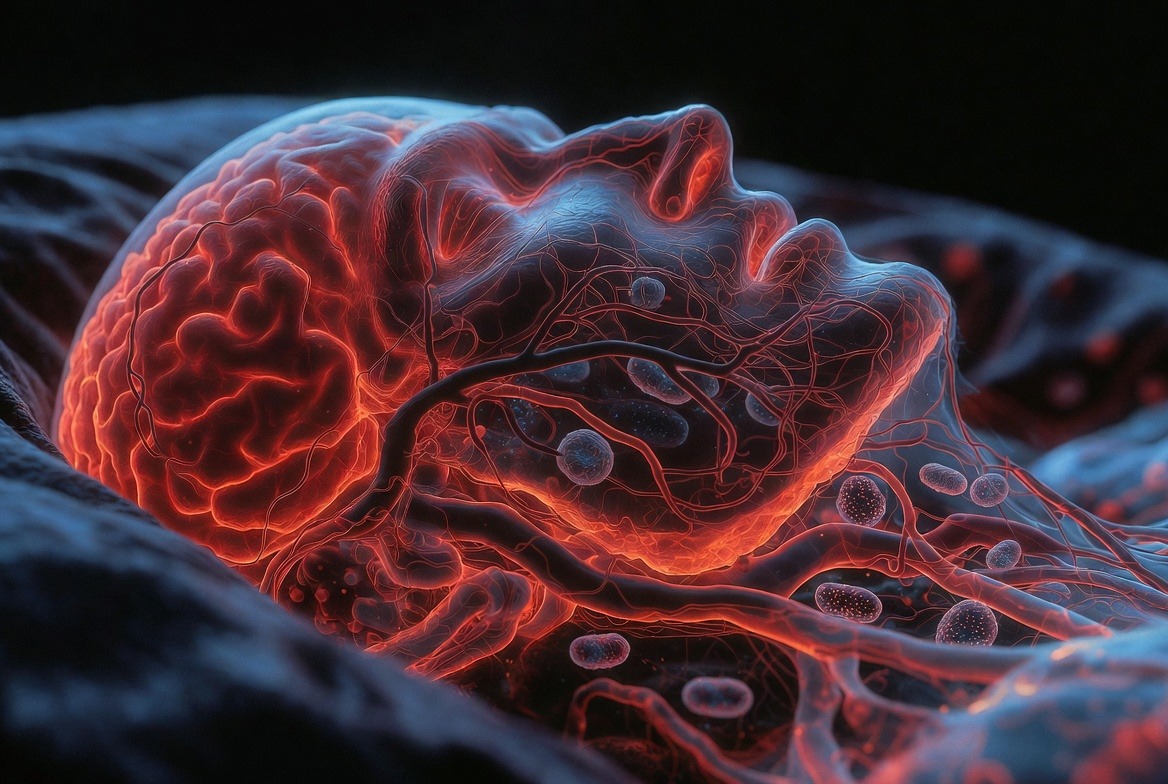
Your body temperature follows a circadian rhythm that science considers one of the most reliable markers of internal clock function. Core temperature peaks in late afternoon, begins dropping in evening, reaches its lowest point roughly two hours before your natural wake time, then rises sharply to promote alertness. This nightly drop isn't just correlated with sleep—it's required for sleep.
For deep sleep to occur, your core body temperature must decrease by approximately 1 to 1.5 degrees Fahrenheit from its daytime peak. This cooling triggers the metabolic shifts that characterize slow-wave sleep: reduced energy expenditure, increased growth hormone release, and the cellular repair processes that define physical recovery. If your body can't cool sufficiently, you literally cannot access deep sleep, regardless of how long you stay in bed.
The practical implications of this physiology are enormous. Your bedroom temperature directly determines how easily and effectively your body can cool. The ideal range for sleep is between 65 and 68 degrees Fahrenheit. Temperatures above 70 degrees impair cooling, reduce deep sleep, and increase nighttime awakenings. Above 75 degrees, sleep quality deteriorates so significantly that studies show it's comparable to the effects of moderate sleep apnea.
But ambient temperature is only half the equation. Your bedding, sleepwear, and even your sleeping position affect how efficiently your body sheds heat. The hands, feet, and face contain specialized blood vessels called arteriovenous anastomoses that act as radiators for the body. When these areas are warm and vasodilated, they release heat rapidly, helping core temperature drop. When they're cold or constricted, heat retention rises and deep sleep suffers.
This explains why warm feet improve sleep quality—not because your feet need to be warm, but because warming your feet triggers vasodilation that allows your body to dump core heat. Taking a hot bath one to two hours before bed works through the same mechanism. The hot water raises your core temperature slightly, and when you emerge, the rapid cooling creates an exaggerated temperature drop that signals deep sleep readiness.
Morning body temperature provides another recovery diagnostic. Your core should rise quickly upon waking, driven by the morning cortisol spike. If you wake up feeling cold despite a warm room, or if you're shivering in the morning when you weren't at bedtime, this suggests a blunted circadian rhythm—your body isn't generating the morning temperature rise that should promote alertness and energy.
Conversely, waking up feeling hot and sweaty—without an obvious environmental cause like heavy blankets or a warm room—points to different problems. Night sweats can indicate blood sugar instability, hormonal fluctuations, medication side effects, or in some cases, underlying medical conditions requiring evaluation. Even occasional night sweats that soak through pajamas warrant attention, as they suggest your temperature regulation system is working against your recovery rather than supporting it.
The relationship between temperature and sleep quality becomes even more important as you age. Older adults naturally have blunted temperature rhythms and reduced ability to vasodilate in response to heat. This means they require more intentional temperature management to achieve the same deep sleep that came automatically in younger years. A bedroom that feels comfortable during the day may be actively impairing recovery at night.
Tracking your temperature rhythm requires attention to both environment and biology. Check your bedroom temperature at bedtime and again in the middle of the night. Notice how your sleep quality varies with seasonal temperature changes. Pay attention to the mornings when you wake up feeling flushed or chilled—these aren't random variations but valuable data points about your recovery.
For those using wearable devices, discover how Oxyzen monitors overnight temperature trends and integrates this data with heart rate, movement, and sleep stage information to build a complete picture of nightly recovery. The relationship between temperature and other metrics often reveals patterns that no single measurement can show.
Breathing changes dramatically during sleep, and these changes reveal more about recovery quality than most people realize. Your respiratory rate—the number of breaths you take per minute—normally decreases from 12-20 breaths per minute while awake to 8-12 breaths per minute during deep sleep. This slowing reflects the parasympathetic dominance that characterizes true recovery. When your nervous system is relaxed and your body is repairing, you simply don't need as much oxygen.
But what happens when this normal pattern is disrupted? And how can you tell if your breathing during sleep is helping or hurting your recovery?
Resting respiratory rate during sleep should be steady and regular—a smooth pattern of inhalation and exhalation without abrupt changes. Irregular breathing, particularly patterns where breaths cluster together followed by pauses, signals sleep-disordered breathing. Obstructive sleep apnea, the most common form, affects an estimated 22 million Americans, with 80 percent of moderate to severe cases undiagnosed. In sleep apnea, throat muscles relax excessively, collapsing the airway and stopping breathing for ten seconds or longer. The brain detects dropping oxygen, jolts you partially awake, and you gasp to restart breathing—often without ever fully waking or remembering the event.
Each apnea event triggers a stress response: a surge of adrenaline, increased heart rate, and a spike in blood pressure. Your body is essentially having a panic attack every few minutes all night long. This destroys sleep architecture, prevents deep sleep, and keeps your sympathetic nervous system chronically activated. People with untreated sleep apnea don't just wake up tired—they wake up in a state of physiological exhaustion that no amount of coffee can fix.
Oxygen saturation provides a related but distinct metric. Normal oxygen levels during sleep stay between 94 and 98 percent. Brief, minor dips into the 90-93 percent range can occur with normal breathing variations, particularly during REM. But sustained levels below 90 percent, or frequent drops below 88 percent, indicate that your body isn't getting enough oxygen to support recovery processes. Your heart works harder, your brain doesn't clear metabolic waste efficiently, and your cellular repair mechanisms run at reduced capacity.
Even without full sleep apnea, subtle breathing issues impair recovery. Nasal congestion—from allergies, structural issues like a deviated septum, or simply dry air—forces mouth breathing during sleep. Mouth breathing bypasses the nasal passages' natural functions: filtering particles, humidifying air, and producing nitric oxide that improves oxygen exchange. Chronic mouth breathers show lower oxygen saturation, more frequent nighttime awakenings, and worse sleep quality than nasal breathers.
What does compromised breathing during sleep feel like in the morning? Dry mouth and sore throat are the most obvious signs. Morning headaches—particularly a dull ache across the forehead or a throbbing sensation at the temples—often result from overnight carbon dioxide retention or oxygen drops. Excessive daytime sleepiness despite adequate time in bed is the classic sleep apnea symptom, though many people don't recognize their own sleepiness because it builds gradually over time.
Another subtle but revealing sign is waking up with your heart racing. If you've ever shot awake feeling like you just finished sprinting, that's likely an apnea event followed by an adrenaline surge. The same mechanism explains why some people wake up gasping or choking—these are protective reflexes that pull you out of sleep when your brain detects dangerously low oxygen.
Treatment for sleep-disordered breathing ranges from simple to complex. For mild cases, positional therapy (sleeping on your side rather than back) and nasal dilators or strips can make meaningful improvements. For moderate to severe cases, continuous positive airway pressure (CPAP) remains the gold standard, with oral appliances as alternatives for certain anatomical patterns.
The key is recognizing that snoring—which 90 percent of snorers dismiss as harmless—is never normal. Simple snoring (without apnea) still vibrates throat tissues, causing inflammation that can worsen over time. But more importantly, snoring that stops and starts, includes gasping sounds, or occurs in any position rather than just on your back warrants medical evaluation.
Visit our FAQ section for guidance on using overnight oxygen and respiratory data to discuss sleep concerns with healthcare providers. Many people find that tracking these metrics for just a few nights provides the evidence they need to seek proper evaluation and treatment.
Every night, your body produces a detailed record of how well you're recovering—written in the language of movement. The number of times you shift position, the duration of still periods, and the specific movements that occur during different sleep stages all tell a story about your recovery quality. Learning to read this story transforms how you understand your sleep.
Sleep efficiency is the most straightforward movement-derived metric: the percentage of time in bed that you're actually asleep. A healthy sleeper achieves efficiency between 85 and 90 percent. That means if you spend eight hours in bed, you're sleeping for roughly six hours and fifty minutes to seven hours and twelve minutes. The remaining time accounts for the normal process of falling asleep, brief nighttime awakenings (most of which you don't remember), and the final waking period.
Efficiency below 80 percent signals meaningful sleep disruption. This could mean taking thirty minutes or longer to fall asleep, waking up for extended periods during the night, waking too early and being unable to return to sleep, or some combination of these issues. Low efficiency doesn't just mean less sleep—it means fragmented sleep, where you rarely achieve the extended periods of uninterrupted deep or REM sleep required for full recovery.
But total efficiency numbers hide important details. Two people can both have 85 percent efficiency while having completely different recovery experiences. One might have four brief awakenings lasting two minutes each, producing minimal disruption. The other might have one forty-minute awakening in the middle of the night, which resets their sleep cycles and dramatically impairs recovery even though total efficiency is the same.
This is why movement patterns matter more than movement totals. Healthy sleepers show movement concentrated in specific patterns: brief positional shifts between sleep cycles, usually every sixty to ninety minutes; occasional arm or leg twitches during REM sleep (perfectly normal and even necessary); and perhaps one or two full position changes per night. Unhealthy sleep patterns show constant micro-movements—tossing and turning, restless legs, or sudden jerks that reflect nervous system hyperarousal.
Restless leg syndrome (RLS) deserves special attention. This neurological condition creates an irresistible urge to move the legs, typically accompanied by uncomfortable sensations described as crawling, creeping, pulling, or aching. Symptoms worsen during inactivity and peak in the evening and nighttime hours, directly sabotaging sleep. RLS affects an estimated 5-10 percent of adults, with women affected nearly twice as often as men. Iron deficiency, pregnancy, and certain medications (particularly antihistamines and antidepressants) can trigger or worsen symptoms.
Periodic limb movement disorder (PLMD) is a related but distinct condition where the legs move involuntarily every twenty to forty seconds during sleep. The person with PLMD rarely knows they're moving—it's the bed partner who notices the constant kicking or leg twitching. These movements produce micro-arousals that fragment sleep without full awakening, leaving the sleeper exhausted despite having no memory of disrupted sleep.
What about the person who sleeps so still that they barely move all night? While this might sound ideal, extreme stillness can actually indicate problems. Your body naturally changes position to prevent pressure sores on joints and to redistribute blood flow. Complete stillness throughout the night might mean you're not cycling properly through sleep stages—you're stuck in one state rather than moving through the full architecture of recovery.
Morning movement assessment requires just a few seconds of attention. Do you wake up in the same position you fell asleep in? That suggests poor cycling. Do your sheets look like a battlefield, twisted and tangled? That suggests excessive movement and likely poor efficiency. Are you waking up with sore spots on your hips or shoulders? That suggests you're staying in one position too long, creating sustained pressure that disrupts recovery.
External factors dramatically influence movement patterns. Your mattress should support your spine while allowing position changes—too firm creates pressure points that trigger movement, too soft makes changing position difficult. Pillow height should keep your neck neutral relative to your spine; the wrong height creates tension that manifests as restless sleep. Bed partners who move, snore, or have different temperature preferences introduce movement triggers that may have nothing to do with your own biology.
Read testimonials from users who discovered their movement patterns were hiding recovery problems they didn't know existed. The data often surprises people—the calm sleeper who discovers their legs are moving every forty seconds, or the restless sleeper who learns their movement is concentrated in the first three hours while the rest of the night is actually quite still.
Cortisol has an unfairly negative reputation. Most wellness content treats this hormone as a villain—something to lower, suppress, and minimize. But this perspective misses the essential role cortisol plays in recovery. The question isn't whether you have cortisol, but whether your cortisol is following a healthy daily rhythm that supports both sleep and waking function.
Your body should produce a cortisol pulse approximately thirty minutes after waking. This "cortisol awakening response" triggers the shift from sleep to wakefulness, mobilizing energy stores, sharpening mental focus, and preparing your body for the demands of the day. A healthy cortisol spike feels like a gentle but definite shift—a sense that your systems are coming online, that you're ready to engage.
What does an unhealthy cortisol morning look like? The most common pattern is a blunted or absent cortisol awakening response. Instead of rising to greet the day, you feel flat, apathetic, and unmotivated. Coffee becomes necessary not for enhancement but for basic function. This pattern typically develops after prolonged periods of high stress—your adrenal system essentially gets tired of responding and stops producing the morning spike that should happen automatically.
The opposite problem—excessively high morning cortisol—produces a different set of symptoms. You wake up feeling wired but not rested, with racing thoughts before your feet hit the floor. Your heart pounds. You feel anxious for no identifiable reason. This pattern suggests that your stress response system is hyperactive, treating the transition to wakefulness as a threat rather than a natural daily event.
Neither pattern supports recovery. But how do you know which one you're experiencing without drawing blood every morning? Your subjective experience in the first hour after waking provides the answer. Track how you feel, not just upon waking but at thirty and sixty minutes. Do you feel more alert, less alert, or about the same? The direction of change matters enormously.
A rising alertness curve—groggy at wake-up but significantly better by one hour—suggests a functional cortisol awakening response operating on a slight delay. Your body is producing the right hormone at the right time, even if you don't feel it immediately. A flat alertness curve—still foggy an hour after waking—suggests a blunted response. And an inverted curve—feeling okay upon waking but crashing within an hour—suggests a cortisol spike that happened too early (perhaps during late-night REM) and left you depleted by morning.
The relationship between cortisol and exercise is particularly revealing. A morning workout that feels good—energizing rather than exhausting—indicates healthy cortisol regulation. A workout that leaves you feeling drained or shaky suggests that your cortisol rhythm is off, and exercise is adding stress rather than building resilience. Similarly, if you find yourself needing caffeine before exercise to feel capable, that's a sign that your morning cortisol isn't doing its job.
Stress management directly influences this system, but not in the way most people expect. The goal isn't to eliminate cortisol—it's to restore a healthy rhythm. That means lower cortisol at night (so you can fall and stay asleep) and higher cortisol in the morning (so you can wake and function). Practices that reduce evening stress—quiet time, reading, gentle movement—support nighttime cortisol suppression. Practices that provide morning structure—consistent wake time, bright light exposure, morning movement—support the cortisol awakening response.
What about naps? A well-timed afternoon nap (before 3 PM, lasting less than thirty minutes) can support recovery without disrupting nighttime cortisol. But a late or long nap suppresses sleep drive and can blunt the next morning's cortisol response, creating a cycle of poor recovery. If you find yourself needing daily naps to function, treat this as a symptom of overnight recovery problems rather than a solution.
Learn more about our story and mission to understand why we believe morning cortisol patterns represent one of the most underappreciated opportunities for improving sleep recovery. The technology exists to track these patterns, but the real work happens in how you structure your mornings and evenings.
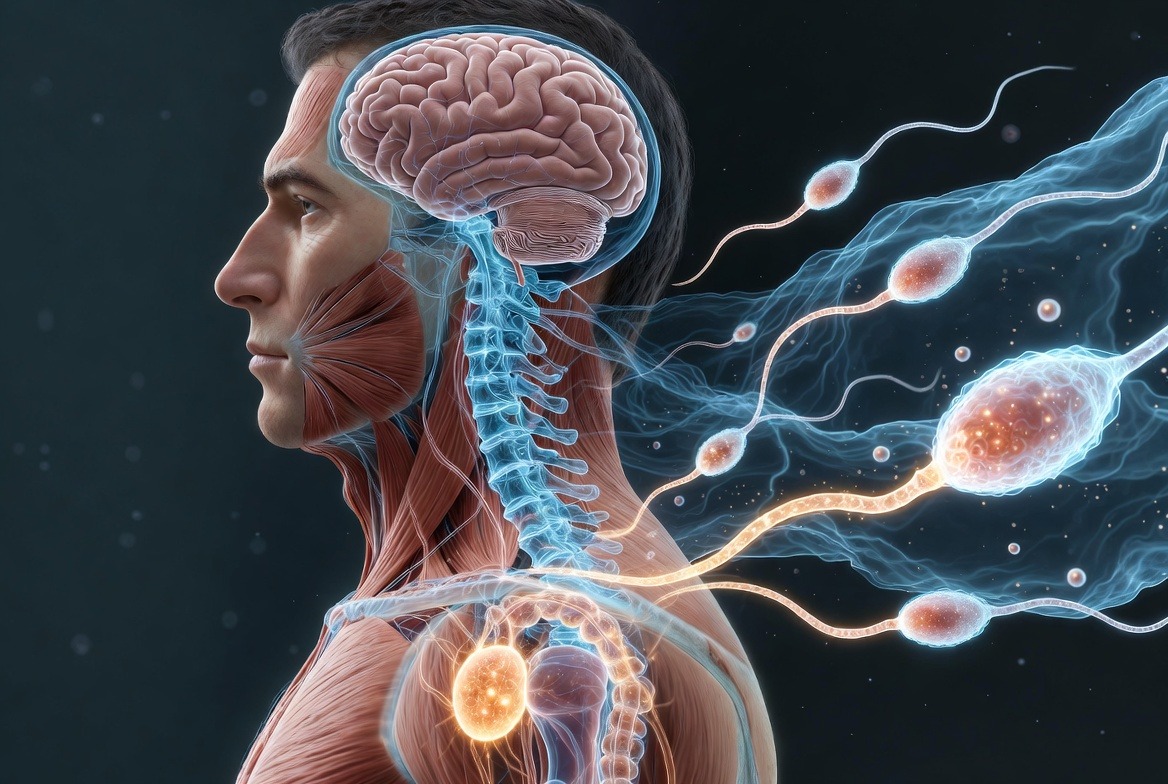
In 2012, researchers at the University of Rochester made a discovery that fundamentally changed our understanding of sleep recovery. They identified a previously unknown waste clearance system in the brain, which they named the glymphatic system. And they found that this system—responsible for removing toxic metabolic byproducts from brain tissue—activates primarily during sleep.
The glymphatic system works like a washing machine for your brain. Cerebrospinal fluid flows through channels surrounding blood vessels, picking up waste products that accumulate during waking hours. The most significant of these waste products is beta-amyloid—the protein that forms the plaques characteristic of Alzheimer's disease. During sleep, the glymphatic system clears beta-amyloid at roughly twice the rate of waking hours.
Here's what makes this discovery crucial for understanding recovery: the glymphatic system requires specific sleep conditions to function optimally. It activates primarily during deep slow-wave sleep, when brain cells shrink slightly, creating more space for cerebrospinal fluid to flow. It requires a certain body position—sleeping on your side, specifically, produces significantly better glymphatic clearance than sleeping on your back or stomach. And it needs uninterrupted periods of deep sleep, not just scattered minutes throughout the night.
How do you know if your glymphatic system is doing its job? The most obvious sign is cognitive function upon waking. A clean brain works better—clearer thinking, faster processing, better memory recall. A brain that hasn't properly cleared waste feels foggy, slow, and forgetful. That "brain fog" you experience on poor sleep nights isn't just subjective—it's literal metabolic waste interfering with neural function.
Morning headaches provide another clue. While many factors cause headaches, a dull, diffuse headache that improves as the day goes on often indicates that waste products accumulated overnight because the glymphatic system couldn't clear them. This is different from tension headaches (which typically start later in the day) and migraine (which has more specific characteristics like light sensitivity and aura).
Dream recall offers indirect insight into glymphatic function because both processes depend on healthy deep sleep architecture. If you consistently have no dream recall, or if your dreams feel fragmented and scattered rather than story-like, this may indicate that you're not getting the deep sleep required for brain clearance. Interestingly, people who report "dreaming in black and white" or having primarily non-visual dreams often show impaired deep sleep on objective measurements.
The glymphatic system also explains why sleeping position matters for long-term brain health. Research using magnetic resonance imaging has shown that the lateral (side-sleeping) position produces the most efficient cerebrospinal fluid flow and waste clearance. Back sleeping (supine) reduces clearance efficiency by approximately 25 percent. Stomach sleeping (prone) is worst, with clearance efficiency reduced by more than 50 percent compared to side sleeping.
If you're naturally a back or stomach sleeper, don't despair—position can be trained. Body pillows placed behind your back prevent rolling onto your back. Sewing a tennis ball into a pajama pocket positioned on your back creates a feedback reminder to reposition. Over several weeks, most people can shift their preferred sleeping position with consistent reinforcement.
The implications of glymphatic dysfunction extend far beyond next-day brain fog. Accumulating evidence suggests that chronic impairment of the glymphatic system may contribute to the development of neurodegenerative diseases, including Alzheimer's and Parkinson's. While sleep alone cannot prevent these conditions, poor sleep recovery that impairs glymphatic function for years or decades likely represents a modifiable risk factor.
What impairs glymphatic function beyond poor sleep? Alcohol consumption is a powerful suppressor—even moderate drinking reduces glymphatic clearance by interfering with the cellular changes required for cerebrospinal fluid flow. Concussion and traumatic brain injury acutely impair glymphatic function, which may explain why proper rest after head injury is critical for recovery. Chronic stress elevates norepinephrine levels during sleep, which constricts the blood vessels that the glymphatic system relies on for waste clearance.
For those already tracking sleep with wearables, look for metrics that correlate with glymphatic function: minutes of deep sleep (especially in the first half of the night), movement patterns that suggest stable side sleeping, and morning cognitive ratings. Visit Oxyzen to learn more about how continuous overnight monitoring can help you optimize conditions for brain clearance and long-term cognitive health.
Physical recovery gets most of the attention, but sleep serves an equally important function for emotional regulation. During REM sleep, your brain processes emotional experiences from the day, stripping away the intense arousal associated with difficult memories while preserving the informational content. This process, called emotional memory consolidation, is why you often feel better about a problem after sleeping on it—not because you forgot about it, but because your brain removed the emotional charge.
Here's how this works at the neural level. The amygdala, your brain's emotional processing center, is highly active during REM sleep. It communicates with the prefrontal cortex (responsible for rational thought and impulse control) and the hippocampus (memory storage). Together, these regions replay emotional experiences, but without the accompanying stress hormone release that occurred when the experience was new. Over repeated REM cycles, the memory remains but the emotional intensity diminishes.
When REM sleep is insufficient or fragmented, this processing fails. Emotional experiences remain "hot"—still carrying the original stress response. You wake up feeling just as upset about yesterday's difficult conversation as you did when it happened. Small frustrations accumulate without being processed, leading to emotional reactivity out of proportion to the trigger. Irritability, short temper, and emotional volatility are not character flaws—they are symptoms of inadequate REM sleep.
The morning emotional diagnostic is simple but powerful. Think about something that bothered you yesterday—not a major trauma, but a minor frustration or disappointment. How do you feel about it now? If your reaction is measured, proportionate, and emotionally neutral, your REM sleep did its job. If you feel the same knot of frustration or hurt that you felt in the moment, your emotional processing is compromised.
This dimension of recovery explains why sleep deprivation is used as an interrogation technique and why new parents often experience relationship conflict. Without adequate REM sleep, you lose the ability to regulate emotional responses. Your partner's innocent question feels like an accusation. Your child's normal behavior feels intolerable. You aren't becoming a worse person—you're becoming a sleep-deprived person whose emotional processing system is offline.
The timeline of emotional recovery matters. Processing a single difficult experience requires approximately ninety minutes of REM sleep, usually spread across multiple cycles. A night of poor REM leaves emotional residue that carries into the next day. But here's the hopeful news: even one night of good recovery can process significant emotional load. The brain is remarkably efficient at catching up when given the opportunity.
What blocks emotional recovery during sleep? Alcohol is particularly damaging because it suppresses REM sleep more than any other stage. You might fall asleep faster and spend more time in deep sleep initially, but your brain will compensate by reducing REM—and you'll wake having processed none of your emotional experiences from the previous day. Antidepressant medications, particularly SSRIs, also suppress REM sleep, which may explain why some people on these medications report feeling emotionally flat.
Evening rumination—lying in bed replaying worries and concerns—directly interferes with emotional processing. The brain can't process emotional memories while you're actively thinking about them. The processing happens during REM, when you're not consciously engaged. This is why "trying to figure things out" before bed backfires. The best approach is to briefly note concerns, trust that your brain will work on them during sleep, and redirect attention to neutral or positive content.
Morning emotional state provides a sensitive barometer of recovery quality. Do you wake up feeling neutral or slightly positive, ready to face the day? Or do you wake up with a sense of dread, irritability, or emotional heaviness? The latter pattern suggests that your REM sleep didn't complete its processing work, leaving emotional residue that colors your entire day.
Read our complete guide on emotional recovery for specific protocols to support REM sleep and emotional processing. The connection between sleep and emotional regulation is one of the most well-documented relationships in sleep science, yet it remains dramatically underutilized in most people's recovery strategies.
The concept of "early bird versus night owl" captures a real biological difference, but the reality is far more nuanced. Your chronotype—your genetically determined preference for sleep timing—affects not just when you want to sleep, but the quality of recovery you achieve at different times. Fighting your chronotype is like trying to grow tropical plants in Alaska: possible with enough effort, but never optimal.
Sleep science recognizes three primary chronotypes, though most people fall somewhere on a spectrum. Morning types (larks) naturally wake early, feel most alert in the first half of the day, and experience peak sleep pressure relatively early in the evening. Evening types (owls) struggle with morning alertness, peak in the late afternoon and evening, and don't feel sleepy until late at night. Intermediate types fall somewhere between, with flexibility to adapt to either schedule.
Your chronotype influences recovery in two critical ways. First, your body temperature rhythm, melatonin release, and cortisol pattern all shift based on chronotype. A morning person's temperature minimum (the point of deepest core cooling) typically occurs around 4 AM, while an evening person's might not occur until 6 AM. Forcing an evening person to wake at 6 AM means waking near their temperature minimum—the physiological equivalent of waking someone from deep anesthesia.
Second, the distribution of sleep stages shifts with chronotype. Morning types tend to get more deep sleep earlier in the night, which aligns well with conventional sleep schedules. Evening types, when forced into early schedules, often show compressed deep sleep and fragmented REM because they're trying to sleep during their biological daytime. They may achieve adequate total sleep duration but miss the optimal timing for different recovery stages.
How do you identify your chronotype? The most practical method is to track how you feel on days when you have no external demands—weekends, vacations, or extended breaks. What time do you naturally wake? When do you feel most alert and productive? When does sleepiness first appear in the evening? After three to five days without alarms, a clear pattern emerges.
But here's where many people go wrong: they assume their chronotype is fixed and use it as an excuse rather than information. Yes, your chronotype has a genetic component. But your behaviors—light exposure, meal timing, exercise schedule, and caffeine use—significantly influence your actual sleep timing. An evening person who gets bright morning light, exercises early, avoids evening blue light, and eats dinner before 7 PM may find they can function perfectly well on an earlier schedule.
The concept of "social jetlag" describes the mismatch between your biological chronotype and your social schedule. If you naturally wake at 9 AM but need to be at work by 8 AM, you're experiencing an hour of social jetlag each weekday. This chronic mismatch produces health effects similar to traveling across one time zone every weekend: increased inflammation, higher disease risk, and impaired cognitive function.
Recovery optimization requires aligning your sleep schedule with your chronotype as much as possible. For morning types, this is relatively easy—most social schedules already match early rising. For evening types, the strategies include strategic light exposure (bright light upon waking, even if it feels early), consistent weekend schedules (no sleeping in more than an hour past weekday wake time), and careful management of evening alertness (avoiding stimulants after 2 PM).
The most common chronotype mistake is assuming you can change your fundamental type through willpower. You cannot will yourself to become a morning person if you're a true evening type, any more than you can will yourself to become taller. But you can shift by one to two hours through consistent behavioral intervention. The goal isn't transformation—it's optimization within your biological constraints.
What about the person who feels they have no chronotype—someone who sleeps poorly regardless of schedule? This often indicates a free-running circadian rhythm, where the internal clock isn't properly synchronized to the 24-hour day. Common causes include insufficient light exposure during the day, excessive artificial light at night, irregular sleep schedules, and certain medical conditions. This pattern requires more intensive intervention, often including morning light therapy and strict schedule consistency.
Explore our blog for chronotype assessment tools and practical schedules for each type. Understanding your chronotype transforms how you interpret recovery data—what looks like poor recovery for a morning person might be excellent recovery for an evening person on a shifted schedule.
Individual metrics tell important stories, but true recovery insight comes from viewing them as an integrated system. Your heart rate variability, body temperature, respiratory rate, movement patterns, cortisol rhythm, glymphatic function, emotional state, and chronotype alignment don't operate in isolation. They interact, amplify, and sometimes cancel each other. Learning to read the whole picture transforms data into wisdom.
Let's walk through a complete recovery assessment using all the signals we've discussed.
Start with your morning subjective experience. Rate your wake-up quality on three dimensions: physical (body feels rested and capable), cognitive (mind feels clear and sharp), and emotional (mood feels neutral to positive). A 10 out of 10 in all three categories represents perfect recovery. Anything below 7 signals that at least one recovery system underperformed.
Now layer in your objective metrics. If your heart rate variability increased overnight and is near your personal baseline, your autonomic nervous system successfully shifted into recovery mode. If HRV is flat or decreased, something interfered with that shift—likely stress, late eating, alcohol, or insufficient recovery from previous days.
Your body temperature story comes next. Did you sleep in a room between 65 and 68 degrees? Did you wake up without being too hot or too cold? If you track temperature continuously, did your core show the expected 1-1.5 degree drop in the first half of the night and a rise in the final hours? Temperature deviations point to environmental or circadian problems.
Respiratory metrics—either from wearable data or from morning signs like dry mouth and headache—indicate whether your breathing during sleep supported or undermined recovery. A consistent respiratory rate between 8-12 breaths per minute with stable oxygen saturation suggests clear airways and healthy breathing control. Irregular rates or desaturations warrant medical evaluation for sleep-disordered breathing.
Movement patterns show whether your sleep was continuous or fragmented. Sleep efficiency above 85 percent suggests good continuity. Below that, look at the nature of the fragmentation: a single long awakening suggests something external disturbed you (noise, bathroom need, temperature change), while many brief arousals suggest internal disruption (apnea, limb movements, stress).
Your mental state in the first hour—improving, stable, or declining—tells you about your cortisol awakening response. Rising alertness is ideal. Flat alertness suggests adrenal fatigue or circadian misalignment. Declining alertness suggests a cortisol spike that happened too early, often due to overnight stress or blood sugar instability.
Emotional recovery manifests in your reaction to minor frustrations from the previous day. Neutral or measured responses indicate successful REM processing. Lingering emotional charge indicates insufficient or fragmented REM.
Finally, consider whether your sleep timing aligns with your chronotype. If every recovery metric looks good but you still don't feel rested, timing mismatch may be the hidden factor. Forcing an evening person onto a morning person's schedule produces poor recovery even when all other conditions are perfect.
Here's what an optimal recovery night looks like when all systems align:
You go to bed at a time that matches your chronotype. Your bedroom is cool—66 degrees. You haven't eaten within three hours of bedtime. Your last drink (alcohol or caffeine) was before 2 PM. You spent thirty minutes before bed in dim light, reading or listening to music without screens.
You fall asleep within fifteen minutes. Your heart rate drops steadily through the first sleep cycle, and your HRV begins rising. Your core temperature decreases by one full degree during the first three hours. You spend ninety minutes in deep sleep, concentrated in the first half of the night. Your breathing is regular and quiet, between 8-10 breaths per minute.
You shift position twice—once between sleep cycles—but otherwise remain still. You spend two hours in REM sleep, concentrated in the second half of the night, processing emotional experiences from the day. Your brain clears metabolic waste efficiently, especially during side-sleeping periods.
You wake naturally, just before your alarm, feeling your temperature begin to rise. Within thirty minutes, your cortisol awakening response sharpens your alertness. Morning brain fog lasts less than fifteen minutes. Yesterday's frustrations feel distant and manageable. Your body feels present and capable. Your mind feels clear and ready.
This is what genuine recovery looks like. Not perfect every night—that's neither realistic nor necessary—but directionally correct over weeks and months. The goal isn't to optimize every metric into a narrow target range. The goal is to create conditions that allow your body's remarkable recovery systems to do what evolution designed them to do.
Discover how Oxyzen integrates all these signals into a single recovery score that distills complex physiology into actionable insight. The right technology doesn't just track metrics—it helps you see the connections between them, identify your specific recovery patterns, and make changes that actually move the needle on how you feel.
You wake up after a full eight hours of sleep. The alarm didn't jolt you from a dream—you rose naturally, just before it was set to go off. By all conventional measures, you should feel fantastic. But instead of bouncing out of bed with energy, your body feels like it spent the night wrestling a bear. Your brain is wrapped in fog. Your muscles ache for no apparent reason. And you're already mentally calculating how soon you can crawl back under the covers.
Sound familiar?
You're not alone. According to the Centers for Disease Control and Prevention, one in three American adults doesn't get enough sleep. But here's what the statistics don't capture: even among those who clock the recommended seven to nine hours, a staggering number wake up feeling unrefreshed. They're hitting the duration target but missing the recovery mark entirely.
This disconnect between sleep quantity and sleep quality represents one of the most misunderstood aspects of modern wellness. We've been taught that more sleep equals better recovery. But that's like saying more food equals better nutrition—it ignores everything about composition, timing, and individual biology.
The truth is that your body isn't simply "off" during sleep. It's performing an extraordinarily complex orchestration of repair, reset, and restoration. Your muscles rebuild micro-tears sustained during daily activity. Your brain clears metabolic waste that would otherwise contribute to cognitive decline. Your immune system recalibrates. Your hormones rebalance. And when this process works correctly, you wake up feeling genuinely restored—not just less tired, but actually better than when you went to bed.
So why does this process fail for so many people? And more importantly, how can you tell if it's failing for you?
This article walks you through eleven distinct dimensions of sleep recovery, from the biological markers you can feel to the subtle signals your body sends that most people ignore. By the end, you'll have a clear framework for assessing whether your sleep is truly recovering you—and if it's not, you'll know exactly where to look for solutions.
For those ready to move beyond guesswork, modern wearable technology like smart ring tracking can provide unprecedented insight into these recovery metrics. But regardless of the tools you use, understanding the underlying principles of sleep recovery transforms how you approach every night.
Let's start with the most fundamental question: what actually happens when your body recovers during sleep?
When most people think about sleep recovery, they imagine a simple binary: asleep equals recovering, awake equals not recovering. This mental model is convenient but deeply misleading. The reality resembles something far more sophisticated—a precisely choreographed sequence of physiological states, each serving a unique recovery function.
Your brain doesn't just "turn off" when you close your eyes. Instead, it cycles through four distinct stages roughly every ninety minutes: N1 (the light transition into sleep), N2 (established light sleep), N3 (deep slow-wave sleep), and REM (rapid eye movement sleep). Each stage contributes differently to recovery, and missing any part of this cycle creates specific deficits that manifest the next day.
Deep sleep (N3) is your body's primary repair shift. During this stage, blood flow to muscles increases, tissue growth and repair accelerates, and the pituitary gland releases human growth hormone—the master regulator of cellular repair. This is when your body heals micro-tears from exercise, repairs damaged cells from everyday oxidative stress, and strengthens your immune system. Studies have shown that just one night of disrupted deep sleep reduces natural killer cell activity by nearly 30 percent—a measurable hit to your immune defense.
REM sleep, by contrast, focuses almost exclusively on brain recovery. During REM, your brain processes emotional experiences from the day, consolidates memories into long-term storage, and clears metabolic waste products like beta-amyloid (the protein associated with Alzheimer's disease). Your brain actually consumes more oxygen during REM than when you're awake, a sign of intense restorative activity happening beneath the surface.
Here's where most people go wrong: they assume that sleeping longer automatically increases both deep and REM sleep. But research from the National Sleep Foundation shows that deep sleep is heavily concentrated in the first three to four hours of the night, while REM sleep dominates the final third. This means that shifting your sleep schedule later—even by an hour—can cause you to miss your REM window entirely, even if you sleep the same total duration.
Consider two hypothetical sleepers. Person A sleeps from 10 PM to 6 AM, getting roughly ninety minutes of deep sleep and two hours of REM. Person B sleeps from midnight to 8 AM, still getting eight hours. But because deep sleep naturally occurs earlier in the night, Person B's schedule means they're awake during the prime deep sleep window. They might scrape together only forty-five minutes of deep sleep and still get their REM—but now they're missing the physical repair that deep sleep provides.
This explains why two people sleeping the same number of hours can have completely different recovery outcomes. It's not just about time in bed—it's about timing, stage distribution, and continuity.
The fragmentation problem compounds these issues. Every time you wake up briefly during the night—often without remembering it—you reset a sleep cycle. Your brain must restart from N1 and work its way back down to deep or REM. Multiple brief awakenings can prevent you from ever reaching the deepest recovery stages, leaving you with a night composed almost entirely of light sleep.
Modern tracking technology has made these patterns visible for the first time. Learn more about how smart ring technology measures sleep stages and provides personalized recovery insights that go far beyond simple duration tracking.
The key takeaway? Measuring recovery requires looking beyond whether you slept. You need to understand your sleep architecture—the distribution of stages, the timing relative to your circadian rhythm, and the continuity of your cycles. Without this deeper view, you're flying blind.

The moment you wake up contains more diagnostic information about your recovery than any other time of day. But most people immediately override this data—reaching for their phone, a jolt of caffeine, or simply dismissing how they feel as normal morning grogginess. Learning to read your morning state changes everything.
Let's start with what genuine recovery feels like upon waking. This isn't the mythical "spring out of bed singing" scenario that wellness influencers portray. True recovery is more subtle and more reliable. You wake up naturally—either without an alarm or just before it goes off. Your eyes open without heaviness. When you sit up, there's no rush of dizziness or disorientation. Your body feels present, not like it's still back in bed. And most importantly, you have a quiet sense of readiness—not excitement exactly, but a calm awareness that you can engage with the day ahead.
Contrast this with the unrecovered morning. The alarm feels violent, pulling you from a dream you were deeply immersed in—a sign that you were in REM when it went off, meaning your brain was in the middle of critical processing work. Your limbs feel heavy, almost weighted. Your eyes sting or feel gritty. Rolling over feels physically challenging. And the thought of making a decision—any decision—feels overwhelming.
These aren't just subjective complaints. They correspond to measurable biological states.
Morning grogginess has a formal name: sleep inertia. It's the period of transition between sleep and wakefulness, characterized by impaired cognitive function, reduced alertness, and decreased motor performance. In a recovered sleeper, sleep inertia lasts five to fifteen minutes. In someone with poor recovery, it can stretch to two hours or more. If you're still feeling foggy after your morning shower and first cup of coffee, that's not normal—that's a recovery red flag.
Physical sensations provide another layer of diagnostic information. Do you wake up with a dry mouth or sore throat? That often indicates mouth breathing during sleep, which can be a sign of nasal obstruction, sleep apnea, or simply poor air quality. Morning headaches—especially around the temples or back of the head—frequently correlate with sleep-disordered breathing or teeth grinding (bruxism), both of which dramatically impair recovery.
Muscle stiffness tells a more complex story. Some morning stiffness is normal—your body reduces muscle tone during REM sleep to prevent you from acting out dreams. But widespread, persistent stiffness that doesn't resolve within fifteen minutes of gentle movement may indicate that you aren't cycling properly through sleep stages. Your body uses deep sleep to reduce inflammation and clear metabolic waste from muscle tissue. When deep sleep is insufficient, that waste accumulates, and you wake up feeling like you haven't moved all night—because in a sense, you haven't.
Perhaps the most overlooked morning diagnostic is your dream recall. Vivid, detailed dream recall suggests robust REM sleep, which is excellent for brain recovery. But waking up from dreams repeatedly throughout the night—especially distressing or high-anxiety dreams—suggests fragmented REM, where you're cycling in and out of that critical stage instead of completing full cycles.
What about the days when you wake up feeling terrible but improve as the morning goes on? This pattern—poor morning state that resolves after ninety minutes to two hours—typically indicates a specific problem with sleep offset timing. You're waking up in the middle of a deep sleep cycle, producing severe sleep inertia. Adjusting your wake time by as little as fifteen minutes can move you into a lighter stage at waking, dramatically improving how you feel.
The opposite pattern—feeling okay upon waking but crashing by mid-morning—points to different issues: insufficient sleep drive, circadian misalignment, or a cortisol rhythm that isn't peaking properly in the morning to provide sustained alertness.
Explore our blog for detailed protocols on tracking morning recovery metrics and identifying your specific pattern. The data you collect in the first ten minutes after waking is more valuable for understanding your recovery than any other information you could gather all day.
If you could only track one physiological metric to understand your sleep recovery, heart rate variability (HRV) would be the overwhelming choice. This single number tells you more about your body's recovery state than hours slept, minutes of deep sleep, or any subjective feeling. And unlike most recovery metrics, HRV doesn't require interpretation—it's a direct readout of your autonomic nervous system.
Here's what HRV actually measures. Your heart doesn't beat like a metronome. The time between beats constantly varies—sometimes by mere milliseconds, sometimes by larger gaps. Higher variability means your heart is responsive, accelerating and decelerating fluidly in response to breathing, movement, and nervous system signals. Lower variability means your heart is locked into a rigid rhythm, like a machine stuck at a single speed.
Why does this matter for recovery? Because HRV reflects the balance between your sympathetic nervous system (fight-or-flight, stress response) and your parasympathetic nervous system (rest-and-digest, recovery response). High HRV indicates parasympathetic dominance—your body is in recovery mode, inflammation is controlled, and you have physiological reserve. Low HRV indicates sympathetic dominance—your body is stressed, recovery resources are depleted, and you're operating closer to your physiological limits.
During proper sleep recovery, your HRV should increase overnight. As you transition from wakefulness through light sleep into deep sleep and REM, parasympathetic activity ramps up, and your HRV rises. A recovered sleeper wakes with HRV significantly higher than their evening baseline. Someone with poor recovery may see flat HRV all night—or even a decrease, which is a powerful warning sign of accumulated stress or inadequate recovery capacity.
What influences your overnight HRV? Nearly everything that affects your recovery:
Exercise intensity matters enormously. A hard workout lowers HRV temporarily as your body shifts into sympathetic dominance for repair. This is normal and healthy—but if your HRV doesn't recover to baseline within twenty-four hours, you're accumulating fatigue faster than you're recovering.
Meal timing and composition directly impact HRV. Eating a large meal within two hours of bedtime forces your digestive system to work through the night, keeping sympathetic tone elevated and HRV suppressed. High-carbohydrate meals, particularly those with refined sugars, produce blood glucose spikes that trigger stress hormone release and crater HRV.
Alcohol is an HRV destroyer. Even moderate drinking—one or two drinks with dinner—suppresses HRV for four to six hours as your liver works overtime to process toxins. The sedative effect of alcohol creates an illusion of deeper sleep while actually preventing the high-quality recovery that produces rising HRV.
Caffeine's half-life of five to six hours means that afternoon coffee is still circulating in your system at bedtime. Caffeine blocks adenosine—the chemical that builds sleep pressure—and keeps your sympathetic nervous system active when it should be winding down. The result is flat or falling HRV overnight.
Stress, both acute and chronic, produces the most predictable HRV suppression. A difficult conversation, a looming deadline, financial worry—your nervous system doesn't distinguish between these psychological stressors and physical threats. They all suppress HRV and impair sleep recovery.
The power of HRV isn't just in the absolute number—it's in the trend. A single night of low HRV might mean nothing more than you ate dinner too late or had a stressful meeting. But a week of declining HRV signals accumulated recovery debt. Your body is telling you, in clear physiological language, that you're running a deficit.
This is where wearable technology becomes transformative. Manual HRV tracking requires taking measurements at the same time each morning, often using a chest strap—impractical for most people. But a smart ring worn during sleep captures continuous HRV data throughout the night, providing morning reports and long-term trends without any morning effort.
The target ranges for HRV vary dramatically by age, fitness level, and genetics. A thirty-year-old endurance athlete might have an HRV of 80 milliseconds while a healthy fifty-year-old might thrive at 35 milliseconds. The absolute number matters less than your personal baseline and the direction of change. Watch for sustained drops of 10-20 percent below your thirty-day average—those signal genuine recovery problems requiring attention.

Your body temperature follows a circadian rhythm that science considers one of the most reliable markers of internal clock function. Core temperature peaks in late afternoon, begins dropping in evening, reaches its lowest point roughly two hours before your natural wake time, then rises sharply to promote alertness. This nightly drop isn't just correlated with sleep—it's required for sleep.
For deep sleep to occur, your core body temperature must decrease by approximately 1 to 1.5 degrees Fahrenheit from its daytime peak. This cooling triggers the metabolic shifts that characterize slow-wave sleep: reduced energy expenditure, increased growth hormone release, and the cellular repair processes that define physical recovery. If your body can't cool sufficiently, you literally cannot access deep sleep, regardless of how long you stay in bed.
The practical implications of this physiology are enormous. Your bedroom temperature directly determines how easily and effectively your body can cool. The ideal range for sleep is between 65 and 68 degrees Fahrenheit. Temperatures above 70 degrees impair cooling, reduce deep sleep, and increase nighttime awakenings. Above 75 degrees, sleep quality deteriorates so significantly that studies show it's comparable to the effects of moderate sleep apnea.
But ambient temperature is only half the equation. Your bedding, sleepwear, and even your sleeping position affect how efficiently your body sheds heat. The hands, feet, and face contain specialized blood vessels called arteriovenous anastomoses that act as radiators for the body. When these areas are warm and vasodilated, they release heat rapidly, helping core temperature drop. When they're cold or constricted, heat retention rises and deep sleep suffers.
This explains why warm feet improve sleep quality—not because your feet need to be warm, but because warming your feet triggers vasodilation that allows your body to dump core heat. Taking a hot bath one to two hours before bed works through the same mechanism. The hot water raises your core temperature slightly, and when you emerge, the rapid cooling creates an exaggerated temperature drop that signals deep sleep readiness.
Morning body temperature provides another recovery diagnostic. Your core should rise quickly upon waking, driven by the morning cortisol spike. If you wake up feeling cold despite a warm room, or if you're shivering in the morning when you weren't at bedtime, this suggests a blunted circadian rhythm—your body isn't generating the morning temperature rise that should promote alertness and energy.
Conversely, waking up feeling hot and sweaty—without an obvious environmental cause like heavy blankets or a warm room—points to different problems. Night sweats can indicate blood sugar instability, hormonal fluctuations, medication side effects, or in some cases, underlying medical conditions requiring evaluation. Even occasional night sweats that soak through pajamas warrant attention, as they suggest your temperature regulation system is working against your recovery rather than supporting it.
The relationship between temperature and sleep quality becomes even more important as you age. Older adults naturally have blunted temperature rhythms and reduced ability to vasodilate in response to heat. This means they require more intentional temperature management to achieve the same deep sleep that came automatically in younger years. A bedroom that feels comfortable during the day may be actively impairing recovery at night.
Tracking your temperature rhythm requires attention to both environment and biology. Check your bedroom temperature at bedtime and again in the middle of the night. Notice how your sleep quality varies with seasonal temperature changes. Pay attention to the mornings when you wake up feeling flushed or chilled—these aren't random variations but valuable data points about your recovery.
For those using wearable devices, discover how Oxyzen monitors overnight temperature trends and integrates this data with heart rate, movement, and sleep stage information to build a complete picture of nightly recovery. The relationship between temperature and other metrics often reveals patterns that no single measurement can show.
Breathing changes dramatically during sleep, and these changes reveal more about recovery quality than most people realize. Your respiratory rate—the number of breaths you take per minute—normally decreases from 12-20 breaths per minute while awake to 8-12 breaths per minute during deep sleep. This slowing reflects the parasympathetic dominance that characterizes true recovery. When your nervous system is relaxed and your body is repairing, you simply don't need as much oxygen.
But what happens when this normal pattern is disrupted? And how can you tell if your breathing during sleep is helping or hurting your recovery?
Resting respiratory rate during sleep should be steady and regular—a smooth pattern of inhalation and exhalation without abrupt changes. Irregular breathing, particularly patterns where breaths cluster together followed by pauses, signals sleep-disordered breathing. Obstructive sleep apnea, the most common form, affects an estimated 22 million Americans, with 80 percent of moderate to severe cases undiagnosed. In sleep apnea, throat muscles relax excessively, collapsing the airway and stopping breathing for ten seconds or longer. The brain detects dropping oxygen, jolts you partially awake, and you gasp to restart breathing—often without ever fully waking or remembering the event.
Each apnea event triggers a stress response: a surge of adrenaline, increased heart rate, and a spike in blood pressure. Your body is essentially having a panic attack every few minutes all night long. This destroys sleep architecture, prevents deep sleep, and keeps your sympathetic nervous system chronically activated. People with untreated sleep apnea don't just wake up tired—they wake up in a state of physiological exhaustion that no amount of coffee can fix.
Oxygen saturation provides a related but distinct metric. Normal oxygen levels during sleep stay between 94 and 98 percent. Brief, minor dips into the 90-93 percent range can occur with normal breathing variations, particularly during REM. But sustained levels below 90 percent, or frequent drops below 88 percent, indicate that your body isn't getting enough oxygen to support recovery processes. Your heart works harder, your brain doesn't clear metabolic waste efficiently, and your cellular repair mechanisms run at reduced capacity.
Even without full sleep apnea, subtle breathing issues impair recovery. Nasal congestion—from allergies, structural issues like a deviated septum, or simply dry air—forces mouth breathing during sleep. Mouth breathing bypasses the nasal passages' natural functions: filtering particles, humidifying air, and producing nitric oxide that improves oxygen exchange. Chronic mouth breathers show lower oxygen saturation, more frequent nighttime awakenings, and worse sleep quality than nasal breathers.
What does compromised breathing during sleep feel like in the morning? Dry mouth and sore throat are the most obvious signs. Morning headaches—particularly a dull ache across the forehead or a throbbing sensation at the temples—often result from overnight carbon dioxide retention or oxygen drops. Excessive daytime sleepiness despite adequate time in bed is the classic sleep apnea symptom, though many people don't recognize their own sleepiness because it builds gradually over time.
Another subtle but revealing sign is waking up with your heart racing. If you've ever shot awake feeling like you just finished sprinting, that's likely an apnea event followed by an adrenaline surge. The same mechanism explains why some people wake up gasping or choking—these are protective reflexes that pull you out of sleep when your brain detects dangerously low oxygen.
Treatment for sleep-disordered breathing ranges from simple to complex. For mild cases, positional therapy (sleeping on your side rather than back) and nasal dilators or strips can make meaningful improvements. For moderate to severe cases, continuous positive airway pressure (CPAP) remains the gold standard, with oral appliances as alternatives for certain anatomical patterns.
The key is recognizing that snoring—which 90 percent of snorers dismiss as harmless—is never normal. Simple snoring (without apnea) still vibrates throat tissues, causing inflammation that can worsen over time. But more importantly, snoring that stops and starts, includes gasping sounds, or occurs in any position rather than just on your back warrants medical evaluation.
Visit our FAQ section for guidance on using overnight oxygen and respiratory data to discuss sleep concerns with healthcare providers. Many people find that tracking these metrics for just a few nights provides the evidence they need to seek proper evaluation and treatment.
Individual metrics tell important stories, but true recovery insight comes from viewing them as an integrated system. Your heart rate variability, body temperature, respiratory rate, movement patterns, cortisol rhythm, glymphatic function, emotional state, and chronotype alignment don't operate in isolation. They interact, amplify, and sometimes cancel each other. Learning to read the whole picture transforms data into wisdom.
Let's walk through a complete recovery assessment using all the signals we've discussed.
Start with your morning subjective experience. Rate your wake-up quality on three dimensions: physical (body feels rested and capable), cognitive (mind feels clear and sharp), and emotional (mood feels neutral to positive). A 10 out of 10 in all three categories represents perfect recovery. Anything below 7 signals that at least one recovery system underperformed.
Now layer in your objective metrics. If your heart rate variability increased overnight and is near your personal baseline, your autonomic nervous system successfully shifted into recovery mode. If HRV is flat or decreased, something interfered with that shift—likely stress, late eating, alcohol, or insufficient recovery from previous days.
Your body temperature story comes next. Did you sleep in a room between 65 and 68 degrees? Did you wake up without being too hot or too cold? If you track temperature continuously, did your core show the expected 1-1.5 degree drop in the first half of the night and a rise in the final hours? Temperature deviations point to environmental or circadian problems.
Respiratory metrics—either from wearable data or from morning signs like dry mouth and headache—indicate whether your breathing during sleep supported or undermined recovery. A consistent respiratory rate between 8-12 breaths per minute with stable oxygen saturation suggests clear airways and healthy breathing control. Irregular rates or desaturations warrant medical evaluation for sleep-disordered breathing.
Movement patterns show whether your sleep was continuous or fragmented. Sleep efficiency above 85 percent suggests good continuity. Below that, look at the nature of the fragmentation: a single long awakening suggests something external disturbed you (noise, bathroom need, temperature change), while many brief arousals suggest internal disruption (apnea, limb movements, stress).
Your mental state in the first hour—improving, stable, or declining—tells you about your cortisol awakening response. Rising alertness is ideal. Flat alertness suggests adrenal fatigue or circadian misalignment. Declining alertness suggests a cortisol spike that happened too early, often due to overnight stress or blood sugar instability.
Emotional recovery manifests in your reaction to minor frustrations from the previous day. Neutral or measured responses indicate successful REM processing. Lingering emotional charge indicates insufficient or fragmented REM.
Finally, consider whether your sleep timing aligns with your chronotype. If every recovery metric looks good but you still don't feel rested, timing mismatch may be the hidden factor. Forcing an evening person onto a morning person's schedule produces poor recovery even when all other conditions are perfect.
Here's what an optimal recovery night looks like when all systems align:
You go to bed at a time that matches your chronotype. Your bedroom is cool—66 degrees. You haven't eaten within three hours of bedtime. Your last drink (alcohol or caffeine) was before 2 PM. You spent thirty minutes before bed in dim light, reading or listening to music without screens.
You fall asleep within fifteen minutes. Your heart rate drops steadily through the first sleep cycle, and your HRV begins rising. Your core temperature decreases by one full degree during the first three hours. You spend ninety minutes in deep sleep, concentrated in the first half of the night. Your breathing is regular and quiet, between 8-10 breaths per minute.
You shift position twice—once between sleep cycles—but otherwise remain still. You spend two hours in REM sleep, concentrated in the second half of the night, processing emotional experiences from the day. Your brain clears metabolic waste efficiently, especially during side-sleeping periods.
You wake naturally, just before your alarm, feeling your temperature begin to rise. Within thirty minutes, your cortisol awakening response sharpens your alertness. Morning brain fog lasts less than fifteen minutes. Yesterday's frustrations feel distant and manageable. Your body feels present and capable. Your mind feels clear and ready.
This is what genuine recovery looks like. Not perfect every night—that's neither realistic nor necessary—but directionally correct over weeks and months. The goal isn't to optimize every metric into a narrow target range. The goal is to create conditions that allow your body's remarkable recovery systems to do what evolution designed them to do.
Discover how Oxyzen integrates all these signals into a single recovery score that distills complex physiology into actionable insight. The right technology doesn't just track metrics—it helps you see the connections between them, identify your specific recovery patterns, and make changes that actually move the needle on how you feel.
Your Trusted Sleep Advocate: Sleep Foundation — https://www.sleepfoundation.org
Discover a digital archive of scholarly articles: NIH — https://www.ncbi.nlm.nih.gov/
39 million citations for biomedical literature :PubMed — https://pubmed.ncbi.nlm.nih.gov/
Experts at Harvard Health Publishing covering a variety of health topics — https://www.health.harvard.edu/blog/
Every life deserves world class care :Cleveland Clinic -
https://my.clevelandclinic.org/health
Wearable technology and the future of predictive health monitoring :MIT Technology Review — https://www.technologyreview.com/
Dedicated to the well-being of all people and guided by science :World Health Organization — https://www.who.int/news-room/
Psychological science and knowledge to benefit society and improve lives. :APA — https://www.apa.org/monitor/
Cutting-edge insights on human longevity and peak performance:
Lifespan Research — https://www.lifespan.io/
Global authority on exercise physiology, sports performance, and human recovery:
American College of Sports Medicine — https://www.acsm.org/
Neuroscience-driven guidance for better focus, sleep, and mental clarity:
Stanford Human Performance Lab — https://humanperformance.stanford.edu/
Evidence-based psychology and mind–body wellness resources:
Mayo Clinic — https://www.mayoclinic.org/healthy-lifestyle/
Data-backed research on emotional wellbeing, stress biology, and resilience:
American Institute of Stress — https://www.stress.org/


