


How Your Wellness Ring Calculates Your Personal HRV Optimal Range
How your wellness ring calculates your personal optimal HRV range.
How your wellness ring calculates your personal optimal HRV range.
%402x.svg)
Heart Rate Variability (HRV). If you're wearing a smart ring or tracking your health metrics, you've likely encountered this term—a simple abbreviation for one of the most complex and insightful biomarkers of your overall well-being. Unlike your steady heart rate, HRV measures the subtle, millisecond variations in the time intervals between each heartbeat. Paradoxically, a higher HRV typically signals better health, resilience, and a more adaptable nervous system, while a lower HRV can indicate stress, fatigue, or overtraining.
But here's where most people hit a wall of confusion. You glance at your wellness ring's app and see a single number: "Your HRV today is 45 ms." The immediate, inevitable questions arise: Is 45 good or bad? Should it be higher? What should my number actually be?
This is the critical flaw of generic health metrics. A one-size-fits-all "optimal range" is, scientifically speaking, almost meaningless. Your 45 ms could be a sign of peak fitness, while for someone else, it might be a red flag. The true power of modern wearable technology, especially advanced wellness rings, lies not in giving you a number, but in defining your number—your personal, unique HRV baseline and optimal range.
This deep dive will unravel the sophisticated, multi-layered process your wellness ring uses to move from a generic data point to a truly personalized health insight. We'll explore the biological symphony behind HRV, the cutting-edge technology capturing it from your finger, and the proprietary algorithms that learn your body's unique language. By the end, you'll not only understand how your ring calculates your personal optimal range but also how to leverage this knowledge to make empowered decisions about recovery, sleep, stress, and performance.
Forget comparing yourself to population averages. It's time to discover what your body is telling you.
Before we can appreciate how a device calculates your personal range, we must first understand what HRV truly represents. It is not merely a "heart stat"; it is the most accessible window into your autonomic nervous system (ANS)—the autopilot that regulates every involuntary function in your body, from digestion and breathing to hormone release and, crucially, your heart rate.
Your ANS has two primary branches engaged in a constant, dynamic tug-of-war:
HRV is the direct output of this interplay. When your PNS is dominant, it gently applies "brakes" to your heart between beats, creating more variability—a higher HRV. When the SNS kicks in, it applies the "accelerator," creating a more regular, metronomic heartbeat—a lower HRV. A healthy, resilient system is not one where the PNS always wins; it's one that can shift smoothly and powerfully between states as needed. High HRV reflects this flexibility and balance.
"Think of HRV not as a score, but as a rhythm. It's the ebb and flow of your body's capacity to respond to life. A rigid rhythm breaks under pressure; a fluid, adaptable rhythm withstands the storm."
Why has HRV become the holy grail for athletes, biohackers, and health professionals alike?
But this profound metric is incredibly personal. It is influenced by a vast constellation of factors: your age, genetics, fitness level, gender, circadian rhythm, breathing patterns, and even the position of your body when measured. This is why the journey from a raw data point to personal insight is so technologically profound. To learn more about the foundational science behind biomarkers like HRV, you can explore our dedicated resource hub on the Oxyzen.ai blog.

To calculate anything personal, you first need pristine, continuous data. This is where the wellness ring makes its first revolutionary claim. While wrist-based wearables like smartwatches are convenient, they have inherent limitations for capturing the subtlety of HRV.
The primary challenge is motion artifact. The wrist is a highly mobile joint, and the optical sensors on a watch can struggle to maintain perfect contact with the skin, especially during sleep when you toss and turn. This can lead to gaps or inaccuracies in the photoplethysmogram (PPG) signal—the optical measurement of blood volume changes that is used to derive heartbeats.
The finger, however, presents a superior physiological site for continuous monitoring:
Advanced wellness rings like the one we've developed at Oxyzen.ai leverage this advantage with a suite of miniaturized sensors:
This constellation of sensors, operating 24/7 from an optimal location, generates a continuous stream of raw biometric data. It's the high-quality fuel for the sophisticated engine that comes next: the algorithm. For a deeper look at the technology and design philosophy that makes this possible, you can read our story.
If you want to understand your true, unadulterated physiological baseline, you must measure it when your conscious mind—and its attendant stressors—is offline. This is why the single most important data for calculating your personal HRV range is collected while you are asleep.
During the day, your HRV is a reactive metric, swinging wildly in response to emails, meals, conversations, and activity. It's noisy data. At night, under controlled conditions, your body enters a state of intended restoration. The external "noise" is minimized, allowing the intrinsic signal of your autonomic nervous system to shine through. Your ring captures this nightly retreat, typically measuring HRV during specific, stable periods of deep sleep or using a nightly average to establish a clean reading.
This nightly HRV value becomes the cornerstone of your personal baseline. But one night does not define you. The magic—and the science—is in the aggregation. Your wellness ring's app doesn't just look at last night's number. It builds a rolling baseline, often over a period of several weeks (commonly 3-4 weeks is considered a robust window). This longitudinal approach accomplishes several critical things:
When you open your app and see a comment like "HRV is 12% above your baseline," you are witnessing the result of this foundational analysis. You are no longer being compared to a 30-year-old athlete in a textbook; you are being compared to you. This shift from normative (population-based) to ipsative (self-referenced) assessment is the core of personalized health tech. For common questions on how data is collected and used, our FAQ page provides clear answers.
Collecting clean, nightly data is step one. The monumental task of making sense of it—of transforming thousands of data points into a coherent, personalized "optimal range"—falls to sophisticated software algorithms, increasingly powered by machine learning (ML).
At its simplest, an algorithm could take your 30-day rolling average and add/subtract a standard deviation to create a "range." But modern systems go far deeper. They are contextual and multi-factorial. They don't just look at HRV in isolation; they correlate it with other data streams the ring collects, creating a holistic physiological profile.
Here's a glimpse into the algorithmic logic:
Your "personal optimal range" is therefore not a fixed, static band. It is a dynamic envelope. The algorithm's output might be: "Based on your recent training load, sleep history, and current physiological state, your optimal HRV recovery zone for tomorrow is between 42 ms and 58 ms. If you score above this, you're in a super-compensation state and might be ready for a challenge. If you score below, your body is asking for rest."
This dynamic model is what turns a tracker into a true guide. You can see this principle in action through the real-world experiences shared in Oxyzen testimonials.
The algorithm is powerful, but it's not psychic. It can detect physiological outcomes, but it often doesn't know the cause. This is where you become an active partner in personalizing your data. By providing context, you close the feedback loop, teaching the system about your unique life and making its calculations even more precise.
Most advanced wellness ring platforms offer logging features for:
When you log a "very intense weightlifting session," the algorithm can now contextualize the subsequent dip in your HRV that night. It learns: "For this user, this type of activity causes a predictable stress/recovery pattern." Over time, it can start to predict your recovery curve based on your activity log.
This layer of context is vital for preventing misinterpretation. Without it, a low HRV reading might be flagged as "pay attention," leaving you to guess why. With it, the system can say, "Your HRV is low, which aligns with your logged heavy training yesterday. Prioritize recovery today." This transforms the data from a generic alert into a meaningful conversation with your body. For more insights on how to integrate tracking into your lifestyle, our blog offers numerous guides and tips.
One of the most significant, non-modifiable factors influencing HRV is age. As we get older, HRV has a well-documented, non-linear decline. A typical, healthy 20-year-old might have an average HRV (using a common measure called RMSSD) in the 60-70 ms range, while a healthy 60-year-old might average 25-35 ms. This is a normal part of the aging process, related to changes in vascular elasticity and autonomic function.
Therefore, any algorithm claiming to provide a "personal" optimal range must first account for this universal curve. It does so by using age as a primary input to adjust its initial expectations and scaling factors. Essentially, it asks: "Given this user's age, what does the expected population-based range look like?" This provides a starting scaffold.
But this is just the starting point. The real personalization begins when the system sees how you compare to that age-based expectation. A 50-year-old who consistently scores in the range typical of a healthy 30-year-old is providing a powerful signal of exceptional cardiovascular health and resilience. Conversely, a young person with a very low HRV for their age is receiving a crucial early warning sign.
Your ring's algorithm is constantly performing this dual analysis: understanding where you sit on the population curve for your age, while simultaneously building your own unique, ipsative curve based on your personal data. This ensures that the guidance is both realistic (for your life stage) and personally relevant (for your unique physiology). To understand how we integrate such scientific principles into our product philosophy, learn more about us.

While age sets a broad expectation, your fitness level dramatically sculpts your personal HRV landscape. Two 40-year-olds can have wildly different HRV baselines based solely on their cardiorespiratory fitness, often estimated by VO2 Max.
Endurance athletes are famous for having high HRV. Their hearts are efficient, and their nervous systems are highly adaptable, with a strong parasympathetic tone. Their "optimal range" will be shifted significantly upward compared to a sedentary individual of the same age and gender.
Advanced wellness rings infer your fitness level through your daily activity and heart rate data. By analyzing heart rate response to movement and periods of rest, they can estimate a VO2 Max or a similar fitness score. This score becomes a critical modifier in the personal range calculation.
The algorithm learns: "This user has a high inferred VO2 Max. Their nightly HRV baseline is consistently high. Therefore, their personal 'green zone' should be calibrated higher. A reading that would be normal for an average person may actually be a 'low' reading for them, indicating potential fatigue or strain."
Furthermore, it tracks your training history. A consistent runner who suddenly takes a week off will see their HRV potentially rise (as they are well-rested) and then might see a slight dip when they reintroduce training—a process known as "functional overreaching" that leads to adaptation. The system that knows your training load can differentiate this positive, adaptive dip from a negative, excessive one. This nuanced understanding is at the heart of providing truly actionable feedback.
It's the conversation no wellness trend wants to have honestly, yet it's one of the most starkly visible in HRV data: the impact of recreational substances. Smart ring data strips away subjectivity and societal narratives, showing the raw, physiological truth of how alcohol, cannabis, and other substances interact with your autonomic nervous system. The weekly HRV chart often tells this story with brutal clarity, graphing what many jokingly call the "fun tax" or "socioflex" on your recovery.
Alcohol: The Archetypal HRV Suppressor
Alcohol is a central nervous system depressant, but its effect on the autonomic system is complex and profoundly negative for HRV.
Cannabis: A More Nuanced Picture
The impact of cannabis on HRV is highly variable, depending on the strain (THC vs. CBD dominant), dosage, method of consumption, and individual biology. The ring data helps personalize this understanding.
Using Data for Conscious Consumption
The goal here isn't moral judgment; it's informed choice. Your smart ring provides a personal cost-benefit analysis.
As shared in numerous user experiences on our testimonials page, seeing the direct, graphical line from a glass of wine to a ruined sleep score and a sluggish morning is a more powerful motivator for behavior change than any abstract health warning. It turns a health choice into a data-driven optimization problem for your own wellbeing.
One of the most compelling applications of long-term HRV monitoring is its predictive relationship with illness. Your autonomic nervous system is intricately linked to your immune system. Often, before you feel the first tickle in your throat or the onset of fatigue, your body has already declared a state of physiological emergency, and your HRV is the first signal to drop.
The Premonitory Dip
Research, particularly in athletes, has consistently shown that a significant, unexplained drop in HRV (often accompanied by a rise in resting heart rate) can precede clinical symptoms of infection—like the common cold or flu—by 24 to 72 hours. This happens because the body’s early immune response (the release of pro-inflammatory cytokines) directly influences the brain's autonomic centers, shifting balance toward sympathetic dominance to marshal resources for the fight. This is not a stress you can mentally overcome; it's a biological mandate to rest.
Pattern Recognition for Proactive Health
Case Study: The Averted Marathon
Sarah, a dedicated runner, was in her final peak training week for a marathon. Her Oura Ring showed a stunning 35% drop in her HRV on a Tuesday morning, with a 5 BPM rise in RHR. She felt only slightly off. Conventional wisdom might say "push through a taper week." Instead, trusting the data, she immediately swapped her intense interval session for a walk, prioritized 9 hours of sleep, and loaded up on broth and nutrients. By Thursday, her HRV had recovered 80%, and she never developed full-blown symptoms. She raced at her peak the following weekend. Without the ring, she likely would have trained into the illness, potentially compromising her race or getting seriously sick. This is the power of HRV as an early-warning system.
Your body does not exist in a vacuum. It is in constant dialogue with its environment. Long-term HRV analysis reveals how subtle, often overlooked external factors—from the changing seasons to the air in your bedroom—shape your autonomic nervous system's baseline. Recognizing these patterns allows you to adapt your lifestyle proactively, turning external challenges into managed variables.
The Seasons of Your Nervous System
Indoor Environmental Factors
Adapting Your Life to the Data
Understanding these influences turns you from a passive victim of your environment into an active architect of your personal biosphere.
Aging is an undeniable biological process, but its pace and expression are highly individual. HRV is one of the most sensitive biomarkers of physiological aging. A long-term downward trend in HRV is associated with the general decline of autonomic function that comes with age. However—and this is the crucial insight from personal tracking—the rate of that decline is not fixed. Your lifestyle choices directly influence the slope of the line on your multi-year HRV chart. This transforms aging from a fate into a measurable, influenceable process.
The Natural Decline: What the Research Shows
Cross-sectional studies consistently show that average HRV decreases with age. This reflects age-related changes: reduced elasticity of blood vessels, a natural decline in parasympathetic (vagal) tone, and accumulated systemic inflammation often referred to as "inflammaging." In raw data terms, it means your 60-year-old baseline HRV will likely be lower than your 30-year-old baseline, all else being equal.
The Empowerment of Personal Trends
This is where population averages become irrelevant, and your personal dataset becomes priceless. While the general trend may be downward, your month-to-month and year-to-year data shows you the impact of your choices on that trajectory.
Using the Ring for "Healthspan" Optimization
The smart ring becomes your lifelong coach for vitality.
This longitudinal view is the ultimate promise of wearable technology: a quantified, actionable picture of your own aging process, empowering you to make daily choices that add life to your years. The story of Oxyzen's founding is rooted in this very vision—using elegant technology to provide people with the insights to live longer, healthier, more vibrant lives.
With a deep understanding of the factors influencing HRV, the final and most critical skill is learning to interpret your own unique data stream. The goal is to move from being a passive observer of graphs to an active detective and scientist of your own physiology. This framework turns raw data into a personalized owner's manual for your body.
Step 1: Establish Your Personal Baseline (The "Normal" Zone)
Don't compare to others. Spend 2-4 weeks living your typical life—with your normal sleep, exercise, and stress patterns—while consistently wearing your ring. Calculate the average HRV (RMSSD) over this period. This is your current baseline. Also, note your normal range of fluctuation. Does it typically vary by 10% day-to-day, or 25%? This establishes your "band of normalcy."
Step 2: Identify the Key Correlations (The "Why" Behind the "What")
For every significant spike or dip, become a detective. Review the previous 24-48 hours. Use the ring's companion app tags (for stress, alcohol, illness, etc.) and cross-reference with your own mental calendar. Look for patterns:
Step 3: Prioritize the Signal Over the Noise
Not every fluctuation is meaningful. Learn to distinguish:
Step 4: Conduct Single-Variable Experiments
The best way to learn is to test. Change one thing at a time for 3-7 days and observe the trend.
Step 5: Integrate Insight into Ritual
Data without action is meaningless. Build your insights into daily and weekly rituals.
For those who crave a deeper community discussion or have specific questions on interpreting complex data patterns, our FAQ and support hub is an invaluable resource, full of shared wisdom from thousands of users navigating the same journey.
We have journeyed through the intricate landscape of Heart Rate Variability, exploring how it ebbs and flows with the rhythms of our weeks, the cycles of our biology, the choices we make at the table, the stress we carry in our minds, and the very world we inhabit. This first deep dive into weekly and monthly patterns reveals a fundamental truth: HRV is not merely a metric to be tracked, but a language to be learned. It is the silent, objective narrative of your body's conversation with your life.
The smart ring is the translator. By making continuous, comfortable monitoring possible, it has unlocked our ability to see these patterns—patterns that were always there, but hidden in the noise of subjective feeling. We can now see the weekly wave of work and recovery, the monthly tide of hormonal influence, the profound cost of a late-night drink, the early whisper of an oncoming cold, and the long-term trajectory of our resilience as we age.
This knowledge is empowerment. It moves us from reactive healthcare—treating problems once they scream—to proactive wellness, where we can adjust our sails long before the storm hits. It turns lifestyle from a set of generic good advice ("get more sleep," "manage stress") into a precise, personalized engineering project. You are no longer guessing what works for you; you are running experiments and receiving clear, physiological feedback.
The patterns are your patterns. The baseline is your baseline. The optimal rhythm is the one that allows you to thrive in your unique life, with your unique goals and challenges. As you move forward, let this analysis be the foundation. Use the framework to interrogate your own data. Celebrate the positive correlations, learn from the costly ones, and remember that the ultimate goal is not to achieve a perfect, flatline graph of high HRV. Variability is health. The goal is to understand your variability, to widen your window of resilience, and to build a life that your nervous system—through the clear, honest data on your finger—consistently reports as sustainable, vibrant, and whole.
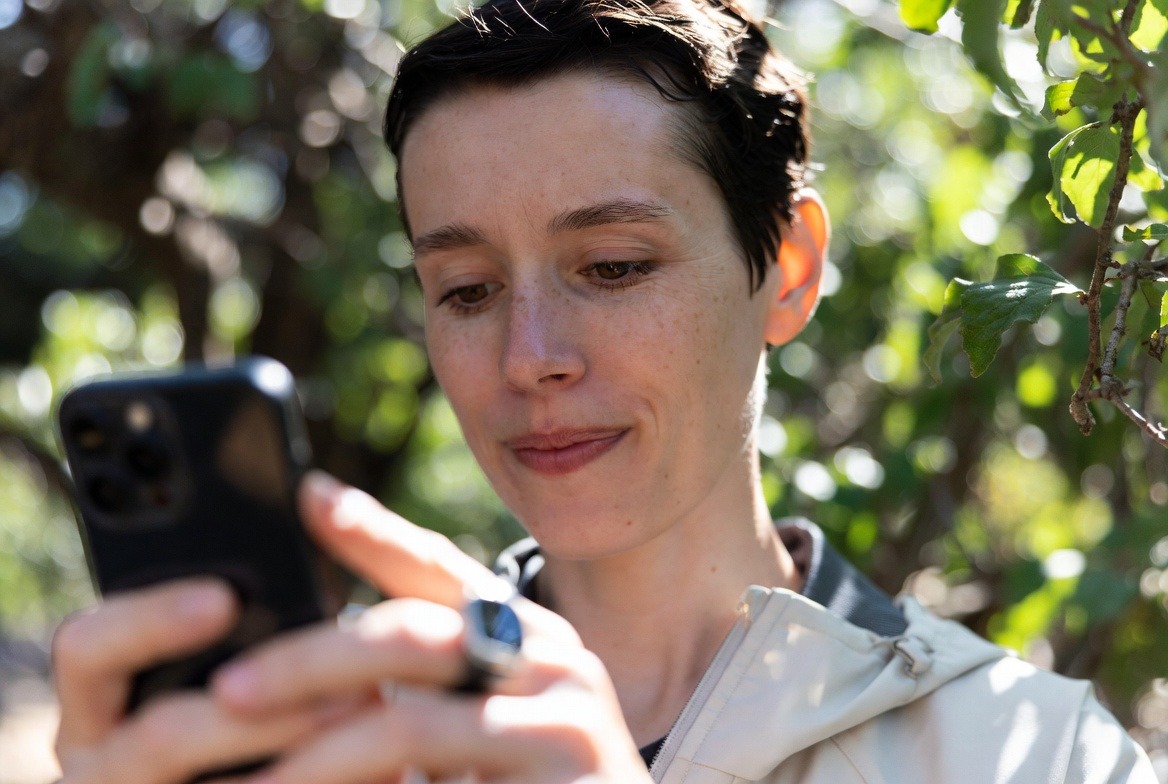
This brings us to a crucial concept: your personal HRV optimal range is not a static box you should try to stay inside every single day. In fact, trying to keep your HRV perfectly stable would be counterproductive and impossible. It is a dynamic, living range that responds to your life.
A productive training cycle will intentionally push you outside your "normal" range. After a hard interval session or a heavy strength day, you should expect to see a dip in HRV that night or the following night. This is a sign of a healthy stress response—your body has been challenged and is now initiating the repair and strengthening process. The smart algorithm recognizes this pattern. It doesn't flag this dip as a "poor" score if it's proportionate to your logged activity and followed by a rebound.
Conversely, a sustained, unprovoked dip—a trend where HRV drops below your personal baseline for several days without a clear reason like intense training or illness—is a much more significant insight. It could be a sign of:
Thus, your optimal range is better thought of as a corridor with expected exits and entrances. The intelligence of the system lies in its ability to interpret the reason for your exit and guide you back. It's about the trend and the context, not the single daily number. This dynamic interpretation is what separates advanced wellness tech from simple data loggers.
So, you have your nightly HRV, your personal baseline, your dynamically calculated optimal range, and layers of contextual data. How does this all synthesize into something you can actually use on a Tuesday morning?
The final step is the user-facing insight—the translation of complex analytics into simple, actionable language. This is where the art of data science meets the science of behavior change.
Your app might use a simple color-coded system or a readiness score:
The most sophisticated systems will pair this score with a probable cause, drawn from the contextual analysis: "Your readiness is low, which aligns with your short sleep duration over the past two nights," or "Your recovery is high despite a hard workout 48 hours ago—your training adaptation is effective."
This translation is the ultimate goal. It takes a complex biomarker born from the symphony of your autonomic nervous system, captured by miniaturized sensors on your finger, decoded by machine learning algorithms, and refined by your own lifestyle context, and delivers it as a clear, compassionate piece of guidance: What should I do today to support my body? For ongoing support and to deepen your understanding, remember that our FAQ is always available.
While your daily HRV score offers a snapshot, the true narrative of your health is written in the trends. Your wellness ring's app isn't just a daily reporter; it's a historian charting the story of your resilience over time. Learning to interpret these longer-term patterns—weekly, monthly, even seasonally—unlocks a higher level of self-awareness and predictive power.
The Weekly Cadence: For most people, life operates on a weekly cycle. You might see a predictable pattern: HRV dips slightly mid-week (the cumulative effect of work stress and activity), recovers somewhat over the weekend with more sleep and relaxation, and peaks on a Sunday or Monday morning after a full recovery day. Observing this pattern confirms that your ring is accurately reflecting your lifestyle. A disruption in this cadence—like a weekend that doesn't bring recovery—is a powerful signal that your regular routine isn't sufficiently restorative, or an outside stressor is intruding.
The Monthly Cycle (for Menstruating Individuals): This is one of the most critical and often overlooked layers of personalization. Hormonal fluctuations across the menstrual cycle have a pronounced, scientifically validated impact on HRV and other metrics like resting heart rate and skin temperature.
A sophisticated wellness ring algorithm that incorporates cycle tracking doesn't just note these changes; it normalizes for them. It learns your personal pattern and adjusts your "optimal range" expectations phase by phase. Seeing "HRV is 5% below your baseline" during your luteal phase might be completely normal for you, whereas the same reading in your follicular phase might be a red flag. This prevents misattribution of natural hormonal shifts to poor recovery or illness, a leap forward in female-centric health tech. Understanding these individual patterns is a cornerstone of our mission at Oxyzen, which you can explore further by reading about our story.
The Training Block Cycle: Athletes periodize their training—building volume and intensity in cycles, followed by deliberate taper and recovery periods. Your HRV trend is the ultimate biofeedback tool for this periodization. A successful training block will show a slight downward or stable HRV trend as fatigue accumulates, followed by a supercompensation spike—a rise above your previous baseline—during a taper or recovery week. This spike is the physiological proof of adaptation: you've broken your body down, and it has rebuilt itself stronger. Witnessing this through your own data is incredibly motivating and scientifically validates your training plan.
Conversely, a trend that just goes down, week after week, without recovery or a supercompensation spike, is a classic sign of overtraining. The trend doesn't lie. By watching the weekly and monthly arcs, you move from reactive health management ("I feel tired today") to proactive resilience building ("My trend is slipping; I need to schedule a deload week soon").
We've touched on physical stress from training, but the silent, chronic weight of psychological and emotional stress is often the most significant factor depressing HRV in modern life. Your autonomic nervous system does not distinguish between a predator chasing you and an overflowing inbox. The same sympathetic "fight-or-flight" response is activated, albeit at a lower, more sustained hum.
Your wellness ring acts as an objective mirror to this mental load. You may believe you're "handling the stress just fine," but a consistently suppressed HRV trend tells a different story. It reveals a nervous system stuck in a state of heightened alert, unable to fully engage the restorative parasympathetic brakes.
This is where the correlation with other metrics becomes profoundly insightful:
The actionable insight here is profound. It moves stress from a vague feeling to a quantifiable, manageable metric. You can run experiments:
By treating your mental well-being with the same data-driven approach as your physical training, you empower yourself to build not just a stronger body, but a more resilient mind. For practical strategies on managing stress with technology, our blog offers a wealth of user-tested approaches.
When your wellness ring says your HRV is "45 ms," what exactly is it measuring? "HRV" is an umbrella term, and scientists use several different mathematical methods to calculate it from the sequence of heartbeats (the RR intervals). The most common metrics have slightly different meanings, and understanding which one your device uses is key.
Why This Matters for You: The wellness ring ecosystem has largely standardized on RMSSD (or a proprietary score derived from it) for good reason: it's the most relevant for the short-term feedback loop of daily recovery. Your ring's algorithm calculates your personal optimal range based on this specific metric. Comparing your ring's RMSSD number to a friend's SDNN reading from a different device is like comparing miles to kilometers—they're related but not directly interchangeable. The takeaway is to focus on the trend within your own device's chosen metric. Consistency in measurement is what allows for true personalization.

You are not just what you eat; your HRV reflects what you eat, when you eat it, and how your body processes it. The connection between your gut and your autonomic nervous system—the gut-heart axis—is powerful. Digestive processes are heavily governed by the parasympathetic "rest-and-digest" system. A large, rich, or inflammatory meal demands significant energy and blood flow for digestion, which can create a sympathetic stress response and depress HRV.
Your wellness ring can reveal your personal nutritional tolerances:
By logging your meals and noting timing, you can use your personal HRV range as a biofeedback tool for nutrition. The ring answers the question: "Does this food, at this time, work for my body's recovery?" It turns abstract nutritional advice into personalized, physiological truth. Many users share these powerful "aha!" moments in their Oxyzen testimonials.
Your body's optimal range is calibrated for your normal environment. When that environment shifts dramatically, your physiology must adapt—and your HRV is the dashboard showing the strain of that adaptation.
Your wellness ring's algorithm can detect these environmental shifts, especially when paired with manual logging ("Flew to London"). In advanced systems, it may temporarily widen your personal optimal range or adjust its expectations, knowing that a low reading is a predictable response to an environmental stressor, not necessarily a sign of poor health. It guides you to be patient and prioritize sleep and hydration rather than worrying about the low score. This contextual intelligence prevents unnecessary alarm and fosters a more nuanced understanding of your body's adaptive capacities.
We are conditioned to think a higher HRV is always better. But like any biomarker, context is everything. An unusually high HRV—significantly and persistently above your established personal range—can also be a signal worth understanding, not just celebrating.
The Recovery Spike: This is the benign and positive "too high." After a period of accumulated fatigue followed by excellent rest (a true recovery day or a taper week), you may see your HRV jump to a new peak. This is supercompensation and a sign you are ready to perform.
The Detraining Signal: However, a steady, sustained rise in HRV over weeks when you are not training, or are training very lightly, can indicate detraining. As cardiovascular fitness decreases, the heart's stroke volume can decrease, sometimes leading to a higher resting HRV. It's a more "relaxed" system, but not a more "resilient" one. This is why tracking HRV alongside resting heart rate and activity is crucial. A rising HRV paired with a stable or rising resting heart rate and low activity is a different story than a rising HRV paired with a lower resting heart rate and maintained fitness.
The Bradycardia Link: In some very fit individuals, particularly endurance athletes, extremely high HRV can coexist with bradycardia (a very low resting heart rate, sometimes in the 30s or 40s). While often a sign of high efficiency, it's something to be aware of holistically.
The Illness Precursor: Curiously, some people experience a transient spike in HRV just before the onset of a viral illness, followed by the expected dramatic plunge. The theory is an initial, potent immune activation that stimulates vagal activity. This pattern is highly individual but reported anecdotally in biohacking circles.
The key lesson is to chase the trend that aligns with your goals, not just an absolute number. A rising trend during a training build is different from a rising trend during a period of inactivity. Your wellness ring provides the data; your understanding of context provides the wisdom. For a deeper exploration of interpreting complex biomarker data, our comprehensive blog is an ongoing resource.
Given its importance, the relationship between hormonal cycles and HRV deserves its own dedicated exploration. For nearly half the population, ignoring this cycle means interpreting HRV data through a blurred lens. Advanced wellness technology is finally bringing this critical context to the forefront.
A best-in-class system doesn't just let you log your cycle; it actively uses the phase to recalibrate your personal baselines and expectations. Here’s how that looks in practice:
This level of personalization represents a quantum leap in health tech. It acknowledges that a female body does not have a single, static "normal" state but rather a dynamic, intelligent rhythm. Training, diet, and recovery strategies can then be adapted to work with this rhythm, not against it, optimizing performance, well-being, and hormonal harmony. This commitment to individualized, nuanced health is central to who we are at Oxyzen, a philosophy you can learn more about on our about us page.
Collecting data is one thing. Weaving it seamlessly into the fabric of your daily life to create lasting positive change is another. The ultimate goal of your wellness ring is not to create another screen to obsess over, but to foster such deep intuition that you occasionally forget to check it because you've learned to listen to your body directly. Here’s a framework for integration.
Establish Your Morning Ritual: Instead of starting your day with social media or email, create a 60-second health review. Open your ring's app and note two things: 1) Your Readiness/Recovery Score (the synthesis), and 2) The primary contributing metric (e.g., "Low due to short sleep"). This isn't for judgment; it's for information. Let this data set the tone for your day's intentions. A low score doesn't mean a bad day; it means a day for intelligent moderation and self-care. This ritual builds a powerful connection between your actions and their physiological consequences.
Plan, Don't Just React: Use your weekly HRV trend to proactively plan your upcoming week. If you see a consistent mid-week dip, schedule your hardest training sessions for early in the week when your resilience is higher, and protect your Wednesday evening with a wind-down routine. If you have a major work presentation on Thursday, use the data from prior stressful events to consciously prioritize sleep and stress management in the days leading up to it. You are no longer at the mercy of your energy levels; you are forecasting and managing your capacity.
Create Feedback Loops: Turn your life into a series of gentle experiments.
This method turns abstract health advice into personalized, proven protocols. You stop following generic rules and start building your own owner's manual. For a wealth of ideas on such experiments and lifestyle integration, our Oxyzen blog is continually updated with user-driven insights.
Respect the Red, Leverage the Green: When your system gives you a low recovery score, respect it. This is the hardest but most important habit. It means choosing the lighter yoga session over the HIIT class, saying no to the late-night social event, or delegating a task. Conversely, when you are in the green—feeling good and the data confirms it—leverage it. This is the day to go for a personal record, tackle that creative project, or lead the big meeting. This dynamic dance between pushing and pulling, guided by objective feedback, is the essence of sustainable high performance and well-being.
As powerful as this technology is, it is crucial to understand its boundaries. A wellness ring is a superb guide, but it is not a doctor, a diagnostician, or an oracle. Responsible use requires recognizing its limitations.
It Measures Trends, Not Absolute Clinical Values: The PPG sensors are excellent for tracking relative changes for you, but they are not medical-grade ECG devices. The absolute HRV number from your ring should not be compared directly to a clinical reading or used to diagnose a condition. The power is in the direction and magnitude of change from your baseline.
It Sees Physiology, Not Pathology: The ring can tell you that your nervous system is stressed (low HRV, high RHR), but it cannot tell you why. Is it an infection, an autoimmune flare-up, emotional grief, or overtraining? The data provides the "what," but you, often with a healthcare professional, must investigate the "why." It is a starting point for a conversation, not the conclusion.
It Can Create Noise (and Anxiety): For some, constant biometric feedback can lead to orthosomnia—an unhealthy preoccupation with perfect sleep scores—or health anxiety. If checking your data makes you feel more anxious than empowered, it's a sign to step back. The goal is to use the data to build confidence and intuition, not to become enslaved to a daily score. Consider taking periodic "ring vacations" where you wear it but don't check the app, simply living by feel.
It's One Piece of the Puzzle: Your HRV and readiness score are profound metrics, but they are not the entirety of your health. They say little about your muscular strength, flexibility, social connectedness, or sense of purpose. The ring is a tool for optimizing your physiological foundation, upon which you build a rich and meaningful life. To understand how we view the role of technology within a holistic wellness journey, you can explore our story and vision.
The technology you wear today is just the beginning. The frontier of personal health wearables is moving from descriptive ("this is what happened") to prescriptive ("here’s what to do") and even predictive ("this is what’s likely to happen").
Evolving AI and Deep Learning: Future algorithms will move beyond simple correlations to understanding complex, non-linear chains of causation. Imagine your system learning that for you, a combination of >8,000 steps, a meal before 7 PM, and 10 minutes of breathwork leads to a 90% probability of a high-recovery sleep score. It could then nudge you with hyper-specific suggestions: "Based on your current data and past success, a 15-minute evening walk tonight would significantly increase your predicted recovery."
The 10-Year Baseline: Currently, baselines are calculated over weeks or months. The next leap is the lifetime baseline. As you wear a device for years, it will understand your aging curve, how major life events (having a child, changing careers, moving) affect your physiology, and what "normal for your age" truly means for you. It will be able to flag deviations that are significant against the backdrop of your entire adult life, potentially offering earlier signals of health shifts.
Integrative Platform Ecosystems: The future ring won't exist in an app silo. It will be the central hub in a connected health ecosystem, securely sharing insights with your trainer's software, your nutrition app, your electronic health record (with your consent), and even your calendar. Your calendar could automatically create focus blocks on low-recovery days and schedule challenging tasks on high-recovery days. This seamless integration makes healthy living the default, not an added chore.
True Predictive Alerts: Beyond predicting your recovery, research is exploring how long-term HRV trends and other biomarkers might offer very early, population-level insights into risks for certain conditions. While this is a sensitive and regulated area, the potential for proactive, preventative health is immense. The device becomes less about tracking your sleep last night and more about safeguarding your health for the next decade.
The final stage of this journey is internalization. The true purpose of all this technology is to help you become the world's leading expert on your own body. Here’s how to cultivate that wisdom.
Correlate Sensation with Data: When you feel unusually fatigued, check the data. Was your HRV low? When you feel unstoppable, check again. Was it high? Over time, you'll start to feel the subtle signs of a dropping HRV—perhaps a slight irritability, a heavier feeling in your limbs, a craving for caffeine. You'll learn to trust these sensations because the data has validated them. Eventually, the ring becomes a confirmation tool rather than a primary source.
Define Your Own "Why": Your personal optimal range is a tool. What will you use it to build?
Share and Discuss (Wisely): Sharing your journey with a trusted coach, a supportive community, or a healthcare provider can multiply the insights. They might see patterns you miss. However, avoid comparative boasting or anxiety ("My HRV is higher than yours"). Remember, the only comparison that matters is you vs. you. The community around Oxyzen users often finds great value in sharing strategies, not scores.
Embrace the Non-Linear Journey: Your health journey is not a straight line upward. There will be setbacks, unexplained dips, and plateaus. The data will reflect this. The wisdom lies in not panicking over a bad week, but in observing the long-term arc. Are you, on average, over six months or a year, trending toward greater resilience and balance? That is the ultimate measure of success.
We began with a simple, frustrating question: "Is my HRV of 45 good or bad?" We've traveled through the intricate pathways of autonomic nervous system science, the engineering marvel of miniature sensors, the silent intelligence of machine learning, and the profound personal contexts of your sleep, stress, cycles, and nutrition.
The answer, we now know, is that "45" is neither good nor bad until it is viewed through the lens of you. It is a single note in the ongoing symphony of your physiology. Your wellness ring’s greatest achievement is not displaying that note, but in composing the entire personal score—your unique, dynamic optimal range—against which that note has meaning.
This personalized range is more than a feature; it is a fundamental shift in how we understand health. It moves us away from the tyranny of averages and the noise of generic advice. It hands you the keys to your own biology. You are no longer a passenger in your body, guessing at what it needs. You are becoming the pilot, with a sophisticated dashboard built from your own data.
The power this unlocks is transformative. It allows you to train smarter, not just harder. It enables you to manage stress with evidence, not just willpower. It helps you align your lifestyle with your body's natural rhythms. This is the quiet revolution on your finger: a move from guessing to knowing, from generalized health to personalized thriving.
As you continue your journey, remember that the data is a servant to your wisdom, not a master of your anxiety. Use it to explore, to learn, and to build a more resilient, attuned, and vibrant version of yourself. Your optimal range is the map. You are the explorer. The territory is your one, precious, and brilliantly complex life.
For ongoing support, deeper dives into specific topics, and a community navigating the same journey, remember that resources like our FAQ and blog are here to support you. This is just the beginning of your personalized story.
Your Trusted Sleep Advocate (Sleep Foundation — https://www.sleepfoundation.org/)
Discover a digital archive of scholarly articles (NIH — https://www.ncbi.nlm.nih.gov/
39 million citations for biomedical literature (PubMed — https://pubmed.ncbi.nlm.nih.gov/)
experts at Harvard Health Publishing covering a variety of health topics — https://www.health.harvard.edu/blog/)
Every life deserves world class care (Cleveland Clinic -
https://my.clevelandclinic.org/health)
Wearable technology and the future of predictive health monitoring. (MIT Technology Review — https://www.technologyreview.com/)
Dedicated to the well-being of all people and guided by science (World Health Organization — https://www.who.int/news-room/)
Psychological science and knowledge to benefit society and improve lives. (APA — https://www.apa.org/monitor/)
Cutting-edge insights on human longevity and peak performance
(Lifespan Research — https://www.lifespan.io/)
Global authority on exercise physiology, sports performance, and human recovery
(American College of Sports Medicine — https://www.acsm.org/)
Neuroscience-driven guidance for better focus, sleep, and mental clarity
(Stanford Human Performance Lab — https://humanperformance.stanford.edu/)
Evidence-based psychology and mind–body wellness resources
(Mayo Clinic — https://www.mayoclinic.org/healthy-lifestyle/)
Data-backed research on emotional wellbeing, stress biology, and resilience
(American Institute of Stress — https://www.stress.org/)


