


How Your Wellness Ring Turns HRV Into Actionable Health Insights
How your wellness ring turns HRV data into practical health insights.
How your wellness ring turns HRV data into practical health insights.
%402x.svg)
Imagine if your body could whisper a daily briefing on your health—not through vague feelings of tiredness or stress, but through precise, quantifiable data straight from your nervous system. For centuries, physicians felt for a pulse to gauge vitality, but they were only hearing the drumbeat, missing the complex symphony between each beat. That symphony is your Heart Rate Variability (HRV), and it is the single most powerful, non-invasive window into the state of your autonomic nervous system, your resilience, and your overall well-being.
Until recently, accessing this deep physiological insight required clinical visits and expensive equipment. Today, that profound intelligence sits quietly on your finger. The modern wellness ring has emerged as the most personal, continuous, and actionable health tech companion, turning the esoteric concept of HRV into a clear, daily guide for better living. This isn't just about tracking; it's about translating. It's about moving from data points to decisions, from wondering "why do I feel so drained?" to knowing the exact impact of last night's late dinner, that intense workout, or a difficult conversation.
This article is your comprehensive guide to that translation. We will journey from the fundamental biology of your heartbeat to the advanced algorithms on your smartphone, demystifying how a sleek piece of wearable technology captures one of your body's most subtle signals and turns it into a catalyst for profound personal change. Whether you're a biohacker seeking an edge, someone navigating chronic stress, or simply curious about optimizing your health, understanding this process is the first step toward a more informed, intentional, and vibrant life. Welcome to the new frontier of personalized wellness, powered by the silent pulse on your finger.
If someone asked you how stressed or recovered you are, you’d likely assess your mood, energy level, or muscle soreness. But what if your heart could give you the definitive answer? Not just how fast it's beating, but the nuanced story told in the spaces between those beats. This is the realm of Heart Rate Variability.
Contrary to intuition, a healthy heart does not tick with the monotonous regularity of a metronome. Instead, the time interval between successive heartbeats fluctuates—by tens of milliseconds. This fluctuation is your HRV. It’s a direct output of the ongoing tug-of-war between your two branches of the autonomic nervous system: the sympathetic ("fight-or-flight") and the parasympathetic ("rest-and-digest").
When you are calm, recovered, and resilient, your parasympathetic system is dominant. It applies subtle, rapid brakes and accelerators to your heart rate, creating higher variability—a dynamic, adaptable rhythm. Think of it as a skilled driver navigating rolling hills with smooth, frequent adjustments. When you are stressed, fatigued, or inflamed, your sympathetic system takes over, pushing the gas pedal and creating a more rigid, less variable heart rhythm—like a driver holding speed on a straight, monotonous highway.
Therefore, HRV is not a measure of heart health in the traditional sense, but a measure of your nervous system's flexibility and your body's capacity to handle stress. A higher HRV generally indicates better adaptability, recovery, and resilience. A lower HRV suggests your system is under strain.
This intricate control happens via a direct neural dialogue between your brain and your heart through the vagus nerve, a central component of your parasympathetic system. Every millisecond of variation is a response to a cascade of factors:
Your wellness ring, by capturing this millisecond-level data, is essentially eavesdropping on this continuous, high-stakes conversation between your brain, your heart, and every system in your body.
This is a critical paradigm shift. Unlike blood pressure, where a single reading can be diagnostic, HRV is deeply personal. Comparing your HRV of 45 ms to a friend's 80 ms is meaningless. Genetics, age, fitness level, and even the type of sensor used all influence baseline numbers.
The true power of HRV lies in intra-individual tracking—observing your own trends over time. Your ring establishes a personalized baseline. Then, the daily deviations from that baseline become the actionable story. A sustained drop in your HRV trend is a clear, objective flag from your body: "I am under-recovered." This could be due to overtraining, poor sleep, dehydration, emotional stress, or the onset of illness. Conversely, a rising trend signals improved fitness and adaptability.
By understanding HRV not as a score but as a directional conversation with your physiology, you graduate from chasing numbers to interpreting signals. As we'll explore next, capturing this delicate signal on your finger is a feat of modern engineering. For a deeper dive into the science of autonomic balance, our blog features ongoing discussions with leading researchers and physiologists.
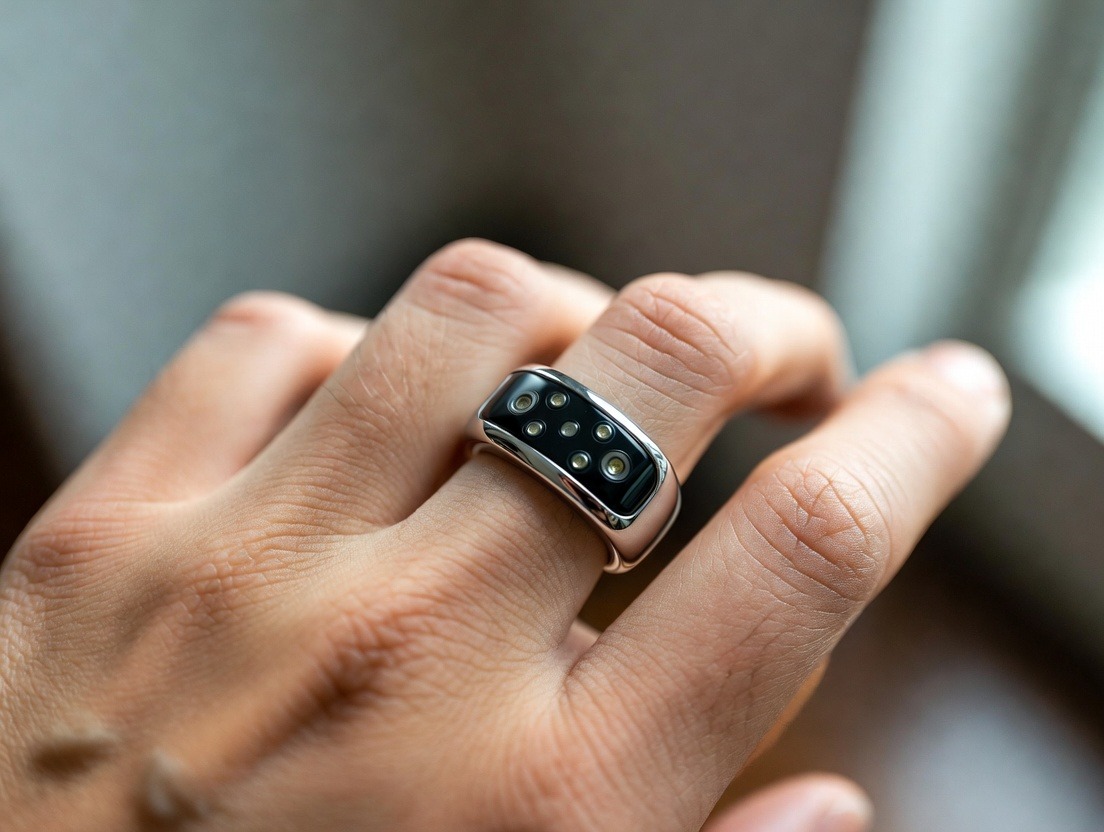
The journey from the subtle thrum of your heartbeat to a clear graph on your phone is a marvel of miniaturized engineering. A modern wellness ring is not a simple step-counter repackaged; it is a clinical-grade bio-sensing platform designed for 24/7 wear. To truly trust the insights, it helps to understand the sophisticated technology packed into its compact form.
At the core of every advanced wellness ring is Photoplethysmography (PPG). This complex term describes the elegant technology behind the green light on the ring's inner surface. The LED light shines into the capillary-rich tissue of your finger, and a photodetector measures the amount of light reflected back. With each heartbeat, blood volume in the capillaries pulses slightly, changing the light absorption. These minute changes are captured thousands of times per second to construct your pulse waveform.
But the leading rings go far beyond a single green light. They employ a multi-wavelength PPG system:
The wrist is convenient, but the finger offers distinct advantages for physiological accuracy. The digital arteries in your finger provide a strong, clear PPG signal with high amplitude, often superior to the wrist. The ring form factor also minimizes motion artifact—your finger moves less than your wrist during sleep and daily activities, leading to cleaner data.
However, the finger is not without challenges. It is subject to more extreme temperature changes than the core body. This is why advanced rings use algorithmic correction and trend-based analysis for skin temperature, rather than relying on a single absolute reading. The small form factor also demands extreme power efficiency and sensor fusion—the intelligent merging of data from all sensors to create a coherent picture. For example, the accelerometer tells the algorithm if a sudden dip in SpO2 is due to you rolling over (a movement artifact) or a genuine respiratory event.
This is where wellness rings fundamentally outperform smartwatches or medical devices for lifestyle insight. Most wearables take spot readings or only track actively during exercise or sleep. A wellness ring is designed for passive, continuous monitoring.
It silently collects data across the entire 24-hour cycle: during work meetings, workouts, meals, and all stages of sleep. This creates a rich, seamless dataset that spot checks cannot replicate. You see not just your sleep HRV, but how your nervous system reacts to your morning coffee, your afternoon workout, and your evening meditation. This holistic context is indispensable for turning data into actionable insights. The ring’s mission is to disappear into your life while building a complete, continuous narrative of your body's responses. To see how this technology comes to life through a user-centered mission, you can explore the story behind Oxyzen's design philosophy.
The constant stream of biometrics—the light absorption values, the millisecond intervals, the temperature points—is just raw noise without interpretation. This is where the proprietary "secret sauce" of each wellness ring resides: in the sophisticated algorithms that cleanse, analyze, and contextualize this data, transforming billions of data points into simple, understandable scores and insights.
The first job of the algorithm is to be a master editor. Your hand moves, you grip a steering wheel, the ring shifts slightly—all of this creates artifacts in the PPG signal. Advanced filtering techniques, including adaptive noise cancellation and machine learning models trained on millions of hours of real-world data, identify and remove these artifacts. The goal is to preserve only the clean physiological signal, ensuring that a calculated HRV dip is due to stress, not because you were typing vigorously.
Once a clean sequence of heartbeats is established, the algorithm calculates the time differences between them—the Inter-Beat Intervals (IBIs). From this IBI sequence, it derives the HRV. There are multiple mathematical ways to do this, each with nuance:
Your ring’s app likely uses rMSSD or a proprietary composite score derived from these metrics, optimized for the clarity and actionability of daily feedback.
This is the final layer of translation. Companies combine HRV with other continuous data—like sleep quality, skin temperature trends, SpO2 dips, and activity levels—into a single, proprietary "Readiness," "Recovery," or "Energy" score.
Think of it this way: HRV is a key economic indicator, like the GDP. But to get the full picture of a country's economic health, you'd also look at employment, inflation, and consumer spending. Similarly, a slight dip in HRV might be ambiguous. But if that dip is coupled with a elevated nighttime skin temperature and reduced deep sleep, the algorithm can more confidently score your recovery as "Low" and suggest prioritizing rest.
These scores are not medical diagnoses; they are interpretive guides. They are the algorithm's best guess, based on aggregated physiological data, at your body's preparedness for strain. Their value is in consistency and personal trend analysis. They provide a single, glanceable piece of intelligence to inform your day. For common questions on how these scores are generated and what they mean for you, our comprehensive FAQ resource provides detailed answers.
In the age of social media and leaderboards, the instinct to compare is powerful. Yet, in the realm of physiological data, especially HRV, comparison is not just futile—it can be actively misleading and discouraging. The most profound journey your wellness ring facilitates is an inward one: the establishment and understanding of your unique, personal baseline.
Search the internet, and you'll find charts suggesting what your HRV "should" be for your age and gender. While these population averages exist, they are virtually useless for individual guidance. The range of "normal" HRV is staggeringly wide. A supremely fit, young athlete might have an HRV of 100ms, while another equally healthy individual of the same demographics might naturally sit at 40ms. Genetics play a monumental role in setting your potential range.
Furthermore, different devices and algorithms calculate HRV differently. A score of 50 on one platform is not equivalent to a 50 on another. This is why the only HRV number that truly matters is your own, measured consistently with the same device. Chasing an arbitrary "good" score is like trying to change your height. The goal is to optimize your biology within your unique framework.
When you first put on your ring, it begins a crucial learning phase, typically spanning 2-4 weeks. During this time, it is not just collecting data; it is building a statistical model of you. It observes:
This personalized baseline becomes the fundamental reference point for all future data. The app isn't telling you you're "bad" at recovery; it's alerting you that today's physiological state is a significant deviation from your own norm. This shift from universal judgment to personal notification is revolutionary.

With a stable baseline established, the magic begins. You are no longer looking at numbers in isolation; you are reading a story told in trends.
By focusing on your personal narrative, you move from being a passive data subject to an active author of your health story. This foundational self-knowledge is what makes the subsequent insights actionable.
For decades, sleep tracking was about duration: "I got 8 hours." But anyone who has slept for 8 hours and woken feeling exhausted knows that time in bed is not the same as quality sleep. Your wellness ring, with its continuous, multimodal sensing, penetrates this mystery, offering the most personal sleep audit possible. It reveals not just how long you sleep, but how well your body and nervous system are recovering during that time.
While daytime HRV is valuable, nighttime HRV is considered the purest read on your recovery status. During sleep, especially deep sleep, external stressors are minimized. Your body should be in a dominant parasympathetic state, facilitating repair and restoration. This is when your HRV should naturally be at its highest and most stable.
Your ring tracks your nightly average HRV and its trend. A high or increasing sleep HRV indicates effective recovery. A low or declining sleep HRV is a core component of your "Readiness" score being down—it means your nervous system did not fully decelerate overnight, leaving you starting the day at a deficit.
The ring’s accelerometer and PPG data are processed by sleep staging algorithms to estimate time spent in Light, Deep, and REM sleep. Correlating HRV with these stages is profoundly insightful.
Typically, HRV is highest during Deep Sleep (N3), when parasympathetic activity peaks for physical restoration. During REM sleep, associated with dreaming and memory consolidation, HRV can become more variable as brain activity resembles wakefulness. A healthy sleep architecture shows a cycling between these stages.
When you see a night with fragmented sleep (frequent awakenings) or a lack of deep sleep, you will often see a corresponding suppression of nighttime HRV. The ring makes this connection explicit: poor sleep architecture impairs nervous system recovery, regardless of total hours.
This is one of the most potentially life-changing applications. By combining red/infrared PPG for SpO2 with HRV and movement, advanced rings can identify patterns suggestive of sleep-disordered breathing.
In Obstructive Sleep Apnea (OSA), the airway collapses, causing breathing to stop (apnea) or become shallow (hypopnea). This leads to:
Your ring can detect these correlated patterns—cyclical SpO2 drops paired with heart rate spikes and movement. While it is not a diagnostic medical device, it can provide powerful, objective evidence to take to a sleep specialist, prompting a formal evaluation. For many users, this has been the first clue to an undiagnosed condition severely impacting their health and recovery. Reading about real user experiences and discoveries can illuminate the profound impact of these insights.
We throw the word "stress" around casually, but physiologically, it has a very specific definition: the body's nonspecific response to any demand placed upon it. This can be physical (a hard workout), chemical (alcohol, toxins), or psychological (a work deadline). Subjectively, we might "feel" fine while our body is operating under a significant hidden load. Your wellness ring acts as a lie detector for this hidden stress, providing an objective measure of your total allostatic load.
The inverse relationship between HRV and stress is well-established. When a stressor—any stressor—activates the sympathetic nervous system, one of the first measurable effects is a reduction in HRV. The beauty of continuous monitoring is that it captures this response in real-time, throughout the day.
You can literally watch your HRV dip on the app's graph during your morning commute, before a big presentation, or during a difficult conversation. This objective feedback is powerful for two reasons: First, it validates your experience ("I knew that meeting was taxing!"). Second, it reveals stressors you may have minimized or ignored ("Why did my HRV crash after that seemingly normal lunch?").
Not all stress is bad. Eustress is positive, challenging stress that leads to growth—like a rewarding workout or preparing for a wedding. Distress is negative, harmful stress that leads to breakdown. Physiologically, they can look similar in the acute moment (both may lower HRV).
The critical difference is revealed in the recovery curve. After a bout of eustress, your HRV should rebound efficiently, often supercompensating to a higher level than before (a sign of increased resilience). After distress, the recovery is slow and incomplete, leaving your HRV suppressed for hours or even days. Your ring’s data allows you to audit the stressors in your life and categorize them by their impact on your recovery, helping you seek more of the growth-inducing kind and mitigate the harmful kind.
This is where data transforms into behavior change. By seeing your stress response objectively, you can begin to experiment with interventions and see their direct physiological impact.
The ring doesn't just tell you you're stressed; it shows you the precise magnitude, duration, and source of your stress responses, and it gives you a laboratory to test solutions. This moves stress management from a vague concept to a precise, personal science.
You are what you eat—and your HRV agrees. The process of digestion, assimilation, and metabolization of food is one of the largest daily demands placed on your autonomic nervous system. Your wellness ring provides a direct line to observe how your dietary choices either fuel your resilience or deplete it. This turns every meal into an experiment with clear, objective feedback.

After a meal, especially a large one, blood is shunted to the digestive system. To maintain overall blood pressure, the body often increases sympathetic nervous system activity slightly while reducing parasympathetic tone. This typically manifests as a natural, temporary dip in HRV for 1-3 hours post-meal, alongside a slight rise in heart rate.
Your ring makes this "postprandial dip" visible. The size and duration of this dip are highly instructive. A massive, prolonged crash in HRV after a meal heavy in processed carbs and fats is a sign of significant metabolic stress. A smaller, shorter dip after a balanced meal of protein, fiber, and healthy fats indicates a smoother, less taxing digestive process. Tracking this helps you move toward meals that sustain your energy and nervous system balance.
Few lifestyle factors have as dramatic and immediate an impact on HRV as alcohol and caffeine.
While not a diagnostic tool for allergies, long-term HRV and related data (like skin temperature) can provide clues about inflammatory responses to foods. If you notice a pattern where your resting heart rate is elevated and your HRV is suppressed for many hours, or even a full 24 hours, after eating a specific food (e.g., dairy, gluten, certain nightshades), it may indicate a sensitivity that creates a low-grade inflammatory response and nervous system strain.
This objective data empowers you to conduct a personalized elimination diet with clear markers of success beyond subjective "feeling better." You remove a suspected food, monitor your HRV and resting heart rate trends for 2-3 weeks, then reintroduce it and watch the physiological response. It turns self-experimentation into a data-driven practice.
For the fitness enthusiast or athlete, the wellness ring transitions from a health tracker to an essential performance tool. It provides the missing piece in the training puzzle: a daily, objective measure of your body's readiness to perform and its recovery from strain. This closes the loop between effort and adaptation, helping you train smarter, not just harder.
The single most valuable morning ritual for an active individual is checking their "Readiness" score or sleep HRV before deciding on the day's workout intensity. This practice, known as autoregulation, is a paradigm shift from pre-planned, rigid training schedules.
Overtraining isn't just feeling sore; it's a state of prolonged maladaptation where performance plateaus or declines despite continued training. It's accompanied by hormonal disruption, mood changes, and immune suppression. HRV is one of the earliest and most sensitive markers.
A consistently downward trend in HRV over 7-14 days, despite adequate sleep, is a major red flag for overreaching or overtraining. It indicates your nervous system is stuck in a sympathetic-dominant state and cannot recover. Catching this trend early allows you to intervene with a deload week (reduced volume/intensity) before a minor setback becomes a major breakdown requiring weeks or months off.
Just as acute stress lowers HRV, chronic, well-managed physical stress (training) followed by adequate recovery leads to an increase in your baseline HRV over time. This is one of the most rewarding long-term metrics to track. As your cardiovascular fitness improves and your autonomic nervous system becomes more efficient, your resting heart rate may drop slightly, but your HRV should trend upward.
This rising baseline is concrete, physiological proof that your training regimen is working—not just to make you stronger or faster, but to make your entire system more resilient and adaptable. It’s the ultimate biofeedback for a sustainable, healthy fitness journey. To learn more about integrating this data into a holistic wellness plan, our blog is a dedicated resource for athletes and active individuals.
For women, the standard health tracking model built on a static, 24-hour male hormone cycle has always been insufficient. The female body operates on a complex, multi-phase rhythm that influences everything from energy and temperature to stress resilience and metabolism. A wellness ring, with its continuous, passive data collection, is uniquely positioned to reveal the intricate patterns of this cycle, transforming subjective symptoms into an objective, personalized map of hormonal health.
Most period tracking apps rely on retrospective user input—logging symptoms and dates to predict future cycles. A wellness ring adds a powerful, prospective layer by capturing the physiological shifts that define the cycle phases.
The key metric here is Resting Heart Rate (RHR) and Skin Temperature (Temp), with HRV providing critical context. In the follicular phase (post-period, leading up to ovulation), estrogen dominates. Estrogen has a slight stimulatory effect, and RHR is typically at its lowest, while HRV may be higher, indicating good adaptability. As ovulation approaches, a subtle but consistent rise in waking skin temperature and a slight uptick in RHR often occur.
After ovulation, during the luteal phase, progesterone rises. Progesterone is thermogenic, causing a sustained basal body temperature (BBT) increase of 0.3–0.5°C (0.5–1.0°F) that persists until menstruation begins. RHR continues a gradual climb, often peaking just before the period starts. Meanwhile, HRV often shows a characteristic decline in the luteal phase, reflecting the body's increased metabolic workload and a common decrease in parasympathetic tone.
By observing these objective trends, the ring can confirm ovulation has occurred (marked by the sustained temp shift) and predict the onset of menstruation with high accuracy, often days before physical symptoms appear. This turns cycle tracking from a guess into a science.

Understanding how your HRV naturally ebbs and flows with your cycle is crucial for avoiding misinterpretation of the data. A dip in HRV during the week before your period is a normal, physiological response for many women, not necessarily a sign of poor lifestyle choices.
By charting this pattern cycle after cycle, a woman can differentiate between a normal luteal phase HRV dip and an abnormal dip caused by external stress or illness. This knowledge empowers her to align her diet, exercise, and workload with her biology, not against it.
Deviations from your established, healthy pattern can be the first objective clue of a hormonal imbalance. Consistent irregularities in the cycle's physiological signature—such as anovulatory cycles (no clear temperature shift), unusually short luteal phases, or extreme HRV volatility—can prompt a more informed conversation with a healthcare provider.
For women transitioning into perimenopause, the ring becomes an invaluable tool for navigating the change. Increasing cycle irregularity, more pronounced temperature fluctuations, and significant shifts in sleep and recovery metrics can all be tracked objectively. This data provides a clear record to discuss with a doctor and helps differentiate between perimenopausal symptoms and other health issues. By owning this data, women can advocate for their health with concrete evidence. Our story is deeply connected to creating inclusive health technology that addresses these nuanced needs.
The dialogue between mind and body is a two-way street, and your wellness ring listens intently to both sides of the conversation. It quantifies the physical footprint of thoughts and emotions, offering a groundbreaking perspective on mental well-being that moves beyond subjective feeling into the realm of measurable biology.
The simple act of logging your mood in the ring's companion app, even with a simple 1-5 scale or a few emojis, creates a powerful correlation dataset. Over time, you will see clear patterns:
This does more than validate your feelings; it provides emotional granularity. You might log a day as generically "stressful," but the data may show that your physiology was only severely impacted during a specific 90-minute window. This helps you pinpoint true triggers versus general narratives. It turns vague anxiety into a specific, time-bound physiological event that you can learn to manage.
Spiritual traditions have long spoken of the calming effect of breath and meditation. Your wellness ring provides the lab report. Engaging in parasympathetic-activating practices has an immediate, measurable effect:
This transforms wellness practices from acts of faith into data-validated tools. You can experiment to see which type of breathwork raises your HRV the most, or how long the effect of meditation lasts for you personally, allowing you to build the most effective toolkit for your nervous system.
Chronic psychological stress is not a feeling; it's a physiological state characterized by a sustained, low-grade sympathetic nervous system activation. This manifests as a persistently suppressed HRV baseline, elevated resting heart rate, and poor sleep metrics—a triad your ring tracks relentlessly.
The journey out of burnout or chronic stress is often slow and non-linear, making it hard to feel progress. Here, the ring’s trend data is a lifeline of hope. As you implement lifestyle changes, therapy, or relaxation practices, you may not "feel" better for weeks. But you might see your sleeping HRV begin a very gradual upward crawl, or your resting heart rate trend down by half a beat per minute per week.
These subtle, objective signs confirm that your nervous system is healing long before your conscious mind catches up. They provide the motivation to stay the course, proving that recovery is happening beneath the surface. For many, this data-driven validation is a critical component of rebuilding resilience. To see how others have used this data to navigate life challenges, the testimonials from our community share powerful, real-world stories.
A wellness ring's data does not exist in a vacuum. The most profound insights emerge when you connect the physiological dots with the lifestyle and environmental events that caused them. This practice of conscious correlation turns raw data into a personalized user manual for your body.
The single most powerful habit you can develop is consistently using the "Tagging" or "Journal" feature in your app. Immediately after an event, log it:
After just a few weeks, you build a searchable database of cause and effect. You can filter your data to "show all days with alcohol" and see the uniform plunge in sleep HRV. You can compare "days with morning meditation" vs. "days without" and see the difference in daytime HRV stability. This moves you from wondering "Does coffee affect me?" to knowing "My 3pm coffee delays my HRV recovery by 2 hours and reduces my deep sleep by 15%."

Your nervous system responds to your external environment. Your ring can help you engineer a better one.
The ultimate goal is to stop seeing the ring's scores as arbitrary judgments and start reading them as predictable outcomes. You begin to build a mental model:
This library is your most valuable health asset. It empowers you to make proactive, predictive choices. You learn that if you have a big presentation tomorrow, you should avoid that late-night glass of wine tonight because you know its exact cost on your nervous system. This is the pinnacle of actionable insight: foresight.
Data is only as valuable as the change it inspires. The final step in the journey with your wellness ring is to establish a feedback loop where insights seamlessly translate into daily habits, creating a sustainable system for long-term vitality. This is about building protocol, not pursuing perfection.
Based on the personal cause-effect library you've built, you can establish simple, non-negotiable rules for yourself. These are your biohacks, grounded in your own data.
These rules remove decision fatigue and guilt. You're not "skipping" a workout; you're following your body's data-driven prescription.
Forget drastic overhauls. The most sustainable progress comes from the compound interest of tiny, data-informed adjustments. Your ring is exquisitely sensitive to these micro-changes.
Each week, you make one small, sustainable tweak inspired by the lowest-hanging fruit in your data. Over months, these 1% shifts compound into a radically transformed physiological baseline and a profoundly improved sense of well-being.
This is a critical warning: The ring is a tool for empowerment, not a source of anxiety. It's easy to become obsessed with daily scores, checking the app compulsively and feeling defeated by a "red" day. This defeats the entire purpose.
Remember the core principles:
The ring's ultimate purpose is to make you so in tune with your body that you eventually need the data less. You begin to feel the low HRV as fatigue, and you sense the need for recovery. The ring trains your interoception—your ability to perceive internal signals—until the external device simply confirms what you already know. Our FAQ addresses common questions on finding this healthy balance with your data.
The current capabilities of wellness rings are impressive, but they represent just the first chapter. The convergence of advanced sensors, artificial intelligence, and integrated health ecosystems is poised to transform the ring from a insightful companion into a proactive health guardian. The future is predictive, personalized, and seamlessly integrated.
The next frontier is moving from descriptive ("you are stressed") to predictive insights. By analyzing long-term trends and subtle, pre-symptomatic physiological shifts, AI models will be able to identify patterns that precede common health events.
The standalone app will give way to a connected health hub. Your ring’s data will flow securely into a personal health record, where it can be synthesized with other information.
This ecosystem turns the ring into the central, authenticating sensor for your digital health identity.
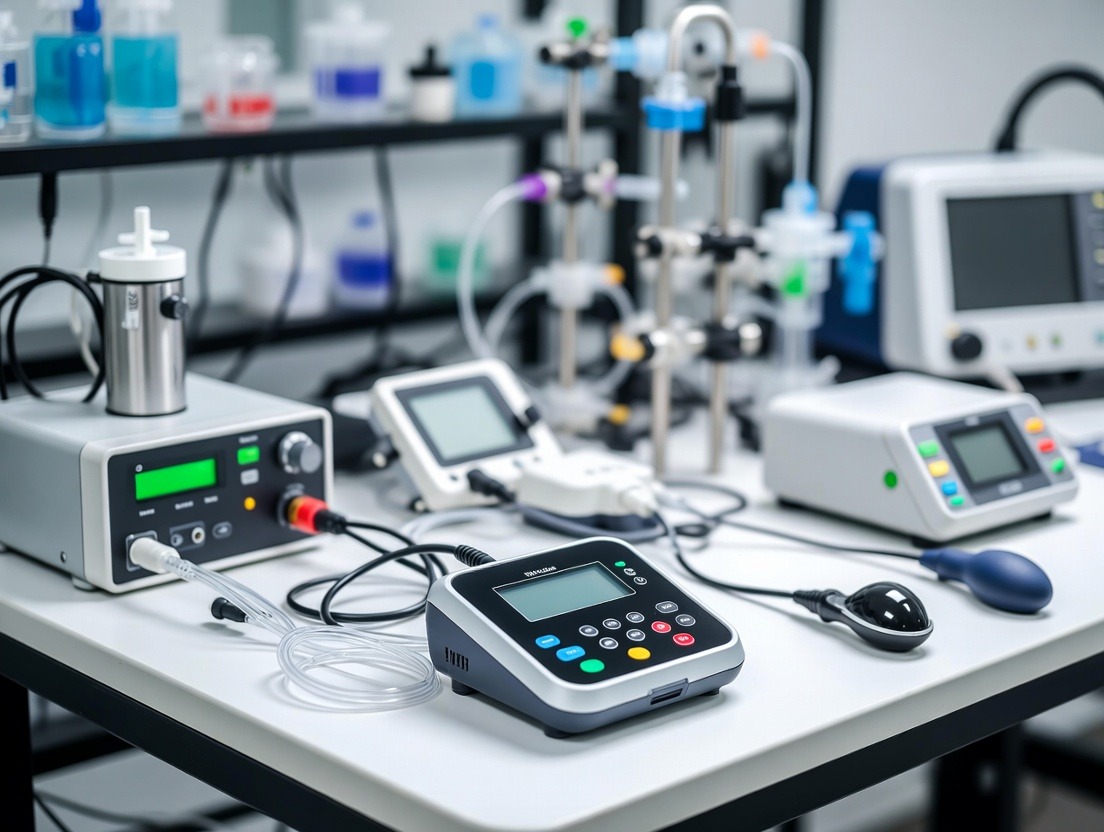
The holy grail of wearable tech is clinical-grade, non-invasive, continuous monitoring of key biomarkers. Research and development in this space is accelerating.
The integration of these sensors would make the wellness ring the most comprehensive personal health monitor ever created for daily wear. To stay at the forefront of these developments and understand how they inform our product vision, you can learn more about our commitment to innovation.
Theory and technology are compelling, but their true power is revealed in lived experience. By examining real-world scenarios—though anonymized and composite—we can see exactly how the abstract data from a wellness ring translates into concrete, life-changing decisions. These case studies illustrate the process of moving from confusion to clarity, and from insight to action.
Profile: Mark, 48, a senior finance executive. High performer, but chronically exhausted. Subscribed to the "sleep is for the weak" mentality, fueled by caffeine and constant travel. He felt irritable, had brain fog, and was gaining weight despite "not eating much."
The Data Story: Mark’s initial ring data painted a stark picture. His average sleep HRV was in the bottom 10th percentile for his demographic, and his resting heart rate averaged 72 bpm. His sleep graph showed frequent awakenings and almost no deep sleep. Most telling was his HRV trend: a flat, low line with sharp, daily afternoon crashes that correlated perfectly with his 3 PM double espresso. On travel days, his data was chaotic for 3-4 days afterward.
The "Aha!" Moment: Mark tagged a particularly brutal week of back-to-back international trips. The app's monthly report showed his recovery score was in the "red" for 22 out of 30 days. The correlation was undeniable: his lifestyle was his pathology. The objective data removed his denial; he couldn't argue with the graphs showing his nervous system was in constant distress.
Actionable Changes:
The Outcome: After 90 days, Mark's average sleep HRV increased by 35%, and his resting heart rate dropped to 65 bpm. His deep sleep doubled. Subjectively, his brain fog lifted, his mood stabilized, and he felt "in control" for the first time in years. The ring didn't give him more hours; it showed him how to make the hours he had more restorative. His story is a testament to how objective data can break through the high-achiever's blind spots.
Profile: Lena, 31, an amateur marathoner. Stuck in a cycle of relentless training, frequent minor injuries, and a plateauing race time. She followed a popular, high-volume training plan to the letter, believing more miles equaled better results.
The Data Story: Lena's data revealed a classic pattern of chronic under-recovery. Her HRV trend was on a slow, steady decline over the training block. Her resting heart rate was creeping up. Her sleep scores were consistently poor on nights after hard track sessions, but she ignored her fatigue and trained anyway. The ring’s Readiness score was perpetually "low" or "strained."
The "Aha!" Moment: After a disappointing long run where her heart rate was abnormally high (a classic sign of fatigue), she looked at her 7-day HRV graph. It was a steady downhill slope. The correlation was clear: her body was sending a consistent "I need a break" signal that her mind was overriding. She realized she was not training harder; she was just digging a deeper recovery hole.
Actionable Changes:
The Outcome: In her next training cycle, Lena set a new personal best by 8 minutes without increasing her overall mileage. More importantly, she was injury-free and enjoyed the process. Her HRV baseline rose by 25% over the season, indicating improved cardiovascular fitness and resilience. The ring shifted her identity from an "athlete who suffers" to an "athlete who listens."
Profile: Sarah, 47, began experiencing night sweats, unexplained anxiety, and sleep disruption. She attributed it to "general stress" but felt something deeper was shifting. Her doctor told her it was "part of getting older" and offered sleeping pills.
The Data Story: Sarah's ring data provided the objective evidence she lacked. Her skin temperature graph showed wild, unprecedented fluctuations, with spikes corresponding to logged night sweats. Her sleep was highly fragmented, with consistent wake-ups during temperature surges. Her HRV, previously stable, became highly volatile, with dramatic drops during the luteal phase of her now-irregular cycle.
The "Aha!" Moment: Sarah showed her 3-month temperature and HRV trend graphs to a new, integrative gynecologist. The doctor immediately said, "This is a textbook physiological picture of the hormonal volatility in perimenopause." For Sarah, this was validation, not a diagnosis. The data proved her experience was real and measurable.
Actionable Changes:
The Outcome: Sarah gained a sense of agency and understanding. While the hormonal transition continued, she was no longer its victim. She could predict rough nights and plan for them. Her sleep quality improved by managing the environment, and her anxiety lessened as she understood its physiological trigger. The ring gave her the language and evidence to advocate for herself in a medical system that often dismisses women's midlife health concerns. Stories like Sarah's are central to why we built a platform for deep, personalized health insights.
Moving beyond basic high/low scores, expert users learn to interpret the relationships between different data streams. This holistic reading uncovers deeper layers of your physiological state.
Normally, HRV and Resting Heart Rate (RHR) have an inverse relationship: when HRV is high, RHR tends to be low, and vice versa. A disconnect between these two metrics is a high-information signal.
While absolute temperature is less useful, deviations from your personal norm are incredibly insightful.
Don't just look at your sleep score. Interrogate the components in relation to your readiness score.
While the core principles apply to all, optimal interpretation varies by life stage and goal.
For those over 60, HRV naturally declines with age. The focus shifts from performance optimization to monitoring the rate of decline and maintaining functional resilience.
Parents operate in a state of chronic sleep interruption and emotional demand. The ring helps move from survival mode to strategic energy management.
Forward-thinking companies are moving beyond step challenges. Integrating wellness rings into corporate wellness programs provides actionable, personalized data that actually reduces burnout and healthcare costs.
As we invite these devices deeper into our lives, we must consciously navigate the profound ethical and privacy questions they raise. The data from your wellness ring is arguably more intimate than your social media profile or search history—it is a direct transcript of your unconscious biology.
When you strap on a ring, you are entering a data-sharing agreement. It is imperative to read and understand the Terms of Service and Privacy Policy.
The corporate wellness use case presents a double-edged sword.
The goal is to be an informed and empowered participant, not a passive data subject. Your physiological data is your property; guard it with the seriousness it deserves.
Embarking on this journey can be overwhelming. This structured plan ensures you build a solid foundation of knowledge and habit, setting you up for long-term success rather than fleeting novelty.
Goal: Wear the ring consistently and gather data without judgment or intervention.
Goal: Understand what the metrics mean and see your personal ranges.
Goal: Start actively linking lifestyle events to physiological outcomes.
Goal: Formalize one data-informed habit into your lifestyle.
By the end of 30 days, you will have moved from a passive wearer to an active interpreter. You'll have a foundational understanding of your body's language and the beginnings of your own personalized wellness playbook. For ongoing support and community as you progress, our blog and resources are continually updated with user tips and advanced guidance.
Your Trusted Sleep Advocate (Sleep Foundation — https://www.sleepfoundation.org/)
Discover a digital archive of scholarly articles (NIH — https://www.ncbi.nlm.nih.gov/
39 million citations for biomedical literature (PubMed — https://pubmed.ncbi.nlm.nih.gov/)
experts at Harvard Health Publishing covering a variety of health topics — https://www.health.harvard.edu/blog/)
Every life deserves world class care (Cleveland Clinic -
https://my.clevelandclinic.org/health)
Wearable technology and the future of predictive health monitoring. (MIT Technology Review — https://www.technologyreview.com/)
Dedicated to the well-being of all people and guided by science (World Health Organization — https://www.who.int/news-room/)
Psychological science and knowledge to benefit society and improve lives. (APA — https://www.apa.org/monitor/)
Cutting-edge insights on human longevity and peak performance
(Lifespan Research — https://www.lifespan.io/)
Global authority on exercise physiology, sports performance, and human recovery
(American College of Sports Medicine — https://www.acsm.org/)
Neuroscience-driven guidance for better focus, sleep, and mental clarity
(Stanford Human Performance Lab — https://humanperformance.stanford.edu/)
Evidence-based psychology and mind–body wellness resources
(Mayo Clinic — https://www.mayoclinic.org/healthy-lifestyle/)
Data-backed research on emotional wellbeing, stress biology, and resilience
(American Institute of Stress — https://www.stress.org/)


