


HRV Basics: Understanding the Language Your Heart Speaks
Understanding the fundamental language your heart speaks through HRV.
Understanding the fundamental language your heart speaks through HRV.
%402x.svg)
In the quiet moments between beats, your heart is whispering. For centuries, medicine focused on the steady thump-thump of the pulse, a rhythmic drumbeat signaling life. But now, we’ve learned to listen more closely. That rhythm isn't a monotonous metronome; it’s a nuanced, fluid conversation between your brain, your heart, and every system in your body. The language of this conversation is Heart Rate Variability, or HRV.
Think of it like this: If your heart were a musician playing a song, your heart rate would be the song's overall tempo—say, 60 beats per minute. HRV, however, is the subtle, expressive variation in the timing between each note. It’s the soulful groove, the emotional push and pull that turns a simple mechanical beat into a symphony of adaptation and resilience. This variability is not a sign of imperfection or weakness. On the contrary, it is a profound marker of your nervous system's health, flexibility, and capacity to respond to life.
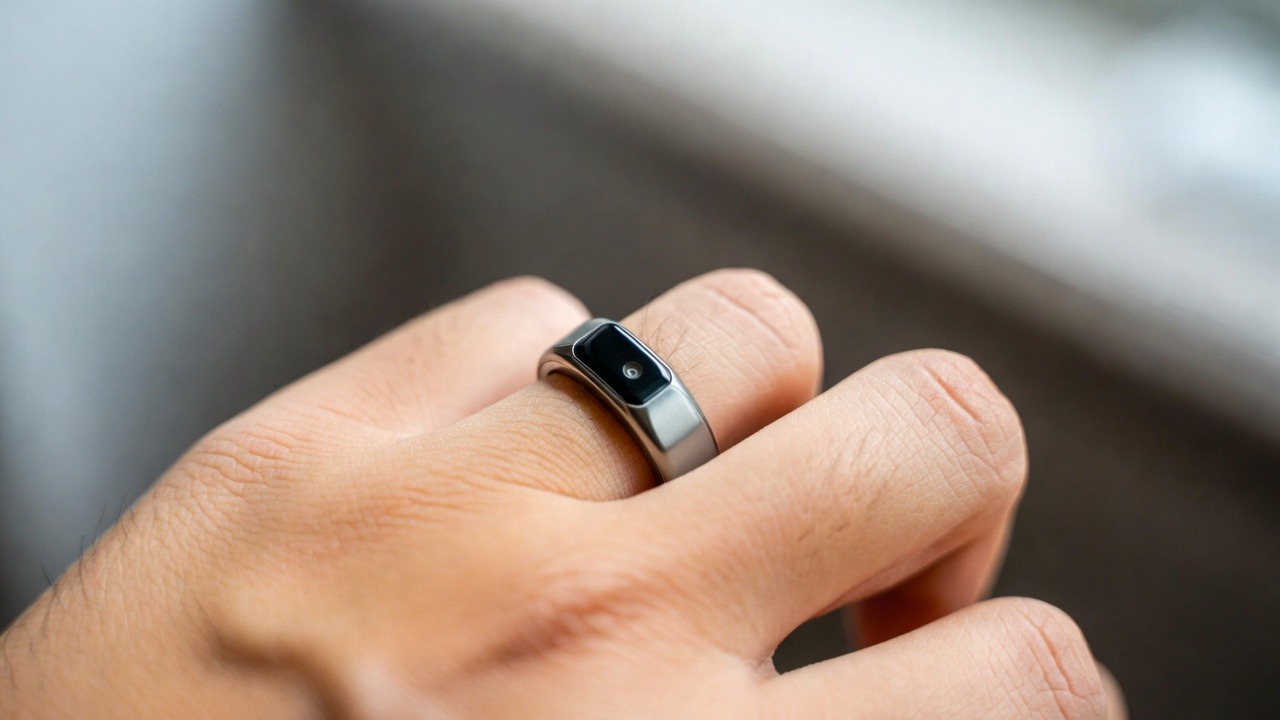
For decades, measuring this intricate dialogue required bulky lab equipment. Today, the advent of wearable technology, particularly advanced smart rings like those developed by Oxyzen, has democratized this deep physiological insight. Suddenly, the cryptic language of your heart is translated into actionable data you can access each morning. This isn't just another vanity metric; it's a real-time report card on your stress, recovery, fitness, and overall well-being.
This guide is your decoder ring. We will journey into the fascinating science of HRV, moving from its ancient philosophical roots to the cutting-edge sensors on your finger. We'll demystify what the numbers mean, explore the powerful forces that influence them, and show you how to apply this knowledge to elevate every aspect of your life—from sleep and training to stress management and long-term health. Welcome to a new era of self-knowledge. Let’s begin by learning to listen.
To truly grasp HRV, we must first dismantle a common misconception: a "healthy" heart is not a perfect, robotic timekeeper. In fact, the opposite is true. A heart that beats with metronomic, machine-like precision is a heart under duress, often seen in states of severe illness or fatigue. A healthy, resilient heart dances to the rhythm of your life, constantly accelerating and decelerating in tiny, millisecond adjustments.
Heart Rate Variability is the measure of the time interval between consecutive heartbeats, known as the R-R interval. This interval is measured in milliseconds and is constantly changing. If your heart beats at exactly 60 BPM, you might assume there is precisely 1.000 second between each beat. In reality, the gaps might be 1.023 seconds, then 0.994 seconds, then 1.015 seconds. This fluctuation is HRV.
This variability is governed by your autonomic nervous system (ANS), the master control center that operates below your conscious awareness. The ANS has two primary branches engaged in a constant, dynamic tug-of-war:
High HRV typically indicates a strong, dominant parasympathetic tone and a nervous system that is flexible and resilient. It suggests your body is well-recovered, can handle stress effectively, and is in a state conducive to growth and repair. Low HRV often signals an overactive sympathetic drive—your body is in a state of stress, overtrained, fatigued, or potentially unwell. It indicates your system is working hard, with less reserve and adaptability.
Why Can't I Just Use My Heart Rate?
Resting heart rate and HRV provide complementary, but distinctly different, information. Imagine two people both with a resting heart rate of 58 BPM. Person A has high HRV; their heart is efficiently modulated by a responsive nervous system, ready for challenge but deeply at rest. Person B has low HRV; their heart is stuck in a strained, rigid pattern, possibly from chronic stress or poor recovery. The resting rate is identical, but the physiological stories are worlds apart. HRV gives you the context behind the number, offering a far more sensitive and early-warning signal about your internal state than heart rate alone.

To understand the why behind HRV, we must meet the conductor: the Autonomic Nervous System. This intricate network is the unseen maestro, tirelessly orchestrating every involuntary function—your heartbeat, breath, digestion, glandular secretion, and pupillary response. Its goal is homeostasis: maintaining a stable internal environment despite external chaos.
The ANS's two branches are not simply on/off switches. They are in a perpetual, nuanced dialogue, with HRV being one of the clearest readouts of this conversation's quality.
The Sympathetic ("Fight or Flight") Branch:
The Parasympathetic ("Rest and Digest") Branch:
HRV as the Balance Indicator:
You are not either "sympathetic" or "parasympathetic." You are always a blend. HRV reflects the dynamic equilibrium between these forces. A high HRV doesn't mean your SNS is offline; it means your PNS is strong enough to effectively apply the brakes and create flexibility. It signifies a system with high "vagal tone"—a term you'll often encounter in HRV literature, referring to the activity and health of the vagus nerve.
When this balance is chronically tipped toward sympathetic dominance (low HRV), it's a state of allostatic load—the cumulative wear and tear on the body from chronic stress. This is linked to a higher risk of cardiovascular disease, anxiety, depression, and immune dysfunction. By tracking HRV, you are essentially tracking the balance of your autonomic nervous system and your body's stress load in near real-time. For a deeper look at how technology interprets this balance, you can explore the science behind Oxyzen's analytics.
The story of HRV is a captivating journey through medicine, technology, and our evolving understanding of complexity itself. While the term "HRV" is modern, the intuition behind it is ancient.
Ancient Foundations: The Pulse as a Diagnostic Tool
Long before stethoscopes or EKGs, healers in Traditional Chinese Medicine (over 2,000 years ago) and Ayurvedic medicine meticulously palpated the radial pulse. They weren't just counting beats; they were assessing quality, rhythm, strength, and variation. They believed the pulse carried information about the flow of "Qi" or "Prana" (vital life force) and the balance of organ systems. This was an early, qualitative form of HRV assessment, recognizing that the pattern of the heartbeat held profound diagnostic meaning.
The Scientific Dawn: From EKG to Space
The invention of the electrocardiogram (EKG) by Willem Einthoven in the early 1900s provided the first objective window into the heart's electrical activity. For decades, physicians focused on diagnosing arrhythmias and structural problems, largely ignoring normal, fine-scale variability as "noise." The pivotal shift came from an unlikely place: space medicine.
In the 1960s, Soviet and American scientists faced a critical problem: how to monitor the health of cosmonauts and astronauts in the extreme, lonely environment of space. They discovered that analyzing the variability of the heart rate provided an astonishingly accurate, non-invasive gauge of the autonomic nervous system's adaptation to stress, fatigue, and isolation. This wasn't noise; it was a rich signal. HRV analysis became a cornerstone of biomedical telemetry for space missions.
The Digital Revolution and Mainstream Emergence
The advent of powerful, affordable computers in the 1980s and 90s allowed researchers to apply complex mathematical and statistical models to heart rate data. Landmark studies began firmly linking low HRV to increased mortality after heart attacks and to a host of chronic diseases. The 1996 publication of the "Task Force" guidelines by the European Society of Cardiology and the North American Society of Pacing and Electrophysiology standardized measurement methods, cementing HRV's role in clinical cardiology.
The Modern Wearable Era
The last decade has witnessed the true democratization of HRV. The proliferation of optical heart rate sensors in smartwatches, chest straps, and, most accurately for 24/7 wear, smart rings, has moved HRV from the clinic and lab to the consumer's wrist and finger. Companies like Oxyzen have integrated clinical-grade HRV analytics into elegant, unobtrusive devices, allowing anyone to track their nervous system health daily. What was once a tool for astronauts and cardiologists is now a personal wellness metric, empowering individuals to optimize recovery, manage stress, and prevent burnout. The Oxyzen blog often delves into the intersection of this rich history and modern application.
Calling HRV a "heart metric" is a dramatic undersell. It is, more accurately, a central nervous system readout and a proxy for overall systemic resilience. Here’s why it has earned its reputation as a super-metric in the worlds of performance, wellness, and preventative health.
1. A Non-Invasive Stress Barometer
HRV is exquisitely sensitive to psychological and physiological stress. A hard workout, a tough work deadline, an argument, or even poor sleep will trigger a sympathetic response, often reflected in a lowered HRV the following morning. This makes it an objective measure of your total stress load (allostatic load), far more reliable than subjective feelings alone. You might feel fine, but a consistently declining HRV trend can signal that your body is accumulating stress and heading toward burnout or illness.
2. A Gauge of Recovery and Readiness
This is where HRV shines for athletes and fitness enthusiasts. A well-planned training regimen applies stress to create adaptation (getting stronger/faster). Adaptation, however, happens during recovery. If you train again before you’ve recovered, you risk overtraining, injury, and regression. HRV provides a daily answer to the critical question: "Is my body ready for more stress, or does it need rest?" A high or rising HRV suggests good recovery and readiness for intense training. A significant drop in HRV suggests your body is still repairing and may benefit from a light day or complete rest.
3. A Predictor of Health and Longevity
Epidemiological research has consistently shown that low HRV is a powerful, independent predictor of future health problems and mortality, particularly from cardiovascular events. It's associated with conditions like:
4. A Tool for Behavioral Change and Biohacking
Because HRV provides immediate, tangible feedback, it turns abstract concepts like "stress management" and "recovery" into actionable science. You can run experiments on yourself:
In essence, HRV translates the invisible workings of your most critical control system into a visible, trackable number. It closes the loop between your actions and their internal consequences, making it the ultimate tool for proactive health optimization.
Capturing the whisper-thin variations between heartbeats requires precision. The journey from your heartbeat to the HRV score on your app involves sophisticated technology and mathematical analysis. Understanding this process helps you trust the data and choose the right tools.
The Foundation: Capturing the Beat
All HRV measurement starts with accurately detecting each heartbeat's precise moment.
From Intervals to Insight: Time-Domain Analysis
Once you have a sequence of R-R intervals (e.g., 1023ms, 995ms, 1015ms...), the simplest way to analyze them is in the time domain—looking at the statistical variation of the intervals themselves.
Seeing Patterns: Frequency-Domain Analysis
This method uses power spectral analysis (like a sound engineer visualizing audio frequencies) to break down the HRV signal into its constituent rhythmic components.
The Modern Standard: The Morning Readiness Score
For practical, daily use, most wellness wearables don't show you raw SDNN or RMSSD numbers. Instead, they use a proprietary algorithm that synthesizes these (and sometimes other) metrics from a short, controlled reading—typically taken during the last few minutes of your sleep or immediately upon waking while still in bed. This creates a single, easy-to-interpret "Readiness," "Recovery," or "HRV Balance" score. The key is to track your own baseline and trends, not compare your absolute number to others. For common questions on how these scores are derived and used, our FAQ section provides detailed explanations.

Your HRV is a living, breathing number, dancing to the rhythm of your life. It is influenced by a vast array of factors, which can be broadly categorized into controllable lifestyle inputs and non-modifiable intrinsic factors. Understanding these levers is the first step to actively managing your resilience.
1. Sleep: The Foundation Stone
Sleep is the primary time for parasympathetic (rest-and-digest) dominance and systemic repair. Both sleep quantity and quality are paramount.
2. Exercise: The Double-Edged Sword
Physical activity is a potent stressor that, when applied correctly, builds resilience.
3. Psychological and Emotional Stress
Your brain doesn't distinguish between a physical threat and an email-induced panic. Deadlines, relationship conflicts, financial worries, and even excessive screen time can activate the sympathetic nervous system, lowering HRV for hours or days. Chronic anxiety and depression are consistently linked with lower HRV.
4. Nutrition and Hydration
5. Breathing: The Direct Dial to Your ANS
Breathing is the only autonomic function you can easily control. It directly modulates the vagus nerve.
6. Intrinsic and Non-Modifiable Factors
The power lies in focusing on the levers you can pull. By systematically addressing sleep, nutrition, exercise balance, and stress, you can directly influence your HRV trajectory, regardless of your starting point. Our story and vision at Oxyzen are rooted in empowering people to understand and pull these precise levers.
Garbage in, garbage out. The insights from HRV are only as good as the data you collect. Consistency and proper protocol are everything. Here’s how to ensure your measurements are reliable and meaningful.
1. Choose the Right Tool
2. The Golden Rule: Consistency is King
Measure at the same time, under the same conditions, every day. This controls for variables and makes trends visible.
3. Perfect Your Measurement Ritual
4. Focus on Trends, Not Daily Numbers
A single day's HRV score is a data point, not a verdict. Your HRV has natural daily, weekly, and even monthly fluctuations (especially for women). What matters is the trend over time.
5. Avoid Common Pitfalls
By adhering to a clean protocol, you transform raw data into a trusted advisor. It becomes a reliable mirror reflecting the impact of your lifestyle, allowing you to make confident, informed decisions about your training, recovery, and overall health strategy. For more guidance on getting the most from your data, our support resources can help.
You have your consistent morning readings and a chart showing the ebb and flow of your HRV. Now comes the most critical part: translation. How do you move from a graph to genuine insight and action? Here is a framework for intelligent interpretation.
1. Establish Your Personal Baseline
Forget comparing your number to a friend or an online average. HRV is highly individual. Your first weeks of data are for baselining. Calculate your average HRV (and resting heart rate) over a 3–4 week period during a time of relative normalcy—no major travel, illness, or life upheavals. This personal average is your north star.
2. Track the Directional Trend
Once you have a baseline, watch the direction and magnitude of change.
3. Understand the Magnitude of Change
Not every fluctuation is meaningful. Learn to distinguish noise from signal.
4. Use the Contextual Triad: HRV, RHR, and Subjective Feelings
Never view HRV in isolation. Cross-reference it with two other key pieces of data:
5. Scenario-Based Interpretation: Putting It All Together
6. Be a Detective, Not a Slave
HRV is a guide, not a dictator. Sometimes you have a big event, race, or project deadline, and your HRV will be low because you’re pushing. That’s part of life. The goal isn't to have perfect scores every day; it's to use the data to make informed trade-offs and to ensure periods of push are followed by intentional, adequate recovery. This balanced, intelligent approach to self-management is at the core of the mission you can learn more about here.
Having established how to measure and interpret basic HRV trends, we now dive into the rich, complex layers that make HRV a truly personal language. Your heart's variability doesn't exist in a vacuum; it's woven into the fabric of your daily rhythms, hormonal cycles, and unique life circumstances. Understanding these nuances prevents misinterpretation and unlocks a deeper, more personalized level of insight.

Just as your body temperature, cortisol, and melatonin follow a predictable 24-hour cycle, so too does your HRV. It ebbs and flows in a natural circadian pattern governed by your internal biological clock.
The Typical Daily Pattern:
Why This Matters for Measurement:
This inherent rhythm is the single greatest reason why consistency in timing is non-negotiable. Measuring your HRV at 6 AM versus 10 PM will yield vastly different numbers, not due to your resilience changing, but due to your circadian biology. The standardized morning reading captures you at a controlled, reproducible point in this cycle—after the peak of overnight recovery but before the chaos of the day begins. Deviating from this timing introduces circadian noise, making trend analysis nearly impossible.
Disrupted Rhythms as a Warning Sign:
A flattened circadian HRV pattern—where there's little difference between your night highs and day lows—can be a sign of poor autonomic regulation. It's often seen in conditions like chronic fatigue, burnout, or severe sleep disorders. A healthy, resilient system shows clear, rhythmic variation.
For individuals with menstrual cycles, HRV adds another, powerful layer of biofeedback that standard fitness metrics often ignore. Sex hormones—estrogen and progesterone—exert a significant influence on the autonomic nervous system, creating a predictable, cyclical pattern in HRV.
Understanding the Phasic Pattern:
Practical Application: Cycle Syncing with HRV Data
Ignoring this cycle can lead to frustration. A woman might mistake a natural mid-luteal phase dip in HRV for poor recovery or overtraining. Instead, HRV data empowers cycle-aware training:
For men and post-menopausal women, while the monthly cycle is absent, longer hormonal rhythms (like the cortisol cycle) and age-related hormonal changes still play a key role in autonomic function and HRV.
HRV is a dynamic marker that tells a story about your biological age and resilience across your entire life.
The General Trajectory:
Crucial Insight: Rate of Decline Matters More Than the Number
While a 60-year-old will almost always have a lower absolute HRV than a 20-year-old, the rate of this decline is heavily influenced by lifestyle. This is where HRV becomes a powerful tool for "healthspan" extension.
Therefore, tracking your HRV over years isn't about chasing the high numbers of youth; it's about optimizing your personal trajectory. It provides objective feedback on whether your current lifestyle is accelerating your biological aging or promoting resilience and longevity.
Beyond internal biology, your HRV responds in real-time to the world around you. Being aware of these external modifiers adds crucial context to your data.
Common Suppressors of HRV:
Common Supporters of HRV:
The Takeaway: Contextualize Your Dips and Spikes.
Before worrying about a low HRV reading, do a quick environmental scan: Are you traveling? Was last night unusually hot or cold? Did you have three cups of coffee yesterday due to a deadline? Often, the data is simply confirming the obvious external stress. Conversely, a great HRV score after a weekend camping trip is a beautiful quantification of nature's restorative power. By tracking these correlations, you learn exactly which environments serve or drain your resilience. To see how others have used this data to navigate life's challenges, you can read inspiring user experiences shared on our site.
While HRV tracking is a phenomenal wellness tool, its roots are firmly planted in clinical medicine. Understanding its role in specific health conditions underscores its seriousness as a biomarker.
1. Cardiovascular Health: The Original Link
Low HRV is one of the strongest known predictors of adverse outcomes following a heart attack. It indicates an unstable autonomic balance that can predispose individuals to fatal arrhythmias. Beyond acute events, low HRV is implicated in the development and progression of:
2. Mental Health: The Mind-Body Bridge
The connection between HRV and mental state is a two-way street, forming a powerful feedback loop.
3. Metabolic Health: The Insulin Connection
4. Chronic Pain and Inflammation:
Conditions like fibromyalgia and chronic fatigue syndrome are associated with significantly lowered HRV. The constant pain signal acts as a persistent sympathetic stressor, while the systemic inflammation further disrupts autonomic balance.
5. Neurodegenerative Diseases:
Conditions like Parkinson's disease often involve damage to the autonomic nervous system itself, leading to characteristically low and rigid HRV patterns.
Important Disclaimer for Consumers:
While tracking your HRV can provide early hints that something may be amiss (a persistent, unexplained drop is always worth paying attention to), it is not a diagnostic tool. You should not self-diagnose any condition based on HRV data. Its proper role is as a monitoring and motivational tool. It can help you see the positive impact of healthy behaviors and provide a compelling reason to consult a healthcare professional if you observe a concerning, sustained trend without an obvious lifestyle cause.
This is where HRV moves from a passive metric to an active intervention. HRV Biofeedback (HRV-B) is a structured, evidence-based practice where you use real-time feedback of your HRV (often displayed as a wave or a game on your phone) to learn how to consciously increase your vagal tone and autonomic balance.
How It Works:
The Science-Backed Benefits:
Regular HRV-B practice (e.g., 10-20 minutes a day, 3-5 times per week) has been shown in clinical studies to:
Why It's So Powerful:
It provides immediate, visual proof that your mind can directly influence your physiology. This breaks the helplessness cycle of stress. You learn that the state of your nervous system is not a fixed trait but a skill you can train. It’s like going to the gym for your vagus nerve.
Integrating HRV-B into Your Life:
You don't need a formal setup to start. The core principle is resonant frequency breathing. Find a quiet spot, sit comfortably, and breathe slowly and deeply, focusing on a smooth exhale. Aim for a 5-second inhale and a 5-second exhale (6 breaths per minute). Just 5-10 minutes of this practice daily can yield noticeable benefits in your resting HRV trends and subjective calm. For guided sessions and further resources on building this skill, our blog offers practical techniques and tips.
For data enthusiasts and those looking for deeper insights, the world of HRV extends far beyond a single morning RMSSD or SDNN number. Advanced analysis can reveal different facets of your autonomic function.
1. Poincaré Plots (Lorenz Plots): A Visual Snapshot
This is a scatterplot where each R-R interval is plotted against the next one. It provides a beautiful, intuitive visual of your HRV.
2. Heart Rate Fragmentation (HRF):
A newer, more complex metric that analyzes the patterns of acceleration and deceleration in heart rate. Higher fragmentation (more erratic, short-term switching) is emerging as a potential marker of biological aging and cardiovascular risk, independent of traditional HRV metrics. It may indicate a "noisier," less efficient control system.
3. Stress & Recovery Indices (PNS/SNS Scores):
Some advanced algorithms (like those used in the Oura Ring and other high-end devices) don't just output HRV; they use it to model and estimate the relative activity of your parasympathetic (PNS) and sympathetic (SNS) nervous systems throughout the 24-hour cycle. You might see a "PNS Balance" score that peaks at night and an "SNS Balance" score that peaks during the day. This provides an even clearer picture of your autonomic rhythm and whether you are getting sufficient parasympathetic recovery to balance sympathetic expenditure.
4. Nighttime HRV Dynamics:
Instead of just one morning number, analyzing the trend of HRV throughout the night can be revealing.
For most people, the core morning readiness score derived from RMSSD/SDNN is perfectly sufficient. These advanced metrics are the "under-the-hood" data that sophisticated algorithms use to generate your simple, actionable score. They represent the cutting edge of how we translate the heart's complex language into user-friendly wisdom. To understand how Oxyzen integrates this advanced analytics into a seamless user experience, you can discover more about our technology and approach.
Knowledge is only power when applied. This final section synthesizes everything into a step-by-step framework for using HRV to actively build a more resilient life. Think of it as your personalized operating manual.
Phase 1: The Observation Window (Weeks 1-4)
Phase 2: The Connection Phase (Weeks 5-8)
Phase 3: The Intervention & Experimentation Phase (Ongoing)
Now, you start to test hypotheses. Change one variable at a time and observe the HRV response over 3-7 days.
Building Your Decision Matrix:
Create simple, personal rules based on your data:
The Long-Term Goal: Autonomic Fitness
Just as you have a concept of cardiovascular fitness, aim to build autonomic fitness. This is your nervous system's capacity to respond robustly to stress and then return swiftly to a state of calm. Your HRV trend is the master metric for this. Over months and years, the goal is to see your baseline HRV gently rise or at least decline more slowly with age, and to see your system rebound faster after inevitable stressors.
By following this observe-connect-experiment framework, you stop being a passive recipient of data and become an active architect of your own well-being. You are no longer just listening to the language your heart speaks—you are learning to have a conversation with it. This journey of self-optimization, grounded in data and self-compassion, is at the very heart of what modern wellness technology enables. It's a journey we are passionate about supporting, as detailed in our company's mission and values.
The journey into understanding HRV has taken us from its fundamental biology to the intricacies of personal interpretation. Now, we arrive at the most dynamic and practical frontier: applying this knowledge to the real-world domains of fitness, performance, sleep, nutrition, and mental well-being. This is where the abstract concept of "autonomic balance" meets the concrete choices of daily life.
For anyone serious about performance, HRV is a game-changer. It transforms training from a pre-planned schedule written in stone to a dynamic, responsive dialogue with your body. This paradigm, known as autoregulated training, prevents overtraining, maximizes adaptation, and reduces injury risk.
The Overtraining Prevention System:
Overtraining isn't just feeling tired; it's a maladaptive physiological state where stress consistently outweighs recovery. It manifests as persistent fatigue, declining performance, mood disturbances, and a suppressed immune system. HRV provides the earliest objective warning sign.
Implementing an HRV-Guided Training Protocol:
Case Study: The Marathoner's Taper
A runner tracking HRV during their final 3-week taper before a marathon observes a curious pattern: after an initial rise in HRV as training load drops, their score dips slightly 4-5 days before race day. Instead of panicking, they recognize this as a common phenomenon—the body's final consolidation of adaptation, sometimes called "taper tantrums." Confident in their overall upward trend, they stick to the plan. On race morning, their HRV hits a new baseline high, confirming they are fully recovered, fueled, and ready to perform. This data-driven confidence is invaluable.
Sleep and HRV share the most intimate of relationships. You cannot have truly restorative sleep without healthy HRV, and you cannot achieve high HRV without deep, quality sleep. Tracking both together creates a powerful feedback loop for optimizing your most critical recovery period.
How Sleep Drives HRV:
How HRV Informs Sleep Quality:
Your morning HRV is a direct report card on your sleep's restorative power. A full night in bed with many hours of "sleep" according to your tracker can still result in a low HRV if the sleep was fragmented or shallow. Conversely, a shorter but very solid, deep sleep can yield a surprisingly high HRV score.
Actionable Steps for a High-HRV Sleep:
You are not just what you eat; your autonomic nervous system responds acutely and chronically to your dietary choices. HRV provides a clear window into how different foods, meals, and timing either fuel resilience or fuel stress.
The Acute Meal Effect:
A large meal, particularly one high in refined carbohydrates and unhealthy fats, requires significant energy for digestion (the "specific dynamic action" of food). This diverts blood flow to the gut and can create a sympathetic stress response, especially if the body is dealing with inflammation from the food. It's common to see a temporary dip in HRV for 1-3 hours after a heavy meal. A light, balanced meal of protein, healthy fats, and fiber-rich vegetables typically has a much milder effect.
Chronic Dietary Patterns and HRV:
Hydration and Electrolytes:
Even mild dehydration increases heart rate and reduces blood volume, forcing the heart to work harder and reducing HRV. Electrolytes like sodium, potassium, and magnesium are essential for proper nerve conduction and cardiovascular function. An imbalance can directly disrupt the delicate autonomic balance.
Practical Nutrition Experiments with HRV:
By treating your diet as an input and your HRV as an output, you move away from dogmatic rules and towards a personalized nutrition strategy that truly supports your energy, recovery, and resilience.
In the cognitive arena, HRV is emerging as a critical biomarker for mental fitness. It quantifies the physiological cost of mental work and provides a tangible target for interventions aimed at building psychological resilience.
The Cognitive Stress Link:
Mental work—deep focus, problem-solving, managing inboxes, back-to-back meetings—requires brain energy. This metabolic demand activates the sympathetic nervous system. A day of high cognitive load without breaks can suppress HRV just as effectively as a hard gym session. This is often called "cognitive wear and tear." Low HRV, in turn, impairs prefrontal cortex function—the brain region responsible for executive functions like focus, decision-making, and emotional regulation. This creates a vicious cycle: stress lowers HRV, and low HRV makes you less capable of managing stress.
HRV as a Marker of Emotional Regulation:
High HRV is associated with greater emotional flexibility—the ability to experience an emotional stimulus, respond appropriately, and then return to baseline. Low HRV is linked to emotional rigidity: getting "stuck" in negative emotional states (anger, anxiety, rumination) and exhibiting poorer recovery from emotional setbacks.
Building Cognitive Resilience with HRV Biofeedback:
This is where the practice detailed earlier becomes a direct performance tool.
The Big Picture: Mental Recovery is Physical Recovery.
The modern professional must recognize that a day at the desk is not "rest." It is a specific type of stress that requires specific recovery. Tracking HRV makes this invisible load visible. It validates the need for mental recovery practices and provides proof of their efficacy, turning stress management from a soft skill into a hard, data-driven discipline. Seeing your HRV hold steady or even improve during a demanding project because you’ve prioritized sleep and breathwork is a profound motivator. The real-world stories from our community often highlight this breakthrough in managing work-life balance.
Ultimately, the daily practice of monitoring and modulating your HRV is an investment in your long-term healthspan—the period of life spent in good health. The scientific literature is unequivocal: HRV is not just correlated with longevity; it is mechanistically involved in the pathways that promote it.
The Hallmarks of Aging and HRV:
Many of the biological processes that drive aging directly impact, and are impacted by, autonomic function.
HRV as a Biomarker of Biological vs. Chronological Age:
Two 50-year-olds can have vastly different HRV readings. The one with the HRV profile of a typical healthy 40-year-old likely has slower biological aging in their cardiovascular and nervous systems. They have more "autonomic reserve"—a buffer against future stressors and disease. Tracking your HRV trend over years gives you a direct readout of whether your lifestyle is accelerating or decelerating your biological clock.
The Preventative Health Strategy:
In this light, an HRV-tracking device is more than a wellness gadget; it's a lifelong health dashboard. It fosters a proactive, rather than reactive, relationship with your body. It empowers you to take charge of your aging process, making daily choices that build a physiology capable of enjoying a long, healthy, and vibrant life. This vision of empowered, preventative health is central to the story and mission behind Oxyzen.
Your Trusted Sleep Advocate (Sleep Foundation — https://www.sleepfoundation.org/)
Discover a digital archive of scholarly articles (NIH — https://www.ncbi.nlm.nih.gov/
39 million citations for biomedical literature (PubMed — https://pubmed.ncbi.nlm.nih.gov/)
experts at Harvard Health Publishing covering a variety of health topics — https://www.health.harvard.edu/blog/)
Every life deserves world class care (Cleveland Clinic -
https://my.clevelandclinic.org/health)
Wearable technology and the future of predictive health monitoring. (MIT Technology Review — https://www.technologyreview.com/)
Dedicated to the well-being of all people and guided by science (World Health Organization — https://www.who.int/news-room/)
Psychological science and knowledge to benefit society and improve lives. (APA — https://www.apa.org/monitor/)
Cutting-edge insights on human longevity and peak performance
(Lifespan Research — https://www.lifespan.io/)
Global authority on exercise physiology, sports performance, and human recovery
(American College of Sports Medicine — https://www.acsm.org/)
Neuroscience-driven guidance for better focus, sleep, and mental clarity
(Stanford Human Performance Lab — https://humanperformance.stanford.edu/)
Evidence-based psychology and mind–body wellness resources
(Mayo Clinic — https://www.mayoclinic.org/healthy-lifestyle/)
Data-backed research on emotional wellbeing, stress biology, and resilience
(American Institute of Stress — https://www.stress.org/)


