


HRV Improvement for Athletes: Training Strategies That Show Results
Training strategies for athletes to improve HRV, with measurable results.
Training strategies for athletes to improve HRV, with measurable results.
%402x.svg)
In the high-stakes world of competitive sports, athletes and coaches are locked in a perpetual arms race. The goal? To extract every ounce of performance, to recover faster, and to unlock a resilience that makes injuries and burnout obsolete. For decades, this quest has focused on external metrics: faster splits, heavier lifts, higher jumps. But a quiet revolution is underway, shifting the focus inward to the subtle, rhythmic language of the autonomic nervous system, spoken through the metric known as Heart Rate Variability (HRV).
Imagine two runners with identical resting heart rates of 50 beats per minute. On the surface, they appear equally fit. But beneath that average, a critical difference hides. One runner’s heart ticks like a metronome: beat...beat...beat. The other’s heart dances: beat...beat……beat…beat..beat. This millisecond variance between heartbeats—HRV—is not a sign of an irregularity, but a powerful biomarker of physiological and psychological flexibility. It is the signature of a nervous system that is agile, resilient, and primed for both intense effort and profound recovery.
For the modern athlete, HRV is no longer just an interesting data point; it’s the ultimate biofeedback tool. It provides a real-time, non-invasive window into your body’s readiness to train, its stress load, and the effectiveness of your recovery strategies. It tells you when to push for a new personal record and, perhaps more importantly, when to step back and let adaptation occur. This article is your definitive guide to not just measuring HRV, but actively improving it. We will move beyond theory into actionable, evidence-based training strategies that translate this complex biomarker into concrete results—enhanced endurance, superior strength, and a sustainable athletic career.
Whether you’re a weekend warrior seeking consistency or an elite competitor chasing a podium, mastering your HRV is the key to training smarter, not just harder. As we delve into the science and strategies, remember that tools like the Oura Ring or our own comprehensive platform at Oxyzen.ai have democratized this technology, putting what was once confined to sports science labs onto the finger of every serious athlete. Let’s begin the journey to understanding and optimizing your body’s inner rhythm.
To harness HRV, we must first understand its origin. Contrary to intuition, a healthy heart is not a perfect clock. The time interval between successive heartbeats, known as the R-R interval, constantly fluctuates. This is governed by the autonomic nervous system (ANS), your body’s autopilot, which has two primary branches engaged in a perpetual, dynamic tug-of-war.
The sympathetic nervous system (SNS) is your "gas pedal." It prepares the body for action—the "fight or flight" response. It increases heart rate, blood pressure, and releases stress hormones like cortisol. In an acute sense, this is essential for performance: it’s what lets you sprint, lift, and compete.
The parasympathetic nervous system (PNS) is your "brake pedal." Often called the "rest and digest" system, it promotes recovery, relaxation, and restoration. It slows the heart rate, stimulates digestion, and supports immune function. It is the state where growth and repair truly happen.
Heart Rate Variability is the mathematical expression of this ongoing dialogue between the SNS and PNS. High HRV generally indicates a strong, dominant parasympathetic tone and a resilient system that can efficiently switch between stress and recovery. It suggests your body is well-rested, adaptable, and ready for challenge. Low HRV, on the other hand, often signals a dominant sympathetic drive—a state of chronic stress, fatigue, overtraining, or illness. Your body is stuck in "go" mode, with diminished capacity for recovery.
How is HRV Measured and Reported?
Modern wearables, like advanced smart rings, use photoplethysmography (PPG) sensors to detect blood volume changes at the wrist or finger, from which heartbeats are derived. Clinical systems use Electrocardiogram (ECG) chest straps for higher precision. The raw data—the sequence of milliseconds between beats—is then analyzed using several methods:
For daily use, most athletes track their morning HRV. Upon waking, before coffee, phone-checking, or significant movement, you take a short reading (often 2-5 minutes). This provides a clean, consistent baseline of your body’s physiological state, free from the day’s immediate stimuli. Tracking this trend over time is infinitely more valuable than any single daily number.
It’s crucial to understand that HRV is deeply personal. Comparing your RMSSD of 40ms to a teammate’s 80ms is meaningless. Genetics, age, fitness level, and even breathing patterns play a role. The true power lies in observing your own baseline and trends. A significant, sustained drop from your personal norm is a red flag. A gradual rise over a training block indicates positive adaptation. As we explore on our blog at Oxyzen.ai, interpreting your unique HRV fingerprint is the first step toward personalized performance.
For the athlete, HRV transcends being a simple wellness metric. It is a direct line to the body’s readiness to perform and its capacity to adapt. Integrating HRV data into your training paradigm offers several transformative advantages that can fundamentally alter your approach to sport.
1. The Ultimate Overtraining Early-Warning System.
Overtraining syndrome (OTS) is the nightmare of every dedicated athlete. It’s a cascade of performance decline, persistent fatigue, and mood disturbances that can take weeks or months to recover from. Traditional markers like soreness or elevated resting heart rate are often lagging indicators, appearing after the damage is done. HRV, however, is a leading indicator. A consistent, downward trend in HRV over 5-7 days, especially when coupled with subjective feelings of fatigue, is a clear signal from your body that the cumulative stress load—training, life, emotional—is too high. It’s your cue to introduce a deload week, prioritize sleep, or modify intensity before a full-blown overtraining state sets in. This proactive approach can save an entire season.
2. Precision-Guided Training Intensity: Autoregulation in Action.
The traditional periodized training plan is rigid. It prescribes intensity and volume on a calendar, ignoring your body’s daily fluctuations. HRV enables autoregulation. By taking a daily morning reading, you can objectively answer the question: "How ready is my body for today’s planned work?"
This dynamic, responsive approach ensures you train hard when your body can best absorb it and back off when it needs to recover, leading to more efficient progress and fewer setbacks.
3. Quantifying Recovery Efficacy.
Recovery is not passive; it’s an active process we can optimize. HRV allows you to test what works for you. Does a post-workout contrast shower boost your next-morning HRV? Does 10 minutes of guided breathing before bed lift your baseline over a week? Does a particular magnesium supplement improve your deep sleep and HRV scores? By measuring the impact of different recovery modalities, you move from guesswork to a data-driven recovery protocol. This turns recovery into a trainable skill, not a hope. For insights into how top athletes structure their recovery, the real user experiences on Oxyzen.ai offer compelling anecdotal evidence.
4. A Holistic Stress Integrator.
An athlete is not just a collection of muscles and a cardiovascular system. You are a whole human. HRV doesn’t differentiate between stress from a brutal leg day, a poor night’s sleep, an emotional argument, or a looming work deadline. It integrates all stressors into a single, physiological readout. This forces a holistic view of performance. It teaches you that managing life stress, prioritizing relationships, and engaging in mindfulness are not separate from your training—they are foundational to it. A high HRV isn’t just about being physically fresh; it’s about being psychologically and emotionally resilient. This integrated view is core to the philosophy behind tools designed for the complete athlete, a vision you can learn more about in our company's story.

HRV is not a one-size-fits-all metric, and its relationship with training adapts fascinatingly across different athletic disciplines. The type of stress you impose on your body shapes your autonomic nervous system’s response and, consequently, your typical HRV profile. Understanding your sport’s "HRV signature" is key to proper interpretation.
Endurance Athletes (Runners, Cyclists, Triathletes, Swimmers):
Endurance training, particularly at moderate, aerobic intensities, is renowned for boosting parasympathetic (vagal) tone. Long, steady-state sessions stimulate the PNS, leading to a lower resting heart rate and, typically, a higher HRV over time. This is a marker of cardiovascular efficiency. However, endurance athletes are highly susceptible to sympathetic overdrive from excessive high-intensity interval training (HIIT) or chronic volume overload. A plummeting HRV in an endurance athlete is a classic sign of overreaching. Their focus is often on maintaining that high, stable baseline, using dips to signal the need for more low-intensity, aerobic work or rest.
Strength & Power Athletes (Weightlifters, Sprinters, CrossFit® Athletes):
The HRV profile for pure strength and power athletes can be more complex. Maximal and near-maximal efforts place a massive sympathetic nervous system (SNS) demand. This acute stress can lead to a temporary suppression of HRV post-workout. Over the long term, well-programmed strength training can improve overall autonomic balance and HRV, but the acute fluctuations are often more pronounced. For these athletes, the trend following recovery is critical. Does HRV bounce back within 24-48 hours after a heavy session? If not, it may indicate insufficient recovery strategies or an excessive training frequency. Their HRV data is vital for managing the delicate balance between accumulating high-intensity stress and allowing for supercompensation.
Intermittent Sport Athletes (Soccer, Basketball, Tennis Players):
Team-sport and court-sport athletes experience a unique blend of aerobic and anaerobic demands, coupled with cognitive and emotional stressors. Their HRV reflects this complexity. They benefit from both the aerobic base that supports higher HRV and the need for robust nervous systems that can handle repeated explosive actions. HRV monitoring is exceptionally valuable for them in managing in-season fatigue, where the combination of games, travel, and practice can create a relentless stress load. A declining trend can guide coaches in modulating practice intensity or giving key players additional recovery days.
The "Individual Response" Imperative.
While these patterns provide a framework, individual variation reigns supreme. Two marathoners following the same plan will have different HRV baselines and responses. This is why establishing your own personal baseline over a minimum of 3-4 weeks of consistent monitoring (including a period of relative rest) is non-negotiable. It’s the only way to understand what "normal" looks like for you. For any athlete confused by their initial data, our comprehensive FAQ at Oxyzen.ai addresses common questions about personal baselines and daily fluctuations.
If you seek to improve your HRV, look first to your sleep. Sleep is the primary time for parasympathetic nervous system dominance and systemic restoration. It is the most powerful, natural HRV booster at your disposal. Poor sleep quality or quantity will suppress HRV more reliably and dramatically than almost any other factor, blunting your performance and recovery potential.
The Deep Sleep & HRV Synergy.
During deep sleep (N3 or slow-wave sleep), your body enters its most potent repair state. Growth hormone secretion peaks, tissue repair accelerates, and the brain clears metabolic waste. Critically, this stage is characterized by strong vagal (parasympathetic) activation. Your heart rate drops to its lowest, and HRV, particularly the high-frequency (HF) component linked to the PNS, increases. More quality deep sleep directly translates to a higher morning HRV reading. Conversely, sleep deprivation or fragmentation keeps the sympathetic nervous system engaged, leading to a faster heart rate and lower HRV. Research consistently shows that even a single night of poor sleep can significantly reduce HRV the following day.
Actionable Strategies for Sleep-Optimized HRV:
Tracking the Feedback Loop:
This is where technology becomes a game-changer. A smart ring worn overnight can track not just your sleep duration, but its quality—measuring deep sleep, REM, disturbances, and crucially, providing your morning HRV score. This creates a direct feedback loop. You can experiment with a new bedtime, a magnesium supplement, or cooler room temps and see the objective impact on your sleep stages and next-day HRV. This data transforms sleep from a vague concept into a trainable performance variable. Understanding this biofeedback loop is central to the mission of holistic performance platforms, a principle you can discover more about regarding our approach at Oxyzen.ai.
You cannot out-train a poor diet, and you certainly cannot nurture a high-HRV nervous system with inflammatory, low-quality fuel. Nutrition provides the raw materials for neurotransmitter production, cellular repair, and inflammation modulation—all of which directly influence autonomic balance. Strategic eating supports the PNS and mitigates unnecessary SNS activation from dietary stress.
Key Nutrients for Autonomic Balance & HRV:
Dietary Patterns for HRV Optimization:
What to Limit or Avoid:
By viewing food as information for your nervous system, you can strategically choose to send signals of safety and support (parasympathetic) rather than stress and inflammation (sympathetic). For deeper dives into specific nutritional protocols for recovery, our blog at Oxyzen.ai is a continually updated resource.
Physical training is a controlled application of stress. Life stress, however, is often uncontrolled and unrelenting. Your autonomic nervous system does not distinguish between the anxiety from a missed deadline and the anxiety from a pre-race start line. Both activate the sympathetic "fight or flight" response. Therefore, cultivating mental resilience and managing psychological stress is not a luxury for athletes; it is a core component of training that directly manifests in your HRV.
The Psychophysiological Link: How Thoughts Alter Your Heart Rhythm.
Negative thought patterns—worry, rumination, anxiety, anger—trigger the release of stress hormones like cortisol and adrenaline. This shifts the ANS toward sympathetic dominance, increasing heart rate and decreasing HRV. Conversely, positive emotional states like gratitude, calm, and mindfulness are associated with increased parasympathetic activity and higher HRV. This forms a two-way street: your mind affects your HRV, and you can use HRV biofeedback to train your mind.
Evidence-Based Mind-Body Practices for HRV Enhancement:
Integrating Mental Training into Your Routine:
Treat these practices with the same discipline as your physical training. Schedule them.
By managing your mental and emotional landscape, you free up autonomic capacity for your physical training. You become more resilient to the inevitable stressors of competition and life. This holistic view of the athlete—mind and body as one system—is what allows for truly sustainable high performance. To see how others have integrated these principles, the testimonials from our community provide powerful real-world examples.
With sleep, nutrition, and mindset as your foundation, you can now apply intelligent training principles that systematically build, rather than break down, your HRV. The goal is to apply stress that triggers positive adaptation (supercompensation) while providing the right stimulus for your nervous system to become more resilient.
The Critical Role of Periodization & Deloading.
Linear, constantly increasing training loads are a recipe for suppressed HRV and eventual breakdown. Periodization—the planned variation of training volume and intensity—is essential. Deload weeks are not optional; they are a strategic tool. Every 3-5 weeks (depending on the sport and individual), reduce training volume by 40-60% while maintaining or slightly reducing intensity. This planned recovery allows the nervous system to "reset," inflammation to subside, and HRV to rebound, often to a new, higher baseline. Ignoring deloads is like constantly withdrawing from a bank account without ever making a deposit; eventually, you’ll go bankrupt (overtrained).
Balancing Intensity: The 80/20 Rule for Endurance.
For endurance athletes, the polarized training model (80/20 rule) is exceptionally HRV-friendly. This means ~80% of training time is spent at low intensity (Zone 1-2, where you can hold a conversation easily), and ~20% is spent at high intensity (Zone 4-5). Why does this support HRV? The vast majority of work is done in an aerobic, parasympathetic-dominant state, which actively builds vagal tone. The high-intensity work is potent but infrequent, allowing for full recovery. This balance prevents the chronic, moderate-intensity training that keeps the sympathetic system perpetually engaged and HRV suppressed.
Strength Training for Nervous System Resilience.
For strength athletes, focus on quality over sheer volume. Ensure adequate rest between heavy sets (2-5 minutes) to allow for neural recovery. Incorporate tempo training (slow eccentrics, pauses) to build control and resilience without always maxing out the SNS. Regularly include phases of lower intensity, higher-rep, or technical work to provide a neurological deload. Tracking HRV can help identify when you are ready for a true 1-rep max attempt versus when you should stick with submaximal, accumulation work.
The Power of Low-Intensity Steady State (LISS) & Active Recovery.
Do not underestimate the HRV-boosting power of walks, easy cycling, or light swimming. This "active recovery" promotes blood flow, aids in metabolite clearance, and—most importantly—is performed in a strong parasympathetic state. A 30-45 minute walk on a rest day is often more beneficial for your HRV and overall recovery than complete inactivity. It’s a positive stress that trains your recovery capacity.
Listening to the Data: When to Pivot.
This is where daily HRV monitoring shines. If you have a high-intensity session planned but your HRV has dropped 15% below your baseline for two consecutive mornings, it’s a data-backed reason to pivot. Execute the session at a lower intensity or swap it for a LISS session. This autoregulation prevents digging a hole and keeps you on a positive long-term trend. Learning to trust this data over the rigid plan is a skill that separates good athletes from truly intelligent ones. For more on structuring intelligent training cycles, our dedicated blog content at Oxyzen.ai explores these concepts in ongoing detail.

The true power of HRV is realized not in monthly trends, but in daily decisions. It transforms training from a pre-written script into a dynamic, responsive dialogue with your body. This is the biofeedback loop: measure, interpret, act, and observe. By integrating a daily HRV check into your routine, you move from guessing about your readiness to knowing it with objective data, enabling a practice known as autoregulation.
Establishing Your Personal Baseline: The Critical First Step.
You cannot interpret daily fluctuations without a clear understanding of your normal range. To establish a reliable baseline:
Once established, your daily score is compared to this moving baseline. The key metric is the percentage change. A common framework used by athletes and apps is:
A Story of Autoregulation in Action:
Consider "Elena," a competitive trail runner. Her plan calls for a demanding hill repeat session on Thursday. Her 7-day HRV baseline is 52ms (RMSSD).
Navigating the "HRV Dip" After Hard Training.
It’s normal and expected for HRV to dip the morning after a particularly intense or novel training stimulus (e.g., a new max lift, a race-pace interval session). This is a sign of acute fatigue and stress adaptation. The critical question is: How quickly does it rebound? A resilient athlete will see HRV return to baseline within 24-48 hours. If the dip persists for 3+ days, it indicates the load was too high, recovery is insufficient, or other stressors are at play, signaling a need to adjust future sessions.
Integrating Subjective Feelings (RPE, Mood, Sleep Quality).
HRV is powerful, but it’s not an oracle. Always use it in conjunction with subjective markers. Many athletes use a simple daily score out of 10 for:
When your HRV is in the Yellow or Red and your subjective scores are also low, the case for modifying training is ironclad. If HRV is low but you feel subjectively great, it could be an anomaly (poor reading, alcohol the night before). Proceed with slight caution but listen to your body. This combination of objective data and subjective insight is the pinnacle of self-awareness for an athlete. For support on interpreting these combined signals, our FAQ at Oxyzen.ai addresses many common integration questions.
Once you’ve mastered the daily autoregulation loop, you can leverage HRV data for higher-order planning and optimization. This involves using long-term trends to guide macro-periodization, exploring evidence-based supplemental support, and integrating with other technological tools for a complete picture.
HRV-Guided Periodization for Season Planning.
Your HRV trend over months tells the story of your training block. A successful mesocycle (4-6 week block) should show:
By tracking this, you can objectively determine the optimal length of your training blocks and the effectiveness of your deloads. If HRV continues to trend down throughout a block and doesn’t rebound in a deload, your programming is too aggressive and needs adjustment.
Supplemental Support for Nervous System Health.
While food first is the rule, certain supplements have compelling research for supporting autonomic balance and HRV.
Technology Integration: The Ecosystem Approach.
The modern athlete’s data ecosystem is rich. HRV gains immense power when correlated with other metrics.
A platform that can synthesize these data streams provides the ultimate coaching intelligence. It moves you from seeing data points to understanding the interconnected story of your body. This vision of integrated, actionable health intelligence is at the core of what we strive to provide—you can learn more about our holistic approach at Oxyzen.ai.
As HRV gains popularity, misunderstanding and misuse inevitably follow. Avoiding these common pitfalls will save you frustration and ensure you’re acting on reliable information.
1. Obsessing Over the Daily Number.
The Mistake: Checking your HRV score and feeling elated by a high number or defeated by a low one, reacting emotionally to every single fluctuation.
The Reality: HRV is inherently variable. Daily scores are noisy due to factors like last night's meal, minor sleep disruptions, hydration status, and even your menstrual cycle if you are female. The trend over 7-14 days is what matters. A single low reading is just a data point; a consistent downward slope is a signal.
The Fix: Use an app that displays a rolling average graph. Look at the line, not the dots. Practice data detachment—view it as objective feedback, not a grade on your worth as an athlete.
2. Ignoring Context & Chasing a High Score.
The Mistake: Believing "higher HRV is always better" and making lifestyle choices solely to manipulate the number upward, even when it might contradict training goals.
The Reality: While a higher baseline is generally good, an artificially inflated HRV on a given day might simply indicate you are overly rested and detrained. Furthermore, some highly intense, beneficial training blocks may suppress HRV slightly in the short term as part of the adaptation process. The goal is optimal HRV for your training phase, not necessarily maximum HRV at all times.
The Fix: Always interpret HRV within context. Are you in a heavy training block? Are you tapering for a race? Ask: "What is my body telling me about its readiness for today's planned work?" not "How can I get a bigger number?"
3. Inconsistent Measurement Conditions.
The Mistake: Taking readings at different times (morning vs. evening), in different positions (sitting up in bed vs. lying down), or after different activities (after coffee, after checking email).
The Reality: HRV is exquisitely sensitive to immediate influences. Inconsistent measurement introduces massive noise, making your data useless for detecting true physiological trends.
The Fix: Standardize your protocol ruthlessly. The gold standard: Upon waking, before sitting up, while still lying in bed, take a 2-5 minute reading. Do this before any conversation, screen time, or caffeine. Make it a non-negotiable habit.
4. Misattributing the Cause of a Dip.
The Mistake: Seeing a low HRV and automatically assuming it's due to training, then unnecessarily backing off, when the real culprit is life stress, poor sleep, or illness.
The Reality: Your HRV reflects total load. A stressful work week, an emotional life event, or fighting off a virus will suppress HRV just as effectively as a hard workout.
The Fix: Cross-reference with your subjective checklist. Did you sleep poorly? Are you feeling emotionally drained? Is there a tickle in your throat? Investigate the full spectrum of potential stressors before blaming your training. This holistic awareness is itself a major benefit of HRV tracking.
5. Using HRV in Isolation Without Performance Data.
The Mistake: Making all decisions based on HRV while ignoring whether you are actually getting faster, stronger, or more skilled.
The Reality: HRV is a process metric; performance (race times, power output, etc.) is the outcome metric. The ultimate validation of your HRV-guided training is improved performance.
The Fix: Regularly test your fitness. If your HRV is stable or improving and your performance is also improving, your approach is working. If your HRV is "perfect" but your performance is stagnating or declining, you may be under-training. Use HRV to support performance goals, not replace them. For a deeper exploration of balancing metrics with real-world results, the community stories shared on Oxyzen.ai often highlight this balance.
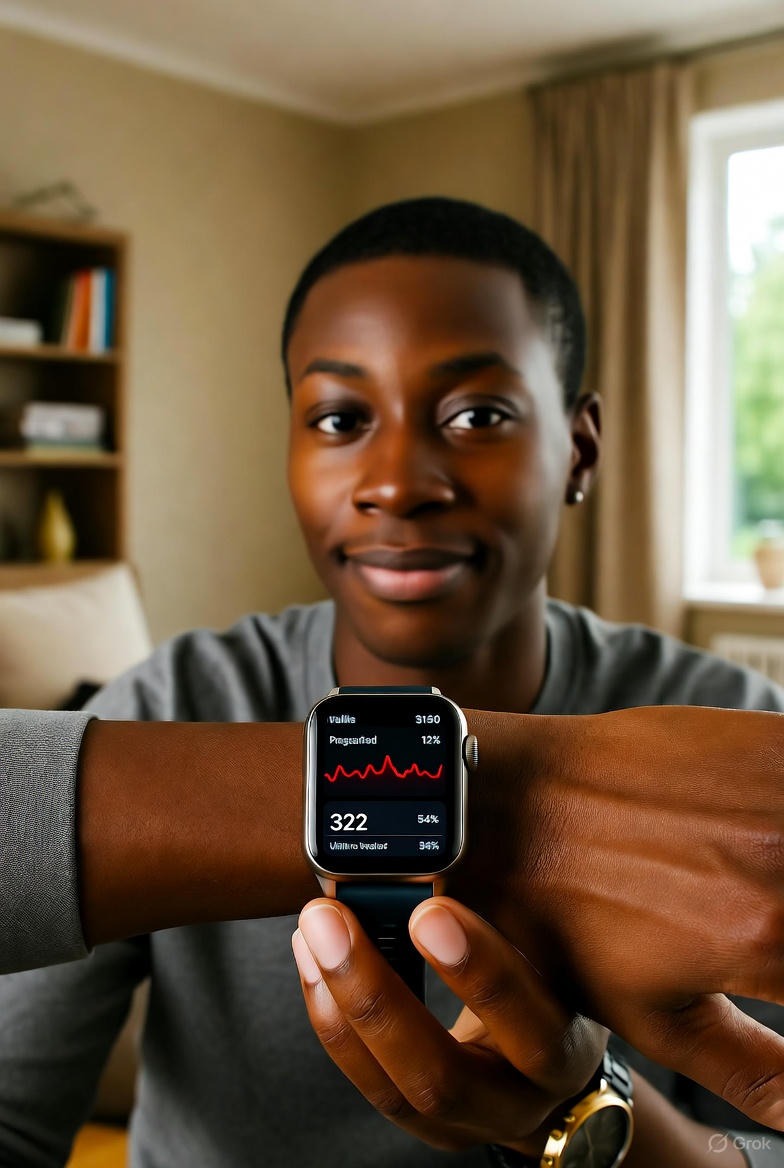
The ultimate goal for any serious athlete transcends a single performance peak. It is sustainability—the ability to train consistently, avoid injury and illness, and enjoy a long, productive athletic career. This is where HRV transitions from a performance-tuning tool to a foundational pillar of resilience. A high, stable HRV is not merely correlated with fitness; it is a direct biomarker of a robust, adaptable system that can withstand the rigors of training and life.
HRV as a Predictor of Injury & Illness Risk.
Emerging research paints a compelling picture: athletes with lower resting HRV or pronounced, non-recovering dips are at a statistically higher risk for musculoskeletal injury and upper respiratory tract infections (URTIs). The mechanism is systemic. Low HRV indicates a state of sympathetic dominance and elevated inflammatory tone. In this state:
By using HRV as an early-warning system, you can proactively reduce injury risk. A sustained drop in HRV, even in the absence of pain, is a cue to de-load, prioritize recovery modalities like sleep and nutrition, and perhaps incorporate more prehab and mobility work. It’s a signal to fix the roof before it rains.
Building "HRV Capital" Through Consistent Practice.
Think of your HRV baseline as your nervous system's "resilience capital." Just like saving money, you build it through consistent, positive deposits:
An athlete with high "HRV capital" can draw on these reserves during periods of inevitable high stress: a brutal training camp, final exam week, or travel for competition. They can withstand the storm and bounce back quickly. An athlete running on low capital is perpetually on the edge; a single extra stressor can push them into illness, injury, or burnout.
The Overtraining Spectrum and HRV's Diagnostic Power.
Overtraining Syndrome (OTS) is not a switch that flips; it’s a continuum from functional overreaching (which is productive) to non-functional overreaching (NFOR) and finally to OTS.
HRV monitoring is one of the most sensitive tools for distinguishing between these states. A failure of HRV to recover after a planned deload is a glaring red flag for NFOR, allowing for early intervention long before an athlete spirals into full-blown OTS. Coaches and athletes using HRV can navigate the fine line between optimal strain and breakdown with far greater precision.
Practical Resilience-Building Protocols:
By framing HRV as the core metric of resilience, you shift your athletic mindset from "How hard can I push?" to "How resilient can I become?" This is the path to longevity. To understand how this philosophy is integrated into a product's design, you can explore the vision and values behind our approach at Oxyzen.ai.
Theory is compelling, but real-world application is convincing. Let’s examine how HRV-guided training manifests across different athletic disciplines, illustrating the tangible benefits of this approach.
Case Study 1: The Marathon Runner Taming the Taper
Case Study 2: The Collegiate Swimmer Avoiding Overtraining
Case Study 3: The CrossFit® Athlete Optimizing Strength & Metcon Balance
Key Takeaway from Case Studies: The application varies, but the principle is universal: HRV provides an objective, individualized feedback mechanism that optimizes the stress-recovery-adaptation cycle. It removes guesswork, reduces the risk of overtraining, and increases the likelihood of peaking at the right time. For a broader collection of such transformative experiences, the user testimonials at Oxyzen.ai showcase diverse journeys.
The true test of an athlete's resilience and preparation comes in non-routine, high-stakes environments. HRV is an indispensable tool for navigating the unique stressors of competition, travel, and specialized training camps.
Competition Phase: Peaking, Tapering, and In-Race Management.
Mastering the Stress of Travel.
Travel is a profound disruptor of homeostasis, affecting circadian rhythms, hydration, digestion, and stress levels—all of which crush HRV.
High-Altitude & Environmental Adaptation.
Altitude training presents a dual stressor: hypoxia (low oxygen) and the training load itself. HRV is exceptionally valuable here.
In these edge-case scenarios, HRV becomes your most trusted travel companion and coach. It is the stable, internal compass that keeps you oriented when your external environment is in flux. For more detailed guides on navigating specific performance scenarios with data, our ever-expanding blog at Oxyzen.ai is a dedicated resource.
The integration of HRV into athletic training is not the end point, but the beginning of a deeper revolution in personalized sports science. The future lies in predictive analytics, deeper biometric integration, and AI-driven personalization.
From Descriptive to Predictive Analytics.
Current HRV apps are largely descriptive (showing what happened) and diagnostic (helping understand your current state). The next leap is predictive analytics. Advanced machine learning algorithms will analyze your long-term HRV trends, training load, sleep, and performance data to:
Multi-Modal Sensor Fusion: The Complete Physiological Picture.
The smart ring or wearable of the future will not just measure HRV from PPG. It will fuse data from multiple sensors:
This fusion creates a holistic, real-time dashboard of your autonomic, cardiovascular, metabolic, and thermoregulatory systems.
AI-Powered, Truly Personalized Coaching.
With this rich data stream, AI will move beyond generic recommendations. It will act as a 24/7 adaptive coach:
This future turns the athlete into the most studied, understood version of themselves, with technology providing a deeply personalized path to their potential. It democratizes the kind of intensive physiological monitoring once reserved for Olympic labs. This is the exciting frontier of human performance, and understanding the foundational role of HRV is the first step into that future. To stay abreast of these evolving technologies and methodologies, we invite you to explore the insights and updates on our main platform at Oxyzen.ai.

Athletic performance is not built in the 1-2 hours of daily training; it is forged in the crucible of the other 22-23 hours. Your lifestyle—the choices you make when you're not training—profoundly dictates your HRV baseline and, by extension, your capacity to perform and adapt. Optimizing these hours is the secret work of champions.
The Hydration-HRV Axis: More Than Just Water.
Dehydration, even at a mild level of 1-2% of body weight, is a direct physiological stressor. It reduces blood plasma volume, forcing the heart to work harder (increasing heart rate) and reducing the flexibility of the autonomic nervous system (lowering HRV). However, electrolyte balance is the critical, often overlooked, co-factor. Sodium, potassium, magnesium, and calcium are essential for proper nerve conduction and cardiac function. An imbalance can distort HRV readings and mimic a stress state.
Digital Detox & The Blue Light Burden.
The constant cognitive engagement of smartphones, laptops, and tablets constitutes a low-grade, chronic sympathetic stressor. The blue light emitted suppresses melatonin production, disrupting circadian rhythms. The endless stream of information and social comparison triggers micro-doses of anxiety and FOMO (Fear Of Missing Out), keeping the nervous system subtly but persistently on alert.
Social Connection & Positive Psychology.
Loneliness and social isolation are potent stressors linked to inflammation and low HRV. Conversely, positive social interactions, feelings of belonging, and laughter trigger the release of oxytocin and endorphins, which promote parasympathetic activity.
Environmental Factors: Light, Air, and Nature.
By mastering these "other 23 hours," you create a physiological environment where high HRV can flourish. You are not just recovering from training; you are building a foundation of resilience that makes your training more effective. This holistic philosophy is what separates good athletes from truly optimized ones. To see how others weave these principles into their lives, the community experiences shared at Oxyzen.ai offer a wealth of real-world insight.
The vast majority of early sports science research was conducted on male subjects, creating a data gap with real consequences. Female athletes are not small men; they have a unique physiology characterized by the menstrual cycle, which exerts a powerful, rhythmic influence on the autonomic nervous system and HRV. Understanding this is critical for accurate interpretation and optimal training.
The Menstrual Cycle Phases & HRV Patterns.
Hormonal fluctuations across the cycle directly affect cardiovascular and autonomic function.
Practical Application: Cycle-Synced Training & HRV.
Ignoring these patterns can lead to misinterpretation. A 15% drop in HRV during the luteal phase may be normal physiology, not a sign of overtraining. Conversely, a stable or high HRV in the follicular phase confirms you are ready for intense work.
Beyond the Cycle: Pregnancy, Postpartum, and Menopause.
For the female athlete, HRV is a powerful lens through which to view her unique biology, not a metric to be forced into a male-derived model. It empowers her to work with her physiology, not against it. For more resources tailored to the nuanced needs of female athletes, our blog at Oxyzen.ai frequently delves into these topics.
As with any popular metric, HRV is surrounded by misconceptions and oversimplifications. Clarifying these myths is essential for using the tool effectively and avoiding costly mistakes.
Myth 1: "A Higher HRV Always Means You're Fitter."
Myth 2: "You Should Train Based Solely on Your Morning HRV Score."
Myth 3: "HRV is Too Variable to Be Useful."
Myth 4: "All HRV Measurement Devices Are Created Equal."
Myth 5: "If My HRV is Low, I'm Overtraining."
Knowledge is only potential power. Execution is everything. This section translates everything we've covered into a concrete, actionable 8-week plan to establish your HRV baseline, integrate it into your life, and begin actively improving your autonomic resilience.
Phase 1: Weeks 1-4 – The Observation & Baseline Establishment Phase.
Phase 2: Weeks 5-8 – The Integration & Experimentation Phase.
Phase 3: Ongoing – The Mastery & Refinement Phase.
By following this structured plan, you transition from a passive observer of data to an active architect of your own resilience. The process itself cultivates the self-awareness that is the hallmark of the most successful athletes. To embark on this journey with a tool designed for it, you can learn more about starting your own tracking journey at Oxyzen.ai.
Your Trusted Sleep Advocate (Sleep Foundation — https://www.sleepfoundation.org/)
Discover a digital archive of scholarly articles (NIH — https://www.ncbi.nlm.nih.gov/
39 million citations for biomedical literature (PubMed — https://pubmed.ncbi.nlm.nih.gov/)
experts at Harvard Health Publishing covering a variety of health topics — https://www.health.harvard.edu/blog/)
Every life deserves world class care (Cleveland Clinic -
https://my.clevelandclinic.org/health)
Wearable technology and the future of predictive health monitoring. (MIT Technology Review — https://www.technologyreview.com/)
Dedicated to the well-being of all people and guided by science (World Health Organization — https://www.who.int/news-room/)
Psychological science and knowledge to benefit society and improve lives. (APA — https://www.apa.org/monitor/)
Cutting-edge insights on human longevity and peak performance
(Lifespan Research — https://www.lifespan.io/)
Global authority on exercise physiology, sports performance, and human recovery
(American College of Sports Medicine — https://www.acsm.org/)
Neuroscience-driven guidance for better focus, sleep, and mental clarity
(Stanford Human Performance Lab — https://humanperformance.stanford.edu/)
Evidence-based psychology and mind–body wellness resources
(Mayo Clinic — https://www.mayoclinic.org/healthy-lifestyle/)
Data-backed research on emotional wellbeing, stress biology, and resilience
(American Institute of Stress — https://www.stress.org/)


