How to Interpret Your Smart Ring Health Metrics Dashboard
How to understand the dashboard of health metrics on your smart ring.
How to Interpret Your Smart Ring Health Metrics Dashboard: From Raw Data to Life-Changing Insights
You slide the sleek, minimalist band onto your finger. It’s comfortable, almost unnoticeable. Yet, beneath its polished surface, a universe of sensors hums to life, silently chronicling the most intimate symphony of your being: the steady drum of your heart, the silent tide of your breath, the secret, nocturnal dance of your nervous system. This is your smart ring, a guardian of your biological truth. But then you open the companion app. A dashboard unfolds, a constellation of graphs, scores, and metrics with names like HRV, SpO₂, and Sleep Stages. It holds the promise of a healthier, more optimized you—if only you could decipher its language.
This is the modern paradox of wearable technology. We are data-rich but insight-poor. We have more information about our bodies than any generation in history, yet without interpretation, it’s just noise. That dashboard isn’t just a screen; it’s a mirror reflecting your lifestyle choices, a crystal ball hinting at your future wellness, and a compass guiding you toward better health. Learning to read it is the difference between owning a piece of tech and truly owning your well-being.
In this comprehensive guide, we will transform you from a passive data observer into an active health architect. We will journey together through every critical metric on your smart ring dashboard, moving beyond the “what” to the profound “so what.” You’ll learn not just what your numbers are, but what they mean in the context of your unique life, and most importantly, what actionable steps you can take to improve them. Consider this your master key to unlocking the full potential of your most personal device. To see how this technology fits into a broader ecosystem of wellness, you can always explore our blog for deeper dives on holistic health tracking.
Understanding the Dashboard: Your Central Health Command Center
Before we dive into individual metrics, we must first understand the landscape. Your smart ring’s dashboard is meticulously designed to prioritize information. Unlike the overwhelming flood of data from some fitness trackers, the best dashboards, like the one you’ll find with the Oxyzen ring, are built on principles of clarity and actionable insight.
Typically, the dashboard is organized into several key zones:
The Overview/Summary: This is your "at-a-glance" health snapshot, usually featuring a composite score like a "Readiness" or "Recovery" score, along with today’s key highlights—perhaps poor sleep, elevated resting heart rate, or excellent activity levels.
Sleep Analysis: Often the most data-rich section, this breaks down your night into stages, quality, and contributing factors.
Activity & Movement: This tracks your daily energy expenditure, steps, active minutes, and sometimes workout intensity.
Trends & Long-Term Views: Perhaps the most powerful section, this shows your data over weeks, months, or years, revealing patterns invisible in daily snapshots.
The philosophy behind a cohesive dashboard is contextualization. A low HRV score is just a number. But a low HRV score, coupled with a short sleep duration and an elevated resting heart rate, tells a story of systemic stress and insufficient recovery. Your dashboard weaves these individual threads into a narrative.
Your role is to become the author of that narrative’s next chapter. Start by spending a week simply observing your dashboard without judgment. Note the natural ebb and flow of your metrics. Establish your personal baselines—your normal is the only benchmark that truly matters. For common questions on establishing these baselines and using the app, our comprehensive FAQ section is an invaluable resource.
The Holy Grail: Decoding Your Readiness or Recovery Score
At the pinnacle of your dashboard, you’ll often find a single, prominent number: your Readiness Score (sometimes called Recovery, Body Battery, or a similar term). This is not a random digit; it’s a sophisticated algorithm’s synthesis of your overnight data into one actionable piece of advice: How prepared is your body for the day ahead?
What It Is: Think of this score as your body’s internal weather report. A high score (e.g., 85-100) signals clear skies and smooth sailing—your nervous system is balanced, you’re well-recovered, and you’re primed for intense exercise, challenging work, or social engagement. A low score (e.g., under 70) is a storm warning. It suggests your body is under strain, possibly from inadequate sleep, physical overexertion, emotional stress, or the onset of illness, and it’s pleading for rest and recovery.
How It’s Calculated: While each brand uses a proprietary formula, the score is universally built from a weighted analysis of key recovery metrics:
Sleep Quality & Quantity: The foundation. Did you get enough deep and REM sleep?
Heart Rate Variability (HRV): The star player. A higher HRV relative to your baseline strongly boosts your score.
Resting Heart Rate (RHR): An RHR lower than your baseline is positive; a spike is negative.
Sleeping Respiratory Rate & Body Temperature: Subtle but important indicators of metabolic strain and immune response.
How to Interpret & Act On It:
High Readiness (Green Zone): This is your license to perform. Don’t waste it. Schedule your hardest workout, your most important meeting, or your most demanding creative work today. Your body is telling you it can handle the load and adapt positively.
Moderate Readiness (Yellow Zone): Proceed with mindfulness. A moderate score suggests you’re functional but not optimal. Consider a lighter workout (like yoga or steady-state cardio), focus on good nutrition, and prioritize sleep hygiene tonight. It’s a day for maintenance, not breakthroughs.
Low Readiness (Red Zone): This is a direct order to prioritize recovery. Ignoring it risks injury, burnout, or prolonged fatigue. Swap intense training for gentle movement like walking or stretching. Focus on hydration, nutrient-dense foods, stress-management techniques (meditation, breathwork), and an early bedtime. A low score isn’t a failure; it’s crucial feedback. As many users share in their real-world experiences on our testimonials page, learning to honor these low-score days has been transformative for their long-term progress and stress management.
Your Readiness Score empowers you to align your daily actions with your body’s actual capacity, moving from a rigid, calendar-based schedule to a dynamic, responsive, and sustainable approach to health.
The Foundation of Health: Mastering Sleep Stage Analysis
Sleep is not a monolithic state of unconsciousness. It’s a dynamic, cyclical journey through distinct stages, each with a vital purpose. Your smart ring uses advanced actigraphy and heart rate pattern analysis to map this journey, providing a blueprint of your night.
The Four Stages & Their Meaning:
Awake/Light Sleep: This includes brief arousals you likely don’t remember. A small percentage is normal, but frequent or prolonged awakenings fragment sleep and harm its restorative quality. High “awake” time can point to stress, an uncomfortable environment, caffeine, or blue light exposure.
Light Sleep (N1/N2): This is the gateway to sleep and constitutes about 50-60% of your night. It’s important for memory consolidation and metabolic health. While not as deep, it’s a crucial part of the architecture.
Deep Sleep (N3/Slow-Wave Sleep): This is the physical restorative phase. During deep sleep, tissue growth and repair occur, energy is restored, the immune system is bolstered, and crucial hormones like growth hormone are released. It’s most abundant in the first half of the night. Consistently low deep sleep can leave you feeling physically exhausted and susceptible to illness.
REM Sleep: The mental and emotional restorative phase. REM is where dreaming occurs, memories are processed and integrated, and the brain’s emotional centers are recalibrated. It’s crucial for learning, creativity, and emotional resilience. REM periods become longer in the second half of the night. Suppressing REM sleep (often through alcohol or certain medications) can impact mood and cognitive function.
Key Metrics to Analyze:
Sleep Duration: The non-negotiable baseline. Most adults need 7-9 hours for optimal function. Your ring helps you find your personal sweet spot.
Sleep Efficiency: The percentage of time in bed you’re actually asleep. Aim for >85%. Lower efficiency suggests you’re spending too much time tossing and turning.
Stage Breakdown: Don’t fixate on a single night’s percentages. Look at weekly averages. Are you consistently getting at least 1-2 hours of deep sleep and 1.5-2 hours of REM?
Sleep Consistency: The timing of your sleep is as important as the duration. Going to bed and waking up at wildly different times disrupts your circadian rhythm, which your ring tracks as a key metric for overall health.
Actionable Steps for Better Sleep Architecture:
To Boost Deep Sleep: Engage in consistent, intense physical activity earlier in the day. Ensure your sleep environment is cool, dark, and quiet. Avoid large meals and alcohol close to bedtime.
To Protect REM Sleep: Prioritize total sleep time (REM gets squeezed first when you’re short on sleep). Manage stress through daytime practices, as anxiety directly fragments REM. Be mindful of alcohol, which chemically suppresses REM.
To Improve Efficiency: Establish a powerful wind-down routine 60 minutes before bed. This is your signal to the nervous system. It could include dimming lights, reading a physical book, light stretching, or meditation. For more science-backed strategies to perfect your nightly routine, our blog features numerous guides on sleep optimization.
By learning to read your sleep stages, you move from knowing you “slept okay” to understanding how you slept and precisely where your recovery process may need support.
The Nervous System’s Whisper: Demystifying Heart Rate Variability (HRV)
If there is one metric that embodies the cutting-edge insight of smart ring technology, it is Heart Rate Variability. Forget everything you think you know about a “steady” heart being ideal. HRV reveals that a healthy, resilient heart is subtly unsteady—and that’s a very good thing.
What It Is: HRV measures the millisecond variations in the time intervals between consecutive heartbeats. It is not your heart rate. If your heart beats at 60 beats per minute, it is not a perfect metronome ticking once every second. The gaps might be 1.05 seconds, then 0.95 seconds, then 1.02 seconds. This subtle variability is controlled by your autonomic nervous system (ANS).
The ANS Connection: Your ANS has two main branches:
Sympathetic ("Fight or Flight"): Accelerates heart rate, decreases HRV. Activated by stress, exercise, and caffeine.
Parasympathetic ("Rest and Digest"): Slows heart rate, increases HRV. Dominant during relaxation, sleep, and recovery.
A higher HRV indicates a strong, flexible parasympathetic tone and a nervous system that can smoothly adapt to life’s demands. It is a powerful, non-invasive marker of physiological resilience, recovery status, and even overall fitness.
How to Interpret Your HRV Data:
Absolute Numbers Are Meaningless: A reading of 50ms is neither good nor bad by itself. HRV is highly individual, influenced by age, genetics, and fitness. A 25-year-old elite athlete might have an average HRV of 100ms, while a healthy 50-year-old might average 40ms.
The Trend is Everything: This is where your dashboard shines. You are looking for your personal baseline and deviations from it.
A rising trend or consistently high HRV (relative to you) suggests positive adaptation: effective training, good recovery, low stress.
A sharp, sustained drop below your baseline is a major red flag. It’s often the earliest sign of overtraining, impending illness, poor sleep, or chronic emotional stress. Your body is struggling to recover.
Nighttime HRV: Most rings measure HRV during sleep, which is ideal. It provides a clean, standardized reading free from the noise of daily movement and meals. Focus on your sleeping HRV average or your "nightly dip."
Actionable Steps to Improve HRV:
Prioritize Sleep: Nothing improves HRV like consistent, high-quality sleep.
Manage Chronic Stress: Incorporate mindfulness, meditation, or deep breathing exercises. The 4-7-8 breathing technique is a powerful parasympathetic activator.
Train Smart, Not Just Hard: Balance intense workouts with adequate rest days and low-intensity active recovery. Overtraining is a surefire way to crush your HRV.
Mind Your Diet: Avoid large, heavy meals late at night. Stay hydrated. Excessive alcohol reliably lowers HRV.
Build Consistency: HRV improvement is a marathon, not a sprint. It reflects your overall lifestyle health. The mission behind creating tools to track metrics like HRV is deeply connected to our core vision of empowering long-term, sustainable wellness journeys.
By listening to the whisper of your HRV, you gain an unparalleled window into your body’s hidden state, allowing you to intervene before exhaustion or illness manifests.
Your Metabolic Engine: Tracking Resting Heart Rate (RHR) & Activity
Resting Heart Rate is the classic, enduring biomarker of cardiovascular health and metabolic efficiency. Paired with your activity data, it tells the story of your fitness and daily energy expenditure.
Resting Heart Rate (RHR): The Idle Speed
What It Is: Your heart rate at complete rest, best measured during undisturbed sleep or just after waking. A typical adult range is 60-100 bpm, but fit individuals often sit in the 50s or 40s.
Interpretation: A lower RHR generally indicates a stronger, more efficient heart muscle that pumps more blood per beat. Like HRV, the trend relative to your baseline is key.
A gradually decreasing RHR trend over months is a fantastic sign of improving cardiovascular fitness.
A sudden, sustained increase (5-10+ bpm above your norm) is a significant warning. It’s a common sign of dehydration, excessive fatigue, stress, overtraining, or the onset of an infection. It’s your body working harder just to maintain baseline function.
Activity & Daily Movement: The Energy Output Smart rings move beyond simple step counting to measure your total energy expenditure through metrics like:
Active Calories/Total Daily Energy Expenditure (TDEE): An estimate of all calories burned, including your basal metabolic rate (BMR) and activity.
METs (Metabolic Equivalents): A measure of exercise intensity. Sitting is 1 MET, brisk walking might be 3-4 METs, and running could be 8+ METs.
Activity Score/Goal: Many rings synthesize your movement into a single score or a progress bar toward a personalized daily goal.
The Powerful Synergy of RHR & Activity: These two metrics form a critical feedback loop. Intense activity should cause a temporary elevation in your next morning’s RHR—a sign of acute training stress. With proper recovery, it should quickly return to baseline. If you see your RHR remain elevated for 2-3 days after a workout, it’s a clear signal you haven’t recovered fully and should opt for lighter activity. This dynamic helps prevent the cycle of overtraining and injury. For a deeper understanding of how these metrics work together in different lifestyles, you can discover how Oxyzen’s technology is designed for this precise purpose.
Actionable Insights:
Use RHR as a Recovery Check: Make it part of your morning routine. A high RHR + low Readiness Score = a definitive recovery day.
Focus on Consistency Over Peaks: A steady, moderate activity level every day is far healthier and more sustainable than being sedentary all week and crushing yourself on the weekend.
Listen to the Non-Exercise Activity Thermogenesis (NEAT): The calories burned from fidgeting, standing, and walking are huge. If your activity score is low despite a gym session, focus on moving more throughout your entire day.
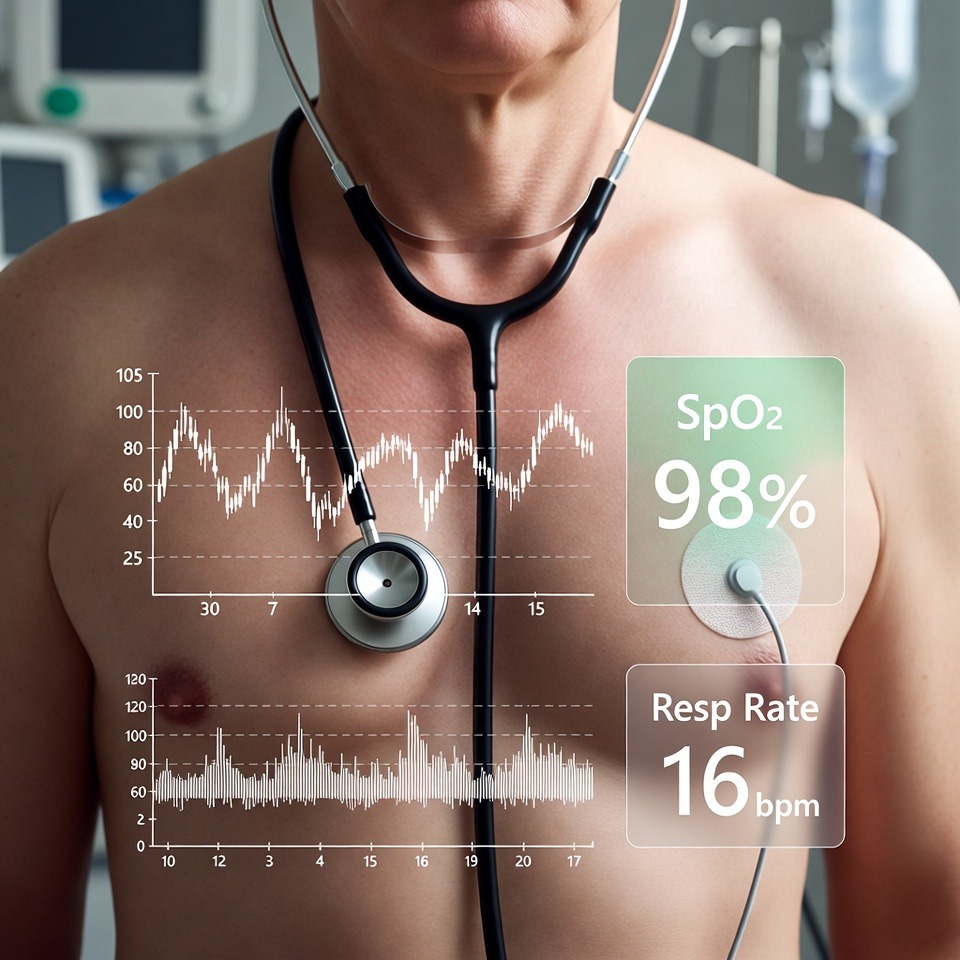
The Oxygen Highway: Understanding Blood Oxygen (SpO₂) & Respiratory Rate
These two metrics are your window into the fundamental process of respiration—how efficiently you’re taking in oxygen and expelling carbon dioxide. They are vital signs in the truest sense.
Blood Oxygen Saturation (SpO₂):
What It Is: The percentage of your hemoglobin (the protein in red blood cells) that is carrying oxygen. A normal, healthy range at sea level is 95-100%.
How Your Ring Measures It: Using PPG (photoplethysmography), it shines light through your finger and analyzes how much is absorbed. Oxygenated and deoxygenated blood absorb light differently.
Interpreting Your Data:
Waking SpO₂: Consistently below 95% warrants a conversation with a healthcare professional, as it can indicate issues with lung function or circulation.
Sleeping SpO₂ (The Critical Application): This is where smart rings provide immense value. It’s normal for SpO₂ to dip slightly during sleep (1-2%). However, frequent, significant drops below 92-90% can be a key indicator of Sleep Apnea—a condition characterized by repeated breathing interruptions. Seeing a pattern of sustained dips or high variability in your overnight SpO₂ graph is a powerful prompt to seek a professional sleep evaluation.
Respiratory Rate (RR):
What It Is: The number of breaths you take per minute. A normal adult rate is 12-20 breaths per minute at rest.
Why It Matters: Respiratory rate is a supremely sensitive metric. It increases with physical exertion, stress, anxiety, fever, and illness. During sleep, it should be slow and steady.
Interpreting Your Data:
A sustained elevated sleeping respiratory rate (e.g., consistently 18+ breaths per minute when your baseline is 14) is another subtle but potent sign of physiological strain, possibly from an oncoming illness, respiratory issue, or high metabolic load.
Like RHR, a sudden change in your baseline RR can be an early warning system, often before you feel symptoms.
Actionable Steps for Optimal Respiration:
Practice Diaphragmatic Breathing: Train your body to breathe deeply into the belly, not shallowly into the chest. This engages the parasympathetic nervous system and improves gas exchange.
Mind Your Sleep Position: Back sleeping can exacerbate snoring and mild apnea for some. Side sleeping often promotes better airflow.
Use the Data as a Diagnostic Ally: Don’t self-diagnose, but do use persistent, anomalous SpO₂ or RR data as objective evidence to bring to a doctor. It transforms a subjective feeling of “tired all the time” into a concrete, data-supported concern. For more information on how these metrics are used in real life, our community of users often shares their health discovery stories.
The Silent Signal: What Your Skin Temperature Trend Reveals
Your core body temperature is tightly regulated, but the temperature at your skin’s surface—particularly on your finger, where blood flow is sensitive—tells a different story. It’s a story of circadian rhythms, metabolic change, and immune response.
What It Is: Your smart ring tracks the deviation of your skin temperature from your personal rolling average, not the absolute temperature. It’s looking for a pattern of change.
Key Insights from Temperature Trends:
Circadian Rhythm: Your skin temperature has a natural daily cycle. It typically drops at night to initiate and maintain sleep (a key signal for melatonin release) and rises in the morning to help you wake. A disrupted temperature rhythm can correlate with poor sleep quality and circadian misalignment (like jet lag or shift work).
The Onset of Illness: One of the most valuable features. A sustained elevation of your skin temperature (often +0.5°C to +1.5°C above your norm for multiple nights) can indicate your body is mounting an immune response, even before you feel a sore throat or fatigue. This early warning gives you the chance to double down on rest, hydration, and nutrition.
Ovulation Tracking (For Women): Following ovulation, progesterone causes a sustained rise in basal body temperature. While a finger-based skin temperature is not as precise as a core basal reading, the trend can still provide valuable cyclical insight for those tracking their fertility or menstrual cycle phases.
How to Interpret the Data: Don’t worry about day-to-day, single-point fluctuations. The power is in the multi-day trend view on your dashboard. Look for:
A consistent upward climb over 3+ days: Possible illness or hormonal shift.
A consistently flat or erratic nocturnal temperature: May suggest poor sleep hygiene or circadian disruption.
A clear monthly cyclical pattern for women of reproductive age.
Actionable Guidance:
For Illness Prevention: If you see a rising temperature trend, treat it as a red flag. Prioritize sleep, reduce stress, and nourish your body. You may be able to “head off” a full-blown sickness.
For Sleep Optimization: To support the natural nighttime temperature drop, ensure your bedroom is cool (65-68°F or 18-20°C is ideal). A warm bath 1-2 hours before bed can actually help by bringing blood to the skin’s surface and then promoting a more dramatic cooldown. To learn more about the science of sleep and temperature, our blog covers these topics in detail.
Beyond the Night: Daytime Metrics & Stress Tracking
The most advanced smart rings don’t go dormant when you wake up. They continue to monitor key indicators of how you are responding to your daily life, with “Stress” or “Body Battery” tracking being a prime feature.
The Science of Daytime Monitoring: Using a combination of live heart rate, HRV, and activity data, the ring’s algorithm models the balance of your autonomic nervous system throughout the day. Periods of high sympathetic (stress) activation are identified, even if they aren’t accompanied by conscious feelings of anxiety.
What "Stress" Metrics Actually Measure: It’s crucial to understand this isn’t measuring emotional stress directly. It’s measuring physiological stress—the strain on your system. A hard workout, a busy commute, a tense meeting, digesting a large meal, or fighting a virus all register as “stress” to your body. The metric visualizes your nervous system’s load.
How to Use Daytime Stress Data:
Identify Hidden Stressors: You might notice spikes at certain times of day—the morning rush, post-lunch slump, or late-afternoon deadlines. This objective data helps you pinpoint otherwise invisible triggers.
Validate Recovery Practices: After a 10-minute meditation or walk outside, check your stress graph. Did your physiological state calm down? This positive feedback reinforces healthy habits.
Balance Your Energy Budget: Think of your daily capacity as a battery. Intense stress drains it. Sleep and relaxation recharge it. Your daytime metrics show the drain in real-time. The goal isn’t zero stress—that’s impossible—but to avoid chronic, unremitting strain and to intersperse periods of recovery.
Actionable Strategies for Daytime Management:
Schedule Micro-Breaks: Use data-driven reminders. If you see consistent stress spikes from 2-4 PM, proactively schedule a 5-minute breathing break or a walk at 1:45 PM.
Reflect on Correlations: Did a high-stress afternoon follow a poor night of sleep or a high-sugar lunch? Your dashboard helps you connect these lifestyle dots.
Practice Real-Time Recovery: When you feel overwhelmed, use your ring’s guided breathing feature (if available) or a simple box-breathing technique (4 seconds in, 4 hold, 4 out, 4 hold) for 60 seconds. Watch as it can directly influence your live heart rate and, over time, your stress score.
Connecting the Dots: The Art of Trend Analysis & Personal Baselines
We’
ve now explored the individual metrics. But the true genius—and the ultimate purpose of your smart ring—lies in synthesis. Isolated data points are trivia; connected trends are transformative knowledge. This is where you evolve from a data collector to a health strategist.
Why Baselines Are Your Most Important Number: A medical lab report provides a “normal” range based on a large population. Your smart ring provides something far more powerful: your normal. Your personal baseline for HRV, RHR, respiratory rate, and temperature is the foundational reference point against which all change is measured. It typically takes 2-4 weeks of consistent wear (especially during sleep) for the algorithm to establish a reliable baseline.
How to Analyze Trends Effectively:
Shift Your View: Move from the “Daily” tab to the “Weekly,” “Monthly,” or “Yearly” view. This is where patterns emerge from the noise.
Look for Correlations, Not Just Causations: Use the journaling feature in your app (or your own notes). Then, review the trends.
Did a week of high work stress correlate with a steady decline in HRV and an increase in resting heart rate?
Did a new evening meditation practice precede a gradual upward trend in your sleep scores?
Did your temperature trend upward for two days before you came down with a cold?
Identify Your Personal Levers: Through trend analysis, you’ll discover what most impacts your biology. For one person, alcohol might devastate deep sleep. For another, late-night screen time might crush HRV. For a third, morning sunlight might boost their Readiness Score more than anything else.
The Power of Longitudinal Data: Over months and years, this data becomes an unparalleled health journal. You can see:
The positive impact of a new training regimen.
How your metrics shift with seasons or life changes.
The tangible benefits of improving your sleep hygiene.
This long-term view fosters patience and celebrates incremental progress, which is the bedrock of sustainable health. For those interested in the philosophy of long-term, data-informed wellness, it’s at the very heart of our company’s mission and development journey.
Avoiding Common Pitfalls: Data Anxiety & Misinterpretation
With great data comes great responsibility. The path to empowerment can sometimes veer into obsession, anxiety, or misunderstanding. Let’s navigate these pitfalls proactively.
Pitfall 1: Obsessing Over Single Points of Data.
The Trap: “My HRV was 5 points lower today! I’m falling apart!” This is like judging the stock market on a single day’s movement.
The Solution: Always return to the trend. One low data point is statistical noise. A week-long downward trend is a signal worthy of your attention and curiosity, not panic.
Pitfall 2: Chasing Someone Else’s Numbers.
The Trap: Comparing your 45 ms HRV to your friend’s 85 ms and feeling deficient.
The Solution: Internalize this: Your only valid comparison is your past self. Genetics, age, and lifestyle make direct comparisons meaningless. Focus on improving your own baseline.
Pitfall 3: Treating the Ring as a Medical Device.
The Trap: Using your SpO₂ reading to diagnose sleep apnea or your temperature to confirm an infection.
The Solution: Your smart ring is a wellness tool and an early-indicator system. It is not a diagnostic medical device. Its purpose is to give you objective clues about your body’s state, which you can then take to a qualified healthcare professional for proper diagnosis and treatment. It empowers better conversations with your doctor.
Pitfall 4: Ignoring How You Feel.
The Trap: “My score says I’m 90% recovered, but I feel exhausted. I must do the hard workout.”
The Solution: The data is a guide, not a dictator. It provides an objective layer to your subjective experience. If the data and your feelings strongly conflict, trust your feelings first and use it as a learning opportunity. Perhaps a metric you can’t track (like emotional strain) is at play.
Cultivating a Healthy Relationship with Your Data: Set boundaries. Check your dashboard once or twice a day—perhaps in the morning to check readiness and in the evening to review the day—rather than constantly refreshing. Use the data to foster self-compassion, not self-criticism. A low score isn’t a failing grade; it’s a compassionate nudge to be kinder to yourself. If you ever find yourself struggling with this balance, our support team and community can offer helpful perspectives.
Creating Your Personalized Action Plan from Dashboard Insights
Knowledge without action is merely trivia. This final section of our foundation is about building your unique, dynamic action plan. Your dashboard is the feedback loop that tells you if your plan is working.
The Cycle of Optimization:
Observe & Benchmark: Spend 2-4 weeks wearing your ring consistently, establishing your baselines without making major changes.
Hypothesize & Intervene: Identify one area for improvement (e.g., “I want to increase my average deep sleep”). Based on research, choose one small, sustainable intervention (e.g., “I will stop caffeine after 2 PM”).
Implement & Track: Apply the change for a minimum of two weeks. Continue wearing your ring normally.
Analyze & Adapt: After two weeks, check the trend view for your target metric. Did your deep sleep percentage increase? If yes, celebrate and consider adding another positive change. If no, without judgment, form a new hypothesis (e.g., “Maybe my room isn’t dark enough”) and test that.
Building Your Plan by Goal:
Goal: Improve Recovery/Readiness.
Primary Metric to Watch: Readiness Score, HRV Trend, RHR.
Sample Interventions: Set a consistent bedtime, introduce a 10-minute evening meditation, add a 20-minute walk to your day, hydrate more aggressively.
Sample Interventions: Cool your bedroom to 67°F (19°C), invest in blackout curtains, implement a strict 60-minute “no screens” buffer before bed.
Goal: Manage Daily Stress.
Primary Metric to Watch: Daytime Stress Graph, Nighttime HRV.
Sample Interventions: Schedule three 1-minute breathing breaks in your calendar, listen to calming music during your commute, practice saying “no” to non-essential commitments.
The Golden Rule: Change One Thing at a Time. This is the only way to know what truly moves the needle for you. Your dashboard provides the clear, objective evidence of what works, turning wellness from a guessing game into a personal science experiment where you are both the researcher and the beneficiary.
From Data to Performance: Optimizing Workouts & Fitness Goals
Your smart ring is not just a recovery tool; it’s a potent performance coach. By interpreting its data correctly, you can train smarter, avoid plateaus and injury, and ensure your hard work translates into tangible results. This shifts fitness from a game of effort and guesswork to a science of stimulus and adaptation.
The Core Principle: Stress + Recovery = Adaptation. Every effective workout applies a deliberate stressor (load) to your body. The fitness gains don’t happen during the stress, but during the subsequent recovery period, when your body repairs and supercompensates, becoming stronger. Your ring’s primary job is to quantify both sides of this equation.
Using Your Dashboard for Strategic Training:
Planning Your Workout Intensity (The Readiness Score in Action):
High Readiness: This is the day for your Key Session—high-intensity interval training (HIIT), heavy strength training, race-pace running. Your body is primed to handle the load and will likely adapt well.
Moderate Readiness: Ideal for Skill, Technique, or Moderate Sessions—form work, tempo runs, moderate-weight lifting, or a longer, steady-state cardio session. You can work, but avoid maxing out.
Low Readiness: This is a mandatory Recover or Deload Day. Opt for gentle movement like walking, yoga, stretching, or complete rest. Training hard on a low-readiness day is inefficient and dramatically increases injury risk. It’s like trying to drive a car with the gas light on—you might get somewhere, but you’re damaging the engine.
Measuring the Workout Impact (The Night After): Your post-workout night’s sleep data is your first report card on the session’s effect.
Positive Adaptation Signs: A slight, temporary elevation in resting heart rate that normalizes within 1-2 nights, maintained or slightly increased HRV (showing good nervous system resilience), and healthy amounts of deep sleep (for physical repair).
Negative Overtraining Signs: A sharp, sustained drop in HRV, a resting heart rate that remains elevated for multiple nights, poor sleep efficiency, and reduced deep sleep. This indicates the stressor was too great and recovery is insufficient. The solution is not to push harder but to pull back and prioritize rest.
Tracking Fitness Progress (The Long-Term Trends): The monthly and yearly views are where you see true transformation.
Improved Cardiovascular Fitness: A gradual, long-term downward trend in your resting heart rate baseline. Your heart is becoming more efficient.
Enhanced Recovery Capacity: A gradual, long-term upward trend in your HRV baseline. Your nervous system is becoming more resilient and flexible.
Better Workout Tolerance: Over time, similar workouts cause less dramatic disturbances in your overnight metrics. You bounce back faster.
Actionable Fitness Protocol:
The 2-Day Rule: After any very intense workout, give yourself permission for two lower-intensity days while you monitor your recovery metrics. Let your Readiness Score guide the intensity of the third day.
Deload Week Planning: Every 4-8 weeks, proactively plan a “deload” week with 40-50% reduced training volume, regardless of scores. This structured recovery often leads to a supercompensation effect and a breakthrough in performance afterward, visible in your trending metrics.
Listen to the Earliest Warning: A dropping HRV trend is the earliest sign of overreaching. It’s far better to reduce intensity for 3-4 days when you see this trend than to push through and require a 3-week forced break due to injury or illness. For more on balancing activity and recovery, our blog features targeted guides for athletes.
A Cycle of Insight: Smart Ring Data & Female Health Tracking
For women, the menstrual cycle is not a peripheral event; it’s a central, recurring biological rhythm that profoundly influences virtually every metric a smart ring tracks. Understanding this interplay transforms the dashboard from a generic health tool into a personalized, cyclical blueprint for energy, performance, and well-being.
How Your Cycle Affects Your Metrics (The Science): The two main hormonal phases—follicular and luteal—create distinctly different internal environments:
Follicular Phase (Post-Period to Ovulation): Characterized by rising estrogen. This hormone is often associated with better insulin sensitivity, higher energy, and enhanced recovery capacity. Many women notice:
Higher HRV and lower resting heart rate.
Better sleep quality.
Higher Readiness Scores.
Greater tolerance for intense exercise and faster recovery.
Luteal Phase (Post-Ovulation to Menstruation): Dominated by progesterone, which raises core body temperature and can act as a mild sedative. This phase often brings:
A slight, sustained increase in skin temperature (the key tracking metric).
A potential decrease in HRV and increase in resting heart rate.
More fragmented sleep (especially in the days just before menstruation).
A higher perceived effort for the same workout.
Using Your Dashboard for Cycle Syncing: Cycle syncing is the practice of aligning your diet, exercise, and work with your hormonal phases. Your ring provides the objective data to do this precisely.
Identify Your Phases: By tracking your waking or sleeping skin temperature trend, you can pinpoint ovulation (a sustained temperature rise) and therefore identify your follicular and luteal phases. Logging your period in the app provides the complete picture.
Sync Your Training:
Follicular Phase: Go for PRs. Schedule high-intensity workouts, heavy strength sessions, and new fitness challenges. Your body is primed for performance and adaptation.
Luteal Phase: Focus on Maintenance & Endurance. Shift to moderate cardio, yoga, pilates, and strength training with lower weights and higher reps. Be kind to yourself if energy dips.
Sync Your Recovery Expectations: Understand that a slightly lower HRV or higher RHR in your luteal phase is normal physiology, not a sign of failing health. Adjust your Readiness Score expectations accordingly. This knowledge alone can relieve immense anxiety and self-criticism.
Predict and Prepare: For many, the data can help predict the onset of menstruation (via temperature shifts and changes in resting metrics) and premenstrual symptoms, allowing for better planning and self-care.
Beyond the Cycle: Perimenopause & Menopause The ring is equally valuable during hormonal transitions. Tracking can help identify the irregular cycles of perimenopause and confirm the post-menopausal state (the end of cyclical temperature variations). Monitoring changes in sleep architecture, resting heart rate, and HRV can provide objective data to discuss with a healthcare provider when exploring symptom management strategies. The stories of women using data to navigate these transitions are some of the most powerful you’ll find in our community’s shared experiences.
The Fuel Gauge: Correlating Nutrition & Lifestyle with Your Metrics
Your dashboard is a real-time biofeedback machine, reflecting everything you put into and ask of your body. Learning to correlate your lifestyle choices with your metrics turns everyday decisions into informed experiments in self-optimization.
The Major Lifestyle Levers & Their Data Signatures:
Alcohol: Perhaps the most disruptive common substance to restorative health.
Data Signature: Even 1-2 drinks reliably suppresses REM sleep (leading to less dreaming and emotional processing), lowers HRV sharply, increases resting heart rate, and often raises nighttime heart rate. It can also dehydrate you, impacting skin temperature and next-day readiness.
Experiment: Track a “dry” week versus a week with typical consumption. The difference in your sleep scores and recovery metrics is often stark and highly motivating for moderation.
Caffeine & Timing:
Data Signature: Caffeine’s long half-life can significantly delay sleep onset, reduce sleep efficiency, and lighten sleep stages, especially if consumed in the afternoon or evening. You may fall asleep, but miss crucial deep sleep.
Experiment: Try a hard cutoff time (e.g., no caffeine after 2 PM). Look for improvements in your “Time to Fall Asleep” and “Deep Sleep” metrics.
Meal Timing & Size:
Data Signature: A large, heavy, or high-fat meal close to bedtime forces your digestive system to work overnight, which can increase your resting heart rate, lower HRV, and disrupt sleep stages as your body prioritizes digestion over restoration.
Experiment: Aim to finish eating 2-3 hours before bed. Note any improvements in sleep efficiency and morning readiness.
Hydration:
Data Signature: Chronic mild dehydration can subtly elevate resting heart rate (as your heart works harder to pump thicker blood) and may impact skin temperature regulation and cognitive function.
Experiment: Use a daily hydration goal alongside your ring data. See if consistently hitting your water target correlates with more stable RHR and better workout performance.
Stress & Mental Load:
Data Signature: A stressful day at work, even if sedentary, can look similar to a hard workout on your stress graph and can lead to elevated nighttime heart rate and lower HRV. Emotional strain has a direct physiological signature.
Experiment: After a mentally taxing day, engage in a proven recovery practice—a 20-minute walk in nature, a meditation session, or a relaxing hobby. Observe how quickly (or slowly) your live stress metrics or next-morning HRV return to baseline.
How to Run Your Own N=1 Experiments:
Isolate One Variable: Choose one lever (e.g., late meals).
Establish a Baseline Week: Live normally, wearing your ring consistently.
Implement the Change: For 1-2 weeks, change only that variable (e.g., stop eating within 3 hours of bedtime).
Analyze the Trend: Don’t look at daily numbers. Compare the weekly averages for key metrics (Sleep Score, HRV, RHR) from your baseline week to your experiment week. Did they improve?
Adopt or Adapt: If the change led to meaningful improvement, adopt it. If not, form a new hypothesis and test again.
This empirical approach removes dogma and guesswork from wellness, replacing it with personalized, data-driven truth. For more ideas on lifestyle experiments and their potential impacts, our blog is a treasure trove of actionable ideas.
The Early Warning System: Predicting Illness & Managing Stress
One of the most profound utilities of continuous physiological monitoring is its predictive capacity. Your body begins to fight an infection or buckle under chronic stress long before you feel a sore throat or conscious burnout. Your smart ring sees these whispers.
The Pre-Illness Signature: Viral or bacterial invaders trigger an immune response, which is metabolically costly and stressful to your system. This almost always leaves a data trail 24-48 hours before symptoms appear:
Elevated Resting Heart Rate: A consistent rise of 5-10+ bpm above your personal baseline.
Elevated Skin Temperature: A sustained upward deviation, especially notable in your nighttime average.
Elevated Sleeping Respiratory Rate: A subtle but consistent increase.
Decreased HRV: A marked drop as your sympathetic nervous system activates to fight the threat.
Disrupted Sleep: Often more restless, with less deep sleep.
Action Protocol for Early Warnings: When you see this cluster of anomalies (e.g., higher temp + higher RHR + lower HRV) for two consecutive nights:
Go into Recovery Mode Immediately: Prioritize sleep above all else. Aim for an extra 60-90 minutes in bed.
Hydrate Aggressively: Support your immune system and thin mucous membranes.
Reduce Physical & Mental Stress: Cancel intense workouts. Delegate tasks if possible. This is not the day for a big presentation or marathon work session.
Nourish with Immune-Supporting Foods: Focus on broths, zinc, vitamin C, and easy-to-digest nutrients. Often, this proactive intervention can mitigate the severity of the illness or help your body overcome it before it becomes full-blown.
Identifying Chronic Stress & Burnout Patterns: While acute illness has a sharp signature, chronic stress and burnout have a slower, erosive pattern:
A Gradual, Steady Downtrend in HRV over weeks or months.
A Creeping Upward Trend in Resting Heart Rate.
Consistently Poor Sleep Scores despite adequate time in bed.
A Flatlined or Chronically Low Readiness Score.
High Daytime Stress Scores that never seem to return to a true baseline.
This pattern indicates your system is stuck in a sympathetic-dominant state without adequate recovery. The solution is not another quick fix, but a serious audit of your lifestyle commitments, boundaries, and restoration practices. Seeing this objective data can be the catalyst needed to make meaningful changes to work habits, relationships, or self-care routines. Understanding this mind-body connection is central to the holistic wellness vision we champion at Oxyzen.
Beyond the Ring: Integrating Data with Other Health Ecosystems
Your smart ring provides a powerful, continuous stream of physiological data, but it doesn’t exist in a vacuum. Its insights are magnified when integrated with other pillars of your health tracking. This creates a holistic, multi-dimensional picture that is greater than the sum of its parts.
The Power of Correlation: Sync your meal timing and macronutrient intake with your sleep and recovery metrics. Does a high-carb dinner impact your deep sleep? Does hitting your protein goal correlate with better next-day recovery scores? This turns nutrition into a precise recovery tool.
Fitness & Workout Apps (e.g., Strava, Apple Fitness+, Strong):
Quantifying the Stressor: Your ring measures the effect of a workout. A fitness app logs the cause—duration, distance, heart rate zones, weight lifted. By reviewing them together, you can answer: “What exact type and volume of training allows me to maintain a positive HRV trend?” This is the holy grail of personalized periodization.
Measuring the Calm: Use your ring’s stress score or live heart rate as biofeedback during a meditation session. Does your physiological state actually drop? Furthermore, track the longitudinal impact of a consistent meditation practice on your baseline HRV and sleep scores over a month. This provides concrete evidence of its benefits.
Physiological Confirmation: As discussed, combining logged cycle data with your ring’s temperature and HRV trends creates a robust, objective picture of your hormonal health, far beyond simple calendar predictions.
Electronic Health Records & Doctor Visits:
Empowered Patienthood: This is perhaps the most impactful integration. Instead of telling your doctor, “I’m tired all the time,” you can show them: “Over the last three months, my average resting heart rate has increased by 8 bpm, my HRV has dropped 20%, and my sleep efficiency is consistently below 80%, despite being in bed for 8 hours.” This objective data transforms vague symptoms into a quantifiable clinical picture, guiding more effective testing and treatment.
Creating Your Unified Health Dashboard: While manual correlation is valuable, look for platforms or services (often offered by the smart ring company itself) that allow for data aggregation. The ability to see your Oxyzen readiness score, your previous day’s workout from Strava, and your calorie intake on a single timeline is a game-changer for holistic insight. Our goal has always been to create technology that fits into your life, not the other way around—a principle you can learn more about in our founding story.
Navigating Anomalies & When to Consult a Professional
As you become fluent in your body’s data language, you’ll also become adept at spotting true anomalies. Discerning normal fluctuation from a potential red flag is a critical skill for responsible self-monitoring.
Normal Fluctuations vs. Potential Red Flags:
Single-Day Dips: One day of low HRV, high RHR, or poor sleep is normal. Life happens. Stressful event, a poor meal, a late night—these cause temporary blips. Action: Observe, don’t overreact.
Sustained Shifts (The Trend): A consistent change in your baseline over 7-14 days that cannot be easily explained by lifestyle changes (travel, intense training block, obvious stress) is a significant signal. Examples:
A 10%+ drop in average HRV that persists.
A 5-10 bpm rise in average RHR that persists.
Consistently low SpO₂ readings (<94%) during sleep.
A persistent, unexplained elevation in skin temperature.
Acute, Severe Anomalies: A sudden, drastic reading that feels wrong (e.g., a wildly out-of-range heart rate while at rest, or a SpO₂ reading below 90% while awake and feeling fine). Action: Check ring placement (ensure it’s snug, clean, and on a finger with good circulation). If the anomaly persists, it may be a sensor error or warrant immediate medical attention if accompanied by symptoms like chest pain or shortness of breath.
When to Take Your Data to a Healthcare Professional: Use your smart ring data as a powerful communication tool, not a diagnostic crutch.
Schedule a Visit When: You have observed a sustained, unexplained negative trend in key metrics that correlates with how you feel (fatigue, poor sleep, anxiety).
How to Present Your Data:
Be Prepared: Don’t just open the app and scroll. Take screenshots of the relevant trend graphs (e.g., “My 3-month HRV trend showing a steady decline”).
Provide Context: Explain your normal baselines and when the shift began. Note any related lifestyle factors you’ve already ruled out.
Ask Informed Questions: “Given this data showing poor sleep architecture and elevated nighttime heart rate, could we explore the possibility of sleep apnea?” or “This sustained high RHR and low HRV coincide with my feelings of burnout; what are our options for assessing adrenal or metabolic health?”
Respect Their Role: A doctor will interpret your wearable data within the context of a full medical history, physical exam, and clinical tests. It is a valuable piece of the puzzle, not the entire picture.
Your ring empowers you to be a proactive, informed participant in your health care. It turns subjective feelings into objective talking points, leading to more collaborative and effective partnerships with your providers. For common questions about data accuracy and medical use, our FAQ addresses these important topics.
The Long Game: Using Trends for Lifelong Health & Aging Optimally
The ultimate value of your smart ring dashboard may not be realized in weeks, but in years. It becomes a longitudinal health diary, documenting not just your daily state, but your life’s trajectory. This long-view perspective is transformative for aging with awareness and intention.
Aging & Your Metrics – What’s “Normal” vs. Optimal: It’s biologically normal for average HRV to gradually decrease with age and for resting heart rate to potentially creep up. However, the rate of this change is heavily influenced by lifestyle. Your ring data lets you track this rate personally.
The Goal of “Healthspan”: The objective is not to have the HRV of a 25-year-old at age 60, but to maintain the highest possible function and resilience for your age. This is your biological age versus your chronological age. Your trends can indicate whether you are aging optimally or accelerating decline.
Using Trends to Make Decade-Scale Decisions:
Spotting the Impact of Major Life Changes: Did a change to a sedentary job cause a downward shift in your HRV trend? Did adopting a regular walking practice at age 50 lead to a measurable improvement in your resting heart rate trend over the next year? This data reinforces positive choices and flags negative ones with undeniable clarity.
Motivation Through Micro-Progress: Health gains in adulthood are often slow and non-linear. The scale might not move, but an upward trend in your HRV over six months is incontrovertible proof that your new habits are working at a cellular level, strengthening your resilience and vitality.
Preventative Health Benchmarking: Your multi-year data establishes your “healthy baseline.” Any future, significant deviation from this long-term pattern becomes an exceptionally powerful early warning sign, potentially flagging issues years before they become clinically significant.
Actionable Steps for the Long Game:
Export Your Data Annually: Take time each year to review your full year’s trends. Note the average values for your key metrics and how they compare to the previous year. Are you maintaining, improving, or declining?
Set Trend-Based Goals: Instead of “lose 10 pounds,” set goals like “increase my 6-month average HRV by 5%” or “maintain my current average RHR for the next five years.”
Focus on Leverage Points: Identify which 1-2 habits (e.g., consistent sleep time, daily movement, stress management) have the greatest positive influence on your long-term trend lines, and make them non-negotiable.
This long-term relationship with your data fosters a mindset of stewardship over your health. It’s not about hacking your body for a quick result, but about nurturing it for a lifetime of vitality. This philosophy of sustainable wellness is woven into the very fabric of our brand’s mission and values.
Advanced Tips & Pro User Strategies
You’ve mastered the fundamentals and integrations. Now, let’s explore the expert-level strategies that turn power users into true biohackers, squeezing every drop of insight from their device.
1. The “Two-Night” Rule for Major Decisions: Before starting a demanding new training program, a drastic diet change, or even a major supplement regimen, ensure you have two consecutive nights of high Readiness Scores and stable, positive metrics. This ensures you begin the new stressor from a position of strength, maximizing your chances of positive adaptation and minimizing risk.
2. Environmental Correlation: Use your journaling feature to log non-physical factors and look for correlations in your trends.
Weather & Seasons: Do your sleep scores dip in high humidity? Does your HRV trend upward in the summer with more sunlight?
Social & Work Calendar: Do weekends with friends improve your metrics, or drain them? Do periods of tight work deadlines show a predictable degradation in your HRV trend? This can guide better boundary setting.
3. Leveraging the “Live” Features Proactively:
Pre-Meeting Calm: If you have a stressful meeting, use the ring’s guided breathing function for 60-90 seconds immediately prior to center your nervous system.
Post-Workout Cooldown Validation: After a workout, perform your cooldown stretches while monitoring your live heart rate. See how quickly you can bring it down towards your resting zone—a marker of cardiovascular fitness.
Stressful Situation Biofeedback: In a moment of anxiety, glance at your live heart rate or stress graph. Often, the act of observing it objectively can initiate a calming parasympathetic response.
4. Data Fasting for Mental Health: If you find yourself becoming anxious or obsessive over daily scores, schedule a “Data Fast.” Wear the ring for continuity (to maintain your trends) but commit to not opening the app for 3-7 days. Reconnect with how you feel subjectively. This resets a healthy relationship with the tool, reminding you that you are not a collection of metrics, but a person who uses metrics for insight.
5. Sharing & Community (The Right Way): Consider sharing trend analyses (not daily scores) with a trusted coach, training partner, or health-conscious friend. They may spot patterns you miss. However, avoid competitive comparison. The purpose is collaborative insight, not judgment. Our user community is a great example of this supportive, shared-learning environment.
The Philosophy of Tracking: Balancing Quantification with Qualitative Living
In our pursuit of optimization, a critical question emerges: Can we become slaves to the very data meant to set us free? The philosophy of self-tracking is not about reducing your humanity to a set of graphs, but about using those graphs to enhance your human experience. It’s about finding the balance between the quantitative and the qualitative—the score and the soul.
The Pitfalls of Over-Quantification:
Analysis Paralysis: Spending more time obsessing over data than living life.
The Erosion of Intuition: Ignoring your body’s own subtle signals (hunger, fatigue, joy) in favor of what a score tells you.
Performance Anxiety: Turning sleep, rest, and even relaxation into another task to be “scored” and optimized, thereby creating the very stress you seek to manage.
The Tyranny of the Baseline: Feeling like a failure for natural, human fluctuations, rather than seeing them as part of a dynamic, living system.
Principles for a Healthy Data Relationship:
Data Serves Feeling, Not Replaces It: The ultimate question is always, “How do I feel?” Use the data to explain or investigate those feelings, not to invalidate them. If you feel rested but your score is low, trust the feeling and investigate the data for sensor error or contextual factors (e.g., a new medication affecting HRV).
Embrace “Good Enough.” The goal is not a perfect 100 score every day. That is neither possible nor desirable (stress and strain are necessary for growth). The goal is a sustainable, resilient baseline that supports a rich and fulfilling life. Some days, that life includes a late night with friends, which will lower your score—and that’s okay.
Practice Periodic “Data Fasts.” As mentioned in advanced tips, this is a philosophical necessity. Choose a weekend or a vacation where you wear the ring for continuity but vow not to open the app. Reconnect with the sheer experience of being in your body without a numerical intermediary. This prevents the tool from becoming a taskmaster.
Focus on Direction, Not Perfection. Is the general 3-month trend of your HRV pointing up? Is your sleep consistency improving? These directional victories are far more meaningful than any single day’s metric. They indicate you’re building a healthier system.
Your smart ring should act as a bridge back to your body, not a wall. It translates your body’s silent language into a visual form you can understand, with the ultimate aim of making that translation so intuitive you need it less. It’s about moving from external validation (a score) to internal awareness (a felt sense of vitality). This balanced philosophy is core to why we build technology the way we do at Oxyzen, a principle you can explore further in our company’s core values.
The Future of Personal Biomarkers: Where Smart Ring Technology is Headed
The dashboard you see today is just the beginning. The field of personal biometrics is advancing at a breathtaking pace, driven by sensor miniaturization, machine learning, and a deeper understanding of human physiology. Understanding this trajectory helps you appreciate your current device and anticipate the powerful tools on the horizon.
Imminent Advancements (Next 1-3 Years):
Continuous, Medical-Grade Glucose Monitoring (non-invasive): This is the holy grail. Using advanced optical sensors (e.g., Raman spectroscopy), future rings aim to track glucose trends without breaking the skin. This would revolutionize metabolic health management for millions, providing real-time feedback on how food, stress, and sleep affect blood sugar stability—a key driver of energy, cravings, and long-term disease risk.
Advanced Stress Biomarkers: Beyond heart rate-derived stress scores, research is focusing on detecting cortisol levels (the primary stress hormone) in sweat or interstitial fluid. A ring that could track your circadian cortisol rhythm would offer a direct window into adrenal health and HPA axis function.
Blood Pressure Monitoring: While challenging on the finger due to positional sensitivity, algorithmic models that use pulse wave velocity (the speed of your pulse between two points) are showing promise for estimating blood pressure trends, not absolute values, which is still invaluable for tracking responses to diet, medication, or stress.
Enhanced Women’s Health & Fertility: Deeper integration of temperature, HRV, and respiratory rate with hormonal cycle prediction, potentially offering more nuanced insights into phases like perimenopause and providing data for conditions like PCOS or endometriosis.
Context-Aware AI Coaches: Your ring’s AI will evolve from describing what happened to prescribing what to do. Imagine: “Your data shows high stress and low recovery. Based on your calendar, I suggest you reschedule your 3 PM meeting for a walking one-on-one and practice the 5-minute breathing exercise I’ve queued up.”
The Long-Term Vision (5-10 Years):
Multi-omic Integration: Imagine your ring data syncing with periodic at-home blood or saliva tests that measure vitamins, minerals, inflammation markers, and even genetic expression. The dashboard would then provide a holistic view from genes to daily behavior.
Predictive Health Risk Analysis: With enough longitudinal data from millions of users, AI could identify subtle, pre-symptomatic patterns associated with specific health risks, prompting incredibly early, preventative lifestyle or medical interventions.
True Emotional State Detection: Combining physiological data with voice tone analysis (via connected devices) and typing patterns could lead to more sophisticated mental well-being tracking and support.
Your Role in This Future: By using your ring consistently today, you are not just optimizing your own health; you are contributing (anonymously and aggregately) to the research that will power these future breakthroughs. The more high-quality data collected from engaged users, the smarter and more helpful these tools become for everyone. To stay abreast of these evolving technologies and their applications, our blog is continually updated with the latest insights.
Building Your Personal Health Operating System (HOS)
With all this knowledge, it’s time for the grand synthesis. Think of your health not as a collection of disjointed habits, but as an operating system—a complex, interdependent set of protocols that run your life. Your smart ring is the system monitor, providing real-time diagnostics and performance logs. Now, let’s build the rest of the HOS.
Core Components of Your HOS:
The Kernel (Non-Negotiables): These are the foundational processes that must run smoothly for everything else to work. They are primarily visible in your sleep and recovery metrics.
The Update & Debug Utility (Recovery & Adaptation): This is the maintenance function.
Protocols: Deload weeks, vacation, massage, sauna, extended meditation, digital detox.
Dashboard Triggers: Sustained low trends, pre-illness signatures, feelings of stagnation.
How to Implement Your HOS:
Audit: Review your last 90 days of trends. What are your current kernel protocols? Are they stable? Where are the most frequent “system errors” (e.g., poor sleep, frequent illness)?
Prioritize the Kernel: Choose one kernel upgrade. For example: “Increase sleep consistency by setting a non-negotiable bedtime within a 30-minute window.” Implement it for 30 days.
Monitor & Iterate: Use your dashboard to track the impact of that single change on your broader system (Readiness, HRV, etc.). Once it’s stable and automated, add another layer or refine an existing one.
Schedule Debug Cycles: Proactively schedule a recovery week every 8-12 weeks, just as you would schedule a software update. Use this time for extra sleep, gentle movement, and reflection.
This framework turns health from a vague goal into a manageable, upgradable system. You are both the user and the systems administrator. The stories of how individuals have built their own effective HOS are documented in the real-world journeys shared by our users.
Case Studies: Real-World Dashboard Interpretation Scenarios
Theory is vital, but application is king. Let’s walk through detailed, anonymized case studies that show how to connect disparate dashboard signals into a coherent story and action plan.
Case Study 1: The Burnt-Out Executive
Profile: Alex, 42, senior manager, father of two. Feels “tired but wired.”
HRV: Steady downward trend, now 15% below baseline.
RHR: Upward trend, 8 bpm above baseline.
Sleep: Efficiency 78%, frequent early-morning awakenings, low deep sleep.
Daytime Stress: High, sustained scores from 9 AM to 7 PM.
Interpretation: Classic chronic stress/burnout signature. The sympathetic nervous system is chronically activated (low HRV, high RHR), impairing sleep architecture and preventing physical recovery. The system is stuck in “fight or flight.”
Action Plan:
Immediate (Kernel Repair): Implement a strict 10 PM digital curfew and 30-minute reading wind-down to improve sleep onset. Introduce a 10-minute guided meditation upon waking to lower morning cortisol.
Workplace Strategy: Use the stress graph to identify peak stress times (e.g., 3-5 PM). Block out 20 minutes post-lunch for a walk outside. Delegate one recurring low-value task.
Fitness Adjustment: Swap two HIIT sessions for yoga or nature walks until Readiness consistently >70 for a week.
Success Metric: A halt and reversal of the HRV/RHR trends within 3-4 weeks.
Readiness: Often ignores low scores to “stick to the plan.”
HRV: Shows a sawtooth pattern—sharp drop after long runs, never fully recovering before the next key session.
RHR: Consistently elevated on mornings after speed work.
Sleep: Deep sleep decreases during peak training weeks.
Interpretation: Non-functional overreaching. The training stress is exceeding recovery capacity. The downward trend in HRV recovery and elevated RHR indicate accumulating fatigue, explaining the performance plateau and injury risk.
Action Plan:
Embrace Adaptive Training: Let the Readiness Score dictate session intensity. If score is <70, convert the track workout to an easy recovery run.
Prioritize Sleep as Training: Add 30 minutes of sleep per night during heavy weeks. Track deep sleep as a key performance indicator.
Schedule a Proactive Deload: Insert a 50% volume reduction week immediately. Observe the “supercompensation” bounce in HRV and Readiness afterward.
Success Metric: A more stable HRV with higher lows, breaking the performance plateau in the subsequent training block.
Case Study 3: The Peri-Menopausal Woman
Profile: Maria, 48, noticing new sleep issues, weight gain, and fluctuating energy.
Sleep: More frequent awakenings, especially in the early hours. Decreased sleep efficiency trend.
HRV: More variable, with a slight downward baseline trend.
RHR: Slight upward trend.
Interpretation: Data objectively confirms perimenopausal hormonal instability. The loss of temperature rhythm and sleep disruption are hallmark signs. The metabolic and nervous system strain is reflected in HRV and RHR.
Action Plan:
Use Data for Doctor Dialogue: Bring trend graphs to a gynecologist or endocrinologist to inform discussion about symptom management.
Double Down on Sleep Hygiene: Cooling mattress pad to combat temperature swings, strict caffeine cutoff.
Shift Fitness Focus: Emphasize strength training and stability work to combat metabolic shifts and protect bone density, using Readiness to guide intensity on fluctuating energy days.
Success Metric: Not “fixing” menopause, but achieving the best possible sleep and recovery metrics within this new phase, leading to better-managed symptoms and sustained energy.
These cases illustrate the power of moving from isolated numbers to a diagnostic narrative. For a wider array of personal stories and outcomes, you can discover more from our community of users.
Transcending the Dashboard: From Data to Intuitive Wellness
The final stage of mastery is knowing when to put the dashboard away. The ultimate purpose of all this tracking is to cultivate such a deep, resonant connection with your body that the external validation becomes secondary. You internalize the feedback loop.
The Signs of Data Fluency:
You can often predict what your dashboard will show based on how you feel.
You check the app once in the morning for planning and maybe once in the evening for reflection, not constantly throughout the day.
You see a low score and respond with curiosity (“I wonder what’s going on?”) rather than anxiety (“I failed”).
You make healthy choices because they feel good and align with your goals, not just because they “improve your score.”
Cultivating Intuitive Wellness:
Practice Interoception: This is the skill of sensing your internal state. Before checking your ring, pause and ask: “What is my energy level on a scale of 1-10? How is my mood? Do I feel rested?” Then, see how well your subjective sense aligns with the objective data. Over time, your subjective sense will become more accurate.
Let Data Validate Intuition, Not Overrule It: If you intuitively feel you need a rest day, take it—even if your score is high. The score may not capture every variable (e.g., emotional fatigue, mental load).
Use the Ring as a Learning Tool, Not a Lifelong Crutch: The ideal end state is that the habits and awareness the ring helped you build become so ingrained that you could take it off for months and still maintain 80% of the benefits. You’ve internalized the operating system.
Focus on the “Why” Behind the Metrics: Remember that a higher HRV isn’t the goal in itself. The goal is the resilience, vitality, and emotional regulation that a high HRV indicates. Keep your eyes on those deeper qualities.
Your smart ring is a powerful teacher. But like all great teachers, its goal is to make itself obsolete—to equip you with the knowledge and self-awareness to thrive on your own. This journey from dependence on data to empowered intuition is the true promise of personalized health technology. It’s a journey we are deeply committed to supporting, as outlined in the vision that guides our work.
Final Summary & Your Personalized Roadmap
We have traversed the entire landscape of smart ring dashboard interpretation, from fundamental metrics to philosophical integration. Let’s consolidate this into your final, personalized roadmap for action.
Your 30-Day Mastery Plan:
Weeks 1-2: Establish & Observe
Action: Wear your ring consistently, especially at night. Live normally.
Focus: Explore every section of your dashboard. Note your averages for: Sleep Duration/Score, HRV, RHR, and Readiness. This is your baseline establishment period.
Goal: No changes, just curiosity. Visit our FAQ if you have setup or data questions during this phase.
Weeks 3-4: Correlate & Experiment
Action: Choose ONE area to experiment with (e.g., sleep, using a 10 PM caffeine cutoff, or stress, adding a 5-minute breathing break).
Focus: Use the journal in your app. Note when you implement your change. At the end of the two weeks, look at the trend view for your key metrics. Did they improve from your Weeks 1-2 baseline?
Action: Based on your experiment, adopt one successful change as a new habit. Then, choose another area of your Health Operating System to experiment with.
Focus: Move to the weekly and monthly trend views. Look for directional improvements. Start using your Readiness Score to actively plan workout intensity.
Goal: Build your personalized HOS, one stable layer at a time. Learn from others who have walked this path by exploring shared experiences.
Remember Your Three Guiding Principles:
Trends Over Points: Your weekly average is infinitely more meaningful than today’s score.
Personal Baselines Over Population Averages: Your only valid comparison is you from yesterday, last month, last year.
Insight Over Obsession: The data is a map to a better life, not the territory of the life itself.
Embarking on Your Lifelong Journey
You now hold in your hands—and on your finger—one of the most powerful tools for self-understanding ever created for everyday use. You are no longer a passenger in your health journey but the navigator, equipped with a real-time compass and detailed terrain map.
This knowledge empowers you to have more productive conversations with healthcare providers, make more informed daily choices, and build a lifestyle that doesn’t just prevent illness but actively cultivates vigor, resilience, and joy. The path to optimal well-being is a lifelong, non-linear adventure. There will be peaks and valleys, periods of intense tracking and periods of intuitive living.
Let your smart ring be your faithful companion on that adventure—a source of objective truth, a revealer of patterns, and a catalyst for positive change. Use it not to judge your past, but to design your future. Start today. Observe with curiosity, experiment with courage, and always, always remember that the most important metric of all is the quality of your lived experience.
Conclusion of This Section: Your Journey to Data Fluency
You have now journeyed from the basics of dashboard navigation to the advanced realms of performance optimization, cyclical understanding, lifestyle correlation, and long-term health strategy. You are no longer a passive wearer of technology, but an active interpreter of your body’s most subtle communications.
Remember, the ultimate metric that matters is how you feel in your lived experience. The scores and graphs are there to illuminate the path, validate your efforts, and provide early warnings. They are the map, but you are the traveler. Use this knowledge with curiosity, not criticism; with compassion, not rigidity.
The journey to true health is lifelong and non-linear. There will be peaks of optimal readiness and valleys of necessary recovery. Your smart ring dashboard is the constant companion on that journey, offering unbiased feedback and celebrating your progress in the silent language of physiology. It empowers you to make tomorrow a little better than today, based not on a generic article, but on the unique, beautiful, and complex story of your own body.



%402x.svg)