


Lifestyle Improvement Strategies for Relationship Health: Indirect Ring Benefits
Improving relationship health has indirect benefits reflected in your ring's wellness metrics.
Improving relationship health has indirect benefits reflected in your ring's wellness metrics.
%402x.svg)
We talk about relationships in the language of the shared: communication, quality time, intimacy, compromise. Entire bookshelves and therapy modalities are built on the dyad—the space between two people. But what if the most powerful lever for relationship health isn't found in the space between, but within the foundation of each individual within it? What if the path to a more resilient, joyful, and deeply connected partnership begins not with a couples' retreat, but with the solitary, data-informed optimization of your own mind and body?
This is the paradigm shift at the heart of modern relationship science and the most sophisticated wellness technology. A thriving relationship is not a separate entity you "work on"; it is the emergent property of two thriving, regulated individuals. When you are sleep-deprived, chronically stressed, nutritionally depleted, and emotionally dysregulated, you bring a diminished self to your partner. You have less patience, poorer communication, lower libido, and a reduced capacity for empathy and joy. Conversely, when you are rested, resilient, energetically balanced, and emotionally intelligent, you bring your fullest, most generous self to the connection. You are better equipped to navigate conflict, savor moments of intimacy, and offer genuine support.
Enter the era of the smart ring—a discreet, always-on biometric guardian. While often marketed for individual sleep scores and fitness goals, its most profound impact may be sociometric. Devices like the Oxyzen smart ring provide an objective, continuous readout of your physiological bedrock: heart rate variability (HRV, your nervous system's resilience), resting heart rate, sleep architecture, body temperature, and activity levels. This isn't just data about you; it's a real-time report on the raw materials you have available to build your relationship each day.
This article explores the powerful, indirect benefits of lifestyle optimization for relationship health. We will move beyond vague advice like "get more sleep" and into the precise, data-driven strategies that fortify the individual, thereby transforming the partnership. This is not about using technology to monitor your partner, but about using it to master yourself—creating a ripple effect of wellness that naturally enhances every connection you hold dear. Consider this your guide to building a stronger "we" by first cultivating a healthier, more self-aware "me," with insights drawn from the frontier of biometric tracking. For a deeper look at the technology enabling this self-knowledge, you can learn more about smart ring technology.
Before we can improve, we must measure. The human body communicates its state of readiness—for stress, for connection, for repair—through a constant symphony of physiological signals. For centuries, we've been deaf to this symphony, relying on subjective feelings of "tired" or "stressed." Modern biometric wearables, particularly smart rings, translate this symphony into a comprehensible language. To leverage this for relationship health, we must first become fluent in its key metrics.
Heart Rate Variability (HRV): The Emperor of Resilience. HRV is not your heart rate; it is the subtle, millisecond variation in the time between each heartbeat. A higher, more variable HRV indicates a flexible, resilient autonomic nervous system—one that can swiftly adapt to stress and then recover to a calm, restful state. A low HRV suggests a nervous system stuck in "fight-or-flight" (sympathetic dominance) or "freeze" (dorsal vagal) mode, with a diminished capacity to engage the "rest-and-digest" (parasympathetic) state. In relationship terms, high HRV is linked to better emotional regulation, greater empathy, and a reduced tendency toward reactive, conflict-escalating behavior. When your nervous system is resilient, you can hear your partner's complaint as information, not an attack.
Resting Heart Rate (RHR) & Sleep Architecture: The Foundations of Restoration. Your resting heart rate is a foundational vital sign. A lower RHR generally indicates better cardiovascular fitness and efficient autonomic function. More crucial is what happens to your heart and brain while you sleep. Smart rings track sleep stages—light, deep, and REM—each critical for different types of restoration. Deep sleep is for physical repair and immune function; REM sleep is for emotional processing, memory consolidation, and creativity. Chronic sleep deprivation, particularly a lack of deep or REM sleep, directly impairs the prefrontal cortex, the brain region responsible for impulse control, decision-making, and social cognition. You cannot be patient, thoughtful, or attuned if your brain is metabolically starving.
Body Temperature & Activity: The Rhythms of Energy. Circadian rhythm, your body's 24-hour internal clock, governs everything from hormone release to cognitive performance. A stable, well-timed circadian rhythm, indicated by a predictable dip and rise in core body temperature (which advanced rings can estimate), ensures you have energy when you need it. Chronically disrupted rhythms lead to fatigue, irritability, and hormonal imbalances that can directly affect mood and libido. Conversely, measured daily activity and recovery balance ensures you have the physical vitality for shared experiences, from a simple walk to more intimate connection.
Understanding these signals is the first step toward agency. When you see a week of depressed HRV and poor sleep, you don't just feel "grumpy"—you have a biochemical explanation. This knowledge empowers you to take proactive, targeted steps to correct course, long before your relationship bears the brunt of your dysregulation. This objective self-awareness is the cornerstone of modern emotional intelligence, and you can discover how Oxyzen works to provide these insights seamlessly.
If you had to choose one lifestyle factor to optimize for relationship health, sleep would be the uncontested champion. The research is unequivocal: sleep deprivation is a slow-acting neurotoxin for social and emotional functioning. Dr. Matthew Walker, a leading sleep scientist, succinctly states, "The shorter your sleep, the shorter your fuse." Let's translate the science into relational consequences and a data-driven optimization strategy.
The Sleep-Deprived Partner: A Portrait. After just one night of poor sleep, activity in the amygdala—the brain's emotional alarm center—increases by over 60%. Simultaneously, the connection between the amygdala and the prefrontal cortex weakens. The result? You are primed for emotional overreaction and lack the neural circuitry to dampen it. You are more likely to perceive neutral expressions as threatening, misinterpret your partner's tone, and escalate minor disagreements into major conflicts. Furthermore, sleep loss decimates empathy—the very skill required to see a situation from your partner's perspective. Studies show that sleep-deprived individuals have a significantly reduced ability to accurately identify emotional expressions in others.
Beyond Duration: The Quest for Quality. "Getting eight hours" is not enough. The goal is achieving sufficient cycles of deep (N3) and REM sleep. This is where biometrics become essential. You may be in bed for eight hours, but a smart ring can reveal you only achieved 45 minutes of deep sleep due to nighttime disturbances, environmental factors, or late-night alcohol consumption. This data moves you from guesswork to precision.
Actionable Strategies for a Relationship-Enhancing Sleep:
By prioritizing and optimizing your sleep, you are not being selfish. You are conducting essential neural maintenance to ensure you show up as a stable, empathetic, and emotionally available partner. It is the single most effective form of preventative relationship maintenance. For more on crafting the perfect recovery routine, explore our blog for more wellness tips.
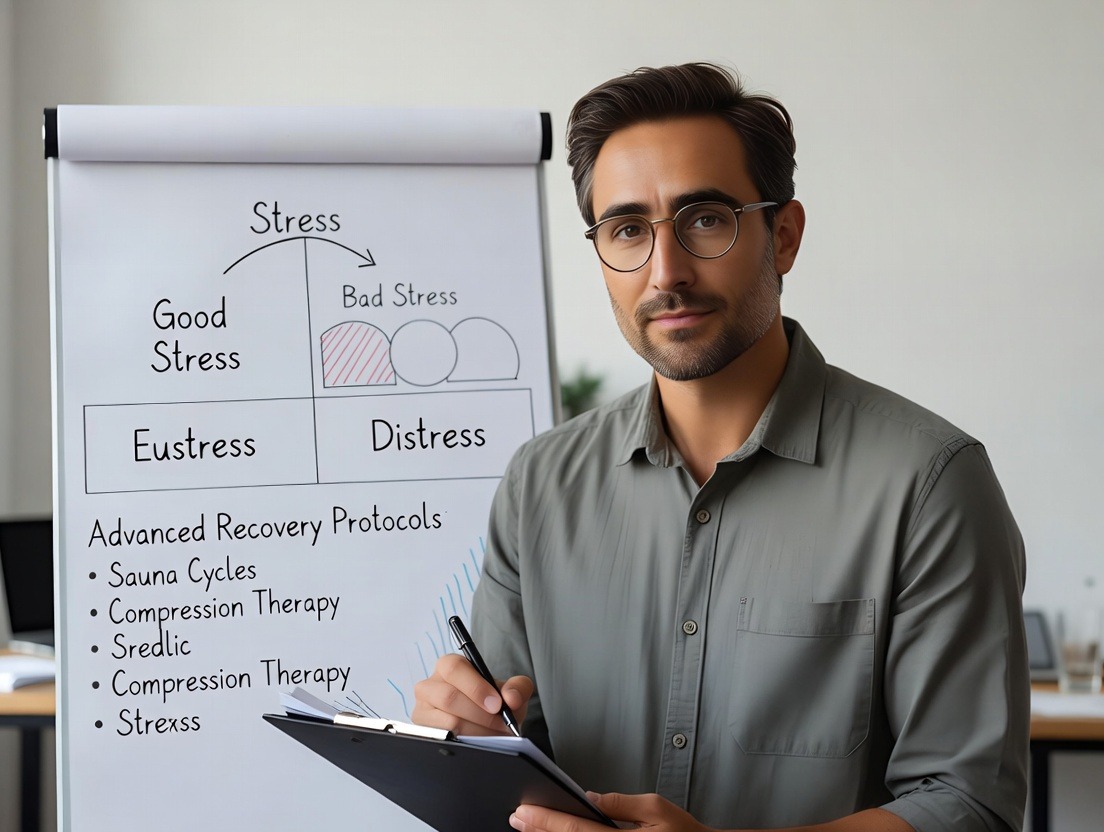
Stress is inevitable. In fact, a certain level of positive stress (eustress) is necessary for growth. The enemy of the modern relationship is not stress itself, but chronic, unmanaged stress that keeps the nervous system in a perpetual state of high alert. This is where the concept of "co-regulation" meets the power of individual stress resilience. Co-regulation is the process by which one person's calm, regulated nervous system can help calm another's dysregulated state. But you cannot offer co-regulation if you are yourself dysregulated. First, you must build your own resilience fortress.
HRV: Your Real-Time Stress Resilience Meter. Your HRV data is your most honest advisor. It tells you not just how stressed you are, but how well you are recovering from stress. A trend of declining HRV is a red flag: your body's reserves are being depleted. This is the time to double down on recovery practices, before you snap at your partner over a misplaced dish.
Building Solo Resilience to Fuel Shared Calm:
Transitioning to Co-Regulation: Once you are skilled at self-regulation, you can offer it as a gift to your relationship. When your partner is stressed, instead of absorbing their anxiety (which leads to reciprocal dysregulation) or trying to "fix" it immediately, you can first offer a grounded, calm presence. This might look like:
Your smart ring becomes the accountability partner in this process. A glance at your morning HRV can be the reminder you need to schedule a recovery block that day, ensuring you have the internal resources to be the calm in the storm for both yourself and your partner. Understanding the science behind this is part of our core mission, which you can read about in our company's story.
Relationships are energetic exchanges. They require fuel—not just emotional, but physical. Chronic fatigue, brain fog, and low motivation create a relationship vacuum. There's little energy left for curiosity, playfulness, or spontaneous affection. Optimizing your personal energy blueprint is therefore a direct investment in the energy available for your partnership. This involves the synergistic alignment of movement, nourishment, and your body's natural clock.
Movement: From Solo Fitness to Shared Joy. Exercise is a potent modulator of mood, energy, and self-esteem—all critical for relationship health. Biometric tracking reframes exercise from a calorie-burning chore to a system-regulating necessity. The goal is not exhaustion, but balanced, periodized activity that respects your body's need for recovery (as shown in your HRV and sleep data).
Nutrition: Feeding Your Emotional Regulation. The gut is often called the "second brain" for a reason. What you eat directly influences inflammation, neurotransmitter production, and blood sugar stability—all of which dictate your mood and energy levels.
Circadian Alignment: Getting in Sync. Your body expects light, food, and activity at certain times. Disrupting this rhythm with late-night eating, erratic bedtimes, or excessive blue light at night confuses your internal systems, degrading sleep and next-day energy.
By taking ownership of your personal energy systems, you ensure you have a surplus to bring to your relationship. You move from merely surviving the day together to actively thriving within it. The journey to this understanding is filled with personal stories, some of which are shared in our collection of real user experiences.
Emotional intelligence (EQ)—the ability to identify, understand, and manage your own emotions and those of others—is the software of a healthy relationship. But what if you could debug that software using hardware data? This is the revolutionary intersection of biometrics and EQ. Your physiological state isn't just a result of your emotions; it’s a precursor and a mirror. Learning to read it builds a profound, objective layer of self-awareness.
Bridging the Body-Mind Gap. We often experience emotions somatically before we can name them cognitively. A tight chest (anxiety), a hot face (shame), a clenched jaw (anger). Smart ring data adds another dimension: a rising resting heart rate trend throughout a stressful day, a dip in HRV before you consciously feel overwhelmed. This data acts as an early-warning system, alerting you to rising internal tides before they become emotional tsunamis that crash onto your relationship.
The Practice of Bio-Awareness:
Developing Empathy Through Physiological Mirroring. New research in interpersonal neurobiology shows that during moments of deep connection and empathy, people's physiological rhythms—like heart rate and respiration—can synchronize. While your ring can't measure your partner's state, your own regulated state is the first step. You cannot attune to another from a place of internal chaos. By managing your own physiology, you create a stable "listening post" from which to truly hear and feel with your partner.
This data-informed emotional literacy transforms relationship dynamics. Fights become less about who is right and more about understanding what underlying physiological or unmet needs are driving the disconnection. It elevates conflict from a battle to a collaborative diagnostic session. For further exploration of mindful living and tech, our blog offers a wealth of related articles.
Intimacy is the lifeblood of a romantic relationship, but it is a multifaceted concept encompassing emotional vulnerability, intellectual connection, and physical touch—from a held hand to sexual intimacy. All of these facets are deeply, inextricably tied to the physiological states we've been discussing. You cannot force intimacy from a depleted, dysregulated system. It flows naturally from a state of safety, energy, and connection.
Libido: A Hormonal Symphony, Not a Moral Failing. Sexual desire is not a simple switch. It's a complex interplay of hormones (testosterone, estrogen, cortisol, prolactin), nervous system state (parasympathetic "rest-and-digest" mode is conducive; sympathetic "fight-or-flight" is inhibitory), and psychological factors (stress, body image, connection). Smart ring data provides clues to several of these levers:
Presence: The Antidote to Emotional Distance. True intimacy requires presence—the ability to be fully with your partner, undistracted by mental chatter or to-do lists. This state of presence is neurologically linked to a calm, integrated brain. A stressed, tired brain is fragmented, pulled into the past (regret) or the future (anxiety). Practices that improve HRV and lower resting heart rate—like meditation, mindful breathing, and time in nature—are essentially training for presence. They strengthen your ability to anchor in the now, which is the only place where true connection occurs.
Actionable Strategies for Intimacy Optimization:
By respecting the biological underpinnings of intimacy, you remove blame and shame. Low desire becomes a diagnostic puzzle to solve together: "How can we help your nervous system feel safer and more rested?" rather than a referendum on attraction. This collaborative, science-backed approach can revitalize connection on every level. We are deeply committed to this holistic view of wellness, a principle rooted in our founding vision and values.

All relationship advice emphasizes communication. But how to communicate effectively often falls into vague platitudes. Biometric self-awareness provides a concrete operating manual for your own communication hardware, allowing you to upgrade the software of your dialogue.
The Physiology of Poor Communication. Destructive communication patterns—criticism, contempt, defensiveness, stonewalling (the "Four Horsemen" identified by relationship researcher John Gottman)—are all, at their core, expressions of a threatened nervous system. When you feel attacked (even if no attack is intended), your body shifts into a defensive state. Blood flows to your limbs for fighting or fleeing, away from your prefrontal cortex needed for nuanced thinking and empathy. You literally become dumber and more reactive. Your smart ring would show a heart rate spike and an HRV drop.
Data-Driven Communication Protocols:
Listening as a Physiological Skill: True listening requires a calm, open nervous system. When your partner speaks, especially during conflict, monitor your own body. If you feel your heart rate climbing, consciously soften your gaze, drop your shoulders, and take a slow, deep breath. This isn't faking; it's actively using your body to create the state required for empathy. Your ability to listen well is directly tied to your capacity for self-regulation in real-time.
By integrating this level of somatic awareness into your communication, you move from talking at each other from behind defensive walls to talking with each other from a place of shared curiosity and regulated calm. This transforms conflict resolution from a battle of wills into a collaborative problem-solving session between two aligned teammates. If you have questions about applying technology to these principles, our comprehensive FAQ provides support.
Humans are creatures of rhythm. Our biology craves predictability—the circadian rhythm is the prime example. Relationships, as living systems, also thrive on rhythm and routine. Chaotic, unpredictable daily lives create a background of low-grade stress that erodes the sense of safety and partnership. Conversely, consciously designed, synchronized routines create a scaffold of predictability that frees up mental and emotional energy for connection. This is where lifestyle design meets relational harmony.
The Power of "Anchor Points." Anchor points are consistent, shared events in your daily or weekly schedule that you can both rely on. They reduce the cognitive load of constant negotiation ("What's for dinner?" "What are we doing tonight?") and create automatic touchpoints for connection.
Designing for Energy Compatibility: Your biometric data reveals your personal energy chronotype—are you a morning lark or a night owl? While you can't change your type, you can design your shared life with compassion for these differences. The morning person can have quiet, productive hours before gently engaging the night owl. The night owl can take charge of evening tasks. The goal is to see these differences as complementary rather than conflictual.
The Digital Detox Pact: One of the greatest disruptors of modern relationship rhythm is the phantom presence created by smartphones. Create shared agreements: no phones at the dinner table, no phones in the bedroom after a certain time, or implementing "phone-free Sundays." This creates sacred space where the only connection present is the one between you. You'll likely see this reflected in improved sleep scores and a subjective feeling of deeper connection.
By consciously engineering the rhythm of your shared life, you build a container of safety and predictability. Within this container, spontaneity and passion feel safer to express because the foundation is secure. It’s the daily practice of choosing "us" as an institution worthy of thoughtful design. For inspiration from others who have designed their wellness journey, browse real customer reviews and stories.
We often think of relationship longevity in terms of decades—staying together for 30, 40, 50 years. But longevity is built moment-by-moment, habit-by-habit, in the daily choices that either strengthen or erode your bond. The lifestyle strategies we've discussed are not quick fixes; they are the compound interest of relationship health. Investing in sleep, stress resilience, and emotional regulation today pays massive dividends in future connection, health, and shared joy. A smart ring provides the long-term tracking to see this investment grow.
Tracking Trends, Not Daily Scores. The true power of biometrics is revealed in trends over months and years. A long-term upward trend in your average HRV isn't just a fitness metric; it's a graph of your growing nervous system resilience—your capacity to handle life's future stressors as a team without fracturing. Consistent, high-quality sleep scores over time predict preserved cognitive function and emotional stability, meaning you can grow old together without the added strain of premature cognitive decline or chronic irritability.
Preventing the "Slow Drift." Many relationships don't end with a bang, but with a slow, imperceptible drift into parallel lives, chronic resentment, or emotional deadness. This drift is almost always preceded by a neglect of the individual and shared fundamentals: chronic sleep debt, unmanaged stress, lack of energy for connection, and poor health. Biometric data acts as an early detection system for this drift. A six-month trend of declining sleep quality is a canary in the coal mine, signaling it's time to re-prioritize your health and, by extension, your relationship foundation.
Shared Health Goals as a Unifying Project. Pursuing wellness together is one of the most powerful bonding activities for long-term couples. It creates a shared identity as a "healthy team." This could look like:
This collaborative pursuit shifts the focus from individual appearance to shared vitality and future capability. It's not about looking good for each other now, but about feeling good with each other for decades to come.
The Legacy of a Regulated Life. Ultimately, the habits you build and the data you attend to create more than a healthy relationship; they model a way of living for any children in your life. They demonstrate that self-care is not selfish, but the source of care for others. They show that emotions can be understood through the body and managed with skill, not violence or suppression. This legacy of emotional and physiological literacy may be the greatest gift of all.
Adopting this longevity lens transforms daily choices from mundane chores into sacred acts of future-building. Each good night's sleep, each managed stress response, each moment of mindful presence is a brick in the fortress of a lifelong, resilient love. To continue exploring this holistic approach to life and partnership, we invite you to read our complete guide and other resources as you build your own path.
In an age of constant connectivity, our most significant relationship often competes with a tiny, luminous screen. The smartphone, a portal to infinite information and social connection, has become a primary source of relational disconnection. The "phubbing" phenomenon (phone-snubbing) is just the visible tip of the iceberg. The deeper impact lies in how technology reshapes our brains, depletes our attentional reserves, and rewires our reward systems, leaving less for the person right in front of us. Optimizing your relationship in the 21st century requires a conscious and deliberate "Digital Diet"—a curated approach to technology that serves your connection rather than sabotages it. Here, biometric data provides the brutal honesty needed to change.
The Attention Economy's Toll on Presence. Every notification, every endless scroll, every "quick check" fragments your attention. This constant cognitive task-switching depletes glucose reserves in the prefrontal cortex, the brain's executive function center. The result is "attention residue"—your mind stays stuck on a work email or social media drama even when you’ve put the phone down. When your partner speaks, you are physically present but cognitively elsewhere. Your biometrics often tell this story: elevated resting heart rate during "leisure" time, or poor sleep onset latency because your brain can't transition from hyper-stimulation to rest.
Tech's Impact on the Nervous System. Doomscrolling through negative news, engaging in heated online debates, or even the rapid-fire visual stimulation of TikTok and Reels places your nervous system in a state of low-grade, chronic sympathetic arousal. It's a constant drip of micro-stressors. Your smart ring can quantify this: you may see your heart rate variability (HRV) remain suppressed during evenings spent "relaxing" with your phone, indicating a failure to enter a true recovery state. You then bring that wired, yet exhausted, state to your interactions.
Actionable Strategies for a Relationship-Positive Tech Environment:
By treating your digital consumption with the same intentionality as your nutrition, you stop the silent leak of attentional and emotional energy. You reclaim your cognitive resources and your nervous system's capacity for calm, making you fully available for the nuanced, slow-building connection that defines a deep relationship. This conscious approach is part of a broader philosophy of intentional living, which we delve into in our company's mission and vision.

A common, well-intentioned mistake is to make your romantic partnership your entire social world. While it is the core, a healthy relationship cannot be the sole support pillar. This creates immense pressure on the bond and stifles the individual growth that fuels attraction. The paradoxical truth is that intentionally nurturing friendships, family ties, and community connections outside the relationship actively strengthens the core partnership. Biometric tracking can reveal the surprising physiological benefits of this social expansion.
The Physiological Load of Being "Everything." When your partner is your only confidant, therapist, cheerleader, and social outlet, every minor conflict or disconnect feels catastrophic. This dynamic creates a background of relational anxiety and enmeshment that keeps the nervous system on alert. It can manifest as a persistent, low-grade stress signature in your data. Conversely, having a diversified "social portfolio" distributes emotional and practical support, lowering the existential stakes within the partnership and creating a sense of security that comes from a full life.
How External Connections Fuel Internal Health:
Using Data to Balance Social Energy: As an introvert or a highly sensitive person, socializing can be draining. Your biometrics are crucial here. You might see a sharp drop in HRV or a rise in resting heart rate after highly social events. This isn't a sign to avoid people; it's data to manage your energy. It tells you to schedule meaningful one-on-one time instead of large gatherings, to ensure you have a recovery day after a big social weekend, or to limit the duration of engagements. It allows you to socialize strategically in a way that fills your cup without depleting it, so you have more to give at home.
Actionable Strategies for Intentional Social Expansion:
By investing in the periphery of your social world, you bring richness, resilience, and a renewed appreciation back to the center. You prevent the relational claustrophobia that can sink long-term partnerships and create two whole, interesting people who continually choose to build a life together. For stories of how individuals have balanced personal growth with connection, our testimonials page offers genuine insights.
Our environments are not passive backdrops; they are active participants in shaping our physiology, psychology, and behavior. The spaces you share with your partner—most importantly, your home—can either promote friction, distraction, and stress or cultivate calm, connection, and intimacy. Moving beyond aesthetics, we can apply principles of neuroscience and biometric feedback to intentionally design an environment that serves as a sanctuary for your relationship.
The Neuroscience of Space: Clutter is a visual form of cognitive noise. It constantly demands micro-attention, increasing cognitive load and stress hormones like cortisol. A chaotic, disorganized home can keep the nervous system in a subtle state of unease, making relaxed connection harder. Conversely, orderly, intentional spaces with clear sightlines and designated purposes can promote a sense of calm and control. Your biometrics might subtly reflect this: you may find it easier to lower your heart rate in a tidy, serene room than in a cluttered one.
Sensory Design for Co-Regulation:
Creating "Connection Zones" and "Recovery Pods":
The Biometric Feedback Loop for Your Home: Use your wellness ring to conduct informal experiments.
By treating your shared environment as a system to be optimized for mutual well-being, you remove countless tiny barriers to connection. You create a habitat that naturally pulls you toward each other and toward states of individual and shared calm. It is the ultimate act of co-creating your world. Designing such a life requires tools that fit seamlessly into it, which is why we built Oxyzen to be unobtrusive and foundational.
In long-term relationships, the brain has a well-documented negativity bias—it naturally notices and latches onto annoyances, disappointments, and conflicts as survival-relevant threats. Left unchecked, this can paint the entire partnership in a negative light. The antidote is not to ignore problems, but to consciously and systematically cultivate a counterweight of appreciation and positive regard. This isn't just "feel-good" advice; it's a neuroplasticity exercise with measurable physiological benefits that can be indirectly observed through lifestyle data.
The Science of the "Positive Ratio." Research by relationship expert John Gottman identified the "magic ratio" for stable marriages: 5 to 1. For every negative interaction (a criticism, a dismissive comment), there need to be at least five positive interactions (a smile, a touch, a word of appreciation, a shared joke). These positive moments act as emotional savings, building a buffer of goodwill that relationships can draw upon during inevitable conflicts. A low or negative ratio is a predictor of divorce.
Gratitude as a Nervous System Regulator: The practice of gratitude isn't just polite; it's physiologically regulating. Actively focusing on things you appreciate shifts brain activity away from the fear-centric amygdala and toward the prefrontal cortex. It can lower cortisol levels and may contribute to a more coherent, resilient heart rhythm pattern (higher HRV). When you express genuine appreciation to your partner, it triggers a release of oxytocin and dopamine in both of you—the "bonding" and "reward" chemicals. This creates a micro-moment of positive synchrony.
Moving Beyond Spontaneity to Ritual: Relying on spontaneous feelings of gratitude is insufficient. They must be cultivated through ritual. Here’s how to build them into your optimized lifestyle:
Tracking the Indirect Effects: You won't find a "gratitude score" on your smart ring. But you can observe its downstream effects. A consistent practice of appreciation lowers background relational stress, which should contribute to a less reactive physiological baseline. You might see fewer nighttime spikes in heart rate due to unresolved tension, or an overall trend toward better sleep quality because you're going to bed in a state of connection rather than isolation. It fosters a psychological safety that allows the nervous system to truly rest.
By making the intentional cultivation of positivity a non-negotiable part of your daily health regimen—as important as hydration or movement—you actively build the emotional infrastructure for a lasting, resilient love. It is the daily maintenance that prevents the corrosion of taking each other for granted. This philosophy of proactive care extends to how we support our users, detailed in our helpful FAQ and support resources.
Conflict is not the sign of a failing relationship; it is an inevitable feature of any meaningful partnership where two individuals with separate perspectives coexist. The determinant of relationship health is not the absence of conflict, but the manner in which it is navigated. Traditional conflict resolution skills are essential, but they are nearly impossible to deploy when your biology is working against you. The most advanced communication technique will fail if delivered from a state of sympathetic nervous system hijack. Therefore, the first step in healthy conflict is learning to navigate your own physiology.
The Anatomy of a Biologically Compromised Argument: When a perceived threat arises (e.g., a criticism, a disagreement), the body releases adrenaline and cortisol. Heart rate increases, blood pressure rises, blood flows to the limbs, and digestion halts. The prefrontal cortex—the seat of reason, empathy, and complex problem-solving—effectively goes offline. This is the state in which hurtful, global statements are made ("You always...", "You never..."). In this state, the goal is not resolution; the goal is to "win" or protect oneself from threat. Your smart ring would capture this as a dramatic heart rate spike and an HRV crash.
The Pause: The Most Powerful Relationship Skill, Powered by Data. The single most effective intervention is to insert a pause before you react. Biometric awareness makes this pause concrete and non-negotiable.
The Repair Protocol: Returning to the Table Regulated. The time-out is useless without a committed return. The goal of the pause is self-regulation. This is where your solo lifestyle practices pay direct dividends. Use your time-out to engage in a proven regulator:
Do not use the time-out to rehearse your arguments. Use it solely to calm your nervous system. Your ring can be a feedback tool here—try to lower your heart rate back to baseline before returning.
Re-engaging with Curiosity: When you reconvene, the goal shifts from "winning my point" to "understanding our disconnect." Start from a place of regulated biology and curiosity. Use language that reflects this: "When X happened, I felt Y. I think my story is that you meant Z. Can you help me understand what was happening for you?" This approach de-escalates and invites collaboration.
By respecting the biological underpinnings of conflict, you strip it of its life-or-death urgency. You transform arguments from traumatic events that damage your bond into challenging but manageable problems to be solved as a team. This biological intelligence turns conflict from a relationship liability into an opportunity for deeper understanding and strengthened trust. For more on building trust and understanding through technology, our story delves deeper into these values.
The final, and perhaps most profound, indirect benefit of a lifestyle-focused approach to relationship health is the cultivation of a growth mindset within the partnership. When you both commit to optimizing sleep, managing stress, improving communication, and designing a supportive environment, you are implicitly stating: "We believe in growth. We believe we can learn, adapt, and improve." This shared identity as a "growth team" is far more powerful and durable than a identity based solely on initial passion or shared circumstances.
Moving from Fixed to Dynamic: A fixed mindset in relationships believes problems are due to unchangeable character flaws ("You're just lazy," "You're emotionally unavailable"). It leads to blame, defensiveness, and stagnation. A growth mindset, fueled by the iterative process of lifestyle optimization, believes skills can be learned, patterns can be changed, and challenges can be met with new strategies. The smart ring is a perfect symbol of this: it provides feedback, not final judgments. A low HRV isn't a verdict; it's information to guide your next action.
Celebrating Process Over Perfection: The goal is not a perfect sleep score every night or never having a conflict. The goal is engaged participation in the process of well-being. Celebrate the consistency of your wind-down ritual, not just the nights of perfect sleep. Acknowledge the skillful use of a time-out during a disagreement, even if the issue isn't fully resolved. This reinforces the behaviors that build health over time.
The Relationship as a Joint Venture in Human Optimization: Frame your partnership as the most important project you will ever work on—a joint venture in becoming the best, healthiest, most resilient versions of yourselves, together. Your shared values become your company's mission statement. Your daily habits are your R&D and daily operations. Your biometric data and emotional check-ins are your key performance indicators (KPIs). This reframe adds a layer of purpose, collaboration, and even excitement to the daily work of a relationship.
Adapting to Life's Seasons: A growth mindset prepares you for inevitable transitions. The lifestyle strategies that work in your 30s will need adjustment in your 40s, 50s, and beyond. Parenthood, career changes, aging parents, and health shifts will all stress the system. A couple practiced in using data and communication to adapt their routines—maybe prioritizing sleep even more with a newborn, or adjusting activity as they age—will navigate these seasons with far more grace and unity. They see change not as a threat to their relationship, but as the next iteration of their growth project.
By embracing the journey of continuous, data-informed growth, you build a relationship that is antifragile—one that gets stronger from stressors and challenges because it has the tools and the mindset to learn from them. This creates a love that is not static, but evolving; not just about finding the right partner, but about continually being the right partner, and co-creating a life that allows you both to flourish.
This concludes the first portion of our deep exploration into lifestyle improvement strategies for relationship health. We have laid the foundational pillars: from understanding your biometric bedrock to mastering sleep, stress, energy, and emotion, and into the realms of communication, environment, and mindset. Each strategy fortifies the individual, creating a ripple effect that transforms the shared space of the relationship in profound, lasting ways. To continue this journey and explore more tactical guides, personal stories, and the science behind connected well-being, we invite you to explore our blog for more wellness tips and in-depth articles.
In the relentless flow of modern life, connection with a partner doesn't just happen; it must be designed, defended, and ritualized. Left to chance, the urgent (work emails, household chores, social obligations) will always crowd out the important (presence, intimacy, shared joy). Intentional, ritualized time is the keystone habit of a thriving relationship. It is the protected space where all the individual optimization work—your better sleep, regulated nervous system, and managed energy—pays relational dividends. Without this deliberate practice, improved biomarkers remain a solo achievement, failing to translate into a better shared experience.
The Myth of "Quality Time" vs. the Power of Ritual. The concept of "quality time" is often vague and pressure-filled, suggesting that every shared moment must be profound or perfectly curated. This can backfire, creating performance anxiety. A ritual, however, is different. It is a consistent, predictable structure with a clear intention. Its power lies not in what you do, but in the fact that you reliably do it. The ritual itself becomes the signal for connection, lowering the cognitive barrier to entry. Your nervous system learns to anticipate and transition into a state of relaxed engagement.
The Biometric Value of Predictable Connection. Just as your body thrives on circadian rhythms, your relationship thrives on relational rhythms. A predictable connection ritual reduces uncertainty and anxiety about the state of the partnership ("Are we okay? Will we ever have time to talk?"). This psychological safety has a physiological correlate: lower background levels of cortisol and a nervous system more primed for the positive, affiliative state of the social engagement system. You may notice that on days your connection ritual occurs, your evening resting heart rate is lower, or you transition into sleep more smoothly.
Crafting Your Unique Connection Rituals:
Using Technology to Protect the Ritual, Not Disrupt It: Your devices are the biggest threat to these rituals. Use them strategically to defend the space:
By ritualizing connection, you move love from a fleeting feeling to a repeatable, reliable action. You build a latticework of moments that, over time, creates an unshakeable sense of "we." This disciplined approach to what matters most is a core tenet we believe in, as explored in our founding story and vision.
In romantic relationships, physical touch is often narrowly conflated with sexual intimacy. While sexual connection is important, relegating all touch to this domain creates a scarcity mindset and misses a profound, daily opportunity for regulation and bonding. Non-sexual physical connection—holding hands, hugging, casual touches on the arm or back, cuddling on the couch—is a primary love language with direct, measurable effects on the nervous system. Tracking your holistic wellness can make you more attuned to the need for and the effects of this vital nutrient.
The Neurochemistry of Safe Touch. Affectionate touch stimulates pressure receptors under the skin (Pacinian corpuscles), which send signals via the vagus nerve to the brain, triggering the release of oxytocin (the "bonding" or "cuddle" hormone) and lowering the production of cortisol (the primary stress hormone). This combination reduces physiological arousal, lowers heart rate and blood pressure, and promotes feelings of safety, trust, and calm. A 20-second hug can literally begin to downregulate a stress response. This is co-regulation in its most fundamental, biological form.
Touch as a Barometer and a Tool: Your desire for and response to touch can be a barometer of your individual state. When you are stressed, anxious, or "touched out" from the day, you may recoil from contact. This isn't necessarily a rejection of your partner; it's an indicator of a dysregulated, overloaded system. Conversely, proactively seeking or offering a hug can be a powerful tool for self- and co-regulation when you feel stress building. Your biometrics can guide this: noticing a rising RHR during the day could be your cue to seek a brief, grounding touch from your partner.
Overcoming Touch Aversion and Building a "Touch-Rich" Environment: For some, due to upbringing or neurology, touch does not come naturally. This requires conscious, consensual building.
Observing the Indirect Data Link: While your ring can't measure oxytocin, it can capture the downstream effects of a touch-rich versus touch-poor environment. A relationship where safe, affectionate touch is a daily norm may show a physiological profile of lower background stress (trend toward higher average HRV, lower resting heart rate) and better sleep quality (due to the calming effect before bed). It creates a tangible, physical feedback loop of safety within the partnership.
By expanding your definition of physical connection beyond the sexual, you unlock a daily, accessible tool for stress reduction, conflict repair, and emotional bonding. It turns your relationship into a living, breathing sanctuary of safety, one gentle touch at a time. The pursuit of such holistic safety is central to the user experiences you can read about in our testimonials.
Financial conflict is a leading predictor of divorce and a chronic source of background stress that erodes relational well-being. Money arguments are rarely just about dollars and cents; they are about security, values, freedom, and trust. Traditional budgeting advice often fails because it doesn't address the underlying emotional and physiological stressors that money triggers. By applying principles of biometric awareness and collaborative systems-thinking to finances, couples can transform a major source of friction into a powerful pillar of their partnership.
Money Stress as a Physiological Load: Worrying about debt, feeling out of control of spending, or arguing about financial priorities keeps the sympathetic nervous system in a state of low-grade activation. This chronic financial stress can manifest in your biometric data: elevated resting heart rate, suppressed HRV, and sleep disruptions. It's a constant cognitive and emotional drain that leaves less energy for positive connection. Achieving financial harmony, therefore, isn't just good for your bank account; it's a direct intervention for your collective nervous system.
From Secrecy and Shame to Transparency and Teamwork: The first step is moving from an individual to a team mindset. This requires radical transparency and the de-stigmatization of money talk.
Using Data to Drive Financial (and Relational) Health:
By treating your finances as a shared system to be optimized for security and peace of mind, you remove one of the greatest external stressors from your relational ecosystem. You become a team navigating the world together, building not just financial capital, but relational and emotional capital. For more on building systems for a better life, our blog offers numerous related strategies.
In the early stages of a relationship, playfulness is effortless—everything is novel, laughter comes easily, and time together feels like an adventure. As life accumulates responsibilities, play is often the first casualty, relegated to a luxury or seen as childish. This is a profound mistake. Play is a biological and psychological necessity for adults, especially within a long-term partnership. It is a potent antidote to stress, a catalyst for connection, and a vital source of the positive affect that buffers against negativity. Your commitment to wellness should explicitly include the regular prescription of play.
The Neurobiology of Play. Engaging in playful activities releases a cascade of beneficial neurotransmitters: dopamine (reward and motivation), endorphins (euphoria and pain relief), and oxytocin (bonding). It suppresses cortisol. Play literally rewires the brain for positivity and creativity by stimulating the prefrontal cortex and fostering cognitive flexibility. In relational terms, shared play creates positive associative memories, reminding your brain that your partner is a source of joy and safety. It breaks rigid patterns of interaction and invites spontaneity.
Play as a State of Mind, Not Just an Activity. Play isn't necessarily about structured games (though those are great). It's about engaging with each other with a spirit of lightness, curiosity, and a temporary suspension of serious goals. It's the difference between a brisk, goal-oriented "walk for exercise" and a meandering "walk where we point out funny-shaped clouds and dare each other to balance on curb edges."
Strategies for Injecting Play into an Optimized Life:
The Biometric Signature of Play: After a genuine session of shared laughter and lighthearted play, you will likely feel subjectively better. Objectively, your body will reflect this. You may see a temporary, healthy elevation in heart rate from laughter and activity, followed by a deeper drop into calm—a sign of a responsive nervous system. Over time, a relationship rich in play may show a resilience in its stress metrics, as the positive affect built up acts as a buffer against life's inevitable pressures.
By intentionally cultivating play, you do not ignore life's seriousness; you build the resilience to face it together with more grace and joy. You actively fight the entropy of predictability and remind each other of the unique, joyful spark that brought you together. This commitment to holistic joy is part of the larger mission you can learn more about here.
No amount of individual optimization or perfect communication will prevent all relational injuries. Mistakes, misunderstandings, and hurts are inevitable. Therefore, the single most critical skill for long-term relationship health is not conflict avoidance, but expert repair. A failed repair attempt leaves emotional scar tissue and erodes trust. A successful repair, however, can actually strengthen the bond, building resilience through proven reliability. This process can be understood and improved through the lens of neurobiology and a data-informed awareness of state.
Why Generic Apologies Fail: "I'm sorry you feel that way" or a perfunctory "Sorry" often inflames rather than soothes. These statements fail because they don't address the core needs in a repair: the validation of the hurt party's experience and the restoration of safety. From a nervous system perspective, a relational hurt is a threat to the social bond. The injured party's system is in a state of alarm. A weak apology ignores this alarm; a strong apology actively works to downregulate it.
The Biologically Intelligent Repair Protocol:
Tracking Repair Success: A successful repair should have a tangible physiological endpoint for the injured party: a feeling of relief, a release of tension, a ability to re-engage warmly. Over time, a couple skilled at repair will see that conflicts do not create long-lasting physiological disruption. A spike in heart rate during an argument returns to baseline quickly after a successful repair, rather than staying elevated for hours or days, ruining sleep and the next day's mood. The relationship itself becomes "antifragile" to minor injuries.
The Role of the Injured Party: Accepting the Repair. For repair to be complete, it must be accepted. This doesn't mean instant forgiveness, but it means consciously choosing to step out of the threat state once a good-faith repair is offered. Holding onto resentment after a genuine apology keeps both parties' nervous systems stuck in a stress loop. Learning to accept a well-delivered apology is its own skill, crucial for mutual well-being.
Mastering the art of repair makes your relationship a safe place to be human—to be flawed, to make mistakes, and to know that those mistakes can be addressed with love and integrity. It is the ultimate application of emotional and biological intelligence to the messy, beautiful reality of sharing a life. For support in navigating any challenges with your wellness tools, our FAQ is always available.
The final, and perhaps most profound, layer of lifestyle improvement for relationship health moves beyond the management of daily stress and connection into the realm of meaning and legacy. A partnership rooted solely in companionship and shared logistics can feel empty over decades. The most resilient, thriving relationships are often those that are co-authored around a shared sense of purpose—a "why" that is bigger than the two of you. This shared purpose acts as a north star, aligning your daily habits, financial choices, and use of time, and providing a deep sense of meaning that buffers against life's inevitable challenges.
From "You and Me" to "Us and Our Work in the World." A shared purpose can take many forms: raising conscious, kind children; building a business or creative project together; contributing to a cause you both believe in; creating a home that is a sanctuary for your extended family and community; or a shared spiritual or philosophical journey. This purpose becomes the project of your partnership, giving context to the daily work of living well. Optimizing your sleep isn't just for less irritability; it's to have the energy to build your dream. Managing stress isn't just for peace; it's to have the clarity to make wise decisions for your shared mission.
How Shared Purpose Influences Micro-Habits: When your daily actions are connected to a larger narrative, they gain significance and are easier to sustain.
Discovering and Defining Your Shared Purpose: This is an ongoing conversation, not a one-time declaration.
The Role of Biometric Awareness in a Purpose-Driven Life: Even a noble purpose can lead to burnout if not managed. This is where your wellness data becomes the guardian of your mission. It provides the objective feedback needed to sustain your efforts. If your shared project is causing a sustained drop in HRV and sleep quality, the data is telling you that your method is unsustainable. It forces you to find a healthier, more balanced way to pursue your purpose, ensuring that the journey toward your legacy doesn't destroy your health or your relationship in the process.
A partnership animated by a shared purpose transcends the transactional. It becomes a creative force in the world. The daily habits of wellness and connection become the essential maintenance of your most important vehicle for making a difference. You are not just living for yourselves; you are living for what you can build and contribute together. This deep alignment creates a bond that is difficult to break, as it is woven into the very fabric of your identities and your contribution to the timeline of your lives.
This portion has taken us from the tactical rituals of daily reconnection into the profound depths of shared meaning. We've explored how touch, finances, play, repair, and purpose all serve as channels through which individual well-being fuels and is fueled by the relationship. The journey is continuous, an ever-evolving practice of aligning two lives into a harmonious, resilient, and meaningful whole. To continue exploring the intersection of technology, wellness, and living a life of purpose, we invite you to read more on our blog and discover related articles.
Your Trusted Sleep Advocate: Sleep Foundation — https://www.sleepfoundation.org
Discover a digital archive of scholarly articles: NIH — https://www.ncbi.nlm.nih.gov/
39 million citations for biomedical literature :PubMed — https://pubmed.ncbi.nlm.nih.gov/
Experts at Harvard Health Publishing covering a variety of health topics — https://www.health.harvard.edu/blog/
Every life deserves world class care :Cleveland Clinic - https://my.clevelandclinic.org/health
Wearable technology and the future of predictive health monitoring :MIT Technology Review — https://www.technologyreview.com/
Dedicated to the well-being of all people and guided by science :World Health Organization — https://www.who.int/news-room/
Psychological science and knowledge to benefit society and improve lives. :APA — https://www.apa.org/monitor/
Cutting-edge insights on human longevity and peak performance:
Lifespan Research — https://www.lifespan.io/
Global authority on exercise physiology, sports performance, and human recovery:
American College of Sports Medicine — https://www.acsm.org/
Neuroscience-driven guidance for better focus, sleep, and mental clarity:
Stanford Human Performance Lab — https://humanperformance.stanford.edu/
Evidence-based psychology and mind–body wellness resources:
Mayo Clinic — https://www.mayoclinic.org/healthy-lifestyle/
Data-backed research on emotional wellbeing, stress biology, and resilience:
American Institute of Stress — https://www.stress.org/


