


Mental Wellness and Physical Health: The Inseparable Connection
Physical health (exercise, sleep, nutrition) directly fuels brain function and emotional regulation; they cannot be separated.
Physical health (exercise, sleep, nutrition) directly fuels brain function and emotional regulation; they cannot be separated.
%402x.svg)
For centuries, we treated the mind and body as separate entities. Doctors mended bones, while therapists tended to thoughts. Wellness was siloed: physical health was the gym and the salad; mental health was the meditation app and the therapist's couch. But a profound revolution is underway in our understanding of human health, one fueled by neuroscience, psychoneuroimmunology, and wearable technology. We are now undeniably seeing what ancient wisdom traditions always knew: mental wellness and physical health are not just connected; they are two inseparable facets of a single, dynamic system.
Think of your last major stress. Perhaps a looming deadline or a personal conflict. Recall not just the anxiety, but the physical sensations—the tight shoulders, the restless sleep, the stomach in knots. Now, recall a period of deep contentment or joy. The energy you felt, the ease of movement, the resilient sleep. These are not coincidences. They are live demonstrations of a continuous, bi-directional dialogue where every thought triggers a cascade of physiological events, and every bodily state echoes in the theater of your mind.
This article is a deep exploration of that dialogue. We will dissect the science of the gut-brain axis, the stress-response system, the impact of inflammation, and the regenerative power of sleep and movement—all through the lens of inseparability. We will move beyond the clichés of "mind-body connection" and into the concrete mechanisms that bind your psychological state to your physical vitality. Furthermore, we will examine how modern technology, particularly advanced wearable devices like the smart rings from innovators such as Oxyzen, is granting us unprecedented access to this intimate conversation, allowing us to move from observation to actionable insight.
Understanding this connection is no longer academic; it is the foundational principle for a holistic approach to thriving in the modern world. It’s about realizing that managing stress is as crucial for heart health as diet, that cultivating mindfulness can directly lower systemic inflammation, and that optimizing sleep is perhaps the most potent tool for both cognitive function and metabolic repair. The journey toward peak performance, resilience, and longevity begins here, at the intersection of thought and biology.
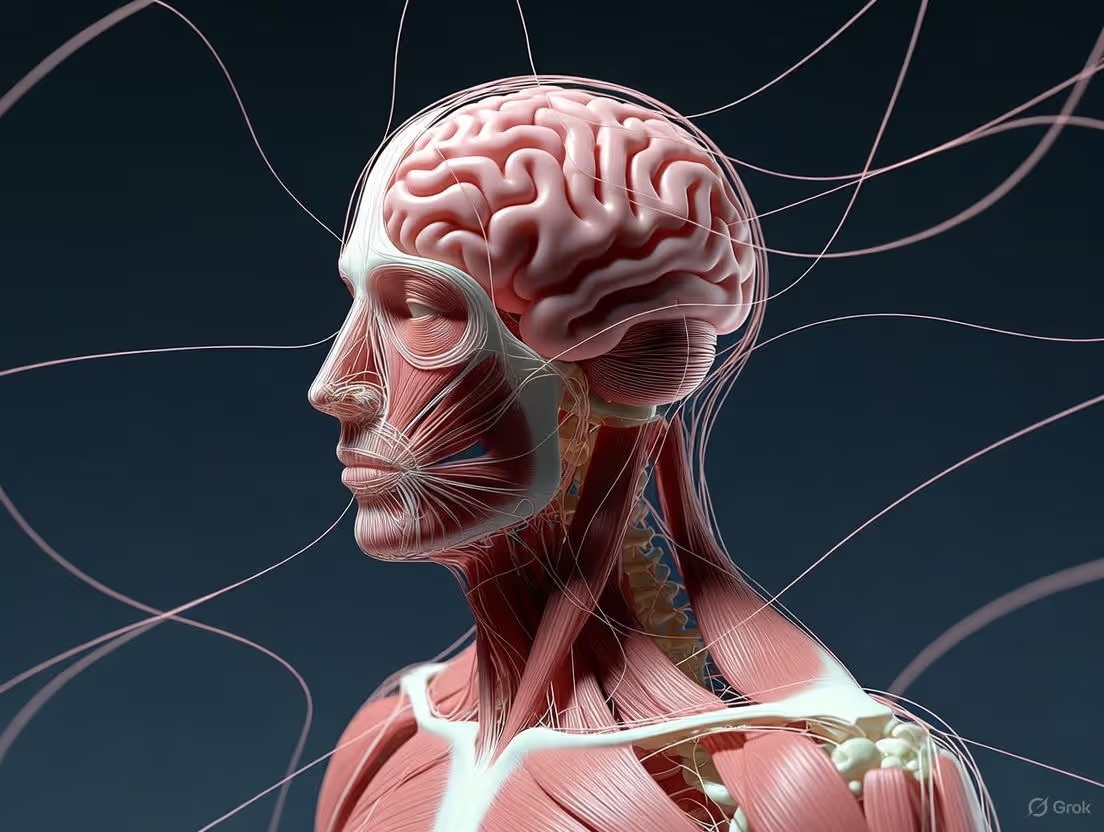
To grasp the mind-body link, we must start with the command center: the brain. It’s a misconception that the brain is locked away in a silent, bony vault. It is, in fact, a prolific broadcaster, sending and receiving a constant stream of signals through an intricate network of neural, hormonal, and immune pathways. This communication forms the very basis of our lived experience.
The primary channel for this conversation is the autonomic nervous system (ANS), your body’s autopilot. The ANS has two main branches that work in a delicate, teeter-totter balance:
Your mental state directly dictates which system is in the driver’s seat. Chronic worry, anxiety, or anger keeps the SNS pedal pressed to the metal, leading to physical wear and tear. Conversely, practices that cultivate calm—like deep breathing, meditation, or spending time in nature—engage the PNS, initiating physical restoration.
But the brain’s influence extends further via the hypothalamic-pituitary-adrenal (HPA) axis. This is your central stress response system. When your brain perceives a stressor (physical or psychological), the hypothalamus signals the pituitary gland, which then signals the adrenal glands to release cortisol. In acute doses, cortisol is vital. Chronically elevated, however, it becomes a destructive force, linked to weight gain, immune suppression, memory impairment, and increased disease risk.
Crucially, this isn’t a one-way street. The body talks back. Inflammatory molecules called cytokines, released from sites of injury or infection, can travel to the brain, influencing areas that control mood and motivation. This is why you feel lethargic and foggy when you have the flu—your body’s immune response is actively altering your mental state. This bidirectional highway means that a sore joint or poor gut health can whisper messages of discomfort and low mood to your brain, just as a ruminating thought can trigger tension and inflammation in your body. Understanding this neural dialogue is the first step to learning its language and, ultimately, directing its narrative.
If the brain is the CEO, then the gut is the influential chief operating officer, constantly sending memos that shape corporate policy. Housing over 100 million neurons, the enteric nervous system in our gastrointestinal tract is so sophisticated it’s earned the title of the "second brain." Its primary conversation partner? The brain in your skull, via a superhighway known as the gut-brain axis.
This axis is a two-lane road of constant communication involving neural, endocrine (hormonal), and immune pathways. The most fascinating couriers on this route are the gut microbiota—the trillions of bacteria, viruses, and fungi living in your intestines. These microbes don’t just help digest food; they produce a vast array of neuroactive compounds, including an estimated 90% of the body’s serotonin (a key neurotransmitter regulating mood, sleep, and appetite) and a significant portion of its dopamine and GABA.
Imagine this: the state of your gut microbiome can directly influence your emotional landscape. Studies have shown that individuals with certain depressive and anxiety disorders often have distinctly different gut microbiota compositions compared to healthy controls. When gut bacteria are imbalanced (a state called dysbiosis), they can produce metabolites that increase intestinal permeability ("leaky gut"), allowing inflammatory substances into the bloodstream. This systemic inflammation can then cross the blood-brain barrier, contributing to neuroinflammation, which is increasingly implicated in conditions from brain fog to major depression.
The communication flows both ways powerfully. Chronic stress, mediated by cortisol, can alter gut motility, increase permeability, and change the microenvironment of the gut, favoring "bad" bacteria over "good." This creates a vicious cycle: stress disrupts the gut, the disrupted gut sends inflammatory signals to the brain, and brain inflammation worsens stress and mood, further harming the gut.
Breaking this cycle is a cornerstone of integrative health. Strategies include:
By nurturing your gut, you are fundamentally nurturing your mind. It’s a profound example of how a physical health priority—digestive wellness—is, in reality, a direct and powerful intervention for mental and emotional resilience. For those tracking their holistic health, observing how dietary changes correlate with mood and energy levels can be revelatory. You can discover more about how modern wearables can help track these subtle biometric shifts in our comprehensive resources at the Oxyzen blog.

Stress is not the enemy. Acute stress is an essential, adaptive biological response that heightens our focus and mobilizes energy—it’s what helps you slam the brakes to avoid an accident or deliver a critical presentation. The enemy is chronic stress—the unrelenting, low-grade activation of the stress-response system when the perceived threat never truly recedes. This state places your body in a perpetual state of emergency, leading to systemic corrosion.
When the SNS and HPA axis are constantly engaged, cortisol remains elevated. Over time, this hormonal flood has devastating consequences:
Perhaps most insidiously, chronic stress alters our perception and behavior, trapping us in the cycle. It can heighten emotional reactivity, decrease impulse control, and drive us toward comfort behaviors—like reaching for sugary, fatty foods or neglecting exercise—that further degrade our physical health.
The key to mitigating this wear and tear is not to eliminate stress (an impossibility) but to improve our stress resilience—the ability to encounter stress, respond effectively, and then return to a baseline state of calm. This requires tools to actively engage the parasympathetic nervous system, interrupting the chronic stress loop. It also requires awareness; you cannot manage what you cannot measure. This is where detailed biometric tracking becomes invaluable, offering a window into how your nervous system responds to daily life. For answers to common questions on how technology can assist in this, our FAQ page provides detailed insights.
If chronic stress is the silent alarm, inflammation is the smoke and fire it leaves behind. Once seen solely as a localized response to injury or infection—redness, heat, swelling—we now understand inflammation as a systemic, immune-mediated process that is the common biological substrate linking poor mental health to nearly every major physical disease.
Acute inflammation is protective and self-limiting. Chronic, low-grade systemic inflammation, however, is a slow-burning fire that damages tissues throughout the body. This state, sometimes called "inflammaging," is fueled by:
This systemic inflammation doesn’t just affect your joints or arteries; it directly impacts your brain. Inflammatory cytokines can cross the blood-brain barrier, where they can:
The result? A significantly increased risk for depression, anxiety, cognitive decline, and Alzheimer’s disease. In fact, many researchers now view major depression, in part, as a disorder of inflammatory pathways. This explains why individuals with chronic inflammatory conditions like rheumatoid arthritis, inflammatory bowel disease, or cardiovascular disease have markedly higher rates of depression and anxiety—they are literally sharing the same inflammatory burden.
Conversely, positive mental states and interventions can reduce inflammation. Studies show that practices like mindfulness meditation, compassion training, and maintaining strong social connections can lower levels of pro-inflammatory cytokines like interleukin-6 (IL-6) and C-reactive protein (CRP).
Therefore, an anti-inflammatory lifestyle is a dual-front strategy for total wellness:
By damping the inflammatory fire, you are simultaneously protecting your heart, your joints, and your mind. This paradigm shift—seeing mental and physical ailments as different manifestations of the same underlying inflammatory processes—is revolutionizing preventive medicine.

Sleep is the ultimate testament to the mind-body union. It is not passive downtime but an active, essential state of restoration, consolidation, and cleansing for both brain and body. When we sacrifice sleep, we impair every system we’ve discussed so far.
During sleep, particularly deep (slow-wave) sleep and REM (dream) sleep, critical processes unfold:
The bidirectional link is stark here as well. Chronic stress and anxiety are leading causes of insomnia and sleep fragmentation. Conversely, a single night of poor sleep elevates cortisol and inflammatory markers the next day, creating a state of physiological stress. It’s a classic vicious cycle: stress ruins sleep, and poor sleep heightens stress reactivity.
Prioritizing sleep hygiene is therefore a non-negotiable pillar of holistic health. This goes beyond just duration (7-9 hours for most adults) to include consistency (a fixed wake-up time), environment (cool, dark, quiet), and pre-sleep ritual (winding down without screens). For the modern individual, understanding personal sleep architecture—time in light, deep, and REM sleep, resting heart rate, and heart rate variability (HRV) during sleep—provides a powerful map to recovery quality. This level of insight is at the heart of what devices like the Oxyzen smart ring are designed to provide, turning abstract concepts of "poor sleep" into actionable data. To see how real users have transformed their sleep and stress management, you can explore their journeys in our testimonials.
The phrase "exercise is medicine" is often applied to physical conditions like obesity and heart disease. But its most potent and fast-acting effects may be on the brain. Physical activity is a powerful modulator of the mind-body dialogue, with acute and chronic benefits that reshape both physiology and psychology.
When you engage in moderate to vigorous exercise, you initiate a beneficial cascade:
The mental health implications are profound. Consistent exercise is as effective as medication or psychotherapy for mild to moderate depression and anxiety. It reduces symptoms of ADHD, improves executive function, and builds resilience against stress.
Yet, the relationship is nuanced. Overtraining or using exercise as a compulsive stress-relief tool without adequate recovery can backfire, elevating cortisol and inflammation. The goal is to find a sustainable, enjoyable movement practice—be it brisk walking, dancing, cycling, or strength training—that supports the body’s rhythms rather than fighting them. Listening to your body’s signals, like changes in resting heart rate or HRV, can help you strike this balance, ensuring that your movement truly serves as medicine. For a deeper dive into creating a balanced wellness routine, our blog offers a wealth of actionable guides.
If there is a single, quantifiable metric that most elegantly captures the real-time conversation between your mind and body, it is Heart Rate Variability (HRV). Contrary to what one might assume, a healthy heart does not beat with the monotonous regularity of a metronome. The time interval between successive heartbeats fluctuates by milliseconds. This variability is a sign of a healthy, responsive nervous system.
HRV is essentially a readout of the balance between your sympathetic (SNS) and parasympathetic (PNS) nervous systems. A higher HRV generally indicates a strong PNS influence—meaning your body is in a state capable of rest, recovery, and adaptability. You are resilient. A lower HRV suggests SNS dominance—your body is under stress, in a state of "fight-or-flight," with less capacity to recover and adapt.
What makes HRV so powerful is its sensitivity. It fluctuates in response to:
By tracking HRV, particularly your morning resting HRV, you gain an objective window into your body’s readiness and overall stress load. It’s direct biofeedback from your autonomic nervous system. You can conduct personal experiments: see how a mindfulness practice impacts your HRV over weeks, or observe the physiological cost of a poor night's sleep or a night of drinking.
This transforms wellness from a guessing game into a data-informed practice. Instead of pushing through fatigue because the calendar says it’s a workout day, you can learn to respect a low HRV reading as a signal for recovery. This practice, known as autonomic flexibility training, involves using the data to guide behaviors that enhance PNS tone—like coherent breathing (5-6 breaths per minute) or meditation—thereby directly training your nervous system to be more resilient. The mission of companies like Oxyzen is rooted in making this profound level of self-awareness accessible and actionable, empowering individuals to become active participants in their mind-body health.

The adage "you are what you eat" finds profound validation in the emerging field of nutritional psychiatry. Food is not just fuel for the body; it is the primary source of building blocks for neurotransmitters, the modulators of inflammation, and the determiners of gut microbiome health. Every meal is an intervention in the mind-body dialogue.
Research consistently shows that dietary patterns are strongly linked to mental health outcomes. The Mediterranean Diet—rich in fruits, vegetables, whole grains, legumes, nuts, olive oil, and fish—is associated with up to a 30% reduced risk of depression compared to a typical "Western" diet high in processed foods, refined sugars, and unhealthy fats.
The mechanisms are concrete:
The concept of the "gut-brain axis in a meal" is powerful. For example, a meal of salmon (omega-3s, B12), quinoa (fiber, magnesium), and leafy greens (folate, antioxidants) is actively supporting cognitive function, reducing inflammation, and fostering a healthy gut microbiome—all at once.
Conversely, mental states dictate food choices. Stress and low mood often drive cravings for hyper-palatable, sugary, and fatty "comfort foods" that provide a temporary dopamine hit but ultimately worsen the inflammatory and dysbiotic state, perpetuating the cycle.
Breaking free requires mindful, intentional eating—viewing food as foundational medicine. It’s about building a plate that supports both physical vitality and mental clarity. Tracking how different foods affect not just your digestion but also your energy, sleep quality, and even your mood (as reflected in biometrics like HRV) can personalize this journey, helping you identify which foods truly fuel your unique mind-body ecosystem.
Human beings are not meant to be solitary. We are a profoundly social species, and our connections—or lack thereof—wire our biology at a fundamental level. The quality of our relationships directly influences our neurobiology, stress response, immune function, and even our lifespan. Loneliness and social isolation are now recognized as major risk factors for mortality, on par with smoking and obesity.
This phenomenon operates through what we might call the "social synapse." Positive social interactions:
On the flip side, toxic relationships, chronic conflict, and social rejection are potent psychological stressors that activate the same SNS and HPA axis pathways as physical threats. The pain of social rejection is processed in the same brain regions (like the anterior cingulate cortex) as physical pain.
Therefore, cultivating a nourishing social ecosystem is not a luxury or a soft skill; it is a critical component of biological health. It involves:
In our hyper-connected, digitally-mediated world, we must be intentional to cultivate the quality of connection that our biology craves. This "social prescription" is a vital, often overlooked, element of any holistic wellness plan, reminding us that healing and thriving are inherently relational processes.
Our cultural narrative often paints stress as a villain to be vanquished. But a more nuanced understanding reveals a spectrum: on one end, distress (toxic, chronic stress), and on the other, eustress (positive, beneficial stress). The difference lies not in the stimulus itself, but in our perception, our sense of control, and the duration of the response. Learning to alchemize distress into eustress is a master skill for mind-body health.
Distress occurs when we perceive a threat as overwhelming, unpredictable, or beyond our control. It triggers the maladaptive, chronic stress response we’ve detailed—the one that leads to burnout, inflammation, and disease. It’s the stress of feeling trapped, powerless, or hopeless.
Eustress, from the Greek "eu-" (good), is the stress of challenge and growth. It’s the nervous excitement before a speech you’ve prepared for, the physical strain of a workout that makes you stronger, the cognitive effort of learning a new skill. Eustress triggers the same initial SNS response—increased heart rate, heightened focus—but it is short-lived and accompanied by a sense of agency and purpose. The key differentiators are:
The biological impact of eustress is strikingly different. While it may briefly elevate cortisol, it is also associated with the release of DHEA, a "counter-stress" hormone that supports resilience and repair. This combination is what researchers call a "growth response," enhancing learning and adaptation.
The practice of emotional alchemy involves reframing our relationship with stressors:
By shifting our relationship with stress, we can harness its energizing potential while mitigating its toxic effects. This mental shift isn't just philosophical; it changes our physiological response in real time, directing our biology toward growth rather than decay. Monitoring how your body (through metrics like HRV and sleep quality) responds to different perceived challenges can provide powerful feedback, helping you fine-tune this skill of conscious adaptation. The journey of Oxyzen's founders was driven by this very principle: harnessing technology to transform overwhelming health data into empowering, personalized insight for growth.
For most of human history, the mind-body dialogue was invisible, felt only through subjective sensation. Today, technology is granting us the unprecedented ability to quantify this intimate conversation, turning whispers of intuition into clear, actionable data. At the forefront of this revolution are advanced wearables, particularly smart rings, which offer a continuous, non-intrusive window into our autonomic nervous system and recovery status.
Devices like the Oxyzen smart ring act as translators of your body’s language, tracking key biomarkers:
The power of this data lies in pattern recognition and personalization. You can move beyond generic advice ("get 8 hours of sleep") to personalized insights ("on nights when my deep sleep is below 60 minutes, my next-day HRV drops by 15%, and I crave sugar"). This allows for truly scientific self-experimentation.
For instance, you can:
This technology demystifies holistic health. It shows you, in hard numbers, that the anxiety you felt yesterday did, in fact, raise your resting heart rate. It proves that the consistent sleep schedule you maintained last week correlated with a steady climb in your HRV baseline. It turns the abstract concept of "mind-body connection" into a tangible, manageable feedback loop.
By quantifying the invisible, we gain agency. We are no longer passive passengers in our health journey but informed pilots, able to make small, data-backed course corrections that compound into profound shifts in well-being. This seamless integration of technology and biology is the next frontier in personal wellness, empowering each individual to become the expert of their own inseparable mind and body.
We possess five well-known senses for navigating the external world, but there is a sixth, equally critical sense for navigating our internal world: interoception. This is the sense of the physiological condition of the entire body—the ability to perceive, interpret, and integrate signals originating from within. It’s the feeling of a full bladder, an empty stomach, a racing heart, a tense muscle, or the subtle warmth of calm. Interoception is the neurological basis of embodiment, the foundational process that allows the "mind" to feel what the "body" is doing.
This sense is processed primarily by the insula, a deep region of the cerebral cortex. The insula acts as the brain’s integration hub, mapping internal sensations (like heartbeat, breath, and gut feelings) and creating our subjective emotional experience. In essence, you don’t first feel anxious and then get a racing heart. Your brain interprets the sensation of a racing heart, along with other cues, and labels that collective feeling as "anxiety."
The accuracy of this internal sense, known as interoceptive awareness, varies dramatically from person to person and is profoundly linked to both mental and physical health. High interoceptive awareness—being finely attuned to your body’s signals—is associated with:
Conversely, low or dysregulated interoceptive awareness is a hallmark of many conditions. In anxiety disorders, individuals may catastrophize normal bodily sensations (e.g., interpreting a slightly elevated heart rate as a heart attack). In eating disorders, signals of hunger and satiety can be profoundly misread. Chronic pain conditions often involve a heightened, yet distorted, sensitivity to internal signals.
The beautiful news is that interoception is a trainable skill. Practices that direct attention inward systematically strengthen this neural pathway:
Improving interoception bridges the perceived gap between mind and body. It allows you to become an astute observer of the dialogue we’ve been exploring, catching the early whispers of stress, inflammation, or dysregulation before they become shouts. It turns your body from a mysterious, sometimes adversarial, entity into a wise and communicative partner. This journey of re-connection is at the core of many modern therapeutic modalities and is a powerful step toward integrated health. For a deeper exploration of practices that can enhance this internal awareness, the Oxyzen blog offers a range of guided resources and insights.
The field of psychoneuroimmunology (PNI) has definitively proven that the immune system is not an autonomous defense unit. It is deeply influenced by the brain and, by extension, by our thoughts, emotions, and behaviors. Our mental landscape can act as a potent immunomodulator, either bolstering our defenses or tearing them down.
The communication network is extensive. The brain communicates with immune cells via:
This means your psychological state directly influences your susceptibility to the common cold, the speed of wound healing, the efficacy of vaccines, and the progression of autoimmune diseases.
Consider the compelling evidence:
The practical application is clear: managing mental health is a direct investment in immune capital. Strategies that reduce chronic stress and foster positive emotions are not just "feeling good" tactics; they are legitimate immune-support protocols. This includes:
In an age where immune health is paramount, this psychological dimension cannot be ignored. A robust immune system is built not only in the kitchen and gym but also in the quiet moments of meditation, the warmth of connection, and the management of our daily stress. It is a perfect example of a mind-body outcome that is greater than the sum of its parts.
Pain is the body's most urgent alarm system. Acute pain is protective, signaling tissue damage and demanding attention. However, when pain persists beyond normal healing time—becoming chronic—it evolves from a symptom into a complex disease state of the nervous system itself, one where the lines between physical sensation and psychological distress blur entirely.
Chronic pain (lasting more than 3-6 months) fundamentally rewires the brain. This process, called central sensitization, involves:
In this state, the original injury may have healed, but the alarm system is stuck in the "on" position. The pain is no longer just a message from the body to the brain; it is a self-perpetuating pattern within the brain.
This is where psychology becomes inseparable from the pain experience. Factors that worsen central sensitization include:
Therefore, effective treatment for chronic pain must address the mind as diligently as the body. Modern pain medicine employs:
Healing chronic pain requires convincing a hypersensitive nervous system that it is safe. This is a psychological task as much as a physical one. It requires patience, self-compassion, and often, a holistic team approach. Recognizing that the pain is "real" but is being generated and maintained by a changed nervous system is the first step toward reclaiming a life not defined by it. For those navigating this challenging journey, finding supportive tools and communities is vital; connecting with others who understand can be a powerful part of the healing process, as shared in some user testimonials.
Our genes are not our destiny. The revolutionary science of epigenetics reveals how our environment, behaviors, and importantly, our psychological experiences, can directly influence the expression of our DNA without changing the underlying sequence. These experiences can leave molecular "tags" on our genes that turn their volume up or down, and some of these tags can even be passed to future generations.
Epigenetic mechanisms, such as DNA methylation and histone modification, act like a dimmer switch on a gene. A stressful or nurturing environment can adjust these switches, determining which proteins are produced and, ultimately, how our cells function.
The mind-body connection is etched into our biology through these pathways:
This science shatters the nature-versus-nurture debate. It shows that nurture becomes nature at a molecular level. Our thoughts, our stressors, our diets, and our relationships are actively participating in sculpting our genomic expression.
The empowering implication is that we are not passive victims of our genetic inheritance. While we cannot change the DNA we were born with, we have significant influence over which genes are activated or silenced through our daily choices and mental habits. This is the ultimate expression of mind-over-matter: our "mind" (our experiences and perceptions) directly shapes our "matter" (the very activity of our genes).
By adopting an epigenetic lens, we see that every healthy meal, every bout of exercise, every meditation session, and every effort to manage stress is not just a temporary behavior. It is an active investment in our long-term biological script, potentially steering it toward a narrative of health and resilience. This long-term, generational perspective is aligned with the deep vision behind holistic health platforms, a vision you can explore in our story.
Of all the mind-body links, none is more immediate and accessible than the breath. Breathing is unique—it is an automatic function governed by the brainstem, yet it is also under our voluntary control. This dual nature makes it the most powerful tool we possess for directly and instantly influencing our physiological and emotional state. You can think of your breath as a remote control for your autonomic nervous system.
The mechanics are precise:
This is primarily mediated through the vagus nerve, the longest cranial nerve and the main conduit of the PNS. Deep, rhythmic breathing increases vagal tone—the activity of the vagus nerve—which slows the heart rate, lowers blood pressure, and promotes digestive activity. High vagal tone is a key marker of resilience and emotional regulation.
Specific breathing techniques have been refined for different outcomes:
The application is immediate. In a moment of panic, five rounds of coherent breathing can lower your heart rate. Before an important meeting, a minute of box breathing can sharpen focus. Practiced consistently, daily breathwork can train your nervous system to default to a calmer, more resilient baseline.
What makes this even more powerful in the modern context is the ability to pair these ancient practices with real-time biofeedback. Using a device that measures HRV, you can literally see the immediate physiological impact of a breathing exercise on your nervous system balance, turning an abstract practice into a visually reinforced skill. This fusion of ancient wisdom and modern technology creates a potent practice for self-mastery, a principle central to the design philosophy at Oxyzen.
High performers—athletes, executives, artists—often push their bodies to extreme limits. For decades, the focus was purely physical: training harder, eating perfectly, optimizing recovery. However, the cutting edge of performance science now recognizes that the ultimate limitation is often not muscular, cardiovascular, or technical. It is mental fatigue, and it has direct, measurable physical consequences.
Mental fatigue is the state of tiredness and reduced cognitive efficiency following prolonged periods of demanding brain work. It’s not just feeling "brain fried"; it manifests physically through:
This happens because demanding cognitive work depletes neurotransmitters (like dopamine) in brain regions involved in motivation and effort regulation, such as the anterior cingulate cortex. When mentally fatigued, your brain sends stronger signals of exhaustion and discomfort to dissuade you from continuing physical exertion, essentially lowering your "give-up" threshold.
Conversely, physical exhaustion impairs cognitive function. Depleted glycogen stores, dehydration, and the buildup of metabolic byproducts directly affect the brain's energy supply and neurochemical environment, leading to:
The performance paradox is that to break through physical plateaus, you must train the mind. Elite training now integrates:
This integrated approach recognizes the athlete or executive as a whole system. A demanding strategic planning session is a "workout" for the prefrontal cortex and must be factored into recovery needs just like a leg day. Optimal performance is achieved not by compartmentalizing mind and body, but by synchronizing them, ensuring that mental stamina is available when physical limits are tested, and that physical vitality supports cognitive sharpness. For individuals striving to optimize this balance, data becomes indispensable, a topic frequently explored in our blog with guides on balancing stress and recovery.
The placebo effect ("I will heal") and its evil twin, the nocebo effect ("This will harm me"), are the most dramatic demonstrations of the mind's power over the body. They are not "just in your head" in the dismissive sense; they are proof that beliefs, expectations, and conditioned learning can trigger real, measurable physiological changes.
These effects operate through established psychoneurobiological mechanisms:
The clinical and personal implications are vast:
Harnessing this knowledge means cultivating a "placebo-responsive" mindset. It involves fostering positive expectations about your health choices, trusting in your body's innate capacity to heal, and being mindful of the narratives you consume and repeat. While not a substitute for evidence-based medicine, it is a powerful adjuvant, turning the mind into an active ally in the healing process. Understanding this principle encourages a more conscious and empowered relationship with all aspects of wellness, a philosophy that guides our approach to support and education, detailed in our FAQ.
We do not exist in a vacuum. Our physical environments—our homes, offices, and digital spaces—are not just backdrops to our lives. They are active participants in the mind-body dialogue, constantly sending sensory inputs that shape our nervous system, cognition, and emotional tone. To care for the mind-body system, we must also curate the ecosystems in which it exists.
Key environmental factors exert a profound influence:
Digital Environment: Our smartphones and computers create a potent psychological environment. The constant barrage of notifications, emails, and social media comparisons creates a state of chronic, low-grade threat vigilance, keeping the SNS subtly engaged. Digital clutter (thousands of unread emails, a chaotic desktop) creates the same cognitive burden as physical clutter.
The goal of environmental psychology is to design spaces that support well-being. This means:
By intentionally shaping our environments, we create external scaffolding for internal calm. We reduce the constant low-level stressors that drain our adaptive capacity, freeing up mental and physical resources for creativity, connection, and vitality. It is a proactive way of programming our surroundings to work for, rather than against, our mind-body unity. For more on creating a holistic wellness environment that includes both physical space and personal technology, explore the insights shared on the Oxyzen blog.
We are not static beings. Every cell in our body, every hormone, and every brain wave operates on a rhythmic cadence dictated by internal biological clocks. This field, known as chronobiology, reveals that our mental and physical health are inextricably linked to timing. Disrupt these natural rhythms, and you disrupt the very foundation of the mind-body connection.
The master conductor is the suprachiasmatic nucleus (SCN), a tiny region in the hypothalamus. This "master clock" is set primarily by light entering the eyes and synchronizes peripheral clocks in every organ—the liver, gut, heart, and adipose tissue. This system regulates our circadian rhythm, the roughly 24-hour cycle governing sleep-wake patterns, hormone release (cortisol, melatonin), body temperature, digestion, and even gene expression.
When our lifestyle is in sync with our circadian rhythm—sleeping at night, eating during daylight, being active in sync with our temperature peak—the mind-body system hums with efficiency. Mental clarity, stable mood, robust metabolism, and strong immunity are the rewards. This state is called circadian alignment.
Circadian disruption, however, is a potent source of systemic dysfunction. It occurs through:
The consequences of chronic disruption are severe and bidirectional:
Cultivating circadian hygiene is thus a master strategy for holistic health:
By honoring our biological rhythms, we don't just improve sleep; we synchronize the entire orchestra of our physiology. This alignment reduces internal friction, allowing mental and physical processes to unfold with optimal timing and minimal waste. It is the temporal architecture of the mind-body union. For practical tools and deeper dives into establishing these rhythms, our Oxyzen blog offers science-backed guides and user experiences.
Beyond the familiar stress hormone cortisol, a symphony of hormones conducts the ongoing dialogue between our physical state and emotional experience. The endocrine system—a network of glands that secrete hormones directly into the bloodstream—is a central communication hub in the mind-body connection. Imbalances in this system manifest as both physical ailments and psychological distress.
Key hormonal players in this dialogue include:
The bidirectional nature is clear: chronic psychological stress dysregulates the HPA axis, which can disrupt thyroid and sex hormone balance. Conversely, a physical condition like Polycystic Ovary Syndrome (PCOS), involving insulin resistance and sex hormone imbalance, dramatically increases the risk of anxiety and depression.
Achieving hormonal harmony requires a systemic approach:
Understanding our endocrine system moves us beyond a vague sense of being "hormonal" to appreciating the precise biochemical language through which our physical state informs our mind, and vice-versa. Restoring balance here can resolve symptoms that straddle both realms, unlocking new levels of vitality and stability. The journey to understanding these personal biological patterns is one we support with data and insight, part of the mission you can learn about in our story.
The most constant conversation you have is the one inside your own head. This internal narrative—your self-talk—is far from background noise. It is a direct, powerful, and continuous modulator of your mind-body state. Every thought, particularly those charged with emotion, triggers a cascade of neurochemical events that translate words into physiological reality.
Negative Self-Talk (e.g., "I'm a failure," "I can't handle this," "I'm so unhealthy") acts as a chronic, low-grade psychological stressor. It:
Over time, this pattern sculpts the brain through neuroplasticity, strengthening neural pathways of pessimism and anxiety while weakening those for resilience and calm. It physically creates a body primed for stress and inflammation.
Constructive Self-Talk (e.g., "This is challenging, but I can work through it," "I am capable," "I am taking steps toward my health"), conversely:
The practice of reshaping this inner voice is not positive thinking platitudes; it is cognitive restructuring, a core component of CBT. It involves:
This mental discipline has a tangible somatic payoff. By changing the narrative, you change the neurological and hormonal signals being broadcast to every cell in your body. You transition from a state of self-inflicted threat to one of self-supported safety. This internal climate is far more conducive to healing, growth, and performance. Cultivating a kind inner voice is perhaps the most accessible and cost-free wellness tool we possess, one that works in tandem with every other physical intervention we undertake. For those seeking to build this skill, finding supportive communities and resources can be transformative, as echoed in many of our user testimonials.
In a culture that glorifies "grinding" and busyness, true recovery is radically undervalued. Yet, from a mind-body perspective, recovery is not passive idleness; it is the active, essential process during which adaptation occurs. Without intentional recovery, the benefits of stress (physical exercise, mental effort) are never fully integrated, leading to plateaus, burnout, and breakdown.
Recovery happens on multiple, interconnected levels:
The failure to adequately recover manifests as non-functional overreaching, which can progress to overtraining syndrome in athletes or burnout in professionals. Symptoms are both mental and physical:
Effective recovery is both quantitative and qualitative. It’s not just about the number of hours slept, but the depth of that sleep. It’s not just days off, but how those days are spent. Strategic recovery modalities include:
The modern challenge is that low-grade cognitive and emotional stressors (email, news cycles, social media) can prevent true nervous system recovery even during physical rest. This is why watching TV or scrolling a phone often doesn't feel restorative—it may keep the brain in a state of passive engagement.
Prioritizing recovery means scheduling it with the same importance as work meetings or workouts. It requires listening to biofeedback (like a consistently low HRV) as a signal to pull back, not push through. By honoring the need for downtime, we allow the mind-body system to consolidate gains, strengthen its defenses, and return to challenges with greater capacity. This art is central to sustainable high performance and long-term health. For answers on how technology can help identify your personal recovery needs, our comprehensive FAQ provides detailed guidance.
The dominant model of Western medicine is superb at acute care and specialized intervention—setting bones, treating infections, performing surgeries. However, its reductionist approach often struggles with chronic, complex conditions where mind and body symptoms are intertwined. This gap is where Integrative and Functional Medicine rises, offering a paradigm perfectly suited to the mind-body connection.
Functional Medicine asks "why?" Instead of simply naming a disease and matching a drug to it, it seeks to identify the root cause of dysfunction by understanding the patient's unique genetic, biochemical, and lifestyle factors. It views the body as an interconnected network, where a problem in one area (like gut dysbiosis) can cause symptoms in a seemingly unrelated area (like depression or eczema).
Integrative Medicine combines the best of conventional Western medicine with evidence-based complementary therapies (nutrition, mindfulness, acupuncture, etc.), focusing on the whole person—mind, body, and spirit.
Together, these models operationalize the mind-body connection in clinical practice through:
For example, a patient presenting with fatigue, brain fog, and low mood might undergo testing that reveals:
A functional-integrative approach would address both: using probiotics and dietary changes to heal the gut, supplementing nutritional deficiencies, using adaptogens to support the HPA axis, and prescribing a mindfulness-based stress reduction (MBSR) program and sleep hygiene protocol. The mental and physical are treated as one.
This approach empowers patients as active participants in their healing. It validates that their psychological experience is a key part of their physiology and that healing requires addressing both. While not replacing essential acute care, it provides a desperately needed framework for the chronic health challenges of our time, which are overwhelmingly diseases of system dysregulation where mind and body are co-conspirators. Learning about different approaches to wellness is a key part of taking charge of your health, a value we encourage through resources like our blog.
We stand at the precipice of a new era in understanding and optimizing the mind-body connection. The convergence of biometric sensors, artificial intelligence, genomics, and a growing cultural emphasis on holistic well-being is shifting health from a reactive model to one that is predictive, personalized, and participatory.
The Role of Advanced Wearables: Devices will evolve from trackers to health coaches. Imagine a device that not only tells you your sleep was poor but analyzes why (late eating, high stress the previous afternoon) and suggests a micro-habit for tonight. Or one that notices a physiological signature of rising anxiety and gently prompts a one-minute breathing exercise to divert it.
This future dissolves the final barriers between mental and physical care. Your "mental health app" and your "fitness tracker" will be the same system, because the data is inherently unified. A therapist might review a client's physiological stress patterns to understand triggers, while a cardiologist might prescribe a mindfulness app to lower blood pressure.
This empowered, data-informed, holistic approach is the logical culmination of everything we've explored. It acknowledges that our mental whispers and physical signals are part of one continuous stream of information, and that by learning to read and respond to this stream with intelligence and compassion, we can steer ourselves toward a state of thriving. This vision of seamless, intelligent health guidance is what drives innovation at Oxyzen, aiming to put this future in the hands of individuals today.
Your Trusted Sleep Advocate: Sleep Foundation — https://www.sleepfoundation.org
Discover a digital archive of scholarly articles: NIH — https://www.ncbi.nlm.nih.gov/
39 million citations for biomedical literature :PubMed — https://pubmed.ncbi.nlm.nih.gov/
Experts at Harvard Health Publishing covering a variety of health topics — https://www.health.harvard.edu/blog/
Every life deserves world class care :Cleveland Clinic - https://my.clevelandclinic.org/health
Wearable technology and the future of predictive health monitoring :MIT Technology Review — https://www.technologyreview.com/
Dedicated to the well-being of all people and guided by science :World Health Organization — https://www.who.int/news-room/
Psychological science and knowledge to benefit society and improve lives. :APA — https://www.apa.org/monitor/
Cutting-edge insights on human longevity and peak performance:
Lifespan Research — https://www.lifespan.io/
Global authority on exercise physiology, sports performance, and human recovery:
American College of Sports Medicine — https://www.acsm.org/
Neuroscience-driven guidance for better focus, sleep, and mental clarity:
Stanford Human Performance Lab — https://humanperformance.stanford.edu/
Evidence-based psychology and mind–body wellness resources:
Mayo Clinic — https://www.mayoclinic.org/healthy-lifestyle/
Data-backed research on emotional wellbeing, stress biology, and resilience:
American Institute of Stress — https://www.stress.org/


