


Mental Wellness and Substance Use: Understanding the Relationship
Understand that substance use can be both a misguided attempt to cope with poor mental wellness and a cause of further deterioration.
Understand that substance use can be both a misguided attempt to cope with poor mental wellness and a cause of further deterioration.
%402x.svg)
For millennia, humanity has sought to alter consciousness. From ancient ritualistic brews to modern pharmaceutical marvels, the relationship between the substances we consume and the state of our minds is as old as civilization itself. Yet, in our contemporary world, this relationship has become a complex and often perilous landscape. Mental wellness and substance use are not separate islands but are deeply connected by a two-way street of cause, effect, and intricate feedback loops. This profound intersection is where lives are often built, broken, and rebuilt.
Today, we face a silent epidemic. Anxiety, depression, and chronic stress are at unprecedented levels, while substance use—from alcohol and cannabis to prescription medications and illicit drugs—remains a pervasive element of global culture. Many navigate this terrain intuitively, using a glass of wine to unwind from stress or avoiding social situations without a "social lubricant." But what begins as a perceived solution can subtly morph into the core of the problem, creating a cycle that's notoriously difficult to break.
This isn't merely a clinical discussion; it's a human one. It's about the executive who relies on alcohol to mute the hum of perpetual anxiety, the college student using stimulants to cope with academic pressure, or the individual managing chronic pain who finds themselves trapped between relief and dependence. The path from use to misuse to disorder is rarely a straight line. It’s a winding road paved with brain chemistry, genetics, trauma, environment, and the very human desire to feel better.
Understanding this relationship is the first, most crucial step toward healing, better management, and proactive wellness. It requires moving beyond stigma and simplistic "just say no" narratives into the nuanced reality of the human brain and experience. It’s about compassion, science, and strategy.
In this exploration, we will dissect the intricate bonds between mental health and substance use. We’ll delve into the neuroscience of why substances feel like a solution, examine the most common co-occurring conditions, and trace the vicious cycles that entrap millions. We will also look toward the future—where technology, like advanced biometric tracking from companies like Oxyzen, offers unprecedented insights into our personal patterns of stress, sleep, and physiological arousal, providing data-driven clues to manage our wellness proactively. By the end, you will have a comprehensive framework for understanding this critical relationship, not just in theory, but as it applies to the real-world journey toward sustainable mental well-being.
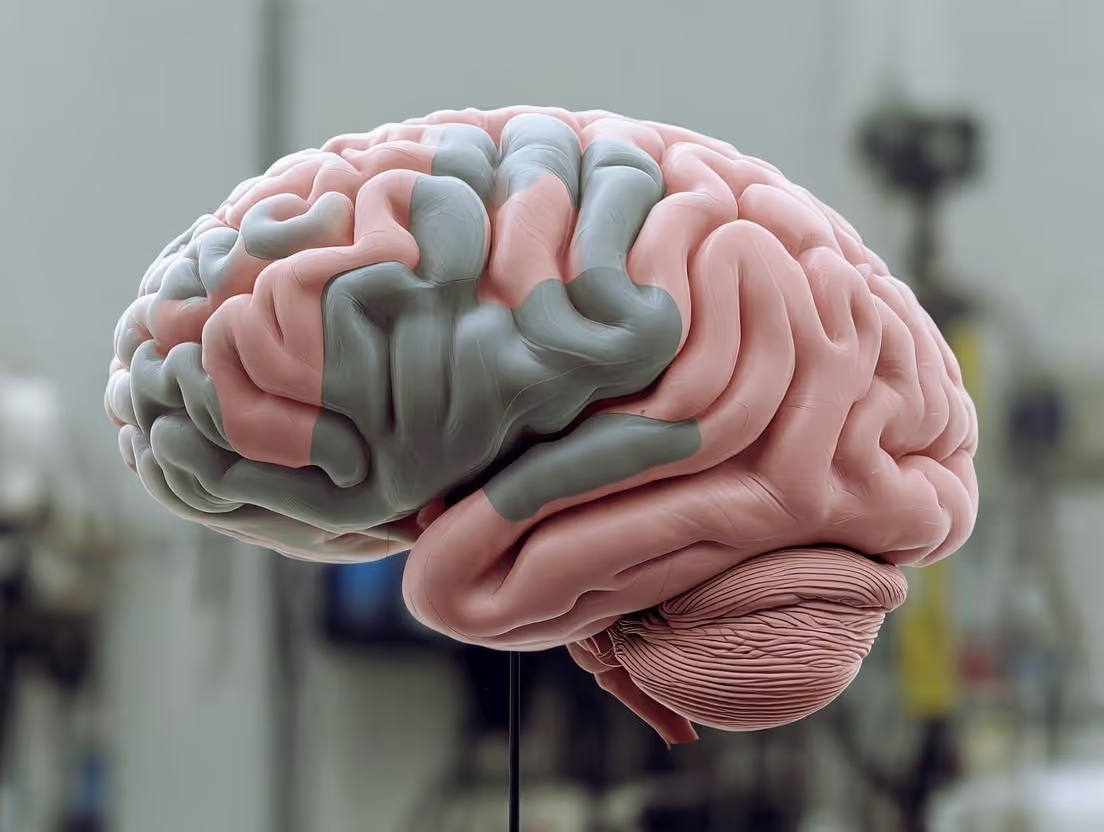
To understand the powerful pull of substances, we must first take a journey into the deepest, oldest parts of our brain. The mechanics of attraction, pleasure, and reward are not flaws in our design; they are evolutionary masterpieces that ensured our ancestors survived and procreated. We are hardwired to seek out behaviors that release neurotransmitters like dopamine, which signals, "This is important! Do this again!" This is the reward system at work when we eat a delicious meal, connect with a loved one, or achieve a hard-won goal.
Substances, however, have learned to hack this system. They don't just stimulate the reward pathway; they hijack it, often delivering a tsunami of dopamine and other neurochemicals that the brain would never produce under natural circumstances. Alcohol, opioids, stimulants, and even nicotine all converge on this central pathway, albeit through different neurological doors. The result is a potent, immediate signal that says, "This is not just important; this is essential." The brain, brilliant but literal, takes note and begins to adapt.
The Shift from Pleasure to Need
Initially, substance use may be driven by curiosity or social cues. The effect is pleasurable—relaxation, euphoria, disinhibition. This positive reinforcement strengthens the association between using the substance and feeling good. However, with repeated use, neuroadaptation occurs. The brain, faced with an artificial flood of neurotransmitters, starts to downregulate its own natural production and reduces the sensitivity of reward receptors. This means two critical things happen:
The individual no longer uses primarily to feel good, but to avoid feeling bad—to stave off the withdrawal symptoms, the crushing boredom, or the acute psychological pain that arises in the absence of the substance. The behavior shifts from being reward-driven to being relief-driven. This is a fundamental pivot point where use can transition into dependence.
Self-Medication: A Flawed but Understandable Logic
This neurological hijacking explains why the "self-medication hypothesis" is so compelling and prevalent. Someone grappling with the relentless nervous energy of an anxiety disorder may discover that alcohol or benzodiazepines quiet the noise. A person with depression, lacking energy and pleasure, might find that stimulants provide a temporary surge of motivation and well-being. Someone with unresolved trauma may use substances to numb intrusive memories and emotional pain.
In the short term, it works. The substance provides symptomatic relief. This negative reinforcement—the removal of an aversive state—is an incredibly powerful teacher. The brain learns, with alarming efficiency, that the substance is the tool for survival in the face of psychological distress. The tragic flaw, of course, is that while the substance temporarily masks the symptoms, it simultaneously worsens the underlying condition over time, creates a new disease of addiction, and dismantles the very coping mechanisms and social supports needed for genuine healing.
Understanding this neurobiological trap is key to dismantling stigma. It is not a simple lack of willpower. It is the brain's reward and survival circuitry being profoundly reshaped. Recognizing this can guide us toward more effective interventions—ones that focus on repairing the reward system, managing underlying distress with healthier tools, and providing sustained support. For those on a journey of recovery or mindful management, tracking physiological markers of stress and readiness can be invaluable. Biometric devices, such as the smart ring from Oxyzen.ai, can offer objective data on sleep quality, resting heart rate, and stress-induced physiological arousal, helping individuals identify personal triggers and patterns before they escalate, moving from reactive coping to proactive wellness management.
If the initial draw of substances lies in their potent, if deceptive, promise of relief, the great tragedy unfolds in the aftermath. What is often missed in the moment of consumption is the long-term biochemical, psychological, and social backlash. This creates a self-perpetuating engine of decline—a vicious cycle where each turn deepens the entanglement of mental distress and substance reliance. Understanding this cycle is critical, for it reveals why "quitting" without addressing the underlying issues is so fraught with difficulty and relapse.
Neurochemical Chaos and Psychiatric Symptoms
The brain seeks homeostasis, a stable balance. The artificial manipulation of its chemistry by substances forces it into a constant state of compensatory adjustment. When the substance wears off, the brain is left in a deficit state. For example:
Over time, these repeated neurochemical rollercoasters can permanently alter brain structure and function. They can dysregulate the hypothalamic-pituitary-adrenal (HPA) axis, the body's central stress response system, leading to a state of chronic, low-grade stress. This biological reality means that sustained substance use doesn't just mimic mental health disorders; it can cause them. Many cases of substance-induced anxiety, depression, and psychotic disorders are direct results of this chemical disruption.
The Erosion of Coping and Support
Beyond biochemistry, the cycle accelerates through behavior. Substance use consumes immense resources: time, money, and cognitive energy. Hobbies, passions, and social connections that once provided genuine joy and support often fall away. Skills for managing stress—like exercise, mindfulness, creative expression, or simply talking to a friend—atrophy from disuse.
Furthermore, the behaviors associated with substance use (secrecy, irritability, unreliability) often damage relationships with family, friends, and colleagues. This leads to social isolation, which is both a major risk factor for and a severe exacerbator of mental illness. The individual is left increasingly alone with their distress, their primary coping tool (the substance) is making their distress worse, and their natural support network is frayed or broken. The only perceived escape is to use more, tightening the loop of the cycle.
Sleep Architecture: The Silent Casualty
One of the most underappreciated yet devastating points in this cycle is the destruction of sleep. Quality sleep is the cornerstone of mental wellness, essential for emotional regulation, memory consolidation, and neural repair. Virtually all substances of abuse severely disrupt sleep architecture. Alcohol, for instance, may induce initial sedation but fragments the second half of the sleep cycle, obliterating restorative REM sleep. Stimulants prevent sleep onset. Withdrawal states from many substances are characterized by severe insomnia.
The result is a chronically sleep-deprived brain, which is hyper-reactive to negative stimuli, impaired in executive function, and more vulnerable to anxiety and depression. The quest for a good night's rest becomes yet another reason to use, trapping the individual in a sleepless loop. For those seeking to break this cycle, objective sleep data is crucial. By tracking sleep stages, restlessness, and overall quality with a wearable like the Oxyzen smart ring, individuals and their healthcare providers can move beyond subjective feeling ("I slept okay") to objective data, allowing for targeted interventions to heal one of the most critical pillars of mental health. You can learn more about how biometric tracking aids sleep recovery in dedicated resources.

The interplay between mental wellness and substance use is not a vague concept; it manifests in specific, well-documented pairings known as co-occurring disorders or dual diagnoses. The most prevalent of these involve anxiety disorders, depressive disorders, and trauma-related conditions. These are not random associations but connections forged by shared neurobiology and experiential logic.
Anxiety Disorders and Substance Use
Anxiety disorders—including Generalized Anxiety Disorder (GAD), Social Anxiety Disorder, Panic Disorder, and PTSD—are characterized by excessive fear, worry, and physiological hyperarousal. The urge to escape this aversive state is powerful. Alcohol, benzodiazepines ("benzos"), and cannabis are frequently used for their rapid anxiolytic (anxiety-reducing) effects. In social anxiety, a drink or two can feel like a necessary tool to endure a gathering.
The cruel irony is the rebound effect. As the substance metabolizes, anxiety returns, often more intensely than before. This "rebound anxiety" can trigger panic attacks and reinforces the perceived need for the substance, creating a dependency loop. Long-term, chronic use of these substances worsens baseline anxiety, impairs the brain's natural ability to regulate stress, and can lead to a state of constant, medication-resistant anxiety.
Depressive Disorders and Substance Use
Depression is marked by pervasive sadness, anhedonia (loss of pleasure), fatigue, and hopelessness. Stimulants (cocaine, methamphetamine, misuse of prescription stimulants) can provide a temporary illusion of escape—offering energy, confidence, and a fleeting sense of well-being. Similarly, opioids produce a warm, euphoric numbness that blots out emotional pain.
The crash from stimulants, however, plunges the individual into a depressive state far deeper than their original baseline, depleting dopamine and serotonin reserves. Opioids, over time, blunt the entire emotional spectrum, not just pain, leading to emotional flatness and a profound disconnection from life's rewards. The depression that emerges in active addiction or withdrawal is often severe, carrying a significantly higher risk of suicide. Treatment must address both the neurochemical devastation of the substance and the original depressive illness simultaneously to be effective.
Trauma, PTSD, and Substance Use
The link between trauma and substance use is one of the strongest in psychiatric epidemiology. Individuals with Post-Traumatic Stress Disorder (PTSD) are up to four times more likely to have a substance use disorder. Trauma overwhelms the nervous system, leaving it stuck in a state of hypervigilance or dissociative shutdown. Substances become a means of chemical dissociation—to numb intrusive memories, flashbacks, and hyperarousal (often with depressants) or to combat the numbness and dissociation with stimulants.
This is a profound form of self-medication aimed at regulating a shattered nervous system. However, substance use impairs the processing of traumatic memories, increases emotional dysregulation, and often leads to riskier behaviors, which can result in re-traumatization. Effective treatment for this population requires integrated, trauma-informed care that addresses the substance use not as the primary problem, but as a desperate attempt to solve the deeper problem of unprocessed trauma. Healing involves learning safer ways to regulate the nervous system and process the traumatic memory. The team at Oxyzen understands that wellness is a holistic journey; you can read more about their mission and values regarding integrated health approaches.
While environment and experience are powerful forces, the blueprint of our vulnerability lies in our DNA. The age-old debate of "nature versus nurture" finds a sophisticated synthesis in the study of addiction and mental health. We now understand that genetics load the gun, but environment often pulls the trigger. Furthermore, the emerging science of epigenetics reveals how our experiences can directly influence how our genetic code is expressed.
The Heritability Factor
Decades of family, twin, and adoption studies provide incontrovertible evidence that both substance use disorders and most major mental illnesses have a significant genetic component. For example, the heritability of alcoholism is estimated at 50-60%, similar to that of major depression and schizophrenia. This doesn't mean there is a single "addiction gene" or "depression gene." Instead, it involves complex polygenic risk—hundreds, if not thousands, of gene variants, each contributing a tiny amount to the overall risk.
These genes often influence shared pathways:
Crucially, there is substantial genetic overlap between substance use disorders and mental illnesses. Many of the same genetic vulnerabilities that increase risk for anxiety or depression also increase risk for addiction. This shared genetics helps explain why these conditions co-occur so frequently—they are different manifestations of partially shared underlying biological predispositions.
Epigenetics: Where Experience Meets DNA
This is where the story becomes dynamic. Epigenetics refers to changes in gene expression (whether a gene is turned "on" or "off") without altering the underlying DNA sequence. These changes are influenced by environment and behavior: chronic stress, trauma, nutrition, and critically, substance use itself.
Early life adversity or chronic stress can place "epigenetic marks" on genes involved in the stress response, making an individual more reactive to stress for life. Similarly, substance use can cause epigenetic changes in the brain's reward circuits, locking in patterns of craving and compulsive behavior. The profound hope within this science is that these changes are potentially reversible. Positive environmental changes, psychotherapy, healthy lifestyle interventions, and sustained recovery can promote epigenetic changes that support resilience and wellness.
Understanding this genetic and epigenetic landscape moves us away from blame and toward personalized medicine. It underscores why some people can use a substance casually while others spiral quickly into dependence. It also highlights the importance of early intervention, especially for those with a known family history, and the need for strategies that build resilience from a young age. For those curious about how technology can provide personalized insights into their own stress biology—a key player in this genetic-environmental interplay—exploring tools like the Oxyzen smart ring can be a step toward self-awareness. You can find answers to common questions about how such technology works on their support page.

Beyond the internal world of brain chemistry and genetics lies the powerful external landscape of our lives—the social and environmental triggers that can push vulnerability into active disorder. These are the contexts, cultures, and circumstances that shape our behavior, normalize certain substance use, and create the stressors that make chemical escape seem attractive or even necessary. No understanding of the mental wellness-substance use relationship is complete without examining this ecosystem.
The Normalization and Pressure of Culture
Cultural attitudes toward specific substances create powerful permission structures. In cultures where alcohol is deeply woven into social and business rituals, refusing a drink can feel like a rejection of community, making it harder for someone struggling to moderate. The widespread marketing of prescription opioids in the 1990s, framed as safe and non-addictive solutions for pain, created an environmental catastrophe of dependence. Today, the rapidly shifting legal and social landscape around cannabis carries its own mixed messages about risk and benefit.
Peer pressure, especially during adolescence and young adulthood, is a potent environmental trigger. The desire for social belonging can override personal hesitation. Furthermore, certain professions and social circles with high-stress, high-reward cultures (e.g., finance, hospitality, music, tech) may have normalized substance use as a tool for endurance or a badge of membership.
Adverse Childhood Experiences (ACEs) and Chronic Stress
The foundational work on Adverse Childhood Experiences has established a clear, dose-responsive relationship between childhood trauma (abuse, neglect, household dysfunction) and the later development of both mental illness and substance use disorders. ACEs rewire the developing brain's stress-response systems and model unhealthy coping mechanisms. They create a baseline of dysregulation that substances later promise to soothe.
In adulthood, chronic environmental stressors serve as continual triggers. Financial instability, housing insecurity, toxic work environments, abusive relationships, and social isolation create a relentless psychological burden. Substance use can become the only accessible, immediate form of relief in an otherwise hopeless situation. This is not an excuse but an explanation of the desperate logic that drives use in marginalized and overstressed populations.
The Digital Environment and Loneliness
A modern, pervasive environmental trigger is the digital age's unique blend of hyper-connection and profound isolation. Social media can exacerbate anxiety, depression, and feelings of inadequacy. At the same time, the decline of deep, in-person community ties has led to an epidemic of loneliness, a well-documented risk factor for both poor mental health and substance misuse. The substance may fill the void, provide courage for social interaction online or off, or simply numb the pain of disconnection.
Access and Exposure
Simply put, you cannot misuse a substance to which you have no access. Environmental factors that increase availability—living in an area with high density of liquor stores or dispensaries, working in an industry with easy access to pharmaceuticals, having a social network where drug use is common—statistically increase the risk of initiation and problematic use.
Breaking the cycle requires not only individual healing but often a change in environment. This might mean seeking new social circles, changing jobs, or moving to a more supportive living situation. It also involves building healthier routines and environments that support wellness. Many users of wellness technology, for instance, find that the simple act of tracking their physiological data encourages them to create environments more conducive to good sleep and less stress. Reading real user experiences can shed light on how others have used data to make positive environmental adjustments.
Perhaps the most formidable obstacle in the path from suffering to healing is not the disorder itself, but the wall of stigma that surrounds it. Stigma—the mark of shame, disgrace, and judgment—attaches itself to both mental illness and substance use disorders with a unique and devastating tenacity. It operates on three levels: public, institutional, and, most destructively, internalized. This stigma creates a labyrinth of barriers that prevent millions from seeking the help they need and deserve.
The Dual Stigma: "Bad" and "Mad"
Individuals with co-occurring disorders often face a "double stigma." They are judged both for having a mental health condition (sometimes dismissed as weakness or personal failing) and for their substance use (seen as a moral flaw, a crime, or a choice). This dual judgment is encapsulated in the harmful labels of being "crazy" and an "addict." Such stereotypes ignore the neurobiological and psychological realities we've explored, reducing complex health conditions to character defects.
Public stigma leads to social rejection, discrimination, and gossip. Friends and family may distance themselves, not out of malice, but out of fear, misunderstanding, or frustration. This isolation, in turn, deepens the mental health crisis and reinforces reliance on substances.
Institutional and Systemic Barriers
Stigma is codified in our systems and institutions, creating practical hurdles:
Internalized Stigma: The Enemy Within
The most pernicious form of stigma is internalized. When public messages are absorbed, the individual begins to believe them: "I am weak." "This is my fault." "I am a bad person." "I should be able to just snap out of this." This self-stigma breeds shame, which is a toxic, paralyzing emotion. Shame leads to secrecy, denial, and avoidance of help-seeking. Why would you confess a problem that you believe proves you are fundamentally flawed? This internalized barrier is often the final lock on the door to recovery.
Breaking Down the Walls
Combating this requires a multi-pronged effort:
In the intricate dance between mental wellness and substance use, timing is everything. The earlier we can recognize the problematic steps, the greater the chance of changing the rhythm before the dance becomes a destructive spiral. Effective screening and early intervention are the public health cornerstones for preventing temporary coping mechanisms from hardening into chronic, life-altering disorders. This requires awareness, not just among clinicians, but within families, schools, workplaces, and individuals themselves.
Why Early Intervention is Critical
The neuroadaptive processes of the brain are more malleable earlier in the course of substance use. Behavioral patterns are less entrenched, social and occupational damage is less severe, and underlying mental health issues are often more accessible for treatment. Early intervention can prevent the cascade of consequences—job loss, broken relationships, financial ruin, legal problems, and worsening health—that make recovery exponentially harder.
Recognizing the Red Flags
Warning signs often manifest in clusters across different life domains. It's the pattern and persistence of these changes that signal a problem, not a single bad day.
Screening Tools and Honest Conversations
Healthcare providers use validated screening tools like the AUDIT (Alcohol Use Disorders Identification Test) or the DAST-10 (Drug Abuse Screening Test) alongside depression (PHQ-9) and anxiety (GAD-7) screeners. These should be routine in primary care settings.
In personal life, a loving, non-confrontational conversation can be a form of screening. Using "I" statements ("I've noticed you seem really stressed lately, and I'm worried about how much you're drinking to cope") is more effective than accusations. The goal is to express concern, not to diagnose.
The Role of Proactive Wellness Technology
Emerging technology offers a novel, non-judgmental form of self-screening. By tracking objective biometrics, individuals can see the tangible impact of their habits on their body. A wellness smart ring that shows a consistent pattern of poor sleep, elevated resting heart rate, and high stress scores following weekends of heavy drinking provides irrefutable, personal data. This can be a powerful catalyst for self-reflection, cutting through denial more effectively than a concerned comment from a loved one. It moves the conversation from "I think you have a problem" to "Look what the data says this is doing to your health." For those ready to take a data-driven look at their own wellness patterns, exploring the tools and resources available on the Oxyzen blog can be an enlightening first step toward self-awareness.

When the ideal of immediate abstinence feels impossible or even dangerous, the philosophy of harm reduction offers a critical, life-saving middle ground. It is a set of practical strategies and ideas aimed at reducing the negative consequences associated with substance use, while meeting individuals "where they're at" without judgment or coercion. For those entangled in the mental wellness-substance use cycle, harm reduction is not about endorsing use; it's about acknowledging the reality of use and prioritizing safety, dignity, and incremental change.
The Core Principles
Harm reduction operates on several key principles that stand in stark contrast to punitive or purely abstinence-based models:
Harm Reduction in Action for Mental Wellness
For someone using substances to cope with mental health symptoms, harm reduction provides tools to do so more safely while simultaneously offering pathways to better mental health care.
Harm Reduction as a Gateway to Recovery
Critics often argue that harm reduction "enables" use. The evidence strongly refutes this. By building a trusting, non-coercive relationship, harm reduction workers are often the first people an individual will turn to when they are ready to consider abstinence or treatment. It keeps people alive, healthier, and connected until that moment of readiness arrives. For many struggling with severe mental illness and substance use, the stability offered by a harm reduction approach (like MAT) is what finally allows their mental health to be effectively treated.
This philosophy aligns with a broader view of wellness: progress, not perfection. Just as someone might use a smart ring to track small improvements in sleep latency or stress recovery as a win, harm reduction celebrates every step that reduces risk and improves quality of life. It is a profoundly humane and evidence-based approach to a deeply human problem.
The mind-body connection is not a metaphor; it is a physiological reality. The cycle of mental distress and substance use exacts a devastating toll that extends far beyond mood and cognition, systematically degrading the foundational pillars of physical health. Chief among these casualties is sleep, but the damage reverberates through the cardiovascular, immune, digestive, and endocrine systems. Understanding this full-body assault reinforces why integrated treatment is not a luxury, but a medical necessity.
The Sleep Destruction Feedback Loop
We have touched on this, but it deserves its own emphasis. Sleep is not a passive state but an active, vital process of restoration. Substances sabotage its architecture:
Poor sleep then directly worsens mental health symptoms, impairs judgment, lowers stress tolerance, and increases the likelihood of using substances to either induce sleep or combat fatigue. Breaking this loop is a primary goal of treatment. Objective sleep tracking becomes a crucial tool here, allowing individuals and clinicians to move beyond subjective complaint to targeted intervention. Seeing the data—how little deep sleep one gets after drinking, for instance—can be a powerful motivator for change.
Cardiovascular System
Stimulants like cocaine and methamphetamine are famously damaging, causing hypertension, arrhythmias, and heart attacks. But alcohol is also a major cardiovascular toxin in excess, contributing to hypertension, cardiomyopathy, and stroke. Chronic stress, a constant companion in this cycle, keeps cortisol levels elevated, promoting inflammation and arterial damage. The combined effect of toxic substances and stress-induced physiology places an enormous strain on the heart.
Immune System
Both chronic stress and substance use suppress immune function. Alcohol disrupts the gut barrier and impairs immune cell production and function, making the body more susceptible to infections. Opioids also inhibit immune responses. This is why individuals with active substance use disorders are more vulnerable to illnesses like pneumonia and tuberculosis, and, as seen during the COVID-19 pandemic, often experience worse outcomes.
Gastrointestinal System
The gut is often called the "second brain" due to its dense network of neurons and its role in producing neurotransmitters like serotonin. Alcohol damages the gastric lining, causes pancreatitis and liver disease (from fatty liver to cirrhosis). Many substances cause nausea, vomiting, and loss of appetite, leading to malnutrition, which further impairs brain function and mental health.
Endocrine System and Hormonal Chaos
The HPA axis, our central stress response system, becomes dysregulated. This can lead to cortisol dysfunction, affecting metabolism, immune response, and mood. Substance use can also directly interfere with sex hormones, leading to decreased libido, erectile dysfunction, and menstrual irregularities. The resultant hormonal imbalances contribute to fatigue, weight changes, and depressed mood, creating yet another layer of physical symptoms that fuel psychological distress.
Recognizing these pervasive physical impacts underscores the need for treatment that includes medical care, nutritional support, and sleep hygiene. Recovery is a whole-body rebuild. For individuals in this process, monitoring physiological markers of recovery—like seeing resting heart rate decline and heart rate variability improve as stress lowers and sleep heals—can provide tangible, encouraging feedback. This is where integrating a wellness tracker can support the journey; you can discover how Oxyzen's technology aids in holistic health monitoring as part of a comprehensive wellness strategy.
If substances are a maladaptive tool for managing distress, then recovery and sustained mental wellness depend fundamentally on forging new, healthier tools. This is the proactive, constructive work of building psychological resilience and a personalized toolkit of coping mechanisms. Resilience is not an innate trait that one either has or lacks; it is a set of skills, thoughts, and behaviors that can be learned and strengthened over time. It is the psychological immune system that allows us to navigate stress without becoming overwhelmed or turning to destructive escapes.
Foundations of Resilience
Resilience is built upon several core pillars:
Developing the Coping Toolkit
Replacing substance use requires having alternative actions ready for different types of distress. A robust toolkit contains strategies for various needs:
The Role of Lifestyle Medicine
Resilience is also built through daily habits that stabilize biology:
Leveraging Technology for Reinforcement
Modern tools can support this skill-building. A smart ring that provides feedback on stress levels can help users identify when they need to employ a coping skill before they feel overwhelmed. Seeing a tangible reduction in a stress score after a breathing exercise reinforces the behavior. Tracking sleep and activity provides accountability for those foundational lifestyle habits. For those building their resilience toolkit, exploring additional resources and guides on integrating data with daily wellness practices can offer valuable support. It’s about turning insight into consistent, health-building action.
The journey from problematic use to recovery is rarely linear. Even with profound insight, robust coping skills, and strong support, the shadow of craving and the reality of relapse loom large in the minds of those striving for wellness. To label relapse as a simple "failure" is to misunderstand the fundamental neuroscience at play. Craving and relapse are not moral failings; they are the predictable outcomes of a brain that has been profoundly rewired by experience. Understanding this neural architecture is the key to developing compassion, better prevention strategies, and more effective long-term recovery plans.
The Hijacked Learning System: Memories That Won't Fade
At the heart of craving lies a corrupted form of memory. Our brains have evolved a highly efficient system for remembering where to find vital resources (food, water, shelter). This system, involving the hippocampus and amygdala, creates powerful associative memories linked to cues in our environment. Substances hijack this survival circuitry.
When someone repeatedly uses a substance in a specific context—feeling stressed, visiting a certain bar, being with particular people—the brain forms an ultra-strong association between those cues (internal like stress or external like a location) and the powerful neurochemical reward of the substance. These are called "cue-conditioned memories." The brain learns, "When I feel this, the solution is that." Over time, the substance and its associated rituals become the primary, automated response to a wide array of triggers.
The Brain Under Cue: The Anterior Cingulate Cortex and Prefrontal Cortex Battle
When a person in recovery encounters a potent cue—a whiff of alcohol, the sight of a pill bottle, the visceral feeling of anxiety—it triggers a cascade in the brain. The amygdala and hippocampus activate the memory of relief. Dopamine surges in anticipation of the reward, even if the person consciously has no intention of using. This is a subcortical, automatic response.
This surge creates the subjective experience of craving—an intense, often physical, urge. Simultaneously, a neural battle ensues. The anterior cingulate cortex (ACC), involved in conflict monitoring, detects the discrepancy between the desire to use and the goal of abstinence. It sounds an alarm. The prefrontal cortex (PFC), the seat of executive function (judgment, impulse control, decision-making), is then recruited to exert "top-down" control—to say "no."
Herein lies the vulnerability. Chronic substance use and stress are both toxic to the PFC. They weaken its neural connections and reduce its metabolic activity. In early recovery, the PFC is often impaired, like a muscle atrophied from disuse. The craving signal from the subcortical brain is loud and immediate, while the PFC's "braking" signal is slow and feeble. This imbalance explains why willpower alone is often insufficient.
The "Kindling" Effect and Stress-Induced Relapse
Relapse is frequently triggered not by a conscious choice, but by a state of heightened stress or negative emotion. This is due to the "kindling" effect within the brain's stress systems. Repeated cycles of substance use and withdrawal sensitize the brain's stress circuitry (the HPA axis and the amygdala). Over time, it takes less and less stress to provoke a massive stress response.
In recovery, a seemingly minor life stressor—a traffic jam, a work disagreement—can trigger a disproportionate surge of cortisol and corticotropin-releasing factor (CRF), creating intense anxiety, dysphoria, and an overwhelming sense of needing relief. This state directly activates the brain's craving pathways. The substance is remembered not just for pleasure, but for its powerful ability to shut down this aversive stress response. Relapse, in this scenario, is a desperate attempt at self-regulation by a brain whose stress system is hyper-reactive and whose healthier tools feel inaccessible in the moment.
Neuroplasticity: The Hope for Rewiring
The same property that allows the brain to be hijacked—neuroplasticity—is the source of hope for recovery. With sustained abstinence and the practice of new coping skills, the brain can rewire itself. The PFC can regain strength and connectivity through cognitive exercises, mindfulness, and therapy. New, healthier associations can be formed through consistent repetition.
Cue-exposure therapy, a clinical technique, carefully and safely exposes individuals to triggers while preventing the usual response, helping to extinguish the power of the conditioned memory. Every time a craving is surfed without using, the neural pathway linking cue to action is weakened. The brain learns a new, non-drug-associated response. This process is slow and requires repetition, but it is the neuroscientific basis of lasting change. For individuals navigating this delicate rewiring process, having objective data on their physiological stress state can be invaluable. A device that signals rising stress levels before conscious awareness can serve as an early-warning system, creating a crucial window to deploy a coping skill and strengthen that new neural pathway. Learning about the personal wellness technology available from Oxyzen can be a step toward supporting this biological aspect of recovery.
Given the profound interconnection between mental wellness and substance use, it is self-evident that effective treatment cannot address one in isolation. The era of treating these issues in separate systems—sending someone to rehab for addiction while ignoring their trauma, or offering therapy for depression while telling them to "just stop drinking"—is not only ineffective but often harmful. The gold standard of care is integrated treatment, a unified approach where a single team or provider addresses both the substance use disorder and the co-occurring mental health condition(s) simultaneously, in a coordinated fashion. This is the paradigm for treating the whole person.
The Principles of Integrated Dual Diagnosis Treatment (IDDT)
This model, developed by pioneers like Dr. Robert E. Drake, is built on several core tenets:
Key Components of an Integrated Treatment Plan
A robust plan weaves together multiple evidence-based modalities:
The Importance of Continuity of Care
Integrated treatment is not a 28-day program. It requires continuity across levels of care—from intensive inpatient or residential programs, to partial hospitalization, to intensive outpatient, to standard outpatient therapy and long-term aftercare. Seamless transitions between these levels, with consistent clinical teams, prevent the dangerous gaps in care where relapse risk is highest.
The journey of integrated recovery is deeply personal, and having tools for self-management between sessions empowers individuals. Tracking trends in sleep, stress, and activity can provide concrete data to discuss in therapy, revealing triggers and progress invisible to the naked eye. This aligns perfectly with a holistic treatment philosophy. For more information on how data can complement clinical care, the team at Oxyzen provides insights on their approach to integrated wellness.
Substance use and mental health disorders are often described as "family diseases," not because families cause them, but because they profoundly affect every member of the relational system, and the health of that system is a critical determinant of recovery outcomes. While the individual does the internal work of healing, they do not do it in a vacuum. A prepared, supported, and healthy family or chosen support network can be the most powerful protective factor against relapse and a cornerstone of sustained mental wellness. Conversely, a system entangled in dysfunctional patterns (like enabling or chronic conflict) can inadvertently perpetuate the cycle.
From Enabling to Empowering: Changing Family Dynamics
Well-meaning families often fall into patterns that, while aimed at reducing short-term pain, fuel the long-term disorder. Enabling is any behavior that protects the individual from the natural consequences of their actions. Examples include: paying their debts incurred from substance use, calling in sick for them, making excuses for their behavior, or cleaning up their messes (literally and figuratively). Enabling removes the motivational crisis that might spur change and allows the individual to continue their self-destructive path without facing its full cost.
Family therapy and psychoeducation programs (like Al-Anon for families of those with alcohol use disorder) teach members to shift from enabling to empowering. This involves:
Communication Skills: The Bridge to Connection
Disorders thrive in environments of criticism, blame, and chaos. Recovery is nurtured in environments of safety, honesty, and empathy. Families can learn communication skills that de-escalate conflict and foster connection:
Supporting the Supporter: Family Self-Care
The stress on family members is immense, leading to their own anxiety, depression, and health problems—a phenomenon known as "secondary trauma." For the family system to be a source of strength, its members must also prioritize their own wellness. This means seeking their own therapy or support groups, maintaining their own hobbies and social connections, and managing their stress. A burned-out, resentful supporter is not an effective one. Their recovery is parallel and equally important.
Building a Chosen Recovery Network
For some, biological family may not be a safe or available source of support. In these cases, building a "chosen family" from recovery communities, support groups (like SMART Recovery or Dual Recovery Anonymous), therapists, and trusted friends becomes vital. This network provides accountability, understanding, and a social life that doesn’t revolve around substance use. It offers a new identity and a sense of belonging, countering the isolation that is both a cause and consequence of these disorders.
The role of technology here can be subtle but supportive. For instance, a couple working on recovery might use shared wellness goals—like improving sleep scores or reducing daily stress—as a positive, collaborative project. It shifts the focus from the "problem" to shared, health-oriented aspirations. Seeing real stories of how others have navigated these relational challenges can offer hope; a place to find such narratives is the testimonials page at Oxyzen, where users often share how tracking wellness has impacted their relationships.
In the quest to heal the fractured relationship between mind and body exacerbated by substance use, talk therapy and medication are not the only tools. A powerful class of interventions focuses on direct, experiential regulation of the nervous system and the cultivation of a different relationship with internal experience. Mindfulness, meditation, and somatic (body-based) therapies address the core dysregulation at the heart of both mental distress and addictive patterns. They teach individuals to inhabit their bodies safely, observe their minds without being ruled by them, and develop an inner refuge of calm—skills that are the antithesis of the urge to escape via substances.
Mindfulness: The Foundation of Present-Moment Awareness
Mindfulness, in a clinical sense, is the practice of paying deliberate, non-judgmental attention to the present moment. It is the "self-awareness" pillar of resilience made into a trainable skill. For someone used to reacting automatically to distress (with a drink, a pill, etc.), mindfulness creates a crucial "space" between the trigger and the reaction. In that space lies the possibility of choice.
Meditation: Training the Brain's Muscle of Attention
Meditation is the formal practice of training mindfulness. Neuroimaging studies show that regular meditation:
For recovery, meditation is not about achieving bliss, but about learning to sit with the full range of human experience—boredom, restlessness, sadness, craving—and return, again and again, to an anchor (like the breath). This is the exact neural training needed to withstand the storms of early recovery.
Somatic Therapies: Healing the Body's Memory
Trauma and chronic stress are stored not just as memories in the mind, but as patterns of tension, dysregulation, and numbness in the body. Traditional talk therapy can sometimes re-trigger these somatic memories without providing a way to release them. Somatic therapies focus on the body as the primary site of healing.
Integration with Technology
These practices benefit from objective feedback. A person learning meditation may not feel they are "doing it right," but a biometric device showing a measurable drop in heart rate and an increase in heart rate variability (HRV) during a session provides positive reinforcement. It proves the practice is having a tangible, calming effect on their physiology. Tracking how a daily mindfulness practice correlates with improved sleep scores over weeks provides powerful motivation to continue. For those interested in exploring how data can enhance a mindfulness practice, the Oxyzen blog often covers the intersection of technology and traditional wellness techniques.
While psychotherapy addresses the mind and medication can correct chemical imbalances, the physical vehicle for recovery—the body—requires its own dedicated repair protocol. The triad of nutrition, exercise, and sleep hygiene forms the essential biological foundation upon which all other aspects of mental wellness and sobriety are built. Neglecting these is akin to trying to rebuild a house on a crumbling foundation; no matter how beautiful the new structure, it will remain unstable. Conversely, strengthening this trinity creates a robust platform of physical stability that directly quiets the brain, regulates emotion, and drastically reduces craving and relapse vulnerability.
Nutrition: Rebuilding the Neurochemical Factory
Chronic substance use and poor mental health often lead to severe nutritional deficiencies. Alcohol depletes B vitamins (especially thiamine/B1, critical for brain function), magnesium, and zinc. Stimulants suppress appetite, leading to caloric and micronutrient malnutrition. The gut microbiome, responsible for producing over 90% of the body's serotonin, is often severely damaged.
A recovery-focused nutritional strategy aims to:
Exercise: The Natural Antidepressant and Anti-Craving Tool
The benefits of regular, moderate exercise for recovery are nothing short of transformative:
Sleep Hygiene: The Non-Negotiable Pillar of Neural Repair
We cannot overstate this: there is no mental health recovery without sleep recovery. Sleep is when the brain performs essential housekeeping: clearing metabolic waste (like the beta-amyloid proteins linked to Alzheimer's), consolidating memories (including therapeutic insights), and rebalancing neurotransmitters.
Sleep hygiene refers to the practices that promote consistent, uninterrupted, high-quality sleep:
The Synergistic Effect and Data-Driven Management
The power of this trinity is synergistic. Good nutrition fuels effective exercise. Exercise dramatically improves sleep quality. Quality sleep improves impulse control and supports better nutritional choices. They create a virtuous upward spiral.
For individuals in recovery, tracking these pillars objectively can be a game-changer. Seeing the direct correlation between a day of healthy eating, a 30-minute workout, and a high sleep score the next morning provides irrefutable, positive feedback. It transforms abstract advice into personal, validated truth. A smart ring that tracks activity, sleep stages, and even proxies for recovery readiness (like overnight HRV) turns this biological trinity into a manageable, data-informed daily practice. For common questions on how to leverage technology for these goals, the FAQ at Oxyzen offers detailed guidance.
The landscape of mental health and addiction treatment is on the cusp of a revolution, driven by the convergence of neuroscience, digital technology, and data science. The future moves beyond the one-size-fits-all model toward a paradigm of personalized, predictive, and preventative care. This future harnesses technology not to replace the human therapeutic connection, but to augment it with unprecedented insights, creating a more precise, responsive, and empowering path to wellness.
Digital Therapeutics and Telehealth
The proliferation of telehealth has already demolished geographical barriers to care, making therapy and psychiatric consultations accessible from home—a critical advantage for those with mobility issues, social anxiety, or in rural areas. The next step is Digital Therapeutics (DTx): FDA-approved software applications that deliver evidence-based interventions directly to patients. Imagine a prescribed app that provides personalized CBT modules for managing both depression and cravings, with clinician oversight. These tools offer 24/7 support, skill-building exercises, and tracking between therapy sessions, extending the "dose" of care into daily life.
Biometric Monitoring and the Quantified Self
This is where wearable technology, like advanced smart rings and sensors, transitions from general wellness into the heart of clinical support. Continuous, passive biometric monitoring provides an objective stream of data on the body's stress and recovery state:
For someone in recovery, this data is a window into their nervous system. A clinician can see that a client's sleep disruption and plummeting HRV preceded a self-reported craving episode by two days. This allows for predictive intervention—reaching out with support before a crisis occurs. The individual learns their unique early-warning signs: "When my sleep dips below 6 hours and my stress score stays elevated, I'm at high risk for craving. That's when I need to double down on my coping plan."
AI, Machine Learning, and Predictive Analytics
When aggregated and anonymized, this biometric data, combined with self-reported mood and behavior logs, can be analyzed by machine learning algorithms. These algorithms can identify complex, personalized patterns that are invisible to the human eye. They might find that for a specific individual, a combination of poor sleep, a high-stress work meeting, and low social contact creates a 90% probability of a high-craving day. The app or clinician can then send a tailored alert: "Your data suggests today may be challenging. Consider using your morning meditation and scheduling a check-in with your sponsor."
Pharmacogenomics and Personalized Medication
The field of pharmacogenomics—studying how genes affect a person's response to drugs—is poised to transform psychiatric and addiction medicine. A simple genetic test can now indicate which antidepressant is likely to be most effective with the fewest side effects for a particular person, or which medication for addiction (like naltrexone) they are most likely to metabolize well. This moves medication management from a months-long "trial and error" process to a more precise, efficient, and less discouraging starting point.
Virtual Reality (VR) and Exposure Therapy
VR technology is being used to create controlled, safe environments for exposure therapy. A person with social anxiety and alcohol use disorder can practice refusing a drink in a virtual party setting. Someone with PTSD can gradually and safely process traumatic memories in a therapist-controlled virtual environment. This provides a powerful middle ground between imagination and real-world exposure.
The Human Element in a Tech-Enabled Future
The critical note is that technology is a tool, not a therapist. The future of care is high-touch and high-tech. The data informs the human connection; it provides the "what" and the "when," while the skilled clinician, sponsor, or support network provides the "how" and the "why"—the empathy, wisdom, and relationship that foster deep healing. Brands that understand this integration, like Oxyzen, are not just selling devices; they are providing a platform for deeper self-awareness that can enrich the therapeutic journey. You can explore their vision for this integrated future in their company narrative.
Your Trusted Sleep Advocate: Sleep Foundation — https://www.sleepfoundation.org
Discover a digital archive of scholarly articles: NIH — https://www.ncbi.nlm.nih.gov/
39 million citations for biomedical literature :PubMed — https://pubmed.ncbi.nlm.nih.gov/
Experts at Harvard Health Publishing covering a variety of health topics — https://www.health.harvard.edu/blog/
Every life deserves world class care :Cleveland Clinic - https://my.clevelandclinic.org/health
Wearable technology and the future of predictive health monitoring :MIT Technology Review — https://www.technologyreview.com/
Dedicated to the well-being of all people and guided by science :World Health Organization — https://www.who.int/news-room/
Psychological science and knowledge to benefit society and improve lives. :APA — https://www.apa.org/monitor/
Cutting-edge insights on human longevity and peak performance:
Lifespan Research — https://www.lifespan.io/
Global authority on exercise physiology, sports performance, and human recovery:
American College of Sports Medicine — https://www.acsm.org/
Neuroscience-driven guidance for better focus, sleep, and mental clarity:
Stanford Human Performance Lab — https://humanperformance.stanford.edu/
Evidence-based psychology and mind–body wellness resources:
Mayo Clinic — https://www.mayoclinic.org/healthy-lifestyle/
Data-backed research on emotional wellbeing, stress biology, and resilience:
American Institute of Stress — https://www.stress.org/


