


The Mindful Travel Guide: Staying Present Away From Home
Mindfulness creates mental space and quiet, which are essential for creativity and accessing flow states.
Mindfulness creates mental space and quiet, which are essential for creativity and accessing flow states.
%402x.svg)
You stand at the edge of a canyon, the sun warming your skin, a panorama of impossible beauty stretching before you. But instead of feeling the awe, you feel… your phone. The weight of it in your pocket, buzzing. The reflex to capture, to share, to document, pulling you out of the very moment you traveled so far to experience. You’re physically present, but mentally you’re already composing the caption, checking the likes, and wondering about dinner. This is the modern traveler’s paradox: in the age of hyper-connectivity, true connection—to place, to self, to the present moment—can feel more elusive than ever.
Mindful travel isn't about eschewing technology or forcing yourself into silent meditation for hours on a beach. It’s a dynamic, intentional practice of arriving fully—both at your destination and within yourself. It’s the art of shifting from passive consumption (“I saw the Eiffel Tower”) to active, embodied experience (“I felt the cool morning breeze and heard the metallic creak of the Eiffel Tower before the crowds arrived”). This practice transforms travel from a mere escape into a profound source of renewal, insight, and genuine joy.
In this comprehensive guide, we will explore how to cultivate a mindful travel practice from the moment you dream of a trip to the day you return home, integrating ancient wisdom with modern tools. We’ll delve into the neuroscience of presence, the psychology of awe, and practical, actionable strategies to quiet the mental noise and amplify the signal of your lived experience. We’ll also explore how wearable technology, like the advanced smart rings from Oxyzen, can serve as a subtle, personal guide, helping you tune into your body’s rhythms and manage the unique stressors of travel. Ready to journey deeper? Let’s begin.

To understand how to travel mindfully, we must first understand the adversary: our own brilliant, but often overworked, minds. Neuroscience provides a clear picture. Our brains operate using two primary networks: the Task-Positive Network (TPN) and the Default Mode Network (DMN).
The TPN is your "doing" brain. It’s engaged when you’re planning your itinerary, navigating a foreign metro system, calculating currency exchange, or actively focusing on a conversation. It’s essential for navigating the logistical complexities of travel.
The DMN, conversely, is your "being" brain. It’s active when your mind wanders—when you’re daydreaming, reflecting, processing memories, or simply observing without judgment. This network is the epicenter of creativity, self-referential thought, and, crucially, the sense of being present. It’s the mental state where awe and deep connection reside.
The problem? These two networks are largely antagonistic. When one is active, the other quiets down. Modern travel, with its relentless demands for logistics, problem-solving, and digital engagement, ruthlessly privileges the TPN. We spend our trips in a near-constant state of "doing"—checking maps, booking tickets, snapping photos, posting updates—which forcibly suppresses the DMN, the very network we need to feel the wonder of our journey.
This creates a neurological mismatch. You’re witnessing a breathtaking sunset over the Serengeti (a DMN-rich experience), but your brain is stuck in TPN mode, worried about the next day’s safari timing or the Instagram post. The result is a hollowed-out experience, a sense of "I was there, but I missed it."
Furthermore, travel inherently disrupts our routines—our sleep, diet, and physical activity—which are foundational pillars of mental equilibrium. Jet lag isn’t just fatigue; it’s a direct disruption of your circadian rhythm, impacting mood, cognition, and stress hormones like cortisol. The constant novelty, while exciting, is also a cognitive load, demanding fresh attention and decision-making at every turn, leading to what psychologists call "decision fatigue."
Mindful travel, therefore, is the conscious practice of rebalancing these neural scales. It’s about creating intentional space to down-regulate the "doing" TPN and nurture the "being" DMN. It’s not about adding more to your trip, but about strategically subtracting the mental clutter that prevents you from absorbing it. By understanding this internal landscape, you can begin to design a journey that nourishes your whole brain, not just your itinerary. For a deeper dive into the science of stress and recovery, which is fundamental to this balance, you can explore related articles on our blog.
The journey toward presence begins not at the airport, but in the weeks and days leading up to your departure. A mindful trip is built on a foundation of intentionality. Rushing from a hectic life straight into a travel frenzy guarantees you’ll bring the frenzy with you. Here’s how to lay the groundwork.
Shift from "Trip" to "Practice." Reframe the entire endeavor. Instead of viewing this as a vacation from your life, see it as an intensive, immersive practice in awareness. Your destination is not just a place on a map, but a state of mind you are choosing to cultivate. This subtle shift empowers you to see delays, surprises, and inconveniences not as ruins of plans, but as part of the practice itself—opportunities to respond with curiosity rather than frustration.
Set Intentions, Not Just Itineraries. An itinerary dictates what you will do. An intention guides how you wish to be. Before you book a single thing, ask yourself: What do I hope to feel on this journey? Is it renewal? Curiosity? Connection? Adventure? Peace? Write down 2-3 core intentions. For example: "I intend to move at a slower pace, allowing space for spontaneous discovery," or "I intend to connect genuinely with at least one local person." Let these intentions, not just popular attractions, guide your planning choices.
Practice "Pre-Travel Presence." In the flurry of preparation, carve out five minutes each day to simply sit in stillness. Feel your feet on the floor. Notice your breath. Observe the anticipatory thoughts about your trip ("Will my hotel be nice? Did I pack the right shoes?") without getting swept away by them. This daily micro-practice strengthens your "presence muscle," making it easier to access calm amidst travel chaos.
Embrace Strategic Under-Planning. The most mindful itinerary has white space—generous, unscripted gaps. For every day, plan one or two anchor activities, and leave the rest open. This reduces decision fatigue on the ground and creates room for the magic of serendipity. It honors the truth that the most memorable travel moments are often the unplanned ones: the hidden café stumbled upon, the conversation with a shopkeeper, the quiet hour spent watching light play on a city square.
Prepare Your Digital Environment. Your smartphone can be the single biggest barrier to presence. Proactively declutter it:
By investing in this pre-travel foundation, you arrive at your departure gate not as a stressed project manager, but as an open-hearted explorer, ready to receive the journey.

The transition phase—the flight, the long drive, the train ride—is often treated as a necessary evil, a limbo to be endured. But in mindful travel, this transition is a critical ritual. It’s your bridge from one reality to another. How you cross this bridge determines how you arrive.
Reclaim Your Body from Transit. Travel dislocates us physically. We sit for hours in cramped positions, breathe recycled air, and subject ourselves to noise and pressure changes. The first act of mindful arrival is to reunite with your physical self.
Navigate the First 24 Hours with Grace. Jet lag and travel fatigue are physiological realities, not moral failings. Fighting them leads to grumpiness and wasted days. Instead, practice radical acceptance and work with your body.
This phase is about permission—permission to be slow, to be tired, to be disoriented. By honoring your body’s needs during this transition, you set yourself up for days of energized, vibrant exploration instead of prolonged recovery. Tracking your body’s signals during this adjustment can be incredibly insightful. A tool like the Oxyzen smart ring can provide objective data on your stress readiness, sleep quality, and recovery, helping you make informed choices about when to push and when to rest, a practice many users share in their personal testimonials.
Once you’ve grounded yourself in your body, you can begin the exquisite practice of deepening your connection to the world through your senses. Our senses are the direct portals to presence. When we travel, we are often "seeing" but not seeing. We "hear" but don’t listen. Sensory immersion is the deliberate, playful practice of giving each sense its moment in the spotlight.
Sight: Beyond the Snapshot. Challenge yourself to see like an artist or a naturalist.
Sound: The Soundtrack of Place. Close your eyes and listen.
Smell: The Memory Trigger. The olfactory bulb is directly wired to the brain's memory and emotion centers.
Taste: The Slow Food of Travel. Move beyond fuel and into experience.
Touch: The Feeling of Place.
By dedicating time to each sense, you move from observing a destination to communing with it. Your experience becomes multi-dimensional and deeply encoded in your memory.

Our devices are double-edged swords. They are incredible tools for navigation, translation, and knowledge. But they are also the most efficient presence-robbers ever invented. A mindful travel practice requires a conscious, non-dogmatic relationship with technology. It’s not about throwing your phone in the ocean; it’s about making it serve you, not the other way around.
Designate "Sacred" Tech-Free Times. The simplest and most powerful rule: make certain experiences inviolable.
Practice the "Photo First, Then Presence" Method. The compulsion to constantly document creates a layer of separation between you and the experience.
Use Technology as a Enhancer, Not a Medium.
The Connection Audit. At the end of each day, ask yourself: Did my device today mostly connect me to this place and its people, or did it disconnect me from them? Be honest. Your answer will guide your behavior tomorrow.
This disciplined approach frees up vast amounts of cognitive space and attentional bandwidth. You’ll notice more, feel more, and remember more. The anxiety of "missing out" on what’s happening online is replaced by the profound joy of being present for what’s happening right in front of you. For more tips on creating healthy digital boundaries that support wellness, our blog offers a wealth of resources.
Even the most beautiful journeys can tip into overwhelm. Overstimulation is the kryptonite of presence. It’s that fried feeling after a day in a chaotic bazaar, a packed museum, or a bustling metropolis. Your senses are flooded, your brain is full, and you shut down. Mindful travel involves recognizing the signs of overstimulation and having a toolkit to reset your nervous system.
Recognize Your Personal Early Warning Signs. Overstimulation manifests differently. Does your patience wear thin? Do you get a headache? Do you feel suddenly fatigued or crave isolation? Do your thoughts become fuzzy? Tuning into your unique signals allows for early intervention.
Have a "Micro-Sanctuary" Protocol. You don’t need a spa retreat. You need a 10-minute reset.
Schedule "Buffer Zones" in Your Day. Just as you schedule sights, schedule quiet. After a busy morning museum visit, plan for a long, slow lunch in a calm setting. Follow an afternoon of market shopping with a peaceful stroll in a park. These buffers allow your nervous system to integrate the experiences.
Embrace the Power of "Enough." This is a radical act of self-care. You can say, "This is enough beauty for now. This is enough stimulation." Leaving a world-class museum after 90 minutes because you’re saturated is wiser than pushing through for three hours just to "get your money’s worth" and emerging exhausted and remembering nothing. Quality of attention trumps quantity of attractions.
Leverage Biofeedback for Self-Awareness. Sometimes our stress response is subtle and builds beneath our conscious awareness. Wearable technology can act as an early-warning system. A device like the Oxyzen ring continuously tracks physiological markers of stress. If you notice your stress readiness score dipping despite a seemingly pleasant activity, it’s a data-driven cue to pause, hydrate, or find a quiet moment. It turns internal, subjective feelings into objective feedback, empowering you to manage your energy proactively. This bio-hack is part of a modern approach to wellness that our company was founded upon.
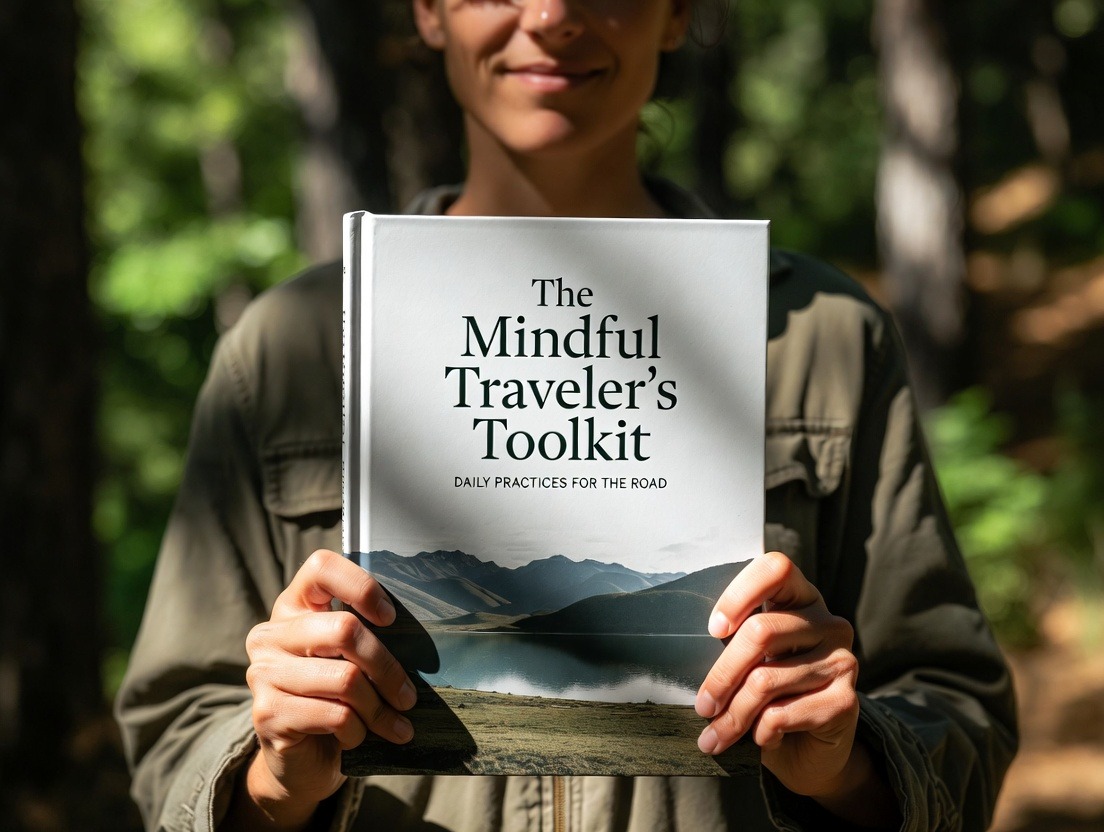
Mindfulness on the road doesn't require a 30-minute seated meditation (though if you do that, bravo!). It thrives on short, consistent, integrated practices that weave presence into the fabric of your day. Think of these as mental and emotional hygiene.
The Anchoring Breath. This is your most portable tool. Any time you feel scattered, anxious, or rushed: Pause. Feel your feet on the ground. Take three deep breaths, focusing solely on the sensation of air moving in and out. This 15-second act resets your nervous system and brings you back to the now.
The Gratitude Pause. Gratitude is a direct antidote to taking experiences for granted. Each evening, as you lie in bed, mentally revisit three specific moments from the day you are grateful for. Not generic "the beach," but specific: "The feeling of warm sand between my toes as the first wave retreated," or "The smile the barista gave me when I tried to say 'thank you' in her language." This practice hardwires positive memories.
Morning Setting of Intentions. Before you check your phone, set a daily intention. Keep it simple and feeling-based: "Today, I intend to move with curiosity," or "Today, I will embrace slow moments." This acts as a gentle compass for your attention throughout the day.
Evening Review & Journaling. Spend 5-10 minutes with a notebook. Don’t just chronicle events ("We went to the castle"). Instead, write from your senses and feelings ("The castle stones were cool and rough. I felt a sense of awe imagining the history, mixed with a funny sense of my own smallness"). This process consolidates memories and deepens your reflective engagement.
Walking Meditation (Tourist Edition). As you walk from one point to another, let go of the destination. Bring your awareness to the physical act of walking. Feel the lift, move, and placement of each foot. Notice the rhythm of your steps. When your mind wanders to planning or worrying, gently bring it back to the sensation of walking. You’re not just transporting your body; you’re arriving with every step.
The "Just One Thing" Focus. In a beautiful setting, combat overwhelm by choosing just one thing to focus on for a few minutes. At a waterfall, just watch the water’s movement. In a piazza, just listen to the echo of footsteps. This singular focus is a powerful gateway to deep presence.
These tools are not chores; they are gifts you give yourself. They are the mechanisms that transform a sequence of locations into a meaningful, personal journey. For travelers who love to geek out on optimizing their habits and wellness, our FAQ section delves into how data from tools like smart rings can inform and enhance these daily practices.
Presence expands outward. It’s not just an internal state; it’s the quality of attention we offer to the world and people around us. The most profound travel memories are often of human connection. Moving from being a spectator of a culture to a respectful, engaged guest is the pinnacle of mindful travel.
The Art of Curious Observation. Before jumping in to interact, practice watching. How do locals greet each other? What’s the pace of life? How do they queue, or dine, or converse in cafes? This observational learning builds cultural awareness and helps you move more harmoniously within the social fabric.
Learn the Magic Words. Making the effort to learn and use a few key phrases in the local language is a profound act of respect and connection. Master: Hello, Thank you, Please, Excuse me, and "Do you speak English?" A genuine, clumsily pronounced "thank you" (e.g., "gracias," "merci," "danke," "xiexie") opens more doors and hearts than perfect English ever will.
Ask Better Questions. Move beyond transactional questions ("Where is the bathroom?") or closed questions ("Is this good?"). Practice open-ended, curious inquiries.
Embrace "Slow Food" Experiences. Seek out dining experiences that encourage connection: a communal table at a family-run trattoria, a food tour with a local guide, or a cooking class. Food is a universal language and a powerful conduit for stories and laughter.
Practice Generous Listening. When you engage in conversation, listen to understand, not to reply. Give the person your full attention—put your phone away, make eye contact, and absorb not just their words, but their expressions and energy. This quality of listening is a rare and valuable gift.
Respectful Participation. Look for low-barrier, respectful ways to participate rather than just observe. This could be a local festival where visitors are welcome, a community dance, or a market where your respectful curiosity is appreciated. Always follow cues and never force an interaction.
This approach transforms your role from consumer to participant. It fosters mutual respect, breaks down barriers, and creates a two-way exchange of humanity. These connections become the soul of your journey, reminding you that beneath surface differences, we all share the same core hopes and feelings. At Oxyzen, we believe technology should facilitate these human connections, not replace them, which is a core part of our mission and vision.
Traveling alone offers a unique and powerful laboratory for mindfulness. Without the buffer of a companion’s conversation or expectations, you are in constant dialogue with yourself and your environment. This can be intimidating but is ultimately a profound practice in self-compassion and deep presence.
Reframing "Alone" to "Solo." Language matters. "Alone" can imply lack. "Solo" implies choice, agency, and a personal journey. You are your own chosen companion. This shift empowers you to see solitude as a fertile space, not an empty one.
The Practice of Self-Dialogue. Notice your inner commentary. Is it kind? ("This is an amazing adventure!") Or is it critical? ("I look so stupid trying to read this map."). Practice speaking to yourself as you would to a dear friend traveling with you—with encouragement, curiosity, and patience.
Create Rituals of Self-Care. Your daily practices become even more vital. Your evening gratitude pause, your morning intention, your mindful walks—these rituals provide structure and nourish your inner world. They are dates with yourself.
Embrace the Freedom of Spontaneity. The solo traveler has the ultimate flexibility. Felt drawn to a tiny alleyway? Go. Want to spend three hours in a single gallery? Do it. Feeling tired and want to cancel plans to read in a park? Grant yourself permission. This fluid responsiveness to your own impulses is a masterclass in self-trust.
Managing the Challenges: Loneliness & Overthinking. It’s natural for moments of loneliness or spiraling thoughts to arise.
The Deep Gift of Solitude. In the quiet spaces between activities, you meet yourself. You discover what truly delights you, what bores you, what you need to feel balanced. This self-knowledge is perhaps the most valuable souvenir you can bring home. Solo mindful travel is a pilgrimage to your own core, returning you home not just with photos, but with a clearer, more compassionate sense of who you are.
Whether your journey takes you to a mountain peak, a remote beach, or a city park, nature is the most powerful and patient teacher of presence. It operates on rhythms entirely separate from human hurry, offering a direct route out of your thinking mind and into a state of awe.
The "Sit Spot" Practice. Adopted from wilderness awareness traditions, this is simple: Find one spot in nature—a rock, a bench, a patch of grass. Visit it daily, or even multiple times, for just 10-20 minutes. Sit quietly and observe. Watch how the light changes, how insects move, how plants sway. Each visit will reveal something new, teaching you profound lessons in patience and observation.
Forest Bathing (Shinrin-Yoku). This is not a hike. It’s a slow, mindful immersion. Wander without destination. Touch the bark of trees. Inhale the scent of pine and soil. Listen to the rustle of leaves and birdsong. Studies show this practice significantly lowers cortisol (the stress hormone), boosts mood, and enhances immune function. It’s medicine for the modern soul.
Embracing Natural Rhythms. Let nature dictate your pace for a day. Wake with the sun. Rest during the heat of the afternoon. Be active in the softer light of morning and evening. Aligning your body with these ancient rhythms has a deeply regulating effect, something that modern life often overrides. Tracking your sleep and body battery during such days can reveal just how restorative this alignment is, a benefit many of our users at Oxyzen have documented.
Awe as a Spiritual Practice. Awe is the feeling of being in the presence of something vast that transcends your current understanding. A starry night sky, a vast canyon, a powerful waterfall—these experiences momentarily quiet the self-critical voice of the ego. You feel small in the best possible way—connected to something magnificent. Actively seek out these experiences. Stand before them in silence. Let the feeling wash over you.
Nature's Impermanence Lesson. Nature is a constant, beautiful display of change. Clouds form and dissolve. Waves rise and fall. Leaves turn and drop. Watching this without resistance teaches acceptance of impermanence—a core tenet of mindfulness. Your frustrating delay, a change in weather, a closed trail—these are just part of the larger, beautiful flow.
By making nature a central character in your travel story, you invite its wisdom to calm your nervous system, expand your perspective, and ground you in the timeless present. It is the original and most effective wellness technology.
In our quest for presence, can technology be an ally? The answer is a resounding yes, if it’s designed with intentionality. The latest generation of wearable technology, particularly smart rings, offers a seamless, unobtrusive way to stay connected not to the internet, but to yourself. This is where a tool like the Oxyzen smart ring transitions from a gadget to a genuine mindfulness aid.
The Unobtrusive Bio-Sensor. Unlike a smartwatch that buzzes with notifications, a smart ring is subtle. It doesn’t pull your attention to a screen. It works silently in the background, gathering data on your body’s most honest signals: heart rate, heart rate variability (HRV—a key marker of nervous system balance), skin temperature, and blood oxygen. This provides an objective window into your subjective state.
Managing the Travel Stress Load. Travel is a cascade of stressors: disrupted sleep, unfamiliar food, dehydration, time zone changes, and decision fatigue. You might feel okay, but your body might be working overtime. Your Oxyzen ring tracks your Stress Readiness Score. A low score in the morning is a data-driven suggestion to take it easy—choose the gentle walk over the intense tour, prioritize hydration, and schedule a quiet evening. It helps you distribute your energy wisely across your trip.
Optimizing for Jet Lag & Recovery. By tracking your Sleep Score and detailed sleep stages, you can see exactly how your body is adapting to a new time zone. The data can inform when to seek light exposure, when a short nap might be beneficial, and when you’re fully recovered and ready to engage. It turns guesswork into strategy.
The Biofeedback Loop for Presence. This is the most powerful application. You’re in a busy market, feeling a bit frayed. You glance at your app (discreetly, later) and see a noticeable dip in your HRV, confirming a stress response. This awareness alone is mindfulness. Next time, you can employ your tools before you feel fried: take five minutes for coherent breathing in a quiet corner and watch the data reflect your calm. It closes the loop between practice and effect.
Respecting the Data. The key is to use this data as a kind guide, not a tyrannical coach. The ring doesn’t say, "You failed to sleep well." It says, "Your body had a challenging night; here’s how you can support it today." It fosters a compassionate, curious relationship with your own physiology. To understand how this technology works in detail and how it can be tailored to your journey, you can find answers in our comprehensive FAQ.
By integrating this silent bio-feedback into your mindful travel practice, you gain a deeply personal, objective companion. It helps you honor your body’s needs, manage your energy, and ultimately, create the optimal internal conditions for sustained presence and joy throughout your adventure.
A journey without reflection is merely movement. To embed your experiences into your being, to distill wisdom from wonder, you must engage in the art of reflection. Mindful journaling is the alchemical process that turns fleeting moments into lasting insight. It’s not about creating a perfect travelogue; it’s about creating a dialogue with your experience.
Moving Beyond the Log. Forget the pressure to document every detail (“9:15 am, visited the cathedral”). Instead, focus on the impressionistic and the sensory. Use your journal as a capture tool for feelings, flashes of insight, and raw observations. A single sentence—“The weight of centuries in the cathedral’s cool silence made my own worries feel like dust”—is more valuable than a page of itinerary.
The "Three-Minute Unload" Practice. At the end of the day, when you’re tired, set a timer for three minutes. Write non-stop. Don’t edit, don’t worry about grammar. Just dump the day’s sensory clutter, emotions, and standout moments onto the page. This practice clears mental space and often reveals what truly mattered to you that day.
Prompted Reflections for Depth. When you have more time, use prompts to dive deeper:
Incorporate Non-Verbal Elements. Your journal isn’t just for words. Press a flower from a hike. Sketch the curve of a rooftop. Stick in a tram ticket or a coffee stain. These tactile elements engage different parts of your memory and make the journal a multi-sensory artifact of your journey.
The "Letter to Self" Ritual. Midway through your trip, write a letter to your future self who will be back home. Tell that self what you hope they remember—not just the sights, but the feelings, the lessons, the sense of freedom. Seal it and open it a month after you return. This creates a powerful bridge between your traveling and home selves, easing re-entry.
Reflection as a Daily Anchor. This practice does more than create a keepsake. It actively processes experience, solidifying memories and integrating them into your sense of self. It’s where you connect the external journey with your internal narrative. It turns a series of events into your story. For those interested in how tracking wellness metrics can complement reflective practices, our blog explores this synergy.
Mindful travel is a full-body experience. It requires honoring the vehicle that carries you—your physical self—with the same respect you show a sacred site. This means listening to its needs for movement, nourishment, and deep rest, viewing them not as logistical necessities, but as integral parts of the journey itself.
Movement as Exploration, Not Exercise. Shift your mindset from “I need to work out” to “I get to explore how my body moves in this new place.”
Intuitive Eating with a Cultural Twist. Food is culture, history, and love on a plate. Practice mindful eating with curiosity.
The Sacred Art of Rest. In a culture obsessed with peak experiences, strategic rest is a revolutionary act of mindfulness.
Sleep as a Cultural & Biological Imperative. Travel sleep is often poor. Combat this proactively:
By treating your body as a respected partner in the journey, you ensure it has the stamina, health, and vitality to fully receive every experience. This holistic care is the bedrock of sustained presence.
No journey is without its hiccups. A mindful mindset doesn’t prevent delays, lost luggage, illness, or disappointment—it transforms your relationship to them. In many wisdom traditions, obstacles are seen as the path itself, the "dharma" that teaches us the most. This is where practice meets reality.
The P.A.U.S.E. Protocol for Crises. When something goes wrong, train yourself to:
Reframing "Problems" as "Detours." A missed train is a detour, not a disaster. It might lead you to a town you never planned to see. A rainy day forcing you indoors might lead to a heartwarming conversation in a cafe you’d have otherwise missed. Practice asking: “What might this make possible?”
The Medicine of Vulnerability. Getting sick or injured on the road can feel like the ultimate failure. Mindfully, it can be a profound teacher in surrender and self-compassion.
Managing Travel Fatigue & Burnout. Sometimes the challenge isn’t a single event, but a creeping exhaustion that hollows out your joy.
By meeting challenges with this framework, you build resilience not just for travel, but for life. You learn that your peace is not dependent on perfect conditions, but on your responsive, mindful relationship to conditions as they are. This is perhaps the greatest souvenir of all.
True mindfulness extends beyond our personal experience to encompass our impact on the places and people we visit. To be truly present is to be aware of the footprint—economic, environmental, social—we leave in our wake. It’s about traveling as a guest, not an invader, and ensuring the wonders we cherish remain for others.
The Principles of Leave No Trace (Adapted for Cultural Travel):
The Mindful Photograph. Your camera is a powerful tool of perception and also of intrusion.
Cultivating "Slow Travel" Values. The most sustainable and mindful travel is often slower, deeper travel.
This ethical layer completes the circle of mindful travel. It ensures that our pursuit of presence and joy does not come at the expense of the very cultures and ecosystems we admire. It’s about reciprocity, ensuring the journey is good for the traveler and the destination. At Oxyzen, we believe in a holistic view of wellness that includes planetary health, a value embedded in our company’s story and operations.
The final, and often most neglected, stage of mindful travel is the return home. The contrast between the expansive freedom of travel and the familiar constraints of daily life can create a jarring, depressive slump often called “post-travel blues.” Mindful integration is the process of weaving the threads of your journey into the fabric of your everyday existence, ensuring the transformation sticks.
Create a "Re-Entry Buffer Zone." Don’t slam from vacation mode directly into a packed work schedule. If possible, give yourself a 24-48 hour grace period at home. Use this time to unpack, do laundry, look at your photos, and journal about the transition. Allow the two worlds to gently overlap.
Conduct a "Post-Travel Debrief." Sit down with your journal or a trusted friend and ask integrative questions:
Create Tangible Touchstones. Bring elements of your journey into your environment to serve as sensory anchors.
Share Stories, Not Just Slideshows. When people ask “How was your trip?”, resist the urge to dump hundreds of photos. Instead, share one or two meaningful stories that illustrate what the trip meant to you. This forces you to synthesize the experience and share its essence, which deepens your own understanding.
Address the "Blues" with Compassion. If you feel sad, restless, or disconnected, don’t pathologize it. It’s a testament to the depth of your experience. Acknowledge the feeling: “I’m missing the freedom and novelty of my journey.” Then, proactively inject small doses of the travel mindset into your routine: explore a new neighborhood in your own city, try a new cuisine, have a "digital detox" Saturday.
Let the Journey Inform Your Future. Use the clarity often gained through travel to audit your life. Does your daily routine align with the values you connected to on your trip? Are there changes, big or small, you feel inspired to make? Travel holds up a mirror. The mindful return is about having the courage to look into it and adjust accordingly.
This process of integration ensures that travel is not an escape from life, but a vibrant, informing part of it. It completes the cycle, allowing the wisdom of the road to illuminate the path at home. For ongoing inspiration on maintaining a mindful, wellness-oriented lifestyle, remember that our blog is a continual resource.
We have journeyed together from the neuroscience of presence to the practicalities of packing a mindful mindset, from navigating sensory overload to integrating travel’s lessons back home. This guide is not a rigid prescription, but a palette of practices from which you can choose, adapt, and create your own unique philosophy of mindful travel.
Remember, the goal is not perfection. You will lose your temper in a crowded train station. You will scroll Instagram mindlessly at a cafe. You will get stressed and forget to breathe. This is all part of the human journey. The practice of mindful travel is simply the gentle, persistent intention to return—again and again—to the rich, textured, alive reality happening right in front of you, within you, and around you.
It is about trading the weight of expectation for the lightness of curiosity. It is about understanding that the most important sight you will ever see is the one you are learning to see with: your own mindful awareness. Whether you’re tracking your biometrics with a sleek smart ring from Oxyzen or navigating by the sun, whether you’re journaling in a five-star hotel or a rustic hut, the core truth remains: the greatest destination you will ever explore is this present moment.
So pack your bags, set your intentions, and step forward. The world is waiting to meet you—not just as a tourist, but as a mindful, compassionate, and fully present human being. The journey continues, one breath, one step, one open-hearted glance at a time.
Mindfulness is not a one-size-fits-all practice; it can and should be adapted to the unique spirit of the place you're visiting. Every landscape, cityscape, and culture offers its own unique gateway to presence. By aligning your practices with the local environment, you move from generic awareness into a truly harmonious dialogue with your destination.
Coastal & Island Sanctuaries: The Rhythm of Water. Where land meets sea, practice surrendering to fluidity.
Mountain & Forest Retreats: The Practice of Grounding. In elevated or dense woodland spaces, practice rooting down to rise up.
Urban Jungles: Finding Stillness in Motion. Cities are festivals for the senses. The mindful practice here is not to block out the stimuli, but to observe it without being swept away.
Sacred Sites & Historical Places: Connecting with Echoes. When visiting temples, churches, ruins, or monuments, move beyond historical facts to felt experience.
By adopting these location-sensitive rituals, you transition from being a visitor at a place to being in conversation with it. You learn its language of wind, stone, wave, and street, and in doing so, your own internal language becomes richer and more peaceful. For travelers curious about how physiological data reflects these different environmental engagements, our blog features case studies and user experiences.
Awe is more than just a feeling; it’s a scientifically validated psychological state with profound benefits for mental and physical health. Pioneering researchers like Dacher Keltner define awe as the feeling of being in the presence of something vast that transcends our current understanding of the world. Travel is arguably the most reliable awe-generating activity we engage in. Understanding its mechanics allows us to seek it out more intentionally.
The Physiological & Psychological Benefits of Awe.
Studies show that regular experiences of awe:
Intentional Awe-Hunting: A Traveler's Guide. You don't need the Grand Canyon to experience awe. It can be found in scale, in skill, in nature's complexity, and in human connection.
The Awe Walk Protocol. Developed by researchers, this is a structured practice:
By making awe a deliberate part of your travel itinerary, you’re not just sightseeing; you’re engaging in a potent form of emotional and physical self-care. You are literally programming experiences that will rewire your brain for greater well-being. For the data-inclined traveler, observing how your body’s metrics—like a significantly lowered stress graph on your Oxyzen dashboard—respond after an awe experience provides fascinating, personal validation of this science.
Biohacking is the practice of using science and self-experimentation to optimize your body and mind. For the mindful traveler, it’s not about gadgetry for its own sake, but about leveraging precise tools to create the optimal internal environment for presence, resilience, and peak experience. This is where mindfulness meets high-tech self-awareness.
Light: Your Primary Zeitgeber. Managing light exposure is the most powerful tool for defeating jet lag and regulating mood.
Thermal Stress & Recovery (The Gentle Sauna/Ice Hack). Controlled exposure to hot and cold can dramatically boost resilience and mental clarity.
Nutritional Biochemistry on the Go. What you eat directly influences your brain's ability to be calm and focused.
Neurofeedback & Physiological Tracking. This is where wearable tech like the Oxyzen ring moves from passive tracker to active biofeedback tool.
The Integration Principle: The key is to use these hacks not as a compulsive performance checklist, but as a curated toolkit. On a chaotic city day, you might prioritize electrolytes and a cold shower. On a mountain retreat, you might focus on morning light and thermal contrast. The goal is fluidity, using science to support your intention of sustained, joyful presence. For specific questions on integrating wearable data into a travel routine, our FAQ is an excellent technical resource.
Practicing mindfulness while traveling with others—especially children or a group with diverse interests—presents a unique set of challenges and opportunities. The focus shifts from individual presence to cultivating a shared field of awareness and harmony. It becomes about weaving mindfulness into the collective experience.
Setting Collective Intentions. Before departure, have a short family or group meeting.
Designing for Different Nervous Systems. A mindful itinerary respects neurodiversity.
Mindful Practices for Kids (And Kids-at-Heart).
Managing Conflict & Disappointment. Travel stress can flare tensions.
The Gift of Shared Attention. The most powerful mindful practice for groups is simply shared, undivided attention on the same thing. Watching a sunset in silence together, listening to a street musician, or observing animals in the wild creates a powerful, unspoken bond. These moments of collective presence become the foundational memories of the trip. For families interested in using technology to support these goals, learning how a device can track family wellness trends to plan better rest days can be a helpful strategy.
For women traveling alone, mindfulness takes on an added, crucial dimension: it becomes a framework for situational awareness, intuitive listening, and empowered presence. It's about cultivating a state that is both open to experience and discerning of environment, merging deep connection with smart precaution.
Embodied Situational Awareness. This is mindfulness applied to personal safety.
Creating Connected Safety. Safety for the solo female traveler is often found in mindful connection, not just in isolation.
Navigating Cultural Norms with Presence. Being mindful of local customs is both respectful and strategic.
Transforming "Lonely" into "Solo Sacred." The moments that could tip into loneliness become opportunities for profound self-intimacy.
This framework allows women to explore the world with a powerful blend of receptivity and discernment. It transforms solo travel from an act of mere bravery into a curated practice of self-trust, cultural intelligence, and deep, personal empowerment—the ultimate mindful journey. The stories of women who have done this are inspiring; you can read some of them in our community's shared testimonials.


