


The Most Important Health Metrics Your Wellness Ring Tracks
The most important health metrics tracked by a wellness ring.
The most important health metrics tracked by a wellness ring.
%402x.svg)
For generations, the pursuit of health was shrouded in mystery and guesswork. You ate well, tried to sleep enough, exercised when you could, and hoped for the best. Annual check-ups provided a fleeting snapshot, a single data point in a year of life. Your body’s daily language—its rhythms, whispers, and warnings—was largely lost in translation.
That era is over. Today, the most profound insights into your well-being aren’t found in a doctor’s office alone, but are instead woven into the fabric of your daily existence, captured continuously by technology you wear. At the forefront of this revolution is the wellness smart ring—an unassuming piece of wearable tech that is, in fact, a 24/7 personal health observatory.
Unlike smartwatches that clamor for your attention with notifications, a smart ring works silently in the background, gathering a rich, nuanced stream of physiological data from the highly vascular finger. It’s a minimalist powerhouse dedicated to one thing: decoding the complex story of your body. It moves with you from your most intense workout to your deepest sleep, painting a comprehensive, dynamic picture of your health that was previously unimaginable.
But with great data comes great responsibility—the responsibility to understand it. A number on a screen is just a metric; its true power lies in interpretation and context. This article is your definitive guide to that translation. We will dive deep into the most critical health metrics your wellness ring tracks, moving beyond the superficial to explore the underlying physiology, why each metric matters, and—most importantly—how you can use this knowledge to make tangible, positive changes in your daily life.
From the foundational pillars of sleep and activity to the sophisticated biomarkers of heart rate variability and blood oxygen, we will explore the interconnected symphony of your body’s data. This isn’t about fostering obsession over numbers; it’s about cultivating awareness and empowerment. By the end, you’ll not only know what your ring is telling you, but you’ll be equipped to have a more informed conversation with your own health. Let’s begin the journey from data to wisdom.
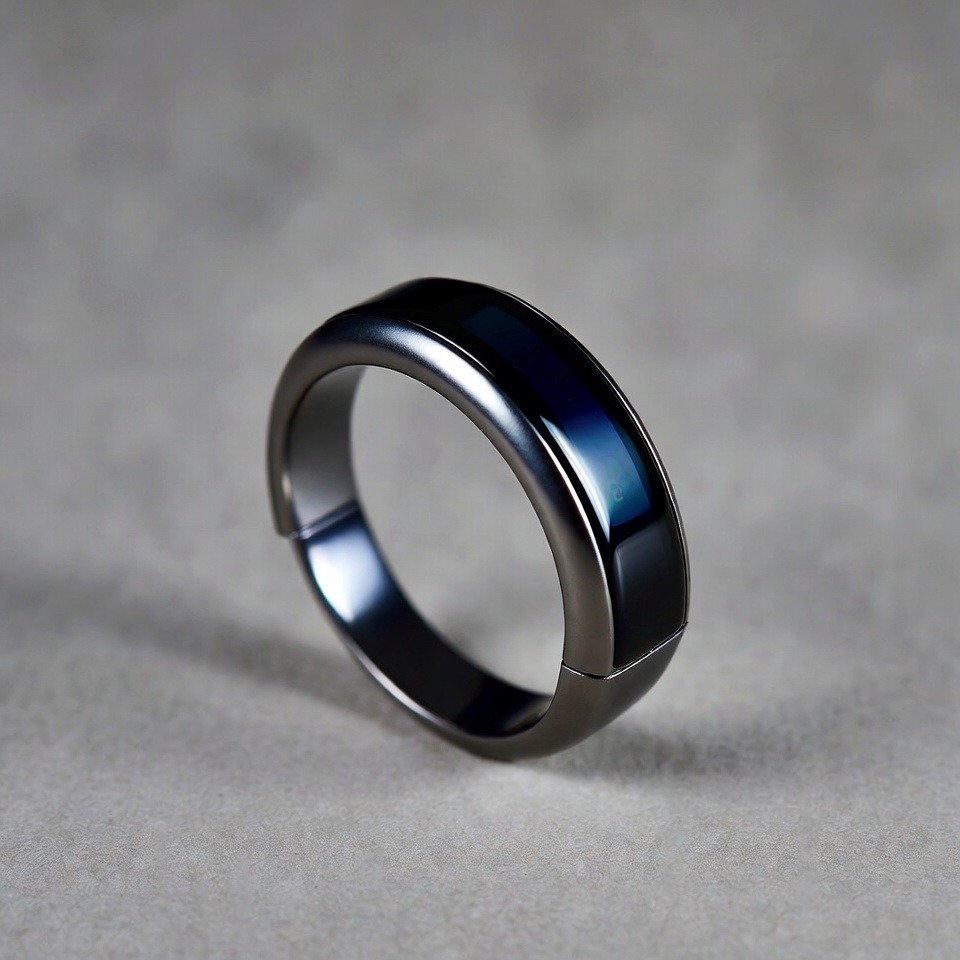
Before we decode the specific metrics, it's essential to understand the unique advantage of the form factor itself. Why a ring? The answer lies in biology, practicality, and focus. The finger, particularly the base, is rich with capillaries and blood vessels close to the skin's surface. This allows sensors like photoplethysmography (PPG) optical heart rate monitors, blood oxygen sensors, and skin temperature detectors to gather high-fidelity data with exceptional accuracy. The ring is also less prone to motion artifacts during sleep compared to a wrist-worn device, which can shift or be bent during the night, making it the ideal form factor for capturing the gold standard of recovery metrics: nocturnal data.
Beyond physiology, there's a behavioral revolution at play. A wellness ring is discreet, comfortable, and forgettable. You wear it and, crucially, you keep wearing it. Its continuous, unobtrusive nature is its superpower. It doesn't need charging daily, it doesn't buzz with social media distractions, and it fits seamlessly into every lifestyle. This results in a consistent, longitudinal dataset—a trend line of your health—that is far more valuable than sporadic measurements. It captures your body's true baseline and its deviations, whether from stress, illness, training, or poor sleep.
Furthermore, the modern wellness ring, like those developed by pioneering companies in the space, represents a shift from simple fitness tracking to holistic health monitoring. It’s a device built on the understanding that your readiness for the day, your recovery from stress, and your long-term vitality are governed by an intricate balance of autonomic nervous system signals, hormonal cycles, and cellular repair processes—all of which can be inferred through the metrics we are about to explore.
This continuous monitoring transforms reactive healthcare into proactive health awareness. It’s the difference between discovering you have high blood pressure at a yearly physical and noticing a creeping, sustained elevation in your resting heart rate over two weeks—a potential early sign you can address through lifestyle tweaks. To explore the technology and philosophy behind this approach, you can learn more about smart ring technology from leaders in the field.
Now, with the stage set, let's illuminate the first and perhaps most transformative metric cluster your ring provides: the architecture of your sleep.
For decades, sleep was a binary state: you were either asleep or awake. We now know sleep is a complex, dynamic journey through distinct stages, each with a critical purpose for physical restoration, cognitive function, and emotional regulation. Your wellness ring uses a combination of heart rate, heart rate variability, and movement data to accurately infer these stages, giving you a detailed map of your night. Understanding this map is the first step to mastering your recovery.
The Four Stages of the Sleep Cycle:
Why Tracking Sleep Stages Matters:
Your ring doesn't just tell you how long you slept; it tells you how well you slept architecturally. You might log 8 hours in bed, but if your deep sleep is consistently fragmented or your REM is suppressed, you will not feel restored. By reviewing your sleep stage data, you can identify patterns:
By observing how your behaviors affect your sleep architecture, you gain a powerful feedback loop. You can experiment with winding down routines, adjust meal or exercise timing, and see the direct, data-driven impact on the quality of your restoration. This moves sleep from a passive state to an active pillar of health you can optimize. For more insights on optimizing this critical pillar, explore our blog for more wellness tips dedicated to sleep science and recovery strategies.
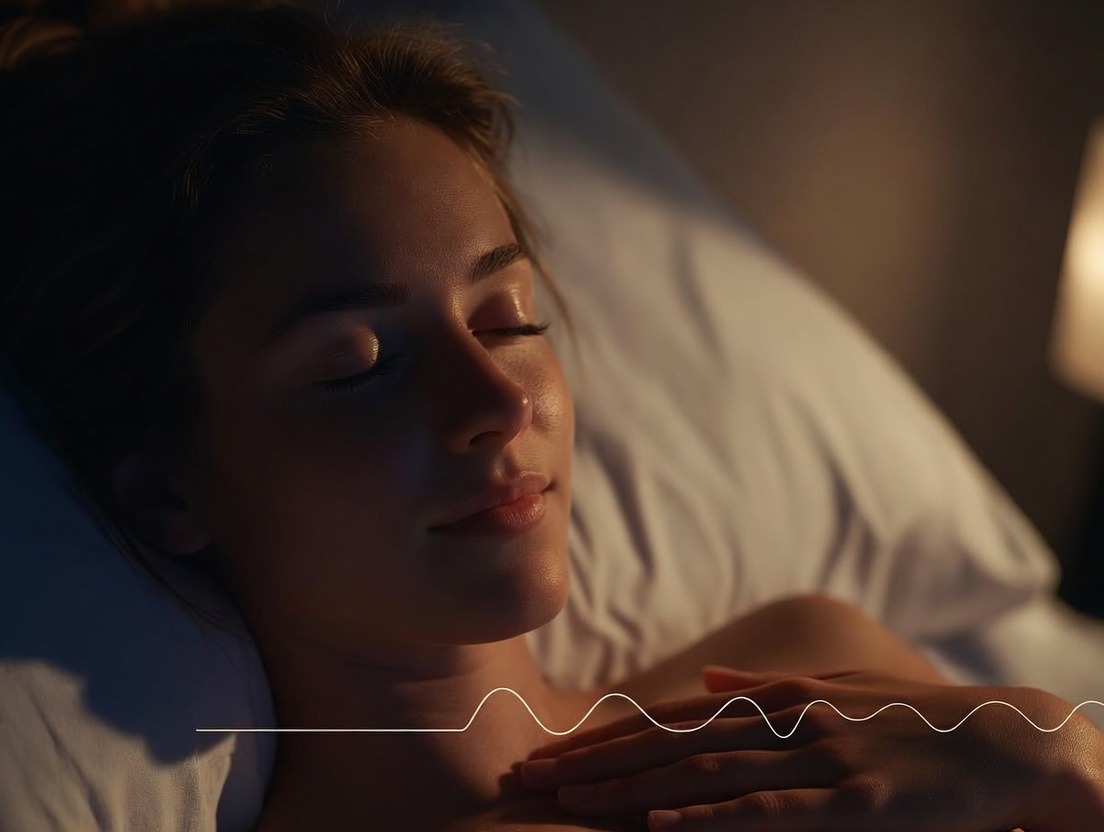
While sleep stages reveal the quality of your night, two other metrics from your ring provide stark clarity on your sleep hygiene and efficiency: Sleep Latency and Sleep Efficiency. These are the gatekeeper metrics that tell you how effectively you transition from wakefulness to restorative sleep and how much of your time in bed is actually spent sleeping.
Sleep Latency: The Gateway Metric
Sleep latency is the measure of how long it takes you to fall asleep after turning off the lights with the intention to sleep. A healthy sleep latency is typically considered to be between 10 and 20 minutes.
Sleep Efficiency: The Truth About Your Time in Bed
This is arguably one of the most humbling and enlightening metrics. Sleep Efficiency is the percentage of time you were actually asleep while in bed. It’s calculated as (Total Sleep Time / Time in Bed) x 100. An efficiency of 85% or higher is generally considered good.
Actionable Insights from Latency and Efficiency:
Your ring provides the objective truth these metrics represent. You can use them to run experiments:
By mastering latency and efficiency, you ensure that the time you dedicate to sleep is used maximally, setting the stage for the deep and REM sleep your body and brain crave. This foundational work supports every other metric we will discuss.
If you learn only one advanced metric from your wellness ring, let it be Heart Rate Variability (HRV). HRV is not your heart rate; it is the nuanced, millisecond variation in the time intervals between consecutive heartbeats. Counterintuitively, a higher HRV is generally a sign of better health, resilience, and fitness. It is the single most powerful biomarker your ring provides for gauging your autonomic nervous system (ANS) balance and overall physiological stress.
The Science Behind the Beat:
Your heart doesn't tick like a metronome. The tiny, natural fluctuations between beats are influenced by the constant tug-of-war between the two branches of your ANS:
A high HRV indicates a robust, adaptable nervous system—one that can respond strongly to stress when needed but can also swiftly return to a calm, recovered state. A low or declining HRV suggests your system is under persistent strain, is fatigued, or may be fighting off illness.
How Your Ring Measures and Presents HRV:
Wellness rings typically measure HRV during sleep, providing a clean, consistent daily reading (often using the standard rMSSD method). This overnight HRV is considered your baseline, free from the noise of daily activity. Your ring app will show you a daily score and, more importantly, a long-term trend line.
Interpreting Your HRV Data:
By tuning into your HRV, you move from guessing how you feel to knowing how your body is handling its load. It’s a direct line of communication with your most fundamental recovery systems. For those curious about the deeper science and personal stories behind this metric, you can read our complete guide on HRV and nervous system health.
Resting Heart Rate (RHR)—the number of times your heart beats per minute while you are completely at rest—is a deceptively simple metric with profound implications. It is a cornerstone of cardiovascular health, a mirror reflecting your fitness level, and a sensitive barometer of daily recovery and impending illness. Your wellness ring captures your truest RHR: the nadir reached during deep sleep, free from the influences of posture, activity, or even standing up.
The Physiology of a Resting Beat:
Your RHR is determined by the intrinsic firing rate of your heart's sinoatrial node, modulated by the autonomic nervous system. A lower RHR generally indicates a more efficient cardiovascular system. A well-conditioned heart has a stronger stroke volume (it pumps more blood with each beat), so it needs to beat fewer times per minute to circulate the same amount of blood. This is why elite endurance athletes often have RHRs in the 40s or even 30s.
What Your RHR Trend Reveals:
Integrating RHR with HRV:
RHR and HRV are best interpreted together. Often, they move in opposite directions:
Seeing both metrics trend negatively is a strong, compound signal that your body needs a break. By tracking your RHR, you gain a fundamental vital sign that speaks to your long-term heart health and your immediate readiness for the day’s demands.

Core body temperature is a master regulator of human physiology, governing everything from enzyme function and metabolism to sleep initiation and immune response. While a wellness ring doesn't measure core temperature directly, it accurately tracks your Skin Temperature trend—a powerful proxy that reveals meaningful deviations from your personal baseline, often related to health, recovery, and circadian rhythm.
Circadian Rhythm and Sleep:
Your body temperature follows a daily, predictable cycle—a key component of your circadian rhythm. It naturally drops in the evening to initiate sleep onset and reaches its lowest point in the early morning hours (around 4-5 AM). It then begins to rise in the morning to help promote wakefulness. Your ring tracks this nightly dip. A blunted or absent temperature drop at night can correlate with difficulty falling asleep or fragmented sleep, offering another clue for improving sleep hygiene.
The Ovulatory Cycle (For Menstruating Individuals):
For those who menstruate, skin temperature tracking provides non-invasive insight into the menstrual cycle. Basal Body Temperature (BBT) tracking is a long-established method for identifying ovulation. Post-ovulation, the release of progesterone causes a sustained rise in BBT that lasts until the next period. A wellness ring automates this tracking with incredible ease and accuracy, providing clear charts that can help identify ovulation day and confirm the post-ovulatory luteal phase. This data is invaluable for fertility awareness, cycle syncing, and simply understanding the powerful hormonal rhythms that influence energy, mood, and metabolism throughout the month.
Early Warning Signal for Illness:
Like RHR, a sustained elevation in your nightly skin temperature trend—even a subtle one of 1-2 degrees Fahrenheit above your normal range—can be one of the earliest signs of an oncoming infection or systemic inflammation. Your body raises its temperature (creates a fever) as a defense mechanism to make the environment less hospitable for pathogens. Seeing this trend on your chart, especially when combined with an elevated RHR and lowered HRV, forms a powerful "sickness detection" triad, giving you a head start on self-care.
Recovery from Exercise:
Intense exercise generates heat. An elevated skin temperature reading post-workout is normal. However, if your temperature remains elevated late into the night following a hard training session, it can indicate that your body is still in a heightened inflammatory state and struggling to down-regulate into recovery mode. This is useful feedback for managing training intensity and optimizing your post-workout cooling and recovery routines.
By monitoring your temperature trend, you connect with a deep, rhythmic aspect of your biology, gaining insights into your cyclical health, immune status, and the very timing of your sleep-wake cycle.
Blood Oxygen Saturation, measured as SpO2, is the percentage of your hemoglobin—the oxygen-carrying protein in red blood cells—that is currently saturated with oxygen. It’s a vital sign that reflects how effectively your lungs are oxygenating your blood and how well your circulatory system is delivering that oxygen to your extremities. While a healthy individual at sea level will typically maintain SpO2 levels between 95% and 100%, it's the trends and nocturnal drops that your wellness ring is uniquely positioned to reveal.
Why SpO2 is a Nighttime Metric:
During the day, movement, posture changes, and talking create too much noise for consistent ring-based SpO2 readings. The magic happens at night. While you sleep, your body is still, and your breathing pattern is under automatic control. This allows the ring’s sensors to take spot-check measurements, building a profile of your oxygen levels throughout the sleep period.
The Key Insight: Nocturnal Desaturation
The primary health insight from ring-based SpO2 tracking is the detection of nocturnal desaturation—periodic dips in blood oxygen during sleep. Frequent or significant dips (generally below 92-94%) can be a indicator of sleep-disordered breathing.
High-Altitude Adaptation:
For those who travel to or live at high altitudes, SpO2 tracking becomes a fascinating tool for observing acclimatization. At altitude, the air contains less oxygen, so your SpO2 will naturally be lower. Over days, as your body produces more red blood cells to compensate, you can watch your nocturnal SpO2 gradually climb back toward your personal baseline—a direct visualization of your body's remarkable adaptability.
The Holistic Picture:
SpO2 data should never be viewed in isolation. Its power is multiplied when correlated with other sleep metrics. A night with frequent SpO2 dips will almost certainly correspond with:
By providing this crucial piece of the puzzle, SpO2 monitoring elevates your ring from a wellness tool to a potential guardian of a fundamental aspect of your health: restful, oxygen-rich sleep. For specific questions on how this and other metrics are collected, our FAQ page provides detailed support.
While wellness rings excel at recovery metrics, they are also powerful, minimalist activity trackers. By combining a 3-axis accelerometer with your physiological data (heart rate), they provide a sophisticated estimate of your daily movement, active calorie burn, and overall energy expenditure. This data shifts the focus from simple step counts to a more holistic view of your metabolic activity throughout the 24-hour cycle.
From Steps to Metabolic Equivalents (METs):
Advanced devices move beyond just counting steps. They categorize your movement into intensity levels—sedentary, light, moderate, and vigorous—often using a measure called Metabolic Equivalents (METs). One MET is your energy expenditure at complete rest. Your ring uses your movement and heart rate to estimate the MET level of your activities throughout the day, painting a picture not just of how much you moved, but how hard.
Active Calories vs. Total Daily Energy Expenditure (TDEE):
This is a critical distinction your ring helps clarify:
Your ring uses your profile and 24/7 data to model your TDEE, providing a more comprehensive picture than an exercise-only tracker. This is invaluable for anyone interested in nutritional balance, weight management, or simply understanding their body's true energy needs.
Activity Balance and Recovery:
The activity data from your ring is meaningless without the context of your recovery metrics. This is the core of modern wellness tracking: the balance between stress (activity) and recovery. Your ring’s app can help you see this relationship clearly:
This feedback allows for intelligent activity modulation, promoting the concept of "train based on how you recover, not just on a predetermined schedule." It helps prevent the all-too-common pattern of overtraining and under-recovering, which leads to plateaus, burnout, and injury.

In our modern world, "stress" is often a vague, psychological concept. Your wellness ring gives it a physiological definition and a measurable output. It quantifies your body's strain by analyzing the interplay of heart rate, HRV, and sometimes skin temperature (EDA) to generate a Stress Score or to identify periods of heightened sympathetic nervous system activity throughout the day.
How Your Ring Detects Stress:
The primary signal is a combination of an elevated heart rate without corresponding physical movement (from the accelerometer), coupled with a suppressed HRV. This pattern is the fingerprint of psychological or emotional stress—your "fight or flight" system is activated while you're physically still. More advanced rings may also include Electrodermal Activity (EDA) sensors, which measure tiny changes in the skin's sweat gland activity, another direct signal of sympathetic arousal.
Daytime Stress Tracking:
Your ring can prompt you for a mindful check-in or passively identify periods of high physiological stress. Seeing these moments charted on your daily timeline is often revelatory. You might discover a predictable spike every day at 3 PM (the afternoon slump compounded by stress), during your commute, or in certain meetings. This objective data moves stress from an abstract feeling to a manageable event with a start time, duration, and intensity.
The Recovery Link:
The impact of daytime stress doesn't vanish when the workday ends. It carries over, directly impacting your sleep quality and next-morning recovery metrics. A day filled with high physiological stress will often manifest as:
This creates a powerful cause-and-effect visualization, demonstrating why "de-stressing" in the evening isn't just a luxury—it's a non-negotiable component of physiological recovery.
Using Data for Stress Management:
This metric empowers proactive stress management:
By making your nervous system's activity visible, the ring transforms stress from an overwhelming fog into a series of discrete events you can learn to anticipate, manage, and recover from. The journey of our users, many of whom have harnessed this data to transform their relationship with stress, is part of our brand journey and vision.
The ultimate value of a wellness ring lies not in any single metric, but in the intelligent synthesis of them all. This is embodied in a feature most advanced rings offer: a Readiness Score or Recovery Index. This single, composite score distills the complex story told by your sleep, HRV, RHR, temperature, and activity data into a simple, actionable number for the day. It’s your body’s daily briefing.
The Algorithm of You:
A Readiness Score is generated by a proprietary algorithm that weighs your various nocturnal biomarkers. While the exact formula varies, it typically prioritizes:
A high score (e.g., 85/100) indicates your body is well-recovered, resilient, and primed for physical and mental challenge. A low score (e.g., 55/100) is a clear recommendation from your data to prioritize rest, recovery, and lighter activity.
From Score to Action:
The Readiness Score is designed to be your guide, not your boss.
The power of this system is that it externalizes the often-ignored whispers of your body. How many times have you forced a hard workout when you felt "off," only to perform poorly, feel worse, or get injured? The Readiness Score provides an objective check on subjective feeling, helping you align your actions with your body's true capacity.
By learning to trust and act on this synthesized intelligence, you forge a partnership with your own physiology, moving from a cycle of boom-and-bust to a sustainable, adaptable rhythm of stress and recovery that fuels long-term health and performance.
While your heart's rhythm captures headlines, the steady, unconscious rise and fall of your breath is an equally vital sign whispering secrets about your health, stress, and recovery. Respiratory Rate (RR)—the number of breaths you take per minute—is a fundamental metabolic and neurological metric that has, until recently, been incredibly difficult to measure outside of a clinical setting. Your wellness ring changes that, providing a continuous, nocturnal record of your breathing patterns, offering a window into your autonomic nervous system that is both subtle and profoundly informative.
The Physiology of a Breath:
Each breath is orchestrated by a complex interplay between brainstem respiratory centers, chemoreceptors that monitor blood gases, and mechanoreceptors in the lungs. Unlike heart rate, which can be voluntarily influenced only slightly, respiratory rate is uniquely positioned at the crossroads of automatic and voluntary control. We breathe automatically while asleep, but can consciously slow or speed our breathing when awake. This dual nature makes it a fascinating biomarker.
Nocturnal Respiratory Rate: A Pure Baseline:
During sleep, breathing is under pure autonomic control, making it an ideal time to establish your true, resting respiratory rate. For most healthy adults, this falls between 12 and 20 breaths per minute. Your ring uses its pulse oximetry and heart rate sensors to infer this rate by detecting the subtle, rhythmic fluctuations in blood volume with each breath (a principle called modulation).
What Your Respiratory Rate Trend Reveals:
Using Your Respiratory Rate Data:
By tuning into this quiet rhythm, you gain access to a primal metric of vitality and resilience. It is a reminder that health is not just measured in beats, but also in breaths.
Modern fitness philosophy is shifting from "no pain, no gain" to "train smart, recover smarter." Your wellness ring is the engine of this smarter approach, moving beyond counting workout minutes to actually quantifying the physiological strain an activity places on your system and modeling the recovery time required afterward. This transforms exercise from a guessing game into a precise dialogue with your body.
From Workout to Strain Score:
Advanced algorithms analyze the intensity and duration of your activity by combining heart rate data (especially time spent in different heart rate zones) with accelerometer data. The output isn't just "you ran for 30 minutes"; it's a Strain Score that represents the total cardiovascular and musculoskeletal load. A gentle yoga session might generate a 5, while a high-intensity interval training (HIIT) workout could hit a 15 or higher. This numeric representation allows you to objectively compare different types of activities and track your cumulative weekly load.
The Concept of Acute vs. Chronic Load:
This is where the science of periodization enters your daily life. Your ring's software often calculates two key figures:
The magic ratio is the Acute:Chronic Workload Ratio. Maintaining a ratio close to 1.0 (e.g., 7-day load is similar to your 28-day average) is associated with optimal performance and lower injury risk. A ratio significantly above 1.2 (e.g., you've drastically increased your training volume/intensity this week) indicates high injury risk. A ratio below 0.8 suggests detraining. Your ring can help you visualize this, preventing the classic error of doing too much, too soon.
Modeled Recovery Time:
Following a significant activity, your ring will often provide an estimate of the hours needed for full physiological recovery. This isn't just about muscle soreness; it's an algorithm-based prediction of when your HRV, RHR, and other biomarkers are likely to return to baseline. A 90-minute run might come with a "36-hour recovery" tag. This is a powerful planning tool. It doesn't mean you can't move for 36 hours; it means your next intense workout should ideally be scheduled after that period for maximum benefit and minimal risk.
Integrating Strain with Readiness:
This is the core feedback loop. Your morning Readiness Score tells you what you have in the tank. Your planned activity creates a Strain Score. The relationship between the two determines the outcome:
Actionable Insights:
By quantifying strain and recovery, your ring helps you build fitness sustainably—not through heroic, sporadic efforts, but through the consistent, intelligent application of stress followed by dedicated recovery. It’s the antithesis of crash-and-burn training and the foundation of lifelong athleticism.
Your wellness ring is a mirror, not a judge. It reflects the impact of your lifestyle choices with objective, often surprising, clarity. While it doesn't track what you eat or drink directly, the physiological consequences of those choices are written plainly in your nocturnal biometrics. Learning to read this feedback is one of the most powerful behavior-modification tools at your disposal.
The Signature of Alcohol:
Alcohol is a sedative, but it is not a sleep aid. Its impact on your biomarkers is dramatic and unmistakable, offering a powerful incentive for moderation.
Seeing this data consistently can be a stronger motivator to limit intake than any abstract health warning.
The Double-Edged Sword of Caffeine:
Caffeine's effects are more individual and timing-dependent, but your ring can help you find your optimal cutoff time.
Use your ring to experiment: Move your last coffee earlier by 30-minute increments over a week and watch for improvements in latency and deep sleep.
Nutritional and Dietary Impacts:
While not macronutrient-specific, your ring reflects systemic effects:
Creating a Feedback Loop:
This turns your ring into a personal science lab. The reward for positive choices isn't distant or abstract; it's visible the very next morning in the form of a higher readiness score and a body signaling its gratitude through optimal biomarkers.
In the age of social media and leaderboards, it's tempting to compare your biometrics with others. A critical lesson from wearing a wellness ring is the profound importance of personalization. Your health data is not a competition. The only meaningful comparison is you vs. your own baseline. Understanding and establishing your unique "normal" is the key to accurate interpretation and actionable insight.
The Spectrum of Normal:
Establishing Your Baseline:
A true baseline isn't established in a day. It requires consistent wear (especially during sleep) over a minimum of 2-4 weeks during a period of relative normalcy—not while on vacation, sick, or in peak training. This period allows the algorithms to learn your unique rhythms and for you to see the natural variance in your data.
The Concept of "Normal Range":
For each metric, you want to identify your normal range. For example:
Deviations outside these personal ranges are far more significant than where you sit on a population-scale chart.
Why This Matters for Detection:
This personalized framework is what makes early illness detection possible. A heart rate of 55 bpm is "normal" for many, but if your baseline is 48, a jump to 55 for two nights is a 15% increase—a major red flag for your system. Without a personal baseline, this subtle but important shift could be missed entirely, dismissed as "still a good number."
Adapting to Life Changes:
Your baseline isn't static. It should improve with sustained healthy habits (e.g., HRV trend creeping up, RHR trend drifting down). It will also change with age, lifestyle shifts, and training cycles. The ring allows you to track these long-term evolutions, celebrating progress that is invisible to the outside world.
Embancing Your Journey:
Embracing your personal data fosters self-compassion and intelligent action. It moves you away from generic advice ("you must get 8 hours") to personalized prescription ("when I get at least 7h45m with 1h20m of deep sleep, my readiness is consistently above 85"). This is the essence of true biohacking—using data to craft a lifestyle that optimizes the one body you have, according to its own unique design. For those interested in the philosophy behind this personalized approach to wellness technology, you can discover our mission and company information.
Data points in isolation are clues. Data points connected by context become a solved case. The journal or tagging feature within your wellness ring's app is not an afterthought; it is the bridge between external events and internal physiology. It is where you move from observing what happened to understanding why.
Turning Anecdotes into Evidence:
Without logging, you're left with guesswork. "I feel terrible today. Was it the pizza, the stressful work call, the extra glass of wine, or just a bad night's sleep?" With logging, you can review the evidence. You tagged "Late Heavy Meal" and "2 glasses of red wine." Your data shows a RHR 8 bpm above baseline, HRV 30% lower, and 40 minutes of awake time during the night. The verdict is clear, quantitative, and personal.
What to Log for Maximum Insight:
The Process of Discovery:
The Power of Negative and Positive Correlations:
This process reveals both detractors and enhancers of your well-being. You'll identify the specific lifestyle "taxes" you pay for certain choices and the measurable "dividends" you earn from positive habits. This transforms wellness from a set of rules into a personal economy of energy and recovery that you manage.
Beyond the Self-Report:
Some advanced systems may use the data itself to prompt you. For example, if it detects a significant physiological stress event during a meeting, it might ask, "What were you doing at 3:15 PM?" This passive logging helps identify stressors you might not have consciously tagged.
By mastering the art of correlation, you become the lead investigator in your own health journey. The ring provides the forensic evidence; your journal provides the narrative. Together, they write the story of what truly works—and what doesn't—for the unique, complex system that is you.
The true genius of continuous biometric monitoring isn't captured in a single day's readiness score or a night's sleep data. It's revealed over months and years in the subtle, long-term trends that tell the story of your health trajectory. Your wellness ring shifts the paradigm from episodic, reactive healthcare—visiting a doctor when something is wrong—to continuous, proactive health awareness. By analyzing trends, you can identify patterns of decline long before they manifest as symptoms, empowering you to make course corrections that are preventative, not palliative.
From Daily Metrics to Health Trajectories:
Think of your daily data as individual frames of a film. The trend line is the movie. Over time, you can observe meaningful shifts in your physiological baselines:
The Power of the "Why Now?" Question:
When you see a significant deviation from your long-term trend, it prompts a powerful investigative question: "Why is this happening now?" The answer is almost always found in your life context, which your journal helps provide. A sustained drop in metrics could correlate with a new job, a relationship stress, a change in diet, or the start of an intense training block. This connection turns abstract data into a direct feedback mechanism for life decisions.
Early Warning Systems Beyond Illness:
While we've discussed acute illness detection, long-term trends can hint at more chronic issues:
Creating a Health Report for Your Doctor:
This longitudinal data is a goldmine for medical professionals. Instead of saying "I'm tired," you can bring a report showing: "Over the past three months, my average resting heart rate has increased by 6 bpm, my HRV has dropped 22%, and my deep sleep has decreased by 35 minutes per night, despite no change in my schedule." This objective, quantitative history can lead to more productive conversations and targeted investigations.
The Mindset Shift: Manager of a Portfolio
With trend analysis, you start to see your health as a portfolio you manage. Daily choices are investments or withdrawals. The long-term trend lines are your portfolio's performance chart. Some days the market is down (a low readiness score), but you're focused on the quarter and the year. This fosters patience, consistency, and detaches your self-worth from any single data point. It encourages the small, sustainable deposits—the consistent bedtimes, the daily walks, the managed stress—that compound into massive long-term health wealth.
By embracing the long view, your wellness ring becomes less of a daily report card and more of a compass, ensuring you're navigating in the right direction for the decades to come.
In an era where data is the new oil, the most intimate data of all is the continuous stream of your physiology. As you entrust this profound information to a device on your finger, critical questions about privacy, security, and ethical use naturally arise. Addressing these concerns isn't a sidebar to the wellness conversation; it is foundational to it. An informed user is an empowered user.
Biometric Data: Your Unique Fingerprint:
Your heart rate variability, sleep patterns, and temperature trends are as unique as your fingerprint. This data can reveal not just your fitness level, but your stress state, your sleep disorders, and potentially, inferences about your health conditions. Therefore, its protection is paramount.
Key Questions to Consider (And Ask Your Provider):
The Ethical Responsibility of Companies:
Companies in this space bear a significant burden of trust. Their commitment should be to:
Your Role as a Data-Savvy User:
Wearing a wellness ring is an act of self-discovery, but it shouldn't come at the cost of your privacy. By choosing a provider with a robust, ethical framework and being an aware user, you can reap the profound benefits of biometric insight while keeping your most personal data under your control. Your health journey should be private by default.
The wealth of data from a wellness ring is empowering, but it carries a potential shadow: the risk of turning health into a source of anxiety, creating a new form of "orthosomnia" (an unhealthy preoccupation with perfect sleep data) or performance anxiety. The goal is to use the ring as a tool for awareness and empowerment, not as a source of stress or a tyrannical scorekeeper. Cultivating a healthy relationship with your data is as important as the data itself.
Recognizing the Signs of Data Obsession:
Strategies for a Balanced, Data-Informed Life:
The Ring as a Guide, Not a God:
A wellness ring is like a trusted coach or a compassionate mirror. A good coach provides feedback, but doesn't berate you. A clear mirror shows you what is, without judgment. Your role is to take the feedback, integrate it with your own wisdom and life circumstances, and make balanced choices.
The ultimate sign of success with this technology is when it becomes background noise for most of your day—a silent partner that gathers insights while you focus on living. You check in briefly for guidance, make subtle adjustments, and then move forward with confidence, empowered by knowledge but not enslaved by it. This balanced approach is what we envision for every user, a philosophy woven into the vision and values of our story.
After weeks or months of gathering data, establishing baselines, logging context, and observing trends, you arrive at the pinnacle of the journey: synthesis. This is where isolated metrics transform into a cohesive, personalized Health Operating System (HOS)—a dynamic framework for decision-making that aligns your daily actions with your body's true needs and long-term goals. Your ring provides the data; you build the system.
The Core Principles of Your HOS:
Building Your System: A Step-by-Step Framework
Step 1: Define Your "North Star" Goals.
What is the ultimate purpose of this system? Is it to:
Step 2: Establish Your "Green Zone" Baselines.
Using your long-term data, define the ranges for key metrics where you feel and function at your best. This is your system's "normal operating temperature."
Step 3: Create Your "If/Then" Decision Protocols.
This is the actionable core of your HOS. It turns data into automatic, low-stress decisions.
Step 4: Design Your Regular Review Rituals.
Step 5: Integrate, Don't Isolate.
Your HOS should work in harmony with other aspects of your life—your calendar, your nutrition, your relationships. Block time for recovery on your calendar just as you would for a meeting. Use your energy data to schedule demanding cognitive work for your high-readiness periods.
The Outcome: Intuitive Empowerment
Over time, this systematic approach leads to something beautiful: intuitive empowerment. You begin to internalize the lessons. You can feel when your HRV is likely low. You develop an innate sense for when you need to pull back or when you can push forward. The ring becomes a periodic validation tool rather than a constant guide. You have trained your own interoceptive awareness using data as the teacher.
Your Personal Health Operating System is the ultimate deliverable of your wellness ring. It is a bespoke blueprint for thriving, built on the unshakeable foundation of self-knowledge. It turns the overwhelming flood of modern health information into a clear, personal, and profoundly effective path forward.
The current capabilities of wellness rings are impressive, but they represent just the first chapter in a rapidly evolving story. The convergence of miniaturized sensors, advanced artificial intelligence, and personalized medicine is poised to transform the humble ring into an even more powerful guardian of health and harbinger of the future of preventative care. Let's explore the horizon.
Next-Generation Sensors and Biomarkers:
AI and Predictive Health Analytics:
Integration and the "Digital Twin":
Ethical and Regulatory Frontiers:
As capabilities expand, so will the ethical stakes. The industry will need to navigate:
The ring on your finger is a portal to this future—a future where healthcare is truly personalized, predictive, and participatory. By adopting this technology today, you are not just tracking your steps; you are stepping into a new era of self-knowledge and preventative health, poised to benefit from the incredible innovations just around the corner. To stay updated on these evolving technologies and their applications, explore our blog for the latest research and insights.
We have traveled a considerable distance—from the basic architecture of sleep to the futuristic horizon of biometric sensing. We've explored the silent language of HRV, the warning signs in RHR, the stories told by temperature and breath, and the profound impact of lifestyle choices written in nocturnal data. We've grappled with the ethics of ownership and the psychology of avoiding obsession, culminating in a framework for building your own Personal Health Operating System.
This journey underscores a fundamental shift: Health is no longer a static state you occasionally assess, but a dynamic process you can continuously understand and positively influence.
Your wellness ring is the tool that makes this possible. It demystifies the inner workings of your body, translating the complex symphony of your autonomic nervous system, circadian rhythms, and metabolic processes into a comprehensible dashboard. It provides the objective feedback necessary to break free from unhelpful habits and reinforce positive ones, not through willpower alone, but through the motivating power of clear, personal evidence.
Remember, the goal is not a perfect score every day. That is neither possible nor desirable. The goal is resilience—the ability to withstand stress, recover efficiently, and adapt to life's demands. The data points the way, but you walk the path. It tells you when to push and when to rest, when to celebrate and when to investigate.
As you move forward, wear your ring with intention. Let it make you more curious about yourself, not more anxious. Let it foster self-compassion, not self-criticism. Use it to have better conversations—with your own body, with your loved ones about shared habits, and with healthcare professionals armed with rich, longitudinal data.
You now hold the key to interpreting the most important health metrics your wellness ring tracks. This knowledge empowers you to move from being a passive passenger in your body to an active, informed pilot. The journey from data to awareness, and from awareness to wisdom, is now yours to continue.
Your Trusted Sleep Advocate: Sleep Foundation — https://www.sleepfoundation.org
Discover a digital archive of scholarly articles: NIH — https://www.ncbi.nlm.nih.gov/
39 million citations for biomedical literature :PubMed — https://pubmed.ncbi.nlm.nih.gov/
Experts at Harvard Health Publishing covering a variety of health topics — https://www.health.harvard.edu/blog/
Every life deserves world class care :Cleveland Clinic - https://my.clevelandclinic.org/health
Wearable technology and the future of predictive health monitoring :MIT Technology Review — https://www.technologyreview.com/
Dedicated to the well-being of all people and guided by science :World Health Organization — https://www.who.int/news-room/
Psychological science and knowledge to benefit society and improve lives. :APA — https://www.apa.org/monitor/
Cutting-edge insights on human longevity and peak performance:
Lifespan Research — https://www.lifespan.io/
Global authority on exercise physiology, sports performance, and human recovery:
American College of Sports Medicine — https://www.acsm.org/
Neuroscience-driven guidance for better focus, sleep, and mental clarity:
Stanford Human Performance Lab — https://humanperformance.stanford.edu/
Evidence-based psychology and mind–body wellness resources:
Mayo Clinic — https://www.mayoclinic.org/healthy-lifestyle/
Data-backed research on emotional wellbeing, stress biology, and resilience:
American Institute of Stress — https://www.stress.org/


