
Nightly Recovery During Illness: What Your Body Does

It hits you suddenly—the scratch in your throat, the dull ache behind your eyes, the heavy fatigue that makes the world feel muffled. As you surrender to the couch or your bed, a singular, ancient instinct takes over: sleep. Your body isn’t just asking for rest; it’s demanding a complete operational shutdown for a critical, life-sustaining mission. This profound biological imperative is more than just "sleeping it off." It is a meticulously orchestrated, high-stakes project of cellular repair, immune warfare, and systemic rebalancing that unfolds almost exclusively under the cover of darkness.

While you lie still, an entire civilization of cells works in frenzied, coordinated shifts. Fever is turned from a symptom into a strategic weapon. Inflammation becomes a controlled demolition site. Your brain, far from being offline, enters a state of deep administrative oversight, directing resources, managing communication networks, and prioritizing tasks with ruthless efficiency. The common wisdom to "get plenty of rest" is perhaps the most understated medical advice in history, glossing over a nightly recovery process of staggering complexity and vital importance.

For generations, we could only observe the outward signs of this process: the sweating, the prolonged sleep, the vivid dreams. Today, technology like the Oxyzen smart ring pulls back the curtain, offering us a real-time dashboard into this hidden world. By tracking biomarkers like heart rate variability (HRV), resting heart rate, blood oxygen saturation (SpO2), skin temperature, and sleep stages, we can now see the narrative of our recovery. We can witness the elevated heart rate of an immune system on high alert, the significant dip in HRV signaling a massive resource allocation to healing, and the disrupted sleep architecture that is actually a feature, not a bug, of the recovery process.

This article is a deep dive into the hidden night shift your body works when you’re ill. We will explore the science of what happens, from the molecular battlefield to the brain’s command center, and explain how modern wearables help us understand and even optimize this natural healing power. Whether you’re battling a common cold or supporting your body through a more significant challenge, understanding nightly recovery is the first step toward truly honoring your body’s innate intelligence. For a broader look at how technology intersects with holistic wellness, you can always explore our blog for deeper dives into sleep science and recovery data.
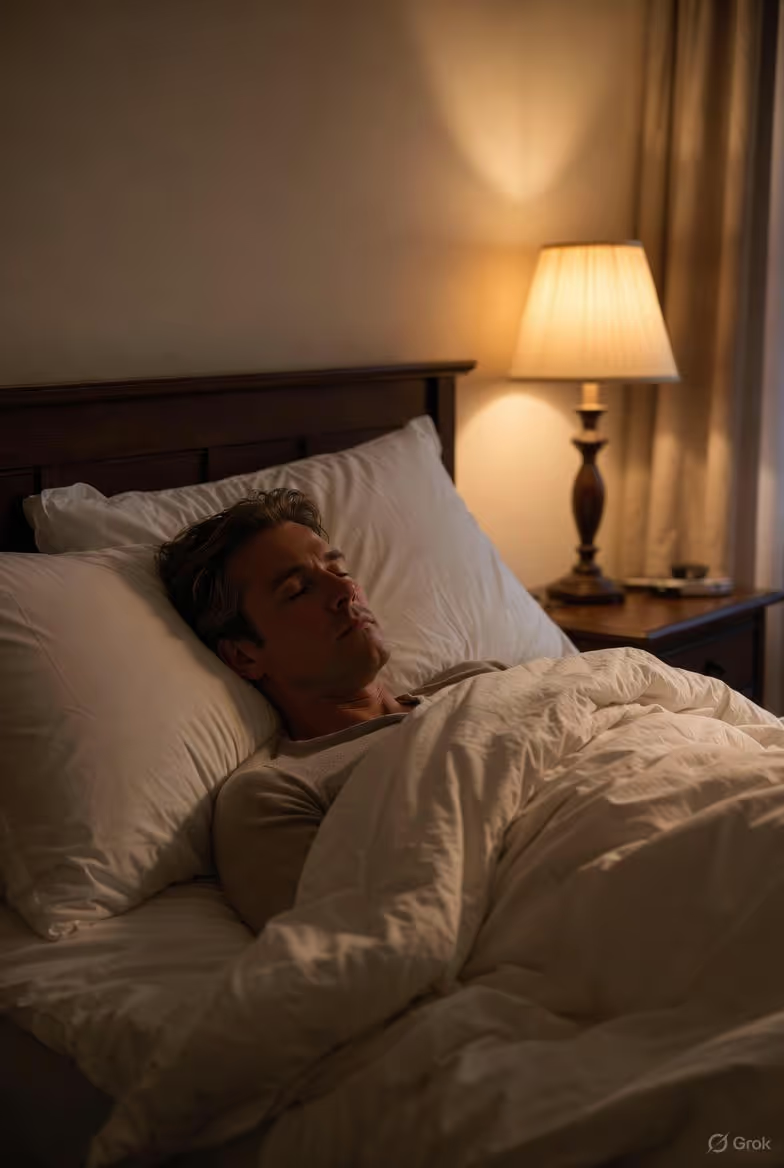
The Imperative of Sleep: Why Your Body Shuts Down for Repair

When illness strikes, the urge to sleep becomes overpowering. This isn’t mere lethargy; it’s a fundamental physiological strategy known as “sickness behavior.” Driven by signaling molecules called cytokines released by your immune system, your brain actively induces fatigue, social withdrawal, and increased sleep drive. The purpose is starkly utilitarian: to conserve every possible joule of energy for the immune system.

Think of your body’s daily energy budget like a corporation’s finances. Under normal conditions, resources are allocated to various departments: physical activity (operations), digestion (logistics), cognitive function (R&D and administration), and immune surveillance (security). The moment a pathogen breaches your defenses, the immune system declares a state of emergency. It immediately demands a massive capital infusion—energy (in the form of glucose and ATP), raw materials (amino acids for making antibodies and cytokines), and logistical support.

To meet this demand, the brain, as CEO, makes tough cuts. Voluntary movement and social engagement are scaled back first. Appetite often wanes because digestion is energetically expensive. Complex cognitive tasks become difficult as neural resources are diverted. The ultimate energy-saving measure, however, is sleep. By orchestrating a state of unconscious immobility, your body achieves its most profound conservation of energy. Muscle repair and growth are put on hold. External sensory processing is minimized. The metabolic rate lowers, albeit slightly less so during illness due to fever.

This forced prioritization is why pushing through illness is so counterproductive. Going for a run or tackling a major work project while sick is the biological equivalent of a company investing in a new marketing campaign while its headquarters is actively on fire. The energy and resources diverted to that activity are stolen directly from the immune response, potentially prolonging the illness and increasing the risk of complications. The body’s demand for sleep during illness is not a suggestion; it is a non-negotiable requisition order for survival resources.

The Fever Response: Turning Up the Heat on Pathogens

One of the most dramatic features of nighttime illness recovery is fever. Often misunderstood as the illness itself, fever is in fact a powerful defensive weapon carefully regulated by the hypothalamus, your brain’s thermostat. When immune cells detect invaders, they release pyrogens, substances that tell the hypothalamus to raise the body’s set-point temperature.

This deliberate rise in core temperature serves multiple tactical purposes:

  • Impairing Pathogen Replication: Most viruses and bacteria have evolved to thrive at our normal body temperature of 98.6°F (37°C). Raising the temperature by even a few degrees can significantly slow their reproduction rate, giving the immune system a critical advantage.
  • Enhancing Immune Cell Activity: While heat slows pathogens, it accelerates key players in your immune defense. The production and movement of lymphocytes (T-cells and B-cells) are enhanced, and the activity of neutrophils and macrophages—the body’s cellular “Pac-Men”—increases, making them more efficient at engulfing and destroying invaders.
  • Creating an Internal “Heat Shock”: Fever triggers the production of heat-shock proteins (HSPs) within your own cells. These proteins act as chaperones, protecting your vital cellular machinery from damage and helping to fold newly synthesized immune proteins (like antibodies) correctly and efficiently.

At night, this fever response often intensifies. This is partly due to your body’s natural circadian rhythm—core body temperature naturally dips in the early morning hours, and the fever mechanism may overcompensate. Furthermore, the absence of distractions like food intake or physical activity allows the immune system to operate at full, unadulterated intensity. Waking up drenched in sweat is not a sign of crisis; it’s often the body’s signal that the fever has broken—the hypothalamus has reset the thermostat to normal, and the cooling system (sweating) is kicking in to bring the elevated temperature down.

Monitoring this process with a device like the Oxyzen ring provides fascinating insight. You can see the subtle or significant rise in skin temperature throughout the night, correlating directly with your subjective experience of chills and sweats. This data transforms a distressing symptom into a measurable indicator of your immune system’s active campaign, a concept we explore in depth in resources like our guide to biometric tracking during health challenges.

The Inflammatory Onslaught: Controlled Chaos for Healing

If fever is the strategic climate control, inflammation is the ground war. This biological response is often vilified in modern wellness circles, but during acute illness, it is an indispensable, if messy, process for recovery. The classic signs—calor (heat), dolor (pain), rubor (redness), and tumor (swelling)—are all evidence of a massive, localized mobilization of immune forces.

At night, this inflammatory process is in full swing. Here’s what’s happening in the trenches:

  • Vasodilation: Blood vessels in the affected area widen (causing redness and heat) to increase blood flow. This delivers a tsunami of immune cells, oxygen, and nutrients to the battlefield.
  • Increased Vascular Permeability: The walls of the blood vessels become more “leaky.” This allows larger proteins like antibodies and clotting factors to exit the bloodstream and enter the tissue, but it also causes fluid buildup—the swelling or edema that characterizes inflammation.
  • Cellular Recruitment: Immune cells stuck to the vessel walls roll, adhere, and then squeeze through the gaps in a process called diapedesis. Neutrophils arrive first as rapid-response troops, followed by macrophages that clean up debris and dead cells.
  • The Cleanup: This controlled chaos results in collateral damage—dead pathogens, dead immune cells, and damaged tissue. The inflammatory process includes mechanisms to clear this debris, paving the way for the next phase: repair.

This whole cascade is energetically exorbitant and produces substances that stimulate pain nerves (hence the ache in your muscles or throat). The profound fatigue you feel is, in large part, your body managing this immense logistical operation. Sleep provides the optimal environment for this messy but necessary work, containing the “battlefield” and allowing the system to operate without the added stress of physical movement or metabolic demands from digestion.

The Cellular Repair Shop: Protein Synthesis and Tissue Regeneration

While the immune system wages its war, parallel operations are underway to repair the damage inflicted by both the pathogen and the inflammatory response itself. Nighttime, particularly during deep sleep (slow-wave sleep), is when the body’s anabolic—or building—processes peak.

  • Growth Hormone Release: The pituitary gland releases a significant pulse of growth hormone (GH) during deep sleep. Despite its name, GH’s primary role in adults is not growth but repair. It stimulates protein synthesis, the process by which cells build new proteins from amino acids. These proteins are used to repair damaged tissues, from the mucosal lining of your respiratory tract to the micro-tears in muscle fibers caused by the physical stress of illness.
  • Cellular Maintenance and Autophagy: The state of sleep, especially when coupled with the fasting period between dinner and breakfast, upregulates a process called autophagy (from Greek: “self-eating”). Cells break down old, damaged, or dysfunctional components and recycle the parts. This cellular housekeeping is crucial for removing intracellular debris that could hinder function and for providing raw materials for new construction.
  • Stem Cell Activation: Research indicates that sleep may enhance the activity and mobilization of stem cells, the body’s master cells that can differentiate into various cell types needed for regeneration.

This repair work is meticulous and resource-intensive. It requires a steady supply of amino acids (which is why nutrition, even when appetite is low, remains critical), oxygen, and energy. The reduced competition from other bodily systems during sleep ensures the repair shops have the bandwidth and supplies they need to work effectively. It’s a silent, microscopic reconstruction project happening within you every night you are unwell.

The Brain’s Detox: The Glymphatic System in Overdrive

One of the most groundbreaking discoveries in neuroscience of the past decade is the glymphatic system—the brain’s unique waste-clearance system. It acts like a cellular car wash, using cerebrospinal fluid (CSF) to flush away metabolic waste products that accumulate between brain cells during waking hours.

This system is primarily, and perhaps exclusively, active during sleep. During illness, its role becomes even more critical. The brain’s immune cells, called microglia, are highly active during sickness, cleaning up debris and fighting infection. This activity generates metabolic waste. Furthermore, the inflammatory molecules circulating in the body can affect brain function, contributing to the “brain fog” and malaise of illness.

During deep sleep, the glymphatic system kicks into high gear:

  • The space between brain cells expands by up to 60%, allowing CSF to flow more freely.
  • This tidal wave of fluid washes away toxic byproducts, including beta-amyloid and tau proteins (associated with neurodegeneration) and, relevantly, the waste products from the brain’s own immune activity.

This is a compelling reason why sleep feels non-negotiable during illness. The “fog” isn’t just psychological; it’s a literal clogging of the brain’s machinery. Deep, quality sleep facilitates this deep-cleaning cycle, which is essential for cognitive recovery and overall neurological health during and after an illness. For those interested in the metrics of sleep quality, devices that track sleep stages can offer clues into how much time you’re spending in this crucial deep-sleep, glymphatic-active state, a topic covered in our FAQ on sleep stage accuracy.

Hormonal Rebalancing: The Stress and Recovery Axis

Illness is a profound physiological stressor. It activates the hypothalamic-pituitary-adrenal (HPA) axis, your central stress response system, leading to the release of cortisol. Cortisol is often dubbed the “stress hormone,” but its functions are complex and vital during sickness: it helps regulate inflammation, mobilize energy stores, and maintain blood pressure.

However, cortisol follows a strong diurnal rhythm—it should be high in the morning to help you wake up and gradually decline throughout the day, reaching its lowest point around midnight. This nightly dip is crucial. It allows other restorative processes, like growth hormone release and immune system chatter, to take center stage.

Sleep disruption during illness can wreak havoc on this delicate hormonal balance:

  • Pain, fever, or coughing can fragment sleep, causing nighttime awakenings.
  • These awakenings can trigger inappropriate spikes in cortisol, breaking the natural low-cortisol recovery window.
  • Elevated nighttime cortisol can further suppress immune function and impede repair processes, creating a vicious cycle.

Therefore, a key goal of nighttime recovery is to protect the architecture of sleep as much as possible to preserve this natural hormonal rhythm. The profound, unbroken sleep your body craves is the state in which cortisol stays low, growth hormone surges, and the immune system coordinates its efforts without hormonal interference. Understanding your body’s stress response through metrics like HRV, which is inversely related to cortisol activity, can be enlightening. A significantly lowered HRV during illness vividly illustrates the massive autonomic nervous system shift toward “fight or flight” (sympathetic dominance) to manage the crisis.
The Adaptive Immune System: Building Long-Term Memory

Your immune response has two main branches: the innate (immediate, general) and the adaptive (slow, specific). While the innate system is waging the frontline war with inflammation and fever at night, the adaptive system is busy in the intelligence headquarters.

This process is central to why we typically get specific illnesses only once. Key players, called dendritic cells, act as messengers. They take pieces of the defeated pathogen (antigens) from the battlefield and travel to the lymph nodes. There, they present these antigens to the specialized forces: T-lymphocytes and B-lymphocytes.

  • T-cells are activated to hunt down and destroy your own cells that have been infected by the virus.
  • B-cells are stimulated to transform into plasma cells, which are essentially antibody factories. These Y-shaped proteins are designed to latch onto the specific pathogen, marking it for destruction or neutralizing it directly.

Crucially, some of these activated T-cells and B-cells become memory cells. They persist in your body for years, sometimes a lifetime, holding the precise blueprint of that particular pathogen. If it ever invades again, these memory cells can mount a rapid, overwhelming response so quickly you may never even feel sick.

Research suggests that sleep enhances this adaptive immune memory. Studies have shown that people who sleep after receiving a vaccination produce a stronger and more durable antibody response than those who stay awake. The sleeping state appears to provide the optimal conditions for the “handshake” between dendritic cells and T-cells, solidifying the immunological memory that protects you in the future.

The Role of Dreams and REM Sleep in Emotional and Cognitive Processing

Even during illness, the sleep cycle continues to include periods of Rapid Eye Movement (REM) sleep, the stage most associated with vivid dreams. While the body may prioritize deep, restorative sleep early in the night, REM sleep persists. Its function during sickness is particularly fascinating.

REM sleep is believed to play a key role in emotional regulation and memory processing. During illness, you’re not just under physical stress, but often emotional and psychological stress as well—worry, discomfort, and disruption. The brain uses REM sleep to process these emotional experiences, integrating them and helping to regulate the limbic system (the emotional center), which can be hyperactive due to inflammation and stress.

Furthermore, the bizarre, intense dreams often reported during feverish sleep—sometimes called “fever dreams”—may be a byproduct of this process. The elevated brain temperature and the influence of inflammatory cytokines (which can directly affect brain function) may alter neurotransmitter balance, leading to more vivid and chaotic dream imagery. While unsettling, this may simply be the visible sign of the brain’s intense work in emotional housekeeping and neural reorganization during a taxing period.

Protecting REM sleep, therefore, isn’t just about rest; it’s about supporting mental and emotional recovery from the stress of being ill. It’s the brain’s way of ensuring you wake up not only physically on the mend but emotionally balanced as well.

The Silent Metrics: What Your Biometric Data Reveals

Until recently, the epic drama of nighttime recovery was a black box. We felt the symptoms but couldn’t quantify the process. The advent of advanced wearable technology, like the Oxyzen smart ring, has changed that, offering a real-time transcript of your body’s internal communications during sickness.

Here’s how key biometrics tell the story of your nightly recovery battle:

  • Resting Heart Rate (RHR): Your heart rate at rest is a fundamental vital sign. During infection, it almost always elevates. This is due to increased metabolic demand, fever, and the sympathetic nervous system’s “fight or flight” activation. An elevated RHR is one of the earliest and most reliable indicators of physiological stress, often rising before you consciously feel symptoms. Watching it gradually descend back to your baseline is a clear, quantitative sign of recovery.
  • Heart Rate Variability (HRV): If you could only track one metric for recovery, HRV might be it. It measures the subtle variations in time between each heartbeat, indicating the balance between your sympathetic (stress) and parasympathetic (rest-and-digest) nervous systems. During illness, HRV plummets. This signifies a massive shift toward sympathetic dominance as your body marshals all resources for the fight. A sustained low HRV is a bright red flag that your body is under severe stress and needs continued rest. Its return toward normal is a powerful sign that the crisis is passing and your autonomic nervous system is regaining balance.
  • Blood Oxygen (SpO2): Respiratory infections like colds, flu, or COVID-19 can affect lung function and oxygenation. A wearable can track subtle overnight dips in SpO2 that you wouldn’t notice while awake. While minor fluctuations are normal, pronounced or prolonged desaturations during illness warrant attention and can be critical data to share with a healthcare provider.
  • Skin Temperature: As discussed, fever is a strategic tool. A continuous wearable allows you to see the entire thermal curve of your night—the slow climb, the plateau, and the steep drop as you break a sweat. It moves fever from a subjective feeling (“I’m hot”) to an objective, trackable physiological event.
  • Sleep Stages: Illness notoriously fragments sleep. You’ll see this clearly in your data: more awakenings, less deep sleep (as the body prioritizes immune activity over physical repair early on), and often disrupted REM. Tracking the return of consolidated deep and REM sleep is a fantastic marker of healing.

By correlating these data points, you move from guessing about your health to knowing. You can see if last night’s poor sleep was due to a rising RHR and falling HRV (indicating your body was fighting something) or simply due to late-night caffeine. This objective feedback is invaluable for making smart decisions about pacing your return to activity. For real-world examples of how this data translates into wellness insights, you can read testimonials from users who’ve tracked their recovery journeys.

Creating the Optimal Sanctuary for Nightly Healing

Understanding the science empowers you to become an active ally in your body’s recovery process. You can’t do the cellular repair for it, but you can absolutely create the optimal external and internal conditions for it to work its magic. This is where conscious recovery strategy meets biological imperative.

Your Pre-Sleep Environment:

  • Thermoregulation: Since fever management is central, don’t fight it with excessive bedding during the climb. Use moisture-wicking sheets and layers you can remove. A cool room (around 65-68°F or 18-20°C) is ideal, as it helps your body dissipate heat when needed.
  • Hydration Station: Have water and electrolytes by your bedside. Fever and sweating lead to significant fluid loss. Waking up to sip is far better than becoming dehydrated, which thickens mucus and worsens symptoms.
  • Humidity and Airflow: A humidifier can soothe irritated respiratory passages and make breathing easier. Ensure fresh air circulation if possible, but avoid direct drafts.
  • The Digital Sanctuary: Banish screens. The blue light suppresses melatonin, the very hormone ushering you into the restorative state your body desperately needs. Let the bedroom be a place for sleep and recovery only.

Nutritional Support for the Night Shift:

  • The Last Meal: If you can eat, have a easily digestible, nutrient-dense dinner. Think bone broth, soups, steamed vegetables, and lean proteins. Avoid heavy, greasy, or sugary foods that will demand energy for digestion.
  • Strategic Hydration: Herbal teas like chamomile or ginger before bed can be soothing and anti-inflammatory. A small amount of honey (for those over 1 year old) can coat a sore throat and has mild antimicrobial properties.
  • Supplements (Consult Your Doctor): Certain supplements like zinc, vitamin C, and elderberry are often used at the onset of illness, but timing is key. Taking them right before bed might not be optimal if they cause minor stomach upset or interact with sleep. Generally, aim to take them earlier in the day unless specifically advised otherwise.

The Mindset for Recovery:
This is perhaps the most underrated tool. Surrender to the process. The anxiety of missing work or worrying about the illness itself activates the very stress response (HPA axis) that impedes healing. Practice radical acceptance. View the need to sleep not as a weakness or inconvenience, but as your body executing a highly sophisticated survival protocol. Your only job is to provide the time and space.

By intentionally crafting this sanctuary, you transition from a passive patient to an informed partner in your healing. You are creating the external stability that allows for internal chaos of immune battle and repair to proceed with maximum efficiency. This philosophy of empowered, data-informed self-care is at the very heart of our mission to make advanced health insights accessible and actionable for everyone.

The Pathogen-Specific Playbook: Viral vs. Bacterial Nightly Battles

Not all nighttime recoveries are created equal. While the overarching themes of fever, inflammation, and repair remain, the body’s precise tactical response varies dramatically depending on the nature of the invader. Understanding whether you’re hosting a virus or battling a bacterial infection can help you interpret your symptoms—and your biometric data—more accurately, setting realistic expectations for the recovery timeline.

The Viral Siege: A Cellular Civil War

Viral illnesses—like the common cold, influenza, RSV, and many sore throats—present a unique challenge. Viruses are not living organisms; they are strands of genetic code (DNA or RNA) wrapped in a protein coat. They cannot reproduce on their own. Instead, they function as microscopic pirates, hijacking the machinery of your own cells to produce thousands of viral clones, which eventually burst out, destroying the host cell and infecting others.

Your body’s nighttime response to a virus is therefore a campaign focused on interception and sacrifice.

  • The Interferon Offensive: The frontline chemical defense against viruses is a class of signaling proteins called interferons. Released by infected cells, interferons act as a local alarm system. They warn neighboring cells to raise their defenses, making it harder for the virus to enter. They also activate Natural Killer (NK) cells, specialized lymphocytes that patrol the body and ruthlessly eliminate your own cells that have already been turned into viral factories. This process is energetically costly and contributes significantly to the profound, whole-body ache and fatigue of viral illnesses.
  • The Adaptive Response: As the innate system holds the line with fever and interferons, the adaptive system is learning. Cytotoxic T-cells are being specially trained to recognize and destroy cells displaying fragments of the specific virus. This takes time—often several days—which is why viral illnesses have a distinct progression.
  • Biometric Signature: Viral infections often produce a very clear pattern on a wellness tracker. You might see a sharp, significant spike in resting heart rate and an equally dramatic plunge in Heart Rate Variability (HRV) early on, sometimes even during the incubation period before symptoms appear. Fever patterns can be pronounced, with high spikes, especially at night. Sleep is typically severely fragmented, with lots of awakenings and very little deep sleep in the acute phase, as the body prioritizes immune activity over physical restoration. For more on interpreting these patterns, our blog features case studies on biometric responses to common viruses.

The feeling of "turning a corner" with a virus often coincides with the adaptive immune system gaining the upper hand. You might see your RHR begin its slow descent and your sleep architecture start to normalize, with deeper sleep stages returning as the cellular civil war winds down.

The Bacterial Confrontation: A Targeted Military Engagement

Bacterial infections—like strep throat, many sinus infections, pneumonia, or urinary tract infections—involve a living, self-replicating foreign organism. Bacteria operate more like an invading army, setting up camp in tissues and multiplying extracellularly. They often cause more localized, but intense, symptoms.

The body’s nightly battle plan against bacteria is one of direct assault, containment, and cleanup.

  • The Phagocyte Onslaught: The primary cellular defenders against bacteria are phagocytes—neutrophils and macrophages. These are the Pac-Men of your immune system, physically engulfing and digesting bacterial invaders. Pus, the unpleasant substance found in infected wounds or during a bacterial sinus infection, is essentially a collection of dead neutrophils, dead bacteria, and tissue debris—the detritus of this cellular battle.
  • The Complement Cascade: This is a complex, ancient part of the immune system involving a series of proteins that, when activated, punch holes in bacterial cell walls (lysis), mark bacteria for phagocytosis (opsonization), and amplify the inflammatory response. It’s a rapid, powerful, and non-specific artillery barrage.
  • Antibody-Mediated Neutralization: B-cells produce antibodies that are highly specific to bacterial surface antigens. These antibodies can neutralize bacterial toxins, prevent bacteria from adhering to tissues, and, most importantly, act as glowing "eat me" signals for phagocytes.
  • Biometric Signature: Bacterial infections can also cause elevated RHR and low HRV, but the patterns might differ. Fever may be persistently high rather than spiking intermittently. Because the battle is often more localized (though with systemic effects), the strain on the whole system can sometimes be slightly less chaotic than a full-body viral siege in the initial data, unless it becomes systemic (sepsis). However, the inflammatory markers are high, and deep sleep can still be sacrificed. A key differentiator is often the response to treatment. If antibiotics are prescribed for a bacterial infection, you can frequently see a rapid normalization in biometrics—a falling RHR and rising HRV—within 24-48 hours, providing objective confirmation that the treatment is effective.

The Lingering Aftermath: Post-Viral Fatigue and Inflammation

One of the most frustrating aspects of illness, particularly viral infections, is that the battle doesn’t always end when the acute symptoms fade. The period of convalescence—the "I’m over it, but I’m not over it" phase—is a critical part of nightly recovery that is often ignored.

Your body has been through a war. Resources are depleted. Tissues are in the final stages of repair. The immune system is slowly down-regulating from a state of high alert. This process is managed at night.

  • Cytokine Hangover: Inflammatory cytokines like IL-6 and TNF-alpha, essential for fighting the infection, can remain elevated for weeks after the pathogen is cleared. These substances are directly linked to fatigue, malaise, and sleepiness. They are essentially keeping you in a state of enforced rest to complete the rebuilding process.
  • Autonomic Nervous System Recovery: Your sympathetic nervous system has been in overdrive. Returning to a healthy parasympathetic (rest-and-digest) dominance takes time. This is clearly seen in a slow, gradual recovery of HRV, which may take much longer to return to baseline than your RHR.
  • Mitochondrial Repair: The power plants of your cells, mitochondria, can be damaged during the oxidative stress of an immune response. Their repair and regeneration are slow and occur primarily during rest.
  • The Danger of "Too Soon": Returning to intense exercise, high stress, or sleep deprivation during this phase can be disastrous. It can reactivate inflammatory pathways, prolong fatigue, and in some cases, trigger post-viral syndromes. Your biometric data is your best guide here. If your HRV is still 20% below your personal baseline, or your RHR is elevated by 5-10 bpm, your body is unequivocally telling you it is still in recovery mode. Honoring that data is the key to a full and sustainable recovery.

The Architecture of Sick Sleep: It’s Disrupted for a Reason

When you look at a sleep-stage graph from a night of illness, it looks nothing like the tidy, cycling pattern of healthy sleep. It’s a jagged landscape of frequent awakenings, suppressed deep sleep, and fragmented REM. It’s tempting to see this as "bad sleep," but from a survival perspective, it is highly functional, adaptive sleep.

  • Awakenings as Checkpoints: Frequent, brief cortical arousals (often not even remembered) may serve as vital system checkpoints. They allow for behavioral adjustments—turning over to relieve an ache, taking a drink of water, coughing to clear airways. They might also allow the brain to briefly reassess the body’s status and adjust its immune and metabolic commands.
  • Suppressed Deep Sleep (SWS): In the initial, most acute phase of illness, the body often sacrifices deep sleep. The massive energy allocation to the immune response and the high levels of stimulating cytokines like IL-1 and TNF-alpha can inhibit the neural oscillations that characterize SWS. This makes sense: the anabolic, growth-oriented state of SWS might be temporarily counterproductive when the priority is the catabolic, destructive process of killing pathogens.
  • Fragmented REM: Similarly, REM sleep is often disrupted. The instability in body temperature regulation from fever, the discomfort, and the neuroactive cytokines all interfere with the stable, paralyzed state required for REM. The emotional processing of REM may be less immediately critical than the work of the innate immune system.
  • The Recovery of Architecture: As the acute phase passes, one of the clearest signs of healing is the return of deep sleep. The body, now shifting from defense to repair, craves the growth hormone pulse and protein synthesis of SWS. You may experience "catch-up" deep sleep—longer, more intense periods of it. This is a positive sign that reconstruction is the new priority. Later, REM sleep rebounds, potentially helping to reset emotional and cognitive circuits stressed by the illness.

This is why simply counting "hours slept" during illness is meaningless. A restless, feverish 10-hour night serves a completely different biological purpose than a restorative 7-hour night. The quality and architecture are everything.

The Gut-Brain-Immune Axis: The Nightly Dialogue

No discussion of nighttime recovery is complete without acknowledging the command center in your gut. Home to trillions of microbes collectively known as the microbiome, your gastrointestinal tract is in constant, intimate conversation with your immune system and brain via neural, endocrine, and immune pathways—the gut-brain-immune axis.

During illness, this axis is a hotline for coordination.

  • Microbial Sentinels: Your gut bacteria play a direct role in training and modulating your immune system. They help calibrate its response, ensuring it is aggressive enough to fight pathogens but not so aggressive as to cause excessive collateral damage (autoimmunity).
  • Cytokine Signaling: Inflammation in the body can increase intestinal permeability ("leaky gut"), allowing bacterial fragments like lipopolysaccharides (LPS) to enter the bloodstream. This can further stimulate systemic inflammation and influence brain function, contributing to fatigue and "sickness behavior."
  • Neurotransmitter Production: A significant portion of your body’s serotonin and other neurotransmitters are produced in the gut. The microbial shift and inflammation during illness can disrupt this production, potentially affecting mood, sleep cycles, and overall well-being.

At night, this dialogue continues. The health and diversity of your gut microbiome can influence the intensity and duration of your inflammatory response. Supporting your gut with prebiotic fibers (when you can eat) and probiotics may help modulate recovery, though the science is still evolving in acute illness. The takeaway is that recovery is not just a localized event in your lungs or throat; it is a whole-system negotiation, with your gut flora as key diplomatic players.

Chronotypes and Recovery: Is There a Best Time to Be Sick?

Your chronotype—whether you’re a natural early bird or night owl—is governed by your circadian rhythm. This internal clock regulates not just sleepiness and alertness, but also the daily oscillations of immune function. Immune cells have their own circadian rhythms, with populations trafficking in and out of tissues at different times of day. The efficiency of pathogen detection and response varies by time.

This leads to a fascinating question: does being sick at night offer an advantage?

  • Immune Surveillance Peaks at Night: Research indicates that many aspects of innate and adaptive immunity are enhanced during the resting phase (for humans, at night). The production of certain cytokines and the trafficking of naive T-cells to lymph nodes are circadian-driven.
  • The "Night Shift" is Already Staffed: Since the body uses the night for major maintenance and repair, the cellular machinery for cleanup, protein synthesis, and waste removal (like the glymphatic system) is already scheduled to be online. An illness essentially commandeers this existing night-shift infrastructure for its own purposes.
  • The Disadvantage of Daytime Onset: Falling ill in the morning, when your cortisol is naturally high and your body is primed for activity, might create a kind of biological conflict. The stress response is activating while the immune system is trying to initiate a resource-conserving, sleep-inducing state. This mismatch could theoretically lead to a more pronounced feeling of being "wired but tired."

While you can’t choose when you get sick, this knowledge reinforces the instinct to rest as soon as symptoms appear, regardless of the time. It also suggests that pushing through the day and "waiting until bedtime" to address your illness is counterproductive. Surrendering to the need for sleep aligns you with your body’s evolutionarily programmed peak time for immune defense and healing. The story of how we came to understand these intricate biological rhythms is part of our own journey in developing technology that respects and reveals them.

Environmental Saboteurs: What Disrupts the Nightly Healing Process

In our modern world, numerous factors can unintentionally sabotage the delicate, high-stakes process of nighttime recovery. Being aware of them allows you to create a more pure healing environment.

  • Light Pollution: Exposure to blue light from screens (phones, tablets, TVs) in the hours before and during the night is particularly damaging. It suppresses melatonin, the hormone that not only promotes sleep but is also a potent antioxidant and immune modulator. Even small amounts of ambient light from streetlights or electronics can fragment sleep and disrupt circadian signaling to the immune system.
  • Temperature Dysregulation: An overly warm bedroom can exacerbate the discomfort of fever and prevent the body from effectively cycling through its natural thermoregulatory drops. Conversely, a room that’s too cold can cause shivering, which is metabolically costly and disruptive to sleep.
  • Poor Air Quality: Dry air worsens respiratory symptoms, making it harder to breathe and causing micro-awakenings. Allergens or irritants in the bedroom (dust, pet dander, mold) can trigger additional, unnecessary immune responses, confusing the system and diverting resources.
  • Psychological Stress: Anxiety about being sick, work piling up, or financial worries activates the HPA axis, raising cortisol. As discussed, elevated nighttime cortisol is the enemy of immune coordination and repair. It tells the body the "stress" is still ongoing, preventing a full shift into recovery mode.
  • Medication Side Effects: While sometimes necessary, medications can interfere. Some decongestants (pseudoephedrine) are stimulants that raise heart rate and disrupt sleep. While they help symptoms, they can mask the true biometric signature of your illness. Cough suppressants with alcohol or sedating antihistamines may induce unconsciousness but often at the cost of natural sleep architecture, suppressing valuable REM sleep.

The goal is to minimize these saboteurs. Use blackout curtains, enforce a digital curfew, optimize room temperature and humidity, and practice stress-reduction techniques like very gentle breathing exercises or listening to calming audio stories. Your bedroom should be a biocompatible cocoon.

Listening to the Data: When to Seek Help

One of the most powerful applications of biometric tracking during illness is in helping to make the critical decision: Is this normal recovery, or do I need medical attention?

While wearables are not medical diagnostic devices, they provide trend data that can be incredibly valuable in a clinical context. Here are patterns that, especially in combination with severe symptoms, should prompt a consultation with a healthcare provider:

  • Persistently Elevated RHR: If your resting heart rate remains dangerously high (highly individual, but think 100+ bpm at rest for an adult) or fails to trend downward after 3-4 days of an apparent viral illness.
  • Critically Low HRV: An HRV that remains in your personal "red zone" (often the bottom 10% of your range) for an extended period, indicating your nervous system is under severe, unrelenting strain.
  • Pronounced Oxygen Desaturations: An SpO2 that consistently dips below 92-93% during sleep, or shows a clear, progressive downward trend night after night. This is a key metric for respiratory illnesses.
  • Fever Without Resolution: A high fever (over 103°F or 39.4°C in adults) that doesn’t respond to medication or lasts more than 3 days. A fever that goes away and then returns can sometimes indicate a secondary bacterial infection.
  • Complete Absence of Recovery Signals: After 5-7 days, you see no improvement in any metric—RHR is flat or rising, HRV is flat-lining, sleep shows no signs of consolidating. This lack of progress is a data-backed reason to seek evaluation.

Having a graph to show your doctor that illustrates, "Here is when I got sick, and my heart rate has been elevated for 7 days with no dip," is far more compelling than saying, "I still feel tired." It objectifies your subjective experience. For guidance on how to best use and interpret your device's data in partnership with healthcare, our FAQ section provides practical advice.

The Long View: How Sleep Deprivation Compromises Future Defenses

Finally, it’s crucial to understand that the relationship between sleep and immunity is a two-way street. Just as illness disrupts sleep, chronic sleep deprivation lays out a welcome mat for pathogens. The occasional all-nighter won’t destroy your immune system, but a consistent pattern of poor sleep fundamentally weakens your defensive fortifications.

  • Reduced Immune Memory: The critical handshake between dendritic cells and T-cells that creates long-term immunological memory is impaired under sleep deprivation. Studies on people vaccinated after a night of no sleep show a significantly blunted antibody response. Your body fails to learn the lesson effectively.
  • Dysregulated Inflammation: Sleep loss creates a state of chronic, low-grade inflammation, with elevated levels of IL-6 and CRP. This is like having your security system stuck in a constant, noisy alarm state. When a real threat arrives, the response is less precise and more chaotic.
  • Reduced Natural Killer Cell Activity: The cytotoxic potency of these crucial antiviral and anti-cancer cells drops measurably after even a single night of restricted sleep.
  • Circadian Disruption: Shift work and jet lag, which misalign your sleep-wake cycle from your internal clock, are associated with higher rates of infection, poorer vaccine responses, and even chronic diseases. The timing of immune signals is as important as their presence.

Therefore, prioritizing sleep is not just about recovering from illness; it is the most foundational practice for preventing it. It is routine maintenance for your most complex defense network. Investing in high-quality sleep is investing in immunological capital, ensuring you have a strong, well-trained army ready to deploy at a moment’s notice. It’s a core part of the proactive wellness philosophy we champion, which you can learn more about through our community's experiences and stories.

The Recovery Dashboard: A Step-by-Step Guide to Interpreting Your Biometric Data

Understanding the theory of nightly recovery is one thing. Applying it in the fog of illness, when decision-making is compromised, is another. This is where your biometric data transforms from interesting information into an actionable Recovery Dashboard. Think of it as your body’s real-time control panel, cutting through subjective feelings of "I think I'm better" to deliver objective truth. Here’s how to read the gauges and make smart decisions.

Step 1: Establish Your Personal Baseline (When You’re Well)

You cannot interpret sick data without knowing your healthy normal. A resting heart rate (RHR) of 65 might be high for an athlete (whose baseline is 50) but low for someone else (whose baseline is 72). Over a period of at least two weeks of normal health and routine, note your averages:

  • RHR: Your typical range upon waking.
  • HRV: Your average and the general band (e.g., 40-60 ms). Pay more attention to your personal trends than comparison to others.
  • Deep & REM Sleep: Your average percentage or duration per night.
  • Skin Temperature: Your typical nighttime range.

These numbers are your “home base.” Any significant deviation from them is your body sending a signal.

Step 2: Recognize the Declaration of War (The Prodromal & Acute Phase)

Often, your data will declare an illness before you do. The signs are unmistakable:

  • RHR: A sustained increase of 5-10+ beats per minute above your baseline. This is often the first and clearest sign.
  • HRV: A sharp, significant drop, often falling below your normal range into your personal "low" zone. This indicates your autonomic nervous system has shifted into high-alert "fight or flight" mode.
  • Sleep: You may see increased restlessness and a higher awake time, even if you subjectively slept through the night. Deep sleep often plummets.
  • Temperature: A clear upward trend in skin temperature.

Actionable Insight: When you see this pattern—especially the RHR/HRV combination—even if symptoms are mild, treat it as an early warning. Cancel intense workouts, prioritize hydration and nutrition, and plan for an early bedtime. This is the time to support your immune system proactively, not wait until you’re flattened.

Step 3: Navigate the Battle (The Active Illness Phase)

During the worst of it, your dashboard will look alarming, and that’s expected.

  • RHR: May remain highly elevated. Don’t panic; it’s a sign of metabolic demand.
  • HRV: Will likely stay very low. This is your single best indicator that your body is under massive stress and absolutely not ready for any external stress.
  • Sleep Score: Will be poor. Awakenings will be high, deep sleep low. Remember, this disrupted architecture is functional for healing.
  • SpO2: Monitor this closely with respiratory illnesses. Consistent dips below 94% warrant attention.

Actionable Insight: Your primary job here is surrender and support. The data is your permission slip to do nothing. Do not try to "boost" your HRV with breathing exercises; it's low for a vital reason. Do not fret over your sleep score. Use the data to objectively confirm that your body is working hard, justifying your total rest. If you’re tracking fever via skin temperature, you can see if interventions (like medication) are affecting the trend.

Step 4: Identify the Turning Point (The Shift to Repair)

This is the most critical phase for data interpretation. Recovery is not linear. The turning point isn’t when you feel 100%, but when your body shifts its primary focus from immune attack to physical repair.

  • The Key Sign: The first sustained drop in your RHR toward your baseline, even if it’s just a few beats. This is often accompanied by a slight, tentative uptick in HRV.
  • The Sleep Shift: You may start to see longer, unbroken blocks of deep sleep re-enter the picture. Your body is now craving the anabolic, growth-hormone-rich state for repair.
  • Temperature Normalization: Your nighttime skin temperature curve flattens back to your normal range.

Actionable Insight: This is a fragile phase. You may feel a burst of energy as symptoms abate, but your data is still far from normal. This is not the time to return to normal activity. It is the time to continue resting, hydrate well, and introduce gentle nutrition to fuel the repair work. Pushing now can cause a relapse, visible as a renewed spike in RHR and drop in HRV.

Step 5: Manage the Long Road Back to Baseline (Convalescence)

The journey from "symptom-free" to "fully recovered" can take days or weeks. Your biometrics are the map.

  • HRV is Your North Star: HRV is typically the last metric to fully recover. It may lag behind your RHR normalization by a significant margin. A depressed HRV indicates your nervous system is still taxed and your resilience is low.
  • The "Two-Morning" Rule: A practical, data-informed rule for returning to exercise is to wait until both your RHR and HRV have returned to your normal baseline range for at least two consecutive mornings. This indicates stability.
  • The Graded Return: When you do resume activity, do so at 50% intensity or duration. Check your data the next morning. If your RHR is elevated and HRV depressed, you’ve done too much. Stay at that lower level until your data stabilizes, then gradually increase.

This dashboard approach removes guesswork and ego from recovery. It provides an objective dialogue with your body, ensuring you provide the rest it needs for as long as it needs it.

Crafting Your Personalized Convalescence Plan

Armed with your data, you can move beyond generic "get rest" advice to create a convalescence plan tailored to your body’s specific signals. This plan has three pillars: Rest, Fuel, and Gradual Reintegration.

1. The Rest Pillar (Prioritizing Sleep & Nervous System Calm):

  • Defend Sleep Windows: Even as you feel better, guard your sleep schedule fiercely. Go to bed early and allow for 8-10 hours in bed to maximize repair sleep.
  • Strategic Napping: If your data shows poor nighttime sleep, a short (20-30 minute) afternoon nap can aid recovery without disrupting the next night’s sleep.
  • Parasympathetic Activation: As your HRV begins to rise, gently support it. Incorporate 5-10 minutes of diaphragmatic breathing, gentle yoga nidra, or meditation. Avoid strenuous "stress" like heated debates or intense work projects.

2. The Fuel Pillar (Nutrition for Cellular Repair):
Your cells need specific materials to rebuild. As appetite returns, focus on:

  • Protein: The building blocks for antibodies and tissue repair. Prioritize easily digestible sources: eggs, Greek yogurt, bone broth, lean poultry, fish.
  • Antioxidants: To combat the oxidative stress from the immune battle. Colorful fruits and vegetables (berries, citrus, leafy greens, bell peppers).
  • Zinc & Selenium: Critical minerals for immune cell function and antioxidant enzymes. Found in pumpkin seeds, lentils, seafood, and Brazil nuts.
  • Hydration: Continue focusing on water, herbal teas, and broths to flush metabolites and support all cellular processes.
  • Gut Support: Replenish with fermented foods (sauerkraut, kimchi, kefir) or a probiotic supplement to help restore the microbiome balance disturbed by illness.

3. The Gradual Reintegration Pillar (The Data-Informed Return):

  • Cognitive Work Before Physical: Return to mental work before intense physical exertion. See how a day of light work affects your nightly data.
  • The "Test and See" Approach for Exercise: As per the data rules above, start with a walk. Then gentle mobility or yoga. Then perhaps 50% of your normal workout. Always use the next morning’s HRV and RHR as your judge. If they worsen, you’ve overdone it. This personalized approach is far superior to a generic "wait 7 days" guideline.

This holistic, data-aware plan turns convalescence from a passive waiting period into an active, optimized healing process.

The Role of Supplements & Adjuvants: Support, Not Magic Bullets

The supplement market is rife with claims, especially around immunity. During nightly recovery, certain supplements can play a supportive, adjuvant role, but they are not substitutes for sleep and should be timed thoughtfully.

  • Zinc: Perhaps the most evidence-based supplement for viral respiratory infections. Timing is critical: Lozenges may help reduce viral replication in the throat if taken at the first sign of symptoms. However, high doses long-term can cause toxicity and copper deficiency. Best used short-term at illness onset.
  • Vitamin C: An essential antioxidant that is depleted during infection. While mega-doses won’t cure a cold, ensuring sufficiency supports neutrophil function and may modestly reduce duration. Food sources or a standard supplement are sufficient.
  • Vitamin D: A profound immune modulator. Deficiency is linked to increased susceptibility. If levels are low, supplementation is a long-term strategy for immune resilience, not an acute treatment.
  • Elderberry: Some studies show it can reduce the duration and severity of flu symptoms by possibly blocking viral entry into cells. It appears most effective when taken early.
  • Magnesium: Crucial for hundreds of enzymatic processes, including those involved in sleep and nervous system regulation. Glycinate or bisglycinate forms before bed can support relaxation and sleep quality during recovery.
  • Melatonin: Beyond its sleep-regulating role, melatonin is a potent antioxidant and immune modulator. Its natural production may be disrupted by illness and screen use. A low dose (0.5-3 mg) 30-60 minutes before bed can support both sleep onset and immune coordination.

Critical Rule: Supplements should be discussed with a healthcare provider, especially if you have underlying conditions or take medications. They are part of the support crew, not the star players. The stars remain sleep, hydration, and nutrition. For deeper dives on the science behind these adjuvants, our blog regularly reviews the latest research.

The Variables: How Age, Fitness, and Chronic Conditions Alter the Recovery Curve

Your nightly recovery blueprint is deeply personal, influenced by key factors that change the timeline and intensity of the process.

  • Age:
    • Children & Adolescents: Often experience higher fevers and more dramatic symptoms as their naive immune systems mount a robust, full-scale response. They may bounce back with astonishing speed once the acute phase passes, but their need for sleep during illness is absolute.
    • Older Adults: The immune system undergoes immunosenescence—it becomes slower to respond and less effective. Fever may be blunted or absent, a sign not of mild illness but of a weakened response. Recovery is often prolonged, with a much higher risk of complications. Biometric monitoring can be especially valuable here, as subtle shifts in RHR or SpO2 may be the only early warning signs of a developing pneumonia or other secondary infection.
  • Fitness Level:
    • Highly Trained Individuals: Often have a lower baseline RHR and higher baseline HRV. Their "sick" signal (e.g., RHR increase of 10 bpm) may be more pronounced relative to their baseline. They may also experience a more dramatic drop in HRV. While they may recover physical capacity faster due to metabolic efficiency, the immune battle follows its own rules. The "athlete's paradox" is that they can be more susceptible to infection during periods of intense training (open window theory) and must be even more cautious about returning to training too soon.
  • Chronic Health Conditions:
    • Autoimmune Diseases: The fine line between fighting an invader and attacking oneself is already blurred. An infection can trigger significant flares. Nighttime recovery is complicated by pre-existing inflammation. Data tracking helps differentiate a flare from an infection, though both will stress biomarkers.
    • Cardiovascular or Respiratory Conditions: Illness places extra strain on these systems. Monitoring SpO2 and RHR trends is not just about recovery from a cold; it’s about preventing decompensation of the underlying condition. A wearable provides continuous, at-home monitoring that can inform conversations with specialists.
    • Diabetes: Illness causes stress hyperglycemia (high blood sugar), which in turn can impair immune function. The disrupted sleep and stress of illness make glucose management harder. Recovery involves stabilizing both the infection and metabolic parameters.

Understanding these variables underscores why personalized data is revolutionary. A "normal" recovery for a 25-year-old athlete is not the map for a 70-year-old with COPD. Your data tells your story.

Beyond the Ring: Syncing with the Ecosystem of Health Tech

The future of recovery is not in a single device, but in a connected ecosystem of data. The smart ring is the foundational, continuous physiological tracker. When synced with other tools, it creates a multidimensional picture.

  • Smart Scales: Track subtle fluid shifts and weight loss/gain during illness, which can indicate dehydration or metabolic changes.
  • Continuous Glucose Monitors (CGMs): For those using them, seeing the impact of illness (and poor sleep) on glucose variability and insulin resistance is profound. It visually demonstrates why appetite changes and provides data for nutritional adjustments.
  • Digital Journals: Syncing subjective notes ("sore throat started," "took ibuprofen," "felt anxious") with objective biometric graphs creates powerful cause-and-effect insights. You can see exactly how a medication affected your heart rate or how a day of worry crushed your HRV.
  • Telehealth Integration: The ability to securely share biometric trend graphs with a healthcare provider during a virtual visit transforms the consultation. Instead of describing your week, you can show it.

This ecosystem moves us from episodic, symptom-driven care to continuous, prevention- and optimization-focused health management. The ring is the constant thread, weaving together data from various sources to narrate the complete story of your health and recovery. This integrated vision is at the core of what drives our team—to learn more about the philosophy behind this connected approach, you can read about our vision and development journey.

The Future of Personalized Recovery Medicine

We are on the cusp of a paradigm shift, moving from population-based guidelines ("rest for a week") to truly personalized recovery protocols. This future is powered by the convergence of biometric wearables, artificial intelligence, and advanced diagnostics.

  • Predictive Analytics: Algorithms will learn your personal baseline so deeply that they will predict illness likelihood based on subtle, pre-symptomatic deviations in HRV, RHR, and temperature—a true early warning system.
  • Pathogen-Specific Biometric Fingerprinting: As databases grow, AI may learn to distinguish the biometric "signature" of a common rhinovirus from influenza or a bacterial sinus infection with a reasonable degree of probability, guiding earlier and more appropriate care-seeking.
  • Dynamic, AI-Powered Recovery Roadmaps: Instead of a static plan, an AI coach could analyze your nightly data each morning and adjust your daily prescription: *"Your HRV rose 8% but RHR is still elevated. Today, prioritize a 30-minute nap and delay your return to work. Here is a meal plan focused on protein and antioxidants."*
  • Integration with At-Home Lab Testing: Imagine pricking your finger for a home test that identifies a viral strain, then your wearable instantly pulls up the expected 7-day recovery curve for that pathogen for someone of your age and fitness, tracking your progress against it in real time.
  • Digital Therapeutics: Prescribed "sleep scripts" or auditory stimuli delivered via earbuds during sleep, designed to enhance deep sleep or stimulate specific immune pathways based on your real-time physiology.

This is not science fiction. It is the logical endpoint of the quantified self-movement, applied to one of humanity's most universal experiences: falling ill and healing. The goal is not to eliminate illness, but to navigate it with minimal disruption, optimal efficiency, and emerge healthier and more resilient. It represents a future where technology doesn’t distance us from our bodies, but rather, deepens our intimacy with and understanding of their innate wisdom.

Conclusion of Section: Honoring the Night Shift

The journey through nightly recovery during illness is a descent into a hidden, ancient, and awe-inspiring realm of biological intelligence. From the strategic fever and controlled chaos of inflammation to the silent, meticulous work of cellular repair and brain detox, every aspect of this process is optimized for one outcome: survival and a return to homeostasis.

For millennia, we could only experience this process subjectively—as sufferers in the dark. Today, we have a lantern. Technology like advanced biometric wearables illuminates the intricate workings of this nightly healing marathon, translating the language of our physiology into data we can understand and act upon.

This knowledge empowers us to shift from being passive patients to active, informed partners in our own healing. We learn to read the signals—the elevated heart rate, the plummeting HRV, the craving for sleep—not as annoyances to be suppressed, but as sacred commands to be obeyed. We learn that the path to true recovery is often slower than our motivation desires, and that the final stages of repair are as important as the initial battle.

By creating sanctuaries for sleep, fueling repair with intention, and using our personal data as a guide, we do more than recover from an illness. We honor a fundamental pact with our bodies. We acknowledge the immense, resourceful, and relentless work of the night shift, and in doing so, we build not just recovery, but greater resilience for all the days and nights to come. To explore how this philosophy is put into practice through technology designed for this very purpose, we invite you to discover the core principles that guide our work.

Citations:

Your Trusted Sleep Advocate: Sleep Foundation — https://www.sleepfoundation.org

Discover a digital archive of scholarly articles: NIH — https://www.ncbi.nlm.nih.gov/

39 million citations for biomedical literature :PubMed — https://pubmed.ncbi.nlm.nih.gov/

Experts at Harvard Health Publishing covering a variety of health topics — https://www.health.harvard.edu/blog/  

Every life deserves world class care :Cleveland Clinic - https://my.clevelandclinic.org/health

Wearable technology and the future of predictive health monitoring :MIT Technology Review — https://www.technologyreview.com/

Dedicated to the well-being of all people and guided by science :World Health Organization — https://www.who.int/news-room/

Psychological science and knowledge to benefit society and improve lives. :APA — https://www.apa.org/monitor/

Cutting-edge insights on human longevity and peak performance:

 Lifespan Research — https://www.lifespan.io/

Global authority on exercise physiology, sports performance, and human recovery:

 American College of Sports Medicine — https://www.acsm.org/

Neuroscience-driven guidance for better focus, sleep, and mental clarity:

 Stanford Human Performance Lab — https://humanperformance.stanford.edu/

Evidence-based psychology and mind–body wellness resources:

 Mayo Clinic — https://www.mayoclinic.org/healthy-lifestyle/

Data-backed research on emotional wellbeing, stress biology, and resilience:

 American Institute of Stress — https://www.stress.org/
