Nightly Recovery for Busy Professionals: Rest in Limited Time
Busy professionals can enhance recovery by protecting sleep time, using power naps, and managing stress effectively.
Nightly Recovery for Busy Professionals: Mastering Rest in Limited Time
The alarm blares at 5:15 AM. Your hand slaps the silence button as a familiar fog of exhaustion rolls in. The to-do list from yesterday remains unfinished, today’s calendar is a wall of back-to-back meetings, and your energy reservoir feels perilously close to empty before the day has even begun. You’re not alone. In the high-stakes world of modern professionalism, sleep—the very foundation of cognitive function, emotional resilience, and physical health—has become the first sacrifice at the altar of productivity.
We’ve been sold a dangerous lie: that success requires burning the candle at both ends. We glorify the 4 AM hustle, normalize surviving on six hours of sleep, and wear dark circles like badges of honor. But the science is unequivocal: chronic sleep deprivation is a silent performance killer. It erodes decision-making, amplifies stress, weakens immunity, and sabotages the very ambition that fuels our long hours. For the busy professional, more sleep is often a fantasy. But what if the answer isn’t more sleep, but better recovery within the limited time you have?
This is the new frontier of high performance: Strategic Nightly Recovery. It’s the art and science of maximizing the restorative power of every single minute you spend in bed and the critical hours surrounding it. It’s about moving beyond simply counting hours of sleep to optimizing the quality and architecture of your rest. It’s a systematic approach that leverages cutting-edge technology, behavioral science, and physiological understanding to ensure you wake up not just conscious, but truly restored, resilient, and ready to perform.
This comprehensive guide is your blueprint. We will dismantle the myth that recovery is passive and show you how to actively engineer it. We’ll explore the precise mechanics of sleep stages, the profound impact of your pre-sleep routine, and how to use data—not guesswork—to transform your nights. You’ll discover that even with a demanding schedule, you can unlock deeper, more efficient sleep, master the skill of strategic restoration, and build a sustainable foundation for long-term success and well-being. The journey to reclaiming your energy starts not with more time, but with smarter recovery. Let’s begin.
The High Cost of Sleep Debt: Why Busy Professionals Can't Afford to Ignore Recovery
You might think you’re coping fine on limited sleep. You power through with extra coffee, push through the afternoon slump, and tell yourself you’ll “catch up on the weekend.” This is the seductive illusion of sleep debt—a cumulative deficit with compounding interest that your body and brain are quietly paying.
Sleep is not a luxury; it is a non-negotiable biological process for maintenance and repair. During deep sleep, your body releases growth hormone to repair tissues, muscles, and bones. Your brain engages in a nightly “cleanse,” flushing out neurotoxic waste byproducts that accumulate during waking hours, including beta-amyloid, a protein closely linked to Alzheimer’s disease. Sleep is when memories are consolidated, learning is cemented, and emotional experiences are processed.
For the professional, the deficits are stark and measurable:
Cognitive Decline: Research shows that losing even 1-2 hours of sleep per night can lead to a 30-40% reduction in cognitive throughput. Your ability to focus, solve complex problems, and think strategically plummets.
Emotional Volatility: The amygdala, the brain’s emotional center, becomes hyper-reactive under sleep deprivation. This translates to poorer stress management, increased irritability, and diminished leadership capacity.
Metabolic Sabotage: Sleep loss disrupts the hormones leptin and ghrelin, increasing hunger and cravings for high-calorie foods. It also impairs glucose metabolism, raising the risk of insulin resistance.
Weakened Immunity: Consistent, quality sleep is your body’s primary defense architect. Studies indicate that people sleeping less than six hours a night are far more susceptible to common infections.
The concept of “burnout” is often, at its core, a profound recovery deficit. You cannot pour from an empty cup. By deprioritizing sleep, you are systematically degrading the very tools you need to succeed: your mind, your health, and your resilience. The first step toward strategic recovery is recognizing that optimizing your nights is the single most effective productivity hack available. It’s the foundation upon which all other performance strategies are built. To truly understand how to fix your recovery, you first need to see the problem in clear, objective data—a topic we’ll explore in our next section. In the meantime, you can explore the science behind recovery and performance on our blog, where we dive deeper into these physiological mechanisms.
Beyond Counting Sheep: Understanding Sleep Architecture and Recovery Metrics
For generations, we measured sleep in one dimension: time. “I got eight hours” was the gold standard. But we now know that duration is just one piece of a complex puzzle. Two people can sleep for the identical eight hours and experience vastly different levels of restoration. The key lies in sleep architecture—the cyclical structure of your night—and the specific biomarkers of recovery it produces.
Think of your sleep not as a blank period of unconsciousness, but as a carefully choreographed performance in four to six repeating acts, each with a critical role.
The Stages of the Nightly Repair Cycle:
Light Sleep (Stages N1 & N2): This is the gateway to sleep, making up about 50-60% of your night. It’s a period of mental and physical quieting. Your body temperature drops, heart rate slows, and you become disengaged from your environment. This stage is crucial for memory processing and priming the body for deeper restoration.
Deep Sleep (Stage N3 or Slow-Wave Sleep): This is the physical restoration powerhouse. Typically concentrated in the first half of the night, deep sleep is when tissue growth and repair occur, energy is restored, and crucial hormones are released. It’s the most restorative stage for the body. Waking from deep sleep often results in that groggy “sleep inertia.”
REM (Rapid Eye Movement) Sleep: This is the mental and emotional restoration phase. Your brain becomes highly active (almost as active as when awake), dreaming occurs, and your eyes dart rapidly. REM is essential for processing emotions, consolidating memories, and fostering learning and creativity. It dominates the later cycles of your sleep.
A healthy night involves seamlessly cycling through these stages every 90-120 minutes. Disruptions to this architecture—frequent awakenings, insufficient deep or REM sleep—are what lead to feeling unrefreshed, regardless of time in bed.
So, if not just hours, what should we measure? Modern recovery technology focuses on key biomarkers:
Resting Heart Rate (RHR): Your heart rate at its most restful state. A lower RHR generally indicates better cardiovascular fitness and recovery. A spike in your nightly RHR can signal your body is fighting stress, illness, or is under-recovered.
Heart Rate Variability (HRV): This is the gold-standard metric for measuring your nervous system’s resilience and recovery status. It’s the subtle variation in time between each heartbeat. A higher HRV indicates a strong, adaptable autonomic nervous system (your body is in “rest and digest” mode). A lower HRV suggests your system is stressed, fatigued, or stuck in “fight or flight.”
Respiratory Rate: The number of breaths you take per minute during sleep. Changes can indicate sleep disturbances or underlying issues.
Sleep Latency: How long it takes you to fall asleep. Ideally, this is between 10-20 minutes.
Sleep Efficiency: The percentage of time you’re actually asleep while in bed. An efficiency of 85% or higher is considered good.
Understanding these metrics transforms recovery from a mystery into a manageable variable. You can’t improve what you don’t measure. This is where the fusion of ancient wisdom and modern technology becomes powerful. While understanding your body’s signals is key, having precise, personalized data is what turns insight into action. This is the core of our mission at Oxyzen, which you can learn more about in our story.
The Oxyzen Advantage: How a Smart Ring Transforms Data into Personalized Recovery Strategy
In the quest for better sleep, we’ve been inundated with wearables: wristbands, headbands, and under-mattress sensors. They offer data, but often lack the seamless integration into life that busy professionals need. They can be bulky, uncomfortable for sleep, require daily charging, or provide data that feels disconnected from actionable insight. Enter the smart ring—a discreet, powerful, and always-on biometric sensor designed for the 24/7 tracking of your most vital recovery signals.
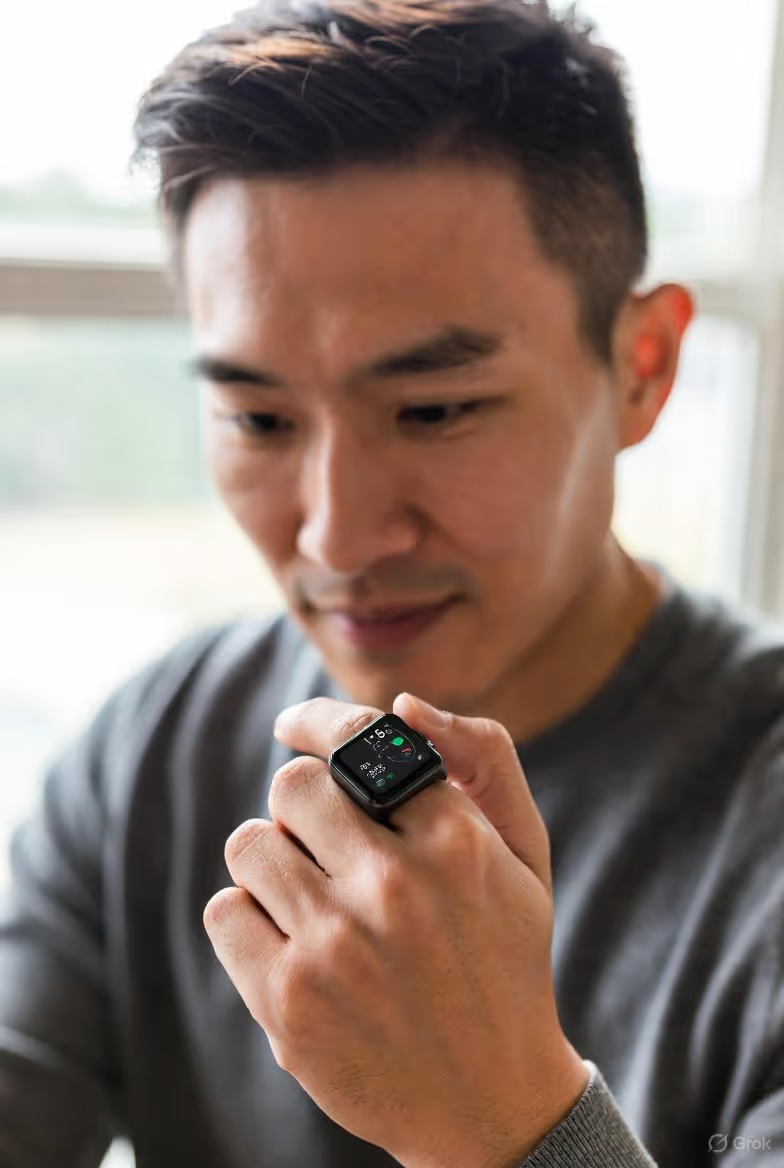
The Oxyzen smart ring represents a paradigm shift in personal health monitoring. Worn on your finger, it leverages the rich vascular network in your finger to capture clinical-grade biometric data with remarkable accuracy, all night, every night. Its form factor is its superpower: it’s comfortable enough to forget you’re wearing it, yet powerful enough to paint a complete picture of your recovery ecosystem.
Why a Ring is the Optimal Form for Recovery Tracking:
Unobtrusive & Comfortable: Unlike a bulky watch, a ring doesn’t press against your wrist during sleep or get in the way during daily activities. It becomes a part of you, enabling truly continuous data collection.
Superior Signal Fidelity: The arteries in your finger provide a strong, clear photoplethysmography (PPG) signal for measuring heart rate, HRV, and blood oxygen levels, often with greater consistency than wrist-based devices, especially during movement or sleep.
24/7 Wearability: The sleek design encourages all-day, all-night wear. This is critical because recovery isn’t just about what happens at night; it’s about how your daily stress, activity, and habits impact your body’s readiness for restoration. The ring captures your entire story.
Long Battery Life: Engineered for minimal fuss, the Oxyzen ring boasts a multi-day battery life, ensuring you aren’t left with data gaps due to frequent charging.
But hardware is only half the story. The true magic of Oxyzen lies in its intelligent software platform. It doesn’t just spit out raw numbers; it synthesizes your heart rate, HRV, sleep stages, temperature trends, and activity data into a simple, actionable Recovery Score.
Each morning, instead of puzzling over disjointed graphs, you get a clear, personalized number (often out of 100) that answers the most important question: How recovered is my body, and am I ready to perform today?
The platform provides context:
What helped? Did your 8 PM wind-down routine lead to higher deep sleep?
What hurt? Did that late-night work email or evening glass of wine suppress your HRV and disrupt REM sleep?
What’s the trend? Are you building a recovery deficit over the week that warns of impending burnout?
This transforms your approach. You move from guessing (“I feel okay”) to knowing (“My recovery score is 72, and my HRV is trending down, so I should prioritize a light workout and an early bedtime tonight”). It empowers you to make daily, data-driven decisions that compound over time to radically improve your resilience and performance. For those curious about the technical specifics and how we ensure accuracy, our FAQ page provides detailed insights into the technology behind the data.
The 90-Minute Pre-Sleep Ritual: Engineering the Transition to Restoration
Your ability to fall asleep quickly and cycle effectively through deep and REM stages is not determined the moment your head hits the pillow. It is largely dictated by the 60 to 90 minutes that precede it. This window is your most powerful lever for influencing sleep quality. For the busy professional, whose mind is often racing from the day’s demands, this ritual isn’t a luxury—it’s a non-negotiable system shutdown sequence.
The core biological goal of your pre-sleep ritual is to activate your parasympathetic nervous system (the “rest and digest” mode) and to promote the natural rise of melatonin, your sleep-signaling hormone. This requires actively countering the two biggest modern sleep disruptors: blue light exposure and psychological stress/cognitive activation.
Phase 1: The Digital Sunset (90 minutes before bed)
Action: Begin dimming lights and, most critically, eliminate exposure to screens (phones, laptops, TVs). The blue light they emit is spectrally similar to daylight and directly suppresses melatonin production, tricking your brain into thinking it’s still daytime.
Professional Hack: Use this time for offline, low-stimulus tasks. If you must use a device, employ stringent blue-light filters and brightness dimmers, but better yet, try reading a physical book or magazine.
Phase 2: The Cognitive Unload (60 minutes before bed)
Action: Perform a “brain dump.” Take 10-15 minutes to write down everything on your mind for the next day: unfinished tasks, worries, ideas, and your top three priorities. The act of externalizing these thoughts onto paper (or a dedicated notebook) prevents them from swirling in your mind as you try to sleep. As productivity expert David Allen says, “Your mind is for having ideas, not holding them.”
Professional Hack: Specifically note any work-related anxieties. By scheduling a time to address them (e.g., “Worry about Q2 projections at 9 AM tomorrow”), you give your brain permission to let go for the night.
Phase 3: The Physiological Wind-Down (30-45 minutes before bed)
Action: Engage in activities that lower core body temperature and promote relaxation. A warm bath or shower is ideal—the subsequent rapid cooldown mimics the body’s natural temperature drop that initiates sleep. Follow this with gentle stretching, breathing exercises (like the 4-7-8 technique), or meditation.
Professional Hack: Listen to an audiobook or calming podcast at this time, but avoid stimulating content (news, intense dramas). Opt for fiction or nonfiction that is interesting but not agitating.
Phase 4: The Environment Optimization (All evening)
Action: Ensure your sleep environment is a sanctuary. It should be cool (around 65°F or 18°C), completely dark (use blackout curtains or a sleep mask), and quiet (use white noise or earplugs if necessary). Your bed should be used only for sleep and intimacy, not for work or watching TV.
This ritual is your nightly handover from the driven professional to the restorative sleeper. By consistently following this sequence, you send a powerful, predictable signal to your nervous system that it is safe to power down and repair. The consistency is key; your brain will begin to associate these activities with sleep onset, making the transition faster and more efficient over time. The impact of these rituals on your biometrics can be profound, and you can read testimonials from professionals who have transformed their sleep by implementing such systems.
Mastering the Sleep Environment: Optimizing Your Bedroom for Maximum Recovery Efficiency
You can have the perfect pre-sleep ritual, but if your sleep environment is working against you, your recovery will be suboptimal. Think of your bedroom not just as a place to sleep, but as a recovery chamber—a bio-hacked space engineered for one purpose: to facilitate the most efficient, high-quality restoration possible within the time available. For the time-poor professional, efficiency is everything.
Let’s break down the environmental pillars:
1. Darkness: The Non-Negotiable Signal for Sleep Light is the primary regulator of your circadian rhythm. Even small amounts of ambient light from street lamps, electronics, or a crack under the door can fragment sleep and suppress melatonin.
Action Plan: Invest in high-quality blackout curtains or shades. Cover or remove all standby LED lights from electronics (chargers, smoke detectors, etc.). Consider using a comfortable, contoured sleep mask as a fail-safe. The goal is pitch black.
2. Temperature: The Thermal Trigger for Sleep Onset Your core body temperature needs to drop by about 1-2 degrees Fahrenheit to initiate and maintain sleep. A room that’s too warm disrupts this process.
Action Plan: Set your thermostat to between 65-68°F (18-20°C). Use breathable, natural-fiber bedding (like cotton or bamboo). Consider a cooling mattress pad or pillow if you tend to sleep hot. A fan can provide both cooling and consistent white noise.
3. Sound: Creating an Acoustic Buffer Unexpected noises—a door slamming, traffic, a partner snoring—can cause micro-arousals, pulling you out of deep or REM sleep without you even remembering.
Action Plan: Use a white noise machine, a fan, or a dedicated app to create a consistent, soothing sound blanket. This masks disruptive variable noises. For partners or urban environments, high-fidelity earplugs designed for sleep can be a game-changer.
4. Air Quality & Allergens: The Invisible Saboteurs Poor air quality and allergens can cause subtle inflammation and congestion, leading to restless sleep and next-day fatigue.
Action Plan: Use a high-quality HEPA air purifier to remove dust, pollen, and dander. Wash bedding weekly in hot water. Ensure humidity is maintained between 30-50% to prevent dry airways or mold growth.
5. The Bed Itself: Your Recovery Platform Your mattress and pillow are the foundational tools of your sleep. An unsupportive setup can lead to poor spinal alignment, pain, and constant tossing and turning.
Action Plan: Evaluate your mattress—is it over 7-10 years old? Does it provide proper support? Choose a pillow that keeps your neck in a neutral position. This isn’t an area to overly economize; view it as a critical investment in daily performance.
6. The Psychology of Space: A Sanctuary for the Mind Clutter and work-related items in the bedroom create subconscious cognitive associations with stress and alertness.
Action Plan: Declutter relentlessly. Remove work laptops, papers, and anything related to unfinished tasks. Let the bedroom decor promote calm—use soothing colors and keep surfaces clear. This space should signal one thing only: rest.
By systematically engineering these six factors, you dramatically increase your sleep efficiency—the percentage of time in bed you are actually asleep. For the professional with only, say, six hours available, moving from 80% to 90% efficiency gifts you an extra 36 minutes of actual restorative sleep. That’s a significant, free performance upgrade derived solely from your environment. For more ideas on creating the perfect wellness-centric living space, our blog features numerous guides on environmental optimization.
Nutrition for Nightly Repair: How to Eat and Drink to Support, Not Sabotage, Sleep
You are what you eat, and perhaps more accurately, you sleep how you eat. The timing, composition, and quantity of your food and drink are potent levers that directly influence sleep architecture, HRV, and overall recovery. For professionals navigating business dinners, late-night catch-up work, and stress-induced cravings, mastering this lever is crucial.
The Chrononutrition of Sleep: Timing is Everything
The Last Meal: Aim to finish your last large meal at least 2-3 hours before bedtime. Digestion is an active process that raises core body temperature and metabolic activity, opposing the body’s wind-down process. A heavy meal too close to bed can lead to discomfort, acid reflux, and disrupted deep sleep.
The Strategic Snack: If you need something closer to bedtime, opt for a small snack that combines a little protein with a complex carbohydrate about 60 minutes before sleep. Examples: a small bowl of oatmeal, a banana with a tablespoon of almond butter, or Greek yogurt with a sprinkle of berries. This can help stabilize blood sugar and provide tryptophan, a precursor to melatonin and serotonin.
Macronutrients: The Building Blocks of Sleep Chemistry
Complex Carbohydrates: Can promote the transport of tryptophan to the brain. Focus on whole-food sources like oats, sweet potatoes, or whole-grain crackers earlier in the evening.
Protein: Provides the amino acids necessary for overnight repair. Include lean proteins in your dinner (chicken, fish, tofu, legumes), but avoid very high-fat protein sources (fatty cuts of red meat) right before bed as they digest slowly.
Fats: Healthy fats are essential for hormone production, including sleep hormones. However, high-fat meals late at night can delay stomach emptying and disrupt sleep. Focus on fats from avocados, nuts, seeds, and olive oil earlier in the day.
The Double-Edged Sword: Caffeine and Alcohol
Caffeine: This adenosine receptor antagonist has a half-life of 5-6 hours. For most people, consuming caffeine after 2 PM can significantly impair sleep latency and quality. Be mindful of hidden sources like dark chocolate, certain medications, and some teas.
Alcohol: Perhaps the most misunderstood sleep saboteur. While it may induce initial drowsiness, alcohol is a sedative that severely fragments sleep architecture. It suppresses REM sleep in the first half of the night, often leading to a rebound of intense, disruptive REM in the second half, causing vivid dreams and awakenings. It also relaxes throat muscles, worsening snoring and sleep apnea. For optimal recovery, establish a “no alcohol within 3 hours of bedtime” rule.
Hydration: Balanced and Timed
Dehydration can lead to nighttime awakenings (due to thirst or muscle cramps), but drinking too much fluid right before bed guarantees disruptive trips to the bathroom.
Action Plan: Hydrate consistently throughout the day. Taper fluid intake in the last 90 minutes before bed, having just a small sip if needed.
The Data-Driven Approach: This is where a tool like the Oxyzen ring becomes invaluable. You can conduct personal experiments. Note a night after a late, heavy meal or a glass of wine. The next morning, observe your Recovery Score, HRV, and the sleep stage graph. The objective data provides undeniable, personalized feedback on how your dietary choices directly impact your restoration, empowering you to make smarter choices that align with your performance goals. If you have specific questions about how biometrics interact with nutrition, our support and FAQ section is a great resource.
Strategic Movement and Exercise: Leveraging Activity for Deeper Sleep, Not Disruption
The relationship between exercise and sleep is profound and bidirectional: quality sleep enhances athletic performance and recovery, and strategic exercise dramatically improves sleep quality and duration. For the busy professional, the key is not just to exercise, but to time and dose it correctly to serve your nightly recovery, not undermine it.
Exercise as a Sleep Enhancer: The Mechanisms
Regular physical activity:
Promotes Sleep Pressure: It increases adenosine buildup in the brain, a key driver of sleep homeostasis—the body’s need for sleep.
Regulates Circadian Rhythms: Exposure to daylight during outdoor exercise helps synchronize your internal clock.
Reduces Stress & Anxiety: Exercise is a potent buffer against the psychological stressors that cause nighttime rumination.
Aids Thermoregulation: The post-exercise drop in core body temperature can mimic the natural dip that initiates sleep.
The Critical Variable: Timing
While any exercise is better than none, when you exercise significantly influences its impact on that night’s sleep.
Morning & Afternoon Exercise (The Sweet Spot): Cardio or resistance training done at least 3-4 hours before bedtime is ideal. It allows time for the stimulating effects (elevated core temperature, endorphins, cortisol) to subside while still capitalizing on the sleep-promoting adaptations.
Evening Exercise (The Nuanced Approach): The old rule of “no exercise after 8 PM” is too simplistic. The impact depends on intensity and individual response.
High-Intensity Evening Workouts: HIIT, intense weightlifting, or competitive sports can be overly activating for the nervous system, elevating heart rate and cortisol too close to bedtime, potentially delaying sleep onset for some individuals.
Low-Intensity Evening Movement: This can be exceptionally beneficial. A gentle walk, restorative yoga, stretching, or mobility work 60-90 minutes before bed can actually aid the wind-down process, lower stress, and promote relaxation without a significant stimulatory effect.
Listening to Your Biometrics: The Ultimate Guide
This is the core of personalized recovery. Your body’s response to evening exercise is unique. One person may sleep soundly after a 7 PM spin class; another may lie awake for hours.
Use Your Data: With continuous biometric tracking from a device like Oxyzen, you can move beyond guesswork. Perform the same evening activity for a week and observe the trends:
Does your sleep latency increase?
Does your Resting Heart Rate stay elevated through the night?
Is your HRV lower the following morning, indicating higher stress/recovery need?
The Recovery Score as Your Coach: Your morning score provides the bottom-line verdict. If you consistently see lower scores after evening workouts, it’s a clear signal to shift that activity earlier in the day or reduce its intensity.
For the time-crunched professional, the lesson is to be strategic. If your only window is the evening, opt for moderate or low-intensity movement. View it as a deliberate part of your pre-sleep ritual—a tool to physically process the day’s stress and prepare your body for repair, not as a performance session. The goal is to use movement to fill your recovery tank, not drain it further. Understanding your personal physiology is key to this balance, a principle that guides everything we do, as outlined in our company's mission.
Stress Mastery and the Wind-Down Mind: Cognitive Strategies for Quieting the Busy Brain
For the high-achieving professional, the greatest barrier to sleep is often not physical, but psychological. The mind that excels at solving complex problems, managing teams, and strategizing during the day often refuses to disengage at night. Anxiety about tomorrow’s presentation, replaying a difficult conversation, or mentally compiling endless to-do lists can hijack the sleep onset process, leading to long periods of “trying” to sleep—a state of frustration that further activates the stress response. Mastering your cognitive state is therefore not a soft skill; it is a critical performance protocol.
Understanding the Nighttime Stress Cycle:
Stress activates the sympathetic nervous system (“fight or flight”), releasing cortisol and adrenaline. This increases heart rate, blood pressure, and alertness—the exact opposite of the state required for sleep. A racing mind perpetuates this cycle, creating a feedback loop where worry about not sleeping becomes the very cause of sleeplessness.
Evidence-Based Cognitive Wind-Down Techniques:
Guided Sleep Meditations & Body Scans: These are not just for spiritual seekers; they are targeted neurobiological interventions. A body scan meditation, where you systematically bring attention to and then release tension in each part of the body, directly counters the physical manifestations of stress. Guided sleep stories or meditations provide a neutral, calming focal point for a busy mind, pulling it away from its own anxious narratives. Apps or audio tracks can be highly effective tools.
The “Worry Journal” or Brain Dump (Revisited): As mentioned in the pre-sleep ritual, this is your most powerful tool for cognitive closure. The act of writing down worries and tasks literally externalizes them, freeing your working memory. For added effect, next to each worry, write down the next actionable step, no matter how small. This transforms vague anxiety into a manageable plan.
Paradoxical Intention & Acceptance: Sometimes, the pressure to sleep is the problem. Paradoxical intention involves lying in bed and trying to stay awake (with your eyes closed, in the dark). This removes the performance anxiety around sleep. Similarly, practice accepting wakefulness. Tell yourself, “It’s okay that I’m awake right now. My body is still resting.” This reduces the secondary stress about not sleeping, which can often be the final key that allows sleep to arrive.
4-7-8 Breathing (The Relaxing Breath): Developed by Dr. Andrew Weil, this breathing technique is a direct vagus nerve stimulator, activating the parasympathetic nervous system.
Exhale completely through your mouth.
Close your mouth and inhale quietly through your nose for a count of 4.
Hold your breath for a count of 7.
Exhale completely through your mouth for a count of 8.
Repeat this cycle 4-5 times. It acts as a natural tranquilizer for the nervous system.
Gratitude Reframing: Actively shifting mental focus from stressors to points of gratitude can alter emotional tone. Before sleep, mentally list three specific things from the day you are grateful for. They can be small—a good cup of coffee, a moment of connection, completing a task. This practice trains the brain to scan for positive input and fosters a state of safety and contentment conducive to rest.
The Biometric Feedback Loop: Employ your Oxyzen data to validate these practices. After a week of consistent meditation or journaling, look at your trends. Has your sleep latency decreased? Has your nightly heart rate trended lower? Has your HRV improved? This objective proof reinforces the habit, turning a “wellness practice” into a non-negotiable recovery technology with measurable ROI on your morning alertness and resilience. The transformative power of these practices is real, as echoed in the experiences shared by our community.
Power Naps and Strategic Rest: Maximizing Daytime Recovery Without Sleep Inertia
The demands of a professional’s day rarely align perfectly with a monophasic sleep schedule (one long period at night). Energy naturally dips in the early afternoon (the post-lunch circadian trough), and sometimes, a poor night’s sleep leaves a deficit that threatens afternoon productivity. The strategic use of daytime rest—specifically, the controlled power nap—is a secret weapon for restoring cognitive function and emotional regulation without stealing from nighttime sleep drive.
The Science of the Power Nap:
A well-timed, short nap can provide significant benefits:
Improved Alertness & Performance: NASA studies on pilots found a 26-minute nap improved performance by 34% and alertness by 54%.
Enhanced Learning & Memory Consolidation: A nap can help solidify memories learned earlier in the day.
Emotional Resilience: Napping can lower cortisol levels and reduce emotional reactivity to stressful stimuli.
The Golden Rule: Keep it Short or Plan it Long (But Never in Between)
The danger of napping is sleep inertia—that groggy, disoriented feeling upon waking that can last for 30 minutes or more. This occurs when you wake from deep sleep (Stage N3).
The 10-20 Minute “Power Nap” (The Sweet Spot): This nap is restricted to light sleep (Stages N1 & N2). It provides the restorative benefits of quiet wakefulness and light sleep without entering deep sleep, thus minimizing or avoiding sleep inertia. It’s perfect for a quick boost in alertness and energy.
The 90-Minute “Full Cycle” Nap: This allows you to complete a full sleep cycle, including deep sleep and REM. You will wake from REM sleep, which is a lighter stage, reducing inertia. This type of nap is more restorative for memory and creativity but requires a dedicated time block.
AVOID the 30-60 Minute Nap: This often results in waking from deep sleep, producing the worst sleep inertia. It’s typically more detrimental than helpful.
The Professional’s Nap Protocol:
Timing: The ideal window is between 1 PM and 3 PM. This aligns with the natural circadian dip and is far enough from bedtime to not interfere with nighttime sleep drive for most people.
Environment: If possible, nap in a similar environment to your nighttime sleep: dark, cool, and quiet. Use an eye mask and earplugs if needed. A reclining chair or even sitting in your car can work.
The Caffeine Nap (Next-Level Hack): Drink a small cup of coffee immediately before your 20-minute nap. Caffeine takes about 20-30 minutes to hit your bloodstream. You get the double benefit of the restorative nap and the caffeine kicking in just as you wake up, for a supremely alert state.
Set an Alarm: This is non-negotiable. Set a firm alarm for 20 or 90 minutes. Do not trust your body.
Beyond Napping: Non-Sleep Deep Rest (NSDR)
For times when napping isn’t feasible, techniques like NSDR or yoga nidra (a form of guided, conscious sleep) can produce similar restorative benefits for the nervous system without actual sleep. A 10-20 minute NSDR session can significantly lower heart rate, reduce cortisol, and boost HRV, effectively “resetting” your stress levels and focus.
Integrating with Nightly Data: Use your Oxyzen recovery data to inform your napping decisions. On a morning with a low Recovery Score, planning a strategic 20-minute power nap can be a proactive way to salvage cognitive function for the day. Conversely, if you find that napping after 4 PM consistently leads to poorer nighttime sleep (visible in your sleep latency data), you have the evidence to adjust your schedule. This level of strategic, data-informed daily planning is what separates reactive coping from proactive performance management. For more insights on leveraging data for daily wellness decisions, our blog is a continually updated resource.
The Chronotype Conundrum: Aligning Your Sleep Schedule with Your Biological Rhythm
The classic "early bird vs. night owl" debate is more than just personality; it's rooted in genetics. Your chronotype is your body's natural predisposition for sleep and wake times, governed by your circadian rhythm—a roughly 24-hour internal clock located in the brain's suprachiasmatic nucleus. Forcing a night owl into a 5 AM routine, or an early bird into late-night creative sessions, is a recipe for poor recovery and chronic misalignment known as social jetlag. For the busy professional, working with your chronotype, not against it, is a profound strategy for maximizing recovery efficiency.
Understanding the Spectrum of Chronotypes:
While often simplified, chronotypes exist on a continuum. Broad categories include:
Lions (Morning Types): Naturally wake early, peak in productivity before noon, and wind down early in the evening. They thrive on traditional corporate schedules.
Bears (Intermediate Types): Follow the solar cycle, with energy peaks mid-morning and mid-afternoon. This is the most common chronotype, aligned with a standard 9-5.
Wolves (Evening Types): Naturally wake later, hit their stride in the late afternoon and evening, and struggle with early mornings. They are often creative and innovative but misaligned with typical work structures.
Dolphins (Light Sleepers/Insomniac Tendency): Have a fragmented sleep pattern, are often light sleepers, and may not fit neatly into other categories. They are highly intelligent but prone to anxiety about sleep.
Identifying Your Chronotype: Beyond Guessing
While questionnaires like the Morningness-Eveningness Questionnaire (MEQ) can provide clues, your own biometric data is the most reliable indicator. Track your natural patterns on a low-obligation day (like a weekend or vacation). Notice:
Natural Sleep Onset: When do you feel sleepy without an alarm or social pressure?
Natural Wake Time: When do you wake without an alarm?
Energy Peaks & Troughs: When are you most alert and when do you crash?
Your Oxyzen data powerfully validates this. Look at your sleep efficiency and Resting Heart Rate on days you follow your natural schedule versus forced ones. Evening types will often see dramatically better scores on a later schedule, even with the same duration.
Strategies for Harmonizing Chronotype with Professional Demands:
Complete schedule freedom is rare, but strategic adjustments can create powerful alignment:
For the Wolf (Evening Type) in an Early Bird World:
Maximize Evening Recovery: Protect your wind-down ritual fiercely. Your natural later bedtime means you must be extra vigilant about late-night screen time and stimulation.
Master the Strategic Nap: A 20-minute power nap in the early afternoon (your natural trough) can bridge the energy gap to your peak hours.
Light Strategy: Use bright light therapy lamps in the morning to advance your clock. Get 15-30 minutes of bright outdoor light as soon as possible after waking. Conversely, wear blue-light-blocking glasses religiously after sunset.
Schedule Defense: If you have control, schedule demanding analytical work for your peak late-afternoon hours and routine tasks for the morning.
For the Lion (Morning Type) Needing to Stay Sharp Late:
Protect Morning Light: Your natural advantage is morning light. Use it to cement your rhythm.
Strategic Caffeine: Use small, strategic doses of caffeine in the afternoon to extend alertness for late meetings, but cease intake at least 8 hours before your target bedtime.
Evening Light Management: Be cautious of bright evening light (from dinners out, events) that could delay your already early rhythm.
The Pre-Event Nap: If you have an important evening networking event or dinner, a late-afternoon nap can provide a "second wind."
The Bear's Advantage and Challenge: Bears are best aligned with the standard world but must guard against the post-lunch dip. Strategic movement, light exposure, and task scheduling (saving engaging work for the post-dip period) are key.
The goal is not to rigidly label yourself, but to cultivate chronotype awareness. This self-knowledge allows you to schedule your most demanding cognitive work during your personal biological prime time, schedule rest when you naturally dip, and structure your sleep window to maximize efficiency. Fighting your biology is an exhausting, losing battle. Aligning with it is the ultimate recovery hack. This philosophy of personalized alignment is central to our vision at Oxyzen, which you can discover more about in our story.
The Weekend Dilemma: How to Recover Without Wrecking Your Sleep Schedule
The weekend promises salvation for the sleep-deprived professional: two glorious days to "catch up." You stay up late on Friday, sleep in until 10 AM on Saturday, maybe take an afternoon nap, and repeat a shifted schedule on Sunday, only to face "Monday Morning Fog" that feels like a legitimate hangover. This pattern, while common, is deeply counterproductive. It's called social jetlag, and it can impose a metabolic and cognitive cost equivalent to traveling across multiple time zones every single week.
Why "Catch-Up Sleep" is a Misleading Concept:
While you can repay a portion of acute sleep debt, the recovery is not linear or complete. More critically, the drastic shift in sleep/wake times confuses your circadian rhythm. Your internal clock relies on consistent cues, especially light exposure and meal times, to stay set. Sleeping in on the weekend sends a strong signal that "daybreak" is now later, making it physiologically harder to fall asleep and wake early on Sunday night and Monday morning.
The Strategic Weekend Recovery Protocol:
The goal is to achieve recovery consistency, not chaotic compensation. Here’s how:
The 60-Minute Rule: Limit your weekend sleep-in to no more than 60 minutes beyond your weekday wake time. If you wake at 6:30 AM during the week, don’t sleep past 7:30 AM on weekends. This protects your circadian anchor.
Prioritize Quality, Not Just Quantity: Use the weekend to perfect your recovery environment and rituals. Spend time making your bedroom ideal, enjoy a longer, screen-free wind-down routine, and perhaps go to bed 30 minutes earlier on Friday and Saturday nights. This enhances sleep efficiency and deep sleep percentage.
Leverage Strategic Napping: If you are deeply fatigued, a planned 20-minute power nap or a full 90-minute cycle nap in the early afternoon (between 1-3 PM) is far more effective and less disruptive than a 3-hour sleep-in. It provides acute recovery without shifting your core clock.
Anchor Your Day with Morning Light: Especially important on weekend mornings. Get outside within 60 minutes of your wake-up time (even your delayed 60-minute wake-up) for at least 15-30 minutes of natural light. This reinforces the correct timing for your internal clock.
Be Mindful of "Weekend Stimulants": Late-night alcohol, heavy meals, and excessive screen time are more common on weekends. Enjoy them in moderation, but understand they will impact your recovery scores. Consider finishing any alcohol at least 3 hours before your (still relatively consistent) bedtime.
The Data Doesn't Lie: Use your Oxyzen ring to test this. One weekend, follow your old "catch-up" pattern. The next, follow the consistency protocol. Compare your Recovery Score and HRV on Monday morning. You will likely find the consistent weekend yields a higher score, reflecting a body that is not struggling with internal jetlag. Furthermore, observe your sleep latency on Sunday night. After a consistent weekend, falling asleep for the workweek will be significantly easier.
The weekend should be a time for psychological and social recovery, not just a frantic attempt to compensate for physiological neglect. By maintaining rhythm, you protect your most valuable asset for the coming week: a predictable, well-regulated nervous system ready to perform. For more research-backed tips on maintaining healthy rhythms, our blog offers a wealth of continuing education.
Advanced Biohacking for Sleep: Exploring Temperature, Light, and Supplementation
Once the foundational pillars of sleep hygiene, environment, and schedule are solid, the curious professional can explore advanced levers to further refine sleep quality and recovery speed. These "biohacks" are interventions designed to give your body's natural processes a targeted, science-backed boost.
1. Temperature Manipulation: The Thermal Drop Hack
We know a cool room is essential. Taking this further involves actively lowering your core body temperature, a key signal for sleep onset.
The Hot Bath Paradox: A warm bath (or shower) 60-90 minutes before bed is highly effective. It causes vasodilation (blood vessels near the skin expand), which then facilitates a rapid heat loss when you exit. This mimics and amplifies the natural nocturnal temperature drop. Studies show it can improve deep sleep.
Bedding Technology: Phase-change material pillows or mattress covers actively draw heat away from the body. Weighted blankets, while often warming, can promote relaxation for some; if you use one, ensure your room is cool enough to compensate.
The Feet-Out Method: Your hands and feet are key thermoregulators. If you're warm, sticking a foot out from under the covers can help dissipate heat quickly.
2. Precision Light Exposure: Resetting Your Circadian Clock
Light is the most powerful zeitgeber (time-giver) for your circadian rhythm. Managing it with precision is a high-level skill.
Morning Solar Glasses: For true optimization, viewing the low-angle sun (within an hour of sunrise) for 5-10 minutes can powerfully set your rhythm and boost daytime alertness. Never look at the sun when it's bright and high.
Daytime Bright Light Therapy: For those in dark climates or with office jobs, a 10,000-lux light therapy lamp used for 20-30 minutes in the morning can simulate sunrise, especially beneficial for winter months or evening types.
Evening Red Light: Longer wavelength red light (around 620-750nm) does not suppress melatonin like blue light. Using red-light bulbs in bedside lamps or wearing blue-blocking glasses that also tint towards amber/red can create a biologically "dark" environment even with lights on.
3. Strategic Supplementation: Navigating the Nuances
Note: Always consult with a healthcare professional before starting any supplement regimen.
Magnesium: Often called the "relaxation mineral." Magnesium glycinate or bisglycinate is particularly well-regarded for its bioavailability and calming effects on the nervous system, aiding sleep onset. A dose of 200-400mg taken 60-90 minutes before bed is common.
Apigenin: A flavonoid found in chamomile. It acts as a mild sedative by binding to GABA receptors. It's a key component of some popular "sleep stack" supplements.
L-Theanine: An amino acid found in green tea. It promotes relaxation and alpha brain waves without drowsiness. It can be helpful for calming an anxious mind before bed, often paired with magnesium.
Melatonin (The Correct Use): Melatonin is a chronobiotic—it signals timing to your brain, not sleep itself. It's most effective for shifting circadian rhythm (e.g., jet lag, adjusting to night shifts) or for those with diagnosed delayed sleep phase disorder. Typical doses of 0.3-1 mg are often more effective than the 5-10 mg doses commonly sold. Using it nightly can lead to dependence and a downregulation of your own production.
The Imperative of Personal Experimentation & Data:
This is where biohacking transitions from generic advice to personalized protocol. Try one intervention at a time for at least 3-5 nights. Use your Oxyzen data to assess the impact.
Did the hot bath increase your deep sleep percentage?
Did morning light exposure improve your daytime HRV trend?
Did a magnesium supplement lower your resting heart rate during sleep?
Without objective data, you're guessing. With it, you're engineering. This empirical approach ensures you only invest time and money into what truly moves the needle for your unique biology. For community insights on what has worked for others, you can often find shared experiences in user testimonials and stories.
Travel and Recovery: Maintaining Performance Across Time Zones and Unfamiliar Beds
For the global professional, travel is a necessary disruption that systematically attacks every pillar of good recovery: circadian rhythm, sleep environment, routine, and nutrition. Jet lag, cramped seats, dry airplane air, hotel noise, and unfamiliar food can leave you arriving at your destination already depleted. A proactive, tactical approach to travel recovery is not about luxury; it’s about maintaining cognitive sharpness and emotional stability when you need it most.
Pre-Flight Protocol: Setting the Stage
Hydration Arsenal: Begin aggressively hydrating 24 hours before your flight. The cabin air is extremely dehydrating. Bring a large empty water bottle to fill after security and aim to drink at least 8 ounces per hour in the air. Avoid dehydrating beverages like alcohol and excessive caffeine.
Circadian Pre-Shift: If traveling across more than 3 time zones, start shifting your schedule 2-3 days in advance. Gradually move your meal times and bedtime 60-90 minutes per day toward your destination schedule. Use light exposure strategically: seek morning light if heading east, seek evening light if heading west.
The "Flight Kit": Pack a recovery kit: a quality sleep mask, noise-canceling headphones or earplugs, a neck pillow, moisturizer, lip balm, and sanitizing wipes.
In-Flight Strategy: Damage Control and Active Recovery
Immediate Reset: Upon boarding, set your watch to the destination time. Mentally and logistically operate on that timeline.
The Sleep Decision: Use the destination time to decide: is it nighttime there? If yes, encourage sleep. Use your mask, headphones, and pillow. Consider a melatonin supplement (0.5-1mg) if appropriate, taken at the time you want to signal "bedtime" at your destination. If it's daytime at your destination, fight sleep and use bright light (overhead light, no mask) to stay awake.
Movement is Non-Negotiable: Set a timer to stand, stretch, and walk the aisle every 60-90 minutes. Perform seated isometric exercises and ankle circles to promote circulation and prevent stiffness and deep vein thrombosis (DVT) risk.
Destination Tactics: Rapid Re-Synchronization
Light: Your Most Powerful Drug: Upon arrival, use light with military precision. If you arrive in the morning after an overnight flight, get direct outdoor light exposure for at least 30 minutes immediately. This is the single most effective action to reset your clock. If you arrive in the evening, avoid bright light and wear blue-blocking glasses.
Anchor Your New Rhythm: Eat your first meal at a local mealtime, even if you're not hungry. This provides a powerful secondary cue to your circadian clock.
Recreate Your Sanctuary: Unpack immediately. Use your travel white noise app, set the hotel thermostat to your preferred cool temperature, and hang your clothes to make the room feel less transient. Use your own pillowcase if possible for a familiar scent.
The First 48-Hour Buffer: If possible, avoid critical meetings or complex decisions for the first 24-48 hours. Schedule lighter, administrative tasks. Your prefrontal cortex—responsible for judgment and complex thought—is impaired by jet lag.
Using Your Biometric Compass: During travel, your Oxyzen data is your objective guide through the fog. It will show the clear disruption: elevated resting heart rate, plummeting HRV, and fragmented sleep stages. Don't be discouraged; this is expected. Use the data to track your re-synchronization speed. After implementing these protocols, you should see your HRV begin to recover and your sleep architecture stabilize within 1-2 days per time zone crossed, faster than if you took no action.
Travel recovery is about minimizing the valley of performance deficit and accelerating the climb back to baseline. It turns a disruptive necessity into a managed, predictable part of your professional lifecycle. For a deeper look at how technology can support a mobile lifestyle, explore the features designed for the global citizen.
Long-Term Tracking and Trend Analysis: Moving from Nightly Scores to Lifetime Recovery Intelligence
Nightly recovery scores are invaluable for daily decisions, but their true power is unlocked in the aggregate. Long-term trend analysis transforms isolated data points into a panoramic view of your health, revealing patterns, predicting setbacks, and providing the ultimate feedback loop for your lifestyle choices. For the strategic professional, this is the transition from managing sleep to managing resilience capital over a quarter, a year, a career.
What Your Long-Term Data Reveals:
Baseline Establishment: Over 30-90 days, you establish your personal biometric baselines. What is your normal HRV range? What is your typical deep sleep percentage? This personalizes "health," moving you away from population averages.
Stressor Identification: Correlate dips in your Recovery Score or HRV with life events. That sustained dip in March? It correlates perfectly with the end-of-quarter crunch. The gradual improvement in June? That started when you committed to your evening walk. This turns abstract "stress" into quantified, specific causes.
Aging and Fitness Trends: Observe how your metrics change with age and training. A well-managed, fit individual can maintain or even improve their HRV and sleep efficiency as they age, contrary to common assumptions. Your data becomes a motivator, showing the tangible impact of consistent training and recovery.
Illness Prediction: Often, your biometrics will signal an oncoming cold or infection before symptoms appear. A sudden, unexplained elevation in resting heart rate or drop in HRV, coupled with a lower recovery score, can be an early warning to prioritize rest, hydration, and immune support.
How to Conduct Your Own Trend Analysis:
Weekly Check-Ins: Every Sunday, review your weekly average Recovery Score, HRV, and sleep duration. Note the high and low days and what coincided with them.
Monthly Reports: Look at month-over-month trends. Is your average HRV on a gentle upward slope (indicating improving resilience)? Is your sleep efficiency holding steady?
Quarterly Audits: Every 3 months, perform a deep dive. Ask strategic questions:
What habit had the most positive correlation with my best recovery weeks?
What is the single biggest predictable disruptor (e.g., weekly late-night work call, business travel)?
How did my body handle a specific stressful project? What can I learn for next time?
From Insight to Institutionalized Change:
The goal of analysis is action. Use your trend data to:
Negotiate Your Schedule: Armed with data showing that late Thursday meetings destroy your Friday recovery, you can make a case for scheduling them earlier.
Plan Project Cycles: Knowing your recovery typically dips during high-stress periods, you can proactively schedule a recovery-focused weekend immediately after a major deliverable.
Evaluate Lifestyle Experiments: Considering a new workout program, diet, or meditation app? Measure its impact over 4-6 weeks not by feel, but by the trend in your core recovery metrics.
Your long-term biometric data becomes a personal operating manual, a record of what works and what breaks you. It fosters a profound sense of agency over your own well-being. You are no longer a passive recipient of fatigue; you are the active steward of your energy. This journey of self-knowledge through data is what we are passionate about enabling, a principle you can learn more about in our mission.
Integrating Recovery into Corporate Culture: Why Smart Companies Invest in Employee Sleep
The recovery-deficient professional is not just a personal tragedy; it's a corporate liability. Fatigue costs the global economy hundreds of billions annually in lost productivity, healthcare costs, and errors. The forward-thinking organization is beginning to recognize that employee recovery is a strategic asset, not a personal weekend hobby. Cultivating a culture that respects and enables restoration is becoming a competitive advantage in talent attraction, retention, and innovation.
The Business Case for Recovery:
Enhanced Cognitive Output: Rested employees have better focus, memory, and problem-solving abilities. They make fewer errors and have more innovative ideas.
Improved Emotional Intelligence & Collaboration: Sleep deprivation amplifies negativity bias and emotional reactivity. A recovered team communicates better, manages conflict more constructively, and exhibits higher empathy.
Reduced Healthcare & Absenteeism Costs: Chronic sleep deprivation is linked to a host of expensive chronic diseases (cardiovascular, metabolic, mental health). Proactive recovery reduces sick days and long-term health insurance claims.
Talent Magnetism: A culture that genuinely promotes sustainable performance and well-being is incredibly attractive to top talent, especially younger generations who prioritize holistic health.
Practical Steps for Recovery-Conscious Leadership:
Model the Behavior: Leadership must "walk the talk." Executives who send emails at midnight or brag about sleeplessness create a culture of burnout. Leaders should openly discuss prioritizing sleep, taking breaks, and using vacation time.
Educate, Don't Mandate: Offer workshops or resources on sleep science and recovery strategies. Bring in experts or provide subscriptions to platforms that offer guided wind-downs or sleep education. Knowledge empowers change.
Design Work for Recovery:
Meeting Hygiene: Implement "no-meeting" blocks, especially in the morning (for deep work) and late afternoon (for wind-down). Enforce strict start and end times.
Respect Time Zones & Boundaries: For global teams, rotate meeting times to share the burden of off-hours calls. Encourage employees to use "Do Not Disturb" and email scheduling tools to protect personal time.
Create Recovery Spaces: If office-based, provide quiet, dark nap pods or meditation rooms. Encourage their use.
Leverage Technology Thoughtfully: Companies can offer wellness benefits that include recovery technology, like providing Oxyzen rings to employees as part of a holistic wellness program. This demonstrates a tangible investment in their health and provides objective data to guide corporate wellness initiatives. Note: This must be done with clear privacy policies and opt-in choices.
Redefine "High Performer": Shift the focus from "hours logged" or "always-on responsiveness" to "output and impact." Reward efficiency and results, not martyrdom.
The Data-Driven Organization: On an aggregated, anonymized level, companies can use wellness data trends to identify organizational stress points. Is there a company-wide recovery dip every quarter-end? Does a particular team show consistently lower scores, indicating a potential management or workload issue? This data, used ethically, can guide systemic improvements that benefit everyone.
The future of work belongs to organizations that understand human sustainability. By integrating recovery into the cultural fabric, companies don't just prevent burnout—they unlock a higher, more sustainable, and more humane level of collective performance. For organizations interested in this approach, exploring our story and values can provide a starting framework.
Overcoming Plateaus and Setbacks: The Resilient Sleeper's Mindset
Even with the best systems, you will have bad nights. A stressful event, an illness, a poor dietary choice, or even an unknown variable can lead to a terrible recovery score. Furthermore, after initial dramatic improvements from fixing the basics, progress can plateau. This is normal. The path to optimal recovery is not linear; it's a upward trend with noise. The key to long-term success is not perfection, but resilience—the ability to absorb the setback without catastrophic thinking and to return to effective habits quickly.
Reframing the "Bad Night":
Detach Your Identity: You are not a "bad sleeper" because of one bad night. You are a person who experienced a night of poor sleep. This linguistic separation prevents a single data point from becoming a self-fulfilling prophecy.
Practice Investigative Curiosity, Not Judgment: Instead of "I failed," ask "What happened?" Open your Oxyzen app with the curiosity of a scientist. Was your heart rate elevated all night (suggesting stress or illness)? Was your sleep fragmented after 3 AM (suggesting digestion or environmental factors)? The data provides clues, not verdicts.
The 24-Hour Rule: Do not let one bad night dictate the next day's behavior. Avoid the double penalty of poor sleep followed by frantic over-caffeination, skipped meals, and no movement. Stick to your healthy routines—they will help stabilize you.
Breaking Through Recovery Plateaus:
When your scores have been stable but stagnant for weeks, it's time for a new experiment.
Audit Your Fundamentals: Have you gotten lax? Is your room truly dark? Has your pre-sleep ritual become rushed? Often, plateaus are caused by the slow erosion of foundational habits.
Introduce a Single Novel Stimulus: Choose one advanced tactic from earlier in this guide. Maybe it's a consistent 10-minute meditation, a magnesium supplement, or a commitment to a 15-minute morning walk for light exposure. Implement it for two full weeks while holding all else constant.
Evaluate with Data: After two weeks, look at the trend, not single nights. Did the new habit nudge your HRV baseline or deep sleep average upward? If yes, keep it. If no, drop it and try another. This systematic approach prevents random, overwhelming changes.
Building Recovery Resilience:
Diversify Your Recovery Portfolio: Don't put all your eggs in the "sleep" basket. Cultivate multiple sources of restoration: mindful breaks, nature exposure, social connection, hobbies. This way, if sleep is compromised, you have other ways to partially replenish your tank.
Develop a "Reset Routine": Have a go-to, half-day protocol for when you feel depleted. It might be: a nature walk, a nutritious meal, 20 minutes of reading (no screens), and an early bedtime. Knowing you have a reset button reduces anxiety about temporary slumps.
Focus on the Process, Not Just the Score: The goal is to consistently execute the behaviors that lead to good recovery (the wind-down, the exercise, the light exposure). The score is feedback on the process, not the end itself. Trust that if you maintain the process, the scores will generally follow.
Setbacks are not failures; they are data-generating events in your long-term self-experiment. They test the robustness of your systems and your psychological flexibility. Embracing this mindset transforms the journey from a stressful pursuit of perfect sleep into a sustainable practice of intelligent self-care. For support and answers to common questions during this journey, remember our comprehensive FAQ is always available.
Synthesizing Your Personal Recovery Protocol: Building a Sustainable, Adaptive System
We have traversed the landscape of modern recovery—from the cellular mechanics of sleep stages to the macro-environment of corporate culture. Now, we arrive at the synthesis. The goal is not to rigidly implement every single suggestion, but to design a personalized, dynamic recovery protocol that fits the unique puzzle of your life, chronotype, profession, and goals. This is your final blueprint, a living system that you own, refine, and adapt over time.
The Four-Phase Construction of Your Protocol:
Phase 1: The Diagnostic Audit (Week 1-2)
Action: Before changing anything, simply wear your Oxyzen ring and track your baseline. Observe your natural patterns on workdays and weekends. Note your energy levels, mood, and cognitive clarity subjectively.
Deliverable: A clear picture of your starting point: average Recovery Score, HRV baseline, sleep efficiency, and biggest pain points (e.g., "consistently low deep sleep," "high 3 AM awakenings").
Phase 2: Foundation Pouring (Week 3-6)
Action: Implement the non-negotiable fundamentals, one per week:
Week 4: Institute the 90-Minute Digital Sunset & Wind-Down Ritual.
Week 5: Anchor Your Sleep/Wake Times (using the 60-minute weekend rule).
Week 6: Manage Light & Food Cutoffs (no caffeine after 2 PM, finish eating 3 hours before bed).
Deliverable: A solid, consistent foundation. This alone will likely yield the most significant jump in recovery quality.
Phase 3: Strategic Layering (Month 2-3)
Action: Based on your remaining gaps from Phase 1 data, strategically add 1-2 advanced levers. Choose from:
If stress is high: Introduce daily meditation or NSDR.
If falling asleep is hard: Experiment with the hot bath protocol or magnesium glycinate.
If energy is low: Systematize morning light exposure and strategic napping.
Align with chronotype: Adjust work-task scheduling to your energy peaks.
Deliverable: A refined protocol that addresses your specific bottlenecks.
Phase 4: Integration & Adaptation (Ongoing)
Action: Weave your protocol into your identity. Your wind-down ritual becomes as automatic as brushing your teeth. You plan travel with your recovery kit. You use your Recovery Score to guide daily training and workload decisions.
Deliverable: A sustainable, adaptive lifestyle where proactive recovery is simply "how you live." You regularly review trends (quarterly audits) and are willing to experiment to break plateaus.
Your Protocol in Action: A Sample Day for a Busy Professional
6:30 AM: Wake (within 60 min of weekday time). Drink large glass of water. Get 15 min of outdoor light.
7:00 AM: Check Oxyzen app. Recovery Score 82. Note HRV is trending up. Decision: Proceed with planned intense workout.
1:30 PM: Post-lunch energy dip. 20-minute power nap in quiet space (or NSDR if nap not possible).
2:00 PM: Critical strategic work during personal peak.
6:30 PM: Final meal of the day.
8:30 PM: Digital sunset begins. Phones on "Do Not Disturb," blue-light glasses on. Warm shower.
9:00 PM: "Brain dump" journaling for 10 minutes, followed by 10 minutes of reading a physical book.
9:45 PM: In cool, dark bedroom. Brief gratitude reflection or 4-7-8 breathing.
10:00 PM: Lights out.
This is not a prescription, but an illustration of integration. Your protocol will look different.
The Ultimate Goal: Autonomy and Agency
The end result of this journey is not a perfect sleep score every night. It is recovery autonomy. You understand your body's signals. You have the tools to diagnose issues. You possess the strategies to course-correct. You are no longer a victim of your schedule or stress; you are the architect of your restoration. In a world that constantly demands more, your ability to strategically, efficiently recover is your ultimate source of power, resilience, and longevity.
This knowledge, combined with the precise feedback loop provided by technology like the Oxyzen ring, empowers you to thrive within the constraints of a demanding professional life. You have moved from hoping for rest to engineering it. The journey to mastering your nights—and by extension, your days—is now fully in your hands. For continued learning and to stay updated with the latest in recovery science, our blog remains your dedicated resource.



%402x.svg)