


Nighttime Wellness Rituals From Around the World
Examples include the Japanese "ofuro" (bathing), Scandinavian "hygge" (coziness), or Mediterranean evening strolls.
Examples include the Japanese "ofuro" (bathing), Scandinavian "hygge" (coziness), or Mediterranean evening strolls.
%402x.svg)
In the quiet hours between sunset and sunrise, a profound transformation occurs. It’s a time when the frantic pace of the day yields to stillness, and cultures across the globe turn to ancient, cherished practices to honor the transition. Nighttime wellness rituals are far more than mere routines before bed; they are sacred bridges connecting our waking lives to the restorative world of sleep, deeply rooted in centuries of tradition, wisdom, and an intuitive understanding of human biology.
In our modern, hyper-connected world, where blue light pollution and endless notifications have severed our natural connection to circadian rhythms, this global wisdom feels more vital than ever. We’ve equated productivity with constant activity, often at the expense of the quiet, deliberate unwinding that our nervous systems crave. The result is an epidemic of poor sleep, chronic stress, and a feeling of disconnection from our own well-being.
But what if the key to unlocking deeper, more restorative sleep and calmer mornings isn’t found in a new gadget or pill, but in the time-tested rituals practiced from Tokyo to Copenhagen, from the Andes to the Mediterranean? This exploration is not about prescribing a single solution, but about embarking on a cross-cultural voyage. We’ll delve into the philosophy and practice of ten distinct nighttime rituals, uncovering the universal principles of wind-down hygiene that transcend borders. Along the way, we’ll discover how integrating this ancestral wisdom with modern technology, like the advanced biometric tracking from Oxyzen smart rings, can create a personalized, data-informed path to truly transformative rest. Consider this your passport to a world of better sleep.

As the long, dark Scandinavian winter nights descend, Danes have perfected the art of creating warmth and contentment indoors. This is the essence of hygge (pronounced "hoo-gah"), a cornerstone of Danish culture that is particularly potent in the evening. Hygge isn’t merely a decor style; it’s a mindful practice of cultivating an atmosphere of cozy conviviality, simplicity, and well-being. It’s the deliberate act of shedding the day’s stress by creating a sanctuary of comfort.
A hygge-inspired nighttime ritual is a multi-sensory experience designed to signal to your brain and body that it is safe, warm, and time to rest. Visually, it involves soft, warm lighting—think flickering candlelight (Denmark burns more candles per capita than any other European country) or dimmable lamps with amber bulbs, never harsh overhead lights. Tactile comfort is paramount: wrapping yourself in a chunky knit blanket, wearing thick socks, or enjoying the texture of a ceramic mug in your hands. The auditory landscape shifts to quiet, perhaps some gentle acoustic music or simply the comforting silence away from digital noise.
The practice often includes a "slow" beverage—a cup of herbal tea, a soothing turmeric latte, or a small serving of something warm and sweet. This is enjoyed deliberately, not rushed, perhaps while reading a physical book (not an e-reader) or having a soft, low-stakes conversation with a loved one. The goal is to engage in activities that feel nurturing, not stimulating. The digital world is explicitly exiled; screens are the antithesis of hygge.
The science behind the coziness aligns beautifully with this practice. Soft, warm light minimizes blue light exposure, which disrupts melatonin production. The physical sensations of warmth and soft textures activate the parasympathetic nervous system, initiating the "rest and digest" response. The mindful, present-focused nature of hygge activities reduces cortisol and anxious, future-oriented thoughts. For those looking to quantify this feeling of evening contentment, tracking biometrics like heart rate variability (HRV) and resting heart rate can be revealing. Many users of the Oxyzen smart ring report observing tangible improvements in these sleep-ready metrics after adopting hygge-like evening routines, as noted in shared experiences on our testimonials page.
Ultimately, the Danish hygge ritual teaches us that the environment we create is the foundation of our mental state. By intentionally crafting a cozy, low-stimulus cocoon in the hours before bed, we are not just decorating a room—we are preparing our physiology for deep, peaceful sleep.
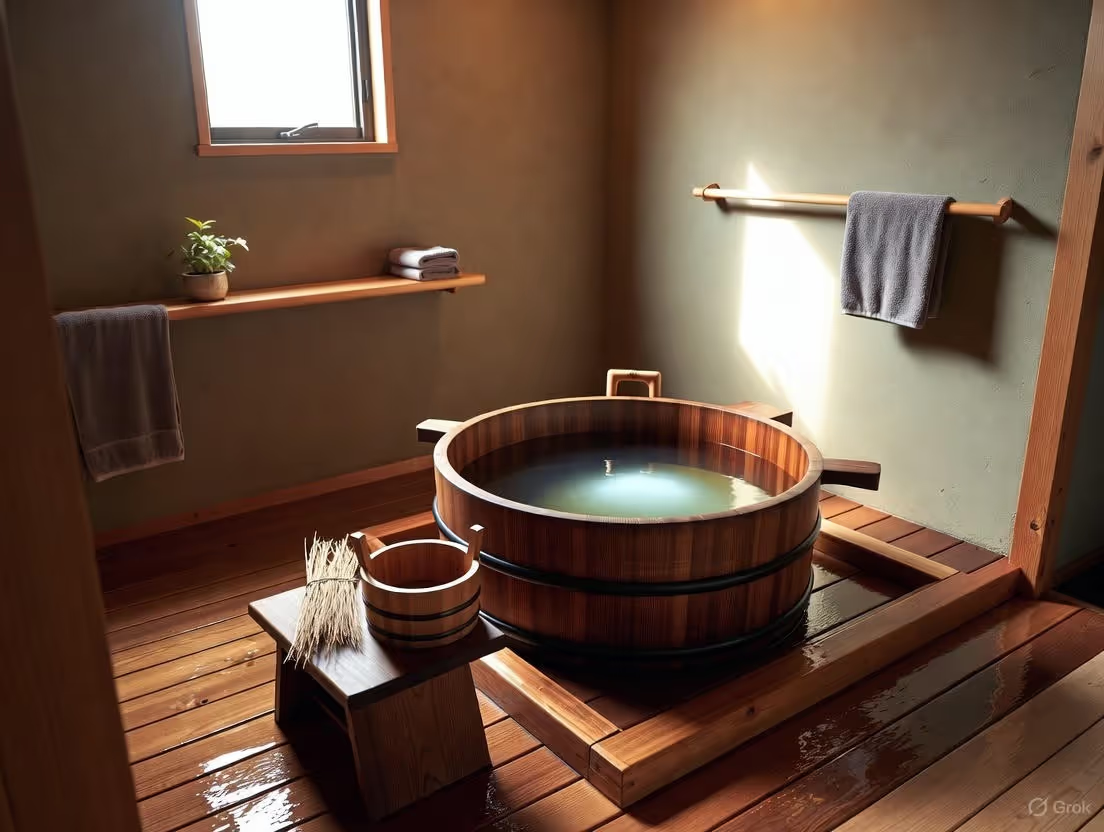
In Japan, bathing is not a mere act of hygiene; it is a revered ritual of purification and relaxation known as ofuro. Unlike a quick shower, the ofuro is a deliberate, ceremonial practice that marks the clear boundary between the exertion of the day and the tranquility of the night. It is a cornerstone of Japanese nighttime wellness, designed to wash away more than just dirt—it washes away mental fatigue and stress.
The ritual typically follows a specific sequence. First, one thoroughly showers and rinses off while seated on a small stool outside the deep soaking tub. This ensures the bathwater remains pristine for soaking. The tub itself is deep, allowing one to submerge up to the shoulders in steaming hot water, usually between 104-108°F (40-42°C). This immersion is not for washing, but for soaking, reflecting, and allowing the heat to work its magic on the body and mind. It’s common to spend 10-20 minutes in this state of quiet immersion, often with the bathroom dimly lit. The addition of natural bath salts, like yuzu in winter or shiso in summer, adds an aromatic element that deepens the sensory experience.
The biomechanics of this practice are profound. The intense heat causes vasodilation—the widening of blood vessels—which improves circulation and helps muscles relax, easing physical tension carried from the day. As you exit the bath, the subsequent cooling of the body triggers a powerful signal. The rapid drop in core temperature mimics the natural thermoregulatory process that occurs as we fall asleep, where core temperature dips and peripheral temperature rises. This "after-drop" is a potent physiological cue that tells your brain it’s time for sleep, enhancing the body’s own melatonin release.
Furthermore, the ritualistic, almost meditative nature of the ofuro provides a structured "worry period." The shower is for washing away the day’s literal and figurative grime, while the soak is a dedicated time for letting go. There’s no phone, no distraction—just heat, silence, and steam. This mental decluttering is as critical as the physical relaxation. For individuals tracking their sleep patterns, introducing a consistent ofuro-like hot bath 1-2 hours before bed often leads to noticeable improvements in sleep latency (the time it takes to fall asleep) and sleep depth, metrics that are precisely tracked by sophisticated devices like the Oxyzen ring. You can learn more about how biometric tracking correlates with routines like these in our detailed resources on the Oxyzen blog.
The ofuro ritual offers a universal lesson: transition matters. By creating a deliberate, sensory-rich buffer zone between day and night, we honor the need for our nervous systems to downshift gradually, using the ancient tools of heat, water, and intention.
Originating from the 5,000-year-old Indian system of holistic health, Ayurveda, Abhyanga is the practice of self-massage with warm oil. Performed in the evening, it is considered one of the most powerful daily rituals for grounding the mind, nourishing the body, and promoting sound sleep. According to Ayurvedic philosophy, the evening is a Vata time—governed by the air and space elements, which can manifest as anxiety, dryness, and a scattered mind if unbalanced. Abhyanga is the perfect antidote.
The ritual involves slowly and methodically massaging warm, dosha-specific oil (typically sesame for balancing Vata, though coconut or almond are also popular) into the entire body before a warm bath or shower. The motion is deliberate, moving toward the heart on the limbs and in circular motions on the joints. The focus is not on vigorous muscle work but on loving, mindful touch and allowing the oil to penetrate the skin—the body’s largest organ. The warmth of the oil and the rhythmic massage create an immediate sense of being held and comforted.
From a modern scientific and neurological perspective, Abhyanga is a masterclass in self-regulating the nervous system. The gentle, sustained pressure of the massage stimulates the parasympathetic nervous system, triggering the relaxation response and lowering cortisol levels. The act of mindful self-touch increases oxytocin (the "bonding" hormone) and serotonin, while decreasing stress hormones. Furthermore, the skin is a major site for the absorption of nutrients. The lipids in the oils help reinforce the skin's barrier function, preventing moisture loss—a common issue in climate-controlled environments that can disrupt sleep through discomfort.
The choice of warm oil is also crucial for thermoregulation. Similar to the Japanese ofuro, the warming and subsequent cooling of the body as the oil is absorbed or washed off in a warm bath helps initiate the natural dip in core temperature necessary for sleep onset. Mentally, the practice is a form of moving meditation. It forces you out of your head and into your body, grounding you in physical sensation and pulling you away from the day’s mental chatter. It is a profound act of self-care that communicates directly to your nervous system: "You are safe. You can rest."
For the modern wellness enthusiast, pairing this ancient practice with modern tracking can illuminate its benefits. Observing biometric data such as reduced nighttime heart rate and improved HRV after establishing an Abhyanga routine provides concrete feedback, encouraging consistency. It’s a perfect example of how ancestral wisdom and modern technology can converge, a synergy that is at the heart of Oxyzen's mission to personalize well-being. Understanding this connection between ritual and physiology is part of our story of bridging timeless practices with cutting-edge insight.
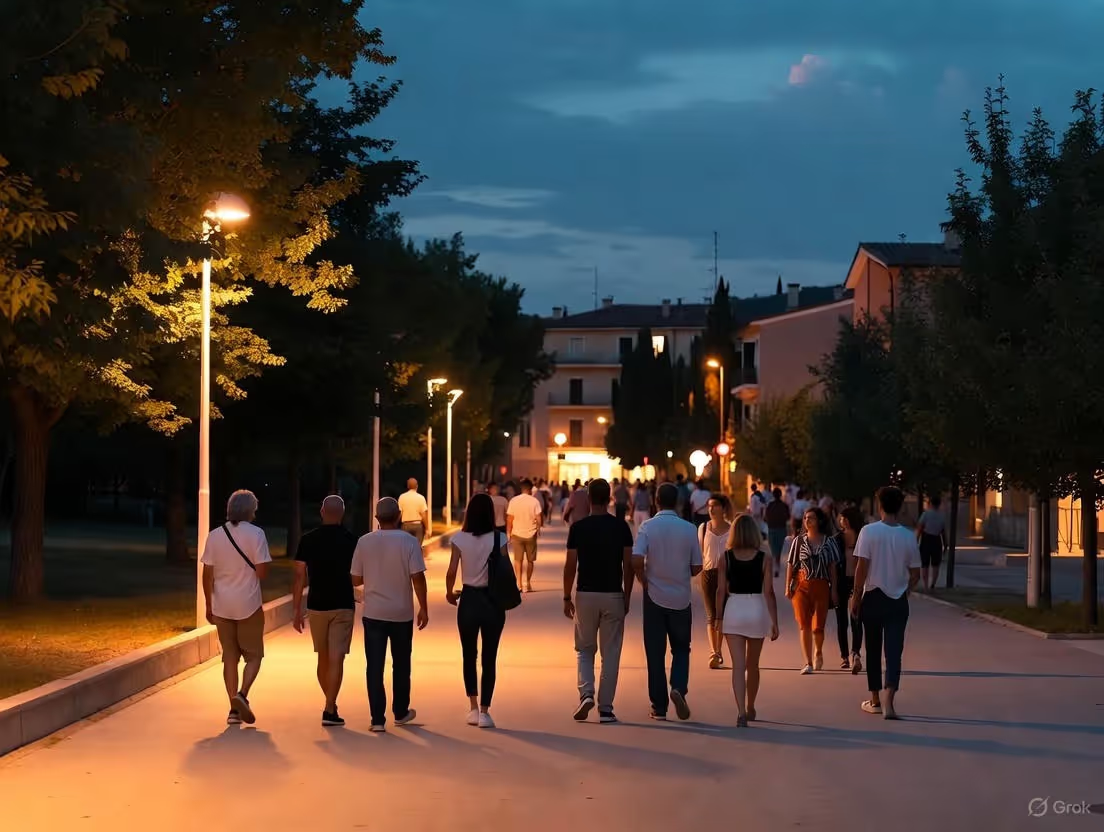
In towns and cities across Italy, as the fierce heat of the day begins to wane, a daily migration occurs. This is the passeggiata—the leisurely evening stroll that is both a social ritual and a digestive aid. More than just a walk, it is a cherished time to see and be seen, to connect with neighbors, to decompress from the workday, and to prepare the body and mind for the evening meal (cena) and the night ahead. It represents a graceful, communal way to process the day.
The passeggiata typically takes place along the main street (corso), in the piazza, or by the waterfront. It is slow, ambling, and purposeless in terms of destination. The goal is not exercise or calorie burn, but connection and transition. Couples, families, friends, and individuals of all ages participate, engaging in gentle conversation, enjoying a gelato, or simply observing the world go by. It is a buffer zone where the stresses of work are left behind and the pleasures of community and the present moment are savored.
The wellness benefits of this simple ritual are multifaceted. From a physical standpoint, gentle movement after a day of sedentary work (or a large midday meal) aids lymphatic drainage and kickstarts digestion, preventing the sluggishness that can come from lying down too soon after eating. The low-impact movement helps regulate blood sugar levels and promotes the gentle release of muscular tension without the stimulating effects of high-intensity exercise.
From a neurological and social perspective, its value is immense. The combination of mild physical activity, exposure to natural light during the twilight hours (which helps regulate circadian rhythms), and positive social interaction is a powerful cocktail for mental health. Social connection reduces cortisol and increases feelings of safety and belonging, directly countering the isolation and anxiety that can plague modern life. The ritual forces a change of scenery and a break from the domestic or digital environment, providing a mental "refresh" before the night's rest.
In our era of scheduled workouts and solitary screen time, the passeggiata teaches us the importance of unscheduled, gentle, communal movement. It’s a reminder that wellness is not always a solitary pursuit of optimization, but can be a woven into the fabric of daily social life. For those tracking their readiness and sleep scores, a consistent evening walk often correlates with lower resting heart rates and more stable sleep patterns. It’s a low-tech, high-yield ritual that anyone can adapt, whether it’s a stroll around the neighborhood or a mindful walk in a local park. For more ideas on integrating movement with evening wind-down routines, our FAQ section addresses common questions about activity and sleep preparation.
In a land of long, dark winters and ethereal summer nights, Icelanders have cultivated one of the world’s most robust literary cultures—a practice deeply intertwined with nighttime wellness. Iceland publishes more books per capita than any other nation, and the old tradition of kvöldvaka ("evening wake") involved families gathering in the common room to work on chores while one person read aloud. Today, this translates into a powerful national habit: dedicating the evening hours to immersive reading, effectively replacing screen time with the deep engagement of a book.
This ritual is a conscious departure from the digital world. As evening falls, rather than defaulting to television or scrolling through social media, many Icelanders turn to novels, poetry, or non-fiction. This isn't skim-reading; it's the kind of deep, focused immersion that transports the reader, builds empathy, and quiets the internal monologue. The act of reading a physical book under warm, focused light creates a distinct sensory and cognitive environment perfectly suited for winding down.
The contrast with screen-based activity is stark, both neurologically and physiologically. Tablets, phones, and TVs emit significant blue light, which directly suppresses melatonin production and tricks the brain into thinking it’s still daytime. Furthermore, the interactive, often stressful, and always fragmented nature of digital content—jumping between tabs, checking notifications, consuming rapid-fire videos—keeps the brain in a state of high-alert, reactive beta-wave activity. Reading a physical book, however, demands sustained attention, promoting slower brainwave patterns (alpha and theta waves) associated with relaxation and light meditative states.
This shift in cognitive state is critical for sleep preparation. It allows the prefrontal cortex—the brain's "CEO" responsible for decision-making and worry—to disengage. Instead of actively processing and reacting, the brain enters a more receptive, narrative-driven mode. This process reduces psychological arousal and anxiety, making the transition into sleep natural and seamless. The ritual also creates a powerful associative cue: book in hand, cozy spot, quiet house becomes a repeated signal for sleep.
Adopting an Icelandic-inspired reading ritual doesn’t require finishing a novel a week. It simply means creating a dedicated, screen-free period where you allow yourself to be absorbed by a story or subject you enjoy. For the data-driven individual, the impact of swapping 60 minutes of screen time for 60 minutes of reading can be tracked through sleep metrics like sleep latency and overall sleep score. Many users who partner their wellness journey with a tool like the Oxyzen smart ring find that this simple substitution is one of the most effective changes they make, a testament shared in numerous user experiences detailed on our testimonials page. It’s a profound reminder that sometimes, the best wellness technology is a centuries-old one: the printed book.
The Swedish concept of fika is well-known as a daytime coffee break, but its principles can be beautifully adapted into a powerful nighttime wellness ritual with one crucial modification: decaffeination. At its core, fika is not about the coffee; it’s about the mindful pause. It is a moment of conscious slowing down, often accompanied by something sweet, to connect with oneself or others. Translating this ritual to the evening transforms it into a deliberate "bookend" for the day—a ceremony of closure.
An evening fika involves intentionally setting aside 15-20 minutes as daylight fades. You prepare a warm, non-caffeinated beverage—perhaps a chicory root "coffee," a herbal tea, a cup of warm milk with honey and spices, or a simple mug of hot water with lemon. You might pair it with a small, satisfying treat, like a piece of dark chocolate, a biscuit, or a date. The key is then to sit, without distraction, and simply be. You might look out a window, sit quietly with a partner, or engage in soft, non-stressful conversation. The phone is put away. This is a moment of pure presence.
This practice directly counters two major modern disruptors of sleep: constant busyness and caffeine overconsumption. By creating a non-negotiable pause, you are forcing a cognitive shift from doing to being. This allows the sympathetic nervous system (fight-or-flight) to disengage. The warm beverage provides a comforting, tactile focal point and can have a physically soothing effect on the digestive system. Choosing a caffeine-free option is, of course, essential to avoid interfering with adenosine receptors and melatonin production.
Psychologically, the ritual acts as a daily review and release. It’s a time to acknowledge the day’s events—the successes and the stresses—and then consciously let them go, symbolized by the act of finishing your cup. It creates a clear psychological boundary, preventing work and day-time worries from infiltrating the night. This "mental hygiene" is as important as dental hygiene. For individuals navigating high-stress lifestyles, establishing this small, sacred pause can be revolutionary for sleep quality. It’s a simple yet profound way to tell your brain that the productive part of the day is conclusively over.
Integrating this with modern sleep tracking can provide insightful feedback. You might notice that on evenings you honor your fika pause, your sleep data shows less tossing and turning and a higher sleep efficiency score. It’s about building consistent, positive pre-sleep cues. This marriage of simple ritual and personalized data is a core philosophy at Oxyzen, where we believe understanding your body’s signals is the first step to improving them. To explore more about the science of sleep hygiene and evening rituals, our comprehensive blog offers a wealth of related articles and research.
In Morocco, the preparation and serving of mint tea is far more than a way to quench thirst; it is a deeply ingrained ritual of hospitality, connection, and profound slowing down. The ceremony, often performed at all hours but with special resonance in the evening, is a performance of patience and presence. Adopting its principles for a nighttime wellness ritual teaches the art of deceleration in a world built for speed.
The ceremony is a multi-step process that cannot be rushed. Fresh green tea leaves are washed with a little boiling water to remove bitterness. A generous bunch of fresh mint (often nana mint) and sometimes other herbs like verbena or sage are added to the ornate teapot. Sugar is incorporated—the amount is a subject of great discussion and personal taste. Boiling water is then poured over the ingredients. The critical step is the pouring: the tea is lifted high and poured back into the pot, and then from the pot into small, decorative glasses, often multiple times. This aerates the tea, blends the flavors, and, most importantly, takes time. The tea is then served with grace and shared among companions.
Translated into an evening ritual, the magic lies in the deliberate, slow process. The very act of focusing on each step—washing the mint, listening to the water boil, watching the stream of tea arc into the glass—is a form of active meditation. It demands your full attention, pulling you out of rumination about the past or anxiety about the future and into the sensory details of the present moment: the vibrant green of the mint, the sound of pouring water, the rising steam carrying the invigorating scent. This is mindfulness in action.
The ingredients themselves contribute to the wellness effect. Mint is a renowned digestive aid, soothing the stomach after the evening meal. The act of sipping a warm, sweet liquid is inherently calming, and the small volume of the glasses encourages you to drink slowly and savor. While the traditional tea contains caffeine, an evening adaptation could easily use a caffeine-free herbal base like rooibos, keeping the mint and ritual intact.
This ritual teaches a counter-cultural lesson: the value of inefficiency. In our quest to optimize every minute, we have lost the art of doing something beautifully and slowly for its own sake. The Moroccan tea ceremony shows that the process itself is the medicine. It builds a bridge of 20-30 minutes between the active day and the quiet night, a bridge made of simple, sensory actions. For the modern individual, creating a simplified version of this—perhaps a dedicated way to prepare a nightly herbal infusion—can serve as the ultimate "unplugging" ceremony. It’s a practice that aligns with a holistic view of well-being, much like the integrated approach we take at Oxyzen, where we consider the entire journey of daily rhythms and their impact on health. To understand how such detailed daily practices fit into a larger wellness picture, you can explore our story of connecting behavior with biometric insight.

For Finns, the sauna is not a luxury spa treatment; it is a sacrosanct part of weekly, if not daily, life—a place for physical, mental, and even spiritual cleansing. The evening sauna, in particular, is a revered ritual for resetting the entire system and ensuring a night of deep, heavy sleep. It is a cycle of intense heat followed by rapid cooling, a practice that has been refined over thousands of years and is deeply encoded in the Finnish way of life.
The ritual follows a specific rhythm. One enters the dry, hot sauna (typically between 176-212°F or 80-100°C) and sits in the heat for as long as is comfortable, often for 10-15 minutes. This is a time of quiet contemplation or soft conversation. The heat induces a deep, sweating detoxification and causes the heart rate to increase as the body works to cool itself. Then comes the cooling phase: a plunge into a cold lake, a roll in the snow, or a cool shower. This shock of cold causes vasoconstriction, sending blood rushing to the core. The cycle is usually repeated two or three times. The final phase is one of profound relaxation; wrapped in a robe, the body tingles, the mind is clear, and a deep sense of calm pervades.
The physiological benefits of this hot-cold cycle are extensive and directly linked to improved sleep. The intense heat is a powerful stressor (hormetic stress) that, when followed by cooling, trains the cardiovascular system and improves thermoregulation—the body's ability to manage its internal temperature. As with the Japanese ofuro, the critical element for sleep is the post-sauna cooling. The dramatic drop in core temperature after the final session is one of the strongest natural signals for sleep onset, powerfully stimulating melatonin production.
Furthermore, the sauna experience promotes the release of endorphins (natural feel-good chemicals) and reduces cortisol levels. The quiet, dark, and warm environment of the sauna itself can induce a meditative, theta-wave brain state similar to that achieved in mindfulness practices. The ritual also provides a dedicated, device-free zone for mental decompression. The combination of physiological reset and mental quiet creates an almost unparalleled readiness for sleep.
While most of us don’t have a lakeside sauna, the principle can be adapted. A hot bath or shower followed by a cool rinse can mimic the core temperature drop. Even a contrast shower (alternating warm and cool water) can capture some of the benefits. The key is the cycle and the intention. For those using advanced sleep trackers, observing the impact of an evening heat-cool ritual can be striking, often showing improved deep sleep percentages and lower nighttime heart rates. It’s a powerful example of using controlled environmental stress to build resilience and enhance recovery, a concept that is central to understanding the data provided by a sophisticated wellness tool like the Oxyzen smart ring. For more on how temperature regulation affects sleep, our blog dives deeper into the science behind it.
In South Korea, skincare is not a chore; it is a cherished form of self-respect and a daily ritual of mindfulness known as Jongnyu. The evening routine, in particular, is an elaborate, multi-step process of cleansing, treating, and moisturizing that can take 10 to 20 minutes. Far from being vain, this ritual is a practiced form of meditation and sensory grounding that serves as a powerful psychological transition from the public self of the day to the private self of the night.
The ritual is methodical and tactile. It often begins with an oil-based cleanser to remove sunscreen and makeup, followed by a water-based foam cleanser for a deeper clean—the "double cleanse." This is followed by layers of treatment: perhaps a toner for pH balance, an essence for hydration, a serum or ampoule targeted for specific concerns, an eye cream, and finally, a moisturizer or sleeping mask to seal everything in. Each step involves gentle patting and massaging motions, applied with care and attention. The focus is on the sensation of the products, the scent, the feeling of the skin being nurtured.
The wellness power of this ritual lies in its structure and sensory engagement. The deliberate, sequential nature of the steps creates a "script" for the mind to follow, preventing it from wandering to the day's stresses. It demands presence: you must look at your reflection, feel your skin, and focus on the task at hand. This is a form of active mindfulness that reduces anxiety and rumination. The gentle, repetitive motions of patting and massaging are self-soothing, activating the parasympathetic nervous system much like the Ayurvedic Abhyanga, albeit on a more focused scale.
The ritual also enforces a digital disconnect. It’s difficult to scroll through a phone with serum-covered hands. This dedicated, screen-free time in the softly lit bathroom creates a sanctuary. Furthermore, the act of literally "washing the day away" during the cleansing steps carries potent symbolic weight, offering psychological closure. The final result—a feeling of clean, hydrated, and cared-for skin—provides a tangible sense of accomplishment and self-kindness that quiets the inner critic.
Adapting this doesn’t require ten products. The lesson is in the ritualization of a basic routine. Turning a simple act of washing your face and applying moisturizer into a mindful, five-minute ceremony—where you focus on the water temperature, the scent of the cleanser, the feeling of the cream—can be a profoundly effective wind-down tool. It’s a daily practice in self-worth that signals to your brain that the day is over and it’s time to nurture yourself. This holistic view of self-care, where a practical activity is infused with intention, mirrors the philosophy behind creating a wellness device like Oxyzen. We believe that understanding your body’s data is an act of self-care, a sentiment you can explore further by learning about us and our core values. For practical questions on integrating tracking with daily rituals, our FAQ is an excellent resource.
While not a practiced ritual in the same active sense as others, the ancient Roman and Greek understanding of the Tepidarium offers a timeless principle for nighttime wellness: the mastery of the sleep environment. The Tepidarium was the warm room in Roman baths, a space of even, gentle heat where patrons would relax and acclimate. Applying this concept today means intentionally engineering your bedroom to be a perfectly calibrated sanctuary for sleep, focusing on temperature, light, and sound long before you climb into bed.
The core tenet is that your bedroom should be a Tepidarium for sleep—an environment that passively supports your biology. The most critical factor is temperature. Sleep science consistently shows that a cool room, around 65°F (18.3°C), is optimal. This supports the body’s natural dip in core temperature. The ritual here is the preparatory act: turning down the thermostat, opening a window, or deploying a cooling mattress pad or breathable bedding in advance. It’s about creating the condition, not just reacting to discomfort.
Light is the second pillar. This means a rigorous commitment to darkness, emulating the deep night. The ritual involves installing blackout curtains, removing or covering all LED indicator lights (from chargers, TVs, etc.), and using warm, dim lamps in the hour before bed. The use of blue-light blocking glasses can be part of this environmental ritual if screen use is unavoidable. Sound is the third element. For urban dwellers, this might mean the ritual of turning on a white noise machine or a fan to create a consistent, masking auditory backdrop that dampens unpredictable noises.
This environmental ritual is proactive rather than reactive. Instead of lying in bed feeling too hot or distracted by light pollution, you have already sculpted the space to serve you. This creates powerful associative conditioning: your bedroom becomes a cue exclusively for rest and intimacy, not for work, stress, or stimulation. The act of preparing the room itself becomes a wind-down ritual—fluffing pillows, smoothing sheets, adjusting the temperature—signaling to your brain that sleep is imminent.
In our modern context, this ancient wisdom can be supercharged with technology. Smart thermostats can be scheduled to drop the temperature at a set time. Smart blackout shades can close automatically at sunset. And a device like the Oxyzen smart ring can provide direct feedback on how these environmental adjustments are affecting your sleep architecture—showing you, for instance, if a cooler room leads to more time in deep sleep or less wakefulness. It turns the ancient art of environmental mastery into a precise science. To see how real users have optimized their sleep environments using personalized data, the stories on our testimonials page offer compelling insights. This principle reminds us that sometimes the most powerful ritual is the one that works silently in the background, setting the stage for everything else to succeed.
Having journeyed from the candlelit coziness of Denmark to the steamy serenity of a Japanese ofuro, we’ve gathered a rich tapestry of nighttime wisdom. Each ritual offers a unique key to unlocking better sleep, but their true power emerges not in isolation, but in synthesis. The next step in our exploration is to move from observation to application—to learn how to weave these disparate threads into a personalized, sustainable nighttime ritual that resonates with your unique biology, lifestyle, and needs.
The mistake many make when encountering wellness practices is to adopt them wholesale, leading to an unsustainable, overwhelming checklist. The goal is not to perform a 90-minute routine mimicking all ten rituals, but to extract their underlying principles and adapt them into a coherent, flowing sequence that signals to your mind and body that the day is done. This is the art of creating your own hygge-ofuro-abhyanga-passeggiata fusion, tailored just for you.
Despite their cultural diversity, the rituals we’ve explored consistently address four fundamental human needs. Your personalized ritual should consciously incorporate at least one element from each pillar to create a comprehensive wind-down.
This is about deliberately shifting your sensory input from stimulating to soothing.
This involves activities that help your brain process and release the day’s events.
This pillar focuses on moving the body from a state of sympathetic (fight-or-flight) activation to parasympathetic (rest-and-digest) dominance.
This is about cultivating a sense of safety, gratitude, or connection.
The magic lies in combining small elements from these pillars. For example, your ritual could be: A 10-minute gentle walk (Pillar 3 & 2) followed by brewing a cup of herbal tea slowly and mindfully (Pillar 2 & 1), then applying a moisturizer with deliberate touch (Pillar 1 & 4) in your cool, dark bedroom (Pillar 1).
To make this practical, here is a flexible, time-based blueprint. You don't need to do every step; choose and adapt to create a 30-60 minute wind-down that fits your life.
Step 1: The Digital Sunset (60-90 minutes before bed)
This is your non-negotiable foundation. Set an alarm to signal the end of screen-based work and entertainment. Enable "Do Not Disturb" on your devices. This single step, inspired by the screen-free ethos of Icelandic reading and Korean skincare, removes the largest source of cognitive stimulation and blue light. If you must use a device, employ strict blue-light filters.
Step 2: The Environmental Shift (60 minutes before bed)
Become the architect of your Tepidarium. Dim the main house lights, turn on warmer lamps, and start cooling your bedroom. Perhaps light a candle (hygge) or diffuse a calming essential oil. This begins the sensory transition and signals the change of state to everyone in your household, including yourself.
Step 3: The Physical Release (45-60 minutes before bed)
Choose one de-arousal activity.
Step 4: The Mindful Pause (30 minutes before bed)
Choose one cognitive closure activity.
Step 5: The Nurturing Routine (20 minutes before bed)
Engage in a simple, tactile personal care routine. This could be your full skincare regimen (Jongnyu) or simply washing your face, brushing your teeth, and applying lotion with mindful attention to the sensations. The consistency of this routine is a powerful cue.
Step 6: The Final Anchoring (5-10 minutes before bed)
Once in bed, with lights out, practice a brief anchoring technique. This could be:
Step 7: Consistency & Observation
The ritual itself is a behavior, but its refinement comes from observation. This is where modern technology like the Oxyzen smart ring becomes an invaluable partner. By wearing it consistently, you can observe not just your sleep scores, but your pre-sleep readiness metrics. Did your heart rate drop more rapidly on nights you included the warm bath? Did your HRV improve when you journaled? This feedback loop turns your ritual from a guess into a science. For a deeper understanding of these metrics, our comprehensive blog has detailed guides on interpreting sleep and readiness data.
A one-size-fits-all approach contradicts the very principle of personalized wellness. Your ideal ritual should bend to fit you.
For the Night Owl vs. The Early Bird: A "night owl" (Delayed Chronotype) may need a longer, more vigorous de-arousal ritual (like a warmer bath or a longer walk) to help pull their circadian rhythm forward. An "early bird" (Advanced Chronotype) might benefit from a shorter, calmer routine that doesn't start too late, as their body is already primed for sleep.
For Parents & Caregivers: Your ritual may need to be "modular" and forgiving. Perhaps your "mindful pause" is 5 minutes of quiet tea after the kids are down, or your "physical release" is a few minutes of gentle stretching on the living room floor. The principle of intention matters more than the duration.
For Shift Workers: This group faces the greatest circadian challenge. The ritual becomes crucial for forcing a day/night distinction. Blackout curtains, white noise machines (Tepidarium principles), and a strict, repeated pre-sleep sequence—even if "sleep" is at 8 AM—are vital to train the body.
Seasonal Adjustments: In winter, we may crave more hygge—candles, heavier blankets, warm drinks. In summer, the focus might shift to cooling techniques—a cooler shower, lighter bedding, earlier evening walks to enjoy the lingering light. Listening to these seasonal inclinations aligns us with natural rhythms.
By viewing these global rituals as a toolkit rather than a prescription, you empower yourself to become the author of your own nighttime restoration. The next portion of our exploration will delve into the modern adversaries of these ancient practices and how to defend your hard-won ritual space in a world designed to keep you awake.
Creating a beautiful nighttime ritual is one thing; protecting it is another. Our hyper-connected, productivity-obsessed culture actively undermines the very principles of wind-down hygiene we’ve just outlined. To make your ritual stick, you must first identify the adversaries and build robust defenses against them.
The boundary between work and home has dissolved. Laptops live on kitchen tables, and smartphones buzz with Slack and email notifications long after office hours. This creates cognitive "attention residue," where part of your brain remains stuck on work problems, inhibiting full relaxation. The idea that you can "quickly check email" or brainstorm a project idea at 9 PM and then seamlessly fall asleep is a neurological fantasy.
The Defense: Create a Ceremonial Shutdown.
Adapt the Italian passeggiata principle of a transition ritual, but apply it to work. At your designated Digital Sunset, perform a concrete "shutdown ritual" for your workday. Close all tabs and applications on your computer. Write a brief list of your top 3 priorities for tomorrow. Physically shut the laptop lid or turn off your desktop. Say to yourself, "My workday is now complete." This act of conscious closure provides the cognitive boundary that modern work culture lacks. For those struggling with persistent work anxiety, the journaling step in your nighttime ritual is the designated place to capture those thoughts, containing them outside of your sleeping mind.
This is the most pervasive and biologically insidious adversary. The blue light emitted by screens suppresses melatonin. More subtly, the endless scroll of social media, news, or streaming services is designed to trigger dopamine-driven feedback loops that promote vigilance and FOMO (Fear Of Missing Out), keeping your brain in a state of aroused, seeking alertness—the exact opposite of the state required for sleep.
The Defense: Engineer Friction and Substitute.
Merely willing yourself to put the phone down is often insufficient. You must engineer your environment.
Wellness itself can become a stressor if we turn our wind-down into a performance metric. The anxiety of "not doing the ritual right" or "not sleeping well enough to get a high Oxyzen sleep score" can backfire, a phenomenon known as orthosomnia. This turns your sanctuary into another arena for achievement.
The Defense: Embrace the Ritual, Release the Outcome.
The purpose of your hygge evening or your mindful Abhyanga is the experience itself—the feeling of coziness, the sensation of touch. The improved sleep is a beneficial side effect, not a KPI to be clutched at. Use your biometric data from your Oxyzen ring as a curious guide, not a judge. Look for trends over weeks, not nightly scores. Did your overall stress metric decrease this month? That’s valuable feedback. Did you sleep poorly one night despite your ritual? That’s life—perhaps you were fighting off a virus or had an emotional upset. The ritual’s value is in providing stability and self-care regardless of the outcome. This mindset is central to a sustainable practice, a perspective we delve into in our resources about the philosophy behind our technology.
Evening social events, family demands, or a partner with different sleep habits can disrupt the best-laid plans. A rigid ritual that cannot accommodate real life is doomed to fail.
The Defense: Flexibility and Communication.
By recognizing these modern adversaries not as personal failures but as cultural and technological forces, you can depersonalize the struggle and build systematic, compassionate defenses. Your ritual becomes a sacred, non-negotiable appointment with yourself, defended by thoughtful boundaries. For more practical strategies on navigating these common challenges, our FAQ section is filled with user-driven questions and solutions.
Our exploration has largely focused on solo or paired rituals, but a crucial layer of nighttime wellness exists in the communal sphere. Many of the world’s practices—the Italian passeggiata, the Moroccan tea ceremony shared with guests, the familial kvöldvaka of Iceland—are inherently social. In an age of digital connection and physical isolation, reclaiming the communal aspect of winding down can profoundly amplify its benefits.
Engaging in a soothing, screen-free activity with others provides a unique set of benefits that solo practice cannot:
You don’t need to live in an Italian piazza to cultivate this.
One of the biggest challenges to communal ritual is mismatched chronotypes—the classic "night owl" and "early bird" couple or family members with different schedules.
By expanding our view of nighttime wellness beyond the individual, we tap into a powerful, ancient source of comfort and regulation. Our modern loneliness epidemic is a significant contributor to poor sleep and anxiety. Weaving social threads into our evening fabric addresses this root cause. For those curious about how social connection metrics might interplay with physiological data, ongoing research and user stories, like those shared on our testimonials page, often highlight the tangible impact of relationship quality on recovery scores.
We've spoken philosophically and practically about rituals, but what is happening beneath the skin? How does lighting a candle or taking a warm bath translate into measurable changes in your sleep architecture and daytime vitality? This is where the rubber meets the road, where ancient intuition is validated by modern physiology. Understanding this science deepens our respect for the rituals and helps us refine them with precision.
At the core of it all is your suprachiasmatic nucleus (SCN), a tiny region in your brain's hypothalamus that acts as your master circadian clock. It synchronizes with the external world primarily through light exposure. When you practice an evening ritual, you are essentially sending a curated series of signals to this master clock and the systems it governs.
This is where quantitative biometric tracking becomes a game-changer. By observing key metrics, you can move from believing a ritual works to knowing it works for you. A device like the Oxyzen smart ring tracks these biomarkers continuously and passively, providing an objective feedback loop.
Imagine "Alex," who has a baseline sleep latency of 30 minutes and a moderate HRV. Alex decides to test two different rituals over two weeks.
This objective feedback makes the choice obvious and personalized. Alex now knows the bath is a high-leverage activity for their biology. This process of experimentation turns self-care into self-knowledge. For a deeper dive into how to interpret these biomarkers and conduct your own experiments, our blog is an ever-growing library of science-backed guides. And to understand the technology that makes this precise personalization possible, you can learn more about how Oxyzen works and its sensor capabilities.
By syncing our behavior with our biology through intentional ritual, and using modern tools to observe the sync, we achieve a harmony that is both an ancient human inheritance and a modern scientific triumph.
Knowledge is only potential energy. The transformation occurs when insight becomes ingrained habit. A ritual performed once is a nice experience; a ritual performed consistently is a life-altering practice. The final step in this portion of our journey is a practical, supportive guide to cementing your personalized nighttime ritual into your life over the next 21 days—the approximate time neuroscience suggests it takes to form a new neural pathway and solidify a habit.
This three-part method combines behavioral psychology with biometric feedback for maximum adherence.
1. Anchor Your Ritual
Choose an unshakeable, existing daily event that always happens to "anchor" the start of your ritual. This is more reliable than a specific time. Good anchors include:
2. Stack Your Micro-Actions
Don't think of your ritual as one big, daunting "thing." Break it down into the 3-5 micro-actions you designed from the global toolkit. For example:
3. Track Your Consistency and Effect
This is where motivation meets validation. Use two forms of tracking:
Days 1-7: The Foundation Phase
Days 8-14: The Refinement Phase
Days 15-21: The Integration Phase
By the end of 21 days, you will have moved from a consumer of global wellness ideas to an architect of your own daily restoration. This personalized ritual, forged from ancient wisdom and refined by modern insight, becomes your steadfast anchor in the flux of modern life. For ongoing support, community ideas, and answers to common integration questions, remember that our FAQ and blog are always available as resources. And to see how this journey of habit formation has unfolded for others, the authentic stories on our testimonials page can be a continual source of inspiration.
Your Trusted Sleep Advocate: Sleep Foundation — https://www.sleepfoundation.org
Discover a digital archive of scholarly articles: NIH — https://www.ncbi.nlm.nih.gov/
39 million citations for biomedical literature :PubMed — https://pubmed.ncbi.nlm.nih.gov/
Experts at Harvard Health Publishing covering a variety of health topics — https://www.health.harvard.edu/blog/
Every life deserves world class care :Cleveland Clinic - https://my.clevelandclinic.org/health
Wearable technology and the future of predictive health monitoring :MIT Technology Review — https://www.technologyreview.com/
Dedicated to the well-being of all people and guided by science :World Health Organization — https://www.who.int/news-room/
Psychological science and knowledge to benefit society and improve lives. :APA — https://www.apa.org/monitor/
Cutting-edge insights on human longevity and peak performance:
Lifespan Research — https://www.lifespan.io/
Global authority on exercise physiology, sports performance, and human recovery:
American College of Sports Medicine — https://www.acsm.org/
Neuroscience-driven guidance for better focus, sleep, and mental clarity:
Stanford Human Performance Lab — https://humanperformance.stanford.edu/
Evidence-based psychology and mind–body wellness resources:
Mayo Clinic — https://www.mayoclinic.org/healthy-lifestyle/
Data-backed research on emotional wellbeing, stress biology, and resilience:
American Institute of Stress — https://www.stress.org/


