


The Open Office Stress Problem: Strategies for Shared Spaces
Build resilience by developing a growth mindset, fostering supportive relationships at work, and maintaining interests outside of work.
Build resilience by developing a growth mindset, fostering supportive relationships at work, and maintaining interests outside of work.
%402x.svg)
The hum of conversation, the clatter of keyboards, the sudden ping of a notification, and the unavoidable aroma of someone’s lunch reheating for the third time. Welcome to the modern open office—a design born from ideals of collaboration, transparency, and cost-efficiency that has, for many, become a daily experiment in human endurance. What was meant to break down silos has, in countless workplaces, built up walls of stress, distraction, and a pervasive sense of being “always on.”
The promise was alluring: fluid communication, spontaneous idea-sharing, and a democratic floor plan free from the isolating “cubicle farms” of the past. Yet, decades after their widespread adoption, a significant body of research reveals a troubling paradox. Studies, including seminal work from Harvard University, have found that open plans can actually reduce face-to-face interaction by up to 70% as employees resort to headphones and digital messaging to create pockets of privacy. The constant low-grade stimulation triggers our body’s stress-response system, elevating cortisol levels, fragmenting focus, and leading to what psychologists term “cognitive overload.”
This isn't merely about annoyance; it's a measurable workplace wellness crisis. Chronic stress in these environments contributes to burnout, decreased productivity, higher absenteeism, and a erosion of employee satisfaction. The problem is complex, woven from threads of auditory pollution, visual overstimulation, lack of environmental control, and the subtle anxiety of perpetual social evaluation.
But what if we could reframe the challenge? The solution isn’t a wholesale retreat to private offices—a costly and often impractical move. Instead, it lies in intelligent adaptation, evidence-based design interventions, and empowering individuals with strategies and tools to reclaim their focus and well-being within the shared space. This requires a dual approach: organizational responsibility in crafting human-centric environments, and personal agency in managing one’s own sensory and cognitive landscape.
The journey toward a healthier shared workspace begins with understanding the precise mechanisms of open-office stress, its impact on our minds and bodies, and the multi-layered strategies that can transform a source of tension into a platform for sustainable productivity. It’s about designing for the human need for both community and concentration, interaction and introspection. As we explore this landscape, we’ll see how modern technology, including discreet wellness wearables like the Oxyzen smart ring, is providing unprecedented, personalized data to navigate these challenges, offering insights that help us build not just better offices, but more resilient selves.

To solve the modern problem, we must first understand its origins. The open office plan didn’t emerge from malice, but from a series of evolving ideals about work, management, and human interaction. Its story begins not in Silicon Valley, but in post-war Germany.
In the 1950s, a team of management consultants and designers in Hamburg, known as the Quickborner Team, pioneered the “Bürolandschaft” or “office landscape.” Reacting against the rigid, hierarchical layouts of the time, they advocated for organic, non-linear arrangements of desks in open spaces, using plants and screens to create natural zones. The goal was to improve communication flow and foster a more egalitarian, flexible work culture. This concept crossed the Atlantic and, by the 1960s and 70s, was embraced by American corporations—though often stripped of its nuanced zoning in favor of sheer, cost-effective density.
The subsequent rise of the cubicle, famously invented by Robert Propst in 1968 as the “Action Office,” was initially meant to offer a balance—a “haven in a busy workplace.” However, economic pressures quickly corrupted the vision into the infamous, fabric-walled maze that came to symbolize corporate drudgery by the 1980s and 90s.
The tech boom of the late 1990s and early 2000s catalyzed the next seismic shift. Companies like Google and Facebook championed the open plan as a physical manifestation of their culture: innovative, non-hierarchical, and hyper-collaborative. The imagery was powerful—vibrant spaces with ping-pong tables, communal benches, and gourmet cafeterias designed to keep people in the office, interacting and ideating. This model was rapidly adopted across industries, sold as a panacea for innovation and a magnet for millennial talent.
Yet, beneath the glossy surface, the human neuroscience was being ignored. Our brains, evolutionarily wired to be alert in open, exposed environments, were struggling. The “collaboration paradox” identified by researchers Ethan Bernstein and Stephen Turban became evident: while the architecture was designed to promote talking, the lack of acoustic and visual privacy made meaningful, focused work so difficult that employees withdrew into digital communication and noise-cancelling barriers.
The reality stress points are now well-documented:
The dream of collaboration collided with the biological reality of the human need for sanctuary. Recognizing this gap is the first step toward building bridges. For a deeper dive into the science of workplace environmental stress, you can explore related research and insights on our blog.
Stress is not just a feeling; it is a measurable, cascading physiological event. The open office, for many, acts as a chronic, low-grade trigger for this cascade, with tangible effects on health that extend far beyond the workday. Understanding this internal landscape is crucial for developing effective counter-strategies.
At the core of the response is the Hypothalamic-Pituitary-Adrenal (HPA) axis. When your brain perceives a stressor—be it a looming deadline or the unpredictable drone of a colleague’s conference call—the hypothalamus signals the pituitary gland, which in turn instructs the adrenal glands to release cortisol, the primary stress hormone.
In a well-functioning system, this is adaptive. A short, sharp spike in cortisol prepares you for a challenge: heightening alertness, mobilizing energy, and sharpening focus. The problem in the modern open office is that the stressors are chronic, minor, and uncontrollable. The result is not a sharp spike, but a persistent, elevated plateau of cortisol throughout the day. Research has linked sustained high cortisol to a host of issues:
Concurrently, the Autonomic Nervous System (ANS) is thrown out of balance. The ANS has two main branches: the sympathetic (“fight-or-flight”) and the parasympathetic (“rest-and-digest”). The open office’s sensory assault perpetually nudges the sympathetic system into a state of mild activation. This suppresses the parasympathetic system, which is responsible for recovery, digestion, and calm. The imbalance manifests as:
This is where the power of biometric feedback becomes transformative. Devices like advanced wellness wearables move us from subjective feelings (“I feel stressed”) to objective data (“My resting heart rate is 12 BPM higher on office days, and my HRV is chronically depressed”). This data provides an undeniable, personal map of your physiological response to your environment. By tracking these biomarkers, you can begin to identify your unique stress triggers, measure the efficacy of coping strategies, and take informed action to protect your well-being. Discover how Oxyzen’s technology provides this precise, personalized physiological feedback.

Beyond the physiological metrics lies a profound psychological need: the need for privacy and environmental control. This isn’t about secrecy, but about self-regulation. Psychologist Irwin Altman defined privacy as a “selective control of access to the self.” In a workplace context, this translates to the ability to control your sensory input and social interactions to match your task and emotional needs.
The open office, by its very design, often strips away this control, leading to several key psychological drains:
1. Cognitive Load and Attention Restoration Theory:
Our prefrontal cortex, the brain’s CEO responsible for focus and complex thought, has limited capacity. Every auditory snippet, visual movement, and social cue in an open plan consumes a piece of that cognitive bandwidth—a phenomenon known as “attentional capture.” This leaves less mental resource for the primary task, leading to faster fatigue and more errors.
Attention Restoration Theory (ART), developed by Stephen and Rachel Kaplan, posits that focused attention fatigues and must be restored by exposure to environments with “soft fascination,” like nature. The open office is the antithesis of this; it demands directed attention to block out distractions, thereby accelerating mental exhaustion. Without the opportunity for restoration—a quiet corner, a view of greenery, a few minutes of true solitude—our cognitive resources deplete rapidly.
2. The Paradox of Social Presence:
While designed for collaboration, constant social presence can be inhibiting. The “audience effect” suggests that the mere awareness of being watched can alter behavior. For creative or risky thinking, this can be stifling. People may avoid asking “dumb” questions, exploring unconventional ideas, or taking necessary thinking breaks (like staring into space) for fear of being perceived as lazy or unfocused.
3. Emotional Labor and Surface Acting:
The office often requires “emotion regulation”—masking frustration, feigning cheerfulness, or suppressing irritation at a nearby disturbance. This “surface acting” is a form of emotional labor that is psychologically depleting. In a private space, you can grimace at a problem or take a calming breath without performance. In a fishbowl, the effort to maintain a neutral or positive facade is constant and taxing.
4. The Importance of Territoriality:
Humans have a fundamental need for personal territory, even if temporary. A designated, defensible space provides a sense of security and order. “Hot-desking” or completely non-assigned seating can exacerbate stress by forcing employees to start each day with a minor territorial negotiation, adding to cognitive load and reducing the sense of belonging.
The psychological takeaway is clear: performance and well-being are not maximized in a state of continuous exposure. They require rhythmic alternation between engagement and withdrawal, interaction and introspection. Effective workspace design and personal strategies must therefore create opportunities for legitimate privacy—not as a reward, but as a necessary resource for high-functioning work. Understanding these human factors has been central to our mission; you can learn more about our story and human-centric design philosophy here.
If there is a unanimous grievance in the open office, it is noise. It is the most cited factor in dissatisfaction and reduced performance. But not all noise is created equal. Understanding its different forms and impacts is key to crafting effective solutions.
The Tyranny of Unpredictable Speech:
The most disruptive type of noise is intelligible speech. Our brains are wired to process language, making a nearby conversation an irresistible attentional magnet—even if we have no interest in the content. This phenomenon, known as the “irrelevant speech effect,” is well-documented in cognitive psychology. It significantly impairs working memory and performance on tasks requiring concentration, like reading comprehension, coding, or data analysis. The unpredictable nature of speech—sudden starts, changes in volume, laughter—makes it particularly pernicious.
The Drip-Torture of Intermittent Noise:
Beyond speech, intermittent mechanical sounds—a printer whirring, a phone ringing, a chair squeaking—are highly disruptive. Like the famous (if apocryphal) Chinese water torture, their unpredictability triggers a fresh orienting response with each occurrence, preventing the brain from ever fully relaxing into a state of flow.
The False Promise of "White Noise":
Many companies install ambient sound systems or encourage white noise machines. While consistent, low-level broadband noise (like the sound of airflow) can mask some disruptive sounds by reducing the signal-to-noise ratio, it is not a cure-all. For some, it adds to the sensory soup and can cause its own form of fatigue. The goal should not be to drown the office in a blanket of sound, but to create zones of acoustic integrity.
Strategies for Auditory Sanity:
While noise is the loudest complaint, the visual environment of an open office exerts a silent, steady drain on cognitive resources. Our peripheral vision, an evolutionary tool for detecting threat and movement, becomes a liability in a space teeming with activity.
The Cost of Visual Distraction:
Every movement in your sightline—a person walking by, a colleague gesturing, a monitor flickering—triggers a micro-saccade, a tiny, involuntary eye movement. While instantaneous, the cognitive cost of processing this new visual data and deciding it’s irrelevant accumulates throughout the day. This “attentional leakage” erodes the focused state necessary for complex problem-solving.
The Problem of "Monitor Peeking":
The lack of visual privacy leads to the anxiety of being surveilled and the self-consciousness of surveilling others. The unintended glimpse of a colleague’s screen can break your own concentration and create social awkwardness. This environment discourages the kind of unstructured digital exploration or personal task management (checking a bank account, reading a news article on a break) that can be a normal part of a workday, adding to the feeling of being “on stage.”
Lighting and Circadian Disruption:
Harsh, uniform fluorescent lighting is a common villain. It can cause eye strain, headaches, and crucially, it disrupts circadian rhythms. Our bodies rely on natural light cues to regulate sleep-wake cycles. Offices devoid of natural light or flooded with constant, cool-temperature light can suppress melatonin production, harming sleep quality and next-day resilience.
Strategies for Visual Calm:

The feeling of powerlessness is a profound amplifier of stress. When we perceive a situation as uncontrollable, our stress response is more intense and prolonged. The traditional open office is a masterclass in removing personal control over one’s immediate environment, contributing to a state of “learned helplessness.”
Dimensions of Lost Control:
This lack of agency is not just inconvenient; it’s psychologically taxing. Autonomy is a core component of established models of job satisfaction and engagement (like the Job Characteristics Model). When it’s missing, motivation and well-being suffer.
Strategies for Reclaiming Agency:
The responsibility for mitigating open office stress cannot rest solely on the shoulders of individual employees. Organizations must move beyond fad-driven design and adopt a human-centric, evidence-based approach to crafting their physical workplaces. The goal is to design for the full spectrum of work modes: focus, collaboration, learning, and social connection.
1. Adopt an "Activity-Based Working" (ABW) Philosophy:
ABW abandons the “one-size-fits-all” desk. Instead, it provides a diverse portfolio of purpose-built settings, and empowers employees to choose the right space for their task. A mature ABW environment includes:
2. Invest in Serious Acoustics:
This goes beyond ceiling tiles. A comprehensive acoustic strategy includes:
3. Prioritize Biophilic Design:
Biophilia is the human innate connection to nature. Incorporating natural elements reduces stress, improves cognitive function, and enhances well-being. Strategies include:
4. Empower with Technology & Policy:
5. Foster a Culture of Respect and Psychological Safety:
The most beautiful design fails in a toxic culture. Leaders must cultivate an environment where using a focus pod is seen as productive, not antisocial; where headphones are a respected “do not disturb” sign; and where employees feel safe to express their needs for concentration or privacy. This cultural shift is paramount and starts from the top. Our commitment to building technology that fosters this kind of self-awareness and respect is rooted in our company’s core values and mission.
While organizational change is essential, you are the foremost guardian of your own focus and well-being. Building a robust system of personal rituals creates a psychological and physiological buffer against environmental stressors. These rituals are deliberate, repeatable practices that signal to your brain and body what mode you are in, helping you transition and maintain equilibrium.
1. The Commute Buffer Ritual:
Use your journey to and from work to deliberately frame and reframe your day. On the way in, listen to an inspiring podcast or calming music—not work emails. Set an intention for the day. On the way home, practice a “mental shutdown ritual.” Review what you accomplished, make a list for tomorrow, and then consciously tell yourself, “Work is done.” Listen to something completely unrelated. This creates a psychological separation, preventing office stress from contaminating your personal life.
2. The Strategic Work Block Ritual:
3. The Micro-Recovery Ritual:
Counteract constant low-grade stress with frequent, tiny doses of recovery. Every 25-50 minutes, take a 5-minute break that is non-digital and non-social. Do not check your phone. Instead:
4. The Sensory Reset Ritual:
When feeling overwhelmed, perform a deliberate sensory intervention.
5. The End-of-Day Transition Ritual:
Do not simply sprint out the door. Spend the last 10 minutes of your workday tidying your digital and physical desktop, writing your “done” list, and noting your top priorities for tomorrow. This ritual provides closure, reduces anxiety about forgetting things, and allows you to leave work mentally, not just physically.
The consistency of these rituals builds resilience. They become automatic defenses, reducing the cognitive load of constantly having to manage your reaction to chaos. For more ideas on building a personalized resilience toolkit, our community often shares their most effective rituals on the blog.
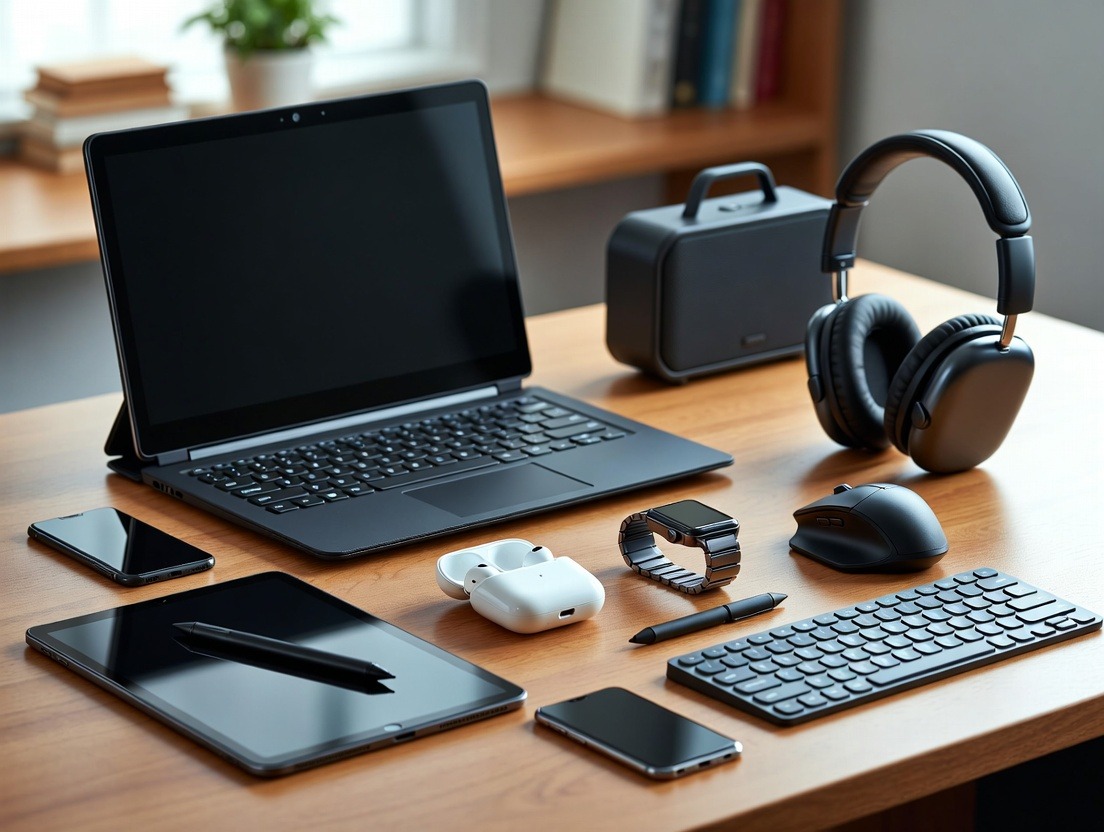
In the battle for focus and well-being in the open office, technology is a double-edged sword. It is often the source of distraction (notifications, endless emails), but when wielded intentionally, it can also be our most powerful shield and guide. A new category of technology—discreet, biometric wearables—is shifting the paradigm from reactive coping to proactive, data-driven self-management.
Beyond Step Counters: The Rise of Physiological Monitoring
While fitness trackers popularized step counting, the frontier of wellness tech is now continuous physiological monitoring. Devices like advanced smart rings measure metrics that are directly relevant to workplace stress:
Applying the Data: From Insight to Action
Raw data is meaningless without context and action. The power lies in the feedback loop:
Digital Hygiene Tools:
Alongside wearables, software tools can help reclaim cognitive space:
The integration of biometric data with daily planning creates a powerful form of self-quantification for wellness. It moves well-being from a vague concept to a managed asset. You learn not just that the office is stressful, but precisely how, when, and what you can do to build your personal fortress of calm within it. To understand how this technology integrates seamlessly into a professional lifestyle, you can explore detailed FAQs on how it works.
The physical design of an open office is only one layer; the social layer is equally critical. Without clear communication and respected boundaries, even the best-designed space can become a source of conflict and stress. Cultivating a shared language around focus and interaction is a collective responsibility.
1. Establish Team "Focus Contracts":
Don’t leave norms to chance. Have an explicit team discussion about how to work together respectfully. This "contract" can include:
2. Master the Art of the "Do Not Disturb" Signal:
Make your need for focus visible and socially legible. Beyond headphones, consider:
3. Champion Asynchronous Communication:
Challenge the expectation of immediate response. Encourage the use of detailed project management tools, shared documents with comments, and voice notes instead of requiring real-time meetings for every update. This allows people to process information on their own schedule, reducing cognitive friction.
4. Model and Request Respectful Feedback:
If a norm is broken (e.g., someone talks loudly on a call at a focus desk), address it gently and privately, framed around shared goals. “Hey, I know we’re all busy, but I was struggling to focus with the call noise. Could we remind the team about using the phone booths?” This focuses on the process, not the person.
5. Create "Social Permission" for Breaks:
In a performative environment, taking a break can feel like shirking. Leaders must actively model and encourage true breaks—away from the desk, without a phone. This creates psychological safety for others to do the same, which is essential for sustained productivity and creativity.
The goal is to shift the culture from one of constant availability to one of respectful intentionality. Communication becomes about preserving the conditions for high-quality work, not just transmitting information. As we’ve grown, listening to user experiences has been key to understanding these social dynamics; you can see how different teams have implemented these strategies in their stories.
The pandemic catalyzed a forced global experiment in remote work, fundamentally reshaping our relationship with the office. As we settle into a new equilibrium, the future is not a binary choice between open office and home office, but a hybrid, fluid model that leverages the best of both. This evolution presents an unprecedented opportunity to solve the open office stress problem by redefining the office’s very purpose.
The Office as a Hub for Connection, Not Just Concentration:
In a hybrid world, the physical office must earn its commute. Its value will increasingly lie in activities that are harder to do remotely:
Implications for Design:
This shift demands a radical redesign of office space away from acres of assigned desks and toward:
The Empowerment of Choice:
The hybrid model, at its best, returns autonomy to the employee. The choice of where to work becomes a strategic decision based on the day’s tasks: “Today I need to write a report, so I’ll work from home. Tomorrow we have a creative sprint, so I’ll go to the office.” This control over one’s environment is perhaps the single most powerful antidote to open-office stress.
The Role of Technology as the Connective Tissue:
Technology will no longer just be a tool for individual focus, but the essential infrastructure that binds distributed teams together and makes the hybrid office function. This includes:
The future workspace is not a fixed location, but an ecosystem—a blend of home, office, and third places, connected by technology and centered on human needs. In this ecosystem, the open-plan office isn’t abolished; it is evolved into a more intentional, varied, and choice-rich environment that serves specific human purposes, finally moving beyond the one-size-fits-all model that created the stress problem in the first place. To follow the ongoing conversation about the future of work and wellness technology, our blog is regularly updated with new perspectives.
Knowledge of stress is one thing; the ability to defuse it in real-time is another. When the noise crescendos, your screen swims with distractions, and you feel the familiar tension climbing your spine, having a set of practiced, physiological "off-ramps" is crucial. These techniques work by directly intervening in the stress cascade, activating the parasympathetic nervous system to promote calm and restore cognitive clarity.
1. Coherent Breathing: The Six-Breaths-Per-Minute Anchor
This is a precision breathing technique with remarkable scientific backing. Breathing at a rate of five to six breaths per minute (inhaling for five seconds, exhaling for five seconds) has been shown to induce a state of "cardiac coherence," where the heart, lungs, and circulatory system enter a harmonious, efficient rhythm. This dramatically increases Heart Rate Variability (HRV), the key biomarker of resilience.
2. Physiological Sighing: The Two-Minute Stress Reset
Discovered and popularized by neuroscientist Dr. Andrew Huberman, the physiological sigh is a hardwired mechanism our bodies use to relax. It’s remarkably fast and effective.
3. Tactical Grounding: The 5-4-3-2-1 Method
When anxiety or sensory overload hits, this cognitive technique pulls you out of your spiraling thoughts and into the present moment by engaging your senses.
4. Isometric Tension Release: The Desk-Friendly Power Move
Holding tension in your body reinforces the stress signal to your brain. Releasing it physically can break the cycle. Isometric exercises—contracting muscles without moving joints—are perfect for a shared space.
Integrating these tools into your day creates a personal "first-aid kit" for stress. The key is to practice them during low-stress moments first, so they become familiar and effective when you need them most. Pairing these practices with biometric feedback from a device like a smart ring can be transformative; you can literally watch your heart rate descend and your HRV stabilize in real-time, reinforcing the positive behavior. For more detailed guides on integrating such techniques into a busy workday, our blog features curated routines from wellness experts.
Cal Newport’s concept of "Deep Work"—the ability to focus without distraction on a cognitively demanding task—is the antithesis of the default open office experience. Yet, it is in these deep work sessions that we produce our most valuable, creative, and satisfying output. Cultivating this skill in a hostile environment is an art form that requires ruthless strategy.
1. Schedule It, Don’t Wish for It:
Deep work does not happen by accident. You must defend it in your calendar with the same rigor as a meeting with the CEO. Block out 90-120 minute sessions, and treat them as immutable appointments. Communicate these blocks to your team using your shared "focus contract" and digital status.
2. Create a "Grand Gesture" (Even a Small One):
Newport suggests making a significant, perhaps inconvenient, change to your environment or routine to psychologically signal the importance of the task. In an office, this could be:
3. Structure Your Attention with Process:
Entering a deep work session without a plan is inviting distraction. Use a clear structure:
4. Manage Your Energy, Not Just Your Time:
Recognize that deep work is metabolically expensive. You cannot do it for eight hours straight. Schedule your most demanding sessions during your personal biological prime time (for most, this is late morning). Follow a deep work session with genuinely restorative low-focus activity—a walk, a casual chat, administrative tasks—not just switching to another cognitively demanding task.
5. Embrace "Productive Meditation":
Use periods of unavoidable physical activity in the office (walking to the restroom, getting coffee) to practice focusing your attention on a single, well-defined professional problem. Instead of letting your mind wander to stress, deliberately walk through the steps of a solution. This trains your focus muscle in the interstices of your day.
The ability to do deep work in an open plan is a superpower. It declares that your cognitive output is valuable and that you have the discipline to protect it. This skill, more than any other, can transform your relationship with a distracting environment. Discovering how biometrics can help you identify your ideal windows for deep work is a game-changer; our FAQ covers how to use data for this purpose.
The social friction of shared spaces—interruptions, conflicting work styles, personality clashes—can be as draining as any physical noise. Moving from a state of passive annoyance or active conflict to one of skilled collaboration requires emotional intelligence and proactive communication.
1. Diagnose Work Style Differences:
Understand that not everyone is stressed or focused by the same things. Use a framework like "Maker vs. Manager Schedule" (from Paul Graham) to create empathy. "Makers" (engineers, writers, designers) need long, unbroken blocks of time. "Managers" (or those in coordinating roles) thrive on a calendar divided into short, sequential meetings. A manager interrupting a maker’s flow is catastrophic for the maker but feels like normal business to the manager. Naming this difference aloud can defuse tension.
2. Master the Graceful Interruption (and How to Prevent Them):
3. Facilitate Healthier Meetings in Open Areas:
Meetings at desks in the open plan are major stress exporters.
4. Address Issues Directly and Systemically:
If a colleague’s behavior is consistently disruptive (e.g., loud personal calls, strong perfume), address it privately and with a focus on impact, not blame. Use "I" statements: "I'm having a really hard time focusing when I can hear phone conversations clearly. Would you be open to taking calls in a booth?" If the problem is widespread (e.g., a broken, buzzing light), don’t just complain—log a ticket with facilities or gather data to present to management. Frame it as a productivity and wellness issue for the team.
Creating a collective flow state in a team, where individuals feel respected and able to do their best work, turns the open office from a collection of individuals battling distractions into a community with shared norms. This cultural work is foundational. Our approach to building technology has always been guided by fostering this kind of respectful awareness; learn more about the values that drive our mission.
We’ve entered an era where we no longer have to guess about our stress, sleep, or performance. Biometric wearables provide an objective, personal dashboard for our well-being. The true power lies not in passively collecting data, but in actively using it to run personalized experiments and engineer a better work life.
Conducting Your Personal "Workplace Experiment":
Key Metrics to Watch and What They Mean for Your Workday:
This empirical approach removes guilt and guesswork. You’re not "being sensitive"; your data shows your nervous system is under load. You’re not "wasting time" by taking a walk; your data shows it improves your subsequent HRV. It turns well-being from a philosophical concept into an engineering project. For those curious about starting this journey, our testimonials page shares how others have used this data to transform their routines.
The ultimate responsibility for mitigating systemic open office stress lies with leadership. A human-centric culture must be modeled and mandated from the top down. Leaders set the tone by what they reward, what they permit, and how they themselves work.
1. Model the Behaviors You Want to See:
2. Reward Output, Not Presence:
Shift performance evaluation away from "face time" and visible busyness toward the quality and impact of work produced. Celebrate the completion of significant projects and deep work outcomes, not just the employee who is always the last to leave the office.
3. Invest in Well-Being as a Core Business Metric:
Treat employee well-being not as a perk, but as a leading indicator of retention, innovation, and performance. Consider anonymized, aggregate biometric data (with full consent) as a valuable metric for evaluating workplace design changes. If a new furniture layout correlates with a team-wide dip in HRV, it’s a failed experiment.
4. Provide Resources, Not Just Space:
Subsidize high-quality noise-cancelling headphones. Offer stipends for home office ergonomics for hybrid workers. Provide subscriptions to meditation apps or wellness platforms. Host workshops on stress management and deep work practices. These investments signal that the company values sustainable performance.
5. Create Clear, Enforced Policies:
Establish and communicate clear guidelines for space usage. Enforce the rules for quiet zones. Empower facilities and HR to mediate chronic issues. A policy without enforcement is merely a suggestion, and cynicism will grow.
Leadership that champions psychological safety and physiological well-being builds not just a more productive team, but a more loyal and resilient one. This cultural foundation is what allows all the other strategies—the tools, the rituals, the design—to truly take root and flourish. For more on how forward-thinking companies are integrating these principles, our about page details our partnerships and vision for workplace wellness.
The traditional open office was designed with a mythical "average" worker in mind. We now understand that neurodiversity—the natural variation in human brain function and behavioral traits—is the rule, not the exception. This includes individuals with ADHD, autism, anxiety, sensory processing differences, and highly sensitive personalities. A truly human-centric workspace must be neuro-inclusive, offering a spectrum of environments that cater to diverse neurological needs without stigma.
Key Principles of Neuro-inclusive Design:
Implementing neuro-inclusive design isn't just an accommodation; it benefits everyone. The predictability, choice, and sensory regulation it provides reduce cognitive load and stress for all employees, creating a more respectful and productive environment for every kind of mind. For leaders seeking to understand the practical implementation of these principles, our blog frequently explores the intersection of technology and inclusive design.
For hybrid workers, the home office isn't just a backup; it's a critical component of the work ecosystem. It must serve as the ultimate counterbalance to the open plan—a sanctuary designed explicitly for deep work, recovery, and personal rhythm. Optimizing this space is a non-negotiable investment in your sustainable performance.
Ergonomics as Foundation:
Comfort is not a luxury; it's a prerequisite for focus. Invest in a proper chair that supports your spine, a desk at the correct height (consider a sit-stand converter), and monitor arms to position screens at eye level. Physical discomfort is a constant, low-grade distraction that directly competes for cognitive resources.
The Psychology of Separation:
Sensory Design for Focus:
The Strategic Use of Hybridity:
Your home office allows you to practice the ideal work rhythm. Use it to:
Your home sanctuary is the laboratory where you learn what optimal work feels like for you. The insights gained here—about your best focus times, your ideal break patterns, your environmental preferences—are then invaluable data you can use to advocate for better conditions and smarter habits when you are in the shared office. For troubleshooting common remote work wellness challenges, our FAQ section offers practical, data-backed advice.
Surviving a stressful day is one thing. Building a lifestyle that makes you resilient to stress over months and years is another. This requires moving beyond tactics to habits—automatic behaviors wired into your neurology through consistent repetition. The focus shifts from fighting the environment to fortifying the self.
The Keystone Habit: Sleep as Non-Negotiable Infrastructure:
Every strategy fails on a foundation of poor sleep. Sleep is when your brain clears metabolic waste, consolidates memories, and your nervous system resets. Prioritizing it is the single most impactful resilience habit.
The Movement Imperative:
Sedentary work is a health risk and a focus killer. Movement is not just for physical health; it pumps oxygen to the brain, reduces muscular tension, and stimulates neuroplasticity.
Nutritional Stewardship for Cognitive Function:
The brain consumes ~20% of your body's energy. Fuel it poorly, and focus, mood, and stress resilience suffer.
The Practice of Digital Minimalism:
Constant digital distraction fragments attention and creates a background hum of anxiety. Cal Newport's concept of "Digital Minimalism"—being highly selective about which technologies you use and how you use them—is crucial.
Building these foundational habits creates a robust platform of personal health. From this stable platform, the acute stressors of the open office become manageable challenges rather than existential threats. The journey of building these habits is personal and ongoing; reading about how others have successfully integrated them can be a powerful source of inspiration.
Theory and strategy come alive in application. Let’s examine anonymized case studies of teams and individuals who successfully transformed their experience of the shared workspace.
Case Study 1: The Tech Startup’s "Quiet Revolution"
Case Study 2: The "Highly Sensitive" Manager
These stories demonstrate that change is possible at both the macro and micro level. It requires a mix of courage, data, and deliberate action. For more narratives on personal and professional transformation through mindful technology use, our community stories page offers a wealth of real-world examples.
We have traversed a wide landscape—from the history of office design to the minutiae of breathwork. Now, it's time to distill this knowledge into a coherent, personalized action plan. This is not about doing everything at once, but about starting where you are and building systematically.
Phase 1: The Assessment (Weeks 1-2)
Phase 2: Foundational Fortification (Weeks 3-6)
Phase 3: Environmental Optimization & Advocacy (Ongoing)
Phase 4: Integration and Iteration (Lifestyle)
This plan is a living document, unique to you. It acknowledges that the solution to open office stress is not a silver bullet, but a silver bracelet—a series of interlinked, supportive practices worn every day. For ongoing support and resources as you build your plan, our main resource hub is always available.
The open office, in its original, monolithic form, is an outdated model. But the concept of a shared workspace is not inherently flawed. The problem was the lack of choice, the disregard for human neurobiology, and the conflation of physical proximity with collaboration. Our journey through this exploration reveals a more nuanced and hopeful path forward.
The future of work lies in intentional ecosystems, not uniform floorspaces. It is a hybrid, flexible blend of environments:
Within the office itself, the future is neuro-inclusive and choice-rich. It provides a spectrum of settings—from silent caves to collaborative campfires—and empowers individuals with the autonomy to choose the right tool for the cognitive task at hand. It is a culture that values output over attendance, depth over availability, and sustainable performance over heroic burnout.
This transformation is powered by a new partnership: between human awareness and intelligent technology. Our growing understanding of our own physiology, illuminated by discreet biometrics, gives us the language to advocate for our needs and the feedback to master our own minds. Tools like the Oxyzen smart ring are not just trackers; they are translators, converting the silent language of our stress response into actionable insight.
The open office stress problem is solvable. It requires a shift from passive endurance to active design—design of our spaces, our schedules, our habits, and our interactions. It asks us to be architects of our own well-being and advocates for a more humane way of working.
Begin today. Choose one strategy from this guide. Practice one breath. Have one conversation. Reclaim one hour of focus. You are not just adapting to your environment; you are participating in the creation of a new one—an ecosystem where shared space doesn’t mean sacrificed sanity, but shared success and collective well-being.
Your Trusted Sleep Advocate: Sleep Foundation — https://www.sleepfoundation.org
Discover a digital archive of scholarly articles: NIH — https://www.ncbi.nlm.nih.gov/
39 million citations for biomedical literature :PubMed — https://pubmed.ncbi.nlm.nih.gov/
Experts at Harvard Health Publishing covering a variety of health topics — https://www.health.harvard.edu/blog/
Every life deserves world class care :Cleveland Clinic - https://my.clevelandclinic.org/health
Wearable technology and the future of predictive health monitoring :MIT Technology Review — https://www.technologyreview.com/
Dedicated to the well-being of all people and guided by science :World Health Organization — https://www.who.int/news-room/
Psychological science and knowledge to benefit society and improve lives. :APA — https://www.apa.org/monitor/
Cutting-edge insights on human longevity and peak performance:
Lifespan Research — https://www.lifespan.io/
Global authority on exercise physiology, sports performance, and human recovery:
American College of Sports Medicine — https://www.acsm.org/
Neuroscience-driven guidance for better focus, sleep, and mental clarity:
Stanford Human Performance Lab — https://humanperformance.stanford.edu/
Evidence-based psychology and mind–body wellness resources:
Mayo Clinic — https://www.mayoclinic.org/healthy-lifestyle/
Data-backed research on emotional wellbeing, stress biology, and resilience:
American Institute of Stress — https://www.stress.org/


