


Peaceful Living Through Gratitude and Appreciation Practices
Using gratitude and appreciation practices to cultivate peace.
Using gratitude and appreciation practices to cultivate peace.
%402x.svg)
In a world that often feels like it’s spinning too fast, where notifications demand our attention and to-do lists never end, the pursuit of peace can seem like a distant, almost quaint, ideal. We invest in sound machines, meditation apps, and retreats, searching for serenity outside ourselves. Yet, a profound and accessible path to lasting tranquility has existed for millennia, validated not by ancient scrolls alone but by cutting-edge neuroscience. This path is the conscious, daily practice of gratitude and appreciation.
Gratitude is far more than a polite “thank you” or a seasonal sentiment. It is a transformative state of being—a lens through which we can reframe our entire experience of life. It is the conscious recognition of the good, both monumental and minute, that already exists within and around us. When we practice appreciation, we are not ignoring life’s difficulties; we are fundamentally changing our brain’s habit of scanning for threats and deficits, and instead training it to scan for gifts and abundance. This shift is the bedrock of peaceful living.
Peace is not the absence of chaos, but the sense of stability and contentment we carry within us despite it. It’s a quiet mind, a resilient spirit, and a heart that feels full even when circumstances are challenging. This article is your comprehensive map to cultivating that inner sanctuary. We will explore the intricate science of how gratitude rewires your brain, delve into practical rituals from the simple to the profound, and examine how modern technology, like the advanced wellness tracking from Oxyzen smart rings, can provide tangible, biometric feedback on your journey. We’ll move from understanding the “why” to mastering the “how,” ensuring that the art of thankfulness becomes a woven, sustainable part of your daily life, leading you to a more peaceful, resilient, and joyful existence.
We often think of gratitude as a soft, emotional concept, but its effects are concretely etched into the very fabric of our biology. When you engage in genuine appreciation, you are not just having a nice thought—you are initiating a cascade of neurochemical events that alter your brain’s structure and function, a process known as neuroplasticity. This is the scientific foundation for why gratitude is so powerfully linked to peace.
The act of feeling grateful activates key regions of the brain. The prefrontal cortex, responsible for decision-making and regulating emotions, lights up. The anterior cingulate cortex, which governs empathy and social cognition, becomes engaged. Simultaneously, the brain releases a potent cocktail of feel-good neurotransmitters. Dopamine, the “reward” chemical, floods our system, making us feel pleased and motivated to repeat the grateful behavior. Serotonin, a key regulator of mood and well-being, is boosted, often producing effects similar to mild antidepressants.
Perhaps most critically for peaceful living, gratitude downregulates the amygdala, the brain’s fear and stress center. The amygdala is designed to scan for danger, a survival mechanism that in modern life can become chronically overactive, leading to anxiety and a perpetual sense of threat. Consistent gratitude practice weakens the neural pathways associated with this stress response and strengthens those associated with reward and social connection. Studies using fMRI scans have shown that individuals who regularly practice gratitude have significantly more neural modulation in the prefrontal cortex over their amygdala, meaning they are better equipped to manage negative emotions and stress before they escalate.
Furthermore, gratitude stimulates the vagus nerve, the longest cranial nerve in the body, which is the commander of our parasympathetic nervous system—our “rest and digest” state. A stronger vagus nerve tone is associated with better emotional regulation, lower inflammation, and a greater sense of calm. In essence, each grateful thought is a rep for your brain’s peace muscle.
This isn’t just theoretical. Research from institutions like UC Davis and Indiana University has demonstrated that participants who kept gratitude journals for just a few weeks showed not only improved psychological well-being but also measurable changes in brain activity that persisted months later. They had, quite literally, built a brain more prone to peace and resilience. For those curious about tracking such physiological shifts in their own journey, the data from a Oxyzen smart ring can provide fascinating insights into how gratitude practices may influence objective metrics like heart rate variability (HRV), a key indicator of nervous system balance and recovery.
Before we can effectively practice gratitude, we must dismantle the limited frameworks that often confine it. Many of us operate with a transactional model of gratitude: “I will be thankful once I receive that promotion,” or “I should be grateful because I have a roof over my head.” This conditional gratitude is not only fragile but can also lead to a subtle, pernicious form of guilt—the “I-should-be-grateful” syndrome, which is the antithesis of peace.
True, transformative gratitude is not a response to a specific benefit. It is a fundamental orientation to life. It is a state of awareness, not just a passing emotion. This shift moves us from gratitude for things to gratitude as a way of perceiving.
Think of it as the difference between seeing the world in black and white versus in full color. The objective circumstances may be the same, but the depth, richness, and texture of your experience are radically different. A transformative gratitude practice involves:
When gratitude becomes a lens, it allows us to hold both joy and sorrow simultaneously. We can grieve a loss while also feeling deeply thankful for the love that caused the grief. We can feel frustrated with a situation while also appreciating our own capacity to endure and problem-solve. This non-dualistic awareness is the heart of emotional maturity and profound inner peace. It’s the understanding that life is a tapestry, and gratitude allows us to see the whole weaving, not just a single, frayed thread. To explore more perspectives on building this kind of holistic awareness, our blog features a variety of articles on mindset and emotional well-being.
Peace is often disrupted by a perceived sense of lack—a focus on what’s missing, what’s wrong, or what others have that we don’t. The Gratitude Inventory is a powerful, structured practice designed to directly counter this scarcity mindset by conducting a rigorous audit of your life’s existing assets. This is not a one-time list, but a deepening exploration across multiple dimensions of your existence.
Begin by setting aside dedicated, quiet time. Move beyond the obvious (“my family, my health”). We are mining for the specific, the nuanced, and the often-overlooked. Use these categories as prompts to excavate your gratitude:
The Physical and Sensory Realm:
The Realm of Relationships and Connection:
The Realm of Possession and Provision:
The Realm of Intangibles and Experiences:
The goal of this inventory is to create a tangible, overwhelming body of evidence against the feeling of lack. Whenever anxiety or discontent whispers that you have nothing, you can return to this living document and see, in stark contrast, the abundant reality. It grounds you in what is, which is the only place from which peaceful, positive action can spring. For many on the wellness journey, combining this subjective practice with objective data from a tool like a smart ring can create a powerful feedback loop, a topic we often discuss in our community testimonials.
Knowledge and intention are meaningless without consistent action. The transformation towards a peaceful, gratitude-based life happens in the small, daily repetitions—the rituals that become as automatic as brushing your teeth. These “Daily Anchors” are designed to be simple, sustainable, and seamlessly integrated into even the busiest life. Their power is in their cumulative effect, gradually tilting the baseline of your consciousness toward appreciation.
1. The Morning Priming Practice (2-3 minutes):
Before you reach for your phone, while you’re still in bed or sipping your first water, name three specific things you are grateful for in that very moment. They must be concrete: “I am grateful for the softness of this pillow,” “I am grateful for the bird singing outside my window,” “I am grateful for the feeling of my lungs expanding with air.” This practice sets your brain’s filter for the day, priming it to look for the good.
2. The Micro-Moment Pause (30 seconds, multiple times a day):
Set random reminders on your phone or associate the practice with daily triggers (e.g., every time you wash your hands, wait for a webpage to load). When prompted, stop completely. Take one deep breath and identify one tiny thing you can appreciate in your immediate environment or experience. The steam rising from your tea mug, the efficient click of your keyboard, the patience of the barista making your coffee. This builds the muscle of present-moment appreciation.
3. The Evening Reflection Journal (5-7 minutes):
This is the cornerstone practice. Just before bed, write down:
The physical act of writing is crucial—it slows down your thinking and consolidates the memory. This practice also ends your day by focusing your mind on positive narratives, which can improve sleep quality—a key component of peace that can be tracked through detailed sleep stage analysis with a device like the Oxyzen smart ring.
4. The Gratitude Mantra Integration:
Choose a short, portable phrase that resonates with you, such as “Thank you for this,” “I am provided for,” or “There is good here.” Use it internally when you receive something, witness beauty, or even when faced with a minor frustration. It becomes a mental shorthand that instantly redirects your focus.
The key is consistency, not perfection. Missing a day is not a failure; it’s a reminder to gently recommit. These anchors are the threads that, woven together day after day, create the sturdy fabric of a peaceful mind.
Once the daily rituals are established, we can expand our practice into deeper waters. Deep Appreciation moves beyond gratitude for personal benefit and into the realm of awe, wonder, and a felt sense of interconnection with something larger than ourselves. This dimension of practice is where gratitude matures from a self-help tool into a spiritual or philosophical orientation, generating a profound, unshakable peace.
1. Nature Immersion with a Grateful Lens: Go for a walk with the sole intention of receiving. Don’t think of it as exercise or a task. Instead, actively look for details to appreciate: the fractal pattern of a fern, the staggering engineering of a spider’s web, the relentless force of a river current, the silent dignity of an old tree. Contemplate the fact that the oxygen you breathe is a gift from the plant life around you. This practice dissolves the illusion of separateness and connects you to the vast, intelligent systems of life, putting personal worries into a humbling and comforting perspective.
2. The “Appreciation Without Ownership” Meditation: Sit quietly and bring to mind things you appreciate that you did nothing to “earn” and do not own. The moon illuminating the night sky, the existence of music, the genius of a scientific principle like gravity, the public park maintained by your community, the historical figure whose courage changed the course of society. Sit with the feeling of being a beneficiary of a world filled with gifts that are simply there for the noticing. This practice erodes entitlement and cultivates humility and joy.
3. Gratitude for Your “Shadow” or Challenges: This is an advanced but incredibly liberating practice. Identify a persistent personal challenge—a personality trait you dislike, a recurring difficult situation, a past failure. Instead of fighting it, engage with respectful curiosity. Write a letter of thanks to this challenge. For example, “Thank you, anxiety, for trying to protect me. You have made me more prepared and empathetic.” Or, “Thank you, failed project, for teaching me resilience and redirecting my path to something better.” This doesn’t mean you want the challenge to stay; it means you acknowledge its role in your wholeness. It neutralizes internal conflict, a major thief of peace.
4. Loving-Kindness (Metta) Infused with Gratitude: Combine traditional loving-kindness meditation with gratitude. After wishing well for yourself and loved ones, extend thoughts to “neutral” people and even difficult people in your life. Include a silent statement of gratitude: “Thank you for being part of the tapestry of my life. Your presence, in whatever form, contributes to my journey.” This practice systematically breaks down barriers of resentment and ill will, replacing them with a sense of interconnected goodwill.
These deep practices can be supported by technology that helps you understand your body’s responses. Monitoring your heart rate variability during an awe-inspiring nature walk or a deep meditation can show you the direct, calming physiological impact, something explored in depth in our FAQ on biometric tracking. They teach us that peace is not found in a bubble, but in the courageous, open-hearted engagement with the vast, beautiful, and sometimes difficult, whole of life.
Gratitude is an energy that gains potency when it is expressed. Moving gratitude from a private feeling to a shared communication creates a feedback loop of positivity that strengthens relationships, builds social bonds, and amplifies the peaceful benefits for both the giver and the receiver. However, generic praise (“Great job!”) or a hurried “thanks” often lacks the transformative power of specific, heartfelt appreciation. Mastering the language of appreciation involves intentionality and detail.
The Anatomy of a Powerful Thank-You:
A meaningful expression of gratitude has three key components, which can be remembered as the S.E.E. model:
Examples in Action:
Forms of Expressive Practice:
Expressing gratitude is an act of courage and generosity. It makes you vulnerable by acknowledging your need for others, and it generously affirms their value. This reciprocal flow is a fundamental building block of a peaceful community and a peaceful self. It’s a principle that guides not only personal interactions but also how we at Oxyzen approach our community, believing that support and recognition are vital to the wellness journey.
This is the ultimate test and the most powerful application of gratitude practice: can it hold you when life is not going according to plan? The goal here is not to bypass valid, painful emotions with toxic positivity. It is not about saying, “I’m grateful for this loss.” That can be invalidating and spiritually violent. Instead, it is about using gratitude as a stabilizing anchor to prevent you from being completely swept away by the storm, allowing you to feel the full depth of your emotions without drowning in them.
The strategy is to look for the tiny slivers of good within or alongside the difficulty, not instead of it. This is a practice of “and,” not “but.”
This practice builds emotional agility. It allows you to hold multiple truths at once, which is the essence of a mature, peaceful psyche. You are not denying the darkness; you are simply reminding yourself that darkness is not the entirety of the picture. A sliver of light, however faint, is still light. Holding onto that sliver is an act of profound courage and the key to emerging from trials with wisdom and strength intact, rather than broken. For many, tracking stress responses and recovery through objective data provides a non-judgmental mirror during these times, a tool discussed by users in their personal stories with Oxyzen.

Even with the best intentions, we will encounter internal and external resistance to a sustained gratitude practice. Recognizing these obstacles is not a sign of failure, but a necessary step in crafting a resilient practice that can withstand them.
1. The Primacy of Negativity Bias: Our brain’s default setting, forged for survival, is to pay more attention to threats, losses, and irritations than to positives. This isn’t a moral failing; it’s evolutionary hardware. The obstacle is mistaking this bias for reality. Overcome it by: Accepting that your mind will naturally drift to the negative. Your practice is the conscious, gentle effort to redirect it. Think of it as training a puppy—with consistent, patient repetition.
2. The “It Feels Forced” Phase: Especially in the beginning, naming things you’re grateful for can feel artificial, even silly. This is a common hurdle. Overcome it by: Leaning into specificity. Instead of “I’m grateful for my friend,” think, “I’m grateful for the way my friend snorted when she laughed yesterday.” Authenticity is found in details, not grand pronouncements. Persist through the awkwardness; the feeling will follow the action.
3. Comparison and Scarcity Mindset: “Others have more to be grateful for,” or “My problems are too big for this.” This is the ego distorting the practice into another arena for competition or lack. Overcome it by: Remembering that gratitude is deeply personal and relative. The practice is about noticing your assets, not judging them against someone else’s highlight reel. A person with chronic illness feeling gratitude for a moment of reduced pain is engaging in a practice just as powerful as anyone else’s.
4. Trauma and Deep Suffering: For those in acute suffering or with significant trauma, a prescriptive “be grateful” message can be harmful. Gratitude cannot and should not be forced here. Navigate this by: Starting microscopically and with permission. A practitioner might begin with: “Is it possible to feel even 1% safe in this moment?” or “Can I acknowledge one sensation that is not painful?” The focus is on creating tiny islands of tolerable experience, not on feeling thankful. This should be approached with self-compassion and often with the support of a therapist.
5. Cultural and Philosophical Barriers: Some cultural backgrounds or personal philosophies may view gratitude as a form of indebtedness or a passive acceptance of an unjust status quo. Reframe it by: Separating gratitude from obligation. It is an acknowledgment of a gift, not a contract for repayment. Furthermore, gratitude for one’s own strength, community, or resources can be the very fuel that drives action for justice and change. It is a source of power, not passivity.
Understanding these barriers demystifies the struggles we all face. It allows us to meet our own resistance with curiosity instead of criticism, adjusting our practice so it remains a tool for liberation, not another source of guilt. This journey of understanding is part of our own story at Oxyzen, as we navigate making technology that supports, rather than complicates, the human quest for well-being.
While the benefits of gratitude are felt subjectively—as a deeper sense of calm, joy, or connection—the modern wellness landscape offers us a unique opportunity: to see the objective, physiological correlates of our inner work. This isn’t about reducing a spiritual practice to cold data, but about creating a supportive feedback loop that can enhance motivation, provide insight, and deepen our understanding of our own mind-body connection.
This is where advanced wearable technology, like the Oxyzen smart ring, enters the conversation. By tracking key biometrics 24/7, it can reveal how your gratitude practices are translating into tangible, physical states of peace and recovery.
Using Technology as a Compassionate Guide, Not a Judge:
The crucial mindset here is one of curiosity, not obsession. The data is not a report card on your “success” at being grateful. Its purpose is to:
By pairing the ancient, internal art of gratitude with modern, external feedback, you create a holistic loop of self-awareness. You are not just thinking you are more peaceful; you have gentle, objective companionship on the journey, showing you the science of serenity in action. To understand how this works in detail, you can explore the technology behind Oxyzen and how it’s designed to serve this exact purpose—illuminating the path to your most peaceful self.
Our willpower and memory are finite resources. Relying solely on them to maintain a gratitude practice is like trying to heat a house with all the windows open. The most sustainable path to peaceful living is to design your personal environment—your physical spaces, digital landscapes, and social circles—so that it naturally nudges you toward appreciation. This is the principle of "choice architecture" applied to inner peace.
Your environment is constantly sending you cues. A cluttered, chaotic room whispers of overwhelm. A phone buzzing with news alerts screams of crisis. By intentionally curating these cues, you can build a world where gratitude becomes the path of least resistance.
1. Physical Space Design: Creating "Altars of Appreciation"
Look around your home and workspace. How many objects trigger stress, obligation, or comparison? Now, consider weaving in visual triggers for gratitude.
2. Digital Environment Detox and Curation:
Our digital space is arguably our most influential environment. It must be managed with ruthless intentionality for peace to prevail.
3. Cultivating a Gratitude-Rich Social Ecosystem:
We are profoundly influenced by the emotional tones of the people around us. The "law of emotional contagion" is real.
By architecting an environment that supports you, you reduce the cognitive load required to choose peace. Gratitude becomes less of a practice you do and more of an atmosphere you inhabit. This is the foundation for making peaceful living your default state, a topic we explore further in our blog's resources on sustainable habit formation.
To wield gratitude as a tool for genuine peace, we must confront its potential misapplications and shadow sides. When used unconsciously, gratitude can become a form of spiritual bypassing—using positive ideas to avoid dealing with painful emotions, unresolved wounds, or necessary confrontations with injustice. This false peace is brittle and ultimately blocks true growth and connection.
1. Spiritual Bypassing: "Just Be Grateful" as a Shutdown
This is the most common pitfall. It happens when gratitude is weaponized to invalidate real pain, either in ourselves or others.
The Antidote: Practice "And/Both" Awareness. True gratitude coexists with other emotions. "I am heartbroken over this loss, and I am deeply grateful for the support I'm receiving." "I am furious at this injustice, and I am thankful for my anger which fuels my commitment to change." Allow the full human emotional spectrum. Gratitude becomes an anchor within the storm, not a denial that the storm exists.
2. Gratitude as a Tool for Complacency and Avoidance
This shadow appears when appreciation for "what is" morphs into passive acceptance of harmful or unacceptable circumstances. It confuses peace with passivity.
The Antidote: Frame gratitude as fuel for action, not an endpoint. Gratitude for your health can motivate you to protect it. Gratitude for your education can drive you to mentor others. Gratitude for living in a democracy obligates you to participate in it. Ask: "My gratitude for X compels me to do what? To protect it? To share it? To extend it to others?" This links thankfulness with responsibility and agency.
3. The Privilege Blind Spot
The ability to focus on gratitude is itself a privilege. For someone facing acute survival threats—food insecurity, violence, systemic oppression—the luxury of a daily gratitude journal may feel irrelevant or even insulting. Recommending gratitude without this awareness is tone-deaf and can perpetuate harm.
The Antidote: Contextualize and Humblize your practice.
Confronting these shadows is not about abandoning gratitude, but about refining it into a mature, integrated, and ethically grounded force. It ensures your peaceful living is built on the solid rock of reality—with all its complexity—rather than the shifting sands of avoidance. This commitment to depth and integrity is central to the values behind our work at Oxyzen.
Gratitude, while an internal practice, has profound social physics. It is not just a personal wellness hack; it is a prosocial emotion that builds trust, strengthens bonds, and fosters cooperation. When practiced collectively, it becomes a powerful cultural force that can transform families, workplaces, and communities into ecosystems of peace and resilience. This is the move from my peace to our peace.
The Social Science of Shared Appreciation:
Gratitude functions as a "moral reinforcer." When Person A expresses genuine thanks to Person B, it makes Person B more likely to behave pro-socially again, not only toward Person A but toward others as well. This creates a ripple effect of kindness and cooperation, a phenomenon researchers call "upstream reciprocity." In a group that practices collective gratitude:
Building Cultures of Appreciation:
1. In the Family:
2. In the Workplace:
3. In Broader Community:
The peaceful community is not one without conflict, but one where individuals feel fundamentally valued and connected. Collective gratitude is the ritual that weaves this fabric of mutual regard. It counters the corrosive forces of anonymity, entitlement, and criticism that plague modern group dynamics. For teams interested in how tracking collective well-being metrics can complement this, exploring how Oxyzen supports group wellness can offer intriguing possibilities.
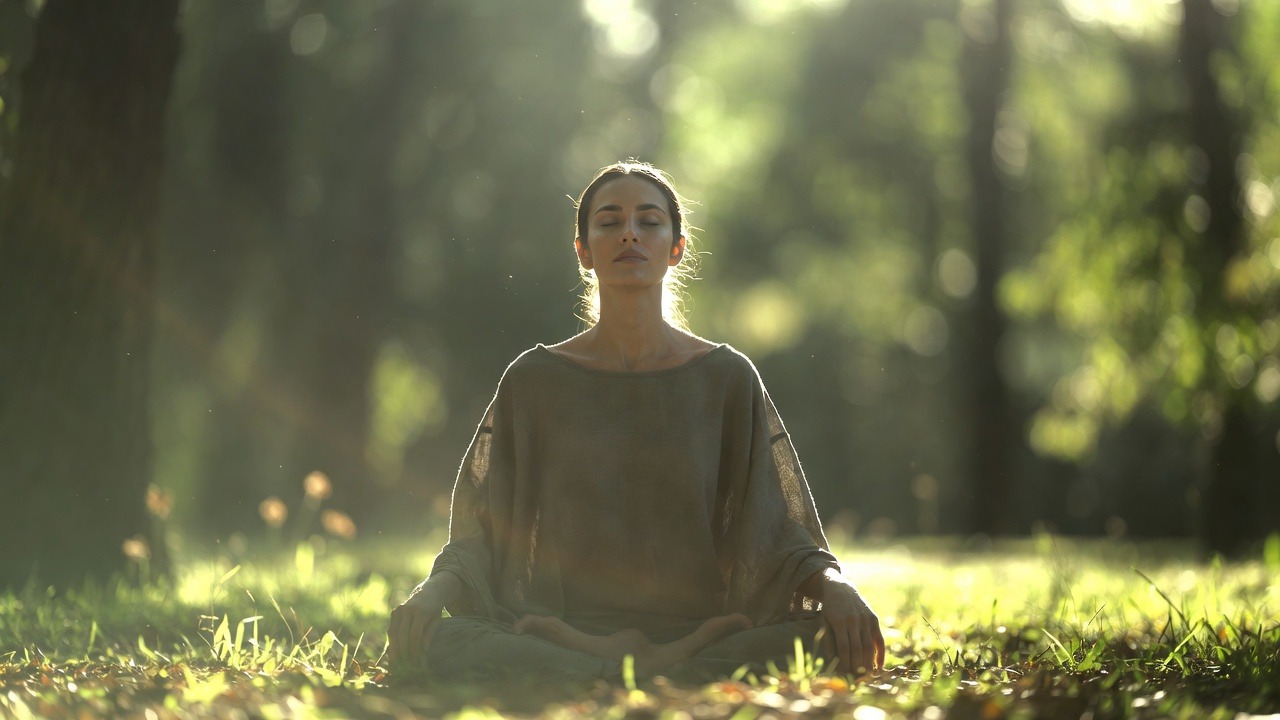
True peace must be embodied. It's not enough to think grateful thoughts; we must learn to feel gratitude in our tissues, our breath, and our posture. Chronic stress and trauma live in the body as patterns of tension, constricted breath, and a heightened state of alert. Intellectual gratitude can bypass these deep somatic holdings. Somatic practices bridge this gap, allowing the feeling of appreciation to dissolve physical armoring and complete the stress cycle, leading to a peace that is visceral and anchored.
Why Somatic Work is Essential: The nervous system doesn't understand words as well as it understands sensation and movement. A fearful thought triggers a hunching of shoulders and shallow breath. To convince your body it is safe enough to experience deep peace, you must communicate through its own language: gentle touch, conscious breath, and deliberate movement.
Somatic Gratitude Practices:
1. Gratitude Breath:
This pairs the mental focus of gratitude with the most fundamental physiological rhythm.
2. Body Scan Infused with Appreciation:
A traditional body scan brings neutral awareness. This version infuses it with thanks.
3. Gestures of Gratitude:
Embody the feeling through posture and movement.
These practices teach the body the physiology of peace: open posture, deep diaphragmatic breathing, a relaxed heart rate. Over time, they can reshape your body's default setting from guardedness to receptive calm. For those tracking their physiology, it can be remarkable to see the direct impact of a 10-minute somatic gratitude practice on real-time metrics like heart rate and HRV, a connection many users explore in their personal testimonials with Oxyzen.
While daily practices build the foundation, human psychology is also deeply tied to longer cycles—the turning of seasons, the marker of a new year, the milestones of a life. Peaceful living is sustained by aligning our gratitude practice with these natural rhythms, creating moments of deeper reflection, integration, and narrative-making. These rituals prevent the practice from becoming routine and instead elevate it to a sacred accounting of a life well-lived.
1. Seasonal Gratitude Markers (Every 3 Months):
Each season carries a unique energy and lesson. Honoring this creates a dynamic, evolving practice.
Practice: At each solstice or equinox, spend an hour journaling on these seasonal themes. Create a simple ritual—lighting a candle, spending time in nature—to mark the transition.
2. The Annual Gratitude Review (Year-End or Birthday):
This is a more comprehensive audit, a spiritual and emotional counterpart to a financial review.
This review weaves the scattered events of the year into a coherent, meaningful story—a narrative of growth and provision, which is a core source of existential peace.
3. Lifespan Milestone Rituals:
These are powerful opportunities for "legacy gratitude."
These macro-practices prevent gratitude from becoming myopic. They connect our daily thankfulness to the grand arc of our lives, revealing patterns of grace and strength we might miss up close. This broader perspective is perhaps the ultimate source of peace: the quiet, confident understanding that your life, in all its seasons, is held within a larger, meaningful story. For those documenting their holistic wellness journey across these cycles, our blog offers guidance on reflective practices that go beyond mere data tracking.
Thus far, we've focused on gratitude for the present and the past. But one of its most potent, peace-generating applications is oriented toward the future. This is not about magical thinking or assuming everything will be perfect. It is about using the proven psychological state of gratitude—a state of openness and receptivity—to consciously shape our attitude toward what is to come. This is the practice of prospective gratitude or grateful anticipation.
When we are anxious about the future, our brain is in a state of fearful projection, imagining threats and deficits. This creates a physiological stress response in the present. Prospective gratitude interrupts this cycle by activating the brain's reward and connection centers in relation to the future, fostering hope—a critical ingredient for peaceful, motivated action.
How to Practice Grateful Anticipation:
1. The "As If" Journaling Exercise:
This is a powerful neural reprogramming tool.
2. Morning Intention-Setting with Gratitude:
Instead of launching into your day with a demanding to-do list, frame it with grateful anticipation.
3. Visualizing "Future Gifts":
In meditation, visualize a future challenge or goal. Now, imagine yourself on the other side of it. What will you be grateful for having learned? How will you have grown? What unexpected help might you appreciate? Feel the feelings of future thankfulness now. This emotionally primes you to move toward that future with curiosity rather than dread.
The Science of Hope:
Research shows that hope is not blind optimism; it is comprised of two elements: agency (the belief you can influence outcomes) and pathways (the ability to see possible routes to your goals). Prospective gratitude builds both. It reinforces agency by reminding you of past challenges you've navigated (for which you're now grateful), and it helps generate pathways by getting your creative, solution-oriented brain engaged in a positive future narrative.
This practice transforms the future from a source of fear into a landscape of potential grace. You move forward not with a clenched fist of control, but with an open hand of receptive expectation. This is the essence of peaceful striving—engaged in life with effort and intention, yet fundamentally trusting in the unfolding journey. It’s a mindset that aligns closely with a holistic view of well-being, one that integrates mental, physical, and emotional health—a philosophy you can learn more about through Oxyzen's approach.
Our most profound experiences of peace and turmoil often occur within the context of our relationships. Gratitude, when applied intentionally to our connections with others, acts as both a protective buffer against conflict and a potent fertilizer for intimacy and trust. It moves relationships from a framework of obligation and expectation to one of continual appreciation and mutual regard. This shift is the cornerstone of peaceful coexistence, whether with a partner, family member, friend, or colleague.
The Erosion of Appreciation in Familiarity:
The "hedonic treadmill" applies powerfully to relationships. The very qualities that initially draw us to someone—their kindness, their humor, their support—can become invisible through the lens of familiarity. We stop seeing the person and start seeing their role ("my spouse," "my parent," "my employee") and a running tally of their shortcomings or what they haven't done. This is the birthplace of resentment, the great destroyer of relational peace.
Gratitude counteracts this by forcing us to see the person anew, each day. It is the practice of re-perceiving. It asks: What if I looked at my partner today as if I were just realizing how lucky I am to have them? What if I viewed my colleague's contribution as a fresh gift, not an entitled expectation?
Practical Rituals for Relational Gratitude:
1. The Specificity Principle in Praise:
General praise ("You're great") is nice but forgettable. Specific appreciation is felt deeply.
2. The "Gratitude Audit" for Challenging Relationships:
For relationships that are strained, direct thanks may feel impossible. Start internally. Perform a private audit: "What is one quality or one past action of this person that I can authentically appreciate, even if I'm angry with them now?" It might be their work ethic, their loyalty to others, a kindness they showed you years ago. Holding this single point of appreciation internally changes your energetic stance, which can subtly shift the dynamic over time. It prevents you from demonizing the whole person.
3. The Appreciation Buffer Before Complaint:
A classic communication technique powered by gratitude is the "Positive-Negative-Positive" sandwich. For a peaceful relationship, make it a "Gratitude-Concern-Gratitude" model.
4. Gratitude for the "Ordinary Service":
The deepest peace in relationships often comes from appreciating the unglamorous, daily acts of service.
The Neurological Bonding Effect:
When you express gratitude to someone, you are not just making them feel good. You are triggering a release of oxytocin (the "bonding hormone") in both of you. This biochemical event fosters trust and attachment. Regularly practicing gratitude within a relationship is, quite literally, performing biochemical maintenance on the bond, strengthening its infrastructure against the stresses that will inevitably come. It builds a shared reservoir of positive regard that you can both draw from during dry or difficult periods.
By making gratitude the default language of your relationships, you create an ecosystem where peace is the norm. Conflicts become problems to be solved together from a foundation of mutual respect, rather than battles to be won. This approach transforms relationships from sources of potential drama into true sanctuaries of peace. For those navigating the complexities of balancing personal well-being with relationship health, sharing and comparing wellness data like sleep and stress trends with a trusted partner can be a novel form of connection, a concept some explore using tools like Oxyzen in tandem.

For many, work is a primary source of stress, anxiety, and a sense of being trapped. The concept of "peaceful work" can seem like an oxymoron. However, gratitude is a powerful lever to transform your experience of work, not by changing the job itself overnight, but by changing your internal relationship to it. This can lead to reduced burnout, increased engagement, and the discovery of purpose—all essential for overall life peace.
Combating "Job Cynicism" and Burnout:
Burnout is characterized by emotional exhaustion, depersonalization (cynicism), and reduced personal accomplishment. Gratitude directly attacks all three pillars.
Cultivating a Grateful Work Mindset:
1. Reframe the "Have-To" to "Get-To":
This is a fundamental cognitive shift. It requires honesty—some "have-tos" are purely burdensome. But many can be reframed.
2. The "Daily Close-Out" Ritual:
At the end of each workday, before shutting down, take five minutes. Write down:
3. Practice "Stealth Gratitude" for Leadership and Culture:
Even if your workplace culture isn't overtly appreciative, you can practice gratitude vertically and horizontally.
4. Gratitude for Challenges as Professional Growth:
The most difficult projects, the most demanding clients, the most critical feedback—these are the raw materials of professional growth. A grateful approach involves a periodic review: "Looking back, what did that terrible project teach me? What skill did I develop under that pressure? How did that difficult interaction make me a better communicator?" Framing past challenges as tuition paid for wisdom earned creates a narrative of progression, not victimization.
Finding Purpose Through Appreciation:
Ultimately, gratitude can help you uncover or clarify your professional purpose. By noting what tasks, interactions, and outcomes you are most consistently grateful for, you discern your true values and strengths.
When work becomes a place where you actively practice appreciation, it ceases to be a separate, stressful compartment of life and becomes integrated into your overall journey of growth and contribution. This integrated, purposeful approach to well-being is something we consider deeply in our mission at Oxyzen.
In a culture obsessed with critiquing the body—its size, its shape, its age, its limitations—finding peace with our physical form can feel like a radical act. Gratitude offers a path out of this war. It allows us to shift from seeing the body as a project to be fixed, to experiencing it as a miraculous, faithful companion to be thanked. This somatic peace is fundamental, as a body at war with itself cannot house a peaceful mind.
From Critique to Curiosity, from Judgment to Thanks:
The default mode for many is a running commentary of lack: "My stomach isn't flat enough, my skin is aging, I'm not strong enough, I'm tired." Gratitude practice interrupts this by demanding a counter-narrative of function and faithfulness.
Practices for Embodied Appreciation:
1. The Nourishment Gratitude Pause:
Transform eating from a mechanical or anxious act into one of sacred appreciation.
2. Gratitude for Movement and Capacity:
Instead of exercising as punishment ("I have to burn off those calories"), frame it as a celebration of capability.
3. The "System-by-System" Appreciation Meditation:
This deepens the body scan practice. In meditation, focus on one bodily system at a time with awe and thanks.
4. Gratitude in Illness or Pain (A Radical Practice):
This is perhaps the most advanced application. It does not mean being grateful for the illness. It means finding the slivers of appreciation within the experience.
The Data-Backed Connection:
A peaceful, grateful relationship with your body has tangible benefits. It lowers cortisol (the stress hormone), which when chronically elevated, contributes to inflammation, weight gain, and poor sleep. It increases the likelihood of engaging in nourishing behaviors. When you see your body as a worthy friend, you are more likely to treat it with kindness through nutrition, rest, and movement.
This embodied peace is where internal work meets external reality. It’s one thing to think peaceful thoughts; it’s another to feel peace humming in your veins and resonating in your bones. For those interested in how this subjective feeling correlates with objective states, tracking biometrics like resting heart rate, HRV, and sleep can provide a fascinating window into how gratitude for your body translates into its improved function—a synergy explored by many in our user community.
Creativity and anxiety are often strange bedfellows. The blank page, the empty canvas, the silent instrument can trigger a storm of self-doubt, comparison, and pressure that completely blocks the peaceful state of "flow"—that timeless, effortless zone of creation. Gratitude is a surprisingly effective key to unlock this state. It shifts the creative mindset from one of scarcity ("I have nothing good to offer") to one of abundance ("I have a wealth of experience and perception to draw from").
Dissolving Creative Blocks with Appreciation:
The core of creative block is often a fearful, critical self-focus. Gratitude pulls your attention outward, into a state of receptive wonder, which is the true wellspring of inspiration.
1. Gratitude as a Warm-Up Ritual:
Before you begin any creative session, spend 3-5 minutes in a gratitude induction.
2. The "Gratitude Safari" for Inspiration:
When you feel uninspired, go on a dedicated hunt for things to appreciate in your immediate environment. This is not passive waiting; it's active foraging.
3. Appreciating the Process, Not Just the Product:
Our peace is shattered when our happiness is contingent on a perfect outcome. Gratitude re-anchors us in the joy of making.
4. Gratitude for Creative Influences and Community:
Comparison says, "I'm not as good as them." Gratitude says, "I am so thankful for their work, which elevates my own understanding and inspires me."
Flow State as a Grateful State:
The psychological state of "flow," identified by Mihaly Csikszentmihalyi, is characterized by complete absorption, a loss of self-consciousness, and a distorted sense of time. This state is inherently peaceful. The prerequisites for flow—clear goals, immediate feedback, a balance of challenge and skill—are all facilitated by a grateful mindset. Gratitude provides the clear goal (to engage with and express appreciation for some aspect of life), offers immediate internal feedback (the feeling of warmth and connection), and balances challenge by framing difficulty as interesting and worthy.
By making gratitude the gateway to your creative practice, you ensure that the act of creation itself becomes a sanctuary of peace, a meditation in action. The work that emerges from this state will inherently carry that quality of authenticity and resonance. For creatives interested in tracking how these states of flow and post-creative calm affect their physiology, monitoring stress and recovery metrics can offer unique insights, a topic sometimes covered in our wellness blog.

The digital world presents a unique and potent set of challenges to peaceful living. It is engineered to capture attention through triggers of fear, envy, indignation, and comparison—all states diametrically opposed to gratitude. To cultivate peace today, we must develop a conscious, strategic practice of digital gratitude. This means not just using gratitude despite the digital noise, but actively using it as a tool to detoxify and reclaim our digital experience.
The Antidote to Comparison Culture:
Social media is a highlight reel. When we scroll passively, our brain compares our raw, behind-the-scenes reality to others' curated perfection. This triggers a sense of lack and insecurity.
The Antidote to Doomscrolling and Outrage Fatigue:
The news cycle and algorithmic feeds thrive on negative engagement. Consuming this content puts our nervous system in a chronic state of low-grade threat.
Using Digital Tools For Gratitude:
1. The Gratitude Photo Album:
Dedicate your camera roll to being a tool for appreciation, not just documentation. Take photos specifically of things that spark gratitude: a well-presented meal, a thriving plant, a kind note, a beautiful skyline, a messy desk after productive work. Periodically review this album. It becomes a visual gratitude journal, a direct counter-narrative to the pressure to photograph only "instagrammable" moments.
2. Digital Expression of Thanks:
Use the very tools that can separate us to connect with heartfelt appreciation.
3. Gamified Gratitude Apps (Used Mindfully):
There are numerous apps designed to facilitate gratitude journaling with reminders, prompts, and beautiful interfaces. These can be excellent tools for building habit consistency. The key is to use them as a beginning, not the end. The app should prompt you to feel and reflect, not just to robotically complete a task. The real practice happens in your heart and mind, not on the screen.
Creating Digital Boundaries as an Act of Self-Appreciation:
Ultimately, the most profound digital gratitude is gratitude for your own attention, peace, and time. This gratitude motivates you to protect them.
By bringing conscious gratitude to the digital sphere, you transform it from a master that steals your peace into a tool that can, when used intentionally, enhance your connections and inspire your appreciation. It allows you to be in the modern world without letting the modern world wholly dictate your state of being. Navigating this balance is a key part of modern wellness, a challenge we consider in the design and philosophy behind our tools at Oxyzen.
Life guarantees adversity. Peaceful living, therefore, cannot mean a life without storms. It must mean developing the inner fortitude to weather them with grace, to bend without breaking, and to find meaning in the aftermath. This quality is resilience, and gratitude is one of its most potent and evidence-based builders. It doesn't shield you from pain, but it fundamentally alters how you process and emerge from it.
Gratitude as a Trauma-Protective Factor:
Research in positive psychology has identified gratitude as a significant factor in post-traumatic growth—the phenomenon where individuals not only recover from trauma but experience positive personal transformation as a result. Gratitude facilitates this by:
Practices for Cultivating Grateful Resilience:
1. The "And Yet" Journal:
During or after a difficult period, use this journaling structure.
2. Gratitude for Past Resilience:
Look back at your own life history. Identify 3-5 past challenges you have overcome.
3. Finding the "Gift of the Limitation":
In a situation that feels constricting (a financial setback, a physical limitation), employ creative thinking: "What might this limitation make space for or force me to develop that I otherwise wouldn't?"
4. Rituals of Grateful Release:
Some adversity involves letting go—of a person, a dream, an identity. Create a simple ritual to honor the loss with gratitude.
Resilience forged through gratitude is not a stiff, stoic toughness. It is a flexible, wise strength—like bamboo that bends in the hurricane but does not snap, because its roots run deep. It is the understanding that peace is not the calm of a placid lake, but the confidence of a seasoned sailor in a well-built ship, knowing they can navigate rough seas and that calm waters will return. This journey of building resilient well-being is supported by tools that help you understand your own patterns, a principle you can explore further in our FAQ.
The ultimate legacy of a peaceful life may be passing on the tools to create it. Teaching children gratitude is not about enforcing polite manners ("What do you say?"); it’s about gifting them a fundamental operating system for happiness, resilience, and connection. A family that practices gratitude together becomes a microcosm of the peaceful community, a safe harbor where each member feels seen, valued, and fundamentally thankful for one another.
Why Gratitude is a Developmental Superpower:
For children, gratitude practice:
Age-Appropriate Gratitude Practices for the Family:
For Young Children (3-7): Focus on Concrete & Ritual
For School-Age Children (8-12): Focus on Specificity & Contribution
For Teenagers (13+): Focus on Autonomy & Depth
Modeling is Everything:
Children learn what they live. The most powerful teaching tool is for them to overhear you expressing specific gratitude about them to others ("I was so grateful for how patiently Leo helped his little sister today"), and to see you practicing your own gratitude rituals. They must see it as an authentic, valued part of adult life.
Navigating the "But I Wanted the Other Toy!" Moments:
When disappointment strikes, use it as a gratitude training ground. Validate the feeling ("It's okay to feel disappointed you didn't get the blue one"), then gently guide: "I know. While we feel that disappointment, can we also think of one thing about the toy you did get that's fun or cool?" This builds the mental muscle to hold multiple emotions.
By weaving gratitude into the fabric of family life, you give your children an internal compass that points toward peace, connection, and abundance. You are not just raising polite children; you are raising future adults equipped to build and sustain peaceful, meaningful lives of their own. For families interested in holistic health, this practice of mindful appreciation complements other wellness-focused habits, a topic we sometimes cover for our community on the blog.
This is the culmination: the point where gratitude ceases to be a practice you do and becomes a core part of who you are. It is the integration of thankfulness into your identity, your automatic response to the world. At this stage, peaceful living is not an achievement but a default state, interrupted only momentarily by life's storms, to which you now have an automatic, resilient response. This is the portrait of a grateful, and therefore peaceful, human.
The Signs of a Grateful Identity:
Cultivating the Grateful Identity:
1. The "Gratitude Archetype" Reflection:
Imagine the most peacefully grateful person you know or can envision (historical, fictional, or real). What are their qualities? How do they speak? How do they handle disappointment? Now, for one week, consciously "try on" one of those qualities each day. How would this version of you walk through your day? This act of conscious embodiment rewires your self-concept.
2. Letting Gratitude Guide Major Decisions:
Move beyond daily rituals. Use gratitude as a compass for life choices.
3. Embracing Imperfection in the Practice:
A grateful identity is not about perfect positivity. It’s about a faithful return. You will have ungrateful days, cynical thoughts, and moments of sheer frustration. The mark of integration is not the absence of these, but the lack of self-condemnation for them, and the gentle, almost instinctual return to the practices that ground you. You forgive yourself for forgetting to be grateful, and simply begin again.
4. Becoming a Gratitude Ambassador:
Your embodied state becomes your greatest teaching tool. Without preaching, your calm, appreciative presence gives others permission to explore their own. You naturally seed gratitude in your environment through your words, your acknowledgments, and your resilient peace. You may mentor others, share your journey, or simply be a living example that this way of being is possible.
The Ultimate Peace:
This integrated state leads to what can only be described as a spiritual peace—a deep-seated trust in the unfolding of life. It is the understanding that while you cannot control events, you can always choose your relationship to them through the lens of appreciation. It is a peace that understands its roots are in the fertile soil of what is, not the barren anxiety of what might be.
This lifelong path is a journey, not a destination. It is the gentle, daily commitment to look for the light, to name the gifts, and to bow in thanks—to life, to others, and to your own enduring spirit. It is the practice that, over a lifetime, transforms existence from a problem to be solved into a gift to be cherished. And in that cherishing, we find our lasting peace.
Your Trusted Sleep Advocate (Sleep Foundation — https://www.sleepfoundation.org/)
Discover a digital archive of scholarly articles (NIH — https://www.ncbi.nlm.nih.gov/
39 million citations for biomedical literature (PubMed — https://pubmed.ncbi.nlm.nih.gov/)
experts at Harvard Health Publishing covering a variety of health topics — https://www.health.harvard.edu/blog/)
Every life deserves world class care (Cleveland Clinic -
https://my.clevelandclinic.org/health)
Wearable technology and the future of predictive health monitoring. (MIT Technology Review — https://www.technologyreview.com/)
Dedicated to the well-being of all people and guided by science (World Health Organization — https://www.who.int/news-room/)
Psychological science and knowledge to benefit society and improve lives. (APA — https://www.apa.org/monitor/)
Cutting-edge insights on human longevity and peak performance
(Lifespan Research — https://www.lifespan.io/)
Global authority on exercise physiology, sports performance, and human recovery
(American College of Sports Medicine — https://www.acsm.org/)
Neuroscience-driven guidance for better focus, sleep, and mental clarity
(Stanford Human Performance Lab — https://humanperformance.stanford.edu/)
Evidence-based psychology and mind–body wellness resources
(Mayo Clinic — https://www.mayoclinic.org/healthy-lifestyle/)
Data-backed research on emotional wellbeing, stress biology, and resilience
(American Institute of Stress — https://www.stress.org/)


