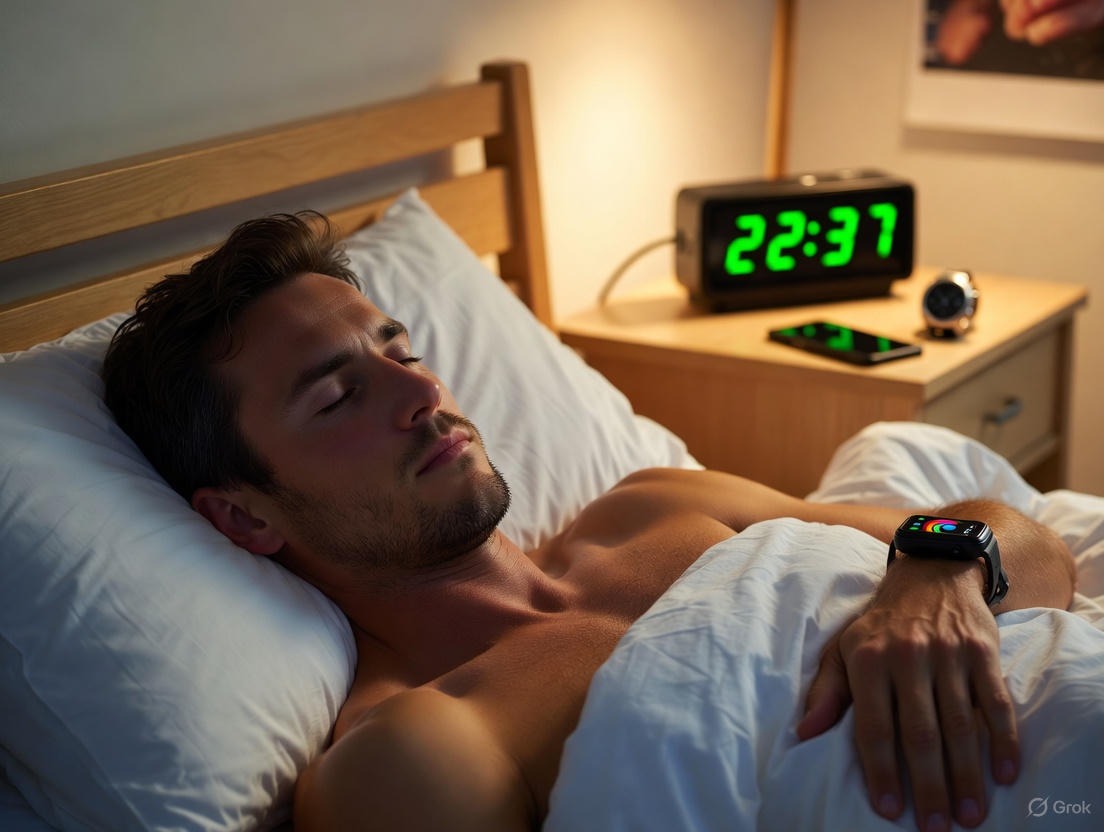
Personal Health Insights: Your Body's Communication Patterns
The patterns in how your body communicates its needs.
Personal Health Insights: Your Body's Communication Patterns
You know that feeling. A subtle flutter in your chest before a big presentation. A wave of afternoon fatigue that makes your eyelids heavy. That nagging ache in your shoulder that appears after a stressful week. These aren't random events; they are your body’s sophisticated language. A constant, real-time data stream about your internal state, whispering (and sometimes shouting) vital information about your health, stress, recovery, and readiness.
For most of human history, we’ve been largely illiterate in this language. We’ve treated symptoms in isolation—fighting fatigue with caffeine, ignoring stress until it manifests as pain, missing the subtle connections between a poor night's sleep and a compromised immune response. We’ve been reactive, waiting for the body to scream with illness before we pay attention.
But what if you could become fluent? What if you could decode the daily rhythms, the hidden patterns, and the early warning signals your body broadcasts 24/7? This is the frontier of modern personal health: moving from generic advice to personal insight. It’s about understanding your unique communication patterns—the way your heart rate, temperature, movement, and sleep interact to tell the story of your wellbeing.
This journey of interpretation is no longer limited to intuition. It's powered by a silent revolution in biometric technology. Devices like the advanced smart ring from Oxyzen are turning our fingers into personal health interpreters, collecting the data of your body’s language continuously and unobtrusively. By wearing one, you’re not just tracking metrics; you’re building a personal lexicon of your physiology.
In this comprehensive guide, we will embark on a deep exploration of your body’s primary communication channels. We’ll learn how to listen to the stories told by your heart, your sleep, your temperature, and your activity. We’ll move beyond seeing data as isolated numbers and start viewing it as a cohesive narrative—a narrative that empowers you to make precise, personalized decisions for a healthier, more balanced, and more resilient life.
Your Body Is Not a Machine: It's a Symphony of Signals
We often describe the body in mechanical terms: the heart as a pump, the lungs as bellows, the brain as a computer. While these metaphors are useful, they are profoundly incomplete. A machine operates with rigid, predictable inputs and outputs. Your body, in contrast, is a dynamic, adaptive, living system—more akin to a complex symphony than a simple engine.
In a symphony, no single instrument tells the whole story. The beauty emerges from the interplay—the way the strings respond to the woodwinds, how the tempo set by the conductor influences the percussion. Similarly, your health is not defined by a single metric like weight or blood pressure. It is the emergent property of countless biological processes playing in concert: hormonal rhythms, neural signals, immune responses, and metabolic pathways, all continuously communicating and coordinating.
This symphony has a conductor: your autonomic nervous system (ANS). Operating largely below your conscious awareness, the ANS has two primary branches that act like accelerator and brake pedals for your entire system:
The Sympathetic Nervous System (SNS - "Fight or Flight"): This is the accelerator. It revs up your heart rate, dilates your pupils, and shunts blood to your muscles in response to stress, excitement, or danger.
The Parasympathetic Nervous System (PNS - "Rest and Digest"): This is the brake and restoration system. It slows your heart, stimulates digestion, and promotes repair and recovery.
Health, in its most fundamental sense, is the balance and flexibility between these two systems. It’s not about being always calm or always energized; it’s about your system’s ability to mount an appropriate stress response when needed and then efficiently return to a state of calm recovery. This dance between SNS and PNS is reflected in every biomarker you can measure.
When we track isolated data points—like counting steps or logging sleep hours—we are hearing just one instrument in isolation. We might note the trumpet is loud, but we miss that it’s drowning out the cello. The true insight, the kind that leads to transformative health changes, comes from observing the patterns and relationships between the instruments. How does a late-night spike in your heart rate (the trumpet blaring) correlate with a reduction in your deep sleep (the cello fading)? How does a day of low activity (a quiet rhythm section) influence your readiness for intense exercise the next morning?
This holistic, systems-based view is the core of modern personal health insight. It requires continuous, multi-dimensional data. This is where wearable technology, specifically the form factor of a smart ring, becomes revolutionary. By residing on your finger, a device like Oxyzen’s smart ring has unique access to reliable physiological signals like heart rate, heart rate variability (HRV), and skin temperature at the source of your body’s vascular flow. It listens to the entire symphony 24/7, so you can learn, over time, what harmony and discord sound like in your own body. To understand how this technology captures the conductor’s cues, you can explore the science behind Oxyzen’s sensors.
The goal is to move from a diagnosis-focused model ("What’s wrong?") to an optimization-focused model ("How can I function at my best?"). It’s about learning your personal score so well that you can anticipate the crescendos and gently guide the tempo towards sustained wellbeing.
Heart Rate: The Reliable Drumbeat of Your Life
If your body is a symphony, your heart rate is its foundational drumbeat. This steady rhythm, measured in beats per minute (BPM), is so much more than a simple indicator of exercise intensity. It is a dynamic, responsive communication channel, offering a real-time window into your energy expenditure, emotional state, and physiological stress. Learning to interpret its nuances is the first step in literacy of your body’s language.
At its most basic, your resting heart rate (RHR) is a powerful proxy for cardiovascular fitness and overall health. A lower RHR generally indicates a more efficient heart muscle and better aerobic fitness. However, the true story isn't in the average beat, but in the variability between the beats. This brings us to a far more insightful metric.
Heart Rate Variability: The Rhythm of Resilience
Heart Rate Variability (HRV) is the measure of the slight variations in time between consecutive heartbeats, measured in milliseconds. Contrary to what one might assume, a healthy heart does not tick like a metronome. It has a subtle, natural irregularity. This variability is a direct reflection of the tug-of-war between your sympathetic (accelerator) and parasympathetic (brake) nervous systems.
A higher HRV typically indicates greater parasympathetic "tone"—meaning your body is in a state where it can rest, recover, and adapt effectively. It signals resilience and flexibility. A lower HRV suggests dominant sympathetic activity, meaning your body is under stress, working hard to cope with physical, mental, or emotional demands.
Why HRV is a Game-Changer:
Stress Barometer: It objectively measures your body’s total stress load, including the stress from workouts, work deadlines, difficult conversations, or poor sleep.
Recovery Benchmark: It tells you if your body has recovered from yesterday’s training or stress, helping you decide whether to push hard or prioritize rest.
Illness Early Warning: A sustained, unexpected drop in HRV is one of the most reliable early signs of impending illness, overtraining, or chronic fatigue.
Personal Pattern in Action: Imagine you see your HRV dip sharply for two mornings in a row, despite sleeping 8 hours. Instead of ignoring it and pushing through your planned intense workout, you interpret this as your body saying, "I’m still dealing with something." You might swap the workout for gentle yoga or a walk. This proactive adjustment, guided by your body’s communication, can prevent burnout, injury, or a full-blown cold.
Beyond Resting: The Story of Daily Fluctuations
Your heart rate tells a story throughout the day:
Morning Spike: A sudden spike in heart rate upon waking (compared to your sleeping rate) can indicate dehydration, a late meal, or elevated cortisol from anticipated stress.
Workday Stress: Watching your heart rate climb gradually during a focused work session provides tangible proof of cognitive load and mental stress.
Evening Wind-Down: How quickly your heart rate drops in the evening is a great indicator of your ability to disconnect and initiate the recovery process.
By tracking these patterns with a continuous device like a smart ring, you move from knowing what your heart rate is to understanding why it changes. You begin to connect the dots: "The meeting with my boss consistently raises my HR by 15 BPM and keeps it elevated for an hour," or "A 30-minute walk after dinner reliably lowers my nighttime resting heart rate."
This is the power of pattern recognition. It transforms a simple number into a dialogue. For a deeper dive into how to apply these insights daily, our blog features numerous case studies and user guides on using heart data for lifestyle design. The drumbeat is always talking. Now, you’re learning to understand its rhythm.
The Silent Healer: Decoding the Language of Sleep
Sleep is not merely the absence of wakefulness; it is an active, complex, and vital physiological process. It is your body’s most potent recovery and repair protocol, a time when the "rest and digest" system takes the lead to clear metabolic waste, consolidate memories, regulate hormones, and rebuild tissues. If heart rate is the day’s drumbeat, sleep is the night’s intricate, multi-movement composition. Understanding its architecture is non-negotiable for true health insight.
Sleep occurs in cyclical stages, each with a distinct purpose. Disrupting these stages disrupts the body’s communication and repair work.
The Stages of Sleep: A Nightly Journey
Light Sleep (Stages N1 & N2): This is the gateway sleep, making up about 50-60% of your night. It’s a transitional state where your body begins to disengage from the environment. Your heart rate and breathing start to slow. This stage is crucial for memory processing and motor skill consolidation.
Deep Sleep (Stage N3 - Slow-Wave Sleep): This is the physically restorative powerhouse. During deep sleep, growth hormone is released, tissue repair and muscle growth occur, and the immune system is fortified. Your heart rate and breathing are at their lowest, and it’s hardest to be awakened. Prioritizing deep sleep is like scheduling critical maintenance for your biological machinery.
REM Sleep (Rapid Eye Movement): This is the mentally restorative and emotionally regulatory phase. Your brain is almost as active as when you’re awake, dreaming occurs, and memories are integrated and emotionally processed. REM sleep is essential for learning, creativity, and emotional resilience.
A healthy sleep pattern cycles through these stages every 90-120 minutes, spending more time in deep sleep early in the night and more in REM sleep towards morning. Disruptions—from alcohol and caffeine to blue light and stress—can skew this architecture, leaving you physically or mentally un-restored even after adequate time in bed.
Key Sleep Metrics That Speak Volumes
Modern sleep tracking via wearables allows us to move beyond just duration and listen to the quality of the conversation your body is having at night.
Sleep Latency: How long it takes you to fall asleep. Consistently long latency can point to poor sleep hygiene, anxiety, or circadian misalignment.
Sleep Efficiency: The percentage of time in bed actually spent asleep. Low efficiency (frequent wake-ups) fragments the sleep cycle and diminishes restorative quality.
Wake After Sleep Onset (WASO): The total time spent awake after initially falling asleep. This is a critical metric for sleep continuity.
Time in Each Stage: The balance of light, deep, and REM sleep. Are you getting enough deep sleep for physical repair? Enough REM for mental clarity?
Resting Heart Rate & HRV During Sleep: Your nighttime RHR is often your truest baseline, free from daily activity. Watching it trend downward over weeks is a sign of improving fitness. Your HRV during sleep is a pure measure of recovery; the highest values are typically seen here when your parasympathetic system is fully engaged.
Connecting Sleep to Everything Else
The language of sleep doesn’t end when you open your eyes. It sets the tone for your entire next day.
Sleep & Stress: A poor night’s sleep lowers your resilience threshold, making you more reactive to stressors the following day (visible in a lower HRV and higher heart rate).
Sleep & Performance: Inadequate deep sleep impairs muscle recovery and coordination. Inadequate REM sleep hampers cognitive function and decision-making.
Sleep & Metabolism: Sleep deprivation disrupts hormones like leptin and ghrelin, increasing hunger and cravings, and impairing glucose metabolism.
By decoding your sleep patterns, you gain a predictive tool. You can look at your sleep data and understand why you feel groggy, irritable, or hungry. More importantly, you can experiment: "If I stop caffeine after 2 PM, does my deep sleep increase?" or "Does a 10-minute meditation before bed reduce my WASO?" For answers to common questions on improving sleep tracking accuracy, our FAQ section is a great resource. Sleep is your silent healer; learning its language ensures you give it the best environment to do its work.
Skin Temperature: The Body's Subtle Thermometer
While heart rate and sleep are familiar concepts, skin temperature is a silent, often overlooked communicator with profound implications. Your core body temperature is tightly regulated, but the temperature of your skin—the interface between your body and the world—fluctuates in meaningful patterns. Tracking these subtle shifts, often fractions of a degree, reveals a hidden layer of insight into your circadian rhythm, metabolic health, stress response, and even reproductive health.
Unlike a single thermometer reading when you feel ill, continuous skin temperature monitoring tracks the pattern and deviation from your personal baseline. This longitudinal view is where the magic happens.
The Circadian Temperature Rhythm
A healthy body follows a distinct temperature rhythm over a 24-hour cycle:
Evening Drop: As you approach bedtime, your core temperature begins to drop slightly. This drop, mediated by the release of melatonin, is a critical signal to your body that it’s time to sleep. It’s one of the key drivers of sleep onset.
Nighttime Low: Your temperature reaches its lowest point in the middle of your sleep cycle, typically during deep sleep phases.
Morning Rise: In the early morning hours, your temperature begins to rise in preparation for wakefulness. A sharp, clear rise is associated with feeling alert upon waking.
Disruptions to this smooth wave—like a blunted evening drop—can directly correlate with insomnia or difficulty falling asleep. Seeing this pattern in your own data can motivate behaviors that promote the evening drop, such as avoiding late meals, reducing evening blue light, or taking a warm bath (which causes an initial rise followed by a more pronounced cooldown).
Deviations as Diagnostic Clues
When your nightly temperature deviates significantly from your personal norm, it’s your body raising a flag.
Sign of Illness: One of the earliest signs of an impending cold or infection is an elevated nighttime skin temperature, often occurring 1-2 days before you feel overt symptoms. Your immune system is activating, creating an inflammatory response that raises your body’s set point.
Indicator of Overtraining or Stress: Chronic physical or mental stress can also elevate resting temperature, reflecting a sustained state of systemic inflammation and metabolic strain.
Insight for Women’s Health: For those who menstruate, skin temperature tracking beautifully illustrates the biphasic pattern of the menstrual cycle. A sustained temperature shift of about 0.3-0.5°C (0.5-1.0°F) occurs after ovulation due to the thermogenic effect of progesterone. Tracking this shift is a powerful natural method for understanding fertility windows and hormonal phases.
The Power of the Baseline
The absolute temperature number is less important than your deviation from your own established baseline. A person whose normal nighttime temperature is 34.2°C is not "colder" than someone at 35.1°C. What matters is if the first person spikes to 34.8°C—that’s a significant internal event.
This is why continuous wear is essential. A device worn on the finger, like the Oxyzen ring, is uniquely positioned for accurate temperature sensing due to the rich blood flow in the finger’s vascular bed. By collecting data every night, it learns your unique rhythm and can alert you to meaningful anomalies that warrant attention—perhaps a sign to prioritize rest, hydrate, and support your immune system.
Temperature is the slow, steady bassline in your body’s symphony. It doesn’t change rapidly like heart rate, but its shifts are profound and foundational. Listening to it adds a crucial dimension to your health literacy, allowing you to anticipate challenges and align your lifestyle with your deep biological rhythms. The founders of Oxyzen were passionate about capturing this subtle signal, a key part of our story and vision for holistic tracking.
Activity & Movement: More Than Just Step Count
In the wellness world, activity is often reduced to a single, simplistic metric: 10,000 steps. While step count is a useful motivational tool and a broad indicator of non-exercise activity, it is a woefully incomplete chapter in your body’s movement story. True activity insight understands that how you move, the intensity of your movement, and the crucial balance between movement and non-movement are what your body is truly communicating about.
Movement is a stimulus, and your body responds to different stimuli in different ways. The goal is to interpret your activity patterns to support energy, metabolism, and recovery, not just to hit an arbitrary target.
The Spectrum of Movement: From NEAT to Peak Effort
Non-Exercise Activity Thermogenesis (NEAT): This is the energy expended for everything that is not sleeping, eating, or sports-like exercise. It includes walking, fidgeting, standing, gardening, and household chores. NEAT is a massive and highly variable component of your daily metabolic rate. A day with high NEAT (e.g., a busy day on your feet) keeps your metabolism humming, aids circulation, and can positively influence mood and energy levels. Tracking general movement throughout the day encourages you to break up sedentary periods, which is arguably more important for long-term health than a single workout.
Moderate-Intensity Activity: This is sustained movement that raises your heart rate and breathing noticeably, like brisk walking, cycling, or gentle swimming. It builds cardiovascular health and endurance without placing extreme stress on the body.
High-Intensity Activity/Vigorous Exercise: This includes activities like sprinting, heavy weightlifting, or high-intensity interval training (HIIT). This type of movement provides powerful adaptive signals for building strength and metabolic capacity, but it also creates significant physiological stress that requires dedicated recovery.
Activity as a Dialogue with Recovery
This is the critical link most basic trackers miss. Activity data in isolation is meaningless. It only gains meaning when viewed in conversation with your recovery metrics (HRV, RHR, sleep quality).
The Readiness Question: Did your high-intensity workout yesterday lead to a significant dip in HRV and elevated RHR this morning? If so, your body is communicating that it’s still repairing. Another intense session today might lead to diminishing returns and increased injury risk. Perhaps today calls for light movement or complete rest.
The Compensation Pattern: Conversely, if you’ve had several days of low activity and superb recovery scores, your body might be signaling it’s primed and ready for a challenging, growth-promoting workout.
Active Recovery: Light activity on a rest day (a walk, gentle yoga) can often improve recovery metrics by promoting blood flow and reducing muscle stiffness, showing up as a slight rise in HRV.
Sedentary Alerts & Posture: The Communication of Stillness
Prolonged stillness is also a powerful signal—often a negative one. Our bodies are designed for regular, low-grade movement. Hours of uninterrupted sitting communicates to your metabolism to slow down, to your muscles to stiffen, and to your spine to compress. Modern trackers that remind you to move after a period of inactivity are not nagging you; they are helping you interrupt a physiological state that your body interprets as harmful over time.
By viewing activity as a nuanced dialogue rather than a score to maximize, you learn to move intelligently. You stop asking, "Did I get my steps?" and start asking, "What kind of movement does my body need today to support its current state of recovery and its long-term goals?" This personalized approach to movement is what transforms exercise from a chore into a responsive, sustainable conversation with your physiology. Many of our users share how this balanced approach transformed their fitness journey; you can read their experiences in our testimonials section.
Stress & Recovery: Finding Your Personal Balance
We often think of stress as a psychological experience—a feeling of being overwhelmed, anxious, or pressured. While that is true, stress is fundamentally a biological response. It is your body’s universal reaction to any demand placed upon it, whether that demand is a physical threat, a hard workout, a work deadline, an argument, or even an exciting life event. Therefore, understanding stress is not about eliminating it entirely (an impossible task), but about measuring your load and ensuring it is balanced by adequate recovery.
This balance—the stress-recovery seesaw—is the cornerstone of sustainable health, performance, and wellbeing. When the scale tips too far toward stress for too long, you enter a state of strain, leading to burnout, illness, or injury. The body communicates this imbalance loudly through the biomarkers we’ve discussed.
Objective vs. Subjective Stress: Bridging the Gap
You can feel calm but be physiologically stressed (e.g., sitting in traffic while listening to a podcast). Conversely, you can feel anxious but see your body is handling the load well (e.g., pre-race nerves with strong HRV). This is why objective data is revolutionary.
Physiological Stress Load: This is the total burden on your system, measured through metrics like elevated resting heart rate, decreased HRV, elevated nighttime temperature, and disrupted sleep. It aggregates stress from all sources: physical, mental, emotional, and environmental.
Subjective Feeling: This is your perceived stress. The data helps validate or question your perception. "I feel fine, but my HRV has been low for three days. What hidden stressor might be at play?" Or, "I feel wrecked, but my recovery scores are great. Maybe I just need some fuel and gentle movement."
The Recovery Imperative: Where Adaptation Happens
Stress is the stimulus; recovery is where adaptation and improvement occur. You do not get fitter during a workout; you get fitter during the repair process that happens after. The same is true for mental resilience. You don’t build cognitive capacity during the stressful project; you build it during the rest and integration afterward.
True recovery is multi-faceted:
Physical Recovery: Repair of muscle tissue, replenishment of energy stores, reduction of inflammation.
Mental/Cognitive Recovery: Downtime for the prefrontal cortex, allowing for creativity and problem-solving to re-emerge.
Emotional Recovery: Processing experiences and restoring a sense of calm and safety.
Your biometrics are a direct report on your recovery status. High sleep HRV, low resting heart rate, and stable temperature indicate effective recovery. When these metrics are poor, it’s a clear signal that your recovery processes are overwhelmed.
Practical Application: The Feedback Loop
This creates a powerful daily feedback loop for life management:
Assess: You wake up and check your recovery score (a composite of HRV, RHR, sleep, and temperature). It’s low.
Interpret: Your body is communicating, "I’m still dealing with a high load."
Adjust: You decide to swap your planned intense workout for a walk, prioritize an early bedtime, and choose a calming activity in the evening.
Observe: The next morning, you see if your recovery metrics have improved, closing the loop.
This process moves you from being a passive recipient of stress to an active manager of your capacity. It empowers you to say "no" or "not today" with data-backed confidence. It helps you identify your personal stress triggers (which, as shared by many in our community stories, are often surprising) and validate the effectiveness of your recovery tools, whether it’s meditation, time in nature, or digital detox.
Mastering the stress-recovery balance is the art of modern wellbeing. It’s about learning to ride the waves of demand without being drowned by them, using your body’s own communication as your most trusted guide.
The Power of Baselines: Why Your Normal is All That Matters
In the age of social media and fitness influencers, it’s easy to fall into the trap of comparison. You see someone post about their "perfect" HRV of 100 ms or their 2 hours of deep sleep and feel your own numbers are inadequate. This is a fundamental misinterpretation of personalized health data. The single most important concept in becoming literate in your body’s language is this: Your only relevant benchmark is you.
Your baseline is your unique, personal set point—the normal range for your body under your typical conditions. It is influenced by a myriad of factors: genetics, age, sex, fitness level, chronic conditions, and even your environment. The profound insights come not from comparing your absolute numbers to others, but from observing how you deviate from your own baseline over time.
Establishing Your Unique Signature
It takes time—typically several weeks to a month of consistent tracking—for a clear picture of your baseline to emerge. During this period, you’re not trying to "optimize" anything; you’re simply listening and gathering data on your everyday life. This establishes your personal signature for:
Your average resting heart rate and its normal range.
Your typical HRV range and its natural fluctuations.
Your normal sleep architecture (e.g., you might naturally get 1.5 hours of deep sleep, not the "ideal" 2).
Your circadian temperature rhythm.
Once this signature is known, even small deviations become meaningful. A change that might be trivial for one person could be highly significant for you.
Trends Over Time: The True Measure of Progress
While daily numbers can be noisy, the long-term trend is the signal. This is where lifestyle changes are validated or questioned.
Is your resting heart rate on a gentle downward slope over 6 months, indicating improved cardiovascular fitness?
Is your average HRV trending upward, suggesting better stress resilience and recovery capacity?
Has your sleep efficiency improved since you started using blackout curtains and a consistent bedtime?
Conversely, negative trends are early warning systems. A gradual creep upward in your resting heart rate or a steady decline in HRV over weeks is your body’s way of whispering that something is amiss—perhaps accumulating stress, declining fitness, or the onset of a subclinical issue.
The Detector of Anomalies
With a solid baseline, your body’s communication becomes exceptionally precise. Anomalies stand out like red flags:
The Overtraining Signal: After three consecutive intense training days, you see a 20% drop in your HRV and a 5 BPM rise in your RHR—a classic pattern suggesting you need a deload week.
The Illness Warning: Your nighttime skin temperature is 0.4°C above your baseline for two nights, and your HRV is in the tank. Even if you feel okay, you might be fighting something off.
The Lifestyle Impact: You notice that on nights you have alcohol, your deep sleep percentage plummets and your morning HRV is consistently lower, giving you a data-backed reason to moderate.
This personalized framework removes anxiety and judgment from health tracking. There is no "good" or "bad" number in a vacuum. There is only "normal for you" and "a meaningful change from your normal." This mindset shift is empowering. It turns data into a compassionate, objective coach that knows you better than anyone else. For more on how to interpret your personal trends, our blog offers detailed guides and analysis tips.
Connecting the Dots: The Interplay of Systems
Up to this point, we’ve explored your body’s primary communication channels as distinct instruments: the drumbeat of heart rate, the composition of sleep, the bassline of temperature, and the rhythm of activity. Now, we arrive at the most sophisticated level of health literacy: learning to hear the symphony as a whole. The ultimate insights—and the true power of continuous multi-metric tracking—come from observing the interplay between these systems.
No biomarker exists in a vacuum. They are in constant conversation, influencing and being influenced by each other. A change in one creates ripples through the others. Understanding these connections transforms data points into a coherent story about your daily life.
Real-World Patterns of Interplay
Let’s examine some common, powerful correlations:
The Stress-Sleep-Heart Rate Triangle:
Scenario: You have a highly stressful workday (subjectively felt).
Data Story: Your daytime heart rate is elevated and shows less variability. That night, your sleep graph shows frequent awakenings (high WASO) and reduced deep sleep. The following morning, your resting heart rate is elevated by 3-4 BPM above your baseline, and your HRV is low.
Interpretation: The mental/emotional stress triggered a sympathetic nervous system response that persisted into the night, disrupting sleep architecture. The poor sleep, in turn, prevented full physiological recovery, leaving you in a state of elevated stress (high RHR, low HRV) the next morning. It’s a vicious cycle, clearly visible in the data.
The Exercise-Recovery-Readiness Loop:
Scenario: You complete an exceptionally hard leg day workout.
Data Story: That night, you get a massive spike in deep sleep (your body prioritizing physical repair). Your nighttime HRV might dip initially but then rebound strongly. The next morning, your RHR is slightly elevated, but your HRV has returned to or exceeded your baseline.
Interpretation: Your body effectively responded to the stressor (workout) by amplifying recovery (deep sleep) and has adapted well, showing readiness for light activity. If your HRV had remained low, it would signal a need for more rest.
The Temperature-Illness-Immune Connection:
Scenario: You’ve been traveling and are run down.
Data Story: For two nights, your skin temperature is persistently 0.3°C above your normal range. Simultaneously, your HRV is trending down, and your resting heart rate is creeping up. You may still have no symptoms.
Interpretation: Your immune system is actively fighting something, creating systemic inflammation (elevated temperature) and stress (altered HRV/RHR). This is a clear signal to prioritize hydration, nutrition, sleep, and rest to support the immune battle, potentially heading off a full-blown illness.
From Correlation to Causation (With Care)
These interplays help you move from noticing correlations to testing causations in your own life. You can run personal experiments:
Experiment: "If I stop looking at screens 90 minutes before bed, what happens to my sleep latency and my morning HRV?"
Experiment: "When I have a high-stress day, does a 20-minute meditation in the afternoon blunt the impact on my nighttime heart rate?"
Experiment: "How does my afternoon caffeine intake affect my deep sleep percentage and next-day readiness score?"
By connecting these dots, you become the author of your health narrative. You can see not just what is happening, but understand the likely why, and more importantly, identify the most effective lever to pull to create positive change. This systems-thinking approach is at the heart of what makes a device like the Oxyzen ring so powerful—it’s designed to surface these connections, not just list metrics. You can learn more about how Oxyzen’s platform integrates these data streams for a holistic view.
Circadian Rhythms: Aligning with Your Internal Clock
Beyond the daily interplay of systems lies a deeper, more fundamental rhythm: your circadian clock. This is not a metaphor; it is a biological reality. Nearly every cell in your body contains molecular clockwork that orchestrates a 24-hour cycle of physiological processes. From hormone secretion and metabolism to cellular repair and cognitive function, your body’s operations are timed with exquisite precision.
Your circadian rhythm is your internal master schedule. Aligning your lifestyle with this schedule—a practice known as circadian hygiene—is perhaps the most powerful high-level intervention for health, performance, and wellbeing. When you live in sync with your rhythm, your body’s communication is clear and efficient. When you fight against it (through jet lag, shift work, or erratic habits), the communication becomes garbled, leading to poor sleep, metabolic dysfunction, impaired immunity, and low energy.
Your Biometrics as a Clock Face
Your wearable data provides a direct readout of your circadian rhythm:
Core Body Temperature Rhythm: As discussed, the predictable evening drop and morning rise are core circadian outputs.
Cortisol and Melatonin: While not directly measured by most wearables, their effects are. The morning cortisol awakening response should coincide with a rise in heart rate and temperature. The evening melatonin surge facilitates the temperature drop and sleep onset.
Heart Rate and HRV Rhythm: Your resting heart rate follows a circadian pattern, typically lowest during sleep and rising throughout the day. HRV also has a diurnal pattern, often higher at night.
Disruptions to the smooth, predictable wave of these metrics are signs of circadian misalignment.
The Pillars of Circadian Alignment
You can strengthen your circadian rhythm by providing consistent timing cues, known as zeitgebers ("time-givers"):
Light: The Primary Zeitgeber: Natural light exposure, especially in the morning, is the most powerful signal to set your clock. It suppresses melatonin and tells your brain the day has begun. Conversely, avoiding bright blue-light exposure in the evening prevents delaying your clock.
Food Timing: Eating at consistent times each day, and limiting food intake to a defined window (e.g., 10-12 hours), provides a reliable metabolic cue. Late-night eating sends a "it’s still day" signal to your metabolism, disrupting sleep and repair.
Activity & Temperature: Regular exercise, preferably in the morning or afternoon, reinforces the wakeful part of the cycle. The natural post-exercise rise and subsequent fall in body temperature also reinforce the rhythm.
Social & Behavioral Routines: Consistent sleep and wake times, even on weekends, are crucial. Erratic schedules are like changing time zones every few days.
Listening for Misalignment
Your data will show you when you’re out of sync:
A flattened nighttime temperature curve.
Difficulty falling asleep (delayed rhythm) or waking too early (advanced rhythm).
Low energy and brain fog at times you "should" be alert.
A mismatch between your subjective energy and the time of day.
By observing how your biometrics respond to different schedules, you can discover your own chronotype tendencies (are you naturally more of a "lark" or an "owl"?) and design a life that works with your biology, not against it. Honoring this fundamental rhythm reduces internal stress and creates a foundation upon which all other healthful habits can rest more effectively. For practical tips on establishing circadian-friendly routines, our community often shares their strategies on our blog.
Personalized Nutrition: Eating by Your Body's Cues
Nutrition is arguably the most personalized—and often most confusing—aspect of health. Fad diets and one-size-fits-all meal plans dominate the landscape, but they ignore a critical fact: your body has a unique way of communicating its nutritional status, needs, and responses. Learning to listen to these signals, augmented by objective data, moves you from dieting by dogma to nourishing by insight.
Nutritional needs are not static; they fluctuate daily based on your activity, stress, sleep, menstrual cycle (for some), and recovery status. Your biometrics provide the context to make intelligent, adaptive food choices.
How Your Body Communicates Nutritional Status
Energy & Metabolism: Your resting heart rate and heart rate variability are influenced by your metabolic state.
Under-fueling: Chronic low energy intake can lead to a lowered resting heart rate (as the body conserves energy) but also a lowered HRV due to the stress of scarcity.
Metabolic Flexibility: How easily you switch between burning carbs and fats can be inferred (though not definitively diagnosed) by observing heart rate stability. Large spikes and crashes in heart rate after meals may indicate poor blood sugar regulation.
Recovery & Repair: After intense exercise, your body needs nutrients to repair. Elevated resting heart rate and suppressed HRV the morning after a hard workout can be exacerbated by inadequate post-workout nutrition (particularly protein and carbohydrates).
Hydration: Even mild dehydration causes a noticeable increase in resting heart rate and a decrease in HRV. Your body has to work harder to maintain blood pressure and circulation when blood volume is slightly low.
Inflammation & Food Sensitivities: While not a diagnostic tool, persistent, unexplained elevations in resting heart rate or nighttime skin temperature, especially after eating certain foods, can be a clue to investigate potential inflammatory responses or sensitivities with a healthcare professional.
Personalized Nutrition: Eating by Your Body's Cues
Nutrition is arguably the most personalized—and often most confusing—aspect of health. Fad diets and one-size-fits-all meal plans dominate the landscape, but they ignore a critical fact: your body has a unique way of communicating its nutritional status, needs, and responses. Learning to listen to these signals, augmented by objective data, moves you from dieting by dogma to nourishing by insight.
Nutritional needs are not static; they fluctuate daily based on your activity, stress, sleep, menstrual cycle (for some), and recovery status. Your biometrics provide the context to make intelligent, adaptive food choices.
How Your Body Communicates Nutritional Status
Energy & Metabolism: Your resting heart rate and heart rate variability are influenced by your metabolic state.
Under-fueling: Chronic low energy intake can lead to a lowered resting heart rate (as the body conserves energy) but also a lowered HRV due to the stress of scarcity. It can also disrupt sleep, particularly reducing deep sleep as the body struggles to perform repairs without resources.
Metabolic Flexibility: How easily you switch between burning carbs and fats can be inferred (though not definitively diagnosed) by observing heart rate stability. Large spikes and crashes in heart rate after meals may indicate poor blood sugar regulation, which can be seen as a "stress" event by your nervous system.
Recovery & Repair: After intense exercise, your body needs nutrients to repair. Elevated resting heart rate and suppressed HRV the morning after a hard workout can be exacerbated by inadequate post-workout nutrition (particularly protein and carbohydrates). If you see your recovery metrics are poor despite good sleep, your nutrition might be the missing link.
Hydration: Even mild dehydration causes a noticeable increase in resting heart rate and a decrease in HRV. Your body has to work harder to maintain blood pressure and circulation when blood volume is slightly low. A sudden, unexplained rise in your morning RHR is very often a simple signal to drink more water.
Inflammation & Food Sensitivities: While not a diagnostic tool, persistent, unexplained elevations in resting heart rate or nighttime skin temperature, especially correlated with eating certain foods, can be a clue to investigate potential inflammatory responses or sensitivities with a healthcare professional. You might notice that on days you consume dairy or gluten, your overnight HRV is 15% lower than your baseline.
Using Data to Inform Food Choices
This isn't about tracking calories with your ring; it’s about using physiological feedback to understand how food functions as information for your body.
The Experimentation Framework: Use your recovery score (HRV, RHR) and sleep data as an outcome measure. Try eating your last meal 3 hours before bed for a week. Did your deep sleep increase and morning RHR decrease? Try incorporating more complex carbohydrates on heavy training days. Did your next-day recovery score improve?
Timing Insights: Your circadian rhythm dictates your metabolic efficiency. Your body is primed to process food earlier in the day. You may find that large, late-night meals consistently disrupt your sleep architecture (less deep sleep, more awakenings) and elevate your next morning's resting heart rate, giving you a data-backed reason to front-load your calories.
The Stress-Meal Connection: On days when your stress metrics are already high (low HRV, high RHR), a heavy, inflammatory, or sugary meal can be the final straw that pushes your system into a prolonged recovery mode. The data can help you make the compassionate choice: "My body is stressed; I'll choose something nourishing and easy to digest tonight."
By viewing nutrition through this lens, you stop asking, "Is this food good or bad?" and start asking, "Is this food good for me, right now, given my current physiological state?" This dynamic, responsive approach is the essence of personalized nutrition. It turns eating into a supportive dialogue rather than a restrictive monologue. For real-world examples of how users have tuned their nutrition, our testimonials page has inspiring stories of discovery and change.
Mental & Emotional Wellbeing: The Data of the Mind
For too long, the mind and body were treated as separate entities. Modern science and biometric tracking have shattered this illusion. Every thought, emotion, and cognitive load has a direct, measurable physiological correlate. Your mental and emotional states are not abstract; they are physical events that your wearable can detect. This means you can now get objective feedback on subjective experiences, creating a powerful bridge for managing your psychological wellbeing.
Mental stress, anxiety, focus, and even states of flow and calm leave distinct signatures in your autonomic nervous system. Learning to read these signatures demystifies your inner world and provides tangible levers for improvement.
The Physiology of Thought and Feeling
Acute Stress & Anxiety: These states trigger a strong sympathetic nervous system response. You’ll see it as a sudden or sustained elevation in heart rate, often accompanied by a decrease in heart rate variability (HRV). Your breathing may become shallower, which can also influence heart rhythm. This is your body’s "fight or flight" system in action, preparing you for a perceived threat.
Cognitive Load & Deep Focus: Intense mental work, like solving a complex problem or writing a detailed report, also raises heart rate and can suppress HRV, similar to physical stress. This is sometimes called "desk burn." It’s a sign of the metabolic demand of your brain.
Calm, Meditation & Flow States: In contrast, practices that engage the parasympathetic system create a different signature. During meditation or periods of deep calm, heart rate typically drops, and HRV often increases significantly. A state of "flow"—being fully immersed in an enjoyable activity—can show a unique pattern: a lowered resting heart rate with high coherence, indicating focused yet effortless engagement.
Practical Applications for Mental Fitness
Quantifying Stressors: Your device doesn’t know you had an argument with a friend, but it will show the 90-minute period of elevated heart rate and low HRV that followed. This allows you to quantify the impact of psychosocial stressors. You might discover that certain meetings, tasks, or even types of media consumption have a far greater physiological toll than you realized.
Validating Recovery Practices: You think your evening meditation helps, but does it? Look at the data. A successful practice should see a noticeable drop in heart rate during the session and potentially an improvement in that night’s sleep or the next morning’s HRV. This positive reinforcement strengthens the habit.
Identifying Rumination & Sleep Disruption: Lying in bed with a racing mind is a classic form of sympathetic activation. You’ll see it as a high resting heart rate and low HRV during the first part of your sleep period, along with prolonged sleep latency and frequent awakenings. Seeing this pattern can motivate you to create a stronger "brain dump" ritual before bed, like journaling.
Building Emotional Resilience: Over time, by consistently using stress-reduction techniques when you see early signs of physiological stress, you train your nervous system to return to baseline more quickly. This improved resilience will show up as a faster recovery time after stress events and a higher overall HRV trend.
The Mind-Body Feedback Loop
This creates a revolutionary feedback loop for mental health. Instead of relying solely on subjective mood, you have an objective companion signal. You can say, "I feel anxious, and my heart rate data confirms my body is in a high-stress state—I will use my breathing exercise." Conversely, you might say, "I feel a bit off, but my physiology looks strong and recovered. Maybe this is just a passing mood, and I should proceed with my day."
This approach fosters self-compassion and agency. It removes judgment and adds clarity. By acknowledging the profound physical reality of your emotions, you can address them with tangible, effective tools. It’s a cornerstone of the holistic health philosophy that drives our mission at Oxyzen; you can learn more about our commitment to this integrated approach here.
Putting It All Together: From Data to Daily Wisdom
We have now journeyed through the primary channels of your body’s communication: the cardiovascular drumbeat, the restorative sleep composition, the foundational temperature rhythm, the narrative of movement, the stress-recovery balance, the power of your personal baseline, the symphony of system interplay, the master circadian clock, the dialogue of nutrition, and the physiology of the mind.
This knowledge is profound, but it remains theoretical without a framework for daily application. The final step in your journey to fluency is learning how to synthesize this stream of information into simple, actionable wisdom that guides your daily choices without creating obsession or data fatigue.
The Morning Check-In: Your Daily Briefing
This should be a quick, 60-second ritual, not a deep dive. Your goal is to get a single, integrated "readiness" or "vitality" score from your app (a composite of HRV, RHR, sleep, and temperature) and note one or two key highlights.
High Readiness + Good Sleep: Green light. Your body is communicating readiness for challenge. Plan your most demanding tasks or toughest workout here.
Low Readiness + Poor Sleep: Yellow or red light. Your body is asking for support. This is not a day to ignore signals and push through. Prioritize recovery behaviors: gentle movement, stress management, hydration, and an early bedtime. Consider it a strategic investment in tomorrow’s readiness.
Mixed Signals: Perhaps your sleep was long but restless, or your HRV is high but your RHR is also up. This is where your literacy pays off. You interpret: "Long but restless sleep means I needed the rest but was stressed. High HRV suggests my recovery systems are working, but elevated RHR means there’s still some metabolic clean-up. I’ll take a moderate approach today."
The Art of the N=1 Experiment
You are a research study of one. Use your data to run clean, two-week experiments.
Identify a Lever: Choose ONE thing to change (e.g., 10-minute meditation before bed, no caffeine after 2 PM, a 15-minute walk after lunch).
Establish a Baseline: Note your relevant metrics (e.g., sleep latency, deep sleep %, morning HRV) for a few days before starting.
Implement Consistently: Adhere to the new practice for 10-14 days.
Observe the Trend: Don’t fixate on daily noise. Look at the average or trend in your target metrics over the experimental period compared to baseline.
Conclude and Iterate: Did it help? Make it a habit. Did nothing happen? It might not be a lever for you. Try something else.
Avoiding Data Obsession: The 80/20 Rule
The goal is insight, not control. You cannot and should not try to optimize every metric every day. Life has variability, and that’s healthy. Follow the 80/20 rule:
80% of the time, use the data as a gentle guide for making supportive choices.
20% of the time (or when you’re running an experiment), look more deeply.
Never let the data override a strong, positive instinct (like enjoying a late night out with friends). Live your life, and let the data help you recover well afterward.
The Long Game: Watching Your Health Narrative Unfold
The most profound benefit often reveals itself over months and years. Open your app and look at the 6-month or 1-year trend view of your resting heart rate or HRV. That downward slope in RHR is the story of your improving cardiovascular health. That upward slope in HRV is the story of your growing resilience. This long-term view is incredibly motivating. It turns ephemeral daily efforts into a visible, rewarding journey of self-improvement.
You are no longer guessing. You are conversing. You are responding. You have moved from being a passenger in your body to a skilled co-pilot, navigating toward lifelong wellbeing with a rich dashboard of personalized information. This is the ultimate promise of understanding your body’s communication patterns: a life lived with more agency, balance, and vitality.
To continue exploring specific applications, advanced interpretations, and community insights, a wealth of resources awaits you on the Oxyzen blog. Your journey to deeper fluency is just beginning.
The Role of Modern Technology: Your Personal Health Interpreter
We have explored the rich, complex language of your physiology. But fluency requires a translator—a tool that can listen continuously, decode the signals, and present them in a way you can understand and act upon. This is where modern wearable technology, particularly the smart ring, steps in as a game-changing personal health interpreter. It bridges the gap between your body's analog whispers and your digital, actionable awareness.
For decades, health data was episodic: a blood pressure reading at the doctor's office, a cholesterol test once a year, stepping on a scale each morning. These are snapshots, often taken in artificial environments, missing the entire movie of your daily life. The revolution of continuous biometric monitoring is that it captures the context—how your systems behave while you work, sleep, eat, relax, and stress.
Why the Form Factor Matters: The Case for the Smart Ring
While wrist-based wearables popularized the concept, the finger presents a unique and advantageous position for physiological sensing.
Optical Sensor Performance: The vascular structures in the finger (the palmar digital arteries) are rich and close to the surface, allowing for strong, consistent blood flow signals. This can lead to more accurate and reliable heart rate and HRV readings, especially during sleep when wrist movement is minimal but not absent.
Minimal Movement Artifact: During sleep, your hands are generally still, whereas your wrist can move frequently. This reduces "noise" in sleep stage detection and overnight recovery metrics.
Unobtrusive & Always-On: A ring is less likely to be removed than a watch. It's safe for water activities, doesn't interfere with typing or exercise, and can be worn 24/7, which is critical for establishing true baselines and catching circadian rhythms. This seamless integration is key to gathering the longitudinal data that tells your unique story.
Skin Temperature Precision: The finger is an excellent site for tracking peripheral temperature fluctuations linked to circadian rhythm, illness, and menstrual cycles, as it's sensitive to changes in blood flow regulated by the autonomic nervous system.
A device like the Oxyzen smart ring is designed with these principles at its core, acting not just as a sensor, but as a dedicated interpreter of your body's most reliable signals.
From Raw Data to Insightful Narrative
The true value of technology lies not in data collection, but in data interpretation. Advanced platforms do the heavy lifting of pattern recognition so you don't have to.
Algorithmic Synthesis: Instead of presenting you with 10 disconnected graphs, a sophisticated system analyzes the relationships between HRV, RHR, temperature, and movement to generate a single, easy-to-understand "Readiness" or "Recovery" score. This is the executive summary of your body's overnight report.
Trend Detection & Anomaly Alerts: The software learns your normal and can gently highlight significant deviations. A notification saying "Your nighttime temperature has been elevated for two nights—consider prioritizing rest" is actionable wisdom, not raw data.
Personalized Context: The best systems allow you to log lifestyle factors (e.g., "intense workout," "late meal," "stressed day," "started meditation"). Over time, you can see the direct correlation between these logs and your biometric trends, teaching you your personal cause-and-effect relationships.
A Tool for Partnership, Not Dependency
The goal of this technology is to foster a deeper connection with your own body, not to outsource your intuition to a device. It answers the question, "How do I feel?" with the companion question, "What does my physiology say?" This partnership creates a powerful feedback loop:
You feel tired. You check your data and see poor sleep and low HRV. Insight: Your feeling is validated by physiology; prioritize recovery.
You feel great. You check your data and see excellent recovery scores. Insight: Your body is primed for performance; plan a challenging workout.
You feel anxious but your data shows strong, calm physiology. Insight: This may be a transient cognitive pattern; you can acknowledge the feeling while trusting your body's resilient state.
This technology demystifies the internal world. It turns vague feelings of "burnout" or "run down" into specific, addressable patterns. It empowers you to have more informed conversations with healthcare providers, bringing objective, longitudinal data to appointments. For those curious about the technical specifics and how we ensure data integrity, our FAQ section provides detailed answers.
The smart ring, therefore, is more than a gadget. It is the lens that brings your body's subtle communication into focus, enabling you to write a healthier, more responsive story for your life, one day at a time.
Case Studies in Pattern Recognition: Stories from the Data
Theory and metrics come alive through real-world application. Let’s move from the abstract to the concrete by exploring hypothetical (yet common) case studies that illustrate how interpreting bodily communication patterns leads to transformative personal insights and changes. These narratives showcase the power of connecting disparate data points into a coherent, actionable story.
Case Study 1: The "Mystery" Fatigue
The Subject: Alex, 38, knowledge worker. Feels persistently drained by 3 PM, relies on caffeine to push through. Assumes it's just "getting older" or a poor diet.
The Data Pattern:
Sleep: Consistently gets 7.5 hours but sleep efficiency is only 82% (high WASO). Deep sleep is consistently below 1 hour (low for his age).
Heart Rate: Resting heart rate shows a pronounced spike around 3 AM almost every night, lasting 45-60 minutes.
HRV: Morning HRV is chronically in the lower quadrant of his personal range.
Temperature: Nighttime temperature curve is erratic, without a smooth decline.
Connecting the Dots: The 3 AM heart rate spike is a classic sign of a cortisol awakening response happening too early—a hallmark of stress and circadian dysregulation. This spike is fragmenting his sleep, robbing him of deep, restorative stages. The poor sleep quality leads to low HRV (high stress load) and metabolic dysregulation, manifesting as afternoon fatigue.
The Intervention: Instead of focusing on diet first, Alex uses the data to target sleep and circadian health. He implements strict light hygiene: no screens after 9 PM, using blue-light blocking glasses in the evening, and getting 15 minutes of morning sunlight. He also practices a calming breathing exercise before bed.
The Outcome: Over two weeks, the 3 AM heart rate spikes diminish. His deep sleep increases by 25%. His afternoon energy levels improve naturally, and his morning HRV trend begins to climb. The data identified the root cause (circadian-stress-sleep disruption), not the symptom (afternoon fatigue).
Case Study 2: The Plateaued Athlete
The Subject: Sam, 29, amateur cyclist. Training hard but performance has plateaued, and she feels constantly "heavy-legged."
The Data Pattern:
Recovery: Her morning HRV shows a consistent downward trend over 3 weeks, and her resting heart rate is 4-5 BPM above her baseline.
Sleep: Despite feeling exhausted, her sleep is restless with low efficiency.
Activity: Her training load is high and constant, with little variation.
Connecting the Dots: The combination of declining HRV, elevated RHR, and poor sleep is the textbook biometric signature of non-functional overreaching, edging toward overtraining. Her body is sending a clear communication: "You are not recovering from the stress you are applying." The constant high load without adequate recovery is preventing positive adaptation.
The Intervention: Sam uses the data to justify a "deload" week—reducing training volume by 60% and focusing on Zone 2 (very easy) cycling and mobility work. She prioritizes sleep and nutrition.
The Outcome: By day 4 of the deload week, her HRV begins a sharp rebound and her RHR drops back to baseline. After the week, she returns to training feeling refreshed. In subsequent weeks, she adopts a more polarized training model with built-in recovery days guided by her morning readiness score, and her performance metrics begin to improve again. The data helped her see that less can be more.
Case Study 3: The Subtle Onset of Illness
The Subject: Jordan, 45, parent and professional. "Feels a bit off" but not sick enough to stop.
The Data Pattern:
Temperature: Nighttime skin temperature shows a subtle but steady increase of +0.35°C over two nights, well outside Jordan's normal range.
HRV: Drops precipitously to the lowest recorded values.
RHR: Increases by 7 BPM from baseline.
Sleep: Becomes noticeably more fragmented.
Connecting the Dots: This triad—elevated temperature, crashed HRV, and elevated RHR—is the immune system's declaration of war. It indicates a significant inflammatory response, likely fighting a viral or bacterial invader, 24-48 hours before classic symptoms (sore throat, congestion) may appear.
The Intervention: Seeing this clear red flag, Jordan cancels non-essential plans, hydrates aggressively, prioritizes rest over exercise, and increases intake of nutrient-dense foods and sleep.
The Outcome: Jordan experiences a mild version of what was likely coming—a day of low energy and slight sniffles—but avoids a full-blown, week-long illness that could have been triggered by "pushing through." The body's early communication, heard through the data, allowed for a proactive immune-support response.
These stories illustrate that our bodies are always speaking. Technology provides the hearing aid, and a framework of understanding provides the translation. The result is not just better data, but better decisions and better health. For more such real-life applications and user experiences, you can explore the journeys shared on our testimonials page.
Building Your Personal Health Framework: A Step-by-Step Guide
You are now equipped with the knowledge of what your body communicates and the technology to listen. The final step is to build a sustainable, personal framework for integrating these insights into your life. This is not about creating another chore, but about designing a lightweight system that supports ongoing learning and effortless action.
Phase 1: The Observation Month (Weeks 1-4)
Goal: Establish your baseline without judgment. Do not try to change anything.
Action: Wear your tracking device consistently. Go about your normal life.
Engagement: Each morning, simply glance at your readiness score and note one thing (e.g., "Score 72, slept okay but woke up once"). In the evening, spend 30 seconds logging any notable activities (e.g., "60min run," "late work dinner," "argument with partner").
Mindset: You are a scientist in the observational phase. You are collecting the "before" data of your unique physiology. Avoid the temptation to optimize. This phase is crucial for the algorithms to learn your normal and for you to see your natural patterns without interference.
Phase 2: The Connection Phase (Weeks 5-8)
Goal: Start to see correlations and form hypotheses.
Action: Begin to look at your weekly and monthly trends. Use the journal/log feature religiously.
Ask Questions: Look at your worst recovery days from the past month. What do the logs say happened the day before? Look at your best sleep scores. What behaviors preceded them?
Identify 1-2 Leverage Points: Based on your observations, choose one or two areas to gently experiment with. For example: "My HRV is always low on Monday mornings. Hypothesis: My Sunday night social media use is causing anxiety and disrupting sleep. Experiment: No phones after 9 PM on Sunday for two weeks."
Phase 3: The Experimentation & Integration Phase (Ongoing)
Goal: Systematically learn what works for you and build habits.
Action: Run clean, 2-3 week experiments on your leverage points. Change one variable at a time.
Measure: Don't watch daily numbers obsessively. At the end of the experiment period, look at the average or trend in the relevant metrics (e.g., average sleep latency, average morning HRV) compared to your baseline phase.
Integrate: If the experiment yielded positive results, incorporate that change as a default habit. If not, discard the hypothesis and test a new one (e.g., maybe it's late Sunday eating, not screens).
Build Your Personal Protocol: Over 6-12 months, you will develop a deeply personalized toolkit:
My Go-To Recovery Protocol: (e.g., 10 min meditation + 20 min walk + 9:30 PM bedtime) for when my readiness score is low.
My Performance Primer: (e.g., caffeine with breakfast, dynamic warm-up) for when my readiness score is high.
My Sleep Sanctuary Rules: (e.g., cool room, weighted blanket, no food within 3 hrs of bed) based on what your data shows works.
Creating a Sustainable Practice
Weekly Review (10 minutes): Every Sunday, review your weekly trend. Celebrate a high HRV reading or good sleep streak. Note any patterns without self-criticism. Plan the coming week loosely around your insights.
Partner with Professionals: Share your long-term trends with your doctor, therapist, or coach. A year of HRV data is far more valuable than a single blood pressure reading. It provides context they can't get anywhere else.
Embrace the Journey: Some weeks you will follow your perfect protocol and your data will look terrible. Other weeks, you'll "break all the rules" and feel and score great. This is normal. The body is complex. The framework is a guide, not a prison.
By following this phased approach, you transition from being a passive consumer of data to an active author of your health narrative. The technology and the knowledge become a seamless part of your life, empowering you to make confident, informed choices that resonate with the deepest intelligence of your own body. This journey of discovery is at the heart of why we built Oxyzen, and you can read more about that mission and vision here.



%402x.svg)