


Personal Health Insights: Your Body's Unique Circadian Rhythm
Your body's unique 24-hour internal clock.
Your body's unique 24-hour internal clock.
%402x.svg)
Imagine if you had a secret, internal dashboard that provided a real-time report on your body's fundamental energy systems—predicting your peak focus hours, your optimal recovery window, and even your susceptibility to illness. This isn't science fiction; it’s the reality governed by your circadian rhythm, the ancient, complex biological clock ticking inside every cell of your body. For too long, we've treated time as a simple, linear construct measured by clocks on the wall. But your body operates on a profoundly more sophisticated timescale, a 24-hour symphony of hormonal fluxes, temperature changes, and genetic activity that dictates everything from the sharpness of your mind at 10 AM to the depth of your sleep at 2 AM.
This master clock, located in a tiny region of your brain called the suprachiasmatic nucleus (SCN), does more than just make you feel sleepy at night. It is the central conductor for your metabolism, immune function, mood, and cellular repair. Yet, in our modern world of artificial light, irregular schedules, and constant digital stimulation, this delicate rhythm is under relentless attack. The result is a silent epidemic of circadian disruption, manifesting as chronic fatigue, weight gain, brain fog, and a heightened risk for serious diseases.
But what if you could move from disruption to harmony? What if you could decode the unique tempo of your personal rhythm and align your life with it? This is where cutting-edge personal health technology bridges the gap between ancient biology and modern life. By leveraging precise, continuous biometric data, tools like advanced wellness wearables allow us to see our circadian rhythm not as an abstract concept, but as a tangible, daily map to optimized health. This article is your deep dive into the science of your body's internal timing, the profound consequences of its disruption, and the actionable, data-driven strategies to finally get in sync. Welcome to the frontier of personalized health, where understanding your time is the ultimate form of self-care.
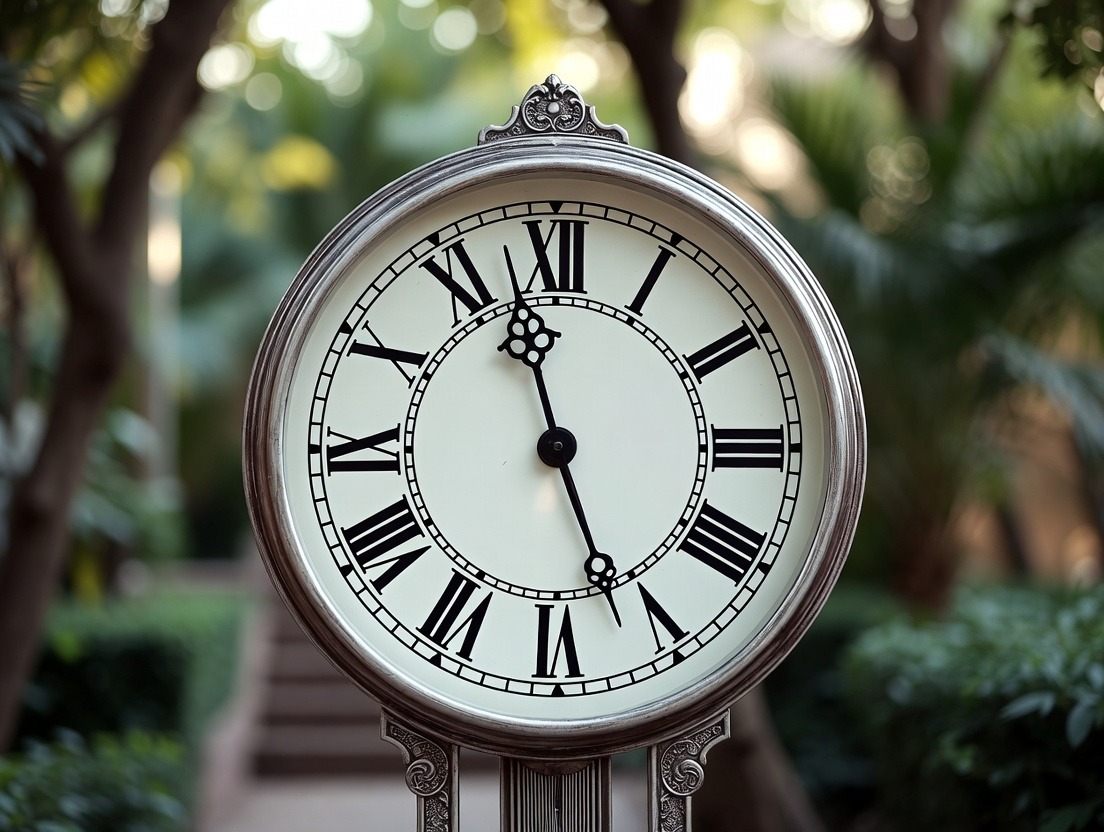
Tucked deep within your brain's hypothalamus, above the point where your optic nerves cross, lies a tiny, paired cluster of about 20,000 neurons. This is your suprachiasmatic nucleus (SCN), the undisputed master conductor of your body's circadian rhythm. Weighing less than a grain of rice, this neural powerhouse operates with the precision of a Swiss watch, governing the intricate, 24-hour oscillations of your physiology. Its discovery revolutionized our understanding of biology, proving that timekeeping is not a passive response to the external world, but an active, internal genetic program.
The SCN's primary function is to synchronize your internal processes with the external solar day. It achieves this through a direct neural highway—the retinohypothalamic tract—which carries signals from specialized, non-visual photoreceptor cells in your retina called intrinsically photosensitive retinal ganglion cells (ipRGCs). These cells are uniquely sensitive to blue-wavelength light, the kind that dominates the morning sky. When light hits them, they send a direct "it's morning" signal to the SCN. The SCN then broadcasts this timing cue to every peripheral clock in your organs, tissues, and cells through a cascade of neural and hormonal signals, most notably by regulating the release of cortisol and melatonin.
At the cellular level, the magic of the circadian rhythm is encoded in your DNA. The core mechanism is a transcriptional-translational feedback loop (TTFL). In simple terms, "clock genes" such as CLOCK and BMAL1 activate the production of proteins like PER and CRY. As these proteins accumulate over hours, they eventually feedback to inhibit their own production. Once levels drop, the inhibition is lifted, and the cycle begins anew—a process that takes approximately 24 hours. This molecular loop exists not just in the SCN, but in virtually every cell in your body, creating a decentralized network of clocks. The SCN's job is to keep all these peripheral clocks in harmony, like a conductor ensuring the string section doesn't drift from the woodwinds.
When this system is functioning optimally, the SCN orchestrates a breathtakingly precise daily schedule. It tells your liver when to ramp up glucose production for morning energy, your gut when to optimize enzyme secretion for digestion, your muscles when to be primed for activity, and your pineal gland when to secrete melatonin for sleep. It even regulates your core body temperature, which drops to its lowest point in the early morning hours to facilitate deep sleep and rises throughout the day to promote alertness. Understanding this central command center is the first step to respecting its power—a concept we explore in depth on our blog, where we break down complex biology into actionable insights.
While most people associate circadian rhythms solely with sleep-wake cycles, this is merely the most visible tip of a vast biological iceberg. Your internal clock is a pervasive regulatory force, dictating the "when" of nearly every physiological process. Its influence extends into three critical pillars of health: metabolism, immune function, and emotional regulation, demonstrating that timing is not just a detail—it's a fundamental component of how your body functions.
Metabolic Command: Your circadian rhythm is your metabolism's chief scheduler. Consider your liver, a metabolic powerhouse. Its clock genes regulate the expression of enzymes involved in glucose and lipid metabolism. During your active phase, your liver is primed to convert nutrients into energy. At night, it shifts focus to storage, repair, and detoxification. When you eat late at night, you send food to an organ that is in "sleep mode," leading to inefficient processing, elevated blood sugar spikes, and a greater tendency to store fat. Studies show that shift workers, whose eating schedules are misaligned with their internal clocks, have a 40% higher risk of developing metabolic syndrome and type 2 diabetes. Your body's insulin sensitivity is highest in the morning and decreases as the day progresses, making a hearty breakfast a more metabolically favorable choice than a large late dinner.
Immune Surveillance: Your immune system is on a strict circadian schedule. The production and release of immune cells, cytokines, and other defense molecules oscillate over 24 hours. For instance, the activity of certain T-cells and the inflammatory response are often heightened during the active phase, preparing you for potential injury or pathogen exposure. During sleep, the system shifts towards immune memory consolidation, tissue repair, and anti-inflammatory processes. This is why vaccination responses can vary based on the time of day, and why shift workers often show higher levels of systemic inflammation and greater susceptibility to infections. Disrupted rhythms essentially confuse your immune army, leaving it poorly coordinated and less effective.
Emotional Tides: The link between circadian rhythm and mood is profound and bidirectional. The SCN has direct and indirect connections to brain regions central to emotion, like the amygdala and prefrontal cortex. The rhythmic release of cortisol (your wake-up hormone) and melatonin (your sleep hormone) directly influences neurotransmitter systems like serotonin and dopamine, which regulate mood, motivation, and anxiety. It's no coincidence that circadian disruptions are a hallmark of mood disorders. Individuals with depression often exhibit flattened cortisol rhythms, delayed melatonin onset, and fragmented sleep-wake cycles. Furthermore, chronotherapy—using timed light exposure and sleep scheduling—is emerging as a powerful, non-pharmacological intervention for conditions like bipolar disorder and seasonal affective disorder (SAD).
This holistic impact shows that optimizing your circadian rhythm isn't about getting better sleep in isolation; it's about upgrading your foundational operating system for total health. To see how real people are using data to align these systems, you can read inspiring user experiences in our customer testimonials, which highlight improvements in energy, mood, and metabolic health.
We've all felt it: the natural, innate pull toward being a morning person or a night owl. This personal predisposition is your chronotype—your biologically driven preference for sleep and wake times, activity, and even cognitive performance throughout the day. While the SCN sets the master tempo, your chronotype dictates your personal melody within that rhythm. Understanding yours is a quantum leap in personalizing health, productivity, and well-being.
Popularized by sleep researcher Dr. Michael Breus, chronotypes are often categorized into four animal archetypes, each with a distinct daily energy blueprint:
Your chronotype is not a lifestyle choice; it's heavily influenced by genetics (like variations in the PER3 gene), age (teenagers naturally shift toward "wolf-like" timing), and environmental factors. Ignoring your chronotype by forcing yourself into an incompatible schedule creates a state of social jet lag—the chronic misalignment between your biological clock and social clock. This constant friction leads to sleep deprivation, increased stress hormone production, and all the associated health risks of circadian disruption.
The power of knowing your chronotype lies in the ability to schedule your life strategically. A Lion should tackle their most demanding analytical work before lunch, while a Wolf should reserve that time for administrative tasks and save deep, creative work for the evening. A Bear might schedule important meetings in the late morning and use the post-lunch dip for a walk or routine work. Aligning your activities with your natural energy flow reduces stress, enhances performance, and fosters a sense of effortless productivity. For more personalized strategies on living in sync with your unique biology, our blog offers a wealth of tailored content.

In the natural world, our circadian rhythms evolved in lockstep with the consistent, predictable cues of the sun's rise and set. The modern environment, however, is a minefield of circadian disruptors—artificial signals that scramble the precise timekeeping of our SCN. To reclaim rhythm, we must first identify the three primary adversaries: pervasive artificial light, the societal imposition of social jet lag, and the constant barrage of digital stimulation.
1. Light Pollution: The Blue Light Deception
Light is the SCN's most powerful zeitgeber (time-giver). The problem is not light itself, but its timing, intensity, and spectrum. Our evenings are now flooded with high-intensity, blue-rich light from LEDs, screens, and overhead fixtures. This light tricks the SCN into believing it's still daytime, suppressing the critical release of melatonin sometimes by over 50%. The result is a delayed sleep onset, shallow sleep, and a pushed-back circadian phase. It's not just screens; energy-efficient home lighting often emits the same disruptive blue spectrum. The solution isn't to live in darkness but to manage light exposure strategically: seeking bright, blue-rich light in the morning and shifting to warmer, dimmer, longer-wavelength (red/orange) light after sunset.
2. Social Jet Lag: The Monday Morning Hangover Without the Party
Coined by chronobiologist Till Roenneberg, social jet lag describes the chronic discrepancy between your biological clock (determined by your chronotype) and your social clock (dictated by work, school, and social obligations). A Wolf forced to wake at 6:00 AM for a job is essentially living in a perpetual state of jet lag, as if they are flying across several time zones every weekend and returning every Monday. This misalignment accumulates a significant sleep debt, impairs cognitive function, and dramatically increases the long-term risk for obesity, diabetes, and depression. It's a silent, culturally sanctioned form of circadian disruption that affects millions.
3. Digital Overload: The 24/7 Stimulation Cycle
Our devices are a double-edged sword. They provide constant connection but also deliver non-stop cognitive and neurological stimulation that opposes the wind-down process our bodies need. The ping of a notification triggers a micro-release of cortisol and dopamine, pulling us into a state of alertness. Scrolling through social media or news before bed engages the mind emotionally and cognitively, making it difficult for brain wave patterns to transition into the slow, synchronous rhythms of sleep. This digital overstimulation extends beyond light; it's a content-driven assault on our nervous system's ability to quiet down.
Overcoming these enemies requires conscious design of your personal environment and schedule. It’s about creating a new "circadian hygiene" protocol. If you're looking for practical, step-by-step guidance on mitigating these modern disruptors, our FAQ page addresses common questions on managing light exposure and building better digital habits for sleep.
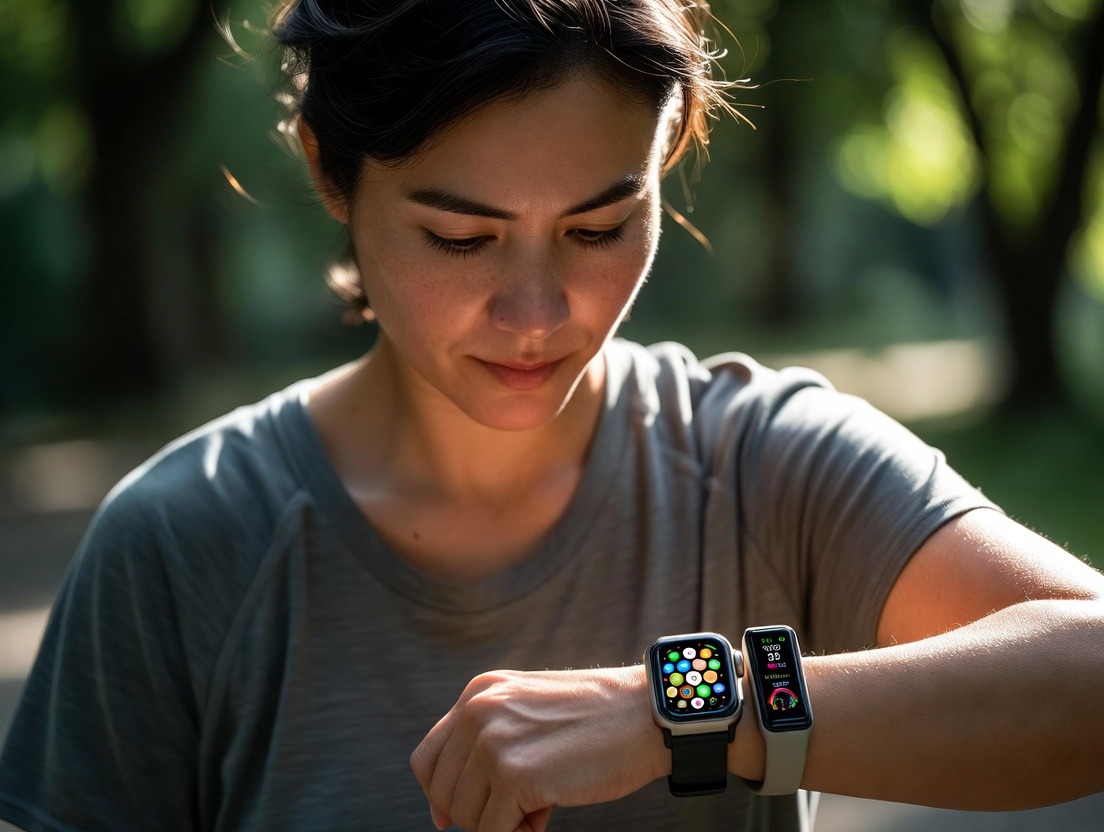
For centuries, understanding your internal clock was a matter of intuition and guesswork. Today, it's a precise science, thanks to the advent of continuous biometric monitoring via wearable technology. While fitness trackers and smartwatches brought step counting to the masses, the next generation of devices—specifically, advanced smart rings and medical-grade wearables—are unlocking a deeper layer of physiological data critical for mapping circadian health. This is the shift from tracking activity to tracking state.
These sophisticated devices act as personal biometrical observatories, collecting data 24/7 to paint a dynamic picture of your internal rhythms. Key metrics include:
The true power lies not in individual data points, but in their synthesis over time. Machine learning algorithms analyze these continuous streams to identify your personal baseline and detect meaningful deviations. They can pinpoint your body temperature nadir (the lowest point, a key circadian marker), estimate your circadian phase, and even predict potential onsets of illness or burnout based on rhythmic disturbances. This transforms abstract concepts like "circadian disruption" into concrete, actionable graphs: a delayed temperature minimum, a flattened HRV rhythm, or a elevated nighttime resting heart rate.
This objective feedback loop is revolutionary. Instead of wondering, "Why am I so tired?" you can see: "My data shows my circadian phase has shifted 90 minutes later this week due to late-night screen time." This empowers precise, personalized interventions. For those interested in the technology that makes this possible, you can learn more about how Oxyzen works to provide these granular insights.
In the quest for better health, we often overlook the simplest, most potent, and completely free intervention available: morning sunlight exposure. While we meticulously manage supplements, diets, and exercise routines, a daily dose of natural morning light is the foundational keystone for setting a robust, resilient circadian rhythm. It is the primary signal that tells your SCN, in no uncertain terms, what time it is in the world, thereby anchoring your entire internal clock system.
The mechanism is exquisite. As previously mentioned, the ipRGCs in your eyes are particularly sensitive to the high concentration of blue light wavelengths present in the low-angle light of the sunrise sky. When this light hits your retina within the first hour of waking (or better yet, upon waking), it triggers a cascade of events:
The benefits extend far beyond better sleep. Consistent morning light exposure has been linked to improved mood (via serotonin production), lower levels of depression, better metabolic regulation, and even enhanced cognitive performance throughout the day. The intensity required is significantly lower than most people think—on a clear day, just 5-10 minutes of looking toward (not directly at) the sun is sufficient. On overcast days, you may need 20-30 minutes.
Contrast this with the typical modern morning: waking to a dark room with an alarm, immediately checking a phone screen, and commuting under artificial lights or in a car. This provides zero clear circadian signal, leaving your SCN guessing. The practice is simple: make it a non-negotiable ritual to step outside shortly after waking. Walk the dog, drink your coffee on the porch, or simply stand in your yard. No sunglasses (as they block the crucial wavelengths), and don't stare directly at the sun. This one habit, more than any other single change, can dramatically strengthen your circadian architecture. For a deeper exploration of light-based wellness strategies and other foundational habits, a wealth of resources awaits on our blog.
You are not just what you eat; you are when you eat. Chrononutrition is the science of aligning your food intake with your circadian rhythms to optimize metabolism, energy, and body composition. Every organ in your digestive system—your stomach, pancreas, liver, and gut—has its own circadian clock that primes it for specific functions at different times of the day. Eating at odds with these clocks is like asking a factory to run its peak production shift in the middle of the night: inefficient, error-prone, and damaging in the long run.
The core principles of chrononutrition are elegantly simple but powerfully effective:
Implementing chrononutrition doesn't require a drastic diet overhaul. Start by eating a substantial breakfast, reducing evening portion sizes, and gradually compressing your eating window. The metabolic benefits—ranging from improved energy to better weight management—are often rapid and noticeable. This philosophy is a core component of our holistic approach to wellness, which you can discover more about in our story and brand values.

Ignoring your circadian rhythm is not a harmless lifestyle quirk; it is a significant, independent risk factor for a daunting array of chronic diseases. When the delicate synchrony between your internal clocks and the external world is chronically frayed, it creates a state of systemic dysfunction that researchers call "circadian misalignment." This condition acts as a slow-burning fuse, contributing to inflammation, hormonal imbalance, and cellular stress over years and decades. The long-term health consequences are well-documented and severe.
Metabolic & Cardiovascular Disease: As discussed, circadian disruption decouples metabolic processes from their optimal timing. The result is impaired glucose tolerance, dyslipidemia (unhealthy cholesterol and triglyceride levels), and hypertension. Shift work is classified as a probable carcinogen by the WHO, partly due to these metabolic derangements. The constant low-grade inflammation and stress hormone elevation associated with misalignment also damage blood vessels, accelerating atherosclerosis and significantly increasing the risk of heart attack and stroke.
Cancer Risk: The link between circadian disruption and cancer is a major area of research. The mechanisms are multifaceted. First, clock genes themselves are involved in regulating cell division and DNA repair—processes that are supposed to be timed to occur at optimal, safe periods (often at night). Disruption can lead to uncontrolled cell proliferation and reduced repair of genetic damage. Second, melatonin is a potent antioxidant and has oncostatic (cancer-suppressing) properties. Suppressing its production through light exposure at night may remove a critical line of defense. Studies show elevated rates of breast, prostate, and colorectal cancers among long-term shift workers.
Neurodegeneration & Mental Health: The brain is exquisitely sensitive to circadian timing. Disruption impairs the glymphatic system—the brain's waste-clearing process that is most active during deep sleep. This can lead to the accumulation of toxic proteins like beta-amyloid, associated with Alzheimer's disease. Furthermore, the dysregulation of neurotransmitter systems (serotonin, dopamine) and the stress axis (HPA axis) provides a direct biological pathway to mood disorders, anxiety, and cognitive decline. The risk for depression and bipolar disorder is substantially higher in individuals with irregular schedules.
Immune Dysfunction & Accelerated Aging: A misaligned circadian rhythm leaves the immune system confused and sluggish, leading to poorer response to vaccines, increased susceptibility to infections, and a heightened state of inappropriate inflammation (inflammaging). This chronic inflammation is a key driver of the aging process itself, contributing to frailty and age-related diseases. Telomeres, the protective caps on chromosomes that shorten with age, appear to shorten faster in conditions of circadian disruption and chronic sleep loss.
The evidence is clear: caring for your circadian rhythm is a non-negotiable pillar of preventive medicine. It's not just about feeling rested tomorrow; it's about investing in the health of your future self. To understand how our mission is driven by empowering individuals to mitigate these very risks, you can learn more about our foundational goals on our about us page.
To truly master your circadian health, you must move beyond simple sleep duration and delve into the quality and timing of key hormonal events. Two of the most critical hormonal rhythms are the cortisol awakening response (CAR) and the dim-light melatonin onset (DLMO). These are the yin and yang of your daily cycle, and their precise profile offers a sophisticated readout of your internal clock's health and alignment.
The Cortisol Awakening Response (CAR): Cortisol, often mislabeled as a purely "bad" stress hormone, has an essential and healthy circadian rhythm. A well-regulated system produces a sharp, significant spike in cortisol levels within 30-45 minutes of waking. This CAR is like your body's natural alarm clock and energy booster. It helps mobilize glucose, increase blood pressure, and sharpen focus to meet the demands of the day. A robust CAR is associated with better resilience, mood, and metabolic health. Conversely, a blunted or elevated CAR is a red flag. A blunted curve (a low, slow rise) is often seen in chronic fatigue, burnout, and certain types of depression. An elevated or prolonged morning peak can indicate chronic stress or HPA axis dysregulation.
Dim-Light Melatonin Onset (DLMO): Melatonin is the hormone of darkness. DLMO is the precise clock time in the evening when your melatonin levels begin to rise significantly under dim-light conditions. This typically occurs 2-3 hours before your natural sleep time and is the true biological start of your "night." It’s the opening act for sleep, causing a slight drop in core body temperature and promoting drowsiness. A delayed DLMO (e.g., melatonin rising at 11:00 PM instead of 9:00 PM) is common in night owls and those with Delayed Sleep Phase Disorder. It makes falling asleep at a "socially acceptable" time difficult. An advanced or irregular DLMO can also occur. Tracking this requires specialized saliva or blood tests, but wearable-derived metrics like the timing of your core body temperature nadir can serve as a strong proxy.
Advanced wearable technology is beginning to provide insights into these patterns indirectly. By analyzing the interplay of nighttime heart rate drop, HRV recovery, and skin temperature rise, algorithms can estimate the timing and quality of these hormonal transitions. Watching these advanced biomarkers over time allows you to see if your interventions—like morning light or consistent meal times—are actually shifting your internal phase earlier or creating a more robust cortisol rhythm. This is the pinnacle of personalized circadian optimization: using data not just to track sleep, but to engineer a stronger, more resilient hormonal architecture for daily life.
Knowledge of your rhythm is only powerful if it translates into action in your daily environment. Your home and daily habits should not fight your biology; they should reinforce it. Transforming your personal space into a "circadian sanctuary" involves intentionally designing your light exposure, temperature, and daily routines to provide clear, consistent time cues to your SCN and peripheral clocks.
Light Engineering:
Temperature Regulation:
The Power of Routine (Social Zeitgebers):
Your SCN also responds to non-light cues called "social zeitgebers"—regularly timed behaviors. A rock-solid daily routine is the scaffolding for a strong circadian rhythm.
By layering these environmental and behavioral cues, you create a world that constantly whispers the correct time to your biology, reducing the cognitive load needed to maintain rhythm and allowing your body to function at its innate best. For support in implementing these changes and troubleshooting common issues, our FAQ section is a valuable resource.
Collecting data is only the first step. The ultimate goal is transformation—using those insights to build a personalized, sustainable lifestyle that turns circadian harmony from a concept into a lived reality. This is where the feedback loop from advanced wearable technology becomes truly empowering. It moves you from generic advice ("get more sleep") to precise, individualized prescriptions ("advance your evening routine by 45 minutes to align with your natural temperature drop").
Here is a framework for building your own Circadian Action Plan:
1. Establish Your Baseline (2-4 Weeks):
Wear your tracking device consistently without making major changes. The goal is to understand your natural, current rhythm. Note key metrics: average sleep onset/wake time, HRV trend, resting heart rate overnight, and estimated temperature nadir. Look for patterns: Do you have social jet lag? Is your HRV consistently low on weekday mornings? Is your skin temperature rise delayed on nights you use your phone in bed?
2. Identify One Key Lever:
Don't try to change everything at once. Based on your baseline, choose the single intervention likely to have the biggest impact.
3. Implement and Observe (2-3 Weeks):
Apply your chosen intervention consistently. Watch your data for changes. Did your sleep onset become more regular? Did your nighttime resting heart rate drop? Did your temperature minimum shift earlier? The data provides objective proof of what's working. For example, after committing to morning sunlight, you might see a quicker HRV recovery in the first hour of your day.
4. Iterate and Layer:
Once the first habit is solidified and the data shows improvement, add a second lever. Perhaps now you focus on compressing your eating window or optimizing your bedroom temperature. Continue this cycle of hypothesis, intervention, and data review.
5. Embrace Cyclical Living:
Finally, recognize that your rhythm isn't static. It changes with seasons, stress levels, travel, and life stages. Use your data to adapt fluidly. In winter, you may need a longer morning light session. During a high-stress project, you might need to be stricter with your wind-down routine. Your wearable becomes your guide, helping you navigate these changes without losing sync.
This journey from passive tracking to active rhythm engineering is at the heart of modern, proactive wellness. It represents a partnership between you and your own physiology, facilitated by technology. To see how this philosophy is brought to life through a dedicated product and community, we invite you to explore the full Oxyzen story and our vision for a future where everyone lives in sync with their unique biology.
As if the daily 24-hour cycle weren't complex enough, your circadian system also dances to a slower, grander beat: the seasonal rhythm. The changing length of daylight across the year acts as a powerful environmental signal, prompting subtle but significant adjustments in your biology. This photoperiodism—the physiological response to day length—is an ancient adaptation that many modern humans have lost touch with, yet it continues to influence our sleep, mood, energy, and even immune function in profound ways.
In summer, with its long, bright days, your SCN receives a strong, prolonged morning signal and a delayed evening darkness cue. This naturally leads to a slightly later melatonin release and a tendency for shorter, lighter sleep with an earlier wake time—a pattern often reflected in higher societal energy. Conversely, the short, dim days of winter provide a weak morning light signal and an early onset of darkness. This can trigger an earlier melatonin surge, leading to a biological pull toward longer sleep duration and a later wake time, which clashes painfully with rigid year-round work schedules. This mismatch is a core component of Seasonal Affective Disorder (SAD), where the lack of robust morning light leads to a perpetually delayed or misaligned circadian phase, resulting in depression, fatigue, and carbohydrate cravings as the body seeks to boost serotonin.
Adapting your habits to the seasons is a form of ancestral wisdom supported by modern science. Your chrononutrition should ideally shift: heartier, warming foods rich in complex carbohydrates in winter can support serotonin production, while lighter, hydrating foods may feel more natural in summer. Your exercise timing might also change; an afternoon outdoor workout in winter can provide a crucial second light cue, while morning exercise in summer capitalizes on the early light. Even your social rhythms were likely meant to ebb and flow—more active and social in the summer months, more restful and introspective in winter. Fighting this natural cycle by maintaining the exact same routine 365 days a year creates unnecessary physiological stress. By observing your wearable data across seasons—noting changes in your sleep architecture, resting heart rate, and readiness scores—you can learn to honor these slower rhythms, providing your body with the conditions it evolved to expect. For a deeper exploration of living cyclically, our blog offers guides on adapting wellness practices month-by-month.
Jet lag is the most acute and undeniable experience of circadian disruption. It occurs when your internal clock, still anchored to your home time zone, is suddenly confronted with a completely new light-dark cycle. The resulting misalignment manifests as crushing fatigue at noon, midnight alertness, digestive distress, and impaired cognitive function. While it’s temporary, it can derail important trips. However, with strategic planning informed by circadian science—and guided by your own biometric data—you can minimize its impact and adapt far more quickly.
The key principle is gradual, pre-travel phase shifting. Your goal is to nudge your internal clock toward your destination’s schedule before you ever board the plane.
During the flight, hydration is critical, as cabins are extremely dehydrating and exacerbate fatigue. Avoid alcohol and excessive caffeine. Use an eye mask and noise-canceling headphones to encourage sleep if it aligns with destination-nighttime, or stay awake with light if it aligns with destination-daytime.
Upon arrival, light exposure is your most powerful tool. Use it with military precision. If you land in Paris in the morning after an overnight flight, get outside into bright morning light immediately, even if you’re exhausted. This tells your SCN that this is the new “morning,” anchoring your phase. If you land in the evening, protect yourself from bright light, wearing sunglasses if necessary, to avoid pushing your clock even later. Follow local meal times immediately to cue your peripheral clocks.
Your wearable device becomes your jet lag coach. It can show you, objectively, how quickly your body is adapting. Is your resting heart rate normalizing during the new nighttime? Is your HRV starting to recover? Is your sleep duration increasing? This feedback helps you adjust your light and activity strategies in real-time. Instead of guessing how you’re adapting, you have a data-driven map of your resynchronization progress. For practical tips and user-tested travel protocols, our community often shares their experiences on our testimonials page, showcasing real-world success stories.
For the millions of people who work night shifts, rotating shifts, or early morning hours, circadian disruption isn't an occasional travel nuisance—it’s a permanent, occupational hazard. The human body is fundamentally diurnal; working against this evolutionary design carries a documented health toll, including the elevated risks for metabolic disease, cardiovascular issues, certain cancers, and mental health disorders discussed earlier. While the ideal solution—a societal shift toward circadian-friendly work—is complex, individuals can employ powerful mitigation strategies to protect their health. This is about damage control and resilience-building.
The core strategy for shift workers is to control light exposure with extreme intention. Light is the lever, but you must reverse its timing.
Meal timing is equally critical. The classic shift worker pattern of eating a large meal after the shift ends at 7:00 AM is metabolically disastrous. Try to align your “main meal” with the middle of your active period (e.g., during a midnight break). Eat light, easily digestible foods toward the end of your shift and before sleep. Staying hydrated with water, not sugary drinks or excessive coffee, is essential.
Monitoring your data is non-negotiable for shift workers. You are operating in a physiological war zone. Watch your trends closely: a creeping elevation in resting heart rate, a collapse in HRV, or a complete lack of rhythm in your temperature data are signs of severe strain. This data can inform when you need a strategic nap (keep it under 30 minutes to avoid sleep inertia), when you must prioritize sleep over social activities, and when to have honest conversations with employers about schedule rotations. It provides the objective evidence you need to take your own recovery as seriously as the job itself. For those seeking structured support and answers to common shift-work dilemmas, our FAQ section provides targeted advice.
One of the most exciting frontiers in circadian science is the discovery of a vibrant, bidirectional relationship between your internal clocks and your gut microbiome—the trillions of bacteria, viruses, and fungi residing in your digestive tract. This community isn't just passive; it’s metabolically active and, remarkably, possesses its own circadian rhythms. The composition and function of your gut microbes fluctuate over the 24-hour day, influencing and being influenced by your own circadian clock.
Your intestinal cells have their own peripheral clocks that regulate gut motility, enzyme secretion, and the integrity of the gut barrier. These local clocks help time the availability of nutrients to the microbiome. In response, certain bacterial species show diurnal oscillations in their abundance and activity. For example, bacteria involved in carbohydrate metabolism and energy harvest may peak during your active, feeding phase. This coordinated dance ensures efficient digestion and nutrient absorption when you eat, and shifts toward maintenance and different metabolic pathways during the fasting period.
When you disrupt your circadian rhythm through irregular eating, night eating, or sleep deprivation, you directly disrupt the rhythmicity of your gut microbiome. This state, known as dysbiosis, is characterized by a loss of beneficial rhythm and an overgrowth of potentially harmful microbes. The consequences are systemic:
The powerful takeaway is that chrononutrition is also microbiome nutrition. Eating within a consistent daily window (time-restricted feeding) provides a predictable schedule for your microbial partners, strengthening their rhythms. Avoiding late-night meals prevents feeding microbes at their "off" time. Furthermore, consuming a diverse array of prebiotic fibers (from vegetables, fruits, legumes) provides the fuel that beneficial, rhythm-loving microbes need to thrive. By aligning your eating schedule, you don’t just feed yourself—you cultivate a harmonious, rhythmic ecosystem within. To learn more about the holistic connections between timing, digestion, and overall health, explore the resources available on our blog.
Exercise is a potent zeitgeber—a time cue that can help synchronize your peripheral clocks, particularly in muscle and fat tissue. But the effects of exercise are not uniform throughout the day; they interact dynamically with your core circadian physiology. Strategic timing can enhance performance, amplify fat burning, improve metabolic responses, and even influence the quality of your subsequent sleep. This is the realm of circadian fitness.
Afternoon/Evening Peak Performance: For most people, purely physical performance peaks in the late afternoon and early evening. Core body temperature and muscle temperature are at their highest, joint flexibility is improved, reaction time is quickest, and perceived exertion for a given workload is often lowest. This is the ideal window for high-intensity interval training (HIIT), strength training, and competitive sports where power, speed, and coordination are paramount. The body is primed to perform.
Morning Metabolic Advantages: While absolute performance might be lower upon waking, morning exercise, especially in a fasted state, can have unique benefits. It can enhance insulin sensitivity throughout the day and may promote a greater relative reliance on fat for fuel. Furthermore, outdoor morning exercise combines movement with critical morning light exposure, delivering a powerful one-two punch for circadian entrainment. This is an excellent time for steady-state cardio, brisk walking, or yoga.
The Sleep Consideration: The relationship between evening exercise and sleep is highly individual and revealed beautifully by biometric data. Intense exercise too close to bedtime (within 1-2 hours) can elevate core temperature, heart rate, and sympathetic nervous system activity, potentially interfering with sleep onset for some. However, for others—particularly those with a lot of sedentary stress—an evening workout can be a useful way to metabolize stress hormones. The key is to use your data. Does your wearable show elevated nighttime heart rate or delayed temperature drop on days you lift weights at 8 PM? If so, shift that session earlier. Does gentle evening yoga or stretching seem to improve your sleep metrics? Then it’s a beneficial wind-down tool.
Your fitness strategy should align with your chronotype and goals. A "Wolf" forcing a 5 AM CrossFit class will struggle and may hinder recovery. That Wolf might thrive with a late-afternoon strength session. A "Lion" might excel at that early morning run. Listen to your subjective energy, but corroborate it with objective recovery metrics like HRV and resting heart rate. If your HRV is consistently depressed after evening workouts, it’s a sign your body prefers them earlier. By timing your movement not just for your schedule, but for your internal clock, you turn exercise from a stressor into a synchronizer.
Sleep is not a monolithic state of unconsciousness. It is a complex, architecturally structured process consisting of multiple cycles of distinct stages, each with its own circadian influences and physiological purpose. Your circadian rhythm primarily governs the timing of sleep (when you fall asleep and wake up), while a separate, homeostatic process (sleep pressure) governs the need for sleep. Together, they orchestrate the nightly symphony of Non-Rapid Eye Movement (NREM) and Rapid Eye Movement (REM) sleep.
NREM Sleep is divided into three stages (N1, N2, N3), progressing from light to deep sleep.
REM Sleep: Characterized by rapid eye movements, dreaming, and brain activity similar to wakefulness. It’s essential for emotional processing, memory integration, and creativity. REM sleep periods lengthen as the night progresses, dominating the second half of the night. Your circadian drive for REM sleep actually increases toward your natural wake time. This is why waking up prematurely to an alarm often cuts off a long REM period, leaving you groggy (sleep inertia) and emotionally off-balance.
A healthy sleep architecture shows a predictable pattern: you descend into deep N3 sleep soon after falling asleep, have shorter REM periods in the first cycles, and experience longer, more vivid REM periods in the cycles closer to morning. Your circadian rhythm sets the stage for this architecture. A stable, well-timed rhythm ensures a timely onset of sleep and a proper balance of NREM and REM. Disruption—like going to bed much later than usual—can compress deep sleep and distort the pattern.
Advanced wearables that estimate sleep stages (using heart rate variability, movement, and respiratory rate) allow you to monitor this architecture. You can see if you’re getting sufficient deep sleep early in the night and if your REM periods are lengthening toward morning. A pattern of fragmented sleep, minimal deep sleep, or excessive light sleep is a clear data signal of circadian or lifestyle misalignment. By fixing your timing (through light and routine), you don’t just get more sleep—you get the right kind of sleep at the right time, which is what truly restores you. Understanding this architecture is key to moving beyond simple sleep tracking to true sleep optimization, a topic we delve into frequently on our blog.
The circadian system’s primary mode of broadcasting time signals throughout the body is via hormones. These chemical messengers follow exquisitely timed rhythms, creating a daily hormonal landscape that dictates your energy, hunger, stress response, and cellular functions. Understanding these rhythms is to understand the language of your internal clock.
The Daily Hormonal Cascade:
When your circadian rhythm is strong, these hormones flow in a harmonious, predictable sequence, like sections of an orchestra playing in time. Disruption creates cacophony: melatonin is suppressed by night lights, cortisol fails to peak in the morning or stays elevated at night, insulin resistance increases, and hunger signals go haywire. This hormonal chaos is the direct mediator of all the negative health outcomes associated with poor rhythm.
The goal of circadian optimization is to restore this hormonal harmony. Morning light sets the cortisol curve. Evening darkness protects melatonin. Consistent meal times regulate insulin, leptin, and ghrelin. And deep, well-timed sleep allows for growth hormone release. By viewing your health through this hormonal lens, you see how interconnected your habits are. Each supportive action—like putting your phone away at night—isn't just "good for sleep"; it’s a direct instruction to your hormonal symphony to play in tune. To see how a dedicated tool can help you infer and influence these patterns, learn more about how Oxyzen works at a physiological level.
Your brain’s capabilities are not constant throughout the day. Alertness, memory, analytical thinking, and creative insight all fluctuate in predictable patterns governed by your circadian rhythm and sleep-wake homeostasis. Mapping your personal cognitive rhythm allows you to align tasks with your brain’s natural strengths, transforming productivity from a struggle of willpower into a flow of biological advantage.
The Daily Cognitive Arc:
Sleep’s Role in Cognition: Sleep, particularly NREM deep sleep and REM sleep, is non-negotiable for memory consolidation. During deep sleep, declarative memories (facts, events) are transferred from the hippocampus to long-term storage. During REM sleep, procedural memories (skills) and emotional memories are processed. Disrupting your circadian rhythm fragments this essential processing, leading to brain fog, impaired learning, and forgetfulness.
Your wearable data provides clues to your cognitive rhythms. A consistently high HRV in the morning suggests good recovery and likely strong cognitive readiness. A significant afternoon dip in HRV might correlate with that cognitive lull. By tracking your focus and energy subjectively alongside this data, you can identify your personal cognitive blueprint. Schedule your most demanding intellectual work during your biological prime time, and don’t fight your biology by trying to brainstorm strategically at 8 AM if you’re a Wolf, or forcing analytical work at 10 PM if you’re a Lion. Honor your mind’s clock, and it will perform for you effortlessly. For more on optimizing daily performance, our community shares their personal productivity hacks based on biometrics in our testimonials.
Your circadian rhythm is not static from cradle to grave. It undergoes profound, predictable changes across the human lifespan, and the integrity of this timing system appears to be intimately linked to the aging process itself. Understanding these life-stage shifts helps normalize experiences like teenage night-owl tendencies or early waking in older age, and highlights why circadian care is a lifelong pursuit for healthspan.
Childhood: Rhythms are generally strong and early. Children are often natural early birds, with robust sleep-wake cycles.
Adolescence: A dramatic, biologically driven phase delay occurs. The melatonin rhythm shifts later, making teens biologically prone to falling asleep and waking later. This clashes painfully with early school start times, creating a population-wide state of chronic sleep deprivation and circadian misalignment, with impacts on learning, mood, and mental health.
Adulthood: Chronotypes stabilize but can be easily overridden by social and work demands, leading to the social jet lag epidemic. The resilience of the circadian system begins a slow decline, making it more susceptible to disruption from light, stress, and irregular schedules.
Older Adulthood (60+): Several key changes occur:
This age-related degradation of circadian function is not just a symptom of aging; it is believed to be a driver of it. The weakening of circadian signals contributes to inflammaging, metabolic dysfunction, sleep disorders, and cognitive decline. Conversely, strengthening circadian signals may support healthy aging. Studies in animals show that reinforcing light-dark cycles improves health and extends lifespan, even in aged subjects.
The anti-aging imperative, therefore, includes circadian resilience. As you age, the strategies discussed become more critical, not less: rigorous morning light exposure to strengthen a fading signal, strict maintenance of routines to support a less robust clock, careful attention to evening light hygiene, and consistent sleep-wake and eating schedules. By treating your circadian rhythm as a core pillar of longevity—much like nutrition and exercise—you invest in the robustness of your biological timing, which in turn supports the health of every system it governs. This commitment to long-term, rhythm-based health is central to our vision, which you can read more about in our story.
Theory is essential, but transformation requires action. This 14-day protocol synthesizes the most powerful, evidence-based circadian interventions into a step-by-step reset plan. It’s designed to be challenging but transformative, pulling all the levers of light, timing, and behavior in concert to powerfully realign your internal clock. Use your wearable device not just to track, but to actively guide and motivate you through this process.
Days 1-3: Foundation & Observation
Days 4-7: Anchor the Wake Time & Master Light
Days 8-11: Lock in the Evening & Meal Timing
Days 12-14: Optimize & Personalize
Upon completing this reset, you will have experienced the profound difference circadian alignment makes. The protocol isn’t meant to be a rigid forever-plan, but a catalyst. It shows you what’s possible. From here, you can build a sustainable, personalized lifestyle that holds these core principles—anchor wake time, seek morning light, protect evening dark, eat earlier—as non-negotiable pillars, while flexing other elements to suit your life. For ongoing support, community ideas, and to answer questions that arise during such a reset, our FAQ page and blog are continually updated resources. This journey to synchronization is the most valuable investment you can make in your daily performance and long-term health, and it begins with the decision to finally listen to the clock within.
Your Trusted Sleep Advocate: Sleep Foundation — https://www.sleepfoundation.org
Discover a digital archive of scholarly articles: NIH — https://www.ncbi.nlm.nih.gov/
39 million citations for biomedical literature :PubMed — https://pubmed.ncbi.nlm.nih.gov/
Experts at Harvard Health Publishing covering a variety of health topics — https://www.health.harvard.edu/blog/
Every life deserves world class care :Cleveland Clinic - https://my.clevelandclinic.org/health
Wearable technology and the future of predictive health monitoring :MIT Technology Review — https://www.technologyreview.com/
Dedicated to the well-being of all people and guided by science :World Health Organization — https://www.who.int/news-room/
Psychological science and knowledge to benefit society and improve lives. :APA — https://www.apa.org/monitor/
Cutting-edge insights on human longevity and peak performance:
Lifespan Research — https://www.lifespan.io/
Global authority on exercise physiology, sports performance, and human recovery:
American College of Sports Medicine — https://www.acsm.org/
Neuroscience-driven guidance for better focus, sleep, and mental clarity:
Stanford Human Performance Lab — https://humanperformance.stanford.edu/
Evidence-based psychology and mind–body wellness resources:
Mayo Clinic — https://www.mayoclinic.org/healthy-lifestyle/
Data-backed research on emotional wellbeing, stress biology, and resilience:
American Institute of Stress — https://www.stress.org/


