


Personal Health Insights: Understanding Your Optimal Schedule
Understanding your personal optimal daily schedule.
Understanding your personal optimal daily schedule.
%402x.svg)
We live in an era of unprecedented self-knowledge. With a few taps on a smartphone, we can access a world map, the collected works of Shakespeare, or a livestream from the International Space Station. Yet, for centuries, one of the most critical maps remained frustratingly elusive: the internal, personal blueprint of our own bodies. When are we truly at our sharpest for that pivotal presentation? What is the exact hour our body is primed for deep, restorative sleep? When does our energy mysteriously plummet, making that 3 PM slump feel like a law of physics rather than a variable state?
For generations, we’ve been handed generic, one-size-fits-all schedules. The 9-to-5 workday. The eight-hour sleep block. The advice to exercise in the morning. These are population averages, useful for organizing society but often woefully misaligned with the intricate, unique chronobiology of the individual. Following a schedule built for the "average" person when you are not average is a recipe for chronic fatigue, subpar performance, and missed potential.
But a revolution is underway. The convergence of wearable technology, advanced biometric sensing, and artificial intelligence has finally made it possible to move from guessing to knowing. This is the promise of personal health insights: the ability to decode your body’s unique rhythms and architect a life that flows with them, not against them. By understanding your optimal schedule—for cognitive work, physical exertion, creative insight, social connection, and rest—you don’t just improve productivity. You enhance your vitality, your healthspan, and your fundamental sense of well-being.
This journey begins with data. Not just steps or heart rate, but a symphony of physiological signals: heart rate variability (HRV), skin temperature, blood oxygen, and movement patterns. A device like the Oxyzen smart ring, worn continuously, becomes your personal data oracle, gathering the raw truths of your physiology while you live your life. This continuous stream, analyzed by sophisticated algorithms, reveals patterns invisible to the naked eye.
In this article, we will embark on a deep exploration of how to discover and leverage your personal chronobiology. We’ll move from the foundational science of circadian rhythms to the practical application of building your ideal day. This isn’t about rigid discipline; it’s about intelligent alignment. It’s about working with your biology so you can achieve more with less effort and more joy. Welcome to the frontier of personalized performance and health. Your optimal schedule awaits.

Before we can personalize a schedule, we must understand the master clock that governs it. At the core of your optimal timing is your circadian rhythm—a roughly 24-hour internal cycle that regulates nearly every physiological and behavioral process in your body. Think of it not as a single alarm clock, but as a grand, coordinated orchestra, with a conductor in your brain and musicians in every organ and cell.
The conductor is a tiny region in the hypothalamus called the suprachiasmatic nucleus (SCN). This master clock receives direct input from your eyes, synchronizing itself to the Earth’s light-dark cycle. When morning light hits your retina, it signals the SCN to suppress melatonin (the sleep hormone) and trigger a cascade of events: a rise in cortisol to promote alertness, an increase in body temperature, and the activation of systems for digestion and metabolism.
But here’s the crucial part: the SCN doesn’t micromanage. It sends out signals that synchronize peripheral clocks in your liver, heart, muscles, and gut. Your liver, for instance, has its own clock that optimizes enzyme production for metabolism based on when you typically eat. This is why eating late at night can feel so disruptive—you’re asking your liver to work a shift it’s not prepared for.
These rhythms influence more than sleep and wakefulness:
However, your “chronotype”—whether you’re a natural early bird, night owl, or somewhere in between—shifts this entire curve earlier or later. Society may be built for early birds, but nearly half of us have a genetic predisposition toward a later schedule. Fighting your chronotype is like living in a permanent state of jet lag, a condition scientists call social jetlag, which is linked to obesity, mood disorders, and cardiovascular risk.
This is where passive, continuous biometric monitoring becomes revolutionary. By tracking metrics like nocturnal heart rate variability (HRV) and core body temperature, a device worn on your finger can accurately map the timing and amplitude of your personal circadian rhythm. You can see not just that you have a rhythm, but its precise shape and how external factors—a late meal, an intense evening workout, blue light exposure—disrupt its harmony. This objective data moves you from the generic science of circadian biology to the specific reality of your biology, laying the groundwork for truly personalized scheduling. For a deeper dive into the technology making this possible, you can learn more about how Oxyzen’s sensing works.
The classic division of “lark” versus “owl” is a useful starting point, but human chronobiology is a spectrum, not a binary. Modern sleep science, led by researchers like Dr. Michael Breus, often categorizes people into four distinct chronotypes, symbolized by animals whose habits they mirror:
Knowing your animal offers fun, high-level guidance. But to build a truly optimal schedule, you need granular, empirical data about your unique rhythm. Self-reported energy levels are notoriously unreliable, colored by our expectations and mood.
This is the power of objective biometrics. A smart ring like Oxyzen tracks the gold-standard proxy for your circadian phase shift: nocturnal core body temperature. Your body temperature follows a distinct rhythm, reaching its lowest point (the nadir) about two hours before your natural wake time. By precisely pinpointing this nadir every night, the device can calculate your personal circadian phase with remarkable accuracy. It can tell you, for example, that your body’s “biological night” starts at 11:42 PM and ends at 7:18 AM—times that likely differ from when you physically get into bed or when your alarm rings.
Furthermore, Heart Rate Variability (HRV)—the variation in time between heartbeats—provides a window into your autonomic nervous system balance. A higher HRV (during rest) generally indicates better recovery and resilience. Your HRV also follows a circadian rhythm and plummets in response to stress, poor sleep, or illness. Tracking its natural peaks and troughs helps you identify your body’s best windows for stress (higher HRV) and its need for recovery (lower HRV).
By correlating this physiological data with your logged activities (e.g., “worked on complex report,” “had intense meeting,” “went for a run”), you move beyond a label. You build a Personal Chronotype Map. This map reveals:
Armed with this map, scheduling becomes a strategic exercise in asset allocation, placing your most demanding tasks when your biological resources are richest. If you’re curious how others have applied these insights, real user experiences and testimonials can provide powerful inspiration.
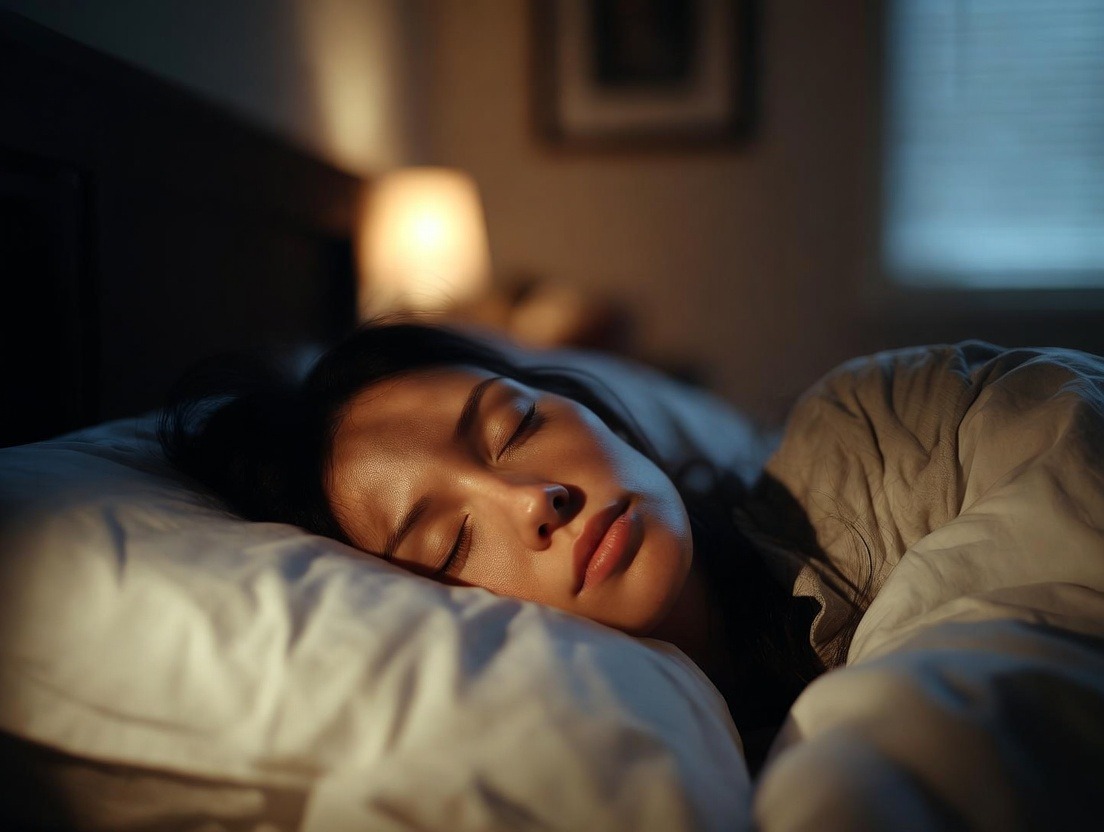
If circadian rhythm is the conductor, then sleep is the orchestra’s most critical performance. It is the non-negotiable foundation upon which your optimal daily schedule is built. You cannot hack your way to peak afternoon performance with compromised sleep; the biological debt will always be called in. Understanding your personal sleep architecture—the cyclical structure of your night—is therefore the first practical step.
Sleep is not a monolithic state. It’s a series of 90-minute cycles, each containing stages of light sleep (N1, N2), deep sleep (N3), and REM (Rapid Eye Movement) sleep. Each stage serves a distinct, vital purpose:
The goal of “good sleep” isn’t just duration; it’s uninterrupted progression through these cycles. Waking up in the middle of a deep sleep cycle is what causes that groggy, disoriented feeling known as sleep inertia, regardless of how many total hours you logged.
A advanced wearable moves you far beyond simple sleep duration tracking. By analyzing heart rate, HRV, movement, and temperature, it can estimate:
The most transformative insight, however, is discovering your personal sleep chronotype—not just when you should sleep, but when your body is physiologically primed to sleep and to wake. By analyzing weeks of data, patterns emerge. You may find that on nights when you fall asleep after 11:15 PM, your deep sleep percentage drops significantly. Or you may discover that your natural wake time, when you rise without an alarm after sufficient sleep, is consistently 6:45 AM, not the 6:00 AM your schedule demands.
This data allows you to defend your sleep boundaries with objective facts, not just subjective feeling. It answers critical questions: Is my afternoon caffeine truly affecting my sleep? How damaging was that late-night work session? Does my weekend “catch-up” sleep actually help? By optimizing this foundational pillar first, every other aspect of your schedule—energy, focus, mood—falls into place more easily. For common questions on interpreting sleep data, our comprehensive FAQ section is an excellent resource.
With a solid understanding of your sleep architecture, we can now illuminate the energetic landscape of your waking day. Your energy is not a static reservoir that depletes linearly from morning to night. It’s a dynamic, rhythmic wave with predictable peaks, troughs, and recovery periods. Mapping this wave is the essence of “cracking your energy code.”
Biometrically, this wave is painted by the interplay of several signals:
By observing these metrics in relation to your activities, you can empirically identify three key windows:
1. The Peak Performance Window (The “Focus Zone”):
This is your biological prime time for deep, focused, cognitive work. It usually occurs 2-3 hours after your core body temperature nadir (your lowest point at night). For a typical bear chronotype waking at 7 AM, this window might be 9:30 AM to 12:30 PM. During this window, your HRV is likely stable or rising, and your perception of effort is low. This is when you should schedule your most important, complex task of the day—writing, coding, strategic planning, or learning a new skill. Defend this window from meetings and distractions at all costs.
2. The Energy Trough (The “Maintenance Zone”):
This is a biologically normal dip, often corresponding to the post-lunch dip (around 2-4 PM for many), driven by a slight circadian decline in alertness and the metabolic cost of digestion. Fighting this trough with caffeine and willpower is inefficient. Instead, schedule for it. This is the ideal time for:
3. The Recovery & Recharge Window:
This is the period in the late afternoon or early evening where your body begins its wind-down process for sleep. For some, especially Lions, this is a true low-energy period. For Wolves, it may be a second wind. The key here is to engage in activities that promote physical and psychological recovery, not deplete it further. This is perfect for:
A smart ring’s live biofeedback can even help you navigate these windows in real time. Seeing a dipping HRV during a stressful afternoon might be the prompt you need to take five minutes of diaphragmatic breathing instead of reaching for another coffee. This is bio-hacking in its purest form: using data to make micro-adjustments that keep you aligned with your natural rhythm. To explore more strategies for daily energy management, our blog features a wealth of related articles.

While internal biometrics are our guide, the most powerful external timekeeper remains free and abundant: sunlight. Light is the primary “zeitgeber” (time-giver) for your SCN master clock. Properly syncing your light exposure with your goals is arguably the most potent and underutilized tool for schedule optimization. It’s a two-part protocol: what you get, and what you avoid.
Morning Light: The Master Reset Button
Viewing bright, outdoor light within 30-60 minutes of waking is non-negotiable for circadian health. It does several critical things:
The intensity matters. Indoor light (~500 lux) is a weak signal. A cloudy morning outdoors (~10,000 lux) is decent. A sunny day (50,000+ lux) is ideal. Aim for 10-30 minutes, without sunglasses if safe, to get the full benefit. This simple practice can dramatically improve sleep onset and daytime energy within days.
Afternoon Light: The Sustaining Signal
A secondary dose of afternoon light, especially on darker winter days, can help attenuate the post-lunch dip and reinforce your circadian rhythm. A walk outside is the perfect marriage of light exposure, gentle movement, and mental break.
Evening Darkness: Protecting the Sanctity of Sleep
Just as morning light says “wake up,” evening light says “stay awake.” The enemy is blue-wavelength light, emitted abundantly by LEDs, screens, and overhead lights. It tricks your SCN into thinking the sun is still up, delaying melatonin release and pushing back your entire sleep phase.
Your wearable data provides the proof of concept. You’ll likely see a direct correlation between days with strong morning light exposure and improved sleep scores (particularly faster sleep onset) and higher next-day HRV readings. Conversely, nights with high pre-bed screen time may correlate with restless sleep and a delayed temperature nadir. This isn’t just folklore; it’s a cause-and-effect relationship you can see in your own biometrics, making you more likely to stick with these simple yet powerful habits.
We’ve synchronized with light. Now, let’s turn to the fuel that powers the rhythm: food. Chrononutrition is the science of when you eat, and for many, its impact on energy, body composition, and circadian health rivals what you eat. Your digestive system has its own circadian clock, and its efficiency waxes and wanes throughout the day.
The core principle is to align eating with your active phase. Your pancreas, liver, and gut are primed to process food when your brain and body are awake and active. Eating late at night, when these systems are winding down for “maintenance,” can lead to poorer metabolic responses, disrupted sleep, and misaligned peripheral clocks.
Here’s how to personalize nutrition timing using your biometric insights:
1. Establish a Consistent Eating Window (Time-Restricted Feeding):
Compressing your daily food intake into a consistent 8-12 hour window (e.g., 8 AM to 6 PM) is a powerful way to reinforce your circadian rhythm. It gives your digestive system a clear, long rest period, aligns with natural insulin sensitivity patterns, and can improve sleep quality. Your data can help you find your ideal window. If you notice poor sleep or elevated nighttime heart rate after late dinners, that’s a strong signal to close your eating window earlier.
2. Sync Your Largest Meal to Your Energy Peak:
A large meal requires significant energy to digest (the thermic effect of food), which can cause drowsiness. Therefore, it’s strategic to consume your most calorie-dense meal during or after your peak performance window, not before it. For many, this means making lunch the primary meal. Eating a lighter dinner supports the body’s natural wind-down process.
3. Listen to Your Body’s Hunger & Satiety Cues:
Wearable data can reveal surprising correlations. You may find that on days you are sleep-deprived (low HRV, high resting heart rate), your hunger cues are stronger and cravings for high-carbohydrate foods increase. This is a biological reality driven by hormones like ghrelin and leptin. The insight isn’t to judge it, but to plan for it. On low-recovery days, you might prioritize protein and fiber at breakfast to stabilize energy, or ensure healthy snacks are readily available.
4. The Caffeine & Alcohol Audit:
These are powerful drugs with significant circadian effects.
Using your ring as a biofeedback tool, you can conduct personalized experiments. Try a two-week period with a 10-hour eating window ending 3 hours before bed. Note the changes in your sleep score, morning resting heart rate, and HRV. This objective feedback turns nutrition from a game of rules into a game of results you can measure. For more on how holistic tracking informs lifestyle choices, our story delves into the philosophy behind this approach.

Exercise is a potent circadian signal, but its effects depend dramatically on timing. A well-timed workout can boost mood, enhance sleep, and reinforce your daily rhythm. A poorly timed one can exacerbate stress, disrupt sleep, and leave you feeling depleted. The goal is to align the type and intensity of movement with your energy wave.
Morning Movement (After Light Exposure):
For most chronotypes (except perhaps extreme Wolves), morning is an excellent time for moderate, energizing exercise. This could be brisk walking, cycling, yoga, or resistance training. It provides a second cortisol nudge (after light), boosts metabolism, and can improve mental clarity for the day ahead. Crucially, finish any intense exercise at least 1-2 hours before your peak cognitive window to avoid neural fatigue. Your HRV data post-workout is key: if your HRV plummets and stays low all day, your morning routine might be too intense for your current recovery status.
The Afternoon Advantage (The Physical Peak):
From a pure performance standpoint, late afternoon (often 4-6 PM) is when most people hit their physiological peak. Body temperature is highest, muscle strength and flexibility are improved, reaction time is quickest, and perceived exertion is often lowest. This is the ideal time for:
The metabolic heat generated here also serves a purpose: it creates a robust temperature rhythm. The subsequent cooling period over the evening actually promotes sleep onset. However, the critical caveat is to allow sufficient cool-down time. Finishing an intense session less than 2-3 hours before bed can elevate core temperature and heart rate, hindering sleep for some individuals.
Evening Movement (The Wind-Down):
The evening is reserved for parasympathetic-nervous-system-promoting activity. Think of this as “movement for recovery,” not “exercise for performance.” This includes:
These activities aid in the physical and mental transition to rest. They should feel relaxing, not draining.
Your Data as Your Coach:
Your wearable is your personal exercise physiologist. It answers critical questions:
By tracking your activity strain against your recovery metrics, you learn to periodize your training with your life stress, preventing overtraining and maximizing gains. This personalized approach moves you far beyond generic “work out in the morning” advice. It’s about strategic movement that serves your broader schedule and health goals.
Your cognitive abilities do not operate at a constant level. As we’ve seen, they ebb and flow with your circadian rhythm. The final step in personal scheduling is to assign the right type of mental work to the right biological window. This turns time management into cognitive resource management.
Deep Work (Peak Cognitive Window):
This is your most valuable intellectual time. Schedule tasks that require uninterrupted focus, complex problem-solving, and learning. Protect this window with militant discipline. Use tools like time-blocking and app blockers. Inform colleagues of your “focus hours.” The ROI on work done in this state is exponentially higher than work done outside of it.
Creative & Insightful Work (The “In-Between” States):
Interestingly, some of our most creative insights don’t occur during peak focus. They often arise during diffuse mode thinking—when the brain is relaxed, slightly offline, or in a state of low-stress association. This can occur:
Schedule brainstorming, free-form writing, or conceptual work for these periods. Your biometrics might show a slightly elevated or variable heart rate during true creative flow, distinct from the steady focus of deep work.
Administrative & Logistical Work (The Energy Trough):
As previously established, your post-lunch dip or other natural troughs are perfect for low-cognitive-load tasks. Batching emails, scheduling, organizing files, and routine communications fit here. You’re using time that would otherwise be low-productivity, effectively “saving” your premium cognitive hours.
Meetings & Collaborative Work (The Social Windows):
Social interaction has its own cognitive and energetic cost. Schedule meetings for times when your energy is stable but not at its absolute peak. For many, this is late morning (after deep work) or mid-afternoon (after the trough). Avoid scheduling demanding collaborative sessions during your designated deep work block or right after a large meal.
The Role of Ultradian Rhythms:
Within your broader circadian wave are 90-120 minute ultradian rhythms—cycles of alertness followed by natural dips. You can observe this in yourself: after about 90 minutes of intense focus, your mind begins to wander. The science-backed approach is to work with this rhythm, not against it. Use techniques like the 90-Minute Focus Block, followed by a true break (moving, looking into the distance, hydrating)—not just switching to another screen-based task. Your wearable can even hint at these cycles through subtle shifts in HRV or movement. Learning to take a true break before fatigue sets in allows you to sustain high performance across the day without burnout.
In our pursuit of the optimal schedule, we must guard against a common trap: turning bio-optimization into a source of stress. The goal is flow and resilience, not rigid control. Therefore, the most advanced schedule includes not just peaks of output, but deliberate valleys of recovery. Stress is a signal; recovery is the system that makes you antifragile.
Quantifying Stress with Biomarkers:
Your body experiences all stress—work deadlines, tough workouts, emotional conflicts, even overstimulation—through the same physiological pathways. A smart ring gives you an objective measure of this load through:
Scheduling Recovery Like an Appointment:
If you time-block a meeting, you must also time-block recovery. This isn’t laziness; it’s system maintenance. Types of strategic rest include:
Listening to Your Data’s “No”:
Your biometrics provide a daily “readiness” score. Some days, despite perfect habits, your HRV will be low and your RHR high. This could be due to an oncoming illness, accumulated stress, or poor sleep. On these days, your optimal schedule may look different. It might mean:
This is the highest form of personal intelligence: the ability to adapt your plan based on real-time biological feedback. It prevents you from digging a deeper recovery hole and allows you to return to peak performance faster. The mission behind Oxyzen is rooted in this very principle—using technology not to push harder, but to live smarter and more in tune with our natural design.
Theory and data are meaningless without action. Let’s translate everything we’ve covered into a practical, step-by-step framework for constructing your first “optimized” week. Remember, this is an experiment, not a prison sentence. The goal is to learn.
Step 1: The Observation Phase (Week 0)
Step 2: The Sleep & Light Foundation (Week 1)
Step 3: Identify & Defend Your Peak Window (Week 2)
Step 4: Refine Fuel & Movement (Week 3)
Step 5: Review, Tweak, and Own It (Ongoing)
After 3-4 weeks, conduct a full review. What worked dramatically? What felt forced? Your data is the guide, but your subjective well-being is the ultimate KPI. Use the insights to build a template week that works for you. This template isn’t rigid; it’s your default, from which you can deviate intentionally, knowing the cost and how to recover.
The journey to your optimal schedule is iterative. It requires curiosity and a willingness to experiment on the subject of you. The reward is a life of greater ease, impact, and vitality, where you are no longer fighting your biology, but finally allowing it to work for you.
You are not an isolated system. Your meticulously mapped internal rhythms are in a constant, delicate dance with your external environment. Temperature, noise, social dynamics, and even the layout of your workspace act as unseen conductors, subtly speeding up, slowing down, or disrupting your biological tempo. Understanding and optimizing these environmental factors is the final layer in mastering your optimal schedule.
Thermoregulation: The Unsung Hero of Focus & Sleep
Your core body temperature's circadian rhythm is not just a biomarker; it's a direct lever for performance and recovery. You can use environmental temperature to support this natural cycle.
Acoustic Ecology: Scheduling with Sound
Sound is a powerful neurological trigger. The wrong sounds can spike cortisol and fragment attention; the right sounds can induce flow and mask disruption.
The Social Synchronization Effect
Humans are social creatures, and our rhythms can entrain to each other—for better or worse. A partner with a different chronotype, a boss who schedules late-night emails, or social dinners that run past your ideal eating window can all pull you off your optimal schedule.
Spatial Design for Rhythmic Living
Your physical spaces should cue the right behavior for the right time.
By auditing and intentionally shaping these four environmental pillars—Thermal, Acoustic, Social, and Spatial—you create an ecosystem that actively supports your internal schedule, reducing friction and willpower drain. It turns your world from a series of obstacles into a symphony of cues that guide you seamlessly through your optimal day.
Life is not a controlled lab experiment. Business trips, family obligations, shift work, and illness are inevitable disruptors. The goal of understanding your optimal schedule is not to become fragile when routine breaks, but to build circadian resilience—the ability to deviate and recover efficiently. Here’s how to apply your insights to life’s curveballs.
Mastering Jet Lag with Data
Jet lag is the acute mismatch between your internal time and the external local time. Eastward travel (losing time) is typically harder than westward travel (gaining time). Your wearable and knowledge are your best tools for faster adaptation.
The Shift Worker’s Survival Guide
For those working night shifts, the goal is not to achieve a "normal" rhythm but to create a stable, shifted rhythm that supports health as much as possible.
Managing Illness and Stress Events
When you get sick or experience high emotional stress, throw your optimal productivity schedule out the window. The new priority is recovery.
The mark of a truly optimized life is not perfect adherence to a plan, but intelligent, data-informed adaptation when the plan changes. By having a framework for disruption, you ensure that life’s inevitable detours are just that—temporary diversions, not derailments.
Your optimal schedule is not a static document. It is a living system that evolves with your age, fitness, stress load, and even the seasons. The true power of long-term biometric tracking lies in spotting these macro-trends and adapting proactively, turning hindsight into foresight.
Identifying Your Personal Seasons:
Just as nature has cycles, your body likely does too. By analyzing months or years of data, you may discover personal patterns:
The Aging Clock:
Your circadian rhythm changes across the lifespan. As you age, the amplitude (the difference between peak and trough) can dampen, leading to earlier wake times, more fragmented sleep, and a shift in the timing of your peak performance window. Continuous tracking allows you to gracefully adapt your schedule to your biology, not to an arbitrary cultural expectation. You might find your peak cognitive window shifting an hour earlier over a decade, and adjusting your work schedule accordingly can preserve high performance.
Fitness & Adaptation Curves:
When you start a new training regimen, you’ll see a clear signature in your data: an initial dip in HRV and rise in RHR as your body experiences novel stress, followed by a supercompensation period where HRV rises above baseline as you become fitter. Tracking this helps you time deload weeks or know when you’re truly ready for a new personal record. Conversely, a long, gradual downward trend in HRV despite consistent training could signal overtraining or another underlying stressor.
Life Event Impact Analysis:
A career change, the birth of a child, a move to a new city, or the start of a meditation practice—these major life events leave a clear imprint on your biometrics. Long-term data turns these experiences from subjective memories into objective chapters in your health narrative. You can see exactly how your body adapted to fatherhood, how your nervous system calmed after adopting a daily mindfulness practice, or how a new, stressful job impacted your recovery metrics for the first six months.
By reviewing your data quarterly or biannually, you move from reactive daily management to strategic life planning. You can ask: Based on my trends, am I building resilience or burning down my reserves? Is my current lifestyle sustainable for my long-term health? This bird’s-eye view is perhaps the most profound gift of deep self-tracking, allowing you to steer the ship of your health with wisdom, not just tactics.
In the passionate pursuit of an optimal life, a subtle shadow can emerge: optimization anxiety. This is the state where the tool meant to set you free—the data, the schedule, the protocols—becomes a source of stress, guilt, or obsessive compulsion. The ring on your finger should feel like a guide, not a judge. Maintaining a healthy relationship with your data is paramount.
Data as a Compass, Not a Scorekeeper:
The numbers are feedback, not a final grade on your worth. A low HRV reading is not a "failure"; it's valuable information saying, "Hey, system under stress, ease up today." The goal is trends over time, not daily perfection. Obsessing over a single night's sleep score is like a farmer panicking over one day's weather. Look at the climate, not the weather.
The 80/20 Rule of Biohacking:
Aiming for 100% adherence is a recipe for burnout. Instead, apply the Pareto Principle: 80% of the benefits come from 20% of the practices. For most, that 20% is:
Nail these fundamentals before worrying about the minutiae of supplement timing or exact micronutrient ratios. Your data will show that these pillars move the needle dramatically.
Scheduled Spontaneity:
Paradoxically, a solid framework allows for greater freedom. When you know your general rhythm, you can intentionally deviate without anxiety. You can say, "I know this late dinner with friends will impact my sleep score tonight, but the social connection is worth it, and I know how to recover tomorrow." This is informed, joyful living, not robotic compliance.
The Subjective Override:
Your subjective feeling is a valid data point. If your metrics say you're "ready" for an intense workout but you feel exhausted and drained, listen to your feeling. The device measures physiological outputs; you are the expert on your conscious experience. The two should be in dialogue.
The "Data Fasting" Period:
Consider taking regular breaks from checking your data—perhaps one day a week or a weekend. Use this time to simply live in your body, reconnect with intuitive cues like hunger and fatigue, and enjoy activities without the lens of quantification. This prevents the disembodying effect of constant monitoring and reinforces that you are more than your dashboard.
Remember, the ultimate goal of understanding your optimal schedule is well-being: more energy, joy, resilience, and presence. If the pursuit of it is making you anxious, rigid, or disconnected, it’s time to step back and re-center. The technology serves you, not the other way around. This human-centric philosophy is at the core of our mission at Oxyzen—to empower, not overwhelm.
The journey we've outlined—from raw data to personal insight to an adapted life—represents just the beginning. The field of personalized health scheduling is on the cusp of a transformation powered by advances in sensor technology, machine learning, and systems biology. Here’s a glimpse at the horizon.
From Descriptive to Predictive & Prescriptive Analytics:
Current devices are largely descriptive: they tell you what happened (your sleep, your stress). The next generation is predictive and prescriptive.
Multimodal Sensing and the Digital Phenotype:
The smart ring is just one node. The future lies in seamless, multimodal data fusion. This could include:
Closed-Loop Systems for Circadian Health:
Imagine your wearable communicating with your smart home. As your temperature begins its nocturnal drop, it signals your bedroom thermostat to lower slightly. Your smart lights automatically dim and shift to red tones 90 minutes before your historically observed bedtime. The system creates an optimal environment without you lifting a finger, based entirely on your real-time physiology.
Longitudinal Biomarkers for Disease Prevention:
The most profound impact may be in preventive health. By establishing your personal, ultra-precise baselines over years, deviations become early warning signals. A gradual, unexplained shift in your nocturnal heart rate pattern or a persistent damping of your circadian temperature rhythm could be an early indicator of metabolic or neurological changes, long before clinical symptoms appear. This shifts medicine from reactive to proactive and deeply personal.
The role of companies in this space will be to steward this sensitive data with the highest ethical standards, providing insights that empower without alarming, and building tools that integrate into life seamlessly. The vision is a future where technology acts as an intuitive extension of our own self-awareness, helping each of us live in perfect harmony with our unique, beautiful, and ever-unfolding biological design. To follow this journey as it evolves, we invite you to explore more about where we’re headed.
Once the foundational pillars of your schedule—sleep, light, food timing, and activity—are firmly in place, a world of fine-tuning opens up. This is where precision supplementation enters the picture. The goal is no longer generic health advice, but using your biometric data to identify specific, personal micronutrient needs and to time their intake for maximum synergy with your circadian biology.
The "Why" Before the "What":
Blindly taking supplements is expensive and potentially counterproductive. Your wearable data provides clues about underlying imbalances that might be addressed nutritionally.
Circadian Timing of Supplements:
Just like food, supplements have an optimal time.
The Personal N=1 Experiment:
This is the core of precision. Introduce only one new supplement at a time, and do so for at least 2-3 weeks while closely monitoring key biometrics.
A Critical Caveat: Supplements are meant to supplement a strong foundation, not replace it. They address the "last 10%." No pill can compensate for chronic sleep deprivation, poor diet, or unmanaged stress. Always consult with a healthcare professional, especially if you have underlying conditions. Your biometric data can make these conversations with your doctor far more productive, moving from "I feel tired" to "My nocturnal HRV has been 15% below my baseline for six weeks."
Stress is not the enemy; unmanaged stress is. The goal of an optimal schedule isn't to create a stress-free bubble—an impossibility—but to become antifragile: a system that improves from appropriate stressors and recovers from them efficiently. This involves strategically scheduling both the stress and, more importantly, the recovery.
Quantifying Your Stress Tolerance:
Your HRV baseline and reactivity are your personal stress tolerance metrics. A higher baseline indicates greater reserve. A sharp dip after a stressor (workout, hard day) followed by a rapid rebound indicates good allostatic adaptability. A slow, sluggish recovery suggests your system is overwhelmed.
Scheduled Stressors: The Principle of Hormesis
Hormesis is the biological benefit from a low-dose stressor. Your schedule should intentionally include and contain these:
The Critical Partner: Scheduled Recovery Protocols
For every scheduled stress, you must schedule its counterpart. This is non-negotiable for long-term sustainability.
Advanced Recovery Modalities & Timing:
By viewing your schedule as a rhythmic dance between stressors (challenge) and recovery (integration), you stop fearing stress and start using it as a tool for growth. Your biometrics are the feedback loop, telling you if the dance is in balance or if you're stumbling.
Your optimal schedule is a versatile framework that can be tuned for specific objectives. The core principles remain, but the emphasis shifts.
For Fat Loss & Metabolic Health:
The goal is to maximize insulin sensitivity and align eating with your body's natural metabolic peaks.
For Athletic Performance & Peaking:
The goal is to align training with performance capacity and optimize recovery for supercompensation.
For Creative Output & Innovation:
The goal here is to access divergent thinking and insight, which often operates on a different schedule than linear focus.
In each case, the optimal schedule is not a rigid imposition, but a flexible framework designed to serve your highest priorities. You become the architect of your own potential.
Humans are not solitary chronobiologists. Our rhythms are entangled with those of our partners, families, colleagues, and friends. The ultimate expression of living optimally is not just personal mastery, but fostering environments where collective rhythms are respected and harmonized.
The Partner/ Family Dynamic:
Differing chronotypes under one roof is a common source of tension. The early-rising Lion may resent the night-owl Wolf partner, viewing them as lazy, while the Wolf feels chronically misunderstood and jet-lagged.
The Workplace & Team Culture:
The traditional 9-5 is a circadian straitjacket for a significant portion of the population. Forward-thinking teams can leverage this understanding for massive gains in morale and productivity.
Building Your "Tribe":
Seek out or cultivate friendships with people who understand and value rhythmic living. This provides a support system for maintaining habits, especially during travel or stress. Share tips, celebrate recovery wins, and normalize the conversation about energy management, moving it from a niche biohacking topic to a mainstream component of a healthy lifestyle.
The societal shift towards rhythmic living starts with individual action but grows through shared understanding. By respectfully communicating our needs and designing our shared environments with biology in mind, we can reduce collective stress and unlock a more humane, productive, and fulfilling way of living and working together. For more on building a lifestyle around these principles, our community stories and user experiences offer real-world examples.
Even with the best intentions and tools, you will encounter obstacles. Your schedule will feel off, your data may confuse you, and life will interfere. Here is a diagnostic guide to common problems and how to use your data to solve them.
Problem 1: "I'm Following My Schedule, But My Energy is Still Low."
Problem 2: "My Sleep Data is All Over the Place."
Problem 3: "I Can't Seem to Find or Protect My Peak Window."
Problem 4: "My Workouts Are Suffering. I Feel Weak."
Problem 5: "Travel Wrecks Everything, and It Takes Forever to Recover."
The key to troubleshooting is the correlation log. Use the journal feature in your app to note deviations: "Late client dinner," "Fight with spouse," "Started new supplement," "60-minute massage." When you see a biometric anomaly, you can look back at the log to find the likely cause. This turns confusion into clarity and empowers continuous, intelligent iteration on your personal blueprint. For a repository of common questions and nuanced answers, our detailed FAQ section is continually updated.
We have journeyed from the microscopic clocks in your cells to the macro-cycles of your life, from the science of light to the art of recovery. You now hold the knowledge and the tools to move from being a passive passenger in your own body to an active, skilled pilot.
Let's synthesize this into a living document—your Personal Chrono-Manifesto. This is not a static to-do list, but a statement of principles and a flexible framework that you own and evolve.
Part 1: My Foundational Truths (Based on Data)
Part 2: My Daily Non-Negotiables (The 20% that gives 80%)
Part 3: My Weekly Rhythms
Part 4: My Adaptation Protocols
Part 5: My Open Experiments
This manifesto is yours. It should live somewhere you see it—not as a taskmaster, but as a constitution for your well-being. It reminds you of who you are at your biological best and provides the map back when you get lost.
Understanding your optimal schedule is a lifelong practice of self-discovery. It is a conversation with your biology, mediated by data and guided by your evolving goals and life stages. The metrics will change. Your priorities will shift. The technology will advance. But the core principle remains: Alignment is the secret to vitality.
This is not about squeezing more productivity out of every hour. It is about having more vibrant, engaged, and present hours to live your life. It's about having the energy for your work and your play, for your ambitions and your relationships. It's about sleeping soundly, waking refreshed, and moving through your days with a sense of flow rather than friction.
You have been equipped with the most profound tool: self-knowledge. You now know that your best time is not the same as anyone else's. You have permission to design a life that fits you, not the other way around.
The ring on your finger, the data on your screen—these are merely translators. They help you hear the whispers of your body that you've been trained to ignore. They turn intuition into insight. Listen to that insight. Trust it. Experiment with it.
Start where you are. Pick one pillar—perhaps morning light or bedtime consistency. Master it, observe the data, feel the difference. Then add another. This is a marathon of a thousand tiny, intelligent steps.
You are the author, the scientist, and the subject of your own greatest story. Let it be a story of harmony, resilience, and ever-deepening wisdom. Let it be a story where you are, finally, perfectly on time.
Your Trusted Sleep Advocate: Sleep Foundation — https://www.sleepfoundation.org
Discover a digital archive of scholarly articles: NIH — https://www.ncbi.nlm.nih.gov/
39 million citations for biomedical literature :PubMed — https://pubmed.ncbi.nlm.nih.gov/
Experts at Harvard Health Publishing covering a variety of health topics — https://www.health.harvard.edu/blog/
Every life deserves world class care :Cleveland Clinic - https://my.clevelandclinic.org/health
Wearable technology and the future of predictive health monitoring :MIT Technology Review — https://www.technologyreview.com/
Dedicated to the well-being of all people and guided by science :World Health Organization — https://www.who.int/news-room/
Psychological science and knowledge to benefit society and improve lives. :APA — https://www.apa.org/monitor/
Cutting-edge insights on human longevity and peak performance:
Lifespan Research — https://www.lifespan.io/
Global authority on exercise physiology, sports performance, and human recovery:
American College of Sports Medicine — https://www.acsm.org/
Neuroscience-driven guidance for better focus, sleep, and mental clarity:
Stanford Human Performance Lab — https://humanperformance.stanford.edu/
Evidence-based psychology and mind–body wellness resources:
Mayo Clinic — https://www.mayoclinic.org/healthy-lifestyle/
Data-backed research on emotional wellbeing, stress biology, and resilience:
American Institute of Stress — https://www.stress.org/


