


The Preventive Wellness Approach That Saves Lives and Money
A proactive approach to wellness that saves both lives and money.
A proactive approach to wellness that saves both lives and money.
%402x.svg)
Imagine a future where your body doesn’t just whisper its ailments—it sends a detailed, proactive alert long before a whisper becomes a scream. A future where a heart attack isn’t a shocking, catastrophic event, but a preventable outcome avoided through data you gathered in your sleep. A future where chronic disease management shifts from a costly, reactive battle to a personalized, proactive dialogue. This is not science fiction; it’s the inevitable destination of the preventive wellness revolution, a seismic shift in how we understand health that promises to save not just lives, but trillions of dollars in global healthcare costs.
For decades, our healthcare model has functioned as a sophisticated, and ruinously expensive, ambulance waiting at the bottom of a cliff. We treat symptoms, manage crises, and intervene when disease is already established. The financial and human toll is staggering. In the United States alone, chronic diseases like heart disease, diabetes, and cancer account for roughly 90% of the nation’s $4.3 trillion annual healthcare expenditure. Globally, the World Economic Forum estimates that by 2030, the cumulative cost of just five key non-communicable diseases will reach a staggering $47 trillion.
Preventive wellness is that fence. It’s a paradigm that moves the focus from “sick care” to genuine health care, from treating illness to cultivating vitality. It leverages the power of continuous, personalized data—the kind now available from the most unobtrusive of devices—to understand your unique physiology, identify subtle deviations from your personal baseline, and guide you toward choices that fortify your health long before a diagnosis is necessary. This is about more than annual check-ups and generic advice; it’s a dynamic, data-informed, and deeply personal approach to living well.
The catalyst for making this approach accessible, continuous, and profoundly personal is the explosion in health-tracking technology, particularly the rise of the modern smart ring. Sleek, comfortable, and worn 24/7, these devices are the vanguard of this new era. They move health monitoring from the clinic to daily life, capturing a rich stream of physiological data—sleep architecture, resting heart rate, heart rate variability (HRV), body temperature, blood oxygen saturation, and activity levels—that forms the foundational language of your well-being.
Understanding the science behind modern health tracking technology is key to appreciating its power. This article will explore the profound economic and human case for a preventive approach, dissect the critical biomarkers that serve as our earliest warning systems, and reveal how the seamless integration of wearable data is creating a powerful partnership between individuals and healthcare providers. We’ll journey through the tangible steps to build your own preventive framework, see how it applies across all life stages, and ultimately envision a future where healthcare is predictive, personalized, and participatory.
We stand at an inflection point. The tools to transcend the reactive model are here. This is your guide to embracing a future where you are the most empowered, informed, and active participant in your own long-term health—a future that saves lives and money, one data point at a time.
To understand the urgent necessity of prevention, we must first confront the staggering failure of our predominant reaction-based model. Modern healthcare, particularly in many developed nations, is not a "health" system but a "sick care" system. It is engineered for heroic intervention, not humble prevention. This fundamental misalignment has created a financial and human catastrophe of epic proportions.
The statistics are a deafening alarm bell. According to the Centers for Disease Control and Prevention (CDC), chronic diseases—which are largely preventable through lifestyle choices—are the leading causes of death and disability in the United States. They are also the primary drivers of the nation’s $4.3 trillion annual healthcare costs. Let’s break down just a few key conditions:
Beyond the direct medical bills lies a hidden iceberg of economic loss: presenteeism (working while sick), absenteeism, disability claims, and the incalculable personal toll on families. The reactive model creates a vicious cycle: late diagnosis leads to complex, costly treatments, which burden the system, leading to higher premiums and taxes for everyone, while doing little to stop the next wave of chronic illness.

James, 52: A busy executive with borderline high blood pressure he dismisses as "stress." He feels fine, so he skips his annual physical for three years. He eats on the go, sleeps 5-6 hours a night, and his only exercise is walking to his car. One morning, he suffers a massive heart attack. The emergency angioplasty, week-long hospital stay, and subsequent cardiac rehabilitation cost the system over $150,000. James survives but with a damaged heart, a regimen of multiple medications, and a profound fear of recurrence. His career and family life are upended.
Maria, 52: Also busy, also with a family history of hypertension. However, Maria wears a smart ring that tracks her sleep and recovery. She notices her resting heart rate has been creeping up for six weeks and her Heart Rate Variability (HRV) is in a sustained dip—clear signs of elevated systemic stress. This data prompts her to see her doctor earlier than planned. Blood tests reveal pre-hypertension and early signs of metabolic dysfunction, not yet diagnosable as diabetes. Armed with her personal data, she and her doctor create a targeted plan: tweaking her sleep hygiene, adding 30 minutes of zone-2 cardio four times a week (tracked by her ring), and adjusting her diet. The cost? A few doctor's co-pays and the price of the ring. The outcome? Averted disease, preserved vitality, and minimal system cost.
James’s story is the costly, traumatic norm. Maria’s story exemplifies the preventive pathway. The difference isn't just luck or willpower; it's information. The reactive model leaves us flying blind until a warning light blazes on the dashboard. The preventive model gives us a continuous, detailed readout of the engine's performance, allowing for a tune-up long before a breakdown occurs.
The financial argument for prevention is often met with skepticism—does it really save money? The answer is a resounding yes, but the savings are often systemic and long-term, not always immediately visible on an individual insurance ledger. A landmark study published in Health Affairs concluded that increasing the use of just five proven preventive services—like aspirin therapy for high-risk individuals and smoking cessation—could save over $3.7 billion annually in medical costs. When you expand this to include the power of continuous biometric monitoring to prevent the progression of pre-disease states (like Maria’s), the potential savings are astronomical.
The conclusion is inescapable: continuing to fund the "ambulance at the bottom of the cliff" is financially unsustainable and morally untenable. We must invest in building fences. The next section reveals the first, most critical planks of that fence: the invisible biological signals that tell us where we need to build.
If prevention is the fence, then biomarkers are the sensors embedded within it. These are the measurable indicators of our physiological state, the objective language our bodies use to communicate balance or distress. In the reactive model, we often ignore this language until it's shouting—a sky-high cholesterol panel after years of silent buildup, a fasting glucose level that finally crosses the diagnostic threshold for diabetes.
The preventive model is built on listening to the whispers. It involves understanding and monitoring a suite of key biomarkers that are exquisitely sensitive to our daily choices and the earliest signs of imbalance. Thanks to modern wearable technology, several of these critical signals can now be tracked continuously, non-invasively, and from the comfort of home. Let’s decode the most powerful ones.
Heart Rate Variability (HRV): The Master Metric of Resilience
HRV is not your heart rate. While your pulse counts the beats per minute, HRV measures the subtle, millisecond variations between each heartbeat. It is governed by your autonomic nervous system (ANS)—the control center for unconscious functions. A higher HRV generally indicates a robust, adaptable ANS, where the "rest and digest" (parasympathetic) branch is strong, allowing your body to recover effectively from stress. A lower, or declining, HRV suggests your system is under persistent strain, dominated by the "fight or flight" (sympathetic) branch.
Resting Heart Rate (RHR): The Quiet Benchmark
Your resting heart rate, taken when you are fully calm and awake, is a fundamental indicator of cardiovascular fitness and health. A lower RHR typically suggests a more efficient heart muscle and better aerobic fitness. An elevated RHR, or a sudden unexplained increase, can signal dehydration, stress, lack of recovery, or the onset of an illness.
Sleep Architecture: The Foundation of Repair
Sleep is not a monolithic state. It's a complex, cyclical architecture of light, deep, and REM (rapid eye movement) stages. Each plays a vital role:
Blood Oxygen Saturation (SpO2) & Respiratory Rate: The Breathing Insights
SpO2 measures the percentage of oxygen-saturated hemoglobin in your blood. While typically stable in healthy individuals, periodic nocturnal drops (nocturnal hypoxemia) can be a significant finding. Similarly, your respiratory rate (breaths per minute) during sleep is a key vital sign.
Body Temperature: The Metabolic Rhythm
Core body temperature follows a circadian rhythm. A subtle, sustained elevation in your resting temperature can be one of the earliest signs of infection, inflammation, or even metabolic changes.
These biomarkers form a symphony of data. In isolation, a single night of poor sleep or a low HRV reading is meaningless. But trended over time, they paint a rich, dynamic portrait of your unique physiology. They answer the question: "What is normal for me?" And more importantly, they alert you when you are deviating from that normal, providing the ultimate head start for corrective action. This is the core of the preventive health monitoring that modern wearables enable.
From Data to Dialogue: How Wearables are Bridging the Gap Between You and Your Doctor
For decades, the patient-physician dialogue has been hampered by a critical information gap. You visit your doctor with subjective feelings: "I'm tired," "I'm stressed," "I just don't feel right." Your doctor has objective, but fleeting, snapshots: a blood pressure reading taken in a stressful clinic, annual lab work, and a stethoscope listen. The vast, rich story of your health that unfolds over the weeks and months between appointments is a blank page.
This gap is where misdiagnoses occur, where preventative opportunities are missed, and where patients feel unheard. Modern health wearables, particularly smart rings designed for continuous health monitoring, are revolutionizing this dynamic by filling the blank pages with actionable, objective data. They are transforming the annual check-up from a generic interview into a targeted, data-rich consultation.
The New Language of the Consultation
Imagine walking into your doctor’s office not just with symptoms, but with evidence. Instead of saying, "I think my sleep has been bad," you can say: "Over the past three months, my sleep data shows my deep sleep has decreased by 25%, and I’m averaging 90 minutes of sleep latency. This correlates with a 15% dip in my HRV baseline. Here are the graphs."
This shifts the conversation profoundly. The doctor is no longer starting from zero. They are a detective with clues, not a guesser in the dark. The data provides context for your symptoms and direction for their clinical investigation.
Use Case: The Hypertensive Patient
Take the case of borderline hypertension. A doctor might prescribe medication based on a few elevated in-office readings. But with wearable data, a different story might emerge. The patient’s logs show that their resting heart rate and sleep quality plummet on nights after late work dinners and alcohol consumption. Their blood pressure, tracked with a connected device, is perfectly normal on weekends but spikes on weekday mornings. The intervention is no longer a blanket prescription, but a targeted behavioral strategy: stress management techniques, dietary adjustments for weekday evenings, and a follow-up to see if these lifestyle changes move the needle on the biometric data and the blood pressure cuff. This is personalized wellness in practice.
Use Case: The Unexplained Fatigue
A patient complains of persistent fatigue. Standard blood tests come back "normal." In the old model, they might be sent away with a suggestion to get more sleep. With wearable data, the doctor can review months of sleep architecture. They might discover the patient is getting 8 hours in bed but only 45 minutes of restorative deep sleep, with frequent awakenings and a elevated resting heart rate throughout the night. This objective evidence points directly toward potential sleep disorders like apnea or restless leg syndrome, prompting a referral to a sleep specialist—a path that may never have been taken without the data.
Creating a Partnership in Care
This data-sharing fosters a true partnership. You become an engaged, informed participant in your health journey, not a passive recipient of care. Your role is to collect the daily data and report on your lived experience. Your doctor’s role is to interpret that data through their clinical lens, rule out pathology, and co-create a management plan. This model is proven to increase patient adherence and satisfaction.
Of course, this requires a shift from the medical community as well. Forward-thinking practitioners are already embracing this. They are learning to interpret these new data streams and integrate them into clinical decision-making. The data from your ring doesn’t replace medical-grade diagnostics, but it provides the crucial "why" and "when" that guides their use. For those curious about how this is playing out in clinical settings, our exploration of how health tracking technology is being used in hospitals offers a glimpse into the future.
The bridge is being built. By bringing the continuous story of your body into the consultation room, wearables are empowering you with evidence and equipping your doctor with context. This collaborative, data-informed dialogue is the engine of effective, personalized prevention. The next step is learning how to build your own personal framework to make this dialogue as productive as possible.
Understanding the why and the what of preventive wellness is only half the battle. The true transformation comes from implementation—building a sustainable, personal system that turns insight into action. This isn't about a radical, overnight overhaul destined to fail. It's about constructing a resilient framework, brick by brick, using your data as the blueprint. Here is your step-by-step guide to building a prevention-focused life.
Step 1: Establish Your Baseline – The "What is Normal for Me?" Phase
You cannot identify deviations if you don't know your starting point. For the first 30-60 days of using a biometric tracker, consciously avoid making major changes. Simply wear your device consistently (this is where the comfort and 24/7 wearability of a smart ring shines) and live your normal life.
Step 2: Identify Patterns and Triggers – Become a Detective
After your baseline period, start analyzing. Look for correlations.
Step 3: Implement Micro-Adjustments – The 1% Rule
Armed with your detective work, begin making small, sustainable changes. Forget grand, sweeping resolutions. Aim for 1% improvements.
Step 4: Create Feedback Loops – Close the Circuit
This is the most critical step. A prevention framework is dynamic. You make a change, you measure the outcome, you learn, and you adapt.
Step 5: Integrate with Professional Care – Share the Blueprint

Bring your framework and data to your healthcare team. Before your annual physical, prepare a summary:
The Mindset Shift: From Goal-Oriented to System-Oriented
Crucially, this framework shifts your mindset. Instead of being goal-oriented ("I want to lose 20 pounds"), you become system-oriented ("I will build a daily system that supports metabolic health, measured by stable energy, good sleep, and healthy biomarkers"). The goals become natural byproducts of a well-designed system, fueled by constant, encouraging feedback from your own body. This system is your personal fence at the top of the cliff, constantly monitored and reinforced by the data you choose to engage with.
The principles of preventive wellness are universal, but their application is not one-size-fits-all. The biomarkers we care about, the risks we face, and the optimal interventions shift meaningfully as we move through life. A preventive strategy that is powerful at 25 may be insufficient at 55, and the priorities at 70 are different yet again. Let’s explore how a data-informed, preventive approach can be tailored to maximize health and vitality across key decades of life.
The 20s & 30s: Building the Foundation of Resilience
This is the decade of establishing lifelong patterns. The body is typically resilient, and acute illness is rare, which can lead to a false sense of invincibility. However, this is the most critical time to build metabolic and cardiovascular health.
The 40s & 50s: The Pivotal Decade of Proactive Monitoring
This is where the silent seeds of chronic disease often begin to sprout. Hormonal shifts (perimenopause, andropause), slowing metabolism, and accumulated lifestyle stress converge. Prevention here is about vigilant monitoring and proactive correction.
The 60s and Beyond: Preserving Function and Independence
The goal shifts from preventing disease onset to managing healthspan—the period of life spent in good health, free from chronic disease and disability. The focus is on preserving physical function, cognitive health, and social engagement.
Throughout all these stages, the constant thread is awareness. A wearable device acts as a compassionate, unbiased observer across your lifespan. It doesn’t judge; it reports. It allows you to tailor the grand philosophy of prevention to the specific biological realities of your current decade, giving you the best possible chance to not just live longer, but to live well longer.
We stand on the precipice of the next great leap in wellness: the shift from preventive to predictive. While prevention is based on managing known risks and responding to early deviations, prediction uses the power of artificial intelligence (AI) and massive, longitudinal datasets to forecast health events before any traditional biomarker moves outside its "normal" range. This is the ultimate fence at the top of the cliff, built not just with sensors, but with foresight.
The Power of the Digital Phenotype
Your continuous biometric data—your sleep, heart rate, activity, temperature—creates what scientists call a "digital phenotype." It's a dynamic, multi-dimensional fingerprint of your health that is far richer than any single lab test. When this data is analyzed by sophisticated AI algorithms trained on millions of anonymized user profiles, miraculous things become possible.
Case Study: Predicting Illness Before Symptoms
Research is already proving this concept. A groundbreaking study by Stanford University, published in Nature, demonstrated that smartwatches could detect infections like Lyme disease and even COVID-19 before participants reported symptoms. The AI flag was not a single biomarker spike, but a subtle, complex pattern of changes: a slightly elevated resting heart rate, a lower heart rate variability, a minor increase in skin temperature, and a small reduction in daily activity—all deviations so slight they were within each individual's "normal" range, but in combination, formed a predictive signature of illness.
Case Study: Forecasting Cardiovascular Events
Imagine an AI that analyzes years of your sleep, heart rate variability, and activity data. It might identify a specific, gradual pattern of autonomic nervous system dysregulation—a creeping instability in your heart's rhythm during sleep—that statistically correlates with a heightened risk of atrial fibrillation or other cardiac events in the next 6-12 months. This isn't science fiction. Companies and research institutions are actively developing these models. The AI provides a risk score, not a diagnosis, empowering you and your cardiologist to initiate preventative interventions like enhanced monitoring, dietary changes, or stress reduction protocols to literally change the forecast.
Personalized, Dynamic Baselines
The future of AI in wearables isn't about comparing you to population averages. It's about creating a hyper-personalized, living baseline that evolves with you. The AI learns what "healthy" looks like for you in summer versus winter, on vacation versus during tax season, at age 40 versus age 45. It can then detect anomalies with incredible sensitivity, distinguishing between a bad night's sleep due to a late-night movie and a bad night's sleep that is part of a concerning new pattern.
From Generic Advice to Hyper-Personalized "Nudges"
Today's wearables tell you, "You slept 6 hours. Your goal is 8." Tomorrow's AI-powered systems will say: "Your data suggests the meeting scheduled for 4 PM tomorrow will be highly stressful for you, based on past biometric responses to this stakeholder. To protect your sleep recovery tonight, I've proactively blocked 20 minutes for a walk and breathing exercise at 3:30 PM. I've also rescheduled your high-intensity workout to tomorrow morning, as evening workouts after stress consistently lower your HRV."
This is proactive, contextual, and deeply personalized wellness coaching derived entirely from your own body's data language. For a vision of what this near-future holds, our article exploring health tracking technology in 2025 and what's possible delves into these coming advancements.
Ethical Considerations and the Human Touch
This predictive future comes with profound responsibilities. Data privacy, security, and ownership become paramount. The algorithms must be transparent and free from bias. Most importantly, the AI's role is to augment human judgment, not replace it. The predictive risk score is the start of a conversation with a healthcare professional, not the end of it. It provides the "why" for a deeper, more targeted clinical investigation.
The trajectory is clear. We are moving from a world of episodic, reactive healthcare to one of continuous, predictive health stewardship. The data streams from our wearables are the fuel, and AI is the engine that will turn this data into a powerful, life-saving forecast. It promises a future where we are no longer surprised by our bodies, but are informed, prepared, and empowered partners in their care.
The power of a preventive, data-informed approach is magnified exponentially when we zoom out from the individual to the population. Widespread adoption of personal health tracking technology isn't just a trend in consumer electronics; it represents the dawn of a new era in epidemiology and public health strategy. By aggregating and anonymizing data from millions of users, we can gain insights into community health that were previously impossible, enabling smarter, faster, and more targeted interventions to save lives and resources on a massive scale.
Real-Time Public Health Surveillance
Traditional public health surveillance relies on lagging indicators: reports from hospitals, death certificates, and periodic surveys. These systems are slow, often reporting on outbreaks weeks after they begin. Imagine a different model:
A health department monitors aggregated, anonymized data from a large population of wearable users in their city. They notice a statistically significant, simultaneous uptick in resting heart rate and reports of poor sleep quality across a specific neighborhood, coupled with a slight rise in body temperature trends. This digital signal appears 5-7 days before the first cases of a flu-like illness start appearing in emergency room logs.
This is real-time, pre-symptomatic surveillance. It allows public health officials to issue early warnings, ramp up testing in specific areas, and target public messaging about hand hygiene and staying home when sick before the epidemic curve skyrockets. The potential to blunt the impact of seasonal flu, norovirus, or even future pandemics is staggering.
Understanding Community Stress and Mental Health
Mental health has traditionally been difficult to measure at a population level. Wearable data provides objective, behavioral proxies. By looking at aggregated trends in sleep disruption, resting heart rate, and HRV across a community, researchers can identify periods of collective stress.
The "Exposome" and Environmental Health
Each of us lives within a unique "exposome"—the sum total of environmental exposures we face from conception onward. This includes air quality, noise, chemical exposures, and social stressors. Wearables, especially when paired with location data (with strict privacy safeguards), can help map this exposome.
Driving Research and Drug Development
The longitudinal data collected from willing participants represents an unprecedented resource for medical research. Researchers can study the progression of health and disease in real-time, in the real world.
The Imperative of Privacy and Equity
For this public health potential to be realized ethically, two pillars are non-negotiable. First, privacy. Data must be aggregated, anonymized, and used with explicit, informed consent. Individuals must own their data. Second, equity. If this technology remains a luxury of the wealthy, it will exacerbate health disparities, creating a "digital divide" in health insight. Public health initiatives must include strategies for broad, subsidized access to ensure these benefits are shared by all.
The move toward widespread personal health monitoring is, therefore, not a narcissistic pursuit of self-optimization. It is the creation of a collective nervous system for the body politic. When individuals choose to contribute their anonymized data for the greater good, they become part of a vast, life-saving early warning network. This is the ultimate promise of the preventive wellness revolution: a healthier, more resilient society, built from the ground up, one empowered individual at a time.

Adopting a preventive wellness approach requires an upfront investment—both in time and in technology. A high-quality health-tracking device, like an advanced smart ring, represents a tangible cost. For individuals, employers, and insurers alike, the critical question is: What is the return on investment (ROI)? The answer, when viewed through the right lens, makes a compelling financial case that goes far beyond the price of the device itself.
The Individual ROI: Beyond Dollars and Cents
For an individual, the ROI calculation is deeply personal and multi-faceted.
The Employer ROI: A Strategic Business Investment
Forward-thinking companies are no longer viewing employee wellness programs as a perk, but as a core strategic initiative with a clear bottom-line impact. Providing or subsidizing wearable technology supercharges these programs.
Decreased Absenteeism & Presenteeism: An employee who is well-rested, recovered, and healthy doesn't call in sick as often. More importantly, they aren't at work while sick or burned out, operating at 40% capacity ("presenteeism"), which a Harvard Business Review study estimates can cost up to three times more than absenteeism.
The Insurer & Healthcare System ROI: Aligning Incentives with Outcomes
This is where the most transformative financial impact lies. The current fee-for-service model financially rewards treating sickness, not promoting health. A shift toward value-based care, where providers and insurers are rewarded for keeping populations healthy, creates perfect alignment for preventive technology.
Calculating Your Personal ROI: A Simple Framework
While the systemic numbers are vast, your personal calculation matters. Consider this framework:
For most, the math becomes clear quickly. The device pays for itself many times over in peace of mind and averted minor issues alone. The larger health and financial catastrophes it may help you avoid are priceless.
Ultimately, the investment in preventive technology is a down payment on a different future—one of agency, vitality, and financial resilience. It shifts health from a line-item expense to a foundational asset. To begin exploring the devices that can deliver this ROI, a great starting point is our wellness ring comparison chart of top brands, which can help you make an informed choice for your journey.
As with any transformative shift, the move toward data-driven preventive wellness is met with valid skepticism and understandable concerns. From data privacy to analysis paralysis, these apprehensions can prevent people from accessing powerful tools for their health. Let's address the most common objections head-on, separating myth from reality.
1. "I'll Become Obsessed or Anxious About the Data."
This is perhaps the most frequent and understandable fear. The prospect of constantly checking numbers can seem like a recipe for health anxiety.
2. "The Data Isn't Medical Grade or Accurate Enough."
It's true that a consumer smart ring is not an FDA-cleared Holter monitor or a clinical polysomnography device. This comparison, however, misses the point.
3. "My Data Isn't Private; I Don't Want It Sold or Hacked."
This is a critical and legitimate concern in the digital age. Who owns your sleep data? Where is it stored? How is it used?
4. "It's Just Another Expensive Gadget That Will End Up in a Drawer."
The "wearable graveyard" is real. Many fitness trackers are abandoned after a few months.
5. "I'm Healthy and Get Annual Check-Ups. I Don't Need This."
This is the most dangerous misconception. The annual physical is a snapshot, a single frame in a year-long movie. It can easily miss the slowly developing plot.
6. "It Can't Account for Everything; Lifestyle Still Matters Most."
This objection is absolutely correct—and it's the entire point.
By addressing these concerns directly, we move from skepticism to informed adoption. The preventive wellness approach isn't about blind faith in technology; it's about empowered, conscious use of tools to gain sovereignty over the one thing we all cherish most: our health.
The vision is clear, the case is compelling, and the concerns have been addressed. Now, it's time to move from theory to practice. Embarking on your preventive wellness journey doesn't require a complete life overhaul. It begins with intentional, manageable steps. This toolkit is designed to help you start building your data-informed health framework today, regardless of your current starting point.
Step 1: Conduct a Personal Health Audit (Without Any Tech)
Before buying a single device, spend one week in observation mode. Use a simple notebook or notes app.
Step 2: Define Your "Why" and Set System-Based Goals
Avoid vague, outcome-based goals like "get healthy." Instead, define a core motivation and set up a system to support it.
Step 3: Select Your Technology Partner Wisely
Choosing your first device is crucial. Focus on the metrics that align with your "why" and system goal.
Step 4: Implement the 30-Day Baseline & Learn Cycle
Once you have your device, commit to the first 30 days as a pure learning phase.
Step 5: Initiate One Single, Tiny Experiment
Based on your 30-day learnings, design one micro-experiment for the next 14 days.
Step 6: Integrate and Share
Remember: The Long Game
This is a marathon, not a sprint. Some weeks you'll be engaged, others you'll ignore the data. That's normal. The power isn't in perfect adherence, but in the ability to return to your framework and have months or years of personal data waiting to guide you back. You are not optimizing for a score; you are investing in a lifelong partnership with your body, facilitated by information. The journey of a thousand miles begins with a single step—and that step is now informed by data.
As you prepare to select your technology partner, the market can feel overwhelming. Brands make bold claims about sensors, battery life, and proprietary algorithms. Cutting through the marketing requires understanding the core components that differentiate a genuine health-tracking tool from a glorified step counter. Here’s your guide to the essential anatomy of a high-quality device, focusing on the smart ring form factor that is central to continuous, preventive monitoring.
1. The Sensor Suite: The Foundation of Insight
Sensors are the device's eyes and ears. A comprehensive suite is non-negotiable.
2. The Algorithm: The Brain That Makes Sense of It All
Raw sensor data is just noise. The algorithm is the genius that transforms LED flashes and motion data into "80 minutes of deep sleep" or "a recovery score of 72."
3. Battery Life & Charging: The Enabler of Continuity
The entire premise of preventive, continuous monitoring is defeated if the device is often dead or needs daily charging.
4. Form Factor & Comfort: The Unseen Driver of Compliance
If it’s not comfortable, you won’t wear it. And if you don’t wear it, especially at night, its value plummets to zero.
5. The Software & User Experience: Your Portal to Understanding
The companion app is where the magic is communicated. A cluttered, confusing app can ruin the experience of a great device.
6. Scientific Rigor & Transparency
Trust is earned.
The Final Litmus Test: Does It Answer "So What?"
When evaluating any feature, ask this question. "It tracks my heart rate." So what? "It uses an advanced PPG sensor to track your heart rate variability trend, which tells you if your nervous system is stressed or recovered, helping you decide how hard to train today." That’s the difference between a gadget and a health tool.
Choosing the right device is the first active step in building your preventive framework. It’s the instrument that will allow you to listen to your body’s subtle language. Investing time in selecting a tool with a robust anatomy ensures you get clear, actionable signals, not just more noise. Once you have your instrument, the next phase begins: tuning it to the symphony of your daily life and overcoming the inevitable friction points.
The arrival of your new health tracker brings a wave of excitement, followed quickly by a potential pitfall: data overwhelm. The flood of graphs, numbers, and scores can feel like a second job. The key to long-term success lies not in rigidly monitoring every metric, but in weaving the insights seamlessly into the fabric of your existing life, transforming them from chores into cues. Here’s how to move from initial overwhelm to effortless, informed living.
Phase 1: The Onboarding Week – Curiosity, Not Control
Resist the urge to change everything at once. For the first 5-7 days, adopt a posture of pure curiosity.
Phase 2: The Habit Stacking Method – Leveraging Existing Routines
The most effective way to build new habits is to "stack" them onto existing ones. Use your data as a trigger for tiny, attached actions.
Phase 3: The "One Metric in Focus" Strategy – Preventing Overload
You cannot optimize ten things at once. Each month (or even each season), choose one primary metric to gently focus on, while simply observing the others.
This cyclical focus creates sustainable, lasting change without burnout. It aligns perfectly with the concept of how wellness rings help build healthy habits—one conscious, data-informed step at a time.
Phase 4: Creating Environmental Cues – Designing for Success
Use your physical environment to reinforce your data-informed goals.
Phase 5: Embracing the Ebb and Flow – The Anti-Perfection Mindset
Life is not a lab. There will be weeks of travel, stress, illness, and celebration where your data will look "bad." This is not failure; it is invaluable information.
Integrating data into your life is a skill that deepens over time. It moves from being a source of external pressure to an internal compass. The numbers stop being a grade and start being a conversation—a gentle, persistent dialogue with your physical self. This dialogue prepares you for the ultimate step: using this self-knowledge to proactively engage with the healthcare system, not as a passive patient, but as an empowered partner.
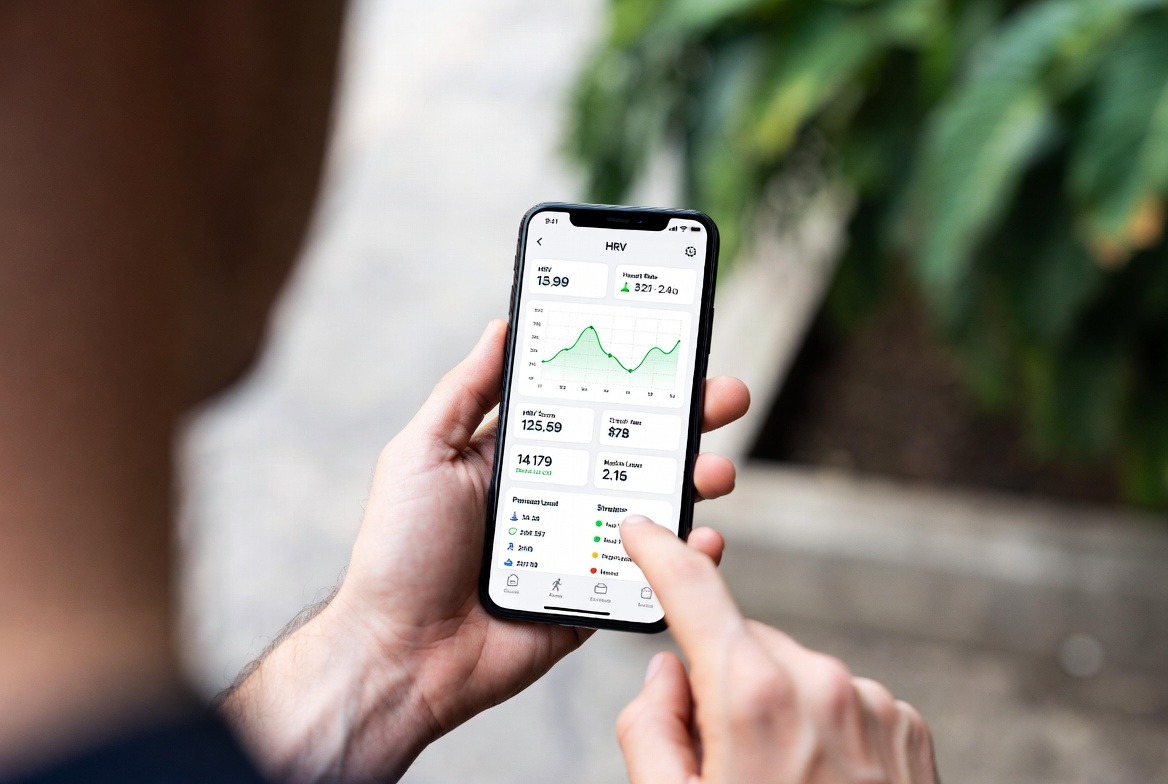
You have your device. You've established baselines, identified patterns, and started making micro-adjustments. Now, you possess something rare and powerful: objective, longitudinal data about your own body. The next frontier is bringing this asset into the one place it can have the greatest clinical impact: your doctor's office. Transforming from a passive patient into an empowered, data-informed partner requires a shift in approach. Here are concrete scripts and strategies to make your next visit more collaborative and productive.
Before the Appointment: The Strategic Preparation
Script for Introducing Your Data:
"Doctor [Name], thank you for your time. To help make the most of it, I've been using a wearable device to track some basic health metrics. I've noticed a specific trend that I wanted to get your clinical perspective on, as it's been persistent. I've put together a one-page summary—would it be helpful if I walked you through it?"
Navigating Potential Dismissiveness:
Some clinicians may be skeptical of consumer-grade data. Be prepared to address this gracefully.
Script for Co-Creating a Next-Step Plan:
"Based on this data and your exam today, would it make sense to [suggest a specific test] to rule out [specific condition]? Alternatively, could we try a lifestyle intervention for [time period] and then I can track the impact on this data and report back to you?"
Leveraging the Data for Chronic Condition Management:
If you have a diagnosed condition (e.g., hypertension, atrial fibrillation, insomnia), your data becomes even more powerful.
After the Appointment: Closing the Loop
By approaching your care with preparation, clear communication, and a focus on collaboration, you transform the clinical encounter. You become a source of unique, valuable information, helping your doctor practice not just medicine, but precision medicine. This model is gaining traction, and many forward-thinking practitioners are eager for it. For insights into what data they find most useful, our blog post on what doctors find most useful in wellness ring data can help you tailor your approach even further. This empowerment is the final, critical piece in building a preventive ecosystem that revolves around you.
Your Trusted Sleep Advocate (Sleep Foundation — https://www.sleepfoundation.org/)
Discover a digital archive of scholarly articles (NIH — https://www.ncbi.nlm.nih.gov/
39 million citations for biomedical literature (PubMed — https://pubmed.ncbi.nlm.nih.gov/)
experts at Harvard Health Publishing covering a variety of health topics — https://www.health.harvard.edu/blog/)
Every life deserves world class care (Cleveland Clinic -
https://my.clevelandclinic.org/health)
Wearable technology and the future of predictive health monitoring. (MIT Technology Review — https://www.technologyreview.com/)
Dedicated to the well-being of all people and guided by science (World Health Organization — https://www.who.int/news-room/)
Psychological science and knowledge to benefit society and improve lives. (APA — https://www.apa.org/monitor/)
Cutting-edge insights on human longevity and peak performance
(Lifespan Research — https://www.lifespan.io/)
Global authority on exercise physiology, sports performance, and human recovery
(American College of Sports Medicine — https://www.acsm.org/)
Neuroscience-driven guidance for better focus, sleep, and mental clarity
(Stanford Human Performance Lab — https://humanperformance.stanford.edu/)
Evidence-based psychology and mind–body wellness resources
(Mayo Clinic — https://www.mayoclinic.org/healthy-lifestyle/)
Data-backed research on emotional wellbeing, stress biology, and resilience
(American Institute of Stress — https://www.stress.org/)


