


Rest and Recharge Guide for Managing Anxiety
A rest and recharge guide focused on managing and reducing anxiety.
A rest and recharge guide focused on managing and reducing anxiety.
%402x.svg)
Anxiety has become the silent epidemic of the modern era. In a world that glorifies busyness, constant connectivity, and relentless productivity, the very mechanisms designed to protect us have turned against us. Your nervous system, finely tuned over millions of years of evolution to detect and respond to threats, now struggles to distinguish between a charging saber-toothed tiger and an overflowing email inbox.
The result? Millions of people wake up tired, go to bed wired, and spend their days caught in an exhausting loop of worry, restlessness, and emotional depletion.
Here is what most anxiety advice gets wrong: they tell you to breathe deeply, think positively, or simply "calm down." While well-intentioned, this surface-level guidance ignores a fundamental biological truth—anxiety is not just a mental state. It is a whole-body experience that demands a whole-body response.
This is where strategic rest and intentional recharging become not just helpful, but essential.
The relationship between rest and anxiety is bidirectional and powerful. When you are chronically under-rested, your amygdala—the brain's fear center—becomes up to 60% more reactive to negative stimuli, according to research from the University of California, Berkeley. In plain English: lack of rest literally rewires your brain to be more anxious. Conversely, when you master the art of genuine restoration, you create the internal conditions where anxiety struggles to take root.
But here is the nuance that transforms everything: not all rest is created equal.
Scrolling through social media while lying on your couch is not rest. Watching four hours of television after a stressful day is not recovery. These activities may feel passive, but they continue to engage your brain in patterns of consumption, comparison, and cognitive load. True rest—the kind that genuinely lowers cortisol, shifts your nervous system out of fight-or-flight, and replenishes your mental reserves—requires intentionality.
This guide exists because you deserve more than band-aid solutions. Over the course of this comprehensive resource, you will learn the science of why rest eludes you when you need it most, the practical techniques to reclaim genuine restoration, and the lifestyle shifts that create lasting change. From sleep optimization and breathing protocols to environmental design and technology boundaries, every strategy presented here is evidence-based and immediately actionable.
Whether you are someone who has struggled with generalized anxiety for years, or you are simply feeling the accumulated weight of a high-stress season, this guide meets you where you are. The path from chronic anxiety to resilient calm is not about eliminating stress from your life—that is neither possible nor desirable. Instead, it is about building a robust personal infrastructure of rest and recharge that allows you to face challenges without being dismantled by them.
Let us begin by understanding exactly what happens inside your body and brain when anxiety takes hold—because you cannot effectively treat what you do not understand.
Anxiety is often framed as a character flaw or a failure of willpower. You have likely heard—or said to yourself—phrases like "just get over it," "stop worrying so much," or "what is wrong with me?" This framing is not only unhelpful; it is scientifically inaccurate.
To understand why "just calming down" is nearly impossible when anxiety strikes, you need to meet your autonomic nervous system. This remarkable system operates largely outside conscious control, managing everything from your heart rate and digestion to your respiratory rate and pupil dilation. It has two primary branches: the sympathetic nervous system (often called "fight-or-flight") and the parasympathetic nervous system (often called "rest-and-digest").
When you experience anxiety, your sympathetic nervous system activates. This is not a character flaw—it is a survival mechanism honed over hundreds of thousands of years. Your brain’s amygdala detects a potential threat and sends an emergency signal to your hypothalamus, which then activates your adrenal glands. Within seconds, your body floods with stress hormones: epinephrine (adrenaline) and cortisol.
This hormonal cascade produces the physical symptoms you know all too well:
Here is the critical insight: once this cascade begins, your conscious mind has remarkably little control over it. Telling someone in the throes of a panic attack to "calm down" is like telling someone with a broken leg to "walk it off." The physiological machinery has already engaged.
Modern life has created a cruel mismatch between this ancient system and our current environment. Your sympathetic nervous system cannot distinguish between a genuine physical threat (a predator) and a psychological one (a critical email from your boss, a notification about global news, an argument with a partner). It responds to both with the same biological urgency.
Worse still, modern stressors rarely resolve quickly. A saber-toothed tiger either eats you or runs away within minutes. But an inbox full of unanswered messages, looming deadlines, financial pressures, and social obligations do not disappear. They linger, creating a state of chronic low-grade sympathetic activation. Your nervous system remains stuck in a perpetual "on" position, never receiving the signal that the threat has passed and it is safe to return to rest.
This chronic activation has measurable consequences for your health:
The good news is that your nervous system is trainable. Just as you can strengthen a muscle through repeated exercise, you can strengthen your parasympathetic "brakes" through consistent practice. Strategic rest is not about escaping your life—it is about giving your nervous system the repeated, reliable signals that it is safe to downshift out of survival mode.
Understanding this physiology transforms the entire approach to anxiety management. You are not fighting a character flaw. You are learning to work with a biological system that, for all its ancient wisdom, was never designed for the unique pressures of twenty-first-century life. And as you will discover throughout this guide, modern tools like the Oxyzen smart ring can provide real-time feedback on these physiological markers, helping you recognize when your nervous system is drifting toward anxiety before your conscious mind even notices.
If anxiety is a fire burning within your nervous system, chronic rest deficit is the accelerant that keeps it blazing. Understanding the scope of this deficit requires an honest look at how dramatically human rest patterns have shifted in just a few generations.
Before the Industrial Revolution, human beings moved in rhythms that felt natural to our biology. We woke with the sun, worked and rested in cycles throughout the day, and slept when darkness fell. Our ancestors experienced what sleep scientists now call "segmented sleep"—two distinct blocks of sleep separated by a period of quiet wakefulness in the middle of the night, during which people often rested, reflected, or engaged in intimate conversation.
The industrial era flattened these natural rhythms in the name of productivity. The electric light bulb extended working hours into the night. Factory schedules demanded rigid adherence to clocks rather than bodies. And the digital revolution has accelerated this trend exponentially.
Today, the average adult experiences what researchers call "social jetlag"—a mismatch between their biological clock and their social obligations. You stay up later than your body wants because there is always one more episode to watch, one more email to answer, one more scroll through social media. You wake up earlier than your biology prefers because work starts at 9 AM regardless of when you fell asleep.
The data is staggering:
But sleep is only one dimension of rest. Dr. Saundra Dalton-Smith, a physician and researcher, identified seven distinct types of rest that humans require for complete recovery:
Physical rest — Including both passive rest (sleep, napping) and active rest (stretching, yoga, massage therapy)
Mental rest — Giving your cognitive processing a break from decision-making, problem-solving, and information absorption
Sensory rest — Reducing inputs from screens, bright lights, loud noises, and constant background stimulation
Creative rest — Allowing space for awe, beauty, and inspiration without the pressure to produce
Emotional rest — The freedom to express authentic feelings without performing for others’ expectations
Social rest — Distinguishing between relationships that drain you and those that replenish you
Spiritual rest — The sense of belonging, purpose, and connection to something beyond yourself
Here is the uncomfortable truth that most wellness advice avoids: you may be severely deficient in several of these rest categories without even realizing it. You might sleep seven or eight hours per night and still feel utterly depleted because your mental, emotional, and sensory rest accounts are overdrawn.
Consider your typical "rest" activities through this new lens:
Watching television — Provides minimal physical rest but actively engages sensory, mental, and often emotional systems. Unless you are watching something deeply calming, you are not truly resting.
Scrolling social media — Provides no physical rest, actively taxes mental and sensory systems, and frequently triggers emotional responses ranging from envy to outrage.
Checking news updates — Engages mental processing, sensory attention, and often activates the sympathetic nervous system through alarming headlines.
Drinking alcohol to "unwind" — Chemically disrupts sleep architecture and quality, providing a sedative effect that feels like rest but delivers poor recovery.
True restoration requires matching the type of rest to your specific deficit. If your mind is exhausted from hours of decision-making, lying on the couch watching a complex thriller will not help. You need mental rest—perhaps sitting in silence, going for a walk without headphones, or spending time in nature where your brain can enter what scientists call the "default mode network," a state of wakeful rest associated with creativity and self-reflection.
This is where self-awareness becomes a superpower. Learning to recognize which rest dimensions are most depleted in your life allows you to choose targeted recovery strategies rather than defaulting to passive consumption that masquerades as rest. For deeper insights into how to identify your personal rest patterns, explore our blog for additional resources on nervous system tracking and recovery optimization.
The first step out of rest deficit is radical honesty about what genuine restoration requires. It will likely look less like what our culture markets as relaxation and more like intentional, sometimes uncomfortable, unplugging from the noise that keeps your nervous system on high alert.
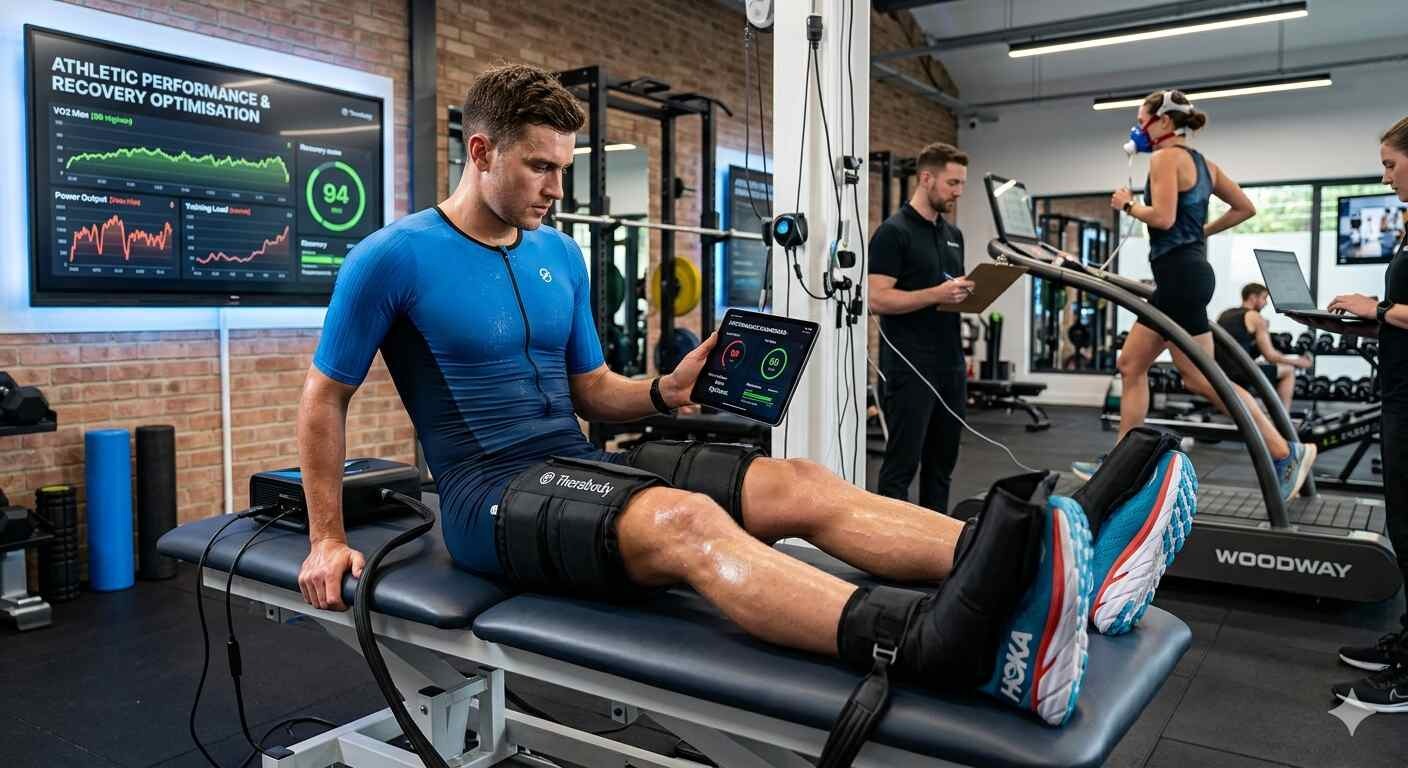
When most people think about rest and anxiety, sleep is the first association. And for good reason—sleep is the single most powerful biological regulator of emotional stability. No amount of meditation, exercise, or dietary optimization can compensate for chronically poor sleep when it comes to anxiety management.
But here is what most sleep advice misses: quantity is not the same as quality. You can spend nine hours in bed and still wake up anxious and exhausted if your sleep architecture is compromised. Understanding the structure of healthy sleep transforms how you think about bedtime.
Human sleep cycles through four distinct stages approximately every 90 to 110 minutes throughout the night:
Stage 1 (Light Sleep) — The transition between wakefulness and sleep, lasting one to seven minutes. Your muscle activity slows, eye movements decrease, and you can be easily awakened. This stage accounts for approximately 5% of total sleep.
Stage 2 (True Light Sleep) — Your body temperature drops, heart rate slows, and brain waves show characteristic "sleep spindles"—bursts of neural activity that help process memories and consolidate learning. This comprises 45-55% of total sleep.
Stage 3 (Deep Sleep) — Also called slow-wave sleep, this is the most restorative stage. Your body repairs tissues, strengthens the immune system, releases growth hormone, and clears metabolic waste from the brain. Deep sleep accounts for 15-25% of sleep but disproportionately impacts how rested you feel upon waking.
REM Sleep (Rapid Eye Movement) — The stage associated with vivid dreaming. Your brain becomes highly active, almost resembling wakefulness, while your body remains temporarily paralyzed. REM sleep processes emotional experiences, consolidates memories, and regulates mood. It accounts for 20-25% of sleep, with longer REM periods occurring in the second half of the night.
For anxiety management, both deep sleep and REM sleep play critical roles:
Deep sleep resets your amygdala reactivity. Research from Matthew Walker’s lab at UC Berkeley showed that sleep-deprived individuals exhibited a 60% increase in amygdala reactivity to negative emotional stimuli compared to well-rested participants. In other words, missing deep sleep literally makes your fear center more sensitive.
REM sleep serves as overnight emotional therapy. During REM, your brain reprocesses emotional experiences, stripping away the accompanying stress response while preserving the memory. This process explains why "sleeping on it" genuinely helps—after a full night of REM sleep, a situation that felt overwhelming the previous evening often seems more manageable.
The connection to anxiety runs both directions. Anxiety disrupts sleep architecture, and disrupted sleep architecture exacerbates anxiety. This bidirectional relationship can become a vicious cycle:
Breaking this cycle requires addressing both the anxiety and the sleep disruption simultaneously.
Practical strategies for optimizing sleep architecture:
Temperature regulation — Your core body temperature must drop by 1-3 degrees Fahrenheit to initiate and maintain sleep. A bedroom temperature between 65-68°F (18-20°C) is ideal. Cooling mattresses, breathable bedding, and warm showers before bed (which trigger subsequent core cooling) all support this process.
Light exposure management — Morning bright light exposure (ideally natural sunlight within 30 minutes of waking) sets your circadian clock and promotes earlier melatonin release the following evening. Conversely, evening light—particularly blue wavelengths from screens—suppresses melatonin by 50-80%. Dim lights and blue-blocking glasses in the two hours before bed make a measurable difference.
Sleep timing consistency — Your circadian system craves predictability. Sleeping and waking at consistent times (within the same hour window, even on weekends) strengthens your body's anticipation of sleep, improving both sleep onset and architecture.
Strategic caffeine discontinuation — Caffeine’s half-life is approximately five hours, meaning half the caffeine you consume at 2 PM remains in your system at 7 PM. This residual caffeine fragments sleep architecture, particularly reducing deep sleep. A caffeine curfew of 12-14 hours before your desired bedtime is evidence-based.
Pre-sleep wind-down — Your nervous system requires a transition period from sympathetic activation to parasympathetic rest. A 30- to 60-minute wind-down routine—free from screens, work, and emotionally stimulating content—signals safety to your brain. Reading physical books, gentle stretching, listening to calm music, or practicing gratitude all prepare your nervous system for sleep.
For those who struggle to track sleep quality, wearable technology has become increasingly sophisticated. Devices like the Oxyzen smart ring can measure sleep stages, heart rate variability, and nocturnal movement patterns, providing objective data about your sleep architecture rather than relying on subjective "how did I sleep?" impressions.
One final insight that changes everything: do not chase perfect sleep. Sleep effort—the pressure you put on yourself to achieve ideal sleep—is itself a powerful cause of insomnia. The moment you start thinking "I need to fall asleep now or tomorrow will be ruined," you have activated your sympathetic nervous system, exactly the opposite of what you need. Paradoxically, accepting that some nights will be imperfect and trusting your body's ability to recover reduces sleep anxiety and improves sleep quality.
If sleep is the long-term infrastructure for anxiety management, breath is the emergency brake. Your breathing pattern is unique among autonomic functions because it is both automatic and controllable. You cannot consciously decide to slow your heartbeat or change your digestion, but you can consciously change how you breathe—and by doing so, you can influence those other systems.
This is not mystical or metaphorical. It is pure physiology with measurable, repeatable effects.
The science works like this: Your heart rate naturally varies with your breathing cycle. When you inhale, your heart rate accelerates slightly. When you exhale, your heart rate decelerates. This phenomenon is called respiratory sinus arrhythmia, and it represents a direct communication channel between your breath and your nervous system.
Long, slow exhalations specifically activate the vagus nerve—the primary highway of your parasympathetic nervous system. When you exhale for longer than you inhale, you send a powerful signal to your brain that the threat has passed and it is safe to rest. Your heart rate slows. Blood pressure decreases. Stress hormone production down-regulates.
This is why techniques like "box breathing" (equal counts for inhale, hold, exhale, hold) and "extended exhale breathing" are so effective for acute anxiety. They leverage this built-in biological mechanism.
Here are the most evidence-based breathing techniques for anxiety management:
4-7-8 Breathing (Dr. Andrew Weil's Method)
This technique maximizes parasympathetic activation through extended exhalation. Sit comfortably with your back straight. Exhale completely through your mouth. Close your mouth and inhale quietly through your nose to a mental count of four. Hold your breath to a count of seven. Exhale completely through your mouth to a count of eight. Repeat for four to eight breath cycles.
The 4:7:8 ratio creates a profound shift in autonomic balance. Many people report feeling calmer within three or four cycles. Use this technique when you feel anxiety rising, before situations that typically provoke stress, or as part of your bedtime routine.
Resonant or Coherent Breathing
Research from the HeartMath Institute and other research centers has identified a breathing frequency that maximizes heart rate variability—a key marker of nervous system resilience. That frequency is approximately five to six breaths per minute, which translates to inhaling for five seconds and exhaling for five seconds.
To practice coherent breathing, inhale for five seconds, then exhale for five seconds without pausing between. Continue for ten to twenty minutes. This technique is particularly effective as a daily practice rather than an emergency intervention, building baseline nervous system resilience over time.
Physiological Sigh
This technique, popularized by Stanford neuroscientist Dr. Andrew Huberman, leverages the structure of natural sighing. Your lungs contain tiny air sacs called alveoli that can collapse when you breathe shallowly. A double inhale (two sniffs in quick succession) followed by a long, slow exhale reinflates these sacs and rapidly shifts your nervous system toward calm.
To perform the physiological sigh: take two short inhales through your nose—the first full, the second a quick "top-off"—then exhale slowly and completely through your mouth. One to three repetitions can reduce autonomic arousal within seconds.
Alternate Nostril Breathing (Nadi Shodhana)
This yogic technique balances the two hemispheres of the brain and has demonstrated measurable effects on heart rate and blood pressure. Using your right thumb, close your right nostril. Inhale through your left nostril. At the top of the breath, close your left nostril with your ring finger and release your right nostril. Exhale through your right nostril. Inhale through your right nostril. Close it, release the left, and exhale through the left. This completes one cycle.
Continue for five to ten minutes, maintaining smooth, even breaths without force. This technique is particularly helpful when your mind feels scattered or when you experience the racing thoughts characteristic of generalized anxiety.
The key insight that transforms breathing from a technique into a practice is this: you cannot breathe incorrectly for anxiety in the moment, but you also cannot breathe correctly for anxiety only in the moment. The greatest benefits emerge from consistent daily practice when you do not feel anxious. This is skill acquisition, not crisis management.
Think of your nervous system as a muscle. A single breathing exercise during a panic attack is like trying to lift your maximum weight after months of no exercise—it may work somewhat, but it will not work as well as if you had been training consistently. Daily practice of five to ten minutes of coherent breathing or alternate nostril breathing builds the neural pathways that make rapid regulation possible when you need it most.
Many people find that biofeedback tools accelerate this learning curve. Wearable devices that measure heart rate variability provide real-time feedback on whether your breathing is actually shifting your nervous system toward calm. This objective data transforms breathing from a subjective "does this feel like it is working?" practice into a precise, trainable skill. The Oxyzen blog contains detailed guides on using HRV biofeedback to optimize breathing practice.
Remember that your breath is always with you. Unlike medication, supplements, or external tools, your respiratory system is available in every situation—at your desk, in the car, during a difficult conversation, in the middle of the night. Mastering these techniques means you carry your most powerful regulatory tool everywhere you go.
Your environment is not neutral. Every object, color, sound, and texture in your surroundings sends continuous signals to your nervous system—either calming or agitating. Most people live and work in environments that unconsciously reinforce sympathetic activation without ever realizing why they feel tense in their own homes.
Consider a typical living room: a large television playing rapid-fire visuals and jarring sound effects, harsh overhead lighting, clutter visible in peripheral vision, phone notifications audible from the coffee table, and Wi-Fi signals pulsing invisibly. This is not a restful environment. It is a casino designed to keep you engaged and alert.
Creating genuinely restorative spaces requires intentional design informed by environmental psychology and neuroscience. The goal is not aesthetic perfection but sensory recalibration—an environment where your nervous system can downshift out of survival mode.
Lighting Strategy
Light is the most powerful environmental cue for your circadian system. Yet most homes rely on overhead fixtures that produce harsh, shadowless illumination reminiscent of operating rooms.
Layer your lighting for circadian support:
Flickering light sources like candles or fireplaces have been shown to lower blood pressure and reduce cortisol—probably an evolutionary association with safety and warmth. Even flameless candles with realistic flicker provide some of this benefit without fire risk.
Sound Management
Noise pollution is an underrecognized contributor to chronic sympathetic activation. Even sounds you have learned to ignore—traffic rumble, appliance hums, neighbor sounds—register in your nervous system at a subconscious level, maintaining a low-grade vigilance state.
Approaches to auditory restoration:
Consider your home's soundscape as carefully as its visual design. Identify sources of unpredictable noise and address them where possible—weatherstripping for doors, rugs for footsteps, felt pads for drawers.
Clutter and Visual Complexity
Visual clutter creates what attention researchers call "attentional drain." Every object in your peripheral vision competes for cognitive processing, even when you are not consciously looking at it. A cluttered environment produces measurable increases in cortisol and decreases in task performance.
This does not mean you must embrace minimalism. The issue is not the number of objects but rather the organization and intentionality. Open storage (shelves displaying visible items) creates more visual complexity than closed storage (cabinets and drawers). If your open shelves contain fifteen objects, your brain processes fifteen items every time you enter the room.
Practical approaches include:
Biophilic Elements
Humans evolved in natural environments for 99% of our evolutionary history. The built environment of walls, ceilings, and artificial materials is evolutionarily novel. Biophilic design—incorporating elements of nature into built spaces—has demonstrated consistent benefits for nervous system regulation.
Effective biophilic interventions:
Personal Sanctuary Zones
Perhaps the most powerful environmental intervention is creating a dedicated space explicitly for rest and regulation—a sanctuary zone where no work, screens, or stressful activities occur. This could be an entire room, a corner of a bedroom, or even a specific chair.
The sanctuary zone follows strict rules:
Over time, your nervous system forms a conditioned association with this space. Simply entering your sanctuary zone begins to trigger parasympathetic activation, even before you engage in any active relaxation practice. This is classical conditioning working for you rather than against you.
For those who travel frequently or lack control over their home environment (shared housing, dormitories), portable sanctuary cues become essential. A particular playlist, a small scented candle, a textured blanket, or a specific chair in a coffee shop can serve the same conditioned function. The consistency matters more than the magnitude.
Your environment is not a luxury or an afterthought. It is an active participant in your nervous system's daily regulation—either supporting or undermining every other rest strategy you employ. To learn more about the science behind environmental design for anxiety management, visit our about page where we discuss how the Oxyzen mission incorporates nervous system-informed design principles.

Of all the rest deficits described earlier in this guide, sensory and mental rest deficits are most directly caused by a single source: your digital devices. The average adult now spends over seven hours per day looking at screens—more time than they spend sleeping. Each of those hours is filled with notifications, algorithmic recommendations, infinite scrolling, and design patterns explicitly engineered to capture and hold your attention.
Former technology ethicist Tristan Harris has described the attention economy as a race to the bottom of the brain stem. Social media platforms, news apps, and entertainment services compete not for your money but for your attention—and the most effective way to capture attention is to trigger your nervous system's threat detection circuits.
Outrage, fear, anxiety, and social comparison are not unfortunate side effects of these platforms. They are features. They work.
Consider what happens when you open a typical social media app within seconds:
This is not rest. It is the opposite of rest. It is nervous system activation disguised as relaxation.
The solution is not Luddite nostalgia or complete technology abandonment. The solution is intentional boundaries—a practice known in digital wellness circles as the Digital Sabbath.
What Is a Digital Sabbath?
A Digital Sabbath is a recurring period of complete disconnection from non-essential digital devices and platforms. Unlike a detox (which implies scarcity and deprivation), a Sabbath frames disconnection as abundance—time and attention reclaimed for deeper restoration.
The practice draws from the ancient tradition of Sabbath—one day of rest from productive labor. But the Digital Sabbath adapts this principle for the attention economy. For a defined period (typically 12 to 24 hours), you refrain from:
Essential tools may remain available—GPS navigation, a single music playlist, texting close family members, reading a book on an e-reader (if content is pre-selected). The boundary is not about demonizing technology but about eliminating extractive attention capture.
The Research on Digital Rest
Emerging research on digital Sabbath practices has demonstrated remarkable benefits:
These benefits compound with regular practice. The first Digital Sabbath often feels uncomfortable—boredom, phantom vibrations, the reflexive urge to check. This discomfort is the withdrawal phase from an addictive stimulus. By the fourth or fifth Sabbath, the experience shifts from deprivation to liberation.
Practical Implementation
Start smaller than you think you need. A full 24-hour Digital Sabbath on your first attempt may set you up for failure. Instead:
Begin with a Digital Hour — Choose one evening hour when all non-essential devices are off or inaccessible. Place your phone in another room. Read, stretch, talk to household members, sit outside. Notice the difference in your nervous system.
Progress to a Digital Evening — From dinner until bedtime, no screens except essential communication. This aligns beautifully with the circadian principles discussed earlier.
Advance to a Digital Morning — The first two hours after waking, no digital devices. This protects the most neuroplastic period of your day for intentional activities rather than reactive scrolling.
Full Digital Sabbath — One 24-hour period per week (many choose Saturday or Sunday). Prepare by downloading any necessary content (playlists, maps, books) in advance. Communicate your unavailability to regular contacts. Then commit fully.
Practical Logistics
Before your Digital Sabbath, take these preparatory steps:
During your Sabbath, notice what arises. Boredom is not an emergency. It is the signal that your brain is resetting from constant stimulation. The urge to check is not a command—it is a conditioned response that weakens with non-compliance.
What to Do With Your Reclaimed Time
The most common objection to digital rest is: "What will I do with all that time?" This question reveals how completely digital consumption has colonized our attention. The answer is not one thing. It is anything.
Possibilities for Sabbath time:
The last option—doing nothing—is the most powerful and the most difficult. Our culture has pathologized stillness, equating it with laziness or unproductivity. But doing nothing is not the absence of activity. It is the presence of rest. It is allowing your nervous system to settle to its baseline without continuous demands for response.
Consider tracking your nervous system before and after a Digital Sabbath. Many people report measurable improvements in heart rate variability and resting heart rate—objective markers of parasympathetic activation. The Oxyzen FAQ includes guidance on using wearable data to track how digital rest affects your physiology.
The attention economy will not regulate itself. It profits from your vigilance. Reclaiming genuine rest requires conscious choice—the choice to stop scrolling, to tolerate boredom, to protect your attention as the finite resource it is. A weekly Digital Sabbath is not a deprivation. It is a declaration that your nervous system deserves better than continuous exploitation.
The word "rest" typically conjures images of stillness—lying down, sitting, perhaps sleeping. But for many people with anxiety, complete stillness actually increases symptoms. A quiet body does not necessarily produce a quiet mind. In fact, when your body is still and your mind remains agitated, you may experience that internal dissonance as even more distressing.
This is where movement as rest becomes transformative.
Active recovery—gentle, rhythmic, low-intensity movement—can produce many of the same physiological benefits as passive rest while providing the additional advantage of giving your anxious energy a channel for release. The key is distinguishing between restorative movement and exhausting exercise.
The Restorative Movement Continuum
All movement exists on a continuum from depleting to restoring. For anxiety management, the goal is not maximum exertion but optimal regulation.
Depleting movement — High-intensity interval training, maximum-effort lifting, competition, extreme endurance events. These raise cortisol acutely and require significant recovery afterward. While not inherently bad, they are not appropriate as rest strategies when your nervous system is already overactivated.
Neutral movement — Walking at a moderate pace, light jogging, casual cycling, gentle swimming. These do not significantly raise or lower cortisol but provide general health benefits.
Restorative movement — Slow walking, tai chi, qigong, yin yoga, gentle stretching, somatic shaking, fluid dance. These lower cortisol, increase heart rate variability, and shift nervous system balance toward parasympathetic dominance.
The distinction is not about fitness level but about intention and intensity. A trained athlete could complete a marathon and experience it as restorative relative to their capacity. But for most people with anxiety, restorative movement exists at a much lower intensity than what we have been taught counts as "exercise."
Why Rhythmic Movement Regulates the Nervous System
Rhythmic, predictable movement engages brainstem and cerebellar circuits that directly influence the autonomic nervous system. When your body moves in a steady rhythm—whether walking, swimming, rocking, or swaying—your brain receives repeated sensory feedback that signals safety and predictability.
This is not coincidence. Human infants are calmed by rhythmic rocking. Every mammalian species shows the same response—gentle, repetitive motion activates parasympathetic circuits and reduces stress hormone release.
The rhythm does not need to be externally generated. Self-generated rhythmic movement—walking with a steady cadence, swinging gently in a hammock, rocking in a chair, swaying to music—produces the same regulatory effect. Your brain tracks your own movement rhythm and interprets it as safety.
Practical Restorative Movement Practices
Walking Meditation
Unlike traditional meditation, which requires stillness, walking meditation uses the rhythm of footsteps as the anchor for attention. Walk slowly—much slower than your normal pace—and bring full awareness to the physical sensations of each step. The lifting of the foot. The forward movement. The placement back down. The shift of weight.
Continue for ten to thirty minutes. When your mind wanders to anxious thoughts, gently return attention to the sensations of walking. This practice is particularly effective for people who report that sitting meditation increases their anxiety—the movement provides enough sensory engagement to quiet the default mode network without overwhelming it.
Yin Yoga
Conventional yoga practices often emphasize muscular engagement and flow between poses. Yin yoga takes the opposite approach. Poses are held for three to five minutes while muscles remain completely relaxed, allowing the stretch to target deeper connective tissues.
The long holds create a profound parasympathetic response. Your nervous system cannot maintain high alert while your body remains still and relaxed for extended periods. Yin yoga has been shown in multiple studies to reduce state anxiety and improve heart rate variability more effectively than more active yoga styles.
Essential yin poses for anxiety include:
Hold each pose for three to five minutes, using pillows or blankets for support. The goal is comfortable maintenance—never pain or significant discomfort.
Qigong and Tai Chi
These Chinese movement practices combine slow, deliberate movements with coordinated breathing and focused attention. Research has demonstrated consistent benefits for anxiety reduction, with effect sizes comparable to cognitive behavioral therapy in some studies.
The movements are simple enough for beginners but deep enough for lifelong practice. A basic qigong sequence might include:
Free resources abound on platforms like YouTube—search for "beginner qigong for anxiety" to find guided sessions of varying lengths.
Somatic Shaking
Sometimes called "neurogenic tremoring" or "therapeutic tremors," this practice deliberately invokes the natural shaking response that animals use to discharge stress after threat. Watch a wild animal escape a predator and then immediately shake its entire body—this is the nervous system resetting.
Humans suppress this natural discharge mechanism through social conditioning. Shaking deliberately—while standing and gently bouncing, then allowing the movement to spread through your body—can release stored tension and shift nervous system state remarkably quickly.
To practice: Stand with feet shoulder-width apart, knees slightly bent. Begin gently bouncing. Allow the bounce to spread upward—your hips, then torso, then shoulders, then arms, then head. Shake your hands loosely at the wrists. Continue for one to three minutes, then stand still and notice the difference in your body.
Timing Movement as Rest
When your anxiety manifests as restless energy—pacing, fidgeting, inability to sit still—restorative movement is often more effective than forced stillness. The energy needs somewhere to go. Suppressing it increases internal pressure.
Conversely, when your anxiety manifests as exhaustion and heaviness, gentler practices like yin yoga or walking meditation may be more appropriate. The same individual may need different movement approaches at different times.
Listen to your body's signals rather than following rigid prescriptions. Restorative movement should leave you feeling more settled and refreshed—not drained, sore, or more activated. If a particular movement increases your anxiety, set it aside and try another approach. The goal is regulation, not achievement.
The connection between what you eat and how you feel is not merely metaphorical. Your gut and brain communicate continuously through the vagus nerve—the same pathway activated by deep breathing—and through chemical messengers including neurotransmitters, hormones, and inflammatory compounds. The food you consume either stabilizes this communication or disrupts it.
For anxiety management, nutritional strategy focuses on three primary mechanisms: blood sugar stability, inflammation reduction, and gut microbiome support.
Blood Sugar and the Anxiety Loop
Blood sugar fluctuations produce physiological symptoms that mimic anxiety—rapid heartbeat, sweating, shakiness, irritability, difficulty concentrating. When you experience these symptoms, your brain interprets them as threat signals, triggering actual anxiety even when no psychological stressor exists.
This creates a vicious loop. Anxiety raises cortisol, which raises blood sugar (through gluconeogenesis, the production of glucose from non-carbohydrate sources). High blood sugar triggers insulin release, which can overshoot and produce subsequent low blood sugar. Low blood sugar produces anxiety symptoms. The cycle perpetuates itself.
Breaking this loop requires stable blood sugar across the day:
Eat protein at every meal — Protein slows glucose absorption and provides amino acids necessary for neurotransmitter production. Aim for 20-30 grams of protein at each main meal.
Never eat naked carbohydrates — Carbohydrates consumed alone (a bagel, a banana, a granola bar) enter the bloodstream rapidly, producing a sharp glucose spike followed by a crash. Always pair carbohydrates with protein, fat, or fiber to slow absorption.
Front-load protein and fat — Breakfasts high in carbohydrates set you up for blood sugar instability all day. A breakfast centered on eggs, Greek yogurt, or protein smoothie provides a stable foundation.
Strategic meal frequency — Some people with anxiety benefit from three moderate meals plus one to two small snacks. Others prefer larger meals with longer gaps. Experiment to find your personal stability pattern.
Limit liquid carbohydrates — Sugary beverages (soda, sweetened coffee drinks, fruit juice) spike blood sugar faster than any solid food. Even "healthy" smoothies without protein cause rapid glucose fluctuations.
Inflammation as a Driver of Anxiety
Chronic low-grade inflammation has emerged as a significant contributor to mood disorders, including anxiety. Inflammatory cytokines (signaling molecules) can cross the blood-brain barrier and affect neurotransmitter function, particularly serotonin and dopamine.
Multiple dietary patterns have demonstrated anti-inflammatory effects relevant to anxiety:
Mediterranean diet — Rich in olive oil, fatty fish, nuts, seeds, vegetables, and fruits, this pattern reduces inflammatory markers consistently in clinical trials. The omega-3 fatty acids in fish (particularly EPA and DHA) have direct anxiety-reducing effects.
Reduce processed foods — Industrial seed oils (soybean, corn, canola, sunflower), refined sugars, artificial additives, and processed grains all promote inflammation. These are not inherently "bad" foods, but they should not form the foundation of an anxiety-management diet.
Spice strategically — Turmeric (particularly when combined with black pepper for absorption), ginger, garlic, and cinnamon all demonstrate anti-inflammatory properties. Incorporate these herbs and spices regularly.
Consider food sensitivities — Undiagnosed food sensitivities can maintain chronic low-grade inflammation. Common triggers include gluten, dairy, eggs, soy, and corn. A two-week elimination diet under medical supervision can identify personal triggers.
The Gut-Brain Axis
Your gut contains approximately 100 trillion bacteria—more microbial cells than human cells in your body. These bacteria produce neurotransmitters (including 90% of your body's serotonin and 50% of your dopamine), regulate inflammation, and communicate directly with your brain.
An unhealthy gut microbiome (dysbiosis) has been linked to increased anxiety in dozens of studies. Conversely, improving gut health reduces anxiety symptoms—often significantly.
Strategies for microbiome support:
Fermented foods — Yogurt, kefir, kimchi, sauerkraut, kombucha, and miso contain live bacteria that can colonize the gut. Consume a serving of fermented food daily.
Fiber variety — Different bacterial species feed on different types of fiber. Rotate fiber sources including vegetables, fruits, legumes, nuts, seeds, and whole grains. Aim for 25-35 grams of fiber daily.
Polyphenol-rich foods — Berries, dark chocolate (70%+ cacao), green tea, coffee, red cabbage, and olives contain polyphenols that beneficial gut bacteria convert into anti-inflammatory compounds.
Limit artificial sweeteners — Aspartame, sucralose, and saccharin have been shown to alter gut microbiome composition and may increase anxiety-like behaviors in animal studies.
Consider probiotics strategically — Specific probiotic strains (particularly Lactobacillus helveticus and Bifidobacterium longum) have demonstrated anxiety-reducing effects in human trials. A high-quality, multi-strain probiotic may be beneficial, particularly after antibiotic use.
Caffeine and Alcohol
Both substances deserve special attention in anxiety management:
Caffeine blocks adenosine receptors (promoting alertness) and increases epinephrine release (activating sympathetic nervous system). For people with anxiety, this combination can directly trigger panic symptoms. Some individuals are slow metabolizers of caffeine due to genetic variations in the CYP1A2 enzyme—these individuals experience prolonged anxiety effects from even morning coffee.
If you struggle with anxiety, consider a caffeine trial: eliminate all sources (coffee, tea, chocolate, energy drinks, some sodas) for two weeks. Then reintroduce one small serving and observe the effect on your anxiety levels over the following 24 hours.
Alcohol produces an initial sedative effect that feels like anxiety reduction. However, alcohol metabolism creates rebound anxiety as the sedative effects wear off—often more intense than the original anxiety. This is why people who drink for anxiety often wake at 3 AM with racing heart and spiraling thoughts. For many people with anxiety, complete alcohol elimination produces marked improvement within weeks.
Hydration as a Foundation
Even mild dehydration (1-2% of body weight) elevates cortisol and impairs cognitive function—including emotional regulation. Your body's thirst mechanism is also notoriously unreliable, particularly as you age.
Practical hydration guidelines:
The Magnesium Connection
Magnesium is the relaxation mineral. It regulates the HPA axis (your body's stress response system), supports GABA production (the brain's primary inhibitory neurotransmitter), and helps maintain healthy heart rate variability.
Yet up to 50% of Americans are deficient in magnesium. Soil depletion, food processing, and common medications (including proton pump inhibitors for acid reflux) all contribute.
Magnesium-rich foods include dark leafy greens, pumpkin seeds, almonds, black beans, and avocado. For therapeutic purposes, supplementation may be beneficial—particularly magnesium glycinate or magnesium threonate, which cross the blood-brain barrier more effectively than magnesium citrate or oxide.
Always consult a healthcare provider before beginning supplementation, as magnesium can interact with certain medications and affect blood pressure.

Your social environment profoundly affects your nervous system state. The people you spend time with are not passive background characters—they actively regulate (or dysregulate) your physiology through mechanisms including emotional contagion, co-regulation, and social threat detection.
Emotional contagion describes the automatic transfer of emotional states between individuals. When you spend time with a calm, grounded person, your nervous system naturally synchronizes toward that state. When you spend time with an anxious, reactive person, your system synchronizes toward agitation. This happens below conscious awareness, often before you have spoken a single word.
Co-regulation refers to the direct calming effect of safe social presence. An infant's heart rate slows when held by a calm caregiver. Adult nervous systems respond similarly—your parasympathetic system activates in the presence of someone you trust implicitly. This is why a hug from the right person can lower your blood pressure faster than any breathing technique.
Social threat detection activates the same neural circuits as physical threat. Exclusion, criticism, rejection, or even the anticipation of judgment triggers the anterior cingulate cortex—the same region activated by physical pain. For people with social anxiety, everyday interactions can produce pain-level neurological responses.
Understanding these mechanisms transforms how you approach social rest. It is not about becoming antisocial or avoiding all relationships. It is about strategic social allocation—investing your limited social energy where it returns the greatest nervous system benefit.
The Energy Drainers Versus Energy Givers
Social interactions exist on a continuum from severely depleting to highly restorative. Learn to categorize your relationships honestly:
Severe drainers — Interactions that leave you feeling exhausted, anxious, or emotionally hungover for hours or days afterward. Common characteristics include: one-sided conversations where you do all the listening and supporting, criticism disguised as honesty, competition disguised as conversation, and individuals who treat you as a therapist without reciprocity.
Mild drainers — Necessary social interactions (colleagues, extended family, acquaintances) that require energy but do not cause lasting dysregulation. These relationships can be managed with boundaries rather than eliminated.
Neutral — Interactions that neither energize nor deplete—casual small talk, service transactions, brief check-ins. These represent baseline social maintenance.
Mild givers — Interactions that leave you feeling slightly better than before. Pleasant conversation, shared activity, mutual support.
Strong givers — Interactions that measurably calm your nervous system. You feel safer, quieter, more grounded afterward. Your heart rate slows. Your breathing deepens. These individuals are social medicine.
The Recovery Distinction
A critical insight: some people you love dearly may still drain your social battery. Love and energetic impact are not the same. You can deeply care for a family member who exhausts you in every interaction. You can genuinely enjoy a friend who triggers your anxiety through their own unresolved issues.
This does not mean ending these relationships. It means managing them strategically:
The Hidden Cost of Social Obligation
Much social depletion comes not from relationships themselves but from obligation—the sense that you should attend events, maintain contact, and participate in traditions that no longer serve you. This obligation-anxiety feedback loop is particularly powerful for people raised in families or cultures with strong collective values.
Learning to distinguish genuine desire from guilty obligation is a core social rest skill. Ask yourself before any social engagement: "If no one would ever know whether I attended or not, would I choose to go?" The answer reveals what you actually want versus what you feel pressured to provide.
Creating Social Micro-Rest
Even in draining environments, you can create moments of social micro-rest:
These micro-interventions prevent complete nervous system overload during unavoidable draining interactions.
The Solitude Paradox
For many people with anxiety, solitude produces conflicting responses. Some crave alone time as the only environment where they can truly rest. Others find that solitude amplifies rumination and anxious thoughts—their own mind becomes the source of distress rather than external stimuli.
If solitude helps you rest, prioritize it unapologetically. Schedule alone time as you would any important appointment. Protect it from intrusion.
If solitude increases your anxiety, strategic social connection becomes a rest practice rather than a drain. A brief phone call with a calm friend, sitting in a coffee shop among strangers (providing social presence without interaction demands), or a group exercise class may provide the subtle social connection that quiets anxious rumination.
Technology and Social Rest
Digital social interaction—texting, social media, messaging apps—occupies a complex space in social rest. It provides connection without the full energetic demands of in-person interaction. But it also lacks the co-regulatory benefits of physical presence.
For anxiety management, treat digital social time as distinct from in-person connection. A day of heavy texting and social media engagement does not provide the same restorative benefits as an hour with a calm friend. Use digital tools for maintenance of relationships but not as primary sources of social rest.
Consider also the phenomenon of "ambient social awareness"—knowing what others are doing, feeling, and thinking through digital windows into their lives. This constant background awareness prevents full nervous system rest, as your brain remains partially oriented toward social monitoring even when you are ostensibly alone. The Digital Sabbath practices from Section 6 address this directly.
The Permission Slip
Most people with anxiety need explicit permission to prioritize social rest. You have likely internalized messages that good people always show up, never disappoint, never need space. These messages are not kindness—they are people-pleasing codified as morality.
Genuine rest requires the courage to disappoint others occasionally. To leave early. To decline invitations. To not respond immediately. To not explain or justify.
Your nervous system will thank you. And the people who truly belong in your life will understand—or at least, will be willing to learn.
The strategies discussed so far—sleep optimization, breathing techniques, environmental design, digital boundaries, movement as rest, nutritional anchors, and social management—are most powerful when practiced consistently. But life does not always accommodate hour-long practices. Meetings run long. Children need attention. Deadlines loom. Anxiety does not wait for convenient windows.
This is where micro-rests become essential. These are two- to five-minute interventions designed to shift your nervous system state without requiring significant time, equipment, or privacy. They work because the nervous system is remarkably responsive to short, repeated inputs—like a thermostat that adjusts quickly with small temperature changes rather than requiring hours to heat or cool a room.
The Science of Micro-Rest
Research on the "ultradian rhythm"—cycles within a 24-hour period—has identified natural peaks and troughs of alertness approximately every 90 minutes. Your body naturally signals the need for brief rest through yawning, eye strain, posture changes, and mental wandering. Ignoring these signals forces your nervous system to continue in a less efficient, more stressed state.
Micro-rest works with these natural cycles rather than against them. A two-minute pause every 90 minutes produces greater cumulative rest than a single 30-minute break after six hours of continuous work. The frequent reset prevents the accumulation of nervous system tension.
The Two-Minute Rule for Micro-Rests
Keep micro-rests genuinely short. When you believe you only have two minutes, you will actually do the practice. When you think you have fifteen minutes, you will check your phone, get distracted, and still not rest.
Set a timer if needed. Two minutes is approximately:
Practical Micro-Rest Techniques
The 2-Minute Wall Lean
Find a wall. Lean against it with your entire back and shoulders contacting the surface. Allow your arms to hang at your sides. Close your eyes. Breathe naturally, but focus your attention on the sensation of the wall supporting you. Your nervous system interprets physical support as safety. This simple posture shift can lower heart rate within sixty seconds.
Water Reset
Run cool water over your wrists for sixty seconds. The vagus nerve has significant branches near the skin surface on your hands and forearms. Cool temperature stimulation activates these branches, promoting parasympathetic tone. After the water, take thirty seconds to notice how your hands feel different—cooler, perhaps looser.
The One-Minute Body Scan
Close your eyes. Direct your attention sequentially: top of head, forehead, eyes, jaw, throat, shoulders, arms, hands, chest, abdomen, hips, legs, feet. At each location, spend approximately three seconds simply noticing sensation without trying to change anything. This interrupts the rumination cycles that maintain anxiety by redirecting attention from thought to physical sensation.
Visual Pivot
Shift your gaze from your screen or immediate surroundings to a distant point—out a window, across the room, to the horizon. Change your focal distance from near to far. This relaxes the ciliary muscles in your eyes (which fatigue from constant near-focus) and signals your brain to shift out of narrow threat-detection mode into broader environmental awareness.
The 20-Second Hug
Physical contact with a safe person, partner, or even a pet triggers oxytocin release and parasympathetic activation. A genuine hug lasting twenty seconds or longer produces measurably different physiological effects than a brief, perfunctory embrace. If no human is available, pet an animal or even hug yourself—crossing your arms across your chest and squeezing provides surprisingly similar benefits through pressure receptors in your skin.
Strategic Yawning
Yawning is not merely a sign of tiredness—it is a nervous system regulatory mechanism that cools the brain and shifts neural state. Deliberate yawning (opening your mouth wide, taking a deep breath, and contracting the back of your throat) can trigger genuine yawns, followed by the regulatory shift that accompanies them. Three to five deliberate yawns often produce measurable calm.
The Micro-Journaling Pivot
Write down exactly one sentence about what you are feeling right now: "My chest feels tight and I keep thinking about the meeting at 3 PM." Labeling emotions reduces amygdala activation—a phenomenon psychologists call "affect labeling." You do not need to solve anything. You just need to name it.
Physical Status Check
Ask yourself three questions quickly: "Am I hungry? Am I thirsty? Do I need to use the bathroom?" These basic biological states—ignored during focused work—mimic anxiety symptoms when they become acute. Addressing them takes two minutes and may resolve what you thought was anxiety.
The Posture Reset
Anxiety produces characteristic postural patterns: rounded shoulders, forward head, shallow upper-chest breathing. Intentionally shifting to an upright posture with shoulders back and head balanced over spine sends proprioceptive signals to your brain that influence emotional state. Research shows that upright posture reduces self-reported anxiety and improves speech performance during stressful tasks.
Integrating Micro-Rests Into Your Day
The greatest barrier to micro-rest is not time—it is forgetting. You will not remember to take two minutes for yourself when you are already in sympathetic activation. Therefore, micro-rests require external triggers:
Track how often you actually take micro-rests. Many people discover they go entire workdays without a single conscious pause—seven or eight hours of continuous sympathetic activation. This pattern virtually guarantees anxiety escalation by late afternoon.
For those using wearable devices, read our testimonials to see how users have leveraged real-time heart rate and HRV feedback to know precisely when their nervous system needs a micro-rest. Objective data removes guesswork and reinforces the habit with clear evidence that these tiny pauses produce measurable physiological benefits.
You have now explored the physiology of anxiety, the nature of rest deficit, sleep architecture, breathing techniques, environmental design, digital boundaries, restorative movement, nutritional anchors, social dynamics, and micro-rest strategies. This is substantial information—potentially overwhelming in its breadth.
The final step in this foundational portion of the guide is integration: transforming knowledge into a personalized, sustainable rest protocol that works for your unique life, nervous system, and circumstances.
The Trap of Perfect Implementation
The most common failure mode for people learning anxiety management is the "all or nothing" approach. You read a guide like this, feel inspired, and attempt to implement every strategy immediately—improving sleep, changing diet, starting breathing practice, redesigning your environment, enforcing digital boundaries, overhauling social patterns.
This approach almost always fails within two weeks. The cognitive load of maintaining all these changes exceeds your available bandwidth, particularly when anxiety already consumes significant mental energy. When you inevitably miss a day or fail to maintain a practice perfectly, you interpret this as personal failure rather than the predictable consequence of an unsustainable approach.
The Principle of Minimal Effective Dose
Instead of perfect implementation, seek the minimal effective dose for each category of rest. What is the smallest change that produces meaningful benefit for you specifically?
Examples of minimal effective doses:
Start with one category. Master it for two weeks. Then add another. The compounding effect of small, consistent changes far exceeds the impact of grandiose, abandoned overhauls.
The Personal Inventory
Before designing your protocol, conduct an honest inventory across the rest categories we have explored:
Sleep — On a scale of 1-10, how consistently do you get restorative sleep? What is your biggest sleep challenge (falling asleep, staying asleep, waking too early, waking unrefreshed)?
Breathing — Do you have any breathing techniques you can access when anxiety rises? Have you practiced them when calm?
Environment — What is one specific change to your most-used space that would reduce nervous system activation?
Digital — Which platform or device most consistently triggers your anxiety? What would one small boundary look like?
Movement — Is restorative movement or active recovery currently part of your routine? If not, what is one form of gentle movement you would realistically do?
Nutrition — Where is your biggest blood sugar instability (morning, afternoon, evening)? What is one nutritional change that would address it?
Social — Who are your top two energy givers and top two energy drainers? How often do you see each?
Micro-rest — Do you currently take any intentional pauses during your workday? What trigger could remind you to take two minutes?
The Sample Protocol Framework
Based on your inventory, design a protocol that follows this structure:
Daily non-negotiable (5-10 minutes) — One practice you commit to every single day, even on your worst days. For many people, this is a brief morning breathing practice or a daily walk. Making it short enough to feel easy ensures consistency.
Weekly anchor (30-60 minutes) — One longer practice once per week. A Digital Sabbath, a yin yoga class, a long walk in nature, or a social date with an energy giver.
Situational tools (as needed) — Two or three techniques you know work for acute anxiety. Keep these simple—physiological sigh, 4-7-8 breathing, leaving the room, calling a specific person.
Environmental passive supports — Changes you make once and then benefit from continuously. Examples: dimming evening lights, removing phone from bedroom, keeping water on your desk, displaying a visual cue for micro-rests.
The Tracking System
What gets measured gets managed. But tracking anxiety symptoms can paradoxically increase them if you become hypervigilant. The solution is tracking process (did you do your practices?) rather than outcome (how anxious do you feel?).
Create a simple daily checklist for your protocol. Yes/no boxes for your daily non-negotiable, your environmental supports, your micro-rest triggers. At the end of each week, review adherence—not to judge yourself but to identify patterns.
Many people find that objective physiological data provides the most useful feedback without the rumination of symptom tracking. Wearable devices that measure sleep quality, heart rate variability, and resting heart rate offer clear indicators of whether your rest protocol is moving your nervous system in the right direction. The Oxyzen smart ring provides this data continuously, allowing you to see the correlation between your rest practices and your physiological resilience.
The Compassion Principle
Here is the most important principle in this entire guide, so please read it slowly: You will not do this perfectly. You will have days when anxiety wins. You will forget practices. You will fall back into old patterns. This is not failure. This is being human.
The research on behavior change is clear: perfectionism predicts abandonment, while self-compassion predicts persistence. When you miss a day, the most important decision is how you talk to yourself about it.
Critical self-talk ("I always ruin everything, I cannot even do this simple thing") increases cortisol and makes future adherence less likely. Compassionate self-talk ("Today was hard. Tomorrow I will try again") keeps cortisol lower and preserves motivation.
Your nervous system does not respond well to shame. It responds to safety, predictability, and gentle consistency.
Where to Go From Here
This guide has provided the first half of a comprehensive rest and recharge framework for managing anxiety. You now understand the physiology, the strategies, and the principles of integration. The remainder of this guide will explore advanced applications including anxiety prevention through circadian alignment, recovery from anxiety episodes, long-term nervous system retraining, and the role of technology in supporting (rather than undermining) your rest practice.
For ongoing support, explore our blog for detailed articles on specific anxiety management topics, user stories, and advanced techniques. The about us page shares the mission and research behind our approach to nervous system health. And if you have questions as you build your personal rest protocol, our FAQ section provides answers to common questions about integrating rest practices into busy modern lives.
The path from chronic anxiety to resilient calm is not a straight line. It is a spiral—you will return to similar challenges again and again, but each time from a slightly more resourced, slightly more skillful place. The practices in this guide are your tools. Your consistent, compassionate effort is the only ingredient that cannot be replaced.
Begin where you are. Use what you have. Do what you can.
And rest—genuinely, deeply, strategically rest—knowing that your nervous system is not your enemy. It is your protector, doing its best with the information it has. You are learning to give it better information. That is enough for today.
The human body did not evolve to maintain the same internal state across twenty-four hours. It evolved to cycle through predictable phases of activity and restoration, each tuned to the rising and setting of the sun. This internal timekeeping system—the circadian rhythm—orchestrates everything from hormone release and body temperature to cognitive performance and emotional reactivity.
When your circadian rhythm functions properly, your nervous system follows a natural pattern: sympathetic activation during daylight hours when alertness serves you, gradually shifting toward parasympathetic dominance as evening approaches, reaching peak restorative function during the night. When your circadian rhythm becomes disrupted—as it does for millions of people living under artificial light, irregular schedules, and constant time-zone crossings—your nervous system loses this predictable pattern. The result is a body that cannot fully activate when it should and cannot fully rest when it needs to.
Anxiety thrives in this circadian chaos.
The Master Clock and Its Peripheral Clocks
Your circadian system operates through a master clock located in the suprachiasmatic nucleus (SCN) of your hypothalamus—a cluster of approximately 20,000 neurons that synchronize to the 24-hour day primarily through light exposure to your eyes. This master clock then coordinates peripheral clocks in virtually every organ and tissue in your body: your liver, heart, lungs, digestive tract, immune cells, and even individual neurons all maintain their own circadian rhythms, waiting for signals from the master clock to align them.
When your master clock receives consistent light cues, every peripheral clock falls into harmonious alignment. Melatonin rises at the correct time, cortisol peaks appropriately in the early morning, digestive enzymes activate when you typically eat, and your nervous system shifts states predictably throughout the day.
When your master clock receives inconsistent or inappropriate light cues—bright light at midnight, darkness during daylight hours, irregular wake times—peripheral clocks become desynchronized. Your liver thinks it is noon while your brain thinks it is midnight. Your digestive system prepares for a meal that never comes. Your nervous system receives conflicting signals about whether it should be alert or resting.
This internal desynchronization produces physiological noise that feels like anxiety: unpredictable energy levels, afternoon crashes, sleep disturbances, digestive issues, and emotional volatility.
Morning Light: The Most Powerful Anxiety Intervention You Are Not Using
Nothing you do for anxiety management matters as much as morning light exposure. Not meditation. Not supplements. Not therapy. Morning light is the primary entrainment signal for your entire circadian system, and most people are severely deficient.
Within thirty minutes of waking, seek natural outdoor light for at least ten to twenty minutes. Cloudy days count—natural light even through cloud cover is still dramatically more intense than indoor lighting (10,000 lux versus 100-500 lux indoors). Do not wear sunglasses. Do not look directly at the sun. Simply be outside with eyes open.
This morning light exposure triggers a cascade of beneficial effects:
If you cannot get outside—perhaps you wake before sunrise or work in a windowless environment—bright artificial light designed for circadian support (10,000 lux light therapy boxes) provides a meaningful substitute. Morning light exposure remains non-negotiable for anxiety management, regardless of how you achieve it.
The Midday Dip: Working With Your Natural Trough
Human alertness follows a predictable pattern: rising through the morning, peaking in late morning, dipping significantly in early to mid-afternoon (approximately 1-4 PM), then rising again before declining toward bedtime.
This afternoon dip is not a sign of weakness or inadequate sleep. It is a biological feature present across cultures and age groups. Fighting through this dip with caffeine, sugar, or willpower produces short-term alertness at the cost of evening sleep quality and next-day anxiety.
Instead, work with your natural trough:
The afternoon dip is also the optimal time for restorative movement—a slow walk or gentle stretching aligns perfectly with your body's natural desire for reduced intensity during these hours.
Evening Wind-Down: Building the Transition Arc
Your nervous system cannot shift instantly from sympathetic activation to parasympathetic rest. It requires a transition arc of approximately two to three hours—what sleep scientists call the "wind-down window."
During this window, every action either supports or sabotages the upcoming sleep period:
Three hours before bedtime: Finish your last meal of the day. Digestion requires sympathetic activation; eating too close to bed keeps your nervous system in processing mode. Complete any intense exercise—vigorous workouts raise core body temperature and cortisol, both of which oppose sleep initiation.
Two hours before bedtime: Begin dimming lights. Shift to warm, amber illumination below 3000 Kelvin. Activate blue-light filters on all screens (or better, put screens away entirely). Begin your transition activities—light reading, conversation, stretching, breathing practice.
One hour before bedtime: Complete darkness or very dim red light. No screens. Your environment should signal unmistakably that the active part of the day has ended. This is the time for bathing, journaling, intimacy, or simply sitting in quiet presence.
Thirty minutes before bedtime: Your bedroom should be cool (65-68°F), completely dark, and quiet. Your pre-sleep routine—the same sequence every night—has become a conditioned trigger for sleep onset through classical conditioning.
Consistency Over Duration
For circadian health, a consistent wake time matters more than total sleep duration. Waking at the same time every day—including weekends and days off—strengthens your master clock more effectively than any other single intervention. Even if you slept poorly, even if you went to bed late, wake at your regular time. The consistency provides a stable anchor around which your entire system can organize.
This may sound counterintuitive. When you are exhausted from poor sleep, everything in you wants to sleep late. But sleeping late delays your circadian clock, making it harder to fall asleep the following night, perpetuating the cycle. A consistent wake time, maintained through discipline, breaks this pattern.
Chronotype Considerations
Not everyone thrives on the same schedule. Chronotype—your genetic predisposition toward morningness or eveningness—varies across the population. Approximately 25% of people are strong morning types (larks), 25% are strong evening types (owls), and 50% fall somewhere in between.
Your chronotype has implications for anxiety management. Forcing a true evening type into a morning schedule produces chronic circadian misalignment, which elevates cortisol and worsens anxiety symptoms. Similarly, forcing a morning type into evening work produces the same dysfunction.
Where possible, align your schedule with your chronotype. If you are an evening person, seek morning light exposure later than the typical recommendation (perhaps 9-10 AM rather than 6-7 AM). Protect your late-night wind-down window even if it extends past midnight. The goal is consistency with your biology, not conformity to social norms.
Light Hygiene Across the Day
Beyond morning light and evening darkness, consider your light exposure across the entire twenty-four hours:
Practical Circadian Support Tools
For those who struggle with natural light access or have severely disrupted circadian rhythms, several tools can help:
Light therapy glasses — Wearable devices that deliver bright light directly to your eyes, allowing morning light exposure even while moving through your home
Blue-blocking glasses — Worn in the evening, these filter the blue wavelengths that most potently suppress melatonin
Smart lighting systems — Programmable bulbs that automatically shift color temperature throughout the day, from cool white in the morning to warm amber in the evening
Wake-up lights — Alarm clocks that gradually increase light intensity before your wake time, simulating sunrise and easing the transition from sleep
Circadian tracking wearables — Devices that measure skin temperature, activity, and heart rate to estimate your circadian phase and recommend optimal timing for light exposure, meals, and sleep
The Oxyzen smart ring includes circadian rhythm tracking through body temperature and heart rate patterns, helping you identify when your internal clock has drifted and whether your light exposure and sleep timing are aligned with your biology.
The Two-Week Circadian Reset
If your current schedule and anxiety levels suggest significant circadian disruption, commit to a two-week reset protocol:
Within two weeks, most people report measurable improvements in sleep quality, daytime energy stability, and reduced anxiety symptoms. The consistency matters more than the specific schedule.
Your Trusted Sleep Advocate: Sleep Foundation — https://www.sleepfoundation.org
Discover a digital archive of scholarly articles: NIH — https://www.ncbi.nlm.nih.gov/
39 million citations for biomedical literature :PubMed — https://pubmed.ncbi.nlm.nih.gov/
Experts at Harvard Health Publishing covering a variety of health topics — https://www.health.harvard.edu/blog/
Every life deserves world class care :Cleveland Clinic -
https://my.clevelandclinic.org/health
Wearable technology and the future of predictive health monitoring :MIT Technology Review — https://www.technologyreview.com/
Dedicated to the well-being of all people and guided by science :World Health Organization — https://www.who.int/news-room/
Psychological science and knowledge to benefit society and improve lives. :APA — https://www.apa.org/monitor/
Cutting-edge insights on human longevity and peak performance:
Lifespan Research — https://www.lifespan.io/
Global authority on exercise physiology, sports performance, and human recovery:
American College of Sports Medicine — https://www.acsm.org/
Neuroscience-driven guidance for better focus, sleep, and mental clarity:
Stanford Human Performance Lab — https://humanperformance.stanford.edu/
Evidence-based psychology and mind–body wellness resources:
Mayo Clinic — https://www.mayoclinic.org/healthy-lifestyle/
Data-backed research on emotional wellbeing, stress biology, and resilience:
American Institute of Stress — https://www.stress.org/


