


Ring vs Watch for Fitness Tracking: Detailed Feature Breakdown
A detailed feature comparison for fitness tracking.
A detailed feature comparison for fitness tracking.
%402x.svg)
In the ever-evolving landscape of personal health technology, a quiet revolution is taking place on our fingers. For years, the smartwatch has reigned supreme as the default wearable for the fitness-conscious, a mini-computer on the wrist tracking every step, heartbeat, and calorie burned. But now, a sleek and sophisticated challenger has emerged from the periphery: the smart ring.
This isn't just a story of a new gadget entering the market; it's a fundamental shift in how we think about biometric monitoring, personal style, and seamless integration of wellness into our daily lives. The choice between a ring and a watch for fitness tracking is no longer a simple question of preference—it's a strategic decision that hinges on deep technological capabilities, lifestyle alignment, and the very definition of what we want from our health data.
Are we looking for a proactive coach that demands interaction, or a passive, always-on health guardian that works silently in the background? Do we prioritize comprehensive smartphone notifications and GPS mapping, or continuous, medical-grade physiological insight collected during our most restorative hours? The watch shouts its findings from the rooftops; the ring whispers profound truths in the quiet of the night.
This definitive guide delves beyond marketing specs and surface-level features. We will dissect the very DNA of these two wearable form factors, exploring their strengths, weaknesses, and ideal user profiles across every critical dimension of fitness and wellness tracking. From the raw mechanics of optical heart rate sensors to the subtleties of sleep stage analysis, from workout accuracy to long-term health trend forecasting, we will provide the clarity you need to make an informed investment in your wellbeing.
Whether you're a dedicated athlete chasing a new personal record, a professional seeking to manage stress and optimize performance, or someone simply embarking on a journey to better understand your own body, the right tool can make all the difference. Let's begin by peeling back the layers of design and comfort, the foundation upon which all tracking consistency is built.
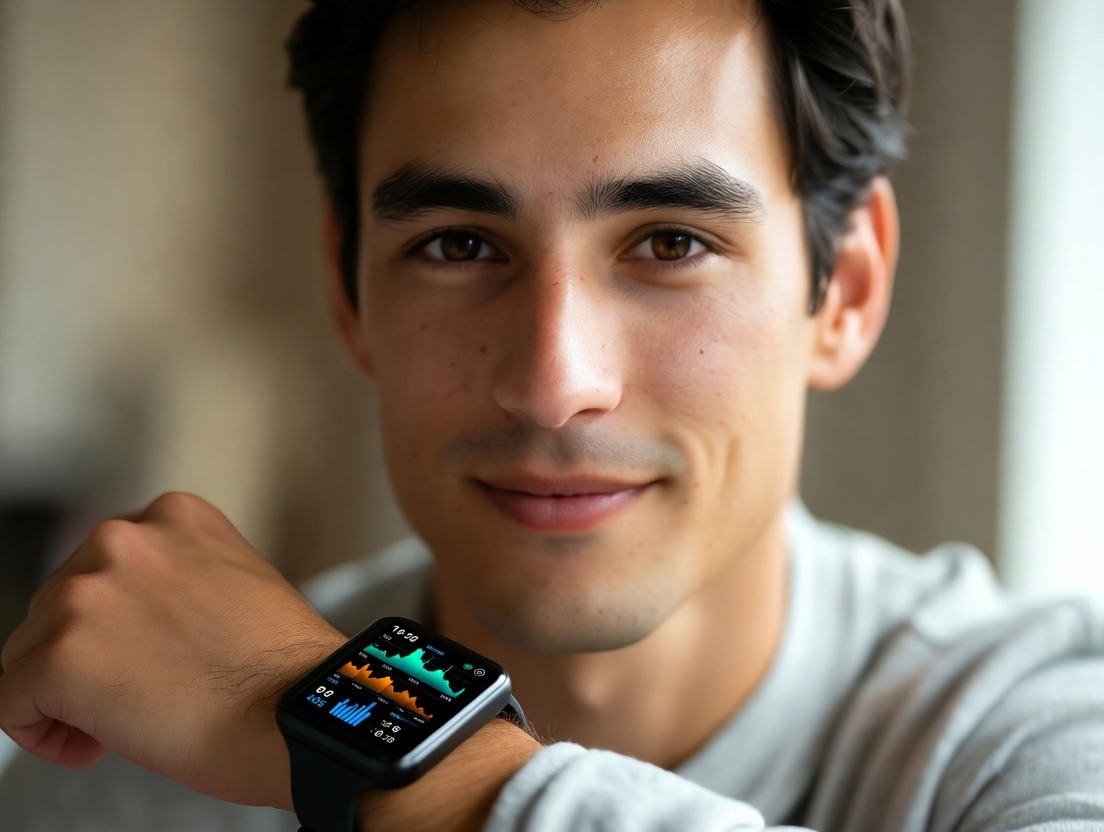
The most immediate and visceral difference between a smartwatch and a smart ring is, unquestionably, how they feel on your body. This isn't a trivial matter of aesthetics; the form factor directly dictates compliance—the single most important factor in any long-term health tracking regimen. A device that is uncomfortable, obtrusive, or socially awkward will inevitably end up in a drawer, rendering its sophisticated sensors useless.
The Wristwatch Paradigm: The smartwatch is an evolution of a centuries-old accessory. It is, by nature, a statement. It has presence. For many, it replaces a traditional watch, serving as a symbol of tech-savviness or an active lifestyle. Modern smartwatches range from sleek, minimalist designs to rugged, sport-specific tools with oversized bezels and bold displays. This versatility is a strength, allowing users to choose a model that fits their personal style.
However, the watch's size and placement come with inherent trade-offs. During sleep, a bulky watch can feel restrictive, pressing against the wrist bone or catching on sheets. For those who type for a living, the underside of a watch can scrape against a laptop chassis. In certain formal or professional settings, a glowing, notification-filled screen can be seen as distracting or inappropriate. Furthermore, the watch's sensors require consistent, snug contact with the skin, which can sometimes lead to irritation, especially during sweaty workouts or for those with sensitive skin. The quest for all-day comfort often involves loosening the band, which can then compromise heart rate reading accuracy—a classic catch-22.
The Discreet Rise of the Ring: In stark contrast, the smart ring embraces a philosophy of radical subtlety. It leverages the finger—a part of the body with a rich vascular network close to the surface—as its data collection point. A well-designed smart ring, like those pioneering the category, aims to be forgotten. It is jewelry first, technology second. Worn 24/7, it imposes no weight penalty, creates no wrist tan lines, and passes unnoticed under formalwear or gloves.
The comfort proposition is profound. Once sized correctly, a ring becomes a seamless part of you. There is no buckle to adjust, no screen to bump. It doesn't interfere with typing, sleeping, or lifting weights. This unobtrusive nature is its superpower for compliance. You simply put it on and, days later, realize it's still there, silently compiling a continuous data stream. For individuals who find wristwear bothersome, or for those in professions where a watch is impractical (e.g., healthcare professionals, mechanics, musicians), the ring offers a previously unavailable path to continuous biometric tracking.
Material and Aesthetic Considerations: Smartwatches predominantly use materials like aluminum, stainless steel, titanium, and silicone or nylon bands. Smart rings are exploring more jewelry-centric materials: titanium for lightweight strength, ceramic for scratch resistance, and even gold plating for aesthetic customization. The ring’s canvas is small, which pushes innovation in minimalistic, elegant design. It asks: can health tech be invisible? Can it be a piece of art that also saves your life? The answer, as seen in brands focused on holistic wellness, is increasingly yes. Their design ethos often revolves around this seamless integration, a story you can explore further in their narrative on thoughtful wearable design.
The Verdict on Daily Wear: If your priority is a versatile, interactive companion that makes a stylistic statement and you don't mind a noticeable device on your wrist, the smartwatch remains a compelling choice. But if your goal is uninterrupted, passive health monitoring with maximal comfort and minimal social footprint, the smart ring represents a paradigm shift. It wins on pure, 24/7 wearability, which is the non-negotiable foundation for reliable long-term data. This foundational advantage sets the stage for our next critical comparison: how each device handles the cornerstone of recovery and overall health—sleep.
If daily activity tells the story of our output, sleep is the narrative of our input and repair. It is during these critical hours that our bodies consolidate memories, repair tissues, regulate hormones, and clear metabolic waste from the brain. Consequently, sleep tracking has moved from a novelty to a core pillar of health wearables. Here, the battle between wrist and finger is fought on the grounds of comfort, sensor placement, and algorithmic insight.
The Smartwatch's Nocturnal Challenge: Most major smartwatches now offer advanced sleep tracking, measuring duration, stages (light, deep, REM), and providing a "sleep score." However, the wrist is a suboptimal location for this specific task. As mentioned, a watch can be uncomfortable to sleep in, leading users to remove it—creating a total data gap. Even when worn, movement-based detection from the wrist is prone to error. Tossing and turning can be misinterpreted as wakefulness, while lying still awake can be falsely logged as sleep.
More importantly, the primary metric for distinguishing sleep stages—Heart Rate Variability (HRV)—is harder to measure accurately from the wrist during sleep. HRV, the subtle variation in time between heartbeats, is a key indicator of autonomic nervous system balance and recovery status. Wrist-based optical sensors can struggle with the low blood flow and specific positioning during sleep, leading to noisier HRV data. While newer watches with advanced sensors are improving, the form factor itself presents a physiological hurdle.
The Smart Ring's Native Advantage: The finger provides a superior arterial signal for photoplethysmography (PPG)—the optical heart rate technology used by most wearables. The vascular density in the finger often allows for a stronger, cleaner pulse waveform, especially during periods of low movement like sleep. This translates to more reliable heart rate and, crucially, HRV readings throughout the night.
A smart ring, comfortable enough to wear without a second thought, guarantees data collection every single night. This consistency is gold for trend analysis. You're not just getting a nightly score; you're building a baseline of your personal norm. Advanced rings use this robust nocturnal HRV data, combined with respiratory rate and body temperature trends, to calculate a Recovery Score or Readiness Score. This isn't just about how long you slept, but how well your body recovered from the stressors of the previous day. It can answer the question: "Am I physically prepared to tackle a hard workout today, or should I prioritize active recovery?"
For instance, a consistently elevated nocturnal heart rate and depressed HRV might indicate your body is fighting off an illness, dealing with excessive stress, or not recovered from training—often before you feel symptomatic. This proactive insight is the true power of continuous, high-fidelity sleep data. For a deeper dive into how these metrics inform overall wellness, resources like the Oxyzen.ai blog often explore the science behind recovery analytics.
Beyond Stages: The Temperature Factor: A cutting-edge differentiator emerging in smart rings is the inclusion of a peripheral body temperature sensor. While watches may measure skin temperature at the wrist, the finger (and particularly the finger pad) is an excellent site for tracking subtle circadian shifts in core body temperature. Nocturnal temperature trends are intimately linked to sleep-wake cycles and menstrual cycle phases. For women, this enables sophisticated period prediction and cycle tracking directly from a wearable, without manual logging. This is a feature where the ring's form factor provides a distinct, clinically relevant data advantage.
The Sleep & Recovery Verdict: For comprehensive, accurate, and comfortable sleep tracking that focuses on outcomes (recovery) rather than just outputs (stages), the smart ring holds a significant edge. Its comfort ensures compliance, its sensor placement yields higher-quality nocturnal biometrics, and its focus on readiness provides actionable insights. The watch can offer good sleep data, but the ring is built for it. This seamless overnight monitoring flows directly into how we measure our body's daily preparedness, which is the domain of our next critical metric: readiness and stress.

Modern fitness is no longer just about counting steps and crushing workouts. The forefront of performance and health optimization is understanding your body's internal state—the balance of your sympathetic ("fight or flight") and parasympathetic ("rest and digest") nervous systems. This is the realm of Heart Rate Variability (HRV) and continuous stress monitoring, metrics that offer a real-time window into your physiological resilience.
The Watch's Snapshot Approach: Many advanced smartwatches now measure HRV, but typically through short, on-demand readings (like a 30-second breath-guided session) or through occasional spot checks during periods of rest. This provides useful snapshots, but the autonomic nervous system is dynamic, responding minute-by-minute to mental, physical, and environmental stimuli. Snapshot readings can miss the bigger picture of your daily stress load and recovery pattern.
Some watches offer "stress tracking" scores throughout the day, often derived from these intermittent HRV readings and heart rate data. While helpful, the intermittent nature of wrist-based data collection, especially when the arm is moving, can create gaps in the stress timeline. Furthermore, a watch's stress notification popping up on-screen can, ironically, induce stress, creating a less-than-ideal user feedback loop.
The Ring's Continuous Dialogue: By virtue of its comfort and superior nocturnal signal, a smart ring is positioned to be a continuous monitor of your autonomic nervous system. It doesn't take snapshots; it records the entire movie. It tracks your HRV not just during a meditation session, but during a tense work meeting, a relaxing dinner, and throughout all stages of sleep.
This continuous data stream allows for the calculation of a true Daily Readiness Score. This score synthesizes last night's sleep quality, recovery metrics (HRV, resting heart rate), and recent activity levels to answer a fundamental question: What is my body's capacity for stress today? A high readiness score suggests you're primed for a challenging workout or a demanding day. A low score is a clear signal from your body to prioritize rest, hydration, and lighter activity.
The ring transforms HRV from a curious number into a practical, daily guide. It can identify chronic stress patterns you might have normalized, reveal the physiological impact of caffeine or alcohol, and show how different types of exercise (e.g., long run vs. yoga) affect your nervous system. This is biofeedback at its most seamless. To understand how this data is translated into actionable wellness insights, you can often explore user testimonials to see real-world applications.
Body Temperature as a Stress & Health Indicator: Again, the ring's potential for continuous peripheral temperature monitoring adds another layer. Acute stress can cause vasoconstriction, lowering finger temperature. A sustained elevation in nighttime temperature can signal immune system activation. This biomarker, combined with HRV and resting heart rate, creates a multi-parameter early warning system for illness or overtraining that is uniquely accessible through the ring form factor.
The Readiness & Stress Verdict: If your goal is to move from simply tracking workouts to managing your body's capacity for all stress—physical, mental, and emotional—the smart ring's continuous, high-fidelity monitoring of the autonomic nervous system is unparalleled. It provides a proactive, holistic view of your readiness, turning internal physiology into an external guide. This deep understanding of internal load perfectly sets the stage for examining how we track external output: activity and workout tracking.
This is the traditional stronghold of the smartwatch. For years, watches have been our digital personal trainers, offering GPS mapping, rep counting, and a dazzling array of sport-specific modes. The ring enters this arena with a different philosophy: less about real-time coaching during the activity, and more about quantifying the holistic physiological impact of the activity.
The Watch: The Interactive Workout Companion. For the engaged athlete who wants data-rich, real-time feedback, the smartwatch is still king. Its large(ish) display provides at-a-glance metrics: current pace, heart rate zone, distance, lap time, and even navigation maps. Built-in GPS (in most models) accurately tracks outdoor routes without needing a phone. Advanced watches can count reps for strength training, analyze running form metrics like ground contact time and vertical oscillation, and even provide on-screen animated workouts.
The watch excels at structured workout execution. It can deliver interval timers, pace alerts, and heart zone notifications. For swimmers, waterproof watches with swim-tracking features are the clear choice. The interactive experience—glancing at your wrist mid-run to check your pace—is something a ring, with no screen, cannot replicate. It’s a coach on your wrist.
The Ring: The Impact Quantifier. Don't mistake the ring's lack of a screen for a lack of capability. During a workout, a modern smart ring diligently tracks heart rate, heart rate zones, estimated calorie burn, and activity duration. Its accuracy for steady-state cardio (running, cycling, elliptical) is often excellent, thanks again to the strong finger PPG signal which can be more stable during high-movement activities than a loose wrist sensor.
Where the ring's philosophy diverges is in its pre- and post-workout intelligence. Before you start, your Readiness Score (discussed earlier) can advise whether to go hard or go easy. After the workout, the ring doesn't just show you calories burned; it shows you the cost. How much did that session impact your nervous system? How did it affect your nocturnal recovery metrics? The ring places the workout within the broader context of your 24-hour physiological cycle.
It excels at capturing non-exercise activity thermogenesis (NEAT)—the calories burned from fidgeting, walking to your car, taking the stairs—all day long, without you needing to "start a workout." For someone focused on overall daily metabolic health, this passive tracking is incredibly valuable. It also automatically detects walks and runs with surprising accuracy, so you often get credit without having to press a button.
The Gap: GPS and Sport-Specificity. The ring's clear limitation is the lack of built-in GPS. For precise distance and pace mapping on a run or ride, you must carry your phone. It also doesn't offer sport-specific metrics like swim stroke count or rep tracking. Its strength is in the cardiovascular and metabolic essence of the activity, not the kinematic details.
The Activity Tracking Verdict: Choose the smartwatch if you are a data-driven athlete who needs real-time feedback, GPS mapping, and detailed form analysis for specific sports. Choose the smart ring if you want seamless, automatic tracking of all daily movement (NEAT), highly accurate heart rate zones during cardio, and, most importantly, a deep understanding of how each workout affects your overall recovery and readiness state. It’s the difference between tracking the performance and tracking the physiological impact. This impact is fundamentally tied to our body's most basic fuel metric: energy, or calories.
At the core of most fitness tracking lies a simple, yet deceptively complex, equation: Calories Burned. This figure drives weight management goals, informs nutrition strategies, and quantifies workout effort. The accuracy of this number hinges entirely on the device's ability to measure its two primary inputs: heart rate and motion. Here, the sensor placement war between wrist and finger reaches its technical zenith.
The Heart of the Matter: PPG Sensor Fundamentals. Both devices use Optical Photoplethysmography (PPG). Green LED light penetrates the skin, blood absorbs this light, and the sensor detects the volume changes in blood vessels with each heartbeat. The quality of this signal is paramount.
Wrist-Based PPG: The Convenience Compromise. The wrist is a convenient location, but not an ideal vascular site. Bones, tendons, and a lower density of capillaries can lead to a weaker signal, especially during high-intensity movements where the sensor can lose contact ("cadence lock," where it mistakenly tracks arm swing rhythm instead of heart rate). Tightening the band improves contact but reduces comfort. This signal noise directly translates to errors in heart rate, which is the primary driver of calorie burn algorithms. Studies have consistently shown wrist-based optical HR can be inaccurate during intermittent, high-intensity exercise like weight training or HIIT.
Finger-Based PPG: The Vascular Advantage. The finger pad and the base of the finger are rich with capillaries and provide a strong, clear arterial pulse signal. This often results in more accurate and stable heart rate readings, particularly during static or gripping exercises where wrist movement is minimal but cardiovascular demand is high (think planks, weightlifting, or cycling). The ring's fit, once sized, is consistently snug without needing adjustment, providing constant sensor contact. This gives it a potential edge in the foundational accuracy of its most critical biometric.
Calorie Burn Calculation: Algorithms in Action. No wearable directly measures calories. They estimate them using algorithms that combine heart rate (a proxy for metabolic exertion), motion data (from accelerometers), and user profile data (age, weight, sex, height). A more accurate heart rate feed creates a more accurate calorie estimate.
The smartwatch may have an advantage in factoring in precise movement patterns from its accelerometer (e.g., recognizing a running gait vs. an elliptical motion). However, the ring also contains a 3-axis accelerometer to track movement. The debate centers on which is more consequential: hyper-detailed motion context or a superior heart rate signal. For steady-state cardio, they likely converge. For anaerobic or intermittent activity, the ring's stable heart rate may lead to better estimates.
The Daily Energy Budget (Active vs. Resting Calories). This is where the ring's 24/7 wearability shines. Because it never comes off, it collects your true Resting Heart Rate (RHR) each morning (a key health metric) and has a continuous picture of your metabolism. It can more accurately separate your Basal Metabolic Rate (BMR) from your Active Calories. A watch taken off at night or for charging has to estimate these baselines with more gaps in its data.
The Heart Rate & Calories Verdict: For the most accurate continuous heart rate, particularly during non-steady-state activities and during sleep, the smart ring's vascular advantage is significant. This foundational accuracy likely leads to more reliable calorie burn estimations over the course of a full day and night. The watch can be very accurate during steady-state workouts, especially when paired with a chest strap, but may struggle with consistency across all 24 hours. Understanding these technical nuances is part of our commitment to transparency, which you can learn more about in our approach. This accurate energy tracking naturally extends to one of the most powerful health predictors: long-term cardiovascular trends.

Fitness tracking isn't just about today's workout; it's about safeguarding your future health. The most powerful feature of any wearable is its ability to establish a personal baseline and detect meaningful deviations over weeks, months, and years. This is the realm of long-term trending, where subtle data points coalesce into a profound picture of cardiovascular health and metabolic fitness.
Building Your Personal Baseline. Both watches and rings collect data to establish what's "normal" for you. However, the consistency and quality of data collection directly impact the reliability of this baseline. A device worn 24/7, like a ring, builds a denser, more complete dataset, especially for nocturnal metrics which are critical health indicators.
Key Long-Term Metrics and Their Importance:
The Ring's Advantage in Trending: The smart ring's strengths in comfortable, continuous wear and superior nocturnal biometrics make it a potentially superior tool for long-term health surveillance. Because it captures your physiology every night under similar conditions, it can detect subtle shifts with high sensitivity. A creeping rise in your sleeping heart rate or a dip in your HRV baseline over a week might be the earliest sign your body is fighting something off—a feature users often report as a "silent guardian" benefit.
The integration of peripheral temperature trends adds another powerful longitudinal axis. For women, this enables natural, hormone-free cycle tracking and prediction. For everyone, long-term temperature trends can reveal insights into metabolic health and circadian rhythm stability.
The Watch's Broader Ecosystem: Smartwatches often integrate with larger health ecosystems (Apple Health, Google Fit, Samsung Health) that can aggregate data from other sources, like connected scales or blood glucose monitors, to provide a more holistic health dashboard. Some advanced watches also offer FDA-cleared features like ECG (electrocardiogram) for detecting atrial fibrillation—a significant feature for at-risk populations that rings do not currently offer.
The Long-Term Health Verdict: For individuals focused on preventive health and noticing the earliest possible deviations from their personal norm, the smart ring's continuous, high-fidelity data collection—especially around sleep and recovery metrics—offers a compelling advantage. It is a dedicated health monitoring device. The smartwatch, particularly models with ECG, may have an edge for specific diagnostic checks and for users who need those advanced cardiac features within a broader digital ecosystem. This big-picture health focus inevitably collides with the realities of daily life: battery life and practicality.
A wearable's best features are useless if it's dead. Battery life dictates the practical rhythm of your interaction with the device and determines whether it can truly deliver on the promise of continuous, uninterrupted tracking. Here, the minimalist design of the smart ring confronts the power-hungry reality of the smartwatch display.
The Smartwatch's Daily Ritual. For most full-featured smartwatches (Apple Watch, Samsung Galaxy Watch, Google Pixel Watch), daily charging is a non-negotiable part of ownership. Battery life typically ranges from 18 to 36 hours with always-on displays and active tracking. This creates a predictable gap in data, most often during sleep or a morning/evening charging window. Some "fitness-focused" watches with simpler displays (Garmin, Coros) can last a week or more, but these often sacrifice smart features and display quality. The watch's color touchscreen, GPS radio, and constant connection to your phone are massive power drains. Charging requires removing the device, breaking skin contact, and interrupting data flow.
The Smart Ring's Marathon Approach. By eschewing a power-intensive display and minimizing active radios (they typically sync via Bluetooth only when near your phone), smart rings are engineered for endurance. It is common for rings to offer 5 to 7 days of battery life on a single charge. This changes the user experience fundamentally.
You are not charging a ring every night. You charge it perhaps once a week, during a shower or a quiet hour at your desk. This means you can wear it 24/7 for weeks at a time, only removing it for that brief weekly charge. This logistical simplicity is a major win for data continuity. There are no daily decisions about whether to wear it to bed or put it on the charger. It's just always on, always collecting.
The Impact on Data Integrity. This difference is profound for trend analysis. A watch that's off the wrist for 1-2 hours every day has a permanent, regular hole in its 24/7 data canvas. Algorithms have to interpolate or simply miss what happens during that time. A ring's weekly one-hour charge creates a negligible data gap. For metrics that rely on understanding your full circadian rhythm—like body temperature or recovery scoring—uninterrupted data is critical.
Charging Hardware & Convenience. Watch chargers are often proprietary pucks or docks. Ring chargers are typically small, portable cases or stands. The ring's small battery also means it charges very quickly—often from 0 to 100% in under 90 minutes. This ease reinforces the "set it and forget it" mentality that is core to its value proposition.
The Battery Life Verdict: If you are comfortable with a daily charging ritual and don't mind the predictable data gaps (or you opt for a multi-day fitness watch with fewer smart features), the smartwatch is workable. But if you desire true, uninterrupted, continuous health monitoring without having to think about battery logistics, the smart ring is in a different league. Its week-long battery life isn't just a spec; it's an enabler of its core promise. This seamless operation is part of a larger question of how the device fits into your digital life: its smart features and ecosystem.

This is the domain where the smartwatch was born and continues to dominate. The very term "smartwatch" implies an extension of your smartphone—a secondary screen for your digital life. The smart ring, by design, takes a radically different, almost minimalist approach. This isn't a battle of better or worse, but of fundamentally different philosophies on technology's role in our moment-to-moment awareness.
The Watch: Your Wrist-Based Command Center. A modern smartwatch is a powerful computer. It can:
This connectivity is a double-edged sword. For productivity, it can be incredibly useful to triage a notification with a glance, avoiding the need to pull out your phone. For fitness, streaming music directly from the watch during a run is liberating. However, this constant stream of haptic taps and visual alerts can become a source of chronic distraction and stress—the very things many wearables aim to help you manage. It turns your wrist into an anxiety trigger.
The Ring: The Focused Sentinel. A smart ring intentionally lacks a screen. It does not buzz with every email. It does not show you who is calling. Its "smart" features are almost entirely health-centric and ambient. Common implementations include:
That's typically it. The ring is designed to be ignored during your day, working silently in the background. It gathers data without demanding attention. This makes it a powerful tool for digital minimalism. It helps you understand and improve your health without adding another screen to your life. You engage with its data intentionally, through its companion smartphone app, at a time you choose.
Ecosystem Lock-In vs. Agnosticism. Smartwatches are often deeply tied to their operating system (watchOS with iPhone, Wear OS/Watch with Android). Switching phone platforms usually means abandoning your watch. Smart rings, as simpler sensor hubs, are generally more platform-agnostic, working with both iOS and Android through their apps. This offers greater flexibility.
The Smart Features Verdict: Choose a smartwatch if you want a connected, interactive extension of your phone on your wrist and are willing to manage the potential for distraction. Choose a smart ring if you want your health tracking to be completely separate from the noise of notifications—a dedicated, focused wellness tool that empowers you to disconnect. This philosophy of focused design often stems from a clear vision, which you can read about in our company's founding story. This separation of concerns leads us to a critical, tangible consideration: durability and the cost of ownership.
A wearable is an investment that must survive the rigors of your daily life. It faces water, sweat, impacts, temperature extremes, and chemicals. The durability, maintenance requirements, and overall lifestyle compatibility of a ring versus a watch are markedly different, influencing not just the device's lifespan but also your freedom of movement.
The Watch: Screen Vulnerability and Band Fatigue. The smartwatch's primary point of failure is its screen. Glass faces, even with "sapphire" or "gorilla" coatings, can scratch or shatter from a direct impact against a doorframe, gym equipment, or the ground. The watch body itself is also susceptible to dings and scrapes. Furthermore, the bands experience wear and tear. Silicone bands can degrade with sweat and sunscreen; leather bands are ruined by water; metal bands can pinch or loosen.
Water resistance is generally excellent in modern watches (often 5ATM/50 meters), making them safe for swimming and showering. However, exposure to soaps, shampoos, and saltwater is still discouraged as it can degrade seals over time. Charging contacts can also corrode if not kept dry.
The Ring: The Strength of a Torus. A well-made smart ring, crafted from titanium or ceramic, is a paragon of durability. These materials are highly scratch and impact-resistant. There is no screen to crack. Its solid, unibody form factor has fewer points of failure than a watch with a separate band, case, and display assembly.
Water resistance is also a standard feature, with many rings rated to 10ATM (100 meters) or more, meaning they are built to withstand deep water pressure and are completely impervious to showers, swimming, and ocean use. The lack of charging ports (most use inductive charging) eliminates corrosion points.
Lifestyle and Professional Compatibility: This is a major differentiator.
Sizing and Flexibility: A watch band can be adjusted or swapped. A ring is a fixed size. Proper initial sizing (often via a sizing kit) is absolutely critical for comfort and sensor accuracy. Finger size can fluctuate slightly with temperature, hydration, and time of day, which is a consideration the ring must account for in its design.
The Durability & Lifestyle Verdict: For sheer ruggedness, low maintenance, and compatibility with active, hands-on, or formal lifestyles, the smart ring holds significant advantages. Its solid construction and lack of a vulnerable screen make it a "set it and forget it" device in the truest sense. The watch requires more conscious care to protect its display and may need band replacements over time. For answers to common questions about ring care and compatibility, our FAQ page provides detailed guidance. This practical resilience supports the final, and perhaps most decisive, comparison: value, privacy, and the long-term vision for your data.
In an age where personal data is a currency, the information collected by a health wearable is among the most sensitive possible. It's a detailed diary of your body: when you sleep, your stress levels, your heart patterns, and potentially your location. How a device company handles this data is not a peripheral concern—it is central to the trust required for you to wear it every day.
The Watch: Integration and Abstraction. Major smartwatch platforms (Apple, Google, Samsung, Fitbit/Google) are, first and foremost, data aggregation engines. Their power lies in pulling information from various apps and devices into a central hub (Apple Health, Google Fit, Samsung Health). Privacy policies vary significantly:
The data often lives within a massive ecosystem, which can be great for holistic insights but also means your intimate health details are on the servers of some of the world's largest tech companies.
The Ring: Focused Intent and Potential for Greater Control. Many smart ring companies, particularly newer entrants in the wellness space, are building their brands on a foundation of data privacy and user-centricity. Their business model is the device itself, not the monetization of user data. This can lead to more transparent and restrictive data policies.
Common principles among privacy-focused ring makers include:
The ring's focused purpose—health sensing, not being a general smart device—means it collects a narrower, more purposeful dataset. There's no microphone, no GPS (typically), and no constant stream of app notifications to log.
Data Ownership and Long-Term Value. The true value of your wearable is the multi-year trend line it creates—your personal health fingerprint. It's crucial to ask: If you stop using the brand's device or app, can you export your raw data in a standard format (like CSV) to take with you? Or are you locked into their ecosystem? Companies confident in their user value often allow easy data export, treating your data as your property.
The Privacy & Philosophy Verdict: If you are already entrenched in an ecosystem (like Apple's) and trust its privacy stance, a compatible watch offers seamless integration. However, if data privacy is a paramount concern and you prefer a device from a company whose primary product is wellness, not advertising or ecosystem lock-in, a smart ring from a transparent, privacy-focused brand can offer greater peace of mind. This ethos of user-first data stewardship is something we detail in our commitment to users, which you can discover here. This foundation of trust is what allows us to finally synthesize all these comparisons into a clear roadmap for your decision.
After this exhaustive, layer-by-layer dissection of smartwatches and smart rings, we are left not with a simple "winner," but with a clear map of two divergent paths in wearable technology. Each excels in its own domain, shaped by its form factor’s inherent strengths and compromises. The final choice is not about which device is objectively better, but about which is subjectively right for your physiology, your lifestyle, and your personal health philosophy.
To move from analysis to decision, let’s consolidate everything into a clear framework. Ask yourself these pivotal questions:
1. What is your primary goal?
2. What is your tolerance for device presence?
3. How do you handle data and distraction?
The Hybrid Reality & The Future
For many, the ideal scenario isn't an either/or choice, but a strategic and. It’s increasingly common to see individuals wearing both: a smartwatch for daytime workouts, connectivity, and timekeeping, and a smart ring for continuous, undisturbed night-time recovery tracking and daytime readiness insights. This combination leverages the unique superpowers of each form factor, providing the most complete picture of one’s health. The watch tracks the output; the ring quantifies the cost and the capacity.
The trajectory of the market suggests this specialization will deepen. Smartwatches will become more powerful, connected, and app-laden, essentially becoming our primary wrist-worn computing interfaces. Smart rings will refine their role as specialized, medical-grade biometric guardians, focusing on deeper physiological insights, predictive health, and ultimate wearability. They are two sides of the same wellness coin.
Having guided you through this comprehensive decision framework, we now turn our attention to the practical reality of bringing one of these devices into your life. The journey begins long before you unbox it, with the critical first step of ensuring a perfect physical fit—a step that carries far greater consequence for a ring than for a watch.
The moment of transition from considering a wearable to owning one is defined by the unboxing and setup experience. For a smartwatch, this is often a familiar ritual: charge, pair with your phone, strap it on, and adjust the band. For a smart ring, this process is fundamentally different and centers on one non-negotiable task: achieving a perfect fit. This isn't just about comfort; it's about data accuracy, device security, and the entire user experience.
The Smartwatch: Adjustable and Forgiving. A watch band offers flexibility—literally and figuratively. You can tighten it for a workout and loosen it for the rest of the day. If your wrist swells slightly, you can adjust. Most brands provide a range of band sizes in the box, or at least a mechanism (like pins or a sliding clasp) for fine-tuning. The margin for error is small; as long as the watch is snug enough not to spin freely and the sensors maintain skin contact, it will function. The setup is largely digital: downloading an app, creating an account, and configuring notifications.
The Smart Ring: Precision is Paramount. Ordering a smart ring is more akin to commissioning a piece of custom jewelry. Because your finger is a fixed size, the ring must match it exactly. An improperly sized ring is a failure point: too tight, and it becomes uncomfortable, restricts circulation, and creates skin irritation; too loose, and it spins, causing sensor misalignment, inaccurate readings (especially for SpO2 and temperature), and the risk of falling off.
The Sizing Kit: The Essential Prelude. Reputable ring companies do not ship you a final ring outright. They first send a free sizing kit. This kit contains multiple plastic or metal replica rings in half-size increments (e.g., US size 8, 8.5, 9, etc.). The process is deliberate:
This physical, tactile process is a commitment. It slows down the instant-gratification loop and emphasizes that this is a personalized tool, not a commodity. It also builds anticipation and ensures the final product will be correct.
Choosing Your Finger: Not all fingers are created equal for sensor performance. The ideal finger has good blood flow and consistent positioning.
The Unboxing & Pairing: Once your perfect size is determined and your final ring arrives, the unboxing is a celebration of craftsmanship. The ring itself, often in a premium case, feels substantial. Pairing is simple via Bluetooth to a dedicated app. The app then becomes your portal to the data—the ring itself, true to its philosophy, remains silent and unadorned.
The Fit & Setup Verdict: The smartwatch offers immediate, adjustable utility. The smart ring demands a patient, precise prelude to ensure a lifetime of perfect function. This initial investment of time is a filter; it ensures that those who proceed are committed to the ring's value proposition of seamless, continuous tracking. For more detailed guidance on this process and answers to common fitting questions, our comprehensive FAQ is an invaluable resource. Once that perfect fit is achieved, the real relationship begins within the companion smartphone application—the cockpit where data transforms into insight.
The wearable hardware is merely a data collection node. Its true intelligence and utility are unlocked through the companion smartphone application. This app is the bridge between raw biometrics and human understanding. Whether for a watch or a ring, the app's design, clarity, and actionable intelligence are what ultimately determine the device's value in your life. Here, we see different design philosophies emerge, reflective of the devices' core purposes.
The Smartwatch App: A Hub of Activity and Integration. Watch companion apps (Apple's Fitness/Health, Garmin Connect, Fitbit, Samsung Health) are typically vast, sprawling ecosystems. They are designed to be control centers and aggregation hubs.
The experience can be incredibly powerful but also overwhelming. The sheer volume of data points can lead to "analysis paralysis." The emphasis is often on achievement (closing rings, earning badges) and quantification (more steps, faster pace).
The Smart Ring App: A Focus on Readiness and Holistic Health. Ring apps, by contrast, tend to be more focused, serene, and insight-driven. They prioritize clarity over comprehensiveness. The design language is often minimalist, guiding you toward key takeaways.
Personalization and Goal Setting: Both types of apps allow for goal setting (activity minutes, sleep hours). Watch apps may have hundreds of configurable settings. Ring apps tend to be more opinionated, using algorithms to set personalized, adaptive goals based on your recovery state—a concept known as adaptive recovery.
The App Experience Verdict: If you thrive on detailed data exploration, social motivation, and managing a complex digital ecosystem, the smartwatch app ecosystem is incredibly satisfying. If you prefer a calm, focused dashboard that cuts through the noise to deliver one or two key, scientifically-grounded insights to guide your daily decisions, the smart ring app philosophy will feel like a breath of fresh air. This app is where the ring's narrative comes to life, a narrative built on a foundation of scientific validation. For a deeper look at the insights these platforms can provide, exploring a brand's blog on wellness science can be illuminating. But how do we know these insights are trustworthy? This leads us to the crucial, often overlooked, realm of sensor validation.
When a device tells you your blood oxygen is 96%, your HRV is 45ms, or that you burned 412 calories, a fundamental question must be asked: Can I trust this number? For health data to be actionable and not just entertaining, it must be accurate and reliable. The journey from blinking LED lights to a confident metric on your screen is paved with complex engineering, signal processing, and clinical validation. Understanding the depth of this science helps separate marketing hype from genuine innovation.
The Validation Spectrum: From Consumer Grade to Medical Grade.
No consumer wearable is a "medical device" in the regulatory sense (unless it has a specific FDA clearance, like an ECG app). However, they exist on a wide spectrum of rigor.
The Ring's Unique Validation Challenges & Advantages. Validating a ring presents specific challenges. Because it's a new form factor, independent academic research is still growing. Leading ring companies are investing heavily in this:
The Watch's Established Track Record. Smartwatches have been studied more extensively simply because they've been around longer. There is a large body of published research, both independent and company-sponsored, on the accuracy of wrist-based heart rate, sleep tracking, and ECG features. This extensive validation is a strength. However, it's important to note that accuracy can vary dramatically between different watch models and sensor generations.
Transparency as a Trust Metric. Perhaps more important than any single study is a company's overall commitment to transparency. Do they openly publish their validation methodologies? Do they clarify the limitations of their technology (e.g., "SpO2 is for wellness insight only, not for medical diagnosis")? Do they engage with the scientific community? A company that treats you as an informed partner, rather than just a consumer, inspires greater trust in the data it provides.
Building Your Personal Trust. Ultimately, the most powerful validation is internal consistency. Does the data align with your subjective experience? When your readiness score is low, do you feel run down? Does a high stress reading correlate with a difficult workday? Does your temperature trend predict your cycle accurately? Over time, this personal correlation builds a powerful, intuitive trust in the device's feedback.
The Science & Trust Verdict: Both form factors can provide highly accurate data, but the burden of proof is heavier on the newer ring category. Look for companies that invest in and openly share rigorous third-party validation, particularly for the metrics they emphasize most—like nocturnal HRV and recovery scores. A watch from a major brand brings the weight of years of iterative sensor development. Trust is earned through a combination of published science, transparent communication, and personal experience. This foundation of trust is essential when we consider the most sensitive application of this data: its use by healthcare professionals and in clinical research.
The ultimate promise of personal wearables extends far beyond self-optimization. It lies in their potential to revolutionize healthcare by providing continuous, real-world data outside the sterile, artificial environment of a clinic. This is the frontier where the passive, continuous monitoring of devices like smart rings could have a profound impact, complementing the more episodic data from smartwatches.
From Episodic to Continuous Care. Traditional medicine operates on snapshots: a blood pressure reading in a doctor's office (which can be artificially high—"white coat syndrome"), an annual check-up, a sleep study conducted for one night in a strange lab. Wearables fill in the gaps with continuous longitudinal data. This can transform diagnosis and management:
The Ring's Potential in Clinical Research. The ring's comfort and battery life make it an ideal tool for large-scale, long-duration clinical trials. Participants are more likely to comply with 24/7 wear for months if the device is unobtrusive. Its robust nocturnal data (HRV, temperature, respiratory rate) is particularly valuable for studies on sleep, mental health, menopause, metabolic disorders, and infectious disease (e.g., tracking the physiological prodrome of illness).
The Watch's Role in Active Patient Engagement. For patients managing conditions like atrial fibrillation, a watch with an FDA-cleared ECG can provide on-demand peace of mind or capture symptomatic episodes. Its interactive nature can also support digital therapeutics, delivering guided breathing exercises for anxiety or medication reminders.
Data Integration & The Physician's Dashboard. The future challenge and opportunity lie in integration. How does this flood of patient-generated health data (PGHD) flow securely and usefully into an electronic health record (EHR)? Clinicians need summarized, trend-based dashboards—not raw, minute-by-minute data streams. Companies that can provide clinically actionable report summaries (e.g., "2-week summary: average resting heart rate elevated by 8 bpm, sleep consistency declined") will bridge the gap between consumer tech and clinical utility.
Privacy and Security at Scale. This expanded use case makes data privacy and security even more critical. Health data used in a clinical or research context must be protected with the highest standards of encryption and comply with regulations like HIPAA (in the U.S.) or GDPR (in Europe). The ethos of data minimization and user control becomes not just a feature, but an ethical imperative.
The Clinical Future Verdict: While both devices contribute, the smart ring's form factor gives it a distinct advantage for passive, longitudinal phenotyping—the continuous characterization of an individual's physiology in their natural environment. It is a perfect sensor for the emerging field of digital biomarkers. The watch excels in active, patient-initiated monitoring and intervention. Together, they are building a new paradigm of preventative, personalized, and remote healthcare. This visionary application of technology often stems from a deep-seated mission to improve lives, a story you can explore in our company's journey. As we look at this expansive future, we must also ground ourselves in the tangible experiences of those using these technologies today.
Spec sheets and feature breakdowns tell only half the story. The true measure of a wearable's impact is found in the lived experiences of its users. How does it integrate into daily routines? What unexpected insights does it provide? Does it actually change behavior for the better? By examining real-world case studies, we move from theoretical advantages to practical outcomes, highlighting the different "aha moments" provided by watches and rings.
The Athlete's Watch: Chasing the Data. Case Study: Marco, Marathon Runner. Marco lives by his GPS sports watch. His pre-dawn runs are guided by its pace alerts and heart rate zones. He analyzes every post-run graph, comparing vertical ratio and ground contact time to improve his form. The watch's structured training plan got him to his first Boston Marathon qualification. His "aha moment" comes on race day, when he locks into a perfect, watch-guided pace, negative-splits the second half, and shatters his PR. For Marco, the watch is an indispensable coach and historian. The constant stream of notifications is a minor annoyance he accepts for the wealth of performance data.
The Executive's Ring: Managing the Invisible Load. Case Study: Priya, Tech CEO. Priya bought a smart ring after years of ignoring her fitness tracker watch, which spent most of its time on her nightstand. She needed something that wouldn't buzz during board meetings or feel bulky while typing. The ring disappeared onto her finger. For weeks, she barely looked at the app. Then, during a particularly stressful funding round, her morning readiness scores plummeted into the "low" zone for five straight days. The data was undeniable: her body was in distress, even though she was pushing through. She used the insight to mandate a digital Sabbath weekend. By Monday, her scores had recovered. Her "aha moment" was realizing the ring wasn't tracking her fitness; it was tracking her capacity. It gave her permission to rest, not just a command to move. Now, she checks her readiness score each morning like a weather report for her body, planning her day's intensity accordingly.
The Health-Seeker's Journey: From Ignorance to Awareness. Case Study: David, Post-Surgery Recovery. After a cardiac procedure, David's cardiologist suggested he monitor his activity and rest. A watch felt too much like a sick-patient device. He chose a ring for its discretion. He noticed his nighttime heart rate was consistently 5-10 bpm lower on days he took a gentle 30-minute walk. He saw a direct, visual correlation between evening alcohol and a spike in his resting heart rate and a dip in his HRV. His "aha moment" was seeing tangible, real-time feedback on how simple, positive lifestyle choices directly improved his core physiology. It turned abstract health advice into a personalized, reinforcing game.
The Shift Worker's Revelation: Circadian Disruption Made Visible. Case Study: Lena, Nurse. Lena works rotating 12-hour shifts. She always felt "off" but couldn't pinpoint why. Her smart ring’s temperature sensor and sleep data painted a stark picture: her body was in a constant state of circadian misalignment. Her temperature rhythm, a key marker of her internal clock, was chaotic, with no consistent nightly peak. Seeing this objective data helped her and her doctor develop a more strategic light therapy and melatonin regimen. The ring provided the evidence that her fatigue was physiological, not just mental.
The Community Perspective. Browsing through user reviews and testimonials on a brand's site, such as the Oxyzen.ai testimonials page, often reveals common themes: for rings, it's the surprise of the recovery score, the value of the silent alarm, and the comfort of 24/7 wear. For watches, it's the joy of a perfectly tracked hike, the convenience of contactless payments, and the motivation of closing activity rings.
The User Experience Verdict: These stories crystallize the difference. The smartwatch user's story is often one of achievement and performance—beating a time, climbing a mountain, winning a competition. The smart ring user's story is often one of awareness and restoration—discovering a hidden stress pattern, optimizing sleep, learning to listen to their body's signals. One is outwardly focused on output; the other is inwardly focused on input and balance. This culmination of user experience brings us to the final, forward-looking question: where is this all heading?
The current state of smart rings and watches is not an endpoint, but a waypoint in a rapid evolutionary trajectory. The sensors on our bodies are becoming smaller, smarter, and more multifaceted. By looking at the technologies emerging from labs and startups, we can glimpse the next leap in personal health monitoring—a leap that may further blur the lines between consumer wellness and clinical-grade diagnostics.
Non-Invasive Blood Glucose Monitoring (NIBGM). This is the "holy grail" for metabolic health wearables. The ability to estimate glucose trends without finger-prick blood draws would revolutionize diabetes management and provide the general population with unprecedented insight into their metabolic responses to food, stress, and exercise. Multiple companies are exploring this using optical spectroscopy (shining different wavelengths of light through the skin to detect glucose) and radiofrequency (RF) sensing. The finger and earlobe are prime sites for this technology due to their vasculature, potentially giving rings a form-factor advantage. While a reliable, consumer-ready device is still likely years away, its eventual arrival will be a paradigm shift.
Continuous Blood Pressure Monitoring (cNIBP). Moving beyond the inflatable cuff, next-gen wearables aim to measure blood pressure continuously using pulse wave analysis and pulse transit time. This involves using two PPG sensors a known distance apart (e.g., on two points of a ring or a watch) to measure the speed of the blood pressure wave. This technology is closer to market and would provide critical data for managing hypertension and understanding cardiovascular load in real-time.
Advanced Biomarkers in Sweat & Interstitial Fluid. Future wearables may analyze the chemical composition of sweat or interstitial fluid (the fluid surrounding our cells) through biochemical sensors. This could enable tracking of electrolytes (sodium, potassium), metabolites like lactate (indicating muscle fatigue), cortisol (the stress hormone), and even markers of inflammation. A ring with a microfluidic channel on its inner surface could passively collect sweat for analysis.
Enhanced Neural & EMG Sensing. Moving beyond the cardiovascular system, wearables may begin to interface with our nervous and muscular systems. Electromyography (EMG) sensors could detect muscle activation, fatigue, and even interpret hand gestures with incredible precision. Simplified electroencephalography (EEG) for sleep staging and focus state monitoring is another frontier, though likely requiring different form factors like headbands.
The Form Factor Evolution: Invisible & Multipoint. The future wearable may not be a single device, but a network of sensors distributed on the body:
AI & Predictive Health Analytics. The hardware is only half the story. The real magic will be in the software. Advanced AI models will synthesize data from multiple sensors (heart, temperature, movement, sound) to move from descriptive analytics ("you slept poorly") to predictive and prescriptive insights ("based on your current stress load and sleep debt, you have a 70% chance of developing a headache tomorrow; consider an earlier bedtime and increased hydration today").
The Horizon Verdict: The next generation of wearables will be defined by multi-sensor fusion and predictive, personalized AI. The ring's comfortable, always-on, vascular-rich form factor positions it perfectly to integrate many of these new biosensors. The watch's real estate and processing power make it a candidate for becoming a central hub for a body-area network of sensors. The race is on to move from tracking what we do to understanding what we are, in real-time, and predicting what we need. For those curious about how today's technology is building towards this future, ongoing research and updates are often shared on a company's blog and resource pages.
Your Trusted Sleep Advocate: Sleep Foundation — https://www.sleepfoundation.org
Discover a digital archive of scholarly articles: NIH — https://www.ncbi.nlm.nih.gov/
39 million citations for biomedical literature :PubMed — https://pubmed.ncbi.nlm.nih.gov/
Experts at Harvard Health Publishing covering a variety of health topics — https://www.health.harvard.edu/blog/
Every life deserves world class care :Cleveland Clinic - https://my.clevelandclinic.org/health
Wearable technology and the future of predictive health monitoring :MIT Technology Review — https://www.technologyreview.com/
Dedicated to the well-being of all people and guided by science :World Health Organization — https://www.who.int/news-room/
Psychological science and knowledge to benefit society and improve lives. :APA — https://www.apa.org/monitor/
Cutting-edge insights on human longevity and peak performance:
Lifespan Research — https://www.lifespan.io/
Global authority on exercise physiology, sports performance, and human recovery:
American College of Sports Medicine — https://www.acsm.org/
Neuroscience-driven guidance for better focus, sleep, and mental clarity:
Stanford Human Performance Lab — https://humanperformance.stanford.edu/
Evidence-based psychology and mind–body wellness resources:
Mayo Clinic — https://www.mayoclinic.org/healthy-lifestyle/
Data-backed research on emotional wellbeing, stress biology, and resilience:
American Institute of Stress — https://www.stress.org/


