


The Ring vs Watch Sensor Technology Comparison Explained
Explaining the differences in sensor technology between the two.
Explaining the differences in sensor technology between the two.
%402x.svg)
In the ever-evolving landscape of personal health technology, a quiet but profound revolution is underway on our very fingertips. Gone are the days when tracking our wellbeing was a bulky, obtrusive, or forgettable task. Today, two primary devices vie for the coveted position of our most trusted health companion: the smartwatch and the smart ring. At first glance, it might seem like a simple choice of style or habit—do you prefer something on your wrist or on your finger? But beneath the surface lies a fascinating, complex battleground of sensor technology, data science, and human-centric design. This isn't just about telling time or counting steps anymore; it’s about which device can provide the most accurate, continuous, and actionable insights into your body’s deepest rhythms.
The smartwatch, with its familiar face and multifunction display, has become a mainstream staple. It’s a mini-computer for your wrist. Conversely, the smart ring, like those pioneered by innovative wellness-focused companies, represents a minimalist, specialized approach. It trades the screen for subtlety, aiming to disappear into your daily life while working tirelessly in the background. But which form factor truly hosts the superior technological suite for health monitoring? The answer is not as straightforward as you might think. It involves physics, physiology, and the nuanced art of sensor placement.
This comprehensive exploration will dive deep beneath the glass and metal to compare the core sensor technologies powering these devices. We’ll examine the unique advantages and inherent limitations of the wrist versus the finger, moving beyond marketing claims to the hard science of photoplethysmography (PPG), accelerometry, and temperature sensing. Whether you’re a biohacker seeking pristine data, a fitness enthusiast chasing goals, or someone simply seeking a clearer picture of your sleep and stress, understanding this technological duel is critical. By the end, you’ll have a clear framework to decide which device—ring or watch—truly aligns with your pursuit of optimal health. Let’s begin by understanding why placement isn’t just a matter of convenience, but the fundamental cornerstone of all that follows.
Before we compare specific sensors, we must first address the elephant in the room: location, location, location. In real estate, it’s everything. In biometrics, it’s even more critical. The anatomical and physiological differences between the base of your wrist and the base of your finger create two entirely distinct data-collection environments. This foundational disparity influences every single metric that follows.
The Wrist: A Dynamic Data Highway Prone to Noise
The wrist is a complex junction. It houses major tendons (like the flexor carpi radialis), arteries (the radial and ulnar arteries), and a network of bones (carpals). It’s a site of frequent and pronounced movement. Every keystroke, hand turn, and gesture creates what engineers call "motion artifact"—noise that corrupts clean signal acquisition, particularly for optical heart rate sensors. Furthermore, the radial artery sits relatively deep beneath layers of skin, fat, and connective tissue, especially in individuals with larger wrists. This means light from a watch’s PPG sensor must travel farther to reach blood-rich capillaries and back, scattering and weakening along the way. While watches employ advanced algorithms to filter out noise, strenuous activity or even fidgeting can lead to temporary data loss or inaccuracy.
The Finger: A Stable, Vasculature-Rich Sanctuary
In contrast, the finger—specifically the base of the finger where a smart ring sits—is a biometric sweet spot. The digital arteries run remarkably close to the skin’s surface, with a dense capillary bed. This vascular richness provides a stronger, cleaner blood volume pulse signal for optical sensors with less distance to travel. Crucially, the finger is a fundamentally more stable location during 90% of daily life and sleep. While your wrist rotates constantly, your finger joints, when at rest, experience minimal micromovements. This inherent stability drastically reduces motion noise, creating a purer signal from the source. It’s the difference between trying to listen to a faint radio station in a moving car with the windows down (wrist) versus in a quiet, stationary room (finger).
This physiological advantage isn’t theoretical. Studies on clinical-grade pulse oximetry, the gold standard for measuring blood oxygen saturation, always use the finger, toe, or earlobe—not the wrist. These "peripheral" sites are chosen precisely for their excellent arterial signal and stability. A modern smart ring leverages this same clinical principle for continuous monitoring.
The implications of this placement divide ripple across every health metric. From the fidelity of your heart rate data during a yoga session to the precision of your blood oxygen reading overnight, the starting point defines the potential quality of the finish. As we explore each specific sensor, keep this core tenet in mind: the ring’s primary advantage is its privileged anatomical position, while the watch’s challenge is to overcome the noisy, dynamic nature of its domain through software and hardware ingenuity. To see how this principle is put into practice by a leader in the ring space, you can discover how Oxyzen works on their dedicated technology page.
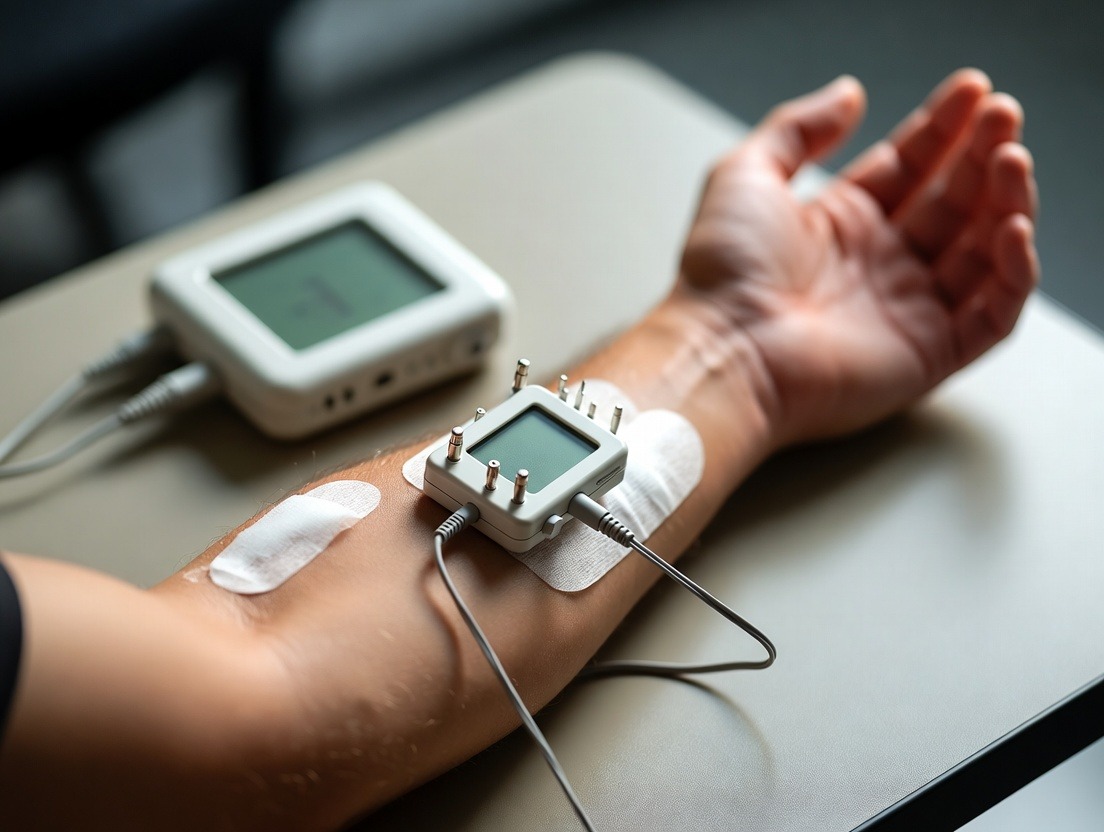
At the core of both devices lies the optical heart rate monitor, powered by Photoplethysmography (PPG). The principle is simple: green LED light (sometimes paired with red and infrared) is shone into the skin. Blood absorbs light, so with each heartbeat, blood volume in the capillaries increases, absorbing more light. The sensor detects these tiny variations in light reflection, translating them into a heart rate (beats per minute) and, with deeper analysis, heart rate variability (HRV). But as we now know, where you shine this light changes everything.
Smartwatch PPG: The Challenge of Constant Compensation
A watch’s optical sensor array is typically on the underside of the case, pressed against the dorsal side of the wrist. To combat noise, watches use a suite of supporting technologies:
Despite these advances, limitations persist. Wrist-based PPG is notoriously less reliable during high-intensity interval training (HIIT), weightlifting (where wrist tendons flex intensely), or activities like tennis with sharp, repetitive motions. The data during these periods can show flatlines, wild spikes, or "cadence lock," where the sensor mistakenly tracks arm swing rhythm instead of heart rate. For 24/7 resting heart rate and casual activity, modern watches are quite good. But for the edges of performance, the signal can degrade.
Smart Ring PPG: Leveraging Natural Signal Strength
A smart ring’s sensor shines light through the palmar side of the finger, where the tissue is softer and the capillary bed is exceptionally dense. The signal-to-noise ratio is inherently higher. The primary motion at the finger base during most activities is minimal, meaning the ring relies less on aggressive motion-compensation algorithms and more on capturing a clean signal from the start.
This yields distinct advantages:
However, rings are not infallible. Activities involving vigorous hand grip (like rock climbing or heavy kettlebell swings) can compromise the signal. The key takeaway is that for the foundational, continuous health metrics that form the bedrock of wellness tracking—all-day heart rate, resting heart rate, and HRV—the ring’s anatomical position gives it a measurable edge in raw signal acquisition. For a deeper dive into how this data translates into wellness insights, you can explore our blog for more wellness tips and detailed analysis.

Sleep is the ultimate recovery metric, and accurate tracking is the holy grail for wellness devices. It’s also the arena where the design philosophy of rings versus watches diverges dramatically. Sleep tracking relies on a combination of heart rate, HRV, movement (actigraphy), and often temperature and blood oxygen. Comfort and continuous, unimpeded data collection are paramount.
The Smartwatch Sleep Experience: A Bulky Compromise
Even the sleekest smartwatch is a noticeable object on the wrist. For many, it can cause discomfort when trying to sleep, especially for side sleepers who may find the watch case digging into their wrist or arm. This can lead to the user removing the device, creating a data gap. Furthermore, the screen—even with an always-on display turned off—poses a risk of accidental illumination from a stray movement, potentially disrupting sleep hygiene.
Technologically, watches use their accelerometer to detect gross body movement (tossing and turning) and their PPG sensor to detect the heart rate dips and HRV patterns associated with different sleep stages (light, deep, REM). Some advanced models also use their SPO2 sensor to track breathing disturbances overnight. The data can be very good, but it’s collected from a suboptimal location that is often in motion under a pillow or blanket.
The Smart Ring as a Dedicated Sleep Sentinel
Here, the smart ring’s form factor is a monumental advantage. A well-designed ring is barely felt during sleep. It doesn’t press against the wrist bone, doesn’t have a screen to light up, and moves with the finger, which itself is relatively still during sleep compared to the wrist. This encourages all-night, every-night wear, building a comprehensive sleep baseline.
But the advantages go beyond comfort:
In essence, for sleep tracking, the smart ring isn’t just a smaller device; it’s a device designed for the context of sleep. It leverages its superior position for key signals and removes the discomfort barriers that can interrupt data collection, making it the more reliable and insightful tool for understanding your nightly restoration. For real-world examples of how this tracking impacts users, consider the experiences shared in our real customer reviews.
When the body is in motion, the game changes. This is the domain where the smartwatch has historically reigned supreme, with its large displays for real-time stats, GPS connectivity, and a focus on workout profiles. But how do the underlying sensors compare when you’re running, lifting, or swimming?
The Smartwatch: The Connected Fitness Coach
Watches are built for active engagement. They provide:
However, its weaknesses in optical heart rate monitoring during high-motion activities, as previously discussed, can be a critical flaw for those relying on heart rate zones for training. The step count, while generally good, can be inflated by non-walking arm movements (like typing or cooking).
The Smart Ring: The Subtle, Physiological Workout Partner
A smart ring takes a different, more physiological approach to activity:
The verdict here is nuanced. If you need a GPS map, real-time pacing, and swim-lap metrics, a smartwatch is indispensable. But if your priority is understanding the physiological cost and benefit of your training—the strain and the recovery—with high-fidelity data, and you’re comfortable pairing the ring with a phone or chest strap for GPS during runs, the smart ring offers profound insights a watch struggles to match. To understand the philosophy behind this recovery-first approach, you can learn about our brand journey and vision.
Blood oxygen saturation (SpO2) monitoring moved from the hospital to the mainstream with remarkable speed. It’s a critical metric for understanding respiratory health, sleep apnea risk, and acclimation to altitude. The technology uses red and infrared LED light; oxygenated and deoxygenated hemoglobin absorb these wavelengths differently, allowing the sensor to calculate the percentage of oxygen-saturated hemoglobin. Again, placement is paramount.
The Wrist-Based SPO2 Quandary
Clinical pulse oximeters are clipped onto the finger, toe, or earlobe for a reason: they provide a strong, pulsatile signal from peripheral arteries. The wrist is a departure from this standard. The tissue is thicker, bones can interfere, and the signal is weaker and noisier. While watch sensors can take spot-check readings that may approximate trends, their accuracy, especially during motion or sleep, is not considered clinically valid. Regulatory bodies like the FDA clear specific finger-clip devices for medical use, not wrist-based sensors for general wellness. Watch SpO2 data is best viewed as a general wellness indicator for spotting potential trends over time, not for diagnostic purposes or detecting acute events with precision.
The Smart Ring: Inheriting the Clinical Blueprint
A smart ring occupies the exact location used by medical-grade devices. It uses the same optical principles from the same vascular site. This gives it a formidable inherent advantage in signal quality. While consumer rings are not FDA-cleared medical devices (and should not be used for medical diagnosis), their readings are fundamentally derived from a more valid physiological source.
This has significant implications for two key use cases:
For those genuinely interested in monitoring their blood oxygen for wellness insights—particularly during sleep—the smart ring’s technological foundation is objectively superior, being a direct descendant of the clinical standard. It transforms SpO2 from a novelty feature into a potentially meaningful wellness metric.
Continuous body temperature tracking is a game-changer, revealing insights into ovulation cycles, illness onset, metabolic health, and circadian rhythm. It’s not about measuring a fever, but tracking subtle, tenth-of-a-degree fluctuations that follow a daily pattern. Here, the difference between a sensor on the wrist and one on the finger is not just about accuracy, but about measuring two different types of temperature.
Wrist Temperature: Proximal and Variable
The temperature on the underside of the wrist is a proximal temperature, influenced heavily by core body temperature but also significantly by local blood flow and environmental exposure. If your watch is loose, if your arm is resting on a cold table, or if you’re in a chilly room, the wrist skin temperature reading can fluctuate widely based on ambient conditions, masking the underlying physiological trend. While advanced watches use sophisticated algorithms to average readings over many nights to establish a baseline for ovulation prediction (a la the Apple Watch), the day-to-day signal can be noisy.
Finger (Distal) Temperature: The Circanian Sentinel
The temperature at the finger is a distal temperature. It is more volatile in one sense—your hands get cold easily—but this volatility is precisely what contains valuable information. The body uses blood flow to the hands and feet as a primary thermostat. As you fall asleep, your core temperature needs to drop. Your body does this by increasing blood flow to the extremities (vasodilation) to release heat. A ring on your finger captures this pronounced cooling trend at bedtime. Conversely, in the early morning, to prepare for waking, blood flow is shunted away from the extremities (vasoconstriction), causing the fingers to cool relative to the core—a warming trend at the core that the ring detects as a reduction in distal heat loss.
This makes the ring’s temperature sensor exceptionally powerful for:
The ring doesn’t just measure "skin temperature"; it measures a key thermoregulatory output of your body. For circadian and fertility tracking, the distal temperature signal from the finger is a far more direct and informative metric than the more buffered and environmentally influenced temperature from the wrist.
A sensor is only useful if the device is on your body. Battery life and physical comfort are not mere specs; they are the gatekeepers to continuous data, which is the foundation of meaningful health insights. This is where the philosophies of rings and watches diverge most practically.
The Smartwatch: Daily Charging Ritual
Most smartwatches require charging every 24-48 hours. This often means taking it off for an hour or more each day, typically at a predictable time (like while showering or at a desk). This routine creates predictable data gaps. For sleep tracking, you must remember to put it back on. The form factor, while improved, is still a noticeable device that can get caught on sleeves, bang against desks, and may be uncomfortable for some during sleep or precise wrist movements.
The Smart Ring: The "Forget It’s There" Paradigm
Smart rings boast battery life ranging from 4 to 7 days on a single charge. This weekly, rather than daily, charging cycle means the data gaps are less frequent and often planned (e.g., a 90-minute charge while you shower and get ready on a Sunday morning). The more profound impact is psychological and behavioral. A lightweight, smooth ring becomes a part of you. There’s no screen to light up distractingly, no band to adjust. You are far more likely to wear it during all activities, especially sleep, because it imposes virtually no burden. This leads to truly seamless, gap-free datasets spanning weeks and months.
This continuous wearability feeds directly back into sensor utility. A temperature trend is meaningless with nightly gaps. An HRV baseline requires consistent nocturnal readings. The ring’s design elegantly solves the wearability problem, ensuring its advanced sensors are actually collecting data when they matter most: always. For common questions about battery, sizing, and daily wear, our FAQ page provides detailed support.

We entrust these devices with our most intimate physiological data: our sleep patterns, heart rhythms, temperature cycles, and activity levels. The question of who owns this data, how it is processed, and where it is stored is a critical part of the technology comparison.
The Smartwatch Giants: Data in the Cloud Ecosystem
Major smartwatch brands (Apple, Google/Fitbit, Samsung) are, at their core, data companies. Your health information typically flows into their vast ecosystems. It is stored on their servers, used to personalize their services, and may be aggregated for research or, in anonymized forms, for other purposes as outlined in their privacy policies (which you agree to). The benefits are deep integration with your smartphone, seamless backups, and powerful cross-device features. The trade-off is that you are placing profound trust in a corporate entity’s data governance and security practices. The primary business model is selling hardware and ecosystem lock-in.
The Smart Ring Specialists: A Focus on Proprietary Insight
Many smart ring companies, particularly those in the wellness-focused premium space, adopt a different stance. Their business model is the ring itself and the proprietary algorithms that interpret the data. There is often a stronger emphasis on data privacy as a core feature. For instance, a company like Oxyzen might process more data locally on the device or within a closed, purpose-built system with clear privacy policies that limit third-party sharing. The data is viewed not as a commodity for an ad ecosystem, but as the sacred raw material for generating your personal health insights. The ecosystem is often more focused—a dedicated app for deep dives into your metrics without the clutter of notifications and app stores.
When choosing a device, it’s imperative to ask: Is this a health device that connects to a tech platform, or a tech platform that includes health features? Your comfort with the answer will depend on your personal privacy thresholds. For those who prioritize a wellness-first, privacy-conscious approach, understanding a company's mission is key. You can read about our vision and values to see how one company approaches this critical issue.
Sensor technology is not static. Both form factors are pushing boundaries, but their paths are shaped by their physical constraints and core use cases.
Smartwatch Frontiers: More Sensors, More Integration
Watches have space for larger batteries and more sensor hardware. We are seeing:
Smart Ring Innovation: Depth from Dedication
Rings are doubling down on their strengths: minimalism and physiological depth.
The watch will likely continue to be the integrative, screen-based hub for notifications and fitness. The ring will evolve as the specialized, invisible biomonitor, focused on deep, continuous health insight without distraction. They may become complementary partners in a personal health ecosystem, each playing to its strengths.
So, after this deep dive into the sensor technology, how do you choose? The decision shouldn’t be based on a spec sheet alone, but on your personal lifestyle, goals, and values.
Choose a SMARTWATCH if:
Choose a SMART RING if:
For many, the ideal future may not be an "or" but an "and." A smartwatch for engaged fitness and connectivity, and a smart ring for uninterrupted health and recovery insight. But if you must choose one as your foundational health monitor, the evidence from sensor technology points to the smart ring as the superior tool for understanding the silent language of your body. It turns your finger into a direct pipeline to your autonomic nervous system, offering a clarity of signal that the noisy, dynamic wrist often struggles to match.
The most sophisticated sensor in the world is useless if it doesn’t lead to positive action. The final, and perhaps most important, comparison is not technological, but human. Which device fosters a more trusting, sustainable, and insightful relationship with your own body?
A smartwatch, with its constant notifications and bright screen, can become a source of digital distraction and even anxiety—another pinging demand on your attention. The focus can become reactive: "I didn’t close my rings today," or "My heart rate is high right now, why?" This real-time feedback is powerful for fitness but can sometimes promote a compulsive, short-term view of health.
A smart ring operates in the background. It doesn’t buzz or light up. It gathers data silently. The interaction is typically a daily or morning check-in with an app that provides a holistic score—a Readiness or Recovery score—that synthesizes sleep, stress, and strain into a single, actionable piece of advice: Today, prioritize recovery, or Your body is ready, go train. This shifts the focus from acute metrics to holistic trends and from compulsive checking to mindful reflection.
This subtle difference can lead to profound behavioral changes. Instead of being driven by daily step goals, you might start listening to your body’s need for an early night. Instead of pushing through fatigue because your workout schedule says so, you might take a rest day because your readiness score is low. The ring becomes a guide for sustainable, body-aware living, not just a taskmaster for fitness.
In the end, the "better" technology is the one you will use consistently and that guides you toward better decisions. For countless individuals seeking not just data, but wisdom and a path to genuine wellbeing, the smart ring’s combination of superior sensor placement, unobtrusive design, and recovery-focused philosophy makes it not just a piece of tech, but a true partner in the journey to a healthier, more balanced life. The story of this technology is still being written, and you can be part of it. To see how one company is weaving this human element into its very foundation, you can explore our story from inception to today.
Beyond raw sensor data lies the realm of human experience—how a device makes you feel, how it fits into your social and professional life, and how it aligns with your personal aesthetic. This is where the philosophical divide between the smartwatch and smart ring becomes a tangible part of your daily reality. A device you’re reluctant to wear is a failed device, regardless of its technical prowess.
The Smartwatch as a Tech Statement
A smartwatch is, by design, a visible piece of technology. It’s a screen on your body. For many, this is a feature, not a bug. It signals engagement with the modern, connected world. It can be a fashion accessory, with interchangeable bands and watch faces that range from sporty to elegant. In professional settings, glancing at a watch for a notification is socially accepted, even expected. However, its tech-centric nature can also be a drawback. In formal settings or during moments of focused connection (a dinner, a meeting, playing with children), its glowing face and subtle vibrations can be an intrusive reminder of the digital world. The constant visibility can also lead to “tech wrist” fatigue—a subconscious desire to simply be unconnected.
The Smart Ring as Discreet Companion
A smart ring embraces a fundamentally different ethos: subtlety. To the casual observer, it’s simply jewelry—a modern band. This grants it a unique social passport. It’s appropriate in a boardroom, at a wedding, or in a yoga class without drawing a second look. There’s no screen to pull your attention away from the present moment. This invisibility is its superpower for continuous wear. It doesn’t create a social or aesthetic barrier to 24/7 use.
Furthermore, the design constraints of a ring have spurred remarkable material innovation. To house electronics in such a small form, companies use advanced, lightweight alloys like titanium, ceramics, and composites that are hypoallergenic, durable, and comfortable. The focus is on a seamless, jewelry-grade finish that feels like a part of you. This design philosophy reinforces its primary function: to be forgotten as a device but remembered as a source of insight. It doesn’t shout “tech”; it whispers “wellness.”
The choice here is between a device that integrates you into the tech ecosystem and a device that integrates technology into your life, on your terms. For those who value digital minimalism, presence, and a seamless blend of technology with personal style, the ring offers a path to continuous monitoring without the constant visual and tactile reminders of being “watched” by a gadget.
Individually, a PPG sensor or an accelerometer provides a stream of numbers. The true magic—and a critical point of comparison—happens in sensor fusion: the complex algorithms that combine data from all onboard sensors to create a coherent, accurate picture of your health. This is the secret sauce, and the approaches differ significantly between wrist and finger.
Watch-Based Fusion: Compensating for a Noisy Environment
A smartwatch’s algorithm stack is often built around a central challenge: cleaning a noisy signal. Its fusion is frequently defensive.
The focus is on delivering a “good enough” real-time metric across a wide range of highly variable conditions. The fusion is broad, aiming to be a jack-of-all-trades.
Ring-Based Fusion: Building on a Stable Foundation
With a cleaner initial signal from its prime location, a smart ring’s sensor fusion can be more offensive and nuanced. It focuses on depth rather than breadth.
In essence, watch fusion is like a skilled translator working in a loud room, constantly filtering out background chatter to hear the speaker. Ring fusion is like a listener in a quiet library, able to discern not just the words, but the emotion, rhythm, and subtext of the speech. The quality of the source environment fundamentally changes the sophistication of the analysis possible.
A health device must survive your life. Sweat, impacts, water, and temperature extremes are all part of the equation. The build quality and intended use cases for rings and watches create distinct durability profiles.
Smartwatch Durability: The Sports Watch Legacy
Modern smartwatches, especially those marketed for fitness, inherit a legacy from sports watches. They typically feature:
However, vulnerabilities remain. The large, flat screen is a prime target for scratches and cracks if knocked against a dumbbell or a doorframe. The crown and side buttons can be ingress points for dust, sweat, or sand. While bands are replaceable, the main case is a single point of failure.
Smart Ring Durability: The Jewelry Challenge
Building a durable ring is a monumental engineering challenge. It must house delicate electronics in a band that will experience impacts, compression, and exposure from all angles. Leading solutions include:
The ring’s small size works to its advantage in some impact scenarios—it can rotate on the finger or take a glancing blow. However, its constant wear makes it susceptible to gradual micro-scratches. Crucially, it must withstand compressive forces—the squeeze when gripping a heavy object—which is not a factor for a watch. The best rings are tested to survive this.
For the highly active user, both can be excellent. The watch may be better for activities where a screen is needed (like navigating a hike) or where the wrist is protected (like wearing gloves). The ring excels in water sports, weightlifting (no interference with wrist wraps), and any scenario where a device on the wrist could be hazardous or annoying.
A critical part of any technology comparison is a sober understanding of its limitations. Neither smart rings nor smartwatches are medical devices. They are wellness tools providing trends and insights, not diagnoses. However, their accuracy relative to clinical gold standards varies by metric and by location.
The Gold Standard Benchmarks
To judge accuracy, we compare to:
Wrist-Based Accuracy: The Compromise of Convenience
Independent studies consistently show that wrist-based optical heart rate is generally good at rest and during steady-state cardio but can suffer significantly during high-intensity or intermittent exercise. HRV accuracy is moderate but can be skewed by motion and poor fit. Sleep stage detection (light/deep/REM) is an educated estimate at best, with studies showing accuracies often between 60-80% agreement with PSG. SpO2 is considered trend-only. The wrist is simply a challenging site for lab-grade precision.
Finger-Based Accuracy: Closer to the Source
By virtue of its clinical-grade placement, the smart ring starts from a stronger foundation. Studies on ring-style devices (like the Oura Ring) have shown:
The key takeaway is that for the metrics where placement matters most—nocturnal HRV, SpO2 trends, and distal temperature—the ring has a demonstrable, physics-based advantage that translates to greater accuracy relative to gold standards. For the user, this means more confidence in the trends they see. If a ring shows a sustained drop in HRV and a rise in resting heart rate, you can be more assured it’s a real physiological signal, not motion noise.
The price tags for premium smart rings and smartwatches often converge in the $300-$600 range. But the value proposition—what you are actually paying for—differs markedly, reflecting their core identities.
Decoding the Smartwatch Price Tag
When you buy a high-end smartwatch, you are paying for:
A significant portion of the cost is tied up in the compact computing and communication platform. The health features are a critical part of the package, but they share the bill of materials with many other functions.
Decoding the Smart Ring Price Tag
When you buy a premium smart ring, your investment is almost entirely in:
You are not paying for a screen or cellular connectivity. You are paying for specialized biomonitoring expertise, distilled into a wearable form. The value is in the quality and depth of the health insight, not the breadth of functions.
Therefore, the cost analysis is a question of priority. Is the value in a versatile wrist-borne computer that includes health tracking? Or is it in a dedicated, optimized health monitor that provides superior data for recovery and longevity? For those who see health insight as the primary goal, the ring’s cost is a direct investment in that specialized capability. For more on the craftsmanship and intent behind such a device, you can learn about the company's mission and creation.

Your choice of device often pulls you into an ecosystem—a specific app, data format, and set of complementary products. This “lock-in” affects your long-term flexibility and the utility of your historical data.
The Wrist: The Walled Garden or Open Platform?
Smartwatch ecosystems fall into two camps:
In both cases, the health data is one stream among many (notifications, apps, music) within a broad platform. Exporting raw data for personal analysis can sometimes be possible but is rarely straightforward.
The Ring: The Focused Wellness Platform
A smart ring ecosystem is typically a dedicated health platform. The companion app is designed specifically to visualize the ring’s unique data (e.g., temperature curves, HRV balance, sleep phases). The value is in the curated interpretation.
Choosing a ring often means choosing a specialized health ecosystem over a general tech ecosystem. Your data becomes the centerpiece of a dedicated app, rather than one tile in a larger dashboard.
How you interact with a device is part of its fundamental character. The smartwatch and smart ring take diametrically opposed approaches to user interface (UI), reflecting their core purposes.
The Smartwatch UI: Engagement Through Touch
The watch face is a canvas for interaction. You tap, swipe, twist the crown, and speak to it. This rich UI enables:
This interactivity is the watch’s strength, but it also demands your attention. It’s an active tool.
The Smart Ring UI: Intelligence Through Absence
Most smart rings have no direct interactive interface. There is no screen to tap, no button to press. The primary “interface” is the act of wearing it. All interaction is deferred to the companion smartphone app. This is a deliberate philosophical choice with significant benefits:
Some rings incorporate a single, subtle gesture—like a double-tap on the ring itself—to mark an event (e.g., the start of meditation, or a timestamp for a symptom). But this is a minimal input for the app, not a rich UI on the device.
The ring’s “UI” is therefore one of ambient intelligence. It asks for your attention only when it has synthesized something meaningful to tell you about your recovery or readiness, pushing a notification to your phone. It’s a shift from “What is my heart rate right now?” to “What is my body’s overall status today?”
Having dissected the technologies, philosophies, and experiences, let’s crystallize the decision for specific archetypes. Who wins the sensor technology comparison for you?
The Athlete & Fitness Enthusiast:
The Biohacker & Quantified Self Advocate:
The Professional Seeking Balance:
The Individual Focused on Sleep & Longevity:
The General User & Tech Early Adopter:
In the grand sensor technology comparison, there is no single winner. There is, however, a right tool for the right job. The smartwatch is a brilliant, multifunction wrist computer. The smart ring is a pioneering, focused biomonitor. Your choice ultimately hinges on a simple question: Do you want a device that connects you to the world of technology, or one that connects you more deeply to the rhythms of your own body?
To fully appreciate the landscape, we must widen the lens beyond the ring versus watch duel. Our smartphones and dedicated medical devices occupy critical, complementary roles in the personal health monitoring ecosystem. Understanding where they excel—and where they defer to wearables—paints a complete picture of modern health tech.
The Smartphone: The Aggregator and Communication Hub
Your phone is the central brain and display terminal. It is not, by design, a continuous physiological sensor. Its contributions are different:
The smartphone’s role is aggregation, context, and user input. It is the canvas upon which the data from your ring or watch becomes a coherent story.
Dedicated Medical Devices: The Gold Standard for Spot Checks
Devices like FDA-cleared blood pressure monitors, finger-clip pulse oximeters, and consumer ECG devices (like KardiaMobile) serve a vital purpose:
These devices are not for continuous wear; they are for precise, moment-in-time validation. They are the trusted reference books, while the ring or watch is the daily journal.
The Symbiotic Ecosystem
The most informed individuals often use a tiered system:
In this framework, the choice between a ring and a watch is about selecting the optimal Continuous, Passive Layer. The ring, with its superior signal quality for recovery metrics, often serves as a more sensitive early-warning system, prompting the use of the other layers in your toolkit. For instance, a consistent temperature elevation and low HRV from your ring might lead you to take your temperature with a medical thermometer and log symptoms in your phone.
One of the most compelling features of modern wearables, especially smart rings, is the proprietary “Readiness” or “Recovery” score. This is where sensor fusion becomes a single, actionable insight. But not all scores are created equal. The quality of the input data—dictated by sensor placement—directly determines the validity of the output.
Deconstructing the Score: What Goes In?
A recovery score is a weighted algorithm that synthesizes multiple metrics. Typical inputs include:
The Watch’s Readiness Challenge: Noisy Nocturnal Data
A wrist-based device calculating a readiness score faces a fundamental hurdle: the quality of its nocturnal data. If motion artifact inflates or deflates its HRV reading, or if the user removes the watch due to discomfort, the core pillars of the score are compromised. Watch-based scores often rely more heavily on activity balance (did you move enough/too much?) and self-reported sleep, as their physiological night data can be less reliable. They may excel at telling you if you’ve recovered from yesterday’s workout, but be less sensitive to subtler forms of stress like an impending cold or mental fatigue.
The Ring’s Readiness Advantage: Physiological Depth
By leveraging its high-fidelity nighttime data, a ring’s recovery score can tap into deeper autonomic signals.
The result is a score that often feels more attuned to your internal state rather than just your activity balance. Users frequently report ring scores flagging illness or excessive stress before overt symptoms appear, a testament to the sensitivity granted by its superior sensor position. This transforms the device from a fitness tracker into a true health guardian.
For those seeking to understand the nuanced science behind these scores and how to act on them, a wealth of information can be found by those who explore our blog for more wellness tips and research breakdowns.
Let’s move from theory to practice. Here’s an analysis of how current market leaders exemplify the technological philosophies we’ve discussed. (Note: This is a technological comparison, not an endorsement.)
The Smartwatch Paradigm: Apple Watch Series & Garmin Fenix
The Smart Ring Vanguard: Oura Ring & Circular Ring
The Emerging Hybrid: Whoop Strap
While not a ring or a watch, the Whoop strap is a critical case study. It’s a wrist-worn device that behaves like a ring. It has no screen; its entire purpose is continuous physiological monitoring and recovery scoring (Strain & Recovery). It attempts to solve the wrist’s noise problem through a unique form factor worn higher on the wrist (near the radial artery) and through exceptionally advanced, proprietary algorithms. It acknowledges the ring’s superior premise (focus on recovery) but chooses the wrist for its own design reasons. Its success proves the massive demand for the recovery-first data that rings inherently excel at providing.
This landscape shows a clear bifurcation: watches adding more health features, and rings (and ring-like devices) proving there’s a vast market for specialized, minimalist biomonitors. The trajectory suggests these paths will continue to converge in insight while diverging in form.
An often-overlooked aspect of wearable technology is its interaction with the environment and with the electromagnetic fields that permeate modern life. This can subtly influence sensor function and user safety.
Environmental Interference: Cold, Heat, and Altitude
Electromagnetic Fields (EMF) Exposure: A Growing Concern
A growing segment of consumers are conscious of their exposure to non-ionizing radiation from Bluetooth, Wi-Fi, and cellular signals.
This is a nuanced area, but it highlights another philosophical difference: the watch as a constant communication hub versus the ring as an intermittent data-gatherer.
The ultimate goal of any health technology is to improve wellbeing. This includes mental wellbeing. The design and data presentation of your device can have a profound—and sometimes negative—psychological impact.
Watch-Induced Anxiety: The Tyranny of the Rings and the Glance
The gamification of fitness on watches (closing rings, earning badges) is powerfully motivating for many. But for others, it can breed anxiety, obsession, and compulsive behavior. The constant visibility of unmet goals can lead to feelings of guilt or failure. The ping of a “Time to Stand!” notification can feel like a nag. Furthermore, the ability to constantly glance at heart rate can fuel health anxiety (orthosomnia) for some users, leading to an unhealthy fixation on perfect scores.
Ring-Induced Reflection: The Philosophy of the Morning Report
The ring’s interface is designed to minimize this real-time anxiety. There’s no screen to glance at. Engagement is typically once or twice a day, when you open the app to see your Sleep Score and Readiness Score. This framed, reflective interaction encourages a broader view. The message isn’t “You didn’t move enough in the last hour,” but “Based on your night, your body needs more recovery today.” It shifts the mindset from compulsive daily achievement to holistic body awareness and listening. It promotes self-compassion over self-criticism.
This psychological framing is as important as any sensor. A device that makes you feel stressed or inadequate is counterproductive. The ring’s “out of sight, out of mind” operation, coupled with its recovery-centric insights, is deliberately engineered to support not just physical, but also mental, recovery. It acts as a guide, not a drill sergeant. The positive impact of this approach is echoed in the stories shared in our real customer reviews and testimonials.
For those convinced by the ring’s advantages for recovery and health tracking, transitioning from a familiar watch can require a shift in habit. Here’s a practical guide.
Phase 1: The Overlap Period (Weeks 1-2)
Do not immediately retire your watch. Wear both devices. This serves two critical purposes:
Phase 2: Redefining Your Check-in Routine (Weeks 3-4)
Phase 3: The New Normal (Month 2+)
By now, the ring should feel like a natural part of you. Your watch may become a tool for specific tasks (long runs, days you need navigation), not an always-on appendage. Your primary health dialogue will be with your ring’s app, where you track long-term trends in recovery, temperature, and sleep quality. You’ve successfully shifted your focus from acute activity tracking to chronic health trend management.
For any technical questions during this transition, from sizing to data interpretation, a great resource is always the company’s detailed FAQ and support page.
The current sensor war is just the preamble. The next decade will be defined by the quest for non-invasive, continuous monitoring of biomarkers that currently require blood draws or bulky equipment. The race is on, and the ring’s form factor presents unique opportunities and challenges.
The Holy Grails: Glucose, Blood Pressure, Hydration
The Ring’s Future Advantage: A Privileged Vascular Window
For optical methods seeking to analyze blood composition (like glucose or lactate), the finger’s dense, superficial vasculature is again a superior site compared to the wrist. A ring could potentially house more powerful, targeted spectroscopic sensors that shine light at specific wavelengths to interrogate blood chemistry.
The Watch’s Future Advantage: Processing Power and Medical Regulation
Watches, with their larger batteries and processors, can handle more computationally intensive algorithms. They also have a head start in the FDA-clearance process for medical features (like ECG). Their path may involve becoming more like centralized health hubs that connect to smaller, specialized peripheral sensors (perhaps even a ring!).
The likely future is not one device to rule them all, but an interconnected system: a ring providing flawless core physiology (HRV, temperature, potentially glucose), syncing to a watch or phone that provides context, display, and connections to other specialized devices. In this future, the ring’s role as the primary, intimate biomonitor seems not only secure but destined to expand.
Your Trusted Sleep Advocate: Sleep Foundation — https://www.sleepfoundation.org
Discover a digital archive of scholarly articles: NIH — https://www.ncbi.nlm.nih.gov/
39 million citations for biomedical literature :PubMed — https://pubmed.ncbi.nlm.nih.gov/
Experts at Harvard Health Publishing covering a variety of health topics — https://www.health.harvard.edu/blog/
Every life deserves world class care :Cleveland Clinic - https://my.clevelandclinic.org/health
Wearable technology and the future of predictive health monitoring :MIT Technology Review — https://www.technologyreview.com/
Dedicated to the well-being of all people and guided by science :World Health Organization — https://www.who.int/news-room/
Psychological science and knowledge to benefit society and improve lives. :APA — https://www.apa.org/monitor/
Cutting-edge insights on human longevity and peak performance:
Lifespan Research — https://www.lifespan.io/
Global authority on exercise physiology, sports performance, and human recovery:
American College of Sports Medicine — https://www.acsm.org/
Neuroscience-driven guidance for better focus, sleep, and mental clarity:
Stanford Human Performance Lab — https://humanperformance.stanford.edu/
Evidence-based psychology and mind–body wellness resources:
Mayo Clinic — https://www.mayoclinic.org/healthy-lifestyle/
Data-backed research on emotional wellbeing, stress biology, and resilience:
American Institute of Stress — https://www.stress.org/


