Ring vs Watch: The Ultimate Wearable Health Tracker Comparison 2025
The ultimate comparison between smart rings and smartwatches in 2025.
Ring vs Watch: The Ultimate Wearable Health Tracker Comparison 2025
In an age where personal health data is the new currency of well-being, the wearable technology market has exploded from a niche for fitness buffs into a mainstream essential for millions. The choices, however, can be overwhelming. For years, the smartwatch has sat confidently on the throne of the wrist, a miniaturized computer delivering notifications, calls, and a wealth of fitness metrics. But a silent, sleek challenger has emerged from the periphery: the smart ring.
This isn't just another gadget to add to your collection. This is a fundamental choice about how you integrate technology with your life. Do you opt for the multifunctional command center on your wrist, or the discreet, hyper-specialized health sentinel on your finger? The decision between a ring and a watch for health tracking in 2025 is more nuanced than ever, touching on everything from clinical-grade biometrics to personal style and subconscious behavior.
As we navigate a post-pandemic world with a heightened focus on proactive wellness, these devices have evolved beyond step counters. They are now sophisticated health guardians, capable of detecting subtle physiological shifts, predicting potential issues, and offering personalized insights to optimize sleep, stress, recovery, and overall vitality. The core question at the heart of this comparison is: which form factor truly delivers on the promise of seamless, accurate, and actionable health intelligence without becoming a burden?
The answer is not universal. It depends on your lifestyle, your priorities, and your definition of what a wearable should be. Is your primary goal comprehensive fitness coaching with GPS and a bright display? Or is it continuous, medical-grade monitoring of your core vitals that you can literally forget you’re wearing? This deep dive will dissect every layer of this debate. We will explore the cutting-edge sensor technology inside both devices, compare their accuracy in real-world scenarios, analyze their design and comfort for 24/7 wear, and project where the industry is headed. By the end of this definitive guide, you will have the clarity to choose the wearable health tracker that doesn't just sit on your body, but truly integrates with your life.
Whether you’re a biohacker seeking every performance edge, a professional battling stress and burnout, or someone simply wanting a clearer picture of your health, the path forward starts here. The era of guesswork is over; the era of personalized data is now.
The Evolution of Wearables: From Pedometers to Health Guardians
The journey to the sophisticated ring and watch of 2025 began not with microchips, but with mechanics. The story of wearables is a fascinating tale of miniaturization, ambition, and a shifting focus from simple activity to holistic health. Understanding this evolution is key to appreciating the profound capabilities—and philosophical differences—of today's top devices.
The earliest ancestors were pedometers, like the 18th-century "pedometer" for measuring distance by counting steps, used by Thomas Jefferson. The late 20th century saw the boom of digital pedometers, clip-on devices that made step-counting a popular, if basic, metric. The true revolution began in the early 2000s with the convergence of accelerometers, Bluetooth, and smartphones. Brands like Fitbit catapulted the "activity tracker" into the mainstream, turning the quantified self from a techie obsession into a cultural phenomenon. These wristbands tracked steps, estimated calories, and synced data to a dashboard, creating the foundational habit of daily data collection.
Then came the smartwatch, a convergence point for multiple technologies. Apple’s entrance in 2015 with the Apple Watch transformed the category from a fitness accessory to a general-purpose computing and communication device worn on the wrist. It added heart rate monitoring, GPS, and an app ecosystem, positioning itself as an indispensable extension of the iPhone. Meanwhile, Garmin and others carved a deep niche with rugged, data-rich watches for serious athletes, offering metrics like VO2 Max and training load.
Throughout this period, a critical tension emerged: functionality versus focus. As smartwatches became more powerful, they also became more distracting—a constant stream of notifications, emails, and apps competing for attention. Their primary health monitoring was often tied to active workouts or periodic spot-checks, limited by battery life and the practicality of wearing a bulky device to bed for sleep tracking.
This gap created the perfect niche for the smart ring. The concept isn't new; early prototypes existed decades ago. But the technological tipping point came around 2020-2022. Advances in ultra-low-power chips, miniaturized medical-grade sensors (like PPG for blood oxygen), and battery chemistry finally allowed meaningful, continuous health monitoring to be packaged into a ring-sized device. Pioneers like Oura shifted the paradigm entirely. Their focus wasn't on notifications or touchscreens; it was on unobtrusive, 24/7 collection of foundational health metrics: heart rate variability (HRV), resting heart rate (RHR), body temperature, and sleep stages.
This evolution represents a fundamental fork in the road. The smartwatch is a brilliant product of technological convergence—a Swiss Army knife of digital life. The smart ring, however, is a product of specialized divergence—a tool engineered for one primary purpose: to be the most accurate, comfortable, and continuous health monitor possible. As you explore the Oxyzen blog, you’ll see how this philosophy of focused wellness is driving the next wave of innovation.
Today, in 2025, we stand at an inflection point. Watches are incorporating more advanced health sensors (ECG, skin temperature), while rings are adding slim displays and modest notification features. Yet, their core identities remain distinct. One is designed to be engaged with; the other is designed to be forgotten—until it delivers a crucial, potentially life-altering insight about your health.
Defining the Contenders: What is a Smartwatch in 2025?
In 2025, the term "smartwatch" encompasses a vast and stratified ecosystem. It is no longer a single category but a spectrum of devices ranging from sleek digital fashion statements to rugged, satellite-connected survival tools. At its core, a modern smartwatch is a wrist-worn computer with a persistent display, capable of two-way communication with a smartphone and/or cellular networks, running applications, and hosting a suite of sensors for health and fitness tracking.
We can broadly segment the smartwatch market into three dominant archetypes:
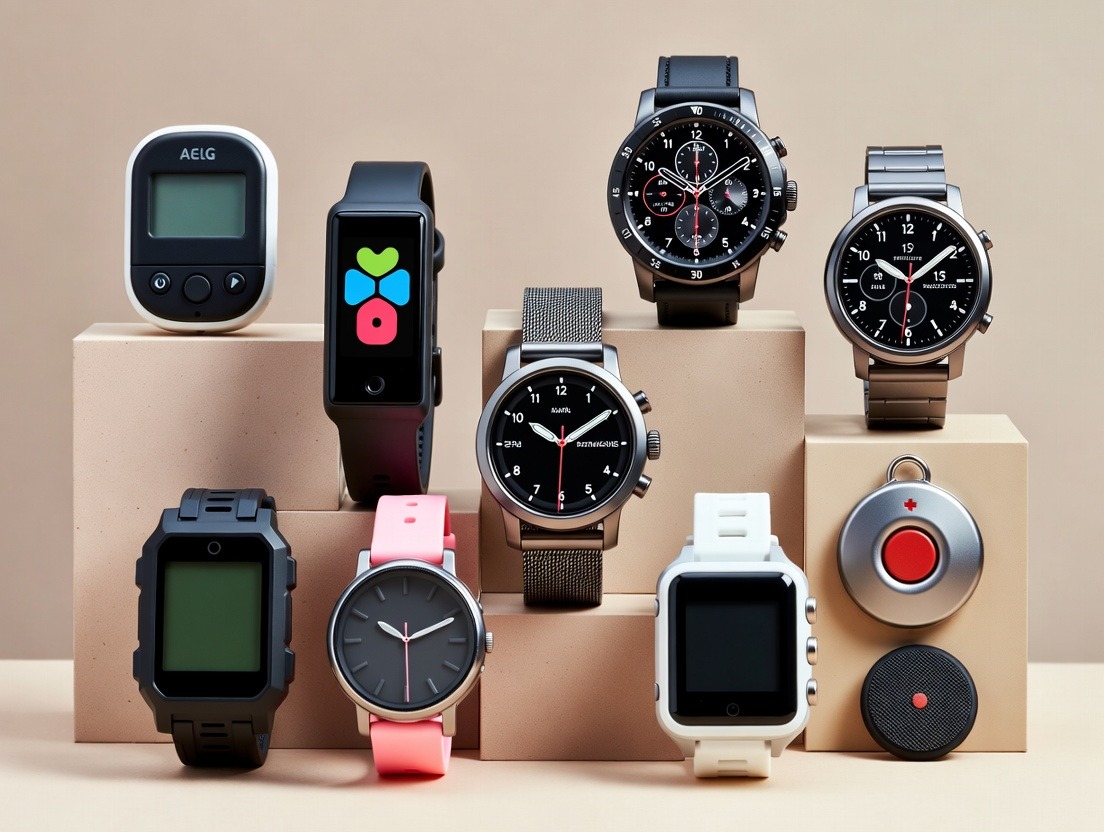
1. The Lifestyle & Communication Hub (e.g., Apple Watch, Samsung Galaxy Watch, Google Pixel Watch): This is the most popular category for the general consumer. These devices prioritize seamless integration with your smartphone ecosystem. They are notification powerhouses—displaying texts, calls, emails, and app alerts. They feature vibrant, always-on (or semi-always-on) touchscreen displays, voice assistants (Siri, Biva, Google Assistant), and often support contactless payments and music streaming. Health tracking is robust but can sometimes feel secondary to the communication features. They excel at fitness tracking for casual to intermediate users, with built-in GPS for run mapping, a wide array of workout modes, and motivational coaching. In 2025, their health sensors have become impressively advanced, featuring FDA-cleared ECG for atrial fibrillation detection, continuous blood oxygen monitoring, and skin temperature sensing. However, battery life remains a key constraint, typically requiring charging every 24-48 hours, which can interrupt continuous health data collection.
2. The Performance & Athletic Powerhouse (e.g., Garmin Fenix/Forerunner, Coros, Suunto): These watches are built for endurance athletes, outdoor adventurers, and data-driven fitness enthusiasts. They often feature ruggedized designs, sapphire glass, and exceptional battery life measured in weeks, not days. Their value proposition is depth, not breadth. While they handle notifications, their true prowess lies in sophisticated biometric analytics: training load balance, recovery time advice, race predictors, altitude acclimation tracking, and incredibly precise multi-band GPS. Health monitoring is continuous and geared toward performance optimization—tracking stress through HRV, sleep quality, and body battery energy levels. The displays are often memory-in-pixel (MIP) for superior sunlight readability and battery efficiency, though higher-end models now feature stunning AMOLED screens. For the user whose identity is tied to athletic performance, these watches are indispensable coaching tools.
3. The Hybrid & Minimalist Watch (e.g., Withings ScanWatch, Garmin Vivomove): Occupying a middle ground, these devices blend traditional analog watch aesthetics with smart capabilities. They typically have physical watch hands and a small secondary digital display or indicators. They focus on essential health tracking (heart rate, sleep, activity) with extreme battery life (often 30 days or more) and understated style. They appeal to those who want health insights and basic smart features (like workout tracking or notification vibrations) without the constant digital screen on their wrist. In 2025, many hybrids have incorporated medical-grade sensors for ECG and SpO2, making them a stealthy health-monitoring choice.
The unifying theme across all smartwatches in 2025 is multitasking. They are, by design, interruptive devices. Their value is in their immediacy and connectivity. The health data they provide is often most actionable during conscious, active moments—during a workout, when checking a stress score, or taking an on-demand ECG. Yet, this constant connectivity can be a double-edged sword for holistic health monitoring, a point that becomes starkly clear when contrasted with the smart ring’s philosophy. To understand how one company is approaching health without distraction, you can explore Oxyzen's story and vision.
Defining the Contenders: What is a Smart Ring in 2025?
If the smartwatch is a bustling command center, the smart ring of 2025 is a dedicated, silent sentinel. It represents the pinnacle of focused health technology, embodying a "less is more" philosophy where form is relentlessly dictated by function. A smart ring is a compact, ring-shaped wearable, typically worn on the index finger, that houses a sophisticated array of biomedical sensors to collect health data continuously and passively, with minimal user interaction.
The defining characteristic of a modern smart ring is its specialization in foundational health metrics. Its primary mission is to act as a window into your autonomic nervous system (ANS) and circadian rhythms, offering insights into recovery, readiness, and long-term health trends. Here’s what defines the 2025 smart ring:
Core Design & Experience Principle: Unobtrusive Monitoring. The ring is designed to be worn 24/7—during sleep, showers, workouts, and work. This is only possible because of its minimalistic form. There is no screen to light up your face at night, no vibrations to disrupt a meeting (though some offer haptic alerts). You are meant to forget it’s there. This allows for truly continuous data collection, creating a pristine, unbroken dataset of your body’s signals across all life phases, which is critical for detecting meaningful patterns and anomalies.
The Sensor Suite & Key Metrics: Despite their small size, today's rings pack a remarkable sensor payload. The workhorse is the Photoplethysmogram (PPG) sensor, which uses light to measure blood flow. Through advanced algorithms, this single sensor derives a wealth of data:
Heart Rate Variability (HRV): The gold-standard, non-invasive metric for stress and recovery. High HRV generally indicates good recovery and resilience; low HRV can signal stress, fatigue, or illness.
Resting Heart Rate (RHR): A core vital sign tracked with exceptional consistency due to all-night wear.
Respiratory Rate: Measured continuously during sleep.
Blood Oxygen Saturation (SpO2): Monitored throughout the night to screen for potential issues like sleep apnea.
Skin Temperature: A key early indicator of illness, ovulation cycles, and metabolic changes.
Sleep Architecture: Tracks light, deep, REM sleep, and awakenings with accuracy rivaling dedicated devices, thanks to the ideal placement on the finger (a high-perfusion area with minimal motion artifact during sleep).
The Data Model: Trends Over Moments. Smart rings are not for checking your heart rate in real-time during a sprint. They are for understanding how that sprint impacted your body’s recovery 12 hours later. The companion app is where the ring shines, presenting detailed longitudinal analysis. You don’t get a notification for every text; you get a Readiness or Recovery Score each morning—a holistic metric synthesizing your sleep, HRV, RHR, and temperature to advise you on how hard to push that day. This predictive, advisory model is proactive health management.
The 2025 Landscape: The ring market has diversified. Brands like Oura (the incumbent leader), Circular, and Ultrahuman offer slightly different takes on the formula, with variations in design, subscription models, and specific features like contactless payment or tiny LED displays for notifications. Newer entrants are pushing the boundaries of sensor fusion and non-invasive glucose trend monitoring. The overarching trend is toward clinical validation and actionable insights, moving beyond just showing data to providing guided behavioral nudges. For a deeper look at what this focused technology can achieve, you can discover how Oxyzen works to deliver these insights.
In essence, the 2025 smart ring is a biometric whisperer. It doesn’t shout for your attention; it listens intently to the subtle language of your body, compiling a story of your health that you can review each morning to make smarter decisions for the day ahead.
Design, Comfort & 24/7 Wearability: The Lifestyle Litmus Test
This is where the theoretical meets the tangible. You can have the most accurate sensors in the world, but if the device is uncomfortable, socially awkward, or a hassle to charge, you won’t wear it consistently. And for health tracking, consistency is everything. Gaps in data create blind spots. The battle for the wrist versus the finger is, first and foremost, a battle of ergonomics and subconscious habit.
The Smartwatch: The Wrist Companion.
Presence & Aesthetics: A watch is a recognized social object. Wearing one, even a large digital model, rarely draws comment. The design spectrum is vast, from the jewel-like Apple Watch with interchangeable bands to the tank-like Garmin Fenix. You can match it to your outfit or activity. However, its presence is constant. You feel its weight, you see its screen glow, and it can snag on shirt cuffs or jacket sleeves. For sleep tracking, many find even a slim watch too bulky, leading to the common practice of charging it overnight—which, ironically, creates the very data gap sleep tracking is meant to fill.
The "Notification Vibration" Problem: For 24/7 health monitoring, the smartwatch's core communication feature becomes its Achilles' heel. The buzz of an incoming call or message, especially during sleep, can cause micro-arousals, disrupting sleep architecture and increasing stress—the very things it's trying to measure. While "Do Not Disturb" and theater modes exist, they require conscious management, defeating the "set and forget" ideal.
Battery Life & Charging Rituals: This is the most practical hurdle. Lifestyle smartwatches need daily or every-other-day charging. This often happens overnight, removing it during the prime time for collecting restorative health data (sleep). Even 5-7 day batteries require a weekly charging break, fragmenting the data timeline. The charging ritual itself usually involves a proprietary dock or wireless pad, one more thing to pack when traveling.
The Smart Ring: The Invisible Sentinel.
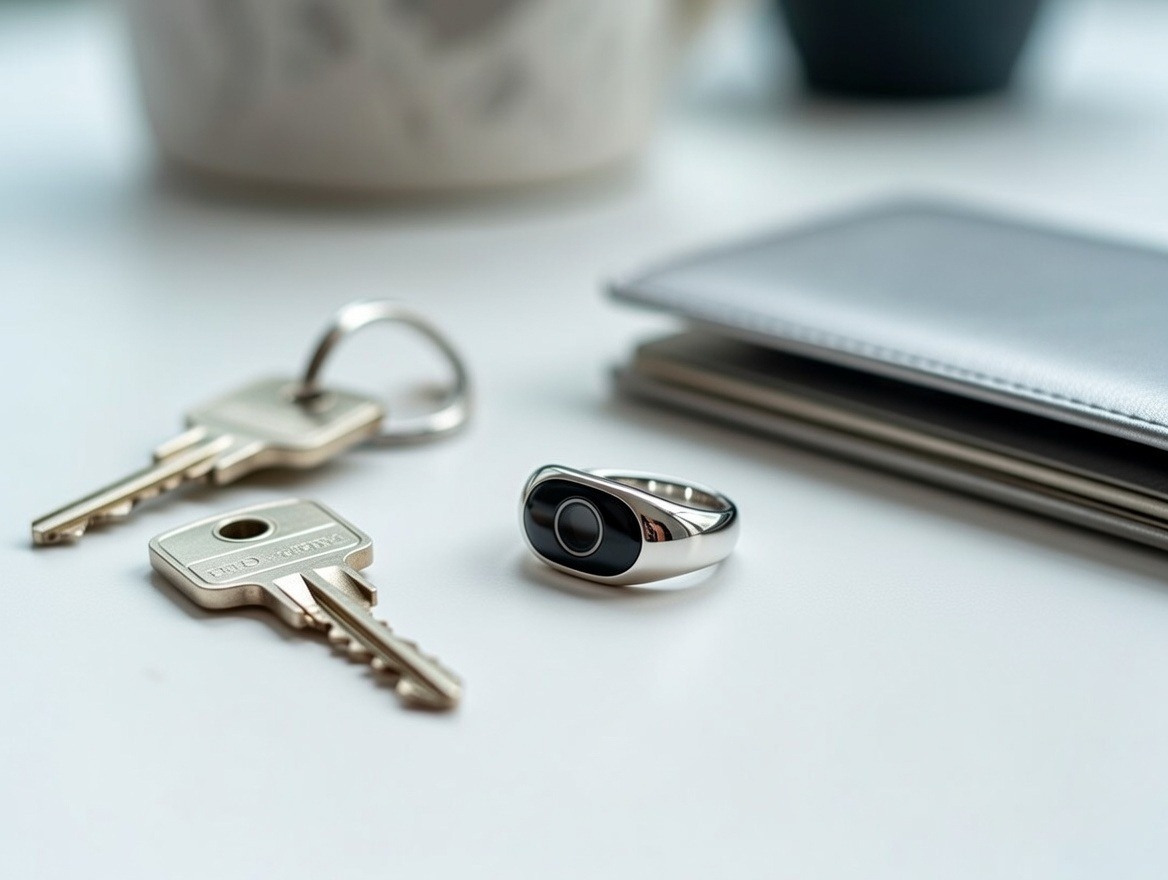
Minimalist Form & Forgetability: A well-designed ring achieves a near-phantom presence. Once you acclimate to the slight weight (typically 3-6 grams of titanium), you genuinely forget it's there. It doesn't interfere with typing, lifting, or sleeping. It's submerged-proof for swimming and showering. This psychological "forgetability" is its superpower, enabling the uninterrupted data flow that defines its value proposition. From a style perspective, most modern rings resemble sleek wedding bands or minimalist jewelry, drawing little attention.
The Right Fit is Crucial: Comfort is binary with a ring. A perfect fit is imperceptible; a slightly wrong fit is a constant annoyance. Sizing is critical, often requiring a free sizing kit beforehand. Fingers can swell slightly in heat or after salt intake, so brands now offer slight inner ergonomic contours and breathable designs to accommodate this. The social aspect is simple: it's just a ring. It works with formal wear, workout gear, and everything in between.
Battery Life & Charging Simplicity: Smart rings typically boast 4-7 days of battery life, but the charging paradigm is different. You don't need to take it off for a full day to charge. Most use a compact, portable charging dock. You might pop it on the dock for 20-30 minutes while you shower and get ready, or for an hour while you're at your desk working. This "opportunistic charging" means the ring is almost never off your body for a full sleep cycle, preserving data continuity. As we explore in our testimonials from real users, this seamless integration into daily life is consistently cited as a top benefit.
The Verdict on Wearability: If your lifestyle demands constant digital connectivity and you view the wrist device as a functional fashion accessory you don't mind interacting with, the smartwatch's wearability is fine. But if your goal is frictionless, 24/7 health data collection without changing your behavior or disrupting your sleep, the smart ring is engineered to win this category decisively. It sacrifices the interactive display for the supreme advantage of being something you can—and will—wear forever.
Sensor Technology & Biometric Accuracy: The Truth Under the Hood
Behind the sleek exteriors of both rings and watches lies a fierce battle of optics, algorithms, and silicon. In 2025, both devices boast impressive sensor arrays, but their placement, purpose, and processing power lead to critical differences in the type and accuracy of data they collect. This isn't just about having a sensor; it's about how well that sensor can capture a clean signal from the noisy reality of daily life.
The Sensor Suite Showdown:
Heart Rate & HRV Monitoring:
Watch: Uses a green LED PPG sensor on the underside of the wrist. The wrist is convenient but suboptimal for accuracy. It's prone to motion artifacts (especially during high-intensity workouts) and has a weaker blood flow signal compared to the finger. Wrist-based HRV, often measured at night, can be good, but daytime HRV readings are less reliable due to arm movement. Advanced watches now use multiple LEDs and photodiodes to combat this.
Ring: Also uses PPG, but positioned on the finger's palmar side (where you'd take a pulse oximeter reading). The finger has denser capillary networks and less connective tissue, providing a stronger, cleaner blood volume pulse signal. This is particularly advantageous for Heart Rate Variability (HRV), which requires detecting millisecond variations between heartbeats. The ring's placement and 24/7 wear make it the de facto champion for consistent, clinical-grade HRV and resting heart rate tracking, which is why companies like Oura have partnered with research institutions to validate their data.
Sleep Tracking & Pulse Ox:
Watch: Sleep tracking on a watch is inherently compromised if you don't wear it to bed. For those who do, wrist movement can be mistaken for wakefulness (though algorithms have improved). SpO2 (blood oxygen) monitoring at the wrist is possible but can be less accurate than a finger pulse ox due to signal strength. The act of turning your wrist to check the time can also create data gaps.
Ring: The undisputed king of passive sleep tracking. The finger is immobile during sleep, providing a pristine signal. This allows for highly accurate differentiation between sleep stages (light, deep, REM) and precise respiratory rate measurement. For nighttime SpO2 monitoring, the ring's placement is medically analogous to a clinical fingertip oximeter, offering superior reliability for trends indicative of sleep-disordered breathing. This focus on restorative health is core to the mission of devices like Oxyzen, whose technology is built for this precise purpose.
Skin Temperature:
Watch: Typically uses a single sensor on the back crystal. It can track relative changes but is highly susceptible to ambient temperature and whether the watch is worn loosely or tightly.
Ring: Benefits from being in a more thermally stable environment (between fingers, close to the core). It can detect subtle, clinically significant basal body temperature shifts of 0.1°C, useful for predicting illness onset or tracking menstrual cycle phases.
Electrocardiogram (ECG):
Watch: Has a clear advantage here. By creating a circuit between the sensor on the back and a finger on the crown, it can take a medical-grade, single-lead ECG on demand to check for atrial fibrillation. This is a powerful, potentially life-saving feature that rings currently cannot replicate due to form factor constraints.
Ring: Cannot perform an ECG. This is a significant trade-off for the ring's form factor.
Activity & GPS:
Watch: Dominates. Built-in GPS is standard for accurate pace and distance mapping for runs, cycles, and hikes. The accelerometer on the wrist is excellent for detecting specific workout types (swimming strokes, reps at the gym).
Ring: Relies on its accelerometer for step count and general movement (METs). It can detect basic activity periods but lacks GPS for mapping. It is not a workout coach; it's a recovery advisor that assesses the impact of your activities.
The Algorithmic Brain: Raw sensor data is just noise. The magic is in the algorithms that clean the signal, identify patterns, and derive insights. Smartwatches have powerful processors for real-time analysis and display. Smart rings use sophisticated, low-power algorithms that often process data in the cloud to generate the morning readiness score. Both require rigorous validation. The key is that the ring's superior signal quality, especially from the finger, gives its algorithms a cleaner starting point for core health metrics like HRV and sleep.
Health Monitoring Depth: From Fitness Tracking to Foundational Health
The divergence in sensor technology leads directly to a profound difference in the type of health intelligence each device provides. Think of it as the difference between a sports coach and a wellness physician. One is focused on the output and performance of specific activities; the other is concerned with the input and recovery of the entire system.
The Smartwatch: The Fitness & Acute Health Dashboard.
Smartwatches excel at activity-centric and on-demand health data. Their strength lies in tracking the what and how much of your conscious exertion.
Workout Tracking: With GPS, heart rate zones, pace, distance, and rep counting, they provide rich, real-time data to optimize a training session. You can follow a structured workout, see if you're hitting your target pace, and get a summary of calories burned and performance improvements over time.
Activity Rings & Gamification: Concepts like Apple's "Close Your Rings" or Fitbit's zone minutes are powerful behavioral nudges. They motivate daily movement, standing, and exercise through visual rewards and social competition. This is excellent for building consistent, general fitness habits.
Acute Health Alerts & On-Demand Tests: This is a major area of strength. You can take an ECG when you feel palpitations. You can get a high or low heart rate notification. You can check your blood oxygen level during a hike at altitude. Fall detection can summon emergency services. The watch is an interactive tool for investigating how you feel in the moment.
However, the watch's health model is often reactive and episodic. It tells you about events (a workout, a high heart rate spike) but is less adept at painting the holistic, continuous picture of your body's preparedness and recovery state that explains why you might have had that spike.
The Smart Ring: The Recovery & Readiness System.
Smart rings specialize in system-centric and predictive health data. Their strength is tracking the how well of your body's underlying state—the substrate from which all activity and health springs.
The Readiness/Recovery Score: This is the ring's flagship feature. Each morning, it synthesizes last night's sleep data (duration, quality, stages), your nocturnal HRV, RHR, respiratory rate, and temperature trend into a single, actionable number or metric. A high score suggests your body is primed for stress and exertion; a low score advises focus on recovery, light activity, or rest. This shifts the focus from "how hard did I work?" to "how hard should I work today?"
Trend Analysis & Early Warning: By establishing your personal baselines over weeks, the ring can detect meaningful deviations. A sustained elevation in resting heart rate and skin temperature, coupled with a drop in HRV, is a classic signature of your body fighting something—often 1-3 days before you feel symptoms. This predictive capacity is perhaps its most powerful aspect, allowing you to rest, hydrate, and potentially avert a full-blown illness.
Sleep as a Foundation: The ring treats sleep not as another metric to log, but as the central pillar of health. Its detailed breakdown (deep sleep for physical repair, REM for cognitive restoration, light sleep) provides context for your daily readiness. It can identify lifestyle factors impacting sleep, like late meals, alcohol, or stress.
Long-Term Health Trends: The uninterrupted data stream creates a longitudinal health journal. You can see how a new meditation practice slowly elevates your HRV, how stress at work impacts your sleep architecture, or how your cycle phases affect your recovery. This is the data for a conversation with your doctor, showing trends no annual physical could capture.
Complementary, Not Competitive: In an ideal world for the data-obsessed, these devices are complementary. The ring manages the background system health, answering "Am I recovered?" and "Is my body stressed?". The watch manages the foreground performance, answering "How fast did I run?" and "Did I hit my movement goals?". For most people, choosing one is about prioritizing which question is more important to their current health journey. For a deeper exploration of how foundational health data can transform your daily decisions, the Oxyzen blog offers a wealth of resources.
The User Interface & Daily Interaction: Screen vs. No Screen
How you interact with your wearable is as defining as the data it collects. This is the most visceral difference between the two form factors: one demands your gaze and touch; the other operates in the background, speaking to you only through summary reports. The choice here reflects your relationship with technology—do you want a partner you converse with constantly, or a silent advisor you consult once a day?
The Smartwatch: The Constant Companion.
The smartwatch interface is built on immediacy and glanceability.
The Always-On (or Raise-to-Wake) Display: This is the core of the experience. With a flick of the wrist, you see the time, your activity rings, notifications, and complications (weather, calendar, stock ticker). It’s a real-time dashboard for your digital and physical life. This is incredibly convenient for quickly dismissing a call, checking a message without pulling out your phone, or starting a timer while cooking.
Touch & Voice Control: You can tap, swipe, and speak to your watch. You can respond to texts via dictation or quick replies, control smart home devices, or launch apps. This level of interactivity makes it feel like a powerful, miniature computer.
In-the-Moment Health Checks: Feeling anxious? Open the mindfulness app for a breathing session. Want to see your heart rate during a workout? It’s right there on the screen. The interface facilitates active, conscious engagement with your health metrics throughout the day.
The Downside: Digital Distraction. This constant access is a double-edged sword. The very feature that makes it useful—the stream of notifications on your wrist—can fracture attention, increase stress, and pull you out of the present moment. For many, the goal of health technology is to improve well-being, and the cognitive load of a smartwatch can sometimes work against that.
The Smart Ring: The Morning Briefing.
The smart ring interface is built on reflection and summary. It is a deliberately low-interaction model.
No Screen, No Notifications: The ring itself provides no visual output (aside from maybe a tiny LED on some models). It does not buzz, beep, or light up. This is its defining feature for mental well-being. It collects data without ever asking for your attention.
The Companion App as Destination: All interaction happens here, typically once or twice a day. You open the app in the morning to receive your Readiness Score and detailed sleep report. You might check it in the evening to see your activity level or to log a potential factor like "late caffeine" or "stressed day." The app is designed for deep exploration of trends—weekly, monthly, and yearly views that show how your behavior impacts your physiology.
Passive Alerts (The Gentle Nudge): Some rings offer haptic (vibration) alerts for specific, important events, like an unusually high resting heart rate detected during sleep, or a inactivity reminder after a long period of sitting. These are rare, context-aware, and health-focused, not social-media driven.
The Experience: Curated Insight, Not Raw Data Stream. The ring’s philosophy is to do the analytical work for you. Instead of presenting 100 data points and asking you to interpret them, it gives you a synthesized score and clear, actionable takeaways: "Your recovery is high; consider a challenging workout," or "Your body is showing signs of strain; prioritize rest."
Choosing Your Interaction Style: Do you want a device that is integrated into the fabric of your minute-to-minute digital life, providing utility and interruption in equal measure? The smartwatch is your choice. Or do you want a device that respects your focus and mental space, acting as a behind-the-scenes analyst that delivers a daily personalized health report? That is the domain of the smart ring. This fundamental difference in daily experience cannot be overstated and is often the deciding factor for users who value digital minimalism. To see how this philosophy of focused, meaningful insight is put into practice, you can learn more about Oxyzen's approach.
Battery Life & Charging: The Practicality of Power
In the world of wearables, battery life isn't just a spec—it's the gatekeeper to continuous data. A device that's constantly on a charger is a device with gaps in its health story. The charging rituals required by rings and watches differ significantly, impacting their real-world utility for 24/7 health monitoring.
The Smartwatch: The Daily (or Weekly) Ritual.
For most flagship smartwatches, battery anxiety is a real part of ownership.
Typical Lifespan: Lifestyle smartwatches (Apple Watch, Galaxy Watch) typically last 1 to 2 days on a single charge with moderate use. Turning on always-on display and GPS-intensive activities will drain it faster. This necessitates a daily or every-other-day charging routine.
The Sleep Tracking Conundrum: This daily cycle creates a major conflict. The best time to charge is overnight, but that’s precisely when you need it on your body to track sleep. Users are forced to choose: charge at night and lose sleep data, or charge during the day in a fragmented window (e.g., during a shower or at your desk). Even with fast charging, this creates data holes.
Performance Watches: Devices from Garmin, Coros, and Suunto are the exception, offering 5 days to several weeks of battery life, even with continuous health monitoring. This is a game-changer for 24/7 wear and sleep tracking. However, these watches often sacrifice the brilliant always-on displays and dense app ecosystems of their lifestyle counterparts.
Charging Hardware: Requires a proprietary charging cable or dock, one more item to remember for travel.
The Smart Ring: Opportunistic "Top-Ups".
Smart ring battery strategy is engineered for data continuity.
Typical Lifespan: Most rings offer 4 to 7 days of battery life. While not as long as some performance watches, the charging model is fundamentally different.
The "Charge While You Live" Model: You are not meant to run the ring to 0% and then leave it off for hours. The rings come with small, portable charging cases or docks. The common practice is to perform "opportunistic charging": placing the ring on the dock for 20-60 minutes while you are in a predictable, sedentary routine. This could be while you shower and get dressed in the morning, during your morning coffee and computer session, or while watching TV in the evening.
Preserving the Data Stream: Because these top-up sessions are short and occur during waking hours, the ring is almost never off your body during a key health-tracking period (sleep). A 30-minute charge while you’re at your desk still captures your workday heart rate and activity, and it’s back on your finger well before bedtime. This model virtually guarantees an unbroken data stream.
Travel-Friendly: The charging cases are typically very compact, often doubling as travel cases, making them easy to pack.
The Verdict on Practicality: If your priority is absolute, uninterrupted physiological data collection, the smart ring’s combination of multi-day battery and opportunistic charging model is superior to the daily-charge lifestyle watch. It is purpose-built to stay on you. The performance smartwatch matches or exceeds this in pure battery life, but the ring achieves a more seamless integration into daily life with less conscious effort. You never have to schedule a "charging time"; you just pop it on the dock when it's convenient. For users who have experienced the frustration of a dead watch, this practical difference is a major selling point, as echoed in many user experiences shared by our community.
Smart Features & Ecosystem: Beyond Health Tracking
While health is the battleground, neither device exists in a vacuum. They are part of our larger digital ecosystems. The "smart" in their names implies connectivity, utility, and integration with our phones, homes, and wallets. This is where the smartwatch flexes its muscles, while the smart ring consciously chooses minimalism.
The Smartwatch: The Wrist-Worn Computer.
This is the undisputed domain of the smartwatch. Its screen and connectivity enable a wide array of features that have little to do with health but everything to do with digital convenience.
Notifications & Communications: The core smart feature. You can read, triage, and sometimes respond to texts, emails, and app alerts. You can answer or reject phone calls directly from your wrist. For many, this is the primary reason for purchase—to stay connected without constantly checking their phone.
Mobile Payments: Apple Pay, Google Pay, and Garmin Pay are standard. A double-click and a hover over a terminal make checkout seamless, a feature used daily by millions.
Music & Media Control: Store music or podcasts on the watch for phone-free listening during runs. Control playback on your phone. Some have standalone streaming app support.
Voice Assistant Integration: Siri, Google Assistant, or Bixby are always a raise-of-the-wrist away for setting timers, asking questions, sending messages, or controlling smart home devices.
App Ecosystem: From navigation (Google Maps) to travel (boarding passes), from messaging (WhatsApp, Slack) to productivity (todo lists), the app stores for watch platforms are vast. The watch becomes a true platform.
Safety Features: Fall detection with auto-emergency calling, and in some regions, crash detection for cars or bikes. These are potentially life-saving features that leverage the watch's constant connectivity.
The Smart Ring: The Focused Health Device.
The smart ring’s design philosophy intentionally forgoes most of these features to maintain its core mission. However, in 2025, some rings are adding carefully considered "smart" features that don’t compromise the experience.
The Intentional Absence: You will not get notifications, take calls, or pay for coffee with the vast majority of smart rings. This is a feature, not a bug, for its target audience. It protects the user from digital distraction.
Emerging Smart Features: Some models are experimenting with minimalist additions:
Contactless Payment: A few rings now include NFC chips for tap-to-pay. This aligns well with the ring's form factor—you're already tapping with your hand.
Basic Gesture Control & NFC Tags: The ring could be used to unlock your front door (via NFC), control a presentation with a finger gesture, or identify you to your car or computer. These are passive, single-action utilities.
Tiny LED Notifications: A subtle, colored LED might pulse for an important calendar alert or a pre-set timer, but not for every social media ping.
Ecosystem Integration: The ring's primary ecosystem is its own powerful app. However, its data is increasingly valuable to other platforms. Most rings allow you to share key metrics (like sleep or activity) with Apple Health, Google Fit, or Strava. This lets the ring be your body's data source while other apps handle specific functions like fitness social networking.
Choosing Your Ecosystem: This comparison highlights the fundamental product philosophy split. The smartwatch asks: "What else can we put on the wrist?" It is a generalist, aiming to replace and augment multiple devices and actions. The smart ring asks: "What can we remove to better serve health?" It is a specialist. Your choice depends on whether you see your wearable as a digital multitool for daily life or a dedicated health instrument that you supplement with other tools (like your phone) for other tasks. To understand how a company can thrive by focusing deeply on one core mission, you can read about the vision and values behind Oxyzen.
Target Audience & Use Cases: Who Wins Where?
The "ring vs. watch" debate is rarely settled by declaring one universally superior. Instead, victory is contextual, determined by the specific needs, goals, and lifestyles of the wearer. By mapping target audiences to ideal use cases, we can see where each device’s design philosophy delivers maximum value and where it may fall short.
The Ideal Smartwatch User:
The Connected Professional & Digital Native: This user lives in their ecosystem (Apple, Google, Samsung). They value efficiency and need to triage information rapidly. The ability to glance at a calendar alert during a meeting, use Apple Pay at lunch, and take a quick call when their hands are full is genuine, daily utility. For them, the watch is a productivity tool that happens to track health, not the other way around.
The Motivated Fitness Enthusiast & Runner: For anyone who trains with pace, distance, and heart rate zones, the smartwatch with built-in GPS is non-negotiable. Following a mapped running route, tracking swim laps with stroke detection, or using a downloaded workout plan on the wrist provides active, real-time coaching that a ring cannot match. Gamified activity rings also provide a powerful, visual motivational loop for building consistent exercise habits.
The Health-Conscious Individual with Acute Concerns: Someone who has been advised by a doctor to monitor for specific, episodic conditions finds immense value in a smartwatch. The on-demand ECG for checking heart rhythm, high/low heart rate alerts, and fall detection for elderly or at-risk users provide peace of mind and potentially life-saving intervention. It’s an interactive health safety net.
The Tech Enthusiast Who Wants One Device to Rule Them All: This user appreciates convergence. They want a single gadget on their wrist that tells time, handles communications, pays for things, controls their smart home, and tracks their workouts. The smartwatch is the ultimate expression of wearable tech as a versatile digital companion.
The Ideal Smart Ring User:
The Biohacker & Quantified Self Advocate: This user is obsessed with optimization and views their body as a system to be tuned. They care deeply about biomarkers like HRV, nocturnal core temperature, and sleep architecture—metrics that indicate systemic stress and recovery, not just output. The ring’s continuous, clinical-grade data on these parameters is its primary draw. They use the morning readiness score to dictate not just workouts, but also cognitive load, dietary choices, and scheduling.
The Professional Managing Stress & Avoiding Burnout: For high-performers in demanding careers, sustained peak performance is about managing energy, not just time. The ring acts as an objective guardrail. A consistently low readiness score or deteriorating sleep metrics are hard data signals to delegate, say no, or prioritize rest before their body forces them to through illness. It shifts health management from reactive to predictive. Many users share how this insight transformed their approach to work-life balance in Oxyzen testimonials.
The Serious Athlete Focused on Recovery: While a Garmin watch guides their training, a professional or amateur athlete might pair it with a ring to answer the critical question: "Am I recovered enough to execute today's hard session, or will it push me into overtraining?" The ring provides the systemic recovery data, while the watch provides the performance execution data. Together, they create a complete picture.
The Design-Conscious & Digitally Minimalist Individual: This person may find smartwatches bulky, distracting, or aesthetically unappealing. They want profound health insights but reject the constant notifications and screen-gazing. A sleek ring that looks like jewelry aligns with their personal style and their desire to use technology intentionally, not compulsively. It provides deep insight without digital intrusion.
Anyone Seeking Early Illness Detection: The ring’s ability to detect subtle physiological changes (elevated temperature, elevated RHR, lowered HRV) 1-3 days before symptom onset is a powerful feature for parents, caregivers, or anyone who wants a head start on taking care of themselves. It turns the wearable into a true health guardian.
Overlap and Hybrid Use: Interestingly, the most data-engaged individuals are increasingly using both. They wear the ring 24/7 for foundational health and recovery metrics, and they wear a performance smartwatch during workouts for GPS and real-time training data. The ring’s data can often be synced to the watch’s ecosystem (like Garmin Connect or Apple Health) for a unified view.
The Verdict:
Choose a Smartwatch if: Your priorities are fitness tracking with GPS, seamless digital connectivity, on-demand health checks, and having a versatile wrist computer. You’re motivated by goals and notifications, and you don’t mind a daily charging routine.
Choose a Smart Ring if: Your priority is effortless, 24/7 foundational health monitoring (sleep, recovery, stress) with clinical-grade accuracy. You value predictive insights over real-time metrics, prefer a distraction-free device, and want a minimalist design that never needs to be taken off. To explore the philosophy behind this focused approach, you can learn more about Oxyzen's mission.
The Price of Insight: Cost, Subscriptions, and Long-Term Value
Investing in a wearable is not just a one-time hardware purchase; it's an entry into an ongoing data relationship. The cost structure of rings and watches reveals different business models and poses important questions about ownership, access, and the true value of health insights over time.
The Smartwatch: The Traditional Hardware Model (With a Twist).
Subscription Services: This is where the model has evolved. Many brands now offer premium tiers.
Fitbit Premium: (~$80/year) Unlocks advanced sleep analytics, wellness reports, and video workouts.
Apple Fitness+: (~$80/year) A separate service for guided video workouts, requiring an Apple Watch.
Whoop: (Note: Whoop is a strap, not a watch, but exemplifies the model) ~$30/month, which includes the hardware "for free" on a subscription.
Garmin: Largely remains a one-time purchase model, with all advanced analytics included. This is a significant differentiator for athletes.
Long-Term Value: You own the hardware. Even if you stop paying for a premium subscription, the core tracking features (steps, heart rate, GPS workouts) continue to function. The watch remains a functional timepiece and notification center. Depreciation is similar to consumer electronics, with usable life typically around 3-4 years.
The Smart Ring: The Hybrid Hardware + SaaS Model.
Upfront Hardware Cost: Generally higher than many smartwatches, reflecting dense miniaturization.
Market Range: $300 - $600+ for the ring itself, often in precious metals like titanium.
The Subscription Imperative: This is the most critical and debated aspect of the smart ring market. Almost all major players (Oura, Circular, etc.) require a monthly or annual membership fee to access the very insights that define the product's value.
Typical Cost: ~$6-$12/month or ~$70-$120/year.
What You Lose Without a Subscription: Typically, you lose all historical trend data, your readiness/sleep scores, and advanced breakdowns. The ring may revert to showing only basic, real-time data like heart rate and steps—a shell of its intended function. This model ensures ongoing revenue for algorithm development, research, and software updates.
Long-Term Value Assessment: This model shifts the perspective from purchasing a product to subscribing to a health intelligence service. The ring is the sensor package for that service. The value proposition hinges entirely on whether the personalized insights you receive monthly (e.g., "You’re at risk for overtraining," "Your sleep consistency improved your HRV by 12%") are worth the ongoing fee. For a dedicated user, the actionable advice that improves sleep, manages stress, and prevents illness can have a tangible return on investment in terms of healthcare costs, productivity, and quality of life. It’s a shift from buying tech to investing in well-being.
Comparing the Total Cost of Ownership (3-Year Example):
Smartwatch (Flagship, no premium sub): $800 upfront. Total 3-year cost: $800.
Smartwatch (Mid-tier with Premium sub): $300 + ($80/yr x 3) = $540. Total: $540.
The Value Judgment: The watch offers more tangible, upfront utility for its cost (a computer on your wrist). The ring’s value is more intangible but potentially profound: a continuous health monitor that offers predictive, personalized guidance. The subscription is a barrier for some but ensures the software and insights evolve. It asks the user to commit to their health journey actively. For those on the fence about which model delivers real results, reading real customer stories can provide clarity on the long-term impact.
Key Question for Buyers: Are you looking for a capable device with health features, or are you investing in an ongoing health advisory service? Your answer will point you clearly to one model over the other.
Privacy & Data Security: Your Biometric Life in Their Cloud
When you strap on a watch or slip on a ring, you are not just wearing a device; you are deploying a data-gathering node that collects the most intimate information possible: the continuous, unconscious rhythms of your body. Where this data lives, who owns it, how it is used, and how it is protected are not secondary concerns—they are foundational to trust. The privacy and security approaches of ring and watch companies differ in nuance and emphasis.
The Data Collected: A Treasure Trove of Biometrics. Both devices collect similar core data: heart rate, movement, sleep, and location (via GPS on watches, or phone GPS synced to rings). This data can reveal far more than fitness levels:
Sleep patterns can indicate mental health conditions.
Heart rate variability is a direct proxy for stress and anxiety.
Temperature trends can reveal menstrual cycles or illness.
Activity and location patterns can paint a detailed picture of your daily life, habits, and whereabouts.
Smartwatch Privacy Landscape:
The Tech Giant Dilemma: Watches from Apple, Google, and Samsung exist within the privacy frameworks of these massive data-driven companies.
Apple: Has staked its reputation on privacy. Health data in the Apple Health app is encrypted on your device and, if you choose iCloud backup, in transit and at rest. It is not used for marketing or sold to third parties. Processing for features like ECG is done on-device.
Google/Samsung: Have improved policies but historically operate on data aggregation for services and advertising. Users must carefully review privacy settings to limit data sharing.
Fitness-First Brands (Garmin, Fitbit, Whoop): Their business model is more focused on health data itself.
Fitbit (Google-owned): Data is used to personalize your service and may be used for research (often anonymized and aggregated). Users should opt-out of data sharing for research if concerned.
Garmin: States they do not sell personal health information. Data is used to provide services and may be aggregated for insights.
Common Practices: Most companies use de-identified, aggregated data for research, product improvement, and partnerships with academic or pharmaceutical institutions. This is standard but requires user consent.
Smart Ring Privacy Landscape:
The Specialized Focus: Ring companies like Oura are, first and foremost, health data companies. Their entire value proposition is derived from analyzing your biometrics. This creates a deep dependency on trust.
Heightened Sensitivity: Because rings target deeper health metrics (HRV, temperature) and position themselves as clinical tools, the data feels even more sensitive. The promise is often earlier disease detection, which involves identifying "anomalies" in your personal baseline.
Transparency and Control: Leading ring companies are generally transparent about their data practices, publishing detailed whitepapers and privacy policies. Like others, they use aggregated, anonymized data for research—such as Oura's well-publicized partnership with UC San Francisco for early COVID-19 detection studies. Users can typically opt out of this.
The Subscription Model's Silver Lining: Because users pay a recurring fee, the business model is less reliant on monetizing user data for advertising. The customer is the payer, not the product. This aligns incentives more closely with user privacy.
Universal Security Imperatives: Regardless of the device, key protections must be in place:
End-to-End Encryption: Data should be encrypted from the device to the cloud.
Secure On-Device Storage: Local data on the device/app should be protected.
Clear Data Ownership Policies: You should own your raw data and be able to export it (via Apple Health, Google Fit, or CSV files).
Transparent Consent for Research: Opt-in, not opt-out, for any research use, with clear explanations.
Questions Every User Must Ask:
Can I delete my data from your servers permanently?
Do you sell or license my personal health data to third parties (insurers, employers, data brokers)?
Where are your data servers located, and what jurisdictions govern them?
What is your protocol in the event of a data breach?
The Bottom Line: No wearable is 100% risk-free. However, companies that prioritize on-device processing (like Apple), have clear, user-friendly privacy controls, and maintain transparent, research-focused data policies (common among ring brands) offer stronger protections. The ultimate responsibility lies with the user: to read the privacy policies, adjust settings, and choose a brand whose data philosophy aligns with their comfort level. For a company that builds its service on trust, explaining these principles is paramount, as you can see in Oxyzen's FAQ on data and privacy. Your biometric data is the record of your life; entrusting it requires informed confidence.
Side-by-Side Analysis: Leading Models of 2025
Having established the philosophical and technological battleground, it's time to examine the generals. The market leaders in both the smartwatch and smart ring categories are not resting on their laurels; they are pushing the boundaries of what's possible within their respective form factors. This direct comparison of flagship models will highlight how each interprets the mission of a health wearable in 2025.
Smartwatch Flagship: The Apple Watch Series 10 (Projected)
The Apple Watch remains the cultural touchstone and market leader, defining expectations for the lifestyle smartwatch.
Design & Display: Expect refinements, not revolutions. A potentially thinner profile with a brighter, more efficient MicroLED or advanced LTPO OLED always-on display. The focus remains on customization with countless bands and watch faces.
Sensor Suite & Health Features:
Enhanced Bio-Sensors: Continued refinement of the optical array for even more accurate heart rate and HRV, especially during high-intensity interval training (HIIT).
Blood Pressure & Glucose Trend Monitoring: This is the holy grail. While a cuff-less, clinically validated blood pressure sensor is a major technical hurdle, 2025 may see the introduction of hypertension trending—a notification that your blood pressure is rising over time, prompting you to see a doctor. Non-invasive glucose trend monitoring via spectroscopy remains in development but would be a paradigm-shifting announcement.
Advanced Sleep & Temperature Insights: Deeper sleep stage analysis with a focus on sleep quality predictors (e.g., environmental noise, room temperature impact) and more nuanced women's health tracking using continuous temperature.
Mental Health Metrics: Exploring the correlation between HRV, physical activity, and self-reported mood (via the Mindfulness app) to offer basic stress and resilience insights.
Performance & Ecosystem: The latest S-series chip for faster app performance. Deeper integration with Apple Fitness+ and the Health app, potentially acting as a more central hub for third-party medical device data. Safety features like crash detection and Emergency SOS remain best-in-class.
Key Differentiator: Seamless Ecosystem Power. For an iPhone user, it’s not just a watch; it’s the nerve center for your digital identity, payments, communication, and now, a deeply integrated health profile. Its strength is making advanced health sensing accessible and actionable within a daily-use device.
Performance Smartwatch Flagship: The Garmin Epix Pro (Gen 3)
Garmin represents the apex of performance intelligence for the serious athlete and adventurer.
Design & Display: Rugged, sapphire-glass durability meets a stunning, sunlight-readable AMOLED touchscreen. A traditional five-button layout ensures reliable control in all conditions (wet, gloved, mid-stride).
Sensor Suite & Health Features:
The Most Comprehensive Performance Metrics: This is Garmin's core. Training Status, Training Load, Training Effect, Recovery Time, and Race Predictor algorithms are unparalleled. They answer not just "how was my run?" but "what did it do for me, and what should I do next?"
Advanced Health Monitoring: Includes Pulse Ox, stress tracking, HRV Status, and sleep scoring with a focus on "Body Battery"—a single number representing your energy reserves.
Multi-Band GPS & Topography Maps: Industry-leading location accuracy and detailed onboard maps for backcountry navigation.
New for 2025: Further integration of Morning Report, synthesizing sleep, recovery, and daily schedule to suggest optimal workout times. Potentially more advanced hydration and nutrition tracking cues based on exertion and environment.
Key Differentiator: Athletic Intelligence. It’s a coach, a navigator, and a physiologist on your wrist. For anyone who defines themselves by their athletic pursuits, no other device offers this depth of performance analytics. The multi-week battery life with always-on display is a technical marvel.
Smart Ring Flagship: The Oura Ring Generation 4 (Anticipated)
Oura has defined the smart ring category, and its next generation is highly anticipated to respond to growing competition.
Design & Comfort: Expect evolutionary design tweaks—perhaps even lighter materials, improved internal contours for airflow, and more scratch-resistant coatings. The focus remains on a jewelry-grade, unobtrusive form.
Sensor Suite & Health Features:
The "Secret Sauce" Algorithm: Oura’s true asset is its proprietary algorithms for sleep and readiness, built on one of the largest datasets of nocturnal biometrics in the world. Generation 4 will refine these further for personalized insights.
New Sensor Additions: The biggest speculation is the addition of a Bioimpedance (BIA) sensor. This would allow for non-invasive estimation of metrics like extracellular fluid (for hydration trends) and potentially even skeletal muscle mass and body fat percentage changes over time—all from a ring.
Daytime Stress & Focus Tracking: Moving beyond nocturnal HRV to offer real-time "stress moments" detection during the day with guided breathing exercises via the app.
Enhanced Reproductive Health: A more detailed cycle tracking and prediction model, integrating temperature, HRV, and sleep data for a holistic view of menstrual and hormonal health.
Clinical Research Partnerships: Oura will continue to lead in clinical validation, partnering with more research institutions, further solidifying its medical credibility.
Key Differentiator: Unmatched Foundational Health Authority. Oura’s focus isn't on adding features for the sake of it; it's on deepening the accuracy and personalization of its core premise: measuring your body's readiness and resilience better than any other consumer device. Its brand is synonymous with the smart ring category for a reason.
The Disruptor: A Next-Gen Ring like Oxyzen
While Oura leads, the market is ripe for disruption by companies that can push the envelope on specific value propositions.
Potential Focus Areas for a 2025 Disruptor:
Radical Transparency & Data Ownership: A model where all raw data is easily accessible and exportable, with a clear, subscription-free tier for data enthusiasts.
Hyper-Personalized AI Coaching: Moving beyond a score to an interactive AI that asks about your day, correlates it with your data, and offers micro-habit suggestions. "Your HRV dipped at 3 PM. Did you have a stressful meeting? Want to try a 2-minute breathing exercise now?"
Advanced Non-Invasive Sensing: Early exploration into biomarkers like cortisol trend indicators or advanced lactate threshold estimation for athletes, albeit with clear communication about their experimental nature.
Seamless Hybrid Design: A ring that more elegantly splits the difference between classic jewelry and a tech device, perhaps with interchangeable bezels or stones that house the sensors.
Key Differentiator (for a disruptor): A Bold New Philosophy. It could win by challenging the status quo on pricing (all-inclusive hardware), data ethics, or by forging a unique, community-driven approach to wellness. To understand how a new player might carve its niche, one can look at the journey and vision behind a company like Oxyzen.
The Takeaway: Choosing a flagship model reinforces your choice of category. The Apple Watch Series 10 is for the all-in Apple user who wants it all. The Garmin Epix is for the athlete whose life is defined by performance data. The Oura Ring Gen 4 is for the individual who believes health is built on perfect sleep and managed recovery, measured with clinical precision. Each represents the pinnacle of a different path to well-being.
The Role of AI and Personalized Insights: From Data to Wisdom
In 2025, raw biometric data is a commodity. The true value of a wearable lies in its ability to transform that data into personalized wisdom—actionable insights tailored uniquely to you. This is where Artificial Intelligence (AI) and machine learning move from buzzwords to the core engine of the user experience. Both rings and watches leverage AI, but their applications differ fundamentally based on their data streams and intended outcomes.
Smartwatch AI: The Real-Time Coach and Classifier.
Smartwatch AI operates on shorter time horizons and is often focused on classification and real-time feedback.
Workout Detection & Auto-Recognition: Advanced algorithms analyze motion and heart rate patterns to automatically detect and label activities—"Outdoor Run," "Swimming," "Elliptical"—and accurately segment them into sets and reps for strength training.
Form and Technique Feedback: Using motion sensors and sometimes onboard cameras (via phone link), AI can provide basic feedback on running form (cadence, ground contact time, vertical oscillation) or even suggest corrections for exercise technique to prevent injury.
Acute Anomaly Detection: AI models are trained to spot irregular heart rhythms (for ECG) or unusual falls, triggering immediate alerts. This is reactive, event-based AI.
Personalized Fitness Goals: Based on your historical activity, the watch’s AI might nudge you to close your rings by suggesting a lunchtime walk or adjusting your daily move goal dynamically. It’s optimizing for consistent activity output.
Voice Assistant Integration: The AI here (Siri, Google Assistant) is for general task completion, not health analysis.
Smart Ring AI: The Longitudinal Health Analyst and Predictor.
Smart ring AI is built for the long game. It analyzes weeks and months of continuous data to build a deeply personal baseline and identify deviations that signify trends.
The Personalized Baseline Model: This is the foundational AI. It learns your normal. What is your typical deep sleep percentage? What is your resting HRV range? What is your nightly temperature fluctuation? By understanding your unique physiology, it can detect meaningful deviations with high specificity, reducing false alarms.
Predictive Readiness & Illness Forecasting: The flagship feature. By correlating subtle shifts in multiple biomarkers (temperature ↑, HRV ↓, RHR ↑, sleep disruption), the AI doesn't just tell you you're sick; it can predict you are likely to become sick 24-72 hours in advance. It can also predict your readiness to perform, synthesizing recovery data into a single, actionable score.
Behavioral Correlation & "N=1" Experiments: The most advanced frontier. The AI looks for correlations between your lifestyle inputs (logged in the app) and your biometric outputs.
"On the 5 days you logged ‘late alcohol consumption,’ your deep sleep was reduced by an average of 22%."
*"Your HRV tends to be 15% higher on days following your 10-minute morning meditation."*
"Your body shows signs of heightened stress every Thursday afternoon. Would you like to schedule a protective breathing session?" This transforms the ring from a monitor into a personal discovery tool for what truly works for your body.
Adaptive Guidance: Instead of generic advice ("get 8 hours of sleep"), the AI offers personalized guidance. "Based on your elevated resting heart rate and low HRV, your body is prioritizing immune response. Consider a rest day or gentle yoga instead of your planned high-intensity workout."
The Convergence and Future of AI in Wearables:
In 2025, we are seeing the beginnings of convergence. Watch AI is trying to become more predictive (e.g., Apple’s focus on health trends), and ring AI is exploring more real-time context. The future lies in multi-modal AI that could, with user permission, synthesize data from multiple sources:
Ring Data (Physiological State): "Body is stressed, low recovery."
Watch/Phone Data (Behavioral Context): "User just had a 2-hour back-to-back calendar block with no breaks."
External Data (Environmental Context): "Local pollen count is extremely high today."
AI Synthesis & Action: "Your body is showing signs of strain, likely compounded by a stressful morning and high allergens. I’ve blocked 15 minutes on your calendar this afternoon for a guided recovery session. Would you like me to order an air purifier for your home office?"
This hyper-personalized, contextual, and proactive AI is the endgame. It turns the wearable from a data collector into a true digital health guardian. The companies that succeed will be those that not only have the best sensors but also the most sophisticated, ethical, and transparent AI models. For users seeking to understand how this powerful technology translates to daily life, exploring educational resources on the Oxyzen blog can be invaluable.
Integration with Healthcare & Medical Validation
The most significant trend in wearable technology is its gradual, deliberate march from the fitness tracker to the regulated medical device. This shift is blurring the lines between consumer electronics and clinical tools, creating new possibilities for preventative healthcare and remote patient monitoring. The path to medical validation, however, is rigorous, and rings and watches are navigating it differently.
The Path to Medical Credibility: For a health metric to be considered clinically valid, it must be proven to be accurate, reliable, and reproducible against a gold-standard reference device in controlled studies. This process often leads to regulatory clearance from bodies like the U.S. Food and Drug Administration (FDA) or the European CE mark for medical devices.
Smartwatches: Leading the Charge in Acute Cardiac Monitoring.
Smartwatches have made the most public strides in medical device clearance, primarily in cardiology.
ECG (Electrocardiogram): The Apple Watch, Samsung Galaxy Watch, and Fitbit Sense have FDA-cleared ECG apps. These provide a single-lead ECG similar to Lead I on a medical ECG, capable of detecting atrial fibrillation (AFib), a common arrhythmia linked to stroke. This is a diagnostic feature used on-demand.
Photoplethysmogram (PPG) for Irregular Rhythm: Both Apple and Fitbit have also gained clearance for their passive, background PPG algorithms that can check for irregular heart rhythms suggestive of AFib, even when the user isn't taking an ECG. This is a powerful screening tool.
Sleep Apnea Detection (Emerging): In 2025, we expect to see the first FDA clearances for watch-based sleep apnea screening using PPG and accelerometer data to detect breathing disturbances overnight. This would be a massive leap forward.
Blood Pressure & Glucose: These remain the "holy grail." Any claims here will require the highest level of clinical validation. Expect initial features to be "trend monitoring" or "non-device calibration" models that require periodic checks with a traditional cuff or glucometer to stay accurate.
Smart Rings: Pioneering in Population Health & Predictive Biomarkers.
Rings are taking a different, but equally important, path to validation, focusing on longitudinal datasets and predictive health.
Partnerships with Academic and Research Institutions: This is the ring's primary validation strategy. Oura, for instance, has partnered with dozens of institutions (UCSF, MIT, UT Austin) for studies on sleep, reproductive health, COVID-19 early detection, and chronic disease management. These studies, published in peer-reviewed journals, build immense scientific credibility.
Validating Core Metrics: Ring companies heavily invest in validating their core offerings—sleep staging against polysomnography (PSG), temperature against calibrated thermometers, HRV against ECG-derived HRV. Their claim isn't just to have the sensors, but to have the most accurate algorithms for deriving insights from finger-based PPG data.
The Predictive Health Model: The ring's strongest potential medical application is predictive analytics. By establishing a personal baseline, it can detect prodromal (pre-symptomatic) signs of illness, mental health episodes, or metabolic shifts. Getting regulatory clearance for a prediction is complex, but the research is compelling. This could lead to the ring being prescribed as a remote patient monitoring (RPM) tool for:
Oncology patients to monitor for early signs of infection during chemotherapy.
Mental health patients to track physiological correlates of anxiety or depression.
Post-operative patients to monitor recovery and detect complications early.
Fertility & Reproductive Health: Rings have gained significant ground as sophisticated fertility trackers, with their continuous temperature monitoring providing a more complete picture than basal body temperature (BBT) thermometers. This application sits at the intersection of wellness and medical utility.
The Future: The Prescribed Wearable.
We are moving towards a future where a doctor might say, "I'm prescribing you this ring to wear for the next 90 days. It will help us understand your sleep patterns and stress response so we can tailor your treatment plan." Or a cardiologist might say, "Wear this watch. Its AFib detection will help us manage your medication more effectively."
Challenges & Considerations:
Not a Diagnostic Device: Users must understand that even FDA-cleared features are for informational use only (except in specific, prescribed RPM cases). They are screening tools that should prompt a conversation with a doctor, not self-diagnosis.
Data Privacy in Healthcare: Integrating wearable data into electronic health records (EHRs) raises huge privacy and security questions that must be addressed.
Health Equity: Will these advanced tools widen the health gap, or can they be deployed to serve underserved populations?
The integration with healthcare is the most profound evolution in wearables. It transforms them from lifestyle gadgets into partners in long-term health management. The watch is becoming a personal emergency alert and chronic condition monitor, while the ring is evolving into a continuous health baseline and early warning system. For a company serious about this mission, transparency about research and validation is key, as seen in resources like Oxyzen's FAQ on accuracy and science. The goal is no longer just to count steps, but to contribute meaningfully to your health narrative.
Style, Customization, and Social Perception
A wearable is a piece of technology, but it is also an accessory that lives on your body. It communicates something about you—your taste, your priorities, your relationship with tech. The aesthetic and social dimensions of rings versus watches are vastly different, influencing not just personal comfort but also how the world perceives your choice.
The Smartwatch: The Modern Wrist Statement.
The smartwatch has successfully evolved into a recognized, even fashionable, accessory.
A Spectrum of Styles: From the sleek, minimalist aluminum Apple Watch with a sport band to the rugged, titanium Garmin with a nylon strap, to the luxurious Hermès or TAG Heuer collaborations, there is a smartwatch for every aesthetic. Interchangeable bands (leather, metal, fabric, silicone) allow it to transition from the gym to the office to a dinner out.
The "Tech Wearable" Signal: Wearing a prominent smartwatch signals that you are connected, data-oriented, and likely busy. It's an accepted part of modern professional and casual attire. However, in certain formal or traditional settings, a glowing screen on the wrist can still be seen as informal or distracting.
Customization is Digital and Physical: Customization happens through watch faces (infinitely changeable, showing data you care about) and physical bands. This allows for significant personal expression.
The Social Interaction Factor: The watch can be a social object. Comparing workouts, sharing activity rings, or even the familiar "wrist flick" to check a notification are shared behaviors among users. It can foster a sense of community (like Apple's Activity sharing competitions).
The Smart Ring: The Stealthy Health Sentinel.
The smart ring operates on a completely different aesthetic principle: discretion and subtlety.
Jewelry-First Design: The most successful rings look like high-end wedding bands or minimalist signet rings. They are crafted from titanium, ceramic, or even gold, with a focus on a soft, matte or brushed finish that hides minor scratches. The goal is to be mistaken for ordinary jewelry.
The "Invisible Tech" Signal: Wearing a smart ring signals a more private, biohacker-inspired approach to health. It suggests you prioritize deep, personal data over social sharing, and value minimalism over multifunctionality. It appeals to those who want the benefits of cutting-edge tech without the aesthetic or social baggage of a screen on their wrist.
Limited Physical Customization: Customization is more subtle. It involves choosing a finish (black, silver, gold), a style (brushed, matte, textured), and getting the perfect size. Some brands offer engraving. The lack of a screen means the ring itself is the statement—and that statement is often understated.
The "Secret Agent" Appeal: There is an undeniable appeal to having a powerful health monitor that no one notices. It doesn't interrupt conversations with glowing notifications. It doesn't buzz during a movie. In formal settings, it is perfectly appropriate, often more so than a smartwatch. It represents a philosophy of technology that serves you quietly in the background.
Social Perception and Questions:
The Ring on the Finger: A ring carries cultural and personal weight. For some, the finger is a meaningful location (associated with weddings, commitments, family heirlooms). Choosing to place a tech device there is a conscious decision. Some may prefer to keep that symbolic real estate free.
The Conversation Starter vs. The Private Journal: A smartwatch can be a conversation starter ("Which model is that?" "How do you like it?"). A smart ring is unlikely to be noticed, making your health journey a more private affair. Which do you prefer?
Gender-Neutral Design: Both categories have largely moved toward gender-neutral designs. Rings and watches come in a range of sizes and finishes that appeal across spectrums.
The Verdict on Style: This category is deeply personal. If you enjoy tech as an expression of identity and like changing your look, the smartwatch offers boundless variety. If you prefer technology to recede into the background and value a single, elegant, go-anywhere accessory, the smart ring is designed for you. It’s the difference between a statement piece and a foundational piece. For those curious about how a tech brand approaches the challenge of creating a device that feels like personal jewelry, the design and story behind Oxyzen offers a compelling perspective.
The Environmental & Sustainability Consideration
In 2025, consumers are increasingly weighing the environmental impact of their technology purchases. Wearables, with their relatively short lifespans, dense electronics, and integrated batteries, pose a significant sustainability challenge. The approach of ring and watch manufacturers to design, lifecycle, and end-of-life management is becoming a differentiator for the conscious buyer.
The Challenges of Wearable Electronics:
Miniaturization & Material Use: Packing powerful sensors and batteries into a tiny ring or watch requires specialized, often rare, materials (e.g., specific semiconductors, gold plating for sensors). Mining and processing these have environmental costs.
Battery Degradation: Lithium-ion batteries have a finite number of charge cycles. After 2-4 years, battery life degrades significantly, often driving the desire for an upgrade before the device is otherwise obsolete.
Repairability: Both rings and watches are notoriously difficult to repair. They are often sealed units with glued components. A cracked screen on a watch or a dead battery in a ring usually means replacement, not repair.
E-Waste: The rapid innovation cycle leads to frequent upgrades, contributing to electronic waste. A small, dense device like a ring or watch is easy to discard improperly.
Smartwatch Sustainability Efforts:
Material Sourcing: Leading companies are publishing environmental reports. Apple uses recycled aluminum, tin, and rare earth elements in its watches. Garmin highlights its long device lifespans as a sustainability feature.
Carbon Neutral Goals: Many aim for carbon-neutral manufacturing for specific models (e.g., Apple Watch SE) or entire company operations.
Trade-In & Recycling Programs: Robust programs exist. You can trade in an old Apple Watch for credit, and the company will responsibly refurbish or recycle it. Similar programs exist for other major brands.
The Durability Factor: A high-quality stainless steel or titanium watch with a sapphire crystal can last for many years with careful use, potentially outlasting the battery's useful life. This extends the replacement cycle.
Smart Ring Sustainability: A Mixed Picture.
The Positive: Durable Materials & Longevity: Rings are typically made from highly durable materials like titanium or ceramic, which are corrosion-resistant and can last a lifetime, physically. The lack of a screen eliminates a major point of failure.
The Major Hurdle: The Non-Replaceable Battery: This is the single biggest sustainability issue for smart rings. Unlike some watches where a skilled technician might replace a battery, the ultra-compact, sealed design of a ring makes battery replacement by the user or even a third party nearly impossible. When the battery dies (usually in 2-3 years), the entire, otherwise pristine device becomes e-waste.
The Subscription Model's Impact: This model creates a potential conflict. The company has a recurring revenue stream, but if the hardware fails due to battery death shortly after the warranty period, users are forced to buy new hardware, perpetuating the cycle. Some brands are exploring ring refurbishment programs where you send in your old ring for a discount on a new one, and they attempt to harvest materials.
The Path Forward for Rings: To be truly sustainable, the next generation of rings must solve the modularity or battery replacement challenge. Imagine a ring where the "brain" (sensor module) can be popped out and placed into a new band, or where the battery can be serviced. This is a monumental engineering challenge but a critical one.
Questions for the Eco-Conscious Buyer:
What is the company's official environmental policy and recycling program? Look for detailed reports, not just vague claims.
What is the expected functional lifespan of the device? A watch with a 5-year usable life is better than a ring that becomes a paperweight in 2.
Can the battery be replaced? For rings, the answer is currently "no." This is a key consideration.
Does the company offer a robust take-back program? Will they ensure proper recycling of the precious metals and hazardous materials inside?
The Conscious Choice: Currently, a well-made smartwatch from a company with a strong recycling program and a longer functional lifespan (considering battery degradation) might have an edge from a pure waste perspective. However, the smart ring industry is young and must innovate aggressively on circular design. The most sustainable device is the one you keep and use for the longest time. Choosing a device that you love enough to wear daily for years, whether ring or watch, is ultimately the most sustainable act. For companies building for the future, this consideration is integral to their mission, as explored in Oxyzen's vision for responsible innovation.



%402x.svg)