


The Science of Sleep Patterns: What Research Reveals
Research reveals that sleep patterns are governed by a master circadian clock in the brain, influenced by light, and essential for regulating nearly every bodily system.
Research reveals that sleep patterns are governed by a master circadian clock in the brain, influenced by light, and essential for regulating nearly every bodily system.
%402x.svg)
Sleep. It’s the silent, mysterious third of our lives, a non-negotiable biological imperative that we often sacrifice on the altars of productivity, entertainment, and anxiety. For centuries, it was perceived as a passive state—a mere pause in the symphony of consciousness. Today, thanks to revolutionary advances in neuroscience and sleep medicine, we know the opposite is true. Sleep is an intensely active, meticulously orchestrated, and physiologically vital process. It’s the brain’s maintenance mode, the body’s repair workshop, and the mind’s sorting office, all rolled into one.
Our understanding has evolved from seeing sleep as a monolithic block of “unconsciousness” to decoding its complex architecture—the intricate, cyclical patterns of brain waves, physiological changes, and hormonal fluctuations that define true rest. This science reveals why we can sleep for eight hours and wake up exhausted, or why a short nap can feel miraculously rejuvenating. It explains the profound links between sleep patterns and every facet of our wellness: from immune function and metabolic health to memory consolidation, emotional regulation, and cognitive longevity.
Yet, in our hyper-connected, always-on modern world, our natural sleep patterns are under siege. Artificial light, erratic schedules, digital distractions, and chronic stress have thrown our internal clocks into disarray. The consequences are not just morning grogginess; they are a silent public health crisis linked to hypertension, obesity, depression, and neurodegenerative diseases. To reclaim our sleep, we must first understand it. This journey into the science of sleep patterns will unveil what happens after dark, why it matters more than we ever imagined, and how modern technology—like the advanced biometric tracking offered by smart rings—is empowering us to decode our personal sleep architecture and optimize our most fundamental human need.
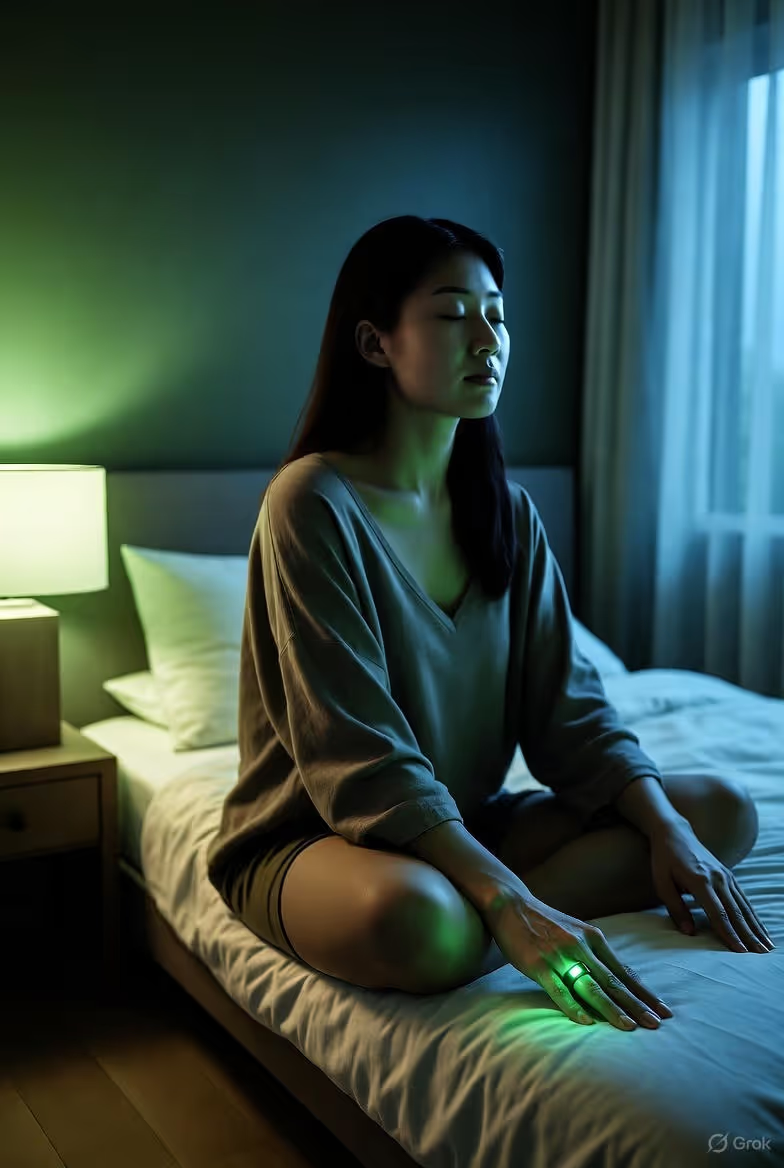
Sleep is not a uniform state. From the moment you drift off until the alarm rings, your brain and body journey through a series of distinct stages, each with its unique electrical signature and physiological purpose. This organized progression is known as sleep architecture, and its integrity is far more critical to your well-being than simply the number of hours logged in bed.
The foundational model, established by polysomnography (sleep lab studies), divides sleep into two broad types: Non-Rapid Eye Movement (NREM) sleep and Rapid Eye Movement (REM) sleep. NREM sleep is further broken down into three stages, often now classified as N1, N2, and N3, with N3 representing the deepest sleep.
Stage N1 (Light Sleep) is the doorway between wakefulness and sleep, typically lasting several minutes. Your brain produces theta waves (slower than daytime alpha waves), heart rate and breathing begin to slow, and muscles relax. This stage is easily disrupted; a whisper or a slight nudge can pull you back to full consciousness. It’s a transitional phase, accounting for about 5% of total sleep in healthy adults.
Stage N2 (True Light Sleep) is where you spend nearly 50% of your total sleep time. Characterized by sleep spindles (brief bursts of rapid brain waves) and K-complexes (large, slow brain waves), this stage serves as a vital gatekeeper, deepening sleep stability and making you less responsive to external stimuli. Crucial for memory consolidation—particularly for facts and procedural learning—and somatic (bodily) maintenance, N2 is the workhorse of the sleep cycle, providing a foundation of neural and physical restoration.
Stage N3 (Deep Sleep or Slow-Wave Sleep) is the most restorative phase. The brain emits slow, powerful delta waves, and it becomes extremely difficult to wake someone. This is the time for physical repair: tissue growth and repair are stimulated, energy is restored, and critical hormones like human growth hormone (HGH) are released. The brain’s glymphatic system, a waste-clearance network, becomes highly active, flushing out metabolic toxins like beta-amyloid, a protein linked to Alzheimer’s disease. Lack of deep sleep is strongly correlated with unrefreshing sleep, chronic pain sensitivity, and a weakened immune system.
Finally, we enter the vividly mysterious REM Sleep. After about 90 minutes of cycling through NREM stages, the brain erupts into activity resembling wakefulness. Your eyes dart rapidly beneath closed lids (hence the name), breathing becomes irregular, and your heart rate increases. Crucially, to prevent you from acting out your dreams, your brain paralyzes most voluntary muscles (a state known as atonia). REM sleep is the stage most closely associated with dreaming, emotional processing, and cognitive functions like creativity, problem-solving, and long-term memory integration. It’s essential for mental and emotional health.
A full sleep cycle—progressing from N1 to N2 to N3, then back to N2 before entering REM—takes roughly 90 to 110 minutes. Throughout the night, you complete four to six of these cycles. The composition of each cycle changes as the night progresses: deep sleep (N3) dominates the first half of the night, while REM periods become progressively longer in the second half. This is why a nap, usually lacking in prolonged REM, feels different from a full night’s sleep, and why being woken up in the early morning from a long REM period can leave you with a vivid dream fresh in your mind. Understanding this architecture is the first step to diagnosing poor sleep quality; you might be in bed for eight hours, but if your cycles are fragmented, you’re missing the essential deep and REM phases. Modern tools like the Oxyzen smart ring allow for unprecedented at-home tracking of this sleep architecture, moving beyond simple duration to analyze the quality and structure of your nightly journeys. For a deeper dive into how this technology interprets your biometrics, you can explore our detailed guide on sleep tracking.
If sleep architecture is the what of sleep, your circadian rhythm is the when. Often called the “body clock,” it’s a 24-hour internal master timer that regulates not just sleep-wake cycles, but also core body temperature, hormone secretion (like cortisol and melatonin), digestion, and cellular function. This rhythm is endogenous—meaning it’s generated from within—but it is exquisitely tuned by external cues, the most powerful of which is light.
The conductor of this orchestra is a tiny region in the brain’s hypothalamus called the suprachiasmatic nucleus (SCN). It receives direct input from specialized photoreceptors in the eyes that are sensitive to blue-wavelength light. When morning light hits your retina, it signals the SCN, which in turn suppresses the production of melatonin (the “darkness hormone” that promotes sleepiness) and triggers a rise in cortisol to promote alertness. As daylight fades, the SCN instructs the pineal gland to release melatonin, ushering in feelings of drowsiness and preparing the body for sleep.
This elegant system evolved in harmony with the solar cycle. The problem? We now live in a world of perpetual artificial summer. Evening exposure to bright lights, and especially the blue light emitted from smartphones, tablets, and computers, directly disrupts this process. It confuses the SCN, delaying melatonin release and shifting your entire circadian rhythm later—a state clinically known as Delayed Sleep-Wake Phase Disorder, which feels like permanent jet lag.
Your circadian rhythm also dictates your natural chronotype—whether you are a morning “lark,” an evening “owl,” or somewhere in between. These preferences are not mere habits; they have a strong genetic basis, influencing your ideal times for sleep, peak cognitive performance, and even physical exertion. Fighting against your chronotype, such as forcing an owl to wake at 5 AM for work, leads to a condition dubbed “social jetlag,” associated with chronic sleep debt, metabolic issues, and mood disturbances.
Beyond light, other zeitgebers (“time-givers”) help synchronize your clock. These include consistent meal times, social interaction, and physical activity. Regularity is key. Going to bed and waking up at the same time every day, even on weekends, is arguably the single most powerful behavioral tool for strengthening circadian rhythm and improving sleep quality. A fragmented schedule, like sleeping in on Saturday, is the equivalent of flying from New York to London every weekend—your body never gets a chance to stabilize.
Modern life challenges our circadian biology at every turn, but awareness and technology can help us realign. By using tools that track our daily rhythms—monitoring not just sleep but also activity, resting heart rate, and temperature variations—we can identify our personal patterns and pinpoint disruptions. For instance, seeing a correlation between late-night screen time and a delayed drop in your resting heart rate can be a powerful motivator for change. Companies like ours at Oxyzen are dedicated to providing these insights, turning complex biological data into actionable wellness strategies. Understanding your unique rhythm is a foundational pillar of sustainable health, a truth deeply embedded in our company’s mission and vision.
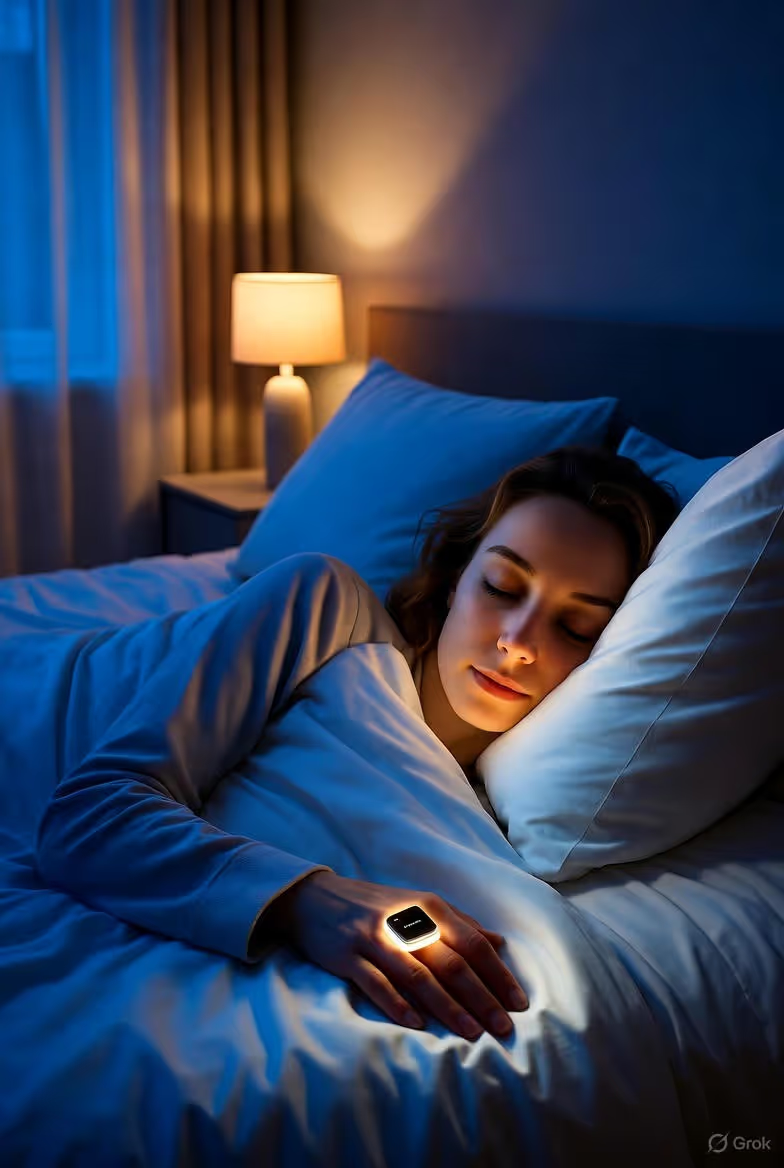
Why do we feel the urge to sleep at a particular time, and why does this drive intensify the longer we stay awake? The comprehensive answer lies in the Two-Process Model of Sleep Regulation, a seminal scientific framework that elegantly explains the interaction between our circadian rhythm and the homeostatic sleep drive.
Process S (Sleep Homeostasis) represents the body’s internal balance sheet for sleep. Think of it as a “sleep pressure” gauge. The moment you wake up, Process S begins to build, accumulating a need for sleep that increases linearly with every hour of wakefulness. This drive is mediated by the buildup of adenosine, a neurochemical byproduct of cellular energy consumption in the brain. High levels of adenosine in key brain areas promote sleepiness and reduce neural activity. During sleep, especially deep NREM sleep, this adenosine is effectively cleared, resetting the pressure gauge. Caffeine works by blocking adenosine receptors in the brain, temporarily masking the feeling of sleep pressure without actually reducing it. This is why the “crash” occurs once caffeine wears off—the accumulated adenosine floods back.
Process C (Circadian Rhythm), as previously discussed, is the body’s internal 24-hour clock that creates a waxing and waning propensity for wakefulness and sleep, independent of how long you’ve been awake. In a perfectly aligned system, Process C acts as a counterbalance to Process S. In the evening, as sleep pressure (Process S) is near its peak, the circadian system (Process C) also promotes sleepiness by allowing melatonin levels to rise. This dual signal is what creates that powerful, natural wave of drowsiness. Conversely, in the morning, even if you’ve had a full night’s sleep (Process S is low), a strong circadian drive for wakefulness kicks in with light exposure and cortisol release.
The magic—and the vulnerability—of sleep lies in the precise timing of these two processes. For optimal sleep onset and maintenance, the high tide of homeostatic sleep drive must coincide with the circadian window of low alertness. If they are misaligned, sleep suffers dramatically. For example:
Understanding this model empowers you to manage your sleep more intelligently. A short afternoon nap, for instance, works because it provides a controlled release of built-up sleep pressure (Process S) without venturing into deep sleep that would disrupt nighttime drive. The timing of that nap, however, is critical; too late in the day and it may interfere with evening sleepiness. By tracking your own patterns of alertness and fatigue, you can start to map your personal interaction of Process S and Process C. This kind of personalized chronobiological insight is at the heart of advanced wellness tracking, a principle we’ve built into the core of our approach at Oxyzen. Reading real user testimonials often reveals how this understanding transforms people’s relationship with their energy levels.
While the brain is the stage manager of sleep, the performance involves every system in the body. Sleep is a whole-organism event, a time of profound physiological change that is as vital to the heart, metabolism, and immune system as it is to the mind.
The Cardiovascular System gets a much-needed break. During deep NREM sleep, heart rate and blood pressure drop significantly, providing a period of sustained low stress on the heart and blood vessels. This “nocturnal dipping” is crucial for cardiovascular health. Research consistently shows that individuals who lack this dip, or who have fragmented sleep, face a markedly higher risk of hypertension, stroke, and coronary heart disease. Sleep is not just rest for the mind; it’s respite for the heart.
The Endocrine and Metabolic Systems undergo a dramatic shift. Sleep is a key regulator of hormones that control appetite. Levels of leptin (the hormone that signals satiety) rise, while ghrelin (the hormone that stimulates hunger) falls. Insufficient sleep flips this balance, creating a hormonal profile that drives overeating, particularly of high-calorie, carbohydrate-rich foods. Furthermore, deep sleep is when the body becomes more sensitive to insulin, helping to regulate blood glucose. Chronic sleep deprivation leads to insulin resistance, a direct pathway to Type 2 diabetes and weight gain. It’s no coincidence that the obesity and diabetes epidemics have risen in parallel with declining sleep duration.
The Immune System is turbocharged. During sleep, the production of inflammatory cytokines is modulated, and the body generates critical immune cells like T-cells and antibodies. Think of sleep as a nightly software update for your immune defense system. This is why you instinctively crave more sleep when you’re fighting an infection. Conversely, even one night of poor sleep can reduce the effectiveness of natural killer cells, your body’s frontline defense against pathogens and rogue cells. Long-term sleep disruption is linked to a state of chronic, low-grade inflammation, which is a known contributor to virtually every major age-related disease, from arthritis to dementia.
The Musculoskeletal System uses this downtime for repair and growth. The pituitary gland releases pulses of human growth hormone (HGH), primarily during deep sleep. HGH is essential for muscle repair, bone building, and cell regeneration. This is why athletes prioritize sleep as part of their training regimen and why children need copious amounts of sleep for proper development.
The Detoxification System in the brain, the recently discovered glymphatic system, becomes about 10 times more active during sleep. Using cerebrospinal fluid, it flushes away the metabolic waste products that accumulate between brain cells during the day’s neural activity. One of the waste products cleared is beta-amyloid, the toxic protein that forms the plaques of Alzheimer’s disease. This discovery provides a direct and powerful biological link between chronic sleep disruption and a significantly elevated risk for neurodegenerative conditions.
Monitoring these systemic changes used to be confined to the lab. Now, wearable technology like a smart ring can track proxies for this symphony—nocturnal heart rate, heart rate variability (HRV), and subtle temperature changes—offering a window into how well your body is achieving this vital physiological restoration. This holistic view of health is what drives innovation in our field; you can learn more about our philosophy and the technology behind it.
One of the most profound functions of sleep is its role in memory and learning. Sleep does not simply protect memories from forgetting; it actively curates, strengthens, integrates, and even reconfigures them. The different stages of sleep play distinct, complementary roles in this cognitive consignment process.
NREM Sleep (Stages N2 and N3) is for Consolidation. During the day, memories are initially formed and stored in a temporary, vulnerable state in the hippocampus, a brain structure akin to a USB flash drive with limited space. During deep NREM sleep, particularly the slow oscillations of Stage N3, a remarkable transfer occurs. These slow brain waves orchestrate a dialogue between the hippocampus and the neocortex (the brain’s long-term storage hard drive). Memories are reactivated and “replayed” at a neural level, gradually shifting them from temporary hippocampal storage to more permanent, distributed networks in the cortex. This process solidifies factual and episodic memories (like what you studied or the events of your day) and procedural skills (like learning a piano piece or a new sports move). The sleep spindles of Stage N2 are thought to act as couriers, facilitating this transfer and protecting the reactivated memories from being interrupted.
REM Sleep is for Integration and Insight. If NREM sleep is about filing, REM sleep is about connecting and creating. During REM, the brain is highly active, making seemingly random associations between disparate memories and knowledge. This process is essential for creative problem-solving, fostering “aha!” moments, and integrating new information with your existing web of knowledge to form a coherent understanding of the world. REM sleep also plays a critical role in emotional memory processing. It helps to strip the sharp, painful emotional charge from difficult experiences while preserving the factual memory, acting as a form of overnight therapy. This is why a good night’s sleep often brings “emotional resolution,” and sleep deprivation leaves us emotionally brittle and reactive.
The cycle between NREM and REM is therefore essential for holistic memory formation. A memory might be initially stabilized in NREM, then integrated and contextualized in the following REM period. This mosaic-building happens across the night, with different types of memories being processed in different cycles. Disrupting sleep architecture—by alcohol, which suppresses REM, or by sleep apnea, which fragments deep NREM—directly impairs these processes. You might recall the fact, but fail to understand its broader meaning or apply it creatively.
This science underscores why “sleeping on it” is such effective advice. It also highlights the catastrophic impact of chronic poor sleep on academic and professional performance, lifelong learning, and emotional intelligence. For anyone seeking to optimize cognitive performance, whether a student, a professional, or a lifelong learner, prioritizing sleep architecture is non-negotiable. Tracking your sleep can reveal if you’re getting the crucial deep and REM stages needed for this mental work. For more insights on optimizing cognitive performance through biometrics, our blog features a wealth of related articles.
The link between sleep and mental health is not merely correlational; it is a deeply rooted, bidirectional relationship. Sleep disturbances are a core symptom of nearly every psychiatric disorder, but they are also a significant contributing factor and predictor of their onset and severity. Sleep acts as an emotional thermostat, and when it’s broken, our psychological resilience shatters.
The brain’s emotional center, the amygdala, goes into overdrive when we are sleep-deprived. fMRI studies show that after a sleepless night, the amygdala’s reactivity to negative emotional stimuli (like disturbing images) increases by over 60%. Simultaneously, the connection between the amygdala and the prefrontal cortex—the brain’s rational, executive control center—becomes impaired. The result is a neurological double-whammy: heightened emotional reactivity coupled with a diminished ability to regulate those emotions. We become more prone to anxiety, irritability, sadness, and impulsive reactions.
REM sleep is particularly crucial for emotional regulation. During REM, levels of stress-related neurotransmitters like norepinephrine are shut off, creating a unique, low-stress neurochemical environment. In this state, the brain can “replay” emotional experiences from the day without the associated high-stress chemistry, allowing it to be processed and integrated in a safer context. Depriving the brain of REM sleep prevents this emotional decoupling, leaving painful memories raw and emotionally potent. This mechanism is a key reason why PTSD is often characterized by severe REM sleep disturbances and nightmares.
Furthermore, chronic sleep disruption disrupts the regulation of key neurotransmitters like serotonin and dopamine, which are directly implicated in depression and anxiety. The inflammation caused by poor sleep also contributes to neuroinflammation, another pathway linked to depression. It’s a vicious cycle: conditions like depression and anxiety make it harder to sleep, and the resulting poor sleep exacerbates the symptoms of the condition.
Addressing sleep is now a frontline, evidence-based intervention in mental health care. Cognitive Behavioral Therapy for Insomnia (CBT-I) is often as effective as medication for treating both insomnia and co-occurring depression and anxiety. By stabilizing sleep, we stabilize the emotional brain. For individuals managing their mental well-being, objective data on sleep quality can be an invaluable tool, providing concrete evidence of progress or revealing hidden triggers for mood fluctuations. Understanding this intricate dance between rest and resilience is part of providing comprehensive wellness support, a commitment detailed in our company’s FAQ and support resources.
When the sophisticated systems governing sleep architecture, circadian timing, and sleep drive malfunction, clinical sleep disorders arise. These are not simply inconveniences; they are chronic medical conditions with serious health consequences. Understanding their mechanisms is the first step toward recognition and treatment.
Insomnia is the most prevalent disorder, characterized by persistent difficulty falling asleep, staying asleep, or waking too early, despite adequate opportunity for sleep. It’s often fueled by a state of “hyperarousal”—a brain and body stuck in a heightened state of alertness that overrides the normal sleep signals of Process S and Process C. Psychological factors (stress, anxiety), behavioral factors (poor sleep habits, erratic schedules), and physiological factors (genetics, medical conditions) all intertwine. Chronic insomnia rewires the brain, creating a negative association between the bed and wakefulness, making the problem self-perpetuating.
Sleep Apnea, particularly Obstructive Sleep Apnea (OSA), is a potentially severe disorder where breathing repeatedly stops and starts during sleep. It occurs when the throat muscles relax excessively, blocking the airway. Each apnea event triggers a micro-arousal (often unnoticed by the sleeper) to restart breathing, fragmenting sleep architecture and preventing deep, restorative stages. The consequences are systemic: chronic oxygen deprivation and sleep fragmentation lead to extreme daytime sleepiness, a massively increased risk of hypertension, heart attack, stroke, and type 2 diabetes. Loud, chronic snoring is a major red flag.
Restless Legs Syndrome (RLS) involves an uncontrollable, often uncomfortable urge to move the legs, primarily in the evening and at rest. It can severely delay sleep onset. Periodic Limb Movement Disorder (PLMD) involves involuntary, repetitive limb jerks during sleep, which can cause frequent awakenings and unrefreshing sleep.
Narcolepsy is a neurological disorder of the brain’s sleep-wake control mechanisms. Its hallmark is excessive, overwhelming daytime sleepiness and “sleep attacks.” It often involves cataplexy (a sudden loss of muscle tone triggered by strong emotions), sleep paralysis, and vivid hallucinations when falling asleep or waking up. Narcolepsy is linked to a deficiency in the neuropeptide hypocretin, which regulates wakefulness and REM sleep.
Circadian Rhythm Sleep-Wake Disorders occur when the internal body clock is misaligned with the external environment. This includes Delayed Sleep-Wake Phase Disorder (night owls who can’t fall asleep until very late), Advanced Sleep-Wake Phase Disorder (extreme early birds), and the irregularity caused by shift work or jet lag.
Identifying these disorders often requires professional diagnosis, but the journey frequently begins with self-observation. Noticing patterns of extreme fatigue, loud snoring, an irresistible urge to move your legs, or an inability to sleep at a “normal” hour are critical clues. Technology that tracks sleep duration, disturbances, and oxygen saturation can provide valuable preliminary data to discuss with a healthcare provider. If you have questions about how wearable data can contribute to understanding sleep health, our FAQ page offers detailed guidance.
Our biology evolved for sleep in dark, quiet, safe environments aligned with the natural light-dark cycle. Modern life presents a relentless array of obstacles designed to sabotage this ancient rhythm. To defend our sleep, we must first identify the adversaries.
Light Pollution: The Blue Light Menace. As covered, evening light exposure is the primary disruptor of melatonin. It’s not just screens; LED and fluorescent household lighting are also rich in sleep-stealing blue wavelengths. The solution isn’t to live in darkness after sunset, but to manage light quality. Using dim, warm-toned lights in the evening and enabling “night shift” modes on devices are essential. Blue-light-blocking glasses can be effective for those who must use screens late.
The 24/7 Digital Intrusion. Beyond light, technology invades sleep through psychological stimulation and anxiety. The constant ping of notifications keeps the mind engaged. Scrolling through social media or work emails can induce stress or FOMO (Fear of Missing Out), activating the sympathetic nervous system when it should be winding down. The very presence of a smartphone in the bedroom is linked to reduced sleep duration and quality.
Temperature & Environment. Core body temperature needs to drop by about 1-2 degrees Fahrenheit to initiate and maintain sleep. A bedroom that is too warm (typically above 68°F or 20°C) hinders this natural drop. Noise pollution, even at low levels you may not consciously notice, can cause micro-arousals and prevent deep sleep. Light leaks around curtains can disrupt circadian signals even with closed eyes.
Diet & Substance Use. Caffeine has a half-life of 5-6 hours; an afternoon coffee can still be blocking adenosine receptors at bedtime. Alcohol is a sedative that may help with sleep onset but is a proven REM sleep suppressant, leading to fragmented, non-restorative sleep in the second half of the night. Heavy, spicy, or high-sugar meals close to bedtime can cause discomfort and disrupt digestion during sleep.
Sedentary Lifestyle & Erratic Schedules. Regular physical activity promotes deeper sleep, but intense exercise too close to bedtime can be stimulating for some. An irregular sleep schedule is perhaps the most common, self-inflicted saboteur, confusing the circadian rhythm and weakening the homeostatic drive.
Creating a sleep sanctuary and a wind-down ritual is not mere “sleep hygiene” advice; it is a necessary act of biological defense. It involves curating your environment (cool, dark, quiet) and your behavior (digital sunset, consistent routine, mindful eating). This is where personalized data becomes powerful. A smart ring can show you how a late workout, a glass of wine, or a hot room actually impacts your sleep architecture—your deep sleep percentage, your resting heart rate, and your sleep continuity. This feedback loop turns abstract advice into personal, actionable insight. For inspiration on crafting your perfect sleep ritual, explore the real-world success stories shared by our community.

Sleep is not a constant throughout life. Its quantity, architecture, and timing undergo dramatic, predictable changes from infancy to old age. Understanding these normative shifts helps contextualize our own sleep and manage expectations at different life stages.
Infancy & Childhood: Newborns sleep in polyphasic patterns (multiple short sleeps) for a total of 14-17 hours per day, with nearly 50% spent in REM sleep, which is thought to support massive brain development and neural connectivity. As children grow, sleep consolidates into a monophasic (single, long) nighttime period with a nap. Deep NREM sleep is at its most powerful and abundant during childhood and adolescence, supporting physical growth, learning, and development. The slow-wave activity of a child’s deep sleep is the greatest it will ever be.
Adolescence: A profound biological shift occurs. The circadian rhythm naturally delays, pushing teens’ sleep window later. Coupled with early school start times, this creates a chronic state of social jetlag. Simultaneously, the need for sleep remains high (8-10 hours). This clash between biological drive and social demands is a major contributor to mood disorders, academic struggles, and risk-taking behavior in teenagers.
Adulthood: Sleep architecture generally stabilizes but begins a very gradual decline. The total amount of deep NREM sleep decreases, and sleep becomes more fragile, with more frequent awakenings. Lifestyle factors—career stress, parenting, technology use—often compound this natural fragmentation. The ability to sleep in one consolidated block becomes more sensitive to poor habits.
Older Adulthood (65+): Significant changes are often misinterpreted as “needing less sleep.” The sleep need does not diminish, but the ability to generate consolidated sleep often does. There is a further reduction in deep NREM sleep, a more fragmented sleep pattern with frequent nighttime awakenings, and an advanced circadian phase shift (feeling sleepy earlier in the evening and waking earlier in the morning). These changes are influenced by medical conditions, medications, reduced light exposure, and natural neurological aging. However, poor sleep in older age is not inevitable; it is often treatable when underlying causes are addressed.
Recognizing these life-stage patterns prevents unnecessary anxiety (e.g., a parent worrying about a teen who can’t fall asleep at 9 PM) and highlights when sleep patterns fall outside the norm for a given age, signaling a potential problem. It also emphasizes that strategies for optimal sleep must be adapted over a lifetime. The tools that help a new parent track fragmented sleep are different from those that help a retiree solidify a healthy circadian rhythm, which is why flexible, insightful tracking is so valuable. You can learn more about how our technology adapts to different life stages and needs.
In the quest for better sleep, subjective feeling (“I slept okay”) is often unreliable. Objectivity is power. This is where modern biometric tracking, particularly through comfortable, continuous wearables like smart rings, revolutionizes personal sleep science. These devices move beyond simple movement-based actigraphy to provide a richer, more nuanced picture of your sleep physiology.
Heart Rate (HR) & Heart Rate Variability (HRV): During deep NREM sleep, your heart rate should reach its lowest, most steady point of the 24-hour cycle. A higher-than-normal nocturnal heart rate can indicate stress, illness, lack of recovery, or a sleep disorder like apnea. HRV—the subtle variation in time between heartbeats—is a key indicator of autonomic nervous system balance. High HRV during sleep suggests strong parasympathetic (“rest and digest”) activity, a marker of recovery and good sleep quality. Low or fluctuating nocturnal HRV can signal stress, overtraining, or poor sleep quality.
Blood Oxygen Saturation (SpO2): Continuous overnight SpO2 monitoring can detect significant drops that may indicate breathing disturbances, a key screening tool for potential sleep apnea.
Skin Temperature: The body’s core temperature drop is essential for sleep onset. Tracking distal (limb) skin temperature trends can reveal your personal circadian phase and how well your body is managing this thermoregulatory process. A failure to see a nocturnal temperature drop may correlate with poor sleep.
Respiratory Rate: A stable, slow respiratory rate during sleep is normal. Significant increases or high variability can be a sign of sleep disruption, respiratory issues, or even the onset of illness.
The true magic lies not in isolated metrics, but in their correlation and longitudinal trends. Seeing that on nights after you have alcohol, your deep sleep percentage plummets and your resting heart rate stays elevated provides irrefutable, personalized evidence. Noticing that your HRV consistently drops after three nights of poor sleep can warn you of accumulating stress before you feel burnt out.
This data transforms you from a passive sleeper into an active participant in your sleep health. It allows for intelligent experimentation: try adjusting your bedroom temperature by two degrees, or moving your dinner time earlier, and observe the direct impact on your sleep scores. It provides concrete feedback that motivates lasting behavior change. This empowerment through data is the cornerstone of modern, proactive wellness, a journey we are passionate about facilitating. To see how this translates into everyday life, browse the experiences shared by individuals using these insights.
The frontier of sleep science is rapidly expanding, promising a future where sleep medicine moves from generalized treatment to ultra-personalized optimization. Several exciting areas of research are paving the way.
Genetics of Sleep: Scientists are identifying specific genes associated with chronotype (like the PER3 gene), sleep duration needs, and susceptibility to disorders like narcolepsy and RLS. In the future, genetic profiling could help tailor sleep schedules and interventions to an individual’s biological blueprint from birth.
The Sleep-Microbiome Connection: Emerging research suggests a powerful gut-brain axis link to sleep. The diversity and health of our gut microbiome may influence sleep architecture and the production of sleep-regulating neurotransmitters like serotonin and GABA. Conversely, sleep disruption can harm the microbiome. This opens potential avenues for probiotic or dietary interventions to improve sleep.
Advanced Neuromodulation: Techniques like transcranial direct current stimulation (tDCS) and acoustic stimulation are being studied to enhance slow-wave deep sleep. By delivering precisely timed sound pulses in sync with a person’s brain waves, studies have shown an increase in deep sleep and associated memory benefits. This non-invasive technology could one day be used to therapeutically boost restorative sleep.
Precision Sleep Medicine: The integration of multi-modal data—from genetic profiles, continuous biometric tracking (HR, HRV, SpO2, temperature), daily lifestyle logs, and even environmental sensors—will allow for AI-driven, hyper-personalized sleep prescriptions. Instead of “get 8 hours of sleep,” your program might be: “Based on your PER3 genotype and current stress load (indicated by low HRV), your optimal sleep window this week is 11:15 PM to 7:15 AM. Avoid caffeine after 2 PM, and consider a 20-minute afternoon nap on Wednesday to manage accumulated sleep pressure.”
This future hinges on seamless, accurate, and insightful data collection—the very domain of next-generation wearables. The goal is not just to track sleep, but to interpret it within the full context of an individual’s biology and life, providing actionable guidance that evolves in real time. This vision of truly personalized health is what drives continuous innovation at the intersection of technology and wellness. To stay updated on these future trends and the latest research, we invite you to follow our ongoing explorations on the Oxyzen blog.
Understanding the complex science of sleep is only the first step. The true transformation begins when we translate this knowledge into deliberate, daily practices that reinforce our biology rather than fight against it. Optimizing sleep architecture isn’t about a single magic trick; it’s about cultivating a holistic lifestyle that prioritizes and protects your sleep. Here, we move from theory to practice, exploring evidence-based strategies to enhance both the quantity and, more importantly, the quality of your sleep.
Master Your Chronorhythm: The single most powerful behavioral lever you can pull is consistency. Go to bed and wake up at the same time every day, even on weekends, within a 30- to 60-minute window. This regularity strengthens your circadian rhythm (Process C) and allows your sleep-wake drive (Process S) to build and release in a predictable, stable pattern. If you’re an evening owl needing to adjust earlier, do so gradually—in 15-minute increments every few days—rather than forcing an abrupt, unsustainable change.
Craft a Bulletproof Wind-Down Ritual: Your brain needs a transition period to shift from the alert state of daytime to the quiet state conducive to sleep. Dedicate the last 60-90 minutes before bed to a consistent, screen-free wind-down routine. This could include:
Tame the Light Beast: Be militant about light exposure. Seek bright, ideally natural, light in the first hour of waking to halt melatonin and set your clock. Conversely, wear blue-light-blocking glasses if you must use screens in the evening, and enable night mode on all devices. Make your bedroom a light-proof sanctuary—use blackout curtains or a comfortable sleep mask.
Curate Your Sleep Sanctuary: Your bedroom environment should scream "sleep." This means:
Navigate Nutrition & Substances Wisely:
Harness the Power of Data: This is where modern technology becomes a game-changer. Use a reliable wearable device to move beyond guesswork. Don’t just look at a "sleep score"; analyze the trends. Is your deep sleep consistently low? Are you seeing frequent awakenings correlated with a late meal? Does your resting heart rate trend higher after stressful days? This objective feedback allows for intelligent, personalized experimentation. For example, you might test moving your workout from evening to morning for a week and observe the impact on your sleep stability. This process of self-experimentation, guided by data, is the essence of modern biohacking for wellness. For those ready to begin this journey, discovering how Oxyzen’s technology provides these precise insights is the perfect starting point.
Manage Stress & Cognitive Hyperarousal: A racing mind is the enemy of sleep. Develop daytime and pre-sleep practices to lower overall stress. This includes daily mindfulness, journaling to "download" worries from your mind onto paper before bed, and practicing cognitive behavioral techniques to challenge anxiety-inducing thoughts about sleep itself. The goal is to lower sympathetic nervous system activation so the parasympathetic "rest and digest" system can take over.
By systematically implementing these strategies, you are not just "trying to sleep better." You are engineering your environment and behavior to work in concert with your innate sleep biology, paving the way for more robust, restorative, and architecturally sound sleep.
For high performers in any field, sleep is the ultimate legal performance-enhancing drug. It’s the foundation upon which peak cognitive function, physical recovery, emotional stability, and creative insight are built. Cutting back on sleep to gain more waking hours is perhaps the most counterproductive trade-off an ambitious individual can make.
For the Athlete: Sleep is when the body does its most important repair work. Human Growth Hormone (HGH) release during deep sleep stimulates muscle repair, bone building, and tissue growth. Studies show that extending sleep in athletes leads to faster sprint times, improved accuracy, and a significant reduction in injury rates. Sleep deprivation, conversely, impairs glycogen storage (your muscles' fuel), reduces aerobic output, increases perceived exertion, and slows recovery from inflammation. For an athlete, prioritizing sleep is as critical as nutrition and training itself. Tracking metrics like Heart Rate Variability (HRV) and resting heart rate overnight provides direct feedback on recovery status, guiding training intensity to prevent overtraining.
For the Creative & Knowledge Worker: The link between sleep and cognitive function is profound. Deep NREM sleep consolidates factual knowledge and skills learned during the day. REM sleep, however, is the stage of creative synthesis. By forming novel connections between disparate ideas in your memory bank, REM sleep is responsible for "aha!" moments and innovative problem-solving. History is littered with anecdotes of scientists and artists waking with solutions to problems that baffled them the day before. Furthermore, sleep deprivation directly impairs the prefrontal cortex, hampering focus, decision-making, and emotional control—all essential for effective leadership and collaborative work. A well-rested mind is a more focused, creative, and resilient mind.
For the Shift Worker & Traveler: Those forced to work against their circadian rhythm face a unique and serious challenge. The strategy here involves rigorous light management. For night shifts, use bright light exposure (like a light therapy box) during the shift to promote alertness, and wear blue-light-blocking glasses on the commute home in the morning to prevent the sunrise from signaling "wake time" to your brain. Create a pitch-black, cool, and quiet sleeping environment during the day. For jet lag, strategically use light exposure at your destination to reset your clock faster: seek morning light if you need to advance your clock (traveling east), and seek evening light if you need to delay it (traveling west). Melatonin supplementation, timed correctly, can also be a useful tool under medical guidance.
Across all domains, the common thread is that sleep is an investment, not a cost. Sacrificing sleep for more work is like trying to save money by selling your tools; it degrades your capacity to produce quality work in the future. High performers who track their sleep often discover that a slight increase in sleep duration or quality yields disproportionate gains in their daytime output, mood, and resilience. Reading about the transformative experiences of others who have made this data-driven shift can provide powerful motivation.
Poor sleep is not merely a personal issue; it is a pervasive public health crisis with staggering economic and social costs. When a significant portion of the population is chronically sleep-deprived, the repercussions ripple through every sector of society.
The Healthcare Burden: Sleep disorders and insufficient sleep are major risk factors for the leading causes of morbidity and mortality: cardiovascular disease, stroke, hypertension, diabetes, obesity, and depression. The treatment of these sleep-related conditions places an enormous financial strain on healthcare systems. For instance, the undiagnosed and untreated costs of obstructive sleep apnea alone—in terms of associated medical complications, accidents, and lost productivity—run into hundreds of billions of dollars annually in the United States.
The Safety Catastrophe: Sleepiness behind the wheel is as dangerous as drunk driving. Drowsy driving is estimated to cause hundreds of thousands of motor vehicle accidents each year, resulting in tens of thousands of fatalities and serious injuries. Beyond the roads, sleep deprivation has been a contributing factor in some of the world’s worst industrial and nuclear disasters, including the Chernobyl meltdown and the Exxon Valdez oil spill. In professions like healthcare, long shifts with inadequate sleep compromise patient safety and increase medical errors.
The Productivity Drain: Presenteeism—being at work but functioning at a subpar level due to fatigue—is a massive hidden cost to businesses. Sleep-deprived employees are less productive, make more errors, have impaired judgment, and exhibit poorer communication and collaboration skills. They also take more sick days. Research from the RAND Corporation estimates that sleep deprivation costs the U.S. economy up to $411 billion annually in lost productivity, with similar proportional losses in other developed nations.
The Cognitive & Educational Toll: In children and adolescents, insufficient sleep is linked to poorer academic performance, impaired attention, and reduced ability to consolidate learning. A tired student cannot learn effectively, creating a cycle of underachievement and frustration. At a societal level, this represents a tragic waste of human potential.
Addressing the Epidemic: Combating this requires a multi-faceted approach:
As individuals become more aware of their own sleep through personal tracking, they become advocates for this cultural shift in their homes, workplaces, and communities. The mission to improve sleep health is both personal and collective, a vision that resonates deeply with the core values and story of our work at Oxyzen.
Sleep does not exist in a physiological vacuum. It forms one apex of a critical health triangle with nutrition and physical activity, each profoundly influencing the other. Optimizing one inevitably enhances the others, creating a powerful virtuous cycle for overall well-being.
How Sleep Affects Diet & Metabolism: As explored, sleep deprivation disrupts leptin and ghrelin, increasing hunger and cravings for high-calorie, high-carbohydrate foods. It also promotes insulin resistance, making the body less efficient at processing sugars. This creates a physiological setup for weight gain. Furthermore, fatigue reduces willpower and impulse control, making it harder to resist unhealthy food choices. A tired brain seeks quick energy from sugary snacks.
How Diet Affects Sleep: What you eat, and when you eat it, directly impacts sleep architecture.
How Exercise Affects Sleep: Regular physical activity is one of the most effective non-pharmacological ways to improve sleep. It increases the drive for deep NREM sleep, helps regulate circadian rhythms, and reduces symptoms of anxiety and depression that interfere with sleep. However, timing matters. For most people, moderate to vigorous exercise too close to bedtime (within 1-2 hours) can be stimulating due to the release of epinephrine and a rise in core body temperature. Morning or afternoon exercise is generally most beneficial for sleep. Gentle, restorative movement like yoga or stretching in the evening can be part of a wind-down routine.
How Sleep Affects Exercise: Sleep is when muscle repair and adaptation occur. Without adequate deep sleep, athletic performance suffers, recovery slows, and injury risk rises. A sleep-deprived individual will have less energy, motivation, and focus for a workout, and their perceived exertion will be higher.
Creating the Virtuous Cycle: The synergy is clear. A consistent exercise routine promotes better sleep. Better sleep improves dietary choices and metabolic health. Healthier nutrition provides the stable energy for effective workouts and the building blocks for sleep-regulating neurotransmitters. Tracking can illuminate these connections vividly. You might see that on days you exercise, your deep sleep increases by 10%. Or that nights of poor sleep are followed by days where your activity levels plummet and your nutritional choices worsen. By observing these patterns, you can strategically leverage one pillar to support the others. For comprehensive strategies on integrating these wellness pillars, our blog offers a wealth of actionable resources.
Certain life stages and roles present unique, intense challenges to sleep that go beyond standard sleep hygiene advice. For new parents, caregivers of ill family members, and professionals under extreme stress, sleep deprivation can feel like an inescapable trap. The strategies here focus on harm reduction, maximizing opportunity, and managing the mental load.
For New Parents: The polyphasic sleep of a newborn is a biological reality that cannot be changed. The goal shifts from consolidated 8-hour blocks to maximizing total sleep accumulation and improving sleep efficiency.
For Caregivers: The chronic stress and interrupted nights of caregiving are physically and emotionally draining.
For High-Stress Professionals: When work anxiety follows you home, the brain’s "off switch" fails.
For individuals in these demanding situations, objective data can be a compassionate guide, not a critic. Seeing that even with interruptions, you managed to get 1.5 hours of deep sleep can be encouraging. Tracking can also reveal small, controllable changes—like a 10-minute earlier wind-down—that yield measurable improvements, providing a sense of agency during a challenging time. If you’re struggling to find a starting point, our FAQ section offers support and practical answers to common challenges.
Misinformation about sleep is rampant, often leading to counterproductive habits and unnecessary anxiety. Let’s dismantle some of the most persistent myths with evidence-based science.
Myth 1: You can "catch up" on sleep over the weekend. While sleeping in on weekends can pay back a portion of acute sleep debt, it does not fully reverse the metabolic, cognitive, and cardiovascular consequences of chronic weekday deprivation. This "social jetlag" also disrupts your circadian rhythm, making Monday mornings feel even worse. Truth: Consistency is king. A regular schedule is far healthier than a cycle of debt and repayment.
Myth 2: Alcohol helps you sleep. Alcohol is a sedative that knocks you out but severely fragments sleep architecture. It suppresses REM sleep in the first half of the night, often leading to a REM rebound in the second half accompanied by vivid dreams or nightmares, and frequent awakenings. Truth: Alcohol is a guarantee of worse sleep quality, even if it speeds sleep onset.
Myth 3: Snoring is harmless. While not all snoring is dangerous, loud, chronic snoring is the primary symptom of Obstructive Sleep Apnea (OSA), a serious medical condition. Truth: Significant snoring, especially if accompanied by gasping, choking, or daytime sleepiness, requires medical evaluation.
Myth 4: Older adults need less sleep. The sleep need does not diminish with age. The ability to generate consolidated sleep often declines due to health conditions, medications, and circadian changes. Truth: Older adults still require 7-8 hours of sleep; the challenge is achieving it in a more fragmented pattern, which may require more careful sleep hygiene and medical management of underlying issues.
Myth 5: Watching TV in bed is a good way to relax. Screens emit sleep-disrupting blue light and the content (news, dramas) is often psychologically stimulating. This trains your brain to associate the bed with alertness, not rest. Truth: The bed should be reserved for sleep and intimacy only. Relax elsewhere before coming to bed sleepy.
Myth 6: If you can’t sleep, stay in bed and try harder. This is one of the most damaging behaviors for insomnia. Lying awake in bed for long periods creates a powerful negative association between the bed and frustration/alertness. Truth: Follow the "15-20 Minute Rule." If you can’t sleep after 20 minutes, get out of bed. Go to another room and do a quiet, boring activity in dim light until you feel sleepy again, then return to bed.
Myth 7: A warmer bedroom is cozier and better for sleep. Your body needs to drop its core temperature to initiate sleep. A room that is too warm prevents this. Truth: A cool bedroom (around 65°F/18°C) is far more conducive to deep, uninterrupted sleep.
By replacing these myths with scientific facts, we empower ourselves to make choices that genuinely support our sleep biology. Education is the first defense against poor sleep practices, and continuing to learn more through reliable, research-backed resources is a lifelong investment in your health.
Self-management through lifestyle optimization and data tracking is powerful, but it has its limits. Recognizing the signs that indicate a need for professional medical intervention is crucial for your long-term health.
Red Flags Warranting a Sleep Specialist Consultation:
The Diagnostic Journey: A sleep specialist will typically start with a detailed history and may recommend:
Treatment Avenues: Treatment is highly specific to the diagnosis.
The Role of Personal Tracking Data: The data from your personal wearable can be an invaluable conversation starter with your doctor. It can provide objective evidence of your sleep patterns, highlight concerning trends (like frequent nocturnal awakenings or elevated resting heart rate), and help track your progress after beginning a treatment. It turns subjective complaints ("I'm tired") into quantifiable observations ("My device shows I’m averaging 45 minutes of deep sleep with 15 awakenings per night"). This collaborative approach, combining personal bio-tracking with professional medical care, represents the future of proactive health management. For those beginning to explore their sleep data and considering next steps, our website offers a gateway to understanding these tools and their purpose.
Ultimately, the science of sleep patterns teaches us that sleep is not an isolated act of daily maintenance. It is the foundational rhythm of a healthy human life, the dark pulse against which our days are defined. Integrating a pro-sleep philosophy is about more than avoiding fatigue; it’s about embracing a holistic view of well-being where rest is respected as a productive, generative, and essential state.
This philosophy requires a shift in identity—from someone who fits sleep in to someone who builds the day around sleep. It means scheduling your bedtime with the same importance as a critical business meeting. It involves defending your wind-down time as fiercely as you defend your work time. It recognizes that the quality of your waking consciousness—your creativity, your compassion, your resilience, your joy—is directly manufactured in the quiet factory of the night.
Sleep as a Practice: Like mindfulness or fitness, good sleep is a practice, not a permanent state. There will be nights of poor sleep, periods of disruption (travel, illness, stress), and natural changes across your lifespan. The goal is not perfection, but resilience and knowledge. By understanding your patterns, you can navigate these disruptions with less anxiety and a clearer roadmap back to balance.
The Ripple Effect: When you prioritize sleep, the benefits cascade. You make better food choices without as much struggle. You have more patience and presence for your relationships. You approach work with clearer focus. You engage in physical activity with more energy. You become a calmer, more regulated version of yourself. In this way, optimizing sleep becomes the most effective form of self-care, with the highest return on investment across all domains of life.
The Role of Technology: In this journey, technology is not the enemy; it is a potential ally. The right tools, used with intention, can demystify the subjective experience of sleep, providing a mirror to our inner biological state. A device that quietly tracks your rhythms can become a coach, offering unbiased feedback and revealing the tangible impact of your choices. It can empower you to become the expert on your own body, fostering a deeper sense of agency over your health. This vision of empowered, data-informed wellness is central to the mission we pursue every day.
Your Trusted Sleep Advocate: Sleep Foundation — https://www.sleepfoundation.org
Discover a digital archive of scholarly articles: NIH — https://www.ncbi.nlm.nih.gov/
39 million citations for biomedical literature :PubMed — https://pubmed.ncbi.nlm.nih.gov/
Experts at Harvard Health Publishing covering a variety of health topics — https://www.health.harvard.edu/blog/
Every life deserves world class care :Cleveland Clinic - https://my.clevelandclinic.org/health
Wearable technology and the future of predictive health monitoring :MIT Technology Review — https://www.technologyreview.com/
Dedicated to the well-being of all people and guided by science :World Health Organization — https://www.who.int/news-room/
Psychological science and knowledge to benefit society and improve lives. :APA — https://www.apa.org/monitor/
Cutting-edge insights on human longevity and peak performance:
Lifespan Research — https://www.lifespan.io/
Global authority on exercise physiology, sports performance, and human recovery:
American College of Sports Medicine — https://www.acsm.org/
Neuroscience-driven guidance for better focus, sleep, and mental clarity:
Stanford Human Performance Lab — https://humanperformance.stanford.edu/
Evidence-based psychology and mind–body wellness resources:
Mayo Clinic — https://www.mayoclinic.org/healthy-lifestyle/
Data-backed research on emotional wellbeing, stress biology, and resilience:
American Institute of Stress — https://www.stress.org/


