Sleep Health Basics: Where to Start for Better Rest
Start with the basics: aim for 7-9 hours, keep a consistent schedule, and create a good sleep environment.
Sleep Health Basics: Where to Start for Better Rest
You’ve hit snooze for the third time. The morning light feels aggressive, and the fog in your brain is thicker than the coffee you desperately need. You tell yourself, “Tonight, I’ll sleep better.” But as night falls, the cycle repeats—tossing, turning, watching the clock, your mind racing with tomorrow’s to-dos. You’re not alone. In our always-on, screen-saturated world, a truly restorative night’s sleep has become a modern-day luxury, one that feels just out of reach.
But what if we’ve been thinking about sleep all wrong? It’s not merely a passive state of unconsciousness, a blank space in your calendar between days. Sleep is an active, dynamic, and non-negotiable physiological process. It’s the foundation upon which every aspect of your health is built: your cognitive sharpness, emotional resilience, physical vitality, and long-term wellness. Poor sleep isn’t just about fatigue; it’s a silent stressor on your heart, a weight-gain accelerant, a creativity killer, and an immune-system saboteur.
The good news? You can reclaim your rest. The journey to better sleep doesn’t require a magic pill or a drastic life overhaul. It begins with understanding—the fundamental, evidence-based basics that transform sleep from a frustrating mystery into a manageable pillar of health. This guide is your comprehensive starting point. We’ll move from the why sleep is so critical, to the how of its intricate mechanics, and finally into the actionable what you can do tonight. Along the way, we’ll explore how modern tools, like the advanced technology found in Oxyzen smart rings, provide the personalized data you need to move from guessing to knowing what your body truly requires for deep, healing rest. Let’s begin where all great change starts: with a solid foundation.
Why Sleep is Your #1 Health Investment (And What Happens When You Shortchange It)
We live in a culture that often glorifies busyness and equates sleep with lost time. This mindset is not just incorrect; it’s dangerously counterproductive. Think of your body not as a simple machine but as a sophisticated, biological city. Waking hours are the bustling daytime: construction, commerce, traffic, and activity. Sleep is the essential night shift. This is when the repair crews come out, waste is cleared, memories are archived, and the infrastructure for the next day is prepared. Skimping on sleep is like cancelling the night shift and expecting the city to function perfectly—it’s a recipe for systemic collapse.
On a physiological level, during deep sleep, your body releases growth hormone, which repairs tissues, builds muscle, and strengthens bones. Your immune system produces cytokines, proteins that help fight infection and inflammation. Your brain, through the recently discovered glymphatic system, undergoes a powerful cleansing cycle, flushing out toxic metabolic byproducts like beta-amyloid, which is associated with Alzheimer’s disease.
Conversely, chronic sleep deprivation (generally considered less than 7 hours per night for adults) sets off a cascade of negative effects:
Cognitive Impairment: Reduced focus, diminished problem-solving skills, impaired memory consolidation, and slowed reaction times. Studies show that being awake for 18 hours straight impairs your driving similarly to a blood alcohol content (BAC) of 0.05%.
Emotional Dysregulation: The amygdala, your brain’s emotional center, goes into overdrive, while connections to the prefrontal cortex (the rational regulator) weaken. This leads to increased irritability, anxiety, stress, and reduced resilience.
Metabolic Chaos: Sleep loss disrupts the hormones leptin and ghrelin, which control hunger and satiety. Leptin (the “I’m full” signal) decreases, while ghrelin (the “I’m hungry” hormone) increases, driving cravings for high-calorie, sugary foods. It also increases insulin resistance, a direct pathway to weight gain and Type 2 diabetes.
Cardiovascular Strain: Consistent short sleep is linked to higher blood pressure, increased inflammation, and elevated levels of stress hormones like cortisol, all of which are risk factors for heart disease and stroke.
Understanding this is the first, non-negotiable step. Prioritizing sleep isn’t self-indulgence; it’s the single most effective thing you can do to upgrade every other effort in your life—from your workouts and diet to your career performance and personal relationships. It’s the bedrock. To see how this foundational health impacts real people, you can read powerful testimonials from individuals who transformed their well-being by first fixing their sleep.
The Science of Sleep Cycles: More Than Just “Closing Your Eyes”
Sleep is not a monolithic block of time. It’s an intricately choreographed ballet of brainwaves, cycling through distinct stages roughly every 90 minutes. Understanding these cycles is key to waking up refreshed instead of groggy. There are two primary types of sleep: Non-Rapid Eye Movement (NREM) and Rapid Eye Movement (REM).
NREM Sleep is divided into three stages, progressing from light to profoundly deep sleep.
N1 (Light Sleep): This is the transition zone between wakefulness and sleep, lasting several minutes. Your muscles relax, heartbeat and breathing slow, and you can be easily awakened. This stage often features sudden muscle jerks (hypnic jerks).
N2 (Deeper Light Sleep): You spend nearly 50% of your total sleep time here. Your body temperature drops, eye movements stop, and brain waves slow with occasional bursts of rapid activity called “sleep spindles” and “K-complexes,” which are crucial for memory consolidation and sensory processing.
N3 (Deep Sleep or Slow-Wave Sleep): This is the most restorative phase. It’s characterized by very slow brain waves called delta waves. Waking someone from deep sleep is difficult; they’ll often be disoriented. This is when physical repair, immune strengthening, and energy restoration occur. Growth hormone is primarily secreted here.
REM Sleep typically begins about 90 minutes after you fall asleep.
This is the stage of vivid dreams, characterized by rapid eye movements (hence the name), increased brain activity (similar to being awake), faster and irregular breathing, and temporary paralysis of your arm and leg muscles (to prevent you from acting out your dreams).
REM sleep is essential for emotional processing, memory integration, creativity, and learning. Your brain files away the important information from the day and discards the trivial.
A full night’s sleep consists of 4-6 of these 90-minute cycles. The composition changes throughout the night: deep sleep (N3) dominates the first half, while REM sleep periods get longer in the second half. Waking up naturally at the end of a cycle, during light sleep, is what leads to that feeling of morning alertness. Modern sleep technology, like the kind we’ve woven into the Oxyzen smart ring, helps demystify this process by tracking these stages, giving you insight into whether you’re getting the right balance of deep and REM sleep, not just total hours in bed.
Decoding Your Chronotype: Are You a Lion, Wolf, Bear or Dolphin?
For decades, the sleep advice was rigid: “Go to bed at 10 PM and wake up at 6 AM.” This one-size-fits-all approach fails miserably because it ignores a fundamental biological fact: we all have an internal timing system, or chronotype. Your chronotype is your genetically predisposed natural inclination for sleeping and waking at certain times. It’s not a lifestyle choice; it’s your biological blueprint.
Popularized by sleep specialist Dr. Michael Breus, chronotypes are often categorized into four animal archetypes:
The Lion (The Early Riser): Lions wake up early, full of energy. They are most productive in the morning, prefer to schedule important work before noon, and often experience an energy dip in the late afternoon. Their ideal sleep schedule might be 9:30 PM to 5:30 AM.
The Bear (The Follow-the-Sun): The most common chronotype, Bears follow the solar cycle. They wake easily with light, are productive in the mid-morning, and have a steady energy flow throughout the day, often with a post-lunch slump. Their sleep schedule typically aligns with a standard 9-to-5 world, perhaps 11 PM to 7 AM.
The Wolf (The Night Owl): Wolves struggle with early mornings. They hit their stride in the late morning and have a second, powerful wind in the evening. They are most creative and productive at night. Forcing a Wolf onto an early schedule is a constant battle. Their natural rhythm might be a 1 AM to 9 AM sleep window.
The Dolphin (The Light Sleeper): Dolphins are often light, sensitive sleepers with irregular sleep patterns. They may have insomnia, waking easily at night, and often feel perpetually tired. Their productivity is unpredictable but can be high in spurts. They benefit from very strict sleep routines.
Why does this matter? Fighting your chronotype is like swimming against a powerful current—it’s exhausting and largely futile. When you align your sleep schedule, work demands, and even exercise timing with your innate rhythm, you work with your biology, not against it. This leads to more effortless sleep, higher quality rest, and peak performance during your natural alert hours. The first step is self-identification. Pay attention to your energy patterns on days you are free from alarms. For more personalized insights on tuning your daily habits to your unique biology, our blog offers deep dives into circadian rhythm hacking.
The Master Clock: Understanding Your Circadian Rhythm
Your chronotype is governed by a master biological timekeeper: your circadian rhythm. This is a roughly 24-hour internal cycle that regulates not just sleep and wakefulness, but also body temperature, hormone release (like melatonin and cortisol), digestion, and cellular repair. Think of it as the conductor of your body’s daily orchestra.
The most powerful influence on your circadian rhythm is light. Specialized cells in your eyes detect light, especially the blue wavelength from the sun, and send a signal directly to the suprachiasmatic nucleus (SCN) in your brain—your master clock. Morning light tells the SCN it’s time to be awake and alert. It suppresses melatonin (the sleep hormone) and triggers a rise in cortisol (the wakefulness hormone). As daylight fades, the absence of light signals the SCN to initiate melatonin production, making you feel drowsy and preparing your body for sleep.
The problem in the modern world is artificial light pollution. The blue light emitted by smartphones, tablets, computers, and LED lights in the evening tricks your master clock into thinking it’s still daytime. This delays melatonin release, pushing your natural sleep time later and fragmenting your sleep architecture. This disconnect between your natural rhythm and your environment is known as social jet lag, and it’s a primary driver of poor sleep and chronic fatigue.
Respecting your circadian rhythm is about creating strong, clear time cues for your body:
Seek Bright Light First Thing: Get sunlight exposure within 30-60 minutes of waking. This resets your clock sharply and improves evening sleep drive.
Dim the Lights at Dusk: As evening approaches, use warm, dim lights. This supports your body’s natural melatonin production.
Embrace Digital Sunset: Implement a strict cutoff for screens 60-90 minutes before bed. If you must use a device, enable night shift modes and reduce brightness.
By consistently reinforcing this light-dark cycle, you strengthen your circadian rhythm, leading to more predictable, higher-quality sleep. This principle of working in harmony with your body’s innate systems is central to our philosophy at Oxyzen, which you can explore in our story.
Sleep Drive & Sleep Pressure: The Two-Process Model of Sleep Regulation
Why do you feel sleepy at night but alert in the morning? Two primary, independent biological processes work in tandem to regulate your sleep-wake cycle. Understanding this “Two-Process Model” gives you levers to pull for better sleep management.
Process S: Sleep Drive (Homeostatic Sleep Pressure) This is your body’s need for sleep, which builds the longer you are awake. Think of it like an hourglass or a hunger signal. From the moment you wake up, “sleep pressure” begins to accumulate. It builds steadily throughout the day, driven by the buildup of a chemical called adenosine in your brain. Caffeine works by blocking adenosine receptors, temporarily masking this sleep pressure. The only way to reduce high sleep pressure (and clear adenosine) is, you guessed it, sleep. Deep sleep (N3) is particularly effective at resetting this drive.
Process C: The Circadian Rhythm (The Wake Drive) As discussed, this is your 24-hour internal clock. While Process S is building sleep pressure, Process C provides a counter-balancing wake drive. In the late afternoon/early evening, your circadian system actually produces a powerful alerting signal (often called the “wake maintenance zone”) to keep you awake and active even as sleep pressure is high. This is why you might feel a second wind after an afternoon slump. Later in the evening, the circadian rhythm’s alerting signal drops off, allowing the built-up sleep pressure to take over and usher you into sleep.
The Ideal Scenario for Perfect Sleep: A strong, high sleep drive (Process S) meets a properly timed low point in the circadian alerting signal (Process C). This is the sweet spot for falling asleep quickly and soundly.
Where Things Go Wrong:
Napping: A long nap (especially later in the day) reduces your sleep drive, making it harder to fall asleep at night.
Sleeping In: Waking up late delays the start of your sleep pressure buildup for the next day.
Inconsistent Schedule: A shifting sleep schedule confuses your circadian rhythm (Process C), so its alerting signal isn’t reliably turned off at your desired bedtime.
The goal is to keep these two processes in sync. You build robust sleep pressure with consistent wake times and by avoiding long naps, and you keep your circadian clock set with strong light cues in the morning and darkness at night. For answers to common questions on managing these processes, our comprehensive resource center can be found in the Oxyzen FAQ.
Creating Your Personalized Sleep Sanctuary: Environment is Everything
You can have perfect sleep biology, but if your bedroom feels like a chaotic storage closet or a bright electronics showroom, quality rest will remain elusive. Your sleep environment should be a dedicated sanctuary—a cave designed for one purpose only: deep, uninterrupted restoration. Optimizing it involves addressing five key sensory factors: light, sound, temperature, comfort, and smell.
1. Light: Embrace the Dark Even small amounts of light can fragment sleep and suppress melatonin.
Blackout is Best: Invest in high-quality blackout curtains or a sleep mask. Your goal is pitch black.
Eliminate Electronics: Banish TVs, charging LEDs, and digital clocks with bright displays. Use electrical tape to cover tiny power indicator lights.
Pathway Safety: If you need a nightlight for safety, use a dim, red-spectrum bulb placed low to the floor, as red light is least disruptive to melatonin.
2. Sound: The Sound of Silence (or Consistency) Sudden, intermittent noises are sleep killers.
White Noise/ Pink Noise: A constant, soothing sound like a fan, a dedicated white noise machine, or a nature sounds app can mask disruptive noises (traffic, a partner snoring, a barking dog). Pink noise, which is deeper and smoother than white noise, has even been linked to increased deep sleep.
Earplugs: Simple, comfortable foam earplugs can be a game-changer for light sleepers.
3. Temperature: The Cool Rule Your core body temperature needs to drop to initiate and maintain sleep. A cool room facilitates this.
The Magic Number: Most sleep experts recommend a bedroom temperature between 60-67°F (15.5-19.5°C). This is often cooler than people expect.
Bedding Strategy: Use breathable, natural fabrics (cotton, linen, bamboo) for your sheets and pajamas. The goal is to stay comfortably cool, not cold.
4. Comfort: Your Bed as a Haven You spend a third of your life in bed—don’t skimp here.
Mattress & Pillow: They should support your preferred sleep position and keep your spine in neutral alignment. There is no universally “best” mattress; it’s deeply personal. Replace them every 7-10 years.
Allergen Control: Use hypoallergenic mattress and pillow protectors, and wash bedding weekly in hot water to reduce dust mites and allergens that can disrupt breathing and sleep quality.
5. Smell & Psychology: The Scent of Sleep Associate your bedroom only with sleep and intimacy.
Calming Scents: Light use of lavender, chamomile, or sandalwood essential oils (via a diffuser or a drop on your pillow) can have a mild, sedative effect for some.
Work-Free Zone: Banish laptops, work papers, and stressful conversations from the bedroom. Your brain should learn that bed = sleep, not bed = anxiety.
Creating this sanctuary is a powerful act of self-care. It signals to your brain and body that it’s time to power down. It’s a tangible step that often yields immediate improvements in sleep continuity, a metric closely tracked by devices like the Oxyzen smart ring to measure progress.
The Pre-Sleep Ritual: How to Wind Down Your Brain and Body
You can’t sprint at full speed and then expect to slam on the brakes and fall instantly asleep. Your nervous system needs a transition—a buffer zone between the alertness of the day and the rest of the night. A consistent, relaxing pre-sleep ritual (lasting 60-90 minutes) is the golden key to this transition. It’s about moving from a state of sympathetic arousal (fight-or-flight) to parasympathetic dominance (rest-and-digest).
Phase 1: The Digital Sunset (60-90 mins before bed) This is non-negotiable. The mental stimulation and blue light from screens are the arch-enemies of sleep onset.
Put your phone on silent (not vibrate) and place it in another room to charge.
Turn off the TV, laptop, and tablet.
Phase 2: The Physical Wind-Down (60 mins before bed)
Lighting: Dim all overhead lights. Use lamps with warm bulbs.
Temperature: Take a warm (not hot) bath or shower about 60-90 minutes before bed. The rise and subsequent drop in core body temperature as you cool off mimics the natural pre-sleep temperature dip and can induce drowsiness.
Gentle Movement: Light stretching, restorative yoga poses (like legs-up-the-wall), or very gentle foam rolling can release physical tension. Avoid vigorous exercise.
Phase 3: The Mental & Emotional Wind-Down (30 mins before bed) This is about quieting the “monkey mind.”
Journaling: Perform a “brain dump.” Write down tomorrow’s to-dos, current worries, or things you’re grateful for. This gets them out of your head and onto paper, reducing bedtime anxiety.
Reading: Read a physical book (preferably fiction or something light) under your dim lamp. Avoid thrillers or work-related material.
Mindfulness or Breathing: Practice a simple 4-7-8 breathing technique (inhale for 4, hold for 7, exhale for 8) or a short, guided body scan meditation to anchor your awareness in the present and away from racing thoughts.
Consistency: Do these activities in the same order every night. The repetition itself becomes a powerful sleep signal.
This ritual is your nightly gift to yourself. It’s the practice of deliberately uncoupling from the day’s demands. For more ideas and detailed guides on crafting the perfect wind-down routine, be sure to explore the curated content on our blog.
Daytime Habits That Make or Break Your Night
Sleep isn’t just something that happens at night; it’s a 24-hour endeavor. Your choices during the day—from your first sip of coffee to your evening workout—directly wire your nervous system for either restful sleep or a restless night.
1. Light Exposure: Your Daytime Anchor
Morning Sunlight: As emphasized earlier, this is your #1 tool for a strong circadian rhythm. Aim for at least 15-30 minutes of natural light viewing (without sunglasses if safe) soon after waking.
Daytime Brightness: Get plenty of bright light throughout the day. This reinforces your wake drive and builds stronger sleep pressure for the night.
2. Exercise: Timing is Key
Regular exercise is one of the best evidence-based ways to improve sleep quality and duration, particularly by increasing deep sleep.
Timing Matters: For most people, finishing moderate to vigorous exercise at least 3 hours before bedtime is ideal. Exercise raises core temperature and releases stimulants like adrenaline, which need time to dissipate. Morning or afternoon workouts are optimal. However, gentle evening movement like walking or yoga can be part of your wind-down.
3. Nutrition & Hydration: Fuel for Sleep
Caffeine: It has a half-life of 5-6 hours. That means if you have a coffee at 4 PM, half the caffeine is still in your system at 9-10 PM. Establish a “caffeine curfew” by 2 PM (or 10 hours before bed) if you are sensitive.
Alcohol: It’s a sedative, not a sleep aid. While it may help you fall asleep faster, it severely fragments the second half of your night, suppressing REM sleep and causing multiple awakenings. Limit consumption and avoid it within 3 hours of bedtime.
Large Meals & Spicy Food: Avoid heavy, rich, or spicy meals close to bedtime. They can cause discomfort, indigestion, and acid reflux, which can disrupt sleep.
Evening Hydration: Stay hydrated during the day, but taper fluid intake 1-2 hours before bed to minimize disruptive nighttime trips to the bathroom.
4. Stress & Mind Management
Chronic daytime stress leads to elevated cortisol at night. Incorporate small stress resets throughout your day: a 5-minute walk outside, a few deep breaths, or a moment of mindfulness.
Napping Smartly: If you must nap, keep it to 20-30 minutes max and before 3 PM. This provides restorative benefits without significantly reducing your night-time sleep drive.
By treating your entire day as preparation for sleep, you create a holistic system that supports your nighttime goals. This integrated approach to wellness is at the heart of what we believe in, a philosophy you can learn more about from our team at Oxyzen.
Tracking Your Sleep: From Guesswork to Knowledge
For generations, our understanding of our own sleep was based on a rough guess: “I think I slept okay.” We had no objective data, only subjective morning grogginess. Today, technology bridges that gap, transforming sleep from a black box into a transparent, measurable pillar of health. This is where sleep tracking becomes invaluable.
Why Track Your Sleep?
Baseline Awareness: You can’t improve what you don’t measure. Tracking reveals your true patterns: actual sleep duration, consistency of bedtime, and time spent awake after lights out.
Identify Trends & Triggers: By correlating your sleep data with daily logs (caffeine, alcohol, stress, exercise), you can become a sleep detective. “Every time I have a late dinner, my deep sleep percentage drops.”“When I meditate before bed, my sleep score goes up.”
Motivation & Accountability: Seeing tangible data makes your sleep goals concrete. Watching your “Sleep Score” improve or seeing your resting heart rate drop with better habits provides powerful positive reinforcement.
Uncover Potential Issues: Consistent tracking might reveal signs of issues like very high nighttime heart rate variability, frequent long awakenings, or unusually low blood oxygen levels, which could be worth discussing with a healthcare professional.
The Rise of the Smart Ring: Unobtrusive, Comprehensive Tracking While wrist-based wearables are popular, the smart ring is emerging as the premier tool for sleep analytics. Worn on your finger, it offers unique advantages:
Comfort & Consistency: It’s easy to wear all night without discomfort, leading to more consistent data collection.
Optimal Biometric Location: The finger provides a strong arterial signal for highly accurate heart rate (HR) and heart rate variability (HRV) measurements—two critical metrics for assessing sleep quality, recovery, and nervous system state.
Body Temperature: Many advanced rings, like the Oxyzen ring, track subtle changes in peripheral body temperature, a key biomarker for circadian rhythm phase and ovulation cycles.
Blood Oxygen (SpO2): Continuous overnight SpO2 monitoring can help identify breathing disturbances.
Movement & Sleep Stages: Using accelerometers and advanced algorithms (often validated by research), it estimates time spent in light, deep, and REM sleep.
By moving from subjective feeling to objective data, you gain agency. You stop guessing and start knowing. This empowers you to make precise, informed adjustments to your sleep hygiene, environment, and routines. To understand how this technology fits into a holistic view of health, discover the full capabilities of the Oxyzen smart ring.
Debunking Common Sleep Myths That Hold You Back
Misinformation about sleep is rampant, and believing these myths can actively sabotage your efforts for better rest. Let’s dismantle some of the most persistent ones.
Myth 1: “You can ‘catch up’ on sleep over the weekend.” The Truth: While sleeping in on weekends can pay off a small portion of your “sleep debt,” it does not fully reverse the metabolic, cognitive, and cardiovascular effects of chronic weekday sleep deprivation. More destructively, it creates social jet lag, shifting your circadian rhythm and making it much harder to wake up early on Monday, essentially giving yourself weekly mini jet lag.
Myth 2: “Alcohol before bed helps you sleep.” The Truth: Alcohol is a sedative that depresses the central nervous system, helping you fall asleep faster. However, as it metabolizes later in the night, it causes withdrawal-like symptoms: fragmented sleep, multiple awakenings, and severe suppression of REM sleep. This results in non-restorative sleep and next-day fatigue.
Myth 3: “If you can’t sleep, just stay in bed and try harder.” The Truth: This creates a powerful negative association between your bed and anxiety/frustration. The recommended cognitive behavioral therapy for insomnia (CBT-I) technique is the 15-Minute Rule: If you’re awake for more than 15-20 minutes, get out of bed. Go to another dimly lit room and do a quiet, non-stimulating activity (read a dull book, listen to calm music) until you feel drowsy. Then return to bed. This preserves the bed-sleep connection.
Myth 4: “Snoring is normal and harmless.” The Truth: While common, loud, chronic snoring is a primary symptom of obstructive sleep apnea (OSA), a serious disorder where breathing repeatedly stops and starts during sleep. OSA fragments sleep, drastically reduces blood oxygen levels, and is a major risk factor for hypertension, heart disease, stroke, and diabetes. It requires medical evaluation.
Myth 5: “Older adults need less sleep.” The Truth: Sleep patterns change with age (lighter sleep, more awakenings, earlier bedtimes), but the need for 7-8 hours of sleep does not diminish. The perception of needing less sleep often comes from an inability to achieve consolidated sleep, not a lower requirement.
Myth 6: “Watching TV in bed helps me relax.” The Truth: The content is often stimulating (news, dramas), and the blue light from the screen suppresses melatonin. This trains your brain to associate the bed with alertness and entertainment, not sleep.
By replacing these myths with facts, you remove mental barriers and can focus on strategies that actually work. For a deeper repository of evidence-based sleep information, we regularly publish myth-busting articles and guides in our wellness blog.
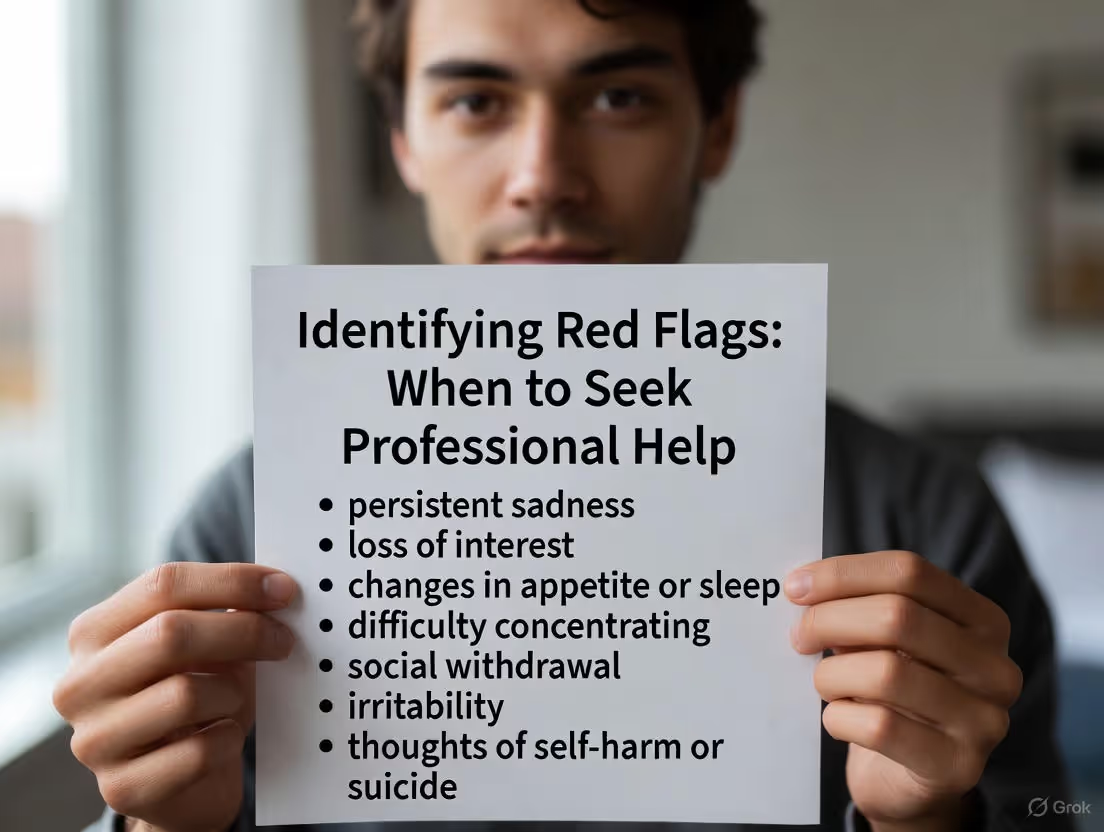
Identifying Red Flags: When to Seek Professional Help
Optimizing your sleep hygiene is powerful, but it’s not a cure-all for every sleep disorder. It’s crucial to recognize when your struggles may signal an underlying medical condition requiring professional intervention. Persistent sleep problems are not a personal failing; they are a health symptom.
Consult a doctor or a sleep specialist if you regularly experience any of the following:
Chronic Insomnia: Difficulty falling or staying asleep at least 3 nights per week for 3 months or more, despite having adequate time and a good sleep environment.
Loud, Disruptive Snoring accompanied by observed pauses in breathing, gasping, or choking sounds during sleep (potential signs of Sleep Apnea).
Uncontrollable urges to move your legs, often accompanied by uncomfortable sensations (creeping, crawling, tingling) that are relieved by movement, especially in the evening or at night (symptoms of Restless Legs Syndrome).
Excessive daytime sleepiness that causes you to fall asleep unintentionally or struggle to stay awake during passive activities like driving, reading, or meetings (potential sign of Narcolepsy or severe sleep apnea).
Acting out dreams—physically moving, punching, kicking, or yelling in your sleep—which could indicate REM Sleep Behavior Disorder.
Consistently needing 30+ minutes to feel alert after waking up (“sleep inertia” that doesn’t fade).
Relying on sleep aids (over-the-counter or alcohol) most nights to get to sleep.
The Path to Diagnosis: A professional will typically start with a detailed history and may recommend a sleep study (polysomnogram). This can be done in a lab or, increasingly, with a home sleep apnea test. This study monitors your brain waves, heart rate, breathing, oxygen levels, and body movements to provide a definitive diagnosis.
Taking this step is an act of profound self-care. Addressing a sleep disorder can be life-changing, improving not just your nights but your overall health, mood, and longevity. If you have questions about how data from a wellness device can complement a professional diagnosis, our support and FAQ page is a great resource.
Mastering Sleep Hygiene: The Daily Habits for Lifelong Rest
You’ve laid the groundwork. You understand the profound importance of sleep, the science of its cycles, and the power of your environment. Now, we move from theory to practice, from understanding to action. Sleep hygiene is the term for the collection of daily habits and practices that are conducive to sleeping well on a regular basis. It’s the operational manual for your sleep sanctuary. Unlike quick fixes, strong sleep hygiene is a sustainable practice—a gentle, consistent tuning of your life to support your biology.
Think of it like dental hygiene. You wouldn’t expect healthy teeth by brushing once a week; you commit to a daily routine. Sleep requires the same mindset. The goal isn’t perfection but consistency. A single late night or missed routine won’t derail you, just as a single missed brushing won’t cause cavities. It’s the long-term pattern that builds resilience. This section will translate the principles of circadian rhythm, sleep drive, and wind-down into a practical, step-by-step daily protocol you can adapt and make your own. For personalized adjustments and deeper dives into habit formation, our community often shares their successful routines on the Oxyzen blog.
The Morning Anchor: 5 Rituals to Set Your Day for Sleep Success
Your sleep quality tonight is profoundly influenced by what you do within the first 60 minutes of waking. This period is your golden window to reset your master clock and set a powerful cascade of hormonal and neurological events in motion that will culminate in solid sleep 16-18 hours later.
Light First, Screens Second (The 10-Minute Rule): Before you check your phone, before you turn on the news, seek natural light. Step outside (even onto a balcony) for 10-15 minutes of morning sunlight. This direct light exposure is the single most potent signal to your suprachiasmatic nucleus (SCN) that the day has begun. It sharply suppresses melatonin and triggers a healthy cortisol spike, promoting alertness and setting your circadian timer for an evening melatonin release. If you live in a dark climate, a 10,000-lux light therapy lamp can be a good substitute.
Hydrate with Purpose: After 7-9 hours of fasting and breathing, you wake up mildly dehydrated. Drink a large glass of water (12-16 ounces) before your coffee. This kickstarts your metabolism, aids in the natural detoxification processes that occur overnight, and improves cognitive function. Adding a pinch of high-quality salt can help with electrolyte absorption.
Move Your Body Gently: Engage in 5-10 minutes of gentle movement. This isn’t a workout; it’s a wake-up call for your musculoskeletal system. Try dynamic stretches, a short walk, or a few sun salutations. This movement increases blood flow, reinforces the wake signal to your brain, and can help regulate your body temperature rhythm.
Delay Caffeine (The 90-Minute Advantage): Consider waiting 60-90 minutes after waking before your first coffee. Why? Cortisol naturally peaks in the first hour of the morning. Drinking caffeine during this peak can blunt the natural cortisol response and lead to a greater caffeine tolerance and a more severe afternoon crash. Allowing your natural alertness to rise first can lead to more sustained energy.
Set a Positive Intention: Take a moment to state a simple, positive intention for the day. It could be as simple as, “Today, I will be present,” or “I will prioritize my well-being.” This practice, rooted in mindfulness, sets a proactive, calm tone for the day, reducing the likelihood of stress accumulation that can haunt you at bedtime.
By anchoring your day with these rituals, you build a stable foundation. You’re not just waking up; you’re actively programming your internal clock for the rest of the day and night. The consistency of this routine is something many of our users track alongside their sleep data with their Oxyzen smart ring to see the direct correlation between morning habits and nightly recovery scores.
Daytime Discipline: Fuel, Movement, and Light for Nocturnal Rewards
The hours between your morning anchor and evening wind-down are where you build the sleep pressure and circadian strength that make falling asleep effortless. This is about strategic choices that support, rather than sabotage, your nighttime goals.
The Fuel Factor: Eating for Sleep
Protein & Fats at Breakfast: A breakfast with adequate protein and healthy fats stabilizes blood sugar, provides sustained energy, and prevents the mid-morning crash that leads to excessive caffeine consumption.
Strategic Carbohydrate Timing: While complex carbs are important, consider consuming the majority of your carbohydrates closer to dinner. Carbohydrates can increase the availability of tryptophan, a precursor to serotonin and melatonin, potentially aiding sleep onset. A balanced dinner with complex carbs (sweet potato, quinoa, brown rice) 3-4 hours before bed can be helpful.
The Caffeine Curfew: Establish a personal cutoff time. For most, this is no caffeine after 2 PM. Remember, its half-life means it’s still active in your system hours later. Be mindful of hidden sources like dark chocolate, certain teas, and some medications.
Mind the Afternoon Slump: Instead of reaching for sugar or more coffee at 3 PM, try a short walk in natural light, a few minutes of deep breathing, or a protein-rich snack (like a handful of nuts). This addresses the energy dip without disrupting evening sleep drive.
Movement as Medicine:
Aerobic Exercise for Deep Sleep: Consistent aerobic exercise (brisk walking, running, cycling, swimming) is one of the most reliable ways to increase the amount of deep, slow-wave sleep you get. Aim for at least 30 minutes, most days.
Strength & Timing: Resistance training also improves sleep. However, due to its stimulatory effect on the nervous system and core temperature, finish intense workouts at least 3 hours before bedtime. Morning or early afternoon is ideal.
The Post-Lunch Walk: A 10-15 minute walk after lunch aids digestion, provides a light exposure boost, and can prevent the post-lunch dip from turning into a prolonged slump, helping you maintain steady energy (and sleep pressure) throughout the day.
Light as a Drug:
Seek Bright, Indirect Light: Throughout the workday, position yourself near a window. Take walking meetings outside. This continuous reinforcement of the daytime signal keeps your circadian rhythm strong and prevents the drowsiness that can come from dim, cave-like indoor environments.
The Afternoon Light Boost: If you feel an energy dip, a short dose of afternoon sunlight (or bright light) can provide a clean, alerting signal that’s more effective and longer-lasting than caffeine.
This daytime discipline creates a virtuous cycle: better energy management leads to less reliance on stimulants, which leads to stronger sleep pressure and a more robust circadian rhythm, resulting in deeper sleep, which then fuels better energy the next day. It’s the antithesis of the vicious cycle of fatigue and poor sleep.
The 60-Minute Wind-Down: A Step-by-Step Blueprint for Sleep Readiness
Your pre-sleep ritual is the bridge from the active day to the restorative night. It must be intentional, consistent, and sensory. Here is a detailed, adaptable blueprint for the final hour before lights out.
Minutes 60-40 Before Bed: The Digital Sunset & Environment Prep
T-60: Enact a strict “digital sunset.” Power down all screens (TV, phone, laptop, tablet). Put your phone on Do Not Disturb and place it to charge in another room. This single act eliminates mental stimulation and blue light, the two biggest sleep blockers.
T-50: Set your sleep sanctuary. Dim all lights, drawing blackout curtains. Turn on your white noise machine or fan. Adjust the thermostat to your cool, ideal temperature (60-67°F). This physically transforms your space.
T-45: Perform any necessary personal hygiene—brushing teeth, washing face. Consider a warm shower or bath. The rise and subsequent drop in core body temperature post-shower is a powerful physiological sleep signal.
Minutes 40-20 Before Bed: The Mental & Physical Release
T-40: Engage in light, non-stimulating physical release. 10-15 minutes of gentle stretching, restorative yoga poses (e.g., Child’s Pose, Legs-Up-The-Wall), or using a foam roller on tight areas. The goal is to release physical tension, not to raise your heart rate.
T-25: Practice a mindfulness exercise. This could be:
The 4-7-8 Breath: Inhale quietly through your nose for 4 seconds. Hold your breath for 7 seconds. Exhale completely through your mouth for 8 seconds. Repeat 4-6 times.
Gratitude Journaling: Write down 3 specific things you were grateful for today. This practice shifts neural activity from anxiety-prone regions to calmer, more positive ones.
A “Brain Dump” List: Write down every task, worry, or idea on your mind for tomorrow. Closing the notebook symbolizes setting it aside until morning.
Minutes 20-0 Before Bed: The Final Calm & Ascent to Bed
T-20: Read a physical book under a warm, dim lamp. Choose fiction or non-stimulating non-fiction. The physical act of turning pages is calming, and the content should be enjoyable, not agitating.
T-5: Final preparations. Use the bathroom, take a sip of water if needed, apply lip balm or lotion if that’s part of your routine. Get into bed.
Lights Out: As you lie down, focus on the feeling of physical release. Feel your body sink into the mattress. Mentally scan from your toes to your head, consciously relaxing each muscle group. Let your breathing become slow and rhythmic.
This ritual isn’t a rigid set of rules but a framework. Its power lies in the repetition. After 1-2 weeks, your brain will begin to associate these steps with the impending onset of sleep, triggering a conditioned relaxation response. For more ideas on crafting your perfect ritual, including user-shared routines, our community blog is an excellent resource.
Navigating Sleep Disruptors: Shift Work, Jet Lag, and Stress
Even with perfect habits, life happens. Demanding schedules, travel, and acute stress can throw your hard-earned sleep rhythm into chaos. Having strategies for these disruptors is crucial for resilience.
For the Shift Worker: Working against your natural circadian rhythm is incredibly challenging. The goal is to manage, not perfectly overcome, the misalignment.
Light is Your Lever: Use bright light strategically during your shift to promote alertness. If you work nights, wear blue-light-blocking sunglasses on your commute home in the morning to prevent the sunrise from signaling “wake time” to your brain. Then, use blackout shades and a sleep mask to create absolute darkness for daytime sleep.
Consistent Sleep Times (Even on Off Days): As difficult as it is, try to keep your sleep schedule as consistent as possible, even on your days off. This minimizes the social jet lag effect.
Strategic Napping: A short 20-30 minute nap before a night shift can help boost alertness. Keep it brief to avoid deep sleep inertia.
For Combating Jet Lag: Jet lag is the physical manifestation of your internal clock being out of sync with your new environment.
Pre-Travel Adjustment: In the days before an eastward trip (which is harder), try going to bed 1 hour earlier each night. For westward travel, go to bed 1 hour later.
Use Light Aggressively: Upon arrival, immediately seek light exposure at the local time you want to be awake. If you land in Paris in the morning after a red-eye, force yourself to stay awake and get into the sunlight. This is the fastest way to reset your clock. Avoid bright light when it’s nighttime at your destination.
Melatonin (as a Timing Tool): Taking 0.5-3 mg of melatonin at local bedtime for a few days can help shift your rhythm. Consult a doctor first.
For Managing Acute Stress & Anxiety: When your mind is racing, physiology follows. You must address the mental component directly.
The “Worry Period”: Schedule a 15-minute “worry period” earlier in the evening, long before bed. During this time, write down all your anxieties and potential solutions. When worries pop up at bedtime, remind yourself, “I’ve already addressed that during my worry period. I can let it go until tomorrow.”
The Paradoxical “Stay Awake” Instruction: For insomnia fueled by performance anxiety (“I must fall asleep!”), try a paradoxical technique. In bed, with lights out, try to keep your eyes open and stay awake as long as possible. This removes the pressure to sleep, often reducing anxiety enough for sleep to arrive naturally.
Body Scan Meditation: Instead of focusing on quieting your thoughts, focus on physically relaxing your body, part by part, from your toes to your scalp. This gives your mind a concrete, somatic task that promotes relaxation.
These strategies require practice but empower you to navigate life’s inevitable disruptions without completely sacrificing your sleep health. The data from a device like the Oxyzen ring can be particularly insightful here, showing you exactly how travel or a stressful event impacts your HRV and sleep stages, so you can adjust more effectively.
Nutritional Allies & Enemies: A Detailed Guide to Food and Sleep
What you eat, and when you eat it, acts as a series of chemical signals that can either promote serenity or spark alertness in your nervous system. Let’s move beyond “avoid heavy meals” into the specifics of sleep-supportive nutrition.
The Allies: Nutrients that Nurture Sleep
Tryptophan: This essential amino acid is a precursor to serotonin and melatonin. It’s found in turkey, chicken, eggs, nuts, seeds, tofu, and cheese. Key Insight: Tryptophan is best absorbed when consumed with carbohydrates, which trigger insulin release and clear competing amino acids from the bloodstream, allowing tryptophan to cross the blood-brain barrier.
Magnesium: Known as the “relaxation mineral,” magnesium plays a role in regulating neurotransmitters and melatonin. It also helps activate the parasympathetic nervous system. Sources include leafy greens (spinach, kale), nuts (almonds, cashews), seeds (pumpkin, flax), avocados, and dark chocolate (in moderation).
Glycine: This amino acid has a calming effect on the brain and may help lower core body temperature. It’s found in bone broth, collagen protein, and meat.
Complex Carbohydrates: As mentioned, they aid tryptophan uptake. Opt for whole-food sources like oats, sweet potatoes, or whole-grain bread earlier in the evening.
Tart Cherry Juice: A natural source of melatonin and phytochemicals that may improve sleep quality and duration. A small glass 1-2 hours before bed can be helpful for some.
The Enemies: Compounds that Compete with Sleep
Caffeine: A central nervous system stimulant that blocks adenosine receptors. Beyond coffee, be mindful of tea (green/black), soda, energy drinks, and chocolate.
Alcohol: As covered, it’s a REM-sleep suppressant and sleep fragmenter.
High-Fat & Spicy Foods: Can cause indigestion, acid reflux, and discomfort when lying down, leading to awakenings.
Excessive Fluids: Leads to nocturia (waking to urinate). Taper liquids 1-2 hours before bed.
Hidden Sugars & Refined Carbs: Can cause blood sugar spikes and crashes during the night, potentially triggering awakenings.
Practical Meal-Timing Framework:
Last Large Meal: Finish 3-4 hours before bedtime.
Evening Snack (if needed): If you’re hungry closer to bed, a small, sleep-supportive snack 60-90 minutes before bed is better than going to bed hungry, which can also keep you awake. Ideal combos include:
A small bowl of oatmeal with a sprinkle of almonds.
A banana with a tablespoon of almond butter.
A few whole-grain crackers with cottage cheese.
A cup of tart cherry juice or chamomile tea.
This isn’t about restrictive dieting but about strategic fueling. By aligning your food choices with your sleep goals, you use nutrition as a powerful tool for restoration. For more on how diet interacts with overall recovery metrics, our blog features ongoing research and user insights.
The Power of Napping: How to Recharge Without Stealing Nighttime Sleep
The siesta, the power nap—napping is culturally embraced in many parts of the world yet often frowned upon as lazy in others. Scientifically, when done correctly, a nap is a potent performance-enhancer and mood regulator. The key is in the how.
The Benefits of a Strategic Nap:
Improved Alertness & Performance: NASA studies on pilots found a 40-minute nap improved performance by 34% and alertness by 100%.
Enhanced Learning & Memory Consolidation: A nap can help move information from the hippocampus (short-term storage) to the neocortex (long-term storage).
Emotional Regulation: Napping can lower cortisol levels and reduce emotional reactivity.
Cardiovascular Health: Some research indicates regular, short napping is associated with reduced blood pressure.
The Golden Rules of the “Nap Zone”:
Timing is Everything: The ideal window for a nap is typically between 1 PM and 3 PM. This coincides with the natural post-laden dip in alertness (the “afternoon slump”) driven by your circadian rhythm. Napping too late (after 4 PM) can significantly reduce your sleep drive at night.
Duration Dictates the Effect:
The Power Nap (10-20 minutes): This is the safest and most effective nap for most people. It primarily consists of light Stage N2 sleep, which boosts alertness and motor performance without causing sleep inertia (that groggy feeling). You wake up feeling refreshed quickly.
The Full Cycle Nap (90 minutes): This allows you to complete a full sleep cycle, including deep sleep and REM. This can enhance creativity, emotional memory, and procedural memory. The risk is waking from deep sleep if interrupted, and it requires more time.
AVOID the 30-60 Minute Nap: This often ends in sleep inertia because you’re likely waking from deep sleep (N3). The grogginess can last 30 minutes or more and negate the benefits.
How to Execute the Perfect Power Nap:
Set a timer for 25 minutes (giving you 5 minutes to fall asleep and 20 minutes to sleep).
Find a quiet, dimly lit place. A couch is often better than your bed to avoid confusing your brain with your main sleep location.
Use an eye mask and earplugs if needed.
Consistently practice. The more you nap, the faster you’ll be able to fall asleep during your nap time.
Napping is a skill and a tool. It’s not a replacement for poor nighttime sleep but a complement to a healthy sleep schedule. For shift workers or those with irregular schedules, strategic napping becomes even more critical. Understanding your own sleep data can help you see if your naps are truly restorative or if they’re impacting your nightly sleep, a nuance explored by many in the Oxyzen user community.
Mindfulness, Meditation, and Breathwork for Sleep Onset
When your body is tired but your mind is buzzing, cognitive techniques are your direct line to the off-switch. These practices work by activating the parasympathetic nervous system, lowering heart rate and blood pressure, and quieting the default mode network (DMN) in the brain—the area associated with self-referential thought and mind-wandering.
1. Diaphragmatic Breathing (The Foundation): Before advanced techniques, master this. Lie down, place one hand on your chest and the other on your belly. Inhale slowly through your nose, feeling your belly rise (your chest should move very little). Exhale slowly through pursed lips. Aim for 6-8 breaths per minute. This alone signals safety and calm to your nervous system.
2. The 4-7-8 Breathing Technique (Dr. Andrew Weil): As outlined earlier, this is a powerful neuro-respiratory hack. The extended exhale is key, as it stimulates the vagus nerve, the main nerve of the parasympathetic system. Practice it twice daily, not just at bedtime, to build proficiency.
3. Body Scan Meditation: This directs your attention away from thoughts and into physical sensations. Starting at your toes, notice any sensation—tingling, warmth, pressure. Without judgment, simply observe. Then, consciously “release” or relax that area. Slowly move your attention up through your feet, calves, thighs, torso, arms, neck, and face. By the time you reach your head, your body is deeply relaxed, and your mind has followed.
4. Guided Imagery & Visualization: Create a detailed, calming mental scene. It could be a quiet beach, a peaceful forest, or a cozy cabin. Don’t just see it; engage all your senses. Hear the waves or birds. Feel the warm sand or soft moss. Smell the salt air or pine trees. When your mind wanders, gently guide it back to the sensory details. This immersive process crowds out anxious thoughts.
5. Mindfulness of Thought (The “Leaves on a Stream” Exercise): Instead of fighting thoughts, practice detaching from them. Imagine yourself sitting beside a gently flowing stream. See each thought that arises as a leaf floating by on the water. Acknowledge the thought (“There’s a thought about work”), place it on a leaf, and watch it float away downstream. You are the observer of the thoughts, not the thoughts themselves.
Integration into Your Routine: Start with just 5-10 minutes each night as part of your wind-down. Consistency is more important than duration. These are skills that improve with practice. Over time, you’ll be able to invoke a state of calm more quickly, effectively short-circuiting the stress response that prevents sleep. The mission behind tools like the Oxyzen ring is to marry this subjective, internal work with objective data, showing you how meditation lowers your nighttime heart rate and improves HRV, making the benefits beautifully tangible.
Understanding and Using Sleep Trackers Effectively
You’ve invested in understanding the science and building the habits. Now, how do you know it’s working? This is where sleep trackers transition from being mere gadgets to essential feedback tools. However, they must be used with intelligence and perspective to avoid “orthosomnia”—an unhealthy obsession with perfect sleep data.
What Trackers Measure (And What They Don’t):
They ESTIMATE, they do not diagnose. Consumer devices use actigraphy (movement) and photoplethysmography (PPG – light-based heart rate sensing) along with algorithms to estimate sleep stages. They are not medical-grade polysomnography (PSG). They are excellent for showing trends (e.g., “My deep sleep is consistently higher on nights I exercise”) but not for absolute, clinical accuracy of each minute.
Key Metrics to Watch:
Sleep Consistency (Bed/Wake Times): This is often the most valuable metric. Are you going to bed and waking up within a 30-minute window each day?
Sleep Duration: Total time asleep vs. time in bed.
Sleep Efficiency: (Time Asleep / Time in Bed) x 100. Aim for >85%.
Resting Heart Rate (RHR): A lower nighttime RHR generally indicates better recovery. An elevated trend can signal stress, illness, or overtraining.
Heart Rate Variability (HRV): A higher HRV typically indicates a more resilient, relaxed nervous system and better recovery. It’s a superb trend metric for overall stress load.
Sleep Stages (Trends): Look at the weekly average of your light, deep, and REM sleep. Don’t obsess over single-night fluctuations.
How to Use Data Without Becoming a Slave to It:
Focus on Trends, Not Nightly Scores: Look at your data over weeks and months, not days. One “bad” night is meaningless noise.
Correlate with Your Lifestyle Log: Use the notes feature in your app. Tag nights with “alcohol,” “late dinner,” “intense workout,” “high stress day.” After a few weeks, you’ll see clear, personalized cause-and-effect patterns no generic article can give you.
Let Data Inform, Not Dictate, Your Feelings: If you feel great but your “Sleep Score” is low, trust your feeling. The score is an algorithm’s guess. You are the authority on how you feel.
Use It for Motivation: Seeing a positive trend in your HRV or a reduction in nighttime awakenings after implementing a new habit is incredibly reinforcing.
The Smart Ring Advantage Revisited: Worn on the finger, devices like the Oxyzen ring offer a unique data advantage for sleep. The finger provides a strong arterial signal for more robust HR and HRV data. The form factor promotes consistency, as it’s easy to wear all night, every night. This consistency is the key to generating the reliable trend data that is truly actionable. To understand the full scope of how this data can be interpreted and used, our FAQ section addresses many common user questions.
Building a Sleep-Supportive Lifestyle: The Long Game
Ultimately, stellar sleep isn’t an isolated pursuit; it’s the natural outcome of a lifestyle built on rhythm, moderation, and self-awareness. It’s the long game. This final section of our foundation focuses on the overarching lifestyle principles that protect and promote sleep health across a lifetime.
1. Embrace Rhythm and Seasonality: Your body thrives on predictability. Beyond daily sleep times, consider creating weekly and seasonal rhythms.
Weekly: Designate one night a week as a true “wind-down” night with an extra-early bedtime or a longer relaxation ritual.
Seasonally: Accept that your sleep needs may change slightly with the seasons—often needing more in the dark winter months. Align with natural light as much as possible.
2. Cultivate Your Stress Resilience Buffer: Chronic stress is the silent killer of sleep. Build daily buffers that aren’t just about nighttime relief.
Nature Connection: “Forest bathing” or simply spending time in green spaces lowers cortisol and sympathetic nervous system activity.
Social Connection: Positive, supportive social interactions are powerful stress regulators. Loneliness can severely disrupt sleep.
Creative Outlets: Engaging in non-work, flow-state activities (playing music, gardening, painting) provides mental reprieve and satisfaction.
3. Practice Digital Minimalism: It’s not just about screens before bed; it’s about their constant, fragmenting presence throughout your life. Designate tech-free zones (the dinner table, the bedroom) and tech-free hours. This reduces cognitive overload and allows your mind to enter deeper states of focus and, later, rest.
4. View Your Bed as Sacred: Reinforce the powerful association: Bed = Sleep & Intimacy Only. Never work, argue, or scroll in bed. This classical conditioning, over time, makes falling asleep in that space almost automatic.
5. Adopt a Growth Mindset Towards Sleep: You will have setbacks. A bad night, a stressful week, a period of travel. The goal is not perfection but progress and resilience. See each setback as data, not failure. Use your tools and knowledge to gently guide yourself back to your rhythm. This compassionate, curious approach is the hallmark of a sustainable sleep practice.
This journey into sleep health is fundamentally a journey into self-knowledge and self-care. By understanding the mechanics, implementing the habits, and using tools wisely, you move from being a passive victim of your sleep to an active architect of your restoration. It’s one of the most profound investments you can make in every facet of your life. To see how this philosophy of integrated, data-informed wellness shapes everything we do, you can learn more about our mission and vision at Oxyzen.
Sleep & Metabolism: The Critical Link Between Rest and Weight Management
The connection between sleep and weight is not merely about having energy to exercise. It’s a powerful hormonal dialogue. Chronic sleep deprivation (less than 7 hours) is one of the most significant, yet overlooked, risk factors for weight gain and insulin resistance.
The Hormonal Cascade of Sleep Loss:
Ghrelin & Leptin: Sleep loss increases ghrelin (the “hunger hormone”) by an average of 15% and decreases leptin (the “satiety hormone”) by 15%. This one-two punch leaves you feeling hungrier and less satisfied after meals.
Cortisol: Elevated evening and nighttime cortisol from poor sleep promotes abdominal fat storage and triggers gluconeogenesis, raising blood sugar.
Insulin Sensitivity: Just one night of poor sleep can induce a state of temporary insulin resistance, making your cells less efficient at using glucose for energy. Over time, this can pave the way for Type 2 diabetes.
Endocannabinoids: Sleep restriction has been shown to increase circulating endocannabinoids, chemicals that enhance the pleasure of eating, particularly driving cravings for sweet, salty, and high-fat “junk” foods.
Sleep-Optimized Nutrition for Weight Management:
Defend Your Sleep Window: Prioritizing 7.5-8.5 hours of sleep is your first and most powerful dietary intervention. It naturally regulates appetite hormones.
Time Your Last Meal: Finish eating 3-4 hours before bed. This allows for digestion to complete, stabilizing blood sugar overnight and reducing the risk of sleep-disrupting acid reflux. An overnight fast of 12-14 hours can also support metabolic health.
Carbohydrate Timing Revisited: For those managing weight, consuming the majority of daily carbohydrates earlier in the day (breakfast/lunch) and opting for a lower-carb, higher-protein/fat dinner may help stabilize nighttime and morning blood glucose, leading to less fragmented sleep and better morning energy.
Beware of “Sleep-Stealing” Diets: Very low-calorie or ketogenic diets can initially disrupt sleep architecture for some people, causing difficulties falling asleep or reducing REM sleep. Monitor your sleep data when making major dietary changes.
By viewing sleep as a core pillar of your metabolic health, you create a sustainable, synergistic system where good sleep supports healthy eating, and healthy eating supports good sleep. Tracking this synergy—seeing how a night of poor sleep correlates with next-day cravings, or how consistent sleep lowers your resting heart rate—is a powerful motivator, a process shared by many in the Oxyzen user community.
The Science of Dreams & REM Sleep: Unlocking Creativity and Emotional Health
REM sleep, often called “paradoxical sleep” because the brain is as active as when awake, is far more than just the stage for vivid dreams. It is essential for emotional regulation, memory integration, and creative problem-solving.
The Functions of REM Sleep:
Emotional Processing: During REM, the brain processes emotional experiences from the day. The amygdala (emotion center) is active, but the prefrontal cortex (logic center) is offline. This allows the brain to “rehearse” and file away emotional memories, stripping away their raw, stressful intensity. This is why we often feel a new perspective on a problem after “sleeping on it.”
Memory Consolidation & Integration: REM sleep is crucial for procedural memory (skills like playing an instrument) and spatial memory. It’s also when the brain makes novel connections between disparate ideas, fostering creativity and insight. The bizarre, associative nature of dreams may be a byproduct of this integrative process.
Brain Development & Neural Pruning: Infants spend about 50% of their sleep in REM, which is believed to be critical for neural pathway development. In adults, it may aid in synaptic pruning, clearing out less-used neural connections.
How to Nurture Your REM Sleep:
Protect Your Sleep Duration: REM periods get longer in the second half of the night. Cutting your sleep short by even an hour disproportionately robs you of REM sleep. Prioritizing a full 7.5-9 hours is non-negotiable for REM health.
Limit Alcohol and Certain Medications: Alcohol and many sleep aids (benzodiazepines, some “Z-drugs”) are potent REM sleep suppressors. This is a primary reason why sleep with these substances feels unrefreshing.
Engage in Learning & Novelty: Challenging your brain during the day with new learning, complex problems, or creative pursuits can increase the “demand” for REM sleep to process and integrate that information.
Manage Stress: High daytime anxiety and stress can lead to REM fragmentation, causing more intense or unsettling dreams as the brain struggles to process the emotional load.
Lucid Dreaming & Sleep Tracking: For those interested in exploring consciousness, some find that consistent sleep tracking can help with lucid dreaming (becoming aware you’re dreaming). Noticing patterns in your sleep data—like when your longest REM period typically occurs—can inform timing for lucid dreaming techniques. The detailed sleep stage analysis provided by a device like the Oxyzen ring offers a fascinating window into this mysterious and vital phase of sleep.
Sleep Across the Lifespan: From Infancy to Our Golden Years
Our sleep architecture is not static; it evolves dramatically from infancy through old age. Understanding these changes allows us to have realistic expectations and optimize sleep for every life stage.
Infants & Children (0-12 years):
Newborns sleep 14-17 hours in polyphasic (multiple) chunks, with about 50% REM sleep for brain development.
By age 6, children need 9-12 hours of consolidated nighttime sleep. Establishing rock-solid sleep hygiene—consistent bedtimes, a calming routine, and a screen-free bedroom—is the most important gift parents can give for cognitive development, emotional regulation, and physical growth.
Key Focus: Consistency, routine, and creating a strong, positive association with sleep.
Teenagers (13-18 years):
A biological shift delays the circadian rhythm, making teens naturally inclined to fall asleep later (11 PM or later) and wake later. This conflicts painfully with early school start times.
They require 8-10 hours, but few get it. Chronic sleep deprivation in teens is linked to poor academic performance, mood disorders, and increased risk-taking behavior.
Key Focus: Advocating for later school start times where possible, educating on sleep’s importance, and minimizing evening screen light to help align their social schedule with their biological one.
Adults (19-64 years):
The focus shifts to consolidation and quality. The proportion of deep sleep begins a slow, gradual decline. Lifestyle factors (stress, work, parenting) become the primary disruptors.
Key Focus: The core principles of sleep hygiene, stress management, and protecting sleep duration against the demands of career and family. This is the stage where tracking and optimization can have massive quality-of-life returns.
Older Adults (65+ years):
Sleep becomes more fragmented. There is a further reduction in deep sleep, more frequent awakenings, and an advance in circadian timing, leading to earlier bedtimes and wake times.
This can lead to the misconception that “I just need less sleep,” but the need remains 7-8 hours. The challenge is achieving it in one block.
Strategies for Better Sleep in Later Years:
Embrace Napping: A short, early-afternoon nap (20-30 minutes) can help compensate for lost nighttime sleep without affecting night-time drive.
Maximize Light Exposure: Getting bright light in the morning and throughout the day is critical to strengthening a weakening circadian signal and preventing excessive early evening drowsiness.
Prioritize Social & Physical Activity: Daytime engagement and regular, gentle exercise are powerful promoters of sleep continuity and quality.
Understanding this lifespan perspective fosters compassion and provides a roadmap. Whether you’re a parent setting a child’s routine or an older adult adapting to new patterns, the core principle remains: honor your body’s changing needs with informed, consistent care. For more resources tailored to different life stages, our comprehensive FAQ offers guidance.
Tackling Persistent Sleep Challenges: Insomnia, Apnea, and RLS
Even with advanced optimization, some face persistent disorders that require targeted strategies and professional care. Let’s delve deeper into the three most common.
Chronic Insomnia: Characterized by difficulty falling or staying asleep at least 3 nights per week for 3+ months, along with daytime impairment.
Gold-Standard Treatment: Cognitive Behavioral Therapy for Insomnia (CBT-I). This is a structured program that addresses the thoughts and behaviors perpetuating insomnia. Key components include:
Stimulus Control Therapy: Re-forging the bed-sleep connection (using the 15-minute rule).
Sleep Restriction: Temporarily limiting time in bed to match actual sleep time, which builds powerful sleep drive and increases efficiency before slowly expanding the window.
Cognitive Therapy: Challenging and changing unhelpful beliefs about sleep (e.g., “I’ll never sleep,” “I must get 8 hours or I’ll be ruined”).
Data’s Role: Trackers can help show insomniacs that they are often getting more sleep than they perceive (“sleep state misperception”), providing objective reassurance and a baseline for CBT-I work.
Obstructive Sleep Apnea (OSA): Characterized by repeated pauses in breathing due to airway collapse, leading to oxygen drops and micro-awakenings.
Beyond Snoring: Symptoms include excessive daytime sleepiness, morning headaches, witnessed gasping/choking, and nocturia.
The Role of Trackers: Consumer devices are not diagnostic tools for apnea. However, they can provide screening clues: consistently low blood oxygen (SpO2) readings overnight, a high resting heart rate, and very fragmented sleep stage graphs. These trends are a strong signal to seek a formal sleep study.
Treatment: The gold standard is Continuous Positive Airway Pressure (CPAP) therapy, which uses air pressure to keep the airway open. Other options include oral appliances or, in some cases, surgery.
Restless Legs Syndrome (RLS): An irresistible urge to move the legs, usually accompanied by uncomfortable sensations, that worsens at rest and in the evening.
Management Strategies:
Iron & Ferritin Check: Low iron stores are a common, treatable cause. A ferritin level below 75 µg/L may warrant supplementation under medical guidance.
Movement & Stretching: Gentle leg stretches, walking, or using a vibration massager on the calves before bed can provide relief.
Temperature Therapy: A warm bath or alternating warm/cold compresses can help modulate sensations.
Medication: For severe cases, doctors may prescribe dopamine agonists or other medications.
The critical message is this: You do not have to “just live with” debilitating sleep problems. These are medical conditions with effective treatments. Seeking help is a sign of strength and a direct investment in your long-term health. The data from a wellness tracker can be a powerful conversation starter with your healthcare provider, offering objective evidence of your nightly struggles.
The Future of Sleep Technology: From Tracking to Guiding & Treating
We are on the cusp of a revolution in sleep technology. The future moves beyond passive tracking toward active guidance, personalized intervention, and integrated treatment. Here’s a glimpse of what’s coming, and what’s already emerging.
1. Closed-Loop Sleep Environments: Imagine a bedroom that dynamically responds to your physiology in real-time.
Smart Mattresses & Bedding: These will use biometric sensors to detect restlessness, temperature changes, and snoring. They could automatically adjust firmness, incline (to reduce snoring), or surface temperature to keep you in your ideal sleep zone throughout the night.
Responsive Lighting & Sound: Your room’s lighting could simulate a sunset to trigger melatonin, then use precisely timed dawn simulation to gently wake you at the optimal point in your sleep cycle. Soundscapes could adapt based on your sleep stage, playing pink noise during light sleep and shifting to calming frequencies during awakenings.
Multi-Sensor Fusion: Future wearables will combine data from the finger (HR, HRV, SpO2) with ear-based sensors (core temperature, brain waves) and under-mattress sensors (respiration, movement) for a holistic picture.
Predictive Analytics: Algorithms will not just tell you how you slept but predict how you will sleep tonight based on your day’s activities, stress, and light exposure, offering preemptive behavioral suggestions.
Early Disease Detection: By establishing ultra-precise baselines for metrics like HRV, respiration rate, and peripheral temperature, these devices may one day serve as early-warning systems for conditions like infections, atrial fibrillation, or metabolic shifts, long before obvious symptoms appear.
Gentle Stimulation for Deep Sleep: Technologies using precisely timed auditory (e.g., playing pink noise pulses in sync with slow brain waves) or tactile stimulation are being shown to enhance deep sleep without waking the user.
Targeted Dream Enhancement: Research is exploring ways to use sensory cues during REM sleep to influence dream content or promote lucid dreaming for therapeutic purposes, such as treating PTSD nightmares.
Genetic & Microbiome Insights: Future recommendations may be based on your genetic profile (e.g., how you metabolize caffeine or melatonin) and gut microbiome composition, which influences neurotransmitter production.
Real-Time Nutrient Tracking: Coupled with continuous glucose monitors (CGMs), sleep systems could advise you on the ideal pre-sleep snack to stabilize your blood sugar overnight based on your day’s diet and activity.
This future is one of seamless integration, where technology acts as an intuitive sleep concierge and health guardian. At Oxyzen, we are passionately following and contributing to these developments, driven by a mission to make this level of personalized health insight accessible. Our journey and vision for this integrated future are part of the story we continue to write.
Creating Your Personalized Sleep Optimization Plan: A 4-Week Protocol
Knowledge is power, but implementation is results. This 4-week protocol is designed to systematically integrate the advanced concepts from this guide, using a methodical, data-informed approach to create lasting change.
Week 1: The Foundation & Baseline Week
Goal: Establish consistency and collect baseline data. No major changes yet.
Actions:
Fix your wake-up time. Get up at the same time every day, no matter what.
Implement your 60-minute digital sunset and wind-down ritual every night.
Optimize your sleep environment (cold, dark, quiet).
Wear your tracker consistently and simply observe. Note your average sleep duration, efficiency, resting heart rate, and HRV.
Week 2: The Light & Timing Week
Goal: Strengthen your circadian rhythm.
Actions:
Add 15 minutes of morning sunlight/viewing within 30 minutes of waking.
Enforce your caffeine curfew (e.g., 2 PM).
Experiment with finishing dinner 3.5-4 hours before bed.
Observe: Does your sleep graph show less fragmentation? Is your sleep onset time becoming more consistent?
Week 3: The Fuel & Recovery Week
Goal: Optimize nutrition and daytime habits for sleep.
Actions:
Adjust your exercise timing if needed, ensuring no intense workouts within 3 hours of bed.
Introduce a sleep-supportive evening snack if you’re hungry (e.g., try tart cherry juice or magnesium-rich foods).
Practice a 10-minute mindfulness or breathing exercise during your wind-down.
Observe: Look for changes in your deep sleep percentage and morning HRV. Has your resting heart rate trended downward?
Week 4: The Refinement & Personalization Week
Goal: Analyze trends and make personalized tweaks.
Actions:
Review your 3 weeks of data. What correlations do you see? (e.g., “On days I exercised at 5 PM, my deep sleep was lower.” “When I journaled, my sleep efficiency was >90%.”)
Choose one personalized experiment based on your data. Examples: Shift your workout to the morning. Try a magnesium supplement. Use a weighted blanket.
Refine your wind-down ritual based on what worked best.
Observe: Document the effect of your experiment over the week.
Ongoing Maintenance:
Continue tracking to maintain accountability.
Re-run this 4-week protocol quarterly or whenever life throws your sleep off track.
Use your data as a conversation tool with health professionals if needed.
This protocol turns you into the scientist of your own sleep. It’s a dynamic, lifelong practice of curiosity and adjustment. For support, inspiration, and to see how others have structured their plans, the Oxyzen community and blog are always available.



%402x.svg)