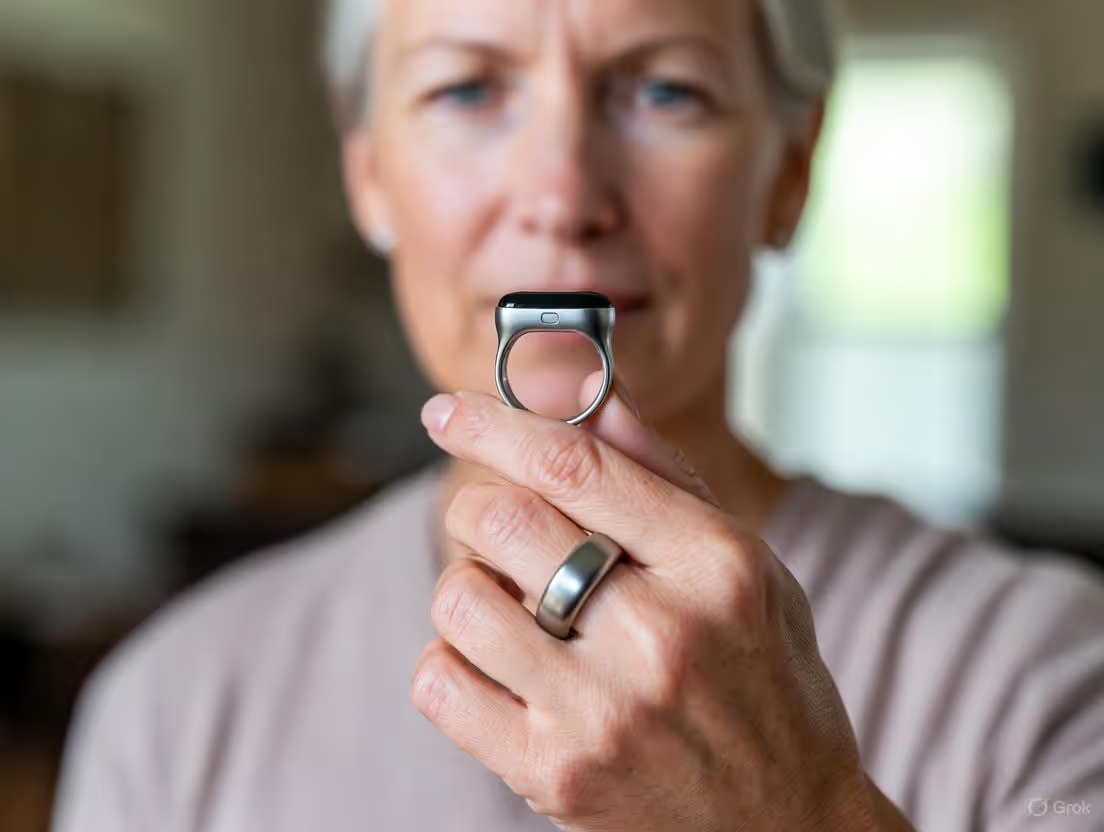
Your first 30 days should focus on establishing a consistent wake time and creating a bedtime wind-down ritual.
Sleep Health for Beginners: Your First 30 Days
You are about to embark on the most transformative journey you can take without ever leaving your home. It’s a journey inward, into the mysterious, essential, and often neglected third of your life: your sleep. This isn't just about feeling less tired tomorrow. This is about unlocking a fundamental pillar of human health that governs your mental clarity, emotional resilience, physical vitality, and long-term wellness.
For years, you’ve likely treated sleep as a passive state, a default mode you slip into when the day’s work is done. But modern science reveals a different truth: sleep is an active, dynamic, and complex physiological process. It’s when your brain files away memories, your body repairs tissue, your hormones rebalance, and your immune system recharges. Poor sleep isn't just an inconvenience; it’s a slow leak in the foundation of your health.
The good news? You are not powerless. Sleep health is a skill, not a genetic lottery. And like any skill, it can be learned, practiced, and mastered. This guide is your comprehensive manual for the first 30 days of that mastery. We will move beyond vague advice like “sleep more” and into the realm of actionable, personalized strategy. We’ll demystify the biology of sleep, equip you with the tools to audit your current habits, and build a sustainable, nightly ritual that aligns with your body’s innate rhythms.
The journey is structured to be progressive and compassionate. We start with awareness, move into environmental optimization, establish behavioral foundations, and then integrate advanced insights. We’ll also explore how modern technology, like the sophisticated sensors in a smart ring from Oxyzen, can move you from guessing about your sleep to knowing with precise, personalized data. This isn’t about achieving perfection on night one. It’s about consistent, informed progress—one peaceful night at a time.
Consider this your invitation to reclaim the night. To transform your bedroom from a place of frustration into a sanctuary of restoration. To wake up not just conscious, but truly alive. Let’s begin.
The Silent Epidemic: Why Your Sleep Debt is Costing You Everything
We live in a society that venerates burnout. We wear our fatigue like a badge of honor, equating sleeplessness with productivity and dedication. But this is a catastrophic misunderstanding. The World Health Organization has declared a sleep loss epidemic across industrialized nations, and the personal cost is staggering.
Think of your body as a sophisticated corporation. Your waking hours are the bustling workday—sales meetings, product launches, client interactions. Sleep is the night shift. This is when the janitorial crew cleans the office (clearing metabolic waste from your brain), the IT department backs up the day's data (memory consolidation), the maintenance team repairs machinery (muscle and tissue repair), and strategic planners set the agenda for the next day (hormonal regulation for appetite, stress, and growth). If you constantly cancel the night shift, the corporation collapses. It’s not a matter of if, but when.
The consequences of chronic sleep debt are not limited to yawning. Let's break down the real cost:
Cognitive Decline: Your attention, working memory, and decision-making abilities degrade. Studies show that being awake for 18 hours produces impairment equal to a blood alcohol content (BAC) of 0.05%. At 24 hours, it’s a 0.10% BAC—legally drunk in most places.
Emotional Volatility: The amygdala, your brain's emotional center, goes into hyperdrive when sleep-deprived, while its connection to the rational prefrontal cortex weakens. The result? You’re more reactive, irritable, and anxious.
Metabolic Chaos: Sleep loss throws key hormones into disarray. Leptin (the "I'm full" hormone) decreases, while ghrelin (the "I'm hungry" hormone) increases, driving cravings for high-calorie, sugary foods. Insulin sensitivity plummets, paving the road for Type 2 diabetes.
Weakened Defenses: A single night of poor sleep can reduce the activity of your natural killer cells—a crucial part of your immune system—by over 70%. You become a magnet for every passing virus.
Long-Term Peril: Consistently sleeping less than six hours a night is associated with a significantly increased risk for cardiovascular disease, stroke, hypertension, obesity, depression, and Alzheimer’s disease.
The first step in solving any problem is recognizing its scope and severity. Your sleep debt is a stealth tax on your health, happiness, and longevity. Acknowledging this is not meant to induce fear, but to ignite motivation. The investment you make in your sleep over the next 30 days will yield a higher return than any financial portfolio. It’s the ultimate act of self-care. For a deeper dive into the science of sleep and wellness technology, our resource hub at the Oxyzen blog offers a wealth of continuously updated insights.
Sleep 101: Understanding the Cycles, Stages, and Symphony of the Night
To optimize your sleep, you must first understand what you’re optimizing for. Sleep is not a monolithic state of unconsciousness. It’s a beautifully orchestrated cycle of distinct stages, each with a unique purpose. You journey through this cycle, which lasts about 90 minutes, four to six times each night.
Let’s meet the players in this nightly symphony:
Stage 1 (N1): The Gateway. This is the light, drowsy stage between wakefulness and sleep, lasting just a few minutes. Your muscles begin to relax, and your brain waves start to slow from their daytime patterns. It’s easy to be awoken here.
Stage 2 (N2): The Foundation. You spend nearly 50% of your total sleep time in this stage. Your heart rate slows, body temperature drops, and brain activity shows distinctive "sleep spindles" and "K-complexes"—thought to be crucial for memory consolidation and sensory processing. This stage is the bedrock of your sleep.
Stage 3 (N3): Deep Sleep (Slow-Wave Sleep). This is the most physically restorative phase. It’s when human growth hormone is released, facilitating tissue repair and muscle growth. Your immune system is fortified, and energy is restored. This is the hardest stage to be awoken from; if you are, you’ll feel groggy and disoriented. Deep sleep dominates the first half of the night.
REM Sleep: The Mental Theater. Rapid Eye Movement (REM) sleep is where dreaming is most vivid. Your brain becomes incredibly active, almost as if you’re awake, but your voluntary muscles are paralyzed (a safety mechanism called atonia). This stage is essential for emotional processing, memory integration, and creativity. REM periods become longer as the night progresses, dominating the second half.
The magic isn’t in any single stage, but in the progression through the cycle. A healthy sleep architecture means cycling smoothly through these stages, getting sufficient amounts of deep and REM sleep. Disruptions—from caffeine, alcohol, blue light, or sleep disorders—fragment this cycle, robbing you of its restorative benefits.
Think of it like a concert. You need the quiet opening (N1), the building rhythm of the strings (N2), the powerful, resonant bass notes (N3), and the soaring, complex melody of the finale (REM). A disrupted night is like an orchestra where the sections are out of sync—the music is played, but it’s not harmonious or complete. Your goal for the next 30 days is to become the conductor of this symphony. Understanding this architecture is why many turn to precise tracking tools. A device like the Oxyzen smart ring can help you see this symphony in data form, showing you how much time you spend in each vital stage, so you can learn what habits lead to a more harmonious night. Discover how Oxyzen works to provide this level of insight, moving you from subjective feeling to objective understanding.
The Pre-Sleep Audit: Becoming a Detective of Your Own Habits (Days 1-7)
You cannot change what you do not measure. Before you alter a single habit, your first mission is one of non-judgmental observation. For the next seven days, you are not a poor sleeper; you are a sleep detective gathering evidence. This audit will establish your personal baseline, highlighting both your sleep disruptors and your hidden opportunities.
Step 1: The Sleep Log. Every morning, before you check your phone, jot down a few notes:
Bedtime & Wake Time: When did you intend to go to sleep, and when did you actually turn out the light? When did you wake up?
Estimated Sleep Duration: How long did it feel like you slept?
Sleep Quality (1-10): A simple subjective score. How restored do you feel?
Night Wakings: Did you wake up to use the bathroom, or for no apparent reason? For how long?
Daytime Alertness: Note your energy levels at 10 AM, 2 PM, and 6 PM.
Step 2: The Pre-Bed Behavior Inventory. Each evening, track the 60-90 minutes before bed:
Screen Time: What was the last time you looked at a phone, tablet, or TV?
Last Meal & Drink: What and when did you last eat? Did you consume alcohol, caffeine, or a large volume of water?
Mind State: Were you ruminating on work, scrolling through social media, or reading a book?
Environment: Was the room hot, cold, noisy, or lit?
Step 3: The Lifestyle Correlates. Note factors from your day that might influence sleep:
Caffeine & Alcohol: Timing and quantity.
Exercise: When and how intensely did you move your body?
Naps: Duration and time of day.
Stress Level: A simple note on your overall mental load.
Do not try to be "perfect" during this audit week. The goal is honesty, not performance. At the end of seven days, patterns will emerge. You may see that your 4 PM coffee is linked to a 2 AM wake-up. You might discover that nights you scrolled in bed correlate with a sleep quality score of 3. This data is pure gold—it’s the map of your current terrain, showing you exactly where to focus your efforts. This process of self-discovery aligns with the core vision & values at Oxyzen, which emphasizes empowered, data-informed personal wellness over generic, one-size-fits-all advice.
Architecting Your Sleep Sanctuary: The Foundation of Restoration (Days 8-14)
With the insights from your audit, you now begin the physical transformation. Your bedroom environment is the single greatest lever you can pull for immediate sleep improvement. It should have one primary function: the conservation and promotion of sleep. For the next week, you will systematically engineer a cave—cool, dark, and quiet.
1. The Pursuit of Darkness. Light is the primary signal to your brain’s master clock, the suprachiasmatic nucleus (SCN), that it’s time to be awake. Even tiny amounts of ambient light from a streetlamp or a charging LED can suppress melatonin production and fragment sleep.
Invest in Blackout: Use blackout curtains or a high-quality sleep mask. Test it by standing in the room during the day; you should not be able to see your hand in front of your face.
Eliminate Internal Light: Cover or remove all electronic LEDs (TVs, chargers, smoke detectors). Use dim, warm-colored bulbs for any necessary nightlights.
2. The Goldilocks Temperature. Your core body temperature needs to drop by about 2-3 degrees Fahrenheit to initiate and maintain sleep. A room that’s too warm is one of the most common, yet overlooked, sleep disruptors.
Set the Thermostat: The science-backed sweet spot is between 60-67°F (15.5-19.5°C). Experiment within this range.
Bedding is Key: Use breathable, natural fabrics like cotton or bamboo for sheets. Consider a cooling mattress pad or pillow if you tend to sleep hot.
3. The Sound of Silence (or Something Like It). Sudden, unpredictable noises—a car alarm, a barking dog—can trigger a stress response and pull you out of deeper sleep stages, even if you don’t fully wake.
White Noise: A constant, monotonous sound like a fan or a dedicated white noise machine masks disruptive noises by providing a consistent auditory blanket.
Earplugs: Simple foam earplugs can be remarkably effective for light to moderate noise pollution.
4. The Bed is for Sleep (and Sex Only). You must strengthen the mental association between your bed and sleep. If you work, watch TV, or scroll on your phone in bed, your brain starts to link the environment with alertness and anxiety.
The 15-Minute Rule: If you can’t fall asleep or wake up and can’t return to sleep within 15 minutes, get out of bed. Go to a dimly lit chair and read a boring book (no screens) until you feel drowsy, then return to bed. This preserves the bed-sleep connection.
By the end of this week, your bedroom should feel like a dedicated sleep pod. It is a sacred, optimized space that passively works in your favor all night long. This foundational work is non-negotiable. It sets the stage for all the behavioral changes to come. For many, this environmental shift alone results in the most significant sleep improvement they’ve ever experienced. When paired with technology that can track the results—like noting deeper sleep in a cooler room—the feedback loop becomes powerful. You can read real customer reviews at Oxyzen to see how others have used environmental data to transform their sleep sanctuary.
The Wind-Down Ritual: Teaching Your Nervous System to Unplug (Days 15-21)
Your environment is now optimized, but your mind and body may still be running at daytime speed when your head hits the pillow. You cannot sprint a marathon and then expect to instantly fall asleep at the finish line. Sleep is a gradual descent, not a sudden crash. The purpose of a wind-down ritual is to build a "buffer zone"—a 60- to 90-minute period where you consciously transition from the stress of the day to the peace of the night.
This ritual is about sending unambiguous signals to your brain and nervous system that the time for alertness is over and the time for restoration is beginning.
Signal 1: The Light Dimmer. About 90 minutes before bed, begin reducing your exposure to bright light, especially blue light from screens. Blue light wavelengths are particularly effective at suppressing melatonin.
Enable Night Shift/Night Mode: On all devices, set this to activate automatically at sunset.
Use Dimmer Switches or Lamps: Lower the overall ambient lighting in your home.
The Screen Curfew: Ideally, institute a 60-minute screen-free period before bed. If this feels impossible, at the very least, use blue-light-blocking glasses.
Signal 2: The Temperature Drop. Assist your body’s natural cooling process.
Take a Warm Bath or Shower: This might seem counterintuitive, but raising your skin temperature slightly causes a compensatory, more rapid drop in core temperature as you dry off, which can hasten sleep onset.
Keep Bedroom Cool: Ensure your engineered "cave" is at its optimal temperature.
Signal 3: The Mental Shift. You must close the "open tabs" in your mind.
The Brain Dump: Keep a notebook by your bed. 30 minutes before bed, write down everything on your mind—to-dos, worries, ideas. This gets them out of your head and onto paper, where they can wait until tomorrow.
Consume Calm Media: Replace stimulating news or dramas with calming music, an audiobook, or gentle, non-stimulating reading (fiction is often better than non-fiction for this).
Signal 4: The Physical Calm. Activate your parasympathetic nervous system—the "rest and digest" mode.
Gentle Stretching or Yoga Nidra: Light, static stretching or a guided body-scan meditation can release physical tension.
Deep Breathing: Practice the 4-7-8 technique (inhale for 4, hold for 7, exhale for 8) for a few cycles. This is a direct lever on your nervous system.
Consistency is King. The power of this ritual is not in any single element, but in the consistent, repetitive sequence. By performing the same calming activities in the same order each night, you are creating a powerful conditioned response. Your body will begin to anticipate sleep as soon as you start your first step. For inspiration on building personalized rituals and understanding the science behind them, explore our blog for more wellness tips and detailed guides.
Daytime Mastery: How Your Waking Hours Program Your Night
Sleep is not an isolated event. It is the direct result of how you live your day. The pressure for sleep (called "sleep drive") builds from the moment you wake up. Your daily choices either stoke the flames of a healthy sleep drive or douse them with poor habits. This week, we focus on the most powerful daytime levers: light, movement, and substance timing.
Lever 1: Light – The Master Zeitgeber. Natural light exposure is the most potent regulator of your circadian rhythm.
Morning Sunlight: Within 30-60 minutes of waking, get outside for at least 10-15 minutes of natural light (without sunglasses if safe). This signals your SCN that the day has begun, setting a countdown for melatonin release roughly 12-14 hours later.
Afternoon Light: A second dose of bright light in the late afternoon can help reinforce your rhythm and prevent an early evening dip in energy that might lead to napping.
Lever 2: Movement – The Energy Regulator. Regular exercise is one of the best evidence-based ways to improve sleep quality and duration. However, timing and intensity matter.
The 30-Minute Rule: Aim for at least 30 minutes of moderate aerobic exercise most days.
Timing Nuance: For most people, morning or afternoon exercise is ideal. Intense exercise too close to bedtime (within 1-2 hours) can be stimulating for some, though gentle movement like yoga can be part of a wind-down. Let your audit guide you—did evening workouts correlate with better or worse sleep?
Lever 3: The Chemistry of Consumption. What you put into your body and when is a direct form of sleep programming.
Caffeine: It has a half-life of 5-6 hours. A coffee at 3 PM means 50% of that caffeine is still in your system at 9 PM. Establish a "caffeine curfew" by 2 PM at the latest.
Alcohol: It is a sedative, not a sleep aid. It may help you fall asleep faster, but it dramatically suppresses REM sleep and leads to frequent, fragmented awakenings in the second half of the night. Limit consumption and avoid it within 3 hours of bedtime.
Food & Hydration: A large, heavy meal right before bed forces your digestive system to work overtime, which can disrupt sleep. Finish eating 2-3 hours before bed. Stay hydrated throughout the day, but taper fluid intake 60-90 minutes before sleep to minimize nighttime bathroom trips.
Lever 4: The Nap Paradox. A short nap can be restorative, but a long or late nap can sabotage nighttime sleep.
The Power Nap: If you must nap, keep it to 20-30 minutes, before 3 PM. This provides restorative benefits without entering deep sleep, which can cause sleep inertia (grogginess) and reduce sleep drive at night.
Mastering these daytime habits creates a powerful, pro-sleep momentum that carries you effortlessly into your evening ritual. You are not just allowing sleep to happen; you are actively building it throughout your day. This holistic approach is central to the mission behind Oxyzen, which seeks to empower users with knowledge that connects all aspects of their daily wellness to their nighttime recovery.
Decoding Your Data: Moving from Feeling to Knowing with a Smart Ring
For the first three weeks, you’ve worked with subjective feelings and observable habits. Now, we introduce a layer of objective truth: biometric data. While sleep tracking apps on phones or wearables on your wrist can offer estimates, the most accurate and non-invasive way to track sleep at home is via a smart ring worn on your finger.
Why a ring? The finger provides a rich, central source of arterial blood flow, allowing sensors to capture key metrics with high fidelity, without the bulk or discomfort of a wrist device you might take off at night. A device like the Oxyzen ring acts as a personal sleep lab, giving you insights that were once only available in clinical settings.
Let’s decode what this data can tell you and how to use it without becoming obsessed:
Sleep Stages Breakdown: Beyond just "time asleep," you’ll see how much time you spent in Light, Deep, and REM sleep. This is your sleep architecture. Over time, you can see how your new habits (cooler room, earlier caffeine curfew, wind-down ritual) directly increase your precious Deep and REM sleep.
Sleep Latency: How long it actually took you to fall asleep after lights out. This validates the effectiveness of your wind-down ritual.
Resting Heart Rate (RHR) & Heart Rate Variability (HRV): These are gold-standard metrics for recovery and nervous system balance. A lower RHR and a higher HRV generally indicate better fitness and a more resilient, relaxed nervous system. You’ll see these numbers improve as your sleep health improves.
Sleep Consistency: Track your bedtime and wake time variability. The data will show you, unequivocally, that consistent sleep times lead to higher-quality sleep, even if the total hours are the same.
The goal here is informed experimentation, not perfectionism. The data is a feedback loop, not a report card. For example:
Hypothesis: "If I stop drinking alcohol on weeknights, my deep sleep percentage will increase."
Experiment: Go alcohol-free Monday-Thursday for two weeks.
Data Review: Check your sleep stage data. Did your deep sleep increase on those nights?
Conclusion: The data provides objective proof of the impact, making the habit change feel worthwhile and reinforcing.
This powerful feedback turns abstract advice into personal truth. It helps you identify your unique disruptors (maybe that evening workout does help you, despite conventional wisdom) and celebrate your unique wins. To understand the full capabilities and science behind this approach, you can learn more about smart ring technology and how it provides a more complete picture of your nightly recovery.
Troubleshooting Common Sleep Derailers: When Life Gets in the Way
Even with the best-laid plans, life happens. A stressful work project, a sick child, travel across time zones, or a late social event can throw your nascent sleep routine into chaos. The key is not to avoid these disruptions—that’s impossible—but to have a plan for managing them and a compassionate strategy for getting back on track without self-sabotage.
Derailer 1: The Racing Mind & Stress. This is the most common intruder at the sleep gate.
Solution: Return to the "Brain Dump." If you wake up anxious, get up and write it down. Practice a in-bed meditation, focusing solely on the physical sensation of breathing. The 4-7-8 technique is a powerful tool here. Remember, the goal is not to stop thinking, but to gently guide your focus away from the thoughts and back to a neutral anchor (your breath, body sensations).
Derailer 2: Waking Up in the Middle of the Night.
The Rule: Remember the 15-Minute Rule. Do not watch the clock. If you’re awake for more than 15-20 minutes, get out of bed. Go to your dimly lit chair and read a boring book (no phone!). Do not engage in stimulating activity. Return to bed only when you feel sleepy.
Derailer 3: Social Jet Lag (Late Nights Out).
Mitigation: If you know you’ll be up late, try to get some morning sunlight the day before and the day after to help anchor your rhythm. During the event, minimize alcohol and bright overhead lights as you head home. The next day, resist the urge to sleep in excessively. Get up within an hour of your normal wake time, get sunlight, and go to bed at your regular time that night to recalibrate.
Derailer 4: Travel & Time Zone Changes.
Pro-Tip: Upon arrival, immediately seek daylight exposure at the local time. This is the fastest way to reset your internal clock. Use melatonin cautiously (0.5-1 mg) taken at local bedtime to help nudge your rhythm, but consult resources or a professional for guidance.
Derailer 5: "I’ve Blown It" Mentality. You stayed up until 2 AM scrolling. You had three glasses of wine. You napped for two hours.
The Antidote: Radical self-compassion. One bad night does not ruin your progress. The worst thing you can do is compound the error by stressing about it, sleeping in until noon, or abandoning your routine entirely. Simply acknowledge the slip, note what led to it (without judgment), and gently return to your protocol with the very next choice—starting with morning sunlight. For support and to see how others navigate these challenges, our FAQ section at Oxyzen addresses many common user questions about maintaining consistency.
The mark of sleep health isn’t flawless execution; it’s resilient recovery. By anticipating these derailers and having a plan, you strip them of their power to unravel your entire journey.
The Connection Between Sleep, Nutrition, and Your Gut
We’ve touched on meal timing, but the relationship between what you eat, your digestive system (the "gut"), and your sleep is a profound, two-way street of communication often called the "gut-brain-sleep axis." Optimizing this axis can be a game-changer.
How Sleep Affects Your Gut: Poor sleep increases cravings for high-sugar, high-fat "comfort" foods, alters your gut microbiome (the community of bacteria in your intestines), and can increase intestinal permeability ("leaky gut"), contributing to inflammation.
How Your Gut Affects Sleep: Your gut microbiome produces a significant portion of your body’s neurotransmitters, including about 90% of its serotonin—a precursor to melatonin, the sleep hormone. An unhealthy gut can directly disrupt melatonin production and fuel systemic inflammation that interferes with sleep.
Nutritional Strategies for Sleep Support:
Embrace Consistency: Regular meal times help regulate circadian rhythms, not just in your brain but in your digestive organs as well.
Focus on Sleep-Supportive Nutrients:
Tryptophan: An amino acid found in turkey, chicken, eggs, nuts, seeds, and tofu. It’s the building block for serotonin and melatonin.
Magnesium: A natural muscle relaxant and nervous system calmer. Found in leafy greens, nuts, seeds, and whole grains. A magnesium-rich snack like a small handful of almonds in the evening can be helpful.
Complex Carbs at Dinner: A moderate portion of whole grains (like brown rice or quinoa) or sweet potato with your evening meal can help facilitate the transport of tryptophan to the brain.
The Pre-Bed Snack (If Needed): If you’re genuinely hungry before bed, a small snack combining a complex carb and a little protein is ideal—e.g., a banana with a tablespoon of almond butter, or a few whole-grain crackers with cheese.
Limit Inflammatory Triggers: Pay attention if heavily processed foods, excessive sugar, or certain foods seem to correlate with restless sleep. Your audit and biometric data can help identify these personal triggers.
Think of feeding your gut a diverse, whole-foods diet as indirectly feeding your sleep. By nurturing the trillions of microbes that influence your brain chemistry, you are building a biological environment that is primed for rest. This holistic view of wellness, where sleep, nutrition, and data intersect, is a core part of the Oxyzen story, reflecting a commitment to addressing health as an interconnected system.
Cultivating a Sleep-Mindset: Patience, Consistency, and the Long Game
As you approach the end of your first 30 days, it’s crucial to solidify the mindset that will carry you forward for the next 300, and the 3,000 after that. Sleep health is a lifelong practice, not a 30-day challenge with a definitive end. The final piece of the puzzle is your psychological relationship with sleep itself.
Banish "Performance Sleep." One of the quickest ways to create insomnia is to try too hard to sleep. The anxiety about not sleeping becomes the very thing that keeps you awake. Let go of the pressure to achieve a perfect "sleep score" every night. See your data as a curious guide, not a judgmental coach.
Embrace Consistency Over Perfection. Your circadian rhythm thrives on predictability. A consistent wake time is even more important than a consistent bedtime. Get up at the same time every day, even on weekends, within a 60-minute window. This is the single most effective habit for regulating your internal clock long-term.
Reframe Your "Why." Move from "I need to sleep to not be tired" to a more positive, empowering vision: "I prioritize sleep because it makes me more creative, patient, resilient, and healthy. It is the foundation upon which I build my best life." This positive framing builds intrinsic motivation.
Practice Radical Acceptance. Some nights will be worse than others. It’s part of being human. On those nights, your job is not to force sleep, but to practice rest. Lying calmly in bed with your eyes closed, even if you’re not asleep, still provides some neurological and physical rest. Release the struggle.
This journey you've begun is about reclaiming agency over your well-being. You are no longer a passive victim of your busy schedule or poor sleep. You are an active architect of your restoration. The tools, knowledge, and rituals you’ve built over these 30 days are now yours forever. The path forward is one of gentle observation, curious experimentation, and deep self-compassion. You have learned not just how to sleep better, but how to live better, by honoring the essential, restorative dark.
Week 4 & Beyond: From Beginner to Pro – Integrating Your New Sleep Identity
As you step beyond the foundational 30-day framework, a subtle but profound shift occurs. You are no longer just "doing" sleep hygiene tasks; you are beginning to embody a new identity—that of a person who prioritizes and values deep, restorative rest. This is the stage where knowledge becomes wisdom, and habits become instincts. The goal now is integration and personalization, moving from a structured program to a fluid, intuitive lifestyle.
Think of the first 30 days as learning the scales and chords of music. Now, you begin to improvise and compose your own pieces. You understand the core principles so well that you can adapt them to life's ever-changing circumstances—a demanding work week, a vacation, a period of illness, or a season of high stress—without abandoning the melody of good sleep.
This section is about refining, deepening, and connecting your sleep health to every other facet of your life. We will explore advanced chronobiology, the power of napping strategically, the connection between sleep and longevity, and how to make this new identity sustainable for decades to come. The data from your tracking becomes less of a daily report card and more of a long-term health dashboard, revealing trends and insights that inform your broader wellness choices.
Welcome to the lifelong practice of sleep mastery. Let's build your pro-level toolkit.
Understanding Your Chronotype: Are You a Bear, Wolf, Lion, or Dolphin?
One of the most liberating concepts in advanced sleep health is that not everyone is wired for the same 9-to-5, 10 p.m.-to-6 a.m. schedule. Your chronotype is your biologically driven propensity for sleep and wakefulness at certain times. It's your personal circadian fingerprint. While society often rewards "early birds," there is no moral or health superiority to any chronotype; there is only alignment or misalignment.
Popularized by sleep specialist Dr. Michael Breus, chronotypes are often categorized by animal metaphors, which can help you understand and work with your nature, not against it.
The Lion (The Early Riser):
Profile: Wakes up early, full of energy. Most productive in the morning. Energy dips in the early afternoon. Prefers an early bedtime.
Optimal Schedule: Asleep by 10 p.m., awake by 6 a.m. (or earlier). Key work tasks should be scheduled before noon. Light exercise in the late afternoon can help with the post-lunch dip.
The Bear (The Sun-Follower):
Profile: The most common chronotype. Sleep-wake cycle follows the sun. Productive during standard business hours. Needs a full 8 hours.
Optimal Schedule: Asleep by 11 p.m., awake by 7 a.m. Best focus from mid-morning to early afternoon. Consistent, predictable routines work very well.
The Wolf (The Night Owl):
Profile: Struggles to wake up early. Truly hits their stride in the late morning and experiences a second wind in the evening. Often creative and introspective at night.
Optimal Schedule: Asleep around midnight, awake by 8 a.m. or later if possible. Critical work is best scheduled for late morning and late afternoon/evening. They should protect their later wake time fiercely and avoid early meetings that truncate their sleep.
The Dolphin (The Light Sleeper/Insomniac):
Profile: Often light, easily disturbed sleepers with variable energy. Wakes up frequently. They are intelligent, neurotic, and perfectionistic. Their sleep is highly sensitive to routine and environment.
Optimal Schedule: Asleep around 11:30 p.m., awake by 7:30 a.m. They benefit immensely from a strict, consistent wind-down ritual and a perfectly optimized sleep environment. Exercise should be completed well before bedtime.
How to Use This Knowledge:
Identify Your Type: Reflect on your natural inclinations when you have no schedule (on vacation). When do you naturally get sleepy and wake up?
Respect Your Energy Curve: Schedule demanding cognitive work during your peak alertness windows and administrative tasks during your dips.
Negotiate Social & Work Life: While you can't always live perfectly in sync with your chronotype, understanding it allows for compassionate compromise. A Wolf can explain to their partner why a 7 a.m. Saturday hike feels punishing. A Lion can block their late-afternoon calendar for less demanding work.
Fighting your chronotype is like swimming upstream; it's exhausting and rarely successful. Aligning with it is the ultimate act of self-acceptance and a powerful strategy for sustainable high performance. This personalized approach is a cornerstone of modern wellness technology. By tracking your sleep and daily energy, devices like the Oxyzen ring can help you identify your natural patterns with data, moving you from a label to a precise, personal understanding of your unique rhythm. Compare wellness tracking devices to see how a dedicated biometric ring can offer deeper insights into your chronobiology than a generic step tracker.
Advanced Environmental Hacks: Light, Sound, and Tech for the Enthusiast
You've mastered the basics of a cool, dark, and quiet room. Now, let's explore the next tier of environmental optimization—the subtle tweaks that can elevate your sleep from good to exceptional.
1. Light: Beyond Blackout Curtains
Dawn Simulation: Consider a wake-up light alarm clock that gradually increases light intensity 30 minutes before your alarm, mimicking a natural sunrise. This gently cues your cortisol to rise, making wake-ups feel more natural and less jarring than a blaring alarm in pitch darkness.
Red Light Therapy: In the evening, using dim red-spectrum lights (e.g., a red light bulb in a bedside lamp) has been shown to have a minimal impact on melatonin suppression compared to blue or white light. It's the ideal light for late-night bathroom trips or final reading.
Daytime Light Quality: During the day, seek out full-spectrum light or use light therapy lamps, especially in winter or if you work in a windowless space. This strengthens your daytime signal, making the contrast with nighttime darkness more potent.
2. Sound: Engineering Acoustic Perfection
Pink Noise vs. White Noise: While white noise contains all frequencies at equal power (like static), pink noise emphasizes lower frequencies (like steady rain or wind). Some emerging research suggests pink noise may be particularly effective at enhancing deep sleep and improving memory recall.
Binaural Beats: This involves playing two slightly different sound frequencies in each ear. The brain perceives a third tone, the mathematical difference between the two, which may encourage brainwave states conducive to relaxation and sleep (like delta or theta waves). While evidence is mixed, many users report positive effects, and it's a low-risk tool to experiment with.
3. Tech & The Bedroom: A Strategic Partnership
Smart Home Integration: Use smart plugs or home automation to create a "sleep mode" that, at a set time, dims all lights, turns off the TV, and switches your white noise machine on.
Advanced Temperature Control: A dual-zone mattress pad with cooling/heating capabilities allows you and a partner with different temperature preferences to each optimize your side of the bed.
Air Quality: A high-quality HEPA air purifier can remove allergens and pollutants, potentially improving sleep for those with allergies or asthma. Monitoring CO2 levels (which can build up in a sealed bedroom) and ensuring adequate ventilation is another next-level consideration.
The Philosophy: The goal of these advanced hacks is not to create a hyper-technological, sterile sleep chamber that induces anxiety. It's to use thoughtful tools to remove the final, subtle barriers between you and effortless sleep, creating an environment that feels instinctively peaceful and supportive. It’s about crafting an experience. For inspiration on integrating technology seamlessly into a wellness-focused life, read our complete guide on creating a holistic smart home for health, available on our main resource hub.
The Art and Science of Strategic Napping
Napping, when done incorrectly, is a sleep thief. When done strategically, it's a powerful performance-enhancing tool, a reset button for your brain, and a supplement to—not a replacement for—good nighttime sleep. Let's move beyond the simple "20-minute power nap" into a nuanced understanding of the practice.
The Three Types of Purposeful Naps:
The Prophylactic Nap (The Pre-Emptive Strike): Taken before you actually feel sleepy, in anticipation of lost sleep later (e.g., before a night shift or an overnight travel stint). This can help increase alertness during the upcoming period of extended wakefulness.
The Emergency Nap (The System Reset): Taken when you are suddenly overcome with fatigue, irritable, or unable to focus. This is a damage-control measure to restore cognitive function and emotional regulation.
The Habitual Nap (The Ritual): A daily nap taken at roughly the same time. Common in siesta cultures and often practiced by young children and older adults. For those with the flexibility, it can be a sustained part of a healthy rhythm.
Matching Nap Length to Purpose (The Golden Rules):
The 10-20 Minute "Power Nap": The classic. Taken before 3 p.m., it provides a burst of alertness and improved motor performance without sleep inertia (that groggy feeling). It primarily boosts Stage 2 NREM sleep, which is great for perceptual learning.
The 60-Minute Nap: This allows you to dip into Slow-Wave (Deep) Sleep, which is fantastic for declarative memory (remembering facts) but not so deep that you typically enter REM. You may experience mild sleep inertia upon waking.
The 90-Minute "Full Cycle" Nap: This allows you to complete a full sleep cycle, through light, deep, and REM sleep. It improves emotional and procedural memory (remembering how to do things) and creativity. Waking at the end of the cycle minimizes inertia. This is the best nap for comprehensive cognitive repair but requires the most time and planning.
Advanced Nap Protocol:
Timing is Everything: The post-lunch dip (1-3 p.m.) is biologically the most natural time for a nap for most chronotypes, except extreme night owls.
Create a Nap Capsule: Even if you can't sleep, lying down in a dark, quiet place for 20 minutes with the intent to rest provides significant psychological and physiological benefits. This is "non-sleep deep rest" (NSDR), popularized by researchers like Dr. Andrew Huberman.
The Caffeine Nap: Drink a cup of coffee immediately before a 20-minute nap. The caffeine takes about 20-25 minutes to hit your bloodstream, so you wake up just as the stimulant effect begins, combining the benefits of the nap with a powerful jolt of alertness.
Mastering napping means you are no longer a slave to afternoon fatigue. You have a deliberate, effective tool in your wellness arsenal to manage energy proactively. It demonstrates a sophisticated understanding that sleep health is about the 24-hour rhythm, not just the night. To see how others integrate data-driven recovery into their daily routines, including strategic rest, you can browse real customer reviews and experiences that often highlight these personalized strategies.
Sleep for Longevity: The Anti-Aging Pill You Already Have
If you're pursuing sleep health for tomorrow's energy, you're thinking too small. The most compelling reason to master your sleep is its direct, undeniable link to longevity—not just adding years to your life, but adding life to your years. Quality sleep is arguably the most powerful, accessible, and underutilized anti-aging intervention in existence.
The Cellular Level: Telomeres and Glymphatic Cleansing
Telomeres are the protective caps on the ends of your chromosomes. Each time a cell divides, they shorten. When they become too short, the cell can no longer divide and becomes senescent or dies. This shortening is a primary marker of biological aging. Chronic sleep deprivation is associated with significantly shorter telomeres. In essence, poor sleep accelerates cellular aging.
The Glymphatic System is your brain's unique waste-clearance system. It becomes dramatically more active during deep NREM sleep, clearing out metabolic debris, including toxic proteins like beta-amyloid, which is a key hallmark of Alzheimer's disease. Think of deep sleep as the nightly power-wash for your brain, preventing the accumulation of "brain aging" plaques.
Hormonal Harmony: The Youthful Balance Sleep regulates the hormones that keep you vital:
Human Growth Hormone (HGH): Primarily secreted during deep sleep, HGH is essential for tissue repair, muscle growth, and maintaining a healthy body composition.
Cortisol: The stress hormone should follow a distinct rhythm—high in the morning to help you wake, tapering off throughout the day. Poor sleep flattens this rhythm, leading to elevated nighttime cortisol, which disrupts sleep further and promotes fat storage, especially visceral fat.
Sex Hormones: Testosterone and estrogen are also regulated during sleep. Consistently poor sleep can lead to significant drops in testosterone in men and disrupt menstrual cycles in women.
The Longevity Payoff: What the Data Says Epidemiological studies are unequivocal. Adults who consistently get 7-8 hours of quality sleep have:
A significantly lower risk of cardiovascular disease and stroke.
Better weight management and lower risk of Type 2 diabetes.
A stronger, more responsive immune system.
A markedly reduced risk of neurodegenerative diseases like Alzheimer's and Parkinson's.
Lower rates of depression and anxiety.
Actionable Longevity Strategy: Your mission is no longer just to "sleep better tonight." It is to protect your deep sleep at all costs. This is where your environmental hacks, wind-down ritual, and consistent schedule pay the highest dividend. By prioritizing the sleep stages where cellular repair and brain detoxification occur, you are making a direct, nightly investment in the health span of your brain and body. This profound, long-term perspective is central to the brand journey of Oxyzen, which was founded on the principle that understanding and optimizing our fundamental biological processes is the key to a longer, healthier, and more vibrant life.
When to Seek Professional Help: Recognizing Sleep Disorders
Despite your best efforts with lifestyle and environmental changes, you may still struggle. It's crucial to recognize when your sleep issues may be symptomatic of an underlying medical sleep disorder. These are not character flaws or failures of willpower; they are physiological conditions that require professional diagnosis and treatment. Persisting with self-help strategies in the face of a disorder can lead to frustration and worsening health.
Red Flags That Signal a Need for Professional Evaluation:
Chronic, Loud Snoring punctuated by pauses in breathing (gasping or choking sounds): This is the hallmark of Sleep Apnea, a disorder where the airway collapses during sleep, starving the brain of oxygen and causing hundreds of micro-awakenings per night. It is brutally destructive to health and is a major risk factor for hypertension, heart attack, and stroke.
An Overwhelming, Irresistible Urge to Move Your Legs in the evening or when at rest, often accompanied by uncomfortable sensations: This may be Restless Legs Syndrome (RLS).
Falling Asleep at Inappropriate & Dangerous Times, such as while driving, talking, or eating. This, especially when combined with sudden muscle weakness (cataplexy) when laughing or excited, can indicate Narcolepsy.
Walking, Talking, or Performing Complex Behaviors while asleep with no memory of it the next day (parasomnias).
Persistent Insomnia (difficulty falling or staying asleep) that lasts for more than three months and significantly impairs daytime function, despite consistent adherence to sleep hygiene practices.
The Path to Diagnosis: What to Expect
Start with Your Primary Care Physician: Describe your symptoms and sleep log data in detail. They may order basic blood tests to rule out deficiencies (like iron for RLS) or thyroid issues.
Consult a Sleep Specialist: Your doctor can refer you to a board-certified sleep medicine physician.
The Sleep Study (Polysomnography): The gold standard for diagnosing many disorders. It can be done in a lab or, increasingly, with a comfortable home sleep apnea test (HSAT). It measures brain waves, eye movement, muscle activity, heart rhythm, and breathing.
Treatment is Life-Changing: The good news is that sleep disorders are highly treatable.
Sleep Apnea is often effectively managed with a CPAP (Continuous Positive Airway Pressure) machine, which keeps the airway open. Treatment is transformative, often described as "getting your life back."
RLS can be managed with lifestyle changes and medication.
Chronic Insomnia is best treated with Cognitive Behavioral Therapy for Insomnia (CBT-I), a structured program that is more effective and sustainable than sleep medication in the long term.
Seeking help is a sign of strength and self-advocacy. It is the ultimate step in taking your sleep health seriously. If you have questions about how objective sleep data from a personal device can support conversations with a healthcare provider, our dedicated support and FAQ page offers guidance on using your data effectively in a clinical context.
Building a Sleep-Positive Lifestyle: Integrating Movement, Mindfulness, and Community
True sleep mastery transcends the bedroom. It becomes woven into the fabric of your entire life—how you move, how you manage stress, and even how you connect with others. This is about creating a holistic, sleep-positive lifestyle.
Movement as Sleep Synergy:
The Timing Refinement: Continue to note how different types and timings of exercise affect your sleep data. You may find that weight training in the evening is fine, but high-intensity cardio disrupts you. Let your biometrics be your guide.
Non-Exercise Activity Thermogenesis (NEAT): Simply moving frequently throughout the day—walking, taking the stairs, standing—builds a healthy sleep drive. A sedentary day often leads to a surprisingly poor night's sleep, despite physical fatigue.
Nature's Cocktail: Combining exercise with sunlight exposure and time in nature (so-called "green exercise") is a triple threat for circadian regulation and stress reduction, supercharging your sleep potential.
Mindfulness & Stress Inoculation:
Formal Practice: A daily meditation or mindfulness practice, even for 10 minutes, trains your brain to disengage from racing thoughts—a skill that becomes invaluable when your head hits the pillow. It lowers overall baseline anxiety and improves heart rate variability (HRV).
The 5-Minute Evening Gratitude Practice: Before or as part of your wind-down, write down or mentally note three things you are grateful for from the day. This actively shifts your brain from a state of stress (what's wrong) to a state of safety and abundance (what's right), priming the nervous system for rest.
The Power of a Sleep-Positive Community:
Social Jet Lag Alignment: If you have a partner, work towards aligning your schedules. Going to bed and waking up at vastly different times can be disruptive. Communicate the importance of your routine and find compromises.
Reframe Socializing: Instead of late-night drinks, suggest a morning walk, an afternoon hike, or an early dinner. You become a positive influence, showing that prioritizing health can be social and enjoyable.
Share Your Journey: Talking about your sleep health goals with friends or in online communities (like those centered around wellness technology) can provide accountability, shared tips, and normalize the conversation around this critical pillar of health.
By integrating these pillars, you stop "doing sleep" and start "living in a way that creates great sleep." It becomes a natural byproduct of a life well-lived—a life of mindful movement, managed stress, and positive connection. This integrated philosophy is what we explore in depth on the Oxyzen blog, where we connect the dots between sleep, fitness, nutrition, and mental well-being.
The 90-Day Review & Lifelong Maintenance Plan
At the 90-day mark, you have moved through initiation, learning, and integration. Now, it's time for a strategic review and the creation of your personal, minimalist maintenance plan. The goal is to make your sleep health protocol effortless and automatic, requiring minimal daily willpower.
The 90-Day Data Review:
Trend Analysis: Look at your sleep data (whether from a journal or a tracker) not day-to-day, but in monthly trends. Has your average sleep duration stabilized? Has your deep or REM sleep percentage increased? Is your bedtime/waketime variability smaller?
Habit Audit: Which new habits felt effortless to adopt? Which ones still feel like a chore? The effortless ones are your core strengths; double down on them. For the chores, ask: Can I simplify this? Do I need to reframe its importance? Or can I let it go without major consequence?
Identify Your "Non-Negotiables": From all you've learned, what are the 3-5 foundational habits that, if you do them, almost guarantee a good night's sleep? For most, this shortlist looks like: (1) Morning sunlight, (2) Caffeine curfew by 2 p.m., (3) Consistent wake time, (4) 60-min screen-free wind-down, (5) Cool, dark room.
Creating Your Minimalist Maintenance Plan:
The Daily Non-Negotiables: These are your 3-5 bedrock habits. Commit to these above all else.
The Weekly Check-In: Once a week (e.g., Sunday evening), take 5 minutes to review your sleep data and your upcoming week. Identify potential disruptions (late work nights, travel, social events) and pre-plan your strategy for managing them. This is proactive instead of reactive.
The Quarterly Reset: Every 3-4 months, especially during seasonal changes, do a brief "sleep audit" week again. Has your routine become lax? Has a new stressor emerged? Use this to gently course-correct.
The Annual Review: Once a year, re-read this guide or explore new sleep science. The field evolves, and so do you. Re-assess your chronotype and needs.
Embracing Flexibility: Your maintenance plan is a compass, not a rigid map. There will be weeks of perfect execution and weeks of survival mode. The skill is in knowing how to return to your true north—your non-negotiables—as quickly and compassionately as possible after a disruption.
The Nuances of Sleep Nutrition: Beyond the Basics of Tryptophan
We’ve established that what you eat influences your sleep, but the conversation extends far beyond a glass of warm milk. The field of nutritional psychiatry and chrononutrition reveals a complex interplay between specific nutrients, meal timing, and gut health that directly dictates sleep quality and architecture. Let's move from general advice to precision nutrition for sleep.
The Key Players in the Neurotransmitter Factory: Sleep is governed by a delicate balance of neurotransmitters. Your diet provides the raw materials to build them.
From Tryptophan to Serotonin to Melatonin: This is the classic pathway. Tryptophan (found in poultry, eggs, dairy, soy) crosses the blood-brain barrier and is converted to 5-HTP, then serotonin, and finally melatonin in darkness. But the catch: Tryptophan competes with other amino acids for transport. Eating a large, protein-heavy meal alone may not be optimal. The key is to combine tryptophan-rich foods with complex carbohydrates. The insulin spike from carbs helps clear competing amino acids from the bloodstream, allowing more tryptophan to reach the brain. Think: turkey on whole-grain bread, or a banana with Greek yogurt.
GABA: The Brain's Natural Calming Agent: Gamma-aminobutyric acid (GABA) is an inhibitory neurotransmitter that quietens neural activity, promoting relaxation and sleep. While oral GABA supplements have mixed evidence, you can support your body's own production through foods rich in glutamate and vitamin B6 (its building blocks), such as fermented foods (kimchi, sauerkraut), brown rice, almonds, and leafy greens.
Magnesium & Potassium: The Electrolyte Relaxers: These minerals are crucial for muscle relaxation and nervous system calm. Magnesium, in particular, binds to GABA receptors, enhancing its effect. Deficiency is linked to insomnia and restless legs. Focus on: spinach, pumpkin seeds, almonds, avocado (magnesium), and sweet potato, banana, and coconut water (potassium).
The Inflammatory Culprits: Systemic inflammation, often driven by diet, can disrupt the sensitive hypothalamic region of the brain that regulates sleep and increase the risk of sleep disorders.
Ultra-Processed Foods & Refined Sugars: These spike blood sugar and trigger an inflammatory cascade. A diet high in these foods is correlated with lighter, less restorative sleep and more nighttime awakenings.
Identifying Personal Triggers: For some, gluten or dairy (especially casein A1) can cause low-grade inflammation and post-meal fatigue or sleep disruption. An elimination diet, guided by a professional, can be revealing. Track your food and subsequent sleep quality to spot patterns.
Strategic Meal Timing & Composition:
The Last Meal: Finish eating 2-3 hours before bed. Digestion increases core body temperature and metabolic activity, counteracting the cooling needed for sleep onset. Your last meal should be balanced but not massive.
The Ideal "Sleep-Supportive" Dinner Plate: Visualize it as: ½ plate non-starchy vegetables (for magnesium, fiber), ¼ plate lean protein (for tryptophan), ¼ plate complex carbohydrate (to facilitate tryptophan transport—think sweet potato, quinoa, brown rice). Add a small serving of healthy fats (olive oil, avocado) for satiety.
The Bedtime Snack, Revisited: If needed, the perfect snack is a combination that gently raises insulin and provides tryptophan. Examples: a small bowl of oatmeal with walnuts, a few whole-grain crackers with cottage cheese, or tart cherry juice (which contains natural melatonin and phytochemicals that may improve sleep efficiency).
By treating your diet as foundational sleep medicine, you are programming your biochemistry for success every night. This nuanced approach transforms eating from a potential disruptor into one of your most powerful sleep-enhancing tools. For more on connecting diet, gut health, and recovery metrics, our resource hub at the Oxyzen blog offers continuous updates from the latest research.
Mastering Your Mind: Cognitive Techniques for Insomnia and Sleep Anxiety
For many, the greatest barrier to sleep isn't physical; it's the relentless cognitive loop of thoughts, worries, and the anxiety about not sleeping. This is where behavioral psychology provides some of the most effective tools available. Cognitive Behavioral Therapy for Insomnia (CBT-I) is the gold-standard treatment, and its principles can be adopted by anyone.
1. Stimulus Control Therapy: Re-forging the Bed-Sleep Connection. This is the clinical backbone of the "bed is for sleep only" rule, taken further.
The Full Protocol: Go to bed only when sleepy. If you don't fall asleep within 20 minutes, get up and go to another room. Engage in a quiet, relaxing activity in dim light (no screens). Return to bed only when you feel sleepy. Repeat as needed. This breaks the association of the bed with frustration and wakefulness.
Set a Consistent Wake Time: Get up at the same time every day, regardless of how little you slept. This helps regulate your circadian drive.
Avoid Naps: Initially, to build a strong sleep drive, avoid napping. Once sleep is consolidated, you can reintroduce strategic naps.
2. Sleep Restriction: Consolidating Your Sleep Window. This sounds counterintuitive but is highly effective for those who lie awake for hours.
The Method: Based on your sleep log, calculate your actual average time asleep per night (e.g., 5.5 hours, not the 8 hours you spend in bed). Then, you restrict your time in bed to that number (e.g., 12:30 a.m. to 6 a.m.). This creates mild sleep deprivation, which increases sleep drive and efficiency—you fall asleep faster and spend less time awake in bed.
The Expansion: As your sleep efficiency improves (you're asleep for >85% of the time you're in bed), you gradually increase your time in bed by 15-minute increments.
3. Cognitive Restructuring: Challenging the "Sleep Thoughts." Identify and dispute the catastrophic thinking that fuels sleep anxiety.
Common Thought: "If I don't fall asleep right now, tomorrow will be a disaster."
The Challenge: "I've had bad nights before and managed to get through the next day. My body will get the rest it needs. Worrying about it is making it worse."
Reframe: "My job right now is to rest quietly, not to force sleep. Rest is still beneficial."
4. Paradoxical Intention: Trying to Stay Awake. For performance anxiety around sleep, try reversing the effort.
The Instruction: Once in bed in the dark, try to keep your eyes open and stay awake. Resist sleep. Often, the performance pressure is removed, and the natural urge to sleep takes over.
5. Scheduled "Worry Time": Designate a 15-20 minute period in the early evening (not close to bed) as your official "worry time." Write down all anxieties. When they pop up at night, you can calmly tell yourself, "I've already addressed that during my worry time. I can let it go until tomorrow."
These techniques require practice and consistency but are profoundly liberating. They hand you back control by changing your relationship with the bed and with the thoughts that invade it. They are skills that last a lifetime. Many users of detailed sleep trackers find these techniques even more powerful because they can observe the objective data improvements—like reduced sleep latency and fewer awakenings—which reinforces the behavioral change. You can discover how Oxyzen works to provide the tangible feedback that makes these psychological strategies so rewarding.
Sleep Across the Lifespan: Adapting Your Strategy from Your 20s to Your 80s
Your sleep needs and challenges are not static. They evolve dramatically across the decades. Understanding these shifts allows you to adapt your strategies proactively, avoiding frustration and embracing the natural changes in your sleep biology.
The 20s & 30s: The Foundation (and Sabotage) Years.
Biology: Sleep architecture is typically at its most robust. Deep sleep is plentiful. The primary challenge is behavioral: social life, demanding career starts, young children, and the perceived invincibility that leads to chronic sleep deprivation.
Adaptation Strategy: This is the critical decade to build the non-negotiable habits outlined in this guide. The sleep debt accrued here has compounding interest. Prioritize consistency even amidst chaos. Use technology to understand your baseline. Protect your deep sleep fiercely; it's the foundation for cognitive performance and emotional resilience as you build your career and family.
The 40s & 50s: The Hormonal Shift.
Biology: The first noticeable decline in slow-wave deep sleep begins. For women, perimenopause and menopause bring dramatic changes: hot flashes, night sweats, and a drop in progesterone (a sleep-promoting hormone) can severely fragment sleep. For men, a gradual decline in testosterone can affect sleep quality.
Adaptation Strategy:
Temperature Regulation is Paramount: The sleep environment must be cooler. Moisture-wicking bedding, cooling mattress pads, and even clinical interventions for hot flashes become essential.
Stress Management Intensifies: With peak career and family responsibilities, cortisol management through mindfulness, exercise, and boundaries is non-negotiable for sleep protection.
Watch for Sleep Apnea: Risk increases with age and weight gain. Be hyper-vigilant for symptoms (snoring, daytime fatigue) and seek evaluation promptly.
The 60s & Beyond: The New Rhythm.
Biology: Total sleep time may decrease slightly, and sleep becomes more fragmented with more frequent nighttime awakenings. The circadian rhythm often shifts earlier ("phase advance"), leading to earlier bedtimes and wake times. The production of melatonin naturally decreases.
Adaptation Strategy:
Embrace the Shift, Don't Fight It: If you're sleepy at 9 p.m. and awake at 5 a.m., that's okay. Align your schedule with your body's new rhythm.
Prioritize Light Exposure: Get bright light in the morning to strengthen the circadian signal and avoid bright light in the evening to combat the natural phase advance from becoming too extreme.
The Strategic Nap: A short, early-afternoon nap (20-30 minutes) can boost daytime alertness without affecting nighttime sleep.
Focus on Sleep Quality, Not Just Quantity: With sleep being lighter, the optimization of the sleep environment (dark, quiet, cool) and pre-sleep routine becomes even more critical to maximize the restorative value of each hour.
Understanding that change is normal prevents you from pathologizing natural evolution. The core principles remain—consistency, environment, and rhythm—but their application is tailored. This lifelong perspective on health and adaptation is deeply embedded in the story and vision of Oxyzen, which aims to provide tools that support users through every stage of their wellness journey.
Sleep and Performance: Optimizing Recovery for Athletes, Creatives, and Leaders
For high performers, sleep isn't just about health; it's the ultimate competitive advantage. Whether your arena is the athletic field, the artist's studio, or the boardroom, sleep is the master regulator of your physical, cognitive, and creative output.
For the Athlete: Sleep as the Ultimate PED (Performance-Enhancing Drug).
Physical Recovery: Deep sleep is when human growth hormone (HGH) peaks, driving muscle repair, bone building, and tissue regeneration. Inadequate sleep increases cortisol and inflammation, slowing recovery and raising injury risk.
Cognitive & Motor Performance: Reaction times, accuracy, and decision-making plummet with sleep loss. A study on basketball players showed that extended sleep led to significant improvements in sprint times, shooting accuracy, and overall mental well-being.
The Athlete's Sleep Protocol:
Increase Quantity: Aim for 8-10 hours. Consider a 90-minute afternoon nap post-training for full-cycle recovery.
Track HRV (Heart Rate Variability): This is a critical metric for athletes. A higher HRV indicates a recovered, resilient nervous system ready for intense training. A low HRV suggests you need more rest. Use it to guide training intensity.
Post-Training & Game Wind-Down: After evening games or intense sessions, implement a deliberate "come-down" ritual—cooling down, gentle stretching, hydration, and a dark, quiet environment—to lower core temperature and cortisol before attempting sleep.
For the Creative & Knowledge Worker: Sleep as the Incubator of Insight.
Memory Consolidation & Learning: During sleep, especially REM and Stage 2 NREM, the brain consolidates new skills and information, transferring them from short-term to long-term storage. Pulling an all-nighter to study or finish a project actively impairs your ability to retain the information you're working with.
Creativity & Problem-Solving: REM sleep fosters novel connections between disparate ideas. It's the stage where the brain says, "What if?" History is filled with anecdotes of scientists and artists waking with solutions to problems they'd struggled with the day before.
The Creative's Sleep Protocol:
Protect REM Sleep: Avoid alcohol (a major REM suppressant) and late-night stimulants. Ensure your sleep window is long enough to experience the longer REM periods of the second half of the night.
Leverage the "Hypnagogic" State: The twilight zone between wakefulness and sleep (Stage N1) is famously fertile for creative insight. Keep a notebook by your bed to capture fleeting ideas.
Strategic Rest: When stuck on a problem, instead of powering through, take a 20-minute power nap or engage in non-sleep deep rest (NSDR). This can clear mental blocks and allow subconscious processing.
For the Leader & Decision-Maker: Sleep as the Foundation of Judgment.
Emotional Intelligence & Regulation: Sleep deprivation cripples the prefrontal cortex, the brain's executive center responsible for impulse control, empathy, and nuanced judgment. A tired leader is more likely to be irritable, make risky decisions, and misread social cues.
Strategic Thinking: Complex, long-term strategic planning requires the integrated brain function that only full sleep cycles can provide.
The Leader's Sleep Protocol:
Ruthlessly Prioritize Sleep as a Business Asset: Frame it not as self-indulgence, but as a prerequisite for high-stakes performance. Model this behavior for your team.
The Pre-Decision Sleep: For major decisions, institute a policy of "sleeping on it." Allow the subconscious integrative processing of sleep to work.
Manage "Decision Fatigue": Schedule critical meetings and choices for your peak circadian time (typically late morning for most). Use your wind-down ritual to deliberately shed the day's cognitive load.
Across all domains, the message is the same: You cannot outperform your sleep. Tracking this performance-sleep link with granular data makes the ROI undeniable. Seeing how a night of high deep sleep correlates with a personal best in the gym or a breakthrough at work is the ultimate motivation. For a look at how high performers across fields utilize this data, visit our page featuring real customer reviews and testimonials.
Travel & Shift Work: Surviving and Thriving When Your Schedule Revolts
These are the two greatest assaults on circadian biology. Managing them isn't about achieving perfect sleep, but about strategic damage control and rapid resynchronization. The goal is to minimize the health and performance toll.
Mastering Jet Lag: A Proactive Protocol Jet lag occurs when your internal clock is out of sync with the external light-dark cycle of your new location. Eastward travel (losing time) is typically harder than westward (gaining time).
The Pre-Flight Prep (1-2 Days Before):
Eastward Travel: Gradually shift your schedule earlier. Go to bed and wake up 30-60 minutes earlier each day. Seek bright light in the early morning.
Westward Travel: Shift your schedule later. Get bright light in the late afternoon/evening.
The In-Flight Strategy:
Hydrate, Hydrate, Hydrate: Cabin air is extremely dehydrating. Avoid alcohol and excessive caffeine.
Use Light & Darkness Strategically: As soon as you board, set your watch to the destination time. Use a high-quality sleep mask and blue-light-blocking glasses to create artificial darkness when it's "night" at your destination.
The Arrival & Reset Protocol:
The Golden Rule: Get daylight exposure at the local time. If you arrive in the morning after a red-eye, force yourself to stay awake and get at least 30 minutes of outdoor light. This is the single most powerful reset signal.
Use Melatonin Wisely: For eastward travel, taking 0.5-1 mg of melatonin at local bedtime for the first few nights can help nudge your clock earlier. For westward, it's less effective. (Consult a doctor for personal advice).
Eat on Local Time: Meal timing is a secondary circadian cue. Try to have your first meal at a normal local breakfast time.
Surviving Shift Work: The Essential Survival Guide Shift work, especially night shifts, is categorically unhealthy, increasing risks for metabolic disorders, cardiovascular disease, and cancer. The strategy is harm reduction.
For the Night Shift Worker:
The "Night" Schedule Mimicry: During your shift, try to mimic night. Use bright, blue-enriched light at work to promote alertness (if possible). Wear blue-light-blocking glasses on your commute home before sunrise to prevent the morning light from signaling "wake time."
The Blackout Sleep Sanctuary: Your daytime sleep must be in a pitch-black, cool, and silent room. Use blackout curtains, a sleep mask, and white noise. Inform household members of your "night."
Strategic Caffeine: Use caffeine in the first half of your shift, but cease intake at least 4-5 hours before your planned sleep time.
Nap Power: A short nap (20-30 minutes) before starting a night shift can improve alertness.
The Rotation Strategy: If you rotate shifts, a forward (clockwise) rotation (day -> evening -> night) is easier for the body to adjust to than a backward rotation.
The Universal Tool: Data-Driven Adaptation. Whether traveling or shifting, using a sleep tracker provides invaluable feedback. It shows you how long it truly takes your body to adapt to a new time zone or how a particular night shift schedule is affecting your deep sleep. This data empowers you to tweak your strategies and advocate for better schedules if possible. For more specialized support on these challenging scenarios, our FAQ and support resources address common questions from travelers and shift workers.
The Future of Sleep Tech: From Tracking to Predicting and Guiding
We stand at the frontier of a revolution in personal sleep health. The current generation of devices, like smart rings, track outcomes—what happened last night. The next generation will move towards predictive analytics and closed-loop guidance, creating a truly intelligent sleep ecosystem.
1. The Predictive Phase: Anticipating Your Sleep Needs. Future algorithms will analyze weeks of your biometric data (sleep stages, HRV, RHR, body temperature) alongside your daily calendar (meetings, exercise, travel) and even local weather data. They won't just tell you how you slept; they will predict your sleep quality for the upcoming night and your recovery needs for the next day.
Example: "Based on your low HRV trend and high stress day, the algorithm predicts shallow sleep tonight. It recommends an extended wind-down and cancels your high-intensity workout tomorrow, suggesting gentle yoga instead."
2. The Diagnostic Phase: Early Warning System for Health. Long-term, longitudinal sleep data is a treasure trove for health insights. Subtle, persistent changes in biometrics can be early indicators of issues.
Example: A gradual increase in resting heart rate and decrease in HRV, coupled with more frequent nighttime awakenings, could flag the onset of an underlying infection, heightened stress, or a metabolic issue long before overt symptoms appear, prompting you to seek medical advice.
3. The Guided & Automated Phase: Closed-Loop Environments. Technology will move beyond giving advice to automatically optimizing your environment in real-time.
The Smart Bedroom: Your wearable will communicate with your smart home. As you enter deep sleep, it might slightly lower the room temperature. If it detects you in a light sleep phase during a noisy period, it might increase the volume of your white noise machine. Your lighting system will simulate a dawn curve perfectly timed to your sleep cycle's end, waking you at the optimal lightest sleep moment.
Personalized Sound & Stimulation: Beyond masking noise, systems may use targeted sound frequencies (like pink noise bursts timed to your brainwaves) shown in studies to enhance deep sleep. Non-invasive, gentle electrical stimulation (like transcranial direct current stimulation) may be used to guide the brain into specific sleep stages.
4. Integration with Broader Health Ecosystems: Sleep data will not live in a silo. It will be part of an integrated health dashboard shared securely with your healthcare provider, nutritionist, and fitness coach, allowing for truly holistic care plans.
This future is not about replacing human intuition or medical expertise; it's about augmenting it with a continuous stream of objective, personalized data. It turns sleep from a black box into a transparent, optimizable system. This vision of a seamlessly guided, data-informed wellness journey is at the heart of the ongoing innovation at Oxyzen, where we look not just to track, but to understand and actively improve human recovery. To follow our progress and see what's on the horizon, you can learn more about our mission and development on our company pages.
Creating Your Personalized Sleep Blueprint: A Final Synthesis
You have now journeyed through the science, the strategies, the tools, and the future of sleep. The final step is synthesis—distilling this vast knowledge into a single, living document: Your Personalized Sleep Blueprint. This is your constitution for rest, a reference you can return to anytime.
Section 1: My Core Philosophy & "Why."
Write your personal sleep mission statement. Example: "I prioritize sleep because it is the foundation of my patience as a parent, my creativity at work, and my long-term health. I view it as active restoration, not passive downtime."
Section 2: My Non-Negotiable Daily Habits (The Pillars).
List the 3-5 habits that form your bedrock. Be specific.
Get 10+ minutes of morning sunlight within 30 minutes of waking.
Caffeine curfew: No coffee after 2:00 PM.
Consistent wake time: 6:30 AM every day, +/- 30 minutes on weekends.
Start 60-minute wind-down ritual at 9:30 PM (no screens, dim lights, read fiction).
Section 3: My Optimized Sleep Sanctuary.
Describe your perfect setup: "Room temp 65°F. Blackout curtains + sleep mask. White noise machine on 'rain' setting. Phone charging in kitchen."
Section 4: My Nutrition & Movement Rules of Thumb.
"Finish eating by 7:30 PM. Dinner plate: ½ veggies, ¼ protein, ¼ complex carb. Evening snack option: banana & almond butter. Exercise ideally before 6 PM; if later, only gentle yoga."
Section 5: My Data & Tracking Insights.
Note your personal correlations. *Example: "When my HRV is below [your average], I need to prioritize recovery. Alcohol reduces my REM sleep by ~40%. A 20-minute nap before 3 PM boosts my afternoon focus without affecting nighttime sleep."*
Section 6: My Troubleshooting Protocols.
For a racing mind: "Get up, do 4-7-8 breathing for 5 minutes at dim chair, read boring book."
After a bad night: "No sleeping in. Get morning light, gentle walk, hydrate, be compassionate."
For jet lag (eastward): "Take 0.5mg melatonin at destination bedtime, force morning light exposure."
Section 7: My Permission Slip & Flexibility Clauses.
This is crucial. "It is okay to deviate for a special occasion. The goal is to return to my pillars within 24 hours. One night does not define my sleep health."
How to Use Your Blueprint:
Write it down. Physically or digitally. The act of writing solidifies commitment.
Review it Quarterly. Update it as your life, age, and insights change.
Share it with Key People. Help your partner or family understand your priorities so they can support you.
This Blueprint is your empowerment. It transforms you from a consumer of sleep advice into the authoritative expert on your own rest. You have done the work. You possess the knowledge. Now, you have your personalized plan. The journey of the first 30 days has expanded into a lifelong practice of self-knowledge and restoration.



%402x.svg)