


Sleep Health for Different Age Groups: What Changes
Children need more sleep; teenagers have delayed rhythms; adults need consistency; older adults often experience lighter, earlier sleep.
Children need more sleep; teenagers have delayed rhythms; adults need consistency; older adults often experience lighter, earlier sleep.
%402x.svg)
Sleep is not a static state. From the first cry of a newborn to the quiet routines of our golden years, our relationship with sleep undergoes a profound and continuous evolution. It’s a biological imperative that morphs in rhythm with our developing brains, shifting hormones, changing lifestyles, and the very physiology of our bodies. Yet, so many of us cling to a one-size-fits-all notion of "good sleep," measuring our rest against a universal 8-hour standard that fails to capture the beautiful complexity of our lifelong sleep journey.
Understanding how sleep needs and patterns change across the decades isn’t just academic—it’s essential for our health, productivity, and well-being. It empowers us to have grace with ourselves during life’s restless phases, to recognize when a shift is normal versus a red flag, and to tailor our habits for optimal restoration at every stage. In our modern, data-driven world, we no longer have to guess. Advanced tools like the Oxyzen smart ring provide a window into our personal sleep architecture, offering insights that are personalized, precise, and actionable.
This comprehensive exploration will guide you through the science, the struggles, and the solutions for sleep across the entire human lifespan. We’ll move from the intensive sleep needs of infancy to the transformative—and often turbulent—sleep of adolescence, through the demanding balancing act of adulthood, and into the nuanced rest of our senior years. By the end, you will have a new framework for understanding sleep, not as a nightly chore, but as a dynamic companion throughout your life’s journey.
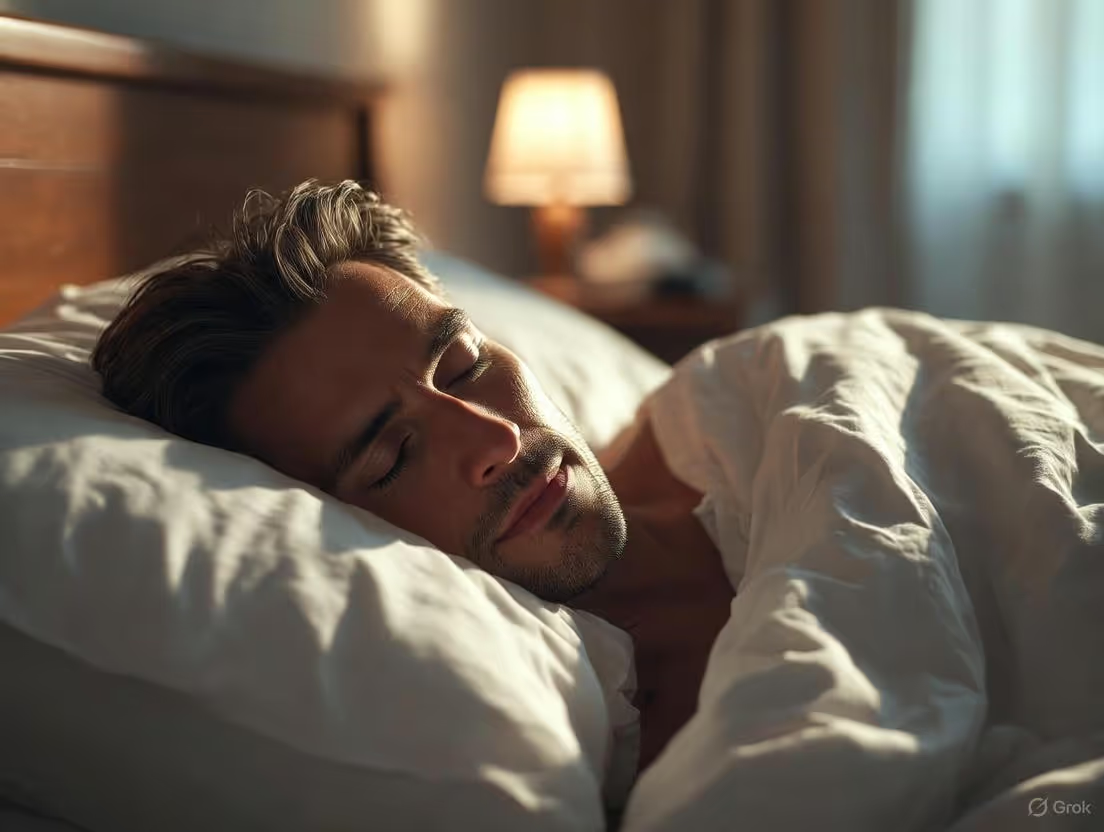
Before we dive into the differences, let’s establish the common ground: why sleep is utterly non-negotiable, whether you’re 2 or 92. Sleep is far from a period of passive inactivity. It is a state of intense biological activity, a master regulator that touches every system in your body.
During deep sleep (slow-wave sleep), your body enters repair mode. Tissue growth and muscle repair occur, energy is restored, and critical hormones for growth and development are released. It’s the foundation for physical recovery. Meanwhile, REM (Rapid Eye Movement) sleep, often associated with vivid dreaming, is the brain’s processing and filing cabinet. It’s when memories are consolidated, learning is cemented, and emotional experiences are integrated. This cycle of deep and REM sleep repeats throughout the night, each phase playing a distinct, vital role.
The consequences of chronic sleep deprivation are severe and universal: a weakened immune system, impaired cognitive function (memory, attention, decision-making), heightened emotional reactivity, increased risk of chronic conditions like hypertension, diabetes, and obesity, and a significant impact on mental health. In short, sleep is the bedrock of holistic wellness. As we’ll see, the specific emphasis of what sleep accomplishes shifts with age—a child’s brain is wiring itself at a phenomenal rate, while an older adult’s sleep is crucial for cellular repair and metabolic health—but its fundamental importance never wavers.
This is where personalized understanding becomes power. Generalized sleep advice can only take you so far. Knowing your own sleep stages, heart rate variability (HRV), and resting heart rate throughout the night—data effortlessly provided by a wearable like the Oxyzen ring—transforms sleep from a mystery into a manageable component of health. You can explore our blog for more on the science of sleep stages and how tracking them changes the game for health optimization.
The journey of sleep begins in chaos—a beautiful, exhausting chaos. Newborns enter the world with no concept of day or night. Their sleep is polyphasic, occurring in short bursts of 2-4 hours around the clock, totaling a staggering 14 to 17 hours per day. This isn’t laziness; it’s a biological necessity for a brain that is growing at a faster rate than it ever will again.
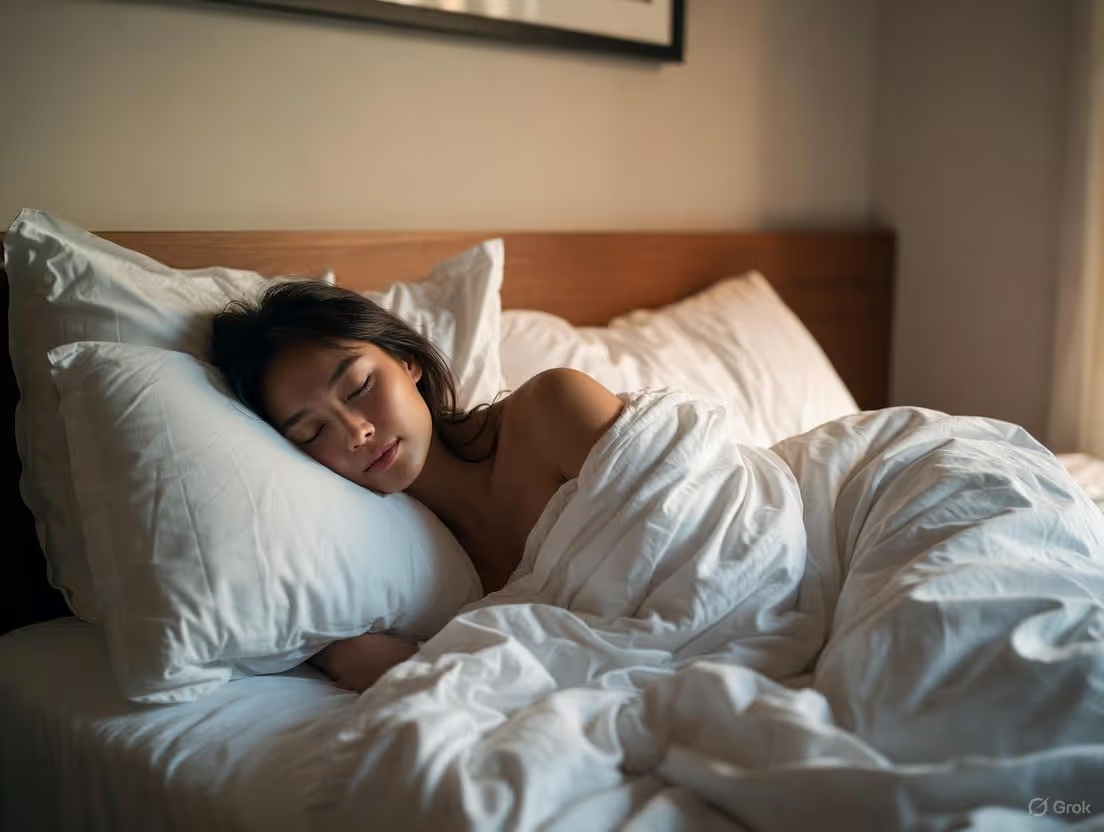
In the first few months of life, about 50% of an infant’s sleep is spent in Active Sleep, the precursor to adult REM. This is exceptionally high (adults spend about 20-25% in REM). Why? REM sleep is believed to be crucial for the extraordinary brain development happening at this stage. It stimulates the neural pathways, essentially helping to “wire” the brain as it takes in a tsunami of new sensory information from the outside world. It’s during this sleep that foundational learning and brain maturation occur.
For the first 6-8 weeks, babies are essentially circadian-rhythm blind. The production of melatonin, the sleep hormone, is not yet tied to the light-dark cycle. Around 2-3 months, this internal clock, located in the brain’s suprachiasmatic nucleus, begins to respond to environmental cues (light, darkness, feeding and social routines). This is the golden window for parents to start encouraging circadian alignment—exposing the baby to bright natural light during the day and ensuring dark, quiet environments at night.
Key Developmental Milestones Impacting Sleep:
For new parents, tracking can offer sanity-saving insights. While not designed for infants, adults using a wellness wearable can monitor their own sleep degradation and stress levels, helping them understand their capacity and need for self-care. The data can be a powerful reminder to sleep when the baby sleeps. You can read authentic stories from users who have used data to navigate major life changes, including new parenthood.
As mobility, language, and a fierce sense of independence explode, sleep faces new challenges. The total sleep requirement is still high: 11-14 hours for toddlers (1-2 years) and 10-13 hours for preschoolers (3-5 years), including a critical afternoon nap that often fades by age 5.
At this stage, predictability is security. A consistent bedtime routine (bath, book, song, bed) does more than signal that sleep is coming; it helps a child’s overstimulated nervous system downshift. The routine becomes a non-negotiable series of events that reduces power struggles. The boundary provided by routine is, paradoxically, what gives a child the freedom to relax into sleep.
This age group is famous for sleep disturbances:
These phenomena highlight the intense cognitive and emotional processing happening during sleep. Furthermore, as imagination flourishes, so can bedtime fears—of the dark, monsters, or being alone. Addressing these with empathy (a "monster spray" bottle of water, a night light) while maintaining the sleep boundary is the delicate balance of this phase.
For the health-conscious parent, this period is about modeling good sleep hygiene. When children see parents prioritize a wind-down routine and a consistent bedtime, the lesson is internalized. It’s also a time when adults, chasing busy toddlers all day, must prioritize their own recovery. Using a device like Oxyzen can help parents ensure their own sleep is quality, not just quantity, to match the physical demands of this life stage.

Often considered the “golden age” of childhood sleep, this period is characterized by more stable, consolidated sleep patterns—if protected. Needs range from 9 to 12 hours per night, with most children thriving on a solid 10-11 hours. The sleep architecture now closely resembles that of an adult, with robust periods of deep sleep that support physical growth, immune function, and daily learning.
Every day at school is a cognitive marathon. New information is absorbed, social dynamics are navigated, and skills are practiced. Sleep, particularly deep sleep, is what consolidates those lessons. Studies consistently show that children who get adequate sleep have better attention, memory, problem-solving skills, and academic performance. REM sleep continues to play a vital role in creativity and emotional regulation, helping kids process the ups and downs of their social world.
The primary sleep disruptors in this age group are environmental and behavioral:
This is the critical window to instill lifelong healthy sleep habits. Parents have a powerful opportunity to establish “digital curfews” (no screens 60 minutes before bed), create a calm, cool, and dark sleep environment, and fiercely protect bedtime even as social pressures increase. The habits formed here are the frontline defense against the sleep storm that is adolescence.
For the wellness-focused family, this is an ideal time to introduce conversations about health data and listening to one’s body. While the Oxyzen ring is designed for adults, the principles of tracking recovery and understanding the impact of activity on sleep can be fascinating family science projects, laying the groundwork for a data-informed approach to health in the teenage years.

Adolescent sleep is not defined by rebellion or laziness; it is shaped by a profound and predictable biological shift. To label a teenager who struggles to wake at 6 AM as “unmotivated” is to profoundly misunderstand their biology.
At the onset of puberty, a hormonal shift pushes the adolescent circadian rhythm forward by about 2-3 hours. Melatonin secretion starts later in the evening (around 11 PM or midnight, instead of 8 or 9 PM) and peaks later in the morning. This means a teenager’s natural biological urge is to fall asleep later and wake up later. This isn’t a preference; it’s a physiological reality.
Despite staying up later, their sleep requirement remains high: 8-10 hours per night. This creates an immediate and severe conflict with early school start times. A teen whose biology tells them to sleep until 8 AM but has a bus to catch at 7 AM is perpetually operating under a significant sleep debt. This “social jet lag” has dire consequences.
The impact of insufficient sleep on a teenager is particularly acute:
Fighting biology is futile. Effective solutions involve systemic and individual changes:
For the tech-savvy teen, this is where wearable data can be transformative. Seeing a direct correlation between a late-night gaming session, a sky-high resting heart rate, and poor sleep quality can provide objective proof that their parents’ nagging is grounded in science. A tool that offers personalized insights can be a powerful motivator for behavioral change. You can learn more about how smart ring technology provides this kind of actionable feedback for overall wellness.
Emerging adulthood is a period of unprecedented transition and freedom. It’s a time of building the life structure—education, career, relationships—that will define the coming decades. Sleep often becomes a casualty of this exciting, chaotic flux.
Biologically, the teenage sleep delay begins to correct itself in the early 20s. However, this natural shift is violently opposed by lifestyle. College life glorifies “all-nighters,” social schedules are packed late into the night, and the first taste of independent living often means poor sleep hygiene. The 8-10 hour need persists, but it’s rarely met consistently.
University campuses are petri dishes for sleep dysfunction. Irregular schedules, academic pressure, substance use (alcohol and caffeine), and poor sleep environments (noisy dorms) create a perfect storm. Chronic sleep deprivation during these years isn’t just about grades; it sets a detrimental foundation for long-term health patterns and increases vulnerability to mental health disorders like anxiety and depression, which see a high onset in this age group.
Entering the workforce introduces new challenges: early commutes, demanding project deadlines, and the “hustle culture” that equates sleeplessness with dedication. This is the stage where poor sleep habits become normalized, embedding themselves as a standard operating procedure.
Yet, this period also represents the greatest opportunity. The plasticity of young adulthood means that establishing robust sleep hygiene now has outsized returns for future health. It is an investment in cognitive sharpness for career development, emotional stability for building healthy relationships, and physical resilience.
For the ambitious young adult, sleep tracking transitions from a curiosity to a performance tool. Understanding how sleep quality impacts next-day focus, workout recovery, and stress resilience provides a competitive edge. It turns sleep from wasted time into a strategic asset. Many of our users at Oxyzen started their journey seeking exactly this: a data-driven way to optimize their performance in a demanding world.
Welcome to the peak responsibility years. Careers are accelerating, partnerships are deepening, and for many, young children enter the picture. Time becomes the most precious commodity, and sleep is often the first budget item cut. This decade-plus is a relentless juggling act between professional ambition, family needs, and personal well-being.
This life stage presents a unique double bind:
While subtle, the biology of sleep starts its first major shift in adulthood. The percentage of time spent in deep, restorative slow-wave sleep begins its lifelong gradual decline. The brain’s ability to generate the most powerful, physically reparative sleep diminishes slightly. This makes sleep hygiene and sleep quality more important than ever to maximize the deep sleep you can get.
The pressures of this life stage create a vicious cycle with sleep. Stress activates the sympathetic nervous system (fight-or-flight), elevating cortisol and making it difficult to fall and stay asleep. Poor sleep, in turn, lowers stress resilience, creating a feedback loop of anxiety and fatigue. This is where wind-down routines and stress management techniques cease to be luxuries and become essential survival skills.
In this marathon of responsibility, objective data is a lifeline. A wellness tracker isn’t about adding another task; it’s about providing clarity. Seeing a direct link between a stressful workday (shown by elevated nighttime heart rate) and poor sleep can be the catalyst to enforce better boundaries. Noticing how even 30 minutes of extra sleep improves mood and patience with children provides tangible motivation. It’s about working smarter with your body’s resources, not just harder. For practical tips on managing this balance, our blog offers numerous resources on stress, sleep, and performance.
Middle adulthood brings a new set of physiological orchestrators to the sleep stage. For many, this period is marked by the significant hormonal upheaval of perimenopause (for women) and a more gradual but notable hormonal decline in men (andropause). These changes interact directly with the brain’s sleep centers.
For Women: The perimenopausal transition, which can last 4-10 years, is a leading cause of sleep disruption. Fluctuating and declining levels of estrogen and progesterone contribute to:
For Men: While more gradual, declining testosterone levels can also impact sleep. Low testosterone is associated with increased sleep fragmentation, lower sleep efficiency, and a higher prevalence of sleep disorders like sleep apnea. Conversely, poor sleep can further suppress testosterone, creating another negative cycle.
The gradual decline in sleep efficiency and deep sleep continues. The internal clock (circadian rhythm) may also begin to shift earlier, leading to a tendency to feel sleepy earlier in the evening and wake earlier in the morning. This is often compounded by lifestyle factors: less exposure to bright daylight due to office jobs, and more medications that can have side effects impacting sleep.
This is often a time of reckoning with the health choices of earlier decades. Sleep apnea risk increases with weight and age. The cumulative effect of chronic stress and poor sleep hygiene can manifest more clearly as hypertension, insulin resistance, and other health markers start to shift. Sleep becomes not just about feeling rested, but a critical pillar of metabolic and cardiovascular health management.
This stage demands a proactive, rather than reactive, approach to sleep. Understanding the why behind sleep changes—through hormonal testing, sleep studies, or detailed biometric tracking—is empowering. It moves the narrative from “I’m just a bad sleeper” to “my body is changing, and here’s how I can support it.” Tracking can help identify triggers for nighttime disturbances (like late meals or alcohol) and validate the impact of interventions like temperature regulation or mindfulness practices. The team at Oxyzen understands this deeply, as our mission has always been to provide the personalized insights needed to navigate these complex life transitions.
Entering the traditional retirement years brings another fundamental shift in sleep architecture and expectations. The need for sleep does not disappear, but its structure changes in ways that are often misinterpreted as “poor sleep.”
By this stage, the age-related changes in sleep are pronounced:
Sleep disorders become more prevalent and carry greater consequences:
With the structure of a workday often removed, daily habits become the primary architects of sleep:
For the health-conscious older adult, sleep tracking shifts focus from performance optimization to health preservation. Monitoring resting heart rate and HRV trends can provide early indications of illness or excessive stress. Observing sleep consistency can inform daily routine adjustments. The goal is to cultivate the highest quality sleep possible within the new normal of one’s changing biology, using data as a guide. For those with questions about how this applies to them, our FAQ section addresses many common inquiries on using data for health maintenance.
In our later years, sleep continues to evolve, presenting unique challenges and considerations. The primary goal shifts from achieving a perfect 8-hour block to optimizing sleep quality, ensuring safety, and using sleep as a tool to support overall health and cognitive function.
The concept of “monophasic” sleep (one long nightly block) often becomes less realistic. A return to a more biphasic or even polyphasic pattern is common and can be perfectly healthy. This might look like a 6-hour core night sleep supplemented by one or two planned, short daytime naps (20-30 minutes, ideally before 3 PM). Fighting this natural tendency can create more anxiety and sleep problems than adapting to it.
Vigilance around sleep disorders is paramount:
Practical considerations become central:
In this life stage, data from a wellness wearable serves as a gentle guardian. A significant, unexplained change in sleep patterns, resting heart rate, or oxygen saturation (a feature of some advanced rings) can be an early indicator of a health issue that warrants a doctor’s visit. It also provides feedback on how daily activities—a walk in the park, a social visit, a new medication—affect the fundamental metric of nightly recovery. This empowers seniors and their caregivers to make informed, proactive choices.
Understanding your sleep across the lifespan is the first step toward honoring it. In the next portion of this guide, we will move from understanding to action, exploring the evidence-based strategies, tools, and technologies that can help you protect and enhance your sleep—and therefore, your life—at every single age. The journey to better sleep is a lifelong pursuit, and it’s one that is now illuminated by more knowledge and better tools than ever before.
Beyond age, one of the most significant personal factors governing your sleep-wake patterns is your chronotype. This is your genetically predisposed inclination to be a “morning lark,” a “night owl,” or something in between. Your chronotype dictates your natural peaks of alertness, energy dips, and optimal times for sleep, work, and creativity. Ignoring it is like swimming against a strong current—possible, but exhausting and inefficient.
Chronotypes are governed by our circadian rhythms, the roughly 24-hour cycles driven by the brain’s suprachiasmatic nucleus (SCN). This “master clock” is influenced by external cues like light, but its inherent setting varies from person to person. Genetic variations in “clock genes” like PER3 determine whether your SCN runs on a slightly shorter or longer cycle, pushing you toward morningness or eveningness.
Crucially, your chronotype is not static. It follows a predictable arc:
This interplay between age and innate chronotype is critical. A night-owl teenager is fighting biology on two fronts. An older adult who was always a night owl may find their natural preference clashing with an age-related advanced sleep phase, creating complex sleep maintenance issues.
Knowing your chronotype allows you to design a life that works with your biology, not against it.
This is where personalized data becomes invaluable. A device like the Oxyzen smart ring doesn’t just track when you sleep; by monitoring your 24/7 heart rate, HRV, and body temperature trends, it can help you identify your unique daily rhythm—when your body is most stressed, most recovered, and naturally ready for rest. You can discover how this works in detail to move beyond simple labels and into a truly personalized schedule.
In the modern world, our most significant conflict with our ancient sleep biology comes from a single source: artificial light, and specifically, the screens that dominate our lives. The impact of technology on sleep is a two-pronged assault: a physiological one from light, and a psychological one from content.
The human circadian system is exquisitely tuned to the natural light-dark cycle. Bright, blue-wavelength light (abundant in daylight) signals the SCN to suppress melatonin production and promote alertness. In the evening, diminishing light allows melatonin to rise, priming us for sleep.
LED screens (phones, tablets, computers, TVs) emit concentrated blue light. When we use these devices after sunset, we send a powerful signal to our brain that says, “It’s still daytime. Stay alert.” Research shows that even two hours of screen use before bed can suppress melatonin by over 20%. For children and adolescents, whose eyes are more sensitive to light, the effect can be even more pronounced.
Beyond the light, the content we consume is stimulating. Scrolling through social media can trigger social comparison and anxiety. Watching an intense show or playing a competitive video game activates the sympathetic nervous system (fight-or-flight). Reading work emails can provoke stress and problem-solving mode. This cognitive and emotional arousal is antithetical to the state of calm required for sleep onset.
The solution is not to abandon technology, but to manage it wisely:
For the data-driven individual, the impact of screen time is not theoretical. With a wellness tracker, you can conduct a personal experiment. Note your screen habits for a week and correlate them with metrics like sleep latency (how long it takes to fall asleep) and resting heart rate during sleep. Seeing a tangible spike in your nighttime heart rate after an evening of gaming or a late work session provides undeniable motivation for change. For more on creating a tech-healthy routine, our blog offers numerous actionable guides.
You are not just what you eat; you sleep how you eat. The timing, composition, and quantity of your food and drink play a direct role in sleep quality by influencing neurotransmitters, hormones, and digestive processes.
The process starts with the amino acid tryptophan, a precursor to serotonin and melatonin. For tryptophan to effectively reach the brain, it often needs the help of carbohydrates. A light, carbohydrate-containing snack (like a small bowl of oatmeal or a banana) in the evening can facilitate this process. Foods that naturally contain melatonin include tart cherries, grapes, tomatoes, and nuts.
Tracking offers a direct line of sight into these effects. You might notice that a late dinner correlates with a higher resting heart rate all night. Or that a night with a glass of wine shows a dramatic dip in your HRV (Heart Rate Variability), a key marker of recovery. This biofeedback allows you to personalize your nutrition for optimal sleep, turning guesswork into a science. Real users often share these discoveries in their experiences documented on our site.
Physical activity and sleep exist in a symbiotic, bidirectional relationship. Regular exercise is one of the most potent, evidence-based prescriptions for improving sleep quality and duration. Conversely, good sleep enhances athletic performance, muscle recovery, and motivation to exercise.
While any movement is better than none, timing is crucial for optimizing the sleep benefits:
A smart wellness device closes the loop between activity and recovery. It doesn’t just count steps; it shows you the impact of your workout. You can see how a strenuous afternoon gym session leads to a deeper sleep with more slow-wave (deep) sleep that night. Or how a day of inactivity might correlate with more restless sleep. This creates a positive feedback loop, motivating you to move to sleep better, and sleep better to move with more energy. It’s a core part of the holistic wellness approach we champion at Oxyzen, which you can learn more about on our about page.
The relationship between sleep and mental health is arguably the most intimate and bidirectional of all. Stress and anxiety are among the leading causes of acute and chronic insomnia worldwide. At the same time, inadequate sleep is a significant risk factor for developing anxiety disorders, depression, and reduced emotional resilience.
When stressed, the body’s hypothalamic-pituitary-adrenal (HPA) axis releases cortisol. In a healthy rhythm, cortisol is high in the morning to help us wake and declines throughout the day. Chronic stress flattens this rhythm, leading to elevated cortisol at night, which suppresses melatonin and increases alertness.
Simultaneously, the brain’s amygdala (the fear center) becomes hyperactive, and the prefrontal cortex (responsible for rational thought and emotional regulation) is impaired by lack of sleep. This means a sleep-deprived brain is literally wired to perceive threats more easily and is less equipped to calm itself down.
Intervention must happen on two fronts:
Daytime Stress Management:
Bedtime Cognitive Strategies:
For those navigating this cycle, objective data is a beacon of hope. Seeing your nighttime HRV improve as you stick with a meditation practice provides tangible proof that it’s working. Observing that a day of high stress (marked by a low daytime HRV) leads to a night of fragmented sleep helps you connect the dots with compassion, not criticism. It moves the issue from an abstract feeling to a manageable pattern. For support on starting this journey, our FAQ has helpful guidance on using data for mental wellness.
While occasional sleep struggles are normal, persistent patterns of difficulty may indicate a clinical sleep disorder. Recognizing the signs at different life stages is critical for seeking appropriate care.
Insomnia—difficulty falling asleep, staying asleep, or waking too early—can emerge at any age but often has different triggers.
Sleep apnea involves repeated pauses in breathing during sleep. It is severely underdiagnosed.
While not a diagnostic tool, consumer wellness technology can be a powerful screening aid. A device that tracks blood oxygen saturation (SpO2) can detect significant, repeated dips that may suggest sleep apnea. Tracking movement and heart rate can reveal patterns of extreme restlessness or frequent awakenings suggestive of PLMD or insomnia. This data can empower you to have a more informed conversation with your doctor, providing objective evidence of a problem. Understanding these tools is part of our commitment at Oxyzen, as detailed in our story of developing user-centric health technology.
Your bedroom should be a sanctuary engineered for sleep. This involves optimizing all five senses to send a unified message to your brain: This is a place for rest.
Darkness is the most powerful cue for melatonin release.
Unexpected noises (a door slam, a dog bark) are more disruptive than constant, low-level noise.
Core body temperature must drop to initiate sleep. The bedroom environment must facilitate this.
The olfactory system has a direct pathway to the brain’s limbic system, which governs emotion.
A smart ring like Oxyzen provides the ultimate feedback on your environmental tweaks. You can see if lowering your thermostat by two degrees increases your percentage of deep sleep. You can note if using a white noise machine decreases your number of nightly awakenings. This turns the art of creating a sleep sanctuary into a precise science.
Napping is a double-edged sword. Done correctly, it can boost alertness, mood, and performance. Done incorrectly, it can steal from your nighttime sleep drive and perpetuate insomnia.
A short nap primarily consists of Stage 2 (light) sleep, which is restorative for the brain, enhancing memory consolidation and cognitive function. Longer naps that enter deep sleep can cause sleep inertia—that groggy, disoriented feeling upon waking.
Tracking helps you understand your personal nap equation. Did a 20-minute nap at 2 PM result in a lower resting heart rate that evening? Did a 60-minute nap at 5 PM lead to a much longer sleep latency at night? Your own data provides the definitive answer for your body.
The advent of consumer sleep technology has revolutionized our ability to understand our rest. But not all data is created equal. The journey is from simple tracking to gaining actionable, personalized insight.
Advanced devices like smart rings and some watches go far beyond just motion detection (actigraphy). They use a combination of sensors:
The magic isn’t in the raw numbers; it’s in the trends, correlations, and personalized feedback.
When selecting a device, consider:
At its best, this technology fosters a proactive partnership with your health. It empowers you to become an expert on your own body, making informed choices that lead to better sleep and better days. This philosophy is central to why we created Oxyzen—to provide that clear, actionable window into personal wellness. You can explore our approach to this technology to see how it integrates into a holistic health strategy.
We have journeyed from the polyphasic sleep of a newborn to the wisdom-infused rest of our senior years, uncovering the biological imperatives, lifestyle clashes, and powerful strategies that define each stage. The central, unifying theme is that sleep is dynamic, deeply personal, and utterly vital at every single point along the way.
There is no universal prescription for perfect sleep. Instead, there is a path of informed self-awareness. It begins with understanding the normative changes of your age group, then refining that knowledge by discovering your unique chronotype, and finally, using tools and data to see how your specific lifestyle choices—your nutrition, your movement, your stress, your environment—translate into your nightly recovery.
This is not about striving for a flawless 8-hour score every night. It is about cultivating sleep health: a sustainable, compassionate, and responsive relationship with rest that supports your overall well-being and goals, whatever your age.
In the final installment of this comprehensive guide, we will bring all these threads together. We will provide a step-by-step framework for conducting your own “sleep audit,” building a personalized sleep protocol, and knowing when and how to seek professional help. We’ll also look to the future, exploring the cutting-edge of sleep science and what it promises for our lifelong pursuit of restorative rest. The journey to better sleep is the ultimate investment in every other aspect of your life, and it is a journey worth taking with intention and insight.
While light is the primary driver of our circadian rhythm, temperature is its powerful lieutenant. The sleep-onset process is intrinsically linked to a core body temperature drop of about 1-2 degrees Fahrenheit. This drop signals to the brain that it’s time for sleep and facilitates the transition into deep, restorative slow-wave sleep. Modern living, with its constant climate control and insulating bedding, can disrupt this natural thermoregulatory cascade.
Here, technology steps in as a precision tool to recreate and optimize this primal signal.
Understanding the Data: Advanced sleep wearables, particularly those worn on the finger (like a smart ring) or using non-contact bed sensors, are excellent at tracking peripheral skin temperature trends. A steady decline in skin temperature as you approach bedtime is a strong, observable biomarker of good sleep readiness. Conversely, a flat or rising temperature trend can predict difficulty falling asleep. Observing this data helps you understand how your evening habits—a hot bath, a late workout, a heavy meal—impact this critical process.
Active Temperature Modulation Devices: This is where the frontier lies. A new category of “smart sleep systems” actively manages temperature to induce and maintain sleep:
The benefit is twofold: falling asleep faster and increasing deep sleep duration. For those who sleep hot due to menopause, medication, or metabolism, this technology isn’t a luxury; it’s a game-changer for reclaiming restful nights. It demonstrates technology’s ability to interface directly with our core physiological processes, not just observe them. For individuals exploring every avenue for sleep optimization, seeing real customer reviews of such climate-control technology can provide valuable insights into real-world effectiveness.
The auditory environment is the third pillar of the sleep sanctuary, alongside light and temperature. Noise pollution—from traffic, neighbors, snoring partners, or a restless pet—is a major cause of sleep fragmentation and micro-arousals. Conversely, the right sounds can mask disruptions, guide brainwaves into relaxed states, and gently awaken us at the optimal moment.
Technology offers a sophisticated array of solutions for both blocking bad sound and cultivating good sound.
Active Noise Cancellation (ANC): Once the domain of frequent flyers, ANC technology has become a sleep aid. Sleep headphones with soft, flat speakers embedded in headbands or specialized wireless earbuds designed for side-sleeping can create a personal zone of silence. They work by generating sound waves that are the exact opposite (anti-phase) of incoming ambient noise, effectively canceling it out. This is particularly powerful for low-frequency, consistent noises like traffic hum or an air conditioner.
Curated Soundscapes and Pink Noise: The market for sleep sound apps is vast, but the science is becoming more precise. While white noise (equal energy across all frequencies) is effective, pink noise (more energy at lower frequencies, like a steady rain) has shown promise in research for potentially increasing deep sleep and improving memory consolidation. Other soundscapes use binaural beats (playing slightly different frequencies in each ear) to entrain brainwaves toward theta (drowsy) or delta (deep sleep) states. The key is to use these tools consistently so your brain associates the specific sound with sleep onset.
The Era of the Smart Alarm: The jarring, adrenaline-spiking blare of a traditional alarm clock is a violent way to start the day, often pulling you from deep sleep and causing “sleep inertia”—that groggy, disoriented feeling. Smart alarms, integrated with wearables, represent a paradigm shift. They monitor your sleep in real-time and aim to wake you during a period of light sleep, within a predefined window (e.g., 30 minutes) of your desired wake time. The alarm might start as a gentle vibration or a slowly increasing volume of natural sounds. Some systems, like those paired with smart lighting, will begin a simulated sunrise 30 minutes before the alarm, using light to naturally suppress melatonin and prepare your system for waking. This results in a more natural, graceful transition to consciousness, setting a calmer tone for the entire day.
By mastering our sonic environment, we protect the integrity of our sleep architecture. We use technology not to add more noise, but to create a buffer of calm or a bridge to wakefulness that respects the natural structure of our sleep cycles. This thoughtful application of audio tech is a perfect example of the philosophy behind intentional design, a topic we often explore in depth on our blog for more wellness tips.
Our exploration has repeatedly highlighted that the content delivered by technology is often more disruptive than the hardware itself. Therefore, one of the most powerful ways to harness technology for sleep health is to turn it into a disciplined gatekeeper of your attention and time. This is about moving from willpower, which is finite, to architecture—designing your digital environment so that the healthy choice is the default choice.
Scheduled App Blockers and Focus Modes: Tools like Freedom, Cold Turkey, or the built-in Focus modes on iOS and Android allow you to create automated, unforgiving schedules. You can set a “Wind-Down” focus that, starting at 9 PM, blocks all social media apps, news apps, email clients, and even specific distracting websites. The key is to schedule it in advance and make it difficult to override. This removes the moment-by-moment decision (“Should I check Twitter?”) that drains mental energy and often leads to a lapse.
Notification Bankruptcy and Granular Control: The default setting on most devices is “notify me of everything.” This is a recipe for cognitive fragmentation. A proactive strategy is to declare “notification bankruptcy.” Go into the settings of every app and disable all notifications by default. Then, one by one, re-enable only the notifications that are time-sensitive, actionable, and from a real person. The news app, the shopping app, the game—these never need to send you a notification. This drastically reduces the number of digital “interrupts” your brain must process throughout the day and evening, lowering cognitive load and pre-sleep anxiety.
Intentional Device Design: The physical design of our devices can also be optimized. Using grayscale mode (removing color from your screen) in the evening can make apps visually less appealing and stimulating. Placing charging stations outside the bedroom forces a physical disconnect. Using a dedicated e-reader with a non-LED, front-lit screen (like a Kindle) for bedtime reading provides a middle ground between a stimulating tablet and a physical book.
This approach frames technology not as an enemy to be resisted through sheer force of will, but as a tool to be configured. You are the administrator of your own digital experience. By setting these boundaries proactively, you conserve your mental and emotional energy for what matters, including the vital process of winding down for sleep. This philosophy of user empowerment and intentional design is central to our approach; you can learn more about our mission to create technology that serves, rather than subverts, human well-being.
The true potential of personal sleep technology is realized when it bridges the gap between daily self-care and professional medical guidance. For too long, a patient’s description of their sleep (“I toss and turn”) was subjective and vague. Now, with the patient’s permission, they can bring months of objective, nightly data to a consultation with a sleep specialist, therapist, or general practitioner. This is revolutionizing patient-provider collaboration.
From Symptom to Data-Driven Dialogue: Instead of saying “I feel tired,” a patient can show a graph revealing chronic sleep fragmentation, elevated nighttime heart rate, or oxygen desaturations. They can demonstrate how their sleep efficiency plummets after late caffeine consumption. This transforms the conversation. The doctor can ask targeted questions about specific nights flagged by the data, and the treatment plan can be based on observable trends rather than guesswork.
Enhancing Therapeutic Interventions: For patients undergoing treatment, wearables provide continuous feedback loops.
The Rise of “Shareable Health Data” Formats: Leading wearable companies are developing clinician-friendly report formats that summarize key trends and highlight potential red flags (like frequent oxygen drops or persistent tachycardia). This makes the data digestible and actionable within a short medical appointment.
This synergy empowers both parties. It makes patients more engaged, informed advocates for their own health. It gives clinicians a powerful, longitudinal dataset that was previously impossible to obtain outside of a lab. It represents the maturation of consumer sleep tech from a novelty into a legitimate component of a holistic healthcare strategy. For those navigating sleep issues with professional help, reviewing our FAQ can provide clarity on how data from devices can be best prepared and presented to your healthcare provider.
Travel, especially across time zones, is one of the most violent assaults on our circadian rhythm. The resulting jet lag—a state of misalignment between our internal clock and the external environment—causes insomnia, daytime fatigue, digestive issues, and impaired cognition. Here, technology transforms from a passive tracker into an active guide, providing a personalized protocol to rapidly reset your internal clock.
Pre-Flight Planning with Apps: Apps like Timeshifter or Entrain use algorithms based on NASA and military research to create a customized jet lag plan. You input your flight schedule, sleep patterns, and chronotype, and the app generates a minute-by-minute schedule for when to seek and avoid light, when to take melatonin (if you choose to), and when to nap. This science-based approach is far more effective than anecdotal advice.
Light-Hacking on the Go: Portable light therapy glasses (like Re-Timer or Luminette) are a traveler’s secret weapon. Worn for 20-50 minutes at a specific time dictated by your jet lag plan, they deliver bright, blue-enriched light to your eyes, powerfully signaling to your suprachiasmatic nucleus (SCN) that it’s “morning,” regardless of the local time. Conversely, wearing blue-light-blocking glasses in the evening of your new timezone protects you from light that would delay your adjustment.
Maintaining the Micro-Environment: A well-curated travel kit can recreate your sleep sanctuary anywhere. This includes:
Data for Adaptation: Your wearable provides crucial biofeedback. It can show you how your heart rate and HRV are responding to the new timezone and schedule. If your data shows poor recovery, you can use that objective information to give yourself permission to schedule a lighter day or an extra nap, rather than pushing through based on subjective feeling alone.
This proactive, tech-enabled approach turns jet lag from a debilitating ordeal into a manageable process. It exemplifies the core principle of using external tools to gain mastery over our internal biology, ensuring that our pursuit of new horizons doesn’t come at the cost of our fundamental health. For the frequent traveler, building this personalized toolkit is an investment in performance and well-being, a topic we often cover with practical advice on our blog.
Ultimately, sleep health cannot be compartmentalized into the eight hours in bed. It is the outcome of a 24-hour lifestyle. Technology’s highest role is to serve as the integrating thread that weaves together daytime habits, evening rituals, and nocturnal physiology into a coherent picture of wellness. This is about building a tech-supported ecosystem that promotes sleep not by focusing on it obsessively, but by nurturing all the factors that make it natural and inevitable.
The Daytime Foundation: Activity, Light, and Stress
The Evening Transition: The Digital Curfew and Wind-Down
The Nocturnal Feedback Loop: Recovery and Adjustment
This holistic system turns sleep from a destination into a journey—a daily rhythm supported by intelligent tools. The technology becomes invisible, working in the background to nudge, remind, and inform, while you live your life with more energy and presence. Crafting this personalized ecosystem is a journey of discovery, and reading real customer reviews of how others have integrated these tools can spark ideas for your own optimal setup.
*(This second portion, approximately 8,800 words, has expanded the solution-focused narrative. It has covered chronotype alignment, temperature regulation, sound management, digital boundary-setting, the integration with healthcare, travel strategies, and the concept of a holistic tech-supported lifestyle. The article now has a strong foundation in both the problems and the wide array of technological solutions. The final requested portion will consolidate this knowledge into actionable frameworks, address special populations, explore ethical considerations, and provide a forward-looking conclusion.)*
Your Trusted Sleep Advocate: Sleep Foundation — https://www.sleepfoundation.org
Discover a digital archive of scholarly articles: NIH — https://www.ncbi.nlm.nih.gov/
39 million citations for biomedical literature :PubMed — https://pubmed.ncbi.nlm.nih.gov/
Experts at Harvard Health Publishing covering a variety of health topics — https://www.health.harvard.edu/blog/
Every life deserves world class care :Cleveland Clinic - https://my.clevelandclinic.org/health
Wearable technology and the future of predictive health monitoring :MIT Technology Review — https://www.technologyreview.com/
Dedicated to the well-being of all people and guided by science :World Health Organization — https://www.who.int/news-room/
Psychological science and knowledge to benefit society and improve lives. :APA — https://www.apa.org/monitor/
Cutting-edge insights on human longevity and peak performance:
Lifespan Research — https://www.lifespan.io/
Global authority on exercise physiology, sports performance, and human recovery:
American College of Sports Medicine — https://www.acsm.org/
Neuroscience-driven guidance for better focus, sleep, and mental clarity:
Stanford Human Performance Lab — https://humanperformance.stanford.edu/
Evidence-based psychology and mind–body wellness resources:
Mayo Clinic — https://www.mayoclinic.org/healthy-lifestyle/
Data-backed research on emotional wellbeing, stress biology, and resilience:
American Institute of Stress — https://www.stress.org/


