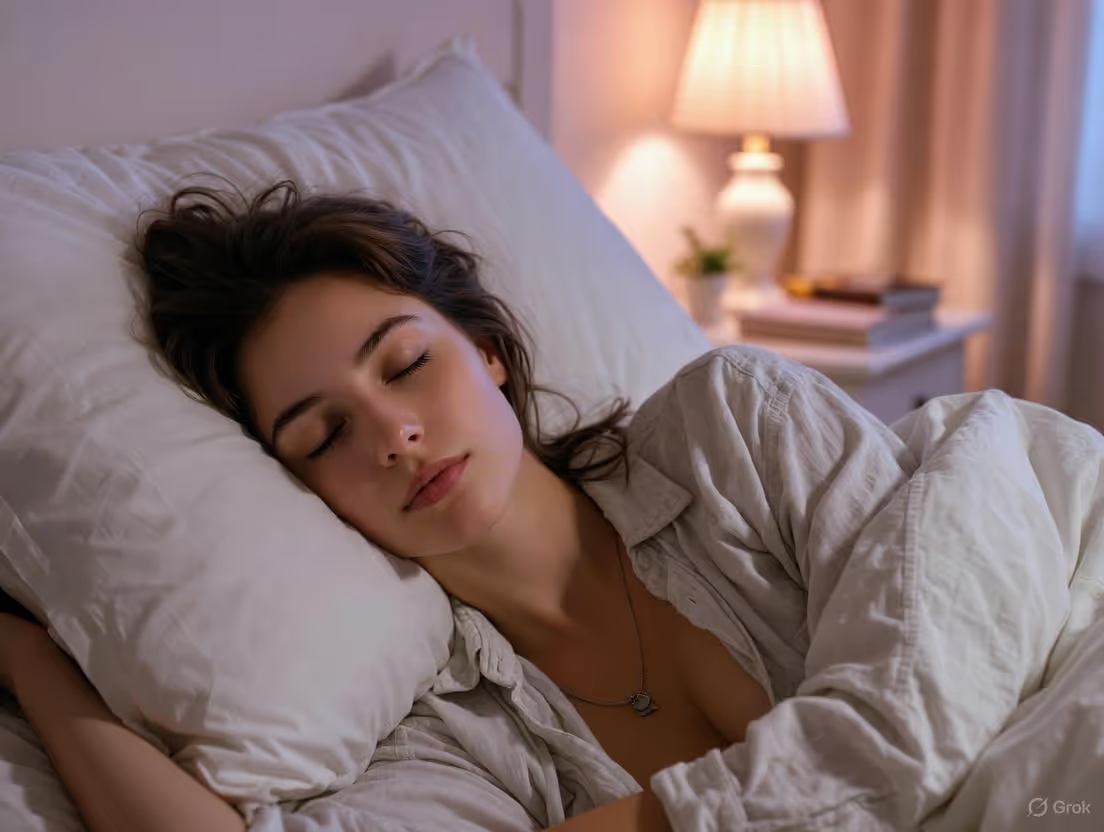
Sleep Improvement for People Who've Tried Everything
This approach is for those who feel they've exhausted standard advice, focusing on advanced behavioral and environmental adjustments.
Beyond the Pillow: The Advanced Sleep Improvement Guide for People Who’ve Tried Everything
You’ve read the articles. You’ve bought the blackout curtains, the white noise machine, the weighted blanket. You’ve sworn off caffeine after noon, tried meditation apps, and perhaps even ventured into the world of supplements. Yet, here you are, scrolling in the dark hours, feeling that familiar cocktail of fatigue and frustration. If sleep were a simple puzzle, you’d have solved it by now. You’re not a beginner; you’re a veteran of the sleep struggle, and generic advice feels like bringing a teaspoon to a forest fire.
This article is not for beginners. This is for those who’ve been in the trenches, who know their sleep latency from their sleep architecture, who have a drawer full of “miracle” solutions that didn’t quite deliver. The journey to reclaiming rest is often less about discovering one magic bullet and more about executing a precision-engineered, personalized strategy. It’s about moving from guesswork to data, from generic protocols to a bespoke sleep blueprint. The modern frontier of sleep optimization isn’t just in your bedroom—it’s in understanding the invisible biological symphony of your circadian rhythms, heart rate variability, and physiological stress, often measured in real-time by devices like the Oxyzen smart ring. This is the deep dive you’ve been waiting for.
The Futility of Generic Advice: Why "Sleep Hygiene" Isn't Enough For You
We’ve all heard the chorus: stick to a schedule, make your room cool and dark, avoid screens. This is sleep hygiene, and it’s the essential foundation—the equivalent of brushing your teeth for oral health. But if you have persistent gum disease, brushing alone won’t cure it. For the chronic poor sleeper, standard hygiene is necessary but profoundly insufficient.
The problem lies in the “one-size-fits-all” approach. Your insomnia is not my insomnia. One person might lie awake with a racing mind (cognitive hyperarousal), while another falls asleep quickly but wakes at 3 a.m. with a pounding heart (physiological hyperarousal). A third might sleep a full eight hours but wake feeling utterly unrefreshed (non-restorative sleep). Recommending the same lavender spray and warm milk to all three is a diagnostic failure.
Modern sleep science reveals that sleep is not a monolithic state but a complex series of cycles and stages—light sleep, deep sleep (N3), and REM sleep. Disruptions can be stage-specific. Stress and alcohol can obliterate REM. Pain or sleep apnea can fragment deep sleep. Your genetic chronotype (are you a wolf, bear, or lion?) dictates your ideal sleep window, fighting against which is a recipe for failure. When you’ve “tried everything,” what you’ve likely tried are surface-level solutions that don’t address the root cause of your specific sleep disruption. The first step forward is abandoning the search for a universal fix and embracing personalized, data-driven investigation. To truly understand the nuances of your sleep architecture, exploring advanced tracking tools can be revelatory. You can discover how Oxyzen works to provide this level of detailed, personal insight.
Redefining "Good Sleep": It's Not Just About Duration
We are culturally obsessed with the "8-hour" metric, but this fixation can be deeply misleading and actively harmful. It creates performance anxiety around sleep itself—a state known as orthosomnia, where the pursuit of perfect sleep data leads to greater insomnia. What if you slept for 8.5 hours but your deep sleep was chronically low? What if you only slept 6.5 hours but cycled efficiently through all stages?
Quality trumps quantity. Good sleep is defined by several key metrics beyond time in bed:
Sleep Efficiency: The percentage of time you’re actually asleep while in bed. Lying awake for 90 minutes gives you poor efficiency, even if you eventually clock 8 hours.
Sleep Latency: How long it takes you to fall asleep. Ideally 15-20 minutes. Too short (under 5 minutes) can indicate severe sleep deprivation; too long indicates hyperarousal.
Sleep Architecture: The balanced cycling through light, deep, and REM sleep. Deep sleep is for physical restoration and immune function, while REM is for memory consolidation and emotional processing.
Wake After Sleep Onset (WASO): The total time you’re awake after initially falling asleep. Frequent or long awakenings destroy sleep continuity.
Morning Feel: The ultimate subjective measure. Do you feel alert and restored, or foggy and fatigued?
By shifting your goal from “I must sleep 8 hours” to “I must improve my sleep efficiency and deep sleep percentage,” you gain actionable, less stressful targets. This requires measurement. For many who have tried everything, the breakthrough comes from seeing their sleep data visualized, understanding their unique patterns, and tracking the impact of interventions. You can explore our blog for more wellness tips on interpreting these crucial metrics.
The Central Nervous System Tango: Understanding Hyperarousal
This is the core biological battleground for the stubborn sleeper. Hyperarousal is a state where your nervous system is stuck in a subtle but persistent "fight-or-flight" mode (sympathetic dominance). Your body doesn’t believe it’s safe to rest. This isn’t just feeling “stressed”; it’s a measurable physiological state.
Cognitive Hyperarousal: The mind that won’t shut off. Replaying conversations, drafting tomorrow’s to-do list, existential worrying at 2 a.m. It’s mental revving.
Somatic (Physiological) Hyperarousal: This is trickier. You might feel mentally calm but your body isn’t. A heart rate that won’t dip sufficiently at night, elevated core body temperature, or tense muscles. You might wake suddenly with a jolt of adrenaline for no apparent reason.
For those who’ve tried everything, tackling hyperarousal is non-negotiable. Traditional relaxation often fails because it only addresses the conscious layer. Advanced strategies involve:
Nervous System Resets: Techniques like physiological sighs, humming, or vagus nerve stimulation to actively signal safety to the brainstem.
Temperature Biofeedback: Using cooling modalities (like leg cooling or specific bedding) to trigger the natural drop in core temperature required for sleep onset.
Heart Rate Variability (HRV) Training: HRV is a key biomarker of nervous system resilience and recovery. A low HRV often correlates with poor sleep and high stress. By monitoring HRV, you can identify which days your body is primed for recovery and which days it needs more support. Devices that track HRV overnight, like a smart ring, provide invaluable feedback on your nervous system’s state.
Your Chronotype Isn't a Suggestion: It's a Biological Mandate
Are you a morning lark or a night owl? Most people are somewhere in between, but forcing a night owl to sleep at 9 p.m. is like asking someone to sprint at 6 a.m. without coffee. Dr. Michael Breus’s chronotype model (Wolf, Bear, Lion, Dolphin) refines this further. Your chronotype dictates your ideal sleep schedule, peak cognitive and physical times, and even when you should consume caffeine.
Ignoring your chronotype creates “social jet lag,” where your social clock is out of sync with your biological clock. This misalignment disrupts melatonin production, cortisol rhythms, and digestive cycles. If you’ve struggled with sleep maintenance insomnia (waking up too early or in the middle of the night), it could be因为你 are trying to force a sleep window that is fundamentally misaligned.
The solution isn’t just “go to bed earlier.” It’s about strategically using light. Getting bright light exposure (preferably sunlight) within 30-60 minutes of your natural wake-up time anchors your circadian rhythm. Conversely, avoiding blue and bright light in the 90 minutes before your bedtime is critical. For Wolves (late types), this might mean very dim lights after 10 p.m. For Lions (early types), the wind-down starts much earlier. Honoring this rhythm is a powerful, often overlooked lever for the weary sleeper who’s already optimized their bedroom environment.
The Data-Driven Bedroom: From Folklore to Feedback Loops
You have a great mattress. The room is pitch black. Now what? The next level is turning your bedroom into a biofeedback chamber.
Light: Beyond darkness, consider the quality of light. Red spectrum light in the evening (like salt lamps or smart bulbs set to red) has minimal impact on melatonin. The installation of smart lights that automatically dim and shift to red tones at sunset can be a game-changer.
Temperature: The science is clear: core body temperature must drop to initiate and maintain sleep. A cool room (~65°F/18.3°C) is a good start, but personalized cooling is better. This could involve a cooling mattress pad, targeted leg cooling (which pulls heat from the core), or even a warm bath 90 minutes before bed (which causes vasodilation and a subsequent rapid cooling).
Sound: White noise is fine, but pink or brown noise (deeper, more thunder-like) may be better for masking disruptive low-frequency sounds. Soundscapes that mimic natural environments (rainforest, steady rain) can also promote relaxation by engaging the parasympathetic nervous system.
The key is to test and measure. Try a new cooling protocol for a week. What does your sleep data show? Did your deep sleep increase? Did your sleep latency decrease? This is the feedback loop that generic advice can never provide. It transforms you from a passive recipient of tips to an active scientist of your own sleep. Our FAQ page addresses many common questions on how to integrate and act on this kind of precise environmental data.
The Daytime Foundation: How Your Waking Hours Sabotage or Support Sleep
Sleep is not an isolated event. It is the final act of a 16-hour play. Your sleep quality tonight is being determined by what you do—and don’t do—from the moment you wake up.
Morning Light & Movement: Viewing bright morning light (even on cloudy days) is the strongest signal to your suprachiasmatic nucleus (your brain’s master clock) that the day has begun, setting in motion a cascade that will culminate in melatonin release roughly 14 hours later. Pair this with gentle movement—a walk, stretching—to further reinforce circadian rhythms and reduce daytime stress hormones.
Nutritional Timing & Content: Large, heavy, or spicy meals too close to bedtime divert blood flow to digestion and can cause discomfort. Conversely, being hungry can also keep you awake. A small, balanced snack with protein and complex carbs about 60-90 minutes before bed can stabilize blood sugar for the night. Caffeine has a half-life of 5-6 hours; for many, that means a hard cutoff by 2 p.m. Alcohol, while sedating, is a REM sleep destroyer and leads to fragmented sleep later in the night.
Strategic Stress Management: It’s not about eliminating stress, but about completing the stress cycle. Physical exercise, creative expression, laughing, and even crying can signal to your body that a threat has passed. Unfinished stress cycles accumulate as somatic hyperarousal. This philosophy of holistic, 24-hour wellness is central to our approach, and you can learn more about our mission behind creating tools for this very purpose.
Mastering the Wind-Down: The 90-Minute Pre-Sleep Ritual Reimagined
“Have a bedtime routine” is common advice. But for the veteran sleeper, this routine needs to be more potent and intentional than reading a book in bed. It must be a deliberate, multi-system shutdown sequence.
Minute 90-60 Before Bed (Transition Phase):
Digital Sunset: This is non-negotiable. Screens off. If you must use a device, employ extreme blue light filters and keep it brief. This is the time to charge your phone outside the bedroom.
Environment Prep: Dim all house lights. Activate red lighting if available. Set the thermostat to drop.
Mental Download: Perform a “brain dump.” Write down every nagging thought, task, or worry in a notebook. The act of externalizing it tells your brain it can stop clinging to the information.
Minute 60-30 Before Bed (Relaxation Phase):
Somatic Relaxation: Engage in gentle, restorative yoga (like legs-up-the-wall), progressive muscle relaxation, or use a foam roller. The goal is to release physical tension, not to exercise.
Parasympathetic Activation: Practice a breathing technique like 4-7-8 breathing (inhale 4, hold 7, exhale 8) or a physiological sigh (double inhale through nose, long exhale through mouth). This directly stimulates the vagus nerve.
Minute 30-0 Before Bed (Sleep Cue Phase):
Final Rituals: This is for your consistent, unconscious cues: skincare, brushing teeth, a few pages of a physical book (fiction, not work-related), a moment of gratitude, or a sip of herbal tea (like chamomile or magnolia bark).
Into Bed: Get into bed only when you feel sleepy (heavy eyelids). If sleepiness doesn’t come within 20 minutes, get up and do a quiet, dim-light activity until you feel sleepy again. This rebuilds the association between bed and sleep.
Beyond Melatonin: A Rational Look at Supplements & Aids
If you’ve tried everything, you’ve likely been through the supplement aisle. Melatonin is a chronobiotic—a timing signal—not a sedative. It’s best used for jet lag or circadian resetting, not as a nightly knockout pill, and doses as low as 0.3mg-1mg are often more effective than the 5-10mg pills sold.
For the hyperaroused sleeper, other compounds may be more relevant, but always under professional guidance:
Magnesium (Glycinate or L-Threonate): An essential mineral many are deficient in. It acts as a natural NMDA receptor antagonist and GABA agonist, promoting relaxation. Glycinate is known for calming the mind, while L-Threonate may cross the blood-brain barrier more effectively.
L-Theanine: An amino acid found in green tea that promotes alpha brain waves (associated with relaxed alertness) and can reduce cortisol.
Apigenin: A flavonoid found in chamomile. It binds to GABA receptors similarly to benzodiazepines, but in a much milder, non-addictive way.
Glycine: An amino acid that can lower core body temperature and improve sleep quality. Studies show it can reduce daytime sleepiness.
The critical point is to use supplements strategically, based on your specific symptoms (e.g., magnesium for restless legs or mind-racing, glycine for waking up hot), and to cycle them to prevent dependency. They are supports, not cures. Real, lasting solutions come from addressing lifestyle and environment. For insights on how real users have integrated various strategies, real customer reviews and experiences can offer valuable, relatable perspectives.
The Role of Objective Measurement: Why You Can't Manage What You Don't Measure
This is the linchpin for the person who has tried everything. Subjective feeling is important, but it’s vulnerable to perception errors and “sleep state misperception.” Objective data removes the guesswork.
This is where advanced wearable technology, specifically smart rings like Oxyzen, becomes revolutionary. Worn overnight, a smart ring can track:
Sleep Stages: Providing a graph of your light, deep, and REM sleep throughout the night.
Heart Rate (HR) & Heart Rate Variability (HRV): Your nighttime HRV is a gold-standard indicator of recovery. A low or dropping trend can signal overtraining, illness, or chronic stress.
Respiratory Rate: Changes can indicate sleep disturbances or even early signs of sleep apnea.
Body Temperature Trends: Identifying subtle shifts that correlate with your circadian rhythm and sleep quality.
With this data, you can finally answer questions like: Did that late workout hurt or help my deep sleep? Does alcohol really cost me REM sleep? Is my new meditation practice improving my sleep efficiency? This creates a powerful, personalized feedback loop, transforming you from a frustrated guesser into an empowered optimizer. It’s a cornerstone of our vision for personalized wellness, a journey you can read more about in our story.
When Self-Help Isn't Enough: Recognizing the Need for Professional Intervention
Despite your best efforts, some sleep disorders require professional diagnosis and treatment. Persisting with self-help in these cases is like trying to fix a broken leg with better socks. Key red flags include:
Loud, chronic snoring, especially with gasping or choking sounds (potential Sleep Apnea).
An irresistible urge to move your legs, often with uncomfortable sensations, in the evening (Restless Legs Syndrome**).
Acting out dreams, shouting, or thrashing in your sleep (REM Sleep Behavior Disorder**).
Overwhelming daytime sleepiness, where you fall asleep involuntarily during quiet activities (Narcolepsy).
Persistent insomnia that causes significant daytime distress, despite consistent practice of optimal sleep habits for several months.
A board-certified sleep specialist can conduct evaluations, which may include a sleep study (polysomnography), to diagnose these conditions. Treatments like CPAP for apnea, specific medications for RLS, or Cognitive Behavioral Therapy for Insomnia (CBT-I) are gold-standard, evidence-based interventions. CBT-I, in particular, is highly effective for chronic insomnia and involves structured techniques to change thoughts and behaviors around sleep.
Building Your Personal Sleep Protocol: The Integration
By now, you see that the path forward isn’t a single hack, but a synthesized protocol. Here’s how to start building yours:
Gather Data (1-2 Weeks): If possible, use an objective measure (like a smart ring) to establish your baseline. Note your subjective feelings alongside it.
Identify Your Primary Disruption: Based on your data and experience, are you struggling with onset, maintenance, depth, or restoration? What’s your suspected root? (e.g., cognitive hyperarousal, circadian misalignment).
Prioritize One Lever: Don’t change everything at once. Start with the most promising lever for your profile. For circadian issues, prioritize morning light and absolute evening darkness. For hyperarousal, prioritize a 90-minute wind-down with nervous system resets.
Test & Refine (2-3 Weeks per lever): Implement one change consistently. Watch your data and feelings. Did it move the needle? If yes, solidify it as a habit. If no, adjust or try a different lever.
Layer in Supports: Once a foundational habit is set, consider if a strategic supplement or environmental tweak (like temperature modulation) could provide the next 5% improvement.
Seek Professional Insight if Stalled: Use your collected data as a powerful tool in conversations with healthcare or sleep professionals.
The Gut-Sleep Axis: How Your Microbiome Holds the Key to Rest
It may seem improbable, but one of the most profound frontiers in sleep science lies not in the brain, but in the gut. The trillions of microbes that comprise your microbiome—your "second brain"—are in constant, bi-directional communication with your central nervous system via the gut-brain axis. This dialogue heavily influences everything from mood and stress resilience to the very regulation of your sleep-wake cycle.
The mechanisms are complex and fascinating:
Neurotransmitter Production: A significant portion of your body's serotonin (up to 90%) and about 50% of its dopamine are produced in the gut, with the help of specific bacteria. Serotonin is the direct precursor to melatonin. An imbalanced gut (dysbiosis) can disrupt this pipeline, impairing melatonin synthesis.
Inflammatory Signaling: A gut in dysbiosis can become "leaky," allowing bacterial endotoxins (like LPS) to enter the bloodstream, triggering systemic, low-grade inflammation. This inflammation can cross the blood-brain barrier, directly disrupting the neural circuits responsible for sleep regulation and promoting hyperarousal.
Metabolite Influence: Gut microbes produce metabolites as they ferment dietary fiber. Key metabolites like short-chain fatty acids (SCFAs), particularly butyrate, have been shown to reduce inflammation, strengthen the gut lining, and may influence sleep depth and architecture by modulating neurotransmitter activity.
For the person who has tried every external sleep aid, looking inward at gut health can be a paradigm shift. Symptoms like unexplained bloating, gas, irregular bowel movements, or food sensitivities can be clues. The goal isn't to seek a single "probiotic for sleep," but to cultivate a diverse and resilient microbiome through:
Prebiotic Fibers: Feeding your good bacteria with a wide variety of plants (aiming for 30+ different types per week), rich in fibers like inulin (garlic, onions, leeks), resistant starch (cooled potatoes, rice), and pectin (apples, carrots).
Fermented Foods: Incorporating a daily serving of live-cultured, unpasteurized foods like kefir, kimchi, sauerkraut, kombucha, and yogurt.
Circadian Eating: Aligning eating patterns with your circadian rhythm. This means avoiding large, late-night meals that force your gut to work during its rest phase and compressing your eating window (e.g., a 10-12 hour "food day") to give the gut a prolonged rest period, which studies suggest improves microbial diversity.
Healing the gut is a slow, foundational process, but for many chronic poor sleepers, it addresses a root cause of systemic inflammation and neurotransmitter imbalance that surface-level tactics cannot touch.
The Hormesis Principle: How Strategic Stress Makes You More Sleep-Resilient
If hyperarousal is the enemy of sleep, why would we deliberately seek stress? The answer lies in hormesis—the biological phenomenon where a mild, acute, and recoverable stressor makes an organism stronger and more resilient. Think of lifting weights: you strategically stress muscles, they break down, and with rest and nutrition, they rebuild stronger. The same principle applies to your nervous system and sleep drive.
The modern problem is not stress itself, but the type of stress: chronic, low-grade, and unresolved (sitting in traffic, endless emails, emotional labor). This keeps us stuck in sympathetic overdrive. Hormetic stressors are acute, intentional, and followed by dedicated recovery. They train your autonomic nervous system to switch powerfully into "fight-or-flight" when needed and then rebound deeply into "rest-and-digest."
Key Hormetic Practices for Sleep Resilience:
Strategic Cold Exposure: A 2-3 minute cold shower (ending cold) or an ice bath. The acute cold shock triggers a massive sympathetic response, followed by a powerful parasympathetic rebound that can last for hours, lowering resting heart rate and improving HRV. This trains nervous system flexibility and can deepen sleep.
High-Intensity Interval Training (HIIT): Unlike prolonged, steady-state cardio which can be catabolic and stress-inducing if overdone, short bursts of maximal effort (e.g., 30 seconds sprint, 90 seconds rest x 6) followed by full recovery is a potent hormetic stressor. It builds mitochondrial efficiency and, when done earlier in the day, strengthens the circadian signal and deepens sleep pressure.
Controlled Breathwork: Techniques like the Wim Hof Method (cycles of hyperventilation followed by breath retention) are a direct, voluntary hormetic stress on the respiratory and nervous systems, leading to increased CO2 tolerance, reduced inflammation, and enhanced recovery.
The critical, non-negotiable caveat: Hormesis requires recovery. You cannot bombard yourself with cold, heat, and intense exercise daily without paying the sleep debt. The stress must be applied, then you must provide the conditions for supercompensation: excellent nutrition, hydration, and crucially, high-quality sleep. This is where tracking with a device like the Oxyzen smart ring becomes essential. By monitoring your HRV and resting heart rate trends, you can gauge whether you are adequately recovering from your hormetic practices or need to pull back. Discover how Oxyzen works to provide this crucial recovery feedback, ensuring your "stress workouts" are truly making you more resilient, not pushing you into burnout.
Light: The Master Zeitgeber and Its Nuanced Manipulation
We've covered the basics of morning light and evening darkness. But for the advanced practitioner, light is a potent drug to be titrated with precision. Light is the primary zeitgeber (German for "time-giver") for your circadian rhythm, and different wavelengths have different effects.
Beyond Blue Light Blockers:
The Morning "Dose": Intensity and timing matter. 10,000 lux for 20-30 minutes within 30-60 minutes of waking is the ideal prescription. On gloomy days, a daylight-spectrum LED therapy light can be a worthwhile substitute. This early light suppresses melatonin, spikes cortisol (a healthy, alerting spike), and sets your circadian phase for the day.
The Afternoon "Booster": A secondary dose of bright light in the early afternoon (around 2-3 p.m.) can help counteract the natural post-lunch dip in alertness and further stabilize your rhythm, especially for those with a tendency toward evening drowsiness that turns into evening alertness.
The Infrared Spectrum: Emerging research points to the benefits of red and near-infrared (NIR) light. Unlike blue light, NIR penetrates deeper into tissues and may improve mitochondrial function and reduce inflammation. Brief, targeted exposure to NIR light in the morning or early afternoon may support overall cellular energy and, indirectly, sleep quality. Sunset itself is rich in red light, naturally cueing your body for the evening wind-down.
Creating a True Light Gradient: Mimic the natural solar cycle inside your home. Use bright, blue-enriched lights during the core daytime hours. As evening approaches, dim overhead lights and switch to lamps. In the final 90 minutes, use only very dim, red-shifted lights. Smart lighting systems that automate this gradient are one of the highest-impact tech upgrades for the serious sleeper.
The Paradox of Acceptance: Using Cognitive Diffusion to End the Sleep Struggle
Ironically, the more you chase sleep, the more it eludes you. The anxiety about not sleeping ("If I don't sleep tonight, tomorrow will be a disaster") creates a performance anxiety that is utterly incompatible with the surrender required for sleep. This is where Cognitive Behavioral Therapy for Insomnia (CBT-I) and mindfulness principles offer a powerful psychological toolset.
Cognitive Diffusion: This is the practice of observing your thoughts without buying into them or fighting them. Instead of "I'm never going to sleep, this is hopeless," you learn to think, "I'm having the thought that I'll never sleep." This creates psychological distance, reducing the thought's emotional charge and physiological impact.
Sleep Effort Reduction: The instruction is to "let go of trying to sleep." In practice, this can mean:
The Paradoxical Intention: While in bed, try to stay awake (with eyes closed). Remove the pressure to succeed at sleeping. Often, this removes the performance anxiety enough for sleep to slip in.
Mindful Awareness of Wakefulness: Instead of resisting being awake, practice curious observation. Notice the feeling of the sheets, the sound of your breath, the patterns behind your eyelids. This shifts you from a state of frustrated wanting to a state of present-moment acceptance, which is neurologically closer to sleep than active resistance.
For the veteran sleeper, these psychological strategies are often the final piece of the puzzle. They address the fear of insomnia itself, which has become a self-fulfilling prophecy. By learning to meet wakefulness with neutrality instead of panic, you break the cycle. For further reading on integrating mindfulness with biohacking, explore our blog for more wellness tips.
Advanced Recovery Metrics: Interpreting HRV, HR, and Temperature Data
Owning a device that tracks biometrics is one thing. Knowing how to interpret the data to make informed daily decisions is another. This is the art and science of biofeedback.
Heart Rate Variability (HRV): This is your north star for recovery and nervous system readiness.
The Trend is Your Friend: A single low HRV score means little. Look at your 7-day rolling average. Is it trending up, down, or stable? A downward trend suggests your body is under accumulating stress (from training, work, emotional load) and not recovering fully. This is a direct signal to prioritize sleep, reduce training intensity, and double down on relaxation.
Morning vs. Night: Some devices measure HRV throughout the night. A higher, more variable HRV during deep sleep is a positive sign of good autonomic flexibility. A low, flat HRV line all night suggests your nervous system isn't fully entering recovery mode.
Actionable Insight: If your HRV is significantly lower than your baseline, treat it as a "rest day" signal—opt for gentle movement, extra mindfulness, and an earlier bedtime.
Resting Heart Rate (RHR): Your sleeping RHR is a clean metric, unaffected by daytime movement.
Nocturnal Dip: A healthy pattern shows a significant dip (10-20% below daytime RHR) during deep sleep. A blunted dip (only 5-10%) can indicate stress, overtraining, or the early stages of illness.
Gradual Creep: If your sleeping RHR shows a gradual upward creep over several days, it's a strong indicator of systemic stress, inadequate recovery, or impending sickness.
Body Temperature: Wrist-based temperature tracking shows relative trends.
Circadian Rhythm: You should see a clear, predictable curve: lowest in the early morning hours (around 4-5 a.m.), rising upon waking, and gradually falling as bedtime approaches. A flattened or erratic curve suggests circadian disruption.
Ovulatory Shift (for women): A clear sustained temperature rise of about 0.5-1°F confirms ovulation. Tracking this can help women understand how their sleep quality fluctuates across their menstrual cycle, normalizing changes that might otherwise cause frustration.
Learning to "listen" to this data allows you to move from a rigid daily routine to a dynamic, responsive practice. You don't just follow a protocol; you adapt it based on your body's daily signals. Our FAQ page delves deeper into how to navigate and apply these nuanced data points from your wellness tracker.
The Long Game: Building Sleep Resilience Across Lifespan and Lifestyle Changes
Your sleep needs and challenges are not static. They evolve with age, hormonal shifts, career changes, parenthood, and stress cycles. The goal is not to achieve "perfect sleep" for one month, but to build a resilient system that can weather life's inevitable disruptions.
Navigating Major Transitions:
Parenthood: This is the ultimate sleep disruptor. The strategy shifts from optimizing your sleep to maximizing sleep opportunity. This means ruthless prioritization: sleeping when the baby sleeps, tag-teaming nights with a partner, and outsourcing everything non-essential. Protecting your circadian rhythm with morning light becomes even more critical to combat severe fragmentation.
Menopause & Andropause: Hormonal fluctuations (declining estrogen, progesterone, testosterone) directly affect thermoregulation and sleep architecture. Night sweats and increased awakenings are common. This is where the environmental levers—precise temperature control with cooling pads or mattress systems—become paramount, alongside potential hormone therapy discussions with a doctor.
Shift Work: This is a direct assault on circadian biology. If unavoidable, the protocol must be aggressive: using bright light therapy lamps strategically during "wake" periods, absolute blackout sleeping conditions during the day, and strictly maintaining the shifted schedule even on days off to minimize social jet lag.
The Concept of "Sleep Capital": Think of good sleep as building a savings account. Periods of consistent, high-quality sleep build up your "sleep capital." This capital is what you draw upon during inevitable periods of poor sleep (travel, illness, a work crisis). The more capital you have, the less you'll be debilitated by a few bad nights, and the faster you'll recover. Your consistent wind-down ritual, circadian hygiene, and stress management practices are your weekly deposits into this vital account. This long-term, sustainable view is central to our mission at Oxyzen—not just tracking a single night, but supporting lifelong wellness.
Creating Your Personal Sleep Sanctuary: A Tactical Blueprint
Let's synthesize the environmental principles into a concrete, actionable setup guide for your bedroom.
Step 1: Audit and Eliminate
Light: Use a light meter app on your phone at night. Aim for complete darkness (0 lux). Cover every LED (electrical tape), install blackout curtains or a sleep mask, and remove or face away any electronic displays.
Sound: Record your room at night. Identify intermittent noises (fridge hum, traffic, house creaks). Use a consistent sound machine (pink/brown noise) to mask them.
Air Quality: Consider an air purifier with a HEPA filter, especially if you have allergies. Aim for a humidity level between 40-60% using a humidifier or dehumidifier as needed.
Step 2: Optimize and Personalize
The Temperature Stack: Start with the room (65°F/18.3°C). Layer your bedding: moisture-wicking sheets (Tencel, Bamboo), a breathable duvet. For hot sleepers, add a cooling mattress topper or a bed fan like the BedJet. For cold sleepers, use a heated mattress pad on a timer to warm the bed before entry, then shut off.
The "No-Clock" Zone: Turn your clock face away or cover it. Clock-watching fuels sleep anxiety. If you need an alarm, use a sunrise simulator lamp that uses light to wake you gently.
Step 3: Ritualize and Signal
Dedicate the Space: The bed is for sleep and intimacy only—no work, no scrolling, no worrying. This strengthens the Pavlovian association.
Create a Physical Cue: A specific item or action can become your brain's "off switch." This could be applying a certain scent (lavender pillow spray), drinking a specific herbal tea, or putting on a particular pair of socks. Consistency is key.
Seeing how others have transformed their sleep space and habits can be incredibly motivating. You can find inspiration and real customer reviews and experiences that detail personal sanctuary setups.
Beyond the Self: How Social Rhythms and Relationships Impact Sleep
We are social creatures, and our rhythms are entangled with those around us. A partner with a different chronotype, a child's sleep schedule, or even late-night social obligations can derail the best-laid plans.
The Partner Dynamic:
The Mismatched Chronotype: If you're a Lion married to a Wolf, compromise is key. The earlier sleeper can use an eye mask and earplugs, while the later sleeper agrees to wind down in another room with red-light lighting before silently slipping into bed. Separate blankets can also prevent temperature disputes and movement disruption.
Snoring and Sleep Apnea: This is a health issue, not a nuisance. Encouraging a partner to get a sleep study is an act of love—for their cardiovascular health and for the quality of your sleep and relationship.
Social Jet Lag vs. Social Connection: Consistently staying out late on weekends creates social jet lag, making Monday morning miserable. The solution isn't to become a hermit, but to be strategic. If you have a late social event, protect your morning light exposure the next day and consider a short nap (20 minutes) in the afternoon rather than sleeping in excessively.
The Power of a Sleep-Conducive Culture: Advocate for your sleep needs without apology. Explain to friends why you're leaving the gathering early. Discuss sleep schedules with your family to create a household wind-down period. Normalizing the prioritization of rest is a radical and healthy act.
Putting It All Together: The 21-Day Sleep Recalibration Protocol
This is not a rigid set of rules, but a flexible framework to systematically test, integrate, and personalize the strategies discussed. Consider it a focused experiment on yourself.
Week 1: Foundation & Measurement (The Reset)
Goal: Establish baselines and lock in circadian timing.
Core Actions:
Light Anchor: 20 minutes of morning sunlight or light therapy within 30 minutes of waking.
Digital Sunset: Screens off 90 minutes before target bedtime. Use this time for your wind-down ritual.
Measure: Wear your tracker consistently. Do not judge the data; simply collect it. Note subjective energy on a 1-10 scale each morning.
Gut Focus: Add one high-fiber vegetable and one fermented food to your diet daily.
Do Not: Introduce new supplements, change exercise routines, or worry about sleep outcomes. Just execute the actions.
Week 2: Integration & Response (The Tuning)
Goal: Layer in one hormetic stressor and begin responding to data.
Core Actions:
Continue all Week 1 actions.
Add One Hormetic Practice: 3x per week, choose either a 3-minute cold shower (end cold) or a 15-minute HIIT session. Do this before 5 p.m.
Data Check-In: Review your weekly HRV trend. Is it stable/up? Continue. Is it down? Replace the hormetic practice with gentle yoga or walking for the next 3 days.
Temperature Optimization: Experiment with your bedroom temperature by 1-2 degrees based on your comfort.
Observe: How do you feel on days with vs. without the hormetic stress? How is your sleep latency and depth?
Week 3: Personalization & Refinement (The Mastery)
Goal: Refine based on what's working. Address your specific disruption type.
Core Actions:
Continue successful habits from Weeks 1 & 2.
Target Your Weak Link: Based on your data and feeling, choose one focus:
For Mind Racing: Formalize a 10-minute "brain dump" journaling session 60 minutes before bed.
For Nighttime Awakenings: Implement a "if awake for >20 minutes, get up" rule. Sit in dim light and read a boring book until sleepy.
For Unrefreshed Sleep: Deepen your wind-down with a 15-minute body scan meditation or progressive muscle relaxation audio.
Social Alignment: Have one conversation to align your sleep needs with your household/social circle.
Reflect: At week's end, review your data. What improved the most? What habit felt most impactful? This becomes the cornerstone of your ongoing protocol.
This protocol provides structure, but the real learning is in your personal response. The journey from frustrated to empowered is built on these small, observed experiments. For the complete picture of how personalized technology can support this entire recalibration journey from day one, you can read our complete story and vision.
The Neurochemistry of Sleep: Mastering Your Brain’s Nightly Pharmacy
You’ve optimized your environment and honed your rituals. Now, it’s time to understand the invisible chemical symphony that orchestrates sleep within your brain. For the person who has tried everything, this knowledge is power—it transforms sleep from a mysterious state you hope to achieve into a biological process you can actively influence.
Sleep is governed by a delicate balance of neurotransmitters and hormones. When this balance is off, sleep falters, regardless of how perfect your bedroom is.
The Key Players in the Sleep-Wake Cycle:
Adenosine: This is your body’s primary “sleep pressure” molecule. It accumulates in your brain from the moment you wake up, like an internal hourglass. Caffeine works by blocking adenosine receptors, tricking your brain into feeling alert. The natural, healthy buildup of adenosine throughout the day is what creates the powerful urge to sleep at night.
GABA (Gamma-Aminobutyric Acid): The brain’s main inhibitory, “calming” neurotransmitter. It puts the brakes on neural activity, quieting the mind and nervous system to allow for sleep onset. Many sleep medications (like benzodiazepines) work by artificially boosting GABA activity, which is why focusing on natural GABA support is crucial for sustainable sleep.
Glutamate: GABA’s counterpart—the primary excitatory neurotransmitter. The transition to sleep requires a shift from glutamate dominance to GABA dominance. Chronic stress can keep glutamate levels elevated, making this shift difficult.
Melatonin: The “darkness hormone.” It doesn’t knock you out; it signals to your brain and body that it’s time to prepare for sleep. Its release from the pineal gland is triggered by darkness and suppressed by light. Production depends on a healthy circadian rhythm and sufficient serotonin.
Cortisol: Your “alertness” hormone. It should follow a steep diurnal rhythm—high in the morning to help you wake, and tapering to its lowest point around midnight. A flatter rhythm (high at night, low in the morning) is a hallmark of circadian disruption and hyperarousal.
Histamine: A surprising but critical player. In the brain, histamine is a potent wake-promoting neurotransmitter. Antihistamines cause drowsiness because they cross the blood-brain barrier and inhibit this system. However, this can come with side effects like grogginess and may disrupt sleep architecture.
Actionable Levers for Neurochemical Balance:
Boost Adenosine Naturally: The most effective way is through sustained daytime wakefulness and physical activity. Exercise increases adenosine buildup, leading to deeper sleep pressure. Avoid caffeine after noon to allow adenosine to bind to its receptors unimpeded in the evening.
Support GABA Production: Nutrients like magnesium, L-theanine, and B6 are cofactors for GABA synthesis. Practices like meditation, yoga, and deep breathing have been shown to increase GABA levels in the brain. Consistency is key—these practices build GABAergic tone over time.
Protect Your Melatonin Rhythm: This is about safeguarding darkness and supporting its precursor, tryptophan. Tryptophan (found in turkey, pumpkin seeds, milk) is converted to serotonin, which is then converted to melatonin. Ensuring adequate daytime light exposure and complete evening darkness protects this conversion pipeline.
Flatten the Cortisol Curve: High evening cortisol is a sleep killer. Combat it with carbohydrate timing. A small serving of complex carbs (e.g., a small sweet potato, a piece of fruit) 60-90 minutes before bed can blunt the cortisol response and promote tryptophan entry into the brain. Also, rigorous stress-cycle completion practices (like intense exercise) should be done earlier in the day.
Understanding this pharmacy allows you to choose interventions with precision. Feeling wired at bedtime? It’s likely a glutamate/GABA imbalance, pointing to breathwork or magnesium. Waking at 3 a.m. with a racing mind? Could be a cortisol spike or depleted adenosine, pointing to daytime stress management and exercise. For a deeper dive into how technology can help you correlate your daily habits with these unseen biological states, you can discover how Oxyzen works to connect the dots between lifestyle and physiological feedback.
Sleep & Chronic Conditions: Navigating Rest with Pain, Anxiety, and Autoimmunity
When a chronic health condition is part of the equation, sleep problems are often magnified, creating a vicious cycle: poor sleep exacerbates symptoms, and worsened symptoms further disrupt sleep. Breaking this cycle requires a targeted, condition-aware approach.
Chronic Pain and Sleep:
Pain and sleep are locked in a bidirectional relationship. Pain disrupts sleep continuity, and sleep deprivation lowers pain threshold (hyperalgesia). Standard advice can feel insulting.
Strategic Positioning: Use pillows strategically for support. Side sleepers with shoulder pain should hug a pillow. Those with lower back pain can place a pillow between or under the knees.
Temperature Therapy: Heat applied 60-90 minutes before bed (a warm bath, heating pad) can increase blood flow and relax muscles. For inflammatory pain, localized cold therapy may be more effective during the day to reduce swelling.
Mind-Body Techniques: Techniques like body scan meditation train the brain to direct awareness away from the primary pain site. Paced breathing can also help modulate the autonomic nervous system’s response to pain signals.
Anxiety, Depression, and Sleep:
Here, the hyperarousal is often cognitive and emotional. The bedtime rumination loop is familiar.
Scheduled Worry Time: A potent CBT technique. Designate 15 minutes in the late afternoon to actively worry, write down concerns, and brainstorm solutions. When worries arise at night, you can remind yourself, “I’ve already addressed this during my worry time.”
Sensory Grounding: For panic or anxiety upon waking, engage the 5-4-3-2-1 method: Name 5 things you see, 4 things you feel, 3 things you hear, 2 things you smell, and 1 thing you taste. This anchors you in the present and away from catastrophic thoughts.
Light Therapy: For depression with seasonal patterns or circadian disruption, morning light therapy (10,000 lux for 20-30 minutes) can be as effective as antidepressants for some, and it directly helps regulate sleep-wake timing.
Autoimmune and Inflammatory Conditions:
Systemic inflammation directly interferes with sleep-regulating brain regions and neurotransmitters.
The Anti-Inflammatory Diet: Focusing on reducing inflammatory foods (processed sugars, refined carbs, certain industrial seed oils) and increasing anti-inflammatory ones (fatty fish, berries, leafy greens, turmeric, ginger) can, over time, lower the inflammatory burden that disrupts sleep.
Precision Supplementation: Curcumin (from turmeric), Omega-3s (EPA/DHA), and antioxidants like NAC may help modulate inflammatory pathways. Always consult with a healthcare provider familiar with your condition.
Radical Rest: In flare-ups, the goal shifts from “optimizing” sleep to “prioritizing” it. This may mean canceling plans, allowing daytime naps if they don’t hinder night sleep, and employing all environmental and relaxation tools to maximize the restorative quality of every hour of rest possible.
Managing sleep with a chronic condition is an act of skilled navigation, not brute force. It requires patience, self-compassion, and often, professional guidance from a practitioner who understands both sleep medicine and your specific condition. For community support and to read real customer reviews and experiences from others navigating similar health journeys, shared stories can provide both practical tips and much-needed solidarity.
The Food & Sleep Connection: Beyond Chamomile Tea
Nutrition is one of the most potent yet overlooked levers for sleep architecture. It’s not just about what you avoid before bed, but what you consume throughout the day to build the biochemical substrates for rest.
Macronutrient Timing for Sleep Optimization:
Carbohydrates: As mentioned, a small serving of complex carbs in the evening can aid sleep onset by boosting serotonin and blunting cortisol. However, a high-glycemic diet overall is associated with lighter, more fragmented sleep. Focus on fiber-rich, low-glycemic carbs (oats, sweet potato, berries) during the day.
Protein: Provides the amino acid tryptophan, the precursor to serotonin and melatonin. It also helps stabilize blood sugar overnight. Include a source of lean protein (chicken, fish, tofu, lentils) at dinner, but avoid very high-fat, heavy protein meals close to bedtime, which can strain digestion.
Fats: Healthy fats are essential for brain health and hormone production. However, a very high-fat meal right before bed can delay gastric emptying and disrupt sleep. Prioritize fats earlier in the day (avocado at lunch, nuts as a snack).
Micronutrients: The Sleep Cofactors:
Magnesium: Crucial for GABA function and muscle relaxation. Found in dark leafy greens, nuts, seeds, and dark chocolate.
Zinc: Plays a role in melatonin synthesis. Found in oysters, pumpkin seeds, beef, and chickpeas.
B Vitamins (Especially B6, B9, B12): Essential cofactors in the conversion of tryptophan to serotonin to melatonin. Found in poultry, fish, eggs, leafy greens, and legumes.
Vitamin D: Low levels are correlated with poor sleep quality and disorders like sleep apnea. Sun exposure is best; supplementation should be based on tested levels.
The "Sleep-Stealer" Foods (Individual Sensitivities):
Beyond caffeine and alcohol, individual intolerances can wreak havoc.
Histamine: For some, histamine-rich foods (aged cheeses, fermented foods, processed meats, spinach, tomatoes) consumed in the evening can cause flushing, itching, or wakefulness due to their excitatory effect.
FODMAPs: For those with IBS or sensitive guts, high-FODMAP foods (garlic, onions, certain beans) can cause gas and bloating that disrupts sleep.
Tyramine: Found in aged and smoked foods, it can stimulate the release of norepinephrine, a stimulating neurotransmitter.
Action Step: The Sleep Food Journal. For two weeks, track your food intake (especially dinner and evening snacks) alongside your sleep score and morning feeling. Look for patterns. Does a salmon dinner lead to better sleep than a steak? Does a banana with almond butter as a snack improve sleep continuity? This personalized data is invaluable. For more resources on interpreting your body's unique signals, explore our blog for more wellness tips.
Advanced Technological Aids: From Biometrics to Biofeedback
For the individual committed to deep optimization, technology offers tools that go far beyond basic tracking. These are the instruments of the biohacker, providing real-time feedback to train your physiology directly.
HRV Biofeedback Devices: These are not just trackers; they are trainers. Devices like the Elite HRV or programs that pair with your chest strap or smart ring guide you through breathing exercises while displaying your HRV in real-time. The goal is to increase your HRV through paced, coherent breathing (typically 5-6 breaths per minute). This is direct vagus nerve stimulation, teaching your nervous system to enter a state of coherence on command—a skill you can then deploy at bedtime.
Temperature-Based Wake-Up Devices: Smart alarm clocks that use wearable data (like a ring or armband) to wake you during a period of light sleep within a preset window (e.g., 30 minutes). This prevents being jolted from deep sleep, leading to less grogginess. More advanced systems can start dimming lights or playing gentle sounds as you transition toward wakefulness.
Continuous Glucose Monitors (CGM) for Sleep: While primarily for diabetics, CGMs are being used by biohackers to understand how blood sugar stability affects sleep. Nocturnal hypoglycemia (low blood sugar) or high variability can cause awakenings. Seeing this data can motivate stricter dietary choices to ensure stable glucose levels overnight.
Polyphasic Sleep Experimentation (A Cautionary Note): This involves breaking sleep into multiple chunks (e.g., Uberman sleep: six 20-minute naps every 4 hours). While intriguing, it is extreme, socially isolating, and lacks robust scientific evidence for long-term health benefits. For most, it severely disrupts circadian rhythms and deep/REM sleep. The focus for the exhausted veteran should be on improving monophasic sleep quality, not replacing it with an unproven, grueling regimen.
The Principle of Technological Sovereignty: Use technology as a servant, not a master. The goal of all this data is to build intuitive wisdom. Once you’ve learned, through months of tracking, that late caffeine always hurts your deep sleep, or that a 10-minute meditation consistently improves your sleep latency, you can rely less on the device and more on your honed intuition. The technology provides the evidence to build unshakable healthy habits. To understand the philosophy behind creating technology that empowers rather than overwhelms, you can learn more about our mission.
The Art of Strategic Napping: Recharging Without Stealing Nighttime Sleep
For the sleep-deprived, naps are a double-edged sword. Done correctly, they can boost cognitive function, mood, and performance. Done incorrectly, they can rob nighttime sleep drive and perpetuate insomnia.
The Golden Rules of the Pro-Napper:
Timing is Everything: The post-lunch dip (typically 1-3 p.m.) is the ideal window for most chronotypes. This aligns with a natural circadian lull. Napping after 4 p.m. is highly likely to interfere with nighttime sleep.
Keep it Short (The Power Nap): 10-20 minutes. This keeps you in lighter stages of sleep (N1 & N2), providing restorative benefits without sleep inertia (that groggy feeling). Set an alarm.
Or Go Long (The Full Cycle Nap): 90 minutes. This allows you to complete a full sleep cycle, including deep sleep and REM. You’ll wake from REM, often with less inertia than from deep sleep. This is more restorative but requires a bigger time commitment and should be reserved for days of severe sleep debt or when night sleep was unavoidably short.
Create the Environment: Don’t just slump at your desk. If possible, nap in a dim, quiet place. Use an eye mask and earplugs. The faster you fall asleep, the more efficient the nap.
The Caffeine Nap (Next Level): Drink a cup of coffee immediately before your 20-minute nap. The caffeine takes about 20-25 minutes to hit your bloodstream. You wake up as the caffeine is activating, combining the benefits of sleep and stimulant for a powerful alertness boost.
Who Should Be Cautious with Naps? If you have insomnia, particularly sleep-onset insomnia, daytime napping is often counterproductive. It reduces your homeostatic sleep drive (adenosine buildup), making it harder to fall asleep at night. For you, the focus must be on consolidating all sleep into the night. If you must nap, strictly limit it to a 10-minute power nap before 2 p.m.
Sleep & Performance: Optimizing Rest for Athletes, Executives, and Creatives
High performers share a common secret: they treat sleep as a non-negotiable part of their training or strategy. For them, sleep is not downtime; it is uptime for recovery, memory consolidation, and cognitive priming.
For the Athlete or Serious Trainee:
Sleep is When You Get Stronger: Muscle repair, glycogen restoration, and human growth hormone (HGH) release peak during deep sleep.
The Injury Prevention Shield: Chronic sleep deprivation increases the risk of injury by impairing reaction time, coordination, and judgment.
Performance Metrics: Studies show extended sleep improves sprint times, shooting accuracy, and tennis serve accuracy. Action: Prioritize sleep as fiercely as your training schedule. Track HRV and RHR closely to avoid overtraining. A significant drop in HRV may signal the need for a rest day, not a harder workout.
For the Executive or Knowledge Worker:
Sleep for Decision-Making: The prefrontal cortex—responsible for complex decision-making, risk assessment, and emotional regulation—is severely impaired by sleep loss. You might be working longer hours, but your judgment is compromised.
Memory Integration: Sleep, particularly REM sleep, is when the brain consolidates learning and forms novel connections. A complex problem is often “solved” after a night of sleep.
The "Sleep Leadership" Advantage: Modeling the importance of sleep (e.g., not sending late-night emails, respecting boundaries) creates a healthier, more productive team culture. Action: Defend your wind-down ritual. Use techniques like time-blocking to protect your evening. View a missed hour of sleep as a direct reduction in your intellectual capital for the next day.
For the Creative:
REM Sleep and Creativity: REM sleep is characterized by loose, associative connections—the perfect state for creative insight. It’s when the brain links disparate ideas. Many artists and writers report their best ideas come upon waking.
Sleep for Emotional Depth: Creativity often draws from emotional reservoirs. Sleep deprivation flattens emotional experience, while good sleep allows for richer emotional processing, which can fuel artistic work. Action: If you’re stuck on a creative problem, “sleep on it” is not a cliché—it’s a neuroscience-backed strategy. Consider keeping a notebook by your bed to capture hypnagogic (pre-sleep) or hypnopompic (post-wake) ideas.
In all these domains, the shift is from seeing sleep as a passive, wasted interval to recognizing it as an active, productive, and essential phase of the performance cycle. This mindset is foundational to building a life where high achievement and deep rest are not enemies, but partners. Our FAQ page addresses many questions from high-performers on integrating deep recovery into demanding lifestyles.
Travel, Jet Lag, and Shift Work: The Ultimate Circadian Challenges
These scenarios represent the most aggressive assaults on your sleep-wake rhythm. Managing them requires a tactical, pre-emptive approach.
Conquering Jet Lag (East vs. West): The rule of thumb: It’s easier to delay your rhythm (traveling west) than advance it (traveling east).
Pre-Travel (3-4 Days Before): Start shifting your sleep schedule toward your destination time by 60-90 minutes per day. Use light exposure to anchor the shift.
On the Plane: Set your watch to destination time immediately. Use hydration, avoid alcohol, and time your sleep/awake periods accordingly.
Upon Arrival - Light is Your Drug: Use light exposure with military precision.
Traveling East: You need to advance your clock. Seek bright morning light and avoid afternoon/evening light.
Traveling West: You need to delay your clock. Avoid morning light and seek bright afternoon light.
Strategic Melatonin: For eastward travel, taking 0.5-1mg of melatonin at local bedtime for the first few nights can help advance your rhythm. For westward travel, it’s less effective.
Surviving and Thriving with Shift Work: If shift work is long-term, your goal is to create a stable, shifted rhythm, not constantly fight your biology.
Light During Shift: Use bright, blue-enriched light during your “awake” period at work. Special LED glasses or light panels can help.
Absolute Darkness for Day Sleep: Your bedroom must be a fortress. Use blackout curtains, aluminum foil on windows, and an eye mask. White noise is critical to mask daytime sounds.
Consistency is Survival: Maintain your shifted sleep schedule even on your days off. The social sacrifice is real, but flipping back and forth creates perpetual jet lag and is devastating to long-term health.
Dietary Timing: Eat your “main meal” during your awake period, not right before your daytime sleep. Keep meals light before bedtime.
The Non-Negotiables for All Travel/Shift: Hydration is paramount. Dehydration worsens jet lag and cognitive impairment. Move your body with light exercise aligned with your new “day.” And practice radical self-compassion—your body is performing a heroic feat of adaptation.
Building a Sleep-Centric Lifestyle: The Long-Term Mindset Shift
Ultimately, for those who have truly tried everything, the final transformation is not about finding a better pillow or a perfect supplement. It is about evolving your identity and designing a lifestyle where optimal sleep is the cornerstone, not an afterthought.
The Pillars of a Sleep-Centric Life:
Priority Over Convenience: This means saying “no” to late dinners that sabotage your wind-down, leaving parties early, or scheduling important meetings at times that respect your chronotype (when possible). You schedule your life around your sleep, not the other way around.
Environment by Design: Your home environment automatically supports rest. Smart lights on circadian schedules, a dedicated wind-down space, and a bedroom that is a temple to sleep.
Ritual as Rhythm: Your daily and weekly routines include non-negotiable pillars for sleep: morning light, movement, stress-cycle completion, and evening digital sunset. These become as automatic as brushing your teeth.
Data-Informed Intuition: You check your biometrics not out of anxiety, but as a gentle check-in, like glancing at a fuel gauge. You’ve learned the language of your body—you know what a low HRV trend feels like and respond accordingly.
Community and Advocacy: You surround yourself with people who respect your commitment to rest (or you educate them). You might even influence your workplace to adopt sleep-friendly policies.
This is not a life of restriction, but one of profound alignment. The energy, clarity, mood stability, and health that flow from truly consistent, high-quality sleep become the fuel for a more engaged, present, and resilient existence. The initial struggle becomes the origin story for a deeper understanding of your own biology. To see how this philosophy is woven into the fabric of a company dedicated to this journey, you can read our complete story and vision.



%402x.svg)