


Sleep Pattern Disruption: Signs Your Schedule Is Off
Signs your sleep pattern is disrupted include difficulty waking, daytime fatigue, dependence on alarms or caffeine, and mood swings.
Signs your sleep pattern is disrupted include difficulty waking, daytime fatigue, dependence on alarms or caffeine, and mood swings.
%402x.svg)
You’ve hit snooze three times, but your brain still feels shrouded in thick fog. You spent eight hours in bed, yet you wake up feeling like you’ve barely slept. Your energy crashes at 3 PM, but by 11 PM, when you should be winding down, you’re inexplicably alert. You’re not alone in this paradox of exhaustion. In our always-on, artificially lit world, a silent epidemic of sleep pattern disruption is undermining our health, productivity, and happiness. This isn’t just about feeling tired—it’s about a fundamental mismatch between our body’s ancient, rhythmic programming and the demands of modern life.
Sleep is not a passive state of inactivity. It is a dynamic, architecturally complex, and biologically vital process governed by a master clock in your brain—the suprachiasmatic nucleus (SCN). This clock aligns your sleep-wake cycle with the 24-hour solar day, a rhythm known as your circadian rhythm. When this rhythm is in sync, sleep is restorative, mood is stable, and cognition is sharp. But when it’s disrupted, the consequences cascade through every system in your body. From hormonal imbalances and metabolic dysfunction to impaired immunity and emotional volatility, the price of poor sleep scheduling is staggeringly high.
The insidious part? Major sleep disorders like insomnia or sleep apnea often get the spotlight, while the subtle, chronic erosion of a healthy sleep pattern flies under the radar. You might be getting "enough" hours but at the wrong times, or your sleep might be fragmented and shallow, never dipping into the deep, restorative stages your body craves. This is where the real danger lies: in the slow, unnoticed accumulation of "sleep debt" and circadian misalignment that feels normal simply because it’s your daily reality.
This article is your guide to decoding the silent signals. We will journey deep into the science of sleep patterns, identify the unmistakable and subtle signs that your schedule is off, and explore the profound health implications. Furthermore, we will examine how modern technology, specifically the advanced biometric tracking of devices like the Oxyzen smart ring, is revolutionizing our ability to detect and correct these disruptions before they cause lasting harm. By understanding the signs, you can stop blaming your willpower and start fixing your rhythm.
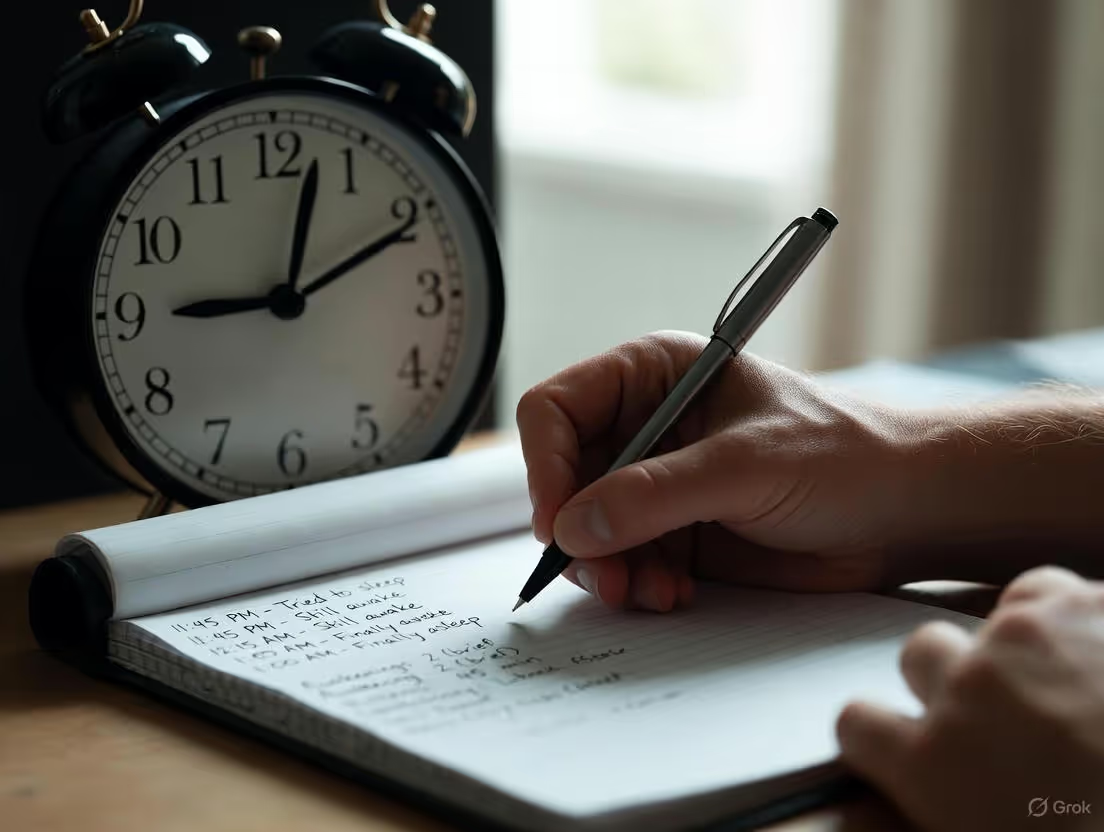
To recognize when your sleep pattern is broken, you must first understand the exquisite timekeeping system designed to keep it whole. Your circadian rhythm is an endogenous, self-sustaining 24-hour cycle that regulates not just sleep, but a symphony of biological processes: hormone release (cortisol, melatonin), body temperature, digestion, cellular repair, and gene expression. Think of it as the conductor of your body’s orchestra, ensuring every section comes in at the right time for a harmonious performance.
The master conductor resides in the SCN, a tiny region of the brain’s hypothalamus containing about 20,000 neurons. It sets the tempo based on the most powerful external cue, or zeitgeber (German for "time giver"): light. Specifically, blue-wavelength light detected by specialized cells in your eyes. At dawn, light signals the SCN to suppress melatonin (the sleep hormone) and trigger a rise in cortisol, awakening your body and mind. As dusk falls, darkness prompts the SCN to initiate melatonin production, lowering your core body temperature and priming you for sleep. This elegant light-dark feedback loop kept our ancestors perfectly synchronized with the natural world.
However, the modern environment is a constant assault on this system. We live in a state of "circadian chaos." Artificial lighting extends our perceived day late into the night. The blue glow from smartphones, tablets, and laptops mimics noon sunlight, tricking your SCN into believing it’s daytime. Shift work, social jet lag (the difference between sleep schedules on workdays and free days), and erratic meal times send conflicting signals. When you force your body to be awake during its biological night, or sleep during its biological day, you create a state of circadian misalignment. The conductor is trying to lead a waltz while the orchestra is playing a frenetic jazz solo. The music that follows is discordant and damaging.
The consequences of a mistimed clock are systemic. A study published in The New England Journal of Medicine links chronic circadian disruption to increased risks for cardiovascular disease, diabetes, obesity, and certain cancers. Why? Because the timing of processes matters as much as the processes themselves. Insulin sensitivity, for example, is highest during your biological day and plummets at night. Eating a large meal late at night, when your pancreas is "asleep," places an immense strain on your metabolism. Similarly, blood pressure naturally dips at night; disrupting this dip is a known risk factor for hypertension. Your sleep pattern is the bedrock of this timing. It’s not just about sleep quality in a vacuum—it’s about sleep timing in the context of your body’s entire circadian architecture.
Some signs of a disrupted sleep pattern are glaringly obvious, the body’s equivalent of flashing hazard lights. We often dismiss them as the inevitable cost of a busy life, but they are critical diagnostic clues.
Persistent Daytime Fatigue and Sleepiness: This is the hallmark symptom. It’s not just feeling a little tired; it’s a profound, heavy fatigue that coffee can’t touch. You struggle to concentrate, your eyelids feel like weights, and the urge to nap is overpowering. This is your brain’s plea for the deep, restorative sleep it’s being denied. It indicates that either your total sleep time is insufficient, or the sleep you are getting is poor quality and non-restorative because your schedule prevents you from cycling properly through crucial stages like deep (N3) sleep.
Difficulty Falling Asleep or Waking Up: You lie in bed for more than 20-30 minutes, your mind racing, unable to switch off. This difficulty initiating sleep often points to a delayed circadian phase—your body isn’t ready for sleep at your desired bedtime because your melatonin rise has been pushed later. Conversely, waking up too early and being unable to fall back asleep can signal an advanced phase or high anxiety. Most critically, relying on an alarm clock to wake up is a major red flag. If you need a blaring, external shock to rouse you, it means you are likely being awoken from a deep sleep stage, interrupting a cycle. A body following its natural rhythm will typically wake spontaneously at the end of a sleep cycle, feeling refreshed.
Non-Restorative Sleep: The cruelest sign. You clock 7 or 8 hours in bed but wake up feeling unrefreshed, as if you never slept at all. This "sleep drunkenness" or grogginess (sleep inertia) that lasts well into the morning is a strong indicator of disrupted sleep architecture. You may be spending too much time in light sleep (N1/N2) and not enough in deep (N3) and REM sleep, which are essential for physical restoration and memory consolidation. This can happen with disorders like sleep apnea (which causes micro-awakenings) or simply from a misaligned schedule that fragments your sleep cycles.
Mood Swings and Irritability: The amygdala, the brain’s emotional center, goes into hyperdrive when sleep-deprived. A study from UC Berkeley found that sleep loss dampens the prefrontal cortex, which regulates emotions, leading to exaggerated emotional reactions. You may find yourself snapping at minor inconveniences, feeling unusually anxious, or sliding into a low mood. This isn’t just a personality flaw; it’s a neurological symptom of a brain deprived of the regulatory repair that occurs during proper sleep. For those looking to track how sleep impacts their daily resilience, many users of the Oxyzen smart ring note on our testimonials page how observing their sleep data has helped them correlate poor sleep nights with difficult emotional days.

Beyond the overt signs, a disrupted sleep pattern whispers through a host of subtle, often misattributed symptoms. These are the clues that your problem isn’t just "a bad night’s sleep" but a chronic pattern misalignment.
Cognitive Fog and Memory Lapses: You walk into a room and forget why. You struggle to find words, make careless mistakes, or feel like you’re thinking through molasses. Sleep, particularly REM sleep, is critical for memory consolidation and synaptic pruning—the process of clearing out neural clutter and strengthening important connections. Disrupted sleep, especially a lack of deep N3 sleep, impairs the brain’s glymphatic system, a waste-clearance process that flushes out neurotoxins like beta-amyloid (associated with Alzheimer’s). The fog is literal metabolic waste buildup in your brain.
Increased Appetite and Cravings: Ever notice how you crave pizza, pasta, and sugary snacks after a poor night’s sleep? This is biochemistry, not weak willpower. Sleep deprivation disrupts the hormones leptin and ghrelin. Leptin (the "satiety hormone") decreases, so you don’t feel full. Ghrelin (the "hunger hormone") increases, driving appetite. Furthermore, the brain’s reward centers become more reactive to high-calorie food images when sleep-deprived. You’re fighting a losing biological battle, where a misaligned sleep pattern directly fuels weight gain.
Weakened Immune Function and Frequent Sickness: You seem to catch every cold that goes around. Sleep and immunity are inextricably linked. During deep sleep, your body produces cytokines, proteins that target infection and inflammation. Chronic sleep disruption reduces the production of these protective cytokines and infection-fighting antibodies. Research shows that people who sleep less than 7 hours are almost three times more likely to develop a cold than those sleeping 8 hours or more. If you’re perpetually sniffling, your sleep schedule might be the culprit.
Decreased Libido and Hormonal Imbalance: For both men and women, sleep is essential for sex hormone production. In men, deep sleep is when testosterone is primarily released. Consistently poor sleep can significantly lower testosterone levels. In women, sleep disruption can exacerbate symptoms of PMS and menopause and disrupt the delicate balance of reproductive hormones. The resulting low energy and mood further dampen sexual desire, creating a frustrating cycle. This is a profound example of how a sleep pattern issue can affect core aspects of health and relationships. For more on how holistic tracking can illuminate these connections, our blog features articles on balancing hormones through lifestyle rhythm.
We are not passive victims of poor sleep; our environment and choices actively engineer it. Several pillars of modern life are fundamentally at odds with our biology.
The Blue Light Epidemic: Every digital screen emits significant amounts of blue light. When this hits the photoreceptive cells in your eyes after sunset, it signals "daytime" to your SCN, suppressing melatonin production by up to 85% in some studies. The result is a delayed sleep phase—your body isn’t ready for sleep until much later. Scrolling through social media in bed isn’t just a bad habit; it’s a direct pharmacological intervention delaying your sleep onset.
Social Jet Lag: Coined by sleep researcher Till Roenneberg, this refers to the shift in sleep timing between workdays and free days. If you force yourself up at 6 AM for work during the week but naturally drift to a 1 AM–10 AM schedule on weekends, you’re essentially traveling across multiple time zones every weekend. This constant weekly reset confuses your circadian clock, leading to a state of perpetual mild jet lag, with its associated fatigue and cognitive impairment every Monday.
Irregular Work and Meal Times: The body’s peripheral clocks (in the liver, gut, etc.) take their primary cue from the master clock in the brain, but they are also powerfully reset by food intake. Erratic eating patterns, especially late-night meals or snacking, send timing signals that conflict with the SCN’s light-based schedule. Similarly, shift work, which forces wakefulness during the biological night, is classified as a probable carcinogen by the WHO due to the severe circadian disruption it causes.
Caffeine and Alcohol Misuse: Caffeine has a half-life of 5-6 hours. That afternoon coffee can significantly disrupt sleep onset and architecture hours later. Alcohol, while sedating initially, is a potent REM sleep suppressant. It fragments the second half of your sleep, leading to frequent awakenings and robbing you of crucial dream sleep. Using these substances to manage energy or induce sleep often worsens the underlying pattern disruption.
Allowing sleep pattern disruption to become chronic is like ignoring a slow leak in a dam. The initial seepage seems manageable until the structural integrity fails. The long-term health consequences are severe and well-documented.
Metabolic Mayhem: Weight Gain and Diabetes Risk: Circadian misalignment directly impairs glucose metabolism and insulin sensitivity. When you eat during your biological night, your pancreas struggles to secrete adequate insulin, and your cells become resistant to its effects. This leads to elevated blood sugar and, over time, significantly increases the risk for Type 2 diabetes. The concomitant hormonal disruption of leptin and ghrelin, as mentioned, promotes overeating and fat storage, particularly visceral fat.
Cardiovascular Strain: Your cardiovascular system expects a nocturnal dip in heart rate and blood pressure. Chronic sleep disruption, particularly short sleep duration, blunts this dip, forcing your heart and vessels to work under higher pressure 24/7. This is associated with hypertension, increased inflammation, arterial stiffness, and a dramatically higher risk of heart attack and stroke. One analysis found that short sleepers have a 48% increased risk of developing or dying from coronary heart disease.
Mental Health Vulnerabilities: The link between sleep and mental health is bidirectional and powerful. Chronic sleep disruption is a major risk factor for the development of depression, anxiety, and bipolar disorder. It creates a negative cognitive bias, making it harder to regulate emotions and more likely to interpret neutral events as threatening. The brain’s ability to process emotional memories and reset emotional reactivity overnight is severely compromised.
Accelerated Aging and Neurodegeneration: Telomeres, the protective caps on the ends of chromosomes, shorten with age. Chronic sleep deprivation accelerates this shortening, a biomarker of accelerated biological aging. Furthermore, the impaired clearance of neurotoxic waste during disrupted sleep allows proteins like beta-amyloid to accumulate, creating a fertile ground for neurodegenerative diseases like Alzheimer’s. In essence, a broken sleep pattern doesn’t just make you tired today; it may be fast-tracking cognitive decline for tomorrow.
Compromised Performance and Safety: The cognitive deficits from sleep loss—impaired attention, slower reaction time, poor judgment—are equivalent to being legally intoxicated. It’s a major factor in vehicular accidents and workplace errors. Beyond acute danger, it stifles creativity, problem-solving, and learning, diminishing your professional and personal potential.

Given the serious stakes, how can you become a better detective of your own sleep patterns? The answer lies in moving beyond subjective feelings ("I'm tired") to objective observation. Your body provides a continuous stream of biometric data that tells the true story of your circadian health.
Track Your Natural Energy Peaks and Troughs: For one week, note the times you feel most alert and productive (often late morning and early evening for most) and when you experience significant energy slumps (commonly mid-afternoon, the "post-lunch dip," and late at night). A healthy, aligned rhythm has predictable, moderate fluctuations. Wild, unpredictable swings or a constant low-grade fatigue suggest disruption.
Monitor Your Waking Physiology: Take your temperature first thing in the morning. Core body temperature follows a circadian rhythm, reaching its nadir about two hours before your natural wake time and rising thereafter. A consistently low morning temperature might indicate a delayed phase or poor sleep quality. Also, note your resting heart rate upon waking. A elevated RHR can be a sign of physiological stress, including recovery from poor sleep or an underlying sleep disorder like apnea.
Journal Your Sleep & Wake Behaviors: A simple sleep diary can reveal patterns. Note bedtime, estimated sleep onset, nighttime awakenings, final wake time, and subjective sleep quality. Also log factors like evening alcohol/caffeine, screen use, stress levels, and meals. Over time, you’ll see the correlations that sabotage your sleep. For a deeper dive into methodologies like this, learn more about how structured tracking forms the foundation of insight.
Understand Your Chronotype: Are you a natural early bird (lark), a night owl, or somewhere in between (hummingbird)? Your chronotype is genetically influenced and dictates your ideal window for sleep and peak productivity. Fighting against your chronotype—forcing a night owl into a 5 AM gym routine—is a recipe for chronic misalignment and misery. The goal is to harmonize your schedule with your innate predisposition as much as life allows.
While self-observation is powerful, human perception is flawed and subjective. We are notoriously bad at estimating how long it takes us to fall asleep or how many times we wake up. This is where wearable technology has been a game-changer, providing an objective, data-driven window into our nocturnal lives.
From Step Counters to Sleep Labs: Early fitness trackers made crude guesses about sleep based on movement. Modern devices, especially those worn on the finger like smart rings, represent a quantum leap. They utilize medical-grade sensors—including photoplethysmography (PPG) for heart rate and heart rate variability (HRV), accelerometers for movement, and skin temperature sensors—to paint a high-resolution picture of your sleep architecture and circadian rhythm.
What Advanced Tracking Measures:
This data transforms vague feelings into actionable insights. You can see, for example, that on nights you have alcohol, your Deep sleep plummets and your resting heart rate spikes. Or that when you use your phone after 10 PM, your sleep latency doubles. For a comprehensive look at the specific metrics and technology behind this, you can explore our detailed FAQ.

Among wearables, the smart ring form factor is uniquely positioned for sleep and circadian tracking. Worn on the finger, it addresses the major limitations of wrist-based devices and smartwatches.
The Unobtrusive Form Factor: Unlike a watch, a ring doesn’t press against the wrist bone during sleep, eliminating discomfort that can itself disrupt sleep. It’s lightweight and secure, providing consistent sensor contact without the need for a tight band. You can forget you’re wearing it, which is the ideal scenario for capturing natural, unaffected data.
Superior Accuracy for Nocturnal Biometrics: The vascular richness of the finger provides a stronger, cleaner PPG signal for heart rate and HRV measurement compared to the wrist, especially during the low-perfusion states common in sleep. This leads to more reliable sleep stage scoring and recovery metrics. The finger is also an excellent site for measuring longitudinal temperature trends.
Continuous, Comprehensive Monitoring: A smart ring isn’t just a sleep tracker; it’s a 24/7 health monitor. It tracks your activity, daytime heart rate, and stress responses, providing context for your nighttime data. This holistic view is crucial. It can show how a stressful day led to a high-stress score and subsequently poor sleep, or how a day of inactivity resulted in restless sleep. The ring becomes a central hub for your circadian and overall wellness data. To understand the philosophy behind creating such a seamless, human-centric device, you can read our story.
With a device like a smart ring generating data, the next step is interpretation. What does the data actually mean, and what patterns should alert you? Here are the key metrics that scream "schedule disruption."
Consistently Low Sleep Scores: Most platforms provide a composite sleep score. While the exact algorithm varies, it typically weights duration, efficiency, and stages. A chronically low score is your first major flag to investigate.
Prolonged Sleep Latency: Regularly taking more than 20-30 minutes to fall asleep suggests your bedtime is out of sync with your circadian-driven melatonin release. It’s a classic sign of delayed phase or excessive evening stimulation.
Poor Sleep Efficiency: Efficiency below 85% is a concern. It means you’re tossing, turning, or awake for a significant portion of your time in bed. This could be due to stress, an uncomfortable environment, sleep apnea, or a schedule that doesn’t match your sleep drive.
Insufficient Deep & REM Sleep: While needs vary, adults generally need about 1.5-2 hours of Deep sleep and 1.5-2 hours of REM sleep per night. Consistently falling short in these crucial stages, even with adequate total sleep, points to fragmentation or misalignment preventing you from completing full, healthy cycles.
Elevated Nighttime Resting Heart Rate: Your RHR should drop significantly below your daytime average. If your sleeping RHR is within 5-10 beats of your daytime resting rate, it’s a sign your sympathetic nervous system (fight-or-flight) is still activated, preventing true restoration. This is common with stress, late exercise, or circadian disruption.
Erratic HRV Trends: Heart Rate Variability is a measure of your nervous system’s flexibility and resilience. It should follow a relatively predictable circadian pattern and generally trend upward with good recovery. A consistently low or wildly fluctuating HRV trendline indicates your body is under chronic stress and struggling to adapt, often a consequence of poor sleep patterning.
Irregular Temperature Curve: Your wearable may show your skin temperature trend. A healthy pattern shows a clear rise as you prepare for sleep and a drop during the night. A flat, erratic, or inverted curve can signal circadian misalignment or poor sleep initiation.
Identifying the problem is 80% of the solution. Once you have data confirming a disrupted pattern, you can move from guesswork to targeted action. The goal of "circadian hygiene" is to strengthen the zeitgebers that reset your clock and weaken those that disrupt it.
Harness Light Like Medicine: Light is your most powerful tool. Seek bright, ideally natural, light exposure first thing in the morning for at least 20-30 minutes. This triggers the cortisol awakening response and firmly sets your circadian phase for the day. Conversely, become militant about minimizing blue light after sunset. Use device night modes, consider blue-blocking glasses, and dim overhead lights. In the hour before bed, aim for candlelight or low, warm lamps.
Anchor Your Schedule: Consistent Wake Time is King: While consistent bedtime is good, a consistent wake time is the non-negotiable anchor for your circadian rhythm. Even on weekends, try to wake within 60 minutes of your weekday time. This regularity gives your SCN the consistent signal it needs to stabilize its cycle. Your bedtime will eventually regulate itself around this fixed wake time.
Time Your Eating Window: Practice time-restricted eating, confining all caloric intake to a consistent 10-12 hour window during the day (e.g., 8 AM to 7 PM). This synchronizes your peripheral organ clocks and prevents the metabolic confusion of late-night digestion. Avoid large meals within 3 hours of bedtime.
Craft a Wind-Down Ritual: Your brain needs a signal to transition from alertness to sleep. Create a 60-minute buffer zone before bed. This ritual could include gentle stretching, reading a physical book (not a tablet), listening to calm music, taking a warm bath (the subsequent drop in body temperature aids sleep), or practicing mindfulness meditation. The ritual itself is less important than its consistency and its exclusion of stimulating inputs. For a wealth of ideas on crafting effective evening routines, our blog is a dedicated resource for science-backed wellness strategies.
Optimize Your Sleep Sanctuary: Your bedroom environment must support your biological needs. It should be cool (around 65°F or 18°C), completely dark (use blackout curtains and cover LED lights), and quiet (use a white noise machine if necessary). Your bed is for sleep and intimacy only—not for work, watching thrilling shows, or scrolling. This strengthens the mental association between bed and sleep.
Understanding that you need both good sleep quality and correct sleep timing requires a journey into the architecture of sleep itself. Sleep is not a monolithic state of unconsciousness; it's a meticulously choreographed cycle of distinct stages, each with a non-negotiable function. Disrupting the timing of your sleep doesn't just shorten the play—it scrambles the acts, leaving the story incomplete.
The Four-Stage Cycle: Throughout the night, your brain cycles through four stages: N1 (light sleep), N2 (deeper light sleep), N3 (deep slow-wave sleep), and REM (Rapid Eye Movement) sleep. A full cycle takes about 90-110 minutes, and a healthy night consists of 4-6 of these cycles. However, the composition of these cycles changes as the night progresses. The first half of the night is dominated by deep N3 sleep, which is crucial for physical restoration, immune function, and growth hormone release. The second half of the night features longer, more intense periods of REM sleep, which is essential for emotional processing, memory consolidation, and creativity.
The Critical Role of Sleep Pressure and Circadian Drive: Two primary forces govern your sleep: sleep-wake homeostasis (sleep pressure) and your circadian rhythm (alerting signal). Sleep pressure builds from the moment you wake up, like an increasing hunger for sleep. Your circadian rhythm acts as a counterbalance, providing a powerful alerting signal throughout the day that peaks in the early evening (the "forbidden zone" for sleep) before plunging to promote sleepiness at night. For ideal sleep, you need high sleep pressure and a low circadian alerting signal at your desired bedtime. A disrupted pattern—like napping too late or having an irregular schedule—dissipates sleep pressure at the wrong time or misaligns the circadian dip, making it impossible to fall asleep or maintain consolidated sleep.
The Penalty for Fragmented and Mis-Timed Sleep: When you go to bed too late, you often truncate the first sleep cycles, robbing yourself of that vital deep N3 sleep. When you wake up too early with an alarm, you are most likely cutting off a period of REM sleep. Social jet lag forces your brain to constantly readjust the timing of these cycles, so you may never spend enough uninterrupted time in any one stage to reap its benefits. This is why you can sleep for 8 hours from 3 AM to 11 AM and still feel awful—the stages are present, but their timing and proportion relative to your body's internal metabolic and hormonal rhythms are all wrong. The healing and restoration are out of phase.
The Hormonal Orchestra Conductor: Each sleep stage conducts a specific part of your hormonal symphony. Growth hormone, pivotal for tissue repair and muscle growth, is secreted in pulses during deep N3 sleep. Cortisol, which should be at its lowest at night, begins to rise in the early morning hours to prepare you for wakefulness. If you are awake during your biological night, cortisol remains abnormally elevated, contributing to insulin resistance and inflammation. Meanwhile, melatonin, which should be high at night, is suppressed. This hormonal cacophony is a direct result of mistimed sleep architecture. As we often discuss in our resources on holistic health, aligning these rhythms is foundational, a principle you can explore further on our about us page, which details our mission to harmonize technology with human biology.
That overwhelming wave of fatigue that hits between 2 PM and 4 PM is so universal it has its own name: the post-lunch dip. While a heavy meal can contribute, this phenomenon is primarily a circadian event. It represents a natural, mild drop in your core body temperature and a corresponding dip in alertness driven by your internal clock. In a well-aligned individual, this dip is modest and manageable. But when your sleep pattern is disrupted, the afternoon crash becomes a debilitating collapse.
Circadian Rhythms and the Biphasic Pattern: Some sleep researchers propose that humans have a natural biphasic sleep tendency—a long period at night and a shorter period of siesta in the early afternoon. The afternoon circadian dip is the physiological signature of this tendency. In a sleep-deprived or misaligned state, your brain seizes this natural lull to demand the sleep it missed, resulting in an almost irresistible urge to nap.
Distinguishing a Normal Dip from a Disruption Crash: A normal dip might involve feeling slightly less focused or a fleeting desire for a coffee. A disruption crash is characterized by:
If your afternoon crash regularly feels catastrophic, it is a glaring indicator that your prior night's sleep (or chronic sleep debt) was insufficient or poorly timed. Your body is attempting to force a correction.
The Vicious Cycle of Caffeine and Carb Cravings: The standard response to the crash—a sugary snack and a caffeinated beverage—often worsens the underlying sleep problem. The sugar spike leads to an insulin crash later, exacerbating energy instability. The afternoon caffeine, with its long half-life, can linger in your system for up to 10 hours, antagonizing adenosine receptors and making it harder to build sufficient sleep pressure by bedtime. This sets you up for another night of poor or delayed sleep, which guarantees an even worse crash tomorrow. Breaking this cycle requires addressing the root cause: your sleep schedule.
Strategic Management vs. Surrender: Instead of fighting the dip with stimulants, you can work with it. If possible, a short, strategic power nap of 10-20 minutes before 3 PM can provide remarkable rejuvenation without entering deep sleep, which can cause grogginess. If napping isn't feasible, exposure to bright light (a walk outside), light physical movement (a brisk walk or some stretches), or a protein-rich snack (like nuts or yogurt) can provide a more stable energy lift by gently nudging your circadian system without sabotaging the coming night.
The link between a disrupted sleep pattern and emotional volatility is not anecdotal; it is structural and chemical. The brain regions that govern emotional regulation are exceptionally sensitive to sleep deprivation and circadian misalignment. When your schedule is off, you're not just tired—you're operating with a neurologically compromised ability to manage your inner world.
The Amygdala Hijack: The amygdala, your brain's threat detection center, becomes hyper-reactive on insufficient sleep. Functional MRI studies show it lights up 60% more intensely in response to negative images in sleep-deprived individuals compared to those who are rested. Simultaneously, the connection between the amygdala and the prefrontal cortex (PFC)—the rational, executive-control region that acts as the amygdala's brake—becomes weakened. The result is a brain primed for overreaction, anxiety, and negative bias. You're emotionally raw, perceiving threats where none exist and struggling to apply reason to your feelings.
REM Sleep and Emotional "Therapy": REM sleep, often associated with vivid dreams, acts as a form of overnight therapy. During REM, stress-related neurotransmitters like norepinephrine are virtually shut off in the brain. In this neurochemically safe environment, the brain processes emotionally charged memories, stripping away their sharp, distressing edges and integrating them into general knowledge. When your sleep is disrupted or cut short, you miss this critical processing phase. Unprocessed emotional residue from the day accumulates, contributing to heightened anxiety, reactivity, and a sense of being emotionally overwhelmed. Chronic REM deprivation is a direct pathway to a mood disorder.
The Vicious Cycle with Anxiety and Depression: This becomes a self-reinforcing loop. Anxiety and rumination make it hard to fall asleep (increasing sleep latency) and can cause nighttime awakenings. This sleep disruption then worsens amygdala reactivity and emotional dysregulation the next day, fueling more anxiety. For depression, the link is equally strong. Insomnia is not just a symptom of depression; it is a major risk factor for its development and recurrence. Treating sleep pattern disruption is now considered a frontline, non-pharmacological intervention in managing both conditions.
Cognitive Consequences: Memory, Learning, and Creativity: Beyond mood, your cognitive faculties are starved by poor sleep timing. Memory consolidation—the process of transferring short-term memories into long-term storage—heavily depends on both deep N3 sleep (for declarative memory, like facts) and REM sleep (for procedural and emotional memory). Neuroplasticity, the brain's ability to form new neural connections, is also sleep-dependent. A misaligned sleep schedule that fragments these stages effectively cripples your ability to learn new skills and retain information. Furthermore, the diffuse, associative thinking that occurs during REM sleep is the bedrock of creativity and problem-solving. Disrupt your REM, and you disrupt your ability to connect disparate ideas and find innovative solutions.
One of the most profound yet overlooked connections in circadian science is the gut-sleep axis. You have a master clock in your brain, but you also have peripheral clocks in almost every organ, including your liver, pancreas, and gastrointestinal tract. These peripheral clocks take cues from the SCN, but they are also powerfully reset by food intake. What and when you eat doesn't just affect your waistline; it directly talks to your sleep-wake cycle.
The Peripheral Clock in Your Gut: The cells lining your gut have their own circadian rhythms, regulating digestive enzyme secretion, nutrient absorption, and gut motility. When you eat at consistent times during the day, you synchronize these peripheral clocks with your central clock. When you eat erratically, especially late at night, you send a powerful "it's daytime" signal to your gut and liver clocks, creating internal circadian dissonance. This misalignment can delay signals to the brain that it's time for rest.
The Microbiome's Role: Your gut microbiome, the trillions of bacteria residing in your intestines, also operates on a circadian rhythm. Different species flourish at different times of day. A healthy, diverse microbiome produces essential sleep-regulating neurotransmitters and their precursors. For example, gut bacteria are involved in the production of serotonin, over 90% of which is made in the gut. Serotonin is the direct precursor to melatonin. A disrupted sleep pattern and erratic eating can harm microbiome diversity, potentially reducing serotonin production and, by extension, melatonin synthesis.
Late-Night Eating: A Double Whammy: Consuming a large or heavy meal within 3 hours of bedtime forces your digestive system to work during its biological night, when it should be in a rest-and-repair mode. This not only causes discomfort (reflux, indigestion) that can physically disrupt sleep but also raises your core body temperature through the thermic effect of food. Since a drop in core temperature is a key signal for sleep onset, this can delay your ability to fall asleep. Furthermore, late-night eating, particularly of high-glycemic carbs, can cause blood sugar spikes and crashes during the night, leading to awakenings.
Strategic Nutrition for Sleep Alignment: To use food as a zeitgeber to support your rhythm:
Physical activity is a potent synchronizer for your circadian system, but its effects on sleep are exquisitely dependent on timing. Used correctly, exercise can be a cornerstone of circadian hygiene. Used haphazardly, it can become another source of disruption.
Exercise as a Circadian Signal: Moderate to vigorous aerobic exercise, particularly in the morning or afternoon, acts as a strong non-phormonal zeitgeber. It helps reinforce the day-night cycle by raising body temperature and releasing cortisol in a healthy, rhythmic pattern. The subsequent drop in temperature hours later can then promote sleepiness. Regular exercise is also proven to increase total sleep time and deepen slow-wave sleep.
The Dangers of Late-Night Exercise: High-intensity exercise (e.g., heavy weightlifting, HIIT, competitive sports) within 2-3 hours of bedtime can be problematic for sleep. It dramatically elevates core body temperature, stimulates the sympathetic nervous system (the "fight-or-flight" branch), and releases stimulants like adrenaline and cortisol. This creates a state of physiological arousal that is directly antagonistic to the wind-down process. While some individuals may adapt to it, for most, it leads to increased sleep latency and reduced sleep quality.
Finding Your Optimal Movement Window: The general consensus among sleep researchers is that the ideal time for intense exercise is in the late afternoon or early evening (e.g., finishing by 7 PM). At this time, your body temperature is naturally at its peak, so performance is optimal. The subsequent temperature decline aligns perfectly with the nocturnal drop. Morning exercise is also excellent, especially if done outdoors in natural light, as it combines two powerful zeitgebers (light and movement). Gentle, restorative movement like yoga, stretching, or walking in the evening can actually be beneficial, as it promotes relaxation without significant physiological arousal.
Listening to Your Biometric Feedback: This is where wearable data becomes invaluable. You can run personal experiments. Try a week of morning workouts and note your sleep latency, deep sleep, and resting heart rate at night. Then switch to evening workouts (finishing earlier) for a week and compare the data. The objective feedback from a device like the Oxyzen ring can tell you definitively how your body responds, moving you beyond generic advice to personalized insight. Many active users share on our testimonials page how tracking recovery metrics helped them optimize their workout timing for better sleep and performance.
For some, schedule disruption isn't a choice but a job requirement. Shift workers—those who work overnight, early morning, or rotating shifts—live in a state of profound circadian misalignment, fighting directly against their biology. Similarly, social obligations often pressure us into late nights that conflict with our optimal sleep window. Navigating these requires specialized strategies.
The Severe Impact of Shift Work: Shift work sleep disorder (SWSD) is a recognized condition. By forcing wakefulness during the biological night (when melatonin is high and alertness is low) and sleep during the biological day (when cortisol is rising and environmental light/noise are high), shift work disrupts every metric of health. The risks for cardiovascular disease, metabolic disorders, gastrointestinal issues, certain cancers, and mental health conditions are significantly elevated. The sleep obtained during the day is typically shorter and of poorer quality.
Strategic Countermeasures for Shift Workers: If shift work is non-negotiable, the goal is to manage misalignment, not cure it.
Managing "Social Jet Lag": For the non-shift worker, the weekend is the primary culprit. The key is damage control. Avoid drifting more than 60-90 minutes from your weekday sleep and wake times. If you do have a late night, prioritize getting morning light the next day to help reset your clock, and avoid the temptation to sleep in excessively. A short, early afternoon nap (20 minutes) is far better for recovery than a long, late sleep-in that will push your phase even later for Sunday night, creating the dreaded "Sunday night insomnia."
The Power of "No" and Prioritization: Ultimately, protecting your sleep pattern requires viewing it as a non-negotiable pillar of health, akin to nutrition or exercise. This may mean leaving a social event earlier, scheduling demanding activities outside of your wind-down window, or communicating your needs to friends and family. The short-term "FOMO" is far outweighed by the long-term benefits of stable energy, stable mood, and stable health.
In the quest to fix a disrupted sleep pattern, generic advice has limited utility. The magic lies in personalization: understanding your unique rhythms, your specific disruptors, and your individual responses to interventions. This is the frontier where advanced wearable technology transitions from a passive tracker to an active sleep coach.
From Data Dump to Actionable Insight: A ring like Oxyzen doesn't just collect data; its accompanying app algorithms analyze trends over time to identify your personal baselines and deviations. Instead of staring at isolated numbers, you get insights like: "Your resting heart rate was 8 bpm higher than your baseline last night, following an evening workout that ended less than 2 hours before bed," or "Your deep sleep percentage drops by an average of 40% on nights when your alcohol intake is more than 1 drink." This moves you from guessing to knowing.
Identifying Your Personal Triggers: With continuous monitoring, you can conduct scientifically valid n=1 experiments. The process is simple: change one variable at a time and observe the multi-day impact on your biometrics.
The ring provides the objective outcome measures, removing bias from your self-assessment. You become the scientist of your own sleep.
Tracking Progress Beyond Subjective Feelings: Motivation wanes when changes feel intangible. Biometric feedback provides concrete reinforcement. When you see your Sleep Score trend upward over a month, your HRV climbing (indicating better resilience), and your deep sleep graph showing more consistent blocks, you receive undeniable proof that your efforts are working. This positive reinforcement is critical for maintaining new, healthier habits. For those curious about the specific features and capabilities that enable this kind of coaching, our FAQ provides detailed answers.
The Future: Predictive Insights and Proactive Guidance: The next evolution of this technology is predictive analytics. By learning your patterns, a sophisticated system could eventually provide proactive nudges: *"Based on your elevated daytime stress levels and a late meeting on your calendar, consider a 20-minute wind-down ritual tonight to protect your sleep quality,"* or "Your data suggests you may be fighting off an illness; prioritize rest and hydration." This transforms the device from a historian of your health into a guardian of it. Our vision for this future is deeply intertwined with our story of creating technology that empowers proactive, rather than reactive, wellness.
Armed with knowledge and tools, it's time to build your rescue plan. This isn't about a rigid, overnight overhaul that is destined to fail. It's about strategic, incremental changes based on your data and lifestyle. Follow this framework to systematically resynchronize your rhythm.
Step 1: The Diagnostic Week (Baseline)
Do not change anything. For 7 days, wear your tracker consistently and live your normal life. Use a simple notes app or journal to log subjective feelings (energy, mood, cravings) alongside your daily choices (caffeine times, meals, exercise, screen use). At the end of the week, review the objective data from your ring and your subjective notes. Look for the glaring correlations. What patterns emerge on your worst sleep nights? What does your best sleep night of the week have in common? This is your diagnostic map.
Step 2: Prioritize Your Anchor – The Wake Time
Select a realistic, consistent wake time that you can maintain 7 days a week, within a 60-minute window. This is the single most important fix. Set an alarm for this time and get up, even if you slept poorly. Expose yourself to bright light immediately. This fixed anchor will, over days, begin to pull your bedtime and entire rhythm into place.
Step 3: Implement One "Light" Intervention
Choose ONE circadian hygiene intervention from your diagnostic insights. Don't try all five at once. Examples:
Practice this one change diligently for 7-10 days while maintaining your fixed wake time.
Step 4: Analyze and Add
After 7-10 days, review your data. Has your sleep latency improved? Is your sleep score trending up? If yes, that intervention is now a cemented habit. Now, add a second intervention, perhaps targeting another area like nutrition or exercise timing. For instance, if you fixed your screens, now aim to finish eating 3 hours before bed. Continue this cycle of "implement, analyze, cement, and add."
Step 5: Refine with Advanced Timing
Once the fundamentals are solid, you can refine based on your chronotype. If you're a natural night owl and must wake early, be extra militant about evening light avoidance and maximize morning light. If you're an early bird, protect your early bedtime and avoid late social engagements that cause drastic shifts. Use your wearable to find your personal sweet spot for exercise timing and meal timing.
Step 6: Build Resilience and Plan for Exceptions
Life happens. A sick child, a work deadline, a travel day, a celebratory night out. The goal isn't perfection; it's resilience. When an exception occurs, don't abandon the plan. Use your tools: get morning light the next day, maybe take a short nap, and gently return to your anchor schedule. The faster you return to rhythm, the less damage is done. For ongoing support and new ideas as you build this plan, our blog is continually updated with deep dives on each of these steps.
Identifying and fixing a broken sleep pattern is a monumental first step. However, the ultimate goal of modern wellness isn't just recovery—it's prevention. The true power of continuous biometric tracking lies in its ability to shift you from a reactive stance ("I feel terrible, what did I do wrong?") to a proactive one ("My data suggests I'm under stress; I need to protect my sleep tonight"). This paradigm transforms your relationship with your health from detective work to strategic management.
Establishing Your Personal Baselines: The first rule of proactive health is: you can't know what's abnormal if you don't know what's normal for you. Is a resting heart rate of 55 bpm good or bad? It depends. For a highly trained athlete, it might be high. For someone else, it might be a personal best. Over a period of consistent tracking (at least 2-4 weeks of stable routine), your device establishes your unique baselines for key metrics: average resting heart rate, heart rate variability (HRV) range, sleep stage distribution, and body temperature trend. These aren't numbers to chase; they are your personal fingerprint of health. Deviations from this fingerprint are your earliest warning signals.
The Early Warning System: HRV and Nighttime RHR: Two metrics stand out as supremely sensitive leading indicators: HRV and nighttime Resting Heart Rate (RHR). HRV measures the tiny variations in time between each heartbeat. A higher HRV generally indicates a more resilient, adaptable nervous system. A sudden, sustained drop in your HRV trendline is one of the earliest signs of impending strain—whether from physical overtraining, emotional stress, or an oncoming illness. Similarly, a spike in your nighttime RHR above your baseline, when you should be most at rest, is a red flare indicating your body is working harder to recover. Spotting these trends allows you to act before you feel symptoms or see a drop in sleep quality.
Correlating Daytime Stress with Nocturnal Recovery: Modern wearables don't just track sleep; they provide a 24/7 picture. Many can provide a "stress" or "readiness" score based on your daytime HRV and activity. The crucial insight comes from connecting the dots: Did a high-stress workday lead to a fragmented sleep with elevated RHR? Did a day of poor food choices result in less deep sleep? By seeing these cause-and-effect chains clearly in your data, you can make informed decisions. If your daytime data shows high stress, you know to prioritize a longer wind-down ritual, even if you feel fine. This is the essence of proactive, data-driven self-care. Understanding this holistic approach is central to the mission you can read about on our about us page.
Predictive Nudges and Lifestyle Adjustment: The future of this technology is in gentle, predictive guidance. Imagine receiving a notification at 5 PM: "Your recovery data is lower than usual today. Consider a lighter evening workout or an extra 30 minutes of sleep tonight." Or a reminder on a Friday: "Your data shows a pattern of social jet lag. Try to keep your weekend wake time within an hour of your weekday anchor." This isn't about creating anxiety over metrics; it's about leveraging subtle, timely nudges to keep your system in its optimal zone, preventing the massive disruptions that require major overhauls to fix.
One of the most acute assaults on your circadian rhythm is long-distance travel across time zones. "Jet lag" is the textbook example of forced circadian misalignment, where your internal clock is stuck in your origin city while your body is in a new light-dark cycle. The symptoms—crushing fatigue, insomnia, brain fog, and gastrointestinal distress—are the direct result of your master and peripheral clocks being out of sync with each other and the environment. However, with a strategic plan, you can minimize the suffering and adapt faster.
Pre-Flight Preparation: The Phase-Shift Strategy
The battle against jet lag begins before you board the plane. Your goal is to gently shift your circadian phase in the direction of your destination.
This pre-shifting, even by just an hour or two, significantly reduces the shock to your system upon arrival.
In-Flight Tactics: Control Your Micro-Environment
The airplane cabin is a circadian nightmare: dry, pressurized, artificially lit, and serving food at bizarre times. Seize control where you can.
The Golden Rule Upon Arrival: Light is Your Drug
Light exposure is your single most powerful tool for resetting your clock. Get it right, and you recover in days. Get it wrong, and you prolong the agony.
Using Your Wearable as a Jet Lag Coach: Your smart ring is invaluable during travel. It will objectively show you the disruption: elevated RHR, plummeting HRV, fragmented sleep. More importantly, it will show your recovery. You can see how quickly your nighttime RHR returns to baseline or how your sleep stages reorganize to the new local night. This data can guide you: if your deep sleep is still minimal after three nights, you know you need to be more aggressive with your light strategy or allow for a short strategic nap. For a collection of real-world travel recovery stories and tips, our community often shares their experiences on the testimonials page.
Your sleep pattern is not static. From infancy to old age, the architecture, timing, and circadian drive of sleep undergo profound transformations. Recognizing these natural shifts is crucial to avoid pathologizing normal changes and to adapt your expectations and habits accordingly.
Adolescence and the Great Phase Delay: The teenage tendency to stay up late and sleep in is not (just) rebellion; it's biology. During puberty, the circadian rhythm undergoes a natural phase delay. The melatonin surge happens later at night, making it physiologically difficult for teens to fall asleep before 11 PM or even midnight. Compounded by early school start times, this creates a state of chronic sleep deprivation, impacting learning, mood, and risk-taking behavior. The solution isn't simply "go to bed earlier," but rather advocating for later school start times, encouraging morning light, and minimizing evening screen light to support their shifted biology.
Adulthood: The Squeeze of Responsibility: In early and mid-adulthood, social and professional demands often clash with biological needs. The natural circadian rhythm remains relatively stable, but sleep time is often sacrificed for work, family, or social life. This is the stage where "sleep debt" accumulates insidiously. Sleep architecture begins a very gradual shift, with a slow decrease in the percentage of deep N3 sleep. Stress management and deliberate protection of sleep hygiene become paramount to maintain performance and health.
Pregnancy and Postpartum: Hormonal Hijacking: Pregnancy brings dramatic, temporary changes to sleep. The first trimester is often marked by profound fatigue and increased need for sleep due to soaring progesterone. The third trimester brings physical discomfort, frequent urination, and restless legs, leading to severe fragmentation. After birth, the new parent's sleep is ruled by the infant's arrhythmic needs, creating perhaps the most extreme circadian disruption of adult life. Survival here depends on sleeping when the baby sleeps, sharing nighttime duties with a partner, and understanding that this is a temporary, albeit brutal, season. The return of a predictable rhythm is a key milestone in postpartum recovery.
Menopause and Andropause: The Hormonal Shift: The perimenopausal transition for women is frequently accompanied by severe sleep disturbances. Hot flashes and night sweats (vasomotor symptoms) cause repeated awakenings. The decline in estrogen and progesterone can also increase vulnerability to insomnia and sleep-disordered breathing. In men, a gradual decline in testosterone with age can reduce sleep quality and decrease the amount of restorative deep sleep. For both sexes, this stage requires renewed focus on circadian hygiene (cool bedrooms are essential), stress reduction, and potentially seeking hormonal or other medical interventions to reclaim rest.
The Aging Clock: Advanced Phase and Fragmentation: As we enter our later years (65+), several key changes occur. There is a phase advance—the circadian clock shifts earlier, leading to earlier evening sleepiness and earlier morning awakening. The consolidation of sleep also weakens; sleep becomes more fragmented with more frequent and longer nighttime awakenings. The proportion of deep N3 sleep continues to decrease. While some of this is normal, excessive fragmentation can diminish quality of life. Strategies for healthy aging sleep include maximizing daytime light exposure to strengthen the circadian signal, increasing daytime physical activity to build sleep pressure, and accepting a slightly shorter total sleep time as potentially normal if one feels rested.
For those who have mastered the fundamentals of sleep hygiene but still struggle with stubborn misalignment or seek optimal performance, a deeper tier of strategies exists. These advanced techniques work with finer aspects of your physiology to fine-tune your rhythm.
Temperature Manipulation: Your core body temperature cycle is a primary circadian output and a direct driver of sleepiness. You can leverage this.
Strategic Supplementation (with Caution): Certain supplements can support circadian alignment when used correctly, but they are tools, not crutches. Always consult a healthcare professional before starting any supplement regimen.
Chronotype-Specific Scheduling (Chronotherapy): This involves structuring your entire day—not just sleep—around your innate biological preference.
Digital Fasting and Electromagnetic Hygiene: An emerging area of interest is the impact of artificial electromagnetic fields (EMFs) from our Wi-Fi routers, smartphones, and power lines. While the science is not conclusive, some individuals report improved sleep quality by:
It is critical to understand that not all sleep pattern disruption is caused by poor habits or lifestyle misalignment. Sometimes, it is a symptom of an underlying medical sleep disorder. Your diligent efforts at sleep hygiene will fail if you are battling one of these conditions. Recognizing the red flags that point beyond circadian disruption is essential for seeking appropriate help.
Insomnia Disorder: This is not just having trouble sleeping for a night or two. Chronic insomnia is defined as difficulty falling asleep, staying asleep, or waking too early—occurring at least three nights per week for three months—despite adequate opportunity for sleep, and causing significant daytime impairment. It often becomes a self-perpetuating cycle of anxiety about sleep itself. If consistent sleep hygiene and stress management yield no improvement after several weeks, cognitive behavioral therapy for insomnia (CBT-I) is the gold-standard, first-line treatment and is highly effective.
Sleep Apnea: This is a potentially serious disorder where breathing repeatedly stops and starts during sleep. The most common type, obstructive sleep apnea (OSA), occurs when throat muscles relax and block the airway. Key signs include:
Restless Legs Syndrome (RLS): This neurological sensorimotor disorder creates an irresistible, uncomfortable urge to move the legs, usually in the evening or when at rest. The sensations are often described as creeping, crawling, or tingling. Movement provides temporary relief. RLS can severely delay sleep onset. It has a genetic component and is associated with iron deficiency. Treatment involves addressing underlying deficiencies and/or medication.
Circadian Rhythm Sleep-Wake Disorders (CRSWDs): These are formal diagnoses where the misalignment is extreme and intrinsic.
The Role of Your Wearable in Screening: A device like the Oxyzen ring can provide powerful clues that point toward a disorder. Consistently low blood oxygen (SpO2) readings with movement could suggest sleep apnea. A sleep graph showing extreme fragmentation with dozens of awakenings, despite perfect hygiene, is a red flag. Extremely high and unvarying nighttime heart rate is another. This data can be invaluable to take to a sleep specialist, providing an objective record of what's happening in your home environment, as opposed to a single night in a lab. If you see persistent, unexplained patterns in your data, it may be time to consult the professionals, and you can learn more about next steps through our FAQ support resources.
Ultimately, fixing a disrupted sleep pattern is not a project with an end date. It is the adoption of a circadian-conscious lifestyle—a way of living that respects and reinforces your internal rhythms. This approach weaves healthy timing into the very fabric of your daily choices, creating a foundation for sustained energy and resilience.
Rhythmicity in All Things: The principle is consistency. Just as your master clock thrives on a regular light-dark cycle, your peripheral clocks thrive on regular cues.
Seasonal Adaptations: Your circadian system evolved to respond to changing day length. Honor this where possible. In the winter, when mornings are dark, you may need to use a light therapy lamp to simulate dawn. It’s natural to feel a need for slightly more sleep. In the summer, with long, bright evenings, be extra vigilant about evening light management to prevent a phase delay. Aligning with seasonal shifts, rather than fighting them with constant artificial light, can reduce seasonal mood changes.
Mindfulness and the Stress-Sleep Connection: Chronic stress activates the sympathetic nervous system and dysregulates the HPA axis (cortisol output), which directly interferes with circadian signals. Integrating a daily mindfulness or meditation practice—even 10 minutes—has been shown to lower cortisol, improve HRV, and reduce sleep-interfering rumination. This isn't just "mental"; it's a direct physiological intervention that calms the system trying to disrupt your rhythm.
Community and Environment: Your lifestyle doesn't exist in a vacuum. Advocate for circadian-friendly environments: dimmable, warmer lighting in workplaces and homes, later school start times for teens, and flexible work schedules that accommodate different chronotypes. Share your knowledge and data with family and friends. Creating a shared understanding makes it easier to maintain healthy habits, as explored in the community-focused narratives found in our story.
The Lifelong Payoff: A circadian-conscious lifestyle is an investment in your "healthspan"—the number of years you live in good health. It supports metabolic function, protects cardiovascular health, strengthens immunity, preserves cognitive function, and stabilizes mood. It turns your daily routine from a series of tasks into a rhythm that sustains you. By listening to the signs, using tools for insight, and making intentional choices, you move from being a victim of time to being in harmony with it.
Your Trusted Sleep Advocate: Sleep Foundation — https://www.sleepfoundation.org
Discover a digital archive of scholarly articles: NIH — https://www.ncbi.nlm.nih.gov/
39 million citations for biomedical literature :PubMed — https://pubmed.ncbi.nlm.nih.gov/
Experts at Harvard Health Publishing covering a variety of health topics — https://www.health.harvard.edu/blog/
Every life deserves world class care :Cleveland Clinic - https://my.clevelandclinic.org/health
Wearable technology and the future of predictive health monitoring :MIT Technology Review — https://www.technologyreview.com/
Dedicated to the well-being of all people and guided by science :World Health Organization — https://www.who.int/news-room/
Psychological science and knowledge to benefit society and improve lives. :APA — https://www.apa.org/monitor/
Cutting-edge insights on human longevity and peak performance:
Lifespan Research — https://www.lifespan.io/
Global authority on exercise physiology, sports performance, and human recovery:
American College of Sports Medicine — https://www.acsm.org/
Neuroscience-driven guidance for better focus, sleep, and mental clarity:
Stanford Human Performance Lab — https://humanperformance.stanford.edu/
Evidence-based psychology and mind–body wellness resources:
Mayo Clinic — https://www.mayoclinic.org/healthy-lifestyle/
Data-backed research on emotional wellbeing, stress biology, and resilience:
American Institute of Stress — https://www.stress.org/


