


Sleep Pattern Education: Teaching Kids Healthy Rhythms
Teaching kids healthy rhythms involves establishing consistent bedtimes, modeling good habits, and creating wind-down routines without screens.
Teaching kids healthy rhythms involves establishing consistent bedtimes, modeling good habits, and creating wind-down routines without screens.
%402x.svg)
Picture this: it’s 9:30 PM, and the battle of wills has begun. Your eight-year-old claims they’re not tired, despite the heavy lids and the yawn they just disguised as a sigh. Your teenager, whose phone glow is the only light in their room, insists they have “just one more” video to watch. The negotiations, the pleas, the eventual frustration—it’s a nightly ritual in millions of homes. We treat this as a parenting hurdle, a phase, a frustrating but normal part of family life. But what if we’ve been looking at it all wrong?
This isn’t just about getting kids to bed. This is about a silent, pervasive epidemic of circadian disruption that is fundamentally reshaping our children’s health, learning, and emotional futures. While we obsess over curriculum, extracurriculars, and screen time limits, we’ve overlooked the most critical performance-enhancing, health-protecting, and happiness-fostering “technology” available to us: the innate, biological rhythm of sleep.
The data is alarming, and it tells a story far more consequential than evening grumpiness. According to the American Academy of Pediatrics, chronic sleep loss in children is linked to a staggering array of issues: increased risks of obesity, depression, and hypertension; impaired memory, attention, and cognitive speed; and a weakened immune system. A study published in The Lancet found that sleep deprivation in adolescents can mimic symptoms of ADHD, leading to misdiagnoses and mismanagement. We are raising a generation operating in a permanent state of jet lag, and we’re wondering why anxiety, focus issues, and mood disorders are at an all-time high.
But here lies the profound opportunity. Sleep is not a passive state of “shutting down.” It is an active, architecturally complex process where memories are consolidated, growth hormones are secreted, neural pathways are pruned and strengthened, and the brain’s metabolic waste is cleared. It is the single most impactful thing we can “do” for our children’s developing brains and bodies every single day. Teaching a child healthy sleep patterns is not about enforcing a rigid rule—it’s about gifting them the literacy to understand their own biology. It’s Sleep Pattern Education.
This article is a deep dive into the science, strategy, and soul of this essential education. We will move beyond generic “get more sleep” advice and into the realm of rhythm, understanding the “why” behind the “when.” We’ll explore how our modern world hijacks natural sleep-wake cycles and provide a practical, phase-by-phase framework for building lifelong healthy sleep habits, from toddler to teen. Furthermore, we’ll examine how cutting-edge, unobtrusive technology, like the advanced sensors in a smart ring from Oxyzen, can move us from guesswork to granular insight, transforming sleep from a source of conflict into a collaborative journey of self-discovery and wellness.
This is not a quick-fix sleep training manual. It is a manifesto for a cultural shift—one where we prioritize rhythm as fiercely as we prioritize reading, where understanding one’s circadian health is as fundamental as understanding nutrition. The journey to better sleep for our kids begins with a wake-up call for us all. Let’s begin.
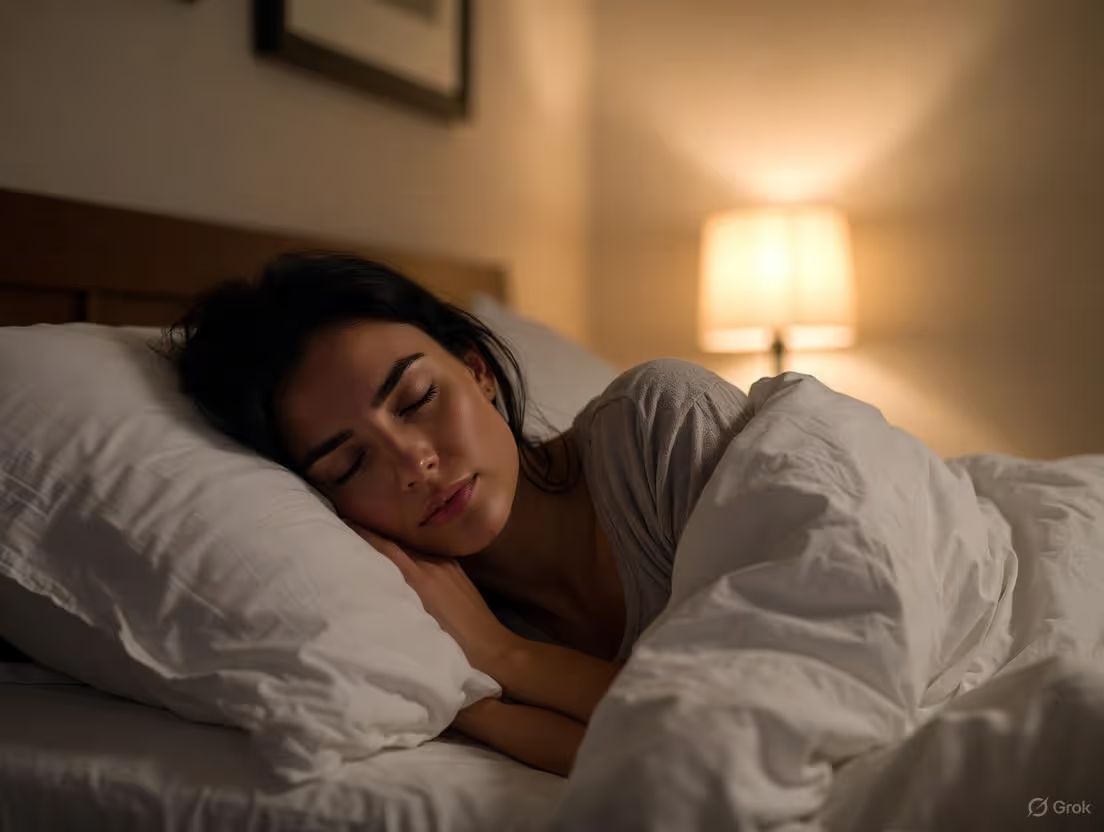
Before we can teach healthy rhythms, we must first understand what we’re architecting. Sleep is not a monolithic block of unconsciousness. It is a finely tuned, cyclical symphony of distinct stages, each with a critical purpose for a child’s development. Think of it as the brain’s essential overnight maintenance and renovation schedule.
A full sleep cycle, lasting about 90 minutes in adults and slightly shorter in children, consists of two primary types of sleep: Non-Rapid Eye Movement (NREM) and Rapid Eye Movement (REM). NREM sleep is further divided into three stages (N1, N2, N3), progressing from light to deep sleep.
Throughout the night, we cycle through these stages multiple times. The proportion of each stage shifts, with deep sleep dominating the first half of the night and REM sleep periods lengthening in the second half. For a child, missing the early sleep window can mean missing a critical pulse of growth-hormone-releasing deep sleep.
The developmental implications of this architecture are profound:
Understanding this architecture reframes our mission. It’s not just about “getting 10 hours.” It’s about protecting the quality and timing of sleep to ensure these vital processes can occur in their natural, optimal sequence. This foundational knowledge is the first lesson in Sleep Pattern Education: teaching kids (and parents) that sleep is productive. It’s when their body and brain do their most important work. For a deeper exploration of how technology can help visualize these stages, our blog features ongoing research into sleep architecture and wearable tracking.
If sleep stages are the instruments, the circadian rhythm is the conductor, orchestrating the timing of the entire 24-hour biological performance. This innate, approximately 24-hour cycle, governed by a master clock in the brain’s hypothalamus (the suprachiasmatic nucleus or SCN), regulates not just sleepiness and wakefulness, but also hormone release, body temperature, metabolism, and even gene expression.
The SCN is exquisitely sensitive to light, particularly blue-wavelength light. In a natural environment, morning sunlight signals the SCN to suppress the sleep hormone melatonin and ramp up cortisol for alertness. As daylight fades, the absence of light prompts the SCN to trigger melatonin production, ushering in sleepiness. This elegant system aligns our biology with the Earth’s rotation.
For children, a stable circadian rhythm is the bedrock of predictable sleep patterns, stable energy levels, balanced moods, and healthy appetites. When this rhythm is synchronized, bedtime resistance decreases because the child’s biology is primed for sleep. Wake-ups become more natural. The entire system hums with efficiency.
Our modern environment is a state of constant circadian warfare. We live in a sea of artificial light that bleeds into the evening, confusing the SCN’s ancient programming.
Sleep Pattern Education, therefore, must include “Circadian Hygiene.” This means teaching families to manage light exposure with the same intentionality we manage diet. It’s about seeking bright, natural light in the morning (even 15-20 minutes outdoors) and creating a gradual, deliberate dimming of lights as bedtime approaches. Understanding this internal conductor is the second major pillar of educating our children about their own sleep health. Companies dedicated to wellness technology, like Oxyzen, are built on this foundational science, aiming to provide tools that align with, rather than fight against, our innate biology.
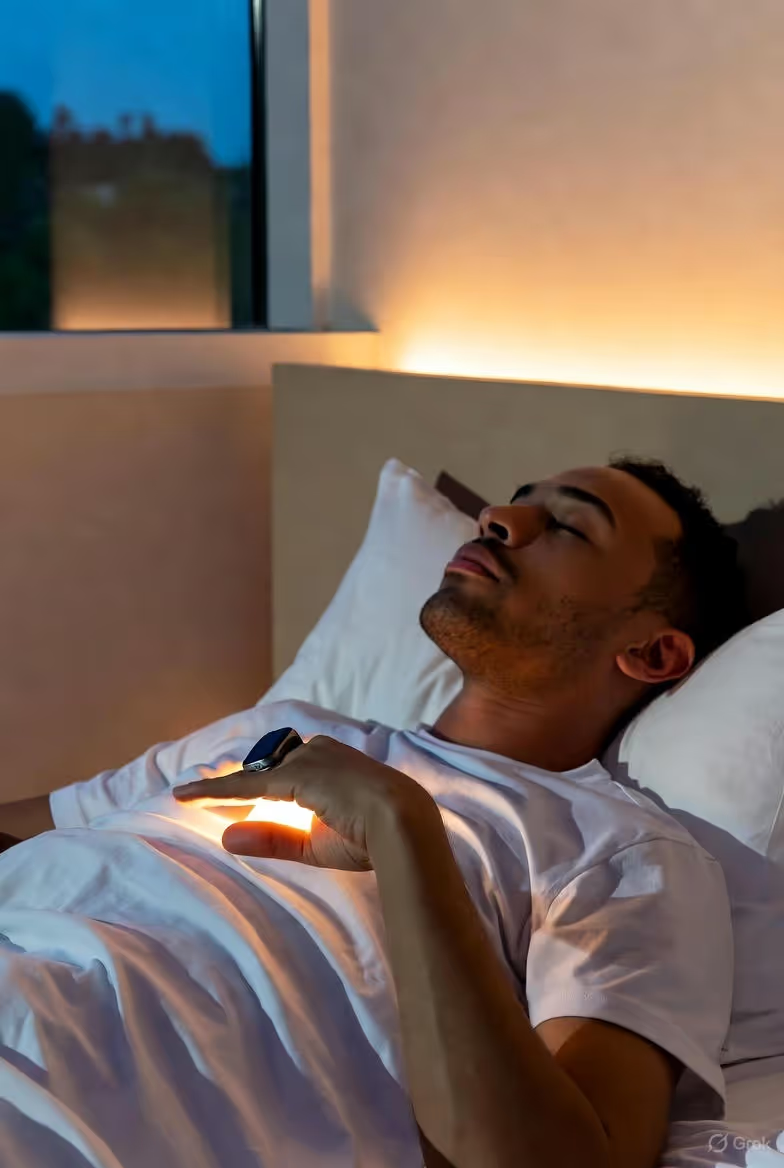
There is no one-size-fits-all sleep prescription. A child’s sleep needs, patterns, and challenges evolve dramatically as they grow. Effective Sleep Pattern Education is developmentally tailored, meeting the child where they are—biologically and psychologically.
In the first few months, sleep is chaotic, driven by the need for frequent feeding. The circadian rhythm begins to emerge around 2-4 months. This is the period for establishing the concept of rhythm, not rigid schedules. Key focuses include:
With the circadian rhythm now established, consistency is king. This age group thrives on predictability and begins to understand simple cause-and-effect.
Academic, social, and extracurricular demands increase. Bedtimes often creep later, while early school start times remain, creating a sleep deficit.
Teen sleep deprivation is often a moral failing. In reality, it’s a profound biological mismatch. During puberty, the circadian rhythm undergoes a well-documented phase delay—the melatonin surge happens later at night, making teens biologically predisposed to fall asleep later (often after 11 PM) and wake later (ideally after 8 AM). When this collides with early school start times, chronic sleep deprivation is virtually guaranteed.
Understanding this developmental blueprint allows parents and educators to set realistic expectations and deploy the right strategies at the right time. It transforms the conversation from arbitrary enforcement to collaborative, informed biology management. For more age-specific strategies and insights, our FAQ section addresses common challenges at every stage.
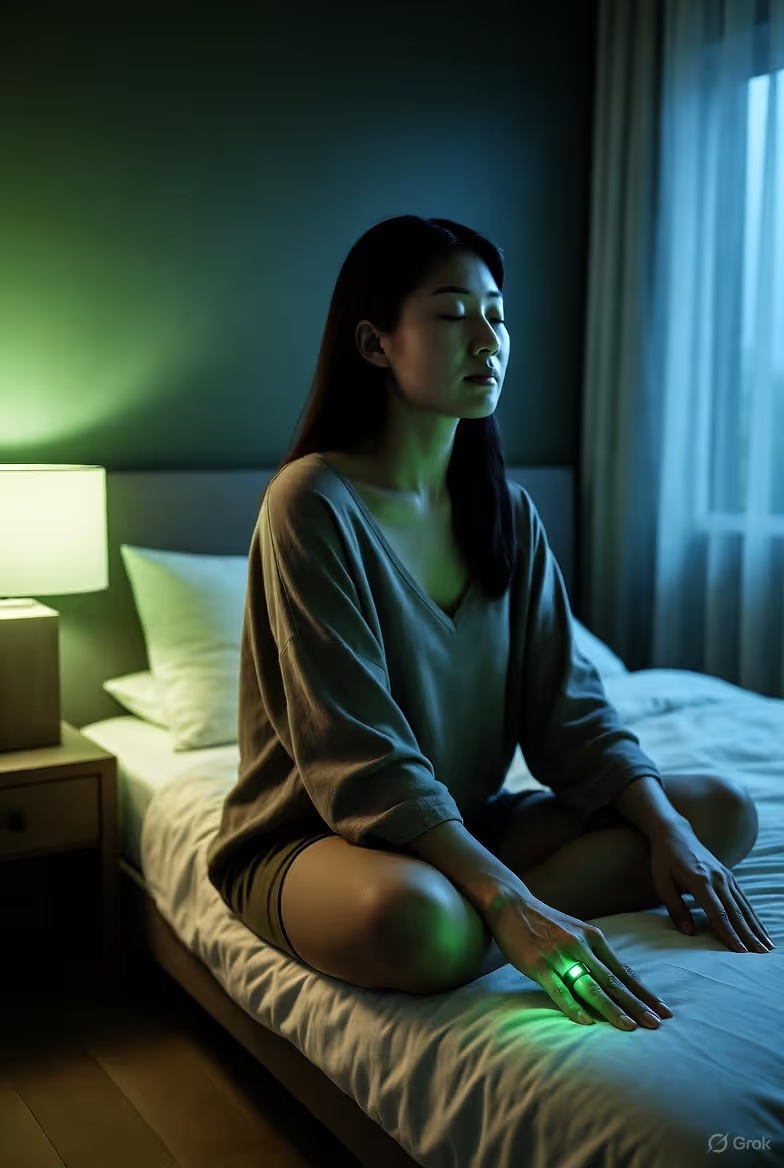
Armed with the “why” of sleep architecture and circadian science, we now turn to the actionable “how.” Sleep hygiene refers to the collection of daily habits and environmental optimizations that promote consistent, uninterrupted sleep. For children, these are not just rules but the tangible lessons of Sleep Pattern Education. Each pillar is a topic for discussion and practice.
This is the non-negotiable cornerstone. A consistent wake-up time and bedtime (even on weekends, within an hour) act like clockwork for the SCN, strengthening the circadian rhythm. Variability is the enemy of quality sleep. The routine should start with a consistent wake-up time, as this sets the cycle for the entire day.
A 30-60 minute pre-sleep routine is a series of calming cues that signal the brain’s transition from wake to sleep. It should be screen-free and consist of the same steps in the same order. For a young child: bath, pajamas, brush teeth, two books, cuddle, lights out. For a teen: gentle stretching, reading a physical book, listening to calm music, journaling. The ritual is a sacred buffer against the chaos of the day.
The bedroom environment must be engineered for sleep.
As discussed, this is circadian hygiene in action.
Teaching these pillars isn’t about dictating a list. It’s about collaboratively experimenting: “Let’s see how you feel if we try reading with this dim lamp instead of your tablet this week.” It’s about making them co-architects of their own sleep sanctuary. Real families have transformed their nights using these principles; you can read about their journeys in our collection of user testimonials.
Technology is often cast as the villain in the sleep story—and with good reason. But what if we could harness it as a powerful ally for education and insight? This is where the paradigm of Sleep Pattern Education truly evolves, moving from observation and guesswork to objective data and personalized feedback.
Asking a child, “How did you sleep?” is notoriously unreliable. “Fine” could mask multiple awakenings or restless legs. A parent’s perception of a child “sleeping like a rock” may not reveal the shallow, fragmented nature of that sleep. We need objective measures to truly understand the problem we’re trying to solve.
Fitness trackers and smartwatches brought sleep tracking to the masses, but they have limitations. Worn on the wrist, they can mistake stillness for sleep and are often bulky or uncomfortable for a child to wear nightly. This is where innovative form factors, like the smart ring, enter the scene.
A device like the Oxyzen smart ring represents a significant leap forward for sleep monitoring, especially for sleep pattern education. Its advantages are particularly relevant for children:
This is where technology transcends tracking and becomes a teaching tool. Imagine showing your teenager a chart that clearly illustrates how their heart rate remained elevated and their sleep was fragmented on the night they scrolled on their phone until midnight, compared to a deep, restorative sleep graph from a night they followed their “digital sunset” rule. The data provides undeniable, personalized evidence.
It shifts the conversation from:
To a collaborative investigation:
This objective feedback loop is the essence of modern Sleep Pattern Education. It empowers children with self-knowledge. They learn to connect their behaviors (late gaming, afternoon sports drink) with their physiological outcomes (restless sleep, low HRV). It turns sleep from a passive state into an active skill they can learn to optimize. To understand how this technology integrates into a holistic wellness philosophy, you can learn more about our mission and approach.
Even with perfect hygiene and a solid routine, sleep can be derailed by specific, common challenges. Addressing these effectively requires moving from punishment to problem-solving, viewing each disruptor as a puzzle to be solved with patience and science.
It’s crucial to distinguish between the two, as the response is different.
This is a common, developmentally normal issue often tied to deep sleep, a small bladder capacity, or delayed nighttime vasopressin (anti-diuretic hormone) production.
Children with RLS describe uncomfortable “creepy-crawly” sensations in their legs when trying to fall asleep, creating an irresistible urge to move.
For older children and teens, bedtime can be when the mental to-do list and social worries come roaring to the forefront.
In each case, the approach is the same: identify, educate, and strategize with the child. This builds resilience and self-efficacy, turning sleep challenges from sources of frustration into opportunities for mastering their own well-being. For a library of strategies on these and other sleep issues, our blog is continually updated with expert insights and family-tested tips.
Children do not sleep in a vacuum. They are embedded in a family ecosystem where parental sleep habits, stress levels, and evening routines set the invisible cultural norm. Sleep Pattern Education, therefore, must be a whole-family endeavor. The phrase “Do as I say, not as I do” holds zero power over a child’s developing brain, which is wired to mimic observed behavior.
Studies consistently show that children’s sleep problems are strongly correlated with parental sleep problems and parental insomnia. This link isn’t just genetic; it’s behavioral and environmental.
This involves intentional shifts in family practices and language:
When sleep health is a shared family value, enforced not through dictation but through shared practice, resistance melts away. The child internalizes the rhythm as part of their family identity. This cultural shift is the most powerful form of education. The team at Oxyzen understands this ecosystem approach, designing tools meant to support the wellness journey of the entire family unit, not just the individual.
For school-aged children and teens, perhaps the most compelling argument for sleep is its direct, undeniable impact on academic performance. Sleep is not time lost from studying; it is the essential final step in the studying process. Framing sleep as a cognitive performance enhancer can be a powerful motivator.
The process of learning follows a simple arc: Encoding → Consolidation → Recall.
A child who pulls an all-nighter may have encoded the information, but they have robbed their brain of the consolidation phase. The information is fragile and poorly organized, leading to that familiar “blanking out” under pressure.
Sleep deprivation disproportionately harms the prefrontal cortex, the home of executive functions. These are the skills essential for academic success:
A sleep-deprived child is not a lazy child; they are a child operating with a severely impaired neurological “CEO.” They may understand the material but cannot demonstrate it consistently due to attention lapses, poor organization, and emotional reactivity.
Meta-analyses of sleep and academic performance show clear trends:
Sleep Pattern Education in the academic context means teaching students this neuroscience. It means reframing a late-night study session as counterproductive. It means schools promoting sleep hygiene with the same vigor as they promote anti-bullying campaigns. It empowers the student with the knowledge that sometimes the most strategic thing they can do for their GPA is to close their book and go to sleep. For students and parents looking to optimize this brain-performance link, exploring tools that provide recovery data, like those offered by Oxyzen, can offer a clear picture of whether their habits are supporting or sabotaging their cognitive potential.
Beyond the report card, sleep is the single greatest regulator of a child’s emotional landscape. The link between sleep deprivation and behavioral issues is so strong that researchers often recommend assessing sleep before diagnosing disorders like ADHD or Oppositional Defiant Disorder.
The amygdala, the brain’s emotional alarm center, is hyper-reactive under conditions of sleep loss. Meanwhile, its connection to the rational, calming prefrontal cortex is weakened. This creates a perfect neurological storm for emotional dysregulation.
A well-rested child can experience frustration, get a cue from their prefrontal cortex, and use a coping strategy. A sleep-deprived child experiences the same frustration, but the signal goes straight to the overactive amygdala, triggering a fight-or-flight response: a tantrum, aggression, or meltdown. They are not being “bad”; they are, neurologically speaking, temporarily incapacitated.
Consider the diagnostic criteria for ADHD: difficulty sustaining attention, poor impulse control, forgetfulness, fidgeting, and emotional outbursts. Now, consider the symptoms of sleep deprivation: difficulty sustaining attention, poor impulse control, forgetfulness, fidgeting, and emotional outbursts. The overlap is staggering. A landmark study published in Pediatrics concluded that children with sleep-disordered breathing (which fragments sleep) were significantly more likely to be diagnosed with ADHD. When the sleep issue was treated (e.g., via tonsillectomy), the “ADHD” symptoms often dramatically improved or resolved.
Consistent, quality sleep acts as a daily reset for the emotional brain. It allows the brain to process and file away the emotional events of the day during REM sleep, reducing their visceral charge. It replenishes the neurotransmitters needed for mood stability.
Sleep Pattern Education, therefore, is a form of emotional intelligence training. We can teach children:
By prioritizing sleep, we are not just preventing meltdowns; we are actively building a more resilient, emotionally stable nervous system. This is perhaps the most profound gift of Sleep Pattern Education—the gift of emotional equilibrium. Real-world experiences of how improved sleep has transformed family dynamics are powerfully illustrated in the stories shared by our community.
While the principles of Sleep Pattern Education apply broadly, some children face additional, complex barriers to healthy sleep that require specialized knowledge and professional intervention. Recognizing when standard strategies are insufficient is a critical part of being an effective sleep educator.
Children with ADHD, Autism Spectrum Disorder (ASD), sensory processing differences, or anxiety disorders often have intrinsic sleep challenges.
Sometimes, poor sleep is a symptom, not the root cause.
It is time to seek help from a pediatrician or a pediatric sleep specialist if your child exhibits:
A professional can conduct a thorough evaluation, which may include a sleep study (polysomnography) to diagnose conditions like apnea or PLMD. Seeking help is not a failure of Sleep Pattern Education; it is its logical extension—using expert knowledge to address biological roadblocks. For families navigating these complex situations, our FAQ and support resources can provide guidance on initial steps and how technology can complement professional care.
We have laid the groundwork: the science of sleep architecture, the primacy of circadian rhythms, and the pillars of universal sleep hygiene. Now, we move from the general to the deeply personal. Sleep Pattern Education is not a rigid curriculum but a flexible framework to be co-created with each unique child. A one-size-fits-all approach is destined to fail because children are not algorithms; they are individuals with distinct temperaments, sensitivities, interests, and challenges. The art lies in adapting the science to fit the child, not forcing the child to fit a preconceived sleep mold.
The first step in personalization is observation. Parents and caregivers can become detectives, gathering clues about their child's inherent "sleep personality." Consider these spectrums:
By identifying these tendencies, you can tailor strategies to align with, rather than fight, their natural wiring. A plan that honors a child's temperament is met with less resistance because it feels intuitive to them.
Once you have a profile, involve the child in designing their plan. This transforms it from a parental decree into a shared project. The level of involvement scales with age.
The plan should be documented—a simple chart, a note in a phone, a family contract. Review it weekly, especially at first. What's working? What's a struggle? Tweak and adapt. The goal is progress, not perfection. This iterative, collaborative process is the heart of true education; it teaches problem-solving, self-awareness, and ownership over one's own well-being. For families looking for a tool to fuel these data-driven conversations, a device like the Oxyzen ring can provide the objective metrics that make self-experimentation clear and actionable.
Sleep does not exist in a biological silo. It is part of a holy trinity of wellness, deeply interconnected with nutrition and physical activity. Teaching children about these connections completes the picture of holistic health, showing how their daytime choices directly script their nighttime recovery.
What and when a child eats acts as a series of chemical signals to their circadian clock and sleep systems.
Physical activity is one of the most potent, research-backed promoters of sleep quality, particularly deep N3 sleep. But its effects are nuanced.
Educating children on this symbiosis empowers them to make choices that create a positive feedback loop: "I moved my body today, so I'll sleep deeper tonight. I slept deep, so I have more energy to move and focus tomorrow." It turns isolated habits into a coherent, self-reinforcing system of health. For more on optimizing these daily rhythms, our blog delves into the science of activity and recovery.
If there is one battlefront in modern Sleep Pattern Education, it is the digital landscape. Screens are not inherently evil; they are tools for connection, creativity, and learning. But in the context of sleep, their effects are almost universally antagonistic. A successful "digital detox" is not about elimination, but about strategic containment and conscious substitution.
While blue light suppression of melatonin is the most cited issue, screens disrupt sleep through two other, equally powerful channels:
The goal is to create a clear, predictable boundary between the digital world and the sleep sanctuary. This requires a family-wide policy, not a child-only rule.
Expect pushback, especially from teens. The strategy is consistent enforcement coupled with empathetic communication.
The digital detox is not about fostering a Luddite existence; it's about teaching digital literacy in its fullest sense—understanding not just how to use technology, but when and why to set it aside for the sake of our fundamental human biology. For parents seeking solidarity and shared strategies on this challenge, our community stories and testimonials often highlight this very journey.
The lessons of Sleep Pattern Education are not just for managing childhood behavior or boosting test scores. They are an investment in a child's lifelong health trajectory. The sleep habits formed in childhood and adolescence lay the neurological and physiological groundwork for health or disease decades later. This is the most compelling, long-view reason for prioritizing sleep education today.
Chronic sleep deprivation disrupts the delicate hormonal balance that regulates hunger and satiety.
By protecting sleep, we protect a child's metabolic set-point, reducing a significant risk factor for one of our most pressing public health crises.
Sleep is a cornerstone of immune function. During deep NREM sleep, the body produces cytokines, proteins that target infection and inflammation.
Teaching a child to prioritize sleep is literally teaching them to strengthen their body's defense system.
The adolescent brain is undergoing massive renovation, and sleep is the foreman of that project. Disrupting this process has severe long-term consequences.
Ultimately, the goal of Sleep Pattern Education is to internalize a core belief: Sleep is not wasted time; it is fundamental, productive, health-sustaining time. A child who grows up with this mindset enters adulthood not seeing sleep as the first thing to sacrifice for work or social life, but as the non-negotiable foundation upon which a successful, healthy, and fulfilling life is built.
They become adults who listen to their body's signals, who understand the value of rhythm, and who possess the self-regulation skills to maintain it. This is the true inheritance we can offer our children—not just good sleep tonight, but the knowledge and habits for a lifetime of wellness. Our company's mission at Oxyzen is rooted in this long-term vision, creating tools that support not just nightly tracking, but lifelong health literacy.
We have journeyed through the science, the challenges, and the profound importance of sleep. Now, we arrive at the moment of translation: turning this wealth of knowledge into a practical, living reality within your home. Implementation is where ideals meet the beautiful, chaotic reality of family life. The key is to start small, be consistent, and cultivate patience.
Before making changes, take a week to observe. Without judgment, document your family's current sleep reality. Use a simple notebook or notes app to track for each child (and yourselves):
Don't overhaul everything at once. That leads to overwhelm and abandonment. Based on your audit, identify the one change that would have the greatest ripple effect. This is your keystone habit. Examples:
Using the collaborative process outlined earlier, sit down as a family (or with each child) and design the new plan. Present it positively: "We learned all this cool stuff about how sleep makes us stronger, happier, and smarter. Let's try an experiment to help everyone sleep better!"
Here is where modern tools can provide motivation and objective feedback.
Designate a calm time (perhaps Sunday afternoon) for a 10-minute "Sleep Strategy Check-In." This is not a gripe session. It's a problem-solving meeting. Ask:
There will be bad nights. Holidays, illnesses, and special events will disrupt the routine. The mark of success is not perfection, but resilience. When a setback occurs, treat it as a temporary detour, not a total failure. Reset the next day with kindness and consistency. Say, "Last night was tough with the travel. Let's get back to our super-sleep routine tonight to help our bodies recover."
Remember, you are not just implementing a schedule; you are cultivating a culture—a family culture that values rest, rhythm, and self-care. This cultural shift takes time, but each peaceful evening, each well-rested morning, and each child who understands their own need for sleep is a profound victory. For ongoing support and fresh ideas as you implement your plan, remember that our blog is a continually updated resource for your family's wellness journey.
While the family home is the primary classroom for Sleep Pattern Education, its lessons must eventually extend into the wider world. Our children spend the majority of their waking hours in educational institutions, and the policies of these institutions can either support or sabotage their biological needs. The most glaring, evidence-based mismatch is the early start time for middle and high schools. Advocating for change in this arena is a critical application of sleep education, moving from personal habit to public health.
The biological phase delay in adolescents is not a preference; it is a physiological fact. Expecting a teenager to be alert, cognitively sharp, and emotionally regulated for a 7:30 AM class is akin to expecting an adult to perform at their peak at 4:30 AM. The data is unequivocal:
Despite the overwhelming evidence, systemic change is slow, often met with logistical and cultural arguments: after-school sports, bus schedules, parent work schedules, and the entrenched belief that early rising "builds character."
As parents and educators armed with sleep knowledge, advocacy involves moving the conversation from opinion to public health imperative.
Shifting school start times is a tangible way to tell our children that we respect their biology and are willing to change systems to support their health. It validates the Sleep Pattern Education they receive at home and applies it at a societal level. It signals that their well-being is a community priority.
As we look ahead, the role of technology in sleep education is poised to evolve from passive tracking to active guidance and personalized intervention. The future lies in devices and platforms that don't just tell us what happened, but help us understand why and suggest what to do next. This represents a shift from sleep monitoring to true sleep coaching, seamlessly integrated into daily life.
Future wellness wearables, like next-generation smart rings, will leverage more advanced sensors and AI to provide contextual, actionable insights.
The future smart sleep tool won't exist in isolation. It will be the hub of a connected wellness ecosystem.
This future is not about technology replacing parental intuition or medical expertise. It's about technology augmenting human care with a continuous stream of personalized, objective data. It turns sleep from a black box into a transparent, understandable system that children and families can learn to optimize together. Companies like Oxyzen are actively working towards this future, where technology serves as a compassionate guide in our health journey.
Our exploration of Sleep Pattern Education has taken us from the microscopic dance of neurotransmitters to the macro-level advocacy for systemic change. We have dissected the architecture of sleep, honored the supremacy of the circadian rhythm, and equipped ourselves with strategies for every age and challenge. We have acknowledged the role of technology as both disruptor and ally. Now, we arrive at the heart of the matter: the profound, lifelong impact of this endeavor.
Teaching a child healthy sleep rhythms is an act of profound love and foresight. It is a gift that extends far beyond peaceful evenings and easier mornings. It is the gift of:
When we prioritize sleep in our families, we create a ripple effect. We raise a generation less prone to burnout, more emotionally intelligent, and better equipped for focused work and deep play. We reduce the future burden on healthcare systems by laying a foundation for metabolic, immune, and mental health. We champion a cultural shift that values restoration as much as productivity, recognizing that true performance and creativity are born from a foundation of profound rest.
This is not a call for perfection. It is a call for intention. Start where you are. Use the knowledge in this article not as a rod for your own back, but as a map.
Observe. Adjust. Celebrate the small victories—the night without a battle, the morning where your teen emerges slightly less groggy, the moment your child says, "I'm going to read instead; I want to sleep good tonight."
You have the science. You have the strategies. You have the motivation—the health and happiness of your child. The journey of a thousand nights begins with a single, conscious choice to honor the rhythm. Let that choice be tonight.
Ready to move from insight to action? Explore how personalized data can illuminate your family's unique sleep story. Discover how Oxyzen's approach to holistic tracking can support your journey in teaching healthy rhythms, and join a community of families committed to waking up to a better tomorrow. For any questions as you begin, our comprehensive FAQ is here to help. The future of rest starts today.
Your Trusted Sleep Advocate: Sleep Foundation — https://www.sleepfoundation.org
Discover a digital archive of scholarly articles: NIH — https://www.ncbi.nlm.nih.gov/
39 million citations for biomedical literature :PubMed — https://pubmed.ncbi.nlm.nih.gov/
Experts at Harvard Health Publishing covering a variety of health topics — https://www.health.harvard.edu/blog/
Every life deserves world class care :Cleveland Clinic - https://my.clevelandclinic.org/health
Wearable technology and the future of predictive health monitoring :MIT Technology Review — https://www.technologyreview.com/
Dedicated to the well-being of all people and guided by science :World Health Organization — https://www.who.int/news-room/
Psychological science and knowledge to benefit society and improve lives. :APA — https://www.apa.org/monitor/
Cutting-edge insights on human longevity and peak performance:
Lifespan Research — https://www.lifespan.io/
Global authority on exercise physiology, sports performance, and human recovery:
American College of Sports Medicine — https://www.acsm.org/
Neuroscience-driven guidance for better focus, sleep, and mental clarity:
Stanford Human Performance Lab — https://humanperformance.stanford.edu/
Evidence-based psychology and mind–body wellness resources:
Mayo Clinic — https://www.mayoclinic.org/healthy-lifestyle/
Data-backed research on emotional wellbeing, stress biology, and resilience:
American Institute of Stress — https://www.stress.org/


