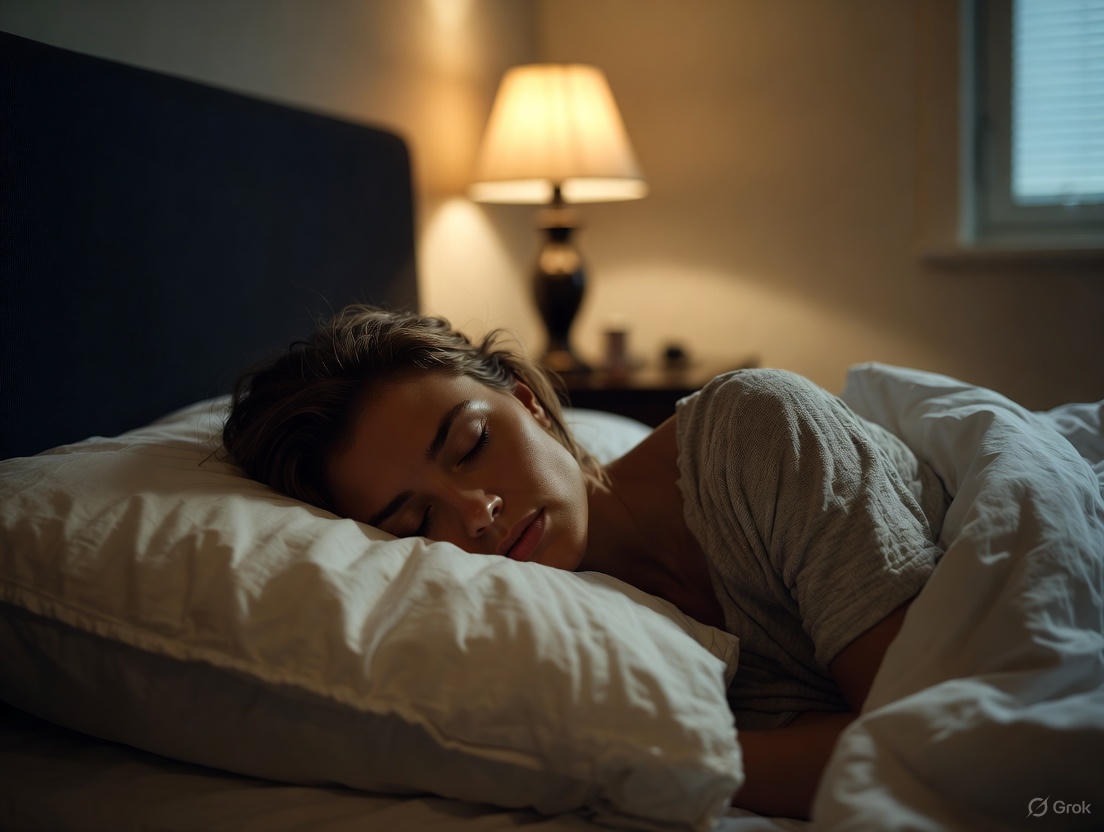
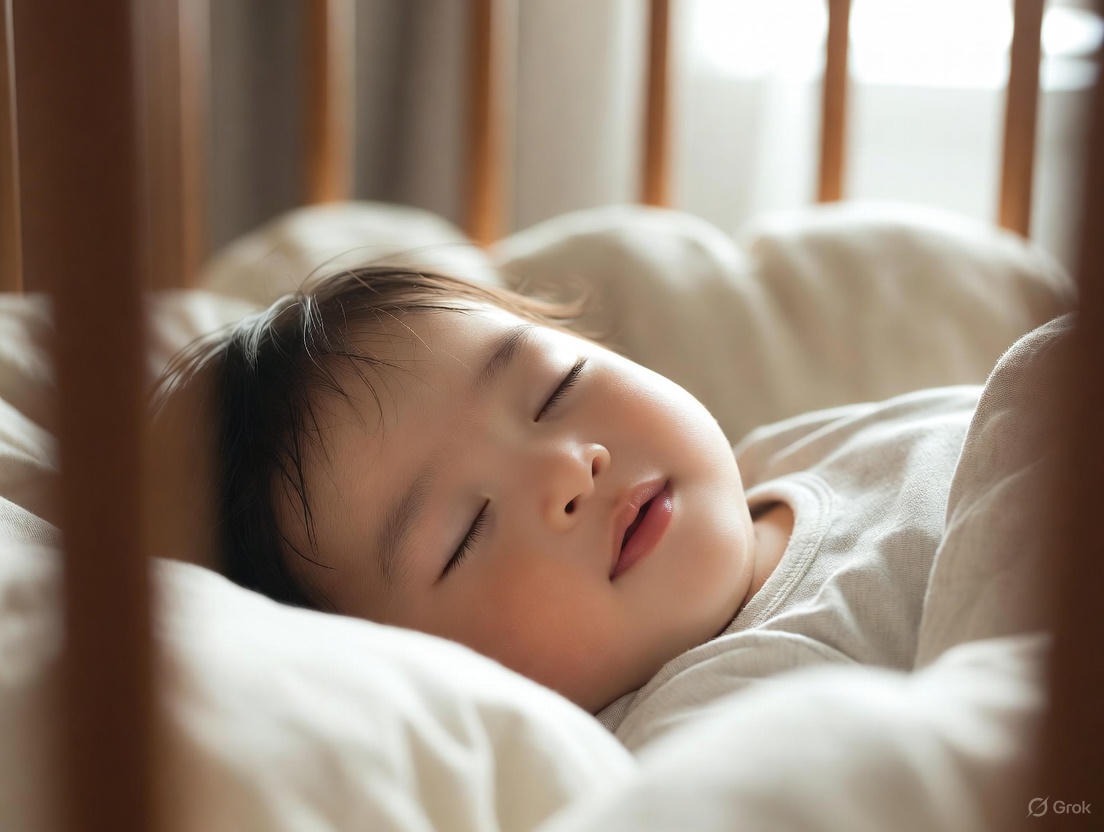
How Sleep Patterns Change With Age (Smart Ring Tracking)
How smart ring tracking shows how sleep patterns change as you age.
The Silent Symphony of Sleep: How Our Nightly Rhythms Transform Across a Lifetime
Sleep is not a monolithic state of unconsciousness. It is a complex, dynamic symphony of brain waves, physiological shifts, and restorative processes that plays a different movement for every chapter of our lives. From the deep, prolonged slumber of an infant to the fragmented, lighter sleep of our golden years, our nightly journey is in constant, gradual evolution. For decades, understanding this evolution relied on broad population studies and subjective sleep diaries. We knew the what—that sleep changes—but rarely could an individual track the nuanced how and why within their own life.
Today, a revolution in personal biometrics is changing that. Sleek, intelligent devices like the Oxyzen smart ring are moving sleep science from the laboratory to the bedroom, offering an unprecedented, continuous window into our personal nocturnal symphony. By passively tracking heart rate variability (HRV), body temperature, blood oxygen saturation, and movement, these devices don't just count sleep—they decipher its quality, structure, and resilience.
In this comprehensive exploration, we will journey through the human lifespan, charting the profound transformation of sleep architecture from infancy to old age. More importantly, we will illuminate how modern wearable technology, specifically advanced smart rings, empowers us to move from passive observation to proactive management of our sleep health at every age. This isn't just about knowing you slept poorly; it's about understanding the physiological "why" behind your restless night and having the data to forge a path toward more restorative rest.
The Foundation: Understanding Sleep Architecture and Its Metrics
Before we can trace how sleep changes, we must first understand what we're measuring. Sleep is not a flat line. It’s a cyclical pattern of distinct stages, each with a unique signature of brain activity, eye movement, and muscle tone. This nightly pattern is known as sleep architecture.
The Stages of Sleep: A Nightly Cycle
A full sleep cycle lasts about 90 to 110 minutes, and a healthy adult will typically experience four to six of these cycles per night. Each cycle progresses through two main types of sleep:
Non-Rapid Eye Movement (NREM) Sleep: This encompasses three stages of progressively deeper sleep.
NREM Stage 1 (N1): The doorway between wakefulness and sleep, lasting several minutes. Brain waves begin to slow from their daytime wakeful patterns (alpha waves) to theta waves. It’s easy to be awakened from this light sleep.
NREM Stage 2 (N2): This is the dominant sleep stage, accounting for about 50% of total sleep in adults. Here, brain activity further slows with specific bursts of activity called sleep spindles and K-complexes, which are believed to play a role in memory consolidation and protecting sleep from external disruptions.
NREM Stage 3 (N3): Often called "deep sleep" or slow-wave sleep (SWS). This is the most restorative phase, characterized by the slowest brain waves (delta waves). It’s crucial for physical recovery, immune function, and feeling refreshed. Awakening someone from this stage is difficult.
Rapid Eye Movement (REM) Sleep: This is the stage most associated with vivid dreaming. The brain becomes highly active, nearly to the level of being awake, while the body experiences temporary muscle paralysis (atonia). REM is critical for emotional processing, memory consolidation, and brain development. It typically lengthens with each successive cycle throughout the night.
How Smart Rings Decode the Night
This is where traditional fitness trackers, which rely heavily on movement (actigraphy), fall short. They can guess at sleep vs. wakefulness but struggle to accurately differentiate between light (N2) and the critically important deep (N3) and REM sleep.
Advanced smart rings like Oxyzen use a multi-sensor approach to infer these stages with remarkable precision:
Heart Rate Variability (HRV): The subtle variations in time between heartbeats. High HRV during sleep generally indicates more restorative rest and is a key marker for identifying deep sleep and REM sleep stages.
Resting Heart Rate (RHR): Typically drops during NREM sleep and can become more variable during REM.
Body Temperature: Core body temperature naturally dips at night, reaching its nadir in the early morning hours. The rate of this drop can signal sleep onset, and deviations can indicate sleep disruptions. You can discover how Oxyzen works with its precise thermal sensor to track this circadian biomarker.
Blood Oxygen (SpO2): Stable, high oxygen levels are typical in healthy sleep. Dips (nocturnal desaturation) can fragment sleep and impact its quality, often correlating with less time in restorative stages.
Movement (Accelerometer): Used to confirm periods of restlessness or wakefulness.
By synthesizing this data with sophisticated algorithms, the ring builds a detailed hypnogram—a graph of your sleep stages throughout the night—giving you a laboratory-grade view of your personal sleep architecture. This foundational knowledge is the key to understanding everything that changes as we age. For a deeper dive into the science of biometric tracking, explore our blog for more wellness tips and detailed research breakdowns.
Infancy & Early Childhood (0-5 Years): The Architects of Sleep
The journey of sleep begins with a pattern that looks nothing like the adult model. A newborn’s sleep is polyphasic—occurring in multiple short bouts around the clock, totaling a staggering 14 to 17 hours per day. Crucially, about 50% of that time is spent in REM sleep (often called "active sleep" in infants), a testament to its vital role in the explosive brain development happening in these early years.
The Evolution of a Circadian Rhythm
At birth, the circadian rhythm—the internal 24-hour clock that regulates sleep-wake cycles—is not yet fully developed. It is entrained by external cues called zeitgebers ("time-givers"), the most powerful being light exposure. Over the first 3-6 months, as the suprachiasmatic nucleus (SCN) in the brain matures and responds to consistent daily routines of light, darkness, and feeding, sleep begins to consolidate. The many short naps gradually merge, with longer periods of sleep shifting to the night.
By 6 months: Most infants are capable of sleeping through the night and take 2-3 naps during the day.
By 1-2 years: Total sleep need is 11-14 hours, with naps dropping to one per day.
By 3-5 years: Sleep need is 10-13 hours, with naps typically phased out.
The Crucial Role of Deep Sleep and Growth Hormone
While REM is dominant early on, deep NREM (slow-wave) sleep becomes increasingly important. This is the period when the body releases the majority of its growth hormone. For parents, tracking isn't about optimization in the adult sense, but about reassurance and identifying patterns. While a smart ring is not designed for infants, for the health-conscious parent, understanding their own sleep resilience becomes paramount. The profound sleep deprivation of new parents disrupts their own deep sleep and REM cycles, impacting recovery, mood, and cognitive function. Using a device to track their own sleep can help them capitalize on their limited sleep opportunities, a form of crucial self-care. Reading about real customer reviews and user experiences from parents can highlight how data provides a sense of control during this demanding phase.
Tracking Insights & Modern Applications
Pattern Recognition: While not for the baby, a parent's smart ring data can objectively show the impact of nighttime feedings or disruptions on their own sleep architecture, validating the challenge and helping them seek support.
Establishing Routines: Data can reinforce the importance of the parent’s own consistent sleep schedule, which in turn helps them maintain the consistent environmental cues their child’s developing circadian rhythm desperately needs.
School-Age Children & Adolescence (6-18 Years): The Great Sleep Squeeze
This period should be a golden age of stable, high-quality sleep, but modern life and biology conspire to create a significant public health challenge. School-age children (6-13 years) still require 9-12 hours of sleep, while teenagers (14-18 years) need 8-10 hours. Yet, studies consistently show the majority are chronically sleep-deprived.
The Biological Betrayal: The Adolescent Phase Delay
Puberty brings a profound, biologically-driven shift in circadian timing. The adolescent brain naturally secretes melatonin—the sleepiness hormone—later in the evening, creating a "phase delay." A teenager who easily fell asleep at 9:00 PM as a child may now find it physiologically impossible to feel sleepy before 11:00 PM or midnight. Meanwhile, school start times remain brutally early, creating an irreconcilable mismatch.
The Impact on Sleep Architecture
This chronic sleep loss has a stealthy thief: it preferentially robs deep NREM (slow-wave) sleep. This stage is not only crucial for physical restoration but is also a critical period for synaptic pruning and neural efficiency—the brain's "clean-up and optimize" phase during learning. Furthermore, the REM sleep needed for emotional regulation and consolidating the day’s learning is cut short.
The consequences are far-reaching: impaired attention, reduced academic performance, increased risk-taking behavior, and a heightened vulnerability to anxiety and depression.
The Role of Technology and Light
The biological phase delay is catastrophically amplified by the use of smartphones, tablets, and computers in the evening. The blue light emitted from these screens directly suppresses melatonin production, telling the brain it’s still daytime. This digital jetlag exacerbates the natural delay, pushing sleep onset even later.
How Smart Ring Data Can Empower Change
For families, this is where objective data becomes a powerful communication and intervention tool. It moves the conversation from subjective "You need to go to bed earlier!" to objective "The data shows your body isn't entering deep sleep until after midnight because of these late-evening cues."
Visualizing the Delay: Seeing a consistent, late drop in heart rate and body temperature can concretely show a teen their body's true readiness for sleep.
Correlating Activity & Sleep: Data can reveal how evening sports, caffeine intake, or late-night studying directly impact sleep quality metrics like HRV and deep sleep duration.
Promoting Agency: It empowers the adolescent to experiment with changes (e.g., using blue-light blockers, setting a device curfew) and see the direct, positive impact on their own sleep scores and morning readiness. For families navigating these complex issues, our FAQ section offers support and answers to common questions about using technology to improve sleep hygiene.
Early & Middle Adulthood (19-60 Years): The Pressure Cooker of Sleep
This vast life stage is where sleep often becomes a casualty of competing priorities: career advancement, relationships, parenting, financial pressures, and social obligations. Sleep architecture during healthy early adulthood (20s-30s) is at its most stable and robust, but it is relentlessly undermined by lifestyle.
The Gradual Erosion of Deep Sleep
Even in perfect health, a key change begins: the total amount and percentage of deep NREM (slow-wave) sleep starts its lifelong, gradual decline. A man in his 70s may get only 5-10% deep sleep, compared to a young adult’s 20-25%. This decline often begins perceptibly in the late 20s and 30s. We become more sensitive to sleep disruptors like alcohol, stress, and poor sleep hygiene, which further steal this precious, restorative stage.
The Primary Sleep Disruptors of Adulthood
Stress & Cortisol: Chronic stress elevates cortisol, a hormone that should be low at night. Elevated cortisol fragments sleep, suppresses deep sleep, and causes early morning awakenings. HRV data from a smart ring is a direct window into autonomic nervous system balance—low nighttime HRV is a clear biomarker of stress overload.
Technology & Always-On Culture: The boundary between work and rest dissolves. Late-night emails and the compulsion to scroll keep the mind in a state of cognitive arousal, directly opposing the wind-down process needed for sleep initiation.
Alcohol & Diet: While alcohol may induce sleepiness, it is a potent REM sleep suppressant and leads to fragmented, non-restorative sleep in the second half of the night. Spicy or heavy meals close to bedtime can elevate body temperature and disrupt sleep.
Parenthood: The sleep fragmentation of early childhood returns, but now layered onto an older body with greater sleep need and less resilience.
Physical Inactivity: Sedentary lifestyles reduce sleep pressure (the homeostatic drive for sleep) and can weaken circadian rhythms.
Smart Rings as a Biofeedback Dashboard
For the busy adult, a smart ring transitions from a tracker to a daily biofeedback dashboard. It connects the dots between daytime choices and nocturnal outcomes.
The Stress-Sleep Loop: You can see if a high-stress workday leads to a night of low HRV and reduced deep sleep. This awareness prompts proactive stress-management techniques.
Lifestyle Experiments: You can test if cutting off caffeine after 2 PM, implementing a digital curfew, or introducing a short evening walk improves your deep sleep percentage or HRV recovery score.
Optimizing Performance: For athletes and fitness enthusiasts, sleep data is non-negotiable. Deep sleep is when muscle repair and growth hormone release peak. Tracking ensures training doesn't outpace recovery. To learn more about the intersection of biometrics and peak performance, you can read our complete guide on recovery metrics.
This stage is about defense and optimization—protecting a naturally robust sleep system from the erosive forces of modern adult life.
The Perimenopausal Transition (Mid-40s to 50s): A Hormonal Earthquake for Sleep
For women, the journey to later-life sleep patterns is often marked by a dramatic, hormonally-driven transition: perimenopause. This 4-10 year period leading up to the final menstrual period is a hotspot for sleep disturbances that are both profound and poorly understood.
The Dual Assault: Hormones and Thermoregulation
The decline of estrogen and progesterone creates a cascade of effects that directly sabotage sleep architecture:
Vasomotor Symptoms (Hot Flashes & Night Sweats): These are not mere inconveniences; they are neurological events originating in the hypothalamus—the same region that regulates sleep and body temperature. A hot flash during the night causes a sudden surge in skin temperature and waking arousal, fragmenting sleep and severely reducing time spent in deep and REM sleep.
Progesterone Decline: Progesterone is a natural soporific (sleep-promoting) and respiratory stimulant. Its drop can make falling asleep harder and increase vulnerability to sleep-disordered breathing.
Increased Vulnerability to Insomnia: Hormonal fluctuations, coupled with life-stage stressors, lead to a significantly higher incidence of chronic insomnia.
Tracking the Invisible Storm
A standard sleep tracker showing "restless" misses the point. A smart ring with detailed temperature and HRV tracking can correlate these internal disruptions with objective sleep outcomes.
Temperature Dysregulation: The ring can track the frequency and intensity of nighttime temperature fluctuations, providing objective data to discuss with a healthcare provider.
Sleep Architecture Fragmentation: The hypnogram may show a "shredded" pattern, with constant awakenings and little consolidated deep sleep, directly correlating with logged hot flash events.
Autonomic Nervous System Strain: Consistently low nighttime HRV can indicate the chronic strain this transition places on the body's recovery systems.
This data is empowering. It moves the conversation from "I'm not sleeping well" to "My sleep is being fragmented an average of 12 times per night, correlated with body temperature spikes, and my deep sleep is less than 10%." This objective evidence can guide treatment strategies, from hormone therapy to cognitive behavioral therapy for insomnia (CBT-I), and help track their efficacy. The story and vision behind Oxyzen was driven by a desire to provide such nuanced, actionable health insights for every life stage.
Older Adulthood (60+ Years): The Fragmentation of Sleep
The sleep patterns of healthy older adults are distinctly different from those of the young. It’s a normal part of aging, but one often mistaken for a disorder. Understanding this shift is key to differentiating normal changes from treatable pathology.
The Hallmarks of Age-Related Sleep Change
Advanced Sleep Phase: The circadian rhythm shifts earlier. Older adults often feel sleepy by 7 or 8 PM and wake up naturally at 4 or 5 AM. This is the opposite of the adolescent phase delay.
Sleep Fragmentation: The ability to sustain long, consolidated bouts of sleep diminishes. Sleep becomes more shallow and fragmented with frequent, brief awakenings throughout the night. Time in deep NREM sleep may be reduced by over 50% compared to young adulthood.
Reduced Sleep Efficiency: More time is spent in bed awake. While total sleep time may decrease only modestly, the percentage of time in bed actually spent sleeping (sleep efficiency) drops.
Increased Daytime Napping: Driven by the earlier wake time and lighter nighttime sleep, napping becomes more common.
The "Why" Behind the Change
These changes are multifactorial:
Neurological: There is a reduction in the strength of the sleep-wake signal from the suprachiasmatic nucleus (SCN) and a loss of neurons in the sleep-promoting regions of the brain.
Biological: The production of melatonin and other sleep-regulating hormones declines with age.
Medical: Increased prevalence of chronic pain, arthritis, heart disease, and pulmonary conditions can cause discomfort and nocturia (frequent nighttime urination), leading to awakenings.
Medications: Many common medications have side effects that disrupt sleep.
The Critical Role of Tracking: Normal vs. Pathological
This is perhaps the most crucial application for smart ring technology in older adults. The line between normal age-related fragmentation and a serious sleep disorder like sleep apnea or periodic limb movement disorder can be thin.
Sleep Apnea Detection: While not a medical diagnosis, a smart ring tracking blood oxygen (SpO2) can reveal repeated, significant dips in oxygen saturation throughout the night—a strong indicator of possible obstructive sleep apnea, which is vastly underdiagnosed in the elderly and linked to hypertension, atrial fibrillation, and cognitive decline.
Circadian Rhythm Validation: Data can confirm the advanced sleep phase, allowing individuals to work with their rhythm rather than fight it, and to maximize light exposure in the late afternoon to help stabilize it.
Medication & Lifestyle Impact: Tracking can help determine if a new medication is further disrupting sleep or if an afternoon nap is improving total 24-hour rest without harming nighttime sleep drive.
For older adults and their families, this continuous monitoring provides peace of mind and a powerful tool for proactive health management. Understanding these changes is part of our commitment to health at every age, a principle you can learn more about on our about us page.
The Silent Saboteurs: How Medical Conditions Reshape Sleep Across Ages
Sleep does not exist in a vacuum. It is deeply intertwined with our physical health. As we age, the prevalence of chronic medical conditions rises, and many of these conditions have a bidirectional relationship with sleep: they disrupt it, and poor sleep exacerbates them. Smart ring data can often provide the first clues to these underlying interactions.
Pain and Sleep: A Vicious Cycle
Chronic pain conditions like arthritis, fibromyalgia, or back pain are profound sleep disruptors. Pain signals make it difficult to fall asleep and cause frequent micro-awakenings, preventing the descent into deep, restorative NREM sleep. The lack of deep sleep, in turn, lowers the pain threshold and increases inflammation, creating a vicious, self-reinforcing cycle. A sleep tracker will show low sleep efficiency, high restlessness, and minimal deep sleep, correlating directly with self-reported pain levels.
Cardiorespiratory Conditions
Heart Failure: Often leads to Cheyne-Stokes respiration—a cyclical pattern of breathing that disrupts sleep and causes oxygen desaturations. A smart ring can track the associated HRV instability and SpO2 patterns.
Chronic Obstructive Pulmonary Disease (COPD): Nighttime coughing and breathlessness fragment sleep. Oxygen levels may drop significantly (nocturnal hypoxemia).
Neurodegenerative Diseases
Conditions like Parkinson's and Alzheimer's disease directly attack the neural structures that govern sleep-wake cycles. This leads to severe circadian rhythm disruption, excessive daytime sleepiness, nighttime agitation ("sundowning"), and a dramatic reduction in both deep sleep and REM sleep. Tracking here can help caregivers understand the patient's rhythm and manage care more effectively.
The Power of Early Detection
The subtle, long-term trends in biometric data can be revealing. A gradual, consistent decline in nighttime SpO2 averages or an increase in resting heart rate during sleep could be an early indicator of an evolving cardiorespiratory issue, prompting earlier medical consultation. This shifts the role of the wearable from a sleep tracker to a holistic health sentinel. For those interested in the full potential of this monitoring, you can learn more about smart ring technology and its expanding health applications.
Beyond the Night: The Daytime Consequences of Age-Related Sleep Change
Poor sleep is not contained by the night. Its effects seep into every waking hour, and these consequences evolve with age. Understanding them is critical for connecting the dots between last night's data and today's experience.
Cognitive Performance & Memory
Deep NREM sleep is critical for memory consolidation—the process of transferring short-term memories into long-term storage. The age-related decline in deep sleep directly correlates with the normal, mild decline in episodic memory (remembering specific events). More severe sleep fragmentation, as seen in sleep disorders, is a significant risk factor for accelerated cognitive decline and dementia. A teenager losing deep sleep will struggle to learn; an older adult losing it may be compromising long-term brain health.
Mood & Emotional Regulation
REM sleep, vital for processing emotional experiences, is often shortened or fragmented with age and stress. This can manifest as increased irritability, mood volatility, anxiety, and a reduced resilience to stress. In older adults, chronic sleep problems are a major predictor of depression.
Metabolic & Cardiovascular Health
Short sleep and poor-quality sleep are linked to insulin resistance, increased appetite (via dysregulation of leptin and ghrelin), weight gain, hypertension, and systemic inflammation. These risks compound over a lifetime. The older adult who has struggled with sleep for decades may be carrying a significantly higher metabolic burden.
Immune Function & Resilience
Both deep NREM and REM sleep boost immune function. Sleep is when the body produces cytokines, proteins that fight infection and inflammation. Chronic sleep loss leads to a state of low-grade inflammation and a less effective immune response, making individuals more susceptible to infections and slower to recover—a concern at any age, but particularly later in life.
Daytime Sleepiness vs. Fatigue
It's important to distinguish sleepiness (the physiological drive to fall asleep) from fatigue (a pervasive lack of energy and motivation). Older adults with fragmented sleep may complain more of fatigue than outright sleepiness, leading them not to connect their daytime woes to their nighttime patterns. Objective sleep data can make this invisible link visible.
Circadian Rhythms: The Master Conductor Fades With Time
If sleep architecture is the symphony, the circadian rhythm is its master conductor. With age, this conductor's baton becomes less forceful, leading to a weaker, more disorganized performance.
Weakening of the Signal
The suprachiasmatic nucleus (SCN) in the hypothalamus, our master clock, shows reduced electrical and metabolic activity with age. It also receives less input from the eyes (due to factors like cataracts reducing light transmission) and sends weaker signals to peripheral clocks in organs and tissues. This results in:
Reduced amplitude: The peak-to-trough difference in rhythms like body temperature and melatonin secretion becomes flatter. The body’s "day" and "night" signals are less distinct.
Phase Advance: The entire rhythm shifts earlier, as previously discussed.
Increased Fragility: The rhythm is more easily disrupted by minor changes in schedule, light exposure, or illness.
The Critical Role of Light
Light is the primary zeitgeber. Older adults often receive dramatically less bright light exposure due to spending more time indoors, having age-related eye changes, and possibly living in institutional settings with poor lighting. This lack of strong daytime light signal further weakens the circadian system, exacerbating sleep fragmentation and advance.
Tracking the Circadian Rhythm with Biometrics
A smart ring provides a proxy for your circadian rhythm through two key 24-hour biomarkers:
Core Body Temperature Rhythm: It should peak in the late afternoon and reach its nadir in the early morning. A flattened temperature rhythm is a classic sign of a weakened circadian drive.
Heart Rate Variability (HRV) Pattern: HRV typically follows a circadian pattern, influenced by the autonomic nervous system's shift from daytime sympathetic ("fight or flight") dominance to nighttime parasympathetic ("rest and digest") dominance. A blunted day-night difference in HRV can indicate circadian disruption.
By monitoring these patterns, individuals can see the direct impact of their light exposure and daily routines on their master clock's strength, guiding interventions like morning light therapy or consistent meal times.
Lifestyle & Environmental Levers: What You Can Control at Every Age
While biology sets the stage, lifestyle pulls the strings. The good news is that many factors influencing sleep quality are modifiable. Smart ring data provides the feedback loop to test and validate the effectiveness of these levers.
Light Exposure: The Prime Regulator
Morning: Getting bright, ideally natural, light within an hour of waking is the strongest signal to reset the circadian clock and combat phase advance in older adults or phase delay in adolescents.
Evening: Minimizing blue light exposure from screens 2-3 hours before bed is crucial. Using dim, warm-toned lights helps the natural melatonin rise.
Tracking Link: Consistent morning light should, over time, stabilize and strengthen the body temperature and HRV circadian curves shown in the app.
Exercise: Timing Matters
Regular physical activity is one of the best promoters of deep sleep. However, intense exercise too close to bedtime can elevate core body temperature and sympathetic nervous system activity, delaying sleep onset.
Tracking Link: Observe how afternoon exercise boosts your deep sleep percentage, while late-evening workouts may increase sleep onset latency and lower your sleep score.
Nutrition & Substances
Caffeine: Has a half-life of 5-6 hours. Consumption in the late afternoon can significantly reduce deep sleep.
Alcohol: While sedating, it demolishes REM sleep and leads to fragmented second-half sleep.
Meal Timing: Large, heavy meals close to bedtime force digestion, raise body temperature, and can cause discomfort.
Tracking Link: Log these behaviors and correlate them with your deep sleep, REM sleep, and sleep fragmentation metrics. The data often speaks louder than assumptions.
Sleep Environment Optimization
Temperature: The ideal bedroom temperature for sleep is cool, around 65°F (18.3°C), to facilitate the body's natural temperature drop.
Darkness: Pitch black is essential. Even small amounts of light can suppress melatonin.
Quiet & Comfort: A silent environment and a supportive mattress are foundational.
Tracking Link: Improvements in your sleep environment should directly reduce metrics of "restlessness" and improve "sleep efficiency."
The Power of Ritual
A consistent, wind-down routine 30-60 minutes before bed signals to your brain and circadian system that sleep is imminent. This could include reading, light stretching, meditation, or a warm bath (which actually helps by raising then rapidly dropping body temperature).
Using a smart ring, you transform these from generic tips into personalized experiments. You become the scientist of your own sleep. For a community of people doing just that, and to share insights, consider visiting our blog for additional resources and related articles.
Smart Rings vs. Traditional Trackers: Why the Finger Is a Window to Better Data
The wearable market is saturated with wrist-based devices. So why choose a ring? The answer lies in physiology, signal fidelity, and user experience—factors that become increasingly important for capturing the nuanced sleep changes we've described.
The Anatomical Advantage
The finger, specifically the base of the finger, hosts rich vascular beds (the palmar digital arteries). This location provides a strong, consistent pulse wave signal for optical heart rate and HRV monitoring. The wrist bones and tendons can cause movement artifacts that degrade this signal, especially during the subtle micro-movements of sleep.
Key Differentiators for Advanced Sleep Tracking
Core Body Temperature Proxy: The finger is an excellent site for measuring peripheral temperature trends that closely correlate with core body temperature rhythms—a central circadian biomarker impossible to measure comfortably from the wrist.
Signal Consistency: A ring, when properly fitted, maintains consistent skin contact and sensor placement throughout the night. A wristband can twist and shift, causing data gaps or inaccuracies.
Comfort & Compliance: For many, a ring is less obtrusive to wear during sleep than a chunky watch. Better compliance means more continuous, long-term data, which is essential for tracking trends across ages and life stages.
From Steps to Sleep Stages: The Data Fidelity Gap
Most wrist-based fitness trackers are optimized for counting steps and detecting gross movement. They use movement (actigraphy) as the primary input for sleep/wake determination, which leads to overestimating sleep (if you lie still while awake) and poor stage differentiation. A multi-sensor smart ring uses movement as just one data point among others (HRV, pulse rate, temperature, SpO2), resulting in a much more accurate hypnogram (sleep stage graph).
For the purpose of tracking the delicate, age-related shifts in deep sleep, REM, circadian rhythms, and subtle disturbances like nocturnal desaturation, the fidelity offered by a high-end smart ring is not a luxury—it's a necessity. It turns subjective feelings of "I slept poorly" into objective data showing "My deep sleep was 40% below my baseline due to 15 awakenings correlated with temperature spikes." This level of insight is foundational for taking meaningful action at any point in the human lifespan.
The Power of Personalization: Interpreting Your Data and Building a Better Sleep Future
Having explored the profound, lifelong transformation of sleep and the technology that illuminates it, we now turn to the most critical phase: action. Data without interpretation is just noise. The true value of tracking your sleep with a device like the Oxyzen smart ring lies in translating those nightly graphs and scores into a personalized roadmap for improvement. This journey moves from passive observation to active experimentation and, ultimately, to sustainable habit formation.
Interpreting Your Data: What Your Numbers Really Mean
The dashboard of an advanced sleep tracker can be overwhelming. Scores, percentages, graphs, and timelines—each holds a story about your night. Let’s decode the key metrics and understand their significance across different ages.
The Sleep Score: A Holistic Overview
Most platforms provide a single, composite "Sleep Score." This isn't arbitrary; it's a weighted algorithm typically based on:
Duration: Did you meet your age-appropriate sleep need?
Quality: What was the balance of deep and REM sleep? How fragmented was your sleep?
Timing: Did you sleep in alignment with your circadian rhythm?
Restoration: What do biomarkers like HRV and resting heart rate indicate about physiological recovery?
Actionable Insight: Don't fixate on the score alone. Use it as a daily trend indicator, but always dig into the underlying components. A "good" score with low deep sleep tells a different story than a "good" score with excellent restoration metrics.
Deep Sleep & REM Sleep: The Quality Benchmarks
As we've established, these stages are non-negotiable for physical and mental health.
Deep Sleep (N3): Look for both percentage (of total sleep) and total minutes. A consistent decline in either, especially against your own baseline, is a red flag. For a young adult, 1.5+ hours per night might be typical; for someone over 60, 45-60 minutes may be a healthy target.
REM Sleep: This tends to be more resilient but is stolen by alcohol, certain medications, and extreme sleep deprivation. Note its timing—most REM occurs in the later cycles of the night. Cutting your sleep short consistently robs you of REM.
Actionable Insight: Track these metrics weekly, not nightly. Look for trends. If your deep sleep is consistently low, prioritize the levers that boost it: consistent sleep schedule, evening relaxation, avoiding alcohol, and managing stress.
Heart Rate Variability (HRV): The North Star of Recovery
HRV is arguably the most insightful biometric for understanding your body's resilience and autonomic nervous system state.
Nighttime Average HRV: A higher average during sleep generally indicates strong parasympathetic ("rest and digest") activity and better recovery. It often correlates with more restorative deep sleep.
HRV Trend: A gradual upward trend over weeks or months suggests positive adaptations to lifestyle changes (e.g., fitness, meditation). A sharp or sustained drop can be an early warning sign of overtraining, illness, or excessive stress.
Actionable Insight: Your absolute HRV number is personal—don't compare to others. Compare to your own baseline. Use your HRV trend to guide your day. A low HRV score in the morning might be a signal to take a rest day, prioritize gentle movement, or double down on stress management.
Resting Heart Rate (RHR) & Blood Oxygen (SpO2)
RHR: A lower sleeping RHR typically indicates better cardiovascular fitness and efficient recovery. A sudden, unexplained increase in your sleeping RHR can sometimes precede illness.
SpO2: This should remain stable and high (95-100%) throughout the night in healthy individuals. Repeated, significant dips (≥4% drops from baseline) can be an indicator of sleep-disordered breathing and warrant discussion with a doctor.
Actionable Insight: Watch for trends and outliers. Consistently elevated sleeping RHR or new patterns of SpO2 dips are meaningful data points to share with a healthcare professional.
Body Temperature: The Circadian Compass
The 24-hour temperature curve is a direct readout of your circadian rhythm's strength.
A Robust Rhythm: Shows a clear peak in the late afternoon and a distinct trough in the early morning hours.
A Blunted/Weak Rhythm: Shows a flatter line with less variation. This is common with age, circadian disorders, or poor light hygiene.
Actionable Insight: If your temperature rhythm is blunted, focus on strong light cues: bright light in the morning, darkness at night. Consistency in sleep and meal times can also help sharpen this rhythm.
Establishing Your Personal Baseline: The 30-Day Discovery
You cannot know what "good" or "bad" is until you know what "normal" is for you. The first month of using a sophisticated tracker is not about changing everything; it's about observing and establishing your unique biometric fingerprint.
Observe Without Judgment: For 30 days, live your normal life while wearing your ring. Go to bed and wake up as you usually do. The goal is to collect data on your current baseline across different contexts (work nights, weekend nights, after stressful days, after active days).
Identify Patterns: After a month, analyze. What is your average deep sleep percentage? What's your typical HRV? How does alcohol on Friday night affect your Saturday morning data? Does your sleep efficiency plummet on Sunday nights due to "Sunday Scaries" anxiety?
Define Your "Why": Connect the data to your life goals. Is your "why" to have more energy for your kids? To improve athletic recovery? To stabilize your mood? To support healthy aging? This personal "why" will fuel your motivation.
This baseline becomes your point of reference. All future experiments and changes are measured against this starting line. For guidance on how to make the most of this discovery phase, our FAQ page offers support and answers to common user questions.
The Experimentation Phase: Becoming the Scientist of Your Self
With a baseline established, you can begin structured experiments. The core principle: Change One Thing at a Time. This isolates the variable and reveals its true impact on your sleep data.
Sample Experiments:
Experiment 1: Caffeine Curfew
Hypothesis: "Moving my last coffee from 4 PM to 2 PM will increase my deep sleep."
Protocol: Adhere to the new 2 PM cutoff for 7 consecutive days.
Measure: Compare the average deep sleep minutes/night from this week to your baseline week.
Experiment 2: Digital Sunset
Hypothesis: "Implementing a one-hour screen-free buffer before bed will reduce my sleep onset latency and improve my sleep score."
Protocol: Turn off all phones, TVs, and laptops 60 minutes before target bedtime. Engage in a non-screen activity (reading, conversation, light stretching).
Measure: Compare average "Time to Fall Asleep" and "Sleep Score" to baseline.
Experiment 3: Morning Light
Hypothesis: "Getting 15 minutes of outdoor morning light will strengthen my circadian temperature rhythm and reduce nighttime awakenings."
Protocol: Take a morning walk or have coffee outside within 30 minutes of waking for 10 days.
Measure: Observe the "steepness" of your temperature drop at night and the "Restlessness" metric in your app.
Documenting Your Findings
Keep a simple log: Date, Experiment, Subjective Feelings (energy, mood), Key Data Changes. Over time, you'll build a powerful, personalized guide to what truly optimizes your sleep. You can explore our blog for more wellness tips on designing and tracking such self-experiments.
Building a Personalized Sleep Protocol: Beyond the Basics
Armed with data from your experiments, you can now construct a sleep protocol tailored to your biology, age, and lifestyle. This moves far beyond "sleep hygiene" checklists to a dynamic system.
For the Chronically Stressed (Often Ages 25-55):
Data Focus: HRV, Deep Sleep.
Protocol Pillars:
Wind-Down Ritual: Mandatory 45-minute buffer with a sequential routine: 5-minute tidy (reduces anxiety), 10-minute gentle yoga or stretching, 10-minute meditation or breathwork (5-6 breaths per minute to boost HRV), 20-minute reading (physical book).
Stress Inventory: Use daytime HRV trends to identify stress peaks. Schedule a 5-minute breathing break during that time.
Weekend Recovery: Allow one morning of sleeping in without an alarm, but no more than 90 minutes past weekday wake time to protect circadian timing.
For the Age-Related Phase Advance & Fragmentation (Often 60+):
Data Focus: Temperature Rhythm, Sleep Efficiency, SpO2.
Protocol Pillars:
Light Therapy: Afternoon light exposure (3-4 PM) is key to gently delaying the rhythm and reducing too-early morning awakenings. A 20-minute walk is ideal.
Evening Consolidation: Limit fluids 2 hours before bed to reduce nocturia. Ensure a clear, safe path to the bathroom with nightlights (amber-toned to protect melatonin).
Strategic Napping: If a nap is needed, cap it at 20 minutes and take it before 3 PM. Use your ring to ensure you're not napping so long it severely impacts nighttime sleep drive.
Bedroom Optimization: Prioritize mattress comfort for aching joints and maintain a cool room temperature.
For the Adolescent/Young Adult with Delayed Rhythm:
Data Focus: Sleep Onset Time, REM Sleep.
Protocol Pillars:
Light Management: Absolute no-screen policy 60 minutes before bed (use device features or physical separation). Use blue-light blocking glasses if evening work is mandatory.
Morning Anchor: A consistent wake-up time 7 days a week is non-negotiable, even with weekend social plans. Use a dawn simulator alarm.
Caffeine Elimination: No caffeine after noon.
The 20-Minute Rule: If not asleep in 20 minutes, get out of bed and do a quiet, dim-light activity until feeling sleepy. This reduces bed-as-a-place-of-anxiety.
The beauty of a data-informed protocol is its flexibility. It evolves as you do, through life transitions, health changes, and new goals. This philosophy of continuous, personalized improvement is at the heart of our company's mission and vision.
When Data Signals a Deeper Problem: Red Flags and Seeking Help
A smart ring is a powerful wellness tool, not a medical device. Its greatest clinical value is often in providing the evidence needed to seek appropriate professional help. Certain patterns in your data are red flags warranting a conversation with your doctor or a sleep specialist.
Red Flag Patterns:
Chronic, Severe SpO2 Dips: Repeated desaturations below 90%, or frequent dips of 4% or more from your baseline, especially if accompanied by snoring, gasping, or witnessed pauses in breathing. This is a primary indicator for sleep apnea.
Extremely Low or Plummeting HRV: While personal, a sustained, dramatic drop in HRV that doesn't resolve with rest could indicate underlying systemic stress, illness, or metabolic issues.
Consistently Minimal or Absent Deep Sleep: If your deep sleep is consistently under 5-10% of total sleep (and you're not in old age) despite excellent sleep hygiene, it could point to disorders like Upper Airway Resistance Syndrome (UARS) or be a side effect of medications.
A Complete Lack of Circadian Rhythm: A body temperature graph that is essentially a flat line, with no clear day-night pattern, could suggest a circadian rhythm disorder.
Periodic, Uncontrollable Limb Movements: While not directly measured, frequent, regular awakenings visible on a hypnogram at consistent intervals (e.g., every 30-40 seconds) could correlate with Periodic Limb Movement Disorder (PLMD).
How to Prepare for a Doctor's Visit:
Bring Your Data: Screenshots of weekly trends, specific nights showing red-flag patterns, and a summary of your baseline.
Keep a Symptom Log: Note daytime symptoms (excessive fatigue, morning headaches, cognitive fog) alongside the nightly data.
Ask Informed Questions: "My data shows frequent oxygen dips. Should I be evaluated for sleep apnea?" or "My deep sleep is consistently very low despite trying these interventions. What could be causing this?"
Your data empowers you to be an advocate in your own healthcare, transforming vague complaints into specific, evidence-based discussions. For stories of how others have used their data in this way, you can read about real customer reviews and experiences.
The Long-Term View: Sleep as a Pillar of Lifelong Health
We have journeyed from the polyphasic sleep of infancy to the fragmented sleep of older age, seen it through the lens of hormones, stress, and technology, and learned how to track and influence it. This culminates in a fundamental mindset shift: Sleep is not a negotiable commodity to be traded for productivity or leisure. It is the single most effective, underrated performance-enhancing, health-sustaining, and life-extending tool at our disposal.
The Cumulative Impact
The effects of sleep are cumulative. The teenager who chronically loses an hour of sleep is building a foundation for metabolic issues. The adult who manages stress poorly and sacrifices sleep for work is accelerating cellular aging. Conversely, the individual who protects and prioritizes sleep across decades is investing in their cognitive reserve, emotional resilience, and physical vitality.
Sleep and "Healthspan"
The goal of modern medicine and wellness is not just to live longer (lifespan), but to live healthier for longer (healthspan). High-quality sleep is a cornerstone of healthspan. It clears metabolic waste from the brain (via the glymphatic system, most active during deep sleep), reduces systemic inflammation, balances hormones, and repairs cellular damage. By optimizing sleep, we are directly investing in our future quality of life.
A Call to Conscious Rest
This long-form exploration is an invitation to become conscious of your rest. To move from being a passive passenger on your sleep journey to becoming its skilled navigator. Technology like the Oxyzen smart ring provides the map and the instruments—showing the currents, the depth, and the storms. But you are the captain.
The journey begins with a single night of observation. It grows with each experiment. It solidifies into a personalized protocol. And it pays dividends across every dimension of your life, at every age. Your sleep is the silent, nightly rebirth of your body and mind. It’s time to give it the attention it deserves.
To begin this journey of discovery and take control of your lifelong sleep health, we invite you to learn more about smart ring technology and how it can serve as your personal guide to restorative rest.
The Future of Sleep Optimization: Technology, Community, and Conscious Living
Having established a comprehensive understanding of how sleep transforms across the lifespan and how to interpret and act upon personal biometric data, we now look forward. The frontier of sleep health is expanding at a breathtaking pace, driven by technological innovation, scientific discovery, and a growing cultural awareness. The journey from data to insight to action is becoming more seamless, more predictive, and more integrated into our daily lives. This final portion of our exploration envisions the future of sleep optimization, where personalized technology, supportive communities, and a holistic lifestyle converge to redefine what it means to truly rest.
The Next Generation of Sleep Tech: Beyond Tracking to Prediction and Integration
The current generation of smart rings and wearables provides a detailed rear-view mirror of our sleep. The next generation is building a GPS for our future rest, moving from descriptive analytics to prescriptive and predictive insights.
Predictive Analytics and Proactive Coaching
Future algorithms will not just tell you how you slept; they will forecast how you will sleep and suggest micro-adjustments to improve the outcome. This involves:
Machine Learning Baselines: Your device will learn your unique patterns over months and years, accounting for seasonal variations, menstrual cycle impacts (for women), and age-related drift, creating a dynamic, evolving baseline that's truly personal.
"If-Then" Scenario Modeling: The app could provide insights like: "Based on your current stress load (via HRV trend) and your 3 PM espresso, your predicted deep sleep tonight is 30% below your optimal. Consider a 15-minute evening meditation to mitigate this." Or, "Your consistent 5:30 AM awakenings this week suggest your circadian rhythm is shifting earlier. Try 30 minutes of afternoon light exposure to stabilize it."
Recovery Forecasting: For athletes and active individuals, the focus will shift from simple sleep scores to integrated "Readiness to Perform" scores that synthesize sleep data, training load, and physiological markers to prescribe optimal workout intensity or necessary rest days.
Seamless Smart Home Integration
Sleep does not exist in a 9-hour vacuum. The future lies in the integration of the wearable with your environment.
Dynamic Climate Control: Your smart ring communicates with your thermostat. As your peripheral temperature begins to drop at your biologically optimal bedtime, the bedroom temperature automatically lowers to the ideal sleeping range. If a hot flash or night sweat is detected, the system responds with a gentle, localized cooling.
Intelligent Lighting: Your bedroom lights gradually dim in the evening, synced with your personal melatonin onset as inferred from your data history. Morning wake-up lights simulate dawn, beginning at the optimal point in your sleep cycle to promote gentle awakening.
Sound Environment Management: Smart speakers or white noise machines could play soundscapes calibrated to your current sleep stage (e.g., promoting deep sleep with specific low-frequency sounds) or mask disruptive environmental noises detected by the wearable.
Non-Invasive, Comprehensive Biomarker Tracking
Research is pushing towards even richer, clinical-grade data gathered passively:
Glucose Trends: Emerging optical sensors aim to non-invasively track nocturnal glucose fluctuations, which have a profound impact on sleep quality and metabolic health.
Blood Pressure Dipping: Nocturnal blood pressure patterns (the normal "dip" during sleep) are a critical cardiovascular biomarker. Future wearables may provide insights into this rhythm.
Advanced Sleep Staging with EEG: While current devices infer sleep stages, future iterations may incorporate minimally invasive, comfortable EEG sensors (perhaps in a headband or advanced ring design) to provide direct brainwave data for unparalleled accuracy in detecting disorders like narcolepsy or REM sleep behavior disorder.
This vision of deeply integrated, predictive, and comprehensive monitoring represents the logical evolution of devices like the Oxyzen smart ring, turning the home into a true partner in health. You can discover how Oxyzen works with a forward-looking approach to this integrated health ecosystem.
The Power of Community and Shared Knowledge
While sleep is a deeply personal experience, the journey to improve it need not be lonely. The future of sleep optimization is communal, leveraging shared data (anonymously and ethically) and collective wisdom.
Data for the Greater Good: Population Sleep Health
With user consent, anonymized, aggregated data from millions of users can create an unprecedented map of human sleep:
Geographic & Cultural Insights: How does sleep quality differ by city, climate, or cultural practice? This could inform public health policies and urban design (e.g., light pollution reduction).
Event Tracking: How did a global event, a time change, or even a popular TV show release affect the sleep of entire populations?
Medication & Supplement Impact: Large-scale observational data could provide real-world evidence on how common substances affect sleep architecture across different demographics.
Peer Support and Accountability
Platforms will evolve to include community features that foster motivation and shared learning:
Challenges & Groups: Join a "30-Day Sleep Consistency Challenge" or a group for "Parents of Newborns" or "Menopause & Sleep," sharing non-medical tips and encouragement.
Expert-Led Forums: Sleep scientists, psychologists, and coaches could host Q&A sessions, interpret common data patterns, and offer evidence-based guidance.
Storytelling: Sharing personal success stories—"How I Used My Data to Finally Beat Insomnia" or "How Tracking Helped My Doctor Diagnose My Sleep Apnea"—provides powerful hope and models for action. Our blog serves as a hub for such stories and expert insights, fostering this very sense of community.
This social layer transforms sleep optimization from a solitary pursuit into a shared human endeavor, reducing stigma and multiplying the available knowledge.
Sleep and the Holistic Lifestyle: The Ultimate Synergy
Optimal sleep cannot be isolated from how we live our waking hours. The future of wellness recognizes sleep as the central pillar in a temple supported by other vital lifestyle columns: nutrition, movement, and mindfulness.
Nutritional Chronobiology: Eating for Sleep
The when and what of eating are intimately tied to circadian rhythms and sleep quality.
Meal Timing: Aligning eating windows with daylight hours (e.g., earlier dinners) supports the natural circadian rhythm. A large meal too close to bedtime raises core temperature and demands digestive effort, impeding sleep onset.
Macronutrients for Sleep: Data from wearables can help individuals discover personal responses. Some may find a small, protein-rich snack before bed stabilizes nighttime glucose and improves sleep continuity. Others may find any late eating disruptive.
Micronutrient Tracking: Deficiencies in magnesium, vitamin D, and certain B vitamins can negatively impact sleep. Future wellness platforms may cross-reference sleep data with dietary logs or even blood test data (with user permission) to suggest targeted nutritional support.
Movement as a Sleep Regulator
Exercise is a powerful circadian signal and sleep promoter, but its effects are nuanced.
The Dual-Phase Response: Intense exercise acutely raises core temperature and sympathetic arousal (bad for immediate sleep), but creates a larger, delayed temperature drop and sleep pressure hours later (excellent for sleep). Smart data helps individuals find their personal "exercise curfew" for optimal results.
Recovery-Focused Movement: On days when HRV is low and sleep was poor, the system might recommend restorative yoga or a nature walk instead of a high-intensity workout, promoting recovery without additional strain.
Non-Exercise Activity Thermogenesis (NEAT): General daily movement is also crucial. Sedentary days often lead to poorer sleep quality. Future trackers may nudge you to move if you've been inactive, not just for fitness, but for that night's sleep.
Mindfulness and Nervous System Regulation
The bridge between a stressful day and a peaceful night is built by practices that engage the parasympathetic nervous system.
HRV Biofeedback: Using the live HRV data from your ring, you can practice breathing techniques (like resonant frequency breathing at 5-6 breaths per minute) and see in real-time how they boost your HRV, providing immediate feedback and reinforcing the practice.
Data-Informed Meditation: Apps could recommend specific meditation types (body scan for physical tension, loving-kindness for emotional stress) based on your physiological pre-sleep state.
Cognitive Behavioral Therapy for Insomnia (CBT-I) Digitally Delivered: The gold-standard non-pharmacological treatment for insomnia will become increasingly integrated with wearable data, providing personalized therapy modules that react to your progress.
This holistic integration signifies a move from "sleep hacking" to "sleep living"—where restful nights are a natural outgrowth of balanced, conscious days. This philosophy is woven into the vision and values behind our technology.
Ethical Considerations and the Path Forward
As sleep technology becomes more powerful and intimate, important ethical questions must guide its development and use.
Data Privacy and Ownership
The data generated by a sleep tracker is among the most personal possible—a nightly diary of your unconscious physiology. Ensuring robust encryption, clear user consent, and transparent data use policies is paramount. Users must own their data and have the right to share, delete, or monetize it as they choose.
The Anxiety Paradox: When Tracking Becomes Stressful
For some, obsessive focus on sleep scores can backfire, creating "orthosomnia" – a preoccupation with perfecting sleep data that ironically leads to more anxiety and worse sleep. Future platforms must be designed to encourage a healthy relationship with data, perhaps with "quiet modes" that provide only weekly summaries or focus on positive trends rather than nightly perfection.
Equity and Access
Advanced sleep technology must not become a luxury that widens health disparities. Efforts in public health education, subsidized programs, and the development of lower-cost, high-value tools are essential to ensure the benefits of sleep science are available to all.
The Blueprint for Better Sleep: Actionable Strategies for Every Life Stage
Knowledge is only as valuable as the action it inspires. We have traversed the landscape of sleep science, from its biological foundations to its technological future. Now, we distill this vast knowledge into a practical, actionable blueprint. This section provides stage-specific, evidence-based strategies that you can implement immediately, using your biometric data as a guide and measure of success.
Infancy & Early Childhood (0-5 Years): Building the Foundation
Primary Goal: Entrain a robust circadian rhythm and establish secure sleep associations. Key Data Focus (for Parents): Own sleep consistency and recovery.
Action Plan:
Master the Zeitgebers: Be relentless about cues. Light: Expose the child to bright natural light in the morning. Keep the sleeping environment pitch black. Routine: Implement a consistent, calming bedtime sequence (e.g., bath, book, lullaby, bed) at the same time every night, even when traveling. Temperature: Maintain a cool bedroom (68-72°F).
Differentiate Day from Night: During daytime naps, don't blackout the room entirely or enforce complete silence. Let normal household sounds occur. This helps consolidate the difference between short naps and long nighttime sleep.
Parental Self-Care is Non-Negotiable: Use your own smart ring to protect your sleep windows. Tag-team with a partner to ensure each of you gets a 4-5 hour consolidated sleep block, which is crucial for cycling through deep and REM sleep stages. Your resilience is the bedrock of your child's stable environment.
Tracking for Insight (Parent's Device):
Monitor your own deep sleep on nights you are "off duty." Is it sufficient? If not, prioritize your wind-down ritual.
Observe your HRV trend. Chronic newborn-care stress will suppress it. Use this data to advocate for more support—a family member, a postpartum doula, or a conversation with your partner about redistributing duties.
For toddlers, a consistent parent sleep schedule helps you maintain the energy for firm, loving boundaries around bedtime, which is essential for their security.
School-Age Children & Adolescence (6-18 Years): Defending Sleep in a Digital World
Primary Goal: Protect sleep duration and quality against biological and social pressures. Key Data Focus (for the Adolescent/Child): Sleep consistency, total sleep time, and wind-down routine impact.
Action Plan:
The Non-Negotiable Bedtime (Even on Weekends): The single most important rule is a consistent wake-up time, seven days a week. Weekend sleep-in should not exceed 60-90 minutes. This is the anchor that fights the biological phase delay.
The Technology Treaty: Create a family contract. All devices (phones, tablets, laptops) charge in a common kitchen station overnight, not in bedrooms. Implement a "digital sunset" one hour before bed. For unavoidable evening work, use blue-light blocking software (like f.lux) and glasses.
Reframe the Narrative: Move from "Go to bed!" to "Let's get you the sleep you need to feel great, play well, and do your best." Use analogies they understand: "Sleep is like clearing the cache on your computer so it runs faster tomorrow."
Caffeine Awareness: Educate on caffeine's 6-hour half-life. No soda, tea, or coffee after school hours (post-3 PM).
The Smart Ring as a Mediator: For the resistant teen, data is a neutral third party. It's not you vs. them; it's them vs. their own physiology.
Run a Week-Long Experiment: Let them stay up late on their phone for 3 nights, then enforce the digital sunset for 3 nights. Compare the data—specifically sleep onset latency, resting heart rate, and sleep score. Let the graphs do the talking.
Connect Effort to Outcome: Show them how a good night's sleep (high deep sleep, high HRV) correlates with a better workout, a sharper mind during a test, or a more stable mood.
For school-age children, parents can model this behavior by sharing their own sleep data and goals, making it a family wellness project.
Early & Middle Adulthood (19-60 Years): The Optimization Phase
Primary Goal: Defend sleep architecture from lifestyle erosion and use data for peak performance and resilience. Key Data Focus: Deep sleep percentage, HRV, and the impact of lifestyle variables.
Action Plan:
The Two-Things Rule: You cannot control everything, so focus on the two biggest levers shown by your data. For most, this is 1) Caffeine/Alcohol Timing and 2) Stress Management/Wind-Down. Perfect these before anything else.
Create a "Sleep Performance" Ritual: Treat the 60 minutes before bed as a mandatory transition for your brain and body.
Minute 0-15: "Shutdown Sequence." Check tomorrow's calendar, write down lingering thoughts, tidy the living space. This closes open loops.
Minute 15-45: "Parasympathetic Activation." This is non-negotiable. Choose one: gentle yoga, meditation, breathwork (4-7-8 or box breathing), reading a physical book, partner conversation.
Minute 45-60: "Bedroom Ready." Brush teeth, skincare, in bed. The goal is lights out at the 60-minute mark.
Leverage Your Chronotype, Don't Fight It: Are you a natural early bird or night owl? Use your ring's temperature and HRV data to find your natural sleep opportunity window. Schedule demanding cognitive work during your peak alertness times, and protect your wind-down ritual accordingly.
The Weekend Recovery Protocol: If sleep debt accumulates during the week, a weekend "recovery sleep" is allowed, but with a critical rule: Wake time first. Get up at your normal weekday time to protect circadian timing, then go back to sleep or take a early afternoon nap (<30 mins). This is more effective than sleeping in until noon, which causes "social jetlag."
Data-Driven Experimentation:
Alcohol: Log a drink. The data will show the REM suppression and second-half fragmentation. Let this visual evidence guide your choice to limit or eliminate evening drinks.
Exercise: Find your "sweet spot." Does evening yoga improve your deep sleep? Does a 5 PM HIIT class wreck it? Use your deep sleep graph and sleeping RHR as your guide.
Work Stress: Tag high-stress days in your app. The next morning, review your HRV dip and sleep graph fragmentation. This objective link is powerful motivation to implement better daytime boundaries or stress techniques.
The Perimenopausal Transition (Mid-40s to 50s): Navigating the Storm
Primary Goal: Mitigate thermoregulatory disruption and defend sleep continuity. Key Data Focus: Sleep fragmentation (awakenings), temperature graph, deep sleep.
Action Plan:
Thermoregulation is King:
Cooling Strategy: Use moisture-wicking pajamas (e.g., bamboo, specialized cool-tech fabrics). Have a frozen gel pack or cooling pillow on standby. A fan is essential not just for air, but for noise masking.
Layer the Bed: Use multiple light layers (sheet, light blanket) that can be easily kicked off and pulled back on.
Pre-Cool: Take a warm (not hot) bath 1-2 hours before bed. The subsequent rapid cool-down aids sleep onset and can help stabilize core temperature.
Targeted Supplementation (With Doctor's Approval): Data can inform conversations with your healthcare provider.
If fragmentation is the main issue, discuss magnesium glycinate or sustained-release melatonin.
If hot flashes are severe, the data provides objective evidence to discuss the potential benefits and risks of Hormone Therapy (HT).
Radical Sleep Consistency: Your circadian system is under hormonal attack. Supporting it with absolute regularity is crucial. Go to bed and wake up at the same time, every single day. This provides a stable scaffold for your sleep to cling to.
Mindfulness-Based Stress Reduction (MBSR): The emotional lability and anxiety of this stage directly impact sleep. Formal MBSR or CBT-I programs have strong evidence for improving sleep quality during menopause by reducing cognitive arousal at bedtime.
Using Your Ring as a Diagnostic Tool:
Document the frequency and timing of nighttime awakenings. Correlate them with logged hot flashes.
Show your "shredded" sleep graph and temperature spikes to your doctor. It moves the conversation from subjective suffering to objective dysfunction.
Track the efficacy of interventions. Did a new supplement reduce awakenings by 30%? Did a change in HT dosage smooth your temperature graph? Your data holds the answer.
Older Adulthood (60+ Years): Prioritizing Quality and Rhythm
Primary Goal: Maximize sleep efficiency and circadian strength, and screen for pathology. Key Data Focus: Sleep efficiency, SpO2, circadian temperature rhythm, timing of awakenings.
Action Plan:
Embrace the Phase, Optimize the Light: Accept the earlier schedule. Then, use light strategically to hold the line against further advance and fragmentation.
Afternoon Light (2-4 PM): This is your most powerful tool. A 20-30 minute walk outside is ideal. It provides a gentle "push" on the clock, helping to consolidate nighttime sleep and reduce too-early morning awakenings.
Morning Light: Still important for setting the clock, but be cautious of very early light if you wake at 4 AM, as it can reinforce the extreme phase advance.
Evening Darkness: Maintain low, warm lighting after sunset.
The "Four-Hour Rule" for Fluids: To minimize nocturia, consciously shift your fluid intake earlier. Aim to consume 80% of daily fluids before 4 PM, with only small sips after dinner.
Strategic, Limited Napping: If a nap is necessary, make it a "NASA Nap." 20-25 minutes, before 2 PM. This can boost alertness without entering deep sleep, which would impair nighttime sleep drive. Use your ring to ensure you're not napping into deep sleep.
Pain and Comfort Management: If arthritis or pain is a cause of awakening, work with a physiotherapist. Pre-bed gentle stretching, a properly supportive mattress, and strategic medication timing (as advised by a doctor) can make a significant difference.
The Ring as a Health Sentinel:
The SpO2 Guardian: Regularly review your overnight SpO2 graph. Look for sustained drops below 90% or repeated "sawtooth" patterns of dips. This is the single most important piece of data you can bring to a doctor to screen for sleep apnea, a vastly under-diagnosed condition in older adults linked to heart disease and cognitive decline.
Tracking Consistency: The simple act of maintaining a consistent sleep schedule, verified by your ring, is a profound intervention for brain health and circadian stability.
Medication Review: If starting a new medication, note its impact on your sleep data. Certain medications for blood pressure, depression, or allergies can severely fragment sleep. Your data provides evidence for a discussion with your pharmacist or doctor about alternatives or timing.
The 30-Day Sleep Transformation Challenge: A Step-by-Step Guide
Ready to put it all into practice? This integrated 30-day plan is designed to reset your sleep foundation, regardless of your starting point.
Week 1: Foundation & Observation
Goal: Establish consistency and collect a baseline.
Actions:
Set a fixed wake-up time for all 7 days. Use an alarm if you must.
Get 10 minutes of morning sunlight within 30 minutes of waking.
Wear your tracker every night. Do not change anything else. Log food, alcohol, caffeine, and stress subjectively.
At week's end, analyze your baseline: average sleep time, efficiency, deep sleep %, HRV.
Week 2: Taming the Evening
Goal: Implement a digital sunset and refine your wind-down.
Actions:
Maintain Week 1 habits.
Enforce a 60-minute screen-free buffer before your target bedtime.
In that buffer, spend the first 15 minutes on "Shutdown Sequence" (tidying, planning). Spend the next 30 minutes on your chosen "Parasympathetic Activation" (reading, meditation, etc.).
Note changes in sleep onset latency and sleep score.
Week 3: Fueling for Sleep
Goal: Optimize nutrition and substance timing.
Actions:
Maintain previous habits.
Enforce a caffeine curfew 8-10 hours before bedtime (e.g., no coffee after 2 PM for a 10 PM bed).
Finish your last large meal at least 3 hours before bed.
If you consume alcohol, limit it to 1-2 drinks, and have the last one 3 hours before bed. Observe its specific impact on your REM sleep and restlessness.
Track changes in deep sleep and REM sleep.
Week 4: Advanced Integration & Personalization
Goal: Address your biggest personal sleep disruptor.
Actions:
Maintain all previous habits.
Based on your 3-week data, identify ONE key area for improvement. Is it low HRV (stress)? Is it frequent awakenings (temperature/pain)? Is it low SpO2?
Design and execute a 7-day experiment targeting that one area.
If Stress: Add a 10-minute guided meditation to your wind-down.
If Temperature/Fragmentation: Implement the cooling strategies or pre-cool bath.
If Snoring/SpO2 concerns: Try side-sleeping with a body pillow and monitor SpO2 changes.
Analyze the results. Did your targeted metric improve?
By Day 30, you will have built a robust, personalized sleep protocol supported by your own data. The key is to then maintain the core habits (consistent wake time, light, wind-down) while using the data to troubleshoot and refine as life evolves.
Final Thoughts: Sleep as the Keystone Habit
Charles Duhigg, in The Power of Habit, describes "keystone habits"—small changes or habits that unintentionally carry over into other aspects of life, creating a cascade of positive change. Sleep is the ultimate keystone habit.
When you prioritize sleep, a series of positive feedback loops engage:
Better sleep → Better mood and willpower → Healthier food choices and more motivation to exercise.
Better sleep → Lower inflammation and balanced hormones → Improved body composition and metabolic health.
Better sleep → Enhanced cognitive function and memory → Increased productivity and creativity.
Better sleep → Strengthened immune system → Fewer sick days and greater resilience.
The journey through the pages of this article—understanding the arc of a lifetime of sleep, leveraging technology for insight, and implementing personalized strategies—is an investment in this keystone. It is an act of self-respect and a profound commitment to your future self.
Your sleep is the silent, rhythmic foundation upon which you build your life’s work, your relationships, and your joy. Listen to it. Nourish it. Protect it. The data from your finger is a whisper from your deepest physiology, guiding you toward more restorative nights and more vibrant days. Start tonight.
Conclusion: Embracing the Lifelong Sleep Journey
Our exploration, from the crib to the golden years, reveals a clear truth: sleep is a dynamic, evolving dialogue between our biology and our life. It is not a switch we flip, but a garden we tend—a garden whose needs change with the seasons of our life.
The advent of sophisticated, personal biometric tracking marks a historic shift. We are no longer blind to the silent, nightly processes that underpin our health. We can see the decline of deep sleep, the shift of our circadian clock, the impact of a stressful day, or the sign of a potential disorder. This knowledge is not meant to frighten us, but to empower us.
With this power comes responsibility—the responsibility to listen to our bodies, to experiment with respect, to seek help when needed, and to cultivate a lifestyle that honors our fundamental need for rest. The goal is not a perfect sleep score every night; that is an illusion. The goal is resilience: the ability to understand our sleep patterns, to nourish them consistently, and to adapt gracefully when life, illness, or age inevitably disrupts them.
This is the promise of the modern sleep revolution: not just more sleep, but better sleep. Not just longer life, but a more vibrant healthspan. It is a journey of self-knowledge that begins each night and illuminates every day. By embracing this journey with curiosity, compassion, and the right tools, we can all learn to sleep soundly through every chapter of our lives.
To continue this journey and join a community dedicated to unlocking the power of restorative sleep, we invite you to explore real customer reviews and experiences and discover how a data-informed approach can transform your relationship with rest, starting tonight.



%402x.svg)