


Sleep Patterns During Illness and Recovery
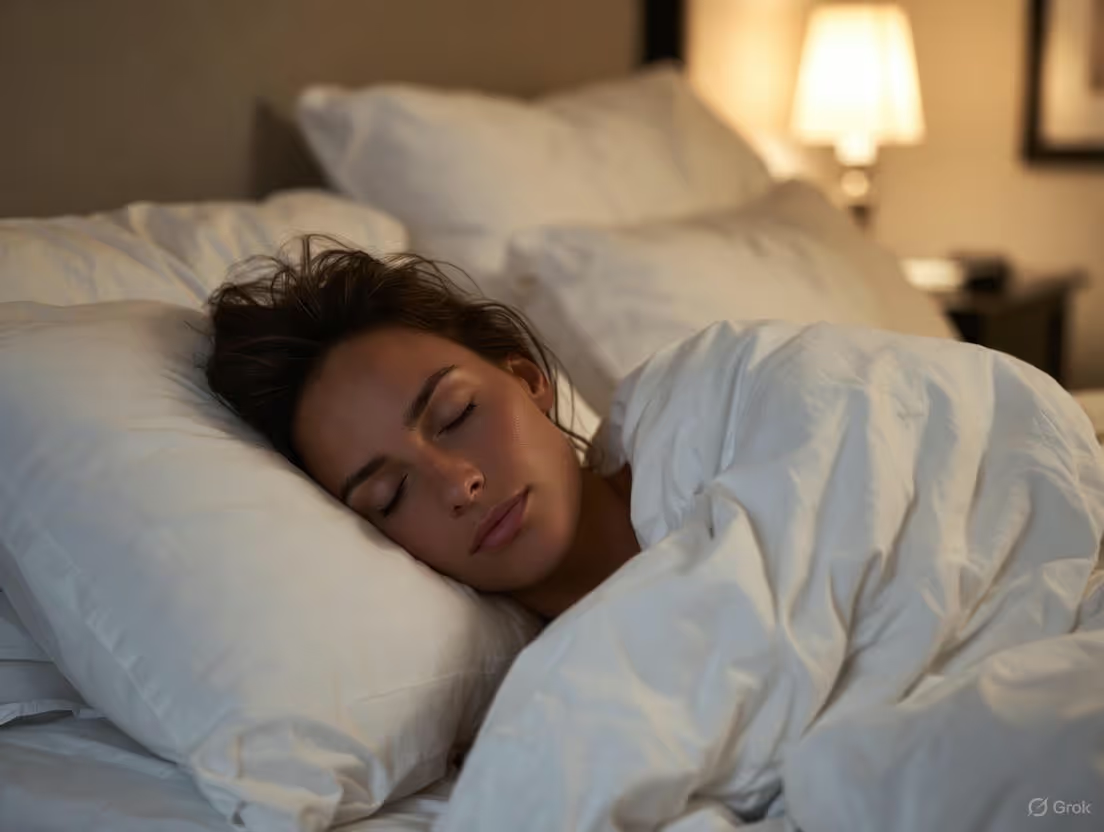
During illness, the body increases sleep duration and deep sleep to support immune function, creating a pattern focused heavily on recovery.
During illness, the body increases sleep duration and deep sleep to support immune function, creating a pattern focused heavily on recovery.
%402x.svg)
You wake with a scratch in your throat. By afternoon, a deep ache settles into your bones, and a familiar fog descends on your mind. As you surrender to the couch, a powerful, almost primal urge takes over: the need to sleep. This isn't ordinary tiredness. It’s a profound, system-wide command to shut down, pull the blinds, and retreat. But why? And what happens in the shadowy theater of the night when our body wages its silent war?
Sleep during illness and recovery is not a passive state of inactivity. It is a highly orchestrated, biologically vital component of our immune response and healing process. It’s a time when the body prioritizes defense and repair over wakeful engagement with the world. For centuries, we’ve intuitively known that “rest is best,” but modern science is now revealing the stunning complexity of this connection. From the microscopic dance of cytokines to the sweeping architecture of our sleep cycles, illness rewrites the script of our nightly rest.
This intricate relationship, however, is a double-edged sword. While sleep fuels recovery, illness itself can brutally disrupt the very sleep we so desperately need. It’s a frustrating paradox: your body demands sleep to heal, yet fever, pain, and congestion conspire to make it fragmented and shallow. Understanding this dynamic is more than academic—it’s the key to actively supporting your body through sickness and navigating the often-misunderstood journey back to full vitality.
In our data-driven age, we no longer have to guess about this process. The emergence of personal health technology, like the advanced biometric tracking offered by smart rings from Oxyzen.ai, allows us to move beyond subjective feeling into objective insight. These devices quietly monitor the vital signatures of recovery—heart rate variability, resting heart rate, skin temperature, and sleep staging—offering a personalized map of how your unique body fights, rests, and ultimately rebuilds. They turn the mysterious internal process of healing into a story you can read, understand, and optimize.
This exploration will delve into the profound biological dialogue between sleep and sickness. We’ll uncover why you feel like you could sleep for a thousand years when a virus hits, how different illnesses orchestrate distinct patterns of rest, and what your sleep data can tell you about whether you’re truly on the mend. By the end, you’ll see sleep not as a mere symptom or side effect of illness, but as one of the most powerful medicines your body can prescribe for itself.

We often frame sleep as a period of rest for the brain, but during illness, it transforms into a command center and a construction site for the entire body. To understand this, we must first move past the idea of sleep as a monolithic state. Sleep is composed of cyclical stages: light sleep (N1, N2), deep slow-wave sleep (N3), and REM (Rapid Eye Movement) sleep. Each stage plays a specialized role in health maintenance, and their proportions shift dramatically when we fall ill.
Deep slow-wave sleep is the cornerstone of physical restoration. This is when the pituitary gland releases a pulse of growth hormone, a potent stimulator of tissue growth and muscle repair. During an infection or injury, this function is redirected. The body uses this anabolic state to proliferate immune cells, repair damaged tissues at the site of injury, and synthesize the proteins needed to mount a sustained defense. Think of deep sleep as the overnight shift in a hospital’s emergency ward and fabrication lab combined.
Simultaneously, the immune system is in direct communication with the sleep-wake centers in the brain, primarily through signaling proteins called cytokines. Pro-inflammatory cytokines like Interleukin-1 (IL-1) and Tumor Necrosis Factor-alpha (TNF-α) are crucial soldiers in the immune army. They help coordinate the attack on pathogens. Notably, these same cytokines are also powerful sleep-promoting substances. When their levels rise in the bloodstream—as they do during infection—they act on the hypothalamus, essentially pulling the lever for “more sleep” and, specifically, more deep sleep. It’s a flawless feedback loop: the infection triggers cytokine release, which triggers sleep, which in turn provides the optimal environment for immune function.
This process is energy-intensive. The immune response is one of the most metabolically costly activities the body undertakes. Fever alone can increase metabolic rate by 10-13% for every degree Celsius. By reducing voluntary movement and conscious awareness, sleep frees up substantial energetic resources—glucose, amino acids, oxygen—and diverts them to the immune system. Waking activity is a luxury the body cannot afford during a crisis. As shared by a user in our Oxyzen.ai testimonials, “During a bad flu, my Oxyzen ring showed my resting heart rate was 15 bpm higher than normal for days, and my body battery score never recovered above 20%. It visually confirmed why just getting up for water felt like a marathon.”
Furthermore, sleep enhances the adaptive immune response—our body’s targeted, memory-based defense. Studies have shown that well-slept individuals who receive a vaccine develop a stronger and more durable antibody response compared to their sleep-deprived counterparts. During recovery, this same mechanism is believed to help consolidate the immune “memory” of the pathogen, potentially offering better long-term protection.
In essence, the urge to sleep when sick is not a weakness; it is a sophisticated biological strategy. The body is shutting down non-essential operations to fuel a critical defense mission. Ignoring this signal is akin to denying reinforcements to troops in active combat. The sleep we get—and crucially, the deep sleep we manage to secure—directly dictates the efficiency and effectiveness of our healing.

Not all sicknesses are created equal, and neither are their accompanying sleep signatures. The type of pathogen, the body systems affected, and the specific immune pathways activated all paint different patterns on the canvas of our sleep architecture. Understanding these patterns helps explain the unique fatigue of a cold versus the bone-deep exhaustion of the flu or the unrefreshing sleep of long COVID.
Viral Infections (e.g., Common Cold, Influenza): Acute viral infections are classic drivers of “sickness behavior,” with sleepiness at its core. The innate immune response to viruses involves a swift release of interferon and the cytokines IL-1 and TNF-α. This typically leads to a pronounced increase in total sleep time, with a strong bias toward deep N3 sleep in the early stages. However, the symptoms—nasal congestion, coughing, fever—can cause frequent awakenings, fragmenting that precious deep sleep. The result is often a long duration of poor-quality sleep, which is why you can sleep 12 hours with the flu and still wake up feeling shattered. The body’s demand for sleep is high, but the illness’s mechanics disrupt its delivery.
Bacterial Infections: Bacterial illnesses often provoke a more aggressive inflammatory response. High fevers are more common and can be more disruptive to sleep continuity. The sleep pattern may involve more intense but fractured deep sleep, as the brain’s thermostat, the hypothalamus, orchestrates fever by raising the body’s set-point, causing chills, and then lowering it, causing sweats. This cycling can repeatedly pull a person out of deep sleep stages. The fatigue here is often profound and persistent, extending well into the recovery phase as the body works to clear debris and repair tissue damage.
Chronic Inflammatory Conditions (e.g., Autoimmune Flares): Conditions like rheumatoid arthritis, lupus, or inflammatory bowel disease involve a persistent, low-grade elevation of pro-inflammatory cytokines. This constant background signal can chronically alter sleep architecture. Individuals often experience a reduction in deep sleep and an increase in light, unrefreshing sleep. They may suffer from insomnia or non-restorative sleep, where they get adequate hours but wake feeling unrefreshed. This creates a vicious cycle: inflammation disrupts sleep, and poor sleep, in turn, exacerbates inflammatory sensitivity—a feedback loop that’s challenging to break.
Mental Health and Neurological Conditions: Illness is not solely physical. Depression and anxiety are profound disruptors of sleep, particularly REM sleep. Depression is frequently associated with REM sleep abnormalities, including earlier onset and increased intensity of REM. The stress hormone cortisol, which is often dysregulated in these conditions, directly antagonizes deep sleep. During recovery from a physical illness, pre-existing mental health challenges can significantly prolong the fatigue and sleep disruption, making holistic healing essential.
The emerging challenge of Post-Viral Syndromes (e.g., Long COVID): This category has brought the illness-sleep connection into sharp focus. A hallmark of long COVID is “post-exertional malaise” (PEM) and profound, unrelenting fatigue. Sleep in this context is often severely dysfunctional—not restorative. People report extreme sleep inertia (grogginess upon waking), unrefreshing sleep, and a disconnect between sleep duration and daytime energy. Research suggests possible dysregulation of the autonomic nervous system (leading to disrupted sleep-wake cycles) and persistent neuroinflammation that prevents the brain from achieving truly restorative deep and REM sleep stages.
Tracking these subtle differences is where personalized technology becomes invaluable. A device like the Oxyzen smart ring can detect the nuanced shifts in sleep stages, overnight heart rate, and heart rate variability that distinguish a typical cold from a more debilitating infection. By reviewing your personalized data on the Oxyzen.ai blog, you can learn to recognize these patterns, providing early clues about the nature of your illness and the trajectory of your recovery.
Fever is one of the most universal and ancient symptoms of illness. For decades, it was viewed merely as an unpleasant side effect to be suppressed. We now understand it is a core component of the immune response, and its relationship with sleep is not coincidental—it is cooperative. Together, they form a powerful, integrated healing protocol.
Fever is initiated when pyrogens (fever-inducing substances, often cytokines like IL-1) signal the hypothalamus to raise the body’s internal temperature set-point. The body then works to generate and conserve heat (through shivering and vasoconstriction) to reach this new, higher temperature. This elevated thermal state serves several direct immune functions: it can inhibit the replication of many temperature-sensitive bacteria and viruses, and it enhances the motility and activity of white blood cells like neutrophils and T-cells, making them more efficient at seeking and destroying pathogens.
Crucially, the same cytokines that trigger fever are also potent sleep inducers. This creates a synchronous biological event: as fever ramps up, sleep drive intensifies. Why would this be evolutionarily advantageous? Sleep provides the safe, energy-efficient container for fever to do its work. The metabolic cost of raising body temperature is enormous. By enforcing immobility and reducing consciousness, sleep ensures that all available energy is directed toward the immune battle and maintaining the febrile state, rather than being wasted on voluntary muscle movement or cognitive processing.
Furthermore, the sleep state itself helps regulate the fever response. Research indicates that sleep, particularly deep sleep, supports a more effective fever response. The complex dance between thermoregulation and sleep stages means the body may be better able to modulate and optimize the fever for maximal defensive benefit when the individual is asleep.
The practical implication of this nexus is significant. The instinct to bundle up and sleep when you have a fever is precisely what your biology is demanding. However, the discomfort of fever—the chills, the sweats—is a major disruptor of sleep continuity. This is the paradox: the therapy disrupts the very state it requires. Managing this discomfort strategically (with light moisture-wicking bedding, maintaining hydration, and using fever-reducers judiciously) can help preserve sleep integrity without completely abolishing the beneficial immune effects of a mild to moderate fever.
It’s a delicate balance, and one that can be informed by data. A smart ring that tracks distal body temperature, like the one developed by Oxyzen.ai, can provide fascinating insight into this process. You can observe how your nighttime temperature elevation correlates with changes in your sleep depth and heart rate. This objective feedback can help you understand your body’s unique response and gauge whether your fever is breaking naturally during the night—a key sign of turning the corner toward recovery. For more on how this technology interprets such signals, the Oxyzen.ai FAQ offers detailed explanations.
If the immune system’s goal is to maximize deep, healing sleep, pain is its arch-nemesis. Pain—whether a pounding headache, a raw sore throat, arthritic joint aches, or muscular pain from fever—is a potent alert signal designed to capture conscious attention. This evolutionary imperative to identify and protect injuries directly conflicts with the brain’s ability to descend into and maintain the unconscious state of deep, restorative sleep.
The mechanism is straightforward but devastatingly effective. Nociceptors (pain receptors) send signals via the spinal cord to the brain’s thalamus and then to the somatosensory cortex. This activating pathway stimulates the Ascending Reticular Activating System (ARAS), the very network responsible for promoting wakefulness and vigilance. When this system is persistently fired upon by pain signals, it becomes nearly impossible for the sleep-promoting centers in the hypothalamus to establish dominance. The brain remains in a state of low-grade alert.
The consequence is sleep fragmentation. An individual may fall asleep from sheer exhaustion, but pain will cause micro-awakenings—brief arousals that pull them out of deep sleep (N3) or REM sleep and back into lighter N1 or N2 sleep, or even full wakefulness. These arousals may be so brief they are not remembered in the morning, but their impact is profound. The sleep architecture becomes a broken landscape. The critically important, sustained periods of deep sleep are truncated or never achieved.
This creates a vicious, self-perpetuating cycle known as the pain-sleep-pain cycle:
Furthermore, sleep loss impairs the body’s natural analgesic systems. The production of endogenous opioids and the endocannabinoid system, which help modulate pain, are influenced by sleep. Poor sleep weakens these built-in pain-relief mechanisms, leaving you more vulnerable to discomfort.
Breaking this cycle is a central challenge in supportive care during illness. Strategic intervention is key:
Technology can help identify this fragmentation even when you’re not consciously aware of it. A detailed sleep stage graph from a device like an Oxyzen ring will clearly show a “sawtooth” pattern—frequent spikes into awake or light sleep with few consolidated blocks of deep or REM sleep. Seeing this objective data can be the motivation needed to prioritize pain management for sleep’s sake, not just for daytime comfort. It turns an abstract feeling of “I slept badly” into a concrete, actionable insight. For those struggling with chronic issues, reading about others’ journeys in the Oxyzen.ai testimonials can provide relatable context and hope.
The active infection may subside, the fever may break, and the acute pain may fade, but the story of sleep and illness is far from over. The convalescence phase—the often-underestimated period of recovery—is where sleep shifts from a direct combatant to a chief reconstruction officer. If the illness was a war, convalescence is the rebuilding of the city, and sleep is the primary source of labor and materials.
During acute illness, the body’s priority is the immune battle, often at the expense of other functions. Metabolic resources are diverted, proteins are broken down for fuel (catabolism), and systems like digestion, muscle repair, and cognitive function are deprioritized. Recovery sleep is fundamentally anabolic. It’s about rebuilding what was lost or damaged.
This is when deep slow-wave sleep (N3) reclaims its classic role in physical restoration. The pulses of growth hormone released during N3 now stimulate:
Simultaneously, REM sleep—often suppressed during the peak of illness—becomes critically important. REM sleep is intimately tied to brain function, emotional regulation, and learning. During recovery, REM sleep may rebound, a phenomenon known as REM rebound. This is thought to be essential for:
The body’s need for this reparative sleep often manifests as prolonged hypersomnia—sleeping longer than usual—during early convalescence. You might find you still need 9-10 hours of sleep nightly for a week or more after you feel “better.” This is not laziness; it is a biological mandate. Pushing through this phase and returning prematurely to a sleep-restricted schedule is one of the surest ways to prolong fatigue, invite relapse, or even develop post-viral complications.
Tracking your biometrics during this phase is incredibly revealing. As you heal, you should see objective markers normalize:
Observing this data on a platform like Oxyzen.ai provides tangible proof of progress, even on days when subjective fatigue makes you feel stuck. It offers a science-backed rationale for honoring your body’s continued need for deep rest, long after the last symptom has vanished.
For centuries, convalescence was guided by subjective feeling—“listen to your body.” While wise, this advice can be frustratingly vague. How do you distinguish the normal deep fatigue of recovery from the warning sign of a setback? In the modern wellness landscape, biometric data from wearable technology provides the missing objective lens, transforming healing from a mystery into a mapped journey.
Key physiological markers undergo predictable shifts during illness and recovery, and tracking them offers an unparalleled, real-time dashboard of your internal state.
1. Resting Heart Rate (RHR): The Body’s Metabolic Tachometer
Your RHR is a superb proxy for overall physiological stress and metabolic load. During an active infection, your body is working overtime. The immune response, fever, and increased cellular activity demand more oxygen and nutrient delivery. To meet this demand, your heart pumps faster, even at complete rest. An RHR elevated by 10-20 beats per minute above your personal baseline is a classic signature of illness. Its return to baseline is one of the clearest and earliest signs that the acute phase is ending and the body’s stress load is decreasing. A persistently elevated RHR during supposed recovery is a red flag that you may be overexerting or that inflammation is still present.
2. Heart Rate Variability (HRV): The Measure of Resilience
If RHR is the engine’s RPM, HRV is the quality of the electrical system. HRV measures the subtle variations in time between each heartbeat. High HRV indicates a robust, adaptable autonomic nervous system that can smoothly toggle between sympathetic (stress) and parasympathetic (rest) states. During illness, the body is in a sympathetically dominant, high-alert state, causing HRV to nosedive. A low HRV confirms your body is under significant strain. The recovery of HRV is slower than RHR and is a marker of true systemic recovery. A rising HRV trend indicates your nervous system is regaining its flexibility and resilience—a cornerstone of sustainable health. As noted in discussions on the Oxyzen.ai blog, “HRV is your body’s readiness score. Ignoring it during recovery is like ignoring a low fuel light on a long journey.”
3. Distal Body Temperature: The Silent Signal
While we feel fever acutely, more subtle shifts in peripheral temperature occur throughout an illness cycle. The body may alter blood flow to the extremities (vasoconstriction/vasodilation) as part of thermoregulation and immune cell trafficking. A smart ring, which sits on a finger—a distal site—is uniquely positioned to detect these patterns. A persistent elevated nighttime temperature, even after a fever breaks, can indicate ongoing low-grade inflammation. Normalization of your temperature rhythm is a key sign of homeostasis returning.
4. Sleep Architecture: The Quality Behind the Quantity
This is where wearables move beyond simple duration. Seeing your sleep broken down into Light, Deep, and REM stages is revolutionary for understanding recovery. As discussed, illness fragments sleep. Recovery is marked by the slow return of consolidated deep sleep blocks and the rebound of REM sleep. Seeing a night with strong, uninterrupted deep sleep and healthy REM is an objective indicator that your repair processes are operating at full capacity.
The Power of the Personal Baseline: The true magic of this data lies in its personalization. A “normal” RHR of 65 BPM might be healthy for one person but a sign of illness for another whose baseline is 48 BPM. Advanced systems like Oxyzen establish your unique baseline over time, making deviations profoundly meaningful. This allows for early detection of illness (often a day before symptoms appear) and provides a data-driven guide for pacing your return to activity. You can learn more about how this personalization works technically by visiting Oxyzen.ai/faq.
By observing these interwoven metrics, you are no longer guessing about your healing. You have a biofeedback loop that tells you when to push, when to rest, and when you are truly, physiologically, back to your strong and resilient self.
“Brain fog” is the colloquial, yet perfectly descriptive, term for the cognitive impairment that accompanies illness and often lingers into recovery. It manifests as slow thinking, difficulty concentrating, memory lapses, and a general feeling of mental cotton wool. While often attributed solely to the pathogen or inflammation, its primary orchestrator is the profound disruption of normal sleep architecture.
During healthy sleep, the brain engages in essential housekeeping. The glymphatic system, a waste-clearance pathway, becomes particularly active during deep N3 sleep. It flushes out metabolic debris that accumulates between brain cells during the day, including toxic proteins like beta-amyloid. This nocturnal “power wash” is crucial for cognitive clarity.
Illness throws a wrench into this process in two main ways:
1. Deep Sleep Deprivation: As we’ve established, while the drive for deep sleep increases, its continuity is often sabotaged by fever, pain, and cytokines. This reduction in sustained deep sleep directly impairs the glymphatic system’s cleaning cycle. Metabolic waste products, along with inflammatory cytokines themselves, can accumulate in the neural environment. This biochemical “dirty brain” state directly contributes to feelings of sluggishness, impaired focus, and slow processing speed.
2. REM Sleep Suppression and Rebound: The complex interaction of immune signals and stress hormones (like cortisol) during acute illness often suppresses REM sleep. Since REM is critical for memory consolidation, emotional processing, and synaptic pruning, its absence disrupts these functions. The subsequent “REM rebound” during recovery, while necessary, can also be cognitively disorienting in the short term, as the brain prioritizes this catch-up process over optimal daytime alertness.
Furthermore, the systemic inflammation of illness can have a direct neuroinflammatory effect. Inflammatory cytokines can cross the blood-brain barrier and interact with microglia, the brain’s immune cells. This can lead to changes in neurotransmitter systems (like dopamine and serotonin) that govern motivation, attention, and mood, exacerbating the fog.
Breaking Through the Fog: Recovery from brain fog is therefore inextricably linked to the restoration of healthy sleep. It is not enough to just get more sleep; you must get better sleep. Strategies include:
Biometric tracking provides validation during this frustrating phase. Seeing your HRV begin to rise and your deep sleep percentages increase offers concrete evidence that your brain’ cleaning and repair crews are getting back on shift, even if you don’t feel sharper yet. It’s a reminder that cognitive recovery, like physical recovery, follows a physiological timeline that must be respected. For more insights on leveraging data for cognitive wellness, our resources at Oxyzen.ai/blog delve deeper into this fascinating topic.

Even with the strongest biological drive to sleep, the physical symptoms of illness can erect formidable barriers. Two of the most common—respiratory congestion and cough—are masterful sleep disruptors, while the very medications we take to alleviate symptoms can have unintended effects on sleep architecture. Successfully navigating this stage requires a tactical approach.
The Congestion-Conundrum: Nasal congestion forces a shift from nasal breathing to mouth breathing. Mouth breathing is inherently less efficient, can lead to dryness and irritation in the throat, and is a primary driver of snoring and sleep apnea events, even in people who don’t normally have them. These events cause micro-awakenings and oxygen desaturations, fragmenting sleep and preventing descent into deep stages. Post-nasal drip triggers the cough reflex, creating a vicious cycle.
The Cough Reflex: A cough is a violent, involuntary spasm designed to clear the airways. It is the antithesis of sleep. Every cough forces a full arousal from sleep, resetting the sleep cycle back to light stage N1. A persistent cough can make consolidated sleep impossible.
The Medication Maze: Many common over-the-counter (OTC) and prescription medications have significant impacts on sleep.
The Strategic Approach: The goal is to manage symptoms enough to permit restorative sleep, without introducing new disruptors.
Monitoring your sleep data during this time is illuminating. You might see that a night you took a certain medication led to a long sleep duration but a very low “sleep score” due to poor stage distribution or elevated heart rate. This objective feedback empowers you to have more informed conversations with your pharmacist or doctor and to refine your personal illness management protocol. Understanding the full impact of your choices aligns with our mission at Oxyzen.ai/about-us to provide holistic, data-informed wellness.
Illness is not just a physical assault; it is a psychological event. The experience of being sick—the loss of control, the disruption of routine, the uncertainty about duration and outcome, and the physical vulnerability—is a potent trigger for stress and anxiety. This psychological response activates the same physiological systems (the HPA axis, releasing cortisol) that directly antagonize sleep, creating a secondary layer of sleep disruption atop the primary biological one.
When we are stressed or anxious, the brain’s fear center, the amygdala, becomes hyperactive. It signals the hypothalamus to initiate the fight-or-flight response, flooding the body with cortisol and adrenaline. These hormones are designed for alertness and action: they increase heart rate, blood pressure, and mental arousal—the exact opposite of the state required for sleep initiation and maintenance. High evening cortisol levels are one of the most reliable biomarkers of insomnia.
During illness, this stress can be multifaceted:
This creates another vicious cycle: Illness → Stress/Anxiety → Cortisol Release → Sleep Disruption → Impaired Immune Function & Slower Recovery → Increased Anxiety About Recovery. Poor sleep also diminishes emotional regulation the next day, making you more prone to irritability and negative rumination, which further fuels nighttime anxiety.
Breaking the Stress-Sleep Cycle During Convalescence:
Here, biometric data serves as a powerful feedback loop and a source of calm. Observing that your elevated resting heart rate is slowly trending down, despite your anxious feelings, provides objective evidence that your body is healing. Seeing an improved HRV after a day of intentional relaxation validates the effectiveness of your psychological interventions. This connection between mental state and physical metrics is a core part of the holistic vision behind Oxyzen.ai/our-story. It transforms recovery from a passive waiting game into an engaged, mindful process where you can witness your own resilience being rebuilt, night by night, data point by data point.
For most, recovery from an acute illness follows a predictable arc: acute phase, convalescence, return to baseline. But for a significant minority, the story diverges. A lingering constellation of symptoms, with debilitating fatigue at its core, persists for months or even years. This is the territory of post-viral syndromes (PVS) and conditions like Myalgic Encephalomyelitis/Chronic Fatigue Syndrome (ME/CFS), where sleep is not just disrupted—it is fundamentally broken and unrefreshing, becoming a central feature of the disease itself.
The sleep disturbances in these conditions are so characteristic they are often a diagnostic criterion. Patients don't just report "fatigue"; they report post-exertional malaise (PEM)—a catastrophic worsening of symptoms after minimal physical or cognitive effort—and non-restorative sleep. They may sleep 8, 10, or 12 hours and wake up feeling as though they haven't slept at all, a phenomenon sometimes described as "waking up more tired than when they went to bed."
Research reveals distinct and persistent abnormalities in sleep architecture:
This creates a perfect storm: the illness causes severe sleep dysfunction, and the resulting sleep deprivation and fragmentation then exacerbate every other symptom—pain, cognitive impairment, immune dysfunction, and orthostatic intolerance. It is a central, self-perpetuating vicious cycle.
The Role of Tracking in Management: For individuals navigating these complex conditions, subjective perception is often unreliable due to the fog of fatigue. Biometric tracking becomes an essential objective compass.
The journey of understanding and managing these conditions is deeply personal. As shared by one individual in the Oxyzen.ai testimonials, "After years of unexplained fatigue, my Oxyzen data finally showed me the pattern: my deep sleep was almost non-existent, and my heart rate would spike with even minor activity. It gave me the proof I needed to seek the right specialist and the tool to carefully pace my days. It didn't cure me, but it gave me back a sense of agency." This sentiment echoes the core purpose of such technology—to illuminate the invisible, providing a roadmap through the most challenging health landscapes.
A child's sleep during illness follows the same biological principles as an adult's, but it manifests in ways that can be more pronounced, more distressing, and require unique interpretation. Children, with their developing immune and nervous systems, often experience stronger febrile responses, more dramatic behavioral changes, and sleep disturbances that can confuse and worry parents. Understanding these patterns is key to providing comfort and knowing when to seek help.
Heightened Biological Signals: The cytokine-driven sleep drive is powerful in children. It's common for a sick child to fall asleep unexpectedly, at odd times, and for much longer periods. This hypersomnia is a normal, healthy response. Their smaller bodies are marshalling all resources to fight the infection, and sleep is the primary battleground. A child sleeping 14-16 hours in a 24-hour period during a high fever is not unusual.
The Nature of Fever-Sleep: Pediatric fevers can spike higher and faster than in adults. The interplay between fever and sleep is intense. A child may be listless and sleepy as their temperature rises, then become restless, agitated, or even experience "fever dreams" or mild confusion (delirium) at the peak of the fever. As it breaks with a drenching sweat, they often fall into a deep, exhausted sleep. This cycle may repeat.
Common Sleep Disruptors in Sick Children:
Behavioral Regressions: It is entirely normal for a child who was previously sleeping through the night to temporarily revert to night wakings, needing parental comfort, or even bed-sharing during and immediately after an illness. This is driven by a combination of physical discomfort and psychological need for security. While it's important to gently re-establish routines once well, fighting these regressions during acute sickness is often counterproductive and stressful for all.
When to Be Concerned: While most sleep changes are normal, certain signs warrant medical attention:
For parents, technology can offer a layer of reassurance. A wearable device that monitors a child's overnight temperature trends and resting heart rate can provide objective data. Seeing that a fever is gradually trending downward over the course of the night, or that heart rate is stabilizing, can offer peace of mind without needing to constantly disturb the child. It transforms anxious guesswork into informed observation. For parents seeking to understand the broader context of family wellness technology, the Oxyzen.ai blog offers insights into how data can support health decisions for all ages.
The intersection of illness and sleep in older adults is uniquely complex. Normal age-related changes in sleep architecture overlay with a higher prevalence of chronic conditions, polypharmacy (multiple medications), and increased vulnerability to the cascading effects of sleep disruption. What might be a minor illness in a younger person can trigger a major functional decline in an older adult, largely mediated through shattered sleep.
Baseline Age-Related Sleep Changes: Even in healthy aging, sleep becomes more fragmented. There is a well-documented reduction in deep N3 sleep, an advance in circadian timing (feeling sleepy earlier, waking earlier), and increased nighttime wakefulness. Sleep efficiency—the percentage of time in bed actually spent asleep—declines. This means the "sleep reserve" is already diminished before illness strikes.
Exaggerated Response to Immune Challenge: The aging immune system, a state known as immunosenescence, may respond differently to infection. The cytokine response can be dysregulated—sometimes blunted, sometimes prolonged. This can alter the classic "sleepy sickness" presentation. An older adult with a serious infection like pneumonia or a UTI may not present with a high fever or obvious sleepiness but with delirium—an acute, fluctuating confusion, agitation, or withdrawal. This delirium is often precipitated and exacerbated by the sleep-wake cycle disruption caused by the illness and the unfamiliar hospital environment.
The Cascade of Complications: A simple case of the flu in an older person can set off a devastating chain reaction:
The Medication Quagmire: Older adults are often on multiple medications, many of which impact sleep. Diuretics taken at night cause nocturia. Beta-blockers can cause insomnia and nightmares. Anticholinergic drugs (for allergies, overactive bladder, some antidepressants) reduce deep sleep. Corticosteroids cause agitation. The illness itself, and the new medications to treat it, add another layer of complexity to an already precarious pharmacological balance.
Strategic Management for Recovery: Protecting sleep in a sick older adult is a critical medical intervention.
For caregivers and family members, monitoring can be a lifeline. A discrete wearable that tracks sleep patterns and nocturnal heart rate can provide objective evidence of sleep fragmentation. It can show a doctor that despite being "in bed" for 8 hours, the patient had 40 awakenings. This data can support the need for a specialized care plan focused on sleep protection. It aligns with a proactive approach to aging wellness, a topic often explored in resources found at Oxyzen.ai/about-us, where the mission is to empower individuals to manage their health data across the lifespan.
When illness strikes, your bedroom must transform from a mere place of rest into a dedicated healing sanctuary. The environment you convalesce in has a direct, measurable impact on your ability to achieve the restorative sleep your body is desperately seeking. During sickness, your tolerance for suboptimal conditions plummets; what you might shrug off when healthy can become a major barrier to recovery. Strategic environmental optimization is therefore not a luxury, but a critical component of self-care.
Thermoregulation: The Goldilocks Zone for Fevered Sleep
As discussed, fever is a coordinated immune strategy, but the chills and sweats that accompany it are profoundly disruptive. The goal of the sleep environment is to support the body's thermal journey without causing constant awakenings.
The Imperative of Darkness and Noise Control
Illness often heightens sensory sensitivity. Light and sound intrusion becomes more than an annoyance; it can prevent the descent into deep sleep and cause frequent arousals.
Air Quality and Humidity: Breathing Easy for Better Rest
Respiratory symptoms are among the most common sleep thieves. Optimizing the air you breathe while sleeping can provide significant relief.
The Holistic "Cave" for Healing: The ideal sickroom embodies the characteristics of a primal cave: cool, dark, quiet, and safe. Every element should signal to your nervous system that this is a place of security and repair, not vigilance. Creating this environment is an active step you take to partner with your body's healing process.
Technology can now integrate seamlessly into this sanctuary. Imagine a smart ring that not only tracks your sleep but can interface with your home ecosystem. As you fall asleep and your distal temperature rises, it could signal your thermostat to adjust slightly. Or, noting a period of restless sleep, it could trigger your white noise machine to adjust its volume. This is the future of personalized recovery environments, a concept aligned with the innovative vision you can explore at Oxyzen.ai. For now, even without full automation, the data from such a device provides the feedback you need to manually tune your environment. Seeing that your sleep was more fragmented on a night the bedroom was too warm empowers you to adjust the thermostat the next evening, turning guesswork into a precise science.
The age-old advice to "feed a cold, starve a fever" is a drastic oversimplification of a far more nuanced relationship. What, when, and how you consume nutrients and fluids during illness plays a pivotal role in modulating inflammation, supporting immune function, and critically, either facilitating or hindering restorative sleep. The goal is to provide strategic fuel without burdening systems dedicated to healing.
The Macro-Nutrient Balance for Immune Function and Sleep:
Key Micronutrients and Herbal Allies:
The Hydration Paradox: Staying hydrated is paramount. Fever, sweating, and increased respiratory rate all drive fluid loss. Dehydration thickens mucus (worsening congestion), causes headaches, and elevates heart rate—all antithetical to sleep. However, drinking large volumes of fluid right before bed guarantees nocturia (nighttime bathroom trips), which are catastrophic for sleep continuity, especially in deep sleep.
The Strategic Hydration Protocol: Front-load your fluids. Consume the majority of your hydration needs during the morning and afternoon. Taper intake 1-2 hours before bed, taking only small sips as needed for a dry mouth or throat. If you wake parched during the night, take a small, measured sip—just enough to moisten—rather than gulping down a full glass.
Timing is Everything: Your last substantial meal should be at least 2-3 hours before bedtime. This allows for significant digestion to occur before you lie down, reducing the risk of acid reflux and allowing metabolic resources to shift toward immune function and sleep processes, rather than digestion.
Tracking the impact of these choices can be enlightening. You might note in your wellness log (or see correlated in biometric data) that a night you had a heavy, late meal resulted in elevated overnight heart rate and more wakefulness. Or that a day you diligently hydrated and had a light, early dinner preceded a night with your highest deep sleep percentage since falling ill. This biofeedback loop turns nutrition from a generic recommendation into a personalized experiment. For more on crafting a personalized wellness strategy, the resources available at Oxyzen.ai/blog can be an excellent guide, offering data-informed perspectives on how daily habits translate into nightly recovery.
Our immune system does not operate on a steady, 24/7 drumbeat. Like nearly every physiological process, it is governed by circadian rhythms—approximately 24-hour cycles orchestrated by a master clock in the brain's suprachiasmatic nucleus (SCN). This clock is primarily set by light exposure. When illness strikes, this meticulously timed system is thrown into chaos. Protecting and deliberately resetting your circadian rhythm is a powerful, yet often overlooked, lever for accelerating recovery.
Circadian Control of Immunity: The production and deployment of immune cells are under robust circadian control. For example, the migration of immune cells from the bloodstream into tissues follows a daily rhythm. The inflammatory response itself exhibits diurnal variation; studies show that immune challenges encountered at different times of day can elicit different magnitudes of response. This is why symptoms often feel worse at night—it's not just your perception; it's your biology. The cytokine signals that promote sleep and fever are part of this circadian immune dialogue.
How Illness Disrupts the Clock: Fever directly affects the SCN. The cytokines released during sickness (like TNF-α) can interfere with the clock's molecular machinery. Behaviorally, we retreat to dark rooms, nap at odd hours, and look at screens when we can't sleep—all actions that send conflicting signals to the SCN. The result is "circadian misalignment," where the internal timing of hormones like cortisol and melatonin becomes desynchronized from the external day-night cycle. This misalignment further impairs immune coordination and degrades sleep quality.
The Recovery Protocol: Harnessing Light as Medicine
To rebuild a strong circadian rhythm is to give your immune system back its schedule and optimize its efficiency.
The Impact on Recovery Sleep: A stabilized circadian rhythm leads to more consolidated sleep. You will tend to fall asleep more easily at a consistent time and experience fewer "wide awake" periods in the middle of the night. Your sleep architecture—the proportion of deep and REM sleep—can also improve when your body's timing systems are coherent.
Biometric tracking provides stunning validation of this process. A wearable device can show you your body temperature rhythm, one of the strongest outputs of the circadian clock. During illness, this rhythm may be flattened or phase-shifted. As you recover and implement strong light hygiene, you can watch as your temperature rhythm regains its robust, predictable waveform—peaking in the afternoon and reaching its nadir in the early morning hours. Similarly, the timing of your nocturnal melatonin onset (inferred from sleep onset consistency) stabilizes. Seeing this physiological proof that your internal clock is healing is a powerful motivator to maintain these light-based habits, not just through recovery, but for lifelong health. Understanding these deep biological connections is part of the science that informs the technology at Oxyzen.ai, designed to illuminate the hidden rhythms of your health.
The immune system and the nervous system are in constant, intimate communication. The state of your autonomic nervous system—the balance between the sympathetic "fight-or-flight" branch and the parasympathetic "rest-and-digest" branch—profoundly influences immune function and sleep. Illness, pain, and anxiety slam the body into a sympathetically dominant state: heart rate up, cortisol up, alertness high. To sleep deeply, we must actively engage the "brake"—the parasympathetic nervous system (PNS). This is where mindfulness and deliberate relaxation techniques move from wellness buzzwords to essential clinical tools for recovery.
The Vagus Nerve: The Information Superhighway of Healing
The primary conduit of the PNS is the vagus nerve, a meandering nerve that connects the brain to the heart, lungs, gut, and other vital organs. "Vagal tone" refers to the activity of this nerve. High vagal tone is associated with better emotional regulation, faster recovery from stress, lower inflammation, and, crucially, better sleep quality. It is the physiological foundation of resilience. Illness and stress deplete vagal tone; we must actively work to restore it.
Evidence-Based Techniques to Activate the PNS Before Sleep:
The Science of "Sickness Behavior" and Acceptance: Part of the stress of illness is the mental resistance to it—the frustration, the impatience. Mindfulness cultivates acceptance. Instead of "I hate this, I need to sleep, why can't I sleep?", the practice encourages a more observational stance: "There is discomfort. There is a thought about being frustrated. The body is asking for rest." This slight shift reduces the secondary suffering—the stress about being stressed—which in itself lowers sympathetic arousal and can make the descent into sleep easier.
Quantifying the Calm: The impact of these practices is not subjective. It is visible in your biometric data. A consistent mindfulness practice, even just 10 minutes before bed, should lead to observable improvements in two key metrics:
Seeing this objective feedback is incredibly reinforcing. It transforms mindfulness from a "nice-to-have" to a measurable component of your recovery protocol. You can literally see your nervous system calming down on your Oxyzen dashboard. This tangible evidence of self-efficacy—that you can influence your own physiology—is a powerful psychological boost during the vulnerability of illness. For those curious about how others have integrated these practices with technology, the personal stories in Oxyzen.ai testimonials often highlight this powerful synergy between mindful practice and data-driven insight.
The final hurdle in the journey from sickness back to health is often the most poorly navigated: the return to normal life. The acute symptoms have faded, energy is returning, and the societal pressure to be productive becomes deafening. This is the danger zone, where rushing the process can lead to relapse, prolonged fatigue, or the accumulation of a debilitating "sleep debt" that undermines health for weeks or months.
Understanding Post-Illness Sleep Debt: Sleep debt isn't just the hours of sleep missed during nights of fever and cough. It's the quality deficit—the deep and REM sleep that was fragmented and lost. Your body carries a physiological ledger of this deficit. Just because you slept 8 hours last night doesn't mean the debt is repaid. Recovery sleep needs to be both sufficient in duration and superior in quality to restore homeostasis. The brain and body require time to "replay" the missed restorative processes.
The Biofeedback of Readiness: Your subjective feeling of "being better" is a notoriously unreliable guide. You may feel clear-headed and energetic in the morning, only to crash catastrophically by afternoon—a classic sign of overexertion in a still-recovering system. This is where objective biometrics provide an essential reality check.
The Gradual Return Protocol – The 50% Rule: A useful heuristic is the "50% rule" for the first 2-3 days back to your normal routine.
The Peril of Ignoring the Data: Pushing through based on feeling alone often leads to a "crash." This crash is not a setback; it's a clear physiological message that resources were diverted from repair back to performance, and the body could not sustain it. In conditions like post-viral fatigue, this crash (PEM) can set recovery back by weeks.
A New Paradigm for Convalescence: Ultimately, we must redefine what a successful recovery looks like. It is not the day you return to work. It is the day your biometrics—your RHR, HRV, and sleep architecture—have sustainably returned to your healthy baseline. It is the day you can complete a full day of normal activity without a spike in physiological stress and without robbing from the following night's sleep.
Using a tool like the Oxyzen smart ring turns this process from a guessing game into a guided recovery. It provides the hard data to have compassionate but firm boundaries with yourself and others. It allows you to say, "My data shows I'm still in recovery," with the same authority as presenting a doctor's note. This shift towards respectful, data-informed healing is at the heart of modern personal wellness, a philosophy deeply embedded in the journey you can learn about at Oxyzen.ai/our-story. It champions the idea that true wellness is not just the absence of disease, but the complete, sustainable restoration of the body's intricate systems.
Your Trusted Sleep Advocate: Sleep Foundation — https://www.sleepfoundation.org
Discover a digital archive of scholarly articles: NIH — https://www.ncbi.nlm.nih.gov/
39 million citations for biomedical literature :PubMed — https://pubmed.ncbi.nlm.nih.gov/
Experts at Harvard Health Publishing covering a variety of health topics — https://www.health.harvard.edu/blog/
Every life deserves world class care :Cleveland Clinic - https://my.clevelandclinic.org/health
Wearable technology and the future of predictive health monitoring :MIT Technology Review — https://www.technologyreview.com/
Dedicated to the well-being of all people and guided by science :World Health Organization — https://www.who.int/news-room/
Psychological science and knowledge to benefit society and improve lives. :APA — https://www.apa.org/monitor/
Cutting-edge insights on human longevity and peak performance:
Lifespan Research — https://www.lifespan.io/
Global authority on exercise physiology, sports performance, and human recovery:
American College of Sports Medicine — https://www.acsm.org/
Neuroscience-driven guidance for better focus, sleep, and mental clarity:
Stanford Human Performance Lab — https://humanperformance.stanford.edu/
Evidence-based psychology and mind–body wellness resources:
Mayo Clinic — https://www.mayoclinic.org/healthy-lifestyle/
Data-backed research on emotional wellbeing, stress biology, and resilience:
American Institute of Stress — https://www.stress.org/


