


Sleep Patterns During Travel: Managing Time Zone Changes
To manage time zone changes, gradually adjust your schedule before travel, seek daylight at your destination, and use melatonin strategically.
To manage time zone changes, gradually adjust your schedule before travel, seek daylight at your destination, and use melatonin strategically.
%402x.svg)
The thrill of a new destination. The hum of jet engines. The promise of adventure. Yet, for the modern traveler, there’s a familiar, unwelcome companion that often arrives with the luggage: jet lag. That foggy-headed, irritable, out-of-sync feeling is more than just an inconvenience; it’s a direct assault on our body’s most vital biological process—sleep. In our hyper-connected world, where business trips span continents and leisure travel is a prized part of life, managing the collision between our internal clocks and external time zones has become a non-negotiable skill for well-being and performance.
We’ve all been there. Staring at a luxurious hotel ceiling at 3 AM local time, wide awake, while our body screams that it’s perfectly reasonable to be making lunch. Or fighting an overwhelming wave of fatigue in the middle of an important afternoon meeting. This disconnect isn’t a sign of weakness; it’s a testament to the incredible precision of our internal biology. Our sleep patterns, governed by a complex system known as the circadian rhythm, are deeply anchored to the 24-hour light-dark cycle of our home environment. Crossing time zones pulls the rug out from under this delicate system, leaving our physiology scrambling to catch up.
But what if jet lag didn’t have to be an inevitable tax on travel? What if, instead of surrendering days to grogginess, you could step off the plane feeling resilient, adapt faster, and truly savor every moment of your journey from the first sunrise? The science of sleep and circadian biology has evolved dramatically, moving beyond old wives' tales to offer powerful, evidence-based strategies. Furthermore, the rise of personal wearable technology, like advanced smart rings from innovators such as Oxyzen, provides an unprecedented window into our personal physiology, allowing for a customized, data-driven approach to managing time zone changes.
This comprehensive guide is your deep dive into the art and science of syncing sleep patterns with global travel. We will dismantle jet lag, explore the fascinating machinery of your circadian clock, and provide a modern toolkit of strategies—from strategic light exposure and dietary tweaks to cutting-edge technology and supplementation. This isn't just about surviving your trip; it's about optimizing your body and mind to thrive, ensuring that your wellness travels with you, no matter how many meridians you cross.

To conquer jet lag, we must first understand the opponent. At the core of your sleep patterns lies the circadian rhythm, a master biological clock that orchestrates nearly every physiological process in your body on a roughly 24-hour cycle. The term "circadian" comes from the Latin circa diem, meaning "about a day." This rhythm influences not just when you feel sleepy or alert, but also your body temperature fluctuations, hormone release (like cortisol and melatonin), digestion, immune function, and even gene expression.
The command center for this system is a tiny region in your brain's hypothalamus called the suprachiasmatic nucleus (SCN). Think of the SCN as the conductor of a grand, bodily orchestra. It keeps every section—the strings of your digestive system, the brass of your hormones, the woodwinds of your cognitive function—playing in harmonious time. But the conductor needs a score to follow. Its primary score is light, specifically the blue-wavelength light detected by specialized cells in your eyes. As dawn breaks, light signals travel directly to the SCN, signaling it to suppress the sleep hormone melatonin and ramp up cortisol, gently bringing your system into daytime mode. As darkness falls, the SCN cues melatonin production, cooling your core body temperature and preparing you for rest.
This system is exquisitely tuned to your established environment. When you rapidly transport your body across time zones, the external light-dark cycle changes instantly, but your SCN, conducting away to its old score, is left behind. It continues to trigger physiological events based on your departure city's time, creating internal dissonance. This is the essence of jet lag: a state of circadian misalignment where your internal rhythm is out of sync with your new environment.
The severity of this misalignment depends on several factors. The number of time zones crossed is paramount; generally, crossing three or more triggers noticeable symptoms. The direction of travel also matters significantly. Eastward travel (where you "lose" time) is typically harder to adjust to than westward travel (where you "gain" time). This is because our endogenous circadian rhythm tends to run slightly longer than 24 hours—closer to 24.2 hours for most people. It is naturally easier to delay our clock (stay up later, as required going west) than to advance it (go to bed earlier, as required going east). Understanding this fundamental bias in your own biology is the first strategic step in planning your adaptation.
Most of us dismiss jet lag as a temporary nuisance, a few lost hours of sleep or a couple of fuzzy-headed days. However, viewing it through this limited lens underestimates its profound impact on our health, safety, and performance. The consequences of disrupted sleep patterns during travel extend far beyond simple tiredness.
Cognitively, jet lag impairs functions critical for both the business traveler and the tourist. Studies consistently show deficits in memory consolidation, attention span, reaction time, and decision-making accuracy. For someone negotiating a deal, navigating a foreign city, or simply trying to enjoy a museum, this "brain fog" represents a significant depreciation of experience and capability. The effect is akin to having a blood alcohol concentration above the legal limit for driving in many countries.
Physiologically, the disruption is systemic. Your digestive system, operating on its own circadian schedule, rebels against meals eaten at odd internal times, leading to gastrointestinal distress—constipation, diarrhea, or general discomfort. Your immune system, which does much of its repair work during deep sleep, is suppressed. Research indicates that frequent circadian disruption is associated with an increased susceptibility to infections; it's no coincidence that people often catch colds after long-haul flights. Hormonal imbalances can affect appetite regulation and blood sugar control.
Perhaps most critically, there are acute safety risks. The sleep inertia and micro-sleeps caused by jet lag dramatically increase the risk of accidents. This is especially dangerous when travelers choose to drive in an unfamiliar location shortly after arrival. The tragic statistics of fatigue-related crashes underscore that jet lag is not a trivial matter.
In the long term, for frequent flyers and shift workers, chronic circadian misalignment is linked by a growing body of research to more serious health outcomes. These include an elevated risk for metabolic disorders like obesity and type 2 diabetes, cardiovascular disease, certain cancers, and mood disorders. While the occasional vacation trip won't cause this, it highlights the importance of respecting our circadian biology and developing effective reset strategies. By proactively managing jet lag, you're not just improving your trip; you're investing in your long-term wellness by minimizing unnecessary physiological stress. For frequent travelers looking to track the long-term impact of their journeys on sleep metrics, many turn to detailed analyses available through platforms like the Oxyzen blog, which often covers the intersection of travel, data, and health.

The battle against jet lag is won before you ever set foot in an airport lounge. A proactive, strategic approach in the days leading up to your departure can prime your circadian rhythm for the shift, significantly softening the impact of time zone changes. This phase is about gently nudging your internal clock in the direction of your destination.
Your most powerful tool in this pre-flight phase is light manipulation. Since light is the primary zeitgeber (time-giver) for your SCN, you can use it to strategically advance or delay your rhythm. For eastward travel, you need to shift your clock earlier. In the 2-3 days before departure, aim to wake up 30-60 minutes earlier each morning and seek bright light exposure immediately upon waking—take a morning walk without sunglasses, use a light therapy box, or have breakfast by a sunny window. Conversely, avoid bright light in the evening to encourage earlier melatonin release. Dim the lights and limit screen time after dinner.
For westward travel, you want to delay your rhythm. Sleep in a little later if possible, and crucially, seek bright light exposure in the evening. An evening walk as the sun sets can be very effective. This late light helps signal your SCN that "daytime" is being extended, pushing your bedtime later.
Simultaneously, begin subtly adjusting your meal and sleep schedules. For an eastward trip, try eating dinner and going to bed a little earlier each night. For a westward trip, push them slightly later. Even a shift of an hour over three days can create a meaningful head start.
Hydration is a cornerstone of pre-travel preparation. Air travel is notoriously dehydrating due to the low humidity in cabin air. Chronic dehydration exacerbates fatigue, headaches, and general malaise. In the 24-48 hours before your flight, consciously increase your water intake. Avoid excessive alcohol and caffeine, as they contribute to dehydration and can disrupt sleep architecture.
Finally, consider your packing strategy for in-flight comfort and post-arrival adaptation. Essential items might include a quality sleep mask and noise-canceling headphones to control light and sound en route, comfortable layers to manage temperature, and a reusable water bottle to fill after security. If you use a wearable wellness tracker like a smart ring, ensure it’s charged and ready to gather data throughout your journey, providing invaluable feedback on how your body is actually responding to your interventions. For those new to this technology, Oxyzen's FAQ offers clear insights into how these devices can be optimized for travel scenarios.
The aircraft cabin is a unique, challenging environment for your physiology: pressurized, dry, noisy, and confined, with an artificial day-night cycle. Your choices during the flight itself are critical levers you can pull to either mitigate or worsen circadian disruption. This is where a mindful, intentional approach separates the weary traveler from the resilient one.
The single most important in-flight strategy is hydration. The cabin humidity often sits at a parching 10-20%, far below the comfort level of most indoor environments (30-60%). This dry air accelerates fluid loss through respiration and skin. Dehydration thickens blood, impairs cognitive function, and makes you feel exponentially more fatigued. Your goal is to drink water consistently throughout the flight—aim for at least 8 ounces per hour. Avoid relying solely on coffee, tea, or alcohol, as they are diuretics. Alcohol is a particular trap; while it might seem to induce sleep, it severely fragments sleep quality, suppresses REM sleep, and worsens dehydration, leaving you far worse off upon waking.
Next, master the art of strategic timing. Set your watch to your destination time as soon as you board. This psychological shift is powerful. Then, plan your sleep, meals, and light exposure based on that new time zone. If it will be nighttime at your destination when you’re in the air, encourage sleep. Use your eye mask, neck pillow, and noise-canceling headphones to create a sleep-conducive environment. If it will be daytime at your destination, do your best to stay awake. Watch movies, read, or walk the aisles periodically. Use light to your advantage: if you need to stay awake, turn on your overhead light.
Movement is non-negotiable. Prolonged sitting increases the risk of deep vein thrombosis (DVT), causes fluid to pool in the extremities, and leads to stiffness and discomfort. Make a point to stand, stretch, and walk the aisle every 60-90 minutes. Simple seated exercises like ankle circles, knee lifts, and gentle torso twists can promote circulation.
Finally, be intentional about nutrition. Airline food is often high in sodium, which exacerbates bloating and dehydration. Where possible, bring your own snacks—think complex carbohydrates, lean proteins, and healthy fats like nuts, seeds, and fruit. Eat lighter meals that are easier to digest. If you’re trying to sleep, avoid heavy, greasy foods that can cause indigestion. The goal is to provide steady energy without overtaxing your digestive system, which is already confused by the shifting schedule. As the team behind Oxyzen's story often emphasizes, the journey to wellness is built on a foundation of small, consistent, intelligent choices—and there’s no better place to start than at 35,000 feet.

Upon arrival, light exposure becomes your most potent and immediate tool for circadian realignment. The principle is simple yet powerful: seek light at times that will shift your rhythm in the desired direction, and avoid light at times that will shift it in the wrong direction. Mastering this light "prescription" is the fastest way to lock your internal clock onto local time.
For eastward travel (e.g., flying from Los Angeles to Paris), you have advanced your day and need to shift your internal clock earlier. Therefore, you need morning light to advance your rhythm and must scrupulously avoid evening light, which would delay it (pushing you the wrong way). Upon arrival, even if you’re exhausted, make it a mission to get bright light exposure in the local morning. Go for a walk outside, have coffee on a sunny patio, or sit by a window. If it’s overcast or you’re indoors, consider a portable light therapy lamp for a 30-minute session. Conversely, as the local evening approaches, wear blue-light-blocking glasses, dim your screens, and keep room lighting low and warm. This allows your natural melatonin to rise, promoting earlier sleep.
For westward travel (e.g., flying from New York to Hawaii), you have delayed your day and need to shift your internal clock later. Your goal is to seek light in the late afternoon and early evening. This extended "daylight" signal tells your SCN to delay melatonin production, helping you stay up and, subsequently, sleep in later. An afternoon hike or a walk during the "golden hour" is ideal. Morning light is less problematic going west, but if you find yourself waking too early, wearing an eye mask to block early dawn light can help you sleep longer.
The type of light matters. Natural, outdoor light is by far the most effective, even on a cloudy day (which can be 1,000-2,000 lux), compared to typical indoor lighting (200-500 lux). Your eyes need this intensity to send a strong signal to the SCN. Blue light (prevalent in sunlight and screens) is particularly potent for circadian regulation. This is why managing screen use is crucial: at night, it’s a source of unwanted "advancing" light for westward travelers or "delaying" light for eastward travelers. Use device night modes religiously.
Timing is everything. There is a phase-response curve that predicts how light at a specific internal biological time will affect your clock. As a practical rule: Light exposure when you want to be awake advances or delays the clock to make that happen. Light exposure when you want to be asleep does the opposite. By consciously curating your light diet from the moment you land, you take direct control of your circadian reset button.
While light is your primary driver, when you choose to sleep is the behavioral commitment that solidifies the new schedule. The instinct after a long journey, especially an overnight flight, is to collapse into bed immediately. This can often backfire, trapping you in an intermediate state between time zones. A more strategic approach, while demanding initial discipline, yields a faster and more complete adaptation.
The cardinal rule, if at all possible, is to try and make it to a local bedtime. If you arrive in Paris at 8 AM, powering through until at least 9 PM local time is incredibly challenging but immensely effective. A short, strategic nap can be a tool here, but it must be deployed with precision. If you must nap, do so immediately upon arrival if it's morning, and limit it to a 20-30 minute power nap. This provides restorative benefits without plunging you into deep sleep, from which waking is difficult and groggy (sleep inertia). More importantly, a short nap is less likely to significantly reduce your "sleep pressure"—the building urge to sleep—making it easier to fall asleep at the desired local time later.
Avoid long naps of 1-2 hours, especially in the late afternoon. These can sabotage your first night's sleep, leading to a fragmented night and a slower overall adjustment. If you find yourself desperate for sleep upon an afternoon arrival, it’s sometimes better to allow yourself a 90-minute nap (a full sleep cycle) to avoid utter misery, but be prepared that your first full night’s sleep may be later or broken.
Your first full night in the new time zone is critical. Create an optimal sleep environment: a dark, cool, and quiet room. Use blackout curtains or an eye mask to block out any light that might signal your brain at the wrong internal time. A white noise machine or app can mask unfamiliar environmental sounds. Stick to a calming pre-sleep routine, even if it's abbreviated—perhaps some gentle stretching, reading a physical book (not a screen), or deep breathing exercises.
The goal for the first 1-3 nights is not necessarily perfect, uninterrupted sleep, but rather to anchor your sleep window to the local night. Even if you wake in the middle of the night, resist the urge to turn on bright lights or check your phone. Stay in the dark, practice relaxation techniques, and trust that your body is adapting. Every hour you spend resting in the dark during the local night is a positive signal to your circadian system. To understand how others have successfully navigated this challenging phase, browsing real-world experiences and tips can be helpful, such as those shared in Oxyzen testimonials from users who travel frequently.
Food is a secondary, yet influential, circadian zeitgeber. The timing and composition of your meals can support—or hinder—your internal clock's adjustment. One of the most discussed protocols in this realm is the "Argonne Anti-Jet-Lag Diet," developed by researchers at the Argonne National Laboratory. Its core principle is cycling between feasting and fasting to help reset the liver's clock, which in turn communicates with the master clock in the brain.
The simplified, modern interpretation of this strategy focuses on meal timing rather than specific food types. The key lever is fasting. The idea is to fast for about 12-16 hours before your first breakfast in the new time zone. This fast is believed to help the peripheral clocks in your digestive organs "reset" more quickly. For example, if you plan to eat breakfast at 8 AM local time in London, you would stop eating after an early dinner on the plane or before departure, effectively fasting until that morning meal. Break the fast with a substantial, protein-rich breakfast to signal to your body that a new day has begun.
Beyond fasting, general nutritional principles apply. Upon arrival, try to align your meal times with local customs as soon as possible. Eat larger meals during local daylight hours and lighter meals in the evening. Heavy, rich dinners can interfere with sleep onset and quality. Be mindful of caffeine and alcohol. Caffeine has a half-life of 5-6 hours, so avoid it within 6-8 hours of your target bedtime. While alcohol may seem to aid sleep onset, it disrupts sleep architecture, leading to more frequent awakenings and less restorative sleep in the second half of the night—precisely when you need it most.
Stay hydrated with water and electrolytes. Travel, especially flying, disrupts your fluid and mineral balance. Replenishing with water and foods rich in potassium and magnesium (like bananas, leafy greens, and nuts) can help alleviate cramps, headaches, and fatigue. The goal is to use food not just as fuel, but as a strategic timing cue that reinforces the new light-dark schedule you are trying to establish.
Physical activity is a potent, though often overlooked, circadian signal. Regular exercise has been shown to strengthen circadian rhythms and can help shift the phase of your internal clock. The timing of your movement, much like light and food, can be optimized to accelerate adaptation.
The general guideline is to use morning exercise to advance your clock (helpful for eastward travel) and afternoon/evening exercise to delay your clock (helpful for westward travel). Morning workouts, particularly in natural light (like a run, walk, or outdoor yoga session), provide a powerful combination of light exposure and physical activity to cement a new, earlier wake time. The increase in core body temperature and cortisol release associated with exercise further reinforces the "daytime" signal.
If you’ve traveled westward and are trying to stay up later, scheduling exercise for the late afternoon (e.g., 4-6 PM) can provide an energy boost to combat the afternoon slump and help delay your body’s wind-down process. However, avoid very intense exercise too close to bedtime (within 1-2 hours), as the stimulating effects and elevated core temperature can interfere with sleep onset for some people.
Upon arrival, even if you’re fatigued, prioritize gentle movement. A long walk outdoors is arguably the perfect dual-purpose activity: it exposes you to critical natural light and promotes healthy physical exertion without being overly draining. This can help regulate your mood, reduce travel-related stiffness, and improve circulation, all while sending a clear time-of-day signal to your brain and body.
Listen to your body. On the first day, a grueling gym session might be counterproductive if you’re severely sleep-deprived. The focus should be on consistency and timing rather than peak performance. The act of moving at a specific local time is itself the therapeutic cue. As you adapt, you can ramp up intensity. For athletes and fitness enthusiasts, tracking how travel and new workout timings affect recovery metrics like heart rate variability (HRV) and resting heart rate can be insightful, a feature central to the design philosophy of devices from companies like Oxyzen.
When behavioral strategies need a boost, supplementation can play a supporting role. The most well-researched supplement for jet lag is melatonin, the very hormone your body produces to induce sleep. Used correctly, it can be a highly effective tool for nudging your circadian rhythm.
Melatonin is not a sleeping pill. Its primary function is a chronobiotic—a substance that shifts the timing of the circadian clock. It tells your brain, "It is now biological night." Therefore, timing is absolutely critical and depends on your direction of travel.
For eastward travel, take a small dose (0.5 mg to 3 mg is often sufficient) 30-60 minutes before your desired bedtime in the new time zone. This helps advance your clock, making you sleepy earlier. For westward travel, melatonin is generally less critical, as delaying your clock is easier. However, if you are struggling with early morning awakenings, you could take it upon waking in the very early morning for the first few days, which can help delay your rhythm. It is crucial to consult with a healthcare provider before starting any supplement regimen, especially melatonin.
Dosage matters. More is not better. High doses (5-10 mg) often sold in stores can cause next-day grogginess and are unnecessary for circadian phase-shifting. Start low.
Other supplements may support general sleep quality and adaptation. Magnesium glycinate or threonate can promote muscle relaxation and nervous system calm. Adaptogenic herbs like ashwagandha or rhodiola may help the body manage the stress of travel, though evidence for direct jet lag benefits is less robust. The foundation, however, should always be behavioral (light, sleep scheduling, food). Supplements are an adjunct, not a replacement.
Remember, consistency upon arrival is key. Taking melatonin at the correct local time for 2-4 nights can help solidify the new schedule. After that, your own endogenous production, guided by proper light exposure, should take over. For more detailed, personalized questions on how wellness technology can interface with these strategies, resources like Oxyzen's FAQ can provide helpful guidance.
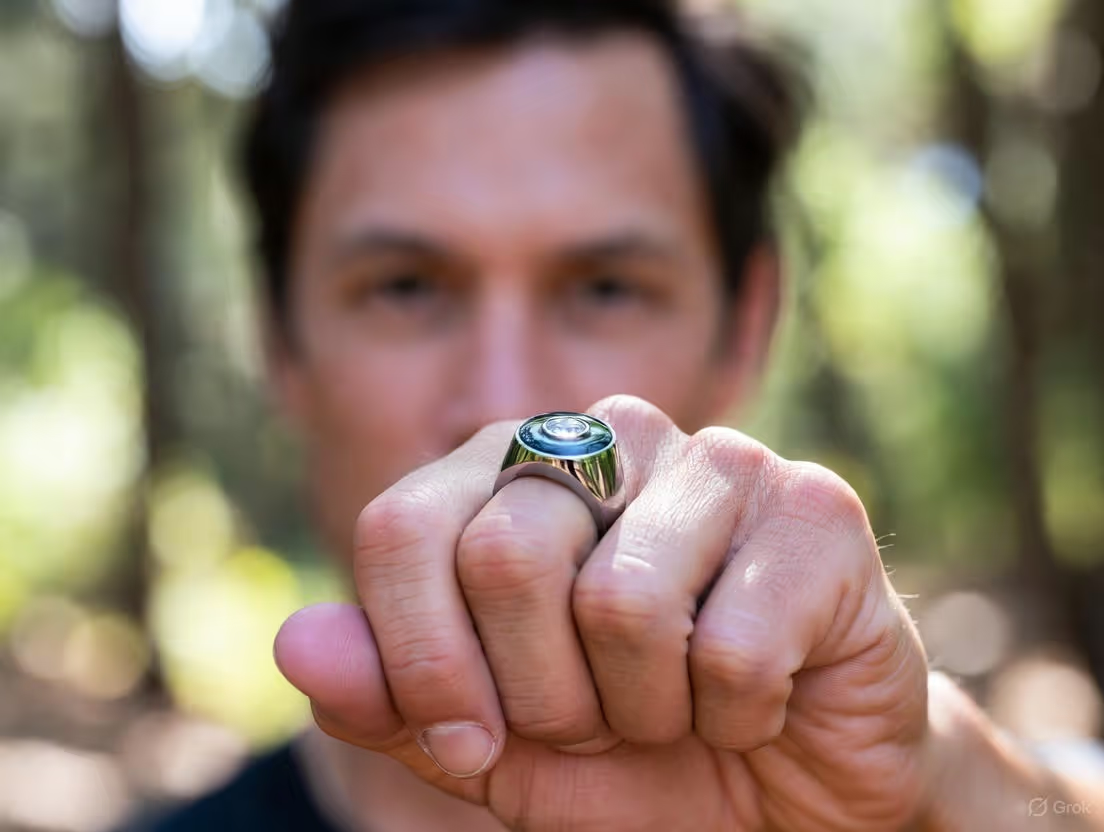
In the modern era, we no longer have to guess at our body's internal state. Wearable technology, particularly advanced smart rings, has emerged as a game-changer for the traveling wellness enthusiast. Devices like the Oxyzen smart ring move beyond simple step counting to provide deep, actionable insights into your physiological adaptation to new time zones.
These rings continuously monitor key biomarkers that are direct outputs of your circadian rhythm and sleep-wake state:
How does this translate to practical jet lag management? Personalized Feedback. Instead of following a generic "stay awake until 9 PM" rule, you can see if your body is actually ready for sleep. If your data shows elevated stress and a low readiness score, you might opt for a gentler first day. You can also A/B test strategies. Does morning light exposure improve your sleep score that night? Does taking melatonin at a certain time improve your deep sleep percentage? The ring provides objective data.
This biofeedback loop creates a powerful sense of agency. You move from blindly following advice to conducting personalized experiments on your own biology. You learn what your body specifically needs to adapt quickly, whether it's more hydration, an earlier bedtime, or a strategic nap. This data-driven approach represents the cutting edge of personalized wellness and travel optimization. To see how this technology integrates into a holistic vision for health, one can explore the mission and vision behind Oxyzen.
Knowledge is only power when applied. Now that we've explored the pillars of circadian adaptation—from light and sleep to food, movement, and technology—the final step is synthesis. Creating a personalized, actionable plan tailored to your specific trip, chronotype, and lifestyle is what will transform theory into seamless travel.
Start by auditing your upcoming journey. Note the direction (east/west), number of time zones, departure/arrival times, and the nature of your trip (business meetings on Day 1 vs. a leisurely vacation). This context dictates the aggressiveness of your strategy.
Next, know your chronotype. Are you a natural "lark" (morning person) or an "owl" (evening person)? Larks generally find eastward travel slightly easier, while owls may adapt more readily to westward travel. Be honest about your natural tendencies when planning your schedule.
Then, build your timeline:
Build a contingency kit: Pack an eye mask, earplugs, blue-light-blocking glasses for evenings (eastward), a portable light therapy lamp (optional but powerful), a large water bottle, and healthy snacks.
Finally, cultivate the right mindset. Expect adaptation to take roughly one day per time zone crossed for your circadian rhythm to fully align. Be kind to yourself. Some fatigue and cognitive dip are normal. The goal is not perfection, but resilience—minimizing the depth and duration of the low. Celebrate small victories: making it to a local dinner, sleeping a solid four-hour block, or simply feeling more alert each successive day.
By taking this proactive, multi-faceted approach, you reframe travel. It is no longer an ordeal to be endured but a physiological challenge to be met with intelligence and preparation. You transition from being a passive victim of time zones to an active architect of your own global well-being, ensuring that your best self arrives when you do. For ongoing support and to explore the tools that can make this plan a sustainable reality, the broader Oxyzen platform offers a cohesive ecosystem designed for the modern, mobile individual.
Sleep is not a passive state of unconsciousness; it is an active, vital, and highly orchestrated period of physiological restoration. When you cross time zones, you disrupt the very architecture of this restorative process, which is why understanding what happens during sleep is crucial for appreciating the true cost of jet lag and the imperative of strategic recovery.
Sleep is broadly divided into two main types: Non-Rapid Eye Movement (NREM) and Rapid Eye Movement (REM). NREM sleep is further broken down into three stages (N1, N2, N3), with N3 being "deep sleep" or slow-wave sleep. These cycles repeat approximately every 90 minutes throughout the night, but the composition of each cycle changes as the night progresses. The first half of the night is dominated by deep N3 sleep, which is critical for physical restoration: tissue repair, muscle growth, immune system strengthening, and the release of growth hormone. The second half of the night features more REM sleep, which is essential for cognitive functions: memory consolidation, emotional processing, learning, and creativity.
Jet lag shatters this elegant sequence. When you sleep at the "wrong" biological time, your sleep architecture becomes fragmented and disorganized. You may experience:
This disruption has a cascading effect. The glymphatic system, the brain's unique waste-clearance system, is most active during deep NREM sleep. It flushes out neurotoxic waste products, including beta-amyloid proteins associated with Alzheimer's disease. Fragmented sleep impairs this nightly "brain wash," contributing to next-day fogginess. Furthermore, the immune system's cytokine signaling, which helps fight infection and promote healing, is tightly regulated by sleep. Disruption here is a key reason travelers are more susceptible to getting sick.
Therefore, managing jet lag isn't just about logging hours in bed. It's about fiercely protecting the quality and timing of sleep to restore this complex restorative machinery as quickly as possible. The goal of all our strategies—light, timing, supplements—is to coax the brain back into producing a normal, local-time-aligned sleep architecture where deep sleep and REM sleep can perform their essential healing work. For travelers who rely on peak cognitive function, understanding this intimate link between sleep physiology and performance is non-negotiable. Tracking biomarkers like heart rate variability and resting heart rate through a device like a smart ring from Oxyzen can offer a proxy for how well this recovery is progressing, giving you a data-backed view of your physiological repair each night.
The generic advice for jet lag often fails because it ignores a fundamental aspect of human biology: chronotype. Your chronotype is your innate predisposition for sleep and wake timing—whether you are naturally a "morning lark," an "evening owl," or somewhere in between. This isn't a lifestyle choice; it's largely genetically determined and influences your circadian rhythm's phase. Understanding your chronotype is the key to personalizing your jet lag strategy and setting realistic expectations.
Morning Types (Larks) typically have a circadian phase that is advanced relative to the external clock. They wake up early and feel most alert in the morning but get sleepy earlier in the evening. For them:
Evening Types (Owls) have a delayed circadian phase. They struggle to wake early, hit their peak alertness in the late afternoon or evening, and prefer later bedtimes. For them:
Intermediate Types fall in the middle and may find the general rules apply more evenly, though directionality will still play a role.
This knowledge is empowering. An owl shouldn't berate themselves for struggling on a business trip to Asia; their biology is literally working against them. Instead, they can deploy more aggressive advance strategies in the days before an eastward trip—using morning light therapy and perhaps melatonin in the evening—while granting themselves grace and planning for a slower start. A lark heading to California might schedule important calls for their still-sharp morning hours (which will feel like late morning to colleagues) and plan evening light exposure to help delay their rhythm.
Personalized technology shines here. Many advanced wellness wearables can help you identify your chronotype by analyzing your long-term sleep-wake patterns and physiological markers. This data moves you from guessing to knowing. With this self-knowledge, you can craft a travel plan that works with your biology, not against it, turning a inherent vulnerability into a managed variable. Exploring the experiences of different chronotypes can be enlightening, as often shared in community-focused sections like Oxyzen testimonials, where users discuss their unique adaptation journeys.
The impact of circadian disruption extends deep into the psyche. Jet lag is as much a neurological and psychological challenge as it is a physiological one. The prefrontal cortex—the brain's executive command center responsible for decision-making, emotional regulation, impulse control, and focus—is exceptionally vulnerable to sleep loss and misalignment. This explains why even the most even-keeled traveler can become irritable, anxious, or quick to anger.
Understanding these psychological effects is the first step in mitigating them:
Strategies for Psychological Resilience:
By anticipating the psychological rollercoaster and having tools to manage it, you protect not only your experience but also your relationships and professional outcomes. Your mind is your most important travel companion; preparing it for the journey is essential. For ongoing strategies on maintaining mental wellness during travel and beyond, a wealth of resources can be found on the Oxyzen blog, dedicated to holistic health optimization.
If light is the conductor of your circadian rhythm, then hydration is the stage upon which the entire physiological orchestra performs. Dehydration is a primary amplifier of jet lag symptoms, yet it is often treated as an afterthought. The combination of dry cabin air, diuretic beverages (coffee, alcohol), time zone disruption, and simply forgetting to drink can create a significant fluid deficit before you even collect your luggage.
The consequences are systemic and mimic—or worsen—the symptoms of jet lag:
Building a Hydration Strategy:
Think of hydration as the baseline infrastructure for all other jet lag interventions. No amount of perfect light exposure or melatonin will work optimally if your cells are operating in a drought. It is the simplest, most cost-effective, and most powerful tool in your travel wellness toolkit. For travelers who use wellness technology, observing metrics like resting heart rate—which often elevates with dehydration—can serve as a useful prompt to drink more water, turning data into direct, healthy action.
Your digestive system operates on its own robust circadian timetable. Enzymes are secreted, gut motility fluctuates, and the microbiome undergoes daily rhythms in composition and function. Throwing this system into chaos by eating at bizarre internal times is a recipe for discomfort and can send conflicting signals to your master clock. Strategic eating is about more than just avoiding stomach upset; it's about using food to reinforce the new local time zone.
Core Principles of Meal Timing for Jet Lag:
What to Avoid:
By treating your meal schedule as a deliberate part of your circadian reset protocol, you engage a powerful ally in your adaptation process. Food becomes not just fuel, but a timing signal that helps synchronize your entire body to a new corner of the globe. For more insights into how daily habits like meal timing intersect with broader wellness tracking, the resources at Oxyzen's about page often delve into this holistic philosophy.
You can execute a perfect light and meal strategy, but if your sleep environment is working against you, adaptation will be slow and painful. The ability to quickly transform a hotel room, Airbnb, or even a relative's guest room into a sleep-conducive sanctuary is a critical skill for the modern traveler. This is about controlling the key environmental pillars of sleep: darkness, temperature, sound, and comfort.
1. Darkness is Non-Negotiable:
Even small amounts of light, especially blue-green wavelengths, can suppress melatonin and fragment sleep. Streetlights, electronic LEDs, and early dawn light are common culprits.
2. The Goldilocks Zone of Temperature:
Core body temperature must drop to initiate and maintain sleep. A room that's too warm is one of the most common causes of poor sleep.
3. Conquering Noise Pollution:
Unfamiliar and unpredictable sounds—hallway chatter, traffic, hotel plumbing—can prevent sleep onset or cause arousals you may not even remember.
4. The Comfort Factor:
An unfamiliar mattress and pillows can create physical discomfort that keeps you awake.
Creating this sanctuary does more than just facilitate sleep; it sends a powerful psychological signal that this space, wherever it is, is now dedicated to rest. It establishes a consistent sleep "ritual" that your brain can recognize anywhere in the world, building a portable anchor of stability amidst the chaos of travel. This commitment to environmental control is a hallmark of a proactive wellness approach, a theme deeply embedded in the Oxyzen story of empowering individuals through technology and knowledge.
The urge to nap after a long journey is visceral. The question isn't whether to nap, but how, when, and for how long. Used indiscriminately, napping can trap you in a limbo between time zones. Used strategically, it can provide a vital energy bridge without derailing your circadian reset.
The Science of the Nap:
A short nap of 10-20 minutes primarily consists of Stage N1 and N2 sleep. This is restorative for alertness and cognitive function without entering deep sleep (N3), from which awakening leads to "sleep inertia"—that groggy, disoriented feeling that can last 30 minutes or more. A longer nap of 60-90 minutes allows you to complete a full sleep cycle, including deep sleep and REM, which can enhance creativity and emotional processing, but carries a higher risk of inertia and, crucially, can reduce your "sleep drive" for the coming night.
Strategic Napping Rules for Jet Lag:
When to Avoid Napping Entirely:
If you are a chronic insomniac or have extreme difficulty sleeping at night, napping can be detrimental. In these cases, it's better to accumulate all sleep drive for the night. Listen to your body and your data. If your wearable shows consistently poor or fragmented night sleep, experiment with eliminating naps to see if it consolidates your nighttime rest.
The art of napping is about respecting your sleep architecture and your circadian goals. A nap should be a tactical refresh, not a dive back into your home time zone. By mastering this art, you gain a flexible tool to manage daytime fatigue without sacrificing your long-term adaptation progress.
For the business traveler, flight crew, or digital nomad who lives in a perpetual state of time zone crossing, the game changes from managing single episodes of jet lag to safeguarding long-term circadian health. Chronic desynchronization is a significant physiological stressor with documented risks. The strategy must evolve from recovery to resilience building and sustainable rhythm management.
1. Embrace a "Home Base" Rhythm:
When you have a home base, fiercely protect your circadian rhythm when you are there. Go to bed and wake up at consistent times, even on weekends. Seek morning sunlight. This creates a stable, healthy default setting that your body can return to, making it both more resilient for travel and quicker to readjust upon return.
2. Prioritize Recovery Windows:
If your travel schedule is brutal (e.g., a 48-hour round trip to Asia), build in mandatory recovery time upon return. Block your calendar for a "circadian reset day" with no meetings. Treat it as a non-negotiable health appointment. Use light, food, and sleep strategically to pull your rhythm back to baseline.
3. Leverage Data for Pattern Recognition:
This is where continuous wearables become indispensable. A device worn 24/7 can reveal patterns invisible to the conscious mind.
This longitudinal data allows you to create a personalized travel profile. You can predict your adaptation timeline, know which trips require more aggressive interventions, and provide objective evidence to employers or clients about the need for recovery time. You move from being a passenger on your health journey to being its pilot.
4. Nutritional Consistency and Supplement Support:
Frequent flyers should consider a more consistent foundational supplement regimen (e.g., Vitamin D, magnesium, omega-3s) to support overall health against the oxidative stress of travel. Melatonin can be used more systematically as a circadian reset tool, but always with attention to timing.
5. Advocate for Intelligent Scheduling:
If you have any influence over your travel schedule, use your knowledge to advocate for wellness-supportive itineraries. For example, if traveling east, a daytime arrival is often easier than a red-eye because it allows you to get daylight immediately. Direct flights, while sometimes more expensive, eliminate the compounded stress of multiple takeoffs/landings and layovers in unnatural environments.
6. Monitor for Burnout:
Chronic jet lag is a fast track to burnout. Watch for warning signs beyond fatigue: persistent cynicism, loss of enjoyment in travel, increased illness, and a feeling of being permanently "out of sync." These are signals to drastically reduce travel or seek professional guidance.
For the frequent traveler, wellness is a continuous practice, not an intermittent fix. It requires a systems-thinking approach, where every trip is part of a larger health ecosystem. The mission of modern wellness technology, as embodied by companies like Oxyzen, is to provide the continuous, objective feedback loop needed to manage this complex, high-stakes lifestyle sustainably.
Once you've mastered the foundational pillars of light, timing, and environment, a world of advanced and emerging strategies awaits. These are for the traveler or biohacker committed to achieving the fastest, smoothest adaptation possible, leveraging the latest in consumer technology and nutritional science.
1. Simulated Altitude and Hypoxic Conditioning:
Some cutting-edge wearable devices now offer guided breathing exercises designed to create mild, intermittent hypoxic (low oxygen) conditions. The theory is that this can upregulate mitochondrial efficiency and improve resilience to stress, potentially aiding in recovery from travel fatigue. While research is nascent in the jet lag context, early adopters report benefits. This represents the frontier of using wearables for active intervention, not just passive tracking.
2. Temperature Manipulation:
Since the drop in core body temperature is a key signal for sleep onset, some strategies involve accelerating this process. A warm bath or shower 1-2 hours before bed seems counterintuitive, but it actually draws blood to the skin's surface, causing a rapid cool-down afterward that can facilitate sleep. Conversely, morning cool showers can promote alertness. Some advanced wearables now track wrist temperature trends, providing data to see how your temperature rhythm is adapting.
3. Photobiomodulation (Red Light Therapy):
While blue light is dominant for circadian phase-shifting, emerging research suggests red and near-infrared light can positively impact cellular energy production (via mitochondria) and reduce inflammation. Portable red light devices are being explored by some travelers to combat fatigue and support recovery, though more specific jet lag studies are needed.
4. CGM (Continuous Glucose Monitor) Insights:
For those with access, wearing a CGM during travel can be enlightening. It reveals how travel stress, altered meal times, and poor sleep directly impact metabolic stability. Seeing real-time glucose spikes and crashes can motivate better food choices and meal timing, providing a direct link between circadian behavior and a key metabolic marker.
5. Personalized Melatonin and Supplement Protocols:
Working with a functional medicine doctor or sleep specialist, some travelers get their melatonin levels tested and create ultra-precise, personalized dosing schedules. Similarly, adaptogens like rhodiola rosea (for fatigue) or ashwagandha (for stress) may be timed specifically around travel days based on individual response.
6. "Digital Fasting" and EMF Management:
An emerging area of concern is the effect of electromagnetic fields (EMF) from devices and inflight Wi-Fi on sleep and circadian biology. While the science is not settled, some advanced protocols recommend "digital fasting"—turning devices to airplane mode and avoiding inflight Wi-Fi—not just for blue light reduction, but to minimize EMF exposure during the vulnerable sleep period. Using wired headphones instead of Bluetooth at night is another simple mitigation.
These advanced tactics underscore a principle: the most effective jet lag protocol is a personalized one. It is built on a foundation of solid science, refined through self-experimentation, and guided by personal data. The modern wellness traveler is an active participant in their own biohacking journey, using every available ethical tool to optimize performance and well-being on a global scale. For those deeply interested in this intersection of technology, data, and human performance, following the ongoing research and user stories on the Oxyzen blog can provide a steady stream of insights and innovations.
Your Trusted Sleep Advocate: Sleep Foundation — https://www.sleepfoundation.org
Discover a digital archive of scholarly articles: NIH — https://www.ncbi.nlm.nih.gov/
39 million citations for biomedical literature :PubMed — https://pubmed.ncbi.nlm.nih.gov/
Experts at Harvard Health Publishing covering a variety of health topics — https://www.health.harvard.edu/blog/
Every life deserves world class care :Cleveland Clinic - https://my.clevelandclinic.org/health
Wearable technology and the future of predictive health monitoring :MIT Technology Review — https://www.technologyreview.com/
Dedicated to the well-being of all people and guided by science :World Health Organization — https://www.who.int/news-room/
Psychological science and knowledge to benefit society and improve lives. :APA — https://www.apa.org/monitor/
Cutting-edge insights on human longevity and peak performance:
Lifespan Research — https://www.lifespan.io/
Global authority on exercise physiology, sports performance, and human recovery:
American College of Sports Medicine — https://www.acsm.org/
Neuroscience-driven guidance for better focus, sleep, and mental clarity:
Stanford Human Performance Lab — https://humanperformance.stanford.edu/
Evidence-based psychology and mind–body wellness resources:
Mayo Clinic — https://www.mayoclinic.org/healthy-lifestyle/
Data-backed research on emotional wellbeing, stress biology, and resilience:
American Institute of Stress — https://www.stress.org/


