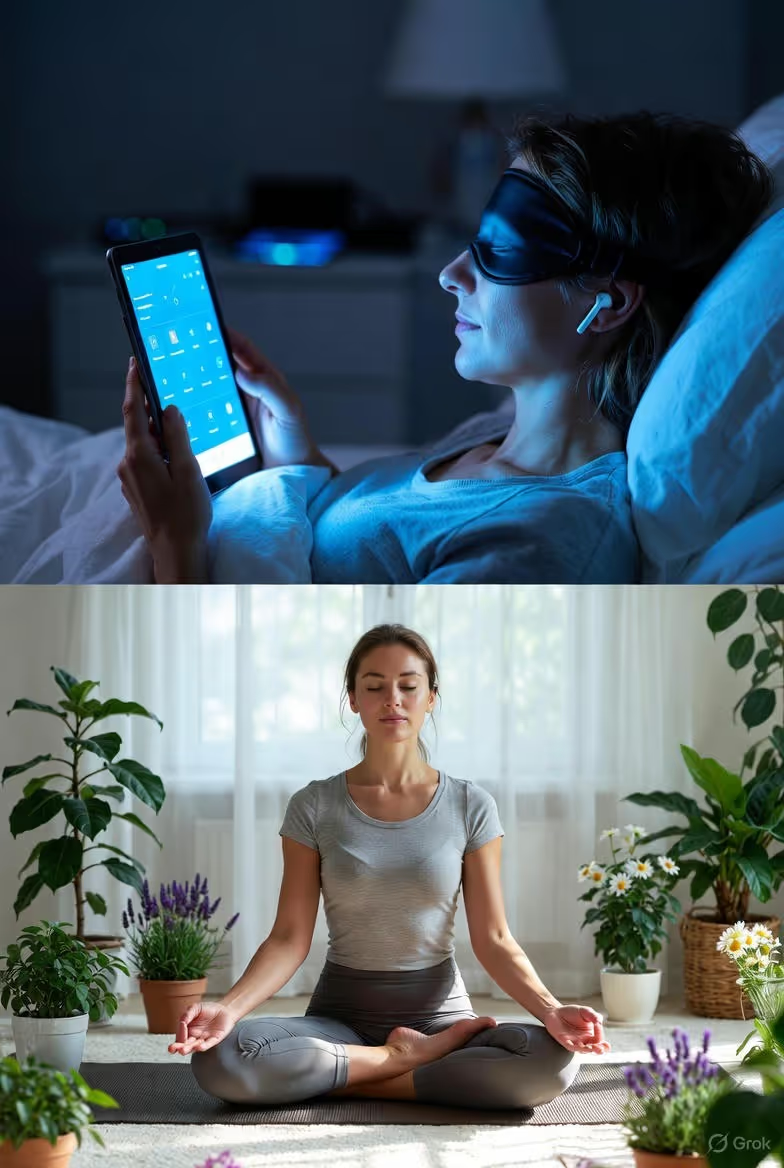
Sleep Quality Enhancement: Natural Methods vs Technology
Natural methods and technology-based approaches both enhance sleep quality with different advantages. This comparative guide evaluates lifestyle modifications, environmental optimization, behavioral techniques versus wearables, apps, and smart devices, helping you choose the most appropriate enhancement strategy for your situation.
Sleep Quality Enhancement: Natural Methods vs Technology
You wake up feeling exhausted, again. The alarm clock blares, but your body feels heavy, your mind foggy. You dragged yourself through eight hours in bed, yet you feel like you barely slept. This paradox—spending ample time in bed but waking up unrefreshed—is the silent epidemic of our time. We spend roughly one-third of our lives asleep, yet for millions, this critical third is broken, leaving the other two-thirds to suffer.
Sleep quality isn't a luxury; it’s the non-negotiable foundation of human health. It’s the period when our brains consolidate memories, our bodies repair tissues, our hormones rebalance, and our immune systems recharge. Poor sleep is a stealthy thief, robbing us of cognitive clarity, emotional resilience, and physical vitality. It’s linked to a heightened risk for everything from weight gain and diabetes to heart disease, depression, and Alzheimer’s. In our quest to fix it, we stand at a fascinating crossroads: one path leads back to ancient, natural wisdom, and the other forward into the gleaming promise of cutting-edge technology.
This divide forms the core of today’s great sleep debate. On one side, proponents of natural methods advocate for a return to the rhythms of our biology—harnessing sunlight, mastering our breath, curating our diet, and crafting environments in harmony with our evolutionary needs. On the other, the burgeoning field of sleep tech offers a data-driven revolution, with devices that track, analyze, and even actively intervene to optimize our slumber. From smart rings that monitor your heart rate variability all night to apps that generate soundscapes for your brainwaves, technology promises a quantified and controlled path to perfect sleep.
But is this a battle, or a potential partnership? Must we choose between a grounding sunrise and a galvanic skin response sensor? This exploration seeks to move beyond an either/or proposition. We will delve deep into the proven, powerful world of natural sleep enhancement, understanding the why behind age-old practices. Then, we will dissect the technological arsenal available today, separating genuine innovation from mere gadgetry. Our journey will reveal that the future of restorative sleep may not lie in choosing a side, but in intelligently weaving the timeless wisdom of nature with the precise insights of technology. It’s about using a smart ring not just to tell you how you slept, but to guide you meaningfully toward the natural behaviors that make sleep better. For those curious about how modern devices can serve as guides on this journey, discover how Oxyzen works to bridge this very gap.
The goal is profound: to move from simply counting hours to truly reclaiming the restorative power of the night. Let’s begin.
The Silent Epidemic: Understanding the True Cost of Poor Sleep
We often wear our sleep deprivation like a badge of honor, a testament to our busy, important lives. But beneath the surface of that late-night hustle and the extra-strong coffee lies a cascading physiological catastrophe. Poor sleep isn't just about feeling groggy; it's a systemic breakdown that impacts every cell in your body. To understand why enhancing sleep quality is perhaps the single most impactful health intervention you can make, we must first comprehend the staggering cost of neglecting it.
The Brain Under Siege: Cognitive and Emotional Toll
While you sleep, your brain is not offline. It's engaged in a critical housekeeping process. The glymphatic system, a recently discovered waste-clearance pathway, kicks into high gear during deep sleep, flushing out metabolic debris like beta-amyloid proteins—the very proteins that clump together in Alzheimer's disease. Skimp on sleep, and you're essentially skipping the brain's nightly detox.
The consequences are immediate. Studies from the University of California, Berkeley, show that a single night of poor sleep leads to a 40% reduction in the brain's ability to form new memories. Focus, problem-solving, and decision-making abilities plummet. You become more reactive, less creative. Emotionally, the amygdala—the brain's fear center—goes into overdrive when sleep-deprived, while its connection to the prefrontal cortex (the rational regulator) weakens. This neural disconnect explains why we're more irritable, anxious, and emotionally volatile after a bad night. It’s not just a mood; it’s a neurological state.
The Body in Rebellion: Metabolic and Physical Breakdown
The damage extends far beyond the skull. Sleep is a master regulator of hormones. Two key players are leptin (which signals fullness) and ghrelin (which signals hunger). When you're sleep-deprived, leptin levels drop, and ghrelin levels surge. The result? A 20-30% increase in appetite, with specific cravings for high-carbohydrate, sugary foods. It’s a biological mandate to seek quick energy to fight fatigue. This is why chronic poor sleep is one of the strongest predictors of weight gain and obesity, independent of diet and exercise.
Furthermore, sleep deprivation induces a state of insulin resistance, where your cells stop responding effectively to insulin. This pushes your pancreas to produce more, leading to elevated blood sugar levels—a direct path toward Type 2 diabetes. Your cardiovascular system also takes a hit. During healthy sleep, blood pressure dips—a phenomenon called "nocturnal dipping." Disrupted sleep eliminates this vital rest period for your heart and vessels, contributing to chronic hypertension. The stress hormone cortisol remains elevated, creating a state of chronic, low-grade inflammation that is the common soil for virtually every modern disease.
The Long-Term Shadow: Chronic Disease and Mortality
The acute effects compound into chronic risks. The World Health Organization (WHO) has classified nightshift work as a probable carcinogen, largely due to circadian disruption. Consistently poor sleep is linked to significantly higher risks of:
Heart Disease & Stroke: Up to 48% increased risk of coronary heart disease and 15% increased risk of stroke.
Immune Dysfunction: Sleep-deprived individuals are over three times more likely to catch a common cold when exposed to the virus.
Mental Health Disorders: A bidirectional relationship exists where poor sleep fuels conditions like depression and anxiety, and these conditions, in turn, disrupt sleep.
The ultimate metric is mortality. Large-scale epidemiological studies consistently show that both short sleep (consistently less than 7 hours) and poor-quality sleep are associated with an increased risk of all-cause mortality. In essence, neglecting sleep is neglecting your lifespan.
Understanding this cost frames the entire sleep enhancement conversation not as a pursuit of luxury, but as an urgent necessity. It’s the bedrock upon which all other health goals are built. As we explore solutions, both natural and technological, keep in mind that we are not just chasing better nights; we are fundamentally rebuilding our foundation for life. For a deeper exploration of how sleep impacts holistic wellness, you can explore our blog for more wellness tips.
The Pillars of Natural Sleep: Reclaiming Your Biological Right to Rest
Before the glow of screens and the hum of electronics, humans slept in rhythm with the Earth. Our biology is hardwired for this rhythm—the circadian rhythm. Enhancing sleep naturally is less about adding new things and more about stripping away the modern interference that blocks this innate ability. It’s a return to the fundamental pillars that have supported human slumber for millennia. These pillars form a non-negotiable foundation, whether you choose to later augment your approach with technology or not.
Pillar 1: Light - The Master Zeitgeber
Light is the single most powerful cue for your internal clock. Specialized cells in your eyes detect blue-wavelength light and signal the suprachiasmatic nucleus (SCN) in your brain—your master clock. This tells your body whether it's time to be alert (day) or to start winding down (night).
The Natural Protocol:
Morning Sunlight: Within 30-60 minutes of waking, get 5-15 minutes of bright, outdoor light (even on cloudy days). This morning light exposure acts as a powerful "reset" button, sharpening your cortisol awakening response and setting a precise 24-hour timer for melatonin release roughly 12-14 hours later.
Daytime Abundance: Seek ample natural light throughout the day. This strengthens the circadian signal.
Evening Dimness: As the sun sets, so should your light exposure. Starting 2-3 hours before bed, dim overhead lights and avoid bright screens. The goal is to mimic the natural progression into darkness. If needed, use blue-light blocking glasses.
Darkness for Sleep: Your bedroom should be pitch black. Even small amounts of light from chargers or streetlights can fragment sleep and suppress melatonin. Consider blackout curtains and covering all electronic LEDs.
Pillar 2: Temperature - The Sleep Switch
Your core body temperature needs to drop by about 1-2 degrees Fahrenheit to initiate and maintain sleep. This drop is a signal, not a side effect. It’s why we find it easier to sleep in a cool room.
The Natural Protocol:
Cool Environment: Aim for a bedroom temperature between 60-67°F (15-19°C). This cool environment facilitates the necessary core temperature drop.
Evening Warmth to Facilitate Cooling: Taking a warm bath or shower 1-2 hours before bed is a powerful tactic. As you leave the warmth, your blood vessels dilate at the extremities, radiating heat out and accelerating the core cooling process.
Breathable Bedding: Use natural, breathable materials like cotton or linen for sheets and sleepwear to avoid overheating during the night.
Pillar 3: Nutrition & Caffeine - Fueling for Slumber
What you consume and when you consume it plays a dramatic role in sleep architecture. Your digestive system has its own circadian rhythm, and disrupting it disrupts rest.
The Natural Protocol:
The Caffeine Cliff: Caffeine has a half-life of 5-6 hours. That means if you have a coffee at 3 PM, half the caffeine is still in your system at 8-9 PM. Establish a firm cutoff time, ideally by noon or at least 10 hours before bedtime.
Alcohol Illusion: While alcohol is a sedative that can help you fall asleep, it metabolizes into aldehydes that fragment the second half of your sleep, severely disrupting REM sleep—the critical phase for memory consolidation and emotional processing.
Evening Meal Timing: Finish large meals at least 3 hours before bed. Digestion raises core temperature and requires energy, pulling resources away from sleep processes. A small, sleep-supportive snack (e.g., a handful of almonds, a kiwi, or tart cherry juice) 45 minutes before bed is acceptable if needed.
Hydration Balance: Hydrate well throughout the day but taper off 1-2 hours before bed to minimize sleep-interrupting trips to the bathroom.
Pillar 4: Wind-Down Rituals & Stress Deceleration
You cannot sprint into sleep. The transition from the sympathetic "fight-or-flight" state to the parasympathetic "rest-and-digest" state is a process. The modern mind, buzzing with to-do lists and digital notifications, needs a deliberate off-ramp.
The Natural Protocol:
Create a Buffer Zone: Institute a mandatory 60-90 minute "sleep buffer zone" before your target bedtime. This is a screen-free, work-free period.
Activate the Parasympathetic Nervous System: This is where ancient practices shine.
Breathwork: Simple techniques like 4-7-8 breathing (inhale for 4, hold for 7, exhale for 8) or diaphragmatic breathing directly signal safety to your nervous system.
Gentle Movement: Restorative yoga, light stretching, or a slow walk can help release physical tension.
Gratitude or Journaling: "Downloading" worries or ruminations onto paper gets them out of your head. Writing down a few things you're grateful for induces a positive, calm state.
Consistency is King: Performing the same sequence of calming activities each night creates a powerful classical conditioning response. Your brain begins to associate the ritual with the impending state of sleep.
These four pillars—Light, Temperature, Nutrition, and Wind-Down—are not quick tips; they are a lifestyle framework. They address sleep not as an isolated event, but as the natural outcome of a day lived in closer alignment with human biology. Mastering these is the first and most critical step toward reclaiming your sleep. For many, this foundational work is transformative on its own. For others, it creates a stable baseline from which technology can then offer its unique advantages, a synergy we will explore later. To see how one company has woven this philosophy into its core, you can read about our story and vision.
The Tech Frontier: An Overview of Modern Sleep Enhancement Technology
While nature provides the blueprint, technology offers the tools for unprecedented measurement and, in some cases, modulation. The sleep tech market has exploded far beyond basic step-counters, evolving into a sophisticated ecosystem designed to diagnose, track, and intervene in our sleep. This frontier can be divided into three broad categories: Tracking & Diagnostics, Environmental Control, and Direct Intervention. Understanding this landscape is key to discerning what might serve you versus what is merely technological noise.
Category 1: Tracking & Diagnostics - The Quantified Self Asleep
This is the largest category, centered on gathering data. The premise is simple: you cannot improve what you do not measure. These devices move us from subjective feelings ("I tossed and turned") to objective metrics.
Wearables (Smart Rings, Watches, & Patches): These are the workhorses of sleep tracking. Using sensors like photoplethysmography (PPG) to detect blood volume changes, accelerometers for movement, and sometimes skin temperature and galvanic skin response sensors, they estimate sleep stages (Wake, Light, Deep, REM), heart rate, heart rate variability (HRV), and respiration rate. The smart ring, like those explored at Oxyzen, has gained prominence for sleep specifically. Its form factor is often less intrusive than a watch, allowing for more consistent, comfortable wear, and its placement on the finger can provide strong physiological signals. The goal is to identify patterns: Do late meals disrupt your deep sleep? Does a morning workout improve your HRV?
Non-Wearable Bedside & Under-Mattress Devices: These devices, like the Withings Sleep Analyzer or Emfit, sit under your mattress or on your bedside table. Using ballistocardiography (BCG), they detect the micromovements of your heartbeat and breathing from afar. They offer a "no-wear" solution that tracks sleep duration, cycles, and can sometimes flag potential issues like sleep apnea through breathing irregularity analysis.
Polysomnography (PSG) at Home: Once confined to sleep labs, simplified PSG kits are now available for home use. These more clinical-grade devices include EEG headbands (like Dreem) that measure brainwave activity directly, providing the most accurate sleep staging outside a lab. They represent the high-fidelity end of consumer tracking.
Category 2: Environmental Control - Engineering the Ideal Cave
This category uses technology to optimize the external pillars of sleep we discussed earlier: light, temperature, and sound.
Smart Lighting: Systems like Philips Hue or smart bulbs can be programmed to simulate sunrise (gradually increasing in intensity and color temperature in the morning) and sunset (dimming and shifting to amber/red tones in the evening). This provides a powerful technological assist for Pillar 1, reinforcing natural circadian cues in an artificially lit world.
Smart Thermostats & Bed Cooling: Devices like the ChiliPad, OOLER, or BedJet allow for precise control of bed temperature, often cooling the sleeping surface to facilitate the core temperature drop. A smart thermostat (like Nest or Ecobee) can lower the bedroom temperature automatically at bedtime.
Sound Machines & Smart Speakers: While simple white noise machines have existed for decades, modern versions and apps generate scientifically designed soundscapes. Pink noise (which has more low-frequency energy than white noise) has been shown in studies to increase slow-wave brain activity and improve memory consolidation. Some apps use adaptive sound that reacts to ambient noise in your room.
Category 3: Direct Intervention - Guiding Brain and Breath
The most advanced frontier involves devices that don't just track or create an environment, but actively attempt to influence your physiology in real-time.
Neurofeedback & Stimulation: Devices like the Muse headband use EEG to guide meditation and relaxation, which can directly improve sleep readiness. More experimental devices use gentle electrical (tACS) or auditory stimulation to try and enhance slow-wave sleep.
CPAP & Oral Appliances: For diagnosed sleep apnea, a Continuous Positive Airway Pressure (CPAP) machine is a life-changing technological intervention that keeps the airway open, preventing hundreds of nightly awakenings.
Guided Breathing & HRV Biofeedback: Wearables that provide real-time HRV data can be used for biofeedback training. Apps guide you to breathe at your "resonant frequency" (typically 4.5-7 breaths per minute) to maximize HRV, a key marker of nervous system balance and recovery that is tightly linked to sleep quality.
The promise of this tech frontier is immense: personalized insight, automated optimization, and new forms of therapy. Yet, it also raises critical questions about accuracy, dependency, and cost. The data is only as good as the sensor and the algorithm interpreting it, and a device that tells you you had a "poor sleep score" can, ironically, create performance anxiety that worsens sleep—a phenomenon dubbed "orthosomnia." The key is to approach technology not as a replacement for the natural pillars, but as a lens to understand how well you are implementing them. It’s the bridge between intention and insight, a theme we will return to as we delve into specific comparisons. For practical questions on how to integrate such devices into your life, our FAQ section provides detailed support.
Head-to-Head: Circadian Rhythm Alignment
Our circadian rhythm is the 24-hour internal conductor of our biology. Aligning with it is the bedrock of good sleep. But how do the ancient methods of using natural light compare to technological solutions like smart lighting and scheduling apps? Let's examine the strengths, limitations, and potential synergy of each approach.
The Natural Method: Solar Synchronization
For millions of years, our primary zeitgeber (time-giver) was the sun. This method is elegantly simple, free, and taps directly into our evolutionary programming.
How It Works: You use exposure to natural light and darkness to set and reinforce your internal clock.
Morning: View bright, outdoor light shortly after waking.
Day: Spend time in well-lit environments, preferably outdoors.
Evening: Reduce light exposure, especially blue light, as the sun sets.
Night: Sleep in darkness.
Evidence & Effectiveness: The evidence is robust and foundational. Research shows that morning light exposure advances your clock (helps you wake earlier), while evening light delays it. A study in Sleep Health journal found that office workers with more morning sunlight exposure fell asleep faster and had fewer sleep disturbances. The mechanism is direct: light hits the retina, signals the SCN, which then governs melatonin production via the pineal gland.
Pros:
Potent & Free: The most powerful signal available, at zero cost.
Holistic Benefits: Outdoor light exposure often comes with fresh air, nature connection, and incidental movement.
No Downside or Dependency: There is no risk of malfunction, data anxiety, or electrical failure.
Cons:
Weather & Season Dependent: Gray winters or rainy seasons can limit bright light exposure.
Modern Lifestyle Conflicts: Office jobs with limited window access make consistent daytime light challenging.
Impractical for Some: Shift workers or those in extreme latitudes cannot always rely on the solar schedule.
The Tech Method: Engineered Cues & Data Scheduling
Technology attempts to replicate, supplement, or work around natural light cues using devices and data.
How It Works:
Smart Lighting: Programmable bulbs simulate sunrise (gradually brightening to cool white/blue) and sunset (dimming to warm amber/red). They can also maintain ideal daytime brightness indoors.
Blue-Light Blocking: Apps (f.lux, Night Shift) or physical glasses filter blue wavelengths from screens and ambient light in the evening.
Algorithmic Scheduling: Apps like Sleep Cycle or even data from a smart ring analyze your sleep patterns to suggest an idealized, personalized bedtime and wake time based on your sleep cycles.
Evidence & Effectiveness: Studies on light therapy for Seasonal Affective Disorder (SAD) prove artificial bright light can influence circadian rhythms. A 2017 study in Journal of Psychiatric Research found that using a dawn-simulating alarm clock improved subjective sleep quality and mood. Blue-light blocking has mixed but generally supportive evidence; a Chronobiology International review concluded it can improve sleep quality, especially for those with pronounced evening screen use.
Pros:
Consistency & Control: Unaffected by weather, time of year, or location. You can create a perfect "sunrise" at 6 AM daily, even in a windowless room.
Precision & Personalization: Algorithms can tailor schedules to your unique sleep architecture, suggesting the optimal wake time within a window to avoid sleep inertia.
Adaptability: Essential for non-standard schedules (shift work, travel across time zones).
Cons:
May Be Weaker: Even the best artificial light is often less intense and spectrally different than bright sunlight, potentially providing a less potent signal.
Cost & Complexity: Requires purchasing and setting up devices/apps.
Over-Reliance Risk: Can lead to ignoring natural cues entirely, potentially disconnecting us further from our environment.
The Verdict & Synergistic Path
This is not a contest with a single winner. The natural method provides the gold-standard signal, while the tech method offers a reliable, controllable backup and enhancement system.
The Integrated Approach:
Use natural light as your primary anchor whenever possible. Make the morning sun viewing a non-negotiable ritual.
Employ smart lighting as a powerful supplement. Use sunrise simulation to reinforce your wake-up time, especially in dark mornings. Use sunset simulation to begin your wind-down ritual, creating a consistent, artificial dusk.
Let tracking data inform your schedule. If your wearable consistently shows you entering deep sleep at a certain time, use an algorithmic app to gently nudge your bedtime to protect that window. The data from devices can provide the "why" behind your natural experiment results.
Use blue-light blocking as a practical shield. When evening screen use is unavoidable, filters or glasses are a sensible harm-reduction tool, not a substitute for overall reduced light exposure.
In essence, technology shines brightest when it is used to defend and augment your connection to natural rhythms in an unnatural world, not to replace it. It’s the bridge that helps you maintain circadian health despite the demands of modern life. For those looking to understand the data behind their own rhythms, learning more about smart ring technology can be a great first step.
Head-to-Head: Sleep Environment Optimization
Your bedroom is your sleep sanctuary. Its conditions—temperature, darkness, and sound—are the immediate physical determinants of sleep quality. Here, the timeless principles of crafting a cave-like environment meet the precision of modern smart home technology. Which approach creates the ultimate haven for rest?
The Natural Method: The "Human Cave" Principle
This method relies on passive design, behavioral adjustments, and simple tools to create an environment that mimics the conditions under which our sleep systems evolved.
How It Works:
Temperature: Use breathable, natural-fiber bedding (cotton, linen, wool). Keep the bedroom cool by opening a window, using a fan, or adjusting the home thermostat manually.
Darkness: Install high-quality blackout curtains or shades. Use electrical tape to cover standby LEDs on electronics. Consider a comfortable sleep mask.
Sound: Use earplugs (silicone or foam) to block out disruptive noises. Rely on the natural sound buffer of a quiet, well-chosen location for your bedroom.
Air Quality: Keep the room well-ventilated. Introduce air-purifying plants like snake plants or peace lilies.
Evidence & Effectiveness: The science supporting these methods is fundamental. The recommended sleep temperature range (60-67°F) is based on thermoregulatory studies. Research in Journal of Clinical Sleep Medicine confirms that even moderate light exposure during sleep can reduce melatonin levels and increase arrhythmia. Earplugs and eye masks have been shown in hospital studies (e.g., in Critical Care) to significantly improve sleep quality by reducing awakenings.
Pros:
Reliable & Low-Tech: No software updates, Wi-Fi dependencies, or power cords (besides a fan). It just works.
Often More Affordable: Blackout curtains and earplugs are a one-time, low-cost investment.
No Electromagnetic Fields (EMFs): For those concerned about EMF exposure during sleep, a passive environment eliminates this worry.
Tactile & Sensory Quality: Natural fibers and passive air flow can feel more comfortable and "alive" than synthetic, machine-driven alternatives.
Cons:
Less Dynamic Control: You can't easily program the room to be 62°F at 11 PM but 65°F by 6 AM. Adjusting a window or fan is a manual intervention.
May Be Insufficient: In noisy urban environments, earplugs might not block low-frequency sounds. In very hot climates, a fan may not suffice.
Requires Discipline & Habit: Remembering to open/close windows, draw curtains, and insert earplugs relies on consistent human action.
The Tech Method: The "Smart Sanctuary"
This approach uses connected devices to automate and dynamically control the sleep environment, creating a precisely engineered cocoon.
How It Works:
Smart Climate Control: A smart thermostat (Nest, Ecobee) can be scheduled to lower the temperature at bedtime and raise it before waking. Advanced systems like the Eight Sleep Pod or Chilipad use water or air to actively cool or heat the mattress surface itself.
Automated Darkness: Smart blinds (like those from IKEA or Lutron) can be scheduled to close at sunset and open at sunrise, syncing with natural light cycles or your alarm.
Engineered Sound: Smart speakers or dedicated sound machines (like the Hatch Restore) can play white/pink/brown noise, nature sounds, or guided sleep meditations on a schedule. Some can even respond to sudden noises (e.g., a siren) by temporarily increasing volume to mask it.
Air Quality Monitors: Devices like Awair or AirThings monitor CO2, VOCs, and particulate matter, providing data to guide ventilation or air purifier use.
Evidence & Effectiveness: Studies on bed cooling systems show they can significantly improve sleep efficiency and slow-wave sleep, especially in those who sleep hot. Research on pink noise, as published in Frontiers in Human Neuroscience, demonstrates its ability to enhance deep sleep and memory. Automated systems ensure consistency, which is a key pillar of good sleep hygiene.
Pros:
Precision & Automation: "Set it and forget it." The environment optimizes itself according to your ideal parameters, removing human error or forgetfulness.
Dynamic Adaptation: Some systems can adjust in real-time. A smart bed might cool if it detects your temperature rising. A sound machine can react to ambient noise.
High Degree of Control: Fine-tune every aspect to your personal preference (e.g., exact temperature, soundscape, light color).
Integration: All devices can work together (e.g., "Goodnight" scene turns off lights, lowers temp, starts white noise).
Cons:
Cost & Complexity: A fully integrated system is a significant investment and requires technical setup and maintenance.
Dependency & Failure Points: Relies on electricity, Wi-Fi, and functioning software. A power outage or bug can disable your optimized environment.
Potential for Over-Engineering: The pursuit of perfect data (e.g., obsessing over air quality graphs) can become a source of stress, counteracting the relaxation goal.
The Verdict & Synergistic Path
The optimal sleep environment is likely a hybrid—a "primal smart cave." Use robust, passive natural methods as your foundation, and employ technology for precision tuning and automation where it adds real value.
The Integrated Approach:
Start with the natural foundation. Invest in excellent blackout curtains and high-quality, breathable bedding. Choose the quietest room possible for sleep. This is your baseline fortress.
Use technology to solve specific, persistent problems. If you are a hot sleeper, a bed-cooling system can be transformative. If you live on a noisy street, a smart sound machine that generates consistent masking noise is more effective than earplugs alone.
Automate for consistency, not just for gadgetry. Program your thermostat to drop at bedtime—it's one less thing to remember and ensures the condition is met every single night. Use smart bulbs to dim automatically, reinforcing your wind-down ritual.
Let data inform your environment. If your sleep tracker shows frequent awakenings correlated with temperature spikes or noise events, you have objective evidence to justify a targeted tech solution. Reading real customer reviews on products like the Oxyzen ring can help you see how others have used data to solve environmental issues.
The goal is to create a sanctuary that feels effortlessly conducive to sleep. By combining the reliable, sensory richness of natural methods with the set-and-forget precision of smart technology, you build an environment that doesn't just look good on a data dashboard but feels like a true haven for restoration.
Head-to-Head: Mind & Body Wind-Down Rituals
The final hour before bed is the critical launch sequence for sleep. Here, we transition from the alert, goal-oriented wake state to the receptive, restorative sleep state. The battle between ancient mind-body practices and modern digital tools to facilitate this transition is a fascinating study in contrasting philosophies.
The Natural Method: The Ancient Arts of Deceleration
This path uses time-honored, non-digital practices to consciously downshift the nervous system from sympathetic (fight-or-flight) to parasympathetic (rest-and-digest) dominance.
Core Practices:
Meditation & Mindfulness: Sitting or lying in stillness, focusing on the breath or bodily sensations, and observing thoughts without judgment. This directly reduces cortisol and quiets the "monkey mind."
Breathwork (Pranayama): Deliberate breathing patterns like 4-7-8, diaphragmatic breathing, or alternate nostril breathing. These act as a direct lever on the vagus nerve, stimulating the relaxation response. Studies show paced breathing can increase Heart Rate Variability (HRV), a key recovery metric.
Gentle, Restorative Movement: Yin yoga, light stretching, or Tai Chi. These release physical tension without elevating heart rate or core temperature.
Gratitude Journaling or "Brain Dumping": Writing down 3-5 things you're grateful for cultivates a positive state. Alternatively, writing a to-do list for the next day can offload anxious thoughts from your mind onto paper, a method validated by a study in the Journal of Experimental Psychology.
Tactile, Analog Activities: Reading a physical book (non-stimulating content), knitting, or light tidying.
Evidence & Effectiveness: The evidence for meditation is vast. A JAMA Internal Medicine review found mindfulness meditation improves sleep quality more than structured sleep hygiene education alone. Breathwork's impact on HRV and stress is well-documented in psychophysiology research. The act of journaling to-dos has been shown to decrease sleep latency (time to fall asleep).
Pros:
Cultivates Internal Skill: You are developing a portable, internal capacity to calm yourself, independent of any tool or device.
No Negative Side Effects: These practices only build positive benefits.
Deepens Mind-Body Connection: They foster awareness of internal states (tension, breath, racing thoughts), which is foundational for long-term sleep health.
Truly Screen-Free: Provides a complete digital detox before bed.
Cons:
Requires Discipline & Practice: It can be difficult to start and maintain, especially when stressed. The benefits often build over time.
Can Feel Challenging: Sitting with silence or racing thoughts is not always pleasant initially.
Less "Immediate" for Some: Without guided prompts, a beginner may not feel an instant effect.
The Tech Method: Digital Guides and Biofeedback
This approach uses apps, devices, and audio content to guide or entrain your nervous system into a relaxed state, often providing external structure and feedback.
Core Tools:
Guided Meditation & Sleep Story Apps: Calm, Headspace, Insight Timer. These provide narrative and instruction to lead your mind away from rumination.
Biofeedback Devices: Wearables like an Oxyzen ring or an Apollo Neuro, paired with their apps, provide real-time HRV or physiological stress data to guide breathing exercises, showing you when you're successfully shifting your state.
Binaural Beats & Isochronic Tones: Audio apps (like Brain.fm) generate sound waves at specific frequencies claimed to entrain brainwaves into theta (relaxed) or delta (sleep) states.
Smart Breathing Guides: Apps like "MyCalmBeat" or device-linked guides use pacer animations or haptic vibrations to guide your inhale/exhale rhythm to your personalized resonant frequency.
Evidence & Effectiveness: Research on apps like Calm shows they can reduce subjective stress and improve sleep. Biofeedback for HRV is a clinically validated method for improving autonomic nervous system balance. The evidence for binaural beats is more mixed but suggests potential for relaxation, if not direct sleep induction.
Pros:
Accessible & Beginner-Friendly: Provides immediate structure. You just press play and follow along.
Objective Feedback: Biofeedback turns an abstract concept ("relax") into a concrete, visual goal ("get the ball to the top of the screen by slowing your heart rate").
Variety & Novelty: Vast libraries of content prevent boredom and can match your specific mood (anxiety, sadness, restlessness).
Can Be Highly Effective for Specific Issues: A compelling sleep story can powerfully distract an overactive mind.
Cons:
Screen & Device Dependency: Often requires using the very devices you're supposed to be avoiding. Even with Night Shift, the interaction is stimulating.
Risk of Passivity: You may become reliant on the external guide and not develop your own internal self-regulation skills.
Potential for Over-Engagement: Searching for the "perfect" track or trying to "beat" your biofeedback score can become a performance task, undermining relaxation.
Subscription Costs: High-quality apps typically require monthly fees.
The Verdict & Synergistic Path
The most powerful wind-down ritual is a staged one that begins with tech-assisted guidance and evolves toward self-sufficient practice. Technology is the training wheels; the natural practices are the goal of riding unassisted.
The Integrated Approach:
Use tech as an on-ramp, especially when stressed. On a chaotic day, a 10-minute guided meditation from an app is far better than scrolling news. Let a sleep story carry your mind away when it's too active to settle on its own.
Use biofeedback for education and proof of concept. Spend a week using your wearable's breathing guide. Seeing the direct correlation between your breath and your HRV score is a powerful lesson. Once you've internalized the rhythm and felt the effect, try to replicate it on your own, without the device.
Gradually shift to analog practices. Designate the final 20-30 minutes before bed as a strictly screen-free zone. Transition from a guided app session to simply lying in bed doing diaphragmatic breathing on your own, or journaling with pen and paper.
Let tech curate, then disconnect. Use a smart speaker to play a relaxing soundscape or a pre-downloaded meditation, then turn off the screen. The audio can continue without visual interaction.
The ultimate aim is to master the natural arts, using technology not as a crutch but as a temporary coach or a tool for particularly difficult nights. This builds resilience and ensures you can wind down anywhere, under any circumstances—the hallmark of true sleep hygiene. For more resources on building these kinds of sustainable rituals, consider exploring our blog for more wellness tips.
Head-to-Head: Diet, Nutrients, and Supplementation
What we consume has a profound biochemical influence on sleep architecture. The natural path focuses on whole foods and timing, while the tech-influenced approach often leans on isolated compounds, personalized nutrition data, and "sleep stack" supplementation. Navigating this landscape requires separating folk wisdom from solid science and understanding when technology adds genuine insight.
The Natural Method: Food as Sleep Medicine
This approach views diet as a foundational modulator of sleep-regulating neurotransmitters and hormones like serotonin, melatonin, GABA, and cortisol.
Key Principles & Foods:
Macronutrient Timing: Consuming most carbohydrates earlier in the day may support better sleep than a heavy carb load at dinner for some people. A small protein-rich snack before bed can provide tryptophan, a serotonin/melatonin precursor.
Sleep-Supportive Nutrients from Food:
Magnesium: Found in leafy greens, nuts (especially almonds), seeds, and avocados. It acts as a natural NMDA receptor antagonist and GABA agonist, promoting muscle relaxation and nervous system calm.
Tryptophan: Found in turkey, chicken, milk, pumpkin seeds. It's the building block for serotonin and melatonin.
Potassium & Calcium: Involved in muscle function and neurotransmitter release. Found in bananas, sweet potatoes, dairy, and kale.
Foods to Embrace/ Avoid:
Evening Caffeine & Alcohol: As covered, these are major disruptors.
Heavy, Spicy, or High-Fat Meals Close to Bedtime: Can cause indigestion and raise core temperature, disrupting sleep.
Tart Cherry Juice: A natural source of melatonin and anti-inflammatory compounds. Several studies show it can improve sleep duration and quality.
Kiwi Fruit: Rich in serotonin, folate, and antioxidants. Research indicates consuming two kiwis one hour before bed can improve sleep onset, duration, and efficiency.
Evidence & Effectiveness: The evidence for specific foods like tart cherry juice and kiwi is strong in small-scale human trials. The principles of avoiding heavy late meals and caffeine are well-established. The role of magnesium deficiency in sleep disorders is supported by clinical observation.
Pros:
Holistic Nutrient Package: Whole foods provide co-factors, fiber, and a complex matrix of compounds that work synergistically.
Builds Long-Term Health Habits: Focuses on overall dietary patterns that benefit all aspects of health, not just sleep.
Minimal Risk of Side Effects or Interactions: When consuming nutrients in food form.
Affordable & Accessible.
Cons:
Slower & Less Direct: Dietary changes can take weeks to show a measurable sleep impact.
Individual Variability: The "perfect" sleep diet differs based on metabolism, microbiome, and activity levels.
Pharmaceutical-Grade Melatonin: Low-dose (0.3-1 mg) for circadian phase-shifting, not as a sedative.
L-Theanine: An amino acid from green tea that promotes alpha brain waves (relaxed focus) and GABA.
Apigenin: A flavonoid found in chamomile, shown in studies to have sedative and anxiolytic effects.
Glycine: An amino acid that lowers core body temperature and improves subjective sleep quality.
Nutrient Deficiency Testing: At-home blood or micronutrient tests (from companies like InsideTracker or LetsGetChecked) can identify specific deficiencies (e.g., Vitamin D, Magnesium, B12) that may be impacting sleep.
Personalized Supplement Services: Companies use algorithm-based questionnaires to create custom supplement blends.
Food & Sleep Tracking Correlation: Using a smart ring or app to log food and compare it with sleep score data the next morning, looking for personal triggers (e.g., "when I eat dairy after 8 PM, my deep sleep drops").
Evidence & Effectiveness: Melatonin is extensively proven for jet lag and circadian rhythm disorders. Studies on Glycine and L-Theanine show positive effects on sleep parameters. The value of personalized data correlation is powerful anecdotally, though the accuracy depends on tracking consistency.
Pros:
Targeted & Potent: Can address specific biochemical pathways directly and quickly.
Data-Driven Personalization: Testing and tracking can move you from guesswork to knowing what your body needs.
Convenience: A pre-formulated supplement is easier than preparing tart cherry juice nightly.
Cons:
Risk of Over-Supplementation & Imbalance: Isolated compounds can disrupt delicate biochemical networks. "More" is not always better.
Regulation & Quality Issues: The supplement industry is not strictly regulated; product purity and potency can vary wildly.
Can Be Expensive: High-quality testing and supplements represent a recurring cost.
May Treat Symptoms, Not Root Cause: Popping a pill for sleep without fixing a poor diet or stressful lifestyle is a band-aid solution.
The Verdict & Synergistic Path
The wisest approach uses whole foods as the bedrock and employs targeted, tech-informed supplementation as a strategic, temporary tool for optimization or correction.
The Integrated Approach:
Foundation First: Optimize your diet around whole, nutrient-dense foods. Prioritize magnesium-rich greens, tryptophan sources, and consider natural sleep aids like tart cherry juice. Establish firm cut-offs for caffeine and large meals.
Use Testing to Inform, Not Dictate: If you have persistent sleep issues despite good habits, consider a micronutrient test to check for a clear deficiency (like Vitamin D or Magnesium). Let data guide a targeted correction.
Consider a Minimal, Evidence-Based "Stack": Instead of a proprietary blend, consider a simple combination of low-dose magnesium glycinate, L-Theanine, and maybe Apigenin. Use them situationally (on high-stress days, during travel) rather than creating a lifelong dependency.
Use Food & Sleep Tracking for Discovery: Log your dinner and evening snack for two weeks alongside your sleep data from a device like the Oxyzen ring. Look for your unique patterns and intolerances. This is where technology excels—turning "I think cheese gives me weird dreams" into observable data.
View Supplements as a Temporary Bridge: Use them while you work on strengthening the dietary and lifestyle pillars. The goal is to eventually need them less, not more.
In essence, let nature provide the foundational nourishment, and use technology as a diagnostic lens and a precision tool for fine-tuning. This ensures you are supporting your body's innate sleep mechanisms with both broad-spectrum nutrition and specific, data-backed interventions when needed. For those navigating these choices, our FAQ section often addresses common questions on integrating data with lifestyle changes.
Head-to-Head: Physical Activity & Body Preparation
Movement is a double-edged sword for sleep: timed and dosed correctly, it is one of the most powerful natural sleep aids; done poorly, it can be highly disruptive. The contrast here is between intuitive, nature-aligned movement and data-optimized, tech-guided training regimens.
The Natural Method: Rhythmic Movement & Sunlight Synergy
This method ties physical activity to natural cycles, focusing on the type, timing, and restorative quality of movement to promote sleep pressure and circadian alignment.
Key Principles:
Morning & Daytime Movement is King: Exercising in natural morning light provides a potent one-two punch for circadian health—light exposure plus movement. Even a 20-30 minute walk can set a strong rhythm.
Align Intensity with Energy Cycles: Engage in more vigorous exercise (running, cycling, strength training) in the morning or afternoon, when core body temperature and hormone levels (like testosterone) are naturally higher.
Evening Wind-Down with Gentle Movement: In the 2-3 hours before bed, switch to parasympathetic-nervous-system-activating practices: restorative yoga, gentle stretching, very slow walking, or foam rolling. This helps release physical tension without raising core temperature or cortisol.
Listen to Body Signals: Honoring rest days when fatigued is crucial. Overtraining is a classic cause of poor sleep, as it keeps the body in a chronic stress state.
Evidence & Effectiveness: Extensive research confirms that regular exercise improves sleep quality, particularly by increasing slow-wave sleep. A study in Sleep Medicine found that morning exercise was associated with better sleep outcomes than evening exercise for some individuals. The principle of avoiding intense exercise close to bedtime due to its stimulatory and thermogenic effects is widely supported, though individual tolerance varies.
Pros:
Synergistic with Other Pillars: Morning exercise often incorporates light exposure and time in nature.
Builds Body Awareness: Encourages you to tune into your energy levels and recovery needs.
Reduces Injury Risk: Intuitive movement aligned with natural rhythms often avoids the extremes that lead to overuse.
Minimal Equipment Needed: Walking, bodyweight exercises, and stretching are universally accessible.
Cons:
Lacks Precision: Without data, it's hard to know if you're under-doing or overdoing it, especially with intensity.
Individual "Sweet Spot" is Unclear: The optimal time, type, and duration of exercise for your sleep is a guess without tracking.
Can Be Inconsistent: Relying solely on intuition can lead to skipping sessions when motivation is low.
The Tech Method: Data-Driven Optimization & Recovery Tracking
This approach uses wearables and apps to quantify activity, measure its impact on sleep, and guide recovery to ensure movement enhances, rather than harms, sleep.
Key Tools & Metrics:
Activity Tracking & HR Zones: Devices track steps, active minutes, and time in heart rate zones (Zone 2 for endurance, Zone 5 for peak), ensuring you meet activity goals without overtraining.
Sleep-Stage Feedback: The ultimate feedback loop. Did your afternoon HIIT session lead to more or less deep sleep? Did a rest day improve your sleep efficiency? Devices like a smart ring provide this direct correlation.
Recovery Metrics - HRV (Heart Rate Variability): This is the cornerstone tech metric for sleep and activity integration. HRV measures the variation in time between heartbeats and is a superb indicator of autonomic nervous system balance. A higher HRV generally indicates better recovery and readiness for stress (exercise). A lower HRV suggests you may be stressed, fatigued, or getting sick, and may need rest.
Readiness Scores: Apps like Whoop or Oura synthesize data (sleep, HRV, RHR, temperature) into a single "Readiness" or "Recovery" score to advise whether to train hard or focus on recovery.
Evidence & Effectiveness: The link between higher HRV and better sleep quality is well-established in psychophysiological literature. Using HRV to guide training intensity (HRV-based training) is a proven method to avoid overtraining and improve athletic performance, which inherently improves recovery sleep.
Pros:
Personalized, Objective Feedback: Moves beyond generic advice ("don't exercise before bed") to what works for you.
Prevents Overtraining: HRV and recovery scores are early-warning systems for accumulated fatigue that will degrade sleep.
Motivates Consistency: Quantitative goals and feedback can help maintain an exercise habit.
Identifies Positive Interventions: You can see that a yoga session actually improved your sleep score, reinforcing the behavior.
Cons:
Can Create Performance Anxiety: Obsessing over a low HRV score can itself become a stressor that worsens sleep.
Device Dependency: The data is only available if you wear the tracker consistently.
Cost: Access to this level of biometric feedback requires an investment in hardware and sometimes subscriptions.
Potential for Misinterpretation: Data without context (e.g., low HRV due to an intense but productive training block vs. illness) can lead to poor decisions.
The Verdict & Synergistic Path
The fusion of intuitive movement with biometric feedback creates a powerful, intelligent approach to physical activity. Technology becomes a coach that helps you listen better to your body's natural signals.
The Integrated Approach:
Follow the natural rhythm as a default schedule. Plan vigorous workouts for morning/afternoon. Use evenings for gentle mobility. This is your template.
Use HRV as your daily guide, not your dictator. Check your HRV or readiness score in the morning. If it's significantly lower than your baseline, honor that data. Swap a planned intense workout for a walk, yoga, or a rest day. This is using tech to enhance body awareness, not override it.
Employ the sleep-activity feedback loop. Once a week, review your wearable's data. Look for patterns: "On days I cycle in the morning, my deep sleep is 15% higher." Or, "My sleep is consistently poor the night after my late-evening basketball game." Let this inform long-term scheduling decisions.
Don't let the tail wag the dog. If you feel great and your HRV is low, consider other factors (hydration, stress) before skipping a workout you're excited about. Use the data as one input among many, including how you actually feel.
The goal is to create a virtuous cycle where intelligent movement promotes deeper sleep, and deeper sleep enhances recovery and readiness for better movement. Technology's role is to make this feedback loop visible, helping you refine the ancient practice of listening to your body into a precise science. To understand how others have successfully merged activity with recovery tracking, browsing real customer reviews and experiences can be insightful.
Head-to-Head: Managing Stress & Anxiety for Sleep
The relationship between stress and sleep is a vicious, self-perpetuating cycle. Daytime anxiety begets nighttime rumination, which fragments sleep, which in turn lowers resilience and heightens anxiety the next day. Breaking this cycle is paramount. The natural path uses cognitive and somatic techniques to downregulate the stress response, while the tech approach offers biofeedback, neurostimulation, and structured digital therapy.
The Natural Method: Cognitive Restructuring & Somatic Grounding
This method addresses the stress-sleep loop by changing your relationship to thoughts and consciously releasing tension held in the body. It’s an internal skill-building practice.
Core Practices:
Cognitive Reframing & The "Worry Period": This involves consciously challenging catastrophic or anxious thoughts about sleep itself (e.g., "If I don't sleep 8 hours, tomorrow will be ruined"). Scheduling a dedicated 15-minute "worry period" earlier in the day to write down concerns can prevent them from hijacking your mind at bedtime.
Mindfulness-Based Stress Reduction (MBSR): Cultivating a non-judgmental awareness of the present moment. In bed, this might mean focusing on the sensation of the sheets or the sound of your breath, gently redirecting attention away from racing thoughts each time they arise.
Progressive Muscle Relaxation (PMR): Systematically tensing and then releasing muscle groups from toes to head. This trains the body to recognize and consciously release physical tension, a direct counter to the clenched state of anxiety.
Grounding Techniques (5-4-3-2-1 Method): Engaging the senses to anchor in the present: Identify 5 things you can see, 4 things you can feel, 3 things you can hear, 2 things you can smell, and 1 thing you can taste. This disrupts the internal narrative of worry.
Daytime Stress Inoculation: Regular practices like journaling, time in nature, and nurturing social connections build overall emotional resilience, making you less reactive to stressors at night.
Evidence & Effectiveness: MBSR has a robust evidence base for improving sleep quality in those with anxiety and chronic insomnia, as shown in meta-analyses in JAMA Internal Medicine. PMR is a well-established behavioral intervention for insomnia. The cognitive component of reframing sleep-related anxiety is a cornerstone of Cognitive Behavioral Therapy for Insomnia (CBT-I), the gold-standard non-pharmacological treatment.
Pros:
Empowering: Develops self-efficacy—you learn you can calm your own nervous system.
No External Dependencies: Becomes a portable toolkit usable anywhere, anytime (during a night awakening, before a big meeting).
Addresses the Root Cause: Works on the cognitive and somatic origins of stress, not just the symptom of poor sleep.
Long-Term Sustainable: The skills strengthen with practice.
Cons:
Requires Practice & Patience: Effects are not always immediate. It can feel frustrating when the mind repeatedly wanders.
Can Be Difficult in High-Distress States: When anxiety is acute, sitting with it quietly can feel overwhelming.
Lacks Objective Feedback: It's hard to know if you're "doing it right" or making physiological progress without a biomarker.
The Tech Method: Biofeedback, Entrainment, & Digital CBT
This method uses devices to make the invisible stress response visible and then guide you to alter it, or employs structured programs to retrain thought patterns.
Core Tools:
HRV Biofeedback Apps & Devices: As mentioned, this is a flagship tech intervention. Apps like Elite HRV or features within wearables guide you through breathing exercises while displaying your real-time HRV. The screen shows a direct, causal link between your breath and your physiological state, providing powerful positive reinforcement.
EEG-Based Neurofeedback: Headbands like Muse measure brainwave activity. During meditation, you hear calm weather when your mind is calm and stormy weather when it's active, training you to recognize and sustain a relaxed brain state.
Haptic Vibration Devices: Wearables like Apollo Neuro or TouchPoint send gentle, scientifically-tuned vibrations that are shown to lower heart rate and cortisol levels by stimulating the parasympathetic nervous system through the tactile sense. They can be worn during the day or while falling asleep.
Digital Cognitive Behavioral Therapy for Insomnia (dCBT-I): Apps like Sleepio or CBT-I Coach deliver the structured, evidence-based program of CBT-I through interactive modules, sleep diaries, and challenges. They systematically dismantle sleep anxiety and rebuild healthy sleep habits over 6-8 weeks.
Binaural Beats & Auditory Stimulation: Apps providing delta or theta wave entrainment aim to passively guide the brain into sleep-states.
Evidence & Effectiveness: HRV biofeedback is a clinically validated intervention for anxiety and stress. Randomized controlled trials published in The Lancet Psychiatry have shown dCBT-I to be as effective as in-person therapy for chronic insomnia. Studies on haptic vibration devices show significant reductions in subjective stress and improvements in sleep metrics.
Pros:
Provides Tangible, Objective Feedback: Seeing your HRV rise as you breathe makes an abstract process concrete and motivating.
Can Be More Engaging: The interactive, gamified, or sensory nature of some tech can make stress reduction more accessible to those who struggle with silent meditation.
Offers Passive Interventions: Haptic devices or soundscapes can work in the background while you read or rest.
Cons:
Cost and Device Dependency: Requires investment and the habit of wearing/using the device.
Risk of "Biofeedback Bulimia": Chasing a number (high HRV) can become a new source of performance anxiety.
May Foster Reliance: The worry becomes, "I can't calm down without my device/app."
Not a Full Replacement for Deep Work: Tech tools often manage symptoms; they may not always facilitate the profound cognitive shifts that practices like mindfulness can.
The Verdict & Synergistic Path
The most resilient approach uses technology as a training tool to master the natural practices, creating a positive feedback loop where data validates and motivates skill development.
The Integrated Approach:
Use Biofeedback as a Learning Accelerator. Spend 5-10 minutes per day using an HRV app with a breathing pacer. This isn't just to get a high score; it's to embody the breathing rhythm that creates coherence. Once you've memorized the pace and sensation, practice it without the app, in bed.
Employ dCBT-I as a Foundational Course. If you have significant sleep anxiety, consider a dCBT-I program the "textbook" that provides the cognitive framework. Use the natural practices (PMR, mindfulness) as the "daily homework" prescribed by the program.
Use Passive Tech for Acute Moments. Keep a haptic device or a pre-loaded calming soundscape on a smart speaker for particularly stressful days or when you're too wired to effectively guide yourself. Let it be a bridge back to baseline.
Let Data Reveal Your Stress Triggers. Your wearable's stress score or elevated nighttime heart rate can be an objective alert that something is amiss, prompting you to engage your natural toolkit or investigate lifestyle factors.
Graduate from Guided to Unguided. Start with a guided mindfulness app for sleep. Over time, switch to using only the timer function, then eventually to practicing in silence. The tech is the scaffold; the internal skill is the permanent structure.
Ultimately, technology excels at measurement and initial guidance, while natural practices build enduring, internal resilience. By using the former to illuminate the path and the latter to walk it, you disarm the anxiety that stands between you and restful sleep. For a deeper understanding of the philosophy behind integrating data with holistic well-being, you can learn more about our mission and values.
The Quantified Self Asleep: Pros, Cons, and the "Orthosomnia" Trap
The advent of consumer sleep trackers has birthed the "Quantified Self Asleep"—an individual who uses data to optimize every facet of their slumber. While this data-driven approach offers unprecedented insight, it carries a unique set of psychological risks, most notably a new disorder dubbed "orthosomnia." Understanding this balance is critical for using technology as a helpful guide rather than a punitive judge.
The Undeniable Pros: Insight, Motivation, and Personalization
The benefits of sleep tracking, when approached healthily, are transformative.
From Subjective Feeling to Objective Metric: It replaces "I feel tired" with "I got 48 minutes of deep sleep, and my resting heart rate was 8 BPM higher than usual." This objectivity can validate your experience and motivate you to seek changes.
Identifying Hidden Patterns: The human mind is terrible at correlating cause and effect over time. Tracking can reveal invisible connections: the impact of a single glass of wine on your resting heart rate, the sleep benefit of a 10 AM workout versus a 7 PM one, or the correlation between high-stress workdays and reduced REM sleep. This is the true power of a device like a smart ring—it acts as an unbiased data logger.
Positive Reinforcement & Habit Building: Seeing a tangible "sleep score" improve after a week of consistent bedtimes or morning sunlight can be powerfully reinforcing. It turns an abstract health goal into a game with visible rewards.
Early Detection of Potential Issues: While not diagnostic, consistent trends like very low blood oxygen saturation, extremely frequent awakenings, or chronic high nighttime heart rate can be valuable red flags to discuss with a healthcare provider, potentially pointing to sleep apnea or other disorders.
The Insidious Cons: Data Anxiety and Misplaced Focus
The dark side of quantification emerges when the tool becomes the master.
The Accuracy Mirage: Consumer devices are estimators, not medical-grade tools. They infer sleep stages from movement and heart rate, which can be misinterpreted. Lying still while awake can be scored as light sleep. The absolute numbers (e.g., "72 minutes of REM") should be viewed as directional trends, not precise truth. Obsessing over the minute-by-minute accuracy is a fool's errand.
The Rise of "Orthosomnia": Coined in a 2017 case study in the Journal of Clinical Sleep Medicine, orthosomnia is "the preoccupation with perfecting or improving one's sleep data." Individuals become so fixated on achieving perfect sleep scores that the anxiety around sleep performance paradoxically worsens their sleep. They may spend excessive time in bed trying to "improve" their numbers or become distressed by a "poor" score, triggering a cycle of sleep-related anxiety—the very problem they sought to solve.
Neglecting Subjective Feelings: The most important metric—how you feel upon waking and throughout the day—can be overridden by the data. You might wake feeling refreshed but see a "Poor 68 Sleep Score" and immediately doubt your own experience, creating a nocebo effect.
Short-Termism & Gamification: The focus can shift from long-term health to "winning" each night's sleep game, leading to behaviors that are counterproductive in the long run (e.g., using sleep aids to artificially boost a score).
Navigating the Trap: A Healthy Relationship with Sleep Data
To harness the pros and avoid the cons, a mindful framework for using sleep technology is essential.
Trends Over Nightly Scores: Ignore the absolute number from any single night. Look at weekly and monthly averages and trends. Is your deep sleep gradually increasing? Is your sleep consistency improving? The trend is the truth; a single night is noise, influenced by countless factors.
Let Data Inspire Questions, Not Dictate Anxiety: If you see a bad night, don't panic. Instead, get curious. "What was different yesterday? Late coffee? Tough conversation? Stressed at work?" Use it as a detective tool, not a report card.
Anchor to Your Subjective Experience: Always do a "sense check" before looking at your data. On waking, ask: "How do I feel? Rested? Foggy?" Write it down or mentally note it. Then look at the data. If you feel great but the score is low, trust your feeling. The device may be wrong, or it may be measuring something irrelevant to your lived experience.
Use Data to Validate Lifestyle Changes, Not Replace Them: Start a new natural practice (e.g., a sunset walk). After 2-3 weeks, check the trend in your data. Is your sleep stability improving? This positive feedback is valuable. But if you see no change, don't automatically discard the practice—it may have other benefits, or your data may not capture its effect.
Take Regular "Data Holidays": Once you've established baselines and identified key patterns, consider taking a week off from tracking every month or two. Reconnect with the innate, felt sense of sleep without the influence of a score. This breaks dependency and resets your internal barometer.
The Quantified Self Asleep is at its best when it serves as a compassionate coach, offering insights that empower you to make better natural choices. It fails when it becomes a source of performance pressure. The goal is not a perfect sleep graph, but a life lived with energy and vitality, for which good sleep is the foundation. For those struggling to find this balance, our FAQ section often addresses how to interpret data healthily.
Bridging the Divide: How Technology Can Enhance—Not Replace—Natural Sleep Wisdom
We have explored the two paths in detail, often positioning them head-to-head. But the most profound opportunity lies not in choosing a side, but in creating a synergistic loop where technology and nature work in concert. This integrated model uses technology as a translator and a guide, helping us adhere more faithfully to the ancient biological principles we are so often divorced from in modern life.
The Synergistic Loop: Data Informs Behavior, Behavior Improves Data
Imagine a virtuous cycle:
Technology as a Diagnostic Lens: Your wearable data shows you have consistently low HRV and fragmented sleep on Wednesday nights. The raw data point is meaningless without context.
Natural Wisdom Provides the Hypothesis: You reflect and remember that Wednesday is your late work meeting day, involving a heavy dinner eaten quickly at 8 PM and screen time until bed. The natural pillars (nutrition timing, wind-down rituals) identify the likely culprits.
Technology Tests the Intervention: You decide to implement a natural change: you meal-prep for Wednesday to eat a light dinner by 7 PM and institute a strict no-screens-after-9 PM rule. You continue tracking.
Data Validates and Reinforces: The following Wednesday, your data shows higher HRV and less sleep fragmentation. The correlation is clear. This objective feedback reinforces the positive behavior, making you more likely to stick with it. The tech has helped you "prove" the value of the natural practice to yourself.
In this loop, technology doesn't tell you what to do; it shows you the consequence of your choices, making the abstract principles of sleep hygiene personally relevant and tangible.
Specific Integration in Action
Circadian Rhythm: Your smart ring reveals your sleep midpoint is drifting later. Instead of just showing a graph, it could prompt: "Your data suggests a delayed rhythm. Try 15 minutes of morning sunlight within 30 minutes of waking for the next week." Here, tech diagnoses the drift, but prescribes a natural solution.
Sleep Environment: Your under-mattress sensor notes your sleep is restless when your room temperature is above 70°F. This data prompts you to finally buy those lighter blankets and set your smart thermostat to 67°F at bedtime. Tech identifies a suboptimal condition, and you use both passive (bedding) and active (thermostat) solutions to fix it.
Stress Management: Your app's dCBT-I program teaches you cognitive reframing for sleep anxiety (natural wisdom). It then suggests you use the app's guided breathing tool (tech) when you feel that anxiety at night. Later, you graduate to using the breathing technique on your own.
The Role of Advanced Tech: From Tracking to Gentle Intervention
The next generation of sleep tech is moving beyond passive tracking to become an active, responsive partner in the sleep environment.
Adaptive Soundscapes: Imagine a sound machine that listens to your room. When it detects a sudden noise (a siren, a snoring partner), it subtly increases the volume of pink noise to mask it, then gently fades back. It’s using tech to dynamically maintain a natural, consistent auditory environment.
Responsive Climate Control: A smart bed that detects a rise in your skin temperature and gently cools your side of the mattress by 1 degree to facilitate the natural thermoregulatory drop, then warms it slightly toward morning to support awakening.
Biometric-Triggered Wind-Downs: Your wearable, noticing elevated heart rate and low HRV at 8 PM (indicating lingering stress), could send a gentle notification to your phone: "Your body is still in high-alert. Consider 10 minutes of the guided PMR session tonight." It uses your physiology to prompt a natural wind-down ritual you might have otherwise skipped.
In these examples, technology acts as a sophisticated steward of the natural sleep environment and state, responding in real-time to protect and promote your biology.
The Guiding Philosophy: Tech as a Means, Not an End
The ultimate purpose of any sleep technology should be to make itself less necessary over time. It should educate you about your unique patterns, reinforce effective natural behaviors, and help you build such robust sleep hygiene that you become less reliant on the data. It's about cultivating sleep literacy—the ability to understand and respond to your body's signals.
A device that fosters anxiety and dependency has failed in its design purpose. A successful device, like those designed with a holistic ethos as you can discover in our story, should feel like a helpful companion on a journey toward autonomous, natural sleep. It provides the map and compass, but you are the one walking the path, increasingly confident in your ability to navigate by the stars of your own well-being.
This bridge between nature and technology represents the most mature and effective approach to sleep enhancement in the 21st century. It respects our evolutionary biology while embracing our innovative potential, creating a personalized sleep strategy that is both deeply human and intelligently informed.
Case Study: The Overstressed Professional – An Integrated Solution
To see how these principles work in practice, let's follow a hypothetical but all-too-common case: Maya, a 38-year-old project manager.
The Problem: Maya feels constantly exhausted. She falls into bed around 11:30 PM after finishing emails, but her mind races with work deadlines and family logistics. She wakes multiple times during the night and at 6:30 AM to her alarm, feeling unrefreshed. She drinks 3-4 cups of coffee daily to function. She's heard about sleep tech but is skeptical; she's also tried "sleep hygiene" tips half-heartedly without success.
Phase 1: Baseline Assessment with Technology (Weeks 1-2)
Maya decides to try an integrated approach. She gets a smart ring to gather objective data, committing to not obsess over daily scores but to look for trends. She also starts a simple sleep diary, noting her subjective feeling on waking.
Data Revealed:
Sleep Consistency: Bedtime varies from 10:45 PM to 12:45 AM. Wake time is fixed at 6:30 AM.
Key Metrics: Average sleep duration: 6 hours 15 minutes. Sleep Efficiency (time asleep/time in bed): 78% (below the 85%+ ideal). High nighttime heart rate. HRV is chronically low, placing her in the "poor recovery" zone.
Subjective Note: She consistently rates her wake-up feeling as "Poor" or "Very Poor."
Phase 2: Implementing Foundational Natural Changes, Guided by Data (Weeks 3-6)
Instead of a complete overhaul, Maya uses the data to target two key natural pillars, with tech providing reinforcement.
Intervention 1: Circadian Rhythm & Light.
Action: She commits to 10 minutes of morning sunlight with her morning coffee on her balcony. She buys smart bulbs and sets them to dim to a warm amber at 8:30 PM.
Tech's Role: The ring data shows a gradual improvement in sleep onset latency (time to fall asleep) and a slightly more stable sleep midpoint. Seeing this small win motivates her to continue.
Intervention 2: The Wind-Down Ritual & Stress Buffer.
Action: She institutes a "9:30 PM Tech Curfew." She charges her phone outside the bedroom. From 9:30-10:30, she reads a physical book and does 5 minutes of a guided breathing app (using her phone before the curfew).
Tech's Role: Her sleep diary shows she subjectively feels "a bit calmer" at bedtime. The ring shows a slight downtick in her pre-sleep heart rate. The dCBT-I app she downloaded provides a structured framework for this, calling it a "stimulus control" technique.
Phase 3: Refinement and Addressing the Root Cause (Weeks 7-12)
With better baselines, the data now highlights the next obstacle.
Data Revealed: Her sleep is still fragmented, with awakenings around 2 AM. Her HRV, while improved, spikes negatively every Sunday night.
Deeper Investigation & Action:
The 2 AM Awakening: She notices these happen on days she has afternoon coffee after 3 PM. She moves her caffeine cutoff to 1 PM—a natural nutrition tweak informed by pattern recognition.
The Sunday Night Spike: She reflects and realizes Sunday evenings are filled with anxiety about the upcoming week. She uses the tech's biofeedback breathing guide for 10 minutes on Sunday evenings and starts a "week-ahead planning" session on Sunday afternoon (a natural cognitive strategy) to offload her worries from bedtime.
Tech's Role: The correlation between late caffeine and awakenings becomes visually clear on her weekly graph. The biofeedback helps her physically dissipate the Sunday anxiety, and she can see her HRV recover in real-time during the session.
Results at 3 Months:
Data: Average sleep duration: 7 hours 10 minutes. Sleep Efficiency: 88%. HRV trend is now in the "balanced" range. Nighttime awakenings reduced by 70%.
Subjective: Maya's wake-up feeling is now mostly "Good." She reports having more energy in the afternoon, needing only one cup of coffee. Her subjective anxiety about sleep itself has vanished.
The Shift in Relationship with Tech: Maya now checks her ring data only once a week for a trend review. She uses the breathing guide only when she feels acutely stressed. The technology has receded into the background, having successfully helped her install and reinforce durable natural habits.
The Takeaway:
Maya's case illustrates the synergy. The technology did not solve her sleep problems. It performed three crucial functions:
Objectified the Problem: Moving it from a vague feeling of exhaustion to specific, measurable issues (low efficiency, high fragmentation).
Targeted Interventions: It helped her identify which natural changes would have the highest impact (morning light over buying a new mattress; caffeine timing over expensive supplements).
Provided Motivational Feedback: The positive data trends reinforced her behavior changes, helping her push through the initial effort until the natural benefits became self-evident.
This is the model of success: technology as a catalyst for sustainable, natural behavioral change. For real-world accounts of similar journeys, you can read through user experiences and testimonials.
Looking Ahead: The Future of Sleep Enhancement
The frontier of sleep science and technology is moving at a breathtaking pace. The future promises a deeper fusion of natural understanding and technological sophistication, moving from generalized tracking to truly personalized, predictive, and preventive sleep healthcare. Here’s a glimpse of what’s on the horizon.
Hyper-Personalization Through Biomarkers & AI
The next leap will move beyond heart rate and movement to a multi-omics approach, integrating diverse biological data.
Sleep-Gut Microbiome Axis: Emerging research shows a profound bidirectional link between gut bacteria diversity and sleep quality. Future wearables or at-home test kits may analyze markers of gut health (via breath or stool) and provide dietary recommendations (probiotic foods, prebiotic fibers) to improve sleep through the gut-brain axis—a perfect marriage of tech diagnostics and natural nutritional intervention.
Cortisol & Hormone Tracking: Non-invasive, continuous cortisol monitoring (through sweat or interstitial fluid) is in development. This would allow a person to see their daily stress rhythm in real-time and correlate it with sleep data. The intervention might be a tech-prompted mindfulness break at the exact moment cortisol typically spikes.
AI-Powered Sleep Coaches: Instead of static algorithms, AI trained on millions of sleep datasets could become a true personal sleep consultant. It would analyze your sleep, genetic data (from services like 23andMe), activity, diet logs, and calendar to say: "Based on your genotype and high-stress meeting tomorrow, prioritize 9 hours in bed tonight and consider a magnesium-rich dinner. I've already adjusted your smart thermostat."
Seamless and Unobtrusive Integration
The ideal sleep tech is invisible and requires no active user input.
Ambient, Contactless Sensing: Radar-based sensors (like Soli from Google) or advanced ambient devices will track sleep stages, respiration, and heart rate from across the room with clinical-grade accuracy, eliminating the need to wear anything. Your environment itself becomes the sensor.
Smart Fabrics & Beds: PJs or sheets woven with microsensors that monitor biometrics and temperature, automatically adjusting bed climate or releasing calming scents (like lavender) based on your sleep phase.
Advanced Natural Mimicry & Entrainment
Future tech will get better at replicating and enhancing nature’s most powerful sleep cues.
Dynamic Circadian Lighting Systems: Whole-room lighting that doesn't just dim, but precisely shifts its spectrum throughout the day to perfectly mimic the natural solar cycle, even accounting for your geographic location and time of year, to optimally anchor your circadian rhythm indoors.
Closed-Loop Acoustic Stimulation: Devices that read your brainwaves in real-time (via earbuds or a headband) and deliver precisely timed pulses of pink noise or other sounds during deep sleep to enhance and extend slow-wave activity, effectively amplifying the most restorative part of your natural sleep cycle. Early studies show promise for improving memory and metabolic clearance.
The Ethical and Philosophical Horizon
As capabilities grow, so do questions.
Data Privacy & Ownership: Who owns your hyper-detailed sleep and biomarker data? How is it protected from insurers or employers?
The Equality Gap: Will these advanced tools widen health disparities, available only to those who can afford them?
Defining "Optimal": As we gain more control, what is the goal? Maximizing deep sleep at all costs? Or achieving a balance that supports overall well-being, which might include occasional late nights for social connection? The risk of orthosomnia could amplify.
The most exciting future is one where technology becomes so intuitive and integrated that it fully recedes into the background. It won’t be about checking an app, but about living in a home environment that subtly and continuously supports your biology, and having insights delivered so proactively and helpfully that they feel like your own intuition. The end goal remains timeless: to honor sleep’s vital role in our humanity, using every ethical tool at our disposal to protect and enhance it. For ongoing exploration of these future trends and current insights, our blog is a continuously updated resource.



%402x.svg)