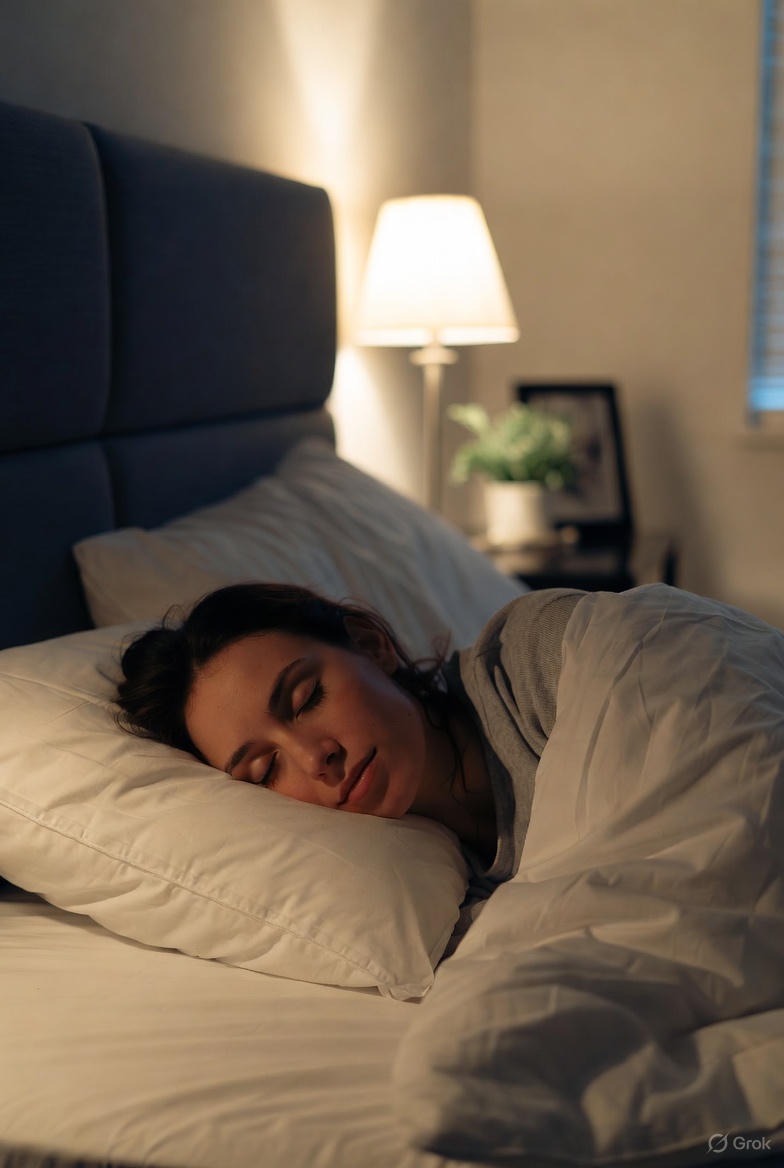
The Sleep Quality Formula: Temperature, Light, and Timing
Three key elements create the foundation for quality sleep: optimal temperature, appropriate light exposure, and consistent timing. This formula-based guide explains the science behind each factor, provides specific recommendations, and shows how to implement all three elements for dramatically improved rest.
The Sleep Quality Formula: Temperature, Light, and Timing
You’ve done everything “right.” You’ve cut the caffeine, dimmed the screens, and invested in a good mattress. Yet, you still find yourself staring at the ceiling at 2 a.m., mentally scrolling through tomorrow’s to-do list, or waking up feeling like you’ve run a marathon in your sleep. You’re not alone. In our relentless pursuit of productivity and connectivity, we’ve engineered the chaos of the day right into our bedrooms, creating a perfect storm for poor sleep. But what if the secret to restorative sleep isn’t found in a new supplement or a stricter bedtime, but in mastering three fundamental, yet often overlooked, environmental levers?
Welcome to The Sleep Quality Formula. This isn’t about quick fixes or generic advice. It’s a deep, science-backed exploration into the triumvirate of factors that act as the chief architects of your sleep architecture: Temperature, Light, and Timing. These are the non-negotiable pillars of your circadian biology, the invisible forces that orchestrate the symphony of hormones, brainwaves, and physiological processes that define true, restorative rest. When aligned, they create a cascade of biological events leading to effortless sleep onset, deep, uninterrupted cycles, and energetic, focused awakenings. When misaligned—as is the case for most modern lives—they fragment our sleep, erode our health, and diminish our days.
For too long, we’ve treated sleep as a passive state, a mere absence of wakefulness. We’re now understanding it as an active, complex, and vital physiological process that is exquisitely sensitive to its environment. This article will dismantle the mystery. We’ll journey through the precise science of how your core body temperature needs to drop to initiate sleep, how light acts as the master conductor of your internal clock, and why when you sleep is just as critical as how long you sleep. We’ll move beyond theory into actionable strategy, providing you with a blueprint to engineer your personal sleep sanctuary.
And this is where modern technology transforms from a sleep disruptor into a powerful ally. Imagine having a personal sleep scientist on your finger—a device that continuously and unobtrusively monitors the very biomarkers this formula is built upon. The Oura Ring and other advanced smart rings do exactly this, providing granular data on your sleep stages, heart rate variability, and core body temperature trends. This isn’t just about tracking; it’s about closing the feedback loop. You can finally see, in hard data, how a late-night work session (light and timing disruption) impacts your deep sleep, or how a tweak to your bedroom thermostat (temperature optimization) improves your sleep efficiency. It’s the key to moving from guesswork to precision. To learn more about how this technology personalizes the sleep formula, you can discover how Oxyzen works.
This is the beginning of a comprehensive guide to reclaiming your night and revolutionizing your day. Let’s begin by understanding the profound necessity of the rest we seek.
Why Sleep Quality is the Non-Negotiable Foundation of Human Performance
We live in a culture that often wears sleep deprivation as a badge of honor. “I’ll sleep when I’m dead” is not just a quip; it’s a dangerous philosophy that fundamentally misunderstands our biology. Sleep is not a luxury; it is the most potent performance-enhancing, health-sustaining, and life-lengthening “drug” at our disposal—and it’s entirely natural and free. Yet, we consistently underdose.
The consequences of poor sleep quality extend far beyond yawning and craving coffee. They infiltrate every system in the body. On a cognitive level, sleep deprivation impairs attention, working memory, long-term memory consolidation, and logical reasoning. It’s the equivalent of showing up to work intoxicated. The brain’s glymphatic system, a waste-clearance pathway, kicks into high gear during deep sleep, flushing out neurotoxic waste products like beta-amyloid, which is associated with Alzheimer’s disease. Skimp on sleep, and you’re literally allowing metabolic trash to accumulate in your most vital organ.
Physiologically, the effects are just as severe. Sleep disruption dysregulates hunger hormones (increasing ghrelin and decreasing leptin), making weight management a steep uphill battle. It elevates cortisol, the primary stress hormone, creating a state of chronic low-grade inflammation that is the bedrock of modern diseases like type 2 diabetes, cardiovascular disease, and hypertension. The immune system is particularly vulnerable; a single night of poor sleep can reduce the production of natural killer cells, your body’s first line of defense against pathogens and cancerous cells.
Perhaps most insidiously, poor sleep quality erodes our emotional and psychological resilience. It amplifies the amygdala’s reaction to negative stimuli—meaning small frustrations feel like catastrophes—while dampening the prefrontal cortex’s ability to regulate those emotions. This creates a vicious cycle of stress and sleeplessness.
The goal, therefore, cannot merely be “more sleep.” It must be higher-quality sleep. Quality is defined by the architecture of your sleep cycles: the right balance of light sleep (for memory processing), deep sleep (for physical restoration and immune function), and REM sleep (for emotional regulation and creativity). The Sleep Quality Formula of Temperature, Light, and Timing is the master key that optimizes this architecture. By focusing on these levers, we move from chasing arbitrary hours in bed to engineering the conditions for biologically potent rest. For a deeper dive into the science of performance and recovery, our resource hub offers additional resources and related articles.
Understanding this foundational importance shifts sleep from an item on a checklist to the central pillar of a high-performance life. With that context, let’s turn to the first and perhaps most visceral element of the formula: the critical role of temperature.
The Thermostat of Sleep: How Your Body’s Temperature Cycle Governs Rest
If you’ve ever drifted off comfortably on the couch only to wake up shivering hours later, you’ve experienced a crude version of one of sleep’s most fundamental mechanisms. Your body is not designed to maintain a constant 98.6°F. Instead, it operates on a finely tuned circadian thermoregulatory rhythm, and this rhythm is not just correlated with sleep—it is a primary driver of it.
The process is elegantly simple in principle: to fall asleep and stay asleep, your core body temperature must drop. This temperature decline, typically about 1-2 degrees Fahrenheit from your daytime peak, is a signal to your brain that it’s safe to initiate sleep. It’s a biological relic from our past, indicating that the sun has set, the environment is cooling, and it’s time to conserve energy and restore.
This drop is achieved through a fascinating process called distal vasodilation. As evening approaches, your body begins to shuttle heat from its core to its extremities—your hands and feet. You might notice your hands getting warmer in the evening; this is a good sign! By increasing blood flow to the skin’s surface, your body radiates internal heat out into the environment, effectively cooling the core. This is why cool bedroom environments are so crucial; they create a gradient that allows this heat dissipation to happen efficiently. A room that’s too warm eliminates the gradient, trapping heat inside and preventing the necessary core temperature drop.
The relationship is so direct that scientists can predict sleep onset by tracking the rate of distal skin warming. The faster your hands and feet warm up (releasing core heat), the faster you’ll fall asleep. This process is governed by the same master clock that controls your sleep-wake cycle, creating a perfectly synchronized dance between your internal temperature rhythm and your propensity for sleep.
However, the modern world throws wrenches into this delicate system. We take hot showers right before bed (which, while relaxing, initially raises core temperature, though the subsequent cool-down can be helpful if timed correctly). We use insulating bedding. Most critically, we keep our bedrooms too warm. The consensus among sleep researchers is that the ideal sleeping environment temperature is between 60-67°F (15.5-19.5°C). This range supports the body’s natural thermoregulation. A room warmer than 75°F is almost guaranteed to fragment sleep and suppress deep sleep stages.
This is where the power of objective data becomes transformative. Subjective feelings of being “hot” or “cold” are often unreliable. A device like the Oura Ring, which tracks your nighttime body temperature trends, removes the guesswork. It can show you if your core temperature is failing to drop adequately through the night, directly correlating that with restless sleep or reduced deep sleep. This feedback allows for precise adjustments—lowering the thermostat, changing bedding materials, or altering pre-bed routines. You can read our complete guide to interpreting this kind of biometric data for better sleep hygiene.
Mastering the thermal environment is the first physical step in signaling to your primal biology that it’s time for profound rest. But temperature doesn’t work in isolation. It is set into motion by the most powerful zeitgeber, or “time-giver,” on the planet: light.
Light: The Master Conductor of Your Circadian Rhythm
While temperature executes the “how” of sleep initiation, light dictates the “when.” It is the single most potent external cue for your suprachiasmatic nucleus (SCN), the tiny master clock in your hypothalamus that orchestrates your 24-hour circadian rhythm. Every cell in your body operates on a rhythm set by this clock, governing not only sleep and wakefulness but also hormone release, digestion, and cellular repair.
Here’s the mechanism: special photoreceptor cells in your eyes, called intrinsically photosensitive retinal ganglion cells (ipRGCs), are specifically tuned to detect short-wavelength blue light. They are remarkably insensitive to red or yellow light. When these ipRGCs detect blue light—the kind that is abundant in natural daylight—they send a direct signal to your SCN: “It is daytime.” The SCN responds by halting the production of the sleep hormone melatonin and promoting the release of cortisol and other alertness-signaling neurotransmitters. Your core body temperature begins its gradual rise to its daytime peak, and you feel awake and alert.
As the sun sets and blue light wavelengths fade from the environment, this signal to the SCN ceases. In the ensuing darkness, the SCN triggers the pineal gland to secrete melatonin. Melatonin is often misunderstood as a “sleep drug.” Its primary role is not to knock you out, but to broadcast a chronobiological signal: “It is nighttime.” It lowers your core body temperature, preparing your body for the thermal drop needed for sleep, and promotes a state of quiet wakefulness that is conducive to falling asleep.
The catastrophic modern disruption is obvious: we have brought the sun indoors. Our LED screens, smartphones, tablets, and energy-efficient indoor lighting are all spectacularly rich in the very blue light that signals “DAYTIME” to our primal brains. Checking email at 10 p.m. under bright lights is the biological equivalent of a surprise noon sunbeam hitting your retina. It instantly suppresses melatonin, pushes back your temperature drop, and shifts your entire circadian clock later—a phenomenon known as social jet lag.
The impact is not subtle. Research shows that even modest screen use before bed can suppress melatonin by over 50% and delay its onset by over 90 minutes. The consequence is not just difficulty falling asleep, but a shallowing of sleep architecture, with less time spent in the vital, restorative deep and REM stages.
But light is not merely a villain; it is also the most powerful tool for circadian alignment. Strategic light exposure is a two-part strategy: maximize bright, blue-rich light during the day, and minimize it at night. Morning sunlight exposure, even on a cloudy day, is the most powerful reset button for your clock. It sets a clear circadian start time, boosts daytime alertness, and actually makes you more sensitive to melatonin production later in the evening.
Mastering your light environment means becoming the curator of your own visual diet. It requires intentionality about what light you consume and when. For those serious about optimization, tracking devices can provide insights into how your daily light exposure patterns correlate with your sleep latency (time to fall asleep) and overall sleep quality, helping you personalize this crucial element of the formula. Understanding this level of detail is part of the vision and values behind creating technology that empowers such precise personal health insights.
With light setting the schedule and temperature executing the plan, the final element of the formula brings it all together in the dimension of time itself.
Chronotype and Timing: Finding Your Biological Prime Time
You’ve optimized your cool, dark cave. But if you’re trying to occupy it at the wrong biological time, the formula will still fail. This is the realm of chronotype—your genetically predisposed, natural inclination for sleep and wake times. It’s the reason why one person springs out of bed at 5 a.m. with joy while another only feels truly alert after 10 a.m.
Chronotype exists on a spectrum, often visualized from the early “larks” to the later “owls,” with most people falling somewhere in the middle as “hummingbirds.” Your chronotype is not a preference or a habit; it’s a hardwired expression of your personal circadian rhythm’s phase. It dictates your ideal timing for sleep, but also for cognitive work, physical exercise, and even meals.
An owl fighting a lark’s schedule is in a constant state of internal misalignment. Going to bed at 10 p.m. when your biology isn’t ready for melatonin release until midnight leads to frustrating sleeplessness. Forcing wakefulness at 6 a.m. when your body temperature hasn’t begun its rise results in grogginess and impaired performance—a state known as sleep inertia that can last for hours. This chronic misalignment between your social clock (work, school) and your biological clock is a primary driver of poor sleep quality and associated health risks.
The key to leveraging timing in the Sleep Quality Formula is to identify and respect your chronotype as much as life permits, and then to be exceptionally consistent. Your body’s clock thrives on predictability. Waking up and going to bed at the same time every day—even on weekends—is arguably more important than the exact number of hours. Consistency strengthens your circadian rhythms, making temperature drops and melatonin releases more robust and reliable.
This is where the interplay with light becomes critical. An owl can gently nudge their rhythm earlier through aggressive morning light exposure and scrupulous evening light avoidance. A lark needing to stay up later for social reasons would do the opposite, seeking bright light in the late afternoon. The goal isn’t to force a fundamental chronotype change (which is largely genetic), but to create the most stable and aligned rhythm possible within your life’s framework.
Technology, once again, offers clarity. By tracking sleep and daily activity patterns over weeks and months, advanced wearables can help you identify your natural sleep onset and wake-up tendencies, providing data-driven evidence of your chronotype. This moves you from guessing (“I’m not a morning person”) to knowing, allowing you to schedule demanding tasks, workouts, and social activities during your true biological prime times. It’s a powerful step toward living in sync with your innate design, a principle central to our mission and company information.
Understanding your unique temporal blueprint allows you to apply the principles of temperature and light with personalized precision. Now, let’s descend from the theoretical into the practical. How do we physically construct an environment that honors this formula?
Engineering the Perfect Sleep Sanctuary: Your Bedroom as a Biometric Chamber
Your bedroom is not just a room with a bed. For eight hours each night, it becomes the most critical environment for your health and performance—a biometric chamber designed to support the precise biological requirements of the Sleep Quality Formula. Optimizing it is a non-negotiable project. Let’s build it from the outside in.
1. The Thermal Environment:
The Goldilocks Zone: Aim for a room temperature of 60-67°F (15.5-19.5°C). Invest in a programmable thermostat or a simple standalone bedroom thermometer. Start at 67°F and experiment downward.
Bedding as a Thermoregulator: Ditch the single heavy duvet. Embrace layers. A moisture-wicking base sheet (think Tencel, bamboo, or high-thread-count cotton), followed by lightweight blankets, allows you to peel off or add cover through the night as your temperature fluctuates. Consider a weighted blanket with a breathable, cool cover, but be mindful it can raise temperature for some.
Advanced Cooling: For hot sleepers or those in warm climates, consider active solutions. A bed cooling system (like Chilipad or BedJet) is the ultimate tool, allowing you to set an exact temperature for your sleep surface. More affordable options include cooling mattress toppers, moisture-wicking pajamas (avoid synthetic fabrics), and even placing a fan to circulate air.
2. The Light Environment:
Absolute Darkness: This is the goal. Even small amounts of light from an LED charger or a streetlamp can disrupt melatonin and fragment sleep. Assess your room at night: if you can see your hand in front of your face, it’s too bright.
Blackout Strategy: Install blackout curtains or shades. Use blackout tape to cover every tiny LED light on electronics. Consider a sleep mask—look for contoured, comfortable designs that don’t put pressure on your eyes. For necessary nighttime navigation, use dimmable red or amber nightlights, as these wavelengths have the least impact on ipRGCs.
The Digital Sunset: Enforce a policy of no screens in the bedroom. Charge your phone in another room. If you must use a device in the hour before bed, enable a “night shift” or red-light filter at maximum strength, but better yet, replace screen time with a book (using a dedicated e-ink reader with a warm front light, or a traditional book lamp).
3. The Sound and “Mind” Environment:
Sound Control: Sudden noises are sleep killers. Use white noise, pink noise, or brown noise machines (or apps) to create a consistent, masking auditory backdrop. For partners with different schedules or snoring issues, consider a gentle, low-profile sleep headband with built-in speakers.
The Clutter-Free Mind: Your physical space affects your mental space. A cluttered, work-filled bedroom is a constant subtle stressor. Keep it minimalist, clean, and dedicated primarily to sleep and intimacy. Remove work materials, exercise equipment, and anything that induces anxiety.
Creating this sanctuary is the single most impactful physical change you can make. It’s the stage upon which the drama of sleep unfolds. To see how real people have transformed their sleep by optimizing their environment and habits, you can find inspiration in these real customer reviews and user experiences.
With our environment engineered, we must turn our attention to the behaviors that occur within it and in the hours leading up to it. Our pre-sleep routine is the final, critical warm-up act.
The 90-Minute Wind-Down: A Ritual for Circadian Alignment
You wouldn’t sprint full-speed into a brick wall and expect to be unharmed, yet we often do the mental and physiological equivalent by scrolling through stressful news or answering work emails right up until we turn out the lights. Falling asleep is not an on/off switch; it’s a gradual descent. The 90-minute wind-down is a dedicated period to transition your nervous system from the sympathetic “fight-or-flight” dominance of the day to the parasympathetic “rest-and-digest” state required for sleep.
This ritual is where you actively apply the Temperature, Light, and Timing formula through behavior. Think of it as a series of deliberate cues telling your biology, “The day is ending. Prepare for restoration.”
The Thermal Protocol (Starting at T-90 minutes):
Take a warm bath or shower 60-90 minutes before bed. The key is the subsequent cooldown. As you step out, the evaporation of water from your skin and the dilation of blood vessels accelerates the drop in core temperature, mimicking the natural evening decline. It’s one of the most effective, research-backed sleep interventions.
Lower your home thermostat in the evening to begin the environmental cooldown.
Avoid intense exercise within 3 hours of bedtime, as it raises core temperature significantly. Gentle stretching or yoga is beneficial.
The Light Protocol (The “Digital Sunset” at T-60 minutes):
This is non-negotiable. Dim all overhead lights. Use lamps with warm-toned bulbs (under 2700 Kelvin).
Commit to a screen curfew. Put all phones, tablets, and laptops away. If you must use a device, employ aggressive blue-light filtering software and keep usage minimal.
Consider wearing blue-light-blocking glasses in the evening if you are in shared spaces with bright lights.
The Mind and Timing Protocol (A Consistent Sequence):
Consistency is the rhythm: Start your wind-down at the same time each night. This behavioral consistency reinforces your circadian timing.
Create a “worry dump”: Spend 10 minutes with a notebook jotting down tomorrow’s tasks or current anxieties. Close the book literally and figuratively, signaling to your brain it can let go.
Engage in calming activities: Read a physical book (fiction is ideal), listen to calm music or an audiobook, practice gentle meditation or breathwork (like the 4-7-8 technique), or have a quiet, positive conversation.
Incorporate light gratitude or reflection: Focusing on positive aspects of your day can induce a calmer state.
This wind-down is not about rigidly checking boxes, but about cultivating a mindful transition. It’s a gift of time and attention you give to your future, well-rested self. For many, integrating technology that provides feedback on how these rituals affect their sleep makes the process more tangible and motivating, turning abstract advice into a personalized science experiment. If you have questions about implementing such routines with tracking technology, our support and FAQ page is a great resource.
Even with a perfect environment and wind-down, life happens. Stress, travel, and late nights will disrupt the formula. This is where the power of real-time data becomes your greatest asset for course correction.
When Life Disrupts: Using Data to Debug Your Sleep
The perfect sleep routine is a north star, not a rigid dogma. Sickness, stress, travel, social events, and work deadlines will inevitably pull you off course. The goal of a truly optimized sleep practice is not perfection, but resilience and intelligent recovery. This is where moving from generic advice to personalized, data-driven insight becomes the ultimate differentiator.
Imagine you have a terrible night’s sleep after a stressful day. Generic advice says, “Stick to your routine.” But your biometric data might reveal a more nuanced story. Your smart ring data shows that:
Your heart rate variability (HRV) was markedly low all day and night (indicating high stress load).
Your resting heart rate (RHR) remained elevated.
Your body temperature failed to drop adequately.
Your sleep graph shows prolonged periods of wakefulness and almost no deep sleep.
This constellation of data changes your recovery strategy. Instead of just “trying to sleep better tonight,” you now have a diagnostic report. The protocol becomes:
Radical Light Management: Be militant about your digital sunset and seek morning sunlight to powerfully reset your clock.
Thermal Emphasis: Maybe lower your bedroom temperature an extra degree and avoid the warm shower that night, focusing purely on cooling.
Stress Mitigation: Schedule a mindfulness session or a gentle walk in nature, explicitly aiming to raise your HRV.
Timing Adjustment: You might need to go to bed 30 minutes earlier to allow for a longer sleep opportunity, but not so early that you lie awake frustrated.
Similarly, when traveling across time zones (jet lag), the formula provides your action plan. Your primary tool is light exposure. To shift your clock earlier (eastward travel), seek bright morning light and avoid afternoon/evening light at your destination. To shift later (westward travel), seek bright light in the late afternoon/evening. Use your device’s temperature tracking to see when your natural nighttime dip begins to align with the new time zone, a sure sign your circadian rhythm is adapting.
For shift workers, the challenge is profound, but the formula’s principles still apply with even greater importance. Creating absolute darkness for daytime sleep using blackout curtains and a mask is critical. Strategic use of caffeine (only at the start of a shift, never near sleep time) and carefully timed light exposure (using bright light therapy lamps during night shifts, avoiding morning sun after a shift) can help anchor a shifted rhythm.
In all these scenarios, the feedback loop provided by detailed sleep and readiness data is what turns struggle into strategy. It removes the emotional guilt (“Why can’t I sleep?”) and replaces it with objective analysis (“My body is under stress; here are the levers I can pull”). This empowerment is at the heart of the modern wellness journey. To understand the philosophy behind creating tools for this kind of empowered self-knowledge, you can explore our brand journey and founding story.
As we begin to master these three pillars—Temperature, Light, and Timing—supported by data, we start to see their effects ripple outward, influencing not just our nights, but the very fabric of our waking lives.
Beyond the Night: How Sleep Quality Transforms Your Waking Life
The benefits of mastering the Sleep Quality Formula do not remain tucked under the covers. They spill over into every waking moment, fundamentally altering your baseline state of being. When you consistently achieve high-quality, architecturally sound sleep, you are not just “less tired.” You are upgrading your human operating system.
Cognitive and Creative Metamorphosis:
Enhanced Memory & Learning: During deep sleep, the brain consolidates memories, moving them from short-term hippocampal storage to long-term cortical storage. Sleep after learning is essential for memory retention. During REM sleep, the brain makes novel connections between disparate ideas, fueling creativity and problem-solving. A well-rested mind doesn’t just remember better; it connects better.
Sharper Focus & Executive Function: The prefrontal cortex, responsible for complex decision-making, impulse control, and focused attention, is exquisitely sensitive to sleep deprivation. Quality sleep restores its metabolic capacity, leading to improved willpower, clearer thinking, and the ability to maintain deep work states without distraction.
Physical Performance and Vitality:
Supercharged Recovery: Deep sleep is when growth hormone secretion peaks, facilitating tissue repair, muscle growth, and bone building. It’s when your body does its most intensive physical restoration. Athletes see direct correlations between sleep quality and performance metrics, reaction times, and injury rates.
Metabolic Mastery: With balanced hunger hormones (leptin and ghrelin) and improved insulin sensitivity, your body becomes a more efficient fuel-burning machine. Cravings for sugary, high-carb foods diminish, and maintaining a healthy body composition becomes significantly easier.
Fortified Immunity: Consistent, quality sleep optimizes the adaptive immune response. You produce more cytokines, which target infection and inflammation, and your T-cells function more effectively. It’s the best preventative medicine available.
Emotional and Social Intelligence:
Emotional Resilience: As mentioned, sleep deprivation creates an amygdala hijack, where emotional reactions are amplified and regulation is impaired. Quality sleep restores the balance between the emotional brain and the rational prefrontal cortex. You become less reactive, more patient, and better equipped to handle stress.
Social Connectivity: When you are well-rested, you are more attuned to social cues, more empathetic, and more likely to engage positively with others. Sleep deprivation makes us self-centered and irritable, damaging relationships.
In essence, high-quality sleep doesn’t just restore you to neutral. It elevates your baseline. It makes you a better thinker, a stronger body, a more emotionally stable partner, and a more resilient human. The investment you make in Temperature, Light, and Timing pays a compound interest across every domain of your life. It is the ultimate foundational habit, the one that makes all other good habits easier to execute and sustain. For a broader exploration of how these principles integrate into a holistic wellness lifestyle, we invite you to explore our blog for more wellness tips.
This profound transformation begins with understanding and applying the formula. But to move from theory to lasting practice, we must understand the engine that makes it all possible: your innate circadian biology. Let’s take a final, deeper dive into the magnificent internal clockwork that this formula is designed to serve.
The Circadian Symphony: A Deep Dive into Your Internal Clockwork
To truly master the Sleep Quality Formula, it helps to appreciate the breathtaking complexity and precision of the system you’re trying to align with. Your circadian rhythm is not a metaphor; it is a tangible, cellular-level timekeeping system present in nearly every tissue and organ. It’s a multi-oscillator network, with the SCN in the hypothalamus acting as the conductor of a vast, bodily orchestra.
The SCN itself contains about 20,000 neurons and is synchronized primarily by light, as we’ve discussed. But it doesn’t just manage sleep. It sends signals, both neural and hormonal, to peripheral clocks in your liver, gut, pancreas, heart, and muscles. These peripheral clocks regulate local timing for processes like glucose metabolism, bile production, muscle repair, and cardiovascular function.
The synchronization between the central SCN clock and these peripheral clocks is critical for health. When they are in sync—because you eat, sleep, and are active at consistent, biologically appropriate times—your body operates like a harmonious symphony. When they fall out of sync—due to erratic eating, late-night light exposure, or irregular sleep—it creates circadian misalignment or desynchrony. This is the physiological root of “feeling off.”
This misalignment is now linked to:
Metabolic Syndrome: Eating late at night sends a “it’s time for activity” signal to your liver clock, while your SCN is signaling “it’s time for rest,” leading to poor glucose processing and fat storage.
Digestive Issues: Gut motility and enzyme production follow a circadian rhythm. Disrupting it can contribute to IBS and other functional gut disorders.
Mood Disorders: There is a strong bidirectional link between circadian disruption and conditions like depression and bipolar disorder.
The Sleep Quality Formula is, at its core, a set of practices to maintain circadian alignment. Cool, dark, and consistent sleep times keep the SCN conductor strong. Regular meal times and exercise times help keep the peripheral orchestra sections in tune with the conductor’s beat. The data from wearable devices often reflects this alignment or misalignment: a steady, predictable temperature curve, a robust daily HRV pattern, and consistent sleep stages are all biomarkers of a well-conducted circadian symphony.
Understanding this deep biology transforms sleep hygiene from a list of “shoulds” into a respectful collaboration with your own innate intelligence. You are not imposing rules on an inert body; you are providing the clear environmental cues that allow a magnificent, ancient biological system to function as designed. This philosophy of working with biology, rather than against it, informs everything from product design to educational content, a principle you can learn more about on our homepage.
As we close this foundational portion of our exploration, you now possess the core principles of the Sleep Quality Formula. You understand the non-negotiable role of temperature, the master-conductor power of light, and the personal blueprint of timing. You’ve seen how to engineer your environment, craft a wind-down ritual, use data to navigate disruptions, and appreciate the profound systemic benefits. This knowledge forms the essential bedrock. The journey continues as we explore advanced optimization, the intersection with nutrition and exercise, and the long-term strategies for making this formula the effortless foundation of a life lived wide awake.
The Movement Paradox: How Exercise Can Make or Break Your Sleep
Physical activity is a powerful circadian signal, second only to light in its ability to strengthen your internal clock. Yet, its relationship with sleep is a classic paradox: consistent exercise is one of the most reliable ways to improve sleep quality and duration, but the timing and intensity of that exercise can either be a potent sleep aid or a significant disruptor. Navigating this paradox is crucial for integrating movement into the Sleep Quality Formula.
Exercise as a Sleep Enhancer: Regular, moderate-to-vigorous exercise confers profound sleep benefits through multiple pathways:
Temperature Regulation: A vigorous workout creates a significant rise in core body temperature. The subsequent, prolonged cooldown period over the next 90 minutes to 2 hours mimics and amplifies the natural evening temperature drop, providing a powerful signal for sleep initiation.
Circadian Reinforcement: Morning or afternoon exercise acts as a strong zeitgeber for your peripheral clocks, particularly in muscle tissue, helping to synchronize them with your central SCN clock. This strengthens your overall circadian rhythm, leading to more robust sleep-wake cycles.
Anxiety and Stress Reduction: Exercise is a well-documented anxiolytic. It burns off excess cortisol and adrenaline (stress hormones) and stimulates the release of endorphins and endocannabinoids, which improve mood and promote relaxation. By reducing the physiological and cognitive "noise" of stress, exercise clears the path for sleep.
Sleep Drive Amplification: Exercise increases your homeostatic sleep pressure—the body's genuine need for recovery. It depletes glycogen stores, creates microscopic muscle tears that require repair (which happens during deep sleep), and increases adenosine buildup, all of which contribute to a stronger, more natural urge to sleep.
The Timing Dilemma: The benefits hinge critically on when you exercise. The general principle is to align exercise with your circadian phase and body temperature curve.
Morning (Within 1-3 Hours of Waking): This is often ideal. It capitalizes on naturally rising cortisol levels, boosts alertness for the day, and provides the longest cooldown period before bed. Exposure to morning outdoor light during exercise delivers a dual circadian punch.
Late Afternoon/Early Evening (3-7 PM): This period often coincides with the body's peak for strength, reaction time, and muscle function. The substantial temperature rise from exercise will have ample time to dissipate before a 10-11 PM bedtime, making it an excellent window for high-intensity workouts. Data from devices like the Oura Ring can be revealing here; you might see that an evening workout actually improves your deep sleep, as long as it concludes at least 3 hours before bed.
Late Evening (Within 2-3 Hours of Bed): This is the danger zone for high-intensity exercise (HIIT, heavy weightlifting, competitive sports). The sympathetic nervous system activation and core temperature spike can be too pronounced and too close to bedtime, leading to difficulties falling asleep and potentially reducing deep sleep. However, gentle, parasympathetic-focused movement like restorative yoga, tai chi, or a leisurely walk during this window can be incredibly beneficial for winding down.
The key is personalization through awareness. If you struggle with sleep, experiment with shifting your workout earlier. Use your biometric data: if you see a pattern of elevated resting heart rate and poor sleep efficiency after evening workouts, it's a clear signal to adjust. The goal is to harness exercise as a tool to amplify your natural temperature rhythm and sleep drive, not to fight against it. For more on integrating biometric feedback into your fitness routine, explore our blog for additional resources.
Fueling the Night: The Science of Nutrition and Sleep
What you eat, and more importantly when you eat, directly dialogues with your circadian clock and fundamentally impacts your sleep architecture. Your digestive system has its own robust circadian rhythm, and disregarding it is a surefire way to disrupt the Sleep Quality Formula.
The Chrononutrition Principle: The concept of chrononutrition posits that the timing of meals is a critical zeitgeber for peripheral clocks in the liver, pancreas, and gut. Aligning food intake with your active circadian phase (daytime) and allowing a fasting period during your rest phase (nighttime) promotes metabolic health and stable sleep.
The Daytime Feast: Your body is most insulin-sensitive and best equipped to process carbohydrates and fats in the morning and afternoon. A hearty breakfast and lunch support stable energy and hormone levels.
The Evening Fast: As evening approaches, insulin sensitivity drops, and melatonin begins to rise, signaling the gut to slow down. A large, heavy, or high-glycemic meal too close to bedtime forces your digestive system to work overtime when it should be powering down. This can cause indigestion, a rise in core temperature from the thermic effect of food, and blood sugar spikes and crashes that can trigger nighttime awakenings.
Key Nutritional Levers for Sleep:
Macronutrient Timing:
Carbohydrates: Complex carbs (sweet potatoes, oats, brown rice) in the evening can, for some people, promote sleep by increasing the availability of tryptophan (a serotonin and melatonin precursor) in the brain. However, simple sugars and refined carbs are highly disruptive, causing blood sugar instability. This is highly individual; tracking your sleep after different evening meals is key.
Protein: Adequate protein throughout the day is essential for serotonin production. A small protein snack before bed (e.g., a handful of almonds, Greek yogurt) may help stabilize blood sugar overnight, but a large protein feast can be taxing to digest.
Fats: Healthy fats are crucial for hormone production, including melatonin. However, high-fat meals very late at night can delay gastric emptying and disrupt sleep.
Micronutrient Spotlight:
Magnesium: Often called the "relaxation mineral," magnesium acts as a natural NMDA receptor antagonist and GABA agonist, calming the nervous system. Deficiency is linked to insomnia. Dietary sources include leafy greens, nuts, seeds, and avocados.
Zinc: Works alongside magnesium and is involved in the conversion of tryptophan to melatonin. Found in oysters, pumpkin seeds, and legumes.
B Vitamins (B6, B9, B12): Critical cofactors in the synthesis of serotonin and melatonin.
The Caffeine and Alcohol Deception:
Caffeine: This adenosine receptor antagonist has a half-life of 5-6 hours. Consuming caffeine even 6 hours before bedtime can reduce total sleep time by over 1 hour. A "2 PM curfew" is a wise rule for sleep-sensitive individuals.
Alcohol: Perhaps the most misunderstood sleep disruptor. While it is a sedative that can induce sleep, it metabolizes into aldehydes that act as stimulants, suppressing REM sleep (the critical stage for emotional processing and memory) and causing frequent, brief awakenings in the second half of the night. It also relaxes upper airway muscles, worsening snoring and sleep apnea.
The most powerful nutritional tool for sleep is consistency in meal timing and a mindful evening fast. Finishing your last large meal 3-4 hours before bedtime gives your body the physiological space to transition into sleep mode. Paying attention to how different foods make you feel and correlating that with your sleep data turns nutrition from a guessing game into a strategic component of the formula. Many users find that tracking their habits alongside their Oura data provides these "aha" moments, a process discussed in our FAQ and support section.
The Mind-Bed Connection: Stress, Anxiety, and Cognitive Hyperarousal
You can have the perfect cool, dark room and an impeccable diet, but if your mind is a raging torrent of thoughts, sleep will remain elusive. Cognitive hyperarousal—the inability to shut off racing thoughts, worries, and mental chatter—is the single most common reported cause of insomnia. It's the brain's sympathetic nervous system refusing to stand down. Integrating psychological strategies into the Sleep Quality Formula is therefore not optional; it's essential.
Understanding the Sleep-Stress Cycle: Stress and poor sleep exist in a vicious, self-perpetuating cycle. Acute stress raises cortisol, which delays melatonin and elevates core temperature, disrupting sleep. Poor sleep then lowers your threshold for stress the next day, impairing emotional regulation and making you more reactive, which creates more stress... and the cycle continues. Breaking this cycle requires tools that directly target the hyperaroused mind.
Evidence-Based Techniques for Quieting the Mind:
Stimulus Control Therapy: This cognitive-behavioral technique is gold-standard for insomnia. Its core principle: The bed is only for sleep (and intimacy). If you are awake and anxious for more than 20 minutes, you must get out of bed. Go to another dimly lit room and engage in a quiet, non-stimulating activity (read a boring book, listen to calm music) until you feel drowsy. This breaks the negative association between the bed and wakefulness.
Paradoxical Intention: A technique where you try to stay awake while in bed, with your eyes open, in a comfortable position. By removing the performance anxiety of trying to fall asleep, you often reduce the anxiety that is preventing it.
Mindfulness & Body Scan Meditation: These practices train the brain to observe thoughts and sensations without judgment and to anchor attention in the present moment (e.g., on the breath or bodily sensations). A nightly 10-minute guided body scan meditation is clinically proven to reduce sleep onset latency and improve sleep quality by shifting the nervous system into a parasympathetic state.
The "Brain Dump": Conducted during your wind-down ritual, spend 10-15 minutes writing down every task, worry, or idea swirling in your mind. The act of externalizing these thoughts onto paper signals to your brain that they have been captured and can be dealt with tomorrow, freeing up cognitive resources for sleep.
4-7-8 Breathing (Relaxing Breath): Developed by Dr. Andrew Weil, this simple breathing technique is a direct nervous system hack. Inhale quietly through your nose for 4 seconds, hold your breath for 7 seconds, and exhale completely through your mouth for 8 seconds. Repeat 4-6 times. This stimulates the vagus nerve, slows the heart rate, and promotes calm.
Integrating one or two of these practices into your nightly wind-down ritual creates a "circuit breaker" for stress. Over time, they build what psychologists call "sleep efficacy"—the confident belief that you can fall asleep. This confidence is itself a powerful sleep aid. Seeing objective data from your sleep tracker that shows improved sleep latency and continuity after practicing these techniques provides powerful positive reinforcement, turning a subjective feeling into a measurable victory. Sharing such victories is part of the community experience you can find in real customer reviews and testimonials.
Advanced Temperature Hacking: Beyond the Thermostat
We've established that a cool room (60-67°F) is essential. But for those seeking the absolute edge in sleep optimization, or for individuals who are naturally hot sleepers, there are advanced techniques to manipulate the body's thermal regulation for even deeper, more stable sleep.
Targeted Temperature Modulation: The goal is to enhance the body's natural distal vasodilation (heat dumping through hands and feet).
Warming the Extremities to Cool the Core: It sounds counterintuitive, but donning a pair of breathable socks when your feet are cold can actually facilitate vasodilation. Constricted blood vessels in cold feet cannot effectively release heat. Lightly warming them can open the vessels and improve heat loss. Some studies show this simple hack reduces nighttime awakenings.
The Cold Cap: A newer area of exploration involves wearing a cooling cap or using a specialized pillow that cools the head and neck. The theory is that cooling the brain's thermoregulatory centers directly can enhance sleep depth. While more research is needed, anecdotally, many users report benefits.
Strategic Bedding Materials: Your bedding is your microclimate.
Phase-Change Materials (PCM): Advanced mattress pads and pillows incorporate PCMs—substances that absorb, store, and release heat to maintain a specific temperature range. They act as a buffer, absorbing excess body heat when you're warm and releasing it back if you cool down.
Natural Fibers vs. Synthetics: Always choose breathable, moisture-wicking natural fibers like cotton, linen, bamboo, Tencel (lyocell), or wool. Wool is particularly remarkable as a temperature regulator; it can absorb significant moisture vapor without feeling wet and provides insulation that adapts to temperature changes. Avoid polyester and other synthetic sheets that trap heat and moisture.
The Pre-Sleep Thermal Ritual: We mentioned the warm bath, but let's optimize it.
Temperature & Timing: The water should be warm, not scalding hot (around 100-104°F). The soak should last 10-20 minutes, concluding 60-90 minutes before target sleep time. This provides the ideal window for the core temperature to rise and then fall sharply.
Contrast Therapy (For the Advanced): Some biohackers employ a brief (30-60 second) cold shower after the warm bath. The theory is that the cold causes a powerful vasoconstriction, and the subsequent rebound vasodilation as the body re-warms is even more pronounced, potentially enhancing the heat dump. This is intense and not for everyone; start cautiously.
Biometric Feedback Loop: This is where technology is revolutionary. A device that tracks your skin temperature variation throughout the night provides an unparalleled feedback loop. You can see precisely how your core temperature trend correlates with your sleep stages. Did that new cooling mattress topper flatten your temperature curve and increase deep sleep? Did a late meal cause a secondary temperature rise at 2 AM, fragmenting your sleep? This data turns temperature hacking from a blunt instrument into a precision tool, allowing you to validate which advanced techniques actually work for your unique physiology. This commitment to personalized, data-driven insight is core to our company mission and vision.
Light Optimization 2.0: Harnessing the Full Spectrum
Mastering light means going beyond "avoid blue light at night." It's about crafting a deliberate 24-hour light diet that firmly anchors your circadian rhythm, boosts daytime alertness, and primes you for nocturnal melatonin release.
The Daytime Light "Meal":
Morning Solar Priority: Within 30-60 minutes of waking, get 10-30 minutes of bright, outdoor light exposure, without sunglasses if safe. Even on an overcast day, outdoor light intensity (measured in lux) is exponentially higher than indoor lighting. This is the single most important light signal of the day. It suppresses melatonin completely, sets your circadian phase for the day, and boosts cortisol (in a healthy, alerting way).
Daytime Indoor Reinforcement: Don't let your environment become a cave. Work near windows. Use bright, blue-enriched light bulbs (5000K-6500K) in your workspace during the first half of the day. Consider a light therapy lamp (10,000 lux) for 20-30 minutes if you work in a dim environment or wake up before sunrise, especially during winter months.
The Evening Light "Fast":
The 2-Hour Amber Rule: In the 2 hours before bed, shift all lighting to long-wavelength, amber or red light (under 2200 Kelvin). Use smart bulbs that automatically make this shift. Red light has the least impact on ipRGCs. Reading by a red-light lamp is ideal.
Screen Sophistication: Device-level blue-light filters (Night Shift, f.lux) are a good start, but they are insufficient alone. They still emit significant shorter-wavelength light. The most effective strategy is complete abstinence. If you must use a device, combine the software filter with physical blue-light-blocking glasses that filter 100% of blue and green light up to 550nm. This is a game-changer for shift workers or those with unavoidable evening screen time.
The Midnight Bathroom Rule: If you wake up at night, never turn on a bright white light. Use a pre-placed dimmable red nightlight to navigate. A flash of white light can instantly suppress melatonin and make it difficult to return to sleep.
Understanding Lux and Melanopic Impact: The new frontier in light science moves beyond color temperature to melanopic lux—a measurement of light's biological impact on the ipRGCs. Apps and devices now exist to measure this. The goal: high melanopic lux during the day, near-zero melanopic lux at night. This sophisticated approach allows you to assess your true circadian light exposure, explaining why a dim-looking phone screen in a dark room can be so disruptive (high contrast, focused melanopic light).
By treating light with the same intentionality as nutrition—consuming the right "type" at the right "time"—you take full control of your master circadian conductor. The resulting stability in your sleep-wake rhythm is profound. For those navigating the complexities of modern schedules, finding practical ways to implement this is part of the journey, a topic we often explore to help our community learn more about smart ring technology and its applications.
Chronotype Deep Dive: Living in Sync with Your Biological Prime Time
Earlier, we introduced chronotype. Now, let's operationalize it. Knowing you're an "owl" or a "lark" is the start; building a life that respects it is the path to sustainable high performance and sleep health.
Identifying Your True Chronotype: Beyond self-assessment questionnaires, your own biometric data is the ultimate truth-teller. Over a period of free sleep (e.g., a vacation without alarms), your natural sleep onset and wake-up times, as tracked by a wearable, will reveal your innate preference. Your daily body temperature minimum (the nadir of your core temperature rhythm, which typically occurs about 2 hours before your natural wake time) is a key biomarker of your circadian phase. Owls have a later temperature minimum; larks have an earlier one.
Strategic Scheduling for Your Type:
For Larks (Early Chronotypes):
Peak Performance: Schedule demanding cognitive work, important meetings, and intense exercise in the late morning.
Social Challenges: You may fade in the evening. Be strategic with social events; try "lunch dates" or early dinners. Use evening light exposure (a walk outside in the late afternoon) to gently push your rhythm later if needed for a special occasion.
Sleep Defense: Protect your early bedtime fiercely. You are most vulnerable to social jet lag on weekend nights.
For Owls (Late Chronotypes):
Peak Performance: Your brain and body truly wake up in the late afternoon and evening. Schedule deep work, creative tasks, and workouts for this time. Mornings should be for low-stakes, routine tasks.
Social Challenges: The 9-to-5 world is built against you. Advocate for flexible start times if possible. Use aggressive morning light therapy (bright light lamp within 30 minutes of waking) to shift your phase earlier. Avoid all evening light to prevent further delay.
Sleep Defense: You are most vulnerable to early morning awakenings and insufficient sleep due to early alarms. Maximize your sleep opportunity by going to bed as soon as you feel sleepy.
The Compromise of Consistency: For most people, absolute alignment with chronotype is impossible. The fallback strategy that benefits all chronotypes is rock-solid consistency. Waking up at the same time every single day is the most powerful anchor for your circadian rhythm, even more so than a consistent bedtime. This regularity helps your body predict and prepare for sleep, making the Temperature, Light, and Timing formula operate more smoothly even if your ideal and actual schedules aren't perfectly matched.
Respecting your chronotype reduces the internal friction of daily life. It's an exercise in self-compassion and biological realism. When you stop fighting your nature and start designing your life to work with it, you unlock a level of energy and ease that feels effortless. This philosophy of alignment is a cornerstone of the wellness approach we champion, detailed further in our brand's story and values.
The Social Sleep Challenge: Partners, Pets, and Parenting
Your perfect sleep sanctuary and meticulous routine can meet their greatest test the moment another living being enters the equation. Sharing a bed with a partner, a pet, or responding to a child's needs introduces a layer of complexity that must be managed with communication and strategy, not just individual discipline.
The Partner Problem (Divergent Preferences): You like it cold, they like it warm. You're a lark, they're an owl. They snore. These are among the most common sleep disruptors.
Thermal Compromise: The solution is dual-zone bedding. Use separate top sheets, blankets, or duvets. Invest in a dual-zone mattress cooling/heating system (like an Eight Sleep Pod). This allows each person to create their ideal microclimate.
Schedule Negotiation: Open communication is key. Respect each other's chronotypes. The earlier sleeper might use a sleep mask and earplugs, while the later sleeper agrees to use very dim, amber lighting and avoid screens in bed. Establishing a "lights out" time that works for both, even if one reads with a book light beforehand, can create harmony.
The Snoring & Movement Issue: This is a health and sleep-quality imperative. Encourage evaluation for sleep apnea if snoring is loud and irregular. Solutions range from positional therapy (special pillows, wearable devices) to dental appliances or CPAP machines. For movement, a larger mattress (king size), or even two twin XLs pushed together, can minimize disturbance.
Pets in the Bedroom: While emotionally comforting, pets can significantly fragment sleep with their movements, sounds, and different sleep-wake cycles.
The Data-Driven Decision: Try an experiment. Have your pet sleep in their own bed in your room (or outside it) for two weeks while tracking your sleep. Compare the data to when they sleep in your bed. The objective improvement in sleep efficiency and deep sleep for many people is startling. The compromise might be cuddle time before sleep, then a transition to a pet bed.
Parenting and Sleep Fragmentation: For parents of young children, uninterrupted sleep is often a fantasy. The goal shifts from perfection to resilience and recovery.
The On-Call Protocol: For nighttime feedings or comforting, use only red light (a red bulb in a lamp, a headlamp with a red setting). This preserves melatonin for both parent and child.
Sleep Shift Strategy: If possible, partners can take shifts, guaranteeing one partner a 4-5 hour block of core sleep each night, which is critical for basic biological function.
Radical Acceptance and Naps: During this season of life, surrender to the schedule. Protect your wind-down ritual fiercely, even if it's short. Utilize naps when possible—a 20-minute power nap or a 90-minute full-cycle nap can be revitalizing. The principles of the formula still apply to the sleep you can get, making it as high-quality as possible.
Navigating the social element requires empathy and a problem-solving mindset. It's about finding solutions that honor both relationship and individual health. Often, the shared goal of better sleep (and thus, better mood and connection during the day) can motivate both parties to find creative compromises. Seeing the mutual benefit reflected in shared or compared biometric data can be a powerful motivator for change, a topic users often discuss in community forums and testimonials.
Tracking for Insight, Not Anxiety: The Healthy Relationship with Sleep Data
In our quest to optimize, we must guard against a modern pitfall: orthosomnia – a preoccupation with perfect sleep data that ironically creates anxiety and worsens sleep. Your smart ring or sleep tracker is a tool for insight and experimentation, not a judge and jury. Cultivating a healthy relationship with this data is the final, meta-skill of the Sleep Quality Formula.
Principles for Healthy Data Engagement:
Trends Over Daily Scores: Never fixate on a single night's score. Your sleep is variable, influenced by countless factors. Look at weekly and monthly trends. Is your deep sleep gradually increasing? Is your sleep consistency improving? These longitudinal views are where the true story lies.
Correlation, Not Causation (Immediately): The device tells you what happened (e.g., "low HRV, high resting heart rate, less deep sleep"). Your job is to be the detective of why. Review your day: Was it that stressful work meeting? The extra glass of wine? The late workout? The device provides clues; you conduct the lifestyle experiment.
Listen to Your Body First: If you feel fantastic but your sleep score is "poor," trust your feeling. The algorithms are based on population averages and are not infallible. Conversely, if you feel terrible but the score is "good," your body is telling you something the device might not capture (e.g., sleep quality despite apnea events).
Use Data to Empower, Not Punish: The goal is to cultivate sleep self-efficacy—the belief that you have control. When you see that a consistent bedtime directly improves your readiness score, that's empowering. Use the data to confirm what works for you, not to berate yourself for a "bad" night.
Schedule Your Data Review: Don't check your sleep score first thing upon waking. This can set your entire day's mood based on a number. Instead, establish a ritual: have your morning light exposure, drink some water, and then review the data with a curious, analytical mindset as part of planning your day.
The ultimate purpose of tracking is to internalize the principles. Over time, you may find you need to check the data less frequently because you've learned to read your body's signals directly. You know when you've nailed the temperature, light, and timing because you feel the difference. The device then becomes a periodic check-in tool, a coach for when you fall off track, or a fascinating lens for new experiments.
This journey—from foundational understanding through advanced optimization to a balanced, empowered relationship with the process—is what transforms the Sleep Quality Formula from a rigid protocol into a sustainable lifestyle. It is the art and science of becoming the architect of your own restoration. As we move forward, we will examine how to solidify these practices for the long term, ensuring that your investment in sleep pays dividends for a lifetime.
The Architecture of Habit: Making the Sleep Formula Automatic
Willpower is a finite resource. Relying on it every night to choose the perfect wind-down over endless scrolling is a losing strategy. The goal is to engineer your environment and routines so that the optimal choice is the easiest, most automatic choice. This is the realm of behavioral psychology and habit stack design.
1. The Power of Implementation Intentions: Move beyond vague goals ("I'll sleep better") to specific, "if-then" plans. This dramatically increases follow-through.
Weak Goal: "I'll avoid screens before bed."
Implementation Intention: "IF it is 9:00 PM, THEN I will plug my phone into the charger in the kitchen and take my book to the bedroom."
Weak Goal: "I'll get morning light."
Implementation Intention: "IF I finish my first glass of water after waking, THEN I will immediately go outside and stand on the porch for 10 minutes."
2. Habit Stacking for the Wind-Down: Anchor your new sleep-supporting habits to existing, automatic routines.
Existing Habit: Brushing your teeth.
Habit Stack: "AFTER I brush my teeth, I WILL turn my thermostat down to 65°F and put on my blue-light-blocking glasses."
Existing Habit: Getting into bed.
Habit Stack: "BEFORE I turn out the light, I WILL complete a 5-minute body scan meditation using my headphones."
3. Environmental Friction and Flow: Design your space to make bad habits harder and good habits effortless.
Reduce Friction for Good Habits: Keep your book on your nightstand. Pre-set your smart bulbs to shift to amber at sunset. Have your weighted blanket already on the bed.
Increase Friction for Bad Habits: Use an app blocker (like Freedom or Cold Turkey) to disable social media after 9 PM. Charge your phone and laptop in another room. Remove the TV from the bedroom.
4. The 2-Day Rule for Resilience: The only non-negotiable rule for habit maintenance is never miss twice. Life will disrupt your perfect routine—a late flight, a sick child, an unavoidable work deadline. Perfectionism is the enemy of progress. If you miss your wind-down one night, your sole mission the next day is to protect it at all costs. This prevents a single off-night from spiraling into a week of poor sleep, preserving the integrity of your circadian rhythm.
Over time, these stacked, frictionless behaviors become identity-based: "I'm someone who prioritizes sleep." This identity makes choices easier. You're not depriving yourself of late-night TV; you're choosing to honor your need for deep restoration. This mental shift is the ultimate key to longevity. For continued inspiration on building sustainable wellness habits, our resource hub offers additional resources and related articles.
Sleep Through the Seasons and Life Stages
The Sleep Quality Formula is not static. Your body's needs and environmental conditions change with the seasons and as you age. Adapting your approach ensures year-round and lifelong sleep success.
Seasonal Adjustments:
Winter: The challenges are less light and colder external temperatures.
Light: Morning light exposure is critical. Use a dawn simulator alarm clock and a 10,000-lux light therapy box for 20-30 minutes within an hour of waking to combat Seasonal Affective Disorder (SAD) and anchor your rhythm.
Temperature: Your bedroom heater might make the air dry. Use a humidifier (set to 40-50% RH) to prevent dry airways and improve sleep quality. Be careful not to overheat the room; the ideal sleep temperature range still applies.
Summer: The challenges are excess light and heat.
Light: Blackout curtains are essential with early sunrises. Maintain a strict evening light curfew as social activities run later.
Temperature: This is the season for advanced cooling. Utilize fans for air circulation, cooling mattress toppers, and moisture-wicking linen sheets. Consider the timing of your evening shower to maximize the cooldown effect before bed.
Navigating Life Stages:
Pregnancy: Hormonal changes, physical discomfort, and frequent urination disrupt sleep. Temperature dysregulation is common.
Strategy: Use many pillows for support. Keep the room exceptionally cool. Embrace strategic napping to compensate for fragmented nighttime sleep. Focus on sleep consistency over duration.
Perimenopause & Menopause: Vasomotor symptoms (hot flashes, night sweats) are a direct assault on the temperature pillar.
Strategy: This is where temperature hacking becomes non-negotiable. Invest in a bed cooling system. Use moisture-wicking pajamas and bedding layers that can be quickly removed. Discuss options with a healthcare provider. Tracking can help identify triggers (e.g., alcohol, spicy food) that precede temperature spikes.
Aging (60+): Sleep architecture naturally changes, with less deep sleep, earlier circadian phase (becoming more "lark-like"), and more frequent awakenings.
Strategy: Embrace the earlier schedule. Don't fight the early bedtime. Maximize light exposure in the early afternoon to help maintain a strong circadian signal and potentially reduce evening sleepiness that leads to too-early bedtimes. Pay meticulous attention to the fundamentals of the formula, as the aging brain is more vulnerable to the effects of poor sleep.
Adapting the formula shows its robustness. It's a flexible framework, not a rigid dogma. By observing your own responses and data, you can tweak the variables to meet your body's evolving needs. This personalized adaptation is central to the philosophy behind tools designed for lifelong wellness, a principle you can learn more about in our company's story.
The Frontiers of Sleep Science and Technology
As we solidify today's best practices, it's exciting to look toward the horizon. The science of sleep is accelerating, and technology is evolving from passive tracking to active intervention and deeper diagnostics.
Near-Future Tech Frontiers:
Advanced Biomarker Detection: Future wearables may move beyond indirect metrics to directly measure brainwave activity (through simplified, comfortable EEG headbands or even advanced ring sensors), blood oxygen saturation with clinical-grade accuracy for sleep apnea screening, and core body temperature continuously, not just skin temperature.
Closed-Loop Environmental Control: Imagine your smart ring communicating directly with your bedroom ecosystem. It detects your temperature beginning to rise at 3 AM and signals your bed cooler to increase cooling by half a degree. It senses your sleep latency is long and triggers your speaker to play a personalized soundscape or disperses a calibrated amount of sleep-promoting scent (like lavender or valerian).
Personalized Sleep Soundscapes: Beyond white noise, we'll see AI-generated soundscapes that dynamically respond to your sleep stage, using auditory stimulation at specific frequencies to gently enhance slow-wave deep sleep or stabilize REM sleep, a technique shown in early studies.
Circadian-Friendly Smart Lighting: Whole-home lighting systems will automatically adjust not just color temperature but also intensity and spectral composition (melanopic lux) throughout the day based on your personal chronotype and schedule, creating a perfectly synchronized light environment.
The Promise of Personalized Chronotherapy: The ultimate application of the Sleep Quality Formula is chronotherapy—the timing of interventions (light, food, exercise, medication) to treat conditions. We are moving toward a future where:
Your doctor prescribes not just a medication, but an optimal time of day to take it based on your circadian rhythm to maximize efficacy and minimize side effects.
Mental health interventions for depression involve highly precise light exposure protocols tailored to an individual's unique circadian phase, not just a standard "30 minutes in the morning."
Meal timing recommendations become part of standard nutritional guidance for metabolic health.
The role of the user in this future is as an engaged, data-literate collaborator in their own health. The device on your finger becomes the interface for this collaboration, collecting the nuanced data that makes hyper-personalization possible. Staying informed about these advancements allows you to adopt evidence-based tools while avoiding fleeting fads, a balance we strive for in our educational content, which you can find on our blog and resource center.
The Holistic Integration: Your 24-Hour Circadian Schedule
We've examined the pillars in isolation and intersection. Now, let's synthesize them into an ideal, archetypal 24-hour schedule that embodies the full Sleep Quality Formula. This is a template to adapt, not a rigid mandate.
Morning (5:00 AM - 9:00 AM) - Light Anchor & Temperature Rise:
Wake: Consistently, at or within 30 minutes of the same time, even on weekends.
Light: Immediate bright light exposure. Step outside for 10-30 minutes. If impossible, use a light therapy lamp.
Temperature: Allow body temperature to begin its natural rise. A cool shower can accelerate this.
Movement: Light stretching or a morning walk. Save intense exercise for later if possible.
Nutrition: A substantial, protein-rich breakfast within 1-2 hours of waking. Hydrate.
Daytime (9:00 AM - 5:00 PM) - Synchronization & Energy:
Light: Work in natural light if possible. Take breaks outside.
Movement: Schedule demanding cognitive work during your peak chronotype window. The most potent exercise window is late afternoon (~3-5 PM).
Nutrition: A balanced lunch. Last caffeinated beverage by 2 PM (or 8-10 hours before bedtime).
Timing: Be consistent with meal times.
Evening (5:00 PM - 10:00 PM) - The Wind-Down Initiation:
Light: As the sun sets, begin dimming indoor lights. Switch to amber lighting after dinner. Enforce a digital sunset (no screens) 60-90 minutes before bed.
Temperature: Conclude intense exercise at least 3 hours before bed. Take a warm bath/shower 90 minutes before bed to initiate the temperature drop.
Nutrition: Finish last large meal 3-4 hours before bed. No alcohol within 3 hours of bed.
Mind: Begin your wind-down ritual. "Brain dump," gentle stretching, meditation, reading.
Environment: Set thermostat to 65°F. Prepare your sleep sanctuary.
Night (10:00 PM - 5:00 AM) - Restoration & Recalibration:
Timing: In bed at a consistent time.
Environment: Room is pitch black, cool, and quiet.
Sleep: Allow the orchestrated processes of memory consolidation, physical repair, and hormonal regulation to proceed uninterrupted.
If You Wake: Use the 20-minute rule. If awake, get up, go to another dimly lit room, and engage in a quiet activity until drowsy.
This schedule weaves the threads of temperature, light, and timing into a cohesive tapestry of circadian alignment. It’s the practical manifestation of the formula. For real-world examples of how individuals have adapted such schedules to their lives, the real customer reviews and user experiences can be a source of relatable inspiration.
Overcoming Plateaus and Re-engaging Motivation
Even with perfect habits, you may hit a plateau—a point where sleep quality seems to stop improving. Or, motivation may wane after the initial novelty wears off. This is normal.
Strategies for Breaking Plateaus:
The Micro-Experiment: Use your tracker to test one new variable for a week. Examples: "What if I lower my room temperature by one more degree?" "What if I take 400mg of magnesium glycinate 30 minutes before bed?" "What if I listen to pink noise all night?" Isolate and test.
Check for Hidden Disruptors: Re-audit your sleep sanctuary. Has a new LED charger appeared? Has your partner's schedule changed? Are you consuming a new medication or supplement? Are you experiencing undiagnosed sleep apnea (symptoms: snoring, gasping, daytime fatigue)?
Focus on a Different Metric: If your sleep score has plateaued, shift your focus to Daytime Readiness. Are your HRV trends improving? Is your resting heart rate lowering? Is your cognitive performance and mood better? Sometimes the benefits manifest more clearly in your waking state.
Re-igniting Motivation:
The Data Review: Look back at your data from 3 or 6 months ago. Visualize the progress in your sleep consistency, deep sleep duration, or resting heart rate. Remember the "why."
The How-Would-I-Feel Test: Before skipping your wind-down, ask yourself: "How will I feel tomorrow if I do this? How will I feel if I don't?" Connect present action to future consequence.
Join a Community: Sharing challenges and wins with others on a similar journey can be powerfully motivating. Accountability and shared learning reignite commitment.
Revisit Your "Why": Has it changed? Initially, it may have been "to have more energy." Now, it might be "to be more patient with my kids," or "to support my long-term brain health." Connect your sleep practice to your deepest values.
Remember, the goal is sustainable excellence, not perfection. A plateau at a high level of sleep quality is a sign of success, not failure. It means you’ve mastered the basics and are now in the realm of fine-tuning—the mark of a true practitioner of the formula.
Conclusion: The Ultimate Performance Advantage
We began by reframing sleep from a passive state to an active, physiological process—the foundation upon which every aspect of human performance is built. The Sleep Quality Formula—Temperature, Light, and Timing—provides the master blueprint for influencing this process. These are not lifestyle hacks; they are levers of circadian biology.
By mastering Temperature, you directly influence the neurochemical gateway to sleep, facilitating the core temperature drop that signals safety and restoration. By mastering Light, you command the master conductor of your internal clock, aligning your rhythms with the natural world and ensuring the robust production of sleep-signaling hormones. By mastering Timing, you respect the innate, personal blueprint of your chronotype and provide the consistency that your circadian system craves for optimal function.
The integration of modern technology, like advanced smart rings, transforms this formula from theory into a personalized science. It closes the feedback loop, allowing you to see the direct impact of a cooler room on your deep sleep, the effect of morning light on your daytime alertness, and the cost of a late meal on your sleep continuity. It turns you from a passive recipient of sleep (or lack thereof) into an active architect of your restoration. To explore the technology that can enable this precise personalization, you can discover how Oxyzen works.
This journey is about more than just better sleep. It is about claiming the ultimate performance advantage in a tired world. It is about waking up with genuine vitality instead of caffeine-dependence. It is about possessing the emotional resilience to handle stress, the cognitive clarity to solve complex problems, and the physical health to enjoy a long, vibrant life. It is about the quiet confidence that comes from knowing you are operating in harmony with your own biology.
The invitation is now yours. Start with one pillar. Audit your bedroom temperature. Implement a digital sunset. Fix your wake-up time. Observe, track, and adjust. The compound returns on this investment are unparalleled, paying dividends across every domain of your existence—your work, your relationships, your health, and your joy.
Your future, well-rested self is waiting. Begin the construction tonight.
Need Support on Your Journey? For practical tips on implementing these strategies with wearable technology, visit our FAQ and support page. To dive deeper into the science of wellness and performance, explore our blog for more wellness tips. And to understand the mission behind creating tools for this empowered, data-informed approach to health, learn more about our story and values.



%402x.svg)