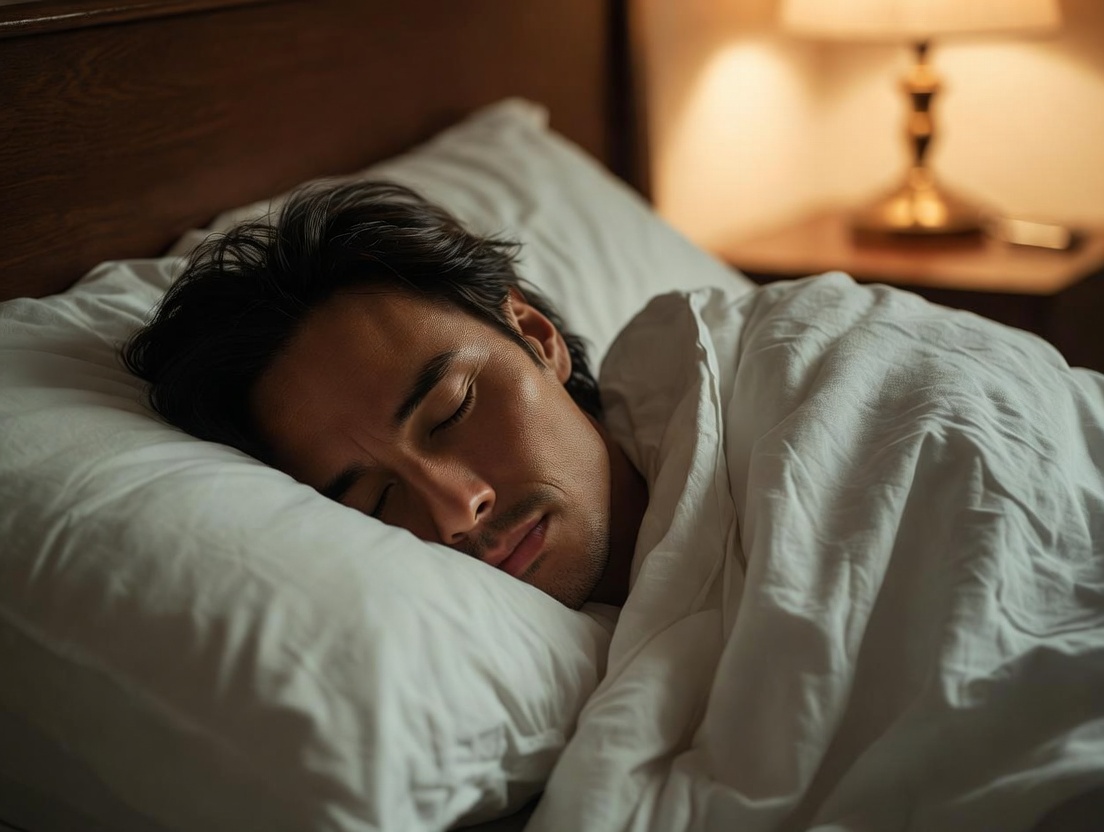
Sleep Quality vs Sleep Quantity: Which Should You Prioritize?
Sleep quality and quantity serve different purposes in your rest equation. While quantity measures time spent sleeping, quality assesses how restorative that sleep actually is. This guide helps you understand which to prioritize based on your lifestyle, health goals, and current sleep patterns for optimal results.
Sleep Quality vs Sleep Quantity: Which Should You Prioritize?
You’ve dutifully climbed into bed by 10 p.m., turned off your phone, and aimed for a solid eight hours. The next morning, your fitness tracker proudly confirms you hit your sleep duration target. Yet, you wake up feeling foggy, drained, and far from refreshed. Meanwhile, a friend swears they function perfectly on six hours, springing out of bed with vibrant energy. This common paradox lies at the heart of a modern wellness debate that goes far beyond simple bedtime math: is it the quality of your sleep or the sheer quantity of hours logged that truly matters for your health, performance, and well-being?
For generations, the gold standard of "eight hours a night" has been etched into our collective consciousness as the ultimate health commandment. But emerging science and advanced tracking technology are revealing a more complex picture. Sleep is not a monolithic state of unconsciousness; it’s a dynamic, architecturally complex process. Prioritizing only the clock can be like judging a symphony solely by its length, ignoring the harmony, rhythm, and precision of its movements.
This article dives deep into the science, the trade-offs, and the personal strategies to resolve the quality-versus-quantity dilemma. We’ll move beyond simplistic advice to explore how sleep stages work, what truly defines restorative rest, and how your unique biology plays a role. Furthermore, we’ll examine how modern tools, like advanced wellness wearables from innovators like Oxyzen, are empowering individuals to move from guessing about their sleep to understanding it with clinical-grade insight. By the end, you’ll have a actionable framework to optimize your own sleep ecosystem, ensuring that the time you spend in bed translates directly into waking vitality. Let’s begin by deconstructing the very pillars of this debate.
The Great Sleep Debate: Unpacking the Core Definitions
Before we can weigh quality against quantity, we must first define our terms with precision. In common parlance, "sleep quantity" is straightforward—it’s the total duration of time spent asleep, typically measured in hours and minutes. It’s the metric most easily tracked, even with a simple glance at a clock. The "8-hour rule" is a quantitative target deeply embedded in public health guidelines, originating from broad epidemiological studies that correlate this duration with lower risks for chronic disease.
Sleep quality, however, is a multifaceted and nuanced concept. It’s not merely how you feel in the morning, though that’s a important signal. Scientifically, sleep quality encompasses several measurable components:
Sleep Efficiency: This is the percentage of time you are actually asleep while in bed. If you spend 9 hours in bed but only sleep 7, your sleep efficiency is roughly 78%. High-quality sleep often features an efficiency of 85% or higher.
Sleep Architecture: This refers to the cyclical structure of your night, composed of different stages: Light Sleep (N1 & N2), Deep Sleep (N3, or slow-wave sleep), and REM (Rapid Eye Movement) sleep. A healthy architecture cycles through these stages every 90-120 minutes, with deep sleep dominating the first half of the night and REM periods lengthening toward morning.
Sleep Latency: The time it takes to fall asleep. A latency of 10-20 minutes is generally considered normal and healthy. Consistently taking too long (over 30 minutes) or falling asleep too quickly (under 5 minutes, which can indicate severe exhaustion) are markers of poor quality.
Wake After Sleep Onset (WASO): The total time spent awake after initially falling asleep. Frequent or prolonged awakenings fragment sleep, disrupting its restorative cycles.
Subjective Refreshment: The feeling of being restored, alert, and energized upon waking—a critical qualitative measure.
The historical focus on quantity alone stems from its ease of measurement in large-scale studies. Questionnaires can ask, "How many hours do you usually sleep?" far more easily than they can assess the depth and continuity of that sleep. However, this has led to a oversimplified public message. As we move into an era of personalized health data, the limitations of this one-dimensional view are becoming starkly apparent. Understanding your personal sleep architecture is key, a topic we explore in depth in our resource hub on the Oxyzen.ai blog.
The conflict arises when these two pillars seem to pull in opposite directions. Can six hours of superb, uninterrupted, architecturally sound sleep be better than nine hours of fragmented, light dozing? The emerging answer from sleep science suggests that in many cases, it can be. But this doesn’t give carte blanche to short sleepers. The real goal is to achieve sufficient quantity of high-quality sleep. To understand what "sufficient" means, we must first look at what happens in the body when we sacrifice one pillar for the other.
The High Cost of Poor Sleep Quality (Even With "Enough" Hours)
Imagine drinking eight glasses of water per day, but every glass is contaminated with minuscule impurities. You’re hitting the quantitative goal, but the compromised quality negates the fundamental benefit and may even cause harm. This analogy fits the experience of those who log long hours in bed but suffer from poor sleep quality—a condition often called "non-restorative sleep."
When sleep is fragmented or lacks depth, the body fails to complete the essential, stage-specific work it needs to do. Deep sleep (N3) is critical for physical restoration: tissue repair, muscle growth, immune system strengthening, and the clearance of metabolic waste from the brain. REM sleep, the stage most associated with vivid dreams, is crucial for memory consolidation, emotional processing, and cognitive function. Light sleep acts as a transitional guard, but too much of it means you’re not dipping into the more restorative stages.
The consequences of poor-quality sleep, independent of duration, are profound:
Cognitive Impairment: You experience brain fog, impaired judgment, reduced creativity, and memory lapses. Synaptic pruning and neural connection strengthening, which occur in deep and REM sleep, are incomplete.
Metabolic Chaos: The body’s ability to regulate hormones like ghrelin and leptin is disrupted, leading to increased hunger and cravings for high-calorie foods. Insulin sensitivity drops, raising the risk for weight gain and Type 2 diabetes.
Emotional Dysregulation: The amygdala—the brain’s emotional center—becomes hyperreactive. This leads to increased irritability, anxiety, and a reduced threshold for stress. REM sleep is essential for processing emotional experiences from the day.
Compromised Immunity: Cytokines, the proteins that help the immune system fight infection, are released during deep sleep. Poor-quality sleep reduces this production, leaving you more vulnerable to illnesses.
Cardiovascular Strain: Blood pressure naturally dips during healthy sleep (nocturnal dipping). Fragmented sleep disrupts this process, keeping blood pressure elevated and straining the cardiovascular system over time.
The insidious nature of this scenario is that you might be "checking the box" on sleep duration without realizing your health is being silently eroded. You can’t simply outlast bad sleep by spending more time in bed. This is where the precision of a dedicated wellness tracker becomes invaluable, moving you from tracking just time to tracking the architecture of your rest. Many users of detailed tracking tools, as shared in Oxyzen.ai testimonials, report the "aha moment" of discovering their lengthy sleep was filled with disruptions they never consciously recalled.
The Dangers of Short-Changing Sleep Quantity
On the opposite end of the spectrum lies the cult of the short sleeper—the individual who proudly operates on minimal sleep, viewing it as a badge of productivity and resilience. While a very small percentage of the population possesses a genetic mutation that allows them to thrive on less sleep (often called the "short-sleep gene"), the vast majority who claim this title are likely accruing a massive sleep debt and suffering the consequences, whether they acknowledge them or not.
Chronically restricting sleep quantity, even if the sleep you do get is efficient, is like running a critical system update on your computer but canceling it halfway through every night. The process never completes. The body has a baseline need for a certain amount of total sleep to cycle adequately through all necessary stages, particularly the later, longer REM periods that occur in the second half of the night. Cutting sleep short often means disproportionately sacrificing REM sleep.
The ramifications of chronic sleep restriction are well-documented:
Accelerated Aging & Cellular Damage: Short sleep is linked to shortened telomeres, the protective caps on chromosomes that are a marker of cellular aging. It also increases oxidative stress.
Severe Cognitive Decline: Long-term sleep quantity deprivation is a significant risk factor for neurodegenerative diseases like Alzheimer’s. The brain’s glymphatic system, which clears out beta-amyloid plaques (a hallmark of Alzheimer’s), is most active during deep sleep.
Hormonal Havoc: Beyond appetite hormones, chronic short sleep disrupts cortisol (stress hormone) rhythms, growth hormone production (vital for repair), and reproductive hormones.
Mood Disorders: The link between insomnia (which reduces quantity) and depression/anxiety is strong and bidirectional. The brain loses its essential overnight therapy session.
Impaired Performance: Reaction times slow, error rates increase, and the risk of accidents—from car crashes to occupational mistakes—skyrockets. Studies show that being awake for 18 hours impairs cognition similarly to a blood alcohol content (BAC) of 0.05%.
The dangerous fallacy is that the body "adapts" to less sleep. While subjective sleepiness may plateau after a few days of restriction, objective measures of cognitive and physiological performance continue to decline. You simply become accustomed to a degraded state of being, forgetting what true alertness feels like. Prioritizing quality cannot redeem a profound lack of quantity; the two are interdependent. Our FAQ at Oxyzen.ai addresses common questions about how much sleep is truly needed and how tracking can help identify personal baselines.
Sleep Architecture: The Hidden Blueprint of Restorative Rest
To truly resolve the quality vs. quantity debate, we must move into the architecture of sleep itself. Think of a night’s sleep not as a flat line of unconsciousness, but as a series of carefully constructed "buildings" (cycles), each with multiple floors (stages). The quality of your sleep is determined by the structural integrity of these buildings.
A full sleep cycle lasts about 90-120 minutes and includes all stages:
N1 (Light Sleep): The transition from wakefulness to sleep, lasting several minutes. Easy to be awakened.
N2 (Light Sleep): The body begins to disengage from the surroundings, heart rate slows, and body temperature drops. This stage constitutes the largest percentage of total sleep in adults.
N3 (Deep Sleep or Slow-Wave Sleep): The most physically restorative phase. It’s very difficult to awaken from; this is when sleepwalking or night terrors may occur. The body repairs tissues, builds bone and muscle, and strengthens the immune system. This stage is predominant in the first half of the night.
REM Sleep: The brain becomes highly active, closer to a waking state. Eyes dart rapidly (hence the name), dreaming is vivid, and the body experiences temporary muscle paralysis (atonia) to prevent acting out dreams. This stage is critical for learning, memory consolidation, and emotional health. REM periods get longer with each successive cycle.
High-quality sleep requires cycling through these stages 4-6 times per night uninterrupted. Disruptions—from a snoring partner, environmental noise, pain, or sleep apnea—can cause you to abort a cycle, often kicking you back to N1 or N2. You then have to start the progression to deep and REM sleep all over again, wasting precious time and reducing efficiency.
This architectural model clarifies why both quality and quantity are non-negotiable. You need enough total time (quantity) to complete multiple, full cycles. And you need uninterrupted, efficient sleep (quality) to progress through each cycle correctly. Sacrificing one inevitably sabotages the other. A device that can map these stages, like a sophisticated smart ring, provides a personal blueprint of your sleep architecture, showing you exactly where your disruptions occur. The mission to make this detailed health insight accessible and user-friendly is at the core of the Oxyzen.ai story.
The Goldilocks Zone: Finding Your Personal Sleep Sweet Spot
So, if both are essential, how do we find the balance? The answer lies in discovering your personal "Goldilocks Zone"—the optimal intersection of sufficient duration and high-quality structure. This zone is not a universal eight hours. It’s a personalized range influenced by genetics, age, lifestyle, and current health status.
The first step is to listen to your body’s signals, but with a critical eye. Do you wake up without an alarm feeling refreshed? Can you maintain stable energy and focus throughout the day without caffeine crashes? Is your mood generally resilient? These are signs you may be in your zone.
However, self-assessment can be flawed due to the phenomenon of "sleep misperception." This is where objective data becomes revolutionary. By tracking your sleep over a period of weeks, you can move beyond averages to identify patterns:
Baseline Duration: What is your typical total sleep time on nights you feel great?
Efficiency Benchmark: What is your sleep efficiency percentage on your best nights?
Architecture Balance: What is your typical ratio of deep to REM sleep? (While individual, a significant imbalance can be a clue).
Consistency: Is your sleep schedule regular, even on weekends?
The goal is not to chase perfect numbers every night—sleep naturally varies—but to establish a healthy, personalized range. For one person, the Goldilocks Zone might be 7 hours of sleep with 92% efficiency and balanced stages. For another, it might be 8.5 hours with 88% efficiency. The National Sleep Foundation provides age-based recommendations (7-9 hours for adults), but these are starting points, not prescriptions.
Finding this zone often requires experimentation. Tools that offer detailed analytics empower you to become a sleep scientist of your own life, testing how factors like evening routine, meal timing, or exercise affect your personal architecture. For a deeper dive into personalized health tracking strategies, explore the resources at Oxyzen.ai.
Beyond the Night: How Daytime Habits Dictate Nocturnal Success
The foundation for the sleep quality-quantity balance is laid long before your head hits the pillow. Your daytime behaviors, light exposure, and circadian rhythm management are the primary architects of your night. Viewing sleep as a 24-hour cycle is essential for optimization.
Circadian Rhythm: Your Internal Conductor Your circadian rhythm is an approximately 24-hour internal clock located in the brain’s suprachiasmatic nucleus (SCN). It regulates not just sleep-wake cycles, but also hormone release, body temperature, and digestion. It is primarily set by light exposure. Morning sunlight suppresses melatonin (the sleep hormone) and signals cortisol to rise, promoting alertness. As darkness falls, melatonin production increases, preparing the body for sleep. Disrupting this rhythm with irregular sleep schedules or excessive blue light at night confuses the conductor, leading to poor sleep initiation and fragmented quality.
Key Daytime Leverage Points:
Morning Light: View bright, outdoor light within 30-60 minutes of waking. This is the most powerful signal to anchor your rhythm.
Physical Activity: Regular exercise, particularly in the morning or afternoon, promotes deeper sleep. However, intense exercise too close to bedtime can be stimulating for some.
Caffeine & Alcohol Management: Caffeine has a half-life of 5-6 hours; an afternoon coffee can still be affecting your sleep latency at night. Alcohol may induce sleepiness but notoriously fragments sleep and suppresses REM sleep in the second half of the night.
Stress & Mental Diet: Chronic daytime anxiety activates the sympathetic nervous system (fight-or-flight), which is antagonistic to the parasympathetic (rest-and-digest) state required for sleep. Practices like mindfulness can build resilience.
By fortifying your circadian rhythm and managing daytime inputs, you create the ideal physiological conditions for both a timely sleep onset (protecting quantity) and a stable, uninterrupted sleep architecture (ensuring quality). It’s a proactive, holistic approach that treats sleep as a peak performance state to be earned, not just a passive activity. Our team’s dedication to holistic wellness principles is a key part of the Oxyzen.ai about-us philosophy.
The Modern Sleep Saboteurs: Technology, Stress, and Environment
In our quest for better sleep, we must also identify and mitigate the modern enemies of rest. These saboteurs attack both the quality and quantity of our sleep, often in subtle ways we’ve come to accept as normal.
1. The Blue Light Dilemma: The LED screens on our phones, laptops, and TVs emit high levels of blue-wavelength light. This light is particularly effective at suppressing melatonin production. Scrolling through social media or answering work emails in bed tells your brain it’s midday, delaying sleep onset and compressing your potential sleep quantity.
2. The Always-On Stress Cycle: The constant connectivity of modern life blurs the lines between work and rest. Psychological stress activates the HPA axis, flooding your system with cortisol. Elevated evening cortisol levels are directly at odds with the rising melatonin needed for sleep. This not only makes it hard to fall asleep but can also cause frequent nighttime awakenings (high WASO), decimating sleep quality.
3. The Non-Optimized Sleep Environment: Your bedroom should be a sanctuary for sleep, yet it’s often a multi-purpose room. Key environmental factors include:
Temperature: The body’s core temperature needs to drop to initiate and maintain sleep. A room that’s too warm (often above 68°F or 20°C) disrupts this process.
Light Pollution: Even small amounts of ambient light from streetlights or electronics can interfere with sleep cycles and reduce melatonin production.
Noise: Intermittent noises, even those that don’t fully wake you, can cause micro-arousals that fragment sleep architecture and reduce time in deep and REM stages.
Mattress & Pillows: An unsupportive sleep surface can cause pain and frequent position changes, leading to poor sleep continuity.
Addressing these saboteurs isn’t about perfection, but about creating buffers. Using blue light filters after sunset, establishing a digital curfew, practicing a wind-down routine, and investing in blackout curtains or a white noise machine are all strategies that protect both the opportunity for sleep (quantity) and its integrity once it begins (quality). For more practical tips on creating the ideal sleep sanctuary, our blog at Oxyzen.ai offers a wealth of actionable guides.
Listening to Your Body: Interpreting Key Signals and Symptoms
Your body provides a continuous stream of feedback about your sleep balance. Learning to interpret these signals—both upon waking and throughout the day—is crucial for self-correction before small issues become chronic problems.
Upon Waking: The Morning Report Card
Signal: Need multiple alarms, hit snooze repeatedly.
Likely Interpretation: Insufficient total sleep quantity, poor sleep quality (lack of deep/REM sleep), or a misaligned circadian rhythm (going to bed too late).
Signal: Wake up with a dry mouth or headache.
Likely Interpretation: Possible mouth breathing or sleep apnea, which severely fragments sleep and reduces oxygen saturation—a major quality issue.
Signal: Feel stiff, achy, or with jaw pain.
Likely Interpretation: Possible physical tension or bruxism (teeth grinding) during sleep, indicating a lack of proper physical relaxation, often linked to stress.
Throughout the Day: The Performance Metrics
Signal: Intense afternoon slump (2-3 p.m.).
Likely Interpretation: This can be a normal circadian dip, but if it’s debilitating, it often points to poor sleep quality the night before or a sugar-heavy lunch.
Signal: Craving sugary foods or caffeine.
Likely Interpretation: The body seeks quick energy to compensate for poor cellular restoration (from lack of deep sleep) and unstable blood sugar regulation, a common effect of sleep deprivation.
Likely Interpretation: A hallmark of REM sleep deprivation. The brain hasn’t adequately processed emotional stimuli from the previous day.
Signal: Forgetfulness, clumsiness, lack of focus.
Likely Interpretation: Widespread cognitive impairment from either insufficient sleep duration or highly fragmented sleep disrupting memory consolidation.
The most dangerous pattern is when these signals become your "normal." You adapt to a baseline of suboptimal functioning. This is where objective data serves as a reality check, correlating how you feel with what actually happened during the night. Many users find that reviewing their detailed sleep metrics alongside their journaled symptoms provides profound clarity, a sentiment echoed in the real-world experiences shared in the Oxyzen.ai testimonials section.
Quantifying the Qualitative: How Technology is Bridging the Gap
For most of human history, assessing sleep was purely subjective. The advent of actigraphy (movement tracking) in watches and early fitness trackers introduced a basic quantitative measure. Today, we are in the midst of a revolution: the ability to quantify the qualitative aspects of sleep with remarkable accuracy, bringing the sleep lab into the home.
Advanced consumer wearables, particularly those worn on the finger like smart rings, leverage a combination of sensors to paint a detailed picture:
Photoplethysmography (PPG): Measures heart rate and, crucially, Heart Rate Variability (HRV)—a key indicator of autonomic nervous system balance and recovery status. HRV typically dips during deep sleep and shows unique patterns in REM.
Accelerometer: Tracks body movement to determine sleep vs. wake periods and sleep position.
Skin Temperature Sensor: Monitors nocturnal temperature fluctuations, which are tightly coupled to circadian rhythm and sleep stage progression.
Blood Oxygen Saturation (SpO2) Sensor: Identifies potential breathing disturbances, like sleep apnea, which cause oxygen drops and sleep fragmentation.
By synthesizing this multi-modal data with advanced algorithms, these devices can estimate sleep stages (N1, N2, N3, REM), calculate efficiency scores, identify disturbances, and provide a holistic "Sleep Score" or "Readiness Score." This bridges the gap beautifully. You are no longer choosing between tracking only duration or guessing at quality. You get a comprehensive report that includes both.
This technology empowers you to move from generic advice to personalized intervention. Instead of just "get more sleep," you might get insights like: "Your deep sleep was low last night, and your resting heart rate was elevated. Consider a longer wind-down period or adjusting your room temperature." It turns sleep from a mystery into a manageable variable in your health equation. To understand the technology and science behind this personalized approach, you can learn more about Oxyzen.
This marks the conclusion of the first third of our comprehensive exploration. We have laid the essential groundwork, defining the core concepts, exploring the risks of imbalance, and introducing the tools that allow for personalized optimization. In the next portion, we will delve even deeper into actionable strategies, exploring specific protocols for enhancing both sleep quality and quantity, addressing common sleep disorders, and examining sleep optimization across different life stages and lifestyles.
The Science of Sleep Cycles: Mastering Your Internal Rhythm
Understanding the delicate interplay between sleep quality and quantity requires a masterful command of your body's internal clock and sleep architecture. This isn't about passively hoping for a good night's rest; it's about actively cultivating the conditions for your biology to perform its nocturnal symphony flawlessly. The conductor of this symphony is your circadian rhythm, and the musicians are your sleep stages. When they are in harmony, you achieve restorative rest. When they are out of sync, both the quality and quantity of your sleep suffer.
Your circadian rhythm is far more than a simple sleep-wake timer. It's a 24-hour biological oscillator that regulates core body temperature, hormone secretion (like cortisol and melatonin), digestion, and cellular repair cycles. This rhythm is endogenously generated but is exquisitely sensitive to external cues, known as zeitgebers (German for "time-givers"). The most powerful zeitgeber is light, but others include temperature, food intake, and social interaction.
The goal of circadian optimization is entrainment—synchronizing your internal clock with the external 24-hour day. Strong, consistent entrainment leads to:
Consolidated, deep sleep with fewer awakenings (ensuring quality).
Stable energy and mood throughout the day.
Practical Levers for Circadian Entrainment:
Morning Light Anchor: View bright, outdoor light within 30-60 minutes of waking for at least 10-15 minutes. This light should be unfiltered by windows (which block certain wavelengths). This single habit is the most potent signal to suppress melatonin, elevate cortisol appropriately, and set your clock for the day. On cloudy days, aim for longer exposure.
Evening Light Hygiene: As the sun sets, your environment should mimic the natural progression into darkness. Dim indoor lights, use lamps instead of overhead fixtures, and activate "night shift" or blue-light-filtering modes on devices 2-3 hours before bed. Consider amber-tinted glasses if you must be in bright, artificial environments in the evening.
Consistent Timing: Wake up at the same time every single day, even on weekends. This is the cornerstone of a strong circadian rhythm. A consistent wake time anchors your clock more powerfully than a consistent bedtime.
Temperature Rhythm Leverage: Your core body temperature naturally dips at night to initiate sleep. You can enhance this by taking a warm bath or shower 60-90 minutes before bed. The initial warmth causes vasodilation, and the subsequent cooldown mimics the natural temperature drop, sending a strong sleep signal.
By mastering these levers, you create a robust biological framework. Within this framework, the specific architecture of your sleep—the cycles of light, deep, and REM sleep—can unfold optimally. It’s the difference between trying to build a house on a shaky foundation versus solid ground. For a deeper exploration of circadian health and daily routines, our comprehensive guides on the Oxyzen.ai blog offer science-backed strategies.
Deep Dive into Non-REM & REM: The Yin and Yang of Sleep
Sleep is not a uniform state. It’s a dynamic journey through distinctly different physiological territories, each with a non-negotiable function. Conceptualizing sleep as merely "being unconscious" is like describing a gourmet meal as merely "eating." The magic is in the specific ingredients and their sequence.
Non-REM Sleep (Stages N1, N2, N3): The Phase of Physical Restoration
N1 (Light Sleep): This is the doorway to sleep, lasting 1-5 minutes. Brain waves begin to slow from their daytime wakeful pattern (beta waves) to alpha and theta waves. Muscles relax, and you can be easily awakened. This stage is a minor player in the overall architecture but is the necessary transition.
N2 (Light Sleep): You are now officially asleep, but still in a light stage. This constitutes about 50% of total sleep time in healthy adults. During N2, the brain produces sleep spindles (brief bursts of faster activity) and K-complexes (large, slow brain waves). These are believed to be crucial for:
Memory Consolidation: Particularly for declarative memory (facts and information).
Sensory Gating: Blocking external stimuli from disrupting sleep, which is essential for maintaining sleep continuity (a key quality metric).
N3 (Deep Sleep or Slow-Wave Sleep): This is the most physically restorative stage. The brain emits large, slow delta waves. It is very difficult to be awakened from deep sleep.
Primary Functions: Physical repair and growth. The body releases growth hormone, which facilitates tissue and muscle repair. The immune system is bolstered. Cellular energy is restored. The brain’s glymphatic system becomes highly active, clearing out metabolic waste products like beta-amyloid plaques.
Timing: Deep sleep is predominant in the first half of the night. If you are sleep-deprived, your body will prioritize deep sleep in the next opportunity, often at the expense of REM sleep.
REM Sleep: The Phase of Mental and Emotional Restoration
REM sleep is physiologically paradoxical. The brain is highly active, with brain wave patterns resembling wakefulness (beta waves). Meanwhile, the body experiences muscle atonia—a temporary paralysis that prevents you from acting out your dreams. Your eyes dart rapidly beneath your lids.
Primary Functions:
Emotional Processing: The brain processes emotional experiences from the day, stripping away the intense emotional "charge" while retaining the memory. This is essential for emotional resilience and mental health.
Cognitive Consolidation: REM is vital for procedural memory (skills and tasks) and creative problem-solving. It’s where the brain makes novel connections between disparate ideas.
Brain Development: Infants spend a huge proportion of sleep in REM, highlighting its role in neural development.
Timing: REM periods get longer with each successive sleep cycle. The first REM period may last only 10 minutes, while the final one in the morning can last up to an hour. This is why cutting your sleep short often results in a severe REM deficit.
The interplay between Non-REM and REM is the yin and yang of recovery. Deep sleep is the anabolic, inward-focused repair. REM sleep is the cognitive, integrative, and emotional tune-up. Sacrificing one for the other—whether by poor quality (disrupting cycles) or insufficient quantity (truncating later cycles)—leads to an incomplete recovery process. Understanding this architecture is the first step to optimizing it, a principle that guides the analytics behind detailed sleep tracking. To see how this science is applied in modern wellness technology, you can discover how Oxyzen works.
The Myth of "Catching Up" on Sleep
A pervasive and dangerous myth in our sleep-deprived culture is the idea of the "sleep debt weekend"—the belief that you can skimp on sleep during the week and fully repay the accumulated debt with a marathon sleep session on Saturday and Sunday. This is a fundamental misunderstanding of how sleep regulation works. While recovery sleep is beneficial, it is not a perfect one-to-one repayment, and the process comes with significant physiological costs.
The Two-Process Model of Sleep Regulation: To understand why "catching up" is flawed, we must look at the two primary systems governing sleep:
Process S (Sleep Homeostat): This is your sleep drive or pressure. It builds from the moment you wake up, like an hourglass filling with sand. The longer you are awake, the stronger the drive for sleep becomes. During sleep, especially deep N3 sleep, this drive is dissipated.
Process C (Circadian Rhythm): As discussed, this is your internal 24-hour clock that dictates the optimal timing for sleep and wakefulness.
When you deprive yourself of sleep on weekdays, Process S builds to an extremely high level. Your body craves sleep, particularly deep N3 sleep, to reduce this pressure. When you finally sleep in on the weekend, you will likely experience a rebound effect: you fall asleep quickly and spend a disproportionate amount of time in deep sleep. This is your body desperately trying to address the physical repair backlog.
The Problems with the "Catch-Up" Strategy:
REM Sleep Robbery: In its urgent need to satisfy the deep sleep debt, the body often sacrifices REM sleep during recovery nights. This means you miss out on the essential emotional and cognitive processing of REM, leading to a different kind of deficit.
Circadian Disruption (Social Jet Lag): Sleeping in several hours later on weekends shifts your circadian rhythm. It’s the physiological equivalent of flying west on Friday night and east on Sunday night. Your internal clock becomes confused, making it harder to fall asleep and wake up at the necessary times on Sunday and Monday. This weakens sleep quality for the entire following week.
Incomplete Repayment: Research indicates that while you may recover some cognitive performance metrics with one long sleep, other functions—particularly metabolic and hormonal imbalances caused by sleep deprivation—do not normalize as quickly. The metabolic toll of sleep loss may not be so easily reversed.
The consistent message from sleep science is clear: Regularity is king. A consistent sleep-wake schedule, even on weekends (with a deviation of no more than 60 minutes), is infinitely more beneficial for long-term health and daily performance than an erratic schedule with periodic binges. It protects both the architecture of your sleep (quality) and the stability of your circadian rhythm, which in turn makes achieving sufficient duration easier. For personalized support on building a consistent routine, our FAQ at Oxyzen.ai addresses common hurdles and solutions.
Sleep Tracking Deep Dive: From Basic Metrics to Advanced Biomarkers
The evolution of sleep tracking has moved us from guessing to knowing. But to leverage this technology effectively, you must move beyond a simple "sleep score" and learn to interpret the symphony of data. Advanced wearables provide a dashboard of biomarkers that tell the story of your night.
Core Metrics and Their Meaning:
Total Sleep Time (TST): The straightforward measure of quantity. Compare it to your personal "sweet spot" range, not just a generic 8-hour target.
Sleep Efficiency (%) = (Time Asleep / Time in Bed) x 100. This is a critical quality metric. Below 85% suggests significant fragmentation or difficulty initiating sleep.
Sleep Latency: Aim for 10-20 minutes. Consistently >30 min may indicate anxiety, poor sleep hygiene, or circadian misalignment. <5 minutes can indicate severe sleep deprivation.
Wake After Sleep Onset (WASO): Total minutes awake after initially falling asleep. High WASO is a prime culprit for unrefreshing sleep, as it fragments sleep cycles.
Advanced Biomarkers: The Gold Standard of Quality Assessment
Resting Heart Rate (RHR) Nocturnal Dip: A healthy cardiovascular system shows a distinct drop in heart rate during sleep, typically reaching its lowest point during deep sleep. A blunted or elevated nocturnal RHR can be a sign of physical stress, overtraining, illness, or poor sleep quality itself.
Heart Rate Variability (HRV): This is the gold-standard, non-invasive measure of autonomic nervous system (ANS) balance. It measures the subtle variations in time between heartbeats.
High HRV indicates a strong, adaptable ANS—your body can easily shift from sympathetic (stress) to parasympathetic (rest) dominance. HRV naturally rises during deep N3 sleep.
Low HRV indicates a stressed, inflexible system stuck in "fight-or-flight" mode. During sleep, a low or dropping HRV trend can signal that your body is not effectively recovering, even if you are asleep.
Respiratory Rate: A stable, slow respiratory rate during sleep is a sign of good autonomic regulation. Significant fluctuations can indicate sleep disturbances or disorders.
Sleep Stage Breakdown (% of Light, Deep, REM): While consumer devices are not medical-grade EEGs, they provide a good estimate. Look for trends, not single-night absolutes. A sudden, sustained drop in deep or REM sleep percentage is a valuable clue worth investigating.
Blood Oxygen (SpO2) Variation: Significant, repeated dips in blood oxygen saturation during sleep are a primary indicator of sleep-disordered breathing, like sleep apnea, which is a catastrophic destroyer of sleep quality.
How to Use This Data Wisely: Avoid "score obsession." Instead, look for trends over time (weekly or monthly averages). Correlate the data with your subjective feelings and daily habits. Did your deep sleep drop after two nights of late alcohol consumption? Did your HRV climb after a week of consistent morning walks? This is the true power of tracking: it turns sleep from a black box into a feedback loop for personalized experimentation. The journey to developing this kind of insightful, user-centric technology is captured in the Oxyzen.ai our-story page.
Nutrition’s Powerful Role: How Food and Drink Shape Your Sleep
You are not just what you eat; you are also how you sleep based on what you eat. The timing, composition, and quantity of your food and drink intake are potent modulators of both sleep quality and quantity. Dietary choices can either fortify your circadian rhythm and promote stable sleep architecture, or they can trigger inflammation, destabilize blood sugar, and disrupt the delicate hormonal ballet of the night.
The Chrononutrition Principle: This is the study of how the timing of food intake interacts with your circadian biology. Your digestive system has its own circadian rhythm, with metabolic efficiency highest during your active daytime phase. Eating late at night forces your digestive organs to work on "night shift," which can elevate core body temperature and disrupt sleep initiation and maintenance.
Key Dietary Levers for Sleep Optimization:
The Last Meal Timing: Aim to finish your last large meal at least 3 hours before bedtime. This allows for significant digestion to occur before you lie down, reducing the risk of acid reflux and allowing your body to focus on sleep processes, not digestive ones.
Macronutrient Balance:
Complex Carbohydrates: Consuming carbs in the evening can aid tryptophan uptake into the brain, promoting serotonin and melatonin production. However, these should be complex carbs (e.g., sweet potato, oats) rather than simple sugars, which cause blood sugar spikes and crashes that can trigger awakenings.
Protein: Provides the amino acid tryptophan, a precursor to melatonin. Including a moderate amount of protein at dinner (e.g., poultry, fish, tofu) can support sleep. However, very high-protein, heavy meals right before bed are taxing to digest.
Healthy Fats: Support stable blood sugar and hormone production. Include sources like avocado, nuts, or olive oil.
Specific Sleep-Supportive Nutrients:
Magnesium: Acts as a natural relaxant for the nervous system and muscles. Found in leafy greens, nuts, seeds, and bananas.
Glycine: An amino acid shown to improve sleep quality and reduce core body temperature. Found in bone broth and collagen.
Potassium: Helps with muscle relaxation and nerve function.
The Double-Edged Sword of Hydration: Proper hydration is essential for all bodily functions, including sleep. However, drinking large volumes of fluid right before bed will inevitably lead to disruptive nighttime trips to the bathroom (nocturia), fragmenting sleep. Front-load your hydration earlier in the day and taper off in the last 1-2 hours before bed.
The Big Offenders:
Caffeine: Its half-life is 5-6 hours. For most people, a hard cutoff of at least 8 hours before bedtime is wise. Some slow metabolizers may need a noon cutoff.
Alcohol: It is a sedative, not a sleep aid. It suppresses REM sleep profoundly, leads to fragmented sleep in the second half of the night as it wears off, and worsens breathing disturbances. It is a guaranteed way to degrade sleep quality, even if it helps with sleep onset.
High-Sugar & High-Fat Late-Night Snacks: These can cause digestive distress, blood sugar roller coasters, and even trigger vivid dreams or nightmares due to metabolic activation.
By viewing your diet as part of your sleep hygiene protocol, you make conscious choices that support, rather than sabotage, your rest. For more detailed guides on nutrition and circadian health, explore the curated content on the Oxyzen.ai blog.
Exercise as a Sleep Modulator: Timing, Type, and Intensity
Physical activity is one of the most potent, evidence-based prescriptions for improving both sleep quality and quantity. However, its effects are not uniform. The relationship between exercise and sleep is nuanced, depending heavily on timing, type, and your individual physiology. When optimized, exercise strengthens circadian rhythms, increases sleep drive, and promotes deeper, more efficient sleep.
The Overall Benefits: Regular exercisers consistently report better sleep quality, fewer insomnia symptoms, and less daytime sleepiness. The mechanisms are multifaceted:
Sleep Drive Amplification: Exercise increases adenosine buildup in the brain. Adenosine is a chemical that promotes sleep drive (Process S), making it easier to fall asleep at night.
Anxiety & Stress Reduction: Exercise is a powerful buffer against psychological stress, lowering cortisol levels and promoting a calmer state conducive to sleep.
Circadian Reinforcement: Morning or afternoon outdoor exercise provides strong light exposure, further entraining your circadian clock.
Body Temperature Regulation: The rise and subsequent fall in core body temperature post-exercise mimics the natural circadian temperature drop, acting as a sleep signal.
The Critical Variable: Timing
Morning/Afternoon Exercise (The Sweet Spot): This is generally ideal. It provides the circadian and stress-buffering benefits without the potential stimulating effects too close to bedtime. The post-exercise temperature drop will have fully occurred by nightfall.
Evening Exercise (Proceed with Awareness): The old blanket rule to avoid exercise within 3 hours of bed is being revised. It depends on the individual and the exercise.
Moderate-Intensity & Gentle Exercise: For many people, activities like yoga, Pilates, tai chi, or a leisurely walk in the early evening can be deeply relaxing and sleep-promoting. They help release physical tension without overstimulating the nervous system.
High-Intensity Exercise: Vigorous cardio or heavy strength training within 60-90 minutes of bedtime can be overly stimulating for a significant portion of the population. It elevates core temperature, heart rate, and sympathetic nervous system activity (adrenaline, cortisol), which can interfere with sleep onset. However, some well-trained individuals with established routines may not experience this negative effect.
Type of Exercise and Sleep Architecture:
Aerobic Exercise: Consistent cardio training has been linked to increases in slow-wave (deep) sleep duration, which is critical for physical restoration.
Resistance Training: Strength training also improves sleep quality and can help regulate circadian rhythms. It may be less likely to cause late-night overstimulation compared to high-intensity interval training (HIIT).
The "Recovery Feedback Loop": This is where advanced tracking becomes invaluable. You can use sleep data—specifically HRV and resting heart rate—to gauge whether your exercise regimen is supporting or hindering recovery.
If your HRV is consistently depressed and your morning RHR is elevated, it may be a sign you are overtraining and not allowing for adequate recovery, which will degrade sleep quality.
Conversely, seeing HRV improve and RHR lower as you establish a consistent, well-timed exercise routine is a clear sign of positive adaptation.
Listen to your body and your data. If you exercise in the evening and consistently struggle with sleep initiation or have poor sleep efficiency scores, experiment with moving your workout earlier. The goal is to use movement to build sleep pressure and reduce stress, not to create a new source of physiological arousal at night. Understanding your personal recovery needs is a cornerstone of the holistic approach we champion, which you can learn more about through Oxyzen.
Mastering the Wind-Down: Building an Unbreakable Pre-Sleep Ritual
The final and perhaps most critical piece of the sleep optimization puzzle is the transition from wakefulness to sleep. You cannot expect your brain and body to switch from the cognitive demands, blue light, and stimulation of modern life directly into a state of deep restoration. The wind-down ritual is the dedicated buffer zone that orchestrates this transition, actively shifting your physiology from sympathetic (fight-or-flight) to parasympathetic (rest-and-digest) dominance.
An effective wind-down is not passive scrolling. It is a proactive, consistent series of calming actions performed in the 60-90 minutes before your target bedtime. Its purpose is to:
Signal Safety: Tell your primitive brain that the environment is safe for vulnerability (sleep).
Lower Arousal: Reduce cognitive, emotional, and physiological activation.
Promote Sleep-Promoting Hormones: Encourage the natural rise of melatonin.
Components of a Science-Backed Wind-Down Ritual:
The Digital Sunset: This is non-negotiable. Institute a strict cutoff for phones, laptops, and TVs at least 60 minutes before bed. Place devices on a charger outside the bedroom. This eliminates blue light, mental stimulation, and the anxiety-inducing "infinite scroll" or work email check.
Lighting the Path to Sleep: After your digital sunset, use only dim, warm-toned lights. Salt lamps, dimmable bedside lamps with warm bulbs, or even candlelight are ideal. This supports your natural melatonin production.
The Temperature Drop: As discussed, take a warm bath or shower. The subsequent cooldown is a powerful biological sleep trigger.
Cognitive Closure: Perform a "brain dump." Write down any lingering to-do list items, worries, or ideas in a notebook. This practice, often called "constructive worry," moves tasks from the chaotic space of your mind to the concrete space of paper, reducing bedtime anxiety.
Parasympathetic Activation: Engage in gentle, calming activities that promote the relaxation response.
Light Reading: Physical books (preferably fiction or non-stimulating material) are ideal.
Gentle Stretching or Restorative Yoga: Focus on slow, deep breathing and releasing muscular tension.
Meditation or Deep-Breathing Exercises: Practices like the 4-7-8 breath (inhale for 4, hold for 7, exhale for 8) directly activate the vagus nerve and the parasympathetic system.
Gratitude Journaling: Reflecting on positive aspects of the day can induce a calm, positive state.
Consistency is the Ritual: Perform these steps in the same order, at roughly the same time, every night. This builds a powerful classical conditioning response: your body learns that "after I do X, Y, and Z, sleep is next."
Your bedroom environment should be the final sanctuary. It should be cool (65-68°F/18-20°C), dark (use blackout curtains if necessary), and quiet (use a white noise machine or fan if needed). Your bed should be used only for sleep and intimacy—not for work, eating, or watching TV—to strengthen the mental association between bed and rest.
This intentional transition is the ultimate act of prioritizing sleep quality. It ensures that when your head hits the pillow, your systems are already primed for efficient sleep onset and sustained, deep cycles, maximizing the restorative value of every hour you spend asleep. For inspiration and real-world examples of effective wind-down routines, the Oxyzen.ai testimonials often feature user stories about transforming their evenings.
Navigating Sleep Disorders: When Quality and Quantity Are Under Siege
Despite our best efforts with hygiene, routine, and environment, some individuals face persistent, pathological barriers to restorative sleep. Sleep disorders are medical conditions that systematically attack both the quality and quantity of sleep, often requiring professional diagnosis and intervention. Understanding these common disorders is crucial, as they represent scenarios where self-optimization hits a hard wall, and specialized help is needed.
Insomnia: The Tyranny of Wakefulness Insomnia is characterized by persistent difficulty falling asleep (sleep onset insomnia), staying asleep (sleep maintenance insomnia), or waking up too early, despite adequate opportunity for sleep. It’s not defined by short sleep per se, but by the complaint of poor sleep and associated daytime impairment. Chronic insomnia directly decimates both sleep quantity (through reduced time in bed asleep) and quality (through hyperarousal that fragments and lightens sleep).
Key Feature: A state of hyperarousal—a 24-hour activation of the nervous system. Sufferers often have elevated heart rates, cortisol levels, and metabolic rates, even during the day. Their brain won’t "switch off."
The Vicious Cycle: Worry about not sleeping ("sleep effort") creates anxiety, which further fuels arousal, making sleep even more elusive. This creates a learned association between the bed and wakefulness.
Sleep Apnea: The Silent Fragmenter Sleep apnea, particularly Obstructive Sleep Apnea (OSA), is a disorder where breathing repeatedly stops and starts during sleep due to airway collapse. Each apnea event (a complete pause) or hypopnea (shallow breathing) causes a micro-arousal to restart breathing—often so brief the sleeper doesn't remember waking.
Impact on Quality: This is a primary architect of catastrophic sleep fragmentation. The sleeper may be in bed for 8 hours but is pulled out of deep or REM sleep hundreds of times per night. Sleep architecture is shredded, leading to profound non-restorative sleep.
Impact on Quantity: The constant awakenings can lead to prolonged wakefulness, reducing total sleep time. Furthermore, the fear of poor sleep or nighttime choking sensations can lead to sleep avoidance, a form of behavioral insomnia.
Warning Signs: Loud, chronic snoring, witnessed pauses in breathing, gasping/choking at night, and severe daytime sleepiness despite "full" sleep duration. A smart ring or other tracker showing frequent SpO2 dips and high restlessness is a potential indicator worth discussing with a doctor.
Restless Legs Syndrome (RLS) and Periodic Limb Movement Disorder (PLMD) RLS involves an irresistible urge to move the legs, accompanied by uncomfortable sensations, which worsen at rest and in the evening. PLMD involves involuntary, rhythmic limb jerking during sleep.
Impact: RLS can severely delay sleep onset (harming quantity), while both RLS and PLMD cause frequent awakenings and arousals (harming quality). Partners are often aware of the movements before the sleeper is.
Circadian Rhythm Sleep-Wake Disorders These are misalignments between an individual's internal clock and the external environment. Examples include Delayed Sleep-Wake Phase Disorder (night owls who can't sleep until very late and struggle with morning obligations) and Shift Work Disorder.
Impact: The body is trying to sleep at the wrong biological time. Even if duration is achieved (e.g., a shift worker sleeping 8 hours during the day), the sleep is often lighter, less efficient, and less restorative because it conflicts with core circadian-driven signals for wakefulness.
The Path Forward: If you suspect a disorder, the critical step is consultation with a primary care physician or a sleep specialist. The diagnostic gold standard is often an in-lab polysomnogram (PSG), but home sleep apnea tests are also common. Treatment is highly effective:
Insomnia: First-line treatment is Cognitive Behavioral Therapy for Insomnia (CBT-I), a structured program that addresses the thoughts and behaviors perpetuating sleep problems. It is more effective and durable than sleep medication.
Sleep Apnea: Continuous Positive Airway Pressure (CPAP) therapy is the standard treatment, using gentle air pressure to keep the airway open. It can be life-changing, restoring sleep architecture and eliminating dangerous oxygen desaturations.
RLS/PLMD: May involve iron supplementation (if stores are low), medications, or lifestyle changes.
The takeaway is profound: when chronic, severe sleep issues persist despite excellent hygiene, a medical cause must be ruled out. Technology can provide clues—like consistent SpO2 drops or incredibly high WASO—that empower you to have a more informed conversation with your healthcare provider. For support on integrating health data into medical conversations, resources are available in our Oxyzen.ai FAQ.
The Lifespan of Sleep: How Needs Change from Crib to Golden Years
Sleep is not static. The interplay between required quantity and achievable quality evolves dramatically across the human lifespan. Recognizing these normal, age-related shifts is key to setting realistic expectations and avoiding unnecessary anxiety about changes in your sleep patterns or those of loved ones.
Infancy & Childhood: The Builders
Quantity: Newborns need 14-17 hours, infants 12-16 hours, and toddlers 11-14 hours, all including naps. This massive quantity supports explosive brain development, physical growth, and learning.
Quality & Architecture: Sleep cycles are shorter (~50 minutes). A much larger proportion (up to 50%) is spent in REM sleep, which is believed to be crucial for neural pathway formation and processing the immense sensory input of a new world. Deep sleep is also abundant for physical growth.
Adolescence: The Great Shift
Quantity: Requirement remains high at 8-10 hours, but biology and social demands collide.
Quality & Architecture: A natural circadian delay occurs—the melatonin surge happens later at night. This makes teens biologically predisposed to fall asleep later and wake later. Early school start times directly conflict with this, leading to chronic sleep deprivation, where both quantity and quality are sacrificed, with severe impacts on learning, mood, and risk-taking behavior.
Adulthood (20-60): The Balancing Act
Quantity: Stabilizes at the recommended 7-9 hours, but individual variation is fully expressed (the genetic "short" and "long" sleepers).
Quality & Architecture: This is the prime period where lifestyle dictates sleep health. The percentage of deep sleep begins a very gradual decline from early adulthood. REM sleep remains relatively stable. The vulnerability to sleep disorders (apnea, insomnia) increases, particularly with weight gain, stress, and hormonal changes. This is the stage where sleep hygiene and consistency are paramount to preserve quality and protect quantity against life's encroachments.
Older Adulthood (65+): The New Rhythm
Quantity: Total sleep time often decreases slightly, with 7-8 hours being common. However, the need for sleep does not diminish dramatically; the ability to consolidate sleep often does.
Quality & Architecture: This stage involves significant changes:
Advanced Sleep Phase: The circadian rhythm shifts earlier. Older adults often get sleepy early in the evening and wake very early in the morning.
Fragmentation: Sleep becomes more fragmented with more frequent and longer nighttime awakenings (higher WASO). This is due to a combination of factors: thinner sleep, medical conditions, medication side effects, and reduced sleep drive.
Architectural Shifts: The percentage of deep (N3) sleep can decrease significantly, and may even be absent in some individuals. REM sleep percentage may remain stable or decrease slightly.
Increased Napping: Daytime napping becomes more common to compensate for lost nocturnal sleep, which can further fragment nighttime sleep if naps are too long or too late.
The Lifespan Perspective: The goal at every age is to maximize restorative sleep within the biological constraints of that stage. For a new parent, it’s about surviving infant sleep cycles. For a teen, it’s advocating for later start times. For an adult, it’s defending sleep as a non-negotiable health pillar. For an older adult, it’s managing expectations (less deep sleep is normal), optimizing the environment for fewer disruptions, and focusing on sleep continuity rather than chasing an elusive 8-hour block. Understanding these normal changes helps remove judgement and fosters a compassionate, strategic approach to sleep across a lifetime. For more on adapting wellness strategies to different life stages, our Oxyzen.ai blog offers tailored insights.
Stress, Anxiety, and Sleep: Breaking the Hyperarousal Loop
The relationship between stress and sleep is a classic bidirectional nightmare. Poor sleep lowers resilience to stress, and heightened stress—whether acute (a work deadline) or chronic (financial worry, caregiving)—activates physiological systems that are the antithesis of those required for sleep. This creates a self-perpetuating loop that can feel impossible to escape.
The Physiology of the Stress-Sleep Conflict: When the brain perceives a threat (real or imagined), the Hypothalamic-Pituitary-Adrenal (HPA) axis is activated. This leads to a cascade: cortisol and adrenaline are released, heart rate and blood pressure increase, and the brain enters a state of hypervigilance. This is the sympathetic "fight-or-flight" response, designed for survival action. Sleep, however, requires the opposite: parasympathetic "rest-and-digest" dominance, characterized by lowered heart rate, blood pressure, and cortisol, and a quieted mind.
Chronic stress essentially leaves the HPA axis stuck in the "on" position, with elevated evening cortisol levels directly blocking the secretion of melatonin. The mind races with intrusive thoughts and worry, a state sleep scientists call cognitive hyperarousal.
Strategies to Decouple Stress from Sleep:
Create a "Worry Period": Schedule 15-20 minutes in the early evening—long before bed—to consciously worry. Write down all concerns and potential solutions. When anxious thoughts arise at night, remind yourself, "I’ve already addressed that during my worry period; it’s time for sleep."
Parasympathetic Nervous System (PNS) Activation Before Bed: Engage in practices that directly stimulate the vagus nerve, the main nerve of the PNS.
Diaphragmatic Breathing: Slow, deep belly breathing (5-6 breaths per minute) is a powerful and immediate PNS activator.
Body Scan Meditation: Progressively bringing attention to and relaxing each part of the body reduces physical tension and mental chatter.
Humming or Singing: The vagus nerve is connected to the vocal cords; gentle humming can stimulate it.
Cognitive Reframing: Challenge catastrophic thoughts about sleep ("If I don't sleep, tomorrow will be a disaster"). Replace them with more balanced statements ("My body knows how to sleep; even rest in bed is beneficial"). This reduces the performance anxiety around sleep itself.
The "Get Out of Bed" Rule (Stimulus Control): If you are awake in bed for more than 20-25 minutes, get up. Go to another dimly lit room and do a quiet, boring activity (read a dull book, no screens) until you feel sleepy. This breaks the association between bed and frustration.
Daytime Stress Inoculation: Regular practices like mindfulness meditation, yoga, or even daily walks in nature can lower your overall baseline of stress reactivity, making you less vulnerable to nighttime hyperarousal.
The goal is not to eliminate stress, but to manage its impact on your nervous system, especially in the critical window before sleep. By intervening with deliberate relaxation techniques, you build a "buffer zone" that allows the natural sleep drive to take over. This is a core component of CBT-I and is essential for reclaiming both sleep quality (by quieting the mind) and quantity (by reducing sleep latency and nighttime awakenings). The journey to integrating such holistic stress management is part of the Oxyzen.ai our-story and mission.
Optimizing Your Sleep Sanctuary: A Sensory Design Guide
Your bedroom environment is the physical stage upon which the drama of sleep unfolds. Every sensory input—light, sound, temperature, touch—sends a signal to your brain. An optimized sanctuary sends one consistent message: "This is a place for safe, deep, uninterrupted rest." Poor design sends conflicting signals that promote arousal and fragmentation.
The Pillars of Sensory Sleep Design:
1. Sight: The Absolute Dominion of Darkness Light is the primary circadian cue. Even small amounts of ambient light from streetlights, electronics, or a crack under the door can suppress melatonin and fragment sleep.
Action Plan:
Blackout: Invest in high-quality blackout curtains or shades. Test by turning off lights at night; if you can see your hand, it's not dark enough.
Eliminate Electronic Glow: Remove or completely cover all LEDs (TVs, chargers, smoke detectors). Use black electrical tape if necessary.
Eye Mask: A comfortable, contoured sleep mask is a portable, highly effective solution, especially for travel or shift work.
2. Sound: The Power of Consistency The issue isn't noise per se, but unpredictable noise. The brain remains alert to novel sounds as potential threats, causing micro-arousals. Consistent sound masks these disruptions.
Action Plan:
White/Brown/Pink Noise: Use a dedicated sound machine, a fan, or a phone app (placed away from the bed) to generate a constant, soothing sound spectrum. This masks intermittent noises like traffic, plumbing, or a partner's snoring.
Earplugs: High-fidelity, comfortable earplugs (like silicone or foam) can be a game-changer for light sleepers or noisy environments.
3. Touch: The Thermoregulation Imperative Core body temperature must drop by about 1-2 degrees Fahrenheit to initiate and maintain sleep. Your bedding and room temperature are critical tools.
Action Plan:
Temperature: The science-backed sweet spot for most people is 65-68°F (18-20°C). Experiment to find your ideal.
Bedding: Use breathable, natural materials like cotton, linen, or bamboo. Consider a moisture-wicking mattress pad.
The Bed Jet/Breathable Blanket: For hot sleepers, a bed-cooling system or specialized cooling blankets can be transformative.
Weight: Weighted blankets (approx. 10% of body weight) provide deep pressure stimulation, which can reduce anxiety and promote a calming, parasympathetic state for many individuals.
4. Smell: The Underrated Aromatherapy Lever The olfactory system has a direct pathway to the brain's limbic system, which governs emotion and memory. Calming scents can cue relaxation.
Action Plan:
Lavender: Extensively studied and shown to lower heart rate and blood pressure, promoting calm. Use a diffuser with essential oil, or a sachet on the nightstand.
Chamomile, Sandalwood, Bergamot: Other scents associated with relaxation.
Caution: Ensure scents are mild and pleasant to you; strong or unpleasant smells are disruptive.
The Holistic Sanctuary Mindset: Declutter your bedroom. Remove work materials, exercise equipment, and laundry piles. The visual clutter subconsciously reminds your brain of unfinished tasks and stress. Your bedroom should feel like a calm, minimalist retreat dedicated primarily to sleep and intimacy. This psychological separation is as important as the physical parameters. Investing in your sleep sanctuary is one of the highest-return investments you can make in your daily health and performance. For more detailed product reviews and setup guides to create your ideal environment, explore the curated discussions on the Oxyzen.ai blog.
Beyond the Night: How Sleep Dictates Your Waking Performance
We have spent thousands of words dissecting the night, but the ultimate purpose of optimizing the quality-quantity balance is to elevate every aspect of your waking life. Sleep is the ultimate performance enhancer, the most potent legal "drug" for cognitive, physical, and emotional excellence. Let's trace the direct lines from last night's sleep architecture to today's capabilities.
Cognitive Performance: The CEO of Your Brain
Deep Sleep & Memory: During deep N3 sleep, the brain transfers short-term memories from the hippocampus to the long-term storage of the neocortex—a process called memory consolidation. Poor deep sleep means you lose the "save" function on the day's learning.
REM Sleep & Creativity: REM sleep is where the brain makes novel connections between disparate ideas. It's essential for creative problem-solving, innovation, and "aha!" moments. A REM-deficient brain is rigid and uncreative.
Sleep Fragmentation & Executive Function: The prefrontal cortex—responsible for decision-making, focus, and impulse control—is exceptionally vulnerable to sleep loss. Fragmented sleep weakens its function, leading to poor judgement, distractibility, and impulsivity. Studies show sleep deprivation impairs cognitive performance equivalently to alcohol intoxication.
Physical Performance & Recovery: The Anabolic Window
Deep Sleep & Hormonal Optimization: The largest pulses of human growth hormone (HGH), essential for muscle repair, bone building, and fat metabolism, are released during deep sleep. Poor quality sleep slashes this natural anabolic output.
Glycogen Restoration: Muscles replenish their energy stores (glycogen) during sleep. Inadequate sleep leads to quicker fatigue and poorer endurance.
Pain Modulation: Sleep deprivation lowers your pain threshold and increases inflammatory cytokines. Good sleep is a natural analgesic and anti-inflammatory.
Motor Skill Consolidation: The procedural memory for physical skills (a golf swing, a musical piece) is solidified during sleep, particularly REM and Stage N2 sleep.
Emotional & Social Intelligence: The Heart of Connection
REM Sleep & Emotional Regulation: REM sleep acts like overnight therapy. It processes emotional experiences, helping to strip away the raw emotional intensity while retaining the memory. Without it, the amygdala becomes hyperreactive. You become more emotionally volatile, prone to anxiety, depression, and poor stress responses.
Sleep & Empathy: Sleep loss impairs the ability to read facial expressions and social cues. A tired brain struggles with theory of mind—understanding the perspectives and emotions of others.
Resilience: A well-rested individual has a larger "buffer" for daily hassles. They are more resilient, optimistic, and able to navigate social complexities.
Metabolic Health: The Weight of Sleep
Appetite Hormones: Sleep restriction increases ghrelin (the "hunger hormone") and decreases leptin (the "satiety hormone"). This creates a powerful biological drive to overeat, particularly high-calorie, high-carb foods.
Insulin Sensitivity: Just one night of poor sleep can induce a state of temporary insulin resistance, forcing the pancreas to work harder and promoting fat storage.
Microbiome Link: Emerging research suggests sleep quality influences gut health, which in turn affects metabolism, immunity, and even mood.
In essence, the question of "Sleep Quality vs. Sleep Quantity" is really the question of "What kind of day do I want to have?" and "What kind of life do I want to lead?" The sleep you get—or don't get—scaffolds your mental clarity, physical vitality, emotional balance, and long-term health. It is the non-negotiable foundation upon which a high-performing, fulfilling life is built. To see how others have transformed their days by optimizing their nights, the real-world experiences in Oxyzen.ai testimonials are profoundly illustrative.
Conclusion of This Portion: Synthesizing the Path Forward
We have journeyed through the science, the sabotage, and the strategies. We've dissected the architecture of sleep, confronted the myths, and explored the tools that bring clarity to the once-mysterious night. The central thesis is now undeniable: Sleep quality and sleep quantity are not opposing forces to be chosen between, but interdependent pillars to be simultaneously fortified.
The path forward is not about achieving a perfect, unattainable sleep score every night. It is about building a sustainable, personalized system—a Sleep Optimization Framework—that respects your biology and the realities of your life.
Your Personalized Framework:
Anchor Your Rhythm: Protect your circadian clock with consistent wake time, morning light, and evening darkness. This is the bedrock.
Fuel for Sleep: Respect the chrononutrition principle. Time your meals thoughtfully, minimize evening alcohol and caffeine, and hydrate strategically.
Move with Intention: Use exercise to build sleep drive and manage stress, but be mindful of timing to avoid evening overstimulation.
Design Your Sanctuary: Audit and optimize your bedroom for darkness, quiet, coolness, and calm. Make it a dedicated haven for rest.
Ritualize the Transition: Implement a non-negotiable, screen-free wind-down routine to guide your nervous system from arousal to relaxation.
Listen and Measure: Use subjective feelings and objective data from advanced tracking to identify your personal baselines, spot trends, and correlate habits with outcomes. Don't obsess over single nights; look for patterns over weeks.
Know When to Seek Help: If persistent, debilitating sleep issues remain despite diligent self-care, consult a professional to rule out underlying sleep disorders like insomnia or apnea.
The goal is Sleep Sufficiency: achieving the right amount of high-quality, architecturally sound sleep that leaves you feeling restored and capable. This number is personal. It may be 6.5 hours for a genetically short sleeper with impeccable hygiene, or 8.5 hours for someone recovering from intense training or stress.
In the final third of this definitive guide, we will push into advanced frontiers. We will explore cutting-edge supplementation and technology, delve into the sleep challenges of specific populations (parents, shift workers, entrepreneurs), and provide a actionable 30-day sleep transformation plan to integrate all these principles. We will also look at the future of sleep science and how personal biometrics are revolutionizing preventive health.
The journey to mastering your sleep is the journey to mastering your energy, your mind, and your long-term health. It is the most profound form of self-care there is. You now have the knowledge and the toolkit to begin. To continue this journey with deeper dives into implementation, explore our full library of resources at Oxyzen.ai.



%402x.svg)