


Sleep Stage Continuity: Why Fragmentation Matters
Fragmented sleep, with frequent interruptions, prevents the sustained periods needed to complete full, restorative sleep cycles.
Fragmented sleep, with frequent interruptions, prevents the sustained periods needed to complete full, restorative sleep cycles.
%402x.svg)
You woke up after a solid eight hours. The sleep tracker on your wrist confirms it: "Sleep Score: 85. Time Asleep: 7h 45m." You should feel like a champion, ready to conquer the day. Instead, you’re dragging yourself through a mental fog, your mood is brittle, and your energy is nonexistent. The numbers tell a story of success, but your body is screaming a tale of sabotage.
This, right here, is the grand lie of modern sleep tracking. We’ve become obsessed with duration—hitting that magical eight-hour mark—while blissfully ignoring the true architect of restoration: continuity. It’s not just about how long you sleep, but how well you sail through the intricate, cyclical voyage of sleep stages without constant, jarring interruptions.
Welcome to the hidden epidemic of sleep stage fragmentation. It’s the silent thief stealing your cognitive edge, your emotional resilience, and your long-term health, often without you ever consciously waking up. While you’re chasing more time in bed, the real villain is the dozens of micro-awakenings and stage shifts that fracture your sleep architecture into ineffective, non-restorative pieces. This article is your deep dive into the science of continuity, exposing why a single, unbroken cycle of sleep is worth more than hours of fractured slumber, and how understanding this principle is the key to unlocking truly restorative rest.

To understand fragmentation, we must first appreciate the magnificent, complex structure it destroys. Sleep is not a monolithic state of unconsciousness. It is a meticulously organized architecture, a nightly journey through distinct, neurobiological landscapes, each with a critical purpose. Think of it not as a flatline, but as a symphony with multiple, perfectly timed movements.
This architecture is broadly divided into two major types: Non-Rapid Eye Movement (NREM) sleep and Rapid Eye Movement (REM) sleep. A full, healthy sleep cycle lasts about 90 to 110 minutes, and we typically experience four to six of these cycles per night. The composition of these cycles changes as the night progresses, with deep NREM sleep dominating the first half and REM sleep periods lengthening in the second half.
NREM Sleep is further divided into three stages, each deeper than the last:
REM Sleep is the stage of vivid dreams, characterized by rapid eye movements, increased brain activity (similar to wakefulness), and temporary paralysis of the voluntary muscles (to prevent you from acting out your dreams). REM is essential for emotional regulation, memory processing, and cognitive functions like creativity and problem-solving.
The magic—and the vulnerability—lies in the progression. A healthy sleep architecture requires smooth, uninterrupted transitions from light sleep (N1) to deep sleep (N3) and back up to REM. This progression isn't random; it's a tightly regulated biological process. Each stage sets the stage for the next, both literally and figuratively. Deep sleep pressure builds to ensure we dive into restorative N3 early on. The successful completion of NREM stages paves the way for the psychologically vital REM sleep. When this progression is fractured, the entire system's purpose is undermined. You can’t build a sturdy house if the foundation is constantly being cracked and reset. For a deeper look at how modern technology interprets these stages, you can explore our blog for more insights on sleep science and tracking.
So, what exactly is this insidious disruptor? Sleep stage fragmentation is the repeated interruption of the natural sleep cycle. It’s not necessarily about full awakenings where you check the clock. More often, it's a cortical arousal—a shift to a lighter stage of sleep (like from deep N3 back to N2 or N1) or a brief, seconds-long activation of the brain's wakefulness patterns without behavioral awakening.
Imagine you’re watching a captivating film. Every five minutes, someone briefly mutes the audio, changes the channel for a few seconds, or dims the lights. You never fully leave the room, but the narrative flow is utterly destroyed. You finish the movie having "seen" all the scenes but completely missing the plot, the emotional arc, and the meaning. This is fragmentation. Your body is "in bed" for the duration, but the restorative narrative of sleep is in tatters.
These disruptions can be caused by a myriad of internal and external factors:
The key metric that reveals fragmentation isn't just "time asleep." It's metrics like:
A high arousal index or low sleep efficiency is the fingerprint of fragmentation. It's what turns a nominally "long" sleep into a biological disappointment. Understanding your personal fragmentation patterns is the first step to addressing them, a process where detailed tracking from a device like a smart ring can be invaluable. You can learn more about how Oxyzen's technology approaches this analysis.

If you’ve ever felt brain-fogged after a "full night's sleep," you’ve experienced the direct cognitive tax of fragmentation. The brain is perhaps the most vulnerable organ to discontinuous sleep, as it is the primary beneficiary of uninterrupted sleep cycles.
The most immediate casualty is memory consolidation. During the stable oscillations of NREM sleep, particularly during N2 spindles and N3 slow waves, the brain replays and transfers memories from the short-term storage of the hippocampus to the long-term storage of the neocortex. This process is slow and sequential. Fragmentation acts like a corruptor during a data transfer. The process is interrupted, and the "files"—your memories of the day's facts, skills, and experiences—are lost or saved incompletely. Studies show that fragmented sleep, even with preserved total sleep time, severely impairs both declarative memory (remembering facts) and procedural memory (learning skills).
Next comes attentional control and executive function. The prefrontal cortex, the brain's CEO responsible for focus, decision-making, and impulse control, is exceptionally sensitive to sleep disruption. Fragmentation leads to:
Furthermore, the brain's glymphatic system, its unique waste-clearance system, is most active during deep, undisturbed N3 sleep. This is when metabolic byproducts like beta-amyloid (associated with Alzheimer's disease) are flushed away. Fragmentation, by robbing you of sustained deep sleep, may hinder this crucial cleansing process, potentially having long-term implications for brain health.
The cognitive impact isn't subtle. Research comparing subjects with fragmented sleep to those with consolidated sleep of the same duration shows dramatic differences in cognitive test performance the next day. It’s the difference between a sharp, resilient mind and one that feels like it’s running on a faulty processor. For those seeking to optimize mental performance, understanding and minimizing fragmentation is non-negotiable. You can find real user experiences on how tracking sleep continuity changed their daily focus.
The connection between sleep and mood is intuitive—we’ve all been irritable after a bad night. But fragmentation digs a far deeper trench into our emotional well-being than simple tiredness. It directly targets the neural circuitry that regulates our emotions.
REM sleep is the stage most intimately linked with emotional processing. During REM, the brain reactivates emotional experiences from the day in a neurochemical environment that is low in stress-related amines (like norepinephrine) and high in activity in memory and emotional centers. This allows us to process and "file away" the emotional charge of events, stripping memories of their raw, painful intensity. When fragmentation truncates or prevents the completion of REM cycles, this process is short-circuited. The result? We wake up with the emotional residue of yesterday still clinging to us, raw and unprocessed. This manifests as heightened emotional reactivity—small frustrations feel catastrophic, and negative emotions are amplified.
Studies using sleep fragmentation protocols in labs have proven this. Subjects with fragmented sleep, compared to those with normal sleep, show:
This creates a vicious cycle. Fragmentation leads to poor emotional regulation, which increases stress and anxiety. That very stress and anxiety, in turn, increase sleep fragmentation. It’s a feedback loop that can spiral towards more serious conditions.
Chronic sleep fragmentation is a significant risk factor for the development and exacerbation of mood disorders like depression and anxiety. It’s not merely a symptom; it is an active contributor to the pathophysiology. By destabilizing the emotional regulation systems of the brain, fragmented sleep erodes our psychological resilience, making us far more vulnerable to the slings and arrows of daily life. Achieving sleep continuity, therefore, isn't just a physical health goal; it's a cornerstone of modern mental wellness.
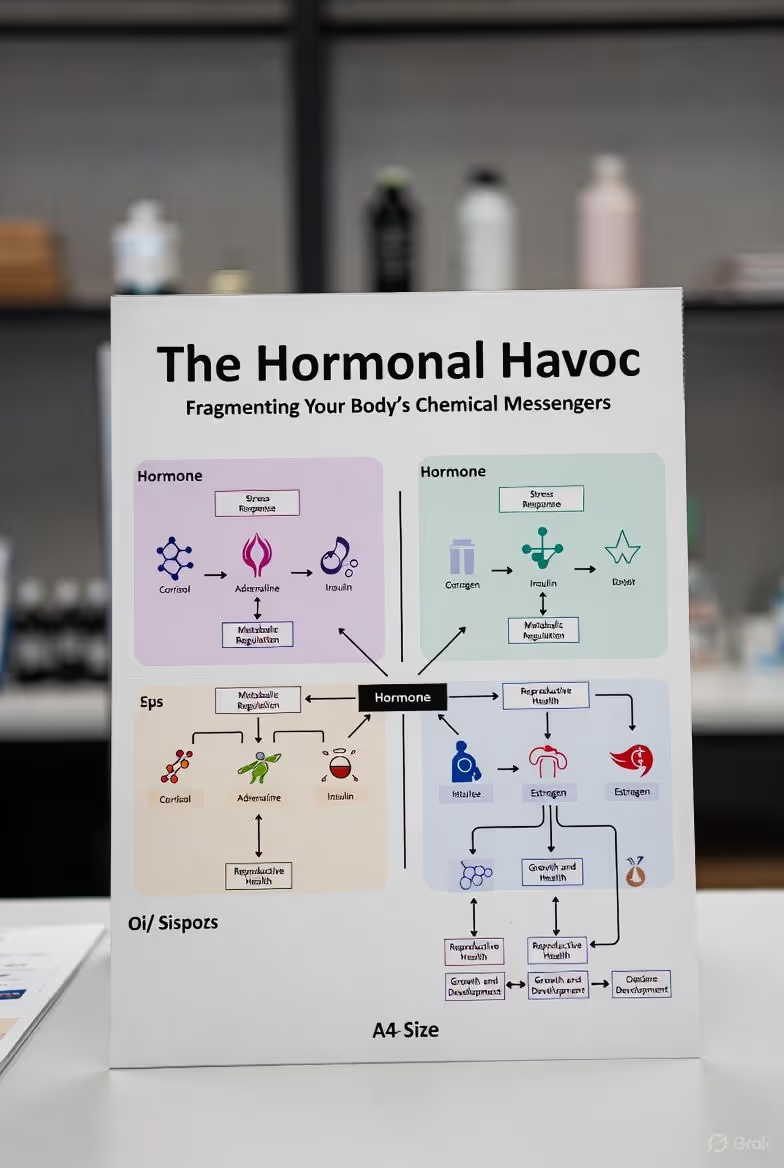
Sleep is the prime time for your endocrine system to perform its critical, rhythmic work. Hormones are not released in a steady stream but in precise, pulsatile bursts timed to the phases of your sleep cycle. Fragmentation throws a wrench into this exquisitely timed symphony, leading to a cascade of metabolic and physiological consequences.
One of the most significant casualties is the growth hormone (GH) axis. The majority of GH’s pulsatile release occurs during the first period of sustained deep N3 sleep. This hormone is misnamed—while crucial for childhood growth, in adults it is essential for tissue repair, muscle growth, bone density, and fat metabolism. Fragmenting sleep, especially in the first half of the night, can blunt this vital release, hampering physical recovery and body composition.
Next is the hypothalamic-pituitary-adrenal (HPA) axis, your central stress response system. Cortisol, the primary stress hormone, should follow a distinct diurnal rhythm: high in the morning to help you wake up, gradually declining throughout the day, and reaching its nadir in the middle of the night to allow for restorative rest. Fragmentation, particularly frequent micro-arousals, activates the HPA axis, causing inappropriate spikes in cortisol during the night. This not only further disrupts sleep but also leads to a flatter, dysregulated cortisol rhythm the next day, contributing to feelings of fatigue, brain fog, and increased abdominal fat storage.
The appetite-regulating hormones leptin and ghrelin are also exquisitely sensitive to sleep continuity. Leptin (the "satiety hormone") signals fullness to the brain, while ghrelin (the "hunger hormone") stimulates appetite. Consolidated sleep helps maintain a healthy balance. Fragmentation, however, has been shown to:
This hormonal shift creates a perfect storm for weight gain and metabolic dysfunction. Your body is simultaneously signaled to eat more and to store more of what you eat as fat. It’s no coincidence that chronic sleep fragmentation is strongly linked to an increased risk of obesity, insulin resistance, and type 2 diabetes. The body's ability to manage blood sugar is impaired when sleep is broken. For anyone on a journey of metabolic health or weight management, optimizing sleep continuity is as important as diet and exercise. The team at Oxyzen understands this deep connection, which is why our technology is designed to provide the insights needed to protect these vital biological rhythms. You can read more about our mission to connect sleep and holistic health.
The link between poor sleep and heart disease has long been established, but new research is pinpointing fragmentation as a particularly potent cardiovascular risk factor—independent of sleep duration. A peaceful, continuous night's sleep allows your cardiovascular system to enter a state of relative rest and recovery. Heart rate and blood pressure naturally dip during NREM sleep (a phenomenon called "nocturnal dipping"). Fragmentation relentlessly interrupts this vital respite.
Every micro-arousal, every shift to a lighter sleep stage, triggers a sympathetic nervous system surge—the "fight or flight" response. This causes:
Imagine this happening dozens, even hundreds of times per night. It's like doing subtle, intense stress sprints all night long while lying in bed. Over time, this repeated strain contributes to:
Sleep disorders like obstructive sleep apnea (OSA) are extreme examples of sleep fragmentation, where breathing pauses cause repeated arousals. The cardiovascular risks of OSA are well-documented. However, even in the absence of a clinical sleep disorder, milder but chronic fragmentation from environmental noise or lifestyle factors imposes a measurable, cumulative burden on the heart and vascular system. Protecting the continuity of your sleep is, quite literally, an act of caring for your heart.
Sleep is often called the "elixir of immunity," and for good reason. A consolidated night of sleep orchestrates a powerful dance of immune function. Fragmentation shatters this dance, leaving your defenses compromised.
During deep, slow-wave NREM sleep, the body increases the production and release of various immune signaling molecules (cytokines). Some, like interleukin-1 and tumor necrosis factor-alpha, actually help promote sleep and are involved in mounting inflammatory responses to infection. More critically, this period supports the adaptive immune system. It’s when T-cells—the specialized soldiers that remember and attack specific pathogens—enhance their ability to bind to and destroy infected cells. Studies show that even a single night of fragmented sleep can reduce T-cell adhesion efficiency.
Furthermore, sleep fragmentation has been shown to:
In essence, fragmented sleep puts your immune system in a state of confused exhaustion. It's simultaneously stuck in a state of unnecessary inflammatory alert and yet less capable of mounting an effective, targeted attack when a real threat appears. Your nightly journey through uninterrupted sleep cycles is a non-negotiable rehearsal for your immune army. Disrupting that rehearsal leaves you vulnerable on the front lines of health. For a comprehensive look at how sleep impacts overall wellness, you can discover more resources in our dedicated blog.

In the past, understanding sleep fragmentation was confined to the sleep laboratory with polysomnography (PSG), the gold-standard test that measures brain waves (EEG), eye movements, muscle activity, heart rhythm, and breathing. PSG can precisely identify micro-arousals and stage shifts, providing a definitive map of fragmentation. However, it's expensive, inaccessible, and measures sleep in an unnatural environment for a single night.
The rise of consumer wearable technology has democratized sleep tracking, but with a critical caveat: not all tracking is created equal. Most basic fitness trackers and smartwatches use optical heart rate sensors and accelerometers (movement detection) to estimate sleep stages. While they can often correctly identify periods of sleep vs. wakefulness (especially long awakenings), their ability to accurately detect the micro-arousals and fine-grained stage transitions that define fragmentation is limited. They tend to miss the subtle cortical arousals that don't involve major movement.
This is where advanced physiological tracking, like that found in modern smart rings, is changing the game. By being worn on the finger, they can capture more reliable heart rate variability (HRV) and peripheral arterial tone data. HRV—the nuanced variation in time between heartbeats—is a particularly sensitive, non-invasive window into autonomic nervous system activity. During consolidated deep sleep, HRV shows high parasympathetic ("rest and digest") tone. A micro-arousal triggers an instantaneous sympathetic ("fight or flight") spike, reflected in a sharp, measurable dip in HRV. Advanced algorithms can use these precise physiological signals to infer sleep stability and fragmentation with much greater accuracy than movement-based devices alone.
The key metrics to look for in your own data are:
Understanding your personal fragmentation patterns is the first, essential step toward fixing them. It moves you from guessing to knowing. This philosophy of providing meaningful, actionable insight, not just data, is core to how Oxyzen approaches wellness technology.
Now that we understand the profound "why," let's identify the "what." What are the practical, everyday factors most likely to be fragmenting your sleep? Some are within your control, while others may require professional intervention.
1. Sleep Disorders:
2. Environmental Factors:
3. Lifestyle & Behavioral Factors:
4. Psychological Factors:
Identifying which of these culprits is at play in your life is a personal detective story. Sometimes the solution is as simple as earplugs and blackout curtains. Other times, it requires a closer look at your habits or a conversation with a sleep specialist. Many users begin their investigation with the detailed insights from their wearable data, which can highlight correlations between late meals, alcohol, or stress and a fractured sleep graph. For common questions on improving sleep environment and habits, our FAQ section offers practical, science-backed advice.
Armed with knowledge and insight from your tracking, you can begin the proactive work of defending and rebuilding your sleep architecture. The goal is to create an internal and external environment that promotes sustained, cyclical sleep. Here are foundational, evidence-based strategies to combat fragmentation:
1. Fortify Your Sleep Sanctuary (Environment First):
2. Master Your Schedule (Circadian Rhythm Alignment):
3. Refine Your Evening Ritual (Wind-Down Protocol):
4. Listen to Your Data (The Power of Insight):
These foundational steps address the low-hanging fruit that causes the majority of unnecessary fragmentation for most people. They create the stable runway your brain and body need to take off into a night of continuous, restorative sleep cycles. The journey to perfect sleep is personal, and it starts with awareness and small, consistent adjustments. To see how others have successfully used data to transform their sleep, you can explore authentic stories from our community.
You’ve fortified your sleep sanctuary and mastered your wind-down routine. Your data shows improvements, but perhaps you’re still seeing those frustrating spikes of nighttime heart rate or choppy sleep stage graphs. This is where the journey from good to exceptional sleep begins. Addressing fragmentation often requires moving beyond universal advice into personalized, advanced strategies that target your unique physiology and lifestyle. It’s about fine-tuning the system for seamless continuity.
When foundational hygiene isn't enough, targeted techniques can help quiet a hyper-aroused nervous system and reinforce the brain's ability to maintain sleep.
Cognitive Behavioral Therapy for Insomnia (CBT-I): CBT-I is the gold-standard psychological treatment for chronic sleep problems, and it is exceptionally effective at reducing fragmentation. It doesn't just teach relaxation; it systematically dismantles the thoughts and behaviors that perpetuate broken sleep. Key components that target continuity include:
Mindfulness & Meditation Practices: Regular practice changes your brain's relationship with wakefulness. Mindfulness-Based Stress Reduction (MBSR) and other meditation forms have been shown in studies to:
Paradoxical Intention: For those plagued by performance anxiety about sleep, this technique involves lying in bed and trying to stay awake (with your eyes open, in a relaxed position). By removing the pressure to sleep, you often eliminate the anxiety that was causing the arousal and fragmentation in the first place.
These strategies require consistency and sometimes guidance. They are not quick fixes but rather tools to retrain a nervous system that has learned the habit of fragmented sleep. For many, the insights from a detailed sleep tracker provide the motivation and feedback loop to stick with these practices, as they can see the tangible improvements in their continuity scores over time.
What you consume—and when—acts as direct input to your neurochemistry, influencing sleep architecture. Fine-tuning this can be a powerful lever for improving continuity.
Strategic Macronutrient Timing:
Key Micronutrients & Their Roles:
Herbal & Supplemental Support (with Caution):
Important Disclaimer: Supplements are not a substitute for addressing root causes like sleep apnea or poor sleep hygiene. They should be considered adjuncts and discussed with a healthcare provider, as interactions and individual responses vary widely. The goal is to use nutrition to create a stable internal environment conducive to uninterrupted sleep cycles. Tracking your sleep data can help you gauge the subtle effects of dietary changes, providing a personalized feedback loop. For questions on how lifestyle factors intersect with sleep data, our FAQ section offers further guidance.
Technology is a double-edged sword for sleep. While screens are infamous fragmentors, when used intentionally, specific technologies can become powerful defenders of sleep continuity.
Advanced Tracking for Root Cause Analysis: This is where modern wearables, especially smart rings, evolve from simple trackers to diagnostic partners. By correlating lifestyle data with physiological outcomes, you can move from guesswork to cause-and-effect understanding.
Targeted Environmental Control Tech:
The Principle of Intentionality: The key is turning technology from a passive, attention-demanding force into an active, automated guardian of your sleep environment. The goal is to create a "set-and-forget" system where technology enforces the perfect conditions for continuity without requiring your nightly attention. This philosophy of using technology as an empowering, insightful tool is central to Oxyzen's approach to holistic wellness tracking.
Despite your best efforts with behavioral, nutritional, and technological strategies, some causes of fragmentation are medical and require professional diagnosis and treatment. Ignoring these red flags can have serious long-term health consequences.
Clear Indicators for a Sleep Study (Polysomnography):
Common Medical Treatments for Fragmenting Disorders:
Working with a Specialist: A board-certified sleep medicine physician can interpret your symptoms, your wearable data (which can be a helpful conversation starter), and order appropriate tests. The journey from fragmented to consolidated sleep sometimes requires this expert partnership to remove a physiological roadblock that no amount of behavioral change can overcome. The data from your smart ring can be invaluable here, providing a multi-night picture of your sleep patterns in your home environment, complementing the single-night snapshot of a lab study.
The impact of sleep fragmentation isn't confined to how you feel tomorrow. A growing body of research suggests that chronic, low-grade sleep discontinuity may be a significant modifiable risk factor for accelerated brain aging and neurodegenerative diseases.
The Glymphatic System Revisited: As introduced earlier, the brain's waste-clearance system is most active during deep, slow-wave N3 sleep. This is when metabolic byproducts, including beta-amyloid and tau proteins—the hallmark pathological proteins of Alzheimer's disease—are cleared from the interstitial spaces of the brain. Fragmentation, by severely curtailing the amount and quality of deep sleep, is hypothesized to impair this clearance. Think of it as leaving the trash to pile up night after night. Over decades, this may contribute to the accumulation that eventually leads to cognitive decline.
The Inflammation Link: Chronic sleep fragmentation promotes systemic inflammation, as measured by elevated levels of CRP and IL-6. Neuroinflammation is now recognized as a key driver of neurodegenerative processes. The brain's immune cells (microglia) become chronically activated in a state of fragmented sleep, potentially losing their ability to properly clear debris and instead releasing toxic inflammatory chemicals that damage neurons.
Synaptic Homeostasis: The "synaptic homeostasis hypothesis" of sleep proposes that deep sleep is crucial for downscaling the synaptic strength that builds up during a day of learning and experience. This pruning is essential for maintaining cognitive efficiency and neural stability. Fragmentation disrupts this reset button, potentially leading to a brain that is energetically overloaded and synaptically noisy, which may accelerate wear and tear.
Epidemiological Evidence: Population studies consistently find that self-reported poor sleep quality (a proxy for potential fragmentation) in mid-life is associated with a higher risk of developing dementia later in life. While correlation doesn't equal causation, the biological plausibility is strong.
This perspective frames the pursuit of sleep continuity not as a luxury for peak performance, but as a critical, long-term investment in brain capital. Protecting your deep, consolidated sleep is one of the most potent preventative health measures you can take for your future cognitive self. It shifts the goal from "feeling less tired" to "preserving the integrity of my brain." This profound connection between nightly sleep architecture and lifelong brain health is a core pillar of the wellness vision we champion. You can explore our blog for deeper dives into the science of sleep and longevity.
Theory and science are compelling, but real-world stories bring the impact of addressing sleep fragmentation to life. Here are anonymized composites based on common user experiences that illustrate the transformative power of focusing on continuity.
Case Study 1: The "Healthy" Executive
Case Study 2: The Anxious Performer
Case Study 3: The Undiagnosed Sleeper
These stories highlight that fragmentation has many faces, and so do the solutions. The common thread is the move from subjective feeling to objective insight, enabling targeted, effective action. For more transformative stories, you can read through our collection of user testimonials.
Knowledge is only power when applied. This final section is your action plan. Use this framework to synthesize everything you've learned and build a personalized strategy to defeat fragmentation.
Step 1: Assess & Audit (The 2-Week Discovery Phase)
Step 2: Prioritize & Experiment (The Targeted Intervention Phase)
Step 3: Integrate & Optimize (The Habit Stacking Phase)
Step 4: Know When to Escalate (The Professional Consultation Phase)
Your sleep continuity plan is a living document, unique to your biology and life. It requires the curiosity of a scientist and the patience of a gardener. The reward is not just a better night's sleep, but a sharper mind, a more resilient body, and a protected future. This journey of personalized discovery and empowerment is at the very heart of what we stand for at Oxyzen. To begin your own investigation or to find answers to common questions on starting this journey, you can always visit our comprehensive help center.
Women's sleep architecture is intrinsically tied to the ebb and flow of reproductive hormones, making them particularly susceptible to fragmentation at key life stages. This isn't just about "feeling tired"; it's about a biologically distinct sleep landscape.
The Menstrual Cycle: For many, sleep continuity fluctuates with the cycle. In the luteal phase (after ovulation), rising progesterone increases sleepiness but can also cause lighter, more fragmented sleep and more frequent awakenings. Core body temperature is also elevated, which can interfere with the temperature drop needed for deep sleep. Premenstrual symptoms like bloating, pain, and anxiety further exacerbate fragmentation.
Pregnancy: This is a period of profound sleep disruption. In the first trimester, soaring progesterone causes excessive daytime sleepiness but also increases nighttime awakenings. In the third trimester, physical discomfort, fetal movement, nocturia (frequent urination), and often the emergence of sleep-disordered breathing or Restless Legs Syndrome can shatter sleep continuity. This fragmentation has direct implications, linked to a higher risk of gestational diabetes, preeclampsia, and postpartum depression.
Perimenopause and Menopause: This transition is a hotspot for sleep fragmentation. The decline in estrogen and progesterone is a double-edged sword: estrogen helps regulate body temperature and serotonin/melatonin pathways, while progesterone is a natural GABA-agonist (promoting calm). The result? Up to 60% of menopausal women report chronic insomnia symptoms, primarily characterized by vasomotor symptoms (hot flashes/night sweats). A hot flash is not just a sensation; it's a cortical arousal event, causing a surge in heart rate and often a full awakening. This leads to severe, repeated fragmentation. The long-term cardiac and cognitive risks associated with fragmented sleep make addressing this a critical women's health issue. Solutions often require a multi-pronged approach: hormone therapy (if appropriate), targeted temperature regulation (cooling pads, wicking sleepwear), and cognitive-behavioral strategies.
The Takeaway: For women, tracking sleep continuity alongside menstrual cycles or menopausal symptoms isn't just insightful; it's essential. It validates lived experience with data and can guide targeted interventions, whether it's adjusting room temperature in the luteal phase, using pregnancy pillows for support, or exploring treatments for menopausal sleep fragmentation with a healthcare provider. Understanding this biological context is part of a holistic approach to wellness, a perspective we integrate into the development of our technology at Oxyzen.
Aging and sleep fragmentation have a bidirectional, vicious relationship. As we age, sleep naturally becomes lighter, more fragile, and easier to disrupt. Conversely, this increased fragmentation actively accelerates aspects of the aging process, particularly in the brain.
Why Fragmentation Increases with Age:
The Compounding Danger: In a younger brain, occasional fragmentation may be offset by neurological resilience. In the aging brain, the cumulative impact is more severe.
The Intervention Imperative: While some change is normal, severe fragmentation is not a benign part of aging. It's a treatable risk factor. Prioritizing sleep continuity through impeccable sleep hygiene, managing medical conditions, careful medication review with a doctor, and using technology to monitor stability becomes a non-negotiable pillar of healthy aging. The goal shifts from achieving perfect sleep architecture to defending and maximizing the continuity of the sleep that is possible.
For athletes and highly active individuals, sleep is hailed as the ultimate performance enhancer. Yet, this population is uniquely vulnerable to a cruel irony: the very training meant to improve performance can become a primary driver of the sleep fragmentation that undermines recovery.
How Intense Exercise Can Fragment Sleep:
Fragmentation as the Canary in the Coal Mine: For an athlete, a sudden increase in sleep fragmentation (seen as a rising nighttime resting heart rate, plummeting HRV, and choppy sleep stage data) is often the earliest, most sensitive sign of overtraining syndrome (OTS). It appears long before a sustained performance decline or persistent fatigue. The body is signaling through sleep that it is under too much stress to recover effectively.
The Strategic Response: Athletes must view sleep continuity not as a passive state, but as an active recovery metric.
In this context, sleep tracking transcends simple habit scoring; it becomes an essential biofeedback tool for periodizing training and preventing injury and burnout. For the serious athlete or fitness enthusiast, understanding the link between load and sleep continuity is a competitive edge. Our technology is designed to provide the precise physiological insights needed for this level of strategic recovery, as discussed in our resources on performance and wellness.
For millions, sleep fragmentation isn't a result of personal habits or health conditions—it's a mandated consequence of their work or lifestyle. Shift workers and frequent travelers engage in a constant, losing battle against their own circadian biology, resulting in a state of chronic, forced fragmentation with severe health consequences.
Circadian Misalignment: The human body is designed for nocturnal sleep. Working through the night or rapidly crossing time zones forces sleep to occur during the biological daytime, when the circadian drive for wakefulness is high (cortisol is elevated, core temperature is rising). This is like trying to sail a boat directly into a powerful headwind; sleep is shallow, fragmented, and short.
The Health Toll of Forced Fragmentation: Shift work is classified as a probable carcinogen by the WHO. The chronic circadian disruption and sleep fragmentation it causes are linked to:
Strategies for Damage Control: While perfect sleep is impossible in these scenarios, strategic interventions can improve continuity and mitigate harm.
For this population, sleep tracking provides critical feedback on what strategies are actually working to consolidate their off-cycle sleep. Seeing even modest improvements in sleep efficiency and deep sleep duration can validate the effort put into light management and schedule defense. The goal is to move from catastrophic fragmentation to "managed" fragmentation, reducing the cumulative health debt.
Sleep fragmentation in children and teens is often overlooked, chalked up to "being a restless sleeper." However, fragmented sleep during these critical developmental periods can have outsized impacts on learning, behavior, and long-term health trajectories.
Causes in the Young Population:
The Developmental Cost: The brain is undergoing massive reorganization and myelination. Deep NREM sleep is crucial for this.
The Imperative for Parents and Caregivers: Observing a child's sleep is key. Restless, noisy breathing, constant tossing and turning, and daytime behavioral signs are red flags. Prioritizing iron-clad sleep routines, tech-free bedrooms, and seeking evaluation for persistent snoring or restlessness are some of the most impactful health investments a parent can make. Establishing healthy, continuous sleep patterns in youth sets the foundation for a lifetime of better sleep health. For families seeking to understand the fundamentals of healthy sleep, our FAQ section provides science-backed starting points.
An emerging and critical frontier in sleep science is the bidirectional communication network known as the gut-brain axis. Your digestive system doesn't just process food; it houses a vast ecosystem (the microbiome) that produces neurotransmitters and inflammatory signals that can directly affect sleep architecture.
How Gut Health Can Fragment Sleep:
How Fragmented Sleep Harms the Gut:
Strategies for a Sleep-Supportive Gut:
Addressing sleep fragmentation may therefore require looking beyond the bedroom to the kitchen. A stable, healthy gut promotes a stable, continuous night of sleep, and vice versa. This holistic, systems-based understanding of wellness is integral to a modern approach to health, a topic we explore in depth on our company blog.
One of the most pernicious psychological traps that worsens fragmentation is sleep effort—also known as sleep performance anxiety or "orthosomnia." This occurs when an individual becomes so intensely focused on achieving perfect sleep (often fueled by data from trackers) that the anxiety around sleep itself becomes the primary driver of arousal and fragmentation.
The Ironic Process Model: The harder you consciously try to fall asleep or stay asleep, the more you activate the very cognitive and physiological arousal processes that prevent it. It's like being told, "Don't think of a white bear." The effort to suppress the thought makes it more prominent.
How Tracking Can Backfire: While data is empowering, an obsessive, perfectionistic focus on sleep scores can be detrimental. Checking the device immediately upon waking and feeling devastated by a "poor" score sets a stressful tone for the day and increases pressure for the next night. This creates a cycle: Poor Sleep → Anxiety About Sleep → Increased Arousal → Worse Sleep.
Breaking the Cycle of Sleep Effort:
The healthiest relationship with sleep tracking is a collaborative one. The device is a source of insight, not a judge. It should reduce anxiety by providing clarity, not increase it by creating an unattainable standard. Cultivating this balanced mindset is perhaps the most important non-technological skill for achieving sustainable sleep continuity. Our aim at Oxyzen is to provide insights that empower, not dictate, fostering a healthier relationship with one's own health data.
For those seeking complementary paths, several integrative medicine modalities offer tools that may help calm the nervous system and promote sleep continuity. While evidence varies, they represent a holistic approach to reducing the hyper-arousal that underlies fragmentation.
Acupuncture: Emerging research suggests acupuncture can modulate the activity of the nervous system, increasing parasympathetic ("rest and digest") tone and reducing sympathetic arousal. Specific points are believed to calm the mind (Shen) and regulate Qi. Studies have shown it can be helpful for insomnia and may improve sleep efficiency.
Biofeedback and Neurofeedback: These are direct training tools for the nervous system.
Bodywork and Somatics:
The Role of Herbal Adaptogens: While not for acute sleep onset, adaptogens like ashwagandha and rhodiola rosea may help lower cortisol levels and improve resilience to stress over time, potentially reducing the stress-related component of sleep fragmentation when taken consistently during the day.
Important Integration Note: These approaches are best used as adjuncts to, not replacements for, foundational sleep hygiene and medical treatment for disorders. They are tools for cultivating a state of physiological and psychological calm that is conducive to uninterrupted sleep. As with any supplement or new practice, consultation with a qualified practitioner is advised. The journey to better sleep is multifaceted, and we support exploring all evidence-based avenues, as reflected in the diverse wellness topics covered in our resources.
We are on the cusp of a revolution in sleep health, moving from descriptive tracking to prescriptive, predictive, and deeply personalized optimization. The future of combating fragmentation lies in intelligent systems that don't just report the problem but actively help solve it.
AI-Driven Sleep Coaching: Imagine a system that analyzes your multi-modal data (sleep physiology, activity, schedule, lifestyle logs) and doesn't just say "your sleep was fragmented," but says: "Your fragmentation last night was 40% higher than your baseline. The primary correlate was your late dinner at 9:30 PM, which elevated your nighttime heart rate. For the next three nights, try finishing dinner by 7:30 PM. I'll alert you if your continuity improves." This moves from insight to actionable, personalized guidance.
Predictive Fragmentation Alerts: Advanced algorithms will be able to predict a high probability of fragmented sleep before it happens. Based on your daytime stress levels (via HRV and activity), your caffeine intake log, your evening calendar, and even local noise pollution forecasts, your device could proactively suggest: "High fragmentation risk tonight. Consider an extended wind-down routine and using your white noise machine."
Closed-Loop Environmental Integration: The ultimate defense is an automated sleep sanctuary. Future systems will connect your wearable to your home's IoT ecosystem. Your ring detects the first signs of a micro-arousal? It signals the smart thermostat to cool the room by half a degree. It detects a rising heart rate indicative of a nightmare or stress response? It triggers a gentle, soothing scent diffuser or subtly adjusts the soundscape from your speaker. The environment dynamically adapts in real-time to protect your sleep continuity.
Longitudinal Biomarker Tracking: As research advances, we may identify specific, subtle patterns in physiological data (like unique HRV signatures or pulse wave morphology changes) that serve as early digital biomarkers for conditions like sleep apnea, depression, or neurodegenerative risk—all of which fragment sleep. Early detection via a consumer wearable could lead to dramatically earlier intervention.
This future positions sleep not as a solitary act, but as the central pillar of a seamlessly integrated, health-supporting ecosystem. The focus shifts from managing fragmentation to preventing it altogether through intelligent, context-aware systems. This vision of proactive, personalized, and integrated wellness is at the core of Oxyzen's forward-looking mission and development.
Your Trusted Sleep Advocate: Sleep Foundation — https://www.sleepfoundation.org
Discover a digital archive of scholarly articles: NIH — https://www.ncbi.nlm.nih.gov/
39 million citations for biomedical literature :PubMed — https://pubmed.ncbi.nlm.nih.gov/
Experts at Harvard Health Publishing covering a variety of health topics — https://www.health.harvard.edu/blog/
Every life deserves world class care :Cleveland Clinic - https://my.clevelandclinic.org/health
Wearable technology and the future of predictive health monitoring :MIT Technology Review — https://www.technologyreview.com/
Dedicated to the well-being of all people and guided by science :World Health Organization — https://www.who.int/news-room/
Psychological science and knowledge to benefit society and improve lives. :APA — https://www.apa.org/monitor/
Cutting-edge insights on human longevity and peak performance:
Lifespan Research — https://www.lifespan.io/
Global authority on exercise physiology, sports performance, and human recovery:
American College of Sports Medicine — https://www.acsm.org/
Neuroscience-driven guidance for better focus, sleep, and mental clarity:
Stanford Human Performance Lab — https://humanperformance.stanford.edu/
Evidence-based psychology and mind–body wellness resources:
Mayo Clinic — https://www.mayoclinic.org/healthy-lifestyle/
Data-backed research on emotional wellbeing, stress biology, and resilience:
American Institute of Stress — https://www.stress.org/


