Sleep Stage Depth: Light, Medium, and Deep Sleep Explained
Sleep depth ranges from light sleep (easy to wake) to deep sleep (hard to wake), with REM sleep being a unique, active brain state.
The Architecture of Sleep: Your Nightly Journey Through Light, Deep, and REM Sleep
You have likely spent roughly one-third of your life asleep—a profound investment of time that science is only now beginning to truly appreciate . For decades, we viewed sleep as a passive, dormant state, a simple "powering down" of the body and brain. Today, we understand it as one of the most complex, active, and essential processes for human health . Within those nightly hours of slumber, you embark on a structured, cyclical journey through distinct stages of sleep, each with its unique purpose for restoring your body, consolidating your memories, and preparing your mind for a new day.
Imagine sleep not as a single, uniform state, but as an intricate architectural blueprint. Your brain follows this "sleep architecture" with remarkable precision each night, building and rebuilding your physical and mental resilience through repeated cycles of light, deep, and dream-rich REM sleep . Disrupt this architecture, and the consequences echo into your waking life as fatigue, brain fog, and heightened health risks . This article is your guide to understanding this hidden architecture. We will explore the purpose of each sleep stage, how they weave together throughout the night, and why achieving the right balance is more critical than simply counting hours. Furthermore, we will examine the modern tools, like smart rings, that allow us to peer into this nocturnal world, empowering you to take control of your most fundamental pillar of wellness.
The Fundamentals of Sleep: More Than Just Closing Your Eyes
At its core, sleep is a normal, active biological process where your body and brain engage in vital maintenance, repair, and reorganization . It is governed by two powerful internal systems: your circadian rhythm and your sleep drive .
Your circadian rhythm is your internal 24-hour biological clock, primarily located in the brain's hypothalamus. It responds to environmental light cues, triggering the release of melatonin as darkness falls to promote sleepiness and shutting it off when light is detected . Meanwhile, your sleep drive functions like a hunger pang for rest. The longer you are awake, the stronger this drive builds, creating a physiological pressure to sleep . Unlike hunger, your body can force you to satisfy this drive through microsleeps—brief, involuntary episodes of sleep lasting a second or two, even with your eyes open .
Sleep is not a luxury; it is a non-negotiable requirement for survival and optimal functioning. During sleep, your body enters a state of energy conservation, allowing cells to resupply their stores . It directs resources toward self-repair, healing tissues, and reinforcing the immune system . Perhaps most fascinatingly, your brain uses this time for essential housekeeping. Researchers describe it as a librarian sorting and shelving books at the end of the day, where memories and learned information are reorganized and cataloged for easier future access . This process of "brain plasticity" is crucial for learning, memory, and adapting to new information . Deprive the brain of sleep, and this system falters, leaving you in a mental fog and unable to process what you learned the day before .
The recommended amount of sleep varies significantly with age. While adults generally need 7 to 9 hours per night, newborns may require 14 to 17 hours, and teenagers 8 to 10 hours . It is important to remember that these are guidelines; some genetic "short sleepers" may function well on less, while others, especially during illness or pregnancy, may need more . The culture of sleep also varies—from the consolidated eight-hour block common in many societies to historical and cultural practices of segmented sleep or afternoon siestas . However, when naps extend too long, they can detract from nighttime sleep quality and are linked to certain health risks, so moderation is key .
Ultimately, the goal is not just sleep duration, but sleep quality—the consistent, uninterrupted progression through the full architecture of sleep stages that allows each to perform its restorative work .
The Sleep Cycle: Your Nightly Voyage Through Light, Deep, and REM Sleep
If a full night's sleep is a cross-country journey, the sleep cycle is the repeated, rhythmic route you travel. In a typical night, you will complete four to six of these cycles, each lasting approximately 90 to 110 minutes . Like a road trip where the scenery changes, the composition of each cycle shifts as the night progresses, with deep sleep dominating the first half and REM sleep lengthening in the second.
A single sleep cycle follows a predictable sequence through the four recognized stages: the three stages of Non-Rapid Eye Movement (NREM) sleep, followed by Rapid Eye Movement (REM) sleep. The journey begins as you drift off.
Stage 1 (N1 - Light Sleep): This is the brief transitional phase, lasting just 1 to 7 minutes, as you float between wakefulness and sleep . Your brain waves begin to slow from their daytime waking patterns, muscle activity decreases, and you can be easily awakened. It accounts for only about 5% of your total night's sleep .
Stage 2 (N2 - Light Sleep): Your voyage into sleep deepens. Heart rate slows, body temperature drops, and muscles relax further . This stage is characterized by specific brain wave patterns known as sleep spindles and K-complexes, which are believed to play a key role in memory consolidation and protecting sleep by helping you resist being woken by external stimuli . N2 is a workhorse stage, making up the largest portion of your sleep at roughly 45% of the night .
Stage 3 (N3 - Deep Sleep): This is the most restorative and hardest-to-wake-from phase of sleep, also called slow-wave sleep or delta sleep due to the slow, powerful brain waves (delta waves) that dominate . It is during N3 that critical physical restoration occurs: tissue growth and repair, immune system strengthening, and energy replenishment . In healthy adults, deep sleep constitutes about 20-25% of total sleep time, or roughly 1.5 to 2 hours per night .
Stage 4 (REM Sleep): The final stage of the cycle is a paradox. Your brain becomes highly active, with waves resembling those of wakefulness, and your eyes dart rapidly behind closed lids . Yet, your skeletal muscles are temporarily paralyzed (a state called atonia), preventing you from acting out your dreams . REM sleep is crucial for cognitive functions like learning, creativity, and emotional processing . The first REM period of the night is short, perhaps only 10 minutes, but each subsequent period grows longer, culminating in REM stages that can last up to an hour by morning . In total, REM sleep claims about 25% of your night .
As the night unfolds, the balance of this cycle shifts dramatically. The first half of the night contains the bulk of your deep N3 sleep, which is prioritized for physical recovery. As morning approaches, N3 stages shorten, and REM stages grow longer, devoting more time to cognitive and emotional processing . This elegant, evolving architecture is what leaves you feeling physically restored and mentally sharp. You can explore our blog for more wellness tips on how to support this natural rhythm.
Stage 1 (N1): The Gateway to Sleep
Stage 1 NREM sleep is the gentle threshold between the busyness of consciousness and the deeper realms of rest. It is the lightest stage of sleep, a fleeting phase that typically lasts only a few minutes as you first drift off, though you may revisit it briefly between cycles throughout the night .
The Physiology of Drifting Off
During N1, your body and mind begin their descent from full alertness. Your brain waves, which were fast and chaotic (beta waves) during active wakefulness, slow into a more synchronized pattern of alpha and theta waves . This shift is perceptible; you might experience the sensation of floating or the sudden, hypnic "jerks" that sometimes accompany the loss of muscle tone. Your breathing becomes more regular, and your heartbeat begins to slow. While you are not fully unconscious, your awareness of the external world fades. It is easy to be awakened from this stage, and if you are, you might insist you were never truly asleep.
Common Phenomena in Light Sleep
Several unique and sometimes startling experiences are associated with this transitional zone:
Hypnic Jerks: Those sudden muscle twitches or the feeling of falling are a normal, benign part of the transition into sleep for many people, though their exact cause isn't fully understood.
Hypnagogic Hallucinations: Vivid, dream-like sensory experiences that occur as you're falling asleep. You might hear a loud bang (sometimes called "exploding head syndrome"), see flashes of light, or feel a sensation of floating .
Fragmentary Thoughts: The logical, linear thinking of wakefulness dissolves into a stream of disjointed images and ideas, an early sign of the brain's shift into its sleep state.
While Stage 1 is the least deep stage, it serves the essential function of initiating the sleep process. It acts as a buffer, allowing your nervous system to disengage from the day's stimuli and begin the critical journey into the more restorative stages that follow. Without this gateway, the deeper, healing work of sleep cannot begin. This foundational understanding of sleep's structure is core to the mission of companies dedicated to wellness technology; you can learn more about this perspective on our company's mission and values.
Stage 2 (N2): The Foundation of Your Night's Rest
If Stage 1 is the doorway, Stage 2 NREM sleep is the foundational structure of your sleep architecture. It is still considered light sleep, but it is markedly deeper than N1. This is where you will spend nearly half of your total sleep time—approximately 45%—making it the most abundant stage of the night . Your initial plunge into Stage 2 might last 10 to 25 minutes, and with each successive sleep cycle, these N2 periods grow progressively longer .
The Body's Shift into Sustained Rest
During N2, your body makes a pronounced commitment to rest. Several key physiological changes solidify:
Your core body temperature drops to its lowest point of the 24-hour cycle.
Your heart rate and breathing slow and become very regular.
Your muscles achieve a state of profound relaxation, and eye movement ceases .
These changes create the optimal internal environment for the restorative processes to come. It is also in Stage 2 that certain parasomnias, or sleep behaviors, like teeth grinding (bruxism) can occur .
Brain Signatures: Spindles and K-Complexes
The defining characteristics of N2 sleep are not just what happens in the body, but what happens in the brain. Electroencephalogram (EEG) readings show two unique electrical patterns:
Sleep Spindles: These are brief, powerful bursts of rhythmic brain activity. Scientists believe sleep spindles play a crucial role in memory consolidation—transferring information from the short-term hippocampus to the long-term storage of the cortex . They are also thought to help safeguard sleep by suppressing the brain's response to external noises or disturbances, allowing you to stay asleep .
K-Complexes: These are single, large, slow delta waves that stand out against the background brain activity. They are the longest and most distinct brain waves produced during sleep and are believed to serve a dual function: aiding in memory consolidation and helping to maintain sleep by responding to minor stimuli (like a creak in the house) without causing full awakening .
Stage 2 is not merely filler; it is an active processing and protective phase. It consolidates the day's learning, files away memories, and crucially, acts as the gatekeeper between light sleep and the deep restorative sleep of Stage 3. Most sleep cycles follow the pattern N1 → N2 → N3. After deep sleep, you return to N2 before entering REM sleep, making N2 the consistent bridge that connects all phases of the sleep cycle . Understanding these intricate biological processes is at the heart of why we develop advanced tracking technology; you can discover how Oxyzen works to detect these subtle physiological shifts.
Stage 3 (N3): The Deep, Restorative Power of Slow-Wave Sleep
Stage 3 NREM sleep, often called deep sleep or slow-wave sleep (SWS), is the most physically restorative phase of the human sleep cycle. This is when your brain produces slow, high-amplitude electrical pulses known as delta waves, which characterize this profoundly deep state . It is exceptionally difficult to wake someone from Stage 3 sleep; loud noises over 100 decibels may not even rouse them . If you are awakened from this stage, you will likely experience "sleep inertia"—a period of mental fogginess, confusion, and impaired cognitive performance that can last from 30 minutes to an hour as your brain struggles to transition back to full alertness .
The Critical Functions of Deep Sleep
Deep sleep is not a passive state of unconsciousness. It is a period of intense biological activity dedicated to rebuilding and strengthening the body from the cellular level up.
Physical Restoration and Repair: This is the prime time for tissue growth, muscle repair, and bone building. The body releases growth hormone, which is essential for these anabolic processes .
Immune System Fortification: Your immune system is actively bolstered during N3. The production and release of key immune cells are regulated, enhancing your body's ability to fight off infections and inflammation .
Metabolic and Cellular Health: Deep sleep helps regulate glucose metabolism and supports the clearance of waste products from the brain . It is a time for energy conservation and cellular rejuvenation .
Cognitive Benefits: While not as directly tied to dreaming as REM sleep, deep sleep is vital for certain types of memory consolidation, particularly declarative memory (facts and information) and spatial memory . It also contributes to insightful thinking and creativity by helping to reorganize and solidify learned information .
How Much Deep Sleep Do You Need?
In healthy adults, deep sleep typically makes up 20-25% of total sleep time . For someone sleeping 8 hours, that translates to roughly 1.5 to 2 hours of deep sleep per night . However, this amount is not static throughout life or even throughout the night.
Age: Children and adolescents spend a significantly higher percentage of their sleep in deep N3, which supports growth and development. As we age, the amount of deep sleep we get naturally decreases, and we spend more time in the lighter Stage 2 sleep .
Sleep Cycle Progression: Deep sleep is heavily front-loaded in the night. The first and second sleep cycles contain the longest periods of N3. As the night progresses, these deep sleep episodes shorten dramatically, making way for longer periods of REM sleep .
Certain sleep disorders, such as sleepwalking, night terrors, and bedwetting, are associated with disruptions in deep sleep . Ensuring you get sufficient, high-quality deep sleep is foundational to waking up feeling physically refreshed. For support and answers to common questions about tracking and improving your deep sleep, our resources are available to help.
REM Sleep: The Theater of Dreams and the Mind's Workshop
Rapid Eye Movement (REM) sleep is the fascinating and paradoxical fourth stage of the sleep cycle. First identified by researchers in the 1950s, it is named for the distinctive, rapid side-to-side movements of the eyes behind closed eyelids. REM is a stage of intense brain activity juxtaposed with profound bodily stillness.
The Paradox of an Active Brain in a Paralyzed Body
During REM sleep, your brain's electrical activity, as measured by an EEG, becomes fast, desynchronized, and remarkably similar to that of an awake, alert mind . This high level of cognitive activity is why REM is most famously associated with vivid, narrative dreaming . However, to prevent you from physically acting out these dreams, a remarkable mechanism called muscle atonia takes effect. Signals from the brainstem temporarily paralyze all your major voluntary skeletal muscles . The only exceptions are the muscles controlling eye movement and the diaphragm, which allows you to continue breathing (though breathing can become irregular during REM) .
The Cognitive and Emotional Functions of REM
REM sleep is now understood to be a critical workshop for the mind. Its functions are deeply tied to mental and emotional health:
Memory Processing and Learning: REM sleep plays a specialized role in consolidating procedural memory (how to do things, like ride a bike) and emotional memory . It is believed to help process and integrate emotional experiences from the day, stripping away some of the raw emotional charge while preserving the memory itself.
Creativity and Problem-Solving: The hyper-associative state of the REM-sleeping brain, free from the constraints of waking logic, is a fertile ground for creative insight. Studies have shown that REM sleep can facilitate novel connections between seemingly unrelated ideas, leading to enhanced creativity and problem-solving abilities .
Brain Development: The proportion of REM sleep is highest in infancy, suggesting it plays a crucial role in neural maturation and the development of the central nervous system .
The Architecture of REM Through the Night
You do not enter REM sleep immediately. The first REM period of the night typically occurs after about 90 minutes of sleep, following the first journey through N1, N2, and N3 . This initial REM episode is brief, perhaps only 5-10 minutes. However, with each subsequent 90-minute sleep cycle, the REM stages grow progressively longer. By your final cycle in the morning, a REM period can extend to an hour or more . In total, adults spend about 25% of their sleep, or roughly 2 hours per night, in REM sleep .
Disruptions to REM sleep, such as in REM Sleep Behavior Disorder (where muscle atonia fails and people act out their dreams), can be dangerous and are linked to neurological issues . Achieving healthy, uninterrupted REM sleep is essential for emotional regulation, cognitive flexibility, and long-term mental well-being.
How Age and Lifestyle Shape Your Sleep Architecture
Your sleep architecture is not a fixed, unchangeable blueprint. It is a dynamic system that evolves throughout your lifespan and is highly responsive to your daily habits, health, and environment. Understanding these influences is key to interpreting your own sleep and making positive changes.
The Lifespan of Sleep: From Infancy to Older Adulthood
The amount of time we spend in each sleep stage changes dramatically from the cradle to our later years.
Newborns and Infants: Babies sleep up to 16-18 hours a day, but in short, discontinuous episodes. Their sleep is divided into "active sleep" (similar to REM) and "quiet sleep" (similar to NREM), and they often enter sleep through REM, not NREM . REM constitutes about 50% of a newborn's sleep, supporting rapid brain development .
Children and Adolescents: As the circadian rhythm solidifies, sleep consolidates into a nocturnal period with naps. The need for deep sleep remains very high to support physical growth. During puberty, hormonal shifts can delay the circadian clock, making teenagers natural "night owls" and often leading to a societal sleep deficit .
Adults: The adult pattern of roughly 25% deep, 50% light (N2), and 25% REM sleep stabilizes. However, the depth and quality of deep sleep can begin a gradual decline from as early as the mid-20s .
Older Adults: The architecture often becomes more fragmented. Time in deep N3 sleep decreases significantly, replaced by lighter N1 and N2 sleep. Nighttime awakenings become more frequent, and total sleep time may decrease. Older adults also tend to experience a phase advance, feeling sleepy earlier in the evening and waking earlier in the morning .
Lifestyle Factors That Disrupt the Cycle
Your daily choices have a direct impact on the quality of your sleep cycles.
Alcohol: While it may induce sleepiness, alcohol is a major disruptor. It suppresses REM sleep early in the night, leading to a "REM rebound" later—longer, more intense REM periods that can cause restless, vivid dreaming and fragmented sleep .
Caffeine and Nicotine: These stimulants can increase sleep latency (the time it takes to fall asleep) and reduce total sleep time, particularly when consumed later in the day.
Electronic Devices: The blue light emitted from screens suppresses melatonin production, tricking your brain into thinking it's daytime and delaying sleep onset .
Inconsistent Schedules: Shift work, jet lag, or highly variable bedtimes confuse your circadian rhythm, leading to poor sleep quality and an imbalance of sleep stages .
Health Conditions and Medications
Various medical conditions can fragment sleep architecture. Sleep apnea, characterized by repeated breathing pauses, causes constant micro-awakenings that prevent the sufferer from reaching or maintaining deep and REM sleep . Restless Legs Syndrome creates an irresistible urge to move the legs, delaying sleep onset. Depression and anxiety are also strongly linked to altered REM sleep patterns and reduced deep sleep . Furthermore, many prescription medications can have side effects that impact sleep stages.
By recognizing these factors, you can begin to see your sleep not as a mystery but as a reflection of your overall health and habits. For real customer reviews and experiences on how others have navigated these challenges with the aid of technology, our testimonials page offers valuable insights.
Sleep Trackers: Illuminating the Nocturnal Journey
For most of human history, the intricate architecture of our sleep remained a black box. We knew we slept, but the precise cycles of light, deep, and REM sleep were detectable only in a clinical sleep lab with cumbersome equipment. Today, consumer sleep trackers (CSTs) have democratized this insight, allowing anyone to gather data on their nightly journey from the comfort of their own bed. But how do these devices work, and just how accurate are they?
The Technology Behind the Tracking
CSTs fall into three main categories, each with a different method of peering into your sleep :
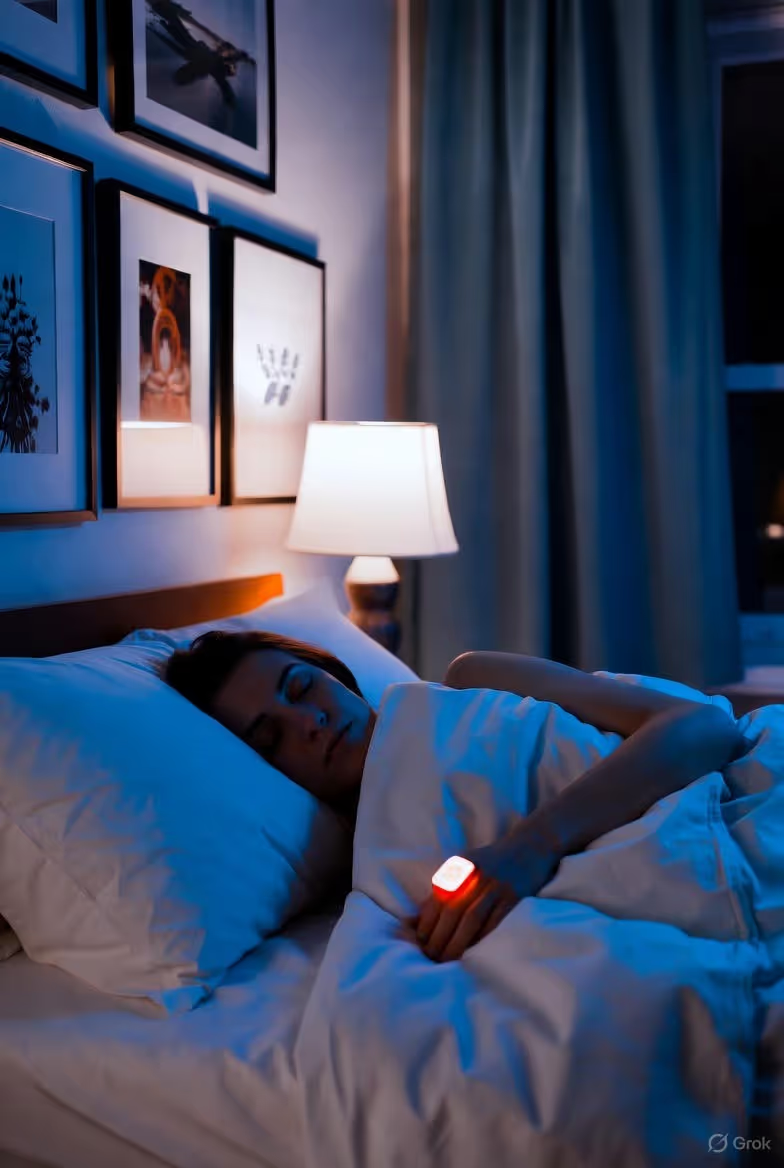
Wearables: These are devices you wear, most commonly on the wrist (smartwatches) or finger (smart rings like the Oura Ring or OxiZen). They typically use a combination of an accelerometer (to detect movement) and photoplethysmography (PPG)—a sensor that uses light to measure heart rate and blood flow at the skin's surface. By analyzing periods of stillness, heart rate variability, and sometimes blood oxygen levels, algorithms estimate sleep stages .
Nearables: These devices sit near you, such as under your mattress (e.g., Withings Sleep Mat) or on your nightstand (e.g., Amazon Halo Rise). They use radar, sonar, or pressure sensors to detect subtle movements and breathing patterns without any physical contact .
Airables: These are smartphone apps that use your phone's microphone and/or accelerometer (if placed on the bed) to analyze sounds and movements to estimate sleep patterns .
Accuracy: The Gold Standard vs. Consumer Tech
The medical gold standard for sleep analysis is polysomnography (PSG), an in-lab study that uses EEG electrodes on the scalp to directly measure brain waves, along with sensors for eye movement, muscle activity, and breathing . This is the only way to definitively determine sleep stages. Research indicates that consumer trackers are generally good at identifying the broad state of sleep vs. wake. However, their accuracy in distinguishing between specific sleep stages—particularly light (N1), deep (N3), and REM sleep—varies widely between devices and brands . A major 2023 study comparing 11 popular CSTs against PSG found "substantial performance variation," with some devices showing reasonable agreement for certain stages and others performing poorly . The study noted that wearables like the Google Pixel Watch and Fitbit Sense 2 showed relative strength in detecting deep sleep, while different devices excelled in other stages .
The Value and Limits of Tracking
So, what is the value of a sleep tracker if it's not perfectly accurate? The key is in trends and patterns, not absolute precision.
Benefit: Trackers are excellent tools for raising sleep awareness. They can help you identify patterns: Do you sleep better on nights you exercise? Does alcohol disrupt your rest? Is your sleep fragmented when your room is too warm? By providing consistent, longitudinal data, they empower you to experiment and see the effects of lifestyle changes .
Caution: It is crucial not to become overly fixated on the nightly scores or stage percentages. For individuals with insomnia, this fixation can create "orthosomnia"—anxiety over perfect sleep data that ironically worsens sleep . Furthermore, trackers are not diagnostic tools. They cannot replace a doctor's assessment for conditions like sleep apnea. As Johns Hopkins Medicine advises, "If you have any concerns about the quality of your sleep, it’s a good idea to talk to a health practitioner" .
Used wisely, a sleep tracker is less of a medical device and more of a powerful behavioral mirror, reflecting the consequences of your daily choices on your nocturnal restoration. To learn more about smart ring technology and how it fits into a holistic wellness strategy, we invite you to explore the resources available on our site.
The Vital Importance of Balanced Sleep Architecture
Why does this intricate dance of sleep stages matter so much? Because each stage contributes uniquely to your health, and an imbalance—a lack of deep sleep or disrupted REM—has tangible, often profound, consequences for your waking life. Quality sleep is not defined by a single number, but by the successful, cyclical completion of this architectural blueprint.
Consequences of Disrupted or Insufficient Sleep
When your sleep architecture is fragmented—whether from a disorder, poor habits, or simply not sleeping long enough—the restorative work of each stage is left unfinished.
Cognitive Impairment: Sleep deprivation directly impacts "brain plasticity," the brain's ability to learn and adapt . Without sufficient deep and REM sleep, memory consolidation fails. You struggle to focus, make decisions, and think creatively. Reaction times slow, increasing the risk of accidents .
Emotional and Mental Health Effects: REM sleep is crucial for processing emotional experiences. Disrupted REM is linked to increased emotional reactivity, difficulty regulating mood, and a higher risk of conditions like anxiety and depression .
Physical Health Risks: The physical restoration that occurs in deep sleep is irreplaceable. Chronic sleep deficiency is associated with a weakened immune system, making you more susceptible to infections . It disrupts hormones that regulate appetite (ghrelin and leptin), often leading to weight gain . It also contributes to insulin resistance, high blood pressure, and increased inflammation, raising the risk for cardiovascular disease, diabetes, and other chronic illnesses .
The Synergy of the Sleep Cycle
The true power of sleep lies in the synergy of the cycle. The stages build upon one another:
Light Sleep (N1 & N2) initiates the process and provides the essential memory filing and synaptic maintenance.
Deep Sleep (N3) delivers the physical restoration and immune support that forms the foundation of bodily health.
REM Sleep then integrates this physical restoration with cognitive and emotional processing, fostering learning, creativity, and psychological resilience.
Disrupting one stage often ripples through the others. For example, the frequent awakenings caused by sleep apnea prevent a person from reaching deep sleep, which in turn can affect the timing and quality of REM sleep. The result is waking up exhausted despite spending 8 hours in bed. Therefore, the goal is not to maximize one stage at the expense of others, but to foster the natural, balanced progression through all of them, night after night. For a complete guide to building habits that support this balance, our blog offers a wealth of actionable information.
Practical Strategies for Optimizing Your Sleep Stages
You cannot directly will yourself into deep sleep or command a longer REM period. However, you have tremendous power to create the conditions—both in your body and your environment—that allow your natural sleep architecture to flourish. This practice is known as sleep hygiene.
Cultivating a Sleep-Promoting Lifestyle
Your daytime habits set the stage for your night.
Consistent Schedule: Go to bed and wake up at the same time every day, even on weekends. This regularity strengthens your circadian rhythm, making sleep onset easier and more predictable.
Daylight Exposure: Get natural sunlight, especially in the morning. This is the strongest cue to reset your biological clock and promotes healthy melatonin production at night .
Mindful Exercise: Regular physical activity is one of the best ways to improve sleep quality and increase deep sleep. However, avoid vigorous exercise too close to bedtime, as it can be stimulating.
Manage Caffeine, Nicotine, and Alcohol: Limit caffeine and nicotine, especially in the afternoon and evening. Be aware that alcohol, while sedating, severely disrupts sleep architecture later in the night .
Crafting the Ideal Sleep Sanctuary
Your bedroom environment should signal one thing to your brain: safety and rest.
Darkness: Use blackout curtains or an eye mask. Even small amounts of light can interfere with melatonin production .
Cool Temperature: A slightly cool room (around 65°F or 18°C) is ideal for signaling to your body that it's time for sleep, as it mimics the natural drop in core temperature.
Quiet: Use earplugs, a white noise machine, or a fan to block out disruptive sounds.
Reserve the Bed for Sleep (and Sex): Avoid working, watching TV, or using phones/tablets in bed. This strengthens the mental association between your bed and sleep.
The Wind-Down Ritual
Create a relaxing 30-60 minute buffer zone before bed to transition from the alertness of the day.
Power Down: Turn off screens at least an hour before bed. The blue light they emit is particularly disruptive .
Relaxation Techniques: Engage in calming activities like reading a physical book, taking a warm bath, practicing gentle stretching, meditation, or deep breathing exercises .
Avoid Heavy Meals and Large Amounts of Fluids: Eating too late can cause discomfort and indigestion. Limiting fluids can help prevent disruptive nighttime trips to the bathroom.
If you implement these strategies consistently and still struggle with unrefreshing sleep, excessive daytime fatigue, or other symptoms, it is time to seek professional help. A healthcare provider can determine if an underlying sleep disorder, such as sleep apnea or restless legs syndrome, is disrupting your architecture and recommend appropriate treatment, which may include a clinical sleep study . The journey to better sleep is a fundamental investment in every aspect of your health and well-being, a journey we are passionate about supporting through both education and innovation.
The Disruptors: What Sabotages Your Sleep Architecture and How to Fight Back
Even with the best intentions, modern life is filled with invisible forces that can dismantle your carefully constructed sleep architecture. Understanding these disruptors is the first step toward defending your restorative rest.
The Blue Light Assault: How Screens Hijack Your Circadian Rhythm
The invention of artificial light was a triumph over nature’s darkness, but the proliferation of light-emitting screens in the last two decades has created a profound biological mismatch. The light from smartphones, tablets, computers, and televisions contains a high concentration of blue wavelength light, which is uniquely disruptive because it closely mimics the spectrum of the midday sun.
Your eyes contain specialized intrinsically photosensitive retinal ganglion cells (ipRGCs) that are exquisitely sensitive to this blue light. When they detect it—even through closed eyelids—they send a direct signal to your brain’s suprachiasmatic nucleus (SCN), your master circadian clock . The SCN’s response is to halt the production of melatonin, the hormone that cues your body for sleep. A seminal 2014 study found that reading on a light-emitting device before bed suppressed melatonin levels by over 50% compared to reading a printed book, and it delayed the onset of melatonin secretion by more than 1.5 hours .
The consequence is not just difficulty falling asleep; it’s a degradation of sleep quality. Participants in that study took longer to reach restorative deep sleep and reported feeling less alert the next morning, even after eight hours in bed. This “technology curtain” we pull down each night doesn’t just delay sleep; it frays the very fabric of the sleep cycle, leading to more fragmented, shallow rest.
Counter-Strategy: Create a digital sunset. Aim to power down all screens at least 60-90 minutes before your target bedtime. If you must use devices, employ system-wide night shift modes or install apps like f.lux that reduce blue light emission in the evening. For critical evening reading, switch to an e-ink reader (without a front light) or, ideally, a physical book. Consider wearing blue-light-blocking glasses in the evening if your lifestyle makes a full digital detox impractical.
The Cortisol and Caffeine Trap: When Stress and Stimulants Steal the Night
Your sleep-wake cycle is governed by a delicate hormonal seesaw. In the morning, cortisol—your primary stress and alertness hormone—naturally peaks to help you launch your day. As evening approaches, cortisol should decline, allowing melatonin to rise. However, chronic stress and poor habits can keep cortisol elevated long into the night, effectively “standing on the brakes” of your sleep drive.
This phenomenon, often called hyperarousal, means your nervous system remains in a state of heightened alert. Your mind races with the day’s worries and tomorrow’s to-do lists, preventing the calm transition into N1 sleep. Even if you manage to fall asleep, high cortisol is associated with more frequent nighttime awakenings and less time spent in the deep, restorative stages of sleep.
Compounding this problem is our love affair with caffeine, a powerful adenosine antagonist. Adenosine is a neurotransmitter that builds up in your brain throughout the day, creating “sleep pressure.” Caffeine works by blocking adenosine receptors, temporarily masking fatigue. The problem is caffeine’s long half-life—about 5-6 hours. That means if you have a coffee at 3 PM, by 9 PM, about half the caffeine is still active in your system, interfering with adenosine’s natural sleep-signaling.
Counter-Strategy: Become a detective of your own stress and consumption.
Caffeine Curfew: Establish a strict caffeine curfew at least 8-10 hours before bedtime. For most people, this means nothing caffeinated after 2 PM.
Stress Buffer Zone: Develop a pre-sleep ritual explicitly designed to lower cortisol. This could include 10 minutes of diaphragmatic breathing (which activates the parasympathetic nervous system), gentle yoga or stretching, or writing in a “worry journal” to download anxieties from your mind onto paper.
Adaptogens: Consider discussing with a healthcare provider the potential role of adaptogenic herbs like ashwagandha or rhodiola, which may help modulate the body’s stress response over time.
Environmental Toxins: Noise, Temperature, and Poor Air Quality
Your bedroom is an ecosystem, and subtle environmental factors have a measurable impact on sleep architecture.
Noise Pollution: Intermittent sounds—a siren, a barking dog, a snoring partner—may not fully wake you, but they can trigger a shift from deep N3 or REM sleep back into lighter N2 sleep. This fragmentation robs you of restorative cycles. The negative impact of noise on sleep is so well-established that the World Health Organization has published guidelines on nighttime environmental noise to protect health .
Temperature Dysregulation: Your body needs to drop its core temperature by about 1-2 degrees Fahrenheit to initiate and maintain sleep . A room that’s too warm prevents this critical drop, leading to restlessness and more time in light sleep. Most experts agree the optimal sleep temperature is between 60-67°F (15.5-19.5°C).
Air Quality and Allergens: Poor ventilation, dust mites, or pet dander can trigger subtle allergic reactions or mild airway inflammation, leading to more frequent, unconscious arousals throughout the night. Elevated carbon dioxide (CO2) levels in a poorly ventilated bedroom have also been linked to less restorative sleep and more awakenings .
Counter-Strategy: Optimize your sleep cave.
Sound: Use a white noise machine or a fan to create a consistent auditory blanket that masks disruptive variable noises. Earplugs can also be highly effective.
Thermostat: Invest in a programmable thermostat or a smart AC controller to ensure your bedroom reaches the ideal cool temperature by bedtime. Consider using breathable, natural fiber bedding (like cotton or linen) and a cooling mattress pad if you tend to sleep hot.
Air: Use a HEPA air purifier to reduce allergens and particulate matter. Ensure good ventilation by cracking a window if possible, or consider a device that monitors and manages CO2 levels.
By systematically addressing these disruptors, you move from being a passive victim of poor sleep to an active architect of your own recovery. For more personalized strategies and support on your wellness journey, our community and resources are here to help.
Decoding Your Data: How to Interpret Sleep Tracker Metrics Beyond the Scores
Modern sleep trackers provide a dashboard of data, but the raw numbers can be confusing or even anxiety-inducing. Moving beyond the simplistic “sleep score” to understand key metrics empowers you to make meaningful changes.
Beyond the Sleep Score: Key Metrics That Actually Matter
While a single score is convenient, it often glosses over important nuances. Focus on these core metrics to get a true picture of your sleep architecture’s health:
Sleep Latency: This is the time it takes you to fall asleep after getting into bed. A consistently long latency (over 20-30 minutes) may point to hyperarousal, poor sleep hygiene, or an underlying issue like insomnia. A very short latency (under 5 minutes) can sometimes indicate significant sleep deprivation or a disorder like sleep apnea.
Sleep Efficiency: This is the percentage of time in bed you are actually asleep. It’s a critical measure of sleep consolidation. Aiming for 85% or higher is a good goal. For example, if you’re in bed for 8 hours (480 minutes) but only sleep 400 minutes, your efficiency is 83%. Low efficiency suggests frequent, prolonged awakenings.
Wake After Sleep Onset (WASO): This is the total time you spend awake after initially falling asleep. Trackers measure this by detecting periods of movement. Some brief awakenings are normal, but excessive WASO (more than 20-30 minutes total for a young adult) fragments your sleep cycles. High WASO can be caused by pain, sleep apnea, anxiety, or environmental disturbances.
Heart Rate Variability (HRV) During Sleep: HRV measures the slight variations in time between your heartbeats. It is a powerful, non-invasive window into your autonomic nervous system balance. A higher HRV (especially during deep sleep) generally indicates a stronger parasympathetic (“rest and digest”) response and better recovery. A lower or dipping HRV can signal overtraining, illness, or excessive stress. Tracking the trend of your nightly HRV is more valuable than any single number.
Resting Heart Rate (RHR) Trend: Your heart rate should reach its lowest, most relaxed point during deep sleep. Observing your sleeping RHR trend over weeks is insightful. A creeping upward trend can be an early warning sign of overtraining, impending illness, or chronic stress.
Spotting Patterns, Not Obsessing Over Nightly Numbers
The greatest power of a sleep tracker lies in longitudinal data. Do not panic over one “bad” night. Instead, look for patterns over weeks and months:
Do you see less deep sleep and higher resting heart rates on nights after you consume alcohol?
Does your HRV dip and WASO increase during periods of high work stress?
Do you fall asleep faster and have higher efficiency on days you get 30 minutes of afternoon sunlight?
This pattern recognition turns abstract data into actionable insight. It allows you to conduct personal experiments: “If I stop caffeine after noon this week, how does it affect my sleep latency and deep sleep?” This empirical approach is far more productive than chasing an arbitrary score. You can read our complete guide on data interpretation for a deeper dive into making your tracker work for you.
The "Orthosomnia" Pitfall: When Tracking Becomes a Problem
A 2017 case study coined the term “orthosomnia” to describe patients whose quest for perfect sleep data, fueled by trackers, actually worsened their sleep through anxiety and obsession . This is a critical caution. Signs of orthosomnia include:
Spending excessive time analyzing sleep data each morning.
Feeling intense anxiety or disappointment over a “poor” sleep score.
Making drastic, unsustainable changes to your routine based on a single data point.
Experiencing more insomnia because the pressure to “perform” sleep is keeping you awake.
The Healthy Mindset: Treat your sleep tracker as a guide, not a judge. Its data is an estimate to inform trends, not a medical diagnosis. If you find your mood is dictated by your sleep score, it may be time to take a break from the device for a week or two and reconnect with your own subjective feeling of rest. Remember, the goal is to feel refreshed, not to achieve a perfect graph. For a balanced perspective on using technology for wellness, consider exploring our blog for more wellness tips from experts and real users.
The Mind-Body Bridge: How Diet, Exercise, and Mindfulness Directly Shape Your Sleep Stages
The pillars of daily wellness—what you eat, how you move, and how you manage your mind—are not separate from your sleep; they are its foundational supports. Each one sends direct signals that influence the quality and structure of your nightly cycles.
Nutritional Signals: Feeding Your Sleep Architecture
The timing and composition of your meals act as powerful zeitgebers (time-givers) for your circadian system.
Timing and the Gut Clock: Emerging research highlights a “peripheral circadian clock” in your digestive system. Eating late at night, especially large or high-fat meals, misaligns this gut clock with your central brain clock. It forces your body to prioritize digestion when it should be winding down, raising core body temperature and delaying the onset of deep sleep. Aim to finish your last major meal at least 3 hours before bedtime.
Macronutrients and Sleep Stages: What you eat matters, too.
Carbohydrates: While a high-glycemic meal close to bed can disrupt sleep, some evidence suggests that a carbohydrate-rich diet over time may promote shorter sleep latency and increase REM sleep percentage, possibly by aiding the transport of tryptophan (a sleep-promoting amino acid) to the brain.
Protein: Diets adequate in protein provide the amino acids necessary to produce key sleep neurotransmitters like serotonin and melatonin. Some studies link higher protein intake to improved sleep quality and less nighttime waking.
Fats: The relationship is complex. While saturated fats are generally linked to poorer sleep, certain healthy fats (like those in nuts, fatty fish, and olive oil) support anti-inflammatory pathways and hormone production that can benefit sleep.
Key Micronutrients: Deficiencies in magnesium (which regulates GABA, a calming neurotransmitter), vitamin D (linked to circadian regulation), and B vitamins (involved in neurotransmitter synthesis) have all been associated with poorer sleep.
Actionable Tip: Consider a light, sleep-supportive evening snack if needed, combining a complex carb with a bit of protein or healthy fat—like a small bowl of oatmeal with almonds, or a banana with a spoonful of nut butter. This can stabilize blood sugar overnight without overtaxing digestion.
Exercise: The Most Reliable Deep Sleep Enhancer
Physical activity is one of the most potent, scientifically validated tools for improving sleep architecture, particularly deep N3 sleep.
The Deep Sleep Connection: Aerobic exercise (like brisk walking, running, swimming) increases the time spent in slow-wave deep sleep. It is believed to do this by increasing brain-derived neurotrophic factor (BDNF), promoting cerebral recovery, and by raising body temperature during the day, leading to a more pronounced cooling drop at night—a strong sleep signal .
Timing Matters: While any exercise is better than none, the timing can modulate its effect. For most people, moderate to vigorous exercise completed at least 3 hours before bedtime is ideal. Morning or afternoon exercise helps reinforce the circadian rhythm with cortisol and temperature spikes at the right time. Evening exercise too close to bed can be overstimulating for some, but gentle movement like yoga or stretching can be beneficial as part of a wind-down routine.
Consistency Over Intensity: A regular, moderate exercise regimen is more beneficial for sleep than sporadic, intense workouts that may cause excessive stress or injury. The goal is to create a predictable physiological rhythm.
Mindfulness and Nervous System Regulation
If stress and racing thoughts are the thieves of sleep, mindfulness practices are the security system. Chronic anxiety activates the sympathetic nervous system (“fight or flight”), which is the antithesis of the parasympathetic state (“rest and digest”) required for sleep.
Meditation and Sleep: Consistent meditation practice, even for 10-15 minutes daily, has been shown to increase melatonin levels, reduce nighttime cortisol, and increase overall sleep time and efficiency. Mindfulness-Based Stress Reduction (MBSR) programs have demonstrated effectiveness in improving sleep quality in people with insomnia .
Body Scan and Progressive Muscle Relaxation: These techniques, performed in bed, directly guide the body into a state of physical relaxation, making the transition into N1 and N2 sleep smoother. They work by shifting focus away from cognitive chatter and onto bodily sensations.
Cognitive Reframing: Learning to observe worried thoughts about sleep (“I’ll never get to sleep!”) without engaging with them can break the cycle of anxiety that fuels insomnia. This is a core component of Cognitive Behavioral Therapy for Insomnia (CBT-I), the gold-standard psychological treatment.
By viewing diet, exercise, and mindfulness not as separate chores but as direct inputs into your sleep system, you gain agency. You are not just hoping for good sleep; you are actively constructing it each day. To learn more about integrating these principles with technology, you can discover how Oxyzen works in tandem with lifestyle.
Advanced Optimization: Chronotypes, Napping, and Temperature Manipulation
Once the fundamentals are in place, you can explore advanced strategies that fine-tune your sleep architecture to match your unique biology and goals.
Honoring Your Chronotype: Are You a Bear, Wolf, Lion, or Dolphin?
The concept of simple “morning larks” and “night owls” has evolved into a more nuanced understanding of chronotypes—your genetically influenced personal rhythm. Dr. Michael Breus popularized a model classifying people into four animal types:
Bears (∼50% of people): Follow the sun. Peak productivity mid-morning, energy dip in the afternoon. Best sleep schedule: 11 PM – 7 AM.
Wolves (∼15-20%): True night owls. Creative and energetic in the evening, struggle with early mornings. Best sleep schedule: 12 AM – 7:30 AM (or later if possible).
Lions (∼15%): Early risers. Alert at dawn, productivity fades by afternoon. Best sleep schedule: 9:30 PM – 5:30 AM.
Dolphins (∼10%): Light, anxious sleepers. Often diagnosed with insomnia. Irregular sleep patterns, wake easily. Best schedule: Highly structured, often 11:30 PM – 6:30 AM.
Why It Matters: Fighting your chronotype is a losing battle that creates “social jet lag”—the strain of living out of sync with your internal clock. This mismatch is linked to weight gain, mood disorders, and poor metabolic health. By aligning your sleep schedule, work blocks, and even exercise times with your chronotype, you reduce internal friction, making it easier to fall asleep and progress through full, restorative cycles.
The Art and Science of Strategic Napping
A well-executed nap can be a powerful tool to boost alertness and memory without sabotaging nighttime sleep architecture.
The Power Nap (10-20 minutes): Confined to Stage N2 light sleep. Provides a quick burst of alertness and motor learning consolidation without sleep inertia. Ideal for a midday energy reset.
The Slow-Wave Nap (60-90 minutes): A full sleep cycle including deep N3 and REM sleep. Excellent for emotional and procedural memory processing and creative problem-solving. However, it can cause significant sleep inertia and, if taken too late, can reduce deep sleep pressure at night.
The NASA Nap (26 minutes): Studied by NASA for pilots, this duration was found to improve performance by 34% and alertness by 54%. It likely skirts the edge of entering deep sleep.
Golden Rules for Napping:
Timing is Everything: Nap early in the afternoon (ideally between 1 PM and 3 PM). This aligns with the natural post-lunch dip in circadian alertness (the “siesta zone”) and is far enough from bedtime to not interfere.
Keep it Short: For most people, a 20-minute nap is the sweet spot. Use an alarm.
Consistency: Try to nap at the same time each day to make it a sustainable part of your rhythm.
Harnessing Temperature: From Hot Baths to Cooling Technology
Deliberate temperature manipulation is a potent, direct lever on sleep physiology.
The Warm Bath Paradox: Taking a hot bath or shower 1-2 hours before bed reliably improves sleep quality. The key is the subsequent cooldown. As your body redistributes blood to the extremities to shed the heat, it accelerates the natural drop in core temperature that is the signal for sleep onset. Studies show this can help you fall asleep faster and increase deep sleep .
Cooling the Sleep Environment: As discussed, a cool room (60-67°F) is non-negotiable. New technologies like cooling mattress pads (ChiliPad, Eight Sleep Pod), weighted blankets made with cooling fabrics, and thermoregulating pillows take this a step further by actively managing microclimate temperature throughout the night, which can be especially helpful for menopausal women or those who sleep very hot.
Bedding Materials: Choose breathable, moisture-wicking natural fibers like cotton, linen, or bamboo for sheets and sleepwear. Avoid flannel or high-thread-count polyester blends that can trap heat.
The Wearable Revolution: How Smart Rings Are Changing the Game
The 2010s saw the explosion of consumer sleep tracking, primarily led by wrist-based devices. These trackers used accelerometers to detect movement (actigraphy) and crude heart rate sensors. While they introduced millions to the concept of sleep stages, their location on the wrist introduced significant limitations: motion artifacts from nighttime movements could be misinterpreted as wakefulness, and the PPG heart rate signal from the wrist can be unreliable during sleep due to poor blood flow in the extremities.
This paved the way for a more sophisticated form factor: the smart ring. Worn on the finger, a smart ring like Oura or the OxiZen represents a major leap in at-home sleep tracking for several physiological and practical reasons:
Superior Physiological Signal: The finger has denser capillary beds and better peripheral blood flow than the wrist, especially when the hand is relaxed at one's side during sleep. This provides a cleaner, more reliable Photoplethysmography (PPG) signal for measuring heart rate, heart rate variability (HRV), and respiratory rate with less noise from movement.
Minimal Movement Artifact: People generally move their fingers far less than their wrists during sleep. This reduces false "awake" readings and allows for more accurate detection of true sleep phases based on physiological stillness.
Continuous, Unobtrusive Wear: A ring is small, lightweight, and easy to forget you're wearing. This enables 24/7 wear, capturing not just nighttime data but also daytime resting heart rate, activity, and temperature trends. This holistic view is critical, as daytime physiology (like stress or exercise) directly impacts nighttime sleep architecture.
Core Body Temperature (CBT) Trend Monitoring: This is a game-changer. Some advanced smart rings use sensors to track the minute changes in your peripheral temperature, which closely correlate with your circadian rhythm and core body temperature dip. Seeing your personal temperature curve allows you to pinpoint your biological bedtime window and identify disruptions caused by illness, alcohol, or late meals.
What's Next? The Emerging Frontier of Sleep Technology
The future of sleep optimization lies in moving from passive tracking to active, closed-loop intervention.
Advanced Biomarkers: Next-generation devices will move beyond standard sleep stages to track biomarkers like nocturnal blood pressure, blood glucose trends (via non-invasive sensors), and detailed blood oxygen (SpO2) mapping to detect subtle breathing disturbances long before they become clinical sleep apnea.
Personalized Audio Stimulation: Research shows that playing pink noise or specific auditory tones in sync with a person's slow brain waves (a technique called acoustic stimulation) can enhance deep sleep. Future earbuds or bedside devices will listen to your sleep in real-time and deliver precisely timed sound pulses to deepen and extend restorative slow-wave sleep.
Autonomous Sleep Environment Control: The true "smart bedroom" will integrate your wearable data with your environment. Imagine your smart ring detecting you've entered deep sleep and signaling your thermostat to slightly lower the room temperature to help maintain it. Or, if it detects a rise in heart rate and movement signaling a nightmare during REM sleep, it could trigger a gentle, calming scent diffuser or slowly increase the room's temperature to help guide you into a lighter sleep stage without fully waking you.
AI-Powered Sleep Coaching: Beyond showing data, future platforms will use artificial intelligence to synthesize your sleep, activity, stress, and lifestyle data to provide hyper-personalized, contextual recommendations. Instead of "get more deep sleep," it might say: "Your deep sleep was 15% lower last night. You had a late, high-fat dinner and a stressful work call after 8 PM. Try finishing dinner by 7 PM and doing a 10-minute meditation after work calls to protect your sleep."
This evolution represents a shift from sleep tracking to sleep stewardship. The technology is becoming a partner in creating the conditions for optimal rest, helping you understand not just how you slept, but why, and what specific, personalized actions you can take to improve. You can learn more about smart ring technology and its role in this future on our dedicated pages.
Sleep Architecture Across the Lifespan: Special Considerations for Every Age
Our sleep architecture is not static; it is a living document that is rewritten with each passing decade. Understanding these changes helps us set realistic expectations and address age-specific challenges.
The Changing Landscape from Childhood to Older Adulthood
Infancy & Early Childhood (0-5 years): Sleep architecture is rapidly organizing. Newborns sleep in short bouts throughout the 24-hour day, with 50% of their sleep being REM-like "active sleep," crucial for explosive brain development. By age 5, sleep consolidates into a long nocturnal period with perhaps one nap. Deep N3 sleep is at its lifetime maximum, supporting physical growth and learning. Total sleep need is high (10-14 hours).
Adolescence (13-18 years): A period of profound biological conflict. The need for sleep remains high (8-10 hours), but the circadian rhythm undergoes a significant phase delay, pushed later by hormonal changes. The melatonin surge happens later at night, making a 10 PM bedtime biologically equivalent to a 7 PM bedtime for an adult. This, combined with early school start times, creates a chronic, society-wide sleep deficit. Deep sleep is still plentiful but vulnerable to erosion by screens and social pressures.
Adulthood (25-65 years): Architecture stabilizes into the classic 25% deep, 50% light, 25% REM split, but a quiet decline begins. The total amount and "intensity" (slow-wave amplitude) of deep N3 sleep decreases by about 2% per decade starting in mid-adulthood. Sleep becomes more fragile, more easily disrupted by stress, parenthood, and health issues. The ability to sleep in a consolidated block often decreases.
Older Adulthood (65+ years): Significant restructuring occurs. Deep N3 sleep may reduce to very small percentages or disappear altogether in some healthy older adults. Sleep becomes significantly lighter (more N1 and N2). The circadian rhythm often phase advances (shifting earlier), leading to earlier evening sleepiness and morning waking. Sleep efficiency drops due to more frequent and prolonged nighttime awakenings. Total sleep time may decrease slightly, but the need for 7-8 hours remains.
Addressing Life Stage-Specific Sleep Challenges
For Parents of Young Children: The disruption is real and physiological. The goal is sleep opportunity management. During periods of infant night-waking, focus on protecting your own core sleep (e.g., going to bed very early when possible) and using strategies like taking shifts with a partner. Remember that "perfect" sleep is not the goal; survival and grabbing restorative blocks where you can is.
For Shift Workers: You are fighting a direct war with your circadian biology. Strategies must be aggressive:
Light Management: Use bright light therapy lamps during night shifts and wear blue-light-blocking glasses on the commute home in the morning to prevent sunlight from signaling "wake time."
Strategic Darkness: Create an absolutely pitch-black, cool sleeping environment during the day. Use blackout curtains and an eye mask.
Consistent Schedule: Even on days off, try to maintain a similar sleep-wake schedule to minimize the biological whiplash of shifting your clock.
For Menopausal Women: The drop in estrogen and progesterone directly impacts sleep. Hot flashes/night sweats are obvious disruptors, but these hormones also affect body temperature regulation and breathing stability. Strategies include:
Temperature Technology: Leverage cooling mattresses, moisture-wicking bedding, and bedroom fans.
Mindful Breathing: Practicing slow, diaphragmatic breathing before bed can help stabilize the autonomic nervous system and reduce the frequency of hot flashes.
Professional Consultation: Discussing Hormone Replacement Therapy (HRT) or other non-hormonal medications (like certain antidepressants) with a doctor can be highly effective for sleep-related symptoms.
For Older Adults: The focus shifts from maximizing deep sleep to consolidating and protecting the sleep you can get.
Embrace the Schedule: Lean into the natural phase advance. Go to bed when tired and get up at a consistent time, using morning light to anchor your rhythm.
Reduce Sleep Fragmentation: Address common causes like nocturia (nighttime urination) by limiting fluids 2 hours before bed and checking for medical issues like an overactive bladder or sleep apnea, which becomes more prevalent with age.
Social & Physical Activity: Daytime social engagement and regular, gentle exercise (like walking) are among the most powerful tools to improve sleep quality and drive healthy circadian rhythms in later life.
Understanding that your sleep needs and capabilities are meant to change removes unnecessary anxiety. The goal at every age is to work with your current biology to get the most restorative rest possible. For more insights and shared experiences, you can explore real customer reviews from individuals navigating these very life stages.
The Two-Way Street: How Sleep Architecture Influences and Is Influenced by Health Conditions
Sleep is not an isolated system. It is deeply entwined with nearly every aspect of your physical and mental health in a complex, bidirectional relationship. Disrupted sleep can cause disease, and disease can disrupt sleep.
Sleep and Metabolic Health: The Vicious Cycle with Obesity and Diabetes
The link between poor sleep and metabolic dysfunction is one of the most robust in sleep medicine.
Hormonal Chaos: Sleep restriction (particularly the loss of deep sleep) alters the hormones that regulate hunger. It increases ghrelin (the "hunger hormone") and decreases leptin (the "satiety hormone"). This creates a powerful biological drive to overeat, especially high-calorie, high-carbohydrate foods.
Insulin Resistance: Even a single night of short sleep can induce a state of temporary insulin resistance in otherwise healthy adults. Over time, chronic sleep loss is a significant independent risk factor for the development of Type 2 Diabetes. Deep sleep is thought to be particularly important for metabolic reset.
The Obesity-Sleep Apnea Loop: Excess weight, especially around the neck, is a primary risk factor for Obstructive Sleep Apnea (OSA). OSA then fragments sleep, destroys deep sleep, and worsens metabolic dysfunction through hypoxia and stress, making weight loss harder—a classic vicious cycle.
The Cardiovascular Connection: Blood Pressure and Heart Rate
Your heart gets a critical break during deep N3 sleep, when heart rate and blood pressure naturally dip by 10-20%—a phenomenon known as "nocturnal dipping." This is essential for cardiovascular recovery. When sleep is fragmented or lacking in depth, this dip is blunted or absent ("non-dipping"), which is a major risk factor for hypertension. Furthermore, the stress of disorders like sleep apnea—where breathing stops, oxygen drops, and the brain jolts you awake—causes repeated spikes in blood pressure and heart rate, straining the cardiovascular system over time and increasing the risk of stroke, heart attack, and atrial fibrillation.
The Neurological and Mental Health Nexus
The brain's reliance on sleep is absolute.
The Glymphatic System: Discovered in 2012, this is the brain's unique waste-clearance system. It is most active during deep N3 sleep, flushing out metabolic toxins like beta-amyloid proteins, which are associated with Alzheimer's disease. Chronic poor sleep is now considered a major modifiable risk factor for cognitive decline and dementia.
Emotional Processing and Psychiatric Disorders: REM sleep is the stage where the emotional charge of memories is processed. Disruption of REM architecture is a hallmark of depression, PTSD, and anxiety disorders. In some cases, sleep disturbance precedes the onset of mood disorders, suggesting a causal role. Conversely, improving sleep is often one of the first and most effective steps in treating these conditions.
Pain and Inflammation: A Exhausting Feedback Loop
Pain makes it hard to sleep, and poor sleep lowers your pain threshold, creating a miserable feedback loop. Sleep loss increases systemic inflammation (measured by markers like C-reactive protein), which can exacerbate inflammatory conditions like arthritis. Furthermore, the restorative functions of deep sleep that include tissue repair are precisely what a body in pain needs most. Breaking this cycle often requires treating the sleep disorder (e.g., improving sleep hygiene, treating sleep apnea) alongside the pain condition.
This interconnectedness is why a doctor will often ask about your sleep when you present with issues like hypertension, depression, or unexplained weight gain. Improving your sleep architecture isn't just about feeling rested; it's a foundational intervention for systemic health. To understand how a dedicated wellness technology company approaches these complex interconnections, you can learn about our company's mission and values.
Building Your Personal Sleep Sanctuary: A Step-by-Step Roadmap
Knowledge is only power when applied. This roadmap synthesizes everything we've covered into actionable steps. Don't try to implement everything at once. Start with Step 1, master it, then proceed.
Step 1: The Foundation Week – Investigation and Baseline
Action: Do not change anything. Simply observe and record for 7 days.
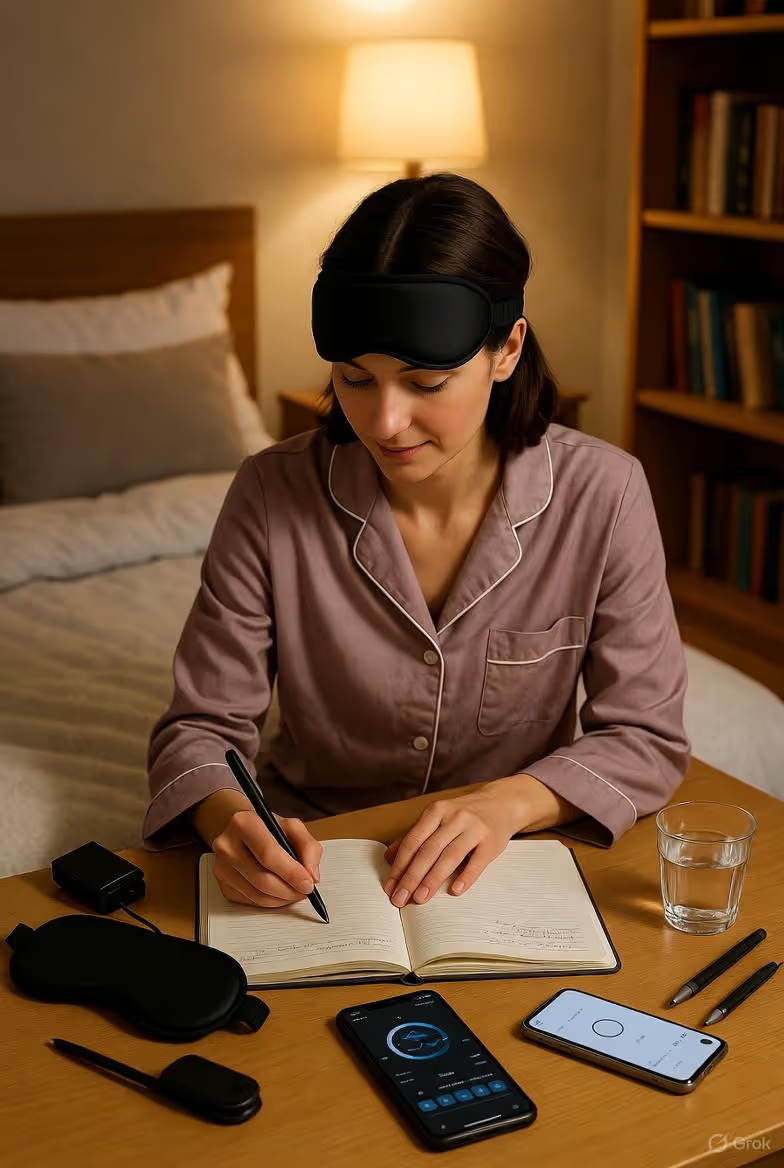
Tools: Use a notepad or a basic app to track: 1) Bedtime & wake time, 2) Caffeine/Alcohol (time and amount), 3) Exercise (time and type), 4) Subjective sleep quality (1-5 scale), 5) Energy at 10 AM and 4 PM.
Goal: Identify one or two obvious patterns (e.g., "I feel terrible on days after my 4 PM latte," or "I sleep best on days I walk in the park").
Step 2: The Environmental Overhaul – Optimize Your "Sleep Cave"
Action: Make three physical changes to your bedroom.
Darkness: Install blackout curtains or use a high-quality sleep mask.
Cooling: Set your thermostat to 65°F (18°C) for sleep. Get a fan or cooling pillow if needed.
Sound: Introduce continuous white noise (machine, app, or fan).
Goal: Create an environment that is consistently dark, cool, and quietly humming every single night.
Step 3: The Rhythm Reset – Anchor Your Circadian Clock
Action: Implement two non-negotiable times.
Morning Light: Within 30 minutes of waking, get 10-15 minutes of natural light on your face (no sunglasses). If impossible, use a bright light therapy lamp for 20 minutes.
Digital Sunset: Set a firm, daily time 60 minutes before bed when all screens (phone, TV, laptop) are turned off. Charge your phone outside the bedroom.
Goal: Give your brain the strongest possible "wake up" and "wind down" signals each day.
Step 4: The Lifestyle Integration – Smart Fuel and Movement
Action:
Establish a Caffeine Curfew: No caffeine after 2 PM. Observe the difference.
Time Your Last Meal: Finish dinner at least 3 hours before bedtime.
Schedule Movement: Commit to 30 minutes of moderate exercise (brisk walk counts!) most days, ideally finishing at least 3 hours before bed.
Goal: Use diet and exercise to support, rather than sabotage, your sleep pressure and circadian rhythm.
Step 5: The Wind-Down Ritual – Mastering the Transition
Action: Build a 45-minute pre-bed routine that you follow consistently. It might include:
Minute 1-10: Tidy living space (signals closure for the day).
Minute 11-25: Gentle stretching, yoga, or foam rolling.
Minute 26-40: Read a physical book (non-work, non-stimulating).
Minute 41-45: Practice a 5-minute mindfulness meditation or deep breathing exercise in bed.
Goal: Train your nervous system to recognize a specific sequence of events as the precursor to sleep.
Step 6: The Data-Informed Refinement (Optional but Powerful)
Action: If you choose to use a tracker (like a smart ring), put it on after Step 5 is established. Wear it consistently for 4 weeks.
Goal: Look for trends, not night-to-night scores. Use the data to answer one specific question from your Foundation Week (e.g., "Does moving my dinner earlier increase my deep sleep percentage?").



%402x.svg)