


Sleep Stage Interruptions: What Breaks Your Natural Cycle
Interruptions from noise, light, pain, or digital devices can break the natural progression of sleep cycles.
Interruptions from noise, light, pain, or digital devices can break the natural progression of sleep cycles.
%402x.svg)
You’ve dutifully climbed into bed for eight hours, but you wake up feeling fractured, foggy, and far from rested. The culprit isn’t necessarily a lack of sleep, but a fracture in its very architecture. Like a symphony cut off mid-movement, your sleep is a complex performance of distinct stages, each vital for restoration. When these stages are interrupted, the music of recovery falls silent, leaving your mind and body stranded.
This isn’t just about feeling groggy. Chronic sleep stage fragmentation is a stealthy underminer of cognitive function, emotional resilience, metabolic health, and immune strength. For years, we’ve tracked sleep with simple metrics: time asleep and time awake. But the dawn of accessible, advanced biometric tracking—like the technology found in modern smart rings—has pulled back the curtain on the nuanced world within our sleep. We can now see the precise plot of our night: the deep valleys of slow-wave sleep, the active peaks of REM, and the jarring interruptions that sever these critical phases.
Understanding what breaks your natural sleep cycle is the first, fundamental step toward reclaiming it. This deep dive moves beyond surface-level sleep tips to explore the biomechanical, environmental, and psychological saboteurs of sleep architecture. We’ll dissect the science of interruptions, their profound consequences, and how the latest personal health technology empowers you to move from guessing to knowing, from interrupted to integrated. For those seeking to optimize their wellness from the ground up, this knowledge, paired with tools like those developed by Oxyzen, transforms sleep from a passive state into a measurable, improvable pillar of health.

Before we can diagnose the interruptions, we must first appreciate the performance. Sleep is not a monolithic state of unconsciousness. It is a meticulously choreographed cycle of distinct neurological and physiological stages, repeating every 90 to 120 minutes throughout the night. Each stage serves a non-negotiable purpose.
The cycle begins with NREM Stage 1, the fleeting drift from wakefulness into sleep, lasting several minutes. Your muscles relax, your heart rate and breathing begin to slow, and brain waves transition from the alert alpha rhythms to slower theta waves. This is a light, easily disrupted doorway.
You then descend into NREM Stage 2, which constitutes nearly half of an adult’s sleep. Here, the body goes into deeper relaxation. Body temperature drops, eye movements cease, and brain waves show distinctive bursts of activity called sleep spindles and K-complexes—believed to be crucial for memory consolidation and sensory processing, effectively shutting out the external world to allow for internal maintenance.
The pinnacle of physical restoration is NREM Stage 3, often called slow-wave sleep or deep sleep. This is the most restorative phase, dominated by slow, rolling delta brain waves. It is notoriously difficult to be awakened from; if you are, you’ll experience significant “sleep inertia”—that groggy, disoriented feeling. During this stage, the body undertakes critical repair work: tissue growth and repair, immune system strengthening, and energy restoration. Hormones like human growth hormone are released, facilitating cellular repair and muscle recovery.
The final act of the cycle is REM (Rapid Eye Movement) Sleep. After about 90 minutes of NREM sleep, the brain dramatically reignites with activity resembling wakefulness, while the body enters a state of temporary muscle paralysis (atonia) to prevent you from acting out your dreams. This stage is the curator of the mind: it is essential for cognitive functions like memory consolidation, learning, creativity, and emotional processing. As the night progresses, REM periods lengthen, making the final cycles rich with this mental and emotional maintenance.
An interruption—a loud noise, a pang of pain, a racing thought—can shatter this progression. Being jolted from deep sleep resets the cycle, robbing you of its culminating benefits. Frequent disruptions mean you may never progress properly through the later, longer REM periods, leaving your brain’s “filing work” incomplete. This fragmentation, not merely shortened sleep duration, is what lies at the heart of non-restorative sleep. Understanding this architecture is why holistic wellness today demands more than a bedtime; it requires insight into the continuity and quality of these stages, a principle at the core of advanced wellness tracking. For a deeper exploration of how technology interprets these stages, our blog offers detailed guides on sleep stage analysis.
Often, the most potent disruptors of sleep are not external alarms but internal, biological ones. Your own physiology can stage a nightly rebellion, severing the natural flow between sleep stages.
Sleep Disorders as the Primary Saboteur
Pain and Physical Discomfort
Chronic pain from conditions like arthritis, fibromyalgia, or back injuries is a constant broadcaster of alert signals to the brain. The body’s need to frequently shift position to alleviate discomfort creates movement-induced arousals. This pain-disruption cycle is vicious: poor, fragmented sleep lowers pain thresholds and impairs the body’s natural healing processes, which in turn worsens pain and further degrades sleep quality.
Hormonal Fluctuations and Life Stages
Biology dictates different sleep patterns across a lifespan. Women, for instance, may experience profound sleep stage disruptions due to hormonal shifts during the menstrual cycle (particularly in the luteal phase), pregnancy (due to physical discomfort, frequent urination, and later, fetal movement), and perimenopause (where hot flashes and night sweats act as internal alarms). Men experience a gradual decline in deep sleep as testosterone levels naturally lower with age. These biological realities make sleep continuity a moving target, requiring personalized understanding rather than a one-size-fits-all approach.
The Gastrointestinal Link
Acid reflux, or GERD, often worsens when lying down. The sensation of stomach acid creeping into the esophagus is a powerful arousal trigger, causing awakenings that are often brief and forgotten, but deeply disruptive to sleep stage continuity. What you eat and when you eat it can, therefore, be a direct biological intervention in your sleep architecture.
Addressing these internal biological disruptors often requires professional medical diagnosis. However, the first step is recognizing their pattern. This is where consistent, night-by-night biometric data becomes invaluable. By tracking metrics like blood oxygen saturation (key for spotting potential apnea), heart rate variability, and movement, devices like the Oxyzen smart ring can help identify consistent, unexplained fragmentation, providing crucial clues to share with a healthcare provider. It shifts the conversation from “I’m tired” to “My data shows 25 disturbances per hour, clustered around drops in SpO2.” To understand how such data is collected and used, you can explore our FAQ on sensor technology and data interpretation.
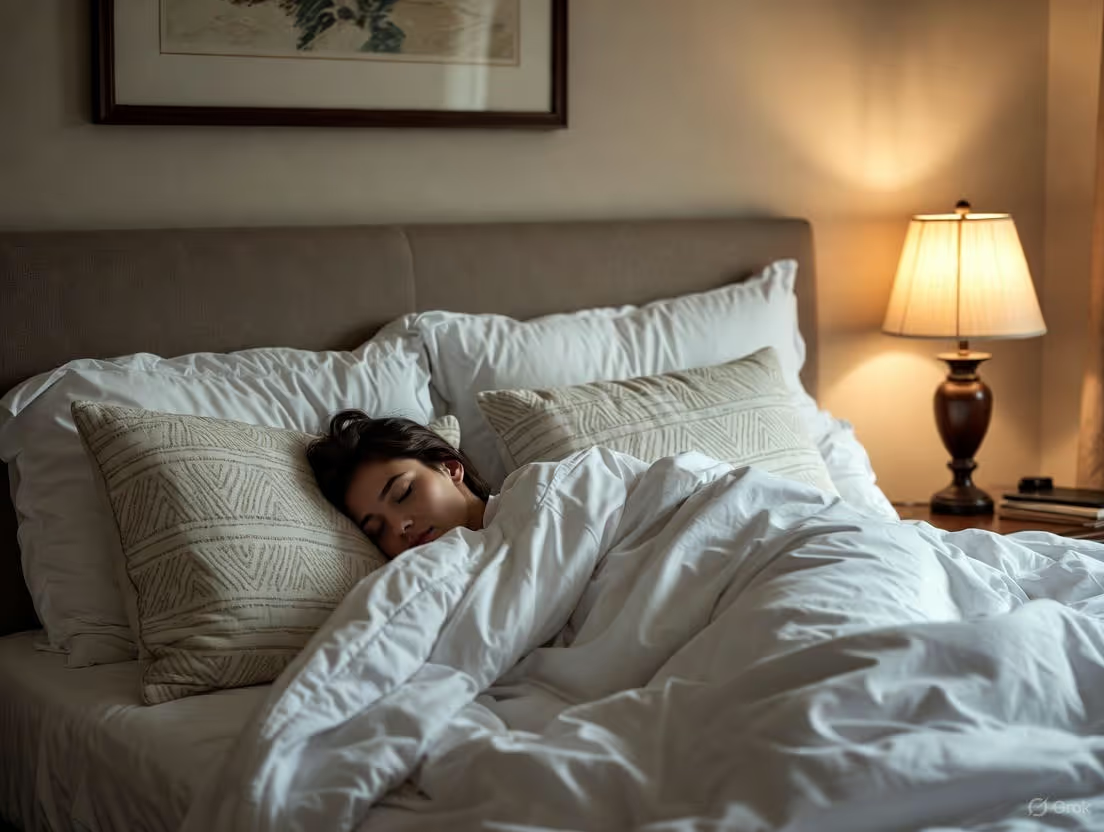
In the modern bedroom, one of the most pervasive and potent disruptors of sleep stage progression isn't a disorder or a sound—it's a glow. The artificial blue light emitted by smartphones, tablets, laptops, and LED lights constitutes a profound biochemical attack on the very signal that initiates our sleep cascade: melatonin.
The Melatonin Suppression Mechanism
Melatonin is the hormone of darkness. Its release from the pineal gland, triggered by dimming light, is the body’s internal starting gun for sleep onset, promoting drowsiness and helping to lower core body temperature. Blue light, particularly in the 460-480 nanometer range, is expertly detected by specialized photoreceptors in the eye called intrinsically photosensitive retinal ganglion cells (ipRGCs). These cells are not for vision; their sole job is to tell the brain's suprachiasmatic nucleus (SCN)—the master circadian clock—what time it is.
When these cells are bombarded with blue light after sunset, they send a powerful, erroneous message: "It is daytime." The SCN responds by halting melatonin production. A 2018 study in the journal Chronobiology International found that evening exposure to LED-backlit screens suppressed melatonin by over 50% compared to dim light. This biochemical blockade delays sleep onset, pushing your entire sleep cycle later. But the damage doesn’t end there.
The Impact on Sleep Architecture
By delaying and weakening the sleep signal, blue light exposure makes it harder to achieve stable, deep NREM sleep in the first cycle. The brain spends more time in the lighter, more fragile stages of sleep (N1 and N2), making you more susceptible to other interruptions. Furthermore, research suggests that light exposure during sleep, even through closed eyelids, can increase arousal frequency and reduce the percentage of time spent in the restorative REM stage.
The Cognitive and Emotional Stimulation Factor
The content consumed on these devices acts as a second layer of disruption. Scrolling through social media, answering work emails, or watching an intense thriller activates the brain’s stress and reward pathways. The cortisol released and the cognitive engagement required are diametrically opposed to the quiet, parasympathetic “rest and digest” state necessary for sleep initiation and maintenance. This mental activation can lead to ruminative thoughts once the device is put down, further fragmenting the early, critical sleep stages.
Creating a Digital Sunset
The solution is not merely a "Night Shift" or "Blue Light Filter" mode, though these can help slightly. The most effective strategy is a digital sunset—a deliberate wind-down period, ideally 60-90 minutes before bed, where bright screens are replaced with dim, warm-light activities (reading a physical book, gentle conversation, meditation). The goal is to allow the natural melatonin rise to occur unimpeded, setting the stage for a seamless descent through the sleep cycles. For those curious about tracking the impact of such behavioral changes on their sleep depth and continuity, our testimonials page is filled with stories from users who have used Oxyzen data to optimize their evening routines with remarkable results.
What we consume in the hours before bed is not merely fuel; it is a direct pharmacological intervention in our sleep neurochemistry. Two of the most socially accepted substances—caffeine and alcohol—are among the most effective at corrupting sleep stage architecture.
Caffeine: The Adenosine Antagonist
Caffeine’s primary mechanism is brutally efficient: it blocks adenosine receptors in the brain. Adenosine is a neurotransmitter that accumulates in the brain throughout the day, creating “sleep pressure”—the increasing drive to sleep. By antagonizing these receptors, caffeine masks feelings of tiredness. However, it does not stop adenosine from accumulating.
The half-life of caffeine is approximately 5-6 hours. This means that a cup of coffee at 3 p.m. leaves about half the caffeine dose still active in your system at 9 p.m. This residual blockade can significantly delay sleep onset, forcing you to miss the optimal window for your first sleep cycle. More insidiously, even if you fall asleep, research using polysomnography shows that caffeine reduces total sleep time and, critically, reduces the amount of deep, slow-wave sleep (NREM Stage 3). It increases light sleep (NREM Stage 2) and can cause more frequent awakenings in the second half of the night. Essentially, caffeine doesn’t just keep you awake; it makes the sleep you do get shallower and more fractured.
Alcohol: The Sedative That Steals Deep Sleep
Alcohol is a deceptive sleep aid. It is a sedative, not a sleep-promoter. It acts on the GABA system, inducing relaxation and hastening sleep onset. However, as the body metabolizes alcohol over the first half of the night, it unleashes a cascade of disruptions.
Medications and Supplements
Many common prescriptions and over-the-counter drugs have unintended side effects on sleep. These include:
The takeaway is that sleep stage integrity is chemically fragile. Optimizing sleep requires mindful scheduling of stimulants like caffeine and an understanding that alcohol, while sedating, is a guaranteed fragmenter of the sleep cycle. For individuals tracking their wellness, observing the direct, data-driven impact of these substances on their sleep scores and heart rate variability can be a powerful motivator for change. To learn more about how holistic tracking can reveal these connections, visit Oxyzen.ai to discover how integrated biometrics paint a full picture.
Your bedroom is not just a room; it is a sleep stage incubation chamber. When its environment is misaligned with your biology, it becomes a minefield of potential interruptions, each capable of severing a critical phase of your sleep cycle.
Noise: The Arousal Trigger
Sound is processed by the brain even during sleep, particularly in the lighter stages (N1 and N2). Abrupt, variable noises—a slamming car door, a barking dog, a partner’s snore—trigger what’s known as an arousal. This is a shift to a lighter stage of sleep or a brief awakening, often lasting only 3-15 seconds. You may not remember it, but it breaks the progression toward deep and REM sleep. Continuous, steady low-frequency noise (like a fan or highway rumble) is less disruptive than intermittent, unpredictable sounds. Each arousal forces the brain to restart parts of the sleep cycle, leading to the phenomenon of "sleep fragmentation," where you get the quantity of sleep but not the restorative quality.
Light: The Circadian Disruptor
As discussed, light is the primary zeitgeber (time-giver) for your circadian rhythm. Even small amounts of ambient light in the bedroom—from a streetlamp, a charging LED, or a crack in the curtains—can be processed by the eyelids. This low-level light exposure has been shown in studies to:
The ideal sleep environment is not just dark for comfort, but pitch black to protect the hormonal and neurological processes that govern sleep stage continuity.
Temperature: The Goldilocks Principle
Core body temperature must drop by about 1-2 degrees Fahrenheit to initiate and maintain sleep. Your bedroom environment either facilitates or fights this drop. A room that is too warm prevents this necessary cooling, leading to restlessness, more awakenings, and less deep sleep. A room that is too cold can cause discomfort and awakenings as the body struggles to maintain heat.
The optimal range for most people is between 60-67°F (15.5-19.5°C). This cool environment supports the body’s natural thermoregulation process, allowing it to efficiently divert blood flow to the skin to release heat, a key signal for sleep onset and maintenance of NREM sleep.
The Synergy of a Sleep Sanctuary
The interplay of these factors is critical. A slightly warm room might make you more sensitive to noise. A sliver of light might make it harder to return to deep sleep after a temperature-related shift. Creating a true sleep sanctuary involves a holistic defense:
Optimizing your environment is one of the most powerful, direct actions you can take to defend your sleep stages from interruption. It’s a physical manifestation of sleep hygiene, and its effects are often immediately visible in deeper, more consistent sleep data. For more ideas on crafting the perfect sleep environment, our blog features numerous articles on evidence-based sleep hygiene practices.

While external factors assault sleep from the outside, psychological factors wage war from within. The mind that cannot power down at night is perhaps the most common and pernicious disruptor of sleep stage continuity for otherwise healthy individuals. Stress and anxiety activate the sympathetic nervous system—the “fight or flight” response—which is the physiological antithesis of the parasympathetic “rest and digest” state required for sleep.
The Hyperarousal State
Chronic stress and anxiety create a condition of 24/7 cognitive and physiological hyperarousal. The brain is stuck in a state of high alert, constantly scanning for threats (even if they are just work deadlines or social worries). This elevated state manifests at night through:
The Vicious Cycle of Rumination
Rumination—the compulsive focusing on distress and its possible causes and consequences—often spikes in the quiet of the night. A single worry can trigger a cascade of thoughts that releases cortisol and adrenaline, raising heart rate and body temperature. This physiological shift is a direct signal to the brain that it is not safe to descend into deeper sleep stages. The subsequent poor sleep then impairs emotional regulation and stress resilience the next day, fueling more anxiety and making the next night’s sleep even more fragile—a classic negative feedback loop.
Breaking the Cycle with Pre-Sleep Rituals
Combating this requires deliberate strategies to lower physiological arousal before bed:
For the data-driven individual, seeing the tangible impact of a meditation practice or journaling session on objective metrics like sleep latency, deep sleep duration, and heart rate variability can be profoundly motivating. It transforms subjective feeling into objective progress. The mission at Oxyzen is rooted in this empowerment through data, helping you see the direct connection between mental quietude and physiological restoration.
Your circadian rhythm thrives on predictability. It is an ancient, endogenous 24-hour clock that anticipates environmental changes and prepares your physiology accordingly—including the meticulously timed release of hormones that orchestrate your sleep-wake cycle and sleep stage progression. When you violate this rhythm with inconsistent sleep times, you don’t just lose sleep; you create internal chaos, a state scientists call social jet lag.
What is Social Jet Lag?
This is the chronic misalignment between your biological clock (set by your natural sleep-wake preferences) and your social clock (dictated by work, school, or social obligations). For example, if your body naturally wants to sleep from 1 a.m. to 9 a.m., but you must wake at 6 a.m. for work, you are forcing a three-hour daily shift. This is the equivalent of flying from Los Angeles to New York every single day. The inconsistency between weekdays and weekends exacerbates the problem: you "crash" early on Friday from accumulated debt, then stay up late on Saturday, attempting a dramatic shift back for Monday morning.
How It Fractures Sleep Architecture
This irregularity doesn't just make you tired; it directly damages the structure of your sleep:
The Power of Consistency
The single most effective behavioral intervention for improving sleep quality—often more powerful than simply spending more time in bed—is going to bed and waking up at the same time every day, even on weekends. This regularity:
Adhering to a consistent schedule is a commitment to respecting your internal biology. It is the foundation upon which all other sleep hygiene practices are built. For those using advanced tracking, the data clearly shows the difference: nights following a consistent schedule typically display higher sleep scores, more balanced stage distribution, and lower resting heart rates compared to nights of variance. To see how real people have used consistency to transform their sleep data, browse the user experiences shared on our testimonials page.
Physical activity is a cornerstone of health and a powerful promoter of sleep—but its relationship with sleep stage architecture is nuanced and heavily influenced by timing and intensity. When strategically deployed, exercise is a profound ally; when mistimed, it can become a formidable disruptor.
Exercise as a Sleep Promoter (The Right Way)
Regular, moderate-to-vigorous exercise confers a multitude of sleep benefits:
Exercise as a Sleep Disruptor (The Wrong Timing)
The primary culprit for disruption is timing. High-intensity exercise performed too close to bedtime can interfere with sleep initiation and architecture through several mechanisms:
Finding the Sweet Spot
The general consensus among sleep researchers is the "3-Hour Rule": finish vigorous, sweat-inducing exercise at least 3 hours before bedtime. This allows adequate time for core temperature and heart rate to return to baseline and for the sympathetic nervous system to quiet down.
Understanding the dual nature of exercise empowers you to use it not just for fitness, but as a precise tool for sleep architecture optimization. The story of Oxyzen itself is rooted in this holistic understanding of biometrics; you can learn more about our founding vision and commitment to integrated health on our story page.
You are not just what you eat; you sleep how and when you eat. The last meal of the day, and its composition, can either set the stage for seamless sleep stage progression or trigger a night of digestive disruptions and metabolic misalignment that fragments your rest.
The Timing Problem: Late-Night Eating and Circadian Misalignment
Your digestive system has its own circadian rhythm. Enzyme secretion, gut motility, and metabolic efficiency are primed for daytime activity and wind down at night. Consuming a large, heavy meal close to bedtime forces your digestive system into overtime when it should be in rest mode. This leads to:
The Composition Problem: Macronutrients and Sleep Architecture
What you eat is as important as when.
The Sleep-Promoting Diet
Research, such as the Mediterranean diet model, points to patterns that support sleep:
Hydration and Sleep Fragmentation
Dehydration can cause dry mouth and discomfort, leading to awakenings. However, drinking large volumes of fluid right before bed guarantees disruptive trips to the bathroom (nocturia). The key is to hydrate consistently throughout the day and taper off fluid intake 1-2 hours before bedtime.
Your dietary choices are a direct intervention in your night. By aligning meal timing with your circadian biology and choosing foods that promote metabolic stability, you remove a major source of internal, physiological interruption. Tracking how different meals affect your sleep depth and resting heart rate can unveil powerful personal insights, moving nutrition from guesswork to a strategic component of sleep hygiene. For further resources on holistic wellness practices, our blog is continually updated with research-backed content.
A common, often frustrating, experience is the perceived deterioration of sleep with age. Waking up multiple times per night, feeling less rested, and longing for the "deep sleep of youth" are near-universal laments. It is critical to understand that some of this change is a normal, biological evolution of sleep architecture across the lifespan, while other aspects represent an increased vulnerability to the interruptions we've detailed.
The Natural Evolution of Sleep Architecture
From infancy to old age, the structure of sleep undergoes profound, predictable changes:
Increased Vulnerability to Disruptors
These natural changes make the aging brain and body more susceptible to the interruptions we've discussed:
Reframing "Normal" and Optimizing What's Possible
The goal for healthy aging is not to reclaim the sleep of a 20-year-old—that is biologically impossible. The goal is to defend the integrity of the sleep architecture you have by aggressively managing the disruptors:
This lifelong perspective is essential for setting realistic expectations and focusing on sleep quality—the continuity and stability of cycles—over an idealized, youthful structure. It’s a philosophy that aligns with a proactive, data-informed approach to wellness at every life stage, a principle you can learn more about by visiting Oxyzen.ai/about-us to understand our mission for lifelong health empowerment.
Of all the internal biological disruptors, none is more pervasive and damaging to sleep stage architecture than obstructive sleep apnea (OSA). It operates as a silent, repetitive saboteur, systematically dismantling the structure of your night. Unlike a single loud noise or a pang of pain, sleep apnea enacts a relentless, cyclical assault that can occur hundreds of times per night, making restorative sleep an impossibility.
The Mechanics of an Apneic Event: A Chokehold on Sleep
In obstructive sleep apnea, the muscles of the throat and tongue relax excessively during sleep, causing the soft tissue to collapse and block the upper airway. Breathing pauses (apneas) or becomes dangerously shallow (hypopneas) for 10 seconds or more. As blood oxygen saturation begins to drop, the brain triggers a survival arousal—a frantic neurological alarm that jolts the sleeper out of deep or REM sleep just enough to gasp, snort, or choke, reopening the airway. This arousal is often so brief the person has no conscious memory of it, but its impact on sleep architecture is catastrophic.
The Architecture of Fragmentation
Each apnea-hypopnea event, followed by its associated arousal, creates a predictable pattern of destruction:
The Daytime Fallout of a Fragmented Night
The consequences extend far beyond snoring and daytime sleepiness. This chronic fragmentation leads to:
The Insidious Nature of "Silent" Apnea
Many with sleep apnea do not fit the stereotypical image of an overweight, loud snorer. "Silent" or "positional" apnea can affect individuals of any size. They may experience only subtle signs: waking with a dry mouth, morning headaches, unrefreshing sleep despite adequate time in bed, or nocturia (caused by the release of a heart hormone during each apnea event). The person is often the last to know, oblivious to the hundreds of micro-awakenings destroying their sleep.
This is where modern biometric technology becomes not just a wellness tool, but a critical screening device. Advanced wearables that track blood oxygen saturation (SpO2) variability throughout the night can detect the tell-tale "sawtooth" pattern of repeated dips associated with breathing disturbances. Coupled with data on restlessness and heart rate spikes, they provide a powerful, personal dataset that can motivate a seeker to pursue a formal sleep study. For anyone perpetually tired despite "sleeping all night," understanding this silent saboteur is the first step toward liberation. You can learn more about how advanced sensors track these vital signals on our FAQ page.
We’ve meticulously detailed what breaks sleep stages, but what does this fragmentation actually feel like? The impact is not mere tiredness. It is a pervasive degradation of cognitive, emotional, and physical function that seeps into every corner of your waking life. When your sleep architecture is fractured, you are not operating with a full deck—neurologically or physiologically.
Cognitive Consequences: The Fog of Fragmentation
Deep sleep (NREM Stage 3) is when the brain clears metabolic waste via the glymphatic system and consolidates declarative memories (facts and information). REM sleep is when it processes emotional memories and makes creative connections. Interrupt these stages, and you impair the brain’s essential maintenance work.
Emotional & Psychological Toll: The Fragile Edge
The connection between REM sleep and emotional regulation is profound. Fragmented sleep, particularly REM loss, disrupts the brain's ability to process emotional experiences from the day.
Physical Performance & Safety: The Body Betrayed
The Vicious Cycle of Perception
Perhaps one of the most insidious effects is on self-awareness. Individuals with chronically fragmented sleep often develop a "new normal." They may report "I'm fine" or "I’ve always been a bad sleeper," not realizing the vibrant alertness, stable mood, and sharp cognition they are missing. They adapt to living in a fog, unaware of the clarity that lies on the other side of consolidated sleep.
This is the profound value of objective data. A smart ring or tracker doesn't just tell you you slept poorly; it shows you the structure of that poor sleep—the graph of awakenings, the lack of deep sleep blocks, the elevated resting heart rate. It quantifies the fragmentation, making the invisible enemy visible. This evidence is what empowers change, moving you from accepting fatigue to actively pursuing restoration. To see how others have used this data to transform their days, the real-world stories on our testimonials page are a powerful testament.
For millions, the bedroom is a shared space. While the emotional benefits of co-sleeping with a partner are significant, the biomechanical reality is that two individuals are attempting to synchronize their unique, fragile sleep architectures in one environment. Often, instead of harmonizing, they inadvertently become each other’s greatest source of sleep stage interruption.
The Symphony Out of Sync: Mismatched Sleep-Wake Cycles
It’s rare for two people to have identical chronotypes (natural sleep-wake preferences) and sleep architectures. One may be a "night owl" who enters deep sleep later, while the other is a "lark" who falls asleep quickly and wakes early. When the lark wakes at 5 a.m., their movement, bathroom trips, or morning light exposure can sever the night owl’s final, REM-rich cycle. Conversely, the night owl’s later bedtime rituals (light, movement) can delay the lark’s sleep onset, reducing their total deep sleep opportunity. This creates a state of chronic, mutual sleep debt and frustration.
The Physical Disruptors: Movement, Sound, and Thermoregulation
The Social Jet Lag of Parenting and Caregiving
New parents experience the most extreme form of forced sleep fragmentation. Infant feeding and care needs are utterly non-negotiable and are perfectly timed to interrupt the deepest stages of sleep. This goes beyond "sleep deprivation" to profound sleep architecture destruction, contributing to postpartum mood disorders, relationship strain, and impaired decision-making. Similarly, caring for a sick child or an elderly family member creates the same pattern of anticipatory anxiety and reactive awakenings.
Strategies for Harmonious Co-Sleeping
The goal is not necessarily sleeping apart, but sleeping smartly together to protect each individual’s sleep integrity.
Navigating shared sleep is a complex dance of love, biology, and practicality. It requires moving from a mindset of blame ("your snoring keeps me up") to one of collaborative problem-solving ("how can we both get the restorative sleep we need?"). The technology we build at Oxyzen is designed for the individual, recognizing that personal biometrics are the first step in understanding—and then harmonizing—shared sleep health.
One of the most challenging aspects of sleep stage interruptions is their self-perpetuating nature. A single bad night can set in motion a physiological and psychological cascade that makes the next night’s sleep more fragile, creating a downward spiral. This is the vicious cycle of sleep reactivity, where poor sleep becomes its own cause.
The Physiological Debt: Sleep Pressure and Circadian Dysregulation
After a night of fragmented sleep, you awaken with two primary deficits:
The Psychological Spiral: Sleep Anxiety and Conditioned Arousal
This is where the cycle becomes self-reinforcing. After several nights of poor sleep, you approach your bedtime not with relaxation, but with anticipatory anxiety.
The Behavioral Coping Mechanisms That Backfire
In an attempt to cope with daytime fatigue, individuals often engage in behaviors that further erode sleep architecture:
Breaking the Cycle: The Power of Consistent Data
Breaking this feedback loop requires an external, objective intervention. This is the transformative power of personalized biometric data. When you see on a graph that your restless night correlated with a late caffeine intake or a missed workout, it provides a clear, non-emotional cause-and-effect. It shifts the focus from "I'm a bad sleeper" (an identity) to "This specific behavior disrupted my sleep architecture" (an actionable insight).
More importantly, on a night when you feel you slept poorly due to anxiety, the data might reveal you achieved more deep sleep than you perceived. This recalibrates your perception, reducing sleep anxiety. It provides positive reinforcement for good sleep hygiene practices, showing their direct benefit on your physiology. This objective feedback is critical for dismantling the conditioned arousal and rebuilding a positive, evidence-based relationship with sleep. For a deeper look at how our technology is designed to provide this clarity and break negative cycles, you can explore our founding philosophy on our story page.
Our sleep biology was forged in a world of natural darkness, quiet nights, and days ruled by the solar cycle. The modern environment—particularly urban, always-on lifestyles—creates a profound mismatch with this ancient biology, engineering a world perfectly designed to interrupt sleep stages.
The Constant Glow: Light Pollution and Circanian Confusion
For 99% of humans in the US and Europe, the night sky is polluted by artificial light. This skyglow seeps into bedrooms, creating perpetual twilight. As discussed, even low-level ambient light suppresses melatonin and increases arousal frequency. But the assault is 24/7. We transition from bright office LEDs to smartphone screens to streetlamp-lit bedrooms, giving our circadian clocks no clear signal of true darkness. This constant "circadian confusion" weakens the amplitude of our biological rhythms, making sleep-wake boundaries porous and sleep architecture shallow.
The Never-Quiet City: Noise Pollution as a Chronic Stressor
Urban environments are a cacophony of unpredictable, uncontrollable noise: sirens, traffic, garbage trucks, loud neighbors. Unlike the predictable sounds of nature (wind, crickets), these anthropogenic noises are highly arousing. Studies have consistently linked nighttime traffic noise to increased awakenings, reduced deep and REM sleep, and elevated next-morning cortisol levels. The brain remains in a low-grade state of vigilance, anticipating the next disruption, which prevents the full neurological surrender required for deep sleep.
The Sedentary, Indoor Life: Weakened Sleep Drive
Humans evolved to be daytime movers. Physical activity, especially in outdoor light, is a primary regulator of sleep homeostasis and circadian strength. The modern default of prolonged sitting, indoor office work, and screen-based leisure:
The Culture of Hustle and Hyper-Connectivity
Beyond the physical environment, our social and work cultures are engineered against sleep.
Re-Engineering Your Personal Micro-Environment
While we cannot single-handedly turn off city lights or silence traffic, we can become architects of a personal sleep sanctuary that pushes back against the modern mismatch.
Living in the modern world requires a proactive, defensive strategy for sleep. It is no longer a passive process but a conscious practice of creating conditions that allow your ancient biology to function. This commitment to intentional living is at the heart of modern wellness technology, which provides the feedback needed to see what’s working in your unique environment. For more strategies on creating a sleep-supportive lifestyle, our blog is a dedicated resource for navigating these modern challenges.
For centuries, sleep was a mystery—a black box we entered and exited with only subjective feelings to guide us. The advent of consumer-accessible biometric tracking, particularly in the elegant form of smart rings and advanced wearables, has revolutionized our relationship with sleep. It has given us a window into the nocturnal symphony, allowing us to move from guessing about interruptions to knowing with precision.
Beyond Step Counting: The Biometrics of Sleep Architecture
Modern devices move far beyond simple actigraphy (movement tracking). They employ a suite of sensors—optical PPG for heart rate and blood oxygen, accelerometers for movement and position, temperature sensors—to infer sleep stages with increasing accuracy.
The Power of the Personal Baseline
The true genius of this technology is not in matching a clinical polysomnogram, but in establishing a personalized baseline. Over time, your device learns your normal. It can then highlight deviations: "Your deep sleep was 40% lower than your 30-day average last night," or "Your resting heart rate was 8 BPM higher, suggesting your body was under stress." This context is everything. It transforms data from a generic score into a personalized story.
Identifying Patterns and Triggers: The Detective Work
This is where interruption hunting becomes actionable. By correlating lifestyle data (entered manually or via app integration) with sleep metrics, you can become a detective of your own health.
Bridging the Gap to Professional Care
For those with significant sleep disorders, this data serves as a crucial bridge. Walking into a doctor’s office with a months-long log showing consistent oxygen dips, elevated resting heart rate, and minimal deep sleep is far more compelling than saying "I'm tired." It can provide the evidence needed to prioritize a sleep study and accelerate the path to diagnosis and treatment.
Technology as an Empowerment Tool, Not a Stressor
It is crucial to use this technology wisely—to inform, not to anxiety-spiral. The goal is not to achieve a "perfect" sleep score every night (an impossibility), but to observe trends, understand your body’s responses, and make informed choices that support your sleep architecture over time. At Oxyzen, we design our technology and insights with this philosophy in mind, aiming to empower users with knowledge, not overwhelm them with data. To understand how we translate complex biometrics into actionable wellness insights, visit our about page to learn about our human-centric approach.
Knowledge of the disruptors is only powerful if it leads to action. The final piece of the puzzle is a consolidated, strategic plan to defend the integrity of your sleep cycles. This is not about a single magic bullet, but about building a layered defense—a "sleep fortress"—that protects your biology from the modern world's interruptions.
Layer 1: Fortify Your Circadian Rhythm (The Master Clock)
This is the most powerful lever you can pull.
Layer 2: Optimize Your Sleep Sanctuary (The Physical Environment)
Layer 3: Master Your Pre-Sleep Physiology (The Wind-Down)
Layer 4: Address Internal Disruptors (The Biological Check)
Layer 5: Cultivate the Right Mindset (The Psychological Defense)
The Journey of Reclamation
Rebuilding robust sleep architecture is a process of consistent practice, not overnight perfection. It requires self-compassion and curiosity. Each layer of defense you build makes you more resilient to the inevitable disruptions of life. By using technology as your guide, you move from being a victim of broken sleep to an architect of your own restoration. This journey of reclaiming your nights to empower your days is the ultimate goal of integrated wellness. For ongoing support, answers to common questions, and a community focused on this holistic approach, remember that resources like our FAQ and blog are always available to you.


