


Sleep Stage Science: What Researchers Are Learning Now
Current sleep research continues to uncover more about the precise functions of each stage and their role in disease prevention.
Current sleep research continues to uncover more about the precise functions of each stage and their role in disease prevention.
%402x.svg)
Sleep. For millennia, it was a mysterious, passive state—a necessary void between days. We knew we needed it, but its inner workings remained locked in the black box of the unconscious mind. Today, that box has been blown wide open. The science of sleep has evolved from simply counting hours to mapping the intricate neural geography of the night, and what we’re discovering is nothing short of revolutionary. Sleep is not a monolithic state of rest; it is a dynamic, highly orchestrated cascade of distinct biological phases, each with its own unique purpose, physiology, and power over our waking lives.
This deep dive into sleep stage science moves beyond the basic textbook definitions of REM and Non-REM. We are entering a new era of understanding, powered by advanced neuroimaging, genetic analysis, and consumer-accessible biometric technology. Researchers are now uncovering how these stages fine-tune our memories, cleanse our brains of toxins, regulate our emotions, and form the very bedrock of metabolic health and longevity. The implications touch every facet of human performance, from preventing neurodegenerative disease to unlocking peak cognitive and athletic potential.
For the modern individual, this isn’t just academic. It’s deeply personal. Understanding your sleep architecture—the proportion and quality of your light sleep, deep sleep, and REM sleep—is the ultimate biohack. It’s the key to waking up not just rested, but truly restored. This knowledge, once confined to sleep labs, is now becoming democratized through tools like the Oxyzen smart ring, which brings sophisticated sleep stage analysis to your fingertip, night after night. This article will explore the cutting-edge frontiers of sleep stage research, translating complex science into actionable insights for a healthier, more vibrant life.

For decades, the standard model of sleep has been a 90-120 minute cycle repeating throughout the night, composed of three Non-REM stages (N1, N2, N3) and one REM stage. While this framework remains foundational, new research is adding breathtaking detail and nuance to each pillar of this architecture, challenging old assumptions and revealing deeper complexities.
Stage N1 (Light Sleep): The Gateway. Traditionally dismissed as mere transition, N1 is now recognized as a critical filter for the brain. Research using high-density EEG shows that the brain doesn’t simply "switch off" into sleep; it undergoes a process of "network switching." Sensory gating—the process of tuning out irrelevant noises—is established here. New studies indicate that disruptions in this initial stage, often caused by stress or environmental factors, can have a cascading negative effect on the entire night’s sleep quality, preventing the brain from cleanly disengaging from wakefulness.
Stage N2 (The Rhythm Keeper): Accounting for nearly 50% of the night, N2 is far from filler. It’s defined by two key electrical phenomena: sleep spindles and K-complexes. Contemporary research is pinpointing these as essential for memory consolidation and brain resilience. Sleep spindles, brief bursts of brainwave activity, are now understood to act as a "temporal binding" mechanism, reactivating and transferring memories from the hippocampus (short-term storage) to the neocortex (long-term storage) while protecting this process from outside disturbances. Furthermore, the density of spindles is being linked to cognitive abilities and even resistance to age-related cognitive decline.
Stage N3 (Deep Sleep / Slow-Wave Sleep): The Physiological Powerhouse. This is the most restorative phase, characterized by slow, rolling delta waves. The old view was of a brain in idle. The new reality is a hive of biological activity. Cerebrospinal fluid (CSF) pulses through the brain in rhythmic, slow waves, facilitated by a dramatic 60% reduction in neuronal cell volume. This creates the "glymphatic system’s" prime cleaning window, flushing out metabolic waste like beta-amyloid, a protein associated with Alzheimer’s disease. Hormonally, it’s a peak time for human growth hormone release, crucial for tissue repair, muscle growth, and metabolic regulation. Cutting-edge research is now correlating reductions in N3 sleep with a heightened risk for everything from hypertension to diabetes.
REM Sleep (Rapid Eye Movement): The Cognitive and Emotional Studio. If deep sleep is for the body, REM is for the mind—but in a far more active sense than previously thought. The brain during REM is as active as when awake, but the body is paralyzed (a state called atonia). This stage is now seen as the brain’s internal therapy and innovation lab. Researchers using fMRI have observed that the amygdala (emotion center) is highly active, while the prefrontal cortex (logical regulator) is less engaged. This unique chemistry allows for the processing and integrating of emotional memories, stripping away the painful intensity while retaining the lesson. Simultaneously, the brain engages in associative networking, making distant and creative connections—hence, the bizarre, narrative nature of dreams. It’s not random noise; it’s cognitive defragmentation.
Understanding this architecture is the first step. The next is learning how to measure and influence it personally, a journey many are beginning with insights from their nightly data, readily available through platforms like the Oxyzen.ai blog, which details how modern technology interprets these complex signals.
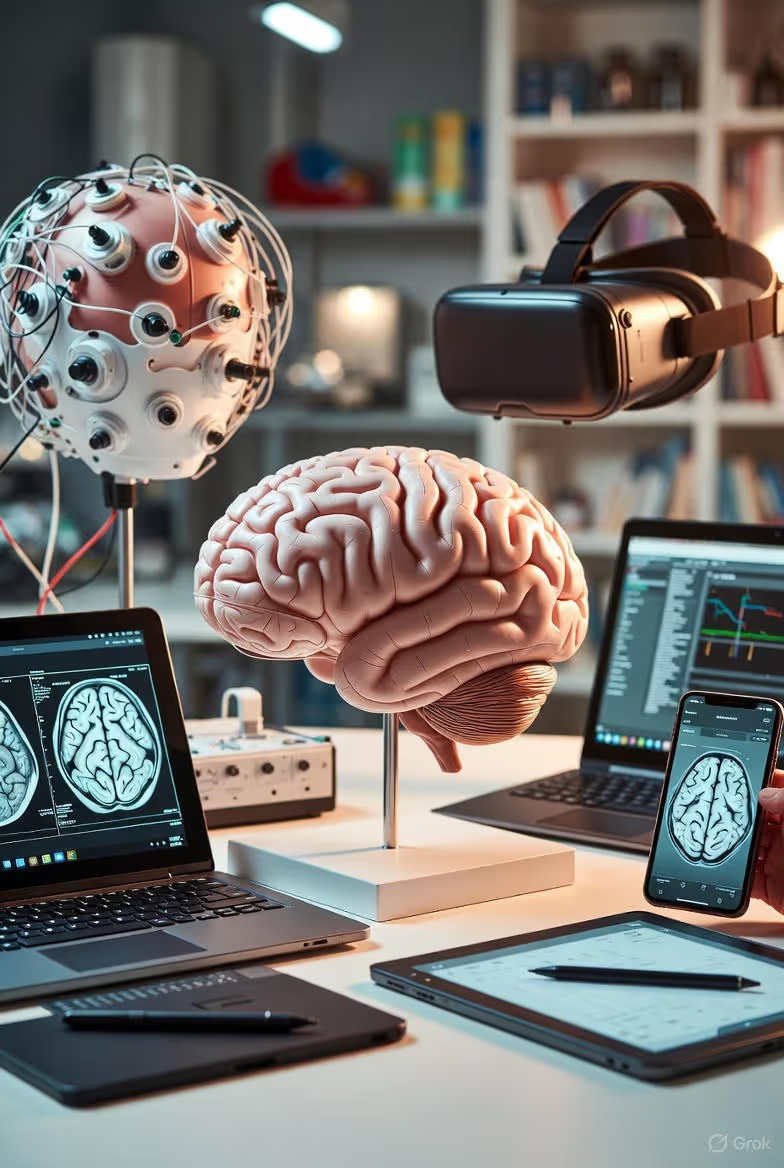
Polysomnography (PSG) with its tangle of wires and electrodes has long been the gold standard. But it’s a snapshot in an artificial environment—the "first date" problem of sleep science. Today, a multi-modal revolution is allowing researchers to observe the sleeping brain in unprecedented, dynamic detail, often in the natural habitat of the home.
High-Density EEG and Source Localization: Moving beyond a few scalp sensors, HD-EEG uses 256 electrodes to create a high-resolution map of brainwave activity. This allows scientists to pinpoint not just when a spindle or slow wave occurs, but exactly where in the brain it originates and how it propagates. This has revealed, for instance, that sleep spindles often originate in the thalamus and ripple out to specific cortical areas related to that day’s learning. It’s like upgrading from a blurry weather map to a live satellite feed of a storm’s internal structure.
fMRI and PET Scans During Sleep: While technically challenging, getting functional MRI and Positron Emission Tomography scans of sleeping subjects has been a game-changer. These tools visualize changes in blood flow and metabolic activity. They’ve shown that during NREM sleep, overall brain metabolism drops by about 20%, but during REM, it skyrockets to near-waking levels, with the visual, motor, and emotional centers blazing with activity while primary sensory areas are quiet. PET scans have visually confirmed the overnight clearance of beta-amyloid, directly linking deep sleep to neurological housekeeping.
The Biomarker Boom: Sleep science is moving from broad stages to precise molecular signatures. Researchers are identifying specific biomarkers in blood (like levels of inflammatory cytokines) and saliva that correlate with sleep quality and stage distribution. For example, interleukin-6 (IL-6), a pro-inflammatory cytokine, shows a sharp decline during the first half of the night (deep sleep dominant) and a rise towards morning (REM dominant), tying sleep architecture directly to immune function.
Consumer Wearables and the Data Deluge: This is where the lab meets life. Devices like the Oura Ring, Whoop, and the Oxyzen smart ring use photoplethysmography (PPG) to measure heart rate variability (HRV), pulse rate, and blood oxygen, alongside accelerometers for movement. Advanced algorithms synthesize this data to estimate sleep stages with surprising accuracy. While not medical-grade PSG, they provide longitudinal, real-world data at an unparalleled scale. This "big data" from millions of nights of sleep is itself a new research tool, allowing scientists to discover population-level patterns and correlations between sleep architecture and lifestyle factors that were previously impossible to see. For a deeper look at how this technology translates signals into insights, the Oxyzen FAQ offers a clear breakdown of the science behind the sensors.
This technological leap is not just for scientists. It empowers individuals to become sleep researchers of their own lives, tracking how behaviors—from evening caffeine to late-night scrolling—directly impact their personal sleep architecture.
The adage "sleep on it" is rooted in profound truth. Memory consolidation is not a single nightly event but a multi-stage, assembly-line process where each sleep phase plays a specialized role. New research is moving from the simple idea of "sleep strengthens memories" to a sophisticated model of selection, processing, and integration.
Acquisition vs. Consolidation: Wakefulness is for acquisition—capturing information. Sleep is for consolidation—stabilizing and integrating it into long-term knowledge networks. This process prioritizes what’s important. Emotional or motivationally relevant memories (tagged by neurotransmitters like dopamine during the day) are given preferential treatment during the night.
The Role of N2 and Sleep Spindles: During Stage N2, the brain begins the delicate work of hippocampal-neocortical dialogue. The hippocampus, our memory’s temporary scribe, replays the day’s events. Sleep spindles, generated by the thalamus, are believed to act as precise, timed gates that facilitate the transfer of these memory traces to the long-term storage of the neocortex. Studies show that the number of spindles after learning a motor task (like playing a piano sequence) predicts the amount of improvement upon waking. They are the brain’s rhythmic transfer protocol.
Deep Sleep (N3) and the Synaptic Downscaling Theory: This is perhaps one of the most elegant discoveries in modern sleep science. The synaptic homeostasis hypothesis proposes that wakefulness is a state of net synaptic potentiation—connections between neurons get stronger as we learn. But this is energetically costly and leads to informational saturation. Slow-wave sleep (N3) provides a global downscaling. It uniformly weakens synaptic connections across the brain by a proportional amount, effectively lowering the "background noise." This strengthens the signal-to-noise ratio for important memories (the ones reactivated during spindles) while clearing out synaptic clutter, making learning capacity fresh for the next day. It’s like a gardener pruning a bush—cutting back overall growth to strengthen the primary structure.
REM Sleep: Integration and Insight. After deep sleep has stabilized and pruned memories, REM sleep takes over for advanced processing. Here, memories are integrated with existing knowledge and emotional context. The brain searches for hidden patterns and distant associations in a state of high flexibility. This is the stage linked to creative problem-solving and emotional regulation. The strange, illogical narratives of dreams may be a byproduct of this process of linking disparate ideas. Research has shown that people who obtain more REM sleep are better at solving anagrams or seeing creative connections upon waking.
This multi-stage process means that a full night of cycling through all stages is non-negotiable for optimal cognitive function. Cutting sleep short, or having it fragmented, disrupts this elegant sequence, leaving memories fragile, unintegrated, and our minds cluttered. For those tracking their cognitive performance, understanding this matrix is crucial, a topic frequently explored through user experiences shared in Oxyzen testimonials, where many report breakthroughs in focus and learning correlating with improved sleep stage metrics.
One of the most groundbreaking discoveries in neuroscience of the past decade isn't about how we think, but how we clean. The glymphatic system—the brain’s unique waste clearance system—operates primarily during deep, slow-wave sleep, forging an inseparable link between sleep architecture and long-term brain health.
The Discovery of the Brain’s Plumbing: For years, scientists believed the brain, lacking a traditional lymphatic system, disposed of waste via slow, passive diffusion. Then, in 2012, researcher Maiken Nedergaard and her team at the University of Rochester revealed a dynamic, high-volume system. They found that cerebrospinal fluid (CSF) floods the brain tissue along unique channels created by glial cells (specifically, astrocytes), flushing out interstitial waste into the circulatory system.
The Slow-Wave Pump: Crucially, this process is not constant. It is dramatically amplified during slow-wave sleep (N3). During wakefulness, the interstitial space (the gaps between brain cells) is constricted, limiting flow. As the brain enters deep sleep, neuronal activity synchronizes into those large, slow delta waves. With each wave, brain cells are observed to shrink by up to 60%, expanding the interstitial space by over 60%. This creates a pulsing effect: CSF rushes in, mixes with the metabolic waste between cells, and is then pushed out, taking the trash with it.
The Alzheimer’s Connection: Flushing Amyloid-Beta: The most critical "trash" removed includes beta-amyloid and tau proteins, the toxic aggregates that are the hallmarks of Alzheimer’s disease. Research using PET scans has shown that just one night of sleep deprivation leads to a measurable increase in beta-amyloid in the hippocampus. Conversely, the depth and quality of N3 sleep correlate with the efficiency of this overnight clearance. This has profound implications: chronic sleep fragmentation or insufficient deep sleep may be a significant, modifiable risk factor for neurodegenerative disease, not merely a symptom.
Beyond Alzheimer’s: The glymphatic system also clears alpha-synuclein (linked to Parkinson’s), inflammatory cytokines, and other neuronal debris. This positions deep sleep as a fundamental pillar of neuroprotection. The system’s function also explains the infamous "brain fog" after a poor night’s sleep—it’s literally a toxic buildup.
This revelation transforms our view of deep sleep from a simple state of rest to an active, essential maintenance cycle. Prioritizing sleep isn’t just about feeling sharp tomorrow; it’s an investment in cognitive longevity decades from now. For a brand committed to this long-term vision of health, this science is core to its mission, something detailed in Oxyzen’s story of leveraging technology for preventative wellness.

If deep sleep cleans the brain’s physical house, REM sleep cleans its emotional attic. This stage, once famous only for vivid dreams, is now recognized as a critical period for emotional memory processing and psychological resilience. It’s the brain’s built-in therapy session, and skipping it has serious consequences for mental health.
The Neurochemistry of REM: The unique cocktail of neurotransmitters during REM sets the stage for this work. Levels of norepinephrine and serotonin—brain chemicals associated with stress and arousal—are at their lowest. Meanwhile, the amygdala (the fear and emotion center) and the hippocampus (memory) are highly active, while the prefrontal cortex (the rational, analytical CEO) is offline. This creates a safe space to replay emotional experiences without the "stress chemistry" that accompanied them originally, allowing the brain to desensitize and recontextualize the memory.
Stripping the Charge, Keeping the Content: The process is akin to watching a scary movie for the second time; you know the plot (the memory is retained), but the visceral fear is diminished. Research by Matthew Walker at UC Berkeley shows that after a full night of sleep (rich in REM), people react to emotional images with less amygdala activity and more rational prefrontal cortex involvement compared to those who are sleep-deprived. The emotional "charge" has been dialed down, while the factual memory remains.
Dreaming as a Virtual Reality Simulator: The often-bizarre narrative of dreams may be a feature, not a bug. One theory posits that dreaming during REM allows the brain to run complex social and emotional simulations in a state of lowered neurochemical consequence. It’s a virtual reality playground for practicing responses to challenging situations, problem-solving social conflicts, or integrating difficult experiences. This may be why REM sleep deprivation is so strongly linked to increased emotional reactivity, anxiety, and poor stress coping.
The Link to Mental Health Disorders: Disruptions in REM sleep are a well-documented feature of depression, PTSD, and anxiety disorders. In depression, REM sleep often occurs earlier in the night (REM latency is shortened) and is more intense. In PTSD, the normal process of decoupling emotion from memory during REM may fail, leading to the intrusive, emotionally charged flashbacks characteristic of the disorder. Therapies that improve sleep architecture, therefore, are becoming a frontline adjunct treatment for these conditions.
This science underscores that "getting over" something truly does require "sleeping on it." A healthy REM cycle is non-negotiable for emotional equilibrium and psychological health. It’s a natural, built-in mechanism for resilience that we undermine at our own peril.
The impact of sleep stages extends far beyond the skull, reaching into every organ system to govern metabolism, hormone balance, and weight regulation. The architecture of your night directly scripts the hormonal play of your day, influencing everything from your morning blood sugar to your afternoon cravings.
Deep Sleep and Growth Hormone (GH): The largest pulses of human growth hormone secretion occur during slow-wave sleep (N3). GH is not just for growth in children; in adults, it is crucial for tissue repair, muscle growth, bone density, and fat metabolism. Disrupted or insufficient deep sleep blunts this essential release, impairing physical recovery and shifting the body’s composition toward fat storage and muscle loss.
The Cortisol Curve: Cortisol, our primary stress hormone, follows a strong diurnal rhythm—high in the morning to help us wake, tapering throughout the day. Sleep, particularly the progression through deep sleep in the first half of the night, is essential for suppressing cortisol overnight and allowing a healthy, sharp peak in the morning. Fragmented sleep or early waking can cause a premature and dysregulated cortisol rise, contributing to waking up feeling tired and "wired."
The Appetite Axis: Leptin and Ghrelin: This is where sleep science meets weight management with undeniable clarity. Two key hormones govern hunger (ghrelin) and satiety (leptin). Leptin signals fullness to the brain, and its release is supported by sustained, quality sleep. Ghrelin stimulates appetite and is increased by sleep deprivation.
The REM-Insulin Connection: Emerging research points to a special role for REM sleep in glucose metabolism. Reduced REM sleep has been associated with decreased insulin sensitivity, meaning the body becomes less efficient at using glucose for energy, a precursor to type 2 diabetes. The brain’s high glucose utilization during REM may be a key part of metabolic regulation.
The result is a perfect metabolic storm: poor sleep architecture, particularly a lack of deep and REM sleep, creates a hormonal environment that promotes fat storage, increases hunger, diminishes satiety, and impairs glucose tolerance. It’s not just about willpower; it’s about biology. Optimizing sleep stages is therefore a foundational strategy for anyone focused on metabolic health, body composition, and sustainable energy. For those navigating this complex journey, resources like the Oxyzen blog provide practical guidance on using data to align lifestyle with these biological rhythms.
Sleep is not static. From the cradle to our later years, the very structure of our night undergoes dramatic, predictable transformations. Understanding this evolution isn't just academic; it helps normalize age-related changes and identifies when shifts may signal underlying health issues.
Infancy and Childhood: The REM-Dominant Architects. Newborns spend about 50% of sleep in REM, a necessity for the explosive development of their brains, forming trillions of neural connections. Deep sleep is also profound and resilient. As children grow, total sleep time decreases, and the proportion of REM drops to adult-like levels (~25%) by adolescence. Slow-wave sleep (deep sleep) is at its absolute peak during childhood and puberty, supporting physical growth and learning.
Adulthood: The Plateau and Early Erosion. In our 20s and 30s, sleep architecture is generally stable if lifestyle is supportive. However, the first signs of change are often a reduction in slow-wave sleep (N3) amplitude and quantity. The deep, restorative waves become slightly shallower. This decline is gradual but persistent. Sleep also becomes more fragile, more easily disrupted by stress, alcohol, and environmental factors.
Middle Age: The Fragmentation. By our 40s and 50s, the decline in deep sleep becomes more pronounced. There is an increase in lighter sleep (N1) and more frequent awakenings throughout the night—a phenomenon called sleep fragmentation. The "sleep maintenance" ability weakens. This is due to a complex interplay of hormonal changes (e.g., menopause), lifestyle pressures, and natural neurological changes. Interestingly, REM sleep percentage often remains relatively stable if total sleep time is maintained, highlighting its continued importance for cognitive and emotional health.
Later Years: The Shift Toward Lighter Sleep. In healthy older adults (65+), the most marked change is the further dramatic reduction or even absence of measurable slow-wave sleep (N3). Sleep is composed largely of lighter N1 and N2 stages. The circadian rhythm also advances ("phase advances"), leading to earlier bedtimes and wake times. This is often misinterpreted as "needing less sleep," when in reality, the ability to generate consolidated, deep sleep is diminished. The increased prevalence of medical conditions and medications further complicates the picture.
Key Insight: It’s vital to distinguish normal aging from pathology. While deep sleep decreases, severe fragmentation, the complete loss of REM sleep, or behaviors like loud snoring and gasping (sleep apnea) are not normal and are significant risk factors for cognitive decline and cardiovascular disease. The goal at any age is to optimize the sleep architecture possible for that life stage. This lifelong commitment to sleep health is a core value for wellness-focused companies, as outlined in Oxyzen’s about us page, which emphasizes proactive health management across all ages.
Why is one person a perky morning lark and another a creative night owl? Why do some people bounce back from one poor night while others struggle for days? The answer lies deep in our DNA and circadian biology. Your chronotype and genetic makeup create a personal blueprint for your ideal sleep architecture, influencing not just timing, but depth and resilience.
The Circadian Orchestra and the PER3 Gene: Our sleep-wake cycle is conducted by a master clock in the brain’s suprachiasmatic nucleus (SCN), but it’s tuned by genetic instruments. Key among them are clock genes like PER1, PER2, and PER3. Variations in the PER3 gene are strongly linked to chronotype. People with a longer PER3 allele tend to be morning types, have earlier melatonin release, and often exhibit more slow-wave sleep. Those with the shorter allele are evening types, with a delayed circadian rhythm. This isn’t a preference; it’s a genetically programmed physiological reality.
The "Short Sleeper" Gene: A fascinating discovery is the existence of natural "short sleepers"—people who thrive on 4-6 hours of sleep without apparent detriment. Research has identified rare genetic mutations, such as in the DEC2 gene, that allow for more efficient sleep, potentially by increasing the density of deep sleep or altering sleep homeostasis. These individuals are the exception, not the rule, highlighting that for most, the 7-9 hour requirement is biologically mandatory.
Genetics of Sleep Disorders: Your genes also influence your vulnerability to sleep disorders that fracture sleep architecture. Variations in genes related to neurotransmitter systems (like orexin/hypocretin, crucial for wake stability) are linked to narcolepsy. Genetic factors also contribute to the risk for Restless Legs Syndrome and insomnia, conditions that severely disrupt the progression through sleep stages.
The Interaction with Lifestyle: Genetics load the gun, but environment pulls the trigger. A night owl forced into a 6 AM schedule is chronically misaligned, a state known as social jet lag, which fragments sleep and reduces its quality. Similarly, poor sleep hygiene can worsen the expression of a genetic predisposition for light sleep.
Personalization is Key: This science dismantles the one-size-fits-all approach to sleep. Respecting your chronotype—by aligning your sleep schedule as closely as possible with your natural rhythm—is the first step to optimizing your unique sleep architecture. For the night owl, this might mean negotiating a later work start time. For everyone, it means using tools to understand your personal patterns. Devices that track sleep over time, like the Oxyzen smart ring, can help individuals identify their own baseline and see how lifestyle choices interact with their inherent biology to shape their nights.

Knowing the ideal sleep architecture is one thing. Protecting it from modern life’s onslaught is another. Our nights are under constant assault from chemical, technological, and behavioral disruptors, while simple, evidence-based enhancers can fortify this delicate structure.
The Major Disruptors:
The Evidence-Based Enhancers:
Navigating this landscape of disruptors and enhancers requires awareness and experimentation. It’s a personal science project, one that is greatly aided by objective data to see what truly moves the needle for your unique sleep. For common questions on implementing these strategies, the Oxyzen FAQ serves as a valuable resource for users fine-tuning their routines.
For elite athletes and dedicated fitness enthusiasts alike, sleep is not just recovery—it's the ultimate legal performance-enhancing drug. The intricate dance of sleep stages directly dictates physical output, injury resilience, and the very cellular machinery of adaptation. Cutting-edge sports science is now quantifying exactly how N3 and REM sleep build champions, making sleep optimization a non-negotiable pillar of any serious training regimen.
Slow-Wave Sleep: The Anabolic Repair Shop. The connection between deep sleep (N3) and physical recovery is direct and profound. This is when the largest pulses of human growth hormone (HGH) are released. HGH stimulates protein synthesis, muscle growth, and the repair of micro-tears in muscle fibers caused by training. It also promotes lipolysis (fat burning) and strengthens connective tissue like tendons and ligaments. Research on athletes shows that even modest sleep restriction reduces HGH output, leading to prolonged muscle soreness, compromised strength gains, and a longer return to baseline after intense workouts.
The Glycogen Replenishment Link. Muscle glycogen is the primary fuel for high-intensity exercise. Restoring glycogen stores post-workout is critical for the next day's performance. Studies indicate that sleep, particularly deep sleep, enhances insulin sensitivity and glucose metabolism, facilitating more efficient glycogen synthesis overnight. An athlete who sleeps poorly wakes up with partially depleted fuel tanks, regardless of their post-workout nutrition.
Motor Memory Consolidation in N2. Athletic skill is not just strength; it's neural programming—the flawless execution of a golf swing, a free-throw routine, or a complex gymnastic sequence. This procedural memory consolidation happens significantly during Stage N2 sleep, with its characteristic sleep spindles. Research has demonstrated that individuals who practice a novel motor task and then experience a night rich in N2 sleep spindles show greater accuracy and speed upon retesting. The brain is literally practicing and perfecting the movement offline. For an athlete learning new technique, prioritizing sleep is as important as the practice itself.
REM Sleep and the Cognitive Game. Peak performance is mental. REM sleep, through its role in emotional regulation and creative problem-solving, underpins focus, emotional resilience, and strategic thinking. An athlete facing competition pressure needs a well-regulated amygdala and an integrated prefrontal cortex—a neurological state fostered by robust REM sleep. Studies of sleep extension in athletes (increasing time in bed to 9-10 hours) have shown marked improvements in reaction time, accuracy, and mood state, while reducing perceived exertion.
The Consequences of Sleep Restriction: The data is stark. Research on basketball players at Stanford University showed that extending sleep led to faster sprint times, improved shooting accuracy (9% increase in free-throw and three-point percentage), and enhanced overall well-being. Conversely, sleep deprivation:
For the modern athlete, tracking sleep stages is as crucial as tracking heart rate or mileage. Understanding the proportion of deep and REM sleep provides a direct window into their recovery status and readiness to perform. This is why so many professionals and amateurs alike rely on granular data from devices like the Oxyzen smart ring to guide training intensity and ensure their sleep architecture is supporting, not sabotaging, their goals.
The dangers of short sleep duration are well-publicized. But emerging research reveals an equally pernicious threat: sleep fragmentation—frequent, brief arousals that prevent sustained progression through sleep cycles. You might clock 8 hours in bed, but if it's fractured, your sleep architecture is in tatters. This "silent" disruptor is a hallmark of conditions like sleep apnea but is increasingly common due to lifestyle and environmental factors.
The Architecture Interrupted. Healthy sleep requires sustained periods in each stage to reap their benefits. Fragmentation acts like a constant reset button:
Causes Beyond Sleep Apnea: While obstructive sleep apnea (with its gasping and snoring) is a primary cause, fragmentation is insidious:
The Health Toll of Fractured Sleep: The consequences are profound because the brain and body are denied the completed, restorative work of each sleep stage.
Detection is Key: Unlike simply feeling tired after a short night, the effects of fragmentation can be subtle and chronic. Individuals may not recall the dozens of micro-awakenings, only the profound lack of refreshment. This is where detailed sleep tracking becomes invaluable. A tracker that measures heart rate variability and movement can reveal a "restless" sleep graph with frequent spikes in heart rate and movement, indicating arousal—a clear sign that even with adequate time in bed, the quality is compromised. Reviewing such data, often discussed in user experiences on the Oxyzen testimonials page, can be the first step toward identifying and addressing this silent thief of restorative sleep.
Dreaming, the most conspicuous feature of REM sleep, has long fascinated and puzzled scientists. Beyond emotional processing, new and compelling theories are emerging about the fundamental purpose of this bizarre nocturnal theater. Researchers are moving from asking what dreams mean to asking what dreaming does for the brain's long-term operation.
The Threat Simulation Theory (TST): Proposed by Antti Revonsuo, this evolutionary theory posits that dreaming serves as a virtual reality simulator for threat recognition and avoidance. In the safety of paralysis, the brain runs simulations of potentially dangerous social and environmental situations (being chased, falling, facing aggression) to rehearse neural responses and improve survival skills in the waking world. This explains the prevalence of negative and emotionally charged themes in dreams.
The Memory Integration and Forgetting Theory: A more recent and data-driven theory from researchers like Frances Crick and Graeme Mitchison suggested dreams are a form of "reverse learning"—purging unnecessary or noisy neural connections. A modern extension is the Memory Integration model. Here, dreams are the conscious correlate of the brain's process of integrating new memories with old, searching for overarching patterns and meanings. The bizarre, hyper-associative nature of dreams may reflect the brain testing novel connections between disparate memories to build a more adaptive, generalized model of the world.
The Continual-Activation Theory: This model suggests that dreaming is a side effect of the brain's need to constantly consolidate and transfer memories from short-term to long-term storage. The process is "continually activated" during sleep, and the narrative of dreams arises from the brain's intrinsic attempt to make sense of this random activation of memory traces by synthesizing them into a semi-coherent story.
The Neurophysiology of Bizarreness: Why are dreams so illogical? Brain imaging during REM provides clues. The dorsolateral prefrontal cortex (DLPFC), responsible for logical sequencing, reality testing, and self-awareness, is markedly deactivated. Meanwhile, the limbic system (emotion) and association cortices (making connections) are highly active. This creates a state of high internal arousal with low critical oversight—a perfect recipe for emotionally charged, spatially and temporally disjointed narratives.
Lucid Dreaming: A Window into Consciousness: The phenomenon of lucid dreaming—being aware you are dreaming while still in the dream—is a fertile ground for research. It appears to involve a partial reactivation of the DLPFC and other frontal regions while maintaining the REM state. Studies using fMRI on lucid dreamers have shown they can voluntarily perform pre-agreed tasks (like making a fist) in the dream, which correlates with activity in the corresponding sensorimotor cortex. This blurs the line between waking and dreaming consciousness and offers unprecedented tools for studying volition and metacognition.
Dreams as a Diagnostic Tool? Emerging research is exploring dream content changes as potential early biomarkers for neurological and psychiatric conditions. Increasingly violent or vivid dreams can be an early symptom of Parkinson's disease and Lewy body dementia, sometimes years before motor symptoms appear. Recurrent, traumatic nightmares are, of course, core to PTSD. Analyzing dream reports may one day provide a window into subconscious brain changes.
While the definitive theory of dreams remains elusive, the consensus is clear: the REM-dream state is a vital, active mode of brain operation with critical functions for memory, emotion, and cognition. It is not neural static but a sophisticated processing state, the neglect of which comes at a cost to our psychological and cognitive health.
To truly master sleep, one must understand the fundamental forces that govern it. The Two-Process Model, first proposed by Alexander Borbély in 1982, remains the cornerstone of sleep science, beautifully describing the interplay between our internal body clock and our sleep debt. New research is adding layers of complexity to this elegant model, revealing how it dictates the timing, structure, and quality of our sleep every single night.
Process S: The Homeostatic Sleep Drive. Imagine a pressure gauge. Process S represents the homeostatic drive for sleep—the neurological need that builds the longer you are awake. The primary chemical correlate is adenosine, a byproduct of cellular energy metabolism that accumulates in the brain throughout the day. As adenosine levels rise, so does sleep pressure, creating that feeling of increasing tiredness. Caffeine works by blocking adenosine receptors, tricking the brain into feeling alert. During sleep, especially slow-wave sleep (N3), adenosine is cleared. The depth and intensity of deep sleep at the beginning of the night is a direct reflection of how high Process S (adenosine levels) had climbed.
Process C: The Circadian Rhythm. This is the body's internal 24-hour master clock, governed primarily by the suprachiasmatic nucleus (SCN) in the hypothalamus. Process C creates a daily rhythm of alertness and sleepiness independent of how long you've been awake. It’s a wave: it promotes wakefulness during the day (even overriding a building Process S in the late afternoon, creating the "second wind"), and it promotes consolidated sleep at night. Its key lever is the hormone melatonin, released by the pineal gland in response to darkness, which signals "nighttime" to the body's systems.
The Interaction: The Sleep-Wake Gate. The magic—and the vulnerability—lies in how these two processes interact. Sleep onset occurs most easily when Process S (sleep pressure) is HIGH, and Process C (circadian alerting signal) is LOW (i.e., during the body's biological night). This is the "sleep gate" opening.
New Insights: Local Sleep and Brain Flexibility. Recent research challenges the idea of the whole brain being uniformly under Process S. The concept of "local sleep" suggests that tired neural networks can go into a slow-wave-like state while the rest of the brain is awake. After intense learning, slow waves can be detected in the specific brain regions that were engaged, indicating that sleep homeostasis can be regionally specific. This adds a layer of granularity to the Two-Process Model, showing it operates at a network level, not just a whole-brain level.
Practical Implications for Life and Tech: This model explains:
Understanding this dynamic balance is the first step toward hacking it. Modern wellness technology, like the system behind the Oxyzen smart ring, utilizes algorithms that, in essence, interpret the outputs of your personal Process S and C based on your activity, light exposure, and physiological data, providing actionable feedback to keep these two powerful forces in harmonious alignment.
Sometimes, the problem isn't general poor sleep, but a targeted breakdown in a specific sleep stage. These disorders provide a stark, natural experiment that highlights the unique function of each stage. When one piece of the architectural puzzle is missing or distorted, the consequences are profound and specific.
Disorders of Deep Sleep (N3):
Disorders of REM Sleep:
Disorders Affecting Transitions & Stability:
The Diagnostic Power of Stage Analysis: Identifying these disorders often requires a detailed look at sleep architecture in a lab (PSG). Their existence proves that sleep stages are not just descriptive categories but physiologically distinct states with their own dedicated neural circuits. When those circuits fail, the results are specific and debilitating. For individuals managing or investigating such conditions, detailed tracking at home can provide useful longitudinal data to share with a sleep specialist, a use case often explored in community resources like the Oxyzen blog.
One of the most exciting frontiers in integrative health is the revelation of the gut-brain axis—a bidirectional communication superhighway linking our digestive system to our central nervous system. We now know this axis doesn't shut off at night; it plays a active role in modulating sleep architecture, with the gut microbiome acting as a key conductor.
The Microbial Messengers: Your gut is home to trillions of bacteria that produce a vast array of neuroactive compounds. These include:
How the Microbiome Shapes Sleep:
The Evidence:
The Vicious Cycle: Poor sleep, in turn, damages the gut. Sleep restriction increases stress hormones like cortisol, which can alter gut permeability ("leaky gut") and change the microbiome composition toward a more inflammatory profile. This creates a feedback loop: poor sleep worsens gut health, and a worsened gut harms sleep.
Practical Implications: This science points to dietary and lifestyle choices as direct sleep stage modulators.
Nurturing the gut is thus a foundational strategy for nurturing sleep. It represents a holistic approach to sleep health that complements behavioral strategies, an approach aligned with the comprehensive wellness vision found in Oxyzen's story, which emphasizes interconnected systems of health.
The message to avoid blue light at night is now mainstream. But the influence of light on sleep architecture is far more nuanced, involving timing, intensity, duration, and even the color spectrum during the day. New research is refining our understanding of how light acts as the primary "zeitgeber" (time-giver) for our circadian rhythm and, by extension, our sleep stages.
The Central Player: Melanopsin. The discovery of intrinsically photosensitive retinal ganglion cells (ipRGCs) containing the photopigment melanopsin revolutionized the field. These cells are distinct from rods and cones used for vision. They are exquisitely sensitive to short-wavelength (blue) light around 480 nm and project directly to the suprachiasmatic nucleus (SCN), the master clock. This is the primary pathway for light to reset Process C.
The Daytime Spectrum: Building Circadian Amplitude. It's not just about avoiding bad light at night; it's about getting good light during the day. Bright, full-spectrum light (especially in the morning) is critical for:
Beyond Blue: The Importance of Daytime Color. Emerging research suggests that exposure to a diversity of wavelengths during the day, particularly green light, may be important for optimal circadian function and mood regulation. The simplistic "blue=bad, amber=good" narrative applies mainly to the evening. During the day, we need the full spectrum.
Evening Light: The Problem of Intensity and Spectrum. As dusk approaches, the goal is to mimic the natural environment: diminishing intensity and a shifting spectrum toward longer wavelengths (reds, ambers).
Novel Applications: Light as a Therapeutic Tool. Researchers are experimenting with tailored light exposures to manipulate sleep architecture for specific goals:
Actionable Insights:
Mastering your light environment is a powerful, free lever to pull for better sleep architecture. It’s a foundational practice for anyone using technology to optimize health, a synergy often discussed by users who pair intentional light habits with data from tools like the Oxyzen smart ring to see the direct impact on their sleep scores.
This concludes the first third of our comprehensive exploration into sleep stage science. We have built a foundation from the basic architecture to the complex systems that govern it—from the cellular cleanup of deep sleep to the emotional processing of REM, from the genetic blueprint of our chronotype to the microbial influencers in our gut. The next sections will delve into the practical applications of this science, exploring advanced optimization techniques, the future of sleep technology, and integrative protocols for harnessing the full power of every stage for a lifetime of health and performance.
While light is the primary driver of our circadian timing, temperature is its powerful partner in sleep depth and stability. The human body is not designed to fall asleep at a static core temperature; it requires a precise drop of about 1° C (1.8° F) to initiate and maintain sleep. This thermoregulatory process is not a background function but a central plotline in the story of each night, directly influencing how quickly we fall asleep and how much time we spend in restorative deep sleep.
The Circadian Rhythm of Core Body Temperature (CBT). Our CBT follows a reliable 24-hour cycle, peaking in the late afternoon/early evening and reaching its nadir in the second half of the night, typically around 4-5 AM. The initiation of sleep is tightly coupled to the downward slope of this temperature curve. As CBT begins to fall after its evening peak, we experience increasing sleepiness. This is why it’s often easier to fall asleep at 11 PM than at 9 PM—your body hasn't started its significant cooling process yet.
The Physiology of the Drop: Vasodilation is Key. The critical mechanism for lowering CBT is distal vasodilation—the widening of blood vessels in the skin of our hands and feet. These areas act as the body's "radiators," releasing heat into the environment. Research using advanced temperature sensors has shown that the rate at which our hands and feet warm up (due to increased blood flow) is one of the best predictors of sleep onset latency. Warm feet are not just cozy; they are a sign that the body's heat-distribution system is actively working to cool the core.
The Impact on Sleep Stages: This thermoregulatory process is especially crucial for slow-wave sleep (N3). Studies have demonstrated a strong positive correlation between the magnitude of the core-to-periphery heat redistribution and the amount and quality of deep sleep achieved in the first sleep cycle. A cooler core environment seems to be the preferred state for the brain to generate those large, slow delta waves. Conversely, a warm core or an environment that prevents heat loss leads to more restless sleep, frequent awakenings, and suppressed deep sleep.
Environmental vs. Physiological Cooling. This creates a fascinating paradox: to cool your core, you need a cool ambient environment (typically 60-67° F or 15-19° C) to create a thermal gradient that allows heat to flow from your body. A room that is too warm neutralizes this gradient, preventing vasodilation from being effective. This explains the "hot room paradox": you feel sweaty (a sign of trying to cool), but you can't fall asleep because your core temperature isn't dropping.
The Warm Bath Paradox. One of the most effective, research-backed sleep hygiene tricks is taking a warm bath or shower 1-2 hours before bed. This works by exploiting the body's thermoregulatory reflex. The warm water causes massive vasodilation at the skin's surface, bringing warm blood to the periphery. When you step out, the rapid heat loss from this dilated surface causes a swift and significant drop in core temperature, sending a powerful signal that it’s time for sleep. Studies show this practice can significantly increase the amount of deep sleep.
Bedding and Biohacks: Understanding this principle opens doors for optimization:
Ignoring thermoregulation means fighting a fundamental biological imperative for sleep. For the data-driven individual, tracking how nighttime ambient temperature correlates with sleep stage distribution—a feature sophisticated trackers can help illuminate—provides personal evidence of this critical relationship. It’s a tangible variable to experiment with on the journey to perfect sleep, a journey supported by the insights and community found on the Oxyzen.ai blog.
The auditory landscape of our sleep environment is far from passive background noise. Sound, even at levels that don't cause full awakening, has a demonstrable and complex effect on sleep architecture, memory consolidation, and overall restorative quality. Modern research is moving beyond simple "noise is bad" to explore how specific sound profiles can either shred or shepherd our sleep cycles.
The Vulnerability of Light Sleep (N1/N2) and REM. Sleep stages are not equally susceptible to disruption. Stage N2, despite its sleep spindles which offer some protection, and REM sleep are particularly vulnerable to auditory intrusion. A noise during REM might not wake you, but it can terminate the REM period, shortening this critical emotional and cognitive processing phase. The K-complexes in N2 are actually evoked brainwaves thought to be a mechanism for suppressing cortical arousal in response to sound—the brain’s "it's okay, stay asleep" signal.
The Power of Pink Noise and Slow-Wave Sleep Enhancement. While white noise (equal energy across all frequencies) is popular for masking disruptions, pink noise (more energy in lower frequencies, like steady rain or a heartbeat) has shown remarkable promise in research for positively influencing sleep architecture. Studies, including one from Northwestern University, have demonstrated that playing pink noise in sync with a person’s existing slow-wave oscillations can enhance the amplitude of those slow waves and improve the stability of deep sleep. The sound appears to act as a gentle, rhythmic driver, helping to synchronize and deepen the brain's natural oscillations. This intervention has also been linked to improved recall of declarative memories upon waking.
Targeted Memory Reactivation (TMR): This is one of the most fascinating frontiers in sleep science. TMR uses subtle auditory or olfactory cues presented during specific sleep stages to strengthen memories. In a classic experiment, subjects learn a task (like placing objects on a screen) paired with a specific sound. Later, when that same sound is played during slow-wave sleep, their memory for the task is significantly improved compared to uncued sleep. This proves that the sleeping brain is not only processing memories but remains receptive to selective, contextual reinforcement. It suggests we can, in a sense, "curate" what our brain consolidates.
The Menace of Intermittent Noise: The primary disruptor of sleep is not steady noise, but intermittent or unpredictable noise—a door slamming, a dog barking, irregular traffic. These sounds cause micro-arousals, shifting brainwave patterns toward lighter sleep or brief awakenings. They prevent the sustained periods of stable brain activity required for deep sleep and REM. The autonomic nervous system reacts with increased heart rate and blood pressure, even if the sleeper doesn't remember it.
Creating an Optimal Sonic Environment:
The science reveals that our ears are never truly "off," and their input is continuously processed by the sleeping brain. By consciously engineering our nighttime soundscape, we move from being victims of auditory chaos to architects of a sonic environment that actively supports the intricate neural processes of the night. For those troubleshooting their sleep, examining environmental factors like noise is a critical step, and platforms like the Oxyzen FAQ often address how to interpret sleep data in the context of such disruptions.
The adage "you are what you eat" extends powerfully into the night. The final meal or snack of the day is not just fuel; it’s a delivery system for raw materials that become neurotransmitters, hormones, and modulators of sleep architecture. Strategic nutritional choices can support the biochemical pathways that promote stable sleep, enhance specific stages, and prevent disruptive awakenings.
The Tryptophan Serotonin Melatonin Pathway:
This is the most well-known sleep-supportive pathway. The essential amino acid tryptophan is a precursor to serotonin, which is then converted to melatonin. However, tryptophan competes with other large neutral amino acids (LNAAs) to cross the blood-brain barrier. Consuming tryptophan-rich foods (turkey, milk, nuts, seeds) alongside a small amount of complex carbohydrates can be effective. The carbs trigger insulin release, which shuttles competing amino acids into muscle cells, increasing the relative availability of tryptophan to the brain. A classic example: a small bowl of oatmeal with walnuts.
Magnesium: The Natural NMDA Antagonist and GABA Agonist.
Magnesium is a crucial mineral for sleep, acting on multiple fronts:
Glycine: A Dual-Action Neurotransmitter.
The amino acid glycine, found in collagen protein, has been shown in studies to:
The Controversy of Carbohydrates and Fats:
Foods and Compounds to Avoid Proximally to Sleep:
Practical Nutritional Protocol for Sleep Architecture:
Nutritional neurochemistry empowers us to view the evening meal as a strategic tool. By providing the building blocks for sleep-supportive neurotransmitters and avoiding those that promote arousal, we can chemically pave the way for a night of deeper, more architecturally sound sleep. This holistic approach to wellness, connecting diet directly to physiological recovery, is a principle woven into the comprehensive health philosophy you can explore in Oxyzen's story.
The quest to understand our sleep has moved decisively from the subjective ("I slept okay") to the objective, driven by a rapid evolution in consumer technology. This journey—from simple movement trackers to sophisticated biometric monitors—is revolutionizing personal sleep science, providing the data needed to connect lifestyle choices directly to sleep stage outcomes.
Actigraphy: The Foundation. The first generation of sleep tracking was based on actigraphy—using an accelerometer to detect movement. The assumption was simple: prolonged periods of immobility equal sleep; movement equals wakefulness. While useful for gauging total sleep time and general restlessness, actigraphy is notoriously poor at differentiating sleep stages. It cannot distinguish between lying still in bed awake and being in deep sleep, nor can it identify REM sleep (where the brain is active but the body is paralyzed).
The Heart Rate Variability (HRV) Revolution. The introduction of photoplethysmography (PPG) sensors in wearables (using LED light to measure blood volume changes in the wrist or finger) was a game-changer. By measuring heart rate and, more importantly, Heart Rate Variability (HRV)—the subtle variations in time between heartbeats—algorithms could infer much more.
The Rise of the Smart Ring and Finger PPG. The wrist has limitations: movement artifacts can disrupt PPG signals. The finger, with its denser vasculature, often provides a stronger, cleaner PPG signal. This is the premise behind smart rings like Oura and Oxyzen. Worn on the finger, they can capture high-fidelity pulse wave data with less noise, potentially improving the accuracy of heart rate, HRV, and derived metrics like respiratory rate and even blood oxygen saturation (SpO2)—the latter being critical for detecting sleep-disordered breathing.
New Frontiers in Biometric Tracking:
From Data to Insight: The Algorithmic Layer. The raw biometrics are just the beginning. The value lies in proprietary algorithms that:
The Critical Perspective: Estimation, Not Diagnosis. It is vital to understand that consumer wearables provide estimates of sleep stages, not clinical measurements. They are exceptionally good at tracking trends over time for an individual (e.g., "my deep sleep percentage is dropping") and providing behavioral insights. They are not substitutes for a medically diagnosed sleep disorder. However, they are powerful tools for awareness, experimentation, and motivation, democratizing access to the kind of physiological feedback once available only in labs. For those curious about the specifics of how this technology translates into user insights, the Oxyzen About Us page delves into the science-first approach behind such devices.
Your Trusted Sleep Advocate: Sleep Foundation — https://www.sleepfoundation.org
Discover a digital archive of scholarly articles: NIH — https://www.ncbi.nlm.nih.gov/
39 million citations for biomedical literature :PubMed — https://pubmed.ncbi.nlm.nih.gov/
Experts at Harvard Health Publishing covering a variety of health topics — https://www.health.harvard.edu/blog/
Every life deserves world class care :Cleveland Clinic - https://my.clevelandclinic.org/health
Wearable technology and the future of predictive health monitoring :MIT Technology Review — https://www.technologyreview.com/
Dedicated to the well-being of all people and guided by science :World Health Organization — https://www.who.int/news-room/
Psychological science and knowledge to benefit society and improve lives. :APA — https://www.apa.org/monitor/
Cutting-edge insights on human longevity and peak performance:
Lifespan Research — https://www.lifespan.io/
Global authority on exercise physiology, sports performance, and human recovery:
American College of Sports Medicine — https://www.acsm.org/
Neuroscience-driven guidance for better focus, sleep, and mental clarity:
Stanford Human Performance Lab — https://humanperformance.stanford.edu/
Evidence-based psychology and mind–body wellness resources:
Mayo Clinic — https://www.mayoclinic.org/healthy-lifestyle/
Data-backed research on emotional wellbeing, stress biology, and resilience:
American Institute of Stress — https://www.stress.org/


