Sleep Tracking for Travelers: Monitoring Across Time Zones
Sleep tracking for travelers addresses unique challenges of monitoring across time zones and changing environments. This nomad-focused guide provides strategies for consistent tracking during travel, interpreting data during jet lag, and maintaining sleep quality despite location changes and schedule disruptions.
Sleep Tracking for Travelers: Mastering Rest Across Time Zones
You step off the plane, your body a confused tapestry of fatigue and wired alertness. Your watch says 10 AM, but every cell in your body screams that it’s 3 AM. This is the modern traveler’s paradox: the world is more accessible than ever, yet our ancient, biological wiring remains stubbornly local. Jet lag isn't just an inconvenience; it's a full-scale physiological rebellion that can sabotage a critical business meeting, dim the joy of a long-awaited vacation, and leave you feeling like a ghost in your own itinerary.
In the quest to conquer this disorientation, a new breed of technology has emerged, moving from our wrists to our fingers: the smart ring. Discreet, powerful, and designed for continuous wear, these devices are revolutionizing how we understand and manage our sleep, especially when crossing continents. This article is your definitive guide to leveraging advanced sleep tracking to not just survive, but thrive across time zones. We’ll explore the intricate science of circadian rhythms, the tangible impact of jet lag on performance and health, and how precise, personalized data from a device like the Oxyzen smart ring can empower you to craft a seamless transition, no matter where your travels take you.
This journey begins not at the airport, but within the hidden, nightly processes that truly define our well-being.
The Silent Crisis: How Travel Disrupts Your Body's Master Clock
Before we can solve the problem of travel-induced sleep disruption, we must understand the magnificent, delicate system it undermines: your circadian rhythm. Often called the body’s "master clock," this is not a metaphor but a physical reality. A tiny region in your brain’s hypothalamus, the suprachiasmatic nucleus (SCN), acts as the conductor of a 24-hour orchestra of biological processes. It governs not only sleep and wakefulness but also hormone release (like cortisol and melatonin), core body temperature, digestion, immune function, and even gene expression.
This clock is remarkably precise, but it is not inflexible. It relies on external cues, primarily light, to synchronize with the environment—a process called entrainment. When you fly across time zones, you deliver a profound shock to this system. Suddenly, the external light-dark cycle is out of alignment with your internal rhythm. Your SCN is still operating on "home time," while the sun, social schedules, and meal times in your destination are broadcasting a conflicting schedule.
This internal-external mismatch manifests as jet lag. The symptoms are all too familiar: persistent fatigue, insomnia at night, excessive sleepiness during the day, brain fog, irritability, digestive issues (often nicknamed "traveler’s stomach"), and a general feeling of malaise. Crucially, the severity depends on the direction of travel. Flying eastward, which requires you to fall asleep earlier than your body is ready, is typically harder for most people than flying west, which aligns more naturally with our tendency to delay sleep. A study in the journal Chaos theorized this is because the intrinsic human circadian cycle is slightly longer than 24 hours, making it easier to lengthen a day (westward travel) than to shorten it (eastward travel).
The impact goes beyond mere tiredness. Research has shown that chronic circadian disruption—of which frequent jet lag is a prime example—is linked to long-term health risks. It can contribute to metabolic syndrome, cardiovascular disease, compromised immune response, and mood disorders. For the business traveler, the immediate consequences are equally serious: impaired cognitive function, reduced reaction time, poor decision-making, and decreased negotiation skills. You are, quite literally, not operating at full capacity.
This is where passive, continuous biometric monitoring becomes invaluable. Without a tool to objectively measure the disruption, you’re left guessing at your state of recovery. Devices that you must remember to wear or charge add friction. A smart ring, worn constantly, silently gathers the data you need—sleep stages, heart rate variability (HRV), resting heart rate, and body temperature trends—to move from subjective feeling (“I’m wiped out”) to objective insight (“My deep sleep is 60% below my baseline and my nighttime HRV has collapsed, confirming I’m in a significant recovery deficit”). Understanding this disruption is the first step toward managing it, a topic our blog explores in depth with the latest chronobiology research.
Beyond Step Counts: Why Your Finger is the Ultimate Travel Health Sensor
The wellness technology landscape has long been dominated by the wrist. While smartwatches and fitness bands brought health tracking to the masses, they come with inherent limitations for the serious traveler, especially concerning sleep. Their bulk can be uncomfortable for side sleepers. Their need for frequent charging creates data gaps precisely when you need continuous insight—like during a multi-day trip across several time zones. Most critically, the wrist is a suboptimal location for measuring core physiological signals like heart rate variability (HRV) and peripheral temperature with the consistency required for meaningful sleep stage analysis.
Enter the smart ring. By moving to the finger, this form factor solves these problems elegantly. The finger hosts a rich vascular bed, allowing photoplethysmography (PPG) sensors to get a stronger, cleaner signal for pulse rate and blood oxygen saturation than the wrist typically allows. Furthermore, the fit is naturally more secure, minimizing motion artifact—those false signals caused by movement that can plague wrist-based trackers during sleep.
For the traveler, the advantages are transformative:
Unobtrusive and Forgettable: A smart ring is jewelry. It doesn’t catch on sleeves, doesn’t need to be removed for security scanners (a major plus), and is comfortable to wear 24/7, ensuring no break in your data continuum.
Superior Sleep Tracking: The accurate, continuous data from the finger allows for detailed analysis of sleep architecture—the cyclical journey through light sleep, deep sleep, and REM sleep. Understanding how travel disrupts these specific stages is key to targeted recovery. For instance, you might learn that eastward travel particularly robs you of deep sleep in the first few nights, while westward travel impacts your REM sleep.
Key Biometric Focus: Two of the most critical metrics for assessing jet lag and recovery status are best measured from the finger:
Heart Rate Variability (HRV): This is the gold-standard, non-invasive measure of your autonomic nervous system balance. High HRV indicates resilience and recovery; low HRV signals stress and fatigue. Jet lag and travel stress cause HRV to plummet. A smart ring tracking your nighttime HRV provides an undeniable, quantitative measure of your physiological adaptation to a new time zone.
Body Temperature Rhythm: Your core body temperature follows a circadian rhythm, dipping at night to initiate sleep and rising in the morning to promote wakefulness. Jet lag desynchronizes this rhythm. Advanced smart rings can track the subtle peripheral temperature changes that correlate with this cycle, offering another data point to pinpoint where your internal clock currently resides.
This isn’t about collecting more data for data’s sake. It’s about collecting better, more reliable data that paints a clinically relevant picture of your state. With this foundation, you can move from reactive coping (“I’ll just drink more coffee”) to proactive, evidence-based strategy. The mission behind Oxyzen’s design was born from this need for seamless, medical-grade insight in a travel-ready form, allowing you to understand your body’s language no matter where you are in the world.
Pre-Flight Protocol: Strategically Priming Your Circadian Rhythm
The battle against jet lag is won before you ever board the plane. The most effective travelers treat their circadian rhythm like a skilled pilot pre-flighting an aircraft—meticulously checking systems and making careful adjustments for the journey ahead. This pre-flight protocol uses gradual, strategic shifts in light exposure and behavior to nudge your master clock in the direction of your destination.
The Power of Gradual Shifts: If you’re traveling across more than three time zones, start adjusting your schedule 2-3 days in advance. The rule is simple: if traveling east, go to bed and wake up 30-60 minutes earlier each day. If traveling west, go to bed and wake up 30-60 minutes later. Shift your meals accordingly. This gentle nudge significantly reduces the shock to your system.
Mastering Light: Your Most Powerful Tool: Light is the primary lever for resetting your SCN. To use it effectively, you must understand its color. Blue wavelength light (abundant in morning sunlight and from screens) powerfully suppresses melatonin and signals "WAKE UP." Amber/red light has a much weaker effect.
For Eastward Travel (e.g., NYC to Paris): You need to shift your clock earlier. Upon waking in the days before your trip, seek bright morning light. This reinforces the earlier wake time. Crucially, in the evenings, you must strictly avoid bright light, especially blue light. Wear blue-light-blocking glasses, dim your screens, and use warm lighting after sunset. This allows your melatonin to rise earlier, promoting sleepiness.
For Westward Travel (e.g., LA to Tokyo): You need to shift your clock later. Here, you want to seek bright light in the evening in the days before departure. A walk in the late afternoon sun can help. This delays melatonin production, helping you stay up and, eventually, sleep in later.
Leveraging Your Smart Ring Data: This is where your tracking device transitions from a sleep recorder to a strategic advisor. In the week before a major trip, establish a rock-solid baseline. Note your average sleep duration, sleep score, HRV, and resting heart rate. Observe your natural bedtime and wake time. This baseline is your "homeostasis" marker. As you implement pre-flight shifts, watch how your metrics respond. Did a 45-minute earlier bedtime actually result in more deep sleep, or did you just lie awake? Is your HRV staying stable, indicating a smooth adaptation, or is it dropping, suggesting the shift is too aggressive? This biofeedback allows you to personalize the protocol.
Additional Pre-Flight Tactics:
Meal Timing: Gradually shift your meal times toward your destination’s schedule. A high-protein breakfast can help promote wakefulness in a new morning, while a carbohydrate-rich dinner can foster sleepiness.
Hydration and Avoidance: Begin super-hydrating 24 hours before flying. Completely avoid alcohol and caffeine in the 12 hours preceding your flight, as they severely dehydrate you and will disrupt any careful circadian planning.
Strategic Scheduling: If possible, book flights that arrive in the evening for eastward travel, so you can go straight to a hotel and sleep. For westward travel, a morning arrival helps you stay awake and get light exposure to anchor the new day.
By treating your body’s clock with this level of strategic respect, you board the plane already partially adapted. You are no longer a passive victim of time zones but an active participant in your own transition. For a detailed, step-by-step plan on creating your own pre-flight protocol, the resources available at Oxyzen’s FAQ can provide further personalized guidance.
In-Transit Optimization: Turning the Aircraft Cabin into a Recovery Zone
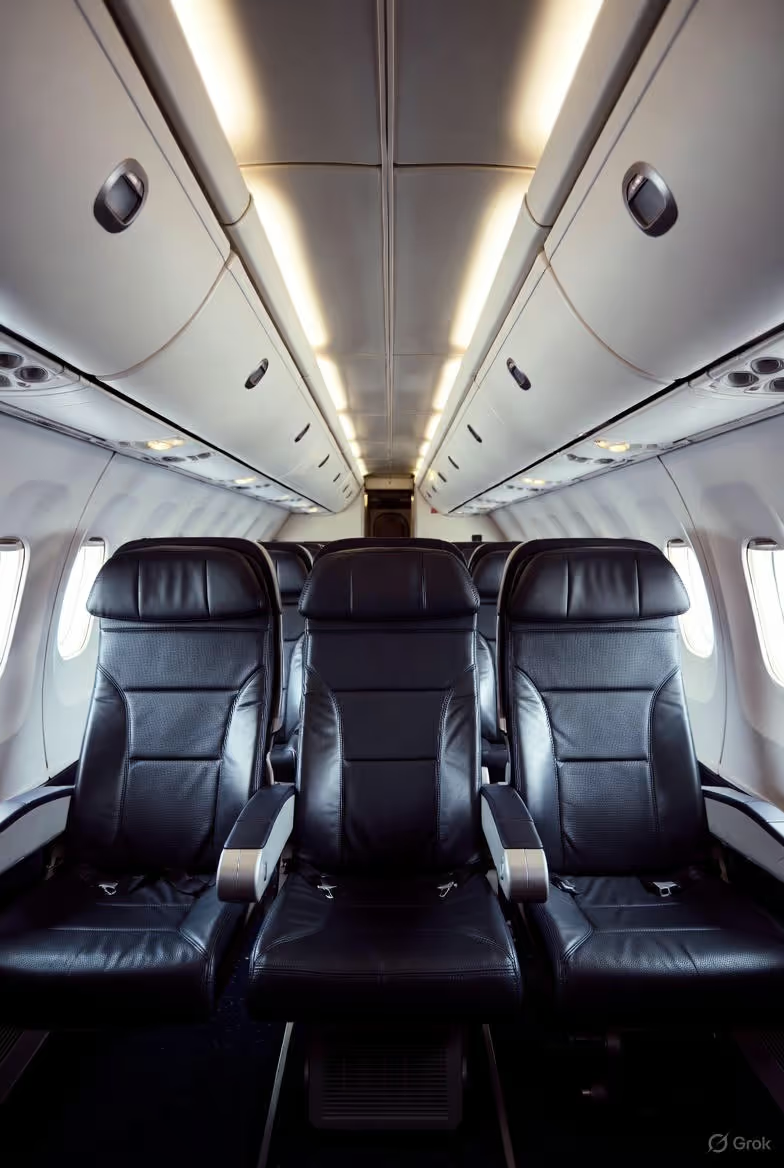
The flight itself is often where the greatest circadian damage is done. The dry, pressurized cabin, prolonged immobility, uncomfortable seats, and poor air quality create a perfect storm of stress and disruption. However, with intention, this transit time can be transformed from a period of degradation into a critical phase of proactive adaptation and recovery.
Hydration as a Non-Negotiable Priority: Cabin air humidity often sits at a bone-dry 10-20%, leading to rapid, insensible fluid loss. Dehydration exponentially worsens jet lag symptoms, causing headaches, fatigue, and cognitive impairment. Your goal is to drink at least 8 ounces of water for every hour in the air. Bring a large empty water bottle through security and fill it before boarding. Avoid diuretics like coffee, alcohol, and sugary sodas entirely. Herbal teas like chamomile or ginger can be soothing alternatives.
Mastering Sleep (or Purposeful Wakefulness) in the Air:
The Sleep Kit: Your ability to sleep on the plane is a game-changer. Equip yourself with high-quality tools: a memory foam neck pillow, a comfortable sleep mask that blocks 100% of light (crucial for melatonin production), and noise-canceling headphones or high-fidelity earplugs. Consider a lightweight blanket or large scarf.
Timing is Everything: Use your pre-flight strategy to guide your in-flight sleep. If you are on an overnight flight heading east (e.g., US to Europe), your goal is to sleep as much as possible on the plane to prepare for a morning arrival. Put on your sleep mask and settle in after the meal service. If you are flying west during the day (e.g., Asia to North America), you should generally try to stay awake and use light exposure to push your cycle later. The data from real travelers who have perfected these techniques can be found in Oxyzen testimonials, showcasing practical success stories.
The Supplement Question: Melatonin can be a powerful, research-backed tool for resetting the clock when used correctly. A small dose (0.5mg to 3mg) taken at the destination’s bedtime (on the plane) can help initiate sleep and cue the SCN. However, it is not a sleeping pill. Consult with a healthcare professional before use, and never combine it with alcohol.
Movement and Circulation: Immobility is the enemy. Set a timer to get up, walk the aisle, and stretch every 60-90 minutes. Perform seated exercises: ankle circles, knee lifts, glute squeezes, and gentle torso twists. This boosts circulation, reduces the risk of deep vein thrombosis (DVT), and can alleviate stiffness that would otherwise disrupt sleep.
Light Control as a Precision Weapon: Your sleep mask is your best friend, but you must also manage light exposure when awake. If you need to stay awake to adapt westward, use the overhead light or a bright device screen (though be mindful of neighbors). If you are trying to sleep or adapt eastward, keep the window shade firmly closed and avoid turning on your bright screen. This conscious manipulation of your visual environment directly signals your SCN.
Nutrition in the Sky: Airplane food is often high in sodium, sugar, and processed ingredients that promote inflammation and bloating. If possible, pre-order a special meal (like a vegetarian or fruit plate), or bring your own healthy snacks—nuts, seeds, whole fruit, and cut vegetables. Eat lightly and in alignment with your destination’s meal times as closely as possible.
By approaching the flight as an active recovery and adaptation session, you land not in a state of total depletion, but with a foundation upon which to build your new circadian reality. Your smart ring, silently tracking your HRV and resting heart rate throughout the journey, will later show you the tangible benefit of these strategies, providing objective proof of what worked.
The First 72 Hours: A Data-Driven Landing and Adaptation Plan
You’ve landed. This is the critical window where deliberate action, guided by concrete data, separates those who languish for days from those who swiftly find their groove. The goal is no longer to guess how you feel, but to know how your body is performing and to intervene with precision.
Day 1: Strategic Light Anchoring and Grace Your primary mission upon arrival is to anchor your circadian rhythm to the local light-dark cycle. The timing is everything.
If you arrive in the MORNING (regardless of how you feel): Go directly into bright sunlight for at least 30 minutes. Take a walk outside. Do not wear sunglasses for this initial exposure if it’s safe. This powerful light signal tells your SCN, “This is morning. Reset the clock to start here.” If you must sleep, limit any nap to a strict 20-minute power nap before 3 PM.
If you arrive in the EVENING: Minimize bright light exposure. Get to your accommodation, keep lights dim, and avoid screens. This helps your body begin to produce melatonin on the new local schedule. Go to bed at a reasonable local hour, even if you’re not perfectly sleepy.
The Role of Your Smart Ring Data: On this first night, your primary job is to sleep while wearing your ring. Do not obsess over the score in the morning. You are establishing a new baseline. The data from this first disrupted night is your “ground zero” measurement. Pay special attention to your Sleep Latency (how long it took to fall asleep) and Wake After Sleep Onset (how often you woke up). These will be high, and that’s expected.
Day 2: Interpreting the Data and Adjusting Behavior Wake up at a firm local time, even if sleep was poor. Check your data. This is where insight turns into action.
Review Your Nighttime HRV: A low HRV confirms high stress and poor recovery. Let this objective data give you permission to take it easy. Schedule light activities, not high-stakes meetings. Your body is working hard internally.
Analyze Sleep Stages: Was your deep sleep severely truncated? This is common and explains non-restorative sleep. It signals a need for absolute sleep hygiene tonight: a cold, dark room, no evening alcohol, and a strict wind-down routine.
Check Resting Heart Rate (RHR): An elevated RHR is another sign of physiological stress and potentially dehydration. Double down on your water intake.
Use this data to plan your day. If your metrics are terrible, prioritize a gentle walk in the morning light, hydrate aggressively, and consider a very short afternoon nap if essential, but know it may delay adaptation. The key is to let the data, not just your groggy perception, guide your recovery pacing. The team behind Oxyzen’s technology built these analytics with this exact scenario in mind—providing clear, actionable feedback during complex biological transitions.
Day 3: The Turnaround and Establishing Routine By the third day, you should start to see early signs of adaptation in your data. Your sleep latency may decrease. Your HRV might show a slight uptick. Your RHR may begin to normalize.
Solidify Routine: Today is about discipline. Get bright light immediately upon waking. Eat meals at strict local times. Exercise lightly in the morning or afternoon (avoid intense evening workouts that can raise core temperature and delay sleep).
Evening Wind-Down: Two hours before your target bedtime, begin a digital sunset. Dim lights, use blue-light filters on devices, and engage in calming activities. Your goal is to build a strong sleep drive to consolidate the gains you’re starting to see in your data.
Throughout this 72-hour period, your smart ring transforms from a tracker into a coach and a validator. It tells you the unvarnished truth about your body’s state, allowing you to replace guilt (“I should be more productive”) with strategy (“My data shows I’m in recovery, so I will prioritize light and hydration”). This data-driven approach removes the emotional rollercoaster and installs a sense of control during a disorienting experience.
Decoding the Data: Key Jet Lag Metrics and What They Mean for You
Raw data is overwhelming. Insight is power. For the traveling professional, certain biometrics rise to the top as critical indicators of jet lag severity and adaptation progress. Learning to speak this language allows you to have a informed dialogue with your own physiology.
1. Heart Rate Variability (HRV): The North Star of Recovery If you track only one metric for jet lag, it should be HRV. It measures the millisecond variations between your heartbeats, controlled by your autonomic nervous system (ANS). A high, resilient HRV indicates a dominant "rest and digest" (parasympathetic) state. A low HRV signals "fight or flight" (sympathetic) dominance.
The Jet Lag Signal: Long-haul travel, stress, poor sleep, and dehydration cause HRV to crash. It is the single best objective measure of your physiological stress load.
How to Use It: Look at your nighttime average HRV (not daytime). Upon landing, expect a significant drop, often 20-40% below your home baseline. Don’t panic. Your goal is to watch the trend line. Are the numbers starting to creep back up over consecutive nights? That is the clearest sign your body is adapting. If HRV remains flat or continues to drop after 3 days, it’s a red flag that your recovery strategies are insufficient and you need more rest, better hydration, or stricter light management.
2. Sleep Stages Architecture: Diagnosing the Type of Disruption Not all bad sleep is the same. How your sleep is disrupted tells a specific story.
Deep Sleep (Slow-Wave Sleep) Deficit: This is the most physically restorative stage, crucial for tissue repair and immune function. It’s often severely reduced in the first nights after eastward travel. Symptoms: Waking unrefreshed, body aches, low energy.
REM Sleep Deficit: This stage is vital for memory consolidation, learning, and emotional processing. It’s often impacted more by westward travel and overall sleep fragmentation. Symptoms: Brain fog, poor concentration, emotional irritability, forgetfulness.
Increased Light Sleep & Wakefulness: This indicates sleep fragmentation—you’re not getting consolidated, quality blocks of sleep. This is common with new noises, an unfamiliar bed, or an unsettled circadian rhythm.
3. Resting Heart Rate (RHR): The Stress Gauge Your RHR typically dips to its lowest point during deep sleep. An elevated RHR (5-10+ BPM above your baseline) is a classic sign of systemic stress, which includes travel, infection, dehydration, or poor recovery.
The Jet Lag Signal: A sustained high RHR after travel confirms your cardiovascular system is under strain. It often mirrors the trend of HRV but in reverse.
How to Use It: Monitor it alongside HRV. As you adapt, your RHR should gradually descend back toward your normal range.
4. Peripheral Temperature Trends: The Hidden Rhythm Your body temperature follows a circadian wave. Advanced sensors can detect the minute changes in finger temperature that correlate with this rhythm. When you’re jet-lagged, this wave becomes flattened or out of phase.
The Jet Lag Signal: Your temperature minimum, which normally occurs in the second half of the night, may be shifted. This data can help predict when you will naturally feel sleepy in the new time zone.
How to Use It: This is advanced data, but viewing the trend can help you understand the phase shift of your core clock over multiple days.
By synthesizing these metrics, you move beyond a simple sleep score. You might say, “My sleep duration was okay, but my HRV is terrible and my deep sleep is absent, so I need physical rest today,” or “My REM sleep is high but fragmented, and my RHR is normalizing, so my brain is adapting but my sleep environment needs work.” This level of analysis, discussed frequently in resources like the Oxyzen blog, turns a smart ring into a personal sleep lab, providing the diagnostic clarity needed for a targeted recovery plan.
Light Therapy Hacks: Using Technology to Accelerate Circadian Resets
While sunlight is the ideal zeitgeber (time-giver), modern life and travel itineraries don’t always allow for perfect, timed exposure. This is where technology can step in as a powerful, controllable ally. Light therapy devices and intelligent software integrations allow you to deliver precise circadian signals, accelerating adaptation.
The Science of Artificial Light Therapy: Light therapy boxes emit bright, full-spectrum light (typically at 10,000 lux) that mimics outdoor sunlight. When used at specific times, they can forcefully reset a lagging circadian clock. The principle is the same as using natural light, but with intensity and consistency that weather and schedule cannot guarantee.
A Traveler’s Light Therapy Protocol:
For Eastward Jet Lag (Need to shift earlier): Use the light box for 20-30 minutes as soon as you wake up at your destination. This is the critical period. Position it on a table about 16-24 inches from your face, and glance toward it periodically (do not stare directly). This morning signal aggressively tells your brain that the day has started, suppressing melatonin and advancing your phase.
For Westward Jet Lag (Need to shift later): Use the light box in the late afternoon or early evening, around 4-6 PM local time. This delays melatonin production, helping you stay awake later and, consequently, sleep in later, shifting your clock backward.
Portable and Tech-Integrated Solutions: The market now offers portable, rechargeable light therapy glasses and visors that are perfect for travelers. These wearable devices allow you to get your light dose while checking email, reading, or even during a taxi ride from the airport.
Smart Ring Integration - The Future is Contextual: The next frontier is the integration of biometric data with light exposure. Imagine a system where your smart ring, detecting a severely depressed HRV and poor sleep from a recent eastward flight, communicates with a smart lighting system in your hotel room or a wearable light device. It could then prescribe and even automate a personalized light therapy schedule, turning on a bright, blue-enriched light at the exact optimal morning time for your specific circadian misalignment, and recommending evening avoidance. While not ubiquitous yet, this closed-loop, data-driven approach represents the pinnacle of personalized chronotherapy. The vision for this kind of integrated, intelligent wellness system is at the heart of Oxyzen’s development philosophy.
Practical Hacks for Every Traveler:
Smartphone Apps: Use apps that adjust your screen’s color temperature based on the time of day. At night, switch it to a permanent "night shift" or red-tint mode to minimize melatonin suppression.
Hotel Room Hack: Upon arrival, immediately open the curtains. If you need morning light, don’t close the blackout curtains all the way. If you need to avoid evening light, use them fully.
The Flashlight Trick: In a pinch, even a few minutes of looking toward a bright smartphone flashlight (at a safe distance) can provide a minor cue, though it’s no substitute for a proper light box.
By strategically wielding light as a tool, you move from being a passive recipient of environmental cues to an active director of your internal timing. It is one of the most potent, evidence-based non-pharmacological interventions at your disposal.
Nutrition and Supplementation: Fueling and Signaling for Adaptation
What you eat and drink, and when you consume it, sends powerful signals to your peripheral circadian clocks, which exist in almost every organ, including your liver and gut. Aligning your nutrition with your new time zone is a critical, yet often overlooked, layer of jet lag strategy.
Meal Timing as a Zeitgeber: Just as light cues your central brain clock, food intake is a primary cue for your peripheral clocks. Eating at the wrong local time (e.g., a large meal when your gut is in its biological night) confuses these systems and can exacerbate jet lag symptoms like indigestion and bloating.
The Rule: Try to eat your meals at standard local times as soon as you arrive. Even if you’re not hungry, have a small, protein-rich breakfast in the morning to signal "daytime" to your metabolism. Avoid heavy, large meals close to bedtime.
Strategic Nutrients for Sleep and Alertness:
For Promoting Sleepiness (Evening):
Complex Carbohydrates: Foods like oats, sweet potatoes, or whole-grain toast at dinner can increase the availability of tryptophan, a precursor to serotonin and melatonin.
Magnesium: This mineral acts as a natural muscle relaxant and GABA agonist. Leafy greens, nuts, seeds, and bananas are good sources. A magnesium glycinate supplement before bed can be helpful.
Tart Cherry Juice: A natural source of melatonin and phytochemicals that may improve sleep quality.
For Promoting Alertness (Morning/Day):
Protein-Rich Breakfast: Eggs, Greek yogurt, or a protein smoothie helps stabilize blood sugar and promote the production of dopamine and norepinephrine, enhancing wakefulness.
Strategic Caffeine: If you use caffeine, limit it to the morning hours in your new time zone. Stop all caffeine at least 8-10 hours before your target bedtime. Never use it to compensate for a bad night’s sleep in the afternoon, as it will sabotage the next night.
The Evidence on Supplements:
Melatonin: As mentioned, this is the most direct supplement for circadian shifting. Micro-doses (0.3-1 mg) are often more effective for phase-shifting than larger doses used as a sleep aid. Take it 30-60 minutes before your desired bedtime in the new time zone. It is a signal, not a sedative.
Adaptogens: Herbs like Rhodiola Rosea or Ashwagandha may help the body modulate its stress response (supported by HRV data in some studies), which is beneficial for handling travel stress. These are best started before travel and used consistently.
L-Theanine: An amino acid found in green tea, it promotes relaxation without drowsiness. It can be useful for calming travel anxiety or taking the edge off while avoiding sedation during the day.
Hydration - The Universal Solvent: We cannot overstate this. Dehydration impairs every physiological function, from cognitive performance to temperature regulation to sleep quality. Your goal is clear, pale-yellow urine. Carry a bottle always. Add electrolytes (via tablets or a pinch of salt) to your water if you’ve been sweating or are in a dry climate to improve cellular absorption.
Using nutrition strategically turns every meal into an opportunity to reinforce your new schedule. It’s a tangible, actionable step that works in concert with light and sleep schedule adjustments. For personalized questions on integrating supplements with tracking, Oxyzen’s support resources can point you toward expert guidance.
Crafting the Perfect Travel Sleep Sanctuary: Environment is Everything
You can execute every pre-flight and light strategy flawlessly, but if your sleep environment is hostile, your adaptation will falter. The first nights in a new location are when you are most vulnerable to sleep disruption. Taking ruthless control of your sleep sanctuary is non-negotiable.
The Pillars of a Sleep-Inducing Environment:
Darkness (The Most Critical): Our circadian rhythm is exquisitely sensitive to light, even through closed eyelids. Hotel rooms are notoriously bad for light pollution (alarm clocks, LED indicators, hallway light under the door, city lights through curtains).
Your Arsenal: Travel with blackout sleep masks and portable blackout curtains (suction-cup or tension-rod styles). Use electrical tape or stickers to cover every single tiny LED light in the room. If needed, drape a towel over the bottom of the door.
Cool Temperature: Core body temperature must drop to initiate and maintain sleep. The ideal room temperature for most people is between 60-67°F (15.5-19.5°C).
Your Arsenal: Crank down the AC. If it’s uncontrollable, use a portable travel fan. Pack lightweight, breathable sleepwear. Consider a cooling pillow insert.
Silence: Unfamiliar noises are a prime cause of sleep fragmentation.
Your Arsenal: High-fidelity foam earplugs are a must. A white noise machine app on your phone (placed across the room) or a dedicated portable white noise machine can mask inconsistent sounds like traffic, hotel plumbing, and hallway noise.
Comfort and Familiarity: The "first-night effect"—where one hemisphere of the brain stays more alert in a novel environment—is real. You can mitigate it.
Your Arsenal: Bring a small travel pillow from home if it’s critical. Use a familiar scent (a few drops of lavender oil on a cloth). Perform your exact same pre-bed ritual from home (e.g., 5 minutes of reading, a breathing exercise).
Leveraging Your Smart Ring to Audit the Environment: Your device is the perfect tool to diagnose environmental problems. After your first night, look at the "Wake After Sleep Onset" metric and the sleep stage graph. Do you see frequent, brief awakenings clustered in the second half of the night? That could be light intrusion from a sunrise you’re not adapted to. Is your deep sleep particularly low? Perhaps the room was too warm. The ring provides the forensic evidence you need to troubleshoot. For example, a user shared on Oxyzen testimonials how tracking revealed their sleep was consistently fragmented in hotels until they invested in high-quality earplugs and a white noise app, after which their deep sleep scores stabilized.
Proactive Communication: Don’t hesitate to call the hotel ahead to request a quiet room away from elevators and ice machines. Ask if they have blackout curtains. A simple request can set the stage for success.
By treating your temporary bedroom as a laboratory for optimal sleep, you remove a major variable from the jet lag equation. You create a consistent, controlled cave for your body to do its vital recovery work, unimpeded by the common annoyances of travel lodging. This environmental control, combined with internal biometric tracking, gives you mastery over both the internal and external factors influencing your rest.
The Traveler's Master Checklist: A Step-by-Step Protocol for Any Trip
Complex strategies must distill into simple, executable steps. This master checklist is your comprehensive, go-to protocol, adaptable for any itinerary. Use it as a pre-trip planning template and an in-the-moment guide.
Phase 1: Pre-Flight (72-24 Hours Before Departure)
Determine Direction & Time Zone Shift: Calculate the number of hours and direction (east/west) you are moving.
Check Your Baseline: Note your key metrics from your smart ring (avg. sleep duration, HRV, RHR) over the past stable week.
Begin Gentle Schedule Shifts:
Eastbound: Move bedtime/wake time 30-60 min earlier each day. Seek bright morning light; avoid evening light.
Westbound: Move bedtime/wake time 30-60 min later each day. Seek bright afternoon/evening light.
Adjust Meal Times: Gradually shift major meals toward your destination’s schedule.
Hydration Onset: Begin consciously increasing water intake. Limit alcohol and caffeine.
Charging Strategy: Ensure all devices, especially your smart ring and headphones, are fully charged.
Phase 2: In-Transit (Flight/Day of Travel)
Dress for Comfort: Wear loose, breathable, layered clothing and comfortable shoes.
Hydrate Aggressively: Drink 8 oz of water per flight hour. Bring an empty bottle to fill post-security.
Control Light Exposure:
To Sleep on Plane: Use sleep mask immediately. Keep window shade closed.
To Stay Awake on Plane: Use overhead light, keep shade open if it's daytime at destination.
Strategic Sleep/Wake Timing: Follow your pre-flight plan. Use melatonin (if part of your protocol) at destination bedtime.
Move Regularly: Set a timer to stand, walk, and stretch every 60-90 minutes.
Eat Lightly: Avoid heavy, salty, or sugary airplane meals. Opt for simpler options you brought or pre-ordered.
Phase 3: Landing & First 72 Hours (The Critical Adaptation Window)
Day 1: Light Anchoring
Morning Arrival: Get 30+ minutes of bright outdoor light immediately.
Evening Arrival: Minimize light exposure; go to bed at a local time.
Nap Rule: If essential, limit to 20 minutes before 3 PM.
Establish "Anchor" Times: Fix your wake-up time and first meal time immediately. Be rigid for the first three days.
Day 2: Data Review & Adjust
Analyze first night’s sleep data (latency, wake-ups, HRV).
Let low HRV/poor sleep data give you permission to prioritize rest.
Continue strategic light exposure (morning for east, afternoon for west).
Day 3: Routine Solidification
Maintain strict sleep/wake and meal times.
Introduce gentle exercise if data shows improvement.
Implement a full, screen-free wind-down routine before bed.
Sanctuary Setup: In your accommodation, black out all light, set up white noise, and set the thermostat to 65-68°F (18-20°C).
Phase 4: Ongoing Monitoring & Long-Term Health
Trend Tracking: Don’t just look at daily scores. Observe weekly trends in HRV and resting heart rate over months of travel.
Post-Trip Recovery: After a demanding trip, schedule a true recovery day based on your data, not just feeling.
Annual Review: Every 6-12 months, review your longitudinal data. Is your baseline HRV stable? Is recovery slowing? Adjust your overall wellness habits accordingly.
This checklist is your scaffold. The insights from your biometrics—accessible through platforms like Oxyzen’s dashboard—will provide the personalized details that fill it in, telling you how much to adjust, when you’re truly recovered, and what your unique vulnerabilities are.
Persona-Based Toolkits: Tailored Strategies for Every Type of Traveler
While the core science is universal, its application varies. Here are optimized strategies for four common traveler personas.
The Executive (High-Stakes, Short Trips, Back-to-Back Meetings)
Primary Challenge: Maximizing cognitive performance and decision-making under pressure with minimal time for adaptation.
Pre-Trip: Use a portable light therapy device for 3 days pre-trip to forcefully shift clock. Schedule flights to allow for a 90-minute nap upon arrival if possible.
In-Flight: Absolute focus on hydration and sleep protection. Use a melatonin micro-dose (0.5mg) to enable sleep on the plane if it's nighttime at destination.
On-Site: Morning light exposure is non-negotiable. Use strategic caffeine (one cup upon waking, none after noon). Schedule your most critical meetings for times that align with your home peak performance window if within the first 48 hours (e.g., a "Wolf" should avoid 8 AM presentations after flying east).
Data Focus: HRV and Resting Heart Rate. These will tell you if you're too stressed for optimal decision-making. If they are in the danger zone, postpone or delegate high-consequence decisions.
Pro Tip: Use your biometric readiness score to literally block your calendar. "Data shows low recovery; no decisions before 11 AM." This is the modern, evidence-based executive's advantage.
The Adventure Traveler / Digital Nomad (Long Stays, Variable Schedules, Co-Living)
Primary Challenge: Adapting and maintaining a healthy rhythm in unstructured environments, often with shared, noisy accommodations.
Core Strategy: Environmental Control & Routine Foundation.
Toolkit:
The Sanctuary Kit is Paramount: Your travel blackout curtains, industrial-grade earplugs, and white noise machine are worth their weight in luggage. They create consistency anywhere.
Embrace Natural Light: Use the sun as your primary tool. Get sunrise light exposure to anchor your day, even if you worked late.
Build a Flexible-but-Stable Routine: Fix your wake-up time and first-meal time. Let other activities flow around this anchor. Use your smart ring to ensure you're getting enough total sleep, even if the schedule is irregular.
Data Focus: Sleep Duration and Consistency. The temptation to over-schedule or under-sleep is high. Let your weekly sleep average be your guide. Are you getting your 7-8 hour baseline?
Community Wisdom: Share your focus on sleep with travel companions. You can find like-minded individuals who value data-driven wellness in communities often highlighted in Oxyzen testimonials.
The Frequent Flying Parent / Caregiver (Family Travel, Disrupted Schedules)
Primary Challenge: Managing your own sleep while attending to others’ needs, often in a single hotel room, with high emotional labor.
The 5-Hour Anchor: Protect a 5-hour core sleep block at all costs. Negotiate with a partner or use media strategically to guard this time. It’s your lifeline.
Nap When They Nap: If you have young children who nap, lie down with them. Even if you don’t sleep, the rest in a dark room is invaluable.
Lower Your Standards: The perfect sleep sanctuary may be impossible. Do your best with masks and earplugs, and forgive the imperfections. Your data will show the disruption—let it validate your experience, not criticize it.
Focus on Recovery, Not Perfection: Your HRV will likely take a hit. Don't stress about optimizing every minute. Focus on the fundamentals you can control: hydration, morning light when possible, and minimizing alcohol.
Data Focus: Sleep Stages (specifically Deep Sleep). This is what leaves you feeling restored. If it's consistently low, it's a sign you need to call in reinforcements or schedule a recovery day upon return.
The Competitive Athlete / Performer (Travel for Competition, Peak Output Required)
Primary Challenge: Aligning peak physical and mental performance with a specific event time in a new time zone.
Arrive Early: The single most effective tactic. Arrive one day per time zone crossed for eastward travel, if possible.
Mimic Event Day in Advance: In the days leading up to the event, train/warm-up at the exact time of day you will compete. Eat your pre-event meal on the same schedule.
Leverage All Tools Aggressively: Use timed light therapy, melatonin, and meal timing in concert from the pre-flight phase onward. This is a military-grade operation.
Let Data Dictate Taper: Your training load should taper based on physiological readiness, not just a calendar. If your HRV is suppressed and RHR elevated upon arrival, prioritize rest over final intense workouts.
Data Focus: HRV Trend and Nightly Readiness Score. This is your objective coach. It tells you if your body is ready to perform or if it needs more restoration. Ignoring this data risks suboptimal performance.
Pro Resource: For those pushing the limits of human performance, the deep-dive articles on our blog often cover the intersection of biometrics and elite adaptation.
Conclusion: Embracing the Journey, Mastered by Data
Travel, in its essence, is an expansion—of horizons, connections, and experience. For too long, the physiological cost of that expansion has been an accepted, often debilitating, tax on our well-being and performance. We have treated jet lag as an inevitable side effect, a rite of passage.
This paradigm is now obsolete.
The convergence of chronobiology, biometric sensing, and behavioral science has given us the tools to reframe the narrative. Jet lag is not a mystery; it is a measurable process of desynchronization. Recovery is not a vague hope; it is a trackable process of resynchronization. The power has shifted from enduring the journey to actively engineering it.
The key lessons are clear:
Your Body Keeps a Score You Can Now Read: Heart Rate Variability, resting heart rate, sleep architecture, and temperature rhythms provide an objective, unfiltered dashboard of your internal state.
Light is Your Primary Lever: Understanding and manipulating light exposure—both natural and artificial—is the most potent way to reset your master clock.
Preparation is Non-Negotiable: The actions you take 72 hours before departure significantly dictate your experience 72 hours after landing.
Environment is Everything: You must become the ruthless architect of your sleep sanctuary, no matter where you are.
Personalization is Power: Generic advice is a starting point. Your unique data—your chronotype, your historical responses, your biometric trends—is what creates a strategy that works for you.
The smart ring, particularly a device designed for the seamless, continuous wear of travel like Oxyzen, is more than a gadget. It is a translator, converting the silent language of your autonomic nervous system into actionable insight. It is a validator, giving you permission to rest when culture demands hustle. It is a compass, guiding you back to equilibrium across the dateline.
As we look forward, the integration will only become more seamless, the predictions more accurate, and the protocols more automated. The future of travel is not just about getting there faster, but arriving better—healthier, sharper, and more fully present.
Your next journey doesn't have to begin with fatigue. It can begin with a plan, informed by the story your body tells, every minute of every day. It begins with the decision to no longer just cross time zones, but to master them.
Start Your Engineered Journey: To explore the technology that makes this level of personal insight possible, to learn more about the science of adaptation, and to join a community focused on performance wellness, begin your discovery at Oxyzen. Your most refreshed, productive travels lie ahead.
The Frequent Flyer’s Nemesis: Managing Shift Work and Irregular Schedules on the Road
For consultants, medical professionals, event crews, and international business teams, travel often comes with a brutal companion: shift work. You may fly to London only to immediately work overnight on a system launch, or attend back-to-back meetings across Asia that operate on a 24-hour cycle. This combination—circadian disruption from travel plus forced wakefulness during biological night—is the ultimate test of sleep resilience. Managing it requires a specialized, tactical approach that goes beyond standard jet lag advice.
Understanding the Double Whammy: Shift work disorder, characterized by insomnia during sleep opportunities and excessive sleepiness during work hours, is driven by a misalignment between your work schedule and your circadian rhythm. Add time zone changes, and the misalignment becomes chaotic. Your body receives conflicting signals: local light/dark cycles, social schedules, and now a work schedule that may bear no relation to any of them.
Strategic Sleep Scheduling: The Anchor Sleep Method When your sleep window must move, the goal is to maintain some stability. The “anchor sleep” method is crucial.
The Principle: Designate a fixed, protected 4-5 hour block for “core sleep” every 24 hours, regardless of shifts. This anchor provides a minimum baseline of circadian stability and prevents total sleep deprivation.
Application for Travel: If you land and must work nights, your anchor sleep might be 9 AM to 2 PM local time. Guard this block with the same fervor you would a nighttime sleep. Use blackout curtains, white noise, and a “do not disturb” sign. Supplement with a 90-minute nap before your shift if possible. The anchor is non-negotiable; other sleep can be flexible around it.
Nap Science for Strategic Recovery: When sleep is fragmented, naps must be engineered for maximum benefit without incurring sleep inertia (that groggy feeling).
The Power Nap (10-20 minutes): Provides a quick boost in alertness and performance without entering deep sleep. Ideal before a critical meeting or during a long shift.
The Recovery Nap (90 minutes): A full sleep cycle (light, deep, REM). This is best for your anchor sleep or a major recovery session. It improves cognitive function and memory consolidation. Time it so you wake up naturally at the end of a cycle to minimize inertia.
Caffeine Nap Strategy: Drink a cup of coffee quickly, then immediately take a 20-minute nap. The caffeine takes about 25 minutes to hit your bloodstream, so you wake up just as its alertness effects begin, creating a powerful synergy.
Light Manipulation for Forced Adaptation: Your control of light becomes even more aggressive. If you must be alert from midnight to 8 AM, you need to simulate “day” during that period.
During the Night Shift: Seek bright, blue-enriched light. Use a portable light therapy box at your workstation. Keep the environment brightly lit. This suppresses melatonin and promotes wakefulness.
Before Daytime Sleep: After your shift, wear blue-light-blocking glasses during your commute home. Your bedroom must be pitch black. You are essentially creating an artificial “night” for your biology during the local day.
The Indispensable Role of Biometric Feedback: In this chaotic schedule, subjective feeling is utterly unreliable. You may feel okay running on adrenaline, while your physiology is in crisis. Your smart ring data is your truth-teller.
Monitor Nighttime HRV Relentlessly: It will show the severe strain of shift work. A consistently low HRV is a direct order to prioritize recovery. Use it to decide if you can handle a social engagement or must rest.
Track Sleep Efficiency: With limited windows, the percentage of time in bed actually spent sleeping must be high. If your efficiency is low (e.g., spending 6 hours in bed but only logging 4.5 hours of sleep), you need to improve your sleep environment or wind-down routine before the anchor block.
Let Data Guide Caffeine Use: If your resting heart rate is already elevated and HRV is low, adding caffeine is like pouring gasoline on a stress fire. The data may tell you to hydrate and nap instead.
Mastering this demanding schedule is less about “beating” your biology and more about negotiating with it intelligently, using objective data as your guide. For more on the intersection of wearables and occupational health, our blog features ongoing analysis of performance under pressure.
The Long-Term Toll: Protecting Your Health as a Frequent Traveler
The occasional bout of jet lag is a manageable nuisance. However, for the true frequent flyer—the one who lives in airport lounges and knows flight attendants by name—the chronic circadian disruption poses a significant, cumulative health risk. Viewing each trip in isolation ignores the creeping long-term effects. Proactive health protection must become part of your travel protocol.
Chronic Circadian Disruption: The Systemic Impact Research has conclusively linked long-term shift work and frequent time zone crossing with an increased risk of several serious conditions:
Metabolic Syndrome and Diabetes: Disrupted sleep and eating patterns impair glucose metabolism and insulin sensitivity. A study in Sleep Medicine found that flight attendants with chronic jet lag had higher fasting glucose levels.
Cardiovascular Disease: Elevated resting heart rate, blood pressure, and inflammatory markers associated with poor sleep and circadian misalignment contribute to long-term heart health risks.
Compromised Immune Function: Deep sleep is when the immune system releases cytokines, proteins that fight infection and inflammation. Chronic sleep fragmentation leaves you more susceptible to common illnesses—the dreaded “always getting sick after a trip” phenomenon.
Cognitive Decline and Mood Disorders: Poor sleep quality, particularly deficient REM sleep, impacts memory, emotional regulation, and is linked to higher risks of depression and anxiety over time.
Increased Cancer Risk: The World Health Organization has classified shift work that involves circadian disruption as a “probable carcinogen,” related to the suppression of melatonin, which has antioxidant and tumor-suppressing properties.
Building a Resilient Physiology: Defense Beyond Sleep To mitigate these risks, your focus must expand from sleep alone to building an overall resilient system.
Consistent Exercise, Flexibly Scheduled: Exercise is a powerful circadian cue and stress buffer. The key is consistency, not timing. Aim for at least 150 minutes of moderate exercise per week, even if it’s a hotel gym workout or a brisk walk in a new city. Avoid intense exercise too close to your designated sleep time, as it can raise core body temperature and delay sleep onset.
Nutrition as Medicine: Adopt an anti-inflammatory, nutrient-dense eating pattern as your baseline. Prioritize omega-3 fatty acids (fish, walnuts), antioxidants (berries, leafy greens), and fiber. When traveling, this becomes harder but more critical. Seek out salads, grilled proteins, and avoid the pervasive high-sodium, high-sugar airport and hotel food. Consider travel-friendly supplements like a high-quality multivitamin, vitamin D (especially if traveling to low-sunlight regions), and probiotics to support gut health disrupted by travel.
Stress Resilience Practices: Travel is inherently stressful. Incorporate daily practices to downregulate your nervous system. This could be 5 minutes of mindfulness meditation using an app, deep breathing exercises (like the 4-7-8 method), or gentle yoga. These practices directly improve HRV, giving you a buffer against travel stressors.
Strategic Recovery Periods: After a particularly grueling trip or a series of back-to-back travels, schedule a true recovery day. This isn’t a day of errands; it’s a day of deliberate rest—extra sleep, light movement, good food, and digital detox. Your biometric data should guide the length of this recovery. Don’t resume intense training or high-stakes work until your HRV and resting heart rate have returned to baseline.
The Role of Longitudinal Data: This is where a long-term wearable like a smart ring proves its worth beyond single trips. By tracking trends over months and years, you can answer critical questions: Is my average resting heart rate creeping up over each quarter? Is my baseline HRV declining? Are I taking longer to recover from trips than I did two years ago? This longitudinal view provides an early warning system, allowing you to intervene with lifestyle changes before small issues become health problems. It transforms the device from a sleep tracker into a long-term health guardian. The vision at Oxyzen is to provide not just nightly scores, but meaningful health trend analysis that empowers users to make proactive decisions.
Acknowledging and addressing the long-term toll isn’t about fostering fear; it’s about empowering the frequent traveler with knowledge and strategies to pursue a demanding career without sacrificing long-term vitality. It’s the ultimate application of the adage: “What gets measured, gets managed.”
From Generic to Personal: Using Your Data to Build a Custom Sleep Strategy
Generic advice has its place, but true optimization is personal. The reason two people on the same flight can have wildly different jet lag experiences boils down to individual differences in circadian chronotype, sleep architecture, and physiological resilience. Your unique biometric data is the key to unlocking a protocol that works specifically for you.
Discovering Your Chronotype: Are You a Bear, Wolf, Lion, or Dolphin? Chronotype is your natural predisposition for sleep and wake times. While the old “night owl vs. early bird” dichotomy is useful, more nuanced models like Dr. Michael Breus’s chronotypes provide actionable insight:
The Lion (Morning Type): Wakes early, peaks before noon. Struggles with late social events. Eastward travel is easier. May need extra help staying awake for evening commitments in a new time zone.
The Bear (Mid-Range): Follows the solar cycle. Sleeps well, adaptable but has a post-lunch dip. Adapts reasonably to both directions with standard protocols.
The Wolf (Evening Type): Night owl, peaks in the evening. Hates mornings. Westward travel is easier. Will struggle profoundly with early meetings after eastward travel and needs aggressive morning light therapy.
The Dolphin (Light/Anxious Sleeper): Wakes easily, has irregular sleep. Often intelligent and neurotic. Travel is very disruptive. Needs impeccable sleep hygiene and a focus on stress reduction.
How Your Smart Ring Reveals Your True Chronotype: You don’t need a quiz; your data shows it. Analyze your home baseline data. What is your natural sleep onset and wake time on free days (not social jet lag)? When does your body temperature begin to drop in the evening? When is your HRV highest (often linked to your biological evening as a wolf, or morning as a lion)? This data-driven chronotype is more accurate than any questionnaire.
Creating Your Personal Jet Lag Playbook: Combine your chronotype with your historical response data to build a personalized plan.
The Pre-Flight Adjustment: A Wolf might need a more aggressive and earlier pre-flight light schedule for an eastward trip than a Lion would. A Dolphin might benefit more from pre-trip stress-management practices.
The In-Flight Strategy: A Lion on a westward red-eye might prioritize sleep heavily. A Wolf on the same flight might need to stay awake longer with light to align with a later schedule.
The Post-Landing Response: Analyze past trips. After eastward travel, do you consistently see a greater deep sleep deficit or a REM sleep deficit? Your recovery focus should target your personal weak point. If your data shows your HRV takes 4 full days to recover, stop scheduling critical presentations for day 2.
The Supplement Protocol: Does a 0.5mg dose of melatonin at bedtime improve your sleep latency data, or does it cause morning grogginess (visible in elevated resting heart rate upon waking)? Your response is unique.
Iterative Refinement: Your playbook is a living document. After each major trip, conduct a brief review:
What was the stressor? (5-time-zone east jump, plus overnight work)
What strategies did I use? (Pre-shift 3 days prior, 1mg melatonin on plane, blackout curtains at hotel)
What was the result in my data? (HRV dropped 30% but recovered by night 3; deep sleep was maintained well)
What will I keep, tweak, or discard for next time? (Melatonin helped, need even darker room, will schedule no meetings on day 2).
This process of iterative refinement, guided by hard data, turns you into an expert on your own body. It moves you from following general tips to commanding a precise, personal science of adaptation. For those looking to start this deep personal analysis, the community and guides found at Oxyzen’s blog can be an excellent catalyst.
Beyond Sleep: Integrating Movement, HRV, and Overall Travel Wellness
Optimal travel performance and recovery is a holistic endeavor. While sleep is the cornerstone, it is supported by the pillars of intelligent movement, stress management, and nutrition. Viewing these elements through the lens of your biometric data creates a synergistic, self-reinforcing system of wellness on the road.
Movement as a Circadian Catalyst and Stress Reliever: Exercise is a potent zeitgeber for your peripheral clocks and a proven method to improve sleep quality. However, timing and intensity are everything, especially when adapting.
Morning Movement (After Eastward Travel): A brisk walk or light jog in the morning sunlight is a dual-action therapy: it provides phase-advancing light exposure and gentle exercise to reinforce the wake signal. Data shows this can help lower resting heart rate and improve mood for the day.
Afternoon/Evening Caution: Intense workouts too close to bedtime can raise core body temperature and stimulate the sympathetic nervous system, delaying sleep—visible in your data as prolonged sleep latency and reduced HRV. If you must exercise late, opt for gentle mobility or yoga.
The "Movement Snack" Solution: For days packed with meetings or long flights, incorporate 3-5 minute movement snacks every hour. Do bodyweight squats, calf raises, or stretches in your hotel room or an airport corridor. This maintains circulation, reduces stiffness, and can slightly boost HRV by breaking up prolonged sitting.
HRV as Your Daily Guide, Not Just a Sleep Metric: Heart Rate Variability is your real-time, objective measure of autonomic nervous system balance. It’s your body’s way of saying “I’m resilient” or “I’m stressed.”
Morning HRV Readings (Trend-Based): While nighttime averages are most stable, some use morning readings to gauge readiness. More important than a single number is the trend. Is your morning HRV consistently lower on trips than at home? This quantifies the systemic stress of travel.
Using HRV to Dictate Training: This is a cornerstone of biohacking. If your HRV is significantly below your baseline, it’s a day for recovery—light walking, stretching, meditation—not a high-intensity hotel gym session. Pushing through on a low HRV day leads to poorer performance, increased injury risk, and prolongs recovery.
HRV Biofeedback Training: Use travel downtime to practice techniques that directly improve HRV, like coherent breathing (inhaling for 5 seconds, exhaling for 5 seconds). You can watch your HRV rise in real-time on some apps, turning stress management into a tangible, rewarding game.
The Gut-Brain-Sleep Axis on the Road: Travel notoriously disrupts digestion. This isn’t just uncomfortable; it directly impacts sleep and mood via the gut-brain axis.
Probiotic and Prebiotic Support: The change in diet, water, and routine can alter your gut microbiome. Consider a travel-specific probiotic and eat fiber-rich foods (when you can find them) to support gut health, which in turn can improve sleep quality.
Meal Timing for Sleep: A large, heavy, or spicy meal too close to bedtime forces your digestive system to work during its rest period, often visible as increased nighttime wakefulness and lower HRV. Your data can help you identify your personal cut-off time.
Creating a Travel Wellness Dashboard: The ultimate goal is to synthesize these data streams—sleep stages, HRV, RHR, activity, temperature—into a single, intuitive picture of your travel readiness and recovery status. Imagine a dashboard that says:
Recovery Recommendation: Priority 1: 90-minute nap + hydration. Avoid caffeine after 2 PM. Light walk in AM sun.
Readiness for High-Stakes Meeting (Tomorrow AM): Moderate. Improve with above actions.
This integrated view transforms isolated data points into a coherent narrative and an actionable plan. It’s the difference between knowing facts and possessing wisdom about your own well-being. Developing this holistic perspective is central to the user experience we strive for at Oxyzen, where sleep data is the foundation for a complete picture of wellness.
The Future of Travel Wellness: Emerging Tech and Personalized Chronobiology
We stand on the brink of a revolution in how we manage human performance across time zones. The convergence of advanced biometric sensing, artificial intelligence, and personalized medicine is paving the way for solutions that are proactive, predictive, and seamlessly integrated into our lives. For the traveler of tomorrow, jet lag may become a finely managed process rather than an ordeal.
Next-Generation Biometrics: The Trifecta of Core Body Signals Future wearables will move beyond peripheral measurements to more direct assessments of circadian state:
Continuous Core Body Temperature: Devices like non-invasive ingestible pills or advanced skin patches aiming to measure true core temperature rhythm will provide the gold-standard signal for circadian phase. Knowing your precise temperature minimum will allow for exquisitely timed light and melatonin interventions.
Salivary or Interstitial Fluid Biomarkers: Imagine a smart ring or patch that could measure cortisol or melatonin levels from sweat (transdermally) throughout the day and night. This would provide a direct, chemical readout of your circadian rhythm and stress axis in real-time.
Advanced EEG Sleep Staging: While current devices use movement and heart rate to estimate sleep stages, future iterations with simple EEG capabilities could provide clinical-grade sleep architecture analysis, identifying micro-arousals and sleep disorders that travel exacerbates.
AI-Powered Predictive Adjustment and Dynamic Scheduling: Artificial intelligence will turn reactive tracking into proactive coaching.
Trip-Specific Algorithms: You’ll input your itinerary (flight numbers, meeting times) into an app linked to your wearable. An AI will analyze your historical adaptation data, your chronotype, and the specific trip parameters to generate a dynamic, hour-by-hour protocol. It might say: “*Based on your Wolf chronotype and poor eastward adaptation history, for this NYC-to-Frankfurt trip: Take 0.75mg melatonin at 10 PM Frankfurt time on the plane. Use your light glasses from 7-8 AM local time for the first three days. Schedule your critical presentation for day 4, not day 2.*”
Real-Time Environmental Integration: Your wearable will communicate with your environment. Your hotel room’ smart lights will gradually brighten to simulate sunrise at your optimal wake time. The in-flight entertainment system could recommend curated content (calming vs. stimulating) based on your real-time HRV and whether you should be sleeping or staying awake.
Personalized "Chrono-Therapeutics": The field of chronopharmacology—timing medication for optimal effect—will become accessible.
Smart Supplementation: Beyond melatonin, an AI could recommend the optimal timing for caffeine, adaptogens, or even prescription medications based on your shifting circadian phase to maximize benefits and minimize side effects during adaptation.
Dietary Recommendations: Apps could suggest specific meals and meal times at your destination’s restaurants, tailored to shift your peripheral clocks based on your current phase and biometric state.
The Seamless, Invisible Integration: The ultimate goal is for the technology to fade into the background. The smart ring or wearable becomes so comfortable and its battery life so long that you forget it’s there, while its AI assistant provides gentle, context-aware nudges: “*The light is perfect for a 15-minute walk to advance your clock,*” or “Your data suggests high stress; consider skipping the hotel bar and doing the breathing exercise instead.” This is the logical evolution of the mission detailed in Oxyzen’s story—to make profound health insight effortless and intuitive.



%402x.svg)