


Smart Ring Benefits: 24/7 Health Monitoring Without the Bulk
Getting continuous health monitoring without a bulky device on your wrist.
Getting continuous health monitoring without a bulky device on your wrist.
%402x.svg)
For decades, the pursuit of quantified health has been a clunky affair. We’ve strapped bulky monitors to our chests, worn chunky watches that snag on sleeves, and surrendered our wrists to devices better suited for a spaceship control panel than a good night’s sleep. The data was powerful, but the experience was intrusive, a constant reminder that life was being logged, not fully lived. The promise of 24/7 health monitoring seemed inextricably tied to bulk, to compromise, to an aesthetic sacrifice at the altar of wellness.
Enter the smart ring: a quiet revolution worn on the most discreet digit. This is not merely a miniaturized fitness tracker, but a fundamental reimagining of what personal health technology can be. It represents the culmination of years of sensor miniaturization, battery innovation, and a profound understanding that for technology to be truly integrated into our lives, it must first become invisible. The smart ring offers a paradigm shift—shifting from episodic checking to continuous, effortless awareness, from a device you wear to a device that becomes a part of you.
Imagine a guardian that never sleeps, nestled discreetly on your finger. It tracks the subtle rhythm of your heart through the day and the profound restoration of your sleep at night. It observes your temperature’s quiet story, senses your movement’s cadence, and begins to understand your body’s unique baseline of normal. All this happens without a single button press, without charging every night, and without a single comment from a colleague asking, “Is that a new smartwatch?”
This is the core benefit: 24/7 health monitoring without the bulk. It is the liberation of data from the shackles of inconvenience. In this comprehensive guide, we will delve into the myriad ways this elegant piece of technology is transforming personal wellness, from unlocking the secrets of recovery to providing early insights into potential health shifts. We’ll explore the science behind the sensors, the practical implications for daily life, and why this form factor is uniquely positioned to become the central hub for our personal health data. The future of health awareness is not on your wrist; it’s on your finger. Let’s explore why.
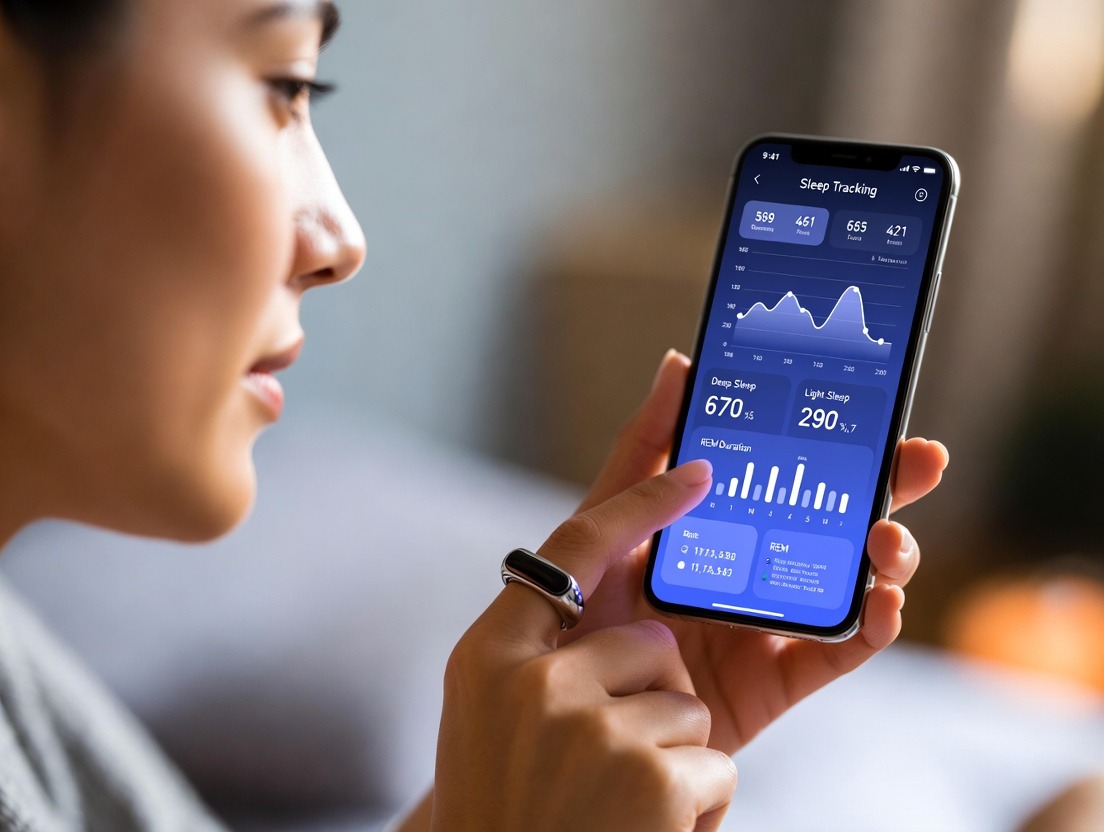
The most profound feature of a smart ring is not what it does, but what it doesn’t do. It doesn’t demand attention, buzz incessantly with notifications, or create a visible barrier between you and the world. This discretion is not a marketing afterthought; it is the foundational engineering principle that makes 24/7 monitoring not just possible, but practical and sustainable.
Unlike wrist-worn devices, a ring occupies a biomechanically and socially neutral space. Your fingers are not primary actors in sleep; they don’t toss and turn with the same vigor as your wrists. This positioning allows for vastly superior sleep tracking accuracy, as the device is less prone to motion artifacts that can misread awake periods as light sleep. During the day, the ring’s location on a finger’s arterial pathway provides a strong, consistent signal for heart rate and blood oxygen monitoring, often stronger than what can be gleaned from the wrist, especially during movement.
The psychological impact of this discreet design cannot be overstated. Compliance is the single biggest failure point in any long-term health monitoring regimen. People abandon bulky, uncomfortable, or socially awkward devices. A smart ring, however, faces no such hurdle. Once you put it on, you forget it’s there—until you need its insights. It works while you type, play an instrument, exercise, or shake hands. It’s compatible with gloves in winter and doesn’t interfere with wrist movements in sports like golf, tennis, or weightlifting.
This constant, unobtrusive wear unlocks a data stream of unparalleled consistency. Health metrics are not snapshots; they are narratives. A heart rate reading at the doctor’s office is a single sentence. A continuous heart rate trend over weeks, showing resting rates, variability, and responses to stress, exercise, and sleep, is an entire chapter of your health story. The smart ring, by virtue of its wearability, is the only device that can author this continuous narrative without plot holes.
Furthermore, the minimalist design bypasses the “tech aura” that can be socially distracting. In a meeting or at a dinner, a glance at a smartwatch screen is an obvious disengagement. Checking your health data via a ring-connected app later is a private, reflective act. This separation of data collection from data consumption is intentional and healthy, allowing you to be present in your life while your unobtrusive guardian quietly gathers the insights you can review on your own time.
For those curious about how this seamless integration is achieved from a technical standpoint, our engineering team has shared fascinating details on our story page, detailing the journey from concept to this discreet form factor. The result is a device that finally aligns with human behavior, rather than trying to change it.
When most people think of health wearables, they think of step counts and heart rate. The smart ring operates on a different, more holistic plane. It moves beyond activity logging to physiological monitoring, providing a multi-parameter view of your body’s internal state. This is where the magic of 24/7 wear truly shines, illuminating metrics that are dynamic and meaningful only when observed continuously.
Heart Rate & Heart Rate Variability (HRV): While heart rate tells you how fast your engine is running, HRV tells you how well your autonomic nervous system is managing the throttle. It’s the subtle, millisecond variation between heartbeats. A higher HRV typically indicates a more resilient, recovered, and adaptable nervous system (often linked to parasympathetic “rest-and-digest” dominance), while a lower HRV can signal stress, fatigue, or illness. A smart ring’s all-day and all-night tracking provides your true resting heart rate and a reliable, continuous HRV baseline, something impossible to capture with sporadic measurements.
Sleep Architecture & Quality: This is the crown jewel of ring-based tracking. By combining movement, heart rate, and HRV, advanced algorithms can accurately distinguish between sleep stages: light, deep, and REM (Rapid Eye Movement). Each stage serves a critical purpose—physical repair in deep sleep, memory consolidation in REM. The ring provides a detailed sleep performance score and breakdown, showing not just duration but quality. It can identify periods of restlessness, late-night disturbances, and crucially, track your sleep consistency over time, which is as important as the sleep itself.
Skin Temperature & Basal Metabolic Trends: Your peripheral body temperature follows a circadian rhythm, typically dropping at night to initiate sleep and rising in the morning. A smart ring with a precision temperature sensor can track this nightly average. More importantly, it can detect significant deviations from your personal baseline. A sustained elevation of even 0.5 to 1 degree Celsius can be one of the earliest signals of oncoming illness, physiological stress from overtraining, or even hormonal shifts. This predictive insight is a game-changer for proactive health management.
Blood Oxygen Saturation (SpO2): Monitoring oxygen levels in the blood throughout the night can provide insights into breathing regularity. While not a medical diagnosis tool, trends in nightly SpO2 can help users understand their overall respiratory wellness during sleep, offering another piece of the recovery puzzle.
Activity & Caloric Burn: Yes, it tracks movement and active calorie expenditure too, using your personal metrics (like resting heart rate) to make estimations more accurate than wrist-based devices that rely heavily on arm movement. The ring understands that a brisk walk where your heart rate elevates is different from fidgeting at your desk.
By synthesizing these core metrics, the smart ring paints a living portrait of your readiness—a composite score of how prepared your body is to take on stress, exercise, or cognitive demand. It answers the critical question: “Based on how my body has recovered, should I push hard today or prioritize restoration?” To see how users are applying these specific metrics to transform their daily routines, the real-world experiences shared on our testimonials page are incredibly illuminating.

If you spend one-third of your life sleeping, shouldn’t you have a detailed report on its quality? Sleep is the non-negotiable foundation of health, impacting everything from cognitive function and immune resilience to emotional stability and metabolic health. Yet, for most of history, it has been a black box. The smart ring, with its perfect positioning for nocturnal tracking, turns the lights on inside that box, creating nothing short of a personal sleep revolution.
Traditional sleep tracking on wrist-based devices often fails due to a problem called "contact loss." When you curl your arm under a pillow or blanket, the optical sensors on the back of the watch can lose skin contact, creating gaps in data. A ring on your finger maintains consistent contact and a strong signal all night. This results in a dramatically more accurate account of when you actually fell asleep, how many times you woke up (even briefly), and how much time you truly spent in each restorative sleep stage.
The insights gleaned are profoundly actionable:
But the revolution goes beyond staging. By correlating sleep data with heart rate variability and temperature, the ring provides a Recovery Score. This single, easy-to-understand metric each morning tells you how well your body has repaired itself. A high score after a tough workout is a green light to train again. A low score despite adequate sleep hours is a red flag, suggesting your body is fighting something—maybe stress, dehydration, or an impending cold—and needs rest.
This empowers a data-driven approach to daily decision-making. Instead of guessing if you’re tired, you have a physiological report card. It can guide your training schedule, your work intensity, and even your social calendar. You learn the precise cost of a late night or the tangible benefit of a wind-down routine. For a deeper exploration of sleep science and optimization strategies, we regularly publish updated research and tips on our blog, turning nightly data into lifelong habits.
A river of raw data is overwhelming. A curated insight is empowering. The true value of a smart ring lies not in its ability to collect millions of data points, but in its sophisticated algorithms that translate those points into understandable, actionable wisdom about your body’s unique language. This is the shift from reactive medicine to proactive, participatory wellness.
The first and most critical step is establishing your personal baseline. For the first few weeks, the ring isn’t judging you against population averages; it’s learning you. What is your normal resting heart rate? What is your typical HRV range? What is your baseline skin temperature? This personalized framework is essential because health is not a single number; it’s a dynamic range. A heart rate of 55 might be stellar for one person and a sign of concern for another.
Once your baseline is established, the ring excels at highlighting deviations and trends. This is where proactive health begins.
The ring acts as an objective biofeedback device, creating a closed loop between action and physiological reaction. You can run experiments on yourself: How does my HRV respond to 30 minutes of meditation? Does my deep sleep increase if I stop eating 3 hours before bed? Does my resting heart rate improve after a week of consistent hydration? This turns you into the lead scientist in your own health journey.
Making sense of these patterns and knowing how to respond is key. For common questions on interpreting specific metrics or understanding what certain trends might mean, our comprehensive resource at the FAQ page is an excellent place to find clear, straightforward answers. The goal is to move from wondering how you feel to knowing how your body is performing, giving you the wisdom to make smarter choices every single day.

For the dedicated athlete—whether a marathoner, a CrossFit enthusiast, a weekend warrior, or a professional—training is more than exercise; it’s a calculated stress application designed to provoke adaptation. The fine line between optimal adaptation and debilitating burnout, however, is notoriously difficult to navigate. Relying on perceived exertion alone is like flying blind. The smart ring provides the instrument panel, offering the athlete’s edge: precise, physiological data to optimize performance and systematically prevent overtraining.
The cornerstone of this approach is the balance between load and readiness. Load is the stress you apply (training intensity, volume, life stress). Readiness is your body’s capacity to absorb that stress (derived from recovery score, HRV, resting heart rate). Training effectively means applying the right load when readiness is high. Pushing hard when readiness is low is a recipe for injury, illness, and stagnation.
Here’s how the ring guides athletic precision:
This data-driven approach replaces guesswork with governance. It empowers athletes to have confident, productive rest days, knowing they are as strategic as workout days. It turns the elusive concept of "listening to your body" into a clear, data-supported conversation. For athletes looking to dive deeper into periodization based on physiological feedback, our blog features advanced guides and case studies that explore these principles in detail.
Stress is not an abstract feeling; it is a measurable, physiological state governed by the autonomic nervous system (ANS). The problem is, we often become numb to chronic stress, only recognizing it once it manifests as exhaustion, anxiety, or illness. A smart ring functions as an objective stress thermometer, providing a real-time readout of your nervous system’s activity and offering a powerful tool for managing mental wellbeing.
The primary metric here is Heart Rate Variability (HRV). Think of your ANS as having two branches: the sympathetic ("fight-or-flight") and the parasympathetic ("rest-and-digest"). High HRV indicates a flexible, responsive system where the parasympathetic branch has strong tone, allowing you to recover quickly from stress. Low HRV indicates a system under strain, often dominated by sympathetic activity, leaving you in a state of heightened alertness with diminished capacity to relax and restore.
By tracking your HRV trend throughout the day and night, the ring reveals invisible patterns:
Furthermore, the correlation between poor sleep (as tracked by the ring) and next-day HRV is stark. A night of fragmented sleep will almost invariably result in a lower recovery score and HRV, leaving you more physiologically vulnerable to stress the following day. This insight reinforces the non-negotiable importance of sleep hygiene for mental resilience.
The ring doesn’t just highlight the problem; it guides the solution. By experimenting, you can build a personalized "stress toolkit" proven to work for your unique physiology. You might discover that box breathing works better for you than listening to music, or that a midday walk resets your nervous system more effectively than a coffee. This journey towards understanding and managing your internal state is at the heart of modern wellbeing. For those interested in the philosophy behind building technology that fosters this kind of self-awareness, the vision and values detailed on our story page explain this mission-driven approach.
For individuals tracking their menstrual cycle or fertility, the quest for understanding has often involved a patchwork of methods: calendar calculations, manual temperature taking first thing in the morning (Basal Body Temperature or BBT), and interpreting physical symptoms. The smart ring seamlessly integrates into this journey, automating and enhancing cycle tracking with clinical-grade precision and effortless convenience.
The key lies in the ring’s continuous temperature sensing. To detect the subtle shift in Basal Body Temperature that signals ovulation (a rise of about 0.3 to 0.5°C), traditional methods require taking your temperature immediately upon waking, before any movement or talking. This is cumbersome and prone to error. A smart ring automatically captures your lowest, most restful temperature each night, providing a perfect proxy for BBT without you lifting a finger.
When this nightly temperature data is plotted over a cycle, a clear biphasic pattern emerges:
This objective, physiological confirmation of ovulation is invaluable, whether for natural family planning, conception efforts, or simply understanding the distinct phases of one’s cycle. It removes guesswork and provides a clear window into fertility.
Beyond fertility, this data offers profound insights into overall hormonal health. The ring’s holistic data set can reveal how the entire body responds to hormonal fluctuations:
This turns cycle awareness from a reproductive-focused task into a comprehensive tool for body literacy. It empowers individuals to align their activities, nutrition, and self-care with their internal rhythm, optimizing energy, performance, and emotional balance throughout the month. For more resources on leveraging technology for holistic women’s health and hormonal balance, our dedicated articles on the blog provide a wealth of supportive information.

In an era of one-size-fits-all health advice, the most revolutionary insight a smart ring provides is this: You are your own control group. The most valuable comparison is not you versus an average on a chart; it’s you today versus you at your best. This is the monumental power of establishing a personal, data-driven baseline through continuous monitoring.
Medical assessments often struggle with this concept. A standard blood test provides reference ranges based on large populations. Your result is flagged as "normal" or "abnormal" against that broad standard. But what if your personal, optimal "normal" sits at a different point within that range? A smart ring, over time, defines your unique, dynamic zone of health.
Consider these examples:
This continuous baseline transforms health management from reactive to predictive and preventive. It allows you to:
Establishing this baseline requires patience and consistency—exactly what the ring’s 24/7 design encourages. After a few weeks, you are no longer chasing generic health ideals; you are cultivating and protecting your own personalized state of optimized function. For a deeper look at how we designed Oxyzen to prioritize this personal baseline approach from the ground up, you can learn more about our philosophy on the about-us page.
The choice to place advanced health sensors on a ring is not an aesthetic whim; it is a deliberate biomechanical and physiological masterstroke. The finger represents a unique sweet spot that balances signal fidelity, wearability comfort, and user compliance in a way no other location on the body can match. Understanding this "why" underscores the technological brilliance behind the form factor.
1. Superior Vascular Access for Cleaner Signals:
The arteries in your finger (the digital arteries) are rich with capillary beds and sit close to the skin’s surface. This provides an excellent, high-blood-flow location for photoplethysmography (PPG) sensors—the technology that uses light to measure heart rate and blood oxygen. The signal-to-noise ratio is often stronger here than on the wrist, which can be plagued by motion noise and a more complex vascular structure. This is especially critical for accurate heart rate variability (HRV) measurement, which depends on detecting minute, millisecond changes in pulse timing.
2. Unmatched Sleep Tracking Accuracy:
As discussed, the wrist is a liability during sleep. The hand and finger, however, are relatively still. This minimizes motion artifacts that can be misinterpreted as wakefulness or light sleep. The ring’s consistent skin contact throughout the night ensures an uninterrupted data stream, making it the gold standard for consumer sleep staging outside of a clinical polysomnogram.
3. Ideal for Temperature Sensing:
The fingers are effective thermal regulators, making them sensitive indicators of core body temperature shifts. While not measuring core temperature directly, the peripheral temperature at the finger follows a reliable circadian rhythm and is highly responsive to internal changes, such as the onset of fever or the subtle rise post-ovulation.
4. The Compliance Advantage:
This is the human-factor triumph. A well-designed ring is socially neutral, comfortable for 24/7 wear, and doesn’t interfere with daily activities. You can wear it while typing, washing hands, playing sports, or sleeping without a second thought. This eliminates the single biggest point of failure in health tracking: the user forgetting or choosing not to wear the device. The ring achieves what watches and chest straps cannot: truly passive, continuous monitoring.
5. Minimalist Interaction Model:
By divorcing the data collection (on the finger) from the data consumption (on your phone), the ring promotes a healthier relationship with technology. You are not constantly prompted or distracted by a screen on your body. You engage with your health data intentionally, during a dedicated moment of reflection, rather than in a fragmented, reactive manner throughout the day.
The convergence of these factors makes the finger not just a convenient location, but the optimal one for balanced, holistic health monitoring. It is where design truly meets physiology. For technical specifications, sensor explanations, and to see how the Oxyzen ring embodies these principles, you can explore detailed information on our main site at oxyzen.ai.
The ultimate goal of health technology is not to create a dependency on gadgets, but to foster empowerment that leads to lasting behavioral change. A smart ring is not a destination; it is a compass for the long journey of lifelong health and longevity. It moves the focus from short-term fitness goals to the sustainable cultivation of daily habits that compound over decades, directly influencing healthspan—the number of years we live in good health.
This device excels at making the invisible, visible, and the intangible, tangible. It connects daily choices to immediate physiological feedback, creating a powerful reinforcement loop for positive habits:
This feedback mechanism helps build the cornerstone habits of longevity: consistent, high-quality sleep; effective stress management; regular physical activity; and metabolic awareness. By providing a mirror to your inner state, the ring cultivates a deeper sense of body literacy and self-trust. You learn to recognize the early signals of imbalance and develop the tools to correct course.
Over months and years, this continuous data creates a priceless asset: your longitudinal health record. This record can reveal age-related trends, the long-term impact of lifestyle changes, and provide a rich, objective history to inform healthcare decisions as you age. It shifts the paradigm from treating disease to preserving function, aligning perfectly with the core tenets of proactive longevity science. To read about real people who are using this technology to build lasting lifestyle changes, the inspiring stories collected on our testimonials page showcase this long-term journey.
As the smart ring category expands, potential buyers are faced with an array of options, each with different sensor suites, battery life claims, and app experiences. Choosing the right ring is an investment in your health data ecosystem. Knowing which features are essential versus merely promotional will ensure you select a device that delivers on the core promise of 24/7, actionable insight.
1. Core Sensor Suite (Non-Negotiable):
2. Battery Life & Charging:
True 24/7 monitoring requires a battery that lasts. Look for a minimum of 4-7 days on a single charge. Charging should be simple—a compact charging case or dock that doesn’t require precise alignment. The best rings charge quickly, minimizing downtime.
3. Data Accuracy & Algorithms:
The hardware is only half the story. The algorithms that interpret raw sensor data into sleep stages, recovery scores, and readiness metrics are the secret sauce. Research the company’s background in health data science. Look for rings whose algorithms are developed in conjunction with clinical research or validated against accepted medical-grade devices. Be wary of rings that simply dump raw data on you without insightful interpretation.
4. App Experience & Data Ownership:
The app is your window into your health. It should be intuitive, educational, and actionable. It must present complex data clearly, with helpful narratives and trends—not just numbers. Critically, understand the company’s data privacy policy. Your health data is sensitive. Ensure it is encrypted, that you own it, and that the company is transparent about how it is used (or not used).
5. Design, Sizing & Comfort:
This is a device you’ll never take off. It must be lightweight, ergonomically designed for long-term wear, and made from hypoallergenic, durable materials (like titanium). A simple, universal sizing process (like a free sizing kit) is essential for a perfect, comfortable fit. The ring should feel like jewelry, not a piece of tech.
6. Ecosystem & Future-Proofing:
Consider if the ring’s app integrates with other health ecosystems you use (like Apple Health, Google Fit, or Strava). Also, investigate the company’s roadmap. Do they provide regular, meaningful software updates that add new features and insights based on the existing hardware? A good ring should get smarter over time.
Making an informed choice requires research. For a detailed breakdown of how Oxyzen addresses each of these critical features, from our medical-grade sensors to our user-first data policy, we encourage you to visit the comprehensive resource at our FAQ page, where we answer these precise questions for prospective users. The right ring is a partner in your health for years to come; choosing wisely is the first step.
A device that operates as a data island is a device with limited utility. The true power of a modern smart ring is realized when it functions as a synergistic component within your broader digital life. It’s not meant to replace your smartwatch, fitness apps, or electronic health records; it’s designed to enhance them by providing a unique, continuous stream of physiological data that other devices simply cannot capture. This seamless integration is what transforms a clever gadget into an indispensable health hub.
Synergy with Smartwatches and Fitness Trackers: Think of this not as a competition, but a collaboration. Your smartwatch excels at GPS tracking, receiving notifications, and activity logging with on-wrist convenience. Your smart ring excels at sleep, recovery, and all-day physiological stress monitoring. By allowing the two devices to share data via platforms like Apple Health or Google Fit, you create a holistic health profile. Your watch knows you ran 5 miles; your ring knows how recovered you were to attempt that run and how well you slept to repair from it. This combined narrative is far richer than either could provide alone.
Empowering Broader Health and Fitness Apps: When your ring’s recovery or readiness score is shared with apps like Strava, TrainingPeaks, or MyFitnessPal, those applications can become exponentially smarter. Imagine your running app suggesting a lighter, recovery-focused run because your ring-reported readiness is low. Or your nutrition app noting that days with higher stress (indicated by low HRV) correlate with poorer food choices. The ring’s data acts as a contextual layer, making all your other health tools more personalized and reactive to your actual state.
The Central Role of Health Data Platforms: Apple Health and Google Fit are designed to be central repositories. A best-in-class smart ring will write comprehensive data to these platforms, allowing you to:
Smart Home and Lifestyle Integration (The Next Frontier): The most forward-thinking integrations are beginning to connect physiological state to your environment. Imagine a future where, upon detecting you are in deep sleep based on your ring’s data, your smart home system ensures the house remains quiet, or the thermostat adjusts to your ideal sleeping temperature. Conversely, if the ring detects you’re stressed after a long day, it could cue your smart lights to a calming hue or suggest a meditation playlist. This moves health monitoring from passive observation to active environmental optimization. The journey toward this connected wellbeing ecosystem is a core part of our story and long-term vision at Oxyzen.
The integration is ultimately about reducing friction and increasing insight. The ring works quietly in the background, enriching every other digital tool you use with the missing piece: the uninterrupted story of your body.
When a device gains intimate, 24/7 access to your physiological rhythms—your sleep patterns, your stress responses, the subtle fluctuations of your heart—the conversation must inevitably turn to privacy and security. This data is not just personal; it is profoundly private, a digital fingerprint of your inner state. Trust is not a feature; it is the absolute foundation upon which this entire category is built. Therefore, understanding how a responsible company handles your data is paramount.
The Core Principles: Anonymization, Encryption, and Ownership.
What to Scrutinize and Ask:
Choosing a smart ring is an act of trust. You are inviting a company into the most personal aspects of your life. It is a trust that must be earned through radical transparency, robust technological safeguards, and a company ethos that prioritizes user welfare over data exploitation. For a clear, detailed explanation of how we implement these principles at Oxyzen, from encryption protocols to your rights as a user, please review our comprehensive policies and commitments detailed on our about-us page.
While the consumer wellness market is the most visible application, the smart ring’s most profound impact may ultimately be felt in the fields of clinical medicine and scientific research. Its ability to collect continuous, objective, real-world data outside a lab or clinic is revolutionizing how we understand disease progression, treatment efficacy, and population health. This is the frontier where lifestyle technology begins to intersect meaningfully with medical science.
A Tool for Longitudinal Clinical Research: Traditional clinical trials rely on sporadic check-ins, subjective patient diaries, and lab tests that capture a single moment in time. A smart ring can provide a continuous, objective data stream for the entire duration of a study. Researchers can now:
The Promise of Remote Patient Monitoring (RPM): For managing chronic conditions, the ring offers a paradigm shift from reactive to proactive care. Instead of waiting for a patient to feel ill enough to schedule an appointment, physicians could be alerted to concerning trends.
Challenges and the Path Forward: It’s crucial to maintain perspective. Consumer smart rings are wellness devices, not medical devices. Their data is for informational and motivational purposes and is not intended to diagnose, treat, or cure any medical condition. The path to clinical adoption requires rigorous validation studies against gold-standard medical equipment and regulatory clearance (like FDA approval for specific use cases).
However, the potential is staggering. The ring can act as a powerful bridge, empowering patients to share objective, long-term health patterns with their providers, leading to more informed, personalized, and preventive healthcare dialogues. To see how early adopters and health-conscious individuals are already using this data to inform conversations with their wellness providers, the community experiences shared on our testimonials page can be quite revealing.
We are on the cusp of moving from descriptive and diagnostic health tracking to a truly predictive and prescriptive model. The smart ring, with its continuous, multi-parameter data set collected over years, is the perfect platform for the next revolution: the emergence of an AI-powered personal health companion. This is not about replacing doctors, but about augmenting personal awareness with intelligent, context-aware guidance.
From Trends to Predictions: Today’s rings are excellent at showing you a deviation from your baseline after it has happened (e.g., "Your temperature was elevated last night"). The next generation, powered by sophisticated machine learning, will learn the subtle, individual precursors to these events. It could analyze a combination of a slight uptick in resting heart rate, a dip in HRV, and a change in sleep motility to predict that you are 70% likely to come down with a cold in the next 36 hours. Or, it might recognize the unique physiological pattern that, for you, reliably precedes a migraine or a period of high anxiety.
The Context-Aware AI Companion: Imagine an app that doesn’t just show data, but converses with you about it.
The Long-Term Health Model: Over years, this AI could build a dynamic, living model of your health. It would understand how your metrics naturally change with age, how they respond to different life events, and what "optimal" looks like for you at every stage of life. This model could become your most valuable health asset, providing early, personalized warning signs long before standard medical tests might flag an issue.
This future hinges on the rich, continuous data that only a device like a smart ring can provide comfortably and consistently. It represents the evolution of the ring from a monitoring tool to an intelligent partner in co-authoring your health story. For explorations of these future possibilities and the ongoing research in predictive health analytics, our blog often discusses the intersection of AI and personal wellness.
With a clear understanding of the capabilities and potential of smart ring technology, the final, personal question remains: Is it the right tool for you? The answer isn't universal. While the benefits are wide-ranging, aligning the device’s strengths with your personal goals, lifestyle, and preferences is key to ensuring it becomes a valued asset, not a discarded gadget.
The Ideal Candidate for a Smart Ring:
Considerations and Potential Drawbacks:
Ultimately, the smart ring is for those who believe health is more than steps taken; it’s about how well the system is functioning, recovering, and adapting. It’s for those who want to move from guessing to knowing. If you find yourself curious about the stories of people from various walks of life who have integrated a ring into their routines, browsing the diverse experiences on our testimonials page can provide valuable real-world perspective.
Congratulations on choosing to embark on this journey of deeper self-awareness. The first month with a smart ring is a fascinating period of discovery, calibration, and habit formation. To ensure you get the most out of your investment from day one, here is a practical, step-by-step guide to navigating the initial weeks.
Phase 1: Unboxing & Setup (Days 1-3)
Phase 2: The Observation Period (Weeks 1-4)
Phase 3: Initial Insights & Correlation (End of Month 1)
Pro-Tips for Success:
This first month is about building a relationship with your data and, by extension, a more informed relationship with your body. The ring is your teacher; be a curious and patient student.
We stand at an inflection point in personal wellness. For years, the pursuit of health data has been synonymous with compromise—bulk for insights, inconvenience for awareness, and aesthetic sacrifice for functionality. The smart ring decisively breaks this paradigm, proving that the most powerful health monitor can also be the most discreet.
The benefit, as we have explored in depth, is far more profound than simple convenience. It is the benefit of continuity. It is the closing of the data gaps that have long blinded us to the true narrative of our health. By providing an unobtrusive, 24/7 window into our heart’s rhythm, our nervous system’s balance, our sleep’s architecture, and our body’s thermal story, the smart ring transforms health from a series of sporadic checkpoints into a flowing, understandable narrative.
This continuous awareness empowers us to move from being passive passengers in our bodies to active, informed pilots. We can optimize performance not by guesswork, but by physiological feedback. We can manage stress not when it becomes overwhelming, but when it first registers as a dip in HRV. We can understand our cycles, catch early signs of imbalance, and build sustainable habits rooted in personal evidence, not generic advice.
The journey with a smart ring is ultimately a journey towards greater self-literacy. It provides a language for the silent conversations our bodies are always having. It validates our intuitions with data and surprises us with insights we never perceived. It fosters a proactive, preventive mindset that aligns perfectly with the future of healthcare—a future focused on preserving wellness rather than just treating illness.
As this technology continues to evolve, integrating with AI, smart environments, and clinical research, its role as the central, intelligent hub of our personal health ecosystem will only solidify. The promise is a future where our environment supports our wellbeing seamlessly, where our devices anticipate our needs, and where we are equipped with deep, personal knowledge to live longer, healthier, and more vital lives.
It all begins with a simple, elegant choice: to wear a ring that does more than adorn, but understands, guides, and guards. It is the choice to embrace 24/7 health monitoring, finally without the bulk.
While charts, graphs, and scores provide the framework, the true value of a smart ring is measured in tangible improvements to daily living. It’s in the small, cumulative victories and the avoided pitfalls—the life upgrades that statistics can’t fully capture. Here, we move beyond the data dashboard to illustrate how this continuous awareness manifests in real-world scenarios, transforming abstract insights into concrete actions and better days.
The Jet Lag Navigator: Frequent travelers know the debilitating drag of jet lag. Instead of surrendering to days of fog, a smart ring user can leverage their temperature and HRV data to actively reset their circadian rhythm. Upon landing, they can monitor their body’s signals to determine the optimal local time for light exposure (to suppress melatonin) and for sleep (when their temperature naturally begins to dip). They can track their progress night by night, seeing objectively how quickly their sleep architecture normalizes to the new time zone, turning a guessing game into a strategic recovery protocol.
The Presentation Ready-State: Imagine having a major client presentation or a public speaking event. The morning of, instead of relying on nerves, you check your readiness score. A high score confirms your body is physiologically primed for performance—well-recovered, stress-managed. This objective data can replace anxiety with confidence. Conversely, a lower-than-expected score might prompt you to employ a 10-minute breathing exercise (validated by a visible uptick in your real-time HRV on the app) to manually downshift your nervous system before you step into the spotlight.
The Prevented Burnout: A project manager in the final, stressful weeks of a quarter sees a consistent, week-long decline in their recovery score and nightly HRV, despite sleeping 7 hours. The data is an undeniable red flag—their body is accumulating stress debt. Instead of pushing through on grit alone, they use this objective evidence to: 1) Communicate clearly with their team about needing to delegate, 2) Block out midday walks as non-negotiable, and 3) Prioritize wind-down routines. They navigate the crunch time without crashing, using the ring as an early-warning system for their limits.
The Informed Social Experiment: A user curious about the impact of alcohol on their wellbeing decides to run a personal experiment. They log a “glass of wine” tag on two different evenings. The next morning, the data tells a clear story: despite falling asleep quickly, their deep sleep was fragmented and their overnight heart rate was elevated by 10 BPM. The recovery score is markedly lower. This objective feedback, more powerful than any vague feeling of fatigue, empowers them to make more conscious choices, perhaps reserving alcohol for occasions where the next day’s performance is less critical.
The Family Health Insight: A parent notices their teenager is consistently groggy and irritable. Rather than a frustrating conversation based on perception, they could (with the teen’s buy-in) use the ring’s data as a neutral third party. The sleep report might reveal a pattern of very late sleep onset and highly irregular bedtimes on weekends, explaining the weekday drag. This creates a foundation for a collaborative discussion about sleep hygiene, grounded in shared data rather than accusation.
These scenarios illustrate the transition from knowing to doing. The ring provides the "why" behind the "what," enabling precise, effective interventions. For a continuous stream of such real-life applications, user stories, and practical wellness hacks, our blog serves as a living repository of how data transforms into daily life enhancement.
The modern professional’s currency is not just time, but energy. Time management is a logistical skill; energy management is a physiological one. For the driven professional, a smart ring shifts the focus from optimizing schedules to optimizing the human system executing them. It becomes a cockpit instrument for cognitive and emotional performance, ensuring sustainable output and preventing the all-too-common crash from chronic stress and depletion.
From 9-to-5 to Circadian Rhythm Scheduling: The ring’s data reveals your personal ultradian rhythms—the 90-120 minute cycles of focus and fatigue throughout the day, often reflected in HRV and heart rate trends. A professional can learn to recognize their natural peaks of cognitive readiness (often marked by higher, more variable HRV) and schedule their most demanding, creative work—like strategic planning, writing, or complex problem-solving—during these windows. Conversely, administrative tasks, meetings, and communication can be batched for lower-energy periods. This is biohacking for productivity.
Quantifying the Meeting Tax: We all feel drained by back-to-back video calls or contentious meetings, but now you can measure it. A professional can see the direct physiological cost: a suppressed HRV and elevated heart rate for an hour after a stressful interaction. This data makes the case for strategic buffer periods between intense engagements. It validates the need for a five-minute breathing reset or a walk around the block to clear the physiological slate, turning recovery into a non-negotiable business practice.
The Sleep-Performance Link, Proven: Ambitious professionals often sacrifice sleep, viewing it as lost productive time. The ring provides irrefutable evidence to the contrary. It shows how a night of high-quality deep sleep correlates directly with a 90%+ recovery score, sharper focus, and better emotional regulation the next day. It can reveal how even a single night of poor sleep sabotages complex decision-making abilities. This turns "get more sleep" from a health platitude into a hard-nosed performance strategy, as critical as any software or skill upgrade.
Boundary Enforcement via Data: The always-on culture blurs lines between work and recovery. The ring helps enforce boundaries objectively. If work emails past 8 PM consistently disrupt sleep onset and lower next-day readiness, the data provides a personal mandate to institute a digital sunset. It shifts the rationale from “I should stop working” to “Continuing to work is actively degrading my primary asset for tomorrow.”
Managing Business Travel & Decision Fatigue: For professionals on the road, the ring is an indispensable tool. It helps manage the compounded stress of travel, irregular hours, and rich meals. Monitoring recovery scores during a multi-city trip can guide decisions: Should I accept that dinner invitation, or would my pitch tomorrow benefit more from room service and an early night? It brings an objective, long-term perspective to short-term temptations, protecting performance when it matters most.
In essence, for the professional, the smart ring is the ultimate tool for human capital management. It ensures that the operator of the business—you—is operating at peak reliability and capacity. It replaces the boom-and-bust cycle of hustle culture with a sustainable, high-performance rhythm. To understand how a company can be built with this principle of sustainable performance at its core, the philosophy behind our story reflects this deep commitment.
For older adults and their families, the smart ring represents a paradigm shift in aging with agency and independence. It moves the focus from emergency response to proactive wellness preservation and early anomaly detection. Its discreet, comfortable form factor is particularly well-suited for this demographic, who may reject clunky medical alert pendants or complicated smartwatches but will comfortably wear a simple ring.
Continuous Vital Sign Trending for Proactive Care: Subtle changes in baseline physiology can be early indicators of emerging health issues. A smart ring can track gradual trends in resting heart rate, heart rate variability, and sleep patterns over months. A sustained, unexplained increase in resting heart rate or a decline in sleep quality could be shared with a geriatrician during a regular check-up, providing objective data that supports earlier investigation into potential causes like medication side effects, atrial fibrillation, or the early stages of heart failure.
The Fall Detection & Activity Monitor: While not its primary function, the ring’s accelerometer can detect sudden, dramatic changes in movement suggestive of a fall. More importantly, it serves as a passive activity monitor. Family members (with explicit consent and setup) can receive gentle peace-of-mind alerts if a loved one’s daily movement patterns drop to zero for an unusual length of time, or if their sleep becomes highly irregular. This is far less intrusive than constant check-in calls, yet provides a valuable safety net.
Sleep Disorder Screening: Sleep apnea and other sleep disorders become more prevalent with age and are severely underdiagnosed. While a ring is not a diagnostic tool for sleep apnea, it can screen for strong indicators: significant nightly fluctuations in blood oxygen (SpO2), consistent restlessness, and elevated nighttime heart rates. This data can empower an individual to confidently seek a formal sleep study, leading to treatment that dramatically improves cardiovascular health, cognitive function, and daytime energy.
Medication & Intervention Feedback Loop: For an older adult managing a chronic condition, the ring can provide feedback on how their body is responding to a new medication, a dietary change, or a physical therapy regimen. Does the new blood pressure medication improve their nighttime HRV? Does gentle daily walking improve their sleep efficiency? This turns patienthood from a passive experience into an engaged partnership with their healthcare provider.
Cognitive Health Correlations: Emerging research is exploring links between sleep architecture (specifically the loss of deep and REM sleep) and cognitive decline. While causal conclusions are complex, having a longitudinal record of sleep quality can be a valuable piece of the puzzle for individuals and families concerned with maintaining brain health, encouraging a focus on sleep hygiene as a protective factor.
The value here is profound: dignity through data. It allows older adults to maintain independence longer by giving them and their support network insightful, objective information about their wellbeing, facilitating earlier, more informed conversations with healthcare professionals. It transforms aging from a process managed by crises to one guided by continuous, gentle awareness. For families researching options to support a loved one’s independence, our FAQ addresses common questions about setup, data sharing permissions, and privacy in such scenarios.
A smart ring is a significant investment in your health journey. Unlike a phone that might be upgraded every few years, the ideal health sensor should be a durable, long-term companion. Therefore, evaluating the physical and technological longevity of a smart ring is as important as assessing its feature set. You’re not just buying a product for today; you’re choosing a platform for years of insights.
Physical Build: Materials and Craftsmanship:
Technological Longevity: Future-Proofing Through Software:
The Sustainability Angle: Choosing a well-made, durable ring is also an environmentally conscious decision. It resists the cycle of planned obsolescence. A ring that lasts 4-5 years represents far less electronic waste than a series of cheaper, less durable devices. Investing in quality is an investment in both your personal health and planetary health.
When considering a purchase, look beyond the spec sheet. Look for reviews discussing long-term wear and tear, and gauge the company’s communication about its vision for supporting devices over time. A ring should be a faithful companion on your health journey, not a transient piece of tech. The commitment to building a durable, lasting product is a reflection of a brand’s values, something we detail transparently on our about-us page.
In a world awash with quantification, a critical paradox emerges: the very tool designed to reduce stress about health can, for some, become a source of it. This phenomenon, sometimes called “data anxiety” or “self-quantification stress,” is a real consideration. The smart ring, with its constant stream of feedback, necessitates a mindful approach. The goal is to use data as a gentle guide, not a harsh judge; to cultivate balance, not obsession.
Recognizing the Signs of Data Anxiety:
Strategies for Mindful Monitoring:
The smart ring is most powerful when it serves self-compassion, not self-criticism. It should help you understand your limits so you can respect them, not bully you into ignoring them. It’s a tool for deepening the mind-body connection, not replacing it. For further reading on cultivating a healthy relationship with health technology and avoiding burnout from optimization, our blog features articles dedicated to mindful tech use and sustainable wellness practices.
We have journeyed through the multifaceted world of the smart ring, from its discreet engineering to its profound implications for sleep, performance, stress, and longevity. The through-line is clear: the era of choosing between awareness and aesthetics, between data and discretion, is over. The smart ring has definitively solved this dilemma, offering 24/7 health monitoring liberated from the bulk, complexity, and social friction of prior generations of technology.
This is more than a product category; it is a philosophical shift in personal wellness. It represents a move from episodic, reactive health checking to continuous, participatory health living. It democratizes access to deep physiological insights that were once the sole domain of elite athletes or clinical studies, placing them on the finger of anyone seeking a more informed, intentional life.
The benefits cascade from the core advantage of wearability:
As we look ahead, the smart ring will inevitably become smarter. It will evolve from a monitor to an AI health companion, capable of predictive nudges and deeply personalized guidance. It will integrate seamlessly not just with our phones, but with our homes, vehicles, and workplaces, creating environments that actively support our wellbeing.
The invitation is now open. To move from understanding this technology to experiencing it. To transform the narrative of your health from guesswork to knowledge, from uncertainty to confidence. The tool is here, elegantly designed, profoundly capable, and waiting to begin its quiet work as your personal, unobtrusive guardian.
Your Trusted Sleep Advocate: Sleep Foundation — https://www.sleepfoundation.org
Discover a digital archive of scholarly articles: NIH — https://www.ncbi.nlm.nih.gov/
39 million citations for biomedical literature :PubMed — https://pubmed.ncbi.nlm.nih.gov/
Experts at Harvard Health Publishing covering a variety of health topics — https://www.health.harvard.edu/blog/
Every life deserves world class care :Cleveland Clinic - https://my.clevelandclinic.org/health
Wearable technology and the future of predictive health monitoring :MIT Technology Review — https://www.technologyreview.com/
Dedicated to the well-being of all people and guided by science :World Health Organization — https://www.who.int/news-room/
Psychological science and knowledge to benefit society and improve lives. :APA — https://www.apa.org/monitor/
Cutting-edge insights on human longevity and peak performance:
Lifespan Research — https://www.lifespan.io/
Global authority on exercise physiology, sports performance, and human recovery:
American College of Sports Medicine — https://www.acsm.org/
Neuroscience-driven guidance for better focus, sleep, and mental clarity:
Stanford Human Performance Lab — https://humanperformance.stanford.edu/
Evidence-based psychology and mind–body wellness resources:
Mayo Clinic — https://www.mayoclinic.org/healthy-lifestyle/
Data-backed research on emotional wellbeing, stress biology, and resilience:
American Institute of Stress — https://www.stress.org/


